Article

Research on Wireless Power Transfer Method for Intelligent Sensing Device of Non-Directly Buried Distribution Cables

1
Institute of Electrical Engineering, Chinese Academy of Sciences, Beijing 100190, China
2
University of Chinese Academy of Sciences, Beijing 100049, China
3
State Grid Henan Electric Power Research Institute, Zhengzhou 450052, China
*
Author to whom correspondence should be addressed.
Electronics 2024, 13(8), 1411; https://doi.org/10.3390/electronics13081411

Submission received: 20 February 2024 / Revised: 29 March 2024 / Accepted: 29 March 2024 / Published: 9 April 2024
(This article belongs to the Special Issue Wireless Power Transfer Technology and Its Applications)

Abstract

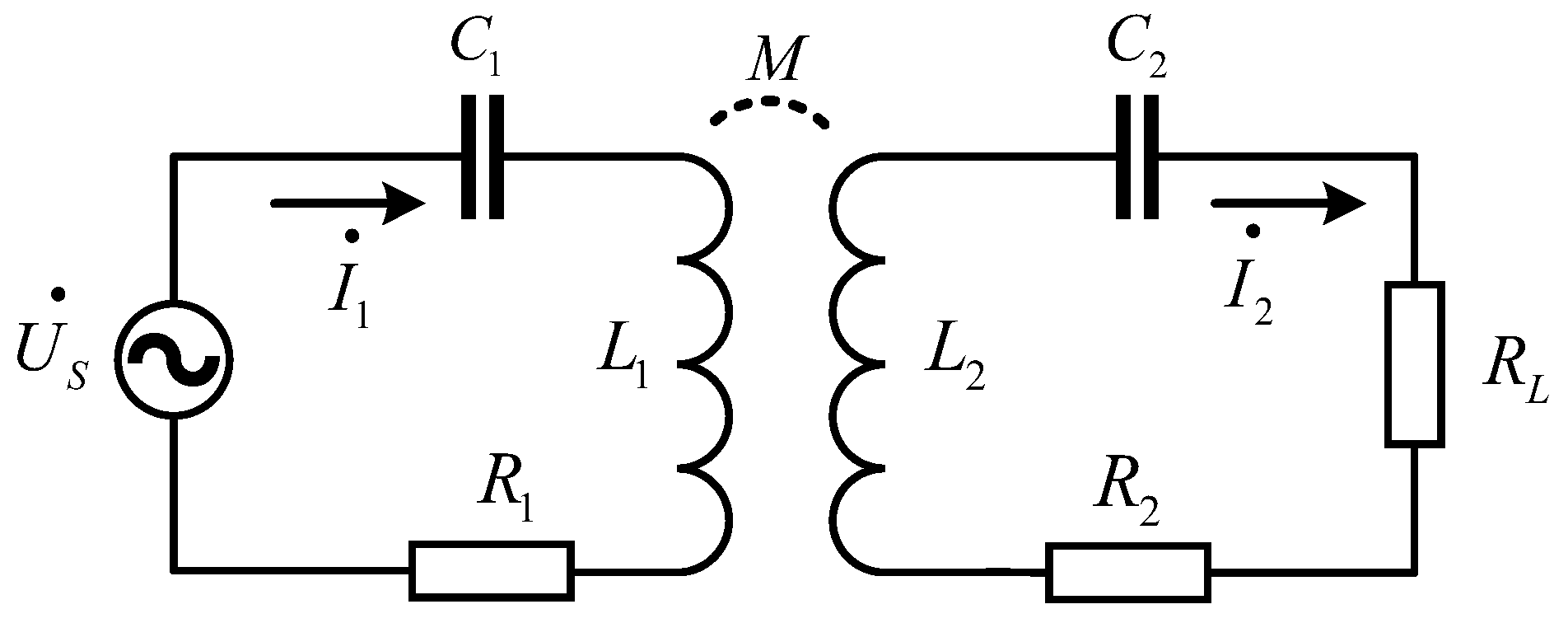
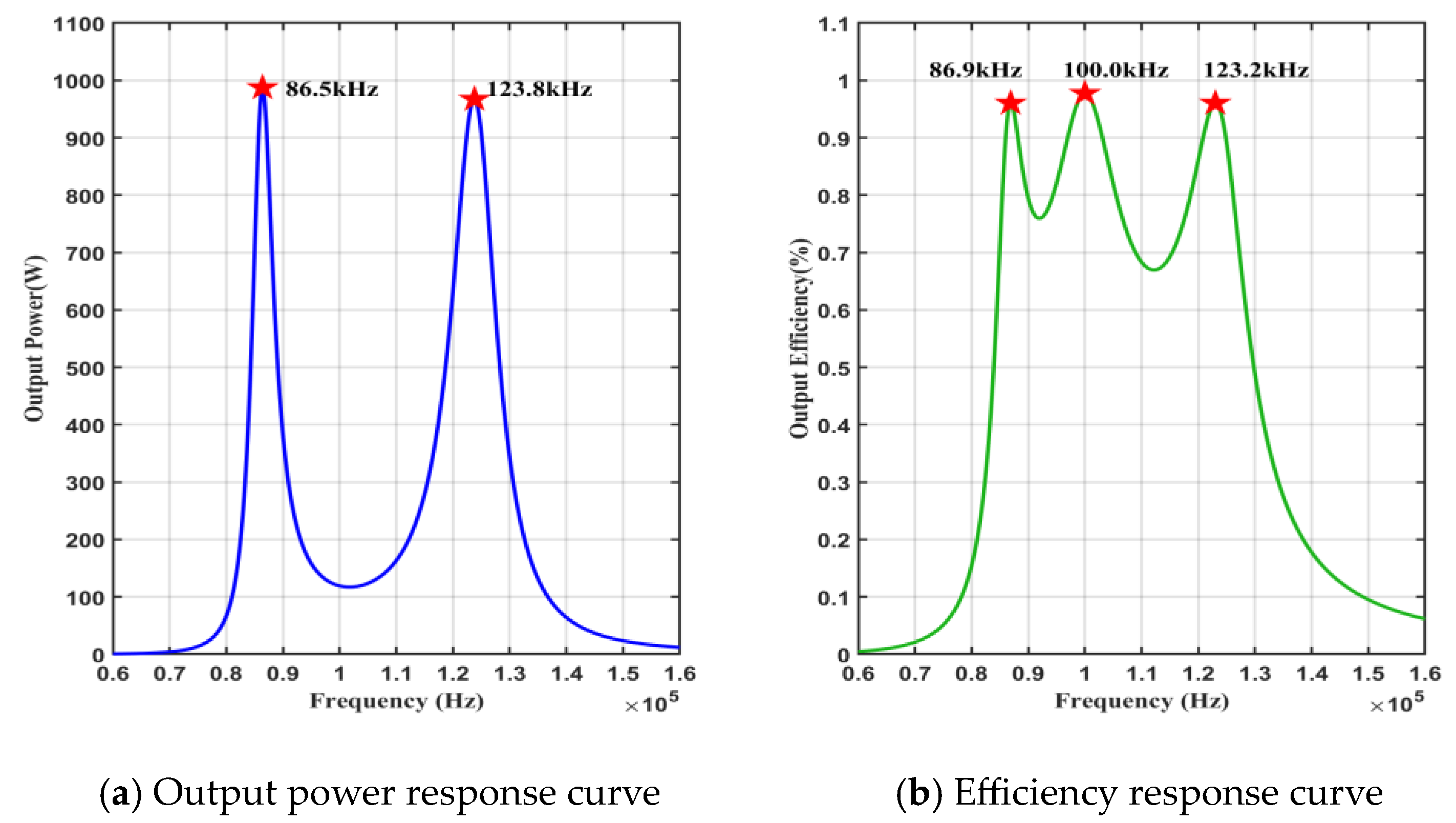
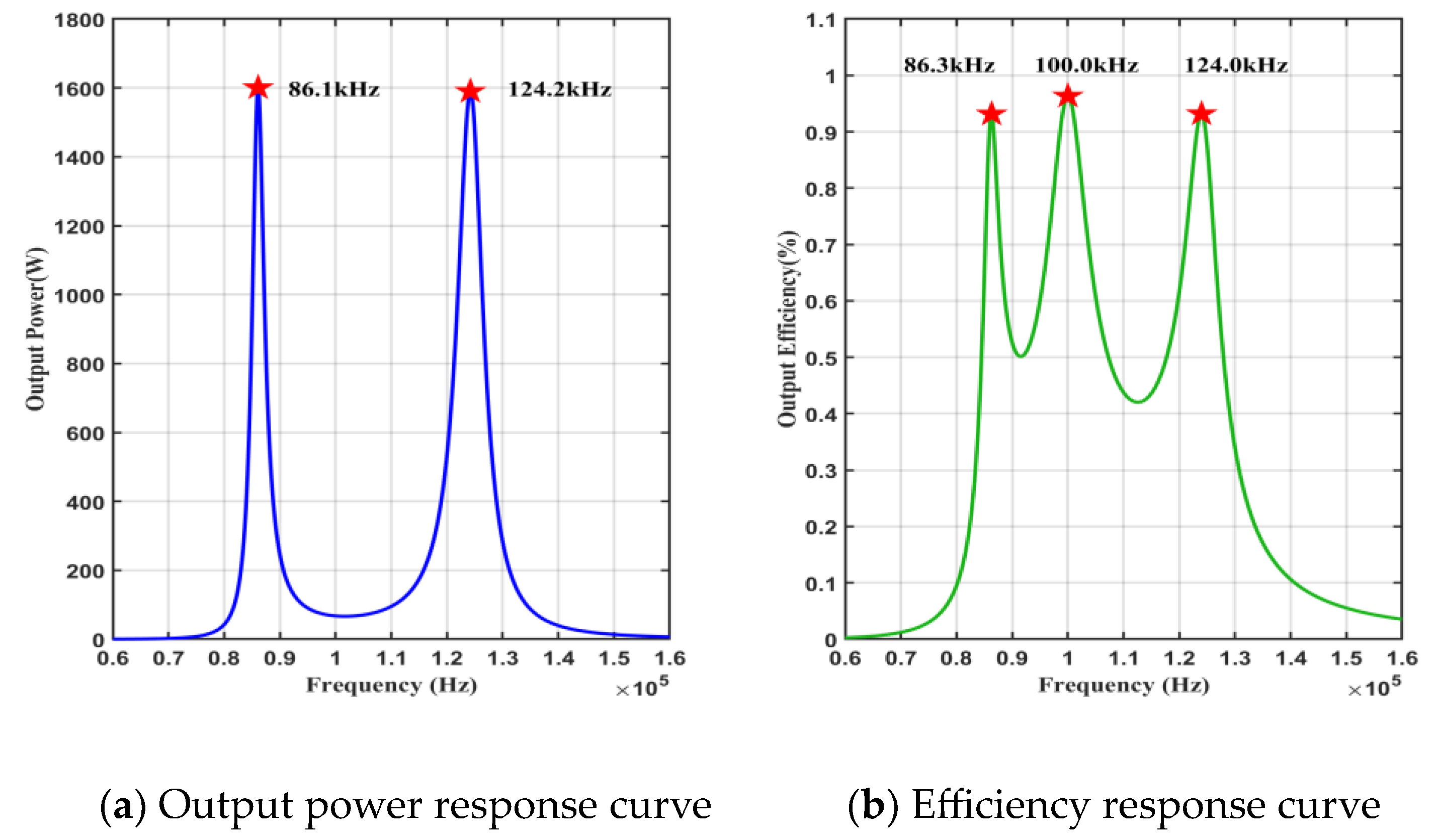
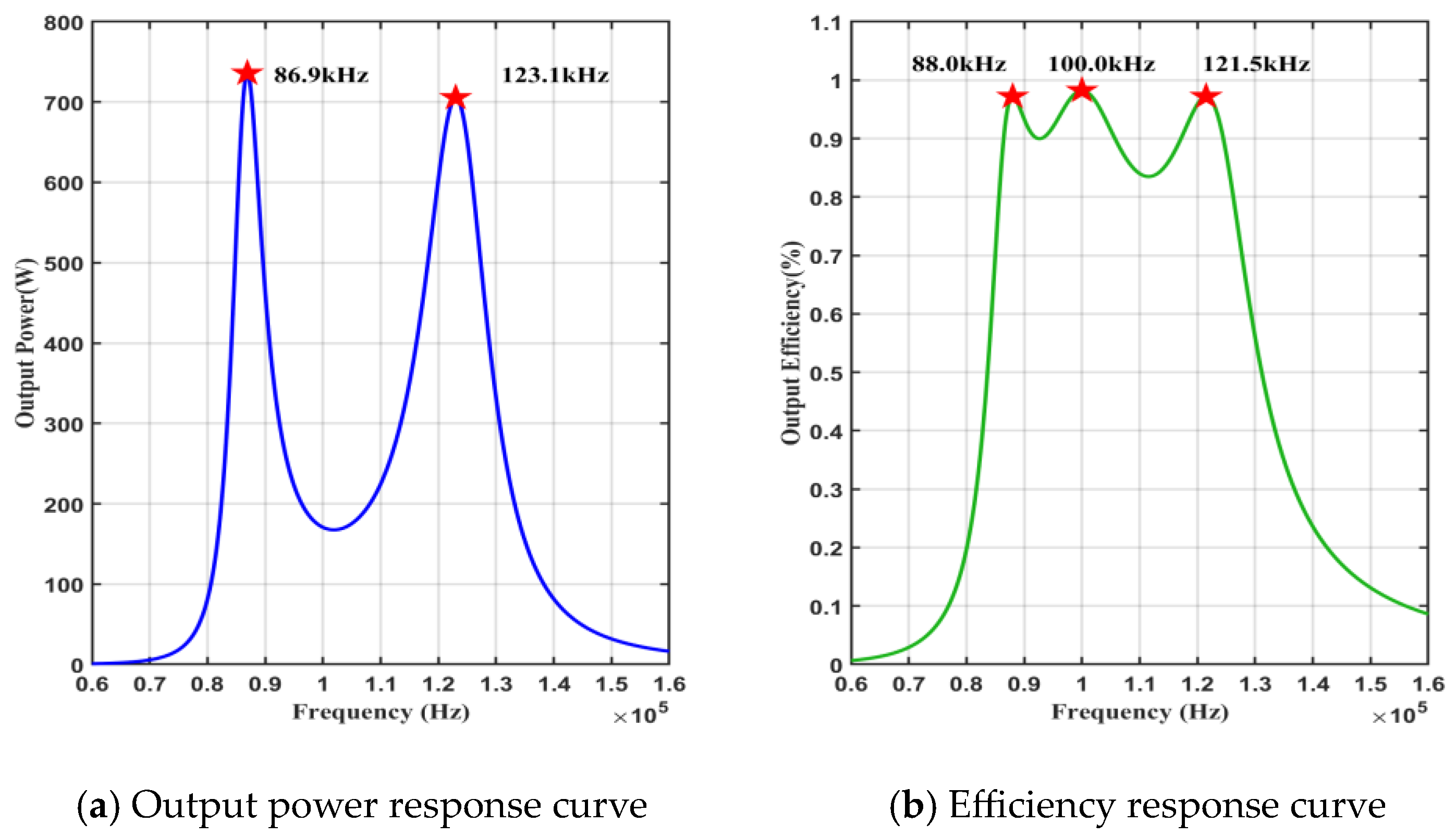
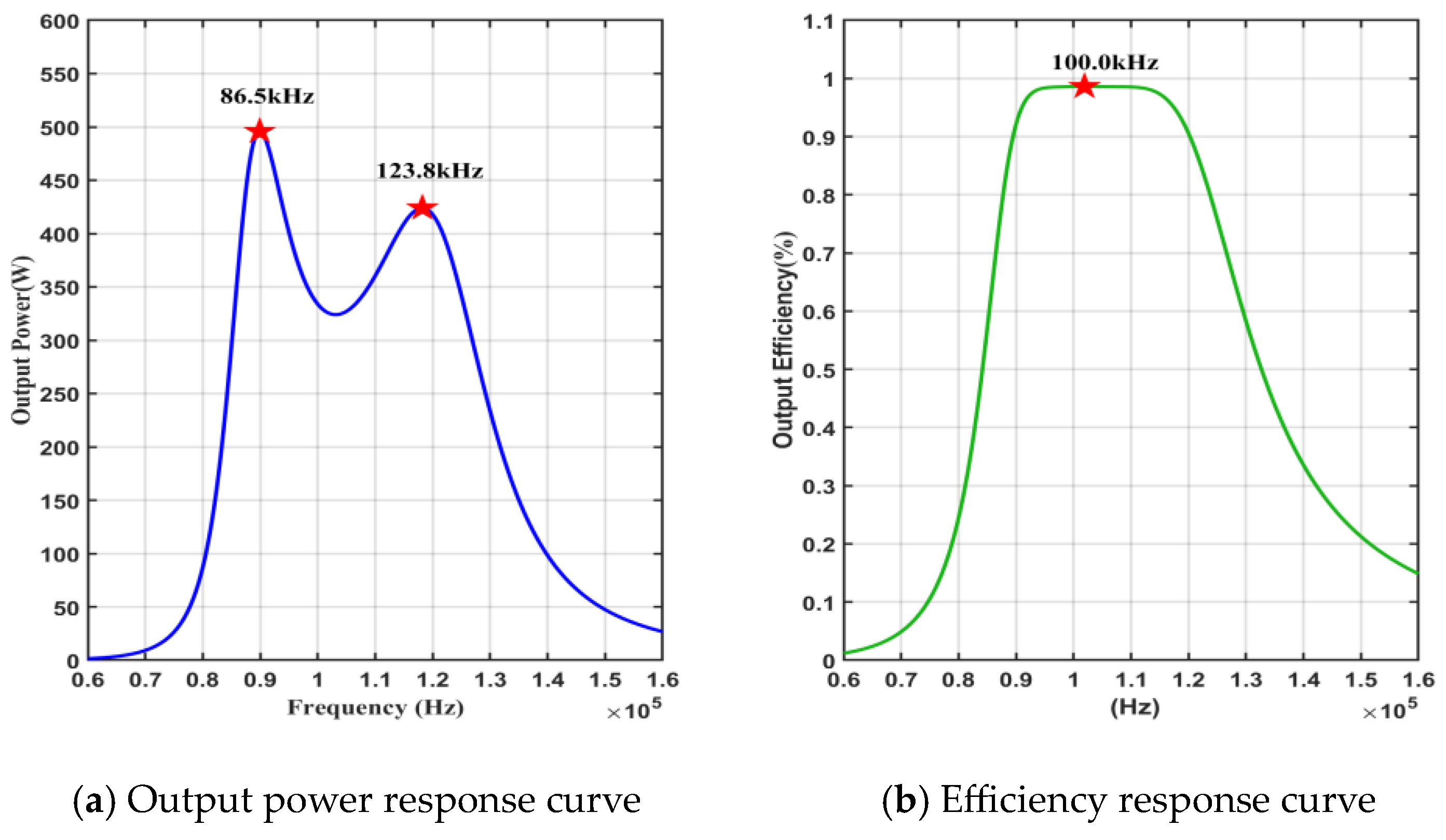
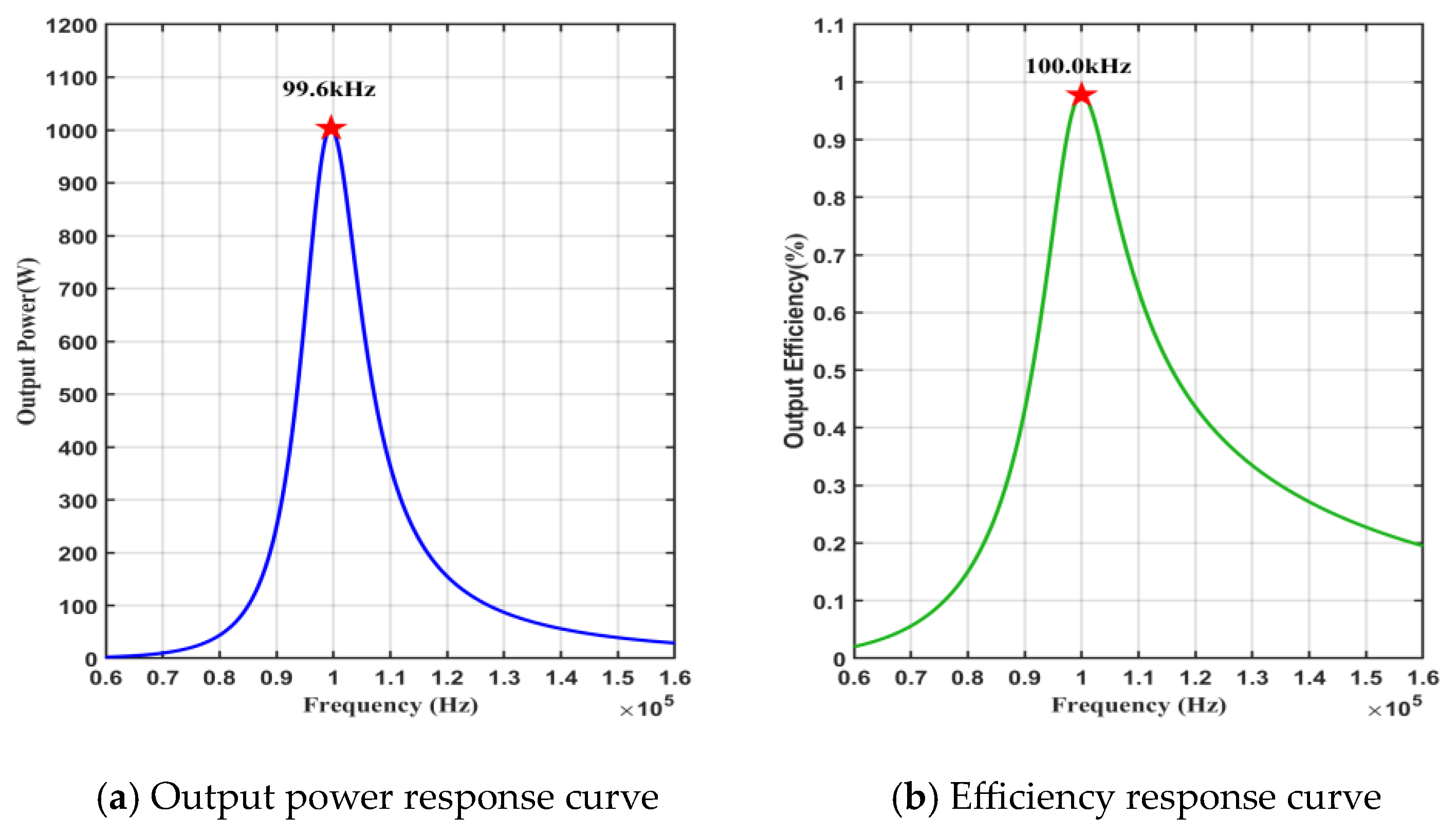
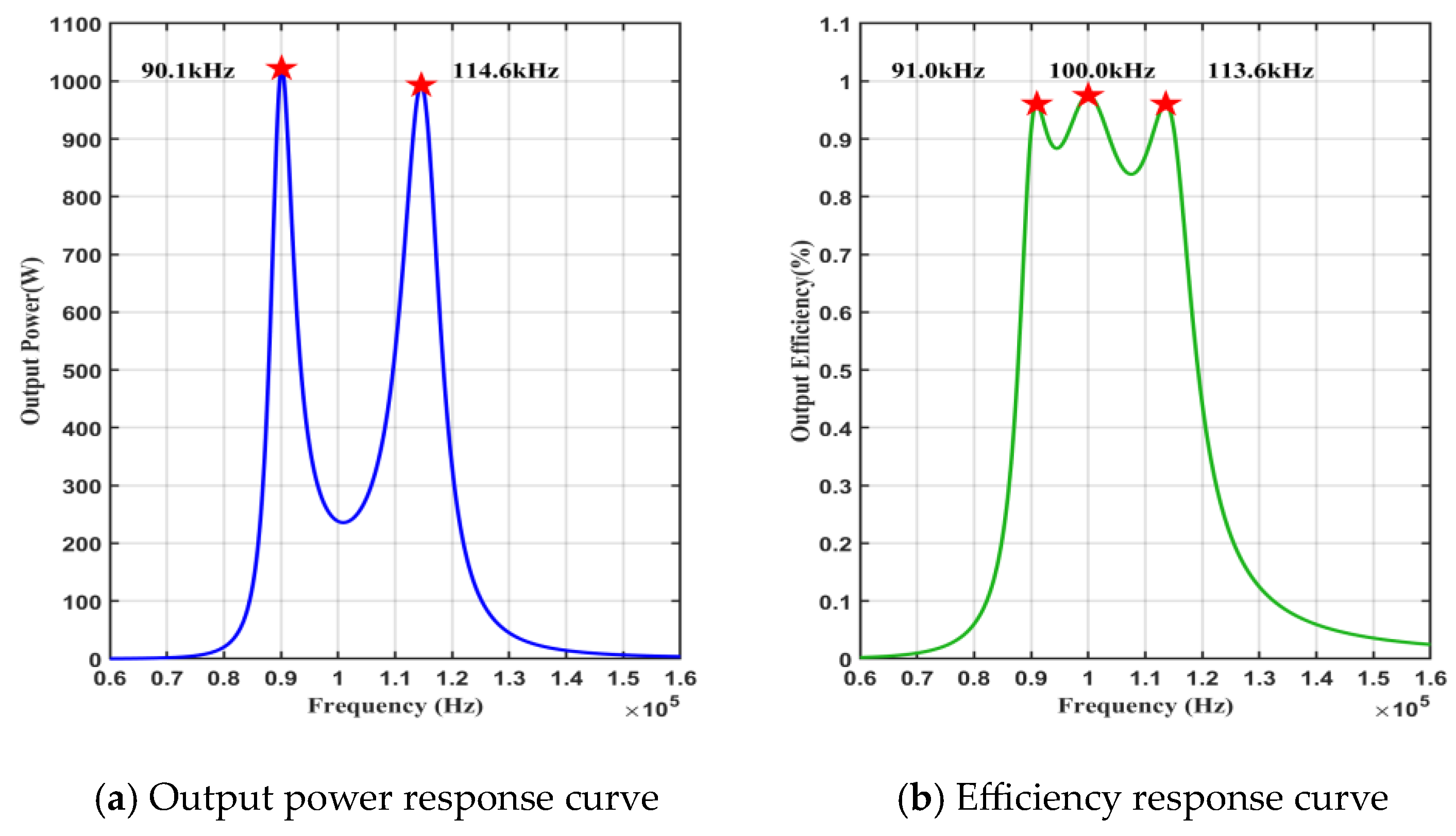
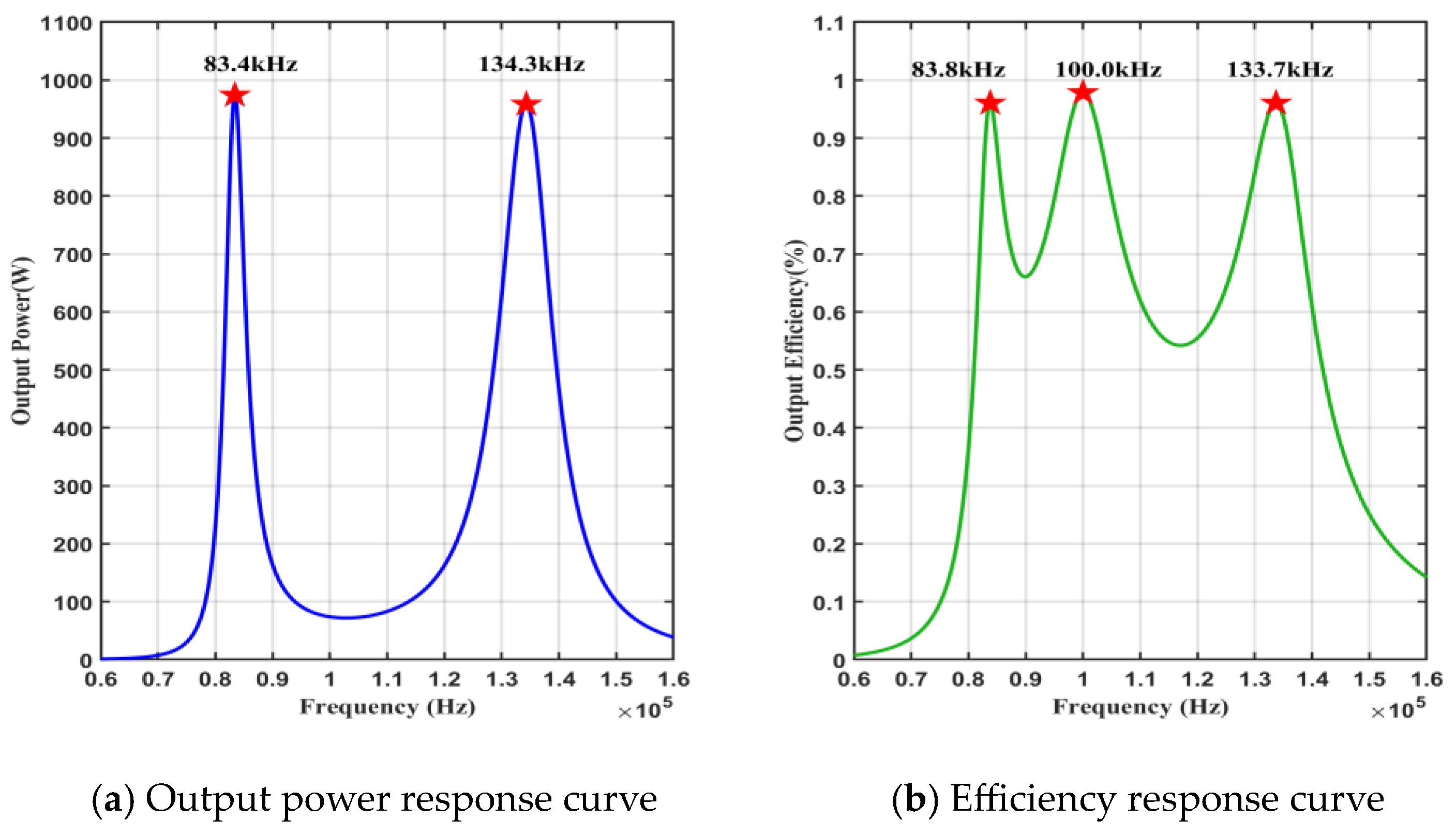
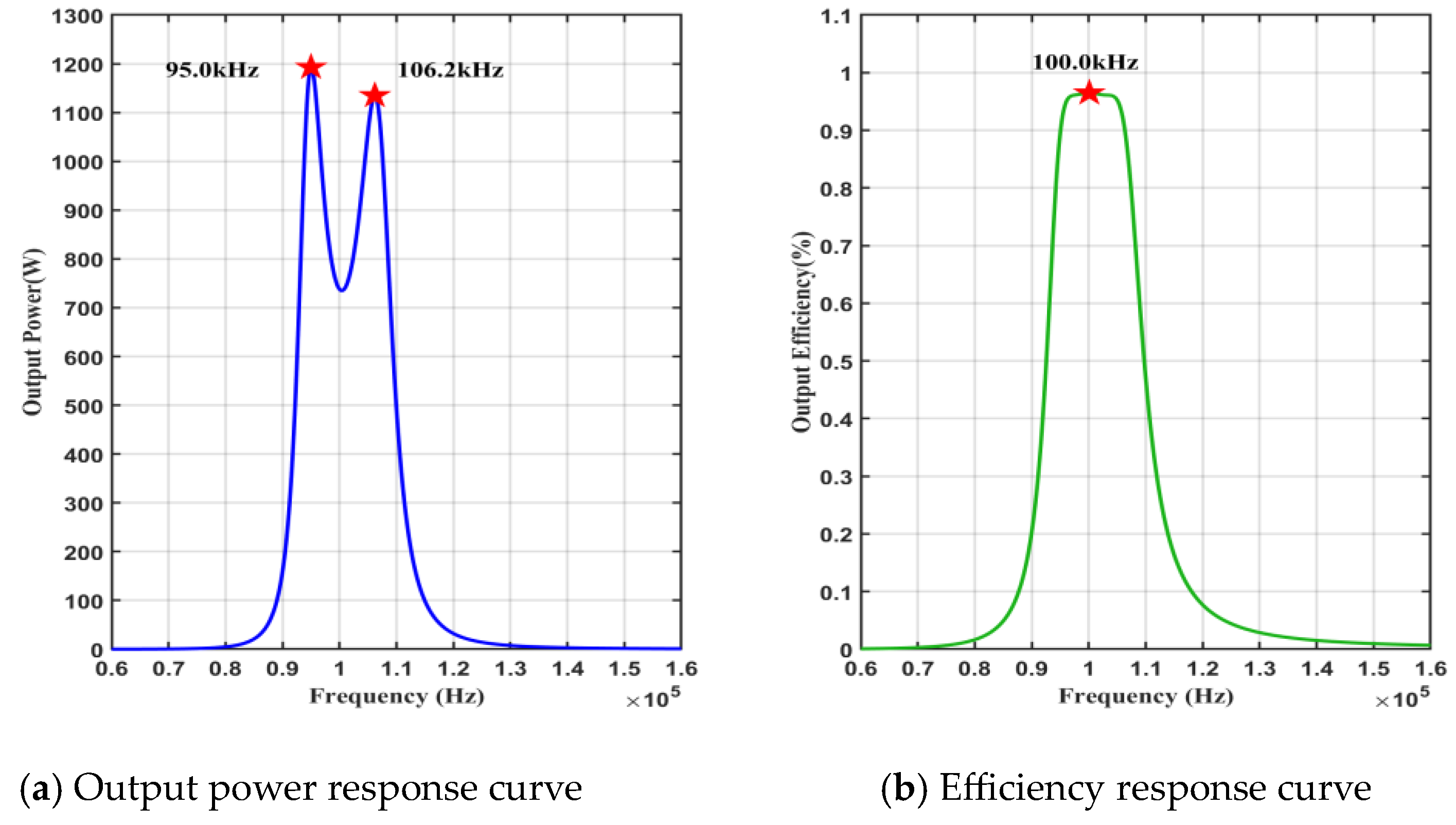
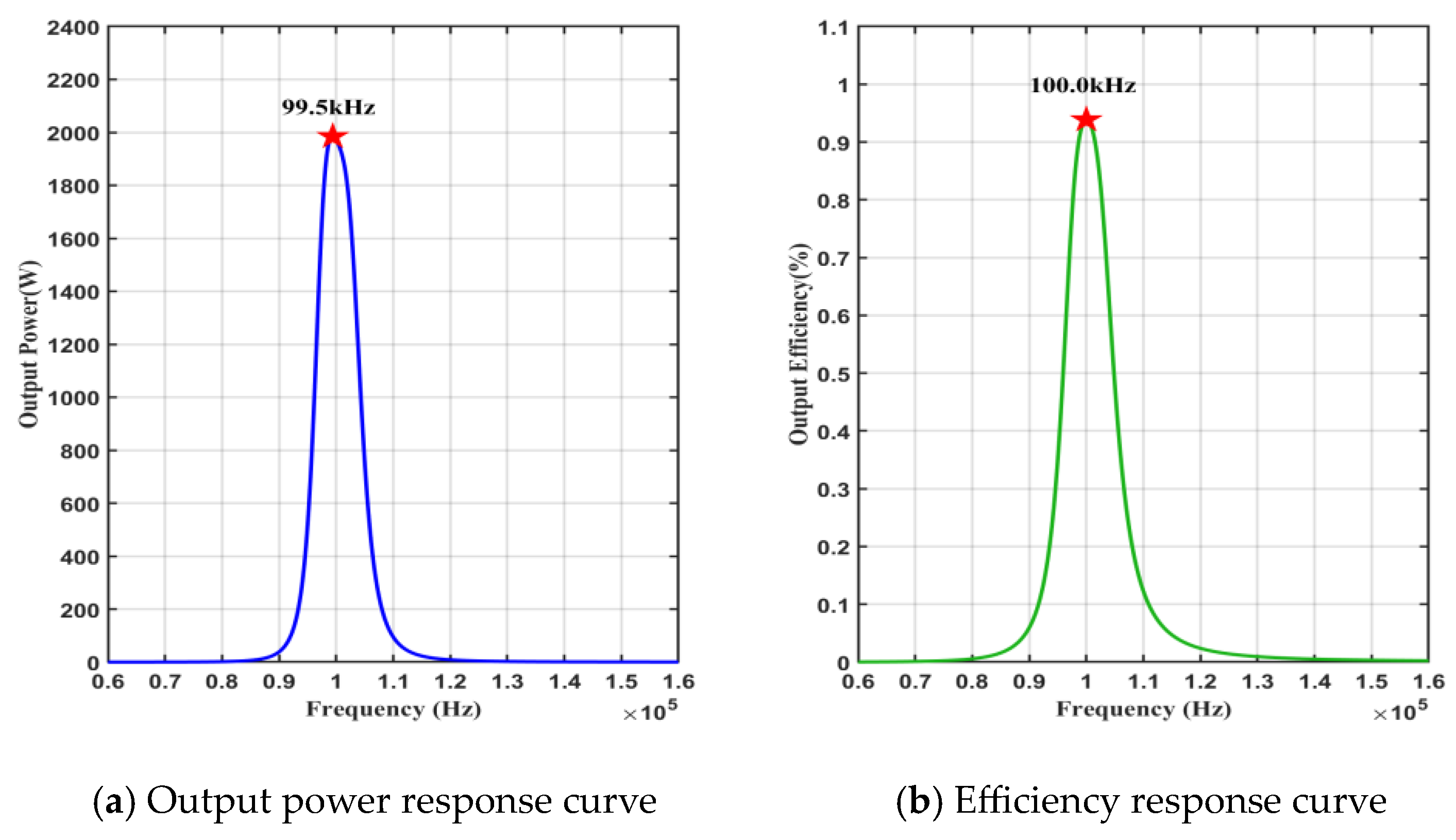
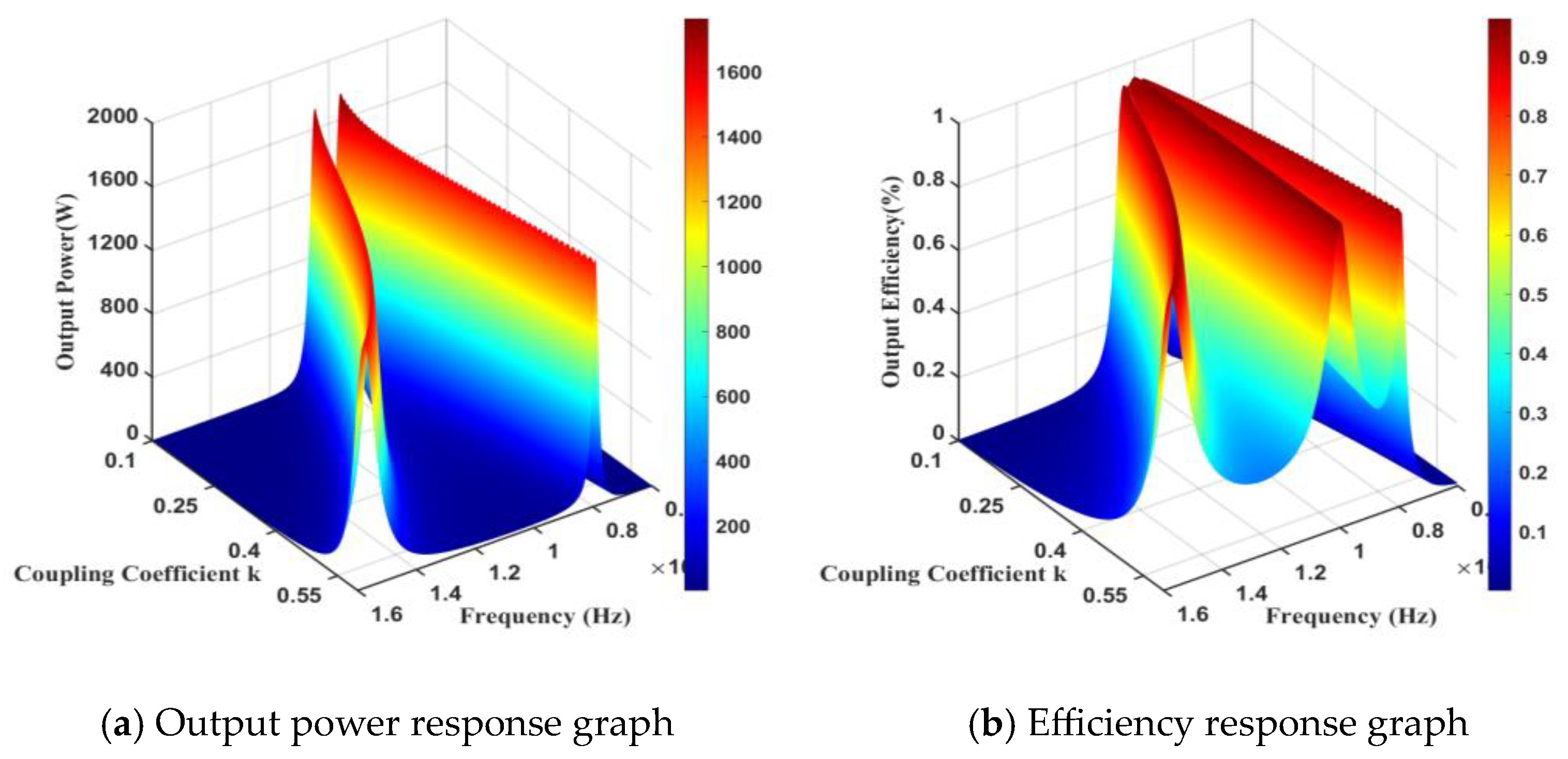
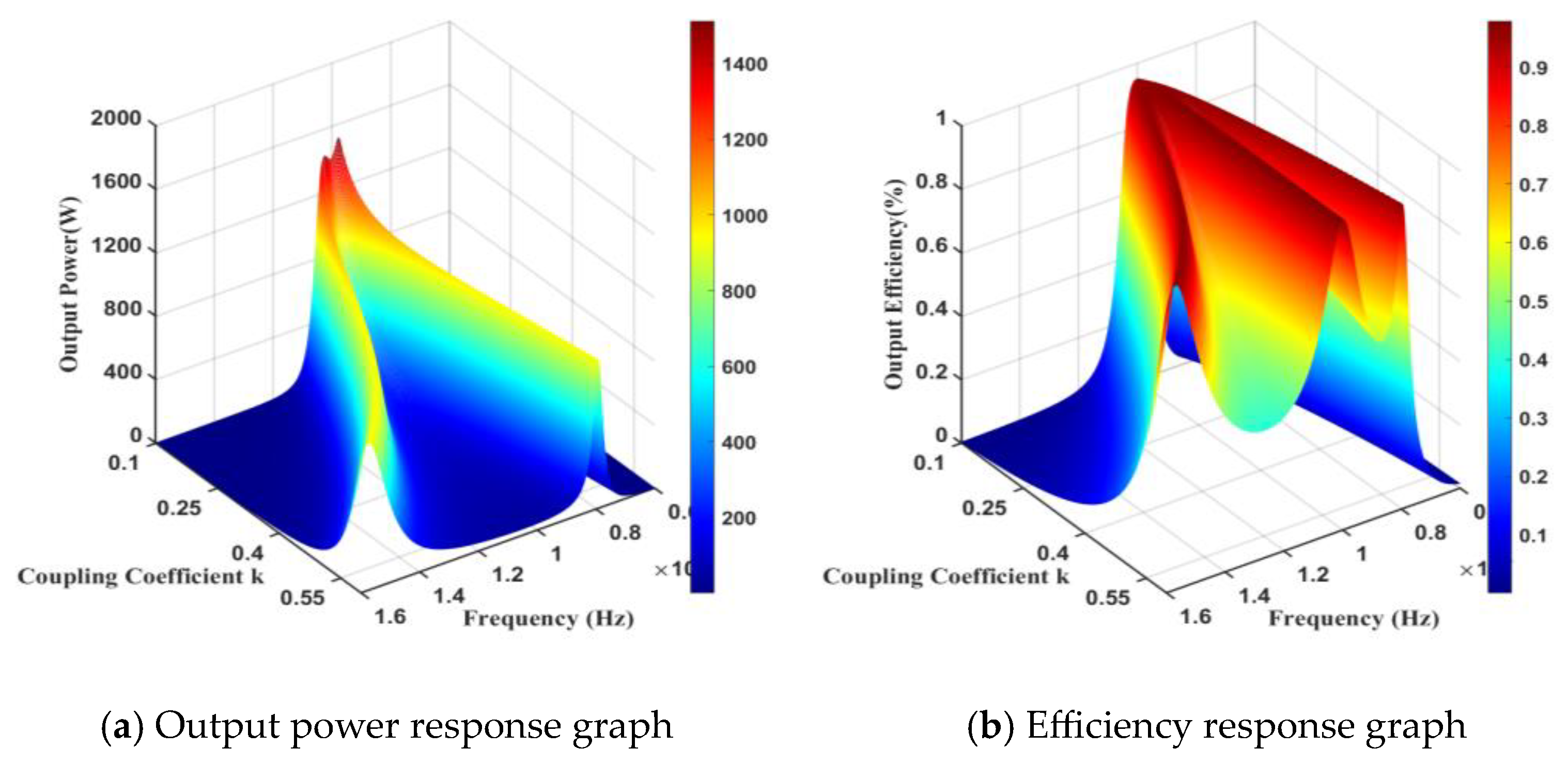
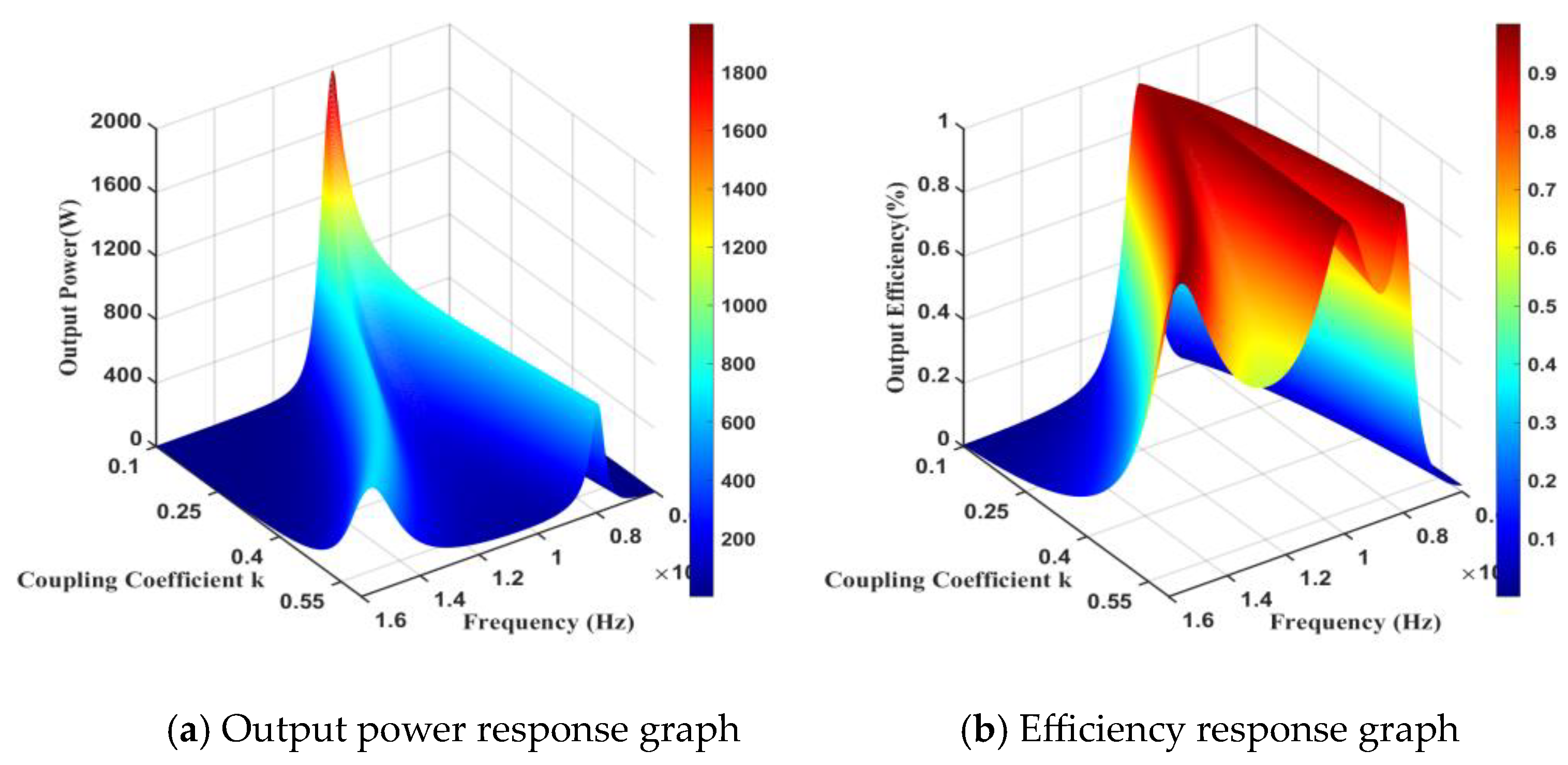
This paper presents a study on the impact of circuit parameters on the transmission of electrical energy in wireless power transfer systems designed for intelligent sensing devices within the urban electric power Internet of Things (IoT). Relying on the essential principles of resonant mutual inductance models, the paper conducts an analytical investigation into the phenomena of power-frequency splitting characteristics, efficiency-frequency splitting characteristics, and efficacy synchronization characteristics within wireless energy transmission technologies. The investigation includes a detailed analysis of a wireless power transfer system model operating at 100 kHz, delineating how varying circuit parameters influence the system’s efficiency. Via the utilization of graphical software and computational programming for simulation modeling, this research delved into the dynamics between key parameters such as equivalent load and coupling coefficient and their influence on distinct splitting phenomena. This rigorous approach substantiated the validity of the proposed power-frequency and efficiency-frequency splitting characteristics outlined in the study. Based on the analytical results, it is shown that selecting an appropriate equivalent load or utilizing impedance matching networks to adjust the equivalent load to a suitable size is crucial in consideration of the system’s output power, voltage withstand level, and transmission efficiency. The research findings provide a theoretical basis for the design of wireless power supply systems for non-directly buried cable front-end sensing devices.
Keywords: WPT; IOT; resonance; power-frequency splitting characteristic; efficiency-frequency splitting characteristic WPT; IOT; resonance; power-frequency splitting characteristic; efficiency-frequency splitting characteristic