Article

Multivariate Time Series Feature Extraction and Clustering Framework for Multi-Function Radar Work Mode Recognition

1
School of Information and Electronics, Beijing Institute of Technology, Beijing 100081, China
2
School of Cyberspace Science and Technology, Beijing Institute of Technology, Beijing 100081, China
3
Laboratory of Electromagnetic Space Cognition and Intelligent Control, Beijing 100191, China
*
Author to whom correspondence should be addressed.
Electronics 2024, 13(8), 1412; https://doi.org/10.3390/electronics13081412

Submission received: 17 February 2024 / Revised: 31 March 2024 / Accepted: 2 April 2024 / Published: 9 April 2024
(This article belongs to the Special Issue Radar Signal Processing Technology)

Abstract

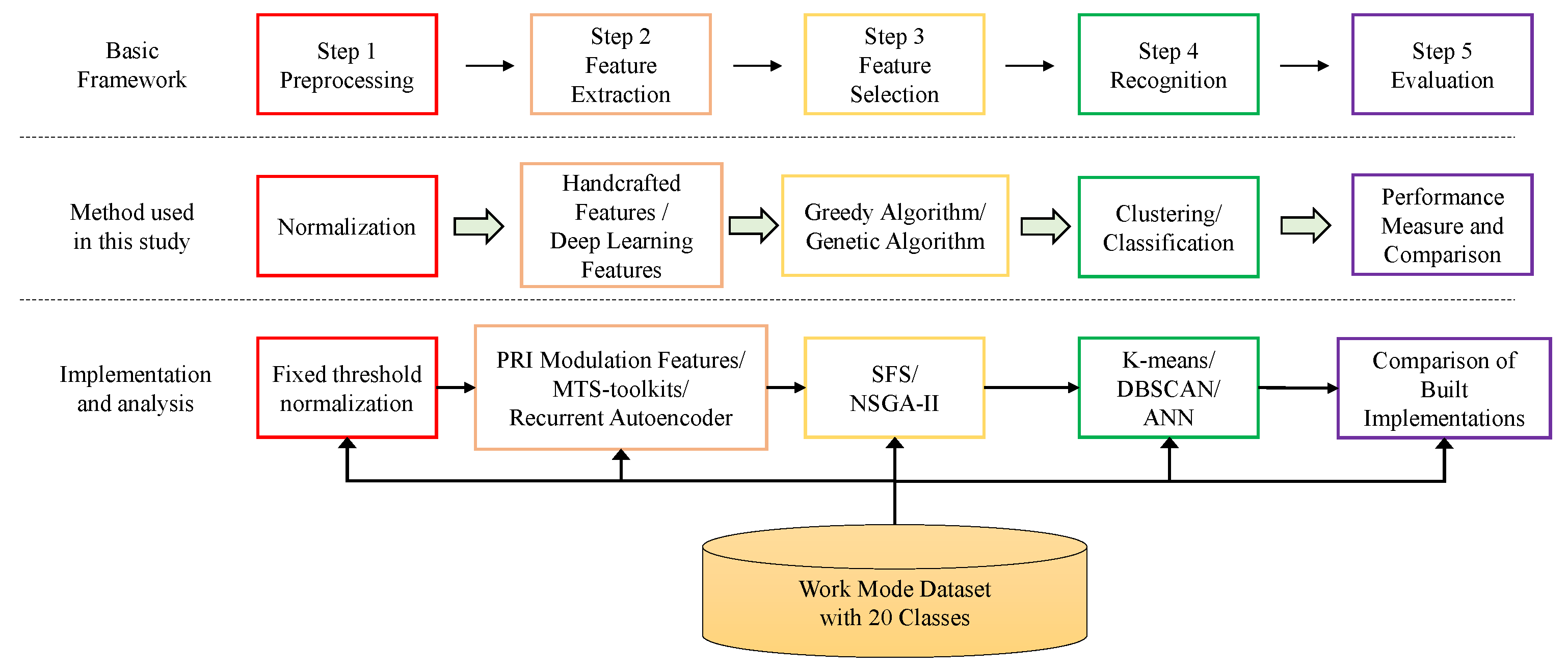
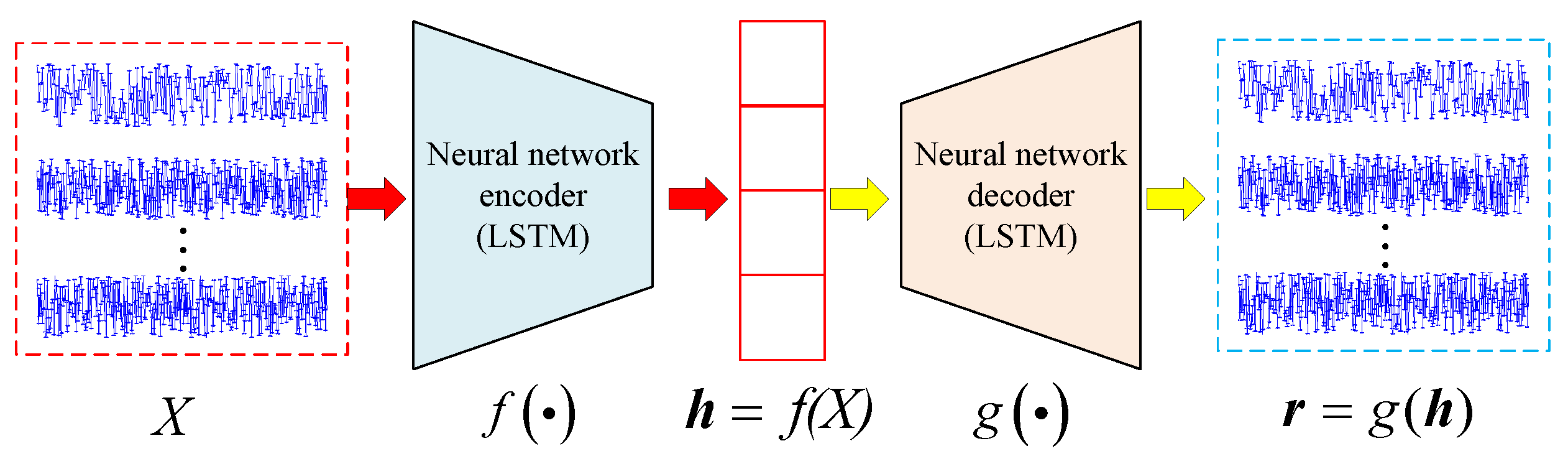
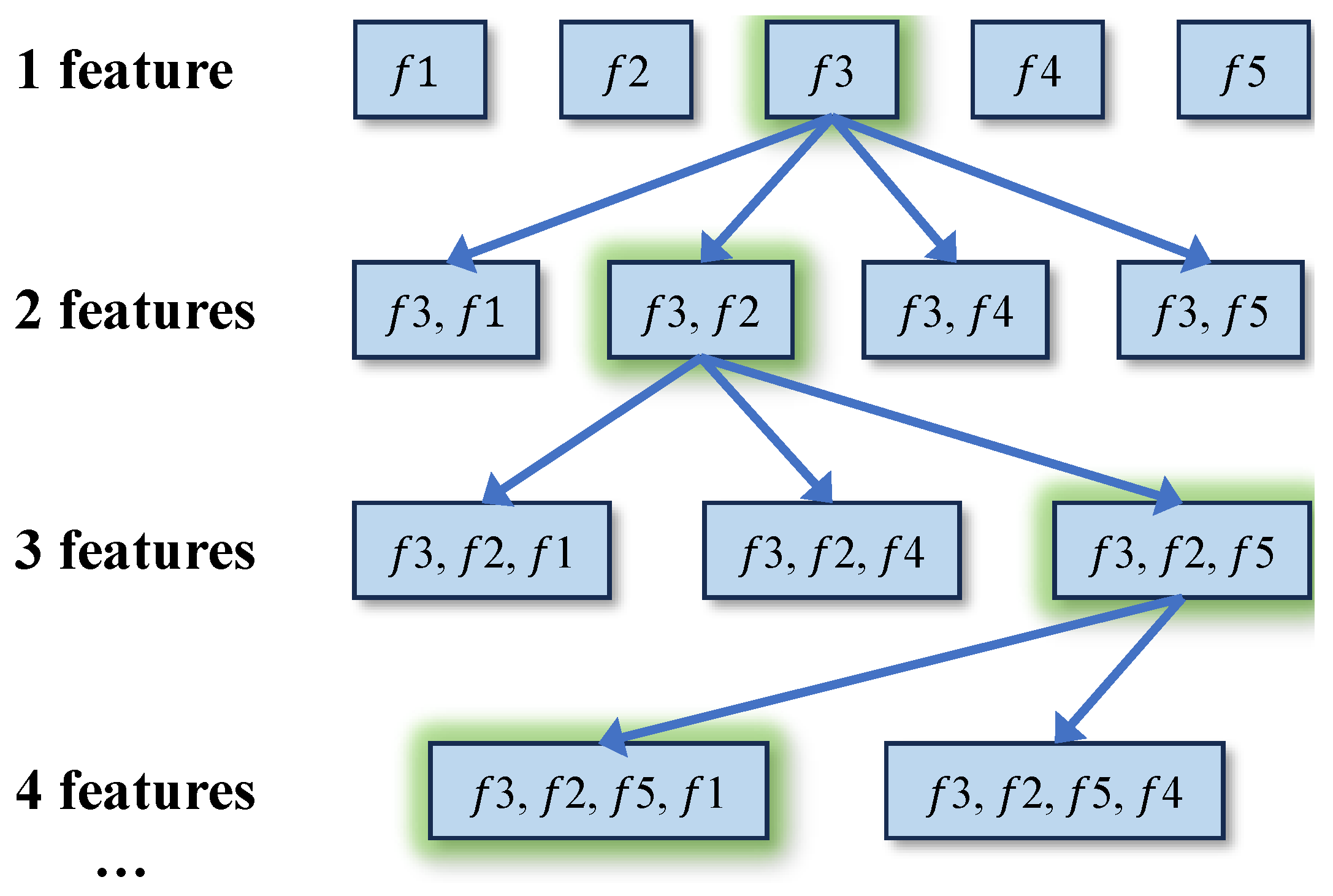
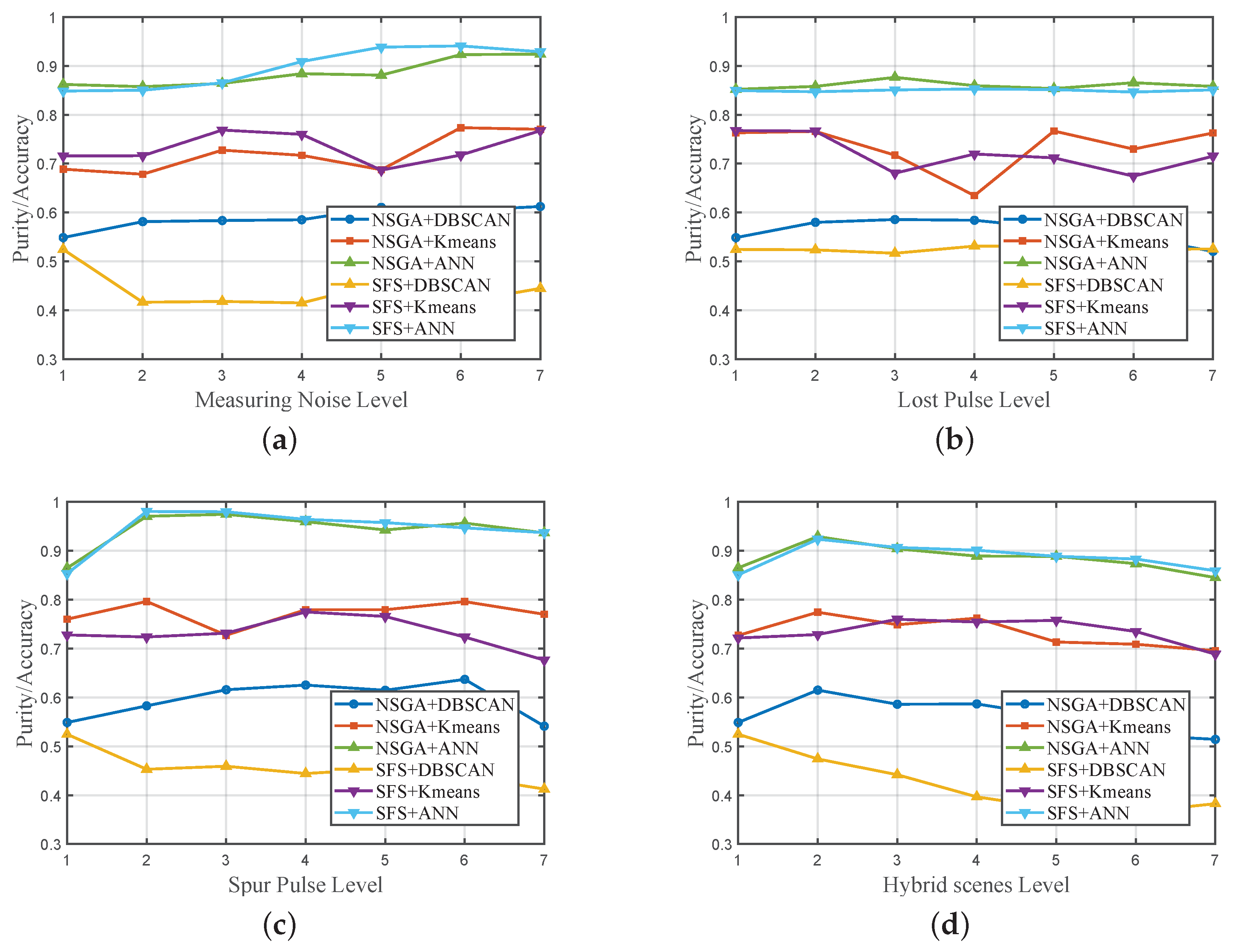
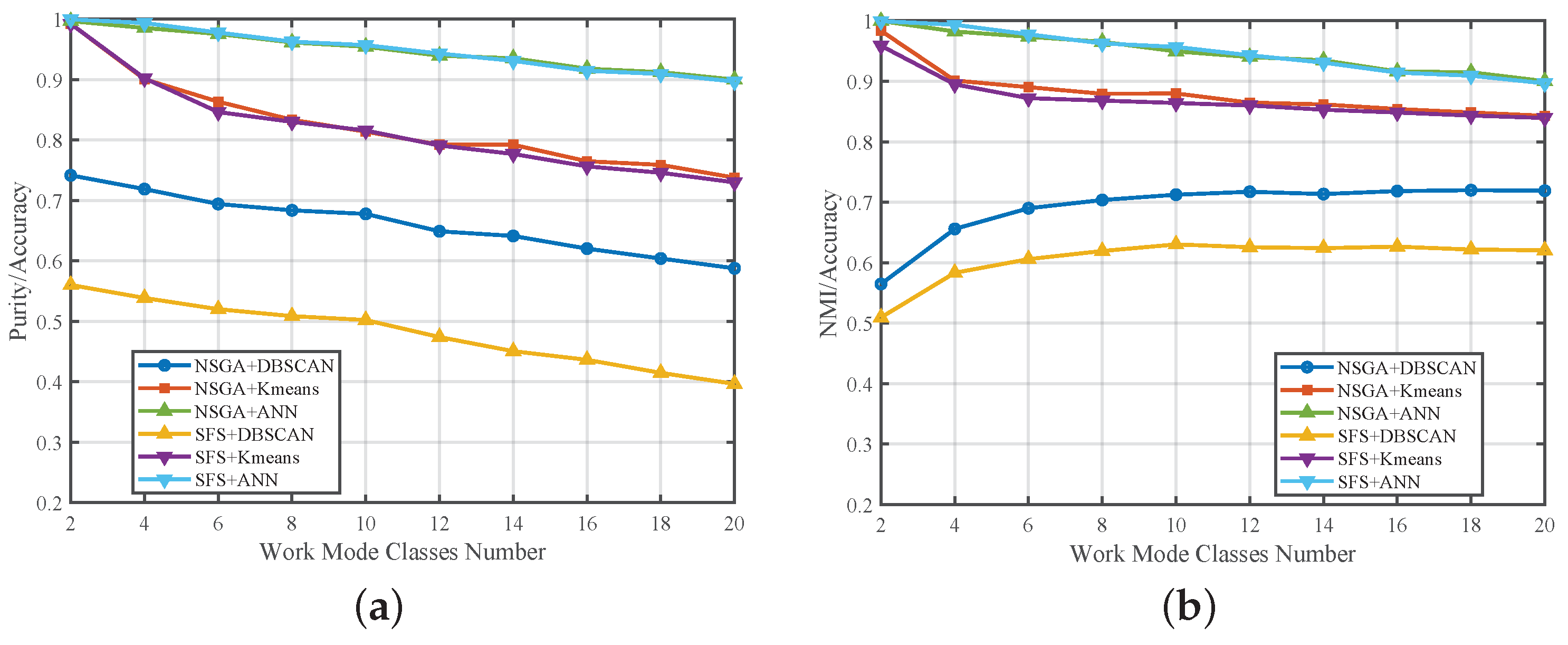
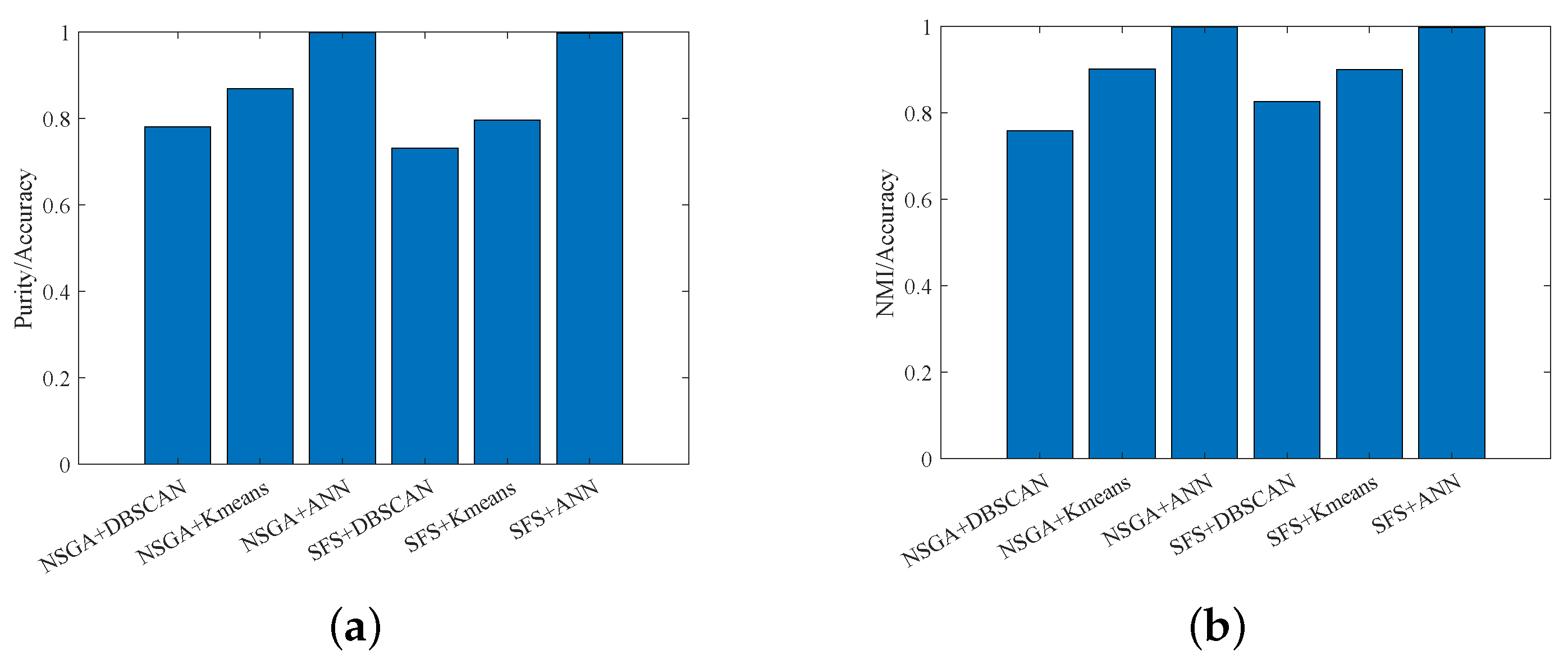
Multi-Function Radars (MFRs) are sophisticated sensors with great agility and flexibility in adapting their transmitted waveform and control parameters. The recognition of MFR work modes based on the intercepted pulse sequences plays an important role in interpreting the functional purpose and threats of a non-cooperative MFRs. However, due to the increased flexibility of MFRs, radar work modes with emerging new modulations and control parameters always appear, and the supervised classification method suffers performance degradation or even failure. Unsupervised learning and clustering of MFR pulse sequences becomes urgent and important. This paper establishes a unified multivariate MFR time series feature extraction and clustering framework for MFR work mode recognition. At first, various features are collected to form the feature set. The feature set includes features extracted through deep learning based on recurrent auto-encoders, multidimensional time series toolkit features, and manually crafted features for radar inter-pulse modulations. Subsequently, several feature selection algorithms, combined with different clustering and classification methods, are used for the selection of an “optimal” feature subset. Finally, the effectiveness and superiority of the proposed framework and selected features are validated through simulated and measured datasets. In the simulated dataset containing 20 classes of work modes, under the most severe non-ideal conditions, we achieve a clustering purity of 73.46% and an NMI of 84.28%. In the measured dataset with seven classes of work modes, we achieve a clustering purity of 86.96% and an NMI of 90.10%.
Keywords: electronic warfare; working modes recognition; feature selection; non-dominated sorting genetic algorithm (NSGA-II); multivariate time series clustering electronic warfare; working modes recognition; feature selection; non-dominated sorting genetic algorithm (NSGA-II); multivariate time series clustering