1. Introduction
Skin aging is a complex biological process involving both endogenous and exogenous factors. Chronic exposure to ultraviolet (UV) radiation and environmental pollutants is a major extrinsic factor that induces oxidative stress and inflammation, resulting in structural and functional damage to the skin [
1,
2,
3].
Increased production of reactive oxygen species (ROS) induces lipid peroxidation, DNA damage, and mitochondrial dysfunction, which in turn contribute to extracellular matrix (ECM) degradation and cellular aging [
1,
2,
3,
4]. Oxidative stress has been identified as a major factor associated with photoaging and wrinkle formation, and its suppression is considered a key component of anti-aging strategies [
2,
3,
5].
Oxidative stress in dermal fibroblasts stimulates MMP-1-mediated degradation of type I collagen, contributing to wrinkle development and loss of skin elasticity [
4,
6,
7,
8]. Increased MMP-1 expression is a major factor in collagen degradation and ECM instability in UV-damaged and aged skin [
7,
8,
9]. Conversely, substances that suppress MMP-1 expression or promote collagen biosynthesis may help maintain dermal structure and contribute to skin-related cellular responses [
6,
10,
11].
Accordingly, the identification of bioactive substances that suppress oxidative stress while maintaining collagen homeostasis is considered a major focus in skin aging research [
2,
6].
Hyaluronic acid (HA) is a major extracellular matrix component present in the skin and is involved in various physiological processes. HA synthesis is regulated by hyaluronan synthase isozymes (HAS2 and HAS3), which are involved in HA biosynthesis in skin cells [
12,
13,
14]. Several studies have reported that HAS-mediated HA biosynthesis is associated with skin integrity, wound healing, and other skin-related cellular processes [
12,
13,
14,
15,
16]. Therefore, physiologically active compounds capable of modulating HAS-related cellular responses have attracted considerable interest in skin-related research [
13,
15,
16].
In recent years, plant-derived bioactive compounds have received considerable attention because of diverse biological properties and potential skin-related applications. Natural extracts rich in polyphenols, flavonoids, and peptides have been shown to protect human skin cells from UV-induced oxidative damage and collagen degradation [
5,
10,
17,
18]. These components have been reported to exhibit various biological activities, including reactive oxygen species scavenging, maintenance of extracellular matrix (ECM)-related functions, and support of skin-related cellular responses [
11,
17,
19]. Additionally, several plant-based formulations have been reported to regulate epidermal signaling and skin-related cellular functions [
13,
15,
16,
20].
Recent studies have highlighted the potential of plant-derived peptide preparations as sustainable alternatives to animal-derived ingredients used in cosmetic applications [
21,
22]. Depending on their composition and biological properties, plant-derived peptides may exhibit antioxidant activity, support extracellular matrix homeostasis, and contribute to skin-related functions [
21,
22]. These findings have increased interest in the development of plant-derived peptide preparations for cosmetic applications and skin-related research [
21,
22].
Vegan Sesamcoll, a plant-derived peptide preparation obtained from sesame (
Sesamum indicum L.) through enzymatic hydrolysis, has been developed as a sustainable plant-derived ingredient. Sesame-derived compounds have been reported to exhibit antioxidant and anti-inflammatory activities, suggesting their potential relevance in skin-related research [
23,
24]. However, the antioxidant activity, extracellular matrix-related functions, and HAS2/HAS3-related biological activities of Vegan Sesamcoll have not yet been investigated.
Therefore, this study aimed to evaluate the antioxidant and skin-related biological activities of SCP in vitro by assessing its ABTS and DPPH radical scavenging activities, collagenase inhibition, type I collagen production, and HAS2 and HAS3 protein production in human skin cells.
2. Materials and Methods
2.1. Materials
Vegan Sesamcoll (SCP; CNABIOTECH Co., Ltd., Cheongju-si, Republic of Korea) was prepared from sesame (Sesamum indicum L.). The sesame was subjected to alkaline aqueous extraction, followed by enzymatic hydrolysis using Alcalase, a food-grade protease. The hydrolysate was clarified, filtered through a membrane filtration system, and spray dried to obtain a powdered product, which was used for all experiments.
The final product was standardized to contain approximately 45 ± 5% protein content, less than 10% ash, and less than 10% moisture according to the manufacturer’s quality specifications. Representative production batches showed protein contents of 44.2–48.1%, ash contents of 0.7%, and moisture contents of 3.8–4.1%.
Detailed manufacturing parameters were not disclosed because they constitute proprietary information of the manufacturer. However, the overall preparation process, source material, and product specifications are described to provide basic information regarding the tested material.
All chemicals and reagents were of analytical grade.
ABTS (2,2′-azino-bis (3-ethylbenzothiazoline-6-sulfonic acid)), DPPH (2,2-diphenyl-1-picrylhydrazyl), potassium persulfate, and L-ascorbic acid were purchased from Sigma-Aldrich (St. Louis, MO, USA).
Human dermal fibroblasts (HDF) and human epidermal keratinocytes, neonatal (HEKn) were obtained from Thermo Fisher Scientific (Waltham, MA, USA).
DMEM was obtained from Lonza (Basel, Switzerland). FBS and penicillin–streptomycin were obtained from Gibco (Grand Island, NY, USA), and KBM Gold Basal Medium and KGM Gold SingleQuots supplements were obtained from Lonza (Basel, Switzerland).
2.2. Amino Acid Composition Analysis
The amino acid composition of SCP was analyzed using a Pico-Tag amino acid analysis method at the Korea Basic Science Institute (KBSI, Cheongju-si, Republic of Korea). Samples were derivatized with phenylisothiocyanate (PITC) and analyzed using a Waters HPLC system equipped with a Pico-Tag column (3.9 × 300 mm, 4 μm; Waters, Milford, MA, USA) and a UV detector operated at 254 nm.
The mobile phase consisted of 140 mM sodium acetate containing 6% acetonitrile (solvent A) and 60% acetonitrile (solvent B). Amino acid contents were quantified using amino acid standards and expressed as molar percentages of total amino acids.
2.3. Molecular Weight Distribution Analysis
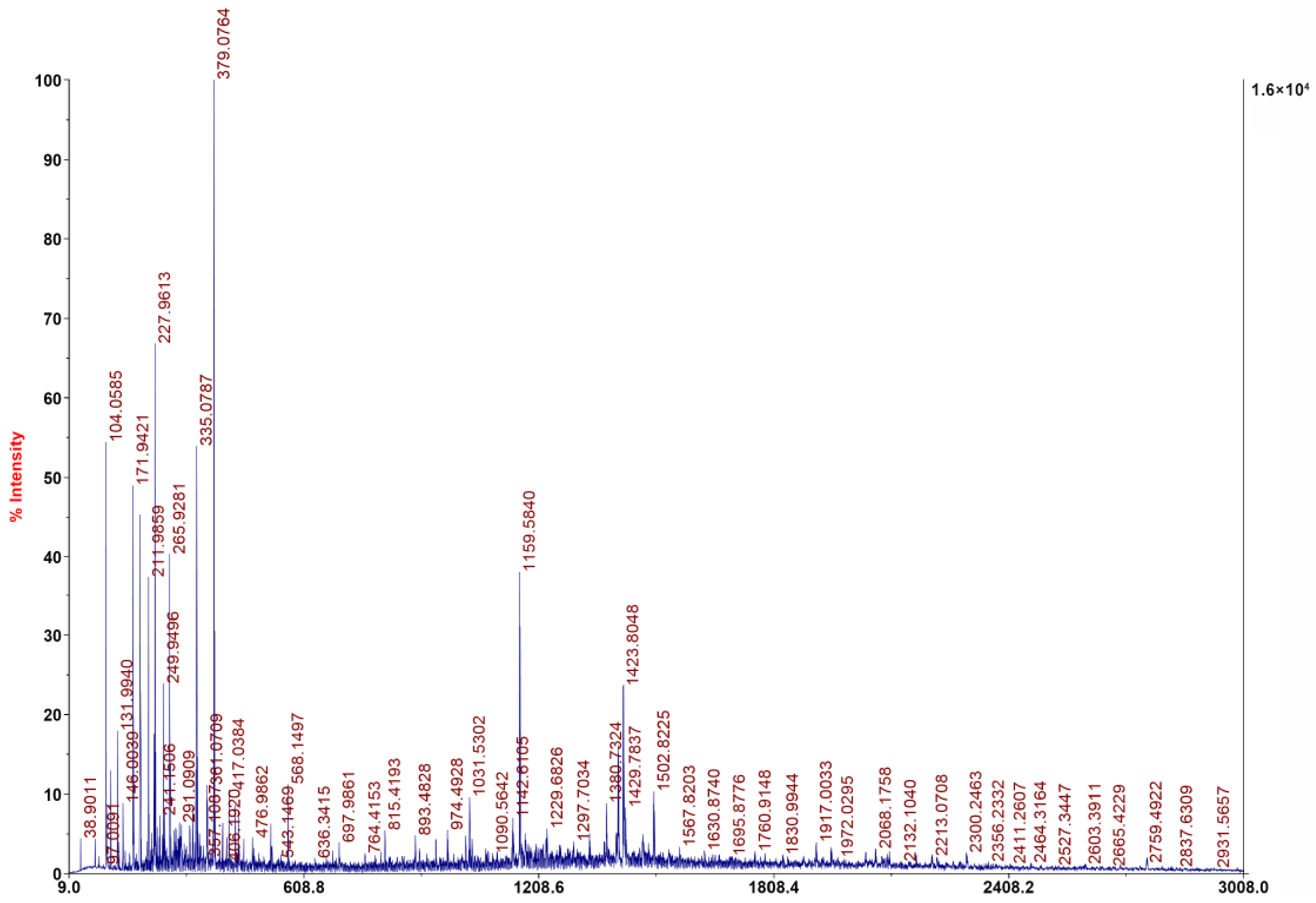
The molecular weight distribution of SCP was analyzed using matrix-assisted laser desorption/ionization time-of-flight mass spectrometry (MALDI-TOF/MS; 5800 MALDI-TOF/TOF System, AB SCIEX, Framingham, MA, USA) at the Korea Basic Science Institute (KBSI, Metropolitan Seoul Center, Seoul, Republic of Korea).
Samples were dissolved in distilled water (1 mg/mL) and mixed with α-cyano-4-hydroxycinnamic acid matrix solution prior to analysis. Mass spectra were acquired in positive reflector mode over a mass range of 10–3000 Da. Data processing included baseline correction and Gaussian smoothing. The molecular weight distribution was estimated based on the detected MALDI-TOF/MS signals.
2.4. ABTS Radical Scavenging Assay
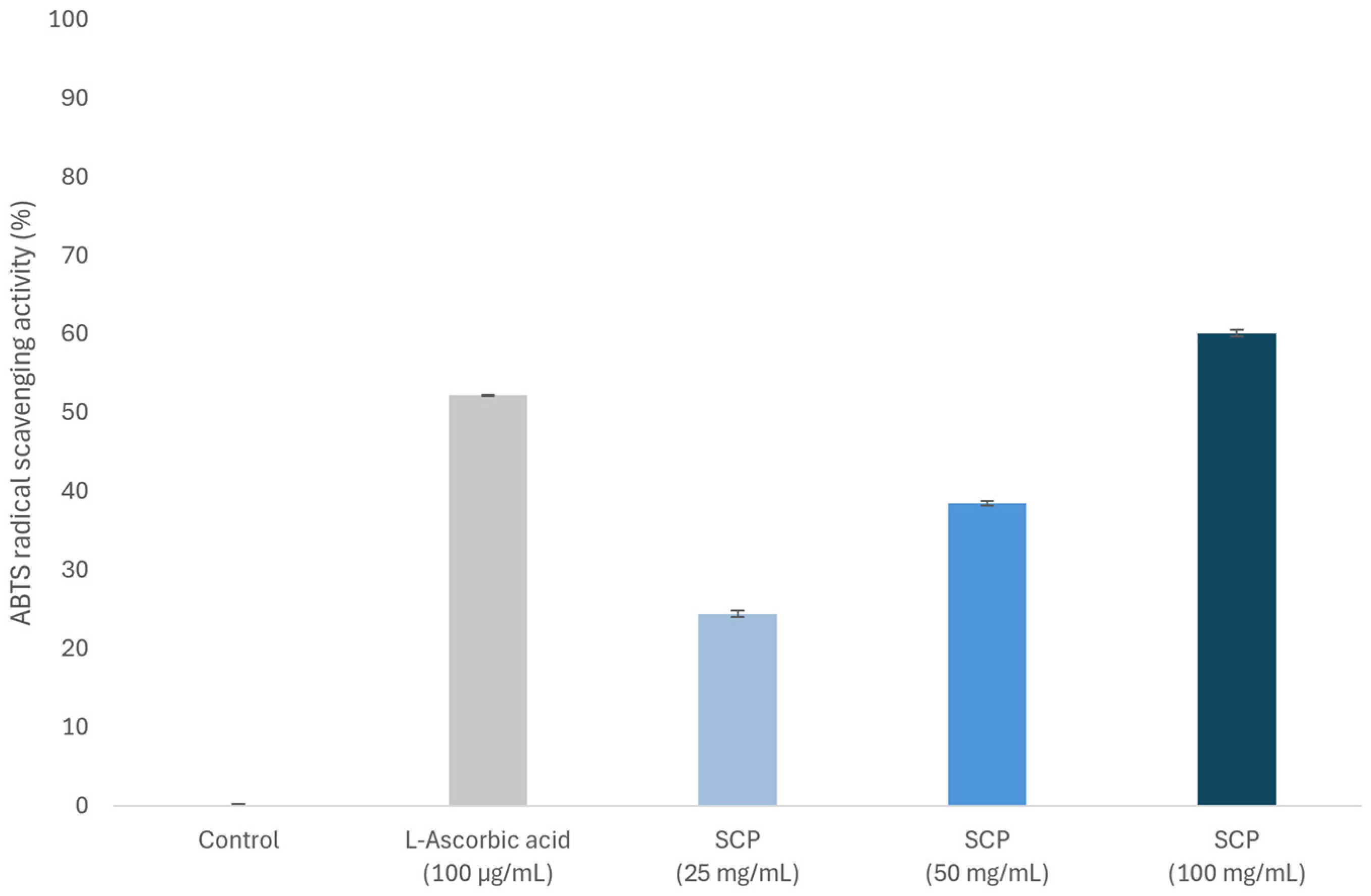
The ABTS radical scavenging assay of SCP was performed by the Korea Testing & Research Institute (KTR, Cheongju-si, Republic of Korea) according to a validated protocol. An ABTS working solution was prepared by mixing 7 mM ABTS with 2.45 mM potassium persulfate (1:1) and incubating the mixture in the dark at room temperature for 24 h to generate the ABTS radical solution.
SCP was tested at 25, 50, and 100 mg/mL. For the assay, 20 μL of each sample solution was mixed with 180 μL of the ABTS working solution. The reaction mixture was incubated for 30 min in the dark at room temperature, and the absorbance was measured at 735 nm. L-ascorbic acid (100 μg/mL) served as a positive control.
The ABTS radical scavenging activity (%) was calculated using the formula:
where
a: absorbance of distilled water + ABTS working solution
a′: absorbance of distilled water
b: absorbance of sample + ABTS working solution
b′: absorbance of sample
2.5. DPPH Radical Scavenging Assay
The DPPH radical scavenging assay of SCP was performed by the Korea Testing & Research Institute (KTR, Cheongju-si, Republic of Korea) according to a validated protocol. A 0.15 mM DPPH solution was prepared in ethanol.
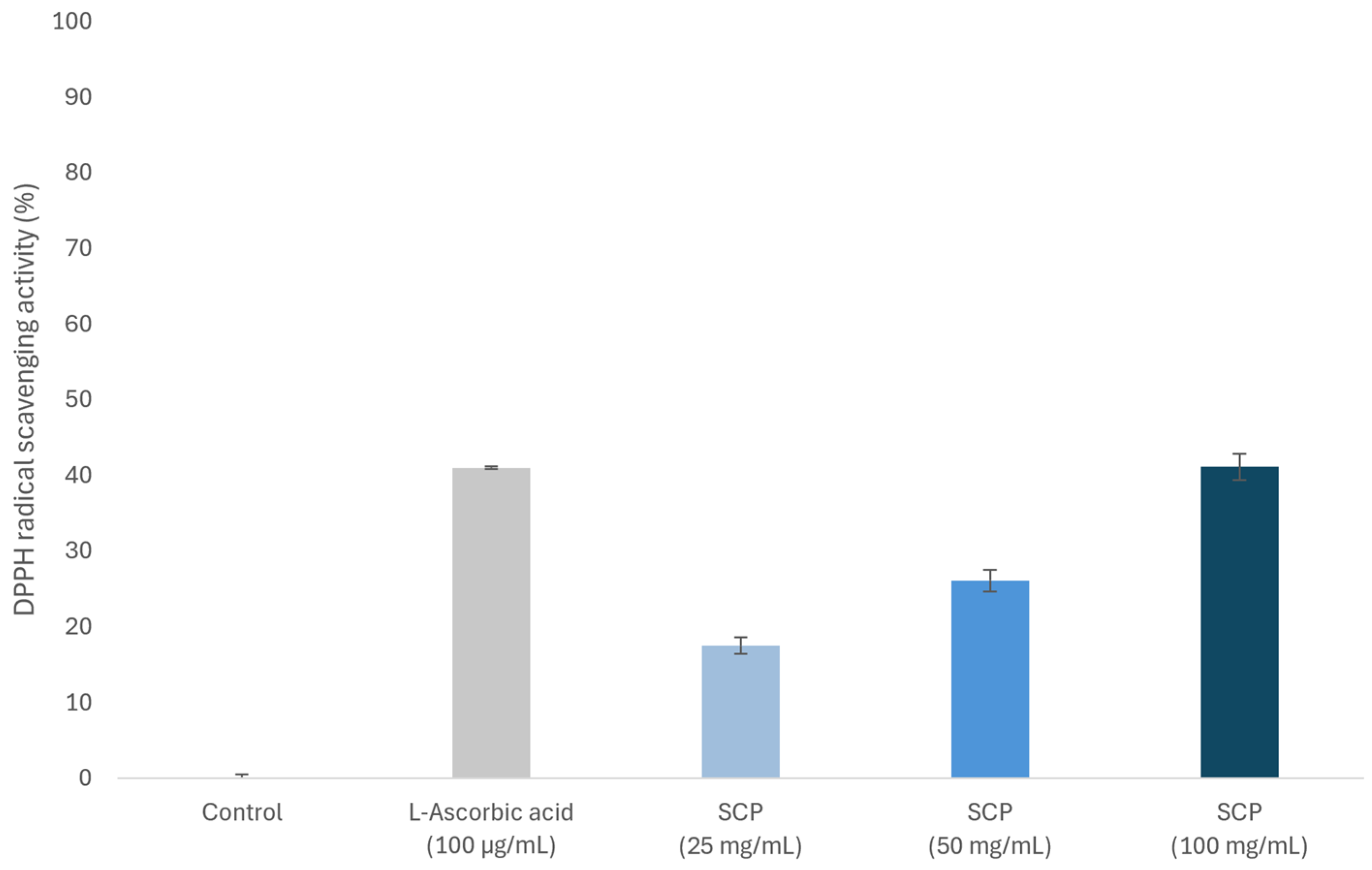
SCP was tested at concentrations of 25, 50, and 100 mg/mL. For the assay, 100 μL of each sample solution was mixed with 100 μL of the DPPH solution, and the mixture was incubated for 30 min in the dark at room temperature. The absorbance was then measured at 520 nm using a microplate reader.
The DPPH radical scavenging ratio (%) was calculated using the same equation as for the ABTS assay. L-ascorbic acid was used as a positive control.
where
a: absorbance of ethanol + DPPH solution
a′: absorbance of ethanol
b: absorbance of sample + DPPH solution
b′: absorbance of sample
2.6. Cell Culture
Cell culture experiments were performed at the Global Medical Research Center (GMRC, Seoul, Republic of Korea). Human dermal fibroblasts (HDF) were cultured in DMEM supplemented with 10% fetal bovine serum and 1% penicillin–streptomycin. Human epidermal keratinocytes, neonatal (HEKn), were maintained in KBM Gold Basal Medium supplemented with KGM Gold SingleQuots supplements (Lonza, Basel, Switzerland). All cells were incubated at 37 °C in a humidified atmosphere containing 5% CO2.
2.7. Cell Viability Assay
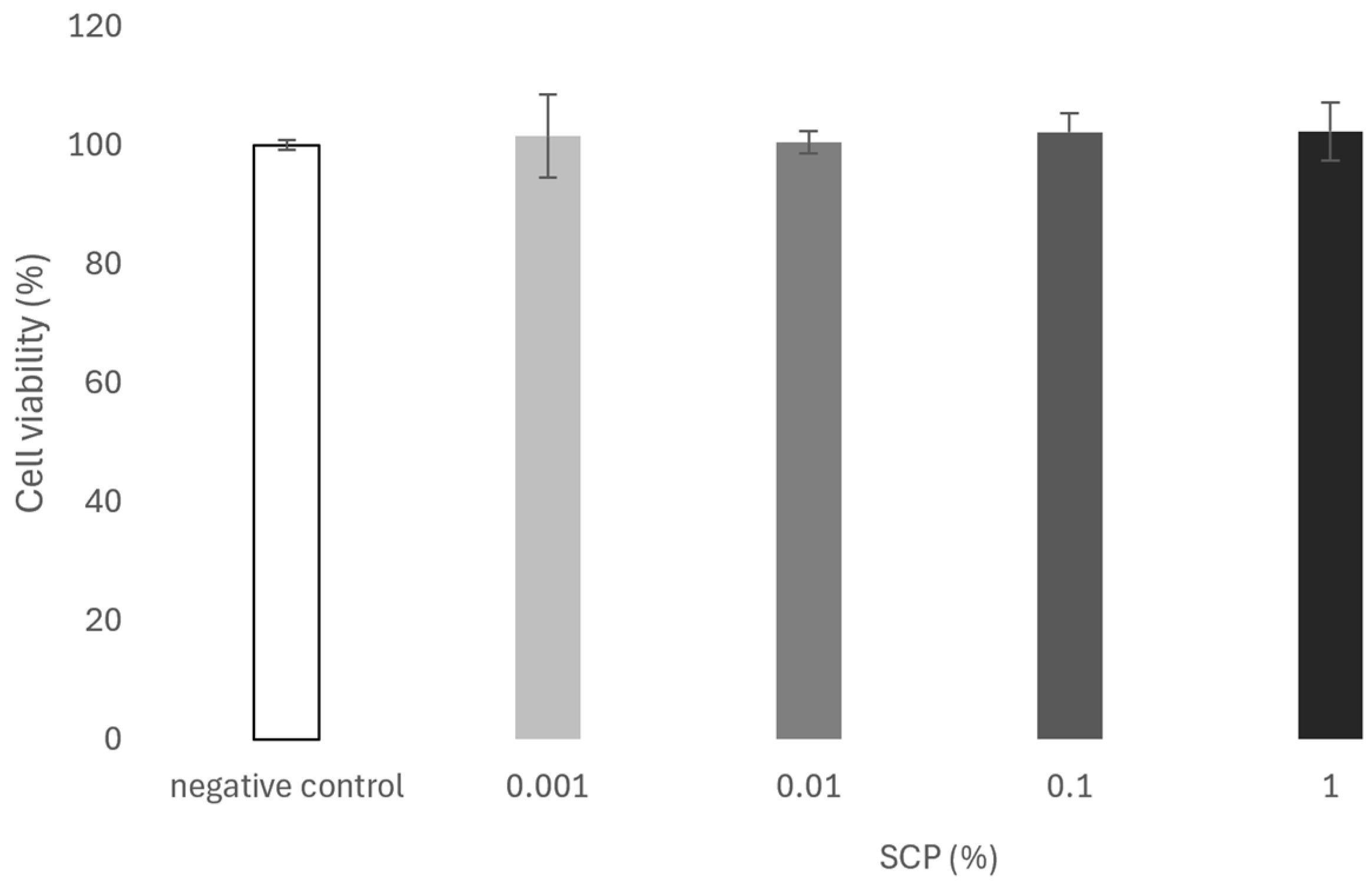
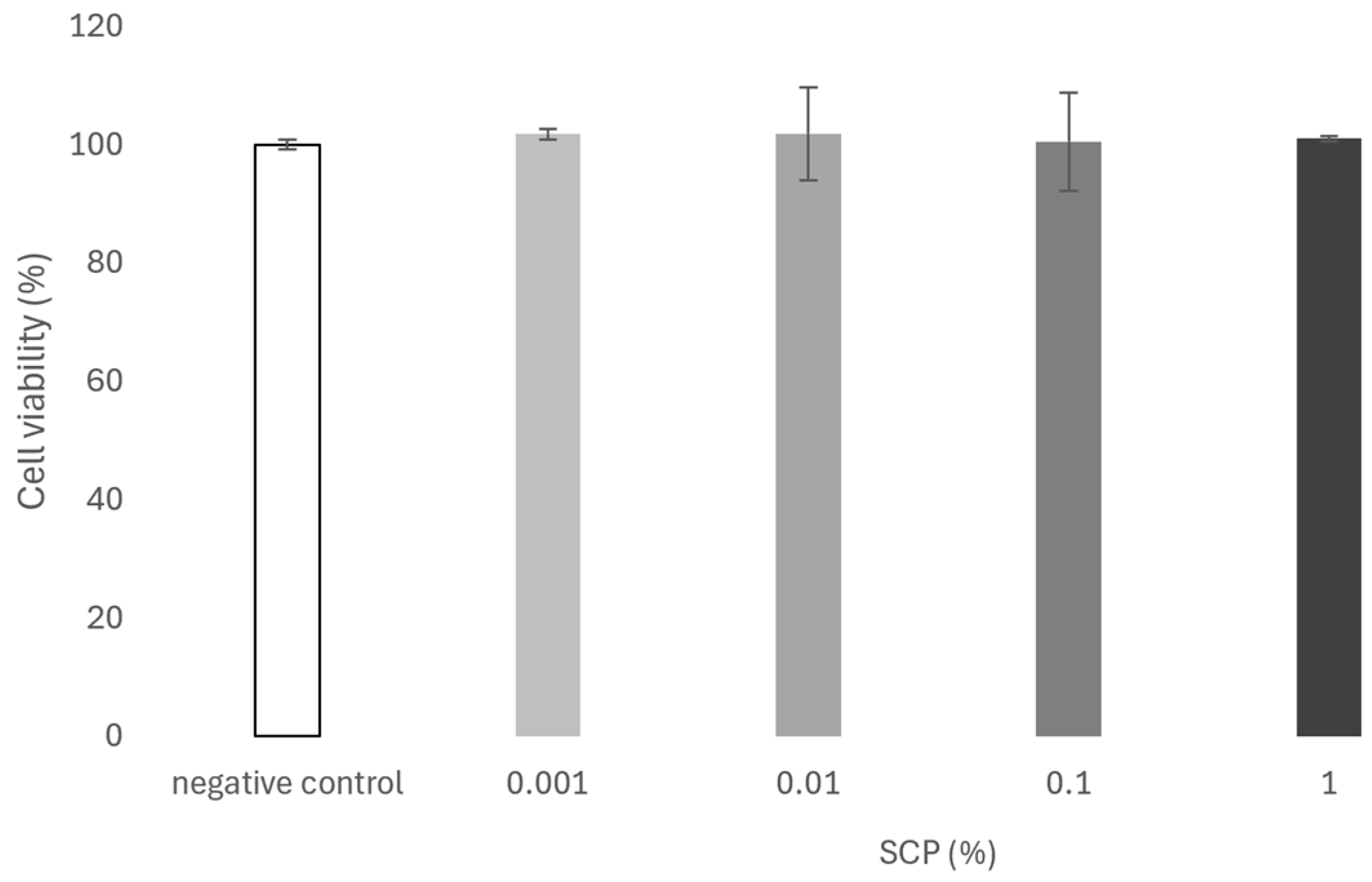
Cell viability was evaluated at the Global Medical Research Center (GMRC, Seoul, Republic of Korea) to determine the non-cytotoxic concentrations of SCP in HDF and HEKn cells. Cells were seeded in 96-well plates at a density of 1 × 10⁴ cells/well and incubated at 37 °C in a 5% CO2 atmosphere. After treatment with SCP for 24 h, cell viability was measured using a Cell Counting Kit-8 assay kit (CCK-8; Dojindo, Kumamoto, Japan) according to the manufacturer’s instructions. Absorbance was measured at 450 nm using a microplate reader, and cell viability was expressed as a percentage relative to the untreated control group.
2.8. Evaluation of Extracellular Matrix and HAS2/HAS3 Related Factors in Human Skin Cells
The collagenase inhibition assay and the evaluation of extracellular matrix-related protein production induced by SCP were performed at the Global Medical Research Center (GMRC, Seoul, Republic of Korea).
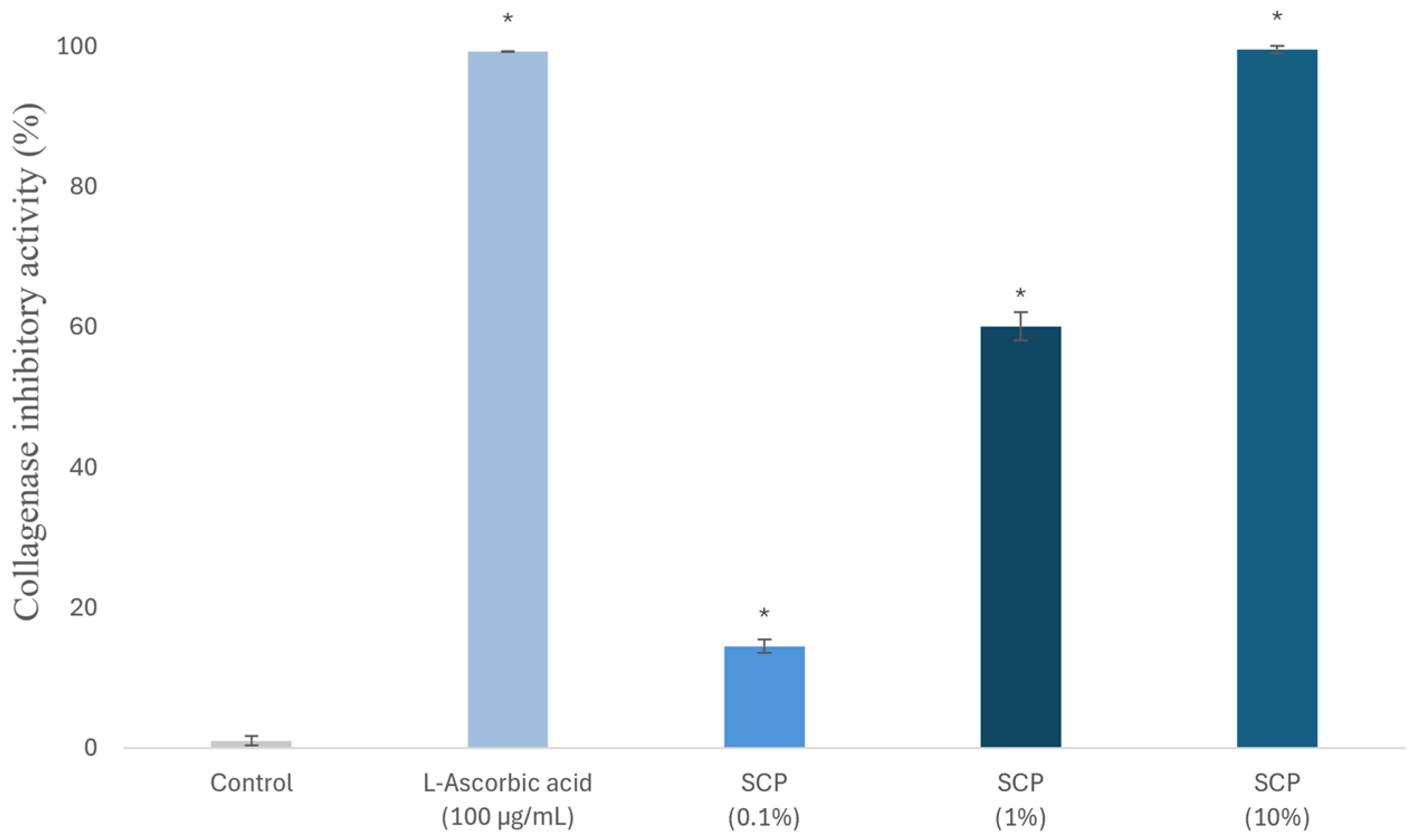
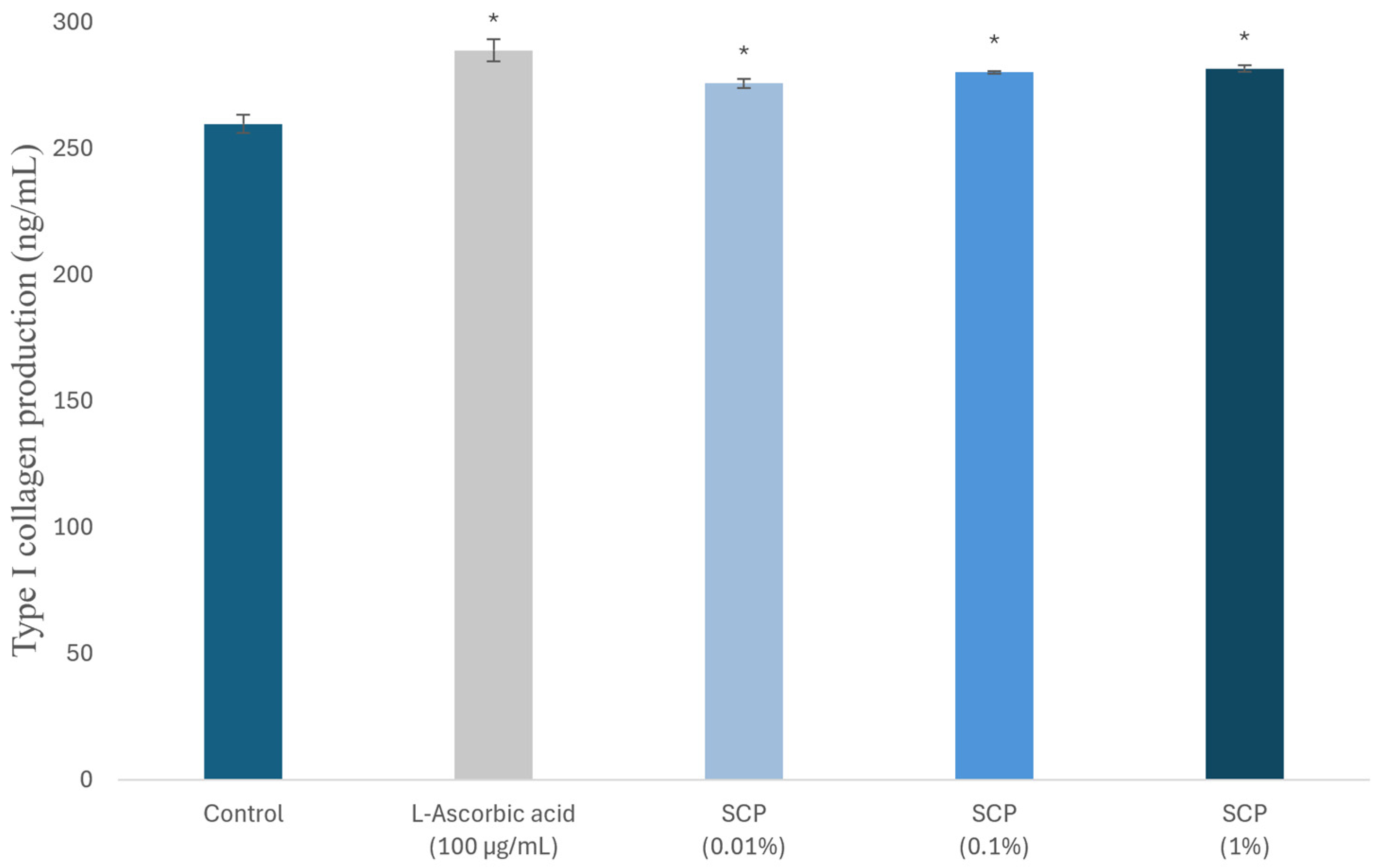
Collagenase inhibitory activity was evaluated using a Collagenase Inhibitor Screening Kit (BioVision, Milpitas, CA, USA). For wrinkle-related assays, collagenase inhibition was evaluated using SCP at concentrations of 0.1%, 1%, and 10%, whereas type I collagen production was assessed using SCP at concentrations of 0.01%, 0.1%, and 1%.
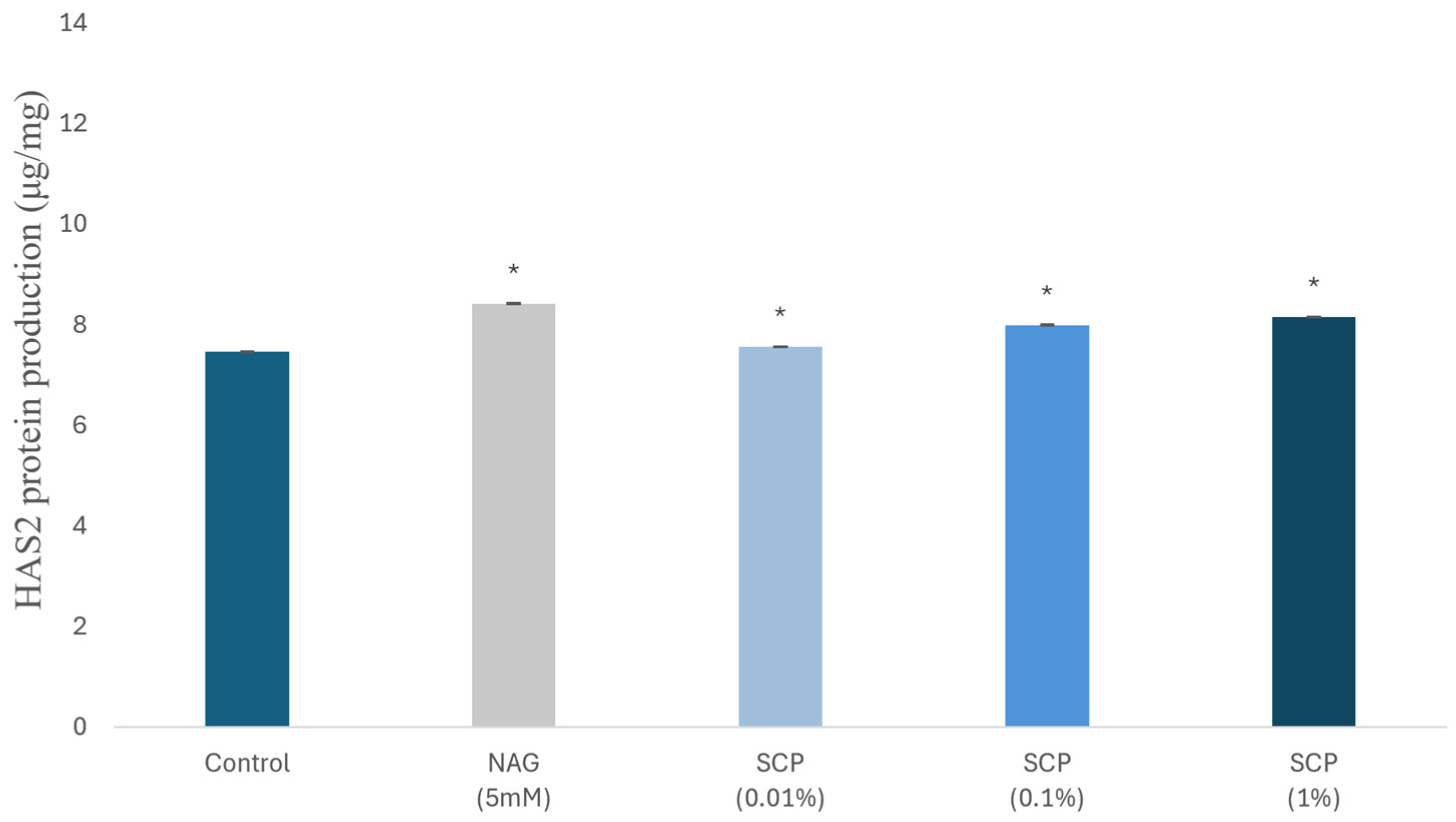
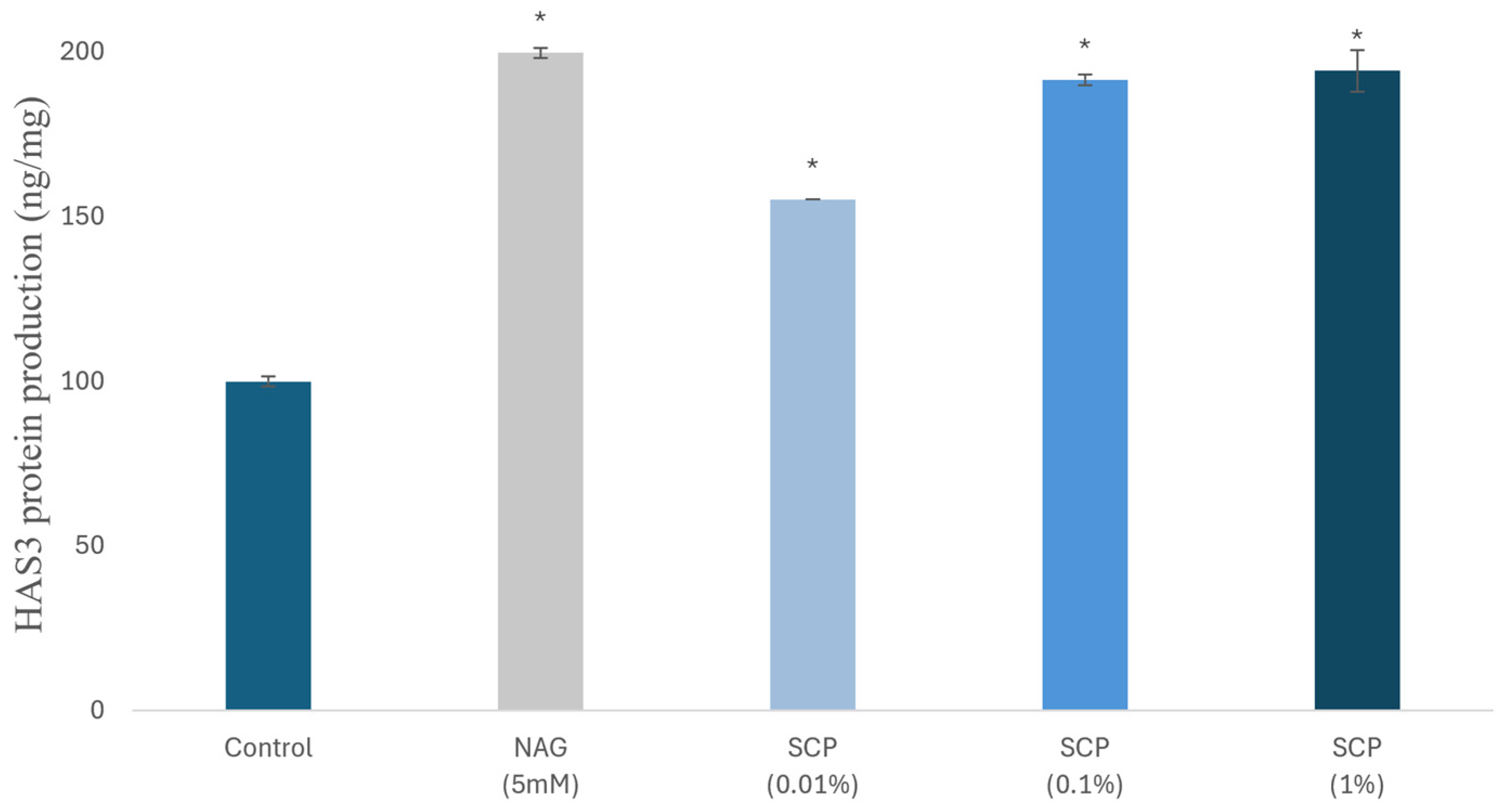
For HAS2/HAS3-related assays, HEKn cells were treated with SCP at concentrations of 0.01%, 0.1%, and 1% to evaluate hyaluronan synthase 2 (HAS2) and hyaluronan synthase 3 (HAS3) protein production.
Cells were lysed using PRO-PREP Protein Extraction Solution (iNtRON Biotechnology, Seongnam-si, Republic of Korea), and total protein concentrations were determined using a Bicinchoninic Acid (BCA) Protein Assay Kit according to the manufacturer’s instructions. ELISA results were normalized to the total protein content determined by the BCA assay.
Protein production was quantified using commercially available ELISA kits following the manufacturers’ instructions: Human Pro-Collagen I α1 SimpleStep ELISA Kit (ab210966, Abcam, Cambridge, UK) for collagen type I; Hyaluronan Synthase 2 ELISA Kit (MBS2882985, MyBioSource, San Diego, CA, USA) for HAS2; Hyaluronan Synthase 3 ELISA Kit (MBS165852, MyBioSource, San Diego, CA, USA) for HAS3.
Absorbance was measured using a Varioskan LUX microplate reader (Thermo Fisher Scientific, Waltham, MA, USA), and protein concentrations were calculated using standard curves supplied with each kit. Because HAS2 and HAS3 were quantified using independent ELISA assays and calibration systems, the reported concentrations were expressed using the units provided for each respective assay. The reported protein concentrations and units were presented according to the assay-specific output provided by the testing laboratory.
According to the manufacturers’ specifications, the HAS2 ELISA kit had a detection range of 0.312–20 ng/mL and a sensitivity of <0.12 ng/mL. The HAS3 ELISA kit had a detection range of 20–6000 ng/L and a sensitivity of 9.87 ng/L.
2.9. Statistical Analysis
All measurements were performed in triplicate (n = 3), and data are presented as mean ± standard deviation (SD).
Statistical analyses were performed using IBM SPSS Statistics 27.0 software (IBM Corp., Armonk, NY, USA).
Differences between control and treatment groups were analyzed using the Mann–Whitney U test.
A p-value < 0.05 was considered statistically significant.
4. Discussion
In this study, SCP exhibited antioxidant activity, collagenase inhibitory activity, increased type I collagen production, and increased HAS2 and HAS3 protein production in human skin cells. These findings indicate that SCP possesses multiple biological activities associated with skin-related cellular responses under in vitro conditions.
The antioxidant assays demonstrated concentration dependent ABTS and DPPH radical scavenging activities. Oxidative stress is considered one of the major factors associated with skin aging through the induction of extracellular matrix degradation and inflammatory responses. The observed radical scavenging activities indicate that SCP exhibited concentration dependent radical scavenging activity under the experimental conditions evaluated. The antioxidant activity of SCP was evaluated over a concentration range substantially higher than that used for l-ascorbic acid. Therefore, direct comparisons of antioxidant potency between SCP and the positive control should be interpreted with caution. The observed antioxidant activity demonstrates concentration dependent radical scavenging activity of SCP under the tested conditions but does not indicate equivalent antioxidant potency to L-ascorbic acid.
Previous studies have reported that food-derived bioactive peptides exhibit diverse biological activities and have attracted considerable interest for cosmetic and functional applications. In particular, collagen-derived bioactive peptides have been shown to support extracellular matrix-related functions, including matrix protein synthesis and modulation of matrix-degrading enzymes in human dermal fibroblasts [
10,
21,
22]. In addition, sesame-derived bioactive compounds have been reported to possess antioxidant and physiological activities [
23,
24]. Although direct comparisons are limited because of differences in materials and experimental conditions, these previous findings support the biological relevance of the antioxidant, collagen-related, and HAS2/HAS3-related cellular responses observed for SCP in the present study.
SCP also demonstrated collagenase inhibitory activity and increased type I collagen production in human dermal fibroblasts. Maintenance of extracellular matrix homeostasis is an important factor in skin integrity and wrinkle-related processes. The present results indicate that SCP may influence collagen metabolism through both the inhibition of collagen degradation and the promotion of collagen production.
Although the magnitude of increase in type I collagen production was modest (approximately 6.2–8.5% above the control group), the increase was statistically significant in all SCP treated groups compared with the control group. Because collagen homeostasis is regulated by both collagen synthesis and degradation, the observed increase in collagen production together with collagenase inhibitory activity may suggest a potential contribution of SCP to extracellular matrix-related functions. However, the biological significance of this effect should be further investigated using additional biomarkers and mechanistic studies.
In addition, SCP increased HAS2 and HAS3 protein production in HEKn cells. HAS2 and HAS3 are enzymes involved in hyaluronic acid biosynthesis. Although hyaluronic acid production was not directly measured in the present study, the observed increases in HAS2 and HAS3 protein levels suggest a potential association with hyaluronic acid-related cellular responses.
The present study has several limitations. The biological activities were evaluated using in vitro assays only, and the underlying molecular mechanisms were not investigated. In addition, UV-induced stress models were not evaluated, detailed characterization of the peptide preparation was limited, and certain manufacturing parameters could not be fully disclosed because they constitute proprietary information. Furthermore, no information regarding bioavailability or absorption was investigated in the present study. Hyaluronic acid production, skin barrier-related markers, intracellular reactive oxygen species, and signaling pathways associated with collagen synthesis were not evaluated. Consequently, the relationship between increased HAS2/HAS3 protein production and actual hyaluronic acid synthesis, as well as the molecular mechanisms underlying the observed biological activities, remain unclear and require further investigation.
The collagenase inhibition assay was performed over a broad concentration range (0.1–10%) to evaluate the inhibitory potential of SCP in an enzyme-based screening assay. Therefore, the results obtained at higher concentrations should be interpreted as preliminary screening data and may not directly reflect physiological exposure levels or practical formulation conditions.
Taken together, the results suggest that SCP may have potential as a plant-derived cosmetic ingredient with antioxidant activity, collagenase inhibitory activity, and the ability to enhance HAS2 and HAS3 protein production under in vitro conditions. However, additional studies, including mechanistic investigations, evaluation of skin barrier-related biomarkers, and human clinical studies, are required to further validate the observed biological activities and potential cosmetic applications of SCP.
5. Conclusions
This study demonstrated that SCP exhibited antioxidant activity, collagenase inhibitory activity, modestly increased type I collagen production, and increased HAS2 and HAS3 protein production in human skin cells. These findings indicate that SCP possesses multiple biological activities associated with skin-related cellular responses under in vitro conditions.
The observed activities suggest that SCP may have potential as a plant-derived cosmetic ingredient associated with radical scavenging activity, collagenase inhibition, type I collagen production, and HAS2/HAS3 protein production under in vitro conditions. However, the present findings are based solely on in vitro assays, and the underlying mechanisms of action remain to be clarified.
Further studies, including mechanistic investigations, evaluation of additional skin-related biomarkers, and human clinical studies, are required to further validate the observed biological activities and potential cosmetic applications of SCP.