
Enhancement of Hair Fiber Strength and Surface Morphology by Saccharomyces Lysate Assessed Using Tensile Testing and μ-CT

 , ,
, ,
Abstract
1. Introduction
2. Materials and Methods
2.1. Peptide Analysis and Molecular Modeling
2.2. Tensile Testing
2.3. µ-CT Investigation
2.4. Combing Force Measurement: Shampoo/Tonic Treatment
2.5. Treatment Selection and Statistical Analysis
3. Results
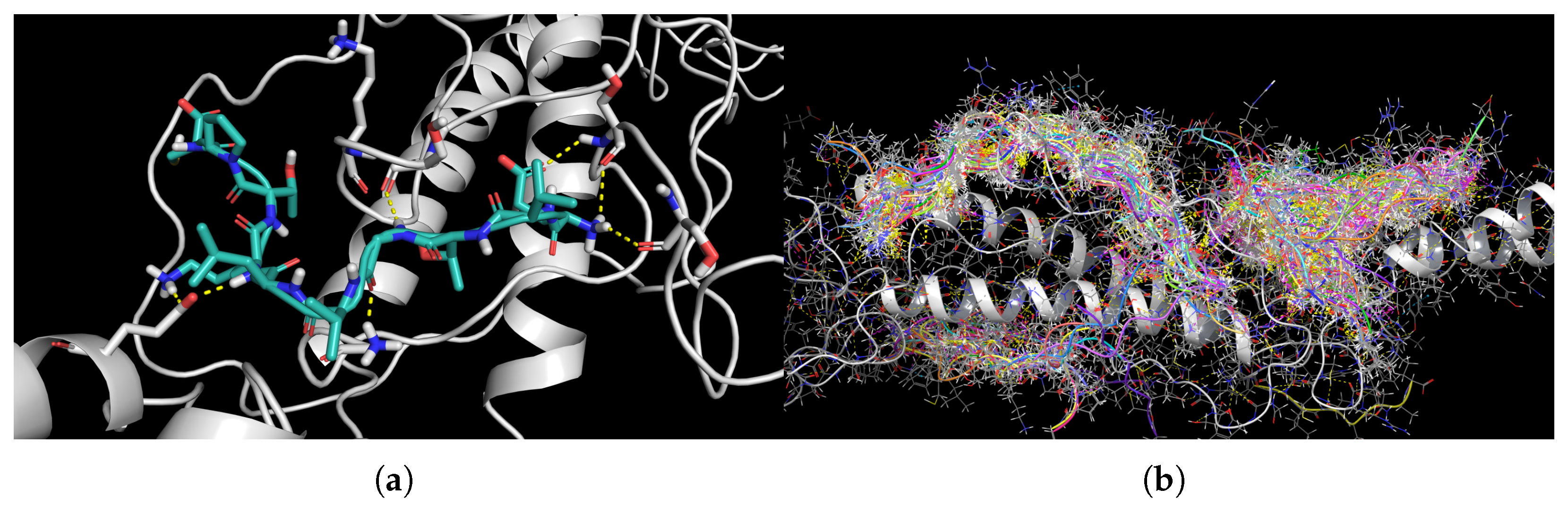
3.1. Peptide Analysis and Molecular Modeling
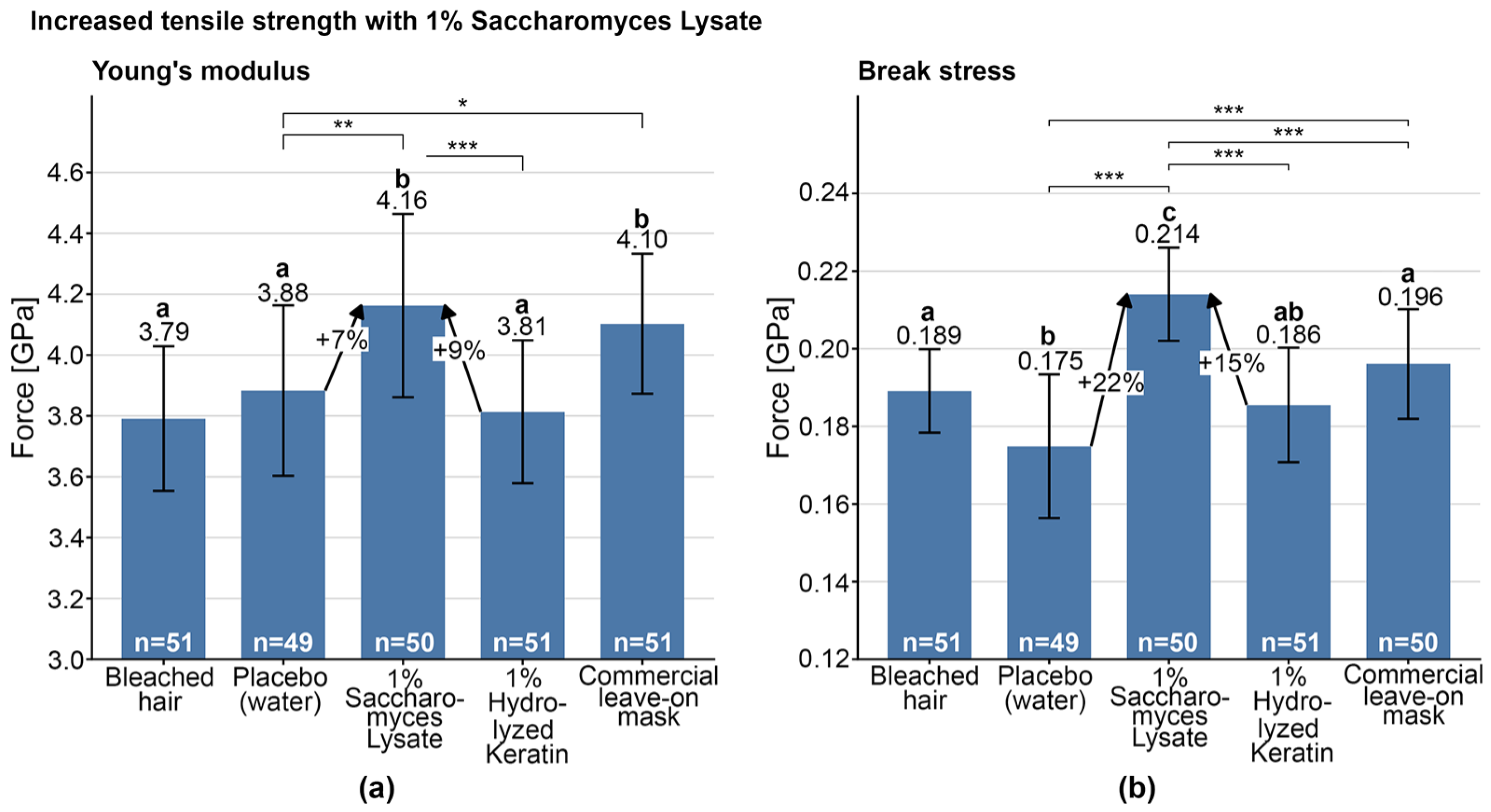
3.2. Tensile Test
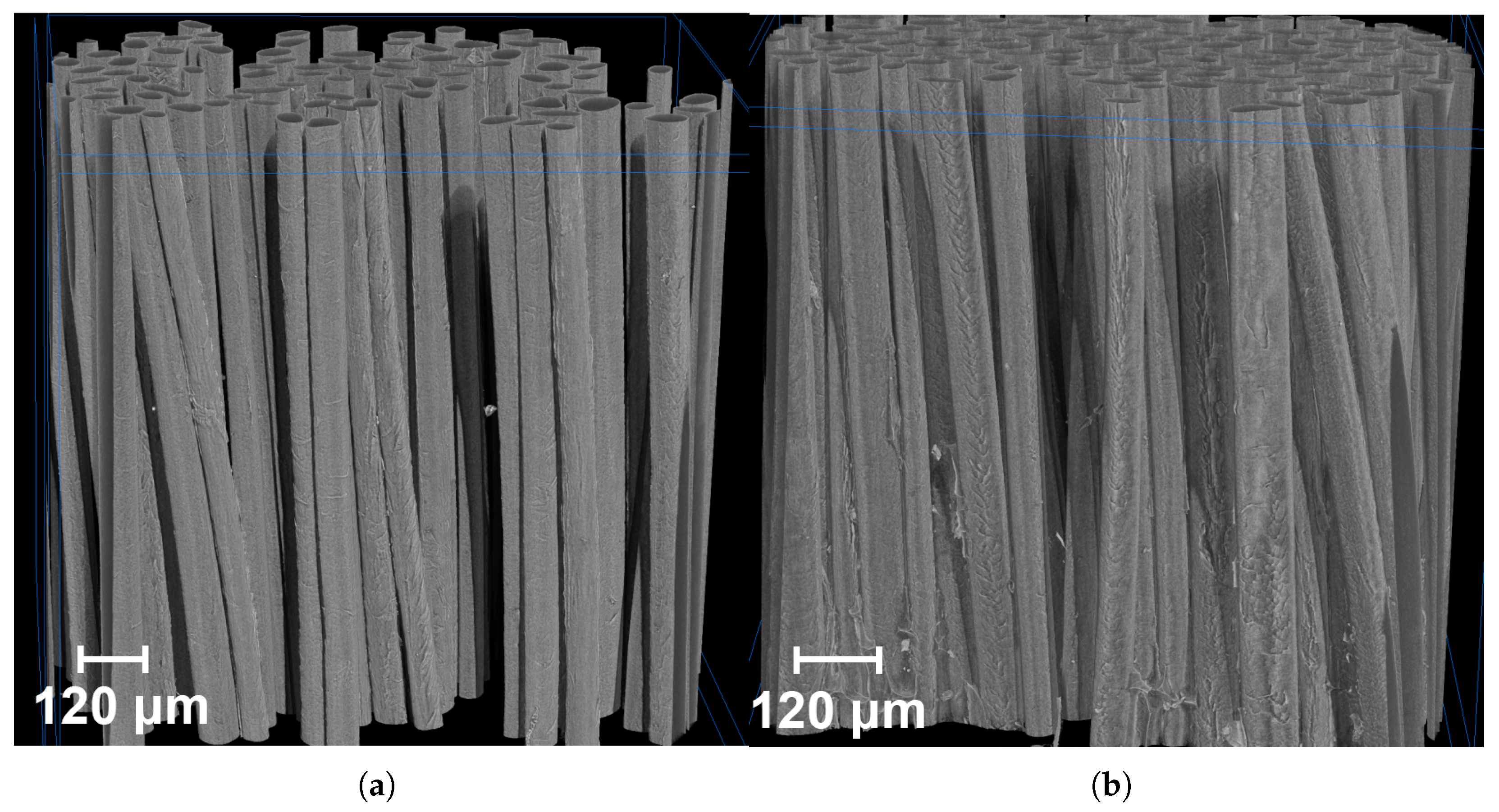
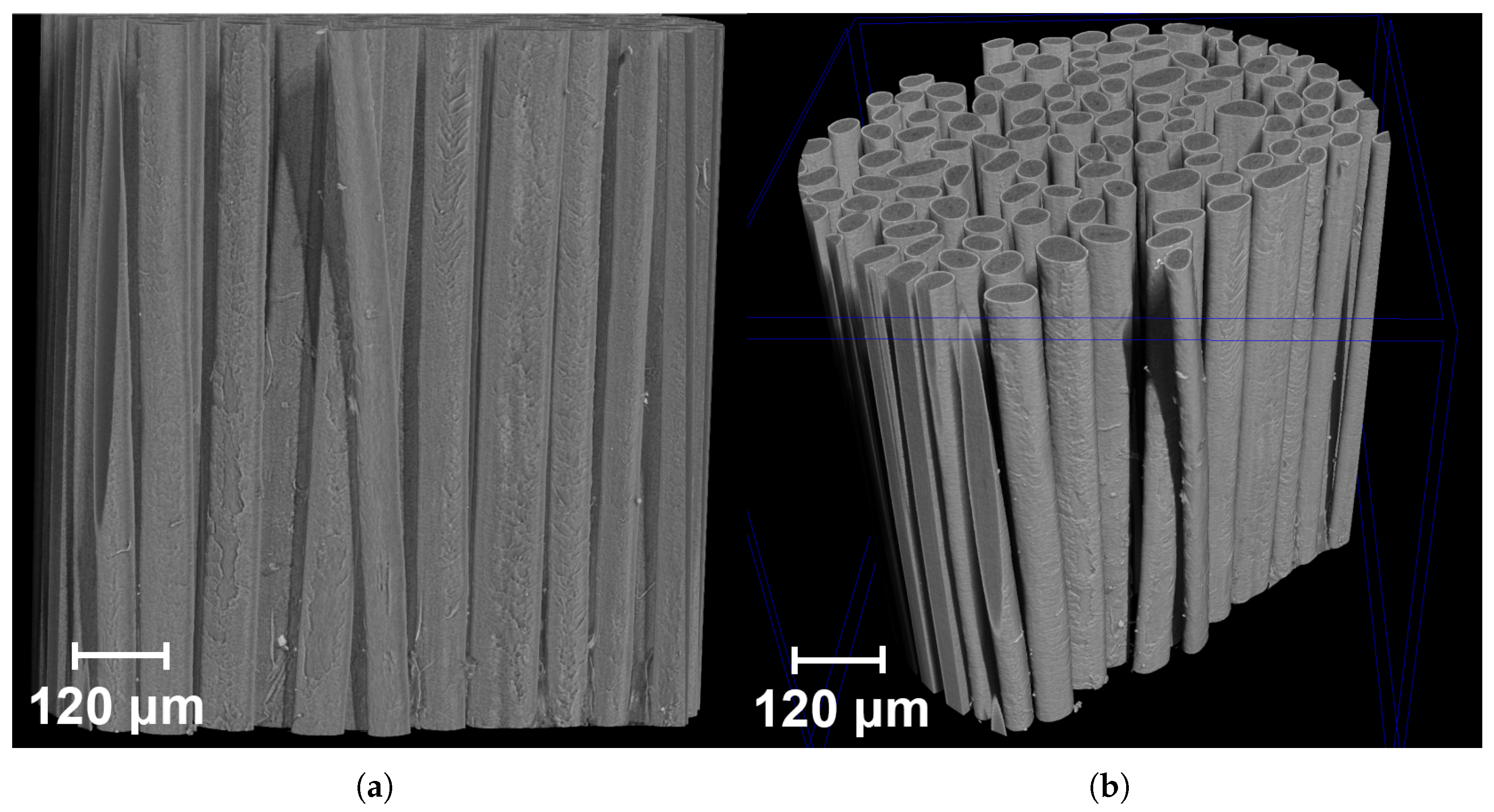
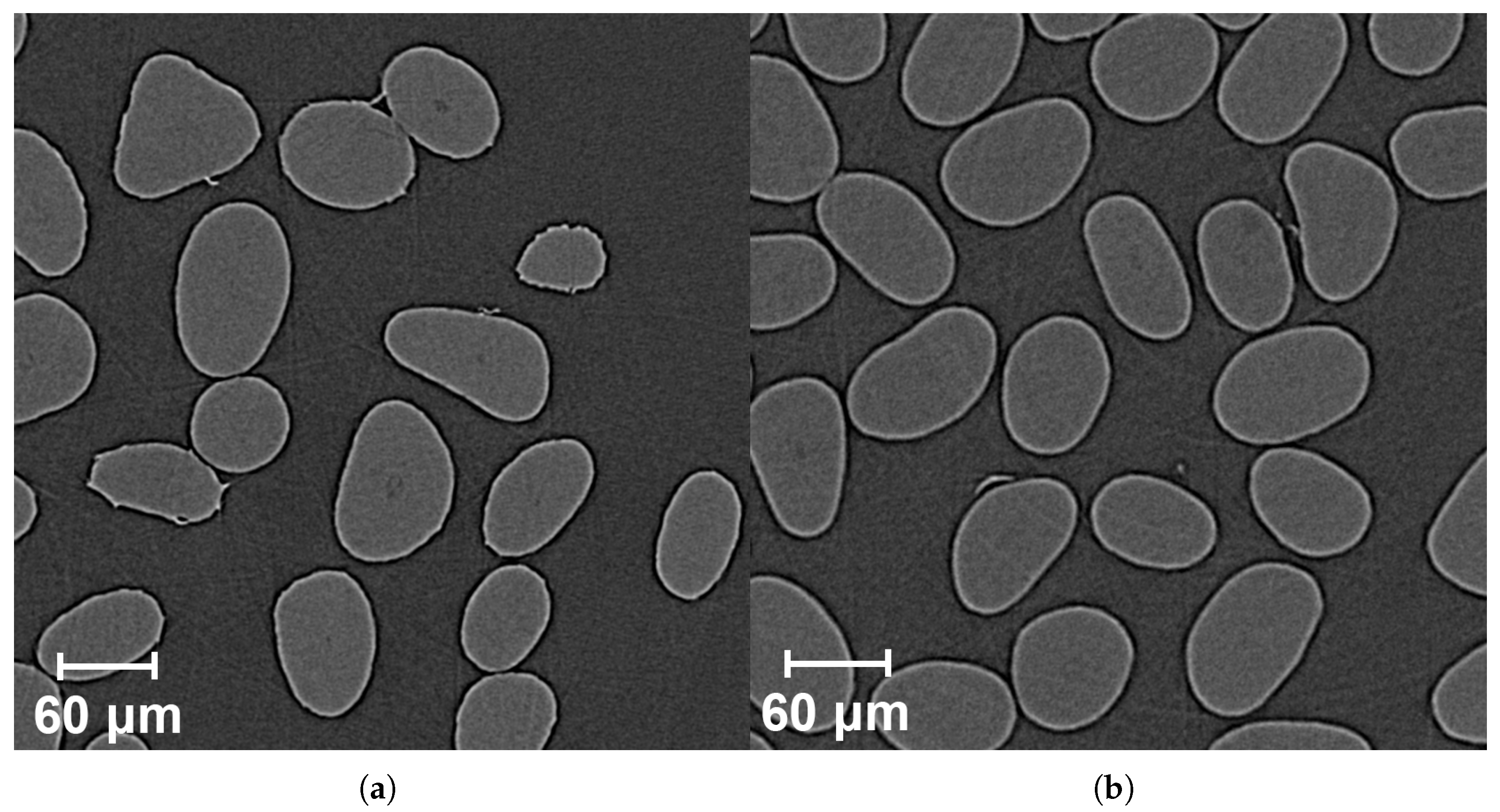
3.3. µ-CT
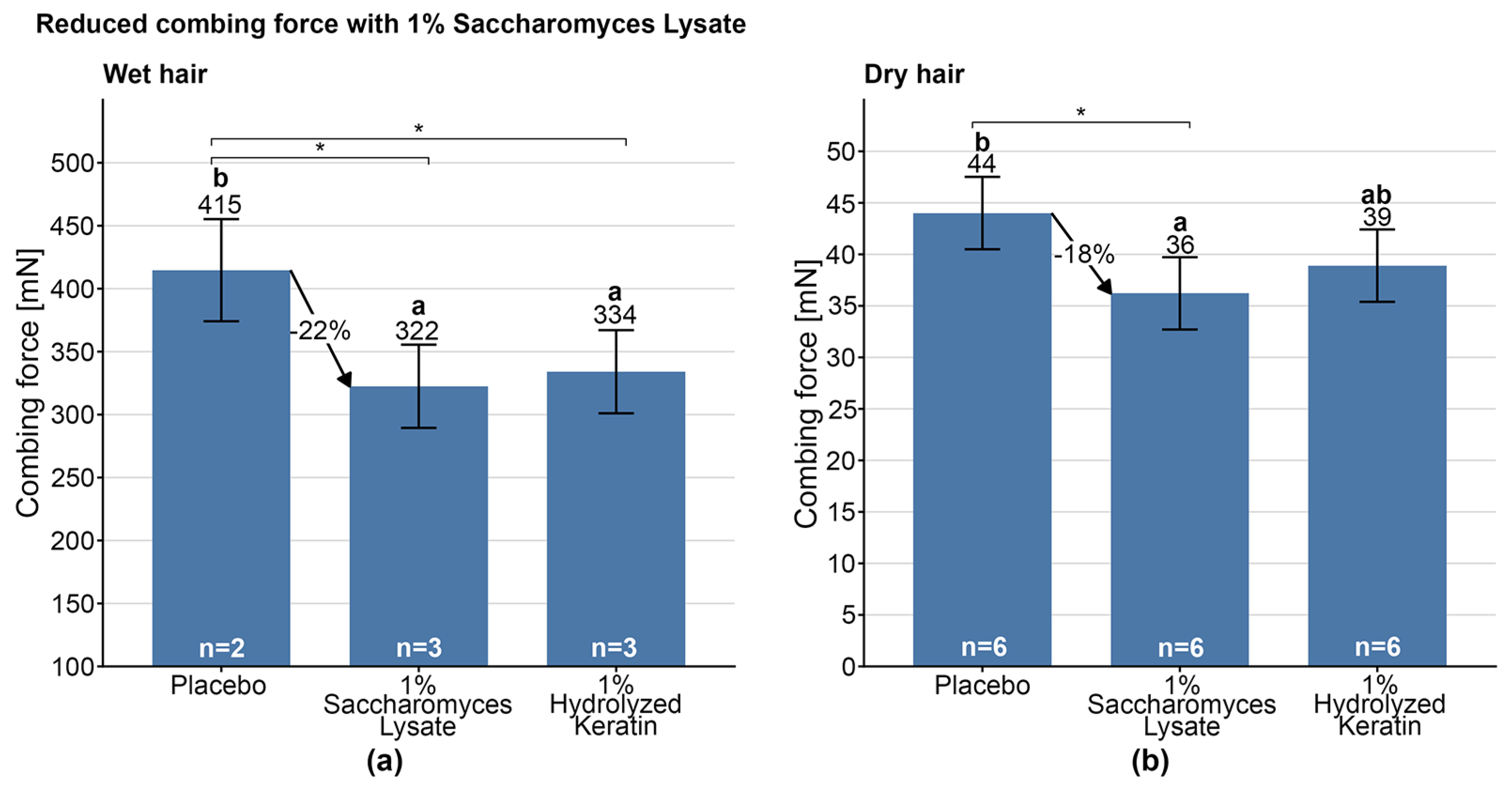
3.4. Combing Force Measurement
4. Discussion
4.1. Mechanical Hair Damage and Compensatory Strengthening Mechanisms
4.2. Molecular and Structural Basis of the Observed Effects
4.3. Surface Smoothing, Functional Performance, and Methodological Implications
5. Conclusions
Author Contributions
Funding
Data Availability Statement
Acknowledgments
Conflicts of Interest
References
- James, W.D.; Andrews, G.E.; Berger, T.G.; Elston, D.M. Andrews’ Diseases of the Skin: Clinical Dermatology, 10th ed.; Section: 961 Seiten: Zahlreiche Illustrationen, Diagramme; Saunders, Elsevier: Philadelphia, PA, USA, 2006. [Google Scholar]
- Robbins, C. The Chemical and Physical Behavior of Human Hair; Springer: New York, NY, USA, 2002. [Google Scholar] [CrossRef]
- Yang, F.C.; Zhang, Y.; Rheinstädter, M.C. The structure of people’s hair. PeerJ 2014, 2, e619. [Google Scholar] [CrossRef]
- Essendoubi, M.; Meunier, M.; Scandolera, A.; Gobinet, C.; Manfait, M.; Lambert, C.; Auriol, D.; Reynaud, R.; Piot, O. Conformation changes in human hair keratin observed using confocal Raman spectroscopy after active ingredient application. Int. J. Cosmet. Sci. 2019, 41, 203–212. [Google Scholar] [CrossRef]
- Popescu, C.; Höcker, H. Hair—The most sophisticated biological composite material. Chem. Soc. Rev. 2007, 36, 1282–1291. [Google Scholar] [CrossRef]
- Breakspear, S.; Nöcker, B.; Popescu, C. Chemical bonds and hair behaviour—A review. Int. J. Cosmet. Sci. 2024, 46, 806–814. [Google Scholar] [CrossRef] [PubMed]
- Camargo Junior, F.B.; Goshiyama, A.M.; Oliveira, G.F.D.; Rossan, M.R.; Princival, C.R.; Katekawa, E.; Magalhães, W.; Zito, R.D.; Kakuda, L.; Maia Campos, P.M. Protective and Restorative Effects of a Bio-Based Crosslinking Complex on Chemically Damaged Hair. Cosmetics 2026, 13, 3. [Google Scholar] [CrossRef]
- Fernandes, C.; Medronho, B.; Alves, L.; Rasteiro, M.G. On Hair Care Physicochemistry: From Structure and Degradation to Novel Biobased Conditioning Agents. Polymers 2023, 15, 608. [Google Scholar] [CrossRef] [PubMed]
- Hessefort, Y.; Holland, B.; Cloud, R. True porosity measurement of hair: A new way to study hair damage mechanisms. J. Cosmet. Sci. 2008, 59, 303–315. [Google Scholar]
- Alessandrini, A.; Piraccini, B.M. Essential of Hair Care Cosmetics. Cosmetics 2016, 3, 34. [Google Scholar] [CrossRef]
- El Khatib, S.; Hammoudi Halat, D.; Khaled, S.; Malki, A.; Alameddine, B. Novel Compounds for Hair Repair: Chemical Characterization and In Vitro Analysis of Thiol Cross-Linking Agents. Pharmaceuticals 2025, 18, 632. [Google Scholar] [CrossRef]
- Cruz, C.F.; Costa, C.; Gomes, A.C.; Matamá, T.; Cavaco-Paulo, A. Human Hair and the Impact of Cosmetic Procedures: A Review on Cleansing and Shape-Modulating Cosmetics. Cosmetics 2016, 3, 26. [Google Scholar] [CrossRef]
- Yu, Y.; Yang, W.; Wang, B.; Meyers, M.A. Structure and mechanical behavior of human hair. Mater. Sci. Eng. C 2017, 73, 152–163. [Google Scholar] [CrossRef]
- Cornwell, P.; Marsh, J. How Bond Builders ‘Repair’ Hair. Cosmet. Toilet. 2023, 3, 38. [Google Scholar]
- Grabenhofer, R.; Labrecque, B.; Marsh, J. Dove and P&G Experts on the Hair Bonding Buzz—Plus 3 Main Types. Cosmet. Toilet. 2024, 6, 11. [Google Scholar]
- Basit, A.; asghar, F.; Sadaf, S.; Akhtar, M.W. Health improvement of human hair and their reshaping using recombinant keratin K31. Biotechnol. Rep. 2018, 20, e00288. [Google Scholar] [CrossRef]
- Fan, J.; Wu, L.; Wang, J.; Bian, X.; Chen, C.; Chang, K. Performance and Mechanism of Hydrolyzed Keratin for Hair Photoaging Prevention. Molecules 2025, 30, 1182. [Google Scholar] [CrossRef] [PubMed]
- Malinauskyte, E.; Shrestha, R.; Cornwell, P.A.; Gourion-Arsiquaud, S.; Hindley, M. Penetration of different molecular weight hydrolysed keratins into hair fibres and their effects on the physical properties of textured hair. Int. J. Cosmet. Sci. 2021, 43, 26–37. [Google Scholar] [CrossRef]
- Cruz, C.F.; Azoia, N.G.; Matamá, T.; Cavaco-Paulo, A. Peptide—Protein interactions within human hair keratins. Int. J. Biol. Macromol. 2017, 101, 805–814. [Google Scholar] [CrossRef]
- Bifulco, G.; Rastrelli, F.; Rastrelli, G. Bioactive peptides for hair restructuring and hair plex. Personal Care Magazine, 11 January 2023; pp. 33–39.
- Schütz, R.; Kuratli, K.; Richard, N.; Stoll, C.; Schwager, J. Mitochondrial and glycolytic activity of UV-irradiated human keratinocytes and its stimulation by a Saccharomyces cerevisiae autolysate. J. Photochem. Photobiol. B Biol. 2016, 159, 142–148. [Google Scholar] [CrossRef]
- Silva, S.; Bautista-Hérnandez, I.; Gomez-García, R.; Costa, E.M.; Machado, M. Precision Fermentation as a Tool for Sustainable Cosmetic Ingredient Production. Appl. Sci. 2025, 15, 9246. [Google Scholar] [CrossRef]
- Pérez-Rivero, C.; López-Gómez, J.P. Unlocking the Potential of Fermentation in Cosmetics: A Review. Fermentation 2023, 9, 463. [Google Scholar] [CrossRef]
- Cristiano, L.; Guagni, M. Zooceuticals and Cosmetic Ingredients Derived from Animals. Cosmetics 2022, 9, 13. [Google Scholar] [CrossRef]
- Mokrejš, P.; Pavlačková, J.; Janáčová, D.; Huťťa, M. Hydration and Barrier Properties of Emulsions with the Addition of Keratin Hydrolysate. Cosmetics 2018, 5, 64. [Google Scholar] [CrossRef]
- Ratajczak, P.; Landowska, W.; Kopciuch, D.; Paczkowska, A.; Zaprutko, T.; Kus, K. The Growing Market for Natural Cosmetics in Poland: Consumer Preferences and Industry Trends. Clin. Cosmet. Investig. Dermatol. 2023, 16, 1877–1892. [Google Scholar] [CrossRef]
- Majchrzak, W.; Motyl, I.; Śmigielski, K. Biological and Cosmetical Importance of Fermented Raw Materials: An Overview. Molecules 2022, 27, 4845. [Google Scholar] [CrossRef] [PubMed]
- Di, Z.; Huo, Y.; Wang, G.; Zhuang, Y. Progress in the Biosynthesis of Cosmetic Ingredients through Engineering of Saccharomyces cerevisiae. ACS Synth. Biol. 2025, 14, 2955–2971. [Google Scholar] [CrossRef]
- Wang, Y.; Li, J.; Wu, J.; Gu, S.; Hu, H.; Cai, R.; Wang, M.; Zou, Y. Effects of a Postbiotic Saccharomyces and Lactobacillus Ferment Complex on the Scalp Microbiome of Chinese Women with Sensitive Scalp Syndrome. Clin. Cosmet. Investig. Dermatol. 2023, 16, 2623–2635. [Google Scholar] [CrossRef] [PubMed]
- Park, H.S.; Shin, E.; Shin, S. Multifunctional Bioactivity of Saccharomyces cerevisiae Extracellular Vesicle in Hair Follicle-Related Cellular Models. Molecules 2026, 31, 1171. [Google Scholar] [CrossRef]
- Byun, K.A.; Choi, C.H.; Oh, S.; Hyun, J.; Son, K.H.; Byun, K. Fermented Yeast Complex Extract Promotes Hair Regrowth by Decreasing Oxidative Stress. Antioxidants 2025, 14, 1503. [Google Scholar] [CrossRef]
- Genheden, S.; Reymer, A.; Saenz-Méndez, P.; Eriksson, L.A. Computational Chemistry and Molecular Modelling Basics. In Computational Tools for Chemical Biology; Martín-Santamaría, S., Ed.; The Royal Society of Chemistry: London, UK, 2017; pp. 1–38. [Google Scholar] [CrossRef]
- Hafner, R.; Wolfgramm, N.; Klein, P.; Urbassek, H.M. Adsorption of Diclofenac and PFBS on a Hair Keratin Dimer. J. Phys. Chem. B 2024, 128, 45–55. [Google Scholar] [CrossRef]
- Schrödinger. Small Molecule Drug Discovery Suite; Schrödinger LLC: New York, NY, USA, 2024. [Google Scholar]
- Friesner, R.A.; Banks, J.L.; Murphy, R.B.; Halgren, T.A.; Klicic, J.J.; Mainz, D.T.; Repasky, M.P.; Knoll, E.H.; Shelley, M.; Perry, J.K.; et al. Glide: A New Approach for Rapid, Accurate Docking and Scoring. 1. Method and Assessment of Docking Accuracy. J. Med. Chem. 2004, 47, 1739–1749. [Google Scholar] [CrossRef]
- Daniels, G.; Nicholson, S.; Grant-Ross, P.; Tamburic, S. An ex vivo comparison of the tensile strengthening properties of protein derivatives on damaged hair. In Proceedings of the 23nd IFSCC Conference, Zurich, Switzerland, 21–23 September 2015. [Google Scholar]
- Junior, C.M.; Vieira, M.H.; Cacoci, E.S.; Abelan, U.S.; Sarruf, F.D.; Lima, C.C.; Chin, C.M. Comparative Assessments of New Hair-Straightening Cosmetic Formulations on Wavy Type 2 Hair. Cosmetics 2024, 11, 222. [Google Scholar] [CrossRef]
- Wortmann, F.J.; Quadflieg, J.M.; Wortmann, G. Comparing hair tensile testing in the wet and the dry state: Possibilities and limitations for detecting changes of hair properties due to chemical and physical treatments. Int. J. Cosmet. Sci. 2022, 44, 421–430. [Google Scholar] [CrossRef]
- Badea, C.T. Chapter 4—Principles of Micro X-ray Computed Tomography. In Molecular Imaging, 2nd ed.; Ross, B.D., Gambhir, S.S., Eds.; Academic Press: Cambridge, MA, USA, 2021; pp. 47–64. [Google Scholar] [CrossRef]
- Keklikoglou, K.; Arvanitidis, C.; Chatzigeorgiou, G.; Chatzinikolaou, E.; Karagiannidis, E.; Koletsa, T.; Magoulas, A.; Makris, K.; Mavrothalassitis, G.; Papanagnou, E.D.; et al. Micro-CT for Biological and Biomedical Studies: A Comparison of Imaging Techniques. J. Imaging 2021, 7, 172. [Google Scholar] [CrossRef]
- Davies, T.; Wortmann, G.; Wortmann, F.J. Cyclic combing of untreated and bleached human hair: Analysis of the time-dependent breakage of hair through recording the formation of fibre fragments. Int. J. Cosmet. Sci. 2025, 48, 201–210. [Google Scholar] [CrossRef]
- Konno, S.; Asanuma, K.; Nonomura, Y. Tactile sensation and attractiveness of hair bundles in the combing process. Sci. Rep. 2025, 15, 24036. [Google Scholar] [CrossRef]
- Song, S.H.; Son, S.K. Hair Detangling Evaluation Method Using Section Detangling Rate. Cosmetics 2025, 12, 82. [Google Scholar] [CrossRef]
- Kuznetsova, A.; Brockhoff, P.; Christensen, R. lmerTest Package: Tests in Linear Mixed Effects Models. J. Stat. Softw. 2017, 82, 1–26. [Google Scholar] [CrossRef]
- Carvalho, J.; Rodrigues, A.R.O.; Ferreira, T.; Gomes, V.; Pereira, F.; Martins, C.D.; Martins, M.; Castro, T.G.; Gonçalves, F.; Da Costa, A.; et al. Peptide-keratin interactions for enhanced hair properties. Cell Rep. Phys. Sci. 2025, 6, 102900. [Google Scholar] [CrossRef]
- Rha, C.S.; In, B.G.; Myoung, K.; Song, C.; Lee, E.S.; Baek, H.S.; Park, W.S. Bio-active designed peptide for hair keratin strengthening. Int. J. Cosmet. Sci. 2026. [Google Scholar] [CrossRef] [PubMed]
- Velasco, M.; Dias, T.; Freitas, A.; Vieira, N.; Pinto, C.; Kaneko, T.; Baby, A. Hair fiber characteristics and methods to evaluate hair physical and mechanical properties. Braz. J. Pharm. Sci. 2009, 45, 153–162. [Google Scholar] [CrossRef]
- Kreplak, L.; Doucet, J.; Briki, F. Unraveling double stranded α-helical coiled coils: An x-ray diffraction study on hard α-keratin fibers. Biopolymers 2001, 58, 526–533. [Google Scholar] [CrossRef]
- Azoia, N.G.; Fernandes, M.M.; Micaêlo, N.M.; Soares, C.M.; Cavaco-Paulo, A. Molecular modeling of hair keratin/peptide complex: Using MM-PBSA calculations to describe experimental binding results. Proteins Struct. Funct. Bioinform. 2012, 80, 1409–1417. [Google Scholar] [CrossRef]
- Watanabe, K.; Nagami, K.; Suzuta, K.; Maeda, T.; Ito, L. Cysteic Acid Formation Behaviors in Bleached Hair of Southeast Asian Characterized by Infrared Spectroscopy. Adv. Life Sci. 2015, 5, 85–89. [Google Scholar]
- Gillece, T.; Senak, L.; McMullen, R. Characterization of bleached hair Vibrational spectroscopy, thermal analysis, and determination of equivalent damage factor. J. Cosmet. Sci. 2022, 72, 519. [Google Scholar]
- Wortmann, F.; Sendelbach, G.; Popescu, C. Fundamental DSC investigations of α-keratinous materials as basis for the interpretation of specific effects of chemical, cosmetic treatments on human hair. J. Cosmet. Sci. 2007, 58, 311–317. [Google Scholar] [PubMed]
- Antunes, E.; Cruz, C.F.; Azoia, N.G.; Cavaco-Paulo, A. Insights on the mechanical behavior of keratin fibrils. Int. J. Biol. Macromol. 2016, 89, 477–483. [Google Scholar] [CrossRef]
- Lourenço, C.B.; Fava, A.L.M.; dos Santos, E.M.; de Macedo, L.M.; Tundisi, L.L.; Ataide, J.A.; Mazzola, P.G. Brief descriptions of the principles of prominent methods used to study the penetration of materials into human hair and a review of examples of their use. Int. J. Cosmet. Sci. 2021, 43, 113–122. [Google Scholar] [CrossRef]
- Milczarek, P.; Zielinski, M.; Garcia, M.L. The mechanism and stability of thermal transitions in hair keratin. Colloid Polym. Sci. 1992, 270, 1106–1115. [Google Scholar] [CrossRef]
- Oshimura, E.; Abe, H.; Oota, R. Hair and amino acids: The Interactions and the effects. J. Cosmet. Sci. 2007, 58, 347–357. [Google Scholar] [PubMed]
- Rocha Plácido Moore, G.; Maria Martelli, S.; Gandolfo, C.; José do Amaral Sobral, P.; Borges Laurindo, J. Influence of the glycerol concentration on some physical properties of feather keratin films. Food Hydrocoll. 2006, 20, 975–982. [Google Scholar] [CrossRef]
- Grabska-Zielińska, S.; Urtnowska-Joppek, K. Succinic Acid in Cosmetics and Aesthetic Dermatology: Biological Roles and Applications. Appl. Sci. 2026, 16, 3538. [Google Scholar] [CrossRef]
- Sagiv, A.E.; Dikstein, S.; Ingber, A. The efficiency of humectants as skin moisturizers in the presence of oil. Ski. Res. Technol. 2001, 7, 32–35. [Google Scholar] [CrossRef]
- Gianesin, K.; Caracciolo, E.; Lucchese, P.; Baixauli, E.; Meissner, J.M. Development, Tolerability and In Vitro Effectiveness of a Natural Cosmetic Formulation for Mosquito Bites. Cosmetics 2026, 13, 29. [Google Scholar] [CrossRef]
- Ajayi, O.; Davies, A.; Amin, S. Impact of Processing Conditions on Rheology, Tribology and Wet Lubrication Performance of a Novel Amino Lipid Hair Conditioner. Cosmetics 2021, 8, 77. [Google Scholar] [CrossRef]
- Berg, C.v.d.; Khumalo, N.P.; Ngoepe, M.N. Quantifying whole human hair scalp fibres of varying curl: A micro-computed tomographic study. J. Microsc. 2025, 297, 227–251. [Google Scholar] [CrossRef]



| INCI | (1a) Weight-% | (1b) Weight-% | (1c) Weight-% |
|---|---|---|---|
| Aqua | 57.65 | 56.65 | 56.65 |
| Aqua, Polyquaternium-10, Sodium Acetate, Sodium Chloride, Isopropyl Alcohol | 0.10 | 0.10 | 0.10 |
| Aqua, Sodium Laureth Sulfate | 35.00 | 35.00 | 35.00 |
| Aqua, Cocamidopropyl Betaine | 5.00 | 5.00 | 5.00 |
| Sodium Benzoate | 0.50 | 0.50 | 0.50 |
| Lactic Acid, Aqua | 0.25 | 0.25 | 0.25 |
| Sodium Chloride | 1.50 | 1.50 | 1.50 |
| Aqua, Saccharomyces Lysate, Valine, Threonine, Glutamic Acid, Glycine, Glycerin, Disodium Succinate, 1,2-Hexandiol, Caprylyl Glycol | – | 1.00 | – |
| Hydrolyzed Keratin | – | – | 1.00 |
| INCI | (2a) Weight-% | (2b) Weight-% | (2c) Weight-% |
|---|---|---|---|
| Aqua | 64.85 | 63.85 | 63.85 |
| Pentylene Glycol | 5.00 | 5.00 | 5.00 |
| Polyquaternium-37 | 0.15 | 0.15 | 0.15 |
| Alcohol | 30.0 | 30.0 | 30.0 |
| Aqua, Saccharomyces Lysate, Valine, Threonine, Glutamic Acid, Glycine, Glycerin, Disodium Succinate, 1,2-Hexandiol, Caprylyl Glycol | – | 1.00 | – |
| Hydrolyzed Keratin | – | – | 1.00 |
| Peptide Length | No. of Peptides |
|---|---|
| Di-, tripeptides | 76 |
| Tetrapeptides | 88 |
| Penta-, hexapeptides | 156 |
| >Heptapeptides | 405 |
| Tress No. | Treatment | Roughness Ratio | Surface Enlargement by Hair Damage |
|---|---|---|---|
| Hair tress 1 | European bleached hair | 0.9900 | 1.00% |
| Hair tress 2 | European bleached hair, 1× bleached | 0.9652 | 3.48% |
| Hair tress 3 | European bleached hair, 1× bleached and treated with Saccharomyces Lysate | 0.9863 | 1.37% |
Disclaimer/Publisher’s Note: The statements, opinions and data contained in all publications are solely those of the individual author(s) and contributor(s) and not of MDPI and/or the editor(s). MDPI and/or the editor(s) disclaim responsibility for any injury to people or property resulting from any ideas, methods, instructions or products referred to in the content. |
© 2026 by the authors. Licensee MDPI, Basel, Switzerland. This article is an open access article distributed under the terms and conditions of the Creative Commons Attribution (CC BY) license.
Share and Cite
Mendrok-Edinger, C.; Fischer, A.; Ortelli, F.; Kreisig, S.; Dickel, T. Enhancement of Hair Fiber Strength and Surface Morphology by Saccharomyces Lysate Assessed Using Tensile Testing and μ-CT. Cosmetics 2026, 13, 121. https://doi.org/10.3390/cosmetics13030121
Mendrok-Edinger C, Fischer A, Ortelli F, Kreisig S, Dickel T. Enhancement of Hair Fiber Strength and Surface Morphology by Saccharomyces Lysate Assessed Using Tensile Testing and μ-CT. Cosmetics. 2026; 13(3):121. https://doi.org/10.3390/cosmetics13030121
Chicago/Turabian StyleMendrok-Edinger, Christine, André Fischer, Francesco Ortelli, Sven Kreisig, and Thorsten Dickel. 2026. "Enhancement of Hair Fiber Strength and Surface Morphology by Saccharomyces Lysate Assessed Using Tensile Testing and μ-CT" Cosmetics 13, no. 3: 121. https://doi.org/10.3390/cosmetics13030121
APA StyleMendrok-Edinger, C., Fischer, A., Ortelli, F., Kreisig, S., & Dickel, T. (2026). Enhancement of Hair Fiber Strength and Surface Morphology by Saccharomyces Lysate Assessed Using Tensile Testing and μ-CT. Cosmetics, 13(3), 121. https://doi.org/10.3390/cosmetics13030121