
Dual-Purpose Body and Face Formulation with Synergistic Actives for Thin, Aging, and Dry Skin: A Four-Week Clinical Study

Abstract
1. Introduction
1.1. The Science and Efficacy of Biomimetic Peptides for Thin, Dry Skin
1.2. Multi-Mechanistic Formulation Strategy: Synergistic Functional Actives
1.3. Innovative Formulation Technology
1.4. Study Rationale and Objectives
2. Materials and Methods
2.1. Study Design and Protocol
2.2. Participant Selection and Characteristics
- Healthy female participants aged 36–65 years;
- Presence of visible signs of dry and aging skin;
- Ability to comply with the study protocol and restrictions;
- Provision of written informed consent.
- Diagnosed dermatological conditions (rosacea, eczema, acne, and psoriasis);
- Pregnancy or breastfeeding status;
- Recent cosmetic treatments (e.g., microneedling and chemical peels) within 6 months;
- Prior use of botulinum toxin or dermal fillers;
- Participation in other clinical studies (except patch testing);
- Recent use of medications that could interfere with study outcomes;
- Presence of skin conditions that could interfere with assessments;
- Known allergies to cosmetic or topical products;
- History of skin cancer or current cancer treatment;
- Diabetes mellitus.
2.3. Test Products and Formulation
2.4. Objective Assessment Methods
2.4.1. Antera 3D Imaging System
2.4.2. Corneometer Assessment
2.4.3. Vapometer Measurement
2.4.4. Cutometer Evaluation
2.4.5. Visioscan Analysis
2.4.6. Clinical Grader Assessment
2.5. Subjective Assessment Methods
2.6. Statistical Analysis
2.7. Ethical Considerations
3. Results
3.1. Study Population and Completion Rates
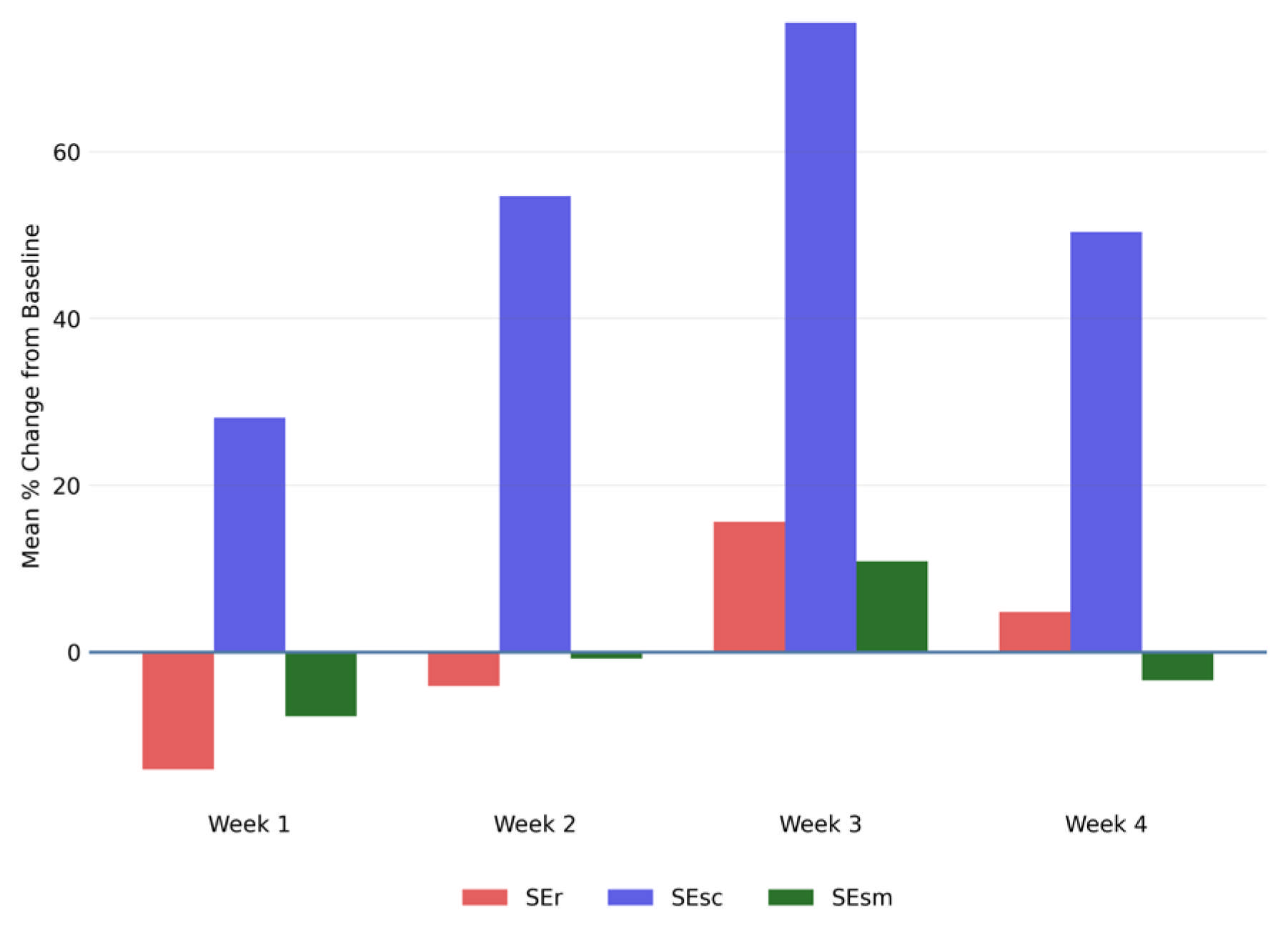
3.2. Three-Dimensional Imaging Analysis (Antera 3D)
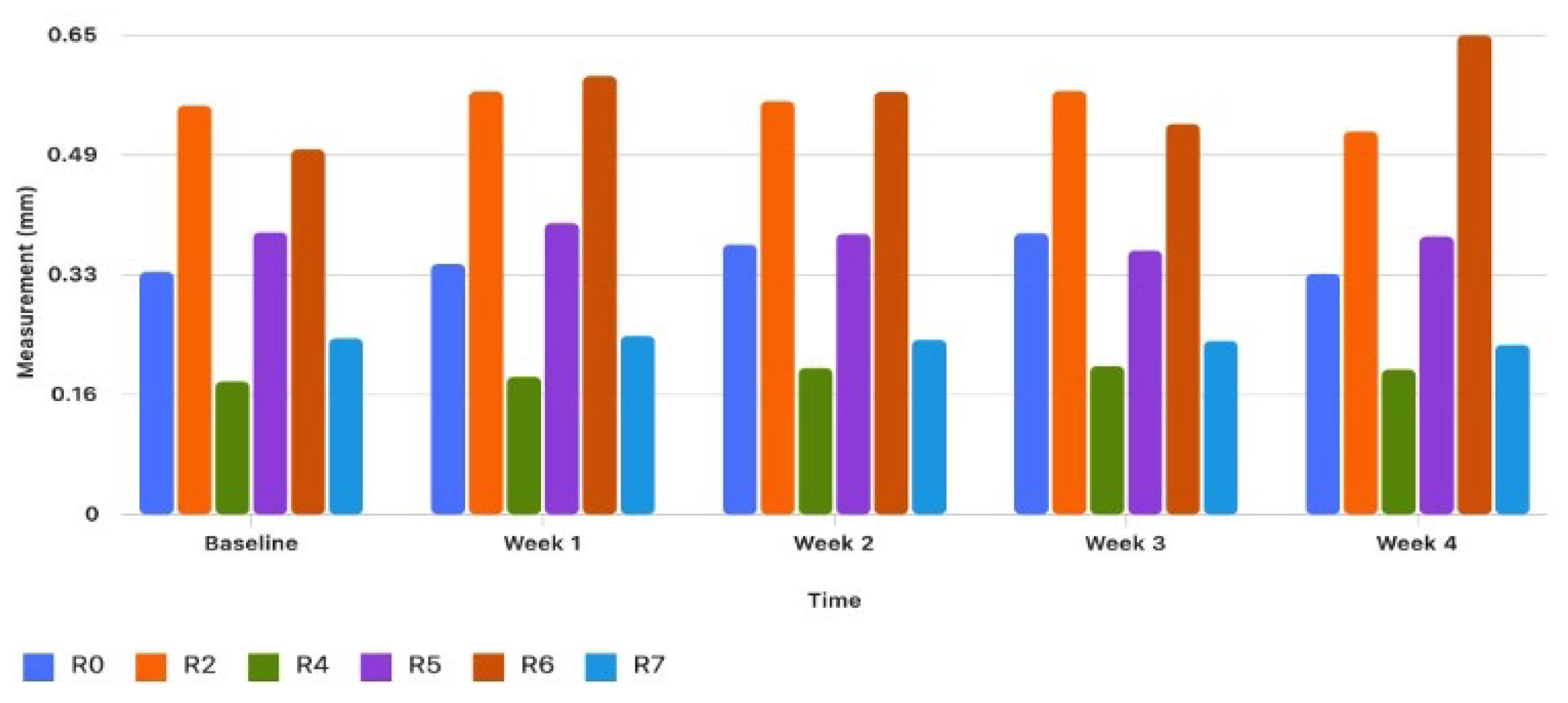
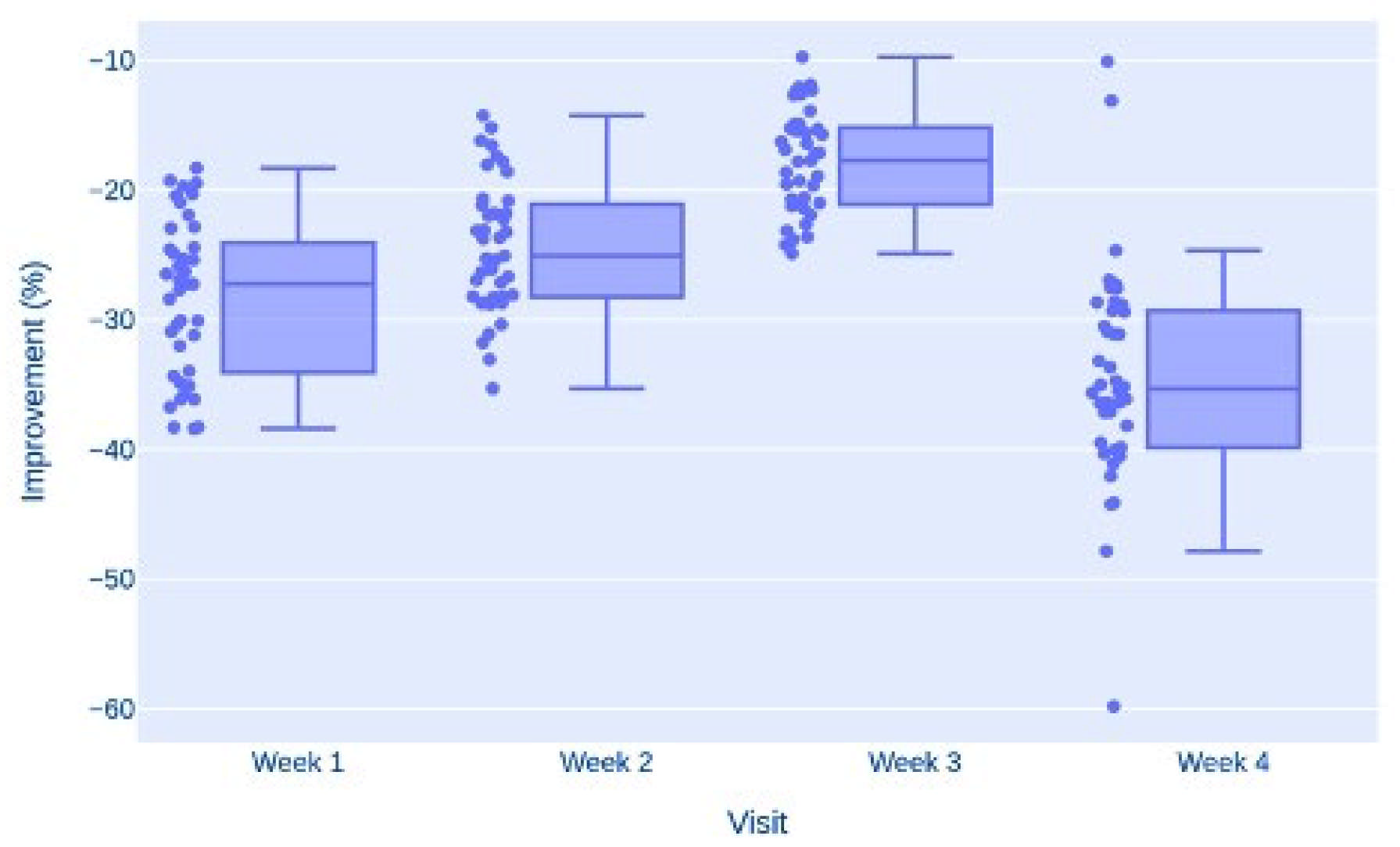
3.2.1. Wrinkle Reduction
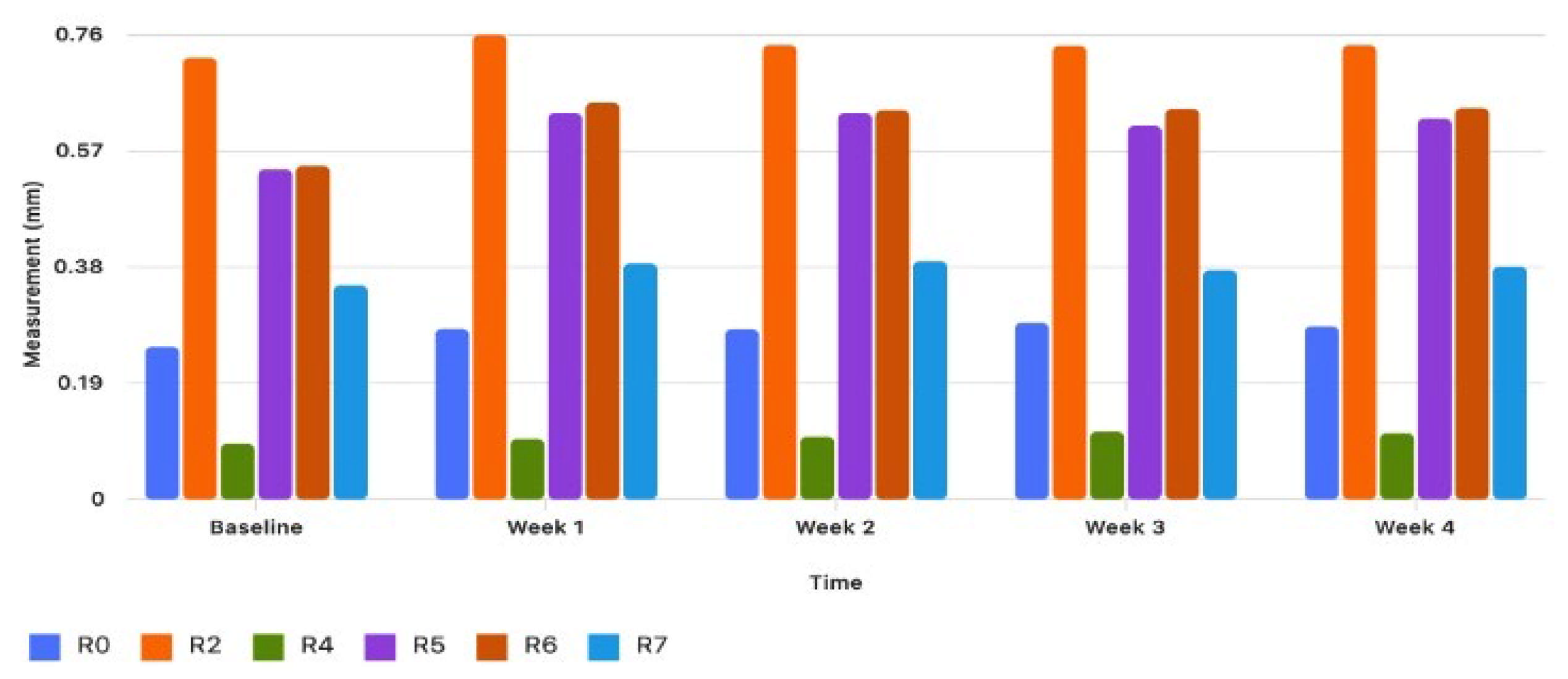
3.2.2. Volumetric Enhancement
3.3. Skin Hydration Assessment (Corneometer)
3.4. Skin Biomechanical Properties (Cutometer)
3.5. Trans-Epidermal Water Loss (Vapometer)
3.6. Skin Surface Topography (Visioscan)
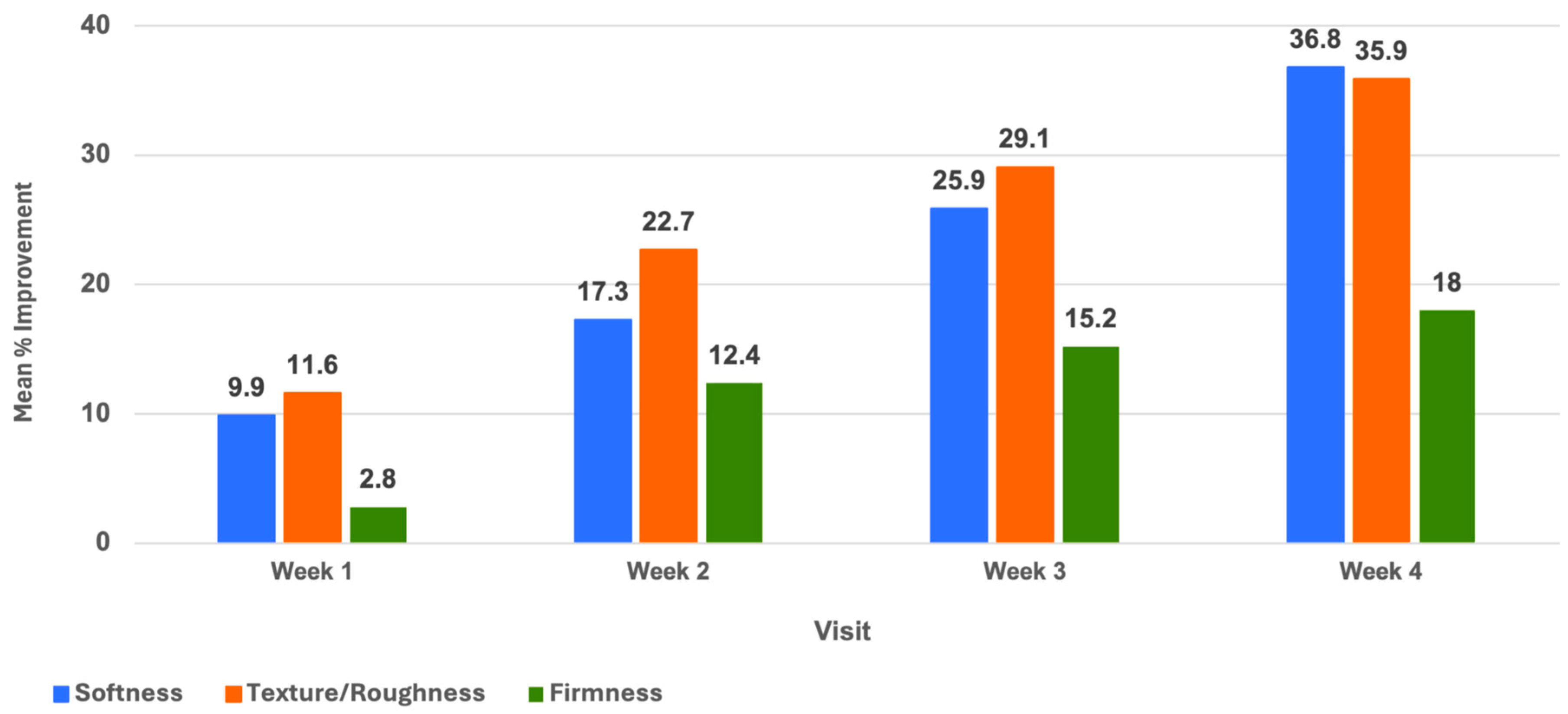
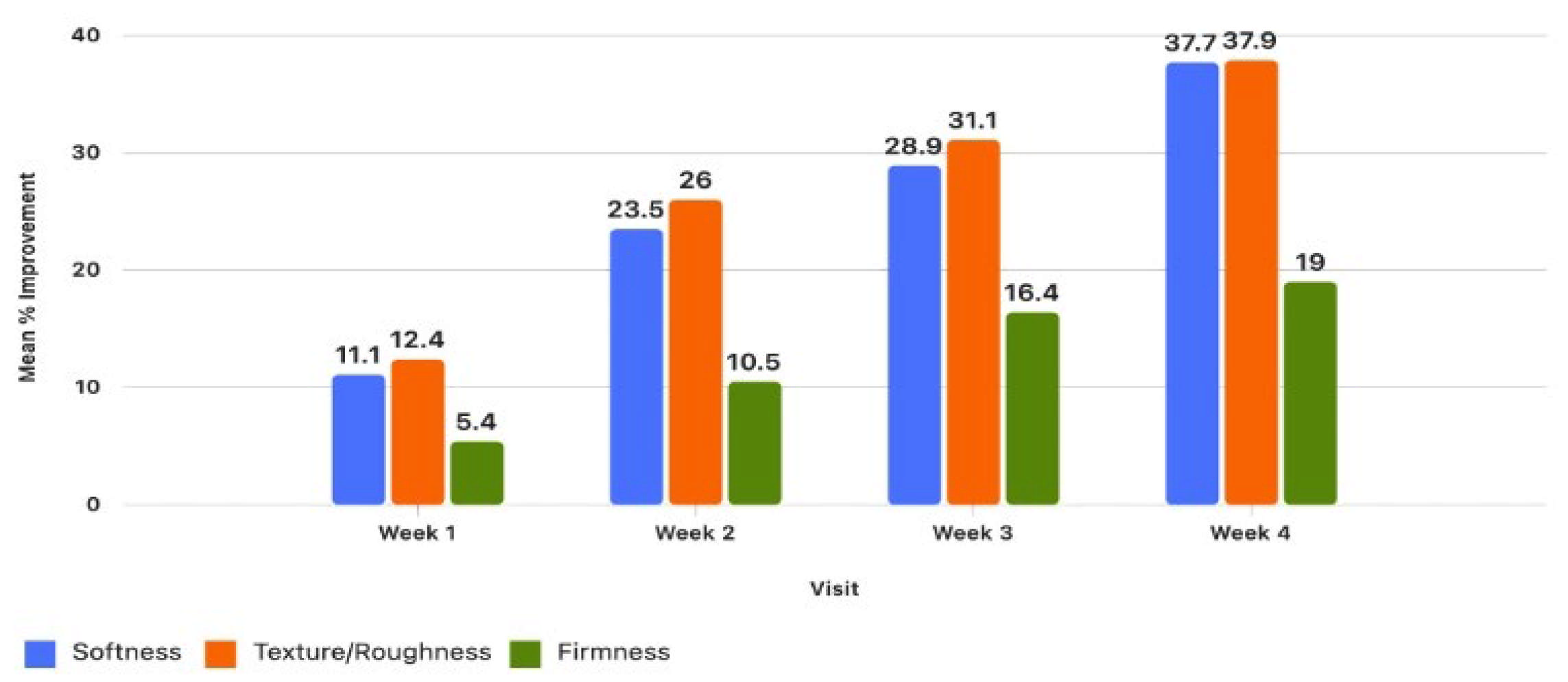
3.7. Clinical Grader Assessment: Tactile Evaluation
3.8. Subjective Assessment
3.8.1. Product Sensory Attributes
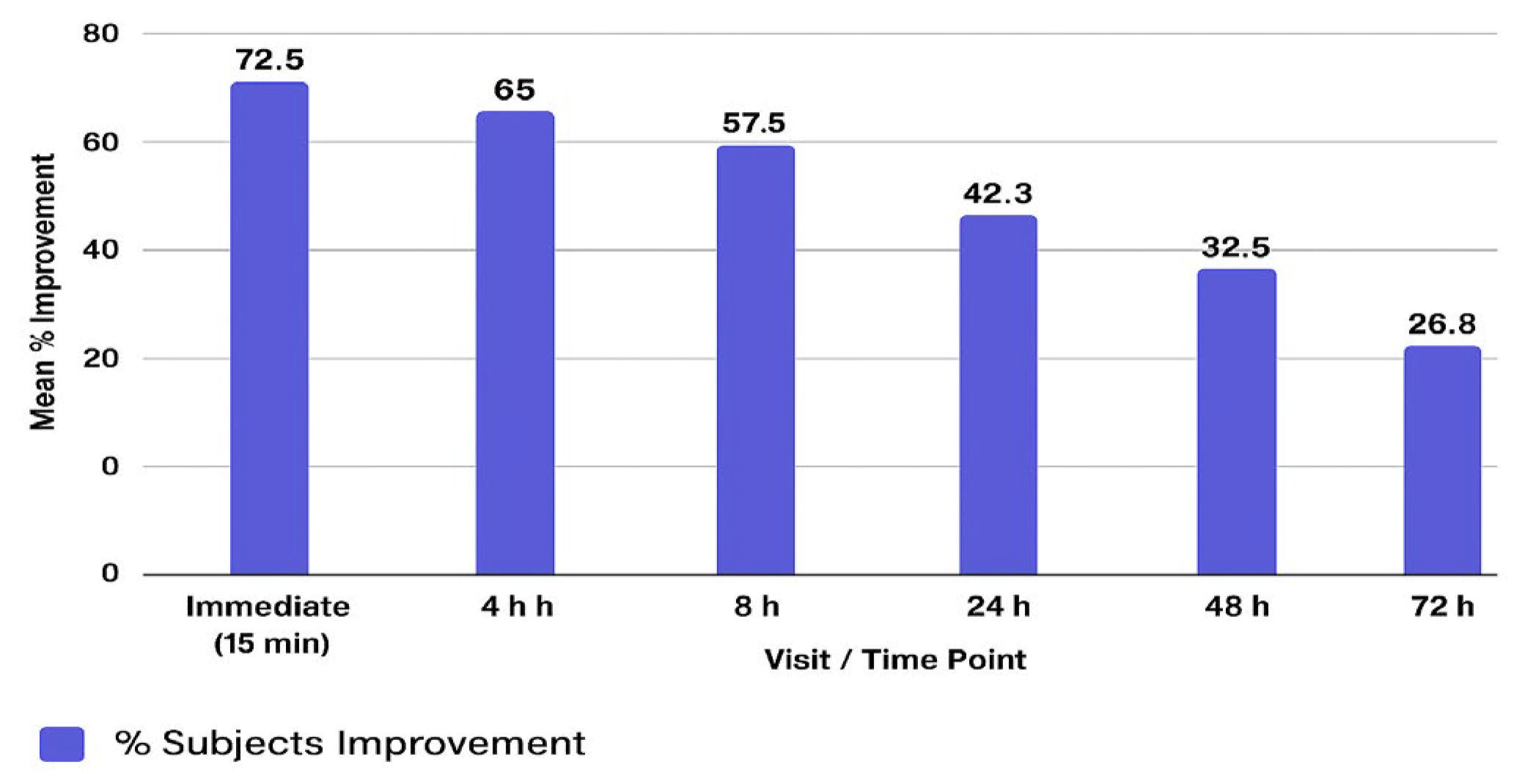
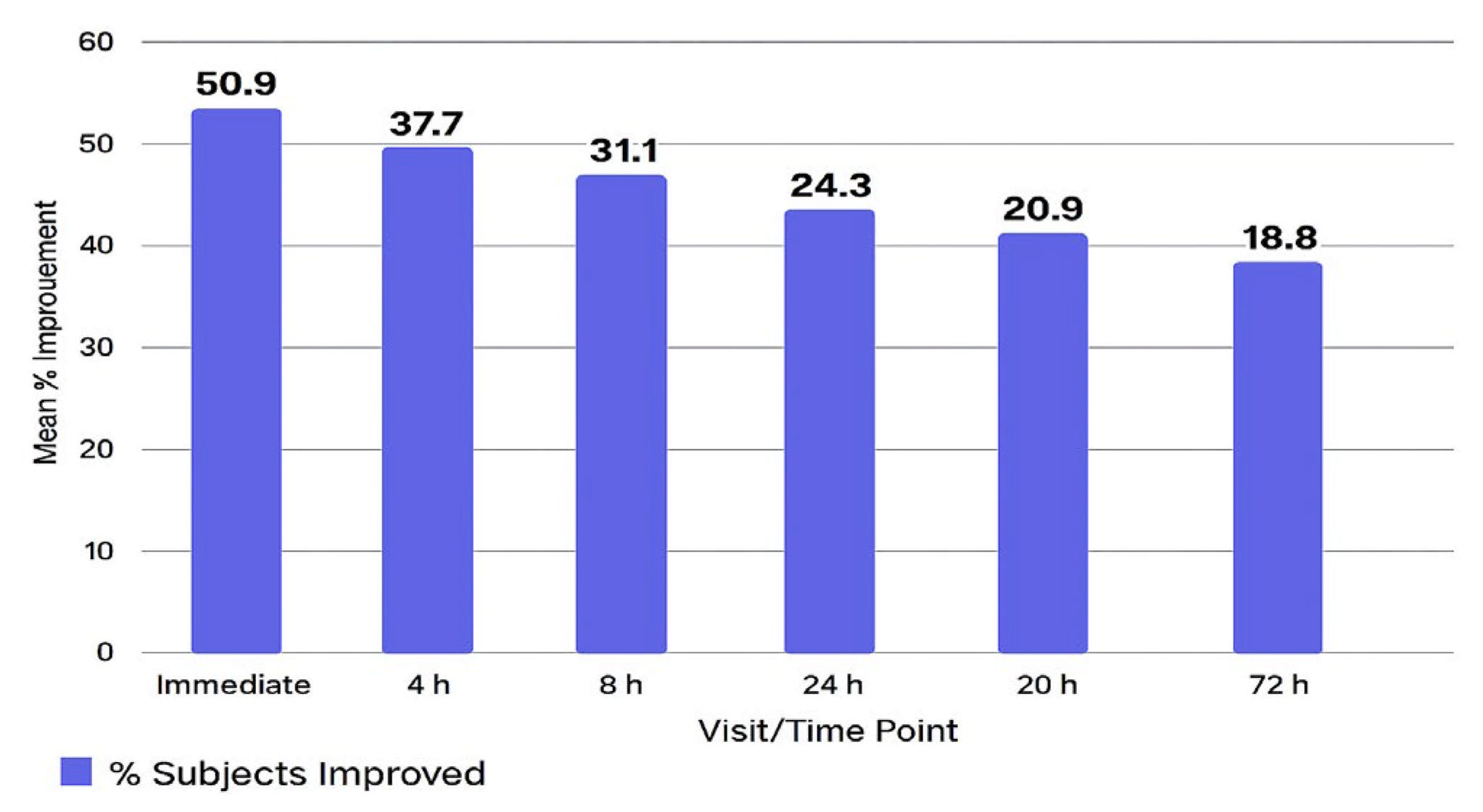
3.8.2. Immediate and Short-Term Benefits (15 Minutes–72 Hours)
3.8.3. Long-Term Benefits (Weeks 1–4)
3.8.4. Key Trends
4. Discussion
4.1. Efficacy Across Multiple Skin Parameters
4.2. Tolerability and Sensory Attributes
4.3. Subjective Validation of Objective Findings
4.4. Study Limitations and Future Directions
5. Conclusions
Author Contributions
Funding
Institutional Review Board Statement
Informed Consent Statement
Data Availability Statement
Acknowledgments
Conflicts of Interest
References
- Fluhr, J.W.; Moore, D.J.; Lane, M.E.; Lachmann, N.; Rawlings, A.V. Epidermal barrier function in dry, flaky and sensitive skin: A narrative review. J. Eur. Acad. Dermatol. Venereol. 2023, 37, 669–681. [Google Scholar] [CrossRef]
- Baker, P.; Huang, C.; Radi, R.; Moll, S.B.; Jules, E.; Arbiser, J.L. Skin barrier function: The interplay of physical, chemical, and immunologic properties. Cells 2023, 12, 2745. [Google Scholar] [CrossRef]
- Liu, H.; Dong, J.; Du, R.; Gao, Y.; Zhao, P. Collagen study advances for photoaging skin. Photodermatol. Photoimmunol. Photomed. 2023, 39, 495–505. [Google Scholar] [CrossRef] [PubMed]
- Rajkumar, J.; Chandan, N.; Lio, P.; Shi, V. The skin barrier and moisturization: Function, disruption, and mechanisms of repair. Skin Pharmacol. Physiol. 2023, 36, 174–185. [Google Scholar] [CrossRef] [PubMed]
- He, T.; Fisher, G.J.; Kim, A.J.; Quan, T. Age-related changes in dermal collagen physical properties in human skin. PLoS ONE 2023, 18, e0292791. [Google Scholar] [CrossRef] [PubMed]
- Bar, O.; Valiukevičienė, S. Skin aging and type I collagen: A systematic review of intervention. Cosmetics 2025, 12, 129. [Google Scholar] [CrossRef]
- Qin, Z.; Balimunkwe, R.M.; Quan, T. Age-related reduction of dermal fibroblast size upregulates multiple matrix metalloproteinases in aged human skin in vivo. Br. J. Dermatol. 2017, 177, 1337–1348. [Google Scholar] [CrossRef]
- Chavoshnejad, P.; Foroughi, A.H.; Dhandapani, N.; German, G.K.; Razavi, M.J. Effect of collagen degradation on the mechanical behavior and wrinkling of skin. Phys. Rev. E 2021, 104, 034406. [Google Scholar] [CrossRef]
- Wang, S.; Lian, F.; Feng, X.; Feng, M.; Niu, X.; Jiang, X.; Chen, W.; Bai, R. Promoting collagen synthesis: A viable strategy to combat skin ageing. J. Enzym. Inhib. Med. Chem. 2025, 40, 2488821. [Google Scholar] [CrossRef]
- Waszkielewicz, A.M.; Mirosław, K. Peptides and their mechanisms of action in the skin. Appl. Sci. 2024, 14, 11495. [Google Scholar] [CrossRef]
- Dierckx, S.; Patrizi, M.; Merino, M.; González, S.; Mullor, J.L.; Nergiz-Unal, R. Collagen peptides affect collagen synthesis and expression in human dermal fibroblasts. Front. Med. 2024, 11, 1397517. [Google Scholar] [CrossRef]
- Ghochikyan, A. Tripeptide-29|AC Collagen Prepeptide PF|Cosmetic Ingredients Guide. Cosmetic Ingredients Guide. 2025. Available online: https://ci.guide/peptides/tripeptide-29 (accessed on 20 February 2026).
- Rusic, D.; Ivic, M.; Slugan, A.; Leskur, D.; Modun, D.; Durdov, T.; Vukovic, D.; Bukic, J.; Bozic, J.; Perisin, A.S. Pilot study on cosmetic serum with niacinamide, postbiotics, and peptides. Life 2024, 14, 1677. [Google Scholar] [CrossRef] [PubMed]
- Tempark, T.; Shem, A.; Lueangarun, S. Efficacy of ceramides and niacinamide-containing moisturizer. J. Cosmet. Dermatol. 2024, 23, 295–303. [Google Scholar] [CrossRef]
- Kumari, M.; Gupta, V.K.; Yadav, K.; Mishra, A. Niacinamide in dermatology: A multifunctional agent for anti-ageing. J. Med. Plants Stud. 2025, 13, 16–22. [Google Scholar] [CrossRef]
- Ong, R.R.; Goh, C.F. Niacinamide: Dermal delivery strategies and clinical evidence. Drug Deliv. Transl. Res. 2024, 14, 3512–3548. [Google Scholar] [CrossRef]
- Yadav, E. Niacinamide and CoQ10: Molecular insights into skin health. Adv. Res. Dermatol. Cosmet. 2023, 2, 1008. [Google Scholar] [CrossRef]
- Caramori Cefali, L.; Figueiredo, M.C.; Ataide, J.A.; Tambourgi, E.B.; Mazzola, P.G. Development of emulsion containing watermelon extract for skin aging. J. Med. Plants Res. 2017, 11, 749–754. [Google Scholar]
- Yati, K.; Nugrahaeni, F.; Melinda, R.; Wati, L.R. Utilization of watermelon flesh extract as a topical antioxidant. Br. J. Pharm. 2024, 7, 147–160. [Google Scholar] [CrossRef]
- Adewale, A.A.; Alonge, O.T.; Adenaba, J.A. Nutritive values and antioxidant activity of Citrullus lanatus fruit extract. Food Nutr. Sci. 2015, 6, 1056–1066. [Google Scholar] [CrossRef]
- Kangralkar, Y.; Patil, S.; Shinde, S. Under-eye serum with Citrullus lanatus and Kojic acid. Int. J. Pharm. Sci. 2025, 3, 1882–1895. [Google Scholar] [CrossRef]
- Yobi, A.; Wone, B.W.; Xu, W.; Alexander, D.C.; Guo, L.; Ryals, J.A.; Oliver, M.J.; Cushman, J.C. Metabolomic profiling in Selaginella lepidophylla desiccation tolerance. Mol. Plant 2013, 6, 369–385. [Google Scholar] [CrossRef] [PubMed]
- Gunia-Krzyżak, A. Aquaporins in the skin: Molecular regulators of hydration. Cosmetics 2025, 12, 263. [Google Scholar] [CrossRef]
- Boury-Jamot, M.; Daraspe, J.; Bonté, F.; Perrier, E.; Schnebert, S.; Dumas, M.; Verbavatz, J.-M. Skin aquaporins: Function in hydration and wound healing. In Handbook of Experimental Pharmacology; Springer: Berlin/Heidelberg, Germany, 2006; Volume 190, pp. 205–217. [Google Scholar]
- Patel, B.M.; Kuchekar, A.B.; Pawar, S.R. Emulgel approach to formulation development. Biosci. Biotechnol. Res. Asia 2021, 18, 179–190. [Google Scholar] [CrossRef]
- Pawar, C.V.; Jagtap, A.S.; Dhobale, S.M. Review on formulation and estimation of topical emulgel. Int. J. Pharm. Sci. 2024, 2, 602–609. [Google Scholar] [CrossRef]
- Kute, S.B.; Saudagar, R.B. Emulsified gel: A novel approach for enhancement of topical drug delivery. J. Adv. Pharm. Technol. Res. 2013, 4, 368–376. Available online: https://japer.in/storage/models/article/LtN94qhIg7Gj5SwKlhMHjIK2IjbqScuetaJdVpVtqg4ei010RqPiQSn6Cqg0/emulsified-gel-a-novel-approach-for-delivery-of-hydrophobic-drugs-an-overview.pdf (accessed on 6 January 2026).
- Ojha, B.; Jain, V.K.; Gupta, S.S.; Talegaonkar, S.; Jain, K. Nanoemulgel for treatment of skin ailments. J. Polym. Res. 2021, 28, 214. [Google Scholar] [CrossRef]
- Messaraa, C.; Metois, A.; Walsh, M.; Hurley, S.; Doyle, L.; Mansfield, A.; O’COnnor, C.; Mavon, A. Wrinkle and roughness measurement by the Antera 3D®. Ski. Res. Technol. 2018, 24, 359–366. [Google Scholar] [CrossRef]
- Xi, A.; Jiang, L.; Lu, Y.; He, C.; Li, L. Quantitative evaluation of sensitive skin by Antera 3D®. Skin Res. Technol. 2022, 28, e13213. [Google Scholar] [CrossRef]
- Klonard, J.W.; Schlippe, G.; Voss, W. Stratum corneum hydration measured by Bluetooth Corneometer CM 825i. Skin Pharmacol. Physiol. 2024, 37, 40–48. [Google Scholar] [CrossRef]
- Clarys, P.; Clijsen, R.; Taeymans, J.; Barel, A.O. Hydration measurements on skin: Comparison of instruments. Skin Res. Technol. 2011, 17, 316–323. [Google Scholar] [CrossRef]
- Park, J.H.; Choi, Y.; Jung, Y.J.; Lee, T.; Kim, H.; Cho, Y.; Lee, J.H. Skin hydration measurement: Comparison between devices and clinical evaluations. Ann. Dermatol. 2024, 36, 275–281. [Google Scholar] [CrossRef]
- Moretti Aiello, L.M.; Vergílio, M.M.; e Silva, S.A.M.; Leonardi, G.R. Operational parameters for Corneometry in clinical trials. Braz. J. Pharm. Sci. 2025, 61, e23182. [Google Scholar] [CrossRef]
- Imhof, B.; Xiao, P.; Angelova-Fischer, I. TEWL measurement using closed-chamber methods. In Non-Invasive Diagnostic Techniques in Clinical Dermatology; Springer: Berlin/Heidelberg, Germany, 2014; pp. 483–492. [Google Scholar] [CrossRef]
- De Paepe, K.; Houben, E.; Adam, R.; Wiesemann, F.; Rogiers, V. Validation of the VapoMeter for TEWL measurement. Skin Res. Technol. 2005, 11, 61–69. [Google Scholar] [CrossRef]
- Fluhr, J.W.; Feingold, K.R.; Elias, P.M. TEWL reflects permeability barrier status. Exp. Dermatol. 2006, 15, 483–492. [Google Scholar] [CrossRef]
- Di Qu, D.; Seehra, G.P. Improving accuracy of skin elasticity measurement using Cutometer. J. Cosmet. Sci. 2016, 67, 37–44. [Google Scholar]
- Klimitz, F.J.; Neubauer, H.; Stolle, A.; Ripper, S.; Daeschler, S.C.; Aman, M.; Boecker, A.; Thomas, B.; Kneser, U.; Harhaus, L. Objective burn scar assessment using Cutometer. J. Burn. Care Res. 2022, 44, 95–105. [Google Scholar] [CrossRef]
- Chen, D.; Yin, S.; Lu, X.; Fu, H.; Gao, H.; Zhang, S. Correlation between skin elasticity parameters and age. Cosmetics 2024, 11, 205. [Google Scholar] [CrossRef]
- Neto, P.; Ferreira, M.; Bahia, F.; Costa, P. Improvement of methods for skin mechanical properties evaluation. Skin Res. Technol. 2013, 19, 405–416. [Google Scholar] [CrossRef] [PubMed]
- Stettler, H.; Crowther, J.; Boxshall, A.; Bielfeldt, S.; Lu, B.; de Salvo, R.; Trapp, S.; Blenkiron, P. Biophysical assessment of skin surface using Visioscan VC 20plus. Cosmetics 2022, 9, 5. [Google Scholar] [CrossRef]
- Roessle, A.; Kerscher, M. Objectification of skin surface evenness using Visioscan. J. Cosmet. Dermatol. 2025, 24, e70383. [Google Scholar] [CrossRef]
- Bland, J.M.; Altman, D.G. Multiple significance tests: The Bonferroni method. BMJ 1995, 310, 170. [Google Scholar] [CrossRef]
- Mann, H.B.; Whitney, D.R. On a test of whether one of two random variables is stochastically larger than the other. Ann. Math. Stat. 1947, 18, 50–60. [Google Scholar] [CrossRef]
- Wilcoxon, F. Individual comparisons by ranking methods. Biom. Bull. 1945, 1, 80–83. [Google Scholar] [CrossRef]
- World Medical Association. Declaration of Helsinki: Ethical principles for medical research involving human subjects. JAMA 2013, 310, 2191–2194. [Google Scholar] [CrossRef] [PubMed]
- U.S. Food and Drug Administration. Informed Consent Guidance for IRBs, Clinical Investigators, and Sponsors; U.S. Food and Drug Administration: Silver Spring, MD, USA, 2023. Available online: https://www.fda.gov/media/88915/download (accessed on 20 February 2026).
- Wen, B.; Zhang, G.; Zhan, C.; Chen, C.; Yi, H. 2024 revision of the Declaration of Helsinki: Key updates. Postgrad. Med. J. 2024, 101, 371–382. [Google Scholar] [CrossRef]
- SAS Institute. JMP Documentation. In Statistical Methods for Paired Comparisons; SAS Institute: Cary, NC, USA, 2024; Available online: https://www.jmp.com/en/support/jmp-documentation (accessed on 20 February 2026).
- Dunn, O.J. Multiple comparisons using rank sums. Technometrics 1964, 6, 241–252. [Google Scholar] [CrossRef]
- Armstrong, R.A. When to use the Bonferroni correction. Ophthalmic Physiol. Opt. 2014, 34, 502–508. [Google Scholar] [CrossRef] [PubMed]
- Bonferroni, C. Teoria statistica delle classi e calcolo delle probabilità. Pubbl. R Ist. Super. Sci. Econ. E Commer. Firenze 1936, 8, 3–62. [Google Scholar]
- Zhang, C.; Zhang, Y.; Chen, M.; Fei, W.; Li, P. Oral supplementation with collagen tripeptide improves hydration, TEWL, firmness, and elasticity in 28 days. Am. J. Biomed. Sci. Res. 2024, 22, 002947. [Google Scholar] [CrossRef]
- Tak, Y.J.; Shin, D.K.; Kim, A.H.; Kim, J.I.; Lee, Y.L.; Ko, H.-C.; Kim, Y.-W.; Lee, S.Y. Adjusting for climate, 1000 mg collagen tripeptide reduces TEWL and improves hydration by 12 weeks. Front. Med. 2021, 7, 608903. [Google Scholar] [CrossRef]
- Schagen, S.K. Topical peptide treatments with effective anti-aging results. Cosmetics 2017, 4, 16. [Google Scholar] [CrossRef]
- Resende, D.I.S.P.; Ferreira, M.S.; Sousa-Lobo, J.M.; Sousa, E.; Almeida, I.F. Usage of synthetic peptides in cosmetics for sensitive skin. Pharmaceuticals 2021, 14, 702. [Google Scholar] [CrossRef] [PubMed]
- Nguyen, T.Q.; Zahr, A.S.; Kononov, T.; Ablon, G. Peptide serum is effective and well-tolerated in sensitive skin: Randomized double-blind trial. J. Clin. Aesthetic Dermatol. 2021, 14, 14–21. [Google Scholar]
- Bîrsan, M.; Gore, E.; Scripcariu, Ș.-I.; Vlad, R.-A.; Antonoaea, P.; Pintea, C.; Pintea, A.; Cotoi, C.-T.; Focșa, A.-V.; Ciurba, A. Multi-active cosmeceutical formulations: Stability, sensory performance, and tolerability. Cosmetics 2025, 12, 195. [Google Scholar] [CrossRef]
- Konisky, H.; Bowe, W.P.; Kobets, K. Efficacy and tolerability of a retinal serum with peptides: 8-week study in 32 subjects (47% skin of color). J. Drugs Dermatol. 2024, 23, 992–997. [Google Scholar] [CrossRef]
- Cymbiotics Biopharma. Autophagy-activating peptide improves barrier and reduces TEWL (9.7%) after 4 weeks in sensitive skin. Sci. Updates 2025, 12, 45–52. [Google Scholar]
- Umbrex. Product Texture and Sensory Evaluation. Available online: https://umbrex.com/resources/industry-analyses/how-to-analyze-a-cosmetics-company/product-texture-and-sensory-evaluation/ (accessed on 20 February 2026).
- Andrei, F. Sensory science in cosmetics: Link between texture and consumer satisfaction. In Cosmetic Industry—Trends, Products and Quality Control; IntechOpen: London, UK, 2025. [Google Scholar] [CrossRef]
- Bareen, M.A.; Shagufta, R.; Fatima, S. Recent developments in sensory assessment and consumer preference techniques. In Engineering Solutions for Sustainable Production; FSES 613; Springer Nature: Singapore, 2025. [Google Scholar] [CrossRef]
- Clapham, D.; Belissa, E.; Inghelbrecht, S.; Pensé-Lhéritier, A.-M.; Ruiz, F.; Sheehan, L.; Shine, M.; Vallet, T.; Walsh, J.; Tuleu, C. Best practice in sensory analysis enhances compliance. Pharmaceutics 2023, 15, 2319. [Google Scholar] [CrossRef]
- Civille, G.V.; Dus, C. How sensory evaluation informs product development. Cosmet. Toilet. 2019, 120, 49–55. [Google Scholar]
- Higgins, K.M.; Levin, G. Considerations for Design and Analysis in Open-Label Trials; FDA/CDER Poster: Silver Spring, MD, USA, 2022. Available online: https://www.fda.gov/media/168664/download (accessed on 20 February 2026).
- von Wernsdorf, M.; Loef, M.; Tuschen-Caffier, B.; Schmidt, S. Effects of open-label placebos: A systematic review and meta-analysis. Sci. Rep. 2021, 11, 24238. [Google Scholar] [CrossRef]
- Blease, C.R.; Bernstein, M.H.; Locher, C. Open-label placebo trials: Methodological considerations and recommendations. BMJ Evid.-Based Med. 2020, 25, 159–165. [Google Scholar] [CrossRef]
- ClinicalStudies.in. Open-Label Studies: Design, Applications, and Best Practices in Clinical Research. 2025. Available online: https://www.clinicalstudies.in/open-label-studies-design-applications-and-best-practices-in-clinical-research (accessed on 20 February 2026).
- Mauri, L.; D’Agostino, R.B. Challenges in design and interpretation of noninferiority trials. N. Engl. J. Med. 2017, 377, 856–865. [Google Scholar] [CrossRef]
- Good Clinical Trials Collaborative. Design and Conduct of Rigorous RCTs. 2023. Available online: https://www.goodtrials.org (accessed on 20 February 2026).
- Clinical Trials Transformation Initiative. Increasing diversity in clinical trials: Recommendations. Clin. Pharmacol. Ther. 2023, 113, 489–499. [Google Scholar] [CrossRef]
- Panchal, H.; Trivedi, M. A comprehensive review of comparative effectiveness research: Methodologies, applications, and future directions. Int. J. Pharm. Sci. 2025, 3, 166–172. [Google Scholar] [CrossRef]
- Williams, S. Innovations in randomized trials: Exploring adaptive designs, digital integration and evolving methodologies. J. Clin. Trials 2024, 15, 586. Available online: https://www.longdom.org/open-access-pdfs/innovations-in-randomised-trials-exploring-adaptive-designs-digital-integration-and-evolving-methodologies.pdf (accessed on 20 February 2026).
- CognixPulse. Understanding Randomized Controlled Trials in Research. 2022. Available online: https://cognixpulse.com/articles/understanding-randomized-controlled-trials/ (accessed on 20 February 2026).
- FDAGuidelines.com. Real-World Evidence Strategies for Underrepresented Populations. 2025. Available online: https://www.fdaguidelines.com/rwe-strategies-for-subgroups-and-special-populations-underrepresented-in-rcts/ (accessed on 6 January 2026).




Disclaimer/Publisher’s Note: The statements, opinions and data contained in all publications are solely those of the individual author(s) and contributor(s) and not of MDPI and/or the editor(s). MDPI and/or the editor(s) disclaim responsibility for any injury to people or property resulting from any ideas, methods, instructions or products referred to in the content. |
© 2026 by the authors. Licensee MDPI, Basel, Switzerland. This article is an open access article distributed under the terms and conditions of the Creative Commons Attribution (CC BY) license.
Share and Cite
Gopaul, R.; Zhang, J. Dual-Purpose Body and Face Formulation with Synergistic Actives for Thin, Aging, and Dry Skin: A Four-Week Clinical Study. Cosmetics 2026, 13, 64. https://doi.org/10.3390/cosmetics13020064
Gopaul R, Zhang J. Dual-Purpose Body and Face Formulation with Synergistic Actives for Thin, Aging, and Dry Skin: A Four-Week Clinical Study. Cosmetics. 2026; 13(2):64. https://doi.org/10.3390/cosmetics13020064
Chicago/Turabian StyleGopaul, Remona, and June Zhang. 2026. "Dual-Purpose Body and Face Formulation with Synergistic Actives for Thin, Aging, and Dry Skin: A Four-Week Clinical Study" Cosmetics 13, no. 2: 64. https://doi.org/10.3390/cosmetics13020064
APA StyleGopaul, R., & Zhang, J. (2026). Dual-Purpose Body and Face Formulation with Synergistic Actives for Thin, Aging, and Dry Skin: A Four-Week Clinical Study. Cosmetics, 13(2), 64. https://doi.org/10.3390/cosmetics13020064