
Review

Emerging Trends in Facial Cosmetics: Innovation, Science, and Sustainable Beauty

by
Ricardo Sagastume-Canova
1,* and
Montserrat Fernández-Guarino
2,*
1
Department of Medicine, Universidad Rafael Landívar, Guatemala City 01016, Guatemala
2
Department of Dermatology, Hospital Ramón y Cajal, Universidad Alfonso X El Sabio, 28034 Madrid, Spain
*
Authors to whom correspondence should be addressed.
Cosmetics 2026, 13(2), 58; https://doi.org/10.3390/cosmetics13020058
Submission received: 30 January 2026 / Revised: 21 February 2026 / Accepted: 24 February 2026 / Published: 3 March 2026

Abstract

Facial cosmetics are undergoing a significant transformation driven by scientific innovation, consumer awareness, and a growing demand for personalized and sustainable solutions. This article explores the latest developments in active ingredients, such as exosomes, growth factors and cosmeceuticals, alongside the rise of smart skincare technologies, including AI-based diagnostics and connected beauty devices. It also examines evolving consumer preferences, with a focus on transparency, skin health, and environmentally conscious formulations. Together, these trends are shaping a new era in facial cosmetic care, where efficacy, safety, and sustainability converge.

1. Introduction

Cosmetic use has been documented since ancient civilizations, including Egypt, Greece, and Rome. Early formulations combined pigments, botanical materials, and basic emollients, and historical sources describe practices aimed at cleansing, perfuming, and improving skin appearance [1]. During the 19th century and early industrialization, cosmetic production expanded and formulations became more standardized. In the 20th century, facial cosmetics evolved rapidly alongside changes in consumer culture, with products increasingly positioned around hydration, photoprotection, and the visible signs of skin aging [2].
A pivotal milestone in multifunctional products was the commercialization of tinted, multibenefit facial creams widely popularized under the term “BB cream” [3]. Subsequent product families (e.g., BB/CC) reflect the broader trend toward combining coverage, photoprotection, and skin-care actives in a single formulation. East Asian markets, particularly South Korea, contributed to the global diffusion of these concepts, alongside digital marketing, and rapid product iteration [4]. Today, beyond classical cosmeceuticals, formulation research increasingly includes peptides, botanicals with antioxidant capacity, biotics, and marine-derived substances [5]. Nanotechnology has also been applied to improve skin delivery of actives via carriers such as liposomes and nanoemulsions [6]. Compared to pharmaceuticals, cosmetic regulation is generally laxer. In Europe, however, legislation is strict, prioritizing consumer safety, ingredient control, and manufacturing processes, while ensuring labeling transparency and legal accountability. A key regulation governing these standards is Regulation (EC) No. 1223/2009 of the European Parliament and of the Council, which mandates direct and compulsory application in all EU member states. This regulation also bans all forms of animal testing for cosmetics [7]. By contrast, regulations across other countries vary widely, often more permissive—allowing post-market withdrawal after adverse effects, lacking clear bans on certain substances, or enabling limited testing on animals depending on quasi-medicinal classification [8].
Regulatory interpretation also differs in how claims are assessed and how borderline products are classified. In the European Union, pre-market safety assessment, a designated responsible person, and centralized ingredient restrictions shape formulation and labeling, whereas in the United States of America (USA), cosmetics are regulated under a different enforcement model with evolving requirements under Modernization of Cosmetics Regulation Act (MoCra). In several Asian markets, additional product registration steps and varying claim frameworks can influence product positioning. In this context, “regulatory gaps” should be understood as an interpretive description of inconsistencies across jurisdictions rather than a formal legal category [7,8].
The growing demand for creativity and functionality in cosmetics, with the need for products tailored not only to the skin but also to the user’s lifestyle, has fostered new lines of research. Current regulation has also driven innovation. Genetics is increasingly used to identify new targets [9], and the industry is directing significant efforts toward novel delivery systems for active ingredients, including liposomes, nano- and micro-emulsions, microparticles, and nanoparticles [10]. Moreover, generational and modern trends influence the market, and Millennials and Gen Z share and look for experiences on social media, whereas older generations seek in other types of media such as internet search, journals or a dermatological consultation. Personalized treatment plans of skincare and digital search are increasing in importance [11].
This narrative review synthesizes advances in facial cosmetics across formulation science, smart technologies, consumer preferences, and sustainability, highlighting the level of evidence and key limitations relevant to clinical and real-world use.

2. Methods

This article is a narrative review. Targeted searches were conducted in PubMed and Google Scholar using combinations of terms related to facial cosmetics, cosmeceuticals, peptides, exosomes, growth factors, nanocarriers, artificial intelligence (AI), internet of things (IoT), and sustainable cosmetics. Priority was given to peer-reviewed clinical studies, systematic reviews, and regulatory documents; preclinical studies were included when they provided mechanistic context. Older sources were used selectively for historical background.

3. Science and Innovation of Facial Cosmetics

3.1. Advances in Active Ingredients for Cosmetic Formulations

To improve interpretability, the main ingredients and enabling technologies discussed below are summarized by dominant biological pathway and by level of evidence (Table 1). Throughout this review, “active ingredient” denotes a component intended to provide a measurable biological or physiological effect on the skin; “bioactive” refers to actives with evidence of interaction with defined pathways; and “functional ingredient” refers to formulation components that primarily contribute to texture, stability, or delivery rather than direct biological activity.
One of the earliest advances that marked a turning point in cosmetic development was the introduction of the term “cosmeceutical”. Despite its widespread use, the concept has yet to be fully defined in regulatory terms. The term was originally coined in 1984 by Dr. Kligman to refer to products positioned between traditional cosmetics and pharmacological agents [12]. It was first applied in the context of tretinoin experimentation and has since been extended to include compounds such as vitamin C, alpha- and beta-hydroxy acids, and azelaic acid. The key distinction between cosmeceuticals and other cosmetic formulations lies in the existence of the extensive scientific literature supporting their efficacy. However, consumer-facing communication must remain clear, as cosmeceuticals, despite their pharmacological attributes, cannot be promoted as medicinal products. From a regulatory perspective, no differentiation is currently made between cosmetics and cosmeceuticals [13,14]. Nevertheless, a cosmeceutical may be understood as a cosmetic with demonstrable biological activity, recognized safety and efficacy, or in certain cases, reclassified as a pharmaceutical, as exemplified by tretinoin. This represents a regulatory gap yet to be addressed. Greater clarity is warranted for consumers, who should be made aware that not all cosmetic products are equivalent.
Table 1. Mechanism-based classification and evidence level of major ingredients and enabling technologies discussed.
Ingredient/TechnologyDominant PathwayTypical Cosmetic/Clinical GoalMain Evidence LevelKey LimitationSelected Reference
ExosomesCellular communication; ECM * remodeling; oxidative stress modulationPhotoaging signs (texture, wrinkles, redness)Preclinical + early clinicalProduct heterogeneity; standardization; long-term safety; regulatory oversight[15,16,17,18,19]
Growth factors/cytokinesFibroblast signaling; ECM remodelingPhotodamage and wrinkle reductionHuman clinical studies (often small/industry-sponsored)Limited independent large-scale trials; penetration; claim boundaries[20,21,22,23]
Bioactive peptidesECM remodeling; barrier support; pigment regulationWrinkles, barrier support, pigmentationIn vitro/ex vivo + limited human dataStability; delivery; heterogeneous endpoints[5,24]
Biotics (pro-/pre-/postbiotics)Microbiome modulation; inflammation; barrier functionSensitivity, barrier function, inflammation controlMostly preclinical + emerging clinicalStrain characterization; viability (probiotics); safety/quality control[25,26]
Marine polysaccharidesHydration/film-forming; antioxidant; anti-inflammatoryHydration, photoprotection support, anti-aging claimsPreclinical + limited clinicalBatch variability; mechanistic-to-clinical translation; claims[27,28]
Botanical antioxidants/polyphenolsOxidative stress reduction; anti-inflammatory; MMP ** inhibitionPhotodamage prevention; hyperpigmentation supportPreclinical + some clinicalOxidation; stability; penetration; variable extract composition[29,30,31,32]
Nanocarriers (liposomes/nanoemulsions)Enhanced delivery; controlled releaseImproved stability/penetration of activesFormulation/physicochemical + some clinicalReproducibility; safety of nanoforms; regulatory definitions[6,10]
Artificial intelligence-based diagnostics/personalizationData-driven stratification; image segmentationRoutine personalization and monitoringValidation studies; real-world app dataBias; external validation; transparency; privacy[33,34,35,36,37]
Internet of things devices/smart analyzersContinuous monitoring; exposure estimation; behavior supportUV *** exposure and skin metric tracking; adherenceEarly clinical/engineering studiesData standardization; clinical utility; interoperability[38,39,40,41]
Energy-based devices (lasers)Fractional dermal remodeling + pigment photoacoustic targetingStriae improvement; hyperpigmentation managementClinical (case series; multicenter study)Protocol/operator dependence; heterogeneity; safety/PIH considerations; need RCTs/standardization[42,43]
Sustainability/regulatoryLife cycle impact; hazard reduction; complianceSafer formulations, packaging, and claimsRegulatory/policy evidenceHeterogeneous global rules; interpretive “gaps”; communication clarity[7,8,44,45,46,47,48,49,50,51,52,53,54,55]
* ECM: extracellular matrix. ** MMP: matrix metalloproteinases. *** Ultraviolet.
Advances in cosmetic science continue to focus primarily on skin rejuvenation, with recent attention directed toward the application of exosomes. These are extracellular vesicles secreted by cells to mediate intercellular communication, with their composition, DNA, RNA, proteins, or lipids, determined by the cellular environment in which they are generated. Exosomes are nano-sized structures of complex biological activity. In dermatology, their use has been reported in wound healing, the management of alopecia, and anti-aging interventions [15]. Their isolation from human tissue remains technically challenging, and the full extent of their biological function has yet to be elucidated due to their multifaceted mechanisms of action. In cosmetic dermatology, exosomes derived from adipose-derived stem cells have been employed to mitigate signs of aging by reducing reactive oxygen species (ROS), inhibiting mitogen-activated protein kinase (MAPK) signaling pathways, activating tumoral growth factor beta (TGF-β), and downregulating matrix metalloproteinases (MMPs), thereby promoting extracellular matrix synthesis [16]. Comparable outcomes to platelet-rich plasma (PRP) have been demonstrated in terms of wrinkle reduction, erythema, desquamation, and skin texture improvement [17]. Additionally, exosomal microRNAs derived from bone marrow have shown potential in preventing collagen degradation in the dermis [18]. Several commercial products based on exosomes are currently available, particularly in the United States, South Korea, and Australia; however, the long-term effects of these formulations remain to be clarified. A robust regulatory framework governing the manufacture, standardization and clinical application of exosomes is still lacking. Given the complexity of their production and the potential for adverse effects, further investigation is essential [19]. It has yet to be established whether extracellular vesicles can exert such deep cutaneous effects with an acceptable long-term safety profile.
Critical considerations: most cosmetic exosome evidence remains preclinical or derives from small, early-phase human studies, and product heterogeneity (cell source, isolation methods, dosing, and excipients) limits cross-study comparability. For clinical translation, standardized characterization (e.g., vesicle markers, purity, and potency assays), clear labeling, and post-market safety surveillance are needed, and claims should avoid implying drug-like effects without robust clinical endpoints [15,19].
Another emerging area in cosmetic and facial rejuvenation involves the use of growth factors and cytokines. A decline in endogenous growth factor production and fibroblast activity is known to occur with aging [20]. The topical application of growth factors has been associated with clinical improvement in photoaged skin, including reductions in wrinkles, pigmentation and photodamage. These results have been achieved with prolonged use over weeks to months, either as monotherapy [21,22] or in combination with cytokines [23] or antioxidants [21]. Figure 1 describes best how science is evolving in cosmetic treatments. Despite these promising findings, further clinical research remains limited, and large-scale, independent studies are lacking. Several topical preparations containing growth factors are currently marketed as cosmetic products and regulated accordingly.
Bioactive peptides are being progressively added in dermatological formulations due to their capacity to promote collagen production, stimulate fibroblast activity, regulate pigmentation, and reinforce the skin’s barrier function. These peptides are typically categorized based on their mode of action into signaling peptides, carrier peptides, neurotransmitter-inhibiting peptides, and enzyme-inhibiting peptides. Peptide effectiveness has been substantiated by both in vitro and ex vivo studies. To enhance dermal absorption and stability, delivery systems often employ advanced nanocarriers, including liposomes and nanoemulsions [5,24].
Biotic ingredients in cosmetic formulations—probiotics, prebiotics, and postbiotics—contribute to skin microbiota balance and barrier function through distinct mechanisms [25]. Probiotics are live beneficial microorganisms that can modulate the microbiome and reduce inflammation, though their use in topicals is limited by stability and safety concerns. Prebiotics are non-digestible compounds that selectively promote the growth of beneficial skin bacteria and support immune and hydration responses. Postbiotics, composed of non-viable microbial cells, fragments, or metabolites, offer enhanced formulation stability and safety, exerting antioxidant, anti-inflammatory, and barrier-strengthening effects. Among these, postbiotics are emerging as particularly promising for topical use due to their efficacy and favorable safety profile [26].
Marine-derived biopolymers, especially polysaccharides such as alginate, fucoidan, carrageenan, ulvan, and laminarin, are increasingly incorporated into facial cosmetic creams for their multifunctional properties and sustainable origin [27]. Extracted from various algae and microalgae, these compounds form hydrogels with excellent water retention, stability, and emulsifying capacity—ideal for skin hydration and cream formulation. Beyond their physical functions, marine polysaccharides offer potent antioxidant, photoprotective, anti-inflammatory, and anti-aging effects, with some modulating pigmentation and extracellular matrix components [29]. Their biodegradability, renewability, and low environmental impact make them attractive natural alternatives, and recent studies support their high biocompatibility and safety for topical use [27,28].
Botanical extracts such as gallic acid, ferulic acid, flavonoids, and polyphenols are widely used in facial cosmetic creams for their antioxidant, anti-inflammatory, and photoprotective properties. These compounds help neutralize reactive oxygen species, reduce oxidative stress, and modulate inflammatory mediators, thereby protecting against ultraviolet (UV)-induced skin damage and premature aging [29]. Gallic acid supports wound healing and hyperpigmentation treatment [30]; ferulic acid enhances the efficacy of vitamins C and E [31]; and flavonoids and polyphenols help preserve collagen by inhibiting matrix metalloproteinases. When combined, these actives act synergistically to address multiple aging pathways. Advanced delivery systems further improve their stability and skin penetration, making them valuable components in modern anti-aging formulations [29,32].

3.2. Intelligent Technologies Applied to Facial Care

3.2.1. Artificial Intelligence and Connected Technologies in Facial Skincare

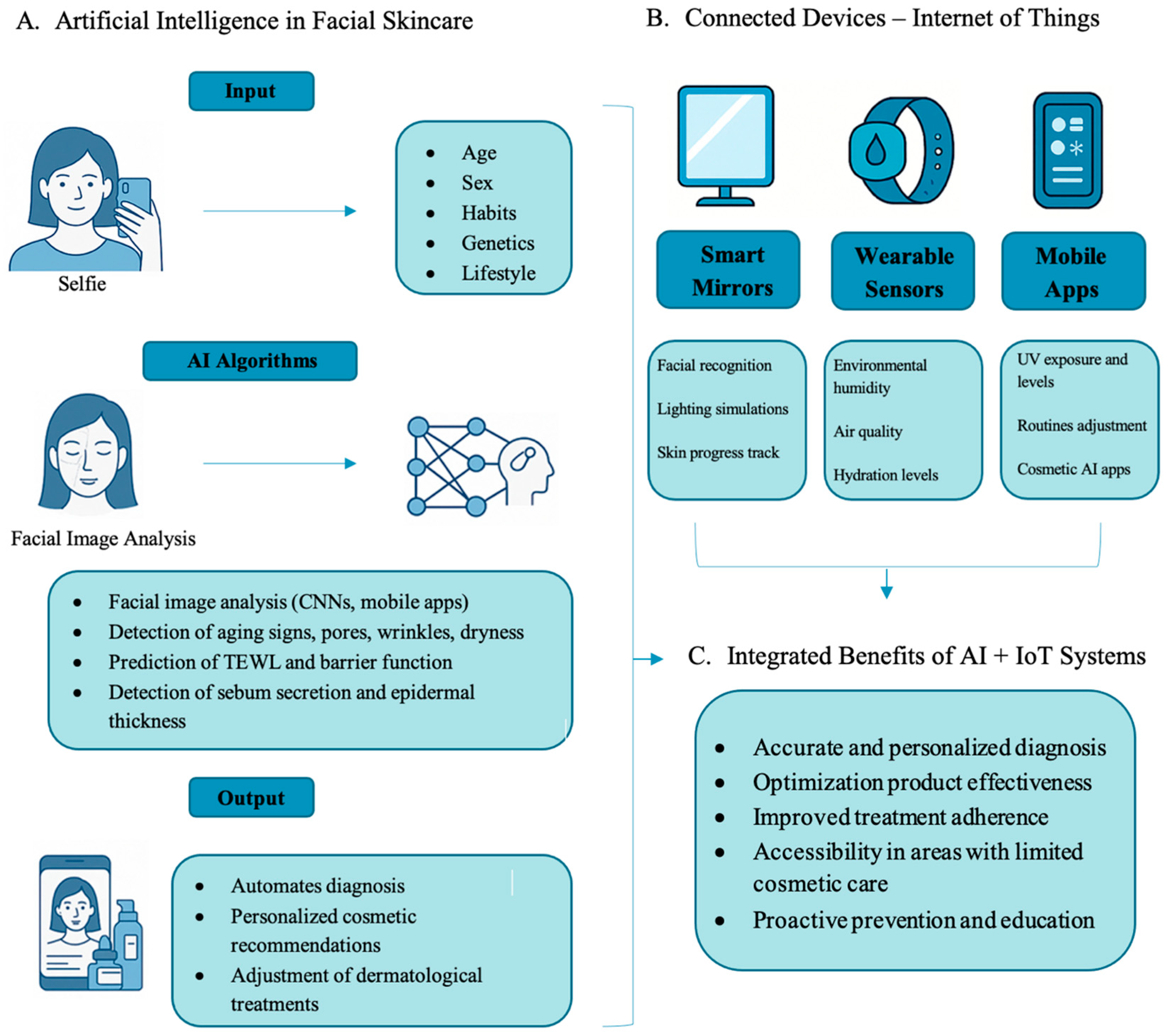
Artificial intelligence (AI) is transforming diagnostic methods in cosmetic dermatology, improving the precision and efficiency of skin consultations. As the demand for cosmetic treatments rises globally, AI-based tools offer patients access to personalized skincare regimens. SkinConsult AI by L’oréal, engages advanced AI algorithms to analyze selfies and detects signs of aging; this way, it recommends tailored products. Similarly, Proven Skincare powers AI through its Skin Genome Project, which evaluates facial images alongside intrinsic and extrinsic factors such as lifestyle, environmental exposure, and genetic information to design individualized skincare routines [33]. AI-based platforms reflect a wider technological improvement in this area, where smart cosmetic solutions are embraced to modernize users’ experience and optimize product effectiveness [34,35].
In cosmetic consultations, where time is often limited, AI enhances diagnostic accuracy by replacing practitioners’ subjective evaluation with objective data. This is achieved by programming AI-based tools with deep learning software, where hundreds of images and cases have been uploaded to ensure a more accurate diagnosis. AI technologies can predict transepidermal water loss (TEWL) and barrier integrity by imaging and data analysis [34]. In this context, convolutional neural networks (CNNs) like U-Net are being adapted to classify facial images and segment features such as pores and wrinkles by analyzing their morphology. This level of structural recognition enables cosmetic recommendations that are precisely matched to an individual’s skin needs [33].
A recent study evaluated whether stratum corneum moisture content could be accurately predicted from visible-light skin images using AI. Data were collected from 469 Japanese women, and the true moisture content was measured with a Corneometer, showing wide variability across groups (average of 23.9 a.u. in group 1 and 49.6 in group 2). Authors analyzed 54 skin features and found that variables such as pore count and brown spot count showed moderate positive correlations with moisture (r = 0.30), while visually assessed skin roughness showed a negative relation (r = −0.35). After generating 148,000 complex features, some achieved stronger associations, reaching correlations up to r= 0.45. Incorporating these factors into an integrated deep learning model markedly improved hydration prediction compared to the image alone. The model still showed limitations at very low or very high hydration levels, but the overall findings support AI as a promising non-invasive tool for inferring physiological skin properties from simple photographs, with clear potential for cosmetic and dermatological applications [36].
AI could help practitioners refine treatment strategies. It supports differentiation among skin types and dermatological conditions, which empowers clinical decision-making [35]. These systems assist dermatologists in adapting therapies to each patients’ profile by detecting specific factors such as sebum secretion or epidermal thickness. Particularly, customizations of this type are valuable in cosmetic consultations, where patient satisfaction is closely linked to achieving expected aesthetic results [33]. Nevertheless, limitations related to data quality and the need for a holistic/integrated approach remain critical. AI performance is tied to diversity and representativeness of different groups. If individuals with darker skin tones or varied ethnic backgrounds are underrepresented, algorithm performance declines for those users, raising the risk of misdiagnosis or unsatisfactory recommendations [34,36].
Beyond demographic bias, real-world deployment requires external validation across devices and lighting conditions, standardized ground-truth measurements, and transparent reporting of model performance [34]. Because these systems may process sensitive facial images and health-adjacent data, privacy, informed consent, and data security are essential, and AI outputs should be framed as decision support rather than a substitute for clinical assessment [33].

3.2.2. Connected Devices: Internet of Things (IoT), Mobile Apps, and Smart Skin Analyzers

Internet of things (IoT) has expanded the possibilities of cosmetics through connected technologies. Skin analyzers, wearable sensors and interactive mirrors are just some of the new inventions that gather biometric and environmental data. These allow for users to manage their skin health actively and continuously, adjusting in real time to report factors like UV exposure, air quality, or hydration levels [38].
Many IoT devices include environmental sensors and cloud-based integration. Skin analyzers often rely on high-resolution imaging and moisture detection to assess skin condition. Gathered information is then analyzed by mobile applications that create personalized skincare routines tailored to the user’s current skin condition. These platforms are designed to improve cosmetic outcomes and to alert users of early symptoms of irritation, dryness, or environmental damage [37,38].
Smart mirrors are devices that feature facial recognition, lighting simulation, and skin monitoring capabilities that track skin progress and help users refine their routines. Some smart mirrors also include vice assistants and messaging functions, transforming them into digital skincare companions [38,39]. Figure 2 demonstrates how AI, IoT, and connected devices help improve skin health with cosmetic products tailored to patients’ needs.
Areas with limited access to dermatological services, connected skincare systems offer an essential alternative by sending skin data remotely and receiving asynchronous evaluation for preventive care. Mobile applications also track long-term metrics, such as sebum fluctuations or changes in skin pH, and recommend regimen adjustments based on seasonal, hormonal, or environmental variations [39]. In chronic skin conditions such as rosacea or seborrheic dermatitis, wearable devices are used to monitor treatment response in real time, helping users and professionals improve adherence and clinical results [40].
A study conducted in South Korea evaluated the relation between ultraviolet index (UVI) and illuminance, as well as the possibility of using smartphones’ sensors to estimate real-time UV exposure. A wide natural light database was collected between 2017 and 2019 and included illuminance, spectral irradiance, chromaticity, color temperature, and UVI measurements obtained with a spectrometer. Results show that illuminance was highly related to UVI (approximately 0.76), concluding that higher levels of visible light are generally associated with UV intensity; however, this relation varies across seasons and months of the year. Based on these findings, a mobile deep learning model was developed capable of calculating UVI from smartphone illuminance data with high accuracy, allowing for users to access validated, location-specific UV information directly from their devices [41].

3.2.3. Technology Integration in Aesthetic Dermatology: Energy-Based Devices

Beyond digital diagnostics, technology integration in aesthetic dermatology increasingly combines topical regimens with energy-based devices. Clinical studies in pigmentary disorders and skin quality interventions illustrate how device-based treatments can complement skincare strategies, while emphasizing the need for indication-specific endpoints and safety monitoring. For instance, Q-switched Nd:YAG laser has been evaluated for managing hyper-pigmentation in Asian populations [42], and fractional 1340 nm laser has been reported as a non-ablative option for treating stretch marks with documented performance and safety outcomes [43]. Although these modalities are not cosmetics per se, they exemplify the broader union between technologies and aesthetic dermatology that shapes consumer expectations and clinical practice.

4. Consumer Trends and Sustainability in Facial Cosmetics

4.1. Changes in Consumers’ Preferences

The cosmetic industry has been transformed as consumers’ preferences change. New generations, especially Millennials and Gen Z, do not just prioritize aesthetics or brands, but rather value the social, environmental, and functional impact of the products they choose. This shift is reflected in three main axes: focus on skin health, demand for transparency in ingredients and processes, and the personalization of product and routines [44].

4.2. Focus on Skin Health

The contemporary consumer seeks a holistic/integrated approach to facial health approach for facial health, in which cosmetics do not just focus on flaws, but also aim to support long-term skin health. This change is evidenced in the rising interest in active ingredients dermatologically proven, advanced formulation technologies, and products with therapeutic functions. In a recent study, it was observed that product safety, defined as the absence of toxic substances and clinical evidence of efficacy, is one of the most important factors at the time of product selection [44].
In other studies, the role of AI as a designer of personalized routines focused on skin health has been discussed. AI allows for the integration of data such as skin type, sensitivity, clinical history, and environmental conditions to generate individualized recommendations, improving treatment adherence and dermatological results [33].
The Euromonitor reports state that 40% of consumers prioritize products that integrate health and wellness, which has driven the rise of multifunctional solutions, such as cosmetics with antioxidant, anti-inflammatory, and regenerative properties [45].

4.3. Demand of Transparency in Ingredients and Processes

Consumers seek product transparency. Current generations demand to know exactly what product contain and how they were made. For this instance, transparency not only associates with security and traceability, but to production ethics, containers sustainability and marketing veracity.
It has been shown that factors such as environmental knowledge, perceived social norms, and behavioral control significantly influence the purchase intention of “green” cosmetic products, in a model that explains 77% of the variance. This finding reaffirms that transparency is not just an aesthetic preference, but a behavior guided by values [46].
Some studies have compared Gen Z perceptions in Vietnam and USA and found that, even with different cultural traits, both groups demand honesty in labeling, access to information about ingredients, and coherence with claimed values and brand actions. Transparency in this context is not negotiable [47].
Another factor influencing purchase behavior “cruelty-free” products and labeling. Nevertheless, labeling alone may be insufficient for some consumers. It has been evidenced that it could generate skepticism if it is not clarified that the active ingredients and the entire supply chain are also free from animal testing. Because many ingredients were tested in animals decades ago, broad “not tested on animals” statements may be perceived as ambiguous and can reduce trust if they are not contextualized [48].

4.4. Personalization of Products and Routines

Consumers seek products adapted to their personal necessities, from physiological perspective (skin type, specific skin conditions) to emotional and cultural point of view (values, lifestyle). This trend has been fueled by digitalization and data-driven tools.
AI has emerged in this context with the creation of dynamic routines, capable of adjusting changes in weather, stress, or individual’s hormonal state. On the other hand, CNNs have been created for diagnosis of skin type and suggest immersive virtual treatments, which improves experience and efficacy of products [49].
Several personalization models have been tested, where algorithms not only suggest a certain product, but justify its election based on functional product traits. This improves consumers’ confidence and satisfies comprehension and control demand [50].

4.5. Sustainable Formulation and Conscious Beauty

Cosmetic products in the European Union are regulated under Regulation (EC, European Community) No 1223/2009, ensuring product safety, and prohibiting harmful substances [49]. Recent updates in the European cosmetic legislation include restrictions on 28 potential endocrine-disrupting chemicals and volatile silicones such as D4, D5 and D6 due to environmental persistence. D5 (cyclopentasiloxane) and D6 (cyclohexasiloxane) are volatile siloxanes used in cosmetics for their smooth texture and fast evaporation. Both are classified as persistent, bioaccumulative, and toxic to aquatic life. Due to their environmental impact, the EU will ban their use in cosmetic products above 0.1% concentration from June 2027 [52,53].
Packaging and waste management are under the EU Packaging and Packaging Waste Regulation, promoting sustainable materials and minimizing environmental impact [54]. Recently, from 2025, manufacturers must also contribute to micropollutant removal in wastewater under the polluter pays principle [55]. Voluntary eco-labeling schemes, such as the EU Ecolabel and COSMOS, further support environmental awareness. The EU Ecolabel, established by Regulation (EC) No 66/2010, certifies products with a reduced environmental impact during their life cycle, including formulation, packaging, and biodegradability [55]. COSMOS (COSMetic Organic and Natural Standard) is a private international standard that ensures the use of organic and natural ingredients, environmentally responsible processes, and sustainable sourcing [56]. Environmental regulation of cosmetics varies around the world. In the United States, the Modernization of Cosmetics Regulation Act (MoCRA, 2022) expanded Food and Drug Administration’s (FDA) oversight, including mandatory facility registration, allergen labeling, and a review of Perfluoroalkyl and Polyfluoroalkyl Substances (PFAS) (“forever chemicals”) in cosmetics, with a report due by 29 December 2025 [57].
Consumers are becoming increasingly aware of cosmetic products, which has driven a demand for environmental responsibility and new research directions. One of the first steps has been a shift toward investigation of biodegradable packaging or even reduced packaging. In cosmetics, plastic recycling supposes a specific challenge, as it requires cleaning to remove residual creamy product before the material can be recycled. Therefore, the future is expected to move toward the development of biodegradable plastics as a replacement for petroleum-based materials [58]. It has been suggested that sustainable packaging in this sector may still require clearer communication to consumers to avoid confusion about what “eco-friendly” truly represents [59].
Sustainable cosmetic production is also considered a target in environmental care. Chitin and chitosan, natural polymers found in the exoskeletons of crustaceans, have been incorporated in cosmetic products by eco-friendly extraction techniques. These compounds have been applied in skincare products due to their antibacterial, antioxidant, moisturizing, and hydrating properties, and are commonly found in anti-aging creams, moisturizers, and hair care products [60]. Innovative ingredient sources in this field include plants, microorganisms, in vitro cell cultures, algae, and by-products from other industries such as winemaking and coffee production. In contrast, animal-derived ingredients, from livestock, marine organisms, or insects, are viewed as controversial due to potential links with animal cruelty [61].
A study investigating the intention to purchase eco-friendly cosmetics found a correlation between health consciousness, environmental awareness, ethical values, and consumer choices, as well as a connection between these values and social class [62]. In another study involving 192 women, higher levels of education were associated with greater awareness of the environmental impact of cosmetic products [63].

5. Conclusions

Facial cosmetics are evolving through advances in formulation science, biotechnology, and enabling technologies. While several ingredient classes (e.g., antioxidants, barrier-supporting agents, and well-characterized cosmeceuticals) are supported by comparatively stronger human evidence, other emerging areas (exosome-based products and some growth factor preparations) remain evidence-limited and require standardized manufacturing, vigorous clinical endpoints, and long-term safety data.
Artificial intelligence and connected devices may improve personalization and monitoring, but their clinical utility depends on external validation across diverse populations, standardized measurements, and transparent performance reporting; privacy and data governance are central to responsible implementation.
Consumer demand for transparency and sustainability is shaping formulation choices and packaging, but “clean/eco-friendly” claims should be communicated precisely to avoid ambiguity and maintain trust.
Clinicians and scientists can help channel innovation and practice by setting realistic expectations, discouraging over-claiming, and prioritizing evidence-based recommendations.
As authors of this manuscript, we advocate for new lines of research beyond the innovation gap and its practical application. We propose the establishment of standardized evaluation frameworks and prioritizing validation under real-world conditions. This will enable reproducibility and support a safer, more equitable, and sustainable adoption of emerging trends in cosmetics.

Author Contributions

Conceptualization, R.S.-C. and M.F.-G.; methodology, R.S.-C. and M.F.-G.; software, R.S.-C.; writing—original draft preparation, R.S.-C. and M.F.-G.; writing—review and editing, R.S.-C. and M.F.-G.; visualization, R.S.-C. and M.F.-G.; supervision, M.F.-G. All authors have read and agreed to the published version of the manuscript.

Funding

This research received no external funding.

Institutional Review Board Statement

Not applicable.

Informed Consent Statement

Not applicable.

Data Availability Statement

No new data were created or analyzed in this study. Data sharing is not applicable to this article.

Conflicts of Interest

The authors declare no conflict of interest.

References

  1. Nayak, M.; Ligade, V.S. History of cosmetic in Egypt, India, and China. J. Cosmet. Sci. 2021, 72, 432–441. [Google Scholar]
  2. Blanco-Dávila, F. Beauty and the body: The origins of cosmetics. Plast. Reconstr. Surg. 2000, 105, 1196–1204. [Google Scholar] [CrossRef] [PubMed]
  3. Misery, L. Les BB crèmes: Une révolution qui date de…1860. BB creams: A revolutionary product dating from…1860. Ann. Dermatol. Venereol. 2014, 141, 74–76. [Google Scholar] [CrossRef] [PubMed]
  4. Le, T.A.; Mai, N.Q.T.; Van Vo, N.; Tram, N.T.H.; Le Nguyen, N. Factors affecting the choice of buying Korean cosmetics. Manag. Sci. Lett. 2020, 10, 3097–3106. [Google Scholar] [CrossRef]
  5. Badilli, U.; Inal, O. Current Approaches in Cosmeceuticals: Peptides, Biotics and Marine Biopolymers. Polymers 2025, 17, 798. [Google Scholar] [CrossRef]
  6. Aziz, Z.A.A.; Mohd-Nasir, H.; Ahmad, A.; Mohd Setapar, S.H.; Peng, W.L.; Chuo, S.C.; Khatoon, A.; Umar, K.; Yaqoob, A.A.; Ibrahim, M.N.M. Role of Nanotechnology for Design and Development of Cosmeceutical: Application in Makeup and Skin Care. Front. Chem. 2019, 7, 739. [Google Scholar] [CrossRef]
  7. European Parliament and Council of the European Union. Regulation (EC) No 1223/2009 of the European Parliament and of the Council of 30 November 2009 on cosmetic products. Off. J. Eur. Union 2009, 342, 59–209. [Google Scholar]
  8. Ferreira, M.; Matos, A.; Couras, A.; Marto, J.; Ribeiro, H. Overview of cosmetic regulatory frameworks around the world. Cosmetics 2022, 9, 72. [Google Scholar] [CrossRef]
  9. Draelos, Z.D. Cosmetics, categories, and the future. Dermatol. Ther. 2012, 25, 223–228. [Google Scholar] [CrossRef]
  10. Hougeir, F.G.; Kircik, L. A review of delivery systems in cosmetics. Dermatol. Ther. 2012, 25, 234–237. [Google Scholar] [CrossRef]
  11. Barone, M.; De Bernardis, R.; Persichetti, P. Aesthetic Medicine Across Generations: Evolving Trends and Influences. Aesthetic Plast. Surg. 2025, 49, 3274–3276. [Google Scholar] [CrossRef]
  12. Pandey, A.; Jatana, G.K.; Sonthalia, S. Cosmeceuticals. 7 August 2023. In StatPearls; StatPearls Publishing: Treasure Island, FL, USA, 2025. [Google Scholar] [PubMed]
  13. Draelos, Z.D. Cosmeceuticals, 3rd ed.; Elsevier: London, UK, 2016. [Google Scholar]
  14. Draelos, Z.D. Cosmeceuticals: Undefined, unclassified, and unregulated. Clin. Dermatol. 2009, 27, 431–434. [Google Scholar] [CrossRef] [PubMed]
  15. Mahmoud, R.H.; Peterson, E.; Badiavas, E.V.; Kaminer, M.; Eber, A.E. Exosomes: A Comprehensive Review for the Practicing Dermatologist. J. Clin. Aesthet. Dermatol. 2025, 18, 33–40. [Google Scholar] [PubMed] [PubMed Central]
  16. Hajialiasgary Najafabadi, A.; Soheilifar, M.H.; Masoudi-Khoram, N. Exosomes in skin photoaging: Biological functions and therapeutic opportunity. Cell Commun. Signal. 2024, 22, 32. [Google Scholar] [CrossRef] [PubMed] [PubMed Central]
  17. Estupiñan, B.; Ly, K.; Goldberg, D.J. Adipose Mesenchymal Stem Cell-Derived Exosomes Versus Platelet-Rich Plasma Treatment for Photoaged Facial Skin: An Investigator-Blinded, Split-Face, Non-Inferiority Trial. J. Cosmet. Dermatol. 2025, 24, e70208. [Google Scholar] [CrossRef] [PubMed] [PubMed Central]
  18. Yan, T.; Huang, L.; Yan, Y.; Zhong, Y.; Xie, H.; Wang, X. Bone marrow mesenchymal stem cell-derived exosome miR-29b-3p alleviates UV irradiation-induced photoaging in skin fibroblast. Photodermatol. Photoimmunol. Photomed. 2023, 39, 235–245. [Google Scholar] [CrossRef] [PubMed]
  19. Nahm, W.J.; Nikas, C.; Goldust, M.; Horneck, N.; Cervantes, J.A.; Burshtein, J.; Tsoukas, M. Exosomes in Dermatology: A Comprehensive Review of Current Applications, Clinical Evidence, and Future Directions. Int. J. Dermatol. 2025, Epub ahead of print. [Google Scholar] [CrossRef] [PubMed]
  20. Sundaram, H.; Mehta, R.C.; Norine, J.A.; Kircik, L.; Cook-Bolden, F.E.; Atkin, D.H.; Werschler, P.W.; Fitzpatrick, R.E. Topically applied physiologically balanced growth factors: A new paradigm of skin rejuvenation. J. Drugs Dermatol. 2009, 8, 4–13. [Google Scholar] [PubMed]
  21. Atkin, D.H.; Trookman, N.S.; Rizer, R.L.; Schreck, L.E.; Ho, E.T.; Gotz, V.; Ford, R.O.; Mehta, R.C. Combination of physiologically balanced growth factors with antioxidants for reversal of facial photodamage. J. Cosmet. Laser Ther. 2010, 12, 14–20. [Google Scholar] [CrossRef] [PubMed]
  22. Hussain, M.; Phelps, R.; Goldberg, D.J. Clinical, histologic, and ultrastructural changes after use of human growth factor and cytokine skin cream for the treatment of skin rejuvenation. J. Cosmet. Laser Ther. 2008, 10, 104–109. [Google Scholar] [CrossRef] [PubMed]
  23. Gold, M.H.; Goldman, M.P.; Biron, J. Human growth factor and cytokine skin cream for facial skin rejuvenation as assessed by 3D in vivo optical skin imaging. J. Drugs Dermatol. JDD 2007, 6, 1018–1023. [Google Scholar] [PubMed]
  24. Pintea, A.; Manea, A.; Pintea, C.; Vlad, R.-A.; Bîrsan, M.; Antonoaea, P.; Rédai, E.M.; Ciurba, A. Peptides: Emerging Candidates for the Prevention and Treatment of Skin Senescence: A Review. Biomolecules 2025, 15, 88. [Google Scholar] [CrossRef]
  25. Theodorou, I.M.; Kapoukranidou, D.; Theodorou, M.; Tsetis, J.K.; Menni, A.E.; Tzikos, G.; Bareka, S.; Shrewsbury, A.; Stavrou, G.; Kotzampassi, K. Cosmeceuticals: A Review of Clinical Studies Claiming to Contain Specific, Well-Characterized Strains of Probiotics or Postbiotics. Nutrients 2024, 16, 2526. [Google Scholar] [CrossRef]
  26. Duarte, M.; Oliveira, A.L.; Oliveira, C.; Pintado, M.; Amaro, A.; Madureira, A.R. Current postbiotics in the cosmetic market-an update and development opportunities. Appl. Microbiol. Biotechnol. 2022, 106, 5879–5891. [Google Scholar] [CrossRef]
  27. Lu, S.-Y.; Zhou, T.; Shabbir, I.; Choi, J.; Kim, Y.H.; Park, M.; Aweya, J.J.; Tan, K.; Zhong, S.; Cheong, K.-L. Marine algal polysaccharides: Multifunctional bioactive ingredients for cosmetic formulations. Carbohydr. Polym. 2025, 353, 123276. [Google Scholar] [CrossRef] [PubMed]
  28. Priyan Shanura Fernando, I.; Kim, K.N.; Kim, D.; Jeon, Y.J. Algal polysaccharides: Potential bioactive substances for cosmeceutical applications. Crit. Rev. Biotechnol. 2018, 39, 99–113. [Google Scholar] [CrossRef] [PubMed]
  29. Costa, E.F.; Magalhães, W.V.; Di Stasi, L.C. Recent Advances in Herbal-Derived Products with Skin Anti-Aging Properties and Cosmetic Applications. Molecules 2022, 27, 7518. [Google Scholar] [CrossRef] [PubMed]
  30. Khan, B.A.; Mahmood, T.; Menaa, F.; Shahzad, Y.; Yousaf, A.M.; Hussain, T.; Ray, S.D. New Perspectives on the Efficacy of Gallic Acid in Cosmetics & Nanocosmeceuticals. Curr. Pharm. Des. 2018, 24, 5181–5187. [Google Scholar] [CrossRef]
  31. Jacobo-Velázquez, D.A. Ferulic Acid: Mechanistic Insights and Multifaceted Applications in Metabolic Syndrome, Food Preservation, and Cosmetics. Molecules 2025, 30, 3716. [Google Scholar] [CrossRef]
  32. Zillich, O.V.; Schweiggert-Weisz, U.; Eisner, P.; Kerscher, M. Polyphenols as active ingredients for cosmetic products. Int. J. Cosmet. Sci. 2015, 37, 455–464. [Google Scholar] [CrossRef]
  33. Hash, M.G.; Forsyth, A.; Coleman, B.-A.; Li, V.; Vinagolu-Baur, J.; Frasier, K.M. Artificial Intelligence in the Evolution of Customized Skincare Regimens. Cureus 2025, 17, e82510. [Google Scholar] [CrossRef]
  34. Grech, V.S.; Kefala, V.; Rallis, E. Cosmetology in the Era of Artificial Intelligence. Cosmetics 2024, 11, 135. [Google Scholar] [CrossRef]
  35. Hegde, S.; Elias, S.; Arora, S.; Adlakha, S.; Garg, N.; Kant, T. A Study on the Use of AI (Artificial Intelligence) in Beauty Industry in India. Int. J. Res. Publ. Rev. 2023, 4, 2936–2941. [Google Scholar] [CrossRef]
  36. Shishido, T.; Ono, Y.; Kumazawa, I.; Iwai, I.; Suzuki, K. Artificial intelligence model substantially improves stratum corneum moisture content prediction from visible-light skin images and skin feature factors. Ski. Res. Technol. 2023, 29, e13414. [Google Scholar] [CrossRef]
  37. Johri, A.; Wahi, R.N.; Jafri, S.; Pandey, D. Smart Mirror: A Time-Saving and Affordable Assistant. In Proceedings of the 2018 4th International Conference on Computing Communication and Automation (ICCCA), Greater Noida, India, 14–15 December 2018; IEEE: New York, NY, USA; pp. 1–5. [Google Scholar] [CrossRef]
  38. Athira, C.; Kamalraj, R. IoT-Enabled Skincare Devices for Personalized Beauty and Wellness. Int. J. Res. Publ. Rev. 2024, 5, 389–393. [Google Scholar] [CrossRef]
  39. Sharma, S.; Juyal, S. IoT-Based Skin Monitoring System. Int. J. Recent Technol. Eng. 2020, 8, 4258–4264. [Google Scholar] [CrossRef]
  40. Alaidany, A.A.; Mahdi, M.M. A Review of IoT-Based Wearable Sensor Systems for Healthcare Monitoring. Am. J. Eng. Mech. Archit. 2024, 2, 132–159. [Google Scholar]
  41. Oh, S.T.; Ga, D.H.; Lim, J.H. Mobile deep learning system that calculates UVI using illuminance value of user’s location. Sensors 2021, 21, 1227. [Google Scholar] [CrossRef]
  42. Viviano, M.T.; Provini, A.; Mazzanti, C.; Nisticò, S.P.; Patruno, C.; Cannarozzo, G.; Bennardo, S.; Fusco, I.; Bennardo, L. Clinical Evaluation on the Performance and Safety of a Non-Ablative Fractional 1340 nm Laser for the Treatment of Stretch Marks in Adolescents and Young Adults: A Case Series. Bioengineering 2022, 9, 139. [Google Scholar] [CrossRef]
  43. Cannarozzo, G.; Del Re, C.; Negosanti, F.; Bennardo, S.; Amoruso, G.F.; Nisticò, S.P.; Bennardo, L. Q-Switched Nd:YAG Laser to Manage Hyperpigmentation in Asians: A Multicenter Study. Cosmetics 2023, 10, 44. [Google Scholar] [CrossRef]
  44. Shim, S.; Lee, E.; Choi, Y. The Clean Beauty Trend Among Millennial and Generation Z Consumers: Assessing the Safety, Ethicality, and Sustainability Attributes of Cosmetic Products. SAGE Open 2024, 14, 215824402412283. [Google Scholar] [CrossRef]
  45. Euromonitor International. Voice of the Consumer: Beauty Survey 2024; Euromonitor: London, UK, 2024. [Google Scholar]
  46. Bevan-Dye, A.; Synodinos, C. Antecedents of Consumers’ Green Beauty Product Brand Purchase Intentions. Sustainability 2025, 17, 1323. [Google Scholar] [CrossRef]
  47. Nguyen, H. The Clean Beauty Movement: Perspectives of Generation Z in Vietnam and the United States. SSRN Electron. J. 2024, 33, 1–19. [Google Scholar] [CrossRef]
  48. Grappe, C.G.; Lombart, C.; Louis, D.; Durif, F. “Not tested on animals”: How consumers react to cruelty-free cosmetics proposed by manufacturers and retailers. Int. J. Retail. Distrib. Manag. 2022, 50, 361–382. [Google Scholar] [CrossRef]
  49. Rajegowda, M.V.; Tan, H.M.; Yeo, L.Y.; Lim, A. An AI-Assisted Skincare Routine Recommendation System in XR. arXiv 2024, arXiv:2403.13466. [Google Scholar] [CrossRef]
  50. Liu, S.; Yu, H.; Zhang, Y.; Xu, L.; Xu, Y. Beauty Beyond Words: Explainable Beauty Product Recommendations Using Ingredient-Based Product Attributes. arXiv 2024, arXiv:2409.13628. [Google Scholar] [CrossRef]
  51. European Commission. Regulation (EC) No 1223/2009 of the European Parliament and of the Council on cosmetic products. Off. J. Eur. Union L 2009, 342, 59. [Google Scholar]
  52. European Commission. Regulation (EU) 2024/996 amending Annexes II, III, and V of Regulation (EC) No 1223/2009. Off. J. Eur. Union 2024. OJ L, 2024/996 (CELEX: 32024R0996). [Google Scholar]
  53. European Commission. Regulation (EU) 2024/1328 on the restriction of D5 and D6 in cosmetic products. Off. J. Eur. Union 2024. OJ L, 2024/1328 (CELEX: 32024R1328). [Google Scholar]
  54. European Commission. Packaging and Packaging Waste Regulation; EC: Brussels, Belgium, 2024. [Google Scholar]
  55. European Commission. Regulation (EC) No 66/2010 of the European Parliament and of the Council on the EU Ecolabel. Off. J. Eur. Union 2010, 27, 1–19. [Google Scholar]
  56. COSMOS-Standard AISBL. The COSMOS-Standard. Version 4.0; COSMOS-Standard AISBL: Brussels, Belgium, 2023; Available online: https://www.cosmos-standard.org (accessed on 28 July 2025).
  57. U.S. Food and Drug Administration. Modernization of Cosmetics Regulation; Act of 2022 (MoCRA); FDA: Silver Spring, MD, USA, 2022. [Google Scholar]
  58. Cinelli, P.; Coltelli, M.B.; Signori, F.; Morganti, P.; Lazzeri, A. Cosmetic packaging to save the environment: Future perspectives. Cosmetics 2019, 6, 26. [Google Scholar] [CrossRef]
  59. Del Greco, A.; Bani, M.; Rampoldi, G.; Ardenghi, S.; Galli, P.; Strepparava, M.G.; Russo, S. Re-evaluating beauty: Attitudes and perceptions of eco-friendly packaging in beauty care products—A systematic review. Sustain. Prod. Consum. 2024, 52, 458–468. [Google Scholar] [CrossRef]
  60. Casadidio, C.; Peregrina, D.V.; Gigliobianco, M.R.; Deng, S.; Censi, R.; Di Martino, P. Chitin and chitosans: Characteristics, eco-friendly processes, and applications in cosmetic science. Mar. Drugs 2019, 17, 369. [Google Scholar] [CrossRef] [PubMed]
  61. Sasounian, R.; Martinez, R.M.; Lopes, A.M.; Giarolla, J.; Rosado, C.; Magalhães, W.V.; Velasco, M.V.R.; Baby, A.R. Innovative approaches to an eco-friendly cosmetic industry: A review of sustainable ingredients. Clean Technol. 2024, 6, 176–198. [Google Scholar] [CrossRef]
  62. Amin, S.; Manzoor, A.; Farid, F. The role of social class on consumer behaviour: A study of eco-friendly cosmetic products. J. Bus. Soc. Rev. Emerg. Econ. 2020, 6, 113–134. [Google Scholar] [CrossRef]
  63. Mitterer-Daltoé, M.L.; Martins, V.B.; Parabocz, C.R.B.; da Cunha, M.A.A. Use of cosmetic creams and perception of natural and eco-friendly products by women: The role of sociodemographic factors. Cosmetics 2023, 10, 78. [Google Scholar] [CrossRef]
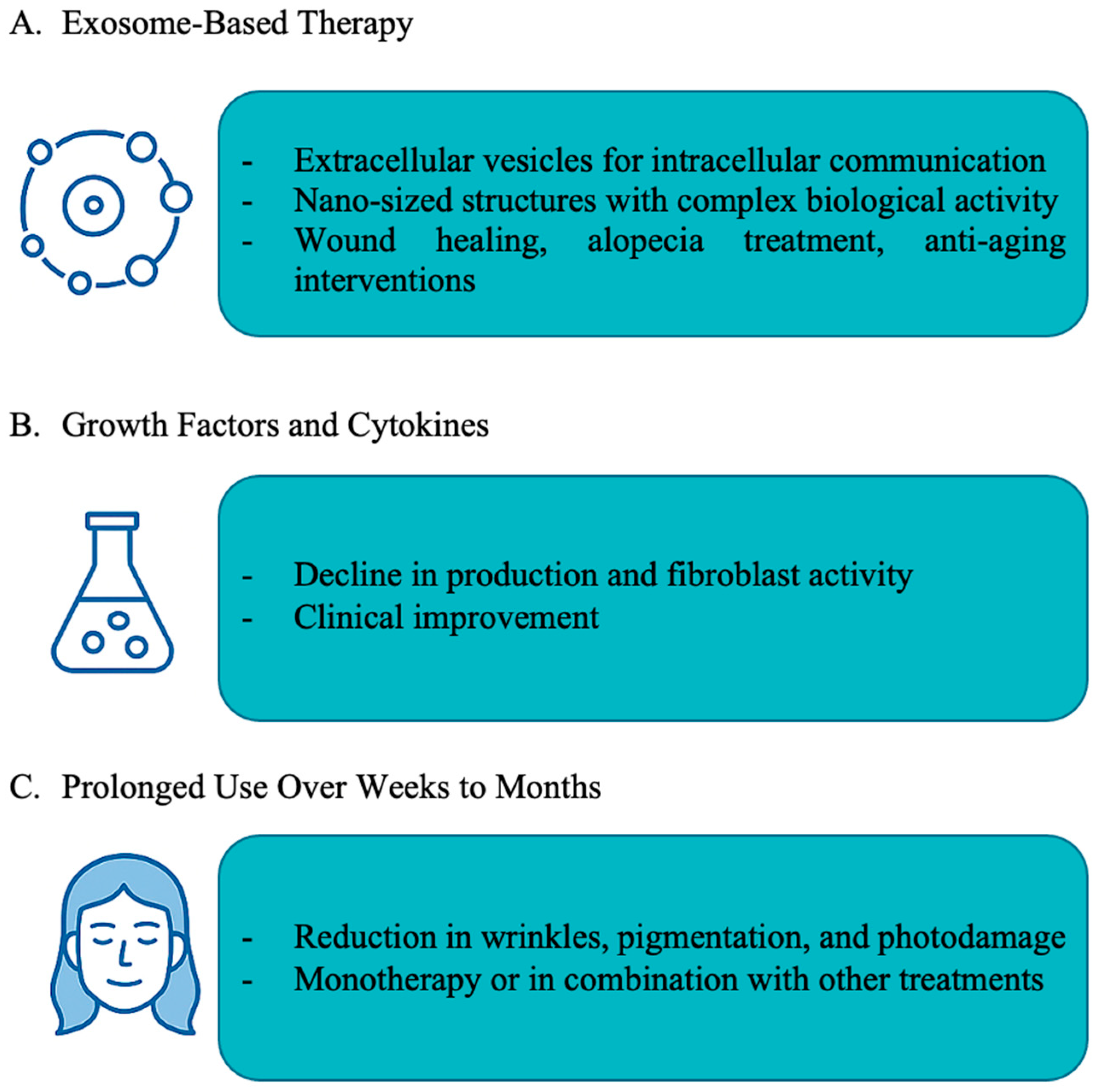
Figure 1. Cosmetic science. This figure summarizes how evolving science influences in cosmetic procedures and treatments.
Cosmetics 13 00058 g001
Figure 2. Intelligent technologies applied to facial care. This figure summarizes how AI, connected devices, and IoT may support skin monitoring and routine personalization.
Cosmetics 13 00058 g002
Disclaimer/Publisher’s Note: The statements, opinions and data contained in all publications are solely those of the individual author(s) and contributor(s) and not of MDPI and/or the editor(s). MDPI and/or the editor(s) disclaim responsibility for any injury to people or property resulting from any ideas, methods, instructions or products referred to in the content.