Article

Biological Activities of the Extract and Hitorins A and B from Chloranthus quadrifolius in Human Adipose-Derived Mesenchymal Stem Cells


1
ALBION Co., Ltd., 1-7-10 Ginza, Chuo-ku, Tokyo 104-0061, Japan
2
School of Pharmaceutical Sciences, Health Sciences University of Hokkaido, 1757 Kanazawa, Tobetsu-cho, Ishikari-gun 061-0293, Hokkaido, Japan
*
Authors to whom correspondence should be addressed.
Cosmetics 2026, 13(1), 9; https://doi.org/10.3390/cosmetics13010009

Submission received: 1 December 2025 / Revised: 29 December 2025 / Accepted: 2 January 2026 / Published: 6 January 2026
(This article belongs to the Section Cosmetic Formulations)

Abstract

Adipose-derived mesenchymal stem cells (AD-MSCs) secrete various growth factors that activate skin cells. This study investigated the effects of crude extracts and isolated compounds, hitorin A and hitorin B, from Chloranthus quadrifolius on AD-MSCs. The crude extract and hitorins A and B obtained from C. quadrifolius promoted cell proliferation. Furthermore, they suppressed the accumulation of excessive lipid droplets and reduced the expression of peroxisome proliferator-activated receptor γ, CCAAT/enhancer-binding protein alpha, and adiponectin. The extract and hitorins A and B increased the expression of stemness marker genes, including SRY-box transcription factor 2, homeobox protein NANOG, and octamer-binding transcription factor 4. For anti-aging effects, the crude extract and hitorins A and B significantly inhibited senescence-associated-β-galactosidase activity and the gene expression of p16, p21, and p53 under hydrogen peroxide-induced oxidative stress. Additionally, they suppressed the production of intracellular reactive oxygen species and the gene expression of interleukin-6 and interleukin-8. These findings indicate that crude extracts and hitorins A and B derived from C. quadrifolius suppress excessive adipogenic differentiation, promote cell proliferation while enhancing stem cell characteristics, and reduce oxidative stress-induced cellular aging through antioxidant and anti-inflammatory activities. These results suggest that they are effective cosmetic ingredients for skin rejuvenation and anti-aging.

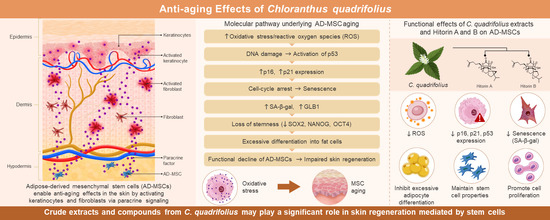
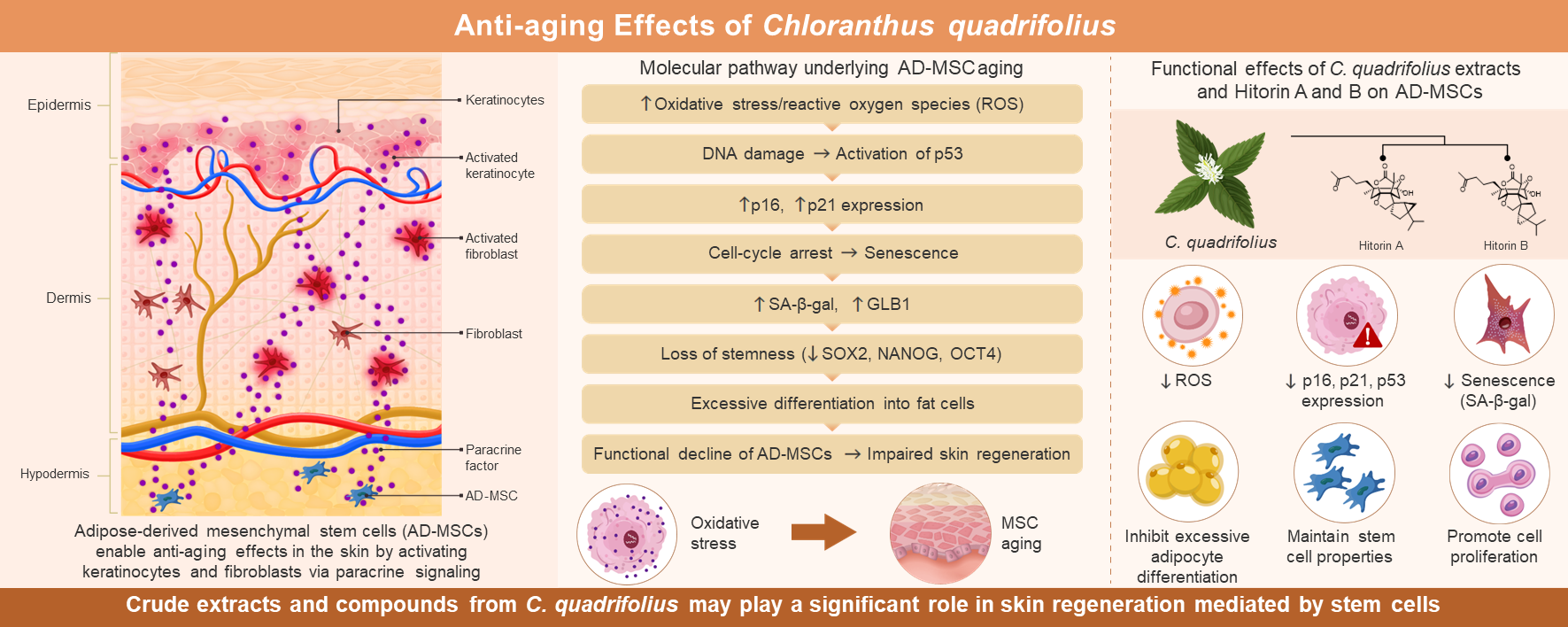
Graphical Abstract

1. Introduction

Although the skin has various functions, including protecting the body from external environmental factors, regulating body temperature, and secreting sebum, it is constantly exposed to stress, such as ultraviolet radiation, making the effects of aging unavoidable [1]. Age-related declines in biological function are caused by degenerative changes in tissue-specific stem cells. In the skin, the inhibition of stem cell mobilization and a decrease in their number are considered to accelerate aging [2,3]. Stem cells have two fundamental characteristics—self-renewal and pluripotency—and have attracted attention in regenerative medicine and drug discovery research [4]. Mesenchymal stem cells (MSCs) can be isolated from various sources, including bone marrow and adipose tissue, and can differentiate into multiple lineages, such as osteocytes and adipocytes [5]. Adipose-derived mesenchymal stem cells (AD-MSCs) are used in advanced stem cell therapies because of the ease of tissue collection and cell isolation [6]. In vitro studies have shown that AD-MSCs can differentiate into epidermal keratinocytes [7] and dermal fibroblasts [8]. They exhibit multiple effects, such as promoting wound healing, enhancing collagen production, whitening, and providing antioxidant properties through paracrine mechanisms [9,10,11]. These findings suggest that AD-MSC activation may contribute to skin homeostasis and anti-aging effects in cosmetic science. However, age-related stresses, such as reactive oxygen species (ROS) and telomere damage, induce stem cell senescence and loss of stemness [12,13]. Therefore, developing cosmetic ingredients aimed at maintaining or promoting AD-MSCs function is expected to contribute to stem cell-based skin rejuvenation formulations.
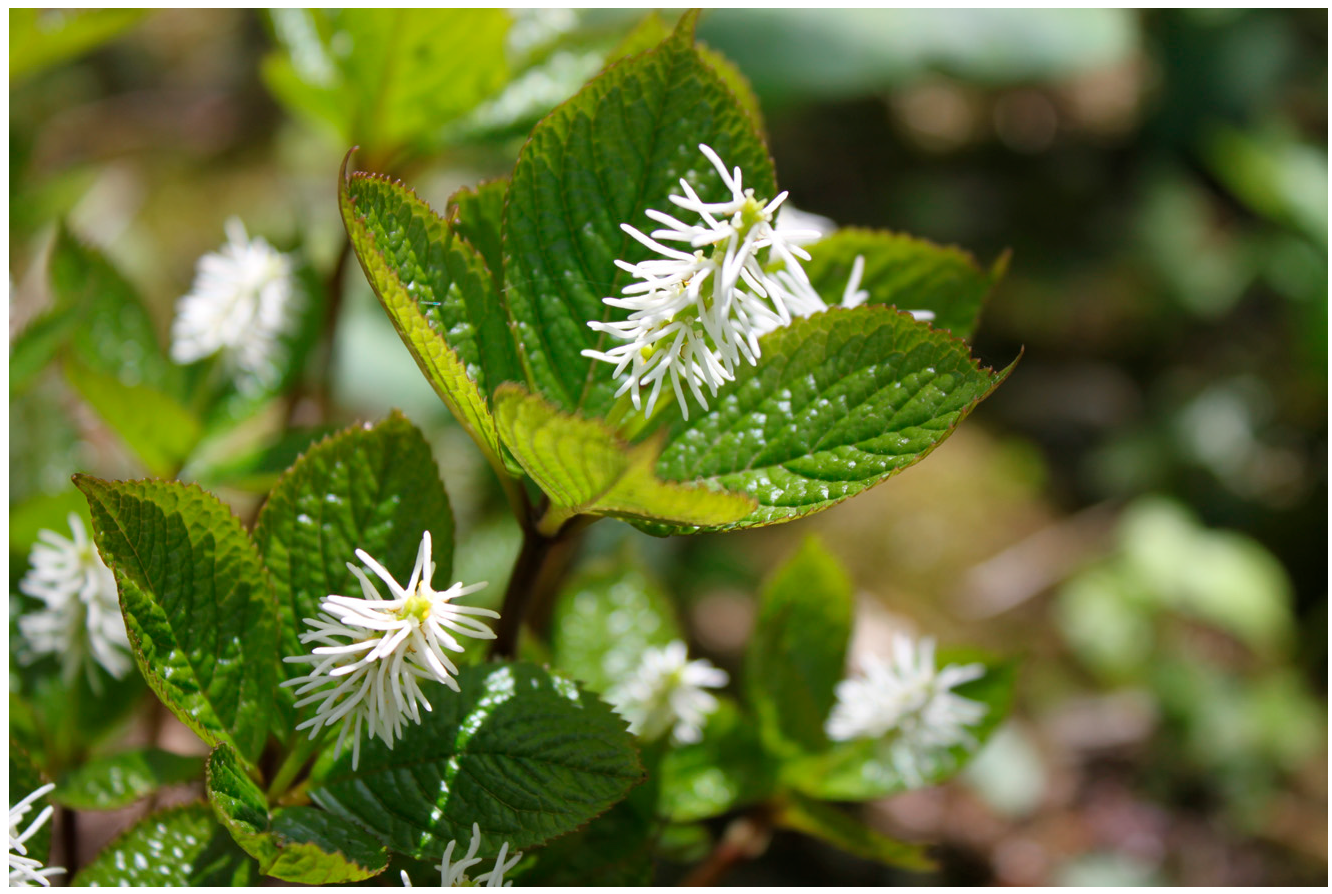
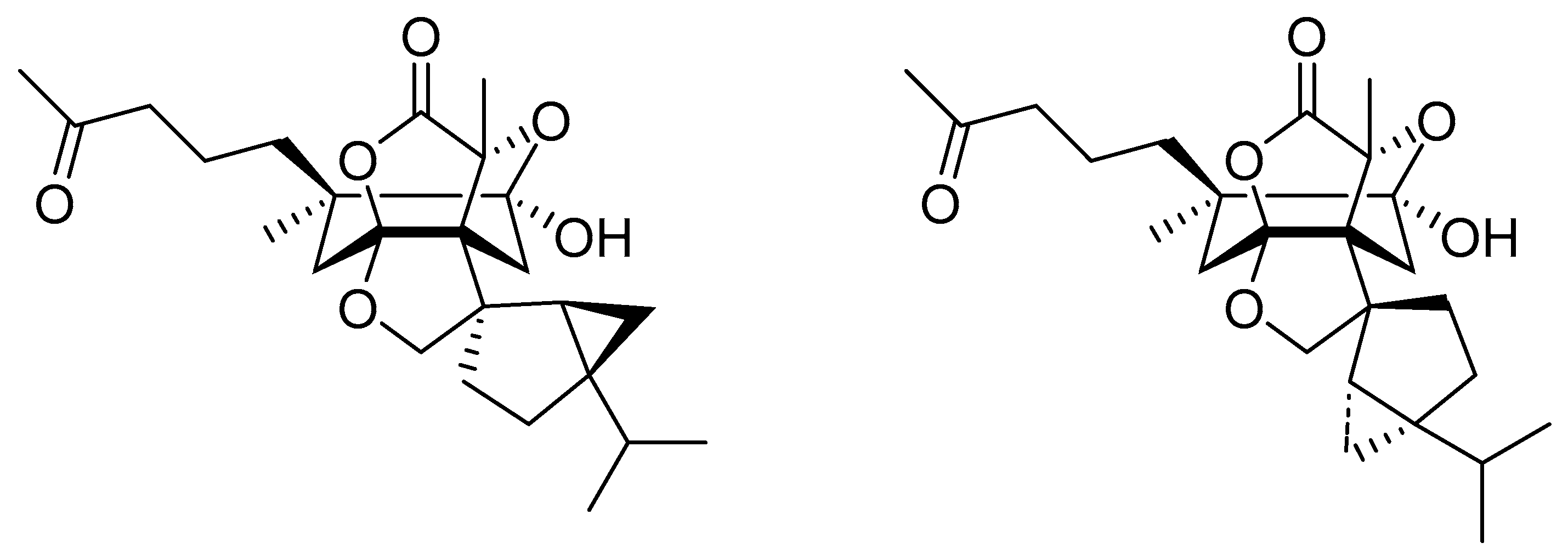
Chloranthus quadrifolius (Figure 1) is a perennial plant belonging to the family Chloranthaceae. It is morphologically similar to C. japonicus; therefore, C. quadrifolius was long recognized under the scientific name C. japonicus until its botanical classification was revised by Ohba et al. [14]. The plant has four whorled leaves at the end of the stem and a white brush-like flower in its center. It is native to northern East Asia, including China, Japan, and Korea, and grows well in shaded and well-drained environments [15]. In traditional Chinese medicine, it has been used to treat rheumatoid arthritis, neurasthenia, pulmonary tuberculosis, trauma, fractures, colds, and other illnesses [16]. To date, metabolites such as chlorajapolide L, shizukaol B, and chlojaponilactone B have been isolated and identified from C. quadrifolius [17,18]. These compounds have been reported to have antibacterial, antitumor, anti-inflammatory, and antiviral activities [19,20,21]. In Japan, C. quadrifolius is known as “hitorishizuka” and has a history of use as a traditional medicine for gastrointestinal disorders by the Ainu people of Hokkaido [22]. Furthermore, C. quadrifolius is rich in sesquiterpenoid derivatives (e.g., japonicones A-C, cycloshizukaol A, trishizukaol A, chlojapolactone A, and chlojaponilide M), which exhibit potent antitumor and anti-inflammatory effects [17,19]. Kim et al. identified two novel C25 terpenoids, hitorin A and hitorin B, in C. quadrifolius. These compounds are structurally unique and unprecedented C25 terpenoids with a 6/5/5/5/5/3 hexacyclic skeleton containing one γ-lactone ring and two tetrahydrofuran rings [22]. However, their biological activities remain unclear, and little is known about the cosmetic properties of C. quadrifolius extracts. We have previously found that an 80% ethanol extract of C. quadrifolius was strongly promoted in keratinocyte and fibroblast proliferation. The extract increased the expression of various growth factors in fibroblasts, including basic fibroblast growth factor, fibroblast growth factor-7, and insulin-like growth factor 1. Therefore, this study investigated the effects of C. quadrifolius extracts and hitorins A and B on cell proliferation, adipogenesis, stem cell maintenance, and anti-aging activity in AD-MSCs, which hold promise for skin rejuvenation.

2. Materials and Methods

2.1. Crude Extracts and Hitorins A and B from Chloranthus quadrifolius

The aerial parts of C. quadrifolius were collected from Samani Town, Samani District, Hokkaido, Japan. The dried and crushed plant (1973 g) was extracted with 80% ethanol to obtain a crude extract (267 g). The extract was partitioned with ethyl acetate (EtOAc) and distilled water (H2O). The EtOAc-soluble fraction was further separated into an n-hexane-soluble fraction and a 90% methanol (MeOH) layer. The 90% MeOH layer (37 g) was repeatedly chromatographed using silica gel and MCI gel CHP20/P120 (Mitsubishi Chemical Corporation, Tokyo, Japan) column chromatography with n-hexane/EtOAc/MeOH and MeOH/H2O solvent systems, respectively, to obtain a fraction containing hitorins A and B. Hitorins A and B were purified using high-performance liquid chromatography (HPLC; L-6000 Pump, Hitachi, Tokyo, Japan; L-4000 UV Detector, Hitachi, Tokyo, Japan) equipped with a COSMOSIL πNAP column (20 mm ID × 250 mm, Nacalai Tesque, Kyoto, Japan) and a MeOH/H2O solvent system, yielding hitorin A (3.9 mg, 0.00020%) and hitorin B (25.5 mg, 0.00129%). The structures (Figure 2) of these isolated compounds were confirmed using nuclear magnetic resonance (NMR; 500 MHz, JNM-ECA500, JEOL Ltd., Tokyo, Japan) and identified by comparison with previously reported data [22].

2.2. Cell Culture and Sample Preparation

Human AD-MSCs were purchased from PromoCell (Heidelberg, Germany). Cells were cultured in Mesenchymal Stem Cell Growth Medium 2 (PromoCell, Heidelberg, Germany) supplemented with 10% SupplementMix (standard medium) and maintained at 37 °C in a humidified incubator containing 5% CO2, according to the manufacturer’s instructions.
The crude extract from C. quadrifolius and hitorins A and B were prepared in dimethyl sulfoxide (DMSO) at a concentration of 10 mg/mL to prepare stock solutions. The samples were stored at −30 °C until use, and their concentrations were adjusted appropriately. The final DMSO concentration in the control group was maintained constant throughout the study.

2.3. Cell-Proliferation Assay

Cell proliferation was measured using the calcein-AM assay. AD-MSCs were seeded at a density of 3 × 10³ cells per well in 96-well black plates. The following day, stock solutions of the crude extract and hitorins A and B were diluted in the medium at various concentrations and added to the AD-MSCs. After 24 h of treatment, the cells were stained with 1 μg/mL calcein-AM (Dojindo, Kumamoto, Japan) for 30 min at 37 °C. Fluorescence intensity (excitation/emission: 490/515 nm) of each well was measured using a SpectraMax i3x (Molecular Devices, San Jose, CA, USA).

2.4. Quantitative Polymerase Chain Reaction (qPCR) Assay

Total RNA extraction, cDNA synthesis, and qPCR were performed as previously described [23]. Total cellular RNA was extracted using TRI reagent (Molecular Research Center, Cincinnati, OH, USA) and quantified using a NanoDrop spectrophotometer (Thermo Fisher Scientific, Waltham, MA, USA). cDNA was synthesized from 500 ng of RNA using the PrimeScript RT reagent kit (Takara Bio, Shiga, Japan). qPCR was performed using the Luna Universal qPCR Master Mix (New England Biolabs, Ipswich, MA, USA) on the LightCycler 96 system (Roche, Basel, Switzerland) to evaluate gene expression levels. Gene expression data were calculated using the ΔCt method, and the expression level of each gene was expressed as a relative value based on the Cq value of glyceraldehyde-3-phosphate dehydrogenase (GAPDH). The gene targets and primer sequences used in this study were as follows: GAPDH: forward (F), 5′-GAGCCACATCGCTCAGACAC-3′; reverse (R), 5′-TTGCCATGGGTGGAATCATA-3′, peroxisome proliferator-activated receptor γ (PPARγ): F 5′-GAAATGACCATGGTTGAC-3′; R 5′-CCGCTAGTACAAGTCCTTGTA-3′, CCAAT/enhancer-binding protein alpha (C/EBPα): F 5′-CTGAGTAGGGGGAGCAAATC-3′; R 5′-AACCAAAAGCAAAGGGAGTC-3′, adiponectin: F 5′-ACCACTATGATGGCTCCACT-3′; R 5′-GGTGAAGAGCATAGCCTTGT-3′, SRY-box transcription factor 2 (SOX2): F 5′-CATCACCCACAGCAAATGACA-3′; R 5′-GCTCCTACCGTACCACTAGAACTT-3′, homeobox protein NANOG (NANOG): F 5′-CCTGTGATTTGTGGGCCTG-3′; R 5′-GACAGTCTCCGTGTGAGGCAT-3′, octamer-binding transcription factor 4 (OCT4): F 5′-GCAGCGACTATGCACAACGA-3′; R 5′-CCAGAGTGGTGACGGAGACA-3′, galactosidase beta 1 (GLB1): F 5′-CCTACATCTGTGCAGAGTGG-3′; R 5′-TTCATCTTGGGCAGAAGGAC-3′, p16: F 5′-CCTCGTGCTGATGCTACTGA-3′; R 5′-CATCATCATGACCTGGTCTTCT-3′, p21: F 5′-GTGAGCGATGGAACTTCGACT-3′; R 5′-CGAGGCACAAGGGTACAAGAC-3′, p53: F 5′-AATTTGCGTGTGGAGTATTT-3′; R 5′-CTGGAGTCTTCCAGTGTGAT-3′, interleukin-6 (IL-6): F 5′-AAGCCAGAGCTGTGCAGATGAGTA-3′; R 5′-TGTCCTGCAGCCACTGGTTC-3′, and interleukin-8 (IL-8): F 5′-GTCCTTGTTCCACTGTGCCT-3′; R 5′-GCTTCCACATGTCCTCACAA-3′.

2.5. Lipid Droplet Staining with Oil Red O and Triglyceride Content Quantification

AD-MSCs were seeded at a density of 8 × 10⁴ cells per well in 24-well plates and cultured for 7 days until they reached 80–90% confluence. The crude extract and hitorins A and B, prepared at 1 μg/mL in adipogenic differentiation medium (PromoCell, Heidelberg, Germany), were added, and the medium was changed every 3 days.
Oil Red O staining and triglyceride quantification were performed using a Lipid Assay kit (Cosmo Bio, Tokyo, Japan) according to the manufacturer’s instructions. The cells were washed with phosphate-buffered saline (PBS) and fixed with 4% paraformaldehyde overnight at room temperature. Oil Red O solution was diluted 1.5-fold with purified water and left at room temperature for 15 min. The fixed cells were washed three times with purified water and stained with Oil Red O solution for 15 min. After removing the staining solution, the cells were washed until the wash solution was clear. Cell morphology was observed using a Nikon ECLIPSE TS 100 phase-contrast microscope (NIKON Corp., Tokyo, Japan). Lipid droplets were quantified by adding 500 μL of Oil Red O extraction solvent to the dried wells and eluting for 1 h. Then, 100 μL of the eluate was transferred to a 96-well plate, and the absorbance at 540 nm was measured using a SpectraMax i3x instrument.

2.6. Adipogenesis-Related Gene Expression Analysis

AD-MSCs were seeded at a density of 1 × 10⁵ cells in 35 mm culture dishes and cultured until they reached 80–90% confluence. Stock solutions of the crude extract and hitorins A and B were prepared at 1 μg/mL in an adipogenic differentiation medium. AD-MSCs were treated with each sample for 7 days, and the medium was changed every 3 days. Gene expression levels of adipogenesis-related genes (PPARγ, C/EBPα, and Adiponectin) were determined using qPCR.

2.7. Analysis of Stemness-Related Gene Expression

AD-MSCs were seeded at a density of 5 × 10⁴ cells in 60 mm culture dishes and cultured overnight. Cultured cells were treated for 7 days with crude extracts and hitorins A and B, each prepared at 1 μg/mL in a standard medium. The medium was changed every 3 days. Gene expression levels of stemness-related genes (SOX2, NANOG, and OCT4) were determined using qPCR.

2.8. Anti-Aging Effects

AD-MSCs were seeded at a density of 1 × 10⁴ cells per well in 96-well black plates and cultured overnight. Cells were treated with 100 μM hydrogen peroxide (H2O2) for 2 h to induce senescence, followed by culture for 5 days with crude extracts and hitorins A and B, each prepared at 1 μg/mL in a standard medium.
Senescence-associated (SA)-β-galactosidase staining was performed using the Senescence β-Galactosidase Staining Kit (Cell Signaling Technology, Danvers, MA, USA) according to the manufacturer’s protocol. The cells were washed with PBS and fixed with a Fixative Solution for 15 min at room temperature. After washing two times with PBS, β-Galactosidase Staining Solution was added and incubated overnight at 37 °C. Blue deposits were examined using a BZ-X700 fluorescence microscope (Keyence, Osaka, Japan).
SA-β-galactosidase activity was measured using the Cellular Senescence Plate Assay Kit-SPiDER-βGal (Dojindo, Kumamoto, Japan) according to the manufacturer’s instructions. After washing the cells with PBS, 50 μL of lysis buffer was added, and the cells were incubated at room temperature for 10 min. Fifty microliters of SPiDER-βGal working solution was added, and the cells were incubated at 37 °C for 30 min. After adding 100 μL of stop solution to each well, the fluorescence intensity (excitation/emission: 535/580 nm) was measured using a SpectraMax i3x instrument. SPiDER-βGal fluorescence values were corrected for nucleic acid staining using the Cell Count Normalization Kit (Dojindo, Kumamoto, Japan), and SA-β-gal activity was calculated.
Gene expression levels of aging-related genes (GLB1, p16, p21, and p53) were determined using qPCR.

2.9. Analysis of Intracellular Antioxidant Activity and Inflammation-Related Gene Expression

Senescence of AD-MSCs was induced as described in Section 2.8 and treated with 1 μg/mL of crude extract and hitorins A and B. Antioxidant activity was assessed by measuring the generation of intracellular ROS using the fluorescent probe 2′,7′-dichlorofluorescein diacetate (DCFH-DA; Sigma-Aldrich, St. Louis, MO, USA). One hundred microliters of 10 μM DCFH-DA was added to each well and incubated for 30 min at 37 °C. After washing with PBS, fluorescence intensity (excitation/emission: 485/530 nm) was measured using a SpectraMax i3x instrument. Gene expression levels of inflammation-related genes (IL-6 and IL-8) were determined using qPCR.

2.10. 1,1-Diphenyl-2-Picrylhydrazyl (DPPH) Radical Scavenging Assay

The DPPH• solution was prepared in ethanol at a concentration of 0.5 mmol/L. The crude extracts were dissolved in DMSO at a concentration range of 1–1000 μg/mL. The sample solution (40 μL) and 100 mmol/L acetate buffer (40 μL, pH 5.5) were added to the 0.5 mmol/L DPPH• solution (20 μL). The reaction mixture was mixed and incubated in the dark for 30 min at 30 °C, and the absorbance was measured at 517 nm (A517) using a SpectraMax i3x instrument. The antioxidant activity was expressed as the inhibition percentage of DPPH radical scavenging activity, as follows:
DPPH radical scavenging activity (%) = A517 (control) − A517 (sample)/A517 (control) × 100.
The scavenging concentration of 50% (SC50) values were calculated from a graph plotting the percentage inhibition against the sample concentration in the reaction system. The assays were performed in triplicate. Ascorbic acid was used as a positive control.

2.11. Statistical Analysis

All statistical analyses were performed using GraphPad Prism version 9 for Windows (GraphPad Software, San Diego, CA, USA). Values are expressed as the mean ± standard deviation (SD). Statistical analysis was performed using one-way analysis of variance (ANOVA), followed by Dunnett’s multiple comparison test for comparisons among groups, with a value of p < 0.05 indicating significance.

3. Results and Discussion

3.1. Crude Extract and Hitorins A and B from C. quadrifolius Inhibit Excessive Adipocyte Differentiation and Promote AD-MSCs Proliferation

Crude extracts from C. quadrifolius were separated using chromatography and purified using preparative HPLC to isolate hitorins A and B. The identities of these compounds were confirmed by comparing them with previously reported data [22]. The yields of hitorin A and hitorin B from the crude extract were 0.00020% and 0.00129%, respectively.
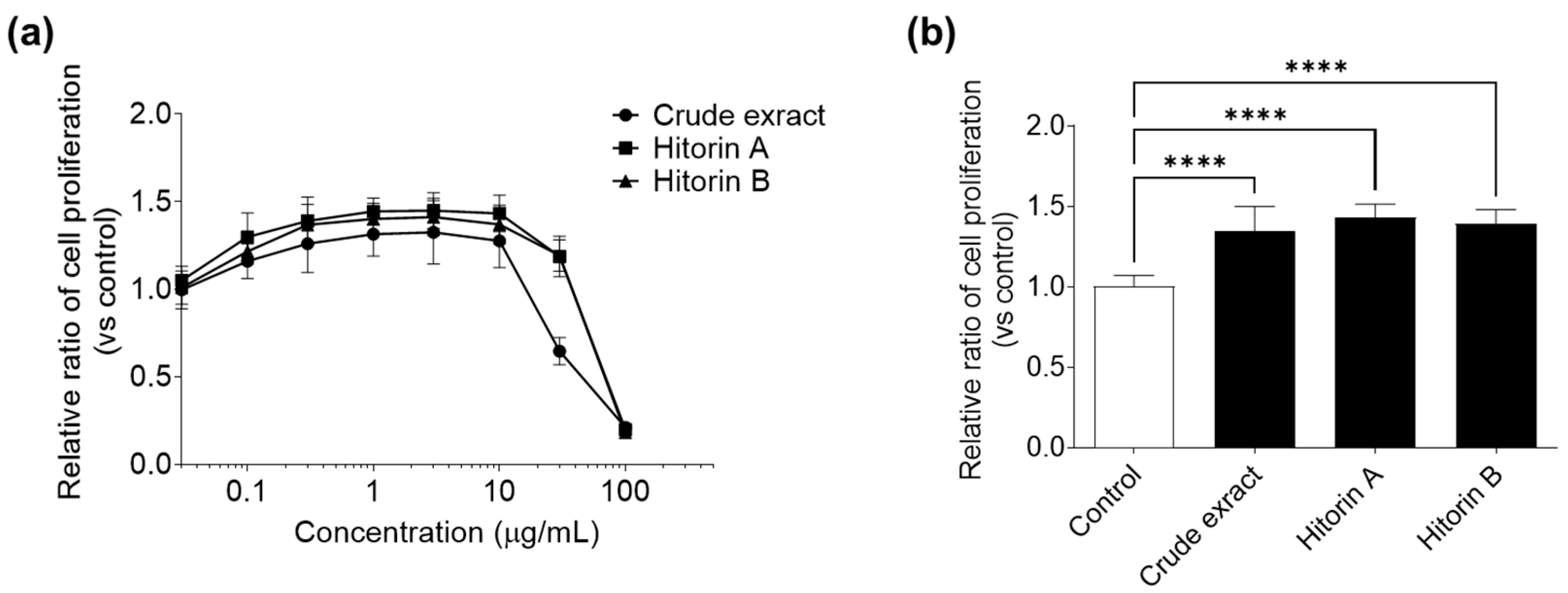
The effects of the crude extract and hitorins A and B on cell proliferation were evaluated using calcein-AM assay. The cells were treated with samples at concentrations of 0.1–100 μg/mL. An increasing trend in AD-MSCs proliferation was observed within the 0.1–10 μg/mL range (Figure 3a). Within this range, the crude extract and hitorins A and B demonstrated significant cell proliferation effects compared to the control. The maximum effect was observed at sample concentrations of 1–3 μg/mL. Figure 3b shows the calcein-AM assay results at 1 μg/mL, as a representative example. No significant difference in cell viability was observed between the crude extract and hitorins A and B. However, at concentrations >10 μg/mL, the crude extract and hitorins A and B tended to reduce cell numbers, suggesting cytotoxic effects. Based on these results, a treatment concentration of 1 μg/mL was selected for subsequent experiments.
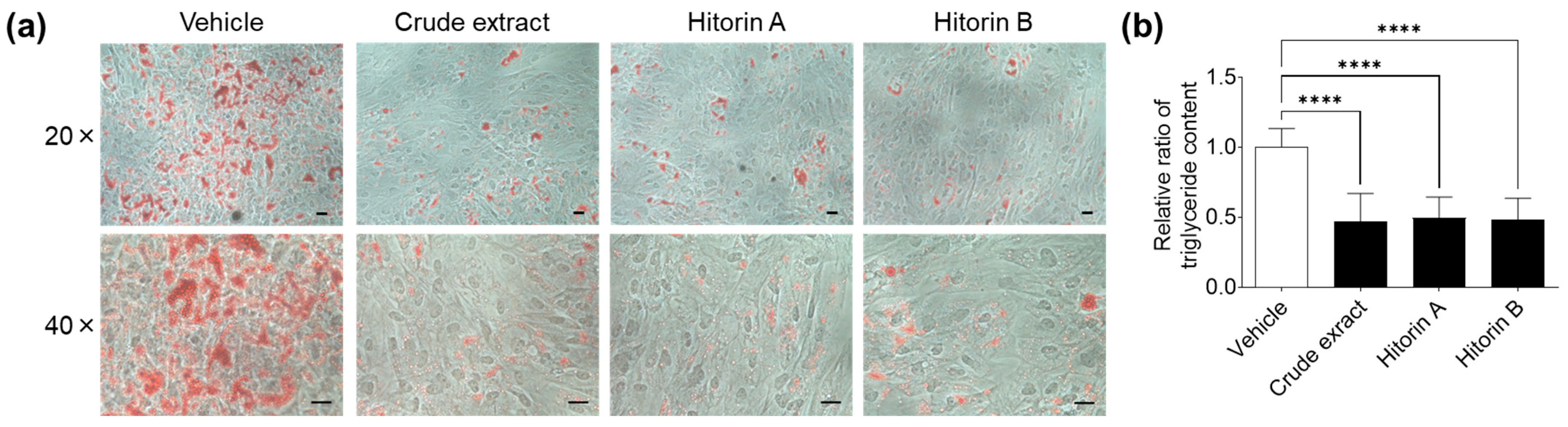
We investigated the effects of the crude extract and hitorins A and B on the differentiation of AD-MSCs into adipocytes. During the differentiation period, none of these samples exhibited a significant decrease in cell number or demonstrated any notable morphological abnormalities. Oil Red O staining confirmed the accumulation of lipid droplets and an increase in triglyceride levels resulting from the induction of adipose stem cell differentiation into adipocytes (Figure 4). Adipose stem cells treated with the crude extract and hitorins A and B showed significant suppression of lipid droplet accumulation during differentiation (Figure 4a). Additionally, the crude extract and hitorins A and B induced approximately half the triglyceride levels compared with the untreated group (Figure 4b).
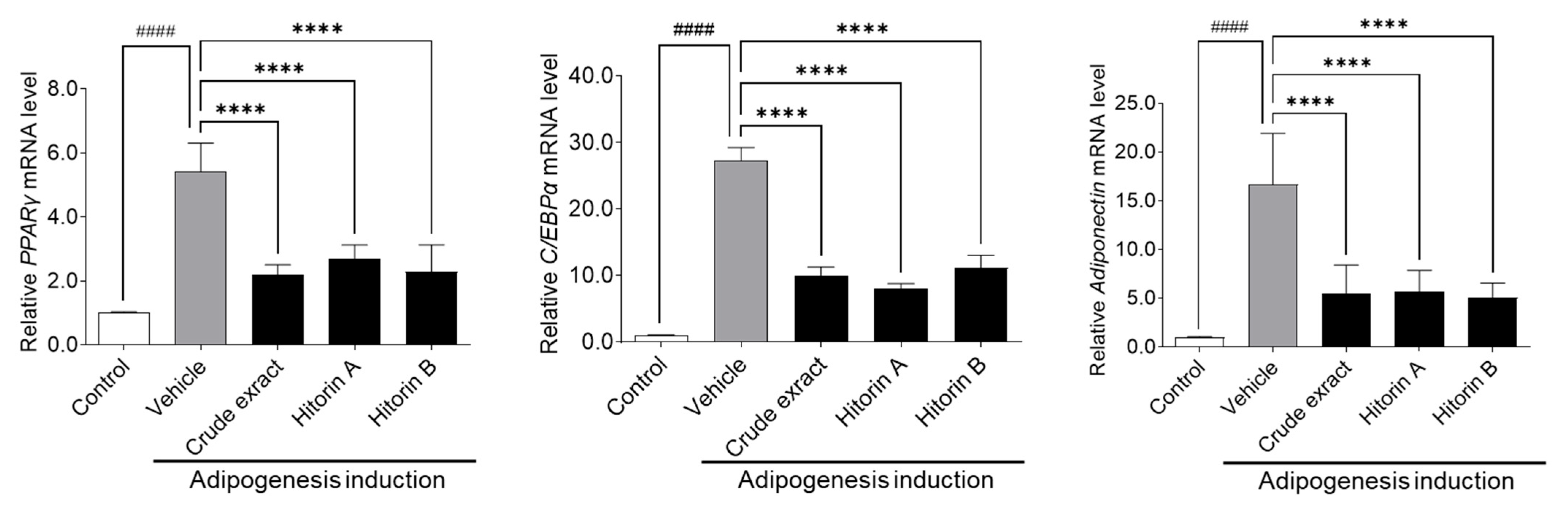
Gene expression analysis showed that adipocyte differentiation-related genes, including PPARγ, C/EBPα, and Adiponectin, which were upregulated by differentiation induction, were significantly downregulated following treatment with the crude extract and hitorins A and B (Figure 5).
Adipose tissue is an important component of the skin, involved in energy storage, physical buffering, innate immune defense, and thermoregulation [24]. Adipocytes in the subcutaneous adipose tissue layer of the face change in thickness, differentiation, and size with age, and their condition directly affects the appearance of skin aging [25]. A previous study reported that an increase in subcutaneous fat volume causes the dermis to lose elasticity, exacerbating sagging [26]. The underlying mechanism has been reported to be the degradation of dermal elastic fibers, such as elastin and fibrillin-1, owing to the overproduction of matrix metalloproteinase-9 via the extracellular signal-regulated kinase (ERK) signaling pathway [27]. Furthermore, collagen and elastin gene expression decreased in the co-culture of hypertrophic adipocytes and skin fibroblasts [28]. Excessive adipocyte differentiation leads to fat accumulation, which contributes to the loss of elasticity in dermal tissue. Lao et al. reported that PPARγ and C/EBPα are involved in the transcriptional activation of adipocyte differentiation [29]. Adiponectin is an adipocyte differentiation marker that regulates lipid metabolism [30]. Our results showed that differentiation induction increased PPARγ, C/EBPα, and Adiponectin expression, consistent with previous studies. The crude extract and hitorins A and B markedly suppressed excessive adipocyte differentiation and downregulated early and late adipogenic markers. Collectively, these findings indicate that the crude extract and hitorins A and B influence the excessive adipocyte differentiation globally and may exert protective effects against skin aging, including wrinkle formation and dermal sagging.
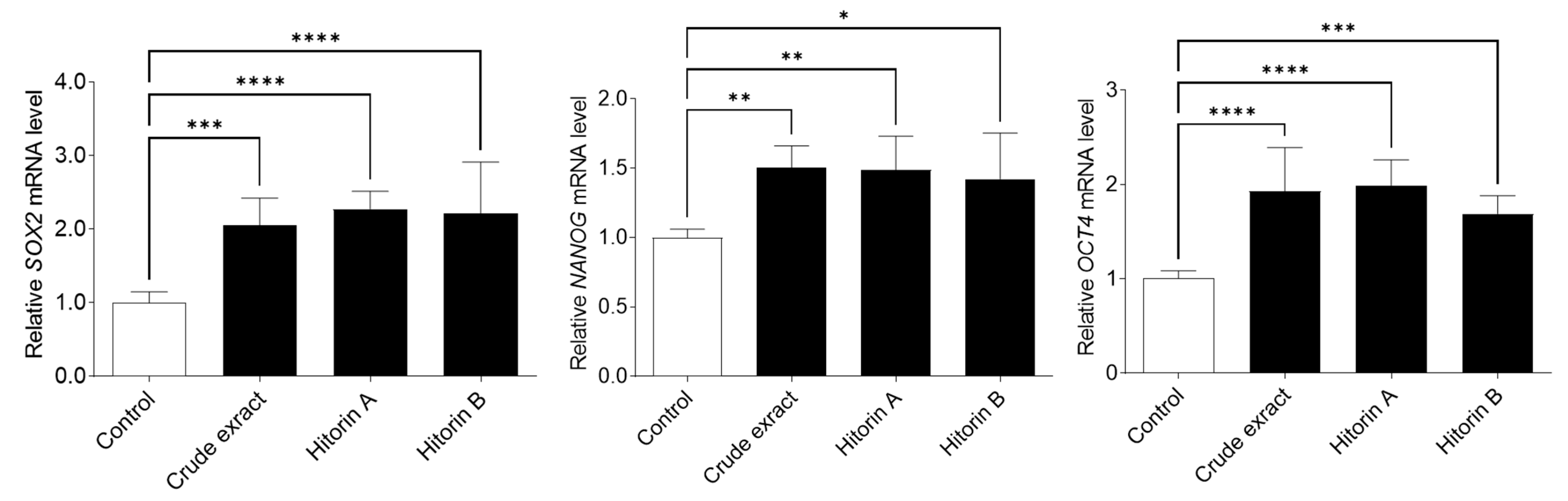
As adipose-derived stem cells differentiate into adipocytes, the expression of stem cell markers, such as SOX2, NANOG, and OCT4, decreases. This phenomenon results in the loss of stem cell functions, including pluripotency, proliferation, and migration [31]. Hence, the preservation of AD-MSC stemness suggests that these cells retain various regenerative functions, including wound-healing promotion and collagen production. Therefore, we analyzed the effects of the crude extract and hitorins A and B on the stemness of adipose-derived stem cells. The crude extract and hitorins A and B increased SOX2, NANOG, and OCT4 expression levels (Figure 6).
The above findings indicate that the crude extract and hitorins A and B from C. quadrifolius suppress excessive adipocyte differentiation and promote the proliferation of AD-MSCs while maintaining their stemness. A previous study reported that propyl gallate inhibits the expression of adipocyte-specific markers, such as PPARγ and C/EBP-α, by negatively regulating the ERK pathway, thereby suppressing excessive adipocyte differentiation [32]. Furthermore, melatonin and vitamin D suppressed the differentiation of AD-MSCs into adipocytes and the accumulation of cytosolic fatty acids, thereby maintaining stemness. When combined at concentrations of 0.01 M for melatonin and 10−8 to 10−6 M for vitamin D, these compounds have been proposed as a novel therapeutic approach capable of influencing stem cell fate [31,33]. Future studies should include concentration-dependent experiments and signaling pathway analyses to provide a more detailed understanding of the molecular mechanisms of action and determine the appropriate doses of crude extract and hitorins A and B.

3.2. Crude Extract and Hitorins A and B from C. quadrifolius Inhibit Cellular Senescence in AD-MSCs Through Antioxidative and Anti-Inflammatory Activities

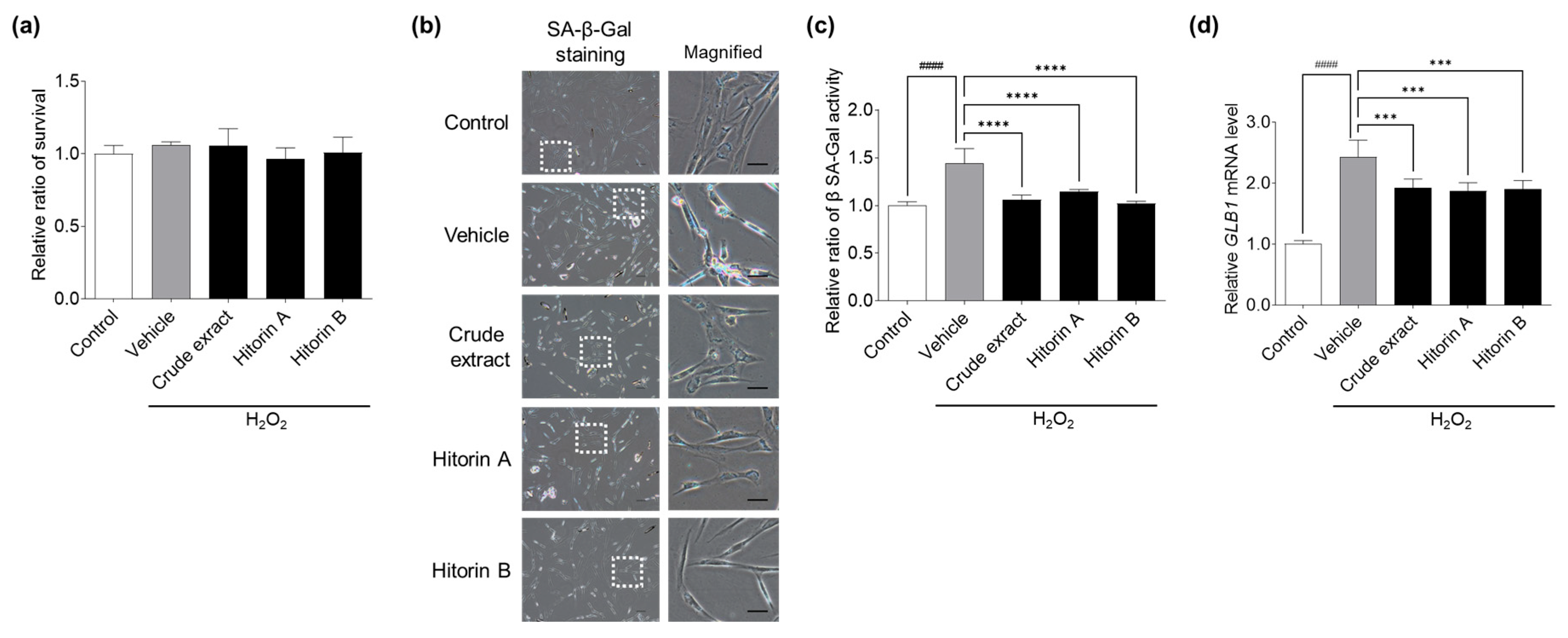
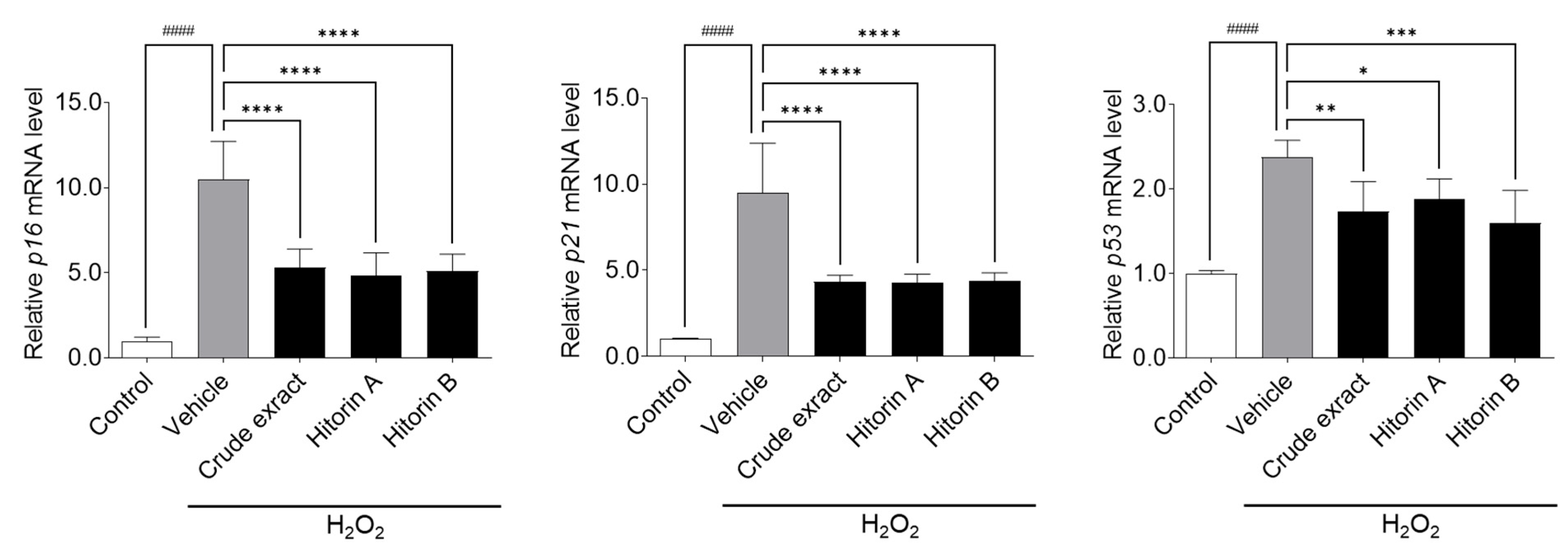
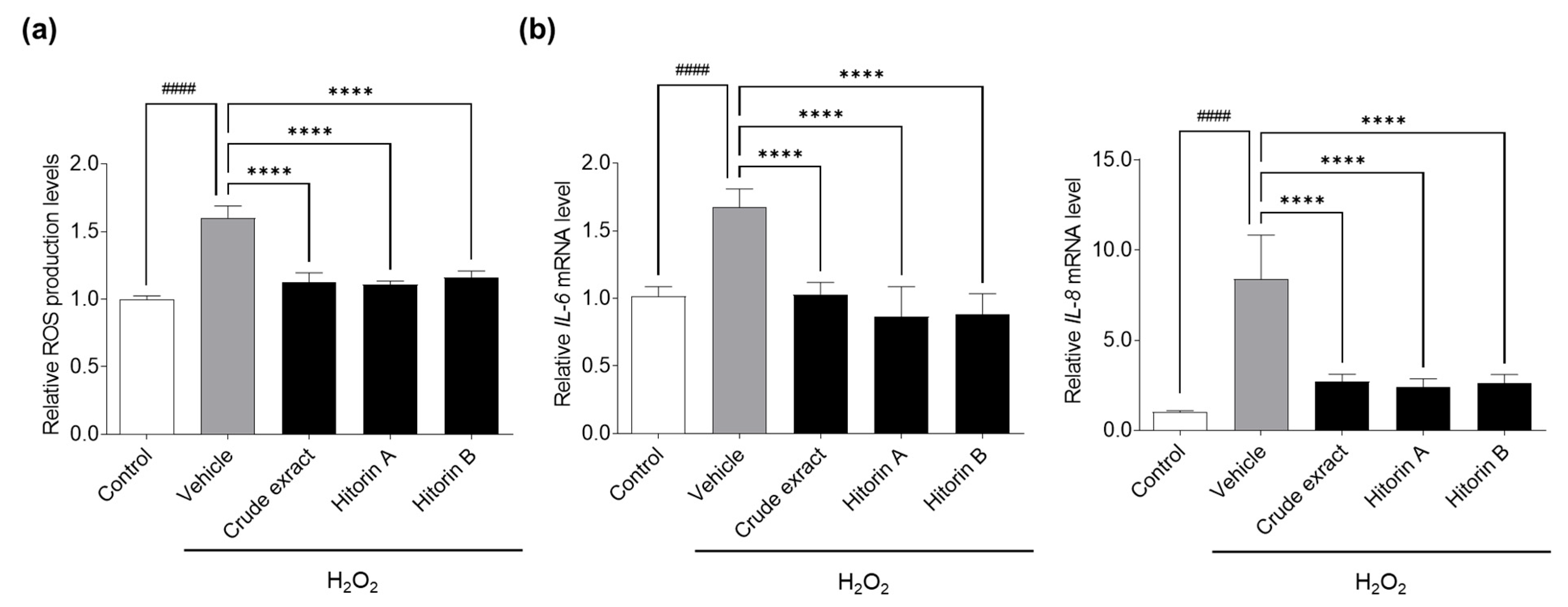
The stemness of AD-MSCs declines with age. Previous studies have reported that aging and aging stimuli, such as H2O2, induce cellular senescence in mesenchymal stem cells, resulting in increased SA-β-galactosidase activity and elevated expression of senescence-related genes (e.g., p16, p21, p53) and inflammation-related genes (e.g., IL-6, IL-8) [34,35,36,37]. We investigated the anti-aging effects of the crude extract and hitorins A and B using an H2O2-induced AD-MSC aging model. The crude extract and hitorins A and B showed no effect on cell viability following H2O2 treatment (Figure 7a). They suppressed the overexpression of SA-β-galactosidase induced by aging (Figure 7b,c). Furthermore, SA-β-galactosidase activity and expression of the GLB1 gene, which encodes this enzyme, were significantly reduced (Figure 7d). Next, we examined the expression of aging-related markers and observed that p16, p21, and p53 expression was significantly inhibited in adipose stem cells treated with the crude extract and hitorins A and B (Figure 8). The crude extract and hitorins A and B suppressed H2O2-induced ROS production and the expression of inflammatory genes, such as IL-6 and IL-8 (Figure 9). To clarify the mechanism underlying the anti-aging effects, a DPPH radical-scavenging assay was performed (Table 1). The SC50 value of the crude extract was 808 μg/mL, which was markedly lower than that of ascorbic acid (10.1 μg/mL). Hitorins A and B did not exhibit detectable DPPH radical-scavenging activity.
Increased ROS production resulting from oxidative stress plays a central role in stem cell aging [38]. Previous studies have shown that excessive ROS generated during aging or by H2O2 activate the DNA damage response and upregulate aging-related factors such as SA-β-gal, p16, p21, and p53 [35]. Furthermore, these stem cells exhibit a senescence-associated secretory phenotype (SASP), which is caused by the activation of inflammatory pathways, such as the NF-kB and p38MAPK signaling pathways, and enhances the secretion of proinflammatory cytokines and chemokines. SASP-related factors significantly accelerate the senescence of neighboring cells through a paracrine mechanism [39,40]. To investigate whether the inhibitory effects on aging marker expression observed in this study are associated with the antioxidant and anti-inflammatory activities of the crude extract and hitorins A and B, we performed intracellular ROS assays using DCFH-DA and quantified inflammatory cytokine mRNA levels using qPCR. The crude extract and hitorins A and B significantly suppressed excessive ROS production and the gene expression of IL-6 and IL-8 in adipose stem cells. These findings suggest that the extract and hitorins A and B from C. quadrifolius exert anti-aging effects on AD-MSCs through antioxidant and anti-inflammatory activities.
The 70% ethanol extract of C. quadrifolius is rich in polyphenols and exhibits strong antioxidant activity [41]. Therefore, we hypothesized that the primary mechanism of anti-aging activity is free radical-scavenging activity and evaluated the DPPH radical-scavenging activity of the crude extract of C. quadrifolius. Our data showed that the radical-scavenging activity of the crude extract of C. quadrifolius was weak. However, ROS production in AD-MSCs was suppressed, suggesting involvement of intracellular antioxidant pathways. In addition, previous studies have reported that lindenane sesquiterpenoid dimers isolated from C. quadrifolius have nitric oxide inhibitory effects [21]. Lindenane-type sesquiterpenoids have been shown to have anti-inflammatory effects via inhibition of nuclear factor-kappa B [42]. Based on these findings, the crude extract and hitorins A and B may regulate senescence-related pathways by suppressing oxidative stress and inflammatory signaling, thereby ameliorating the senescent phenotype of AD-MSCs. In the future, to develop a more systematic understanding of the anti-aging mechanisms of C. quadrifolius, it is necessary to determine the optimal and effective concentrations for anti-aging effects related to C. quadrifolius and to elucidate the relevant underlying signaling pathways.

4. Conclusions

The crude extract and hitorins A and B from C. quadrifolius demonstrated effective activity against AD-MSCs. Their activity inhibits adipocyte differentiation while maintaining stem cell properties and promoting cell proliferation. Furthermore, the crude extract and hitorins A and B protected AD-MSCs from oxidative stress-induced aging. However, signaling pathway analysis and concentration-dependent tests are essential to elucidate their mechanism of action in AD-MSCs. Further stability, safety, and clinical evaluations are required to incorporate C. quadrifolius extract into cosmetic formulations. Collectively, our results suggest that physiologically active compounds derived from C. quadrifolius are promising candidates for cosmetic applications aimed at skin regeneration and anti-aging.

Author Contributions

Conceptualization, K.K.; methodology, K.K., K.S. and S.-Y.K.; formal analysis, K.K.; investigation, K.K. and S.-Y.K.; resources, K.K. and S.-Y.K.; data curation, K.K.; writing—original draft preparation, K.K. and S.-Y.K.; writing—review and editing, K.S. and M.K.; visualization, K.K. and S.-Y.K.; project administration, K.S. and M.K. All authors have read and agreed to the published version of the manuscript.

Funding

This research received no external funding.

Institutional Review Board Statement

This study used human AD-MSCs purchased from PromoCell (Heidelberg, Germany) and did not involve human research. Therefore, the Institutional Review Board is not applicable.

Informed Consent Statement

This study did not involve human research. Therefore, the Informed Consent is not applicable.

Data Availability Statement

All data are contained within the article. Raw data are available from the corresponding author upon reasonable request.

Acknowledgments

The authors would like to acknowledge Yuko Makino for their support of this study. We also thank Hisako Nagashima and Ryo Morioka (Health Sciences University of Hokkaido) for assisting in the isolation of hitorins A and B. We gratefully acknowledge Oji Holdings Corporation for granting permission to collect plant specimens from their forested land.

Conflicts of Interest

Kento Kunihiro and Katsura Sano are employees of ALBION Co., Ltd. This employment is unrelated to the present study, and the author declares no other financial interests that could be construed as potential conflicts of interest. The remaining authors declare that they have no commercial or financial relationships that could be construed as a potential conflict of interest.

Abbreviations

The following abbreviations are used in this manuscript:
AD-MSCsAdipose-derived Mesenchymal Stem Cells
C/EBPαCCAAT/Enhancer-Binding Protein Alpha
DCFH-DA2′,7′-dichlorofluorescein diacetate
GAPDHGlyceraldehyde-3-Phosphate Dehydrogenase
GLB1Galactosidase Beta 1
H2O2Hydrogen Peroxide
IL-6Interleukin-6
IL-8Interleukin-8
NANOGHomeobox Protein NANOG
Nrf2Nuclear Factor Erythroid 2-Related Factor 2
OCT4Octamer-Binding Transcription Factor 4
PCRPolymerase Chain Reaction
PPARγPeroxisome Proliferator-Activated Receptor γ
ROSReactive Oxygen Species
SA-β-galactosidaseSenescence-Associated β-galactosidase
SOX2SRY-Box Transcription Factor 2

References

  1. Harris-Tryon, T.A.; Grice, E.A. Microbiota and maintenance of skin barrier function. Science 2022, 376, 940–945. [Google Scholar] [CrossRef] [PubMed]
  2. Oh, J.; Lee, Y.D.; Wagers, A.J. Stem cell aging: Mechanisms, regulators and therapeutic opportunities. Nat. Med. 2014, 20, 870–880. [Google Scholar] [CrossRef] [PubMed]
  3. Zouboulis, C.C.; Adjaye, J.; Akamatsu, H.; Moe-Behrens, G.; Niemann, C. Human skin stem cells and the ageing process. Exp. Gerontol. 2008, 43, 986–997. [Google Scholar] [CrossRef] [PubMed]
  4. Si, Z.; Wang, X.; Sun, C.; Kang, Y.; Xu, J.; Wang, X.; Hui, Y. Adipose-derived stem cells: Sources, potency, and implications for regenerative therapies. Biomed. Pharmacother. 2019, 114, 108765. [Google Scholar] [CrossRef]
  5. Hong, S.J.; Jia, S.-X.; Xie, P.; Xu, W.; Leung, K.P.; Mustoe, T.A.; Galiano, R.D. Topically delivered adipose derived stem cells show an activated-fibroblast phenotype and enhance granulation tissue formation in skin wounds. PLoS ONE 2013, 8, e55640. [Google Scholar] [CrossRef]
  6. Bunnell, B.A. Adipose tissue-derived mesenchymal stem cells. Cells 2021, 10, 3433. [Google Scholar] [CrossRef]
  7. Chavez-Munoz, C.; Nguyen, K.T.; Xu, W.; Hong, S.-J.; Mustoe, T.A.; Galiano, R.D. Transdifferentiation of Adipose-Derived Stem Cells into Keratinocyte-Like Cells: Engineering a Stratified Epidermis. PLoS ONE 2013, 8, e80587. [Google Scholar] [CrossRef]
  8. Mazini, L.; Rochette, L.; Admou, B.; Amal, S.; Malka, G. Hopes and limits of adipose-derived stem cells (ADSCs) and mesenchymal stem cells (MSCs) in wound healing. Int. J. Mol. Sci. 2020, 21, 1306. [Google Scholar] [CrossRef]
  9. Lee, S.H.; Jin, S.Y.; Song, J.S.; Seo, K.K.; Cho, K.H. Paracrine effects of adipose-derived stem cells on keratinocytes and dermal fibroblasts. Ann. Dermatol. 2012, 24, 136–143. [Google Scholar] [CrossRef]
  10. Cho, B.S.; Lee, J.; Won, Y.; Duncan, D.I.; Jin, R.C.; Lee, J.; Kwon, H.H.; Park, G.-H.; Yang, S.H.; Park, B.C.; et al. Skin brightening efficacy of exosomes derived from human adipose tissue-derived stem/stromal cells: A prospective, split-face, randomized placebo-controlled study. Cosmetics 2020, 7, 90. [Google Scholar] [CrossRef]
  11. Kim, W.-S.; Park, B.-S.; Sung, J.-H. The wound-healing and antioxidant effects of adipose-derived stem cells. Expert. Opin. Biol. Ther. 2009, 9, 879–887. [Google Scholar] [CrossRef] [PubMed]
  12. Sahin, E.; DePinho, R.A. Linking functional decline of telomeres, mitochondria and stem cells during ageing. Nature 2010, 464, 520–528. [Google Scholar] [CrossRef] [PubMed]
  13. Dos Santos, G.A.; Magdaleno, G.D.V.; De Magalhães, J.P. Evidence of a pan-tissue decline in stemness during human aging. Aging 2024, 16, 5796–5810. [Google Scholar] [CrossRef] [PubMed]
  14. Ohba, H.; Akiyama, S. The identity of Chloranthus japonicus Siebold (Chloranthaceae). J. Jpn. Bot. 2014, 89, 236–242. [Google Scholar]
  15. An, C.; Ma, S.; Shi, X.; Xue, W.; Liu, C.; Ding, H. Diversity and antimicrobial activity of endophytic fungi isolated from Chloranthus japonicus Sieb in Qinling Mountains, China. Int. J. Mol. Sci. 2020, 21, 5958. [Google Scholar] [CrossRef]
  16. Jiang, C.-S.; Guo, Y.-Q.; Yin, S.; Zhang, H.; Tang, G.-H. A new lindenane-type sesquiterpenoid lactone from Chloranthus japonicus. J. Asian Nat. Prod. Res. 2019, 21, 377–383. [Google Scholar] [CrossRef]
  17. Lin, R.; Sun, R.; Xiao, T.; Pei, S.; Zhang, Q.; Cheng, Y.; Guo, X.; Yang, Z.; Gu, X.; Zhang, F.; et al. Phenylpropenol ester and sesquiterpenoids with antimetastatic activities from the whole plants of Chloranthus japonicus. Arab. J. Chem. 2022, 15, 104100. [Google Scholar] [CrossRef]
  18. Fang, P.-L.; Cao, Y.-L.; Yan, H.; Pan, L.-L.; Liu, S.-C.; Gong, N.-B.; Lü, Y.; Chen, C.-X.; Zhong, H.-M.; Guo, Y.; et al. Lindenane disesquiterpenoids with anti-HIV-1 activity from Chloranthus japonicus. J. Nat. Prod. 2011, 74, 1408–1413. [Google Scholar] [CrossRef]
  19. Thi Thoa, N.; Hop, N.Q.; Son, N.T.; Sieb, C.J. Chloranthus japonicus Sieb. (Chloranthaceae): A review of metabolite structural diversity and pharmacology. Biochem. Syst. Ecol. 2024, 117, 104911. [Google Scholar] [CrossRef]
  20. Kang, T.H.; Lee, Y.M.; Lee, W.J.; Hwang, E.I.; Park, K.D.; Choi, G.J.; Moon, J.S.; Park, H.-Y.; Kim, S.U. Antifungal activities of dimeric Sesquiterpenes, Shizukaols C and F, isolated from Chloranthus japonicus Sieb. J. Microbiol. Biotechnol. 2017, 27, 1272–1275. [Google Scholar] [CrossRef]
  21. Guo, Y.-Q.; Zhao, J.-J.; Li, Z.-Z.; Tang, G.-H.; Zhao, Z.-M.; Yin, S. Natural nitric oxide (NO) inhibitors from Chloranthus japonicus. Bioorg. Med. Chem. Lett. 2016, 26, 3163–3166. [Google Scholar] [CrossRef] [PubMed]
  22. Kim, S.-Y.; Nagashima, H.; Tanaka, N.; Kashiwada, Y.; Kobayashi, J.; Kojoma, M. Hitorins A and B, hexacyclic C25 terpenoids from Chloranthus japonicus. Org. Lett. 2016, 18, 5420–5423. [Google Scholar] [CrossRef] [PubMed]
  23. Kunihiro, K.; Sano, K. Supersulfides regulate cell migration in human skin keratinocytes. Cell Struct. Funct. 2025, 50, 169–182. [Google Scholar] [CrossRef] [PubMed]
  24. Ralf Paus, L.; Klein, J.; Permana, P.A.; Owecki, M.; Chaldakov, G.N.; Böhm, M.; Hausman, G.; Lapière, C.M.; Atanassova, P.; Sowiński, J.; et al. What are subcutaneous adipocytes really good for…? Exp. Dermatol 2007, 16, 45–70. [Google Scholar] [CrossRef]
  25. Wollina, U.; Wetzker, R.; Abdel-Naser, M.B.; Kruglikov, I.L. Role of adipose tissue in facial aging. CIA 2017, 12, 2069–2076. [Google Scholar] [CrossRef]
  26. Ezure, T.; Amano, S. Influence of subcutaneous adipose tissue mass on dermal elasticity and sagging severity in lower cheek. Skin. Res. Technol. 2010, 16, 332–338. [Google Scholar] [CrossRef]
  27. Ezure, T.; Amano, S. Increment of subcutaneous adipose tissue is associated with decrease of elastic fibres in the dermal layer. Exp. Dermatol. 2015, 24, 924–929. [Google Scholar] [CrossRef]
  28. Ezure, T.; Amano, S. Negative regulation of dermal fibroblasts by enlarged adipocytes through release of free fatty acids. J. Investig. Dermatol. 2011, 131, 2004–2009. [Google Scholar] [CrossRef]
  29. Lao, W.; Zhao, Y.; Tan, Y.; Johnson, M.; Li, Y.; Xiao, L.; Cheng, J.; Lin, Y.; Qu, X. Regulatory effects and mechanism of action of green tea polyphenols on osteogenesis and adipogenesis in human adipose tissue-derived stem cells. Curr. Issues Mol. Biol. 2022, 44, 6046–6058. [Google Scholar] [CrossRef]
  30. Yagi, M.; Suzuki, N.; Takayama, T.; Arisue, M.; Kodama, T.; Yoda, Y.; Numasaki, H.; Otsuka, K.; Ito, K. Lactoferrin suppress the adipogenic differentiation of MC3T3-G2/PA6 Cells. J. Oral. Sci. 2008, 50, 419–425. [Google Scholar] [CrossRef]
  31. Cruciani, S.; Garroni, G.; Balzano, F.; Pala, R.; Bellu, E.; Cossu, M.L.; Ginesu, G.C.; Ventura, C.; Maioli, M. Tuning adipogenic differentiation in ADSCs by metformin and vitamin D: Involvement of miRNAs. Int. J. Mol. Sci. 2020, 21, 6181. [Google Scholar] [CrossRef] [PubMed]
  32. Lee, J.-E.; Kim, J.-M.; Jang, H.-J.; Lim, S.-Y.; Choi, S.-J.; Lee, N.-H.; Suh, P.-G.; Choi, U.-K. Propyl gallate inhibits adipogenesis by stimulating extracellular signal-related kinases in human adipose tissue-derived mesenchymal stem cells. Mol. Cells 2015, 38, 336–342. [Google Scholar] [CrossRef] [PubMed]
  33. Basoli, V.; Santaniello, S.; Cruciani, S.; Ginesu, G.C.; Cossu, M.L.; Delitala, A.P.; Serra, P.A.; Ventura, C.; Maioli, M. Melatonin and vitamin D interfere with the adipogenic fate of adipose-derived stem cells. Int. J. Mol. Sci. 2017, 18, 981. [Google Scholar] [CrossRef] [PubMed]
  34. Carrasco-Garcia, E.; Moreno-Cugnon, L.; Garcia, I.; Borras, C.; Revuelta, M.; Izeta, A.; Lopez-Lluch, G.; De Pancorbo, M.M.; Vergara, I.; Vina, J.; et al. SOX2 expression diminishes with ageing in several tissues in mice and humans. Mech. Ageing Dev. 2019, 177, 30–36. [Google Scholar] [CrossRef]
  35. Facchin, F.; Bianconi, E.; Romano, M.; Impellizzeri, A.; Alviano, F.; Maioli, M.; Canaider, S.; Ventura, C. Comparison of oxidative stress effects on senescence patterning of human adult and perinatal tissue-derived stem cells in short and long-term cultures. Int. J. Med. Sci. 2018, 15, 1486–1501. [Google Scholar] [CrossRef]
  36. Choudhery, M.S.; Badowski, M.; Muise, A.; Pierce, J.; Harris, D.T. Donor age negatively impacts adipose tissue-derived mesenchymal stem cell expansion and differentiation. J. Transl. Med. 2014, 12, 8. [Google Scholar] [CrossRef]
  37. Waheed, T.O.; Hahn, O.; Sridharan, K.; Mörke, C.; Kamp, G.; Peters, K. Oxidative stress response in adipose tissue-derived mesenchymal stem/stromal cells. Int. J. Mol. Sci. 2022, 23, 13435. [Google Scholar] [CrossRef]
  38. Liao, N.; Shi, Y.; Zhang, C.; Zheng, Y.; Wang, Y.; Zhao, B.; Zeng, Y.; Liu, X.; Liu, J. Antioxidants inhibit cell senescence and preserve stemness of adipose tissue-derived stem cells by reducing ROS generation during long-term in vitro expansion. Stem Cell Res. Ther. 2019, 10, 306. [Google Scholar] [CrossRef]
  39. Foti, R.; Storti, G.; Palmesano, M.; Scioli, M.G.; Fiorelli, E.; Terriaca, S.; Cervelli, G.; Kim, B.S.; Orlandi, A.; Cervelli, V. Senescence in adipose-derived stem cells: Biological mechanisms and therapeutic challenges. Int. J. Mol. Sci. 2024, 25, 8390. [Google Scholar] [CrossRef]
  40. Grun, L.K.; Maurmann, R.M.; Scholl, J.N.; Fogaça, M.E.; Schmitz, C.R.R.; Dias, C.K.; Gasparotto, J.; Padoin, A.V.; Mottin, C.C.; Klamt, F.; et al. Obesity drives adipose-derived stem cells into a senescent and dysfunctional phenotype associated with p38MAPK/NF-kB Axis. Immun. Ageing 2023, 20, 51. [Google Scholar] [CrossRef]
  41. Cần, N.M.; Trinh, N.T.M. Nghiên Cứu Một Số Hoạt Tính Sinh Học Của Cao Chiết Ethanol Từ Lá Cây Sói Nhật (Chloranthus japonicus Sieb.). HCMCOUJS KỸ THUẬT và CÔNG NGHỆ 2024, 19, 13–24. [Google Scholar] [CrossRef]
  42. Zhao, J.J.; Guo, Y.Q.; Yang, D.P.; Xue, X.; Liu, Q.; Zhu, L.P.; Yin, S.; Zhao, Z.M. Chlojaponilactone B from Chloranthus japonicus: Suppression of inflammatory responses via inhibition of the NF-κB signaling pathway. J. Nat. Prod. 2016, 79, 2257–2263. [Google Scholar] [CrossRef]
Figure 1. Chloranthus quadrifolius plant.
Cosmetics 13 00009 g001
Figure 2. Chemical structures of hitorin A (left) and hitorin B (right) isolated from Chloranthus quadrifolius.
Cosmetics 13 00009 g002
Figure 3. Effects of crude extracts and hitorins A and B from C. quadrifolius on cell proliferation using calcein-AM assay. (a) Cell proliferation of the crude extract and hitorins A and B at various concentrations (0–100 μg/mL); (b) Cell proliferation effects of the crude extract and hitorins A and B at 1 μg/mL. Cell proliferation was calculated relative to that of the untreated control. Data are represented as mean ± standard deviation (SD) (n = 10). **** p < 0.0001 vs. control, determined using one-way analysis of variance (ANOVA) followed by Dunnett’s multiple comparison test.
Cosmetics 13 00009 g003
Figure 4. Oil Red O staining and triglyceride quantification of crude extracts and hitorins A and B from C. quadrifolius. (a) Oil Red O staining images. Scale bars represent 50 μm; (b) Quantitative determination of triglyceride content using Oil Red O staining. Quantitative values were calculated by comparing the absorbance of the vehicle at 510 nm. Data are presented as mean ± SD (n = 6). **** p < 0.0001 vs. control, analyzed using one-way ANOVA followed by Dunnett’s multiple comparison test.
Cosmetics 13 00009 g004
Figure 5. Effects of crude extracts and hitorins A and B from C. quadrifolius on adipocyte differentiation-related gene expression analyzed using qPCR. mRNA expression levels were normalized to GAPDH expression and calculated relative to untreated controls. Data are reported as mean ± SD (n = 6). #### p < 0.0001 vs. control by unpaired two-tailed Student’s t-test; **** p < 0.0001 vs. vehicle, analyzed using one-way ANOVA followed by Dunnett’s multiple comparison test.
Cosmetics 13 00009 g005
Figure 6. Effects of crude extracts and hitorins A and B from C. quadrifolius on stemness marker expression analyzed using qPCR. mRNA expression levels were normalized to GAPDH expression and calculated relative to control cells. Data are reported as mean ± SD (n = 6). **** p < 0.0001, *** p < 0.001, ** p < 0.01, * p < 0.05 vs. control analyzed using one-way ANOVA followed by Dunnett’s multiple comparison test.
Cosmetics 13 00009 g006
Figure 7. Effects of crude extracts and hitorins A and B from C. quadrifolius on cell viability, senescence-associated (SA)-β-galactosidase staining, SA-β-galactosidase activity, and GLB1 expression. (a) Cell survival rates of the crude extract and hitorins A and B in the presence of H2O2; (b) SA-β-galactosidase staining images. Dashed boxes in the left panels indicate regions of interest that are shown at higher magnification in the corresponding right panels. Scale bars represent 100 μm in the left panels and 50 μm in the right panels; (c) SA-β-galactosidase activity measured using the SPiDER-βGal Cellular Senescence Plate Assay Kit; (d) GLB1 gene expression levels measured using qPCR. mRNA expression levels of GLB1 were normalized to GAPDH expression and calculated relative to untreated controls. Data are reported as mean ± SD (n = 6). #### p < 0.0001 vs. control by unpaired two-tailed Student’s t-test; **** p < 0.0001, *** p < 0.001 vs. vehicle by one-way ANOVA followed by Dunnett’s multiple comparison test.
Cosmetics 13 00009 g007
Figure 8. Effects of crude extracts and hitorins A and B from C. quadrifolius on senescence-related gene expression analyzed using qPCR. mRNA expression levels were normalized to GAPDH expression and calculated relative to untreated controls. Data are reported as mean ± SD (n = 6). #### p < 0.0001 vs. control by unpaired two-tailed Student’s t-test; **** p < 0.0001, *** p < 0.001, ** p < 0.01, * p < 0.05 vs. vehicle by one-way ANOVA followed by Dunnett’s multiple comparison test.
Cosmetics 13 00009 g008
Figure 9. Effects of crude extracts and hitorins A and B from C. quadrifolius on reactive oxygen species (ROS) production and the expression of inflammation-related genes. (a) Intracellular ROS production was measured using 2′,7′-dichlorofluorescein diacetate (DCFH-DA). ROS levels were calculated relative to those of the untreated controls; (b) IL-6 and IL-8 gene expression levels measured using qPCR. mRNA expression levels were normalized to GAPDH expression and calculated relative to untreated controls. Data are reported as mean ± SD (n = 6). #### p < 0.0001 vs. control by unpaired two-tailed Student’s t-test; **** p < 0.0001 vs. vehicle by one-way ANOVA followed by Dunnett’s multiple comparison test.
Cosmetics 13 00009 g009
Table 1. Antioxidant activity of crude extract and hitorins A and B from C. quadrifolius.
SampleDPPH Radical Scavenging Activity
(SC50; μg/mL)
Crude extract808.0 ± 9.2
Hitorin A>5000
Hitorin B>5000
Ascorbic acid10.1 ± 0.2
Values represent the mean ± SD from three independent experiments.
Disclaimer/Publisher’s Note: The statements, opinions and data contained in all publications are solely those of the individual author(s) and contributor(s) and not of MDPI and/or the editor(s). MDPI and/or the editor(s) disclaim responsibility for any injury to people or property resulting from any ideas, methods, instructions or products referred to in the content.