



Fenugreek as a Versatile Cosmetic Ingredient: Phytochemical Profile, Skin–Hair Benefits and Formulation Opportunities
 , ,
, ,  ,
, 
Abstract
1. Introduction
2. Botanical, Agronomic, and Ethnopharmacological Overview
3. Phytochemical Profile Relevant to Cosmetic Applications
3.1. Polyphenols and Flavonoids
3.2. Steroidal Saponins
3.3. Mucilage and Galactomannans

| Publication | Material | What Was Characterized? | Key Data/Takeaways Relevant to Cosmetics |
|---|---|---|---|
| Urooj et al., (2025) [28] | Fenugreek seed mucilage (FSM) | Galactomannan structure & substitution degree | High galactose substitution → excellent water-binding & hydration capacity; ideal for moisturizing gels, leave-on products and skin conditioning agents [28] |
| Nalbantova et al. (2024) [31] | Fenugreek galactomannan | Review of structure–property relationships and applications | Consolidates multifunctionality (hydration, film-forming, rheology modification) → broad utility in natural hydrogels, masks, scalp gels and conditioners [31] |
| Rashid et al., (2018) [29] | Purified fenugreek galactomannan | Swelling index, oil-holding capacity, foaming properties | Swelling index 86%, oil-holding capacity 626.46%, foaming capacity 25.5% → superior hydration, emollience and film-forming; excellent for masks, conditioners and scalp care products [29] |
| Kumar et al., (2009) [30] | Galactomannan extracted from fenugreek seeds | Thermal stability (DSC/TGA) | Moisture loss region 60–135 °C, polymer degradation > 296 °C → compatible with cosmetic heating/drying processes (typically 60–140 °C); stable during manufacturing of creams, gels and masks [30] |
3.4. Alkaloids, Trigonelline
4. Biological Activities and Cosmetic Mechanisms of Fenugreek
4.1. Antioxidant Mechanisms and Protection Against Oxidative Stress
4.2. Anti-Inflammatory Activity and Skin-Soothing Effects
4.3. Antimicrobial Activity and Skin Microbiome Balance
4.4. Anti-Aging, Anti-Glycation, and Dermal Matrix Protection
4.5. Moisturizing, Barrier Repair, and Soothing Effects
4.6. Hair Growth Promotion and Scalp Health
5. Cosmetic Formulation Opportunities
6. Safety and Toxicity
7. Cosmetic Regulatory Position
8. Research Gaps and Future Directions
9. Conclusions
Author Contributions
Funding
Institutional Review Board Statement
Informed Consent Statement
Data Availability Statement
Conflicts of Interest
Abbreviations
| ECM | Extracellular Matrix |
| AGEs | Advanced Glycation End-products |
| TEWL | Transepidermal Water Loss |
| ROS | Reactive Oxygen Species |
| MMPs | Matrix Metalloproteinases |
| INCI | International Nomenclature of Cosmetic Ingredients |
| CPSR | Cosmetic Product Safety Report |
| HPLC | High-Performance Liquid Chromatography |
| PDA/DAD | Photodiode Array Detection |
| ESI-MS | Electrospray Ionization Mass Spectrometry |
| LC–MS(/MS) | Liquid Chromatography–Mass Spectrometry (tandem MS) |
| UPLC-MS | Ultra-Performance Liquid Chromatography–Mass Spectrometry |
| ELSD | Evaporative Light Scattering Detection |
| FTIR | Fourier-Transform Infrared Spectroscopy |
| FWEP | Fenugreek Water-Extracted Polysaccharide |
| IC50 | Half-Maximal Inhibitory Concentration |
| HaCaT | Human immortalized keratinocytes |
References
- Liu, J.-K. Natural Products in Cosmetics. Nat. Prod. Bioprospect. 2022, 12, 40. [Google Scholar] [CrossRef] [Scilit]
- Michalak, M. Plant Extracts as Skin Care and Therapeutic Agents. Int. J. Mol. Sci. 2023, 24, 15444. [Google Scholar] [CrossRef] [Scilit] [PubMed]
- Giménez Martínez, R.J.; Rivas García, F.; March Cerdá, J.C.; Hernández-Ruíz, Á.; González Castro, M.I.; Valverde-Merino, M.-I.; Huertas Camarasa, F.J.; Lloris Meseguer, F.; López-Viota Gallardo, M. Bioactive Substances and Skin Health: An Integrative Review from a Pharmacy and Nutrition Perspective. Pharmaceuticals 2025, 18, 373. [Google Scholar] [CrossRef] [Scilit] [PubMed]
- Bandyopadhyay, A.; Selvan, S.A.; Patial, P.K.; Pal, T. Plant-Based Ingredients in Cosmetic Science: Current Applications, Limitations, and Prospects. Int. J. Cosmet. Sci. 2025, 1–27. [Google Scholar] [CrossRef] [Scilit] [PubMed]
- Visuvanathan, T.; Than, L.T.L.; Stanslas, J.; Chew, S.Y.; Vellasamy, S. Revisiting Trigonella foenum-graecum L.: Pharmacology and Therapeutic Potentialities. Plants 2022, 11, 1450. [Google Scholar] [CrossRef] [Scilit]
- Ruwali, P.; Pandey, N.; Jindal, K.; Singh, R.V. Fenugreek (Trigonella foenum-graecum): Nutraceutical Values, Phytochemical, Ethnomedicinal and Pharmacological Overview. S. Afr. J. Bot. 2022, 151, 423–431. [Google Scholar] [CrossRef] [Scilit]
- Ben Abdennebi, A.; Chaabani, E.; Bourgou, S.; Hammami, M.; Tounsi, M.S.; Merah, O.; Bettaieb Rebey, I. Fenugreek as a Potential Active Ingredient for the Development of Innovative Cosmetic Formulation. Cosmetics 2025, 12, 21. [Google Scholar] [CrossRef] [Scilit]
- Eaknai, W.; Bunwatcharaphansakun, P.; Phungbun, C.; Jantimaporn, A.; Chaisri, S.; Boonrungsiman, S.; Nimmannit, U.; Khongkow, M. Ethanolic Fenugreek Extract: Its Molecular Mechanisms against Skin Aging and the Enhanced Functions by Nanoencapsulation. Pharmaceuticals 2022, 15, 254. [Google Scholar] [CrossRef] [Scilit]
- Thakurdesai, P.; Deshpande, P.; Nimse, S.; Nimse, S. Anti-Aging Efficacy and Safety of Topical Application of Two Standardized Fenugreek Seed Extracts on Facial Skin in Women: Randomized, Double-Blind, Placebo-Controlled, Clinical Study. Pharmacogn. J. 2025, 17, 470–479. [Google Scholar] [CrossRef] [Scilit]
- Faisal, Z.; Irfan, R.; Akram, N.; Manzoor, H.M.I.; Aabdi, M.A.; Anwar, M.J.; Khawar, S.; Saif, A.; Shah, Y.A.; Afzaal, M.; et al. The Multifaceted Potential of Fenugreek Seeds: From Health Benefits to Food and Nanotechnology Applications. Food Sci. Nutr. 2024, 12, 2294–2310. [Google Scholar] [CrossRef] [Scilit]
- Singh, N.; Yadav, S.S.; Kumar, S.; Narashiman, B. Ethnopharmacological, Phytochemical and Clinical Studies on Fenugreek (Trigonella foenum-graecum L.). Food Biosci. 2022, 46, 101546. [Google Scholar] [CrossRef] [Scilit]
- Shahrajabian, M.H.; Sun, W.; Magadlela, A.; Hong, S.; Cheng, Q. Fenugreek Cultivation in the Middle East and Other Parts of the World with Emphasis on Historical Aspects and Its Uses in Traditional Medicine and Modern Pharmaceutical Science. In Fenugreek: Biology and Applications; Naeem, M., Aftab, T., Khan, M.M.A., Eds.; Springer: Singapore, 2021; pp. 13–30. [Google Scholar]
- Kartal, S.; Baturay, Z.; Efe, L. Effect of Planting Times on the Yield and Quality of Fenugreek (Trigonella foenum-graecum L.) Under the Conditions of Kahramanmaraş. Turk. J. Agric. Food Sci. Technol. 2023, 11, 296–302. [Google Scholar] [CrossRef] [Scilit]
- Bal, S.; Sharangi, A.B.; Saeed, M.; Alkhathami, A.; Siddiqui, S.; Alabdallah, N.M. Advances in Fenugreek Breeding: Novel Genetic and Omic Approaches. Front. Plant Sci. 2025, 16, 1674013. [Google Scholar] [CrossRef] [Scilit]
- Varshney, H.; Siddique, Y. Medicinal Properties of Fenugreek: A Review. Open Biol. J. 2023, 11, e187503622302220. [Google Scholar] [CrossRef] [Scilit]
- Hina, S.; Mustafa, S.; Ismail, A.M.; Mahmood, S.; Matar, A.; Alharbi, A.S.; Saleh, H.A.F.; Ge, W. Therapeutic and Protective Valuation of Fenugreek (Trigonella foenum-graecum). Ital. J. Food Sci. 2025, 37, 1–17. [Google Scholar] [CrossRef] [Scilit]
- Bouissane, L.; Elfardi, Y.; Khatib, S.; Fatimi, A.; Pereira, C.; Cruz-Martins, N. Medicinal Plants and Their Derivatives for Skin and Hair: A Mediterranean Perspective of Women Care. Arch. Dermatol. Res. 2025, 317, 710. [Google Scholar] [CrossRef] [Scilit] [PubMed]
- Kenny, O.; Smyth, T.J.; Hewage, C.M.; Brunton, N.P. Antioxidant Properties and Quantitative UPLC-MS Analysis of Phenolic Compounds from Extracts of Fenugreek (Trigonella foenum-graecum) Seeds and Bitter Melon (Momordica charantia) Fruit. Food Chem. 2013, 141, 4295–4302. [Google Scholar] [CrossRef] [Scilit]
- Benayad, Z.; Gómez-Cordovés, C.; Es-Safi, N.E. Characterization of Flavonoid Glycosides from Fenugreek (Trigonella foenum-graecum) Crude Seeds by HPLC–DAD–ESI/MS Analysis. Int. J. Mol. Sci. 2014, 15, 20668–20685. [Google Scholar] [CrossRef] [Scilit]
- Alu’datt, M.H.; Rababah, T.; Al-ali, S.; Tranchant, C.C.; Gammoh, S.; Alrosan, M.; Kubow, S.; Tan, T.-C.; Ghatasheh, S. Current Perspectives on Fenugreek Bioactive Compounds and Their Potential Impact on Human Health: A Review of Recent Insights into Functional Foods and Other High Value Applications. J. Food Sci. 2024, 89, 1835–1864. [Google Scholar] [CrossRef] [Scilit]
- Khenifi, M.L.; Serseg, T.; Migas, P.; Krauze-Baranowska, M.; Özdemir, S.; Bensouici, C.; Alghonaim, M.I.; Al-Khafaji, K.; Alsalamah, S.A.; Boudjeniba, M.; et al. HPLC-DAD-MS Characterization, Antioxidant Activity, α-Amylase Inhibition, Molecular Docking, and ADMET of Flavonoids from Fenugreek Seeds. Molecules 2023, 28, 7798. [Google Scholar] [CrossRef] [Scilit]
- Salam, S.G.A.; Rashed, M.M.; Ibrahim, N.A.; Rahim, E.A.A.; Aly, T.A.A.; AL-Farga, A. Phytochemical Screening and In-Vitro Biological Properties of Unprocessed and Household Processed Fenugreek (Trigonella foenum-graecum Linn.) Seeds and Leaves. Sci. Rep. 2023, 13, 7032. [Google Scholar] [CrossRef] [Scilit]
- Farag, M.A.; Rasheed, D.M.; Kropf, M.; Heiss, A.G. Metabolite Profiling in Trigonella Seeds via UPLC-MS and GC-MS Analyzed Using Multivariate Data Analyses. Anal. Bioanal. Chem. 2016, 408, 8065–8078. [Google Scholar] [CrossRef] [Scilit]
- Keskes, H.; Belhadj, S.; Jlail, L.; El Feki, A.; Sayadi, S.; Allouche, N. LC–MS–MS and GC–MS Analyses of Biologically Active Extracts of Tunisian Fenugreek (Trigonella foenum-graecum L.) Seeds. Food Meas. 2018, 12, 209–220. [Google Scholar] [CrossRef] [Scilit]
- Król-Kogus, B.; Głód, D.; Krauze-Baranowska, M. Qualitative and Quantitative HPLC-ELSD-ESI-MS Analysis of Steroidal Saponins in Fenugreek Seed. Acta Pharm. 2020, 70, 89–99. [Google Scholar] [CrossRef] [Scilit]
- Petit, P.R.; Sauvaire, Y.D.; Hillaire-Buys, D.M.; Leconte, O.M.; Baissac, Y.G.; Ponsin, G.R.; Ribes, G.R. Steroid Saponins from Fenugreek Seeds: Extraction, Purification, and Pharmacological Investigation on Feeding Behavior and Plasma Cholesterol. Steroids 1995, 60, 674–680. [Google Scholar] [CrossRef] [Scilit]
- Akbari, S.; Abdurahman, N.H.; Yunus, R.M. Optimization of Saponins, Phenolics, and Antioxidants Extracted from Fenugreek Seeds Using Microwave-Assisted Extraction and Response Surface Methodology as an Optimizing Tool. Comptes Rendus Chim. 2019, 22, 714–727. [Google Scholar] [CrossRef] [Scilit]
- Urooj, I.; Muhammad, G.; Irfan, T.; Suyama, T.L.; Hussain, M.A.; Amin, M. Galactomannan-Based Mucilage from Trigonella foenum-graecum L.: Structural Insights, Extraction Strategies, and Applications in Food and Sustainable Biomaterials. J. Agric. Food Chem. 2025, 73, 27855–27890. [Google Scholar] [CrossRef] [Scilit]
- Rashid, F.; Hussain, S.; Ahmed, Z. Extraction Purification and Characterization of Galactomannan from Fenugreek for Industrial Utilization. Carbohydr. Polym. 2018, 180, 88–95. [Google Scholar] [CrossRef] [Scilit]
- Kumar, R.; Patil, S.; Patil, M.; Patil, S.; Paschapur, M.; Parade, M. Isolation and Evaluation of Disintegrant Properties of Fenugreek Seed Mucilage. Int. J. PharmTech Res. 2009, 1, 982–996. [Google Scholar]
- Nalbantova, V.; Benbassat, N.; Delattre, C. Fenugreek Galactomannan and Its Versatile Applications. Polysaccharides 2024, 5, 478–492. [Google Scholar] [CrossRef] [Scilit]
- Ashihara, H.; Ludwig, I.A.; Katahira, R.; Yokota, T.; Fujimura, T.; Crozier, A. Trigonelline and Related Nicotinic Acid Metabolites: Occurrence, Biosynthesis, Taxonomic Considerations, and Their Roles in Planta and in Human Health. Phytochem. Rev. 2015, 14, 765–798. [Google Scholar] [CrossRef] [Scilit]
- Gonda, S.; Szűcs, Z.; Plaszkó, T.; Cziáky, Z.; Kiss-Szikszai, A.; Sinka, D.; Bácskay, I.; Vasas, G. Quality-Controlled LC-ESI-MS Food Metabolomics of Fenugreek (Trigonella foenum-graecum) Sprouts: Insights into Changes in Primary and Specialized Metabolites. Food Res. Int. 2023, 164, 112347. [Google Scholar] [CrossRef] [Scilit] [PubMed]
- Joshi, D.D. NMR Spectroscopy: Herbal Drugs and Fingerprints. In Herbal Drugs and Fingerprints: Evidence Based Herbal Drugs; Joshi, D.D., Ed.; Springer: New Delhi, India, 2012; pp. 163–186. [Google Scholar]
- Singh, P.; Bajpai, V.; Gond, V.; Kumar, A.; Tadigoppula, N.; Kumar, B. Determination of Bioactive Compounds of Fenugreek (Trigonella foenum-graecum) Seeds Using LC-MS Techniques. In Legume Genomics: Methods and Protocols; Jain, M., Garg, R., Eds.; Springer: New York, NY, USA, 2020; pp. 377–393. [Google Scholar]
- Papaccio, F.; D′Arino, A.; Caputo, S.; Bellei, B. Focus on the Contribution of Oxidative Stress in Skin Aging. Antioxidants 2022, 11, 1121. [Google Scholar] [CrossRef] [Scilit] [PubMed]
- Trüeb, R.M. Oxidative Stress in Ageing of Hair. Int. J. Trichology 2009, 1, 6. [Google Scholar] [CrossRef] [Scilit]
- Trüeb, R.M. Oxidative Stress and Its Impact on Skin, Scalp and Hair. Int. J. Cosmet. Sci. 2021, 43, S9–S13. [Google Scholar] [CrossRef] [Scilit]
- Al-Dabbagh, B.; Elhaty, I.A.; Al Hrout, A.; Al Sakkaf, R.; El-Awady, R.; Ashraf, S.S.; Amin, A. Antioxidant and Anticancer Activities of Trigonella foenum-graecum, Cassia acutifolia and Rhazya stricta. BMC Complement. Altern. Med. 2018, 18, 240. [Google Scholar] [CrossRef] [Scilit]
- Ktari, N.; Trabelsi, I.; Bardaa, S.; Triki, M.; Bkhairia, I.; Ben Slama-Ben Salem, R.; Nasri, M.; Ben Salah, R. Antioxidant and Hemolytic Activities, and Effects in Rat Cutaneous Wound Healing of a Novel Polysaccharide from Fenugreek (Trigonella foenum-graecum) Seeds. Int. J. Biol. Macromol. 2017, 95, 625–634. [Google Scholar] [CrossRef] [Scilit] [PubMed]
- Hazel, A.; Moumen, O.; Ali, O.O.; Ouajed, H.; Mechrour, A. Exploring the Antioxidant Potential and HPLC Profile of Fenugreek (Trigonella foenum-graecum L.) Seed Extracts. N. Afr. J. Food Nutr. Res. 2025, 9, 203–212. [Google Scholar] [CrossRef] [Scilit]
- Ghevariya, H.; Vatukiya, V.; Mistry, N.; Jain, N. Comparative Evaluation of Bioactive Compounds and Antioxidant Properties of Fenugreek (Trigonella foenum-graecum L.) Seed, Stem, Leaf, and Microgreens. Third Concept 2023, 37, 62–75. [Google Scholar]
- Dhull, S.B.; Kaur, M.; Sandhu, K.S. Antioxidant Characterization and in Vitro DNA Damage Protection Potential of Some Indian Fenugreek (Trigonella foenum-graecum) Cultivars: Effect of Solvents. J. Food Sci. Technol. 2020, 57, 3457–3466. [Google Scholar] [CrossRef] [Scilit]
- Akbari, S.; Abdurahman, N.H.; Yunus, R.M.; Alara, O.R.; Abayomi, O.O. Extraction, Characterization and Antioxidant Activity of Fenugreek (Trigonella-foenum graecum) Seed Oil. Mater. Sci. Energy Technol. 2019, 2, 349–355. [Google Scholar] [CrossRef] [Scilit]
- Setti, K.; Kachouri, F.; Hamdi, M. Improvement of the Antioxidant Activity of Fenugreek Protein Isolates by Lactococcus Lactis Fermentation. Int. J. Pept. Res. Ther. 2018, 24, 499–509. [Google Scholar] [CrossRef] [Scilit]
- Priya, V.; Jananie, R.K.; Vijayalakshmi, K. Studies on Anti-Oxidant Activity of Trigonella foenum graecum Seed Using in Vitro Models. Int. J. Pharm. Sci. Res. 2011, 35, 2704–2708. [Google Scholar] [CrossRef]
- Guimarães, G.R.; Almeida, P.P.; de Oliveira Santos, L.; Rodrigues, L.P.; de Carvalho, J.L.; Boroni, M. Hallmarks of Aging in Macrophages: Consequences to Skin Inflammaging. Cells 2021, 10, 1323. [Google Scholar] [CrossRef] [Scilit]
- Fatima, H.; Shahid, M.; Pruitt, C.; Pung, M.A.; Mills, P.J.; Riaz, M.; Ashraf, R. Chemical Fingerprinting, Antioxidant, and Anti-Inflammatory Potential of Hydroethanolic Extract of Trigonella foenum-graecum. Antioxidants 2022, 11, 364. [Google Scholar] [CrossRef] [Scilit] [PubMed]
- Wu, Z.; Cai, Y.-S.; Yuan, R.; Wan, Q.; Xiao, D.; Lei, J.; Yu, J. Bioactive Pterocarpans from Trigonella foenum-graecum L. Food Chem. 2020, 313, 126092. [Google Scholar] [CrossRef] [Scilit]
- Alsuliam, S.M.; Albadr, N.A.; Almaiman, S.A.; Al-Khalifah, A.S.; Alkhaldy, N.S.; Alshammari, G.M. Fenugreek Seed Galactomannan Aqueous and Extract Protects against Diabetic Nephropathy and Liver Damage by Targeting NF-κB and Keap1/Nrf2 Axis. Toxics 2022, 10, 362. [Google Scholar] [CrossRef] [Scilit]
- Huang, H.; Wang, X.; Yang, L.; He, W.; Meng, T.; Zheng, K.; Xia, X.; Zhou, Y.; He, J.; Liu, C.; et al. The Effects of Fenugreek Extract on Growth Performance, Serum Biochemical Indexes, Immunity and NF-κB Signaling Pathway in Broiler. Front. Vet. Sci. 2022, 9, 882754. [Google Scholar] [CrossRef] [Scilit]
- Sindhu, G.; Ratheesh, M.; Shyni, G.L.; Nambisan, B.; Helen, A. Anti-Inflammatory and Antioxidative Effects of Mucilage of Trigonella foenum graecum (Fenugreek) on Adjuvant Induced Arthritic Rats. Int. Immunopharmacol. 2012, 12, 205–211. [Google Scholar] [CrossRef] [Scilit]
- Bordia, A.; Verma, S.K.; Srivastava, K.C. Effect of Ginger (Zingiber officinale Rosc.) and Fenugreek (Trigonella foenumgraecum L.) on Blood Lipids, Blood Sugar and Platelet Aggregation in Patients with Coronary Artery Disease. Prostaglandins Leukot. Essent. Fat. Acids 1997, 56, 379–384. [Google Scholar] [CrossRef] [Scilit]
- Al-Timimi, L.A.N. Antibacterial and Anticancer Activities of Fenugreek Seed Extract. Asian Pac. J. Cancer Prev. 2019, 20, 3771–3776. [Google Scholar] [CrossRef] [Scilit]
- Sethi, G.; Sood, S.; Bhardwaj, S.B.; Jain, A. In Vitro Evaluation of Anti-Microbial Efficacy of Trigonella foenum-graecum and Its Constituents on Oral Biofilms. J. Indian Soc. Periodontol. 2024, 28, 304–311. [Google Scholar] [CrossRef] [Scilit]
- Alenazy, R. Antimicrobial Activities and Biofilm Inhibition Properties of Trigonella foenum graecum Methanol Extracts against Multidrug-Resistant Staphylococcus Aureus and Escherichia Coli. Life 2023, 13, 703. [Google Scholar] [CrossRef] [Scilit]
- Alwan, A.M.; Jassim, I.M.; Jasim, G.M. Study of Antibacterial Activities of Seeds Extract of Fenugreek (Trigonella foenum-graecum). Diyala J. Med. 2017, 13, 63–67. [Google Scholar] [CrossRef] [Scilit]
- Ahmad, R.; Alqathama, A.; Al-Maimani, R.; Al-Said, H.M.; Ashgar, S.S.; Althubiti, M.; Jalal, N.A.; Khan, M.; Algarzai, M. Exploring the Role of Phytochemical Classes in the Biological Activities of Fenugreek (Trigonella feonum graecum): A Comprehensive Analysis Based on Statistical Evaluation. Foods 2025, 14, 933. [Google Scholar] [CrossRef] [Scilit]
- Abu-Zaid, A.A.; Al-Barty, A.; Morsy, K.; Hamdi, H. In Vitro Study of Antimicrobial Activity of Some Plant Seeds against Bacterial Strains Causing Food Poisoning Diseases. Braz. J. Biol. 2022, 82, e256409. [Google Scholar] [CrossRef] [Scilit]
- Walli, R.R.; Musrati, R.A.A.; Eshtewi, H.M.; Fathi, M. Sherif Screening of Antimicrobial Activity of Fenugreek Seeds. Pharm. Pharmacol. Int. J. 2015, 2, 122–124. [Google Scholar] [CrossRef] [Scilit]
- Haratake, A.; Watase, D.; Setoguchi, S.; Nagata-Akaho, N.; Matsunaga, K.; Takata, J. Effect of Orally Ingested Diosgenin into Diet on Skin Collagen Content in a Low Collagen Skin Mouse Model and Its Mechanism of Action. Life Sci. 2017, 174, 77–82. [Google Scholar] [CrossRef] [Scilit]
- Chowdhury, A.A.; Gawali, N.B.; Bulani, V.D.; Kothavade, P.S.; Mestry, S.N.; Deshpande, P.S.; Juvekar, A.R. In Vitro Antiglycating Effect and in Vivo Neuroprotective Activity of Trigonelline in D-Galactose Induced Cognitive Impairment. Pharmacol. Rep. 2018, 70, 372–377. [Google Scholar] [CrossRef] [Scilit] [PubMed]
- Costa, M.C.; Lima, T.F.O.; Arcaro, C.A.; Inacio, M.D.; Batista-Duharte, A.; Carlos, I.Z.; Spolidorio, L.C.; Assis, R.P.; Brunetti, I.L.; Baviera, A.M. Trigonelline and Curcumin Alone, but Not in Combination, Counteract Oxidative Stress and Inflammation and Increase Glycation Product Detoxification in the Liver and Kidney of Mice with High-Fat Diet-Induced Obesity. J. Nutr. Biochem. 2020, 76, 108303. [Google Scholar] [CrossRef] [Scilit]
- Maarouf, M.; Maarouf, C.L.; Yosipovitch, G.; Shi, V.Y. The Impact of Stress on Epidermal Barrier Function: An Evidence-based Review. Br. J. Dermatol. 2019, 181, 1129–1137. [Google Scholar] [CrossRef] [Scilit] [PubMed]
- Gan, S.; Zakaria, S.; Syed Jaafar, S.N. Enhanced Mechanical Properties of Hydrothermal Carbamated Cellulose Nanocomposite Film Reinforced with Graphene Oxide. Carbohydr. Polym. 2017, 172, 284–293. [Google Scholar] [CrossRef] [Scilit] [PubMed]
- Niknam, R.; Mousavi, M.; Kiani, H. New Studies on the Galactomannan Extracted from Trigonella foenum-graecum (Fenugreek) Seed: Effect of Subsequent Use of Ultrasound and Microwave on the Physicochemical and Rheological Properties. Food Bioprocess Technol. 2020, 13, 882–900. [Google Scholar] [CrossRef] [Scilit]
- Yetiskin, B.; Okay, O. High-Strength and Self-Recoverable Silk Fibroin Cryogels with Anisotropic Swelling and Mechanical Properties. Int. J. Biol. Macromol. 2019, 122, 1279–1289. [Google Scholar] [CrossRef] [Scilit]
- Trüeb, R.M. Value of Nutrition-Based Therapies for Hair Growth, Color, and Quality. In Nutrition for Healthy Hair: Guide to Understanding and Proper Practice; Trüeb, R.M., Ed.; Springer International Publishing: Cham, Switzerland, 2020; pp. 225–255. [Google Scholar]
- Semwal, P.; Painuli, S.; Abu-Izneid, T.; Rauf, A.; Sharma, A.; Daştan, S.D.; Kumar, M.; Alshehri, M.M.; Taheri, Y.; Das, R.; et al. Diosgenin: An Updated Pharmacological Review and Therapeutic Perspectives. Oxid. Med. Cell. Longev. 2022, 2022, 1035441. [Google Scholar] [CrossRef] [Scilit]
- Xiao, L.; Zhang, X.; Chen, Z.; Li, B.; Li, L. A Timosaponin B-II Containing Scalp Care Solution for Improvement of Scalp Hydration, Dandruff Reduction, and Hair Loss Prevention: A Comparative Study on Healthy Volunteers before and after Application. J. Cosmet. Dermatol. 2021, 20, 819–824. [Google Scholar] [CrossRef] [Scilit]
- Hajizadeh, M.; Azadbakht, M.; Asgarirad, H.; Rahmatpour Rokni, G.; Fakhri, M.; Mirzaee, F. Efficacy of a Gel from the Seed of Trigonella foenum-graceum L. in Preventing Trichoptilosis: A Randomized Placebo-Controlled Clinical Trial. J. Maz. Univ. Med. Sci. 2022, 32, 25–36. [Google Scholar]
- Lochhead, R.Y. A Review of Recent Advances in the Polymeric Delivery of Attributes in Cosmetics and Personal Care Products. In Polymeric Delivery of Therapeutics; ACS Symposium Series; American Chemical Society: Washington, DC, USA, 2010; Volume 1053, pp. 3–22. [Google Scholar]
- Kumari, K.U.; Yadav, N.P.; Luqman, S. Promising Essential Oils/Plant Extracts in the Prevention and Treatment of Dandruff Pathogenesis. Curr. Top. Med. Chem. 2022, 22, 1104–1133. [Google Scholar] [CrossRef] [Scilit]
- Sakthi, D. Effectiveness of Fenugreek Seed Paste on Dandruff among Adolescent Girls in Selected Women’s Hostel, Coimbatore. Int. J. Nurs. Educ. Res. 2014, 2, 147–150. [Google Scholar]
- Stefanowicz-Hajduk, J.; Król-Kogus, B.; Sparzak-Stefanowska, B.; Kimel, K.; Ochocka, J.R.; Krauze-Baranowska, M. Cytotoxic Activity of Standardized Extracts, a Fraction, and Individual Secondary Metabolites from Fenugreek Seeds against SKOV-3, HeLa and MOLT-4 Cell Lines. Pharm. Biol. 2021, 59, 422–435. [Google Scholar] [CrossRef] [Scilit] [PubMed]
- Yusharyahya, S.N.; Bramono, K.; Indriatmi, W.; Prasetyo, M.; Ascobat, P.; Hestiantoro, A.; Wiraguna, A.A.G.P. Anti-Aging Effects of Fenugreek Cream on Postmenopausal Skin: A Randomized Controlled Trial. J. Appl. Pharm. Sci. 2021, 11, 095–103. [Google Scholar] [CrossRef] [Scilit]
- Alessandrello, C.; Sanfilippo, S.; Gangemi, S.; Pioggia, G.; Minciullo, P.L. Fenugreek: New Therapeutic Resource or Emerging Allergen? Appl. Sci. 2024, 14, 9195. [Google Scholar] [CrossRef] [Scilit]
- CE CosIng—Cosmetics—GROWTH—European Commission. Available online: https://ec.europa.eu/growth/tools-databases/cosing/details/80358?utm_source=chatgpt.com (accessed on 14 December 2025).
- Bruusgaard-Mouritsen, M.A. Allergy to Natural Ingredients and Polyethylene Glycols in Cosmetic and Pharmaceutical Products. 2021. Available online: https://www.videncenterforallergi.dk/wp-content/uploads/files/ph.d-afhandlinger/phd-Bruusgaard-Mouritsen.pdf (accessed on 10 November 2025).
- European Union. CE Regulation (EC) No 1223/2009 of the European Parliament and of the Council. Off. J. Eur. Union 2009, L 342, 59. Available online: https://health.ec.europa.eu/system/files/2016-11/cosmetic_1223_2009_regulation_en_0.pdf (accessed on 10 November 2025).
- CE Commission Regulation (EU) No 655/2013 of 10 July 2013 Laying Down Common Criteria for the Justification of Claims Used in Relation to Cosmetic Products Text with EEA Relevance. 2013. Volume 190. Available online: https://www.legislation.gov.uk/eur/2013/655/introduction (accessed on 10 November 2025).
- CE Technical Document on Cosmetic Claims. Available online: https://ec.europa.eu/docsroom/documents/24847 (accessed on 14 December 2025).
- Huang, K.; Li, F.; Liu, Y.; Liang, B.; Qu, P.; Yang, L.; Han, S.; Li, W.; Mo, X.; Dong, L.; et al. Multi-Omics Analyses Reveal Interactions between the Skin Microbiota and Skin Metabolites in Atopic Dermatitis. Front. Microbiol. 2024, 15, 1349674. [Google Scholar] [CrossRef] [Scilit]
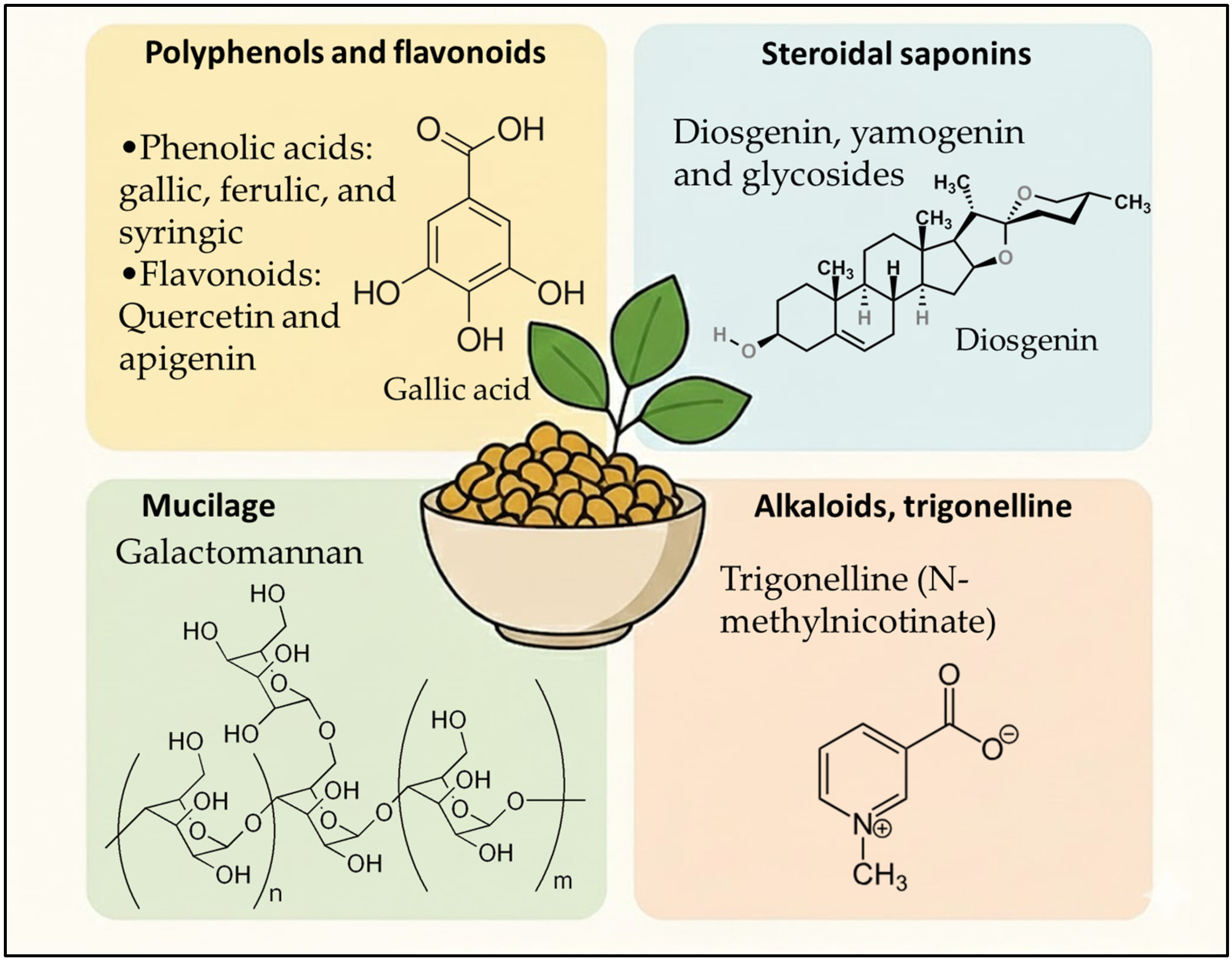
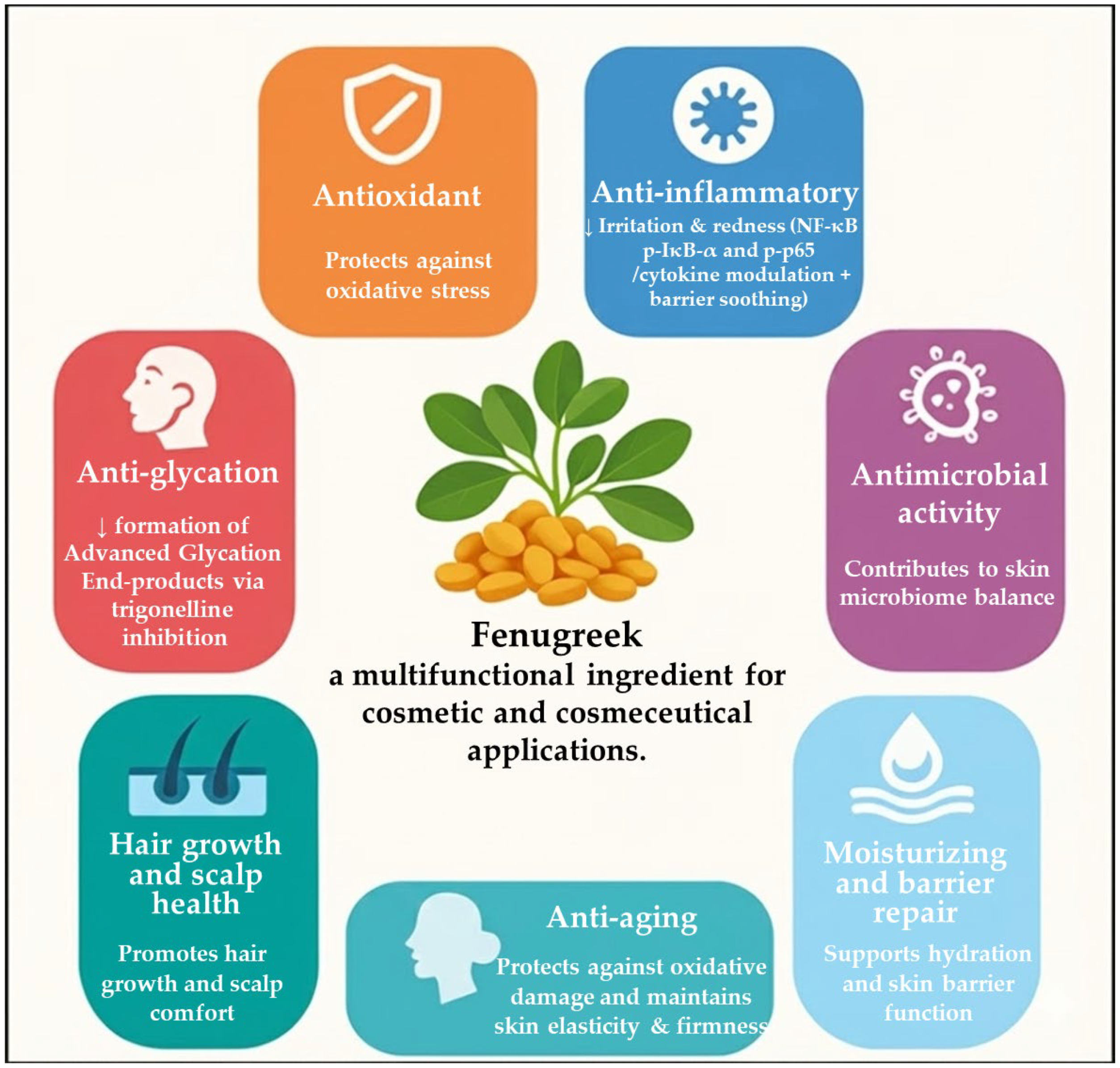
| Publication | Botanical Part | Main Analytical Method | Phytochemicals | Specific Compounds (Major/Selected) | Glycosides/Aglycones |
|---|---|---|---|---|---|
| Alu’datt et al. (2024) [20] | Leaves, seeds, stems, flowers | HPLC, spectrophotometric | Phenolic acids & Flavonoids | Ellagic acid, coumarin, quercetin, rutin, vitexin, isovitexin, salicylates; luteolin, naringin, naringenin, tricin, vicenin-1, vicenin-2 | Mixed glycosides and aglycones |
| Khenifi et al., (2023) [21] | Crude seeds | HPLC-DAD-MS | Flavonoids (C-glycosides dominant) | Vicenin-2, Vicenin-1, Schaftoside, Isoorientin, Kaempferol-O-feruloyl-triglucoside isomer, Apigenin 6,8-C-pentoside-hexoside isomer, Orientin, Apigenin-C-di-(6/8)-pentoside isomer, Isovitexin, Vitexin, Quercetin O-coumaroyl-tri-glucoside isomer | Predominantly C-glycosides |
| Salam et al. (2023) [22] | Seeds and leaves | HPLC | Phenolic acids & Flavonoids | 16 phenolics (major: oleuropein, chlorogenic acid, pyrogallol, ellagic acid, ferulic acid); 19 flavonoids (seeds: hesperidin, apigenin-6-O-arabinose-8-O-galactose, quercitrin, catechin; leaves: catechin, kaempferol-3,2-p-coumaroyl glucose, hesperidin) | Mixed O-glycosides and aglycones |
| Farag et al., (2016) [23] | Seeds | UPLC/PDA/ESI-qTOF-MS | Phenolic acids & Flavonoids | Gentisic acid pentosyl hexoside, hydroxybenzoic acid pentosyl hexoside, caffeic acid, vicenin-2, vicenin-3, orientin, isoorientin, vitexin, luteolin-O-dihydrogalloyl-hexosyl-C-pentosyl-hexoside | Predominantly C-glycosides & O-glycosides |
| Keskes et al., (2018) [24] | Seeds | HPLC-MS-UV | Flavonoids | Vicenin-2, Isoschaftoside, Isoorientin | C-glycosides |
| Benayad et al. (2014) [19] | Crude seeds | HPLC-DAD-ESI/MS | Flavonoids (flavone derivatives) | 32 compounds: acylated/non-acylated flavones (major aglycones: apigenin, luteolin, kaempferol); hydroxycinnamic acids (major: caffeic acid derivatives) | Mostly glycosylated flavones |
| Kenny et al., (2013) [18] | Seeds | UPLC-MS | Flavonoids | Apigenin-7-O-glycoside (major, 1955.55 ng/mg), luteolin-7-O-glycoside (major, 725.50 ng/mg); trace phenolics | O-glycosides |
| Publication | Botanical Part | Main Analytical Method(s) | Examples of Steroidal Saponins/Aglycones Identified |
|---|---|---|---|
| Król-Kogus & Głód (2020) [25] | Seeds | HPLC-ELSD-ESI-MS | trigoneoside Ia/Ib, trigoneoside IIa/IIb, trigoneoside IVa, trigoneoside Va, trigoneoside Vb, trigoneoside VI, trigoneoside Xa, trigoneoside Xb, trigoneoside XIIIa, trigoneoside XIIIb, trigoneoside XVIIa/XVIIb, trigoneoside IVa, glycoside F, trigonelloside C (protoneodioscin), trigonelloside D (protodioscin), trigoneoside IIIa/IIIb (22-deoxy forms), and the glycosides of proto-lilagenin/proto-yuccagenin (25(27)-ene series) |
| Akbari et al., (2019) [27] | Seeds | LC–MS–QTOF | Terrestrosin A, Terrestrosin E, Timosaponin D, Prosapogenin 2, Timosaponin B-2, Prosapogenin A, Gracillin, Abrisaponin I, Soyasaponin βg |
| Farag et al. (2016) [23] | Seeds | UPLC-MS metabolomics (multivariate analysis) | Trigoneoside Xb/a or Trigofoenoside B. (Furostane-2,3,22,26-tetrol glc glc rhamnoside), Dehydroyuccagenin trihexoside, Unknown saponin, Tigogenin dihexosyl pentoside, Yuccagenin dihexosyl rhamnoside, Furostane-tetrol-O-trihexoside methyl ether, Tigogenin dihexosyl rhamnoside, Diosgenin dihexosyl rhamnoside, Furost-5-ene-tetrol-O-trihexoside methyl ether, Trigoneoside Xb/a or Trigofoenoside B. (Furostane-2,3,22,26-tetrol glc glc rhamnoside), Furosta-5,20(22)-diene-1,3,26-triol rhamnosyl dihexoside, Trigonenoside XIIa/b (Furost-4(5)-ene-3,22,26-triol rhamnosyl dihexoside), Furostane-triol-O-trihexoside methyl ether, Neogitogenin pentosyl dihexoside, Furostane-pentol-O-trihexoside, Tigogenin hexosyl hexulose, Diosgenin di-rhamnosyl hexoside, Furost-diene-tetrol-O-trihexoside methyl ether, Dihydroxy-oleananoic acid dihexosyl rhamnoside, Oleanolic acid-O-pentosyl dihexoside, Hydroxy oleanolic acid-O-di-hexoside, Hydroxy oleanolic acid dirhamnosyl hexouronide, Dihydroxy-olean-enoic acid dihexosyl rhamnoside, Furost-5-ene-tetrol-dihexosyl rhamnoside acetate, Diosgenin hexoside |
| Petit et al. (1995) [26] | Seeds | chromatographic characterization | Terrestrosin A, Terrestrosin E, Timosaponin D, Timosaponin B-2, Prosapogenin 2, Prosapogenin A, Gracillin, Abrisaponin I, Soyasaponin βg, Atroposide E, Hookeroside C, Celosin C, Cimifoetiside VII |
| Publication | Extract | Antioxidant Methods | Key Results |
|---|---|---|---|
| Hazel et al. (2025) [41] | Hydroethanolic & hydromethanolic | DPPH, FRAP, TAC | DPPH IC50 = 314.53 mg/L; FRAP = 21.49 mg AAE/g (strong radical scavenging) |
| Khenifi et al. (2023) [21] | Flavonoid-rich methanolic seed extract | DPPH, FRAP, ABTS, CUPRAC | DPPH IC50 = 556.6 µg/mL; FRAP A0.5 > 200 µg/mL; ABTS IC50 = 593.62 µg/mL; CUPRAC A0.5 = 451.90 µg/mL (multi-assay potency) |
| Ghevariya et al. (2023) [42] | Seed, stem, leaf, microgreens | DPPH | Microgreens showed highest DPPH scavenging (IC50 = 20–100 µg/mL)—superior to seeds/stems |
| Eaknai et al. (2022) [8] | Ethanolic seed extract | Cell-based (human dermal fibroblasts) + collagenase inhibition | Protects fibroblasts from oxidative/inflammatory stress; ↑ collagen production; nanoencapsulated form enhances stability and anti-aging effects (cellular protection) |
| Dhull et al. (2020) [43] | Aqueous ethanol vs. methanol seed extracts | DPPH, ABTS, TAC, reducing power | Methanol extracts superior; highest in RMT-365 (DPPH 93.2%, ABTS 97.7%, reducing power 43.5 mg QE/g, TAC 16.7 mg AAE/g) |
| Akbari et al. (2018) [44] | Seed oil (Soxhlet, n-hexane) | DPPH, ABTS | DPPH IC50 = 172.6 ± 3.1 µg/mL; ABTS IC50 = 161.3 ± 2.2 µg/mL; TPC = 38.97 mg GAE/g oil |
| Setti et al. (2017) [45] | Protein isolate fermented by L. lactis | DPPH, ABTS, AAC | DPPH and ABTS increased ~40%; AAC +23.7% (fermentation enhances cellular antioxidant defense) |
| Priya et al. (2011) [46] | Hydroalcoholic seed extract | DPPH, OH·, ABTS, TAC | DPPH IC50 = 350 µg/mL; ABTS IC50 = 962.5 µg/mL; TAC IC50 = 192 µg/mL; OH·IC50 = 587.5 µg/mL |
| Publication | Type of Assay | Type of Extract/Compound | Main Results & Mechanism of Action |
|---|---|---|---|
| Alsuliam et al., (2022) [50] | In vivo (diabetic nephropathy model in rats) | Fenugreek galactomannan (F-GAL)/Aqueous extract (FS-AE) | Inhibits NF-κB pathway (↓ nuclear p65 levels); reduces pro-inflammatory cytokines (TNF-α, IL-6) in diabetic rats. |
| Huang et al., (2022) [51] | In vivo feeding trial (broiler chickens, 1–56 days, 420 birds) | Fenugreek seed extract (FSE, 50–800 mg/kg in diet) | Improves growth performance (↑ ADG in 50 & 800 mg/kg groups, ↓ F/G in all groups, p < 0.01); reduces serum TC & LDL-C (p < 0.05); enhances immunity (↑ IgG, IgM, IgA in 100 & 200 mg/kg groups; modulates cytokines IL-1, IL-10, IFN-γ); shows limited NF-κB pathway effects (no significant change in TLR4/MyD88/NF-κB mRNA at ≤400 mg/kg; ↑ NF-κB mRNA at 800 mg/kg). |
| Sindhu et al., (2012) [52] | In vivo (carrageenan-induced paw edema in Wistar rats) | Methanolic seed extract (systemic: 100–400 mg/kg i.p.; topical: 2–5% creams) | Systemic doses (100–200 mg/kg) inhibit paw edema (comparable to ibuprofen/dexamethasone); topical 3–5% creams show strongest inhibition (similar to 1% hydrocortisone); likely via flavonoid/saponin inhibition of COX, LOX, NOS, and antioxidant effects. |
| Sindhu et al., (2012) [52] | In vivo (adjuvant-induced arthritis in rats) | Ethanol extract of seeds (400 mg/kg) | Significantly decreases inflammatory cytokine levels; suppresses adjuvant-induced inflammation. |
| Bordia et al., (1997) [53] | In vivo (patients with coronary artery disease) | Fenugreek seed powder (dietary) | Significantly reduces C-reactive protein (CRP) and fibrinogen levels (markers of inflammation). |
| Reference | Extract Type | Tested Microorganisms | Key Findings |
|---|---|---|---|
| Ahmad et al., (2025) [58] | Seed extracts (various parts) | Pseudomonas aeruginosa, E. coli, S. aureus, H. pylori | Antibacterial activity linked to alkaloids, flavonoids, tannins, saponins & terpenoids. |
| Salam et al. (2023) [22] | Methanolic & ethanol seed extracts | S. aureus, E. coli, P. aeruginosa, K. pneumoniae | Methanolic extract inhibited S. aureus and others; aqueous extract less active; MIC values reported. |
| Alenazy et al. (2023) [56] | Methanol extract | Multidrug-resistant S. aureus & E. coli | Demonstrated antimicrobial activity and biofilm inhibition potential. |
| Abu-Zaid et al. (2021) [59] | Seed powder | S. aureus, E. coli, K. pneumoniae, C. albicans | Seed powder exhibited bacteriostatic and bactericidal effects in vitro. |
| Alwan et al. (2017) [57]. | Methanolic & hot aqueous seed extracts | S. aureus, E. coli, P. aeruginosa, B. subtilis | Methanolic extract showed highest inhibition zones, with dose-dependent antibacterial activity. |
| Walli et al., (2015) [60] | Water & methanol seed extracts | S. aureus, E. coli, P. vulgaris, C. albicans | Boiling water extract showed activity; supports traditional antimicrobial use. |
Disclaimer/Publisher’s Note: The statements, opinions and data contained in all publications are solely those of the individual author(s) and contributor(s) and not of MDPI and/or the editor(s). MDPI and/or the editor(s) disclaim responsibility for any injury to people or property resulting from any ideas, methods, instructions or products referred to in the content. |
© 2026 by the authors. Licensee MDPI, Basel, Switzerland. This article is an open access article distributed under the terms and conditions of the Creative Commons Attribution (CC BY) license.
Share and Cite
Rebey, I.B.; Abdennebi, A.B.; Chaabani, E.; Yeddes, W.; Hammami, M.; Tounsi, M.S.; Merah, O. Fenugreek as a Versatile Cosmetic Ingredient: Phytochemical Profile, Skin–Hair Benefits and Formulation Opportunities. Cosmetics 2026, 13, 44. https://doi.org/10.3390/cosmetics13010044
Rebey IB, Abdennebi AB, Chaabani E, Yeddes W, Hammami M, Tounsi MS, Merah O. Fenugreek as a Versatile Cosmetic Ingredient: Phytochemical Profile, Skin–Hair Benefits and Formulation Opportunities. Cosmetics. 2026; 13(1):44. https://doi.org/10.3390/cosmetics13010044
Chicago/Turabian StyleRebey, Iness Bettaieb, Ameni Ben Abdennebi, Emna Chaabani, Walid Yeddes, Majdi Hammami, Moufida Saidani Tounsi, and Othmane Merah. 2026. "Fenugreek as a Versatile Cosmetic Ingredient: Phytochemical Profile, Skin–Hair Benefits and Formulation Opportunities" Cosmetics 13, no. 1: 44. https://doi.org/10.3390/cosmetics13010044
APA StyleRebey, I. B., Abdennebi, A. B., Chaabani, E., Yeddes, W., Hammami, M., Tounsi, M. S., & Merah, O. (2026). Fenugreek as a Versatile Cosmetic Ingredient: Phytochemical Profile, Skin–Hair Benefits and Formulation Opportunities. Cosmetics, 13(1), 44. https://doi.org/10.3390/cosmetics13010044