Article

The Potential of Grapevine Leaf Extract in Treating Hyperpigmentation

1
Chemical Engineering Department, Ariel University, Ariel 40700, Israel
2
Eastern Regional R&D Center, Ariel 40700, Israel
*
Authors to whom correspondence should be addressed.
Cosmetics 2024, 11(1), 2; https://doi.org/10.3390/cosmetics11010002

Submission received: 7 November 2023 / Revised: 13 December 2023 / Accepted: 14 December 2023 / Published: 22 December 2023
(This article belongs to the Special Issue Feature Papers in Cosmetics in 2023)

Abstract

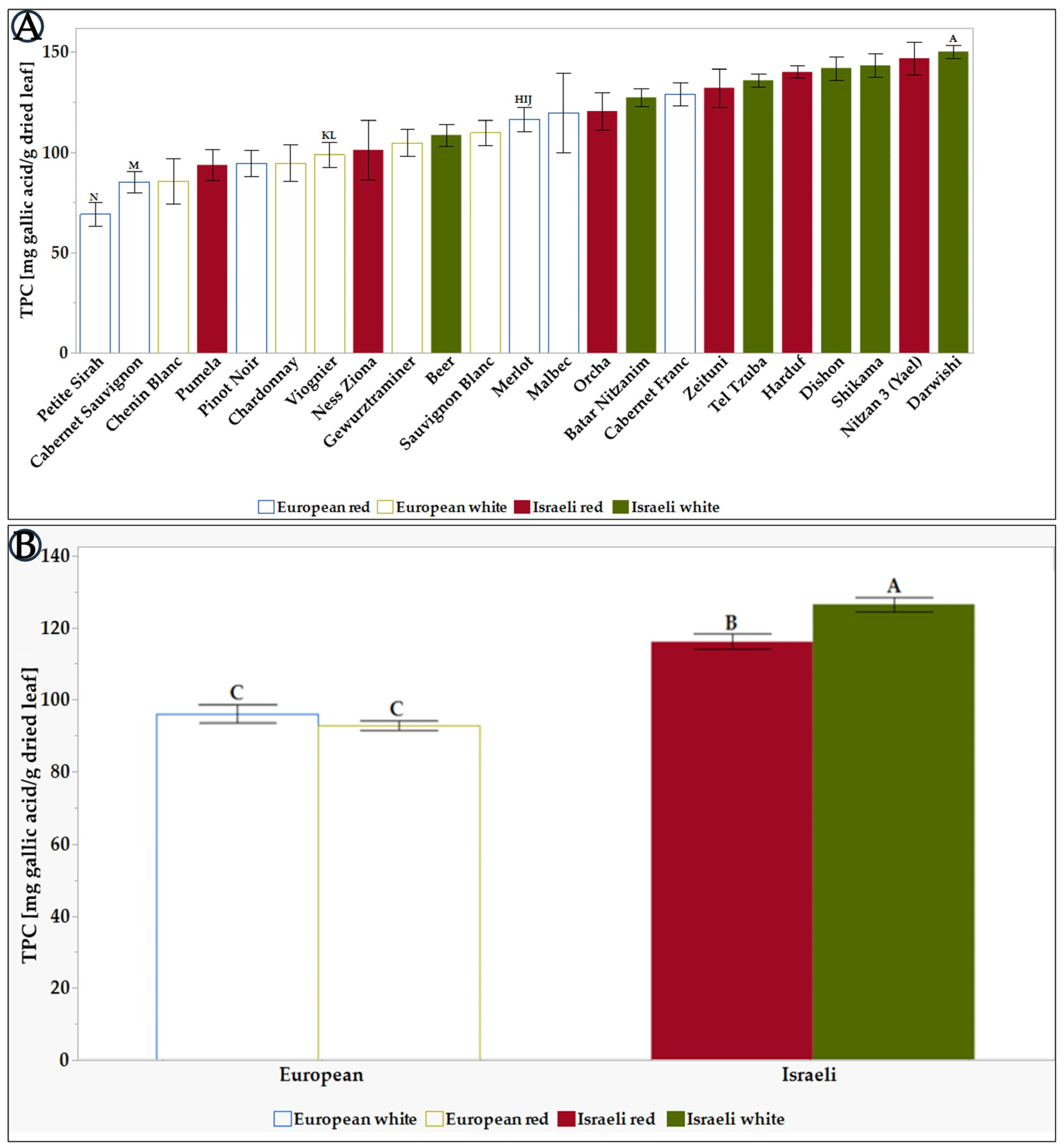
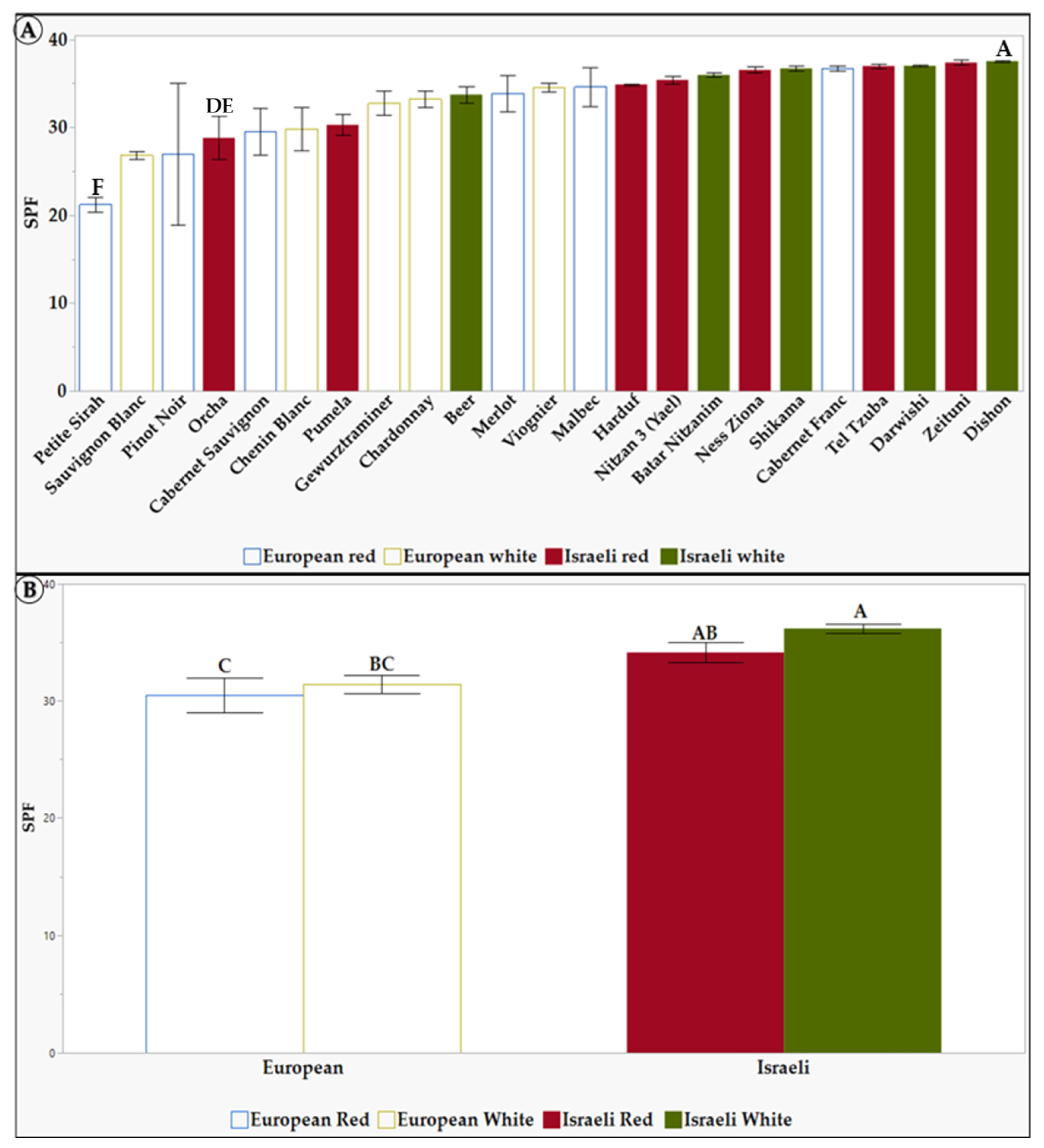
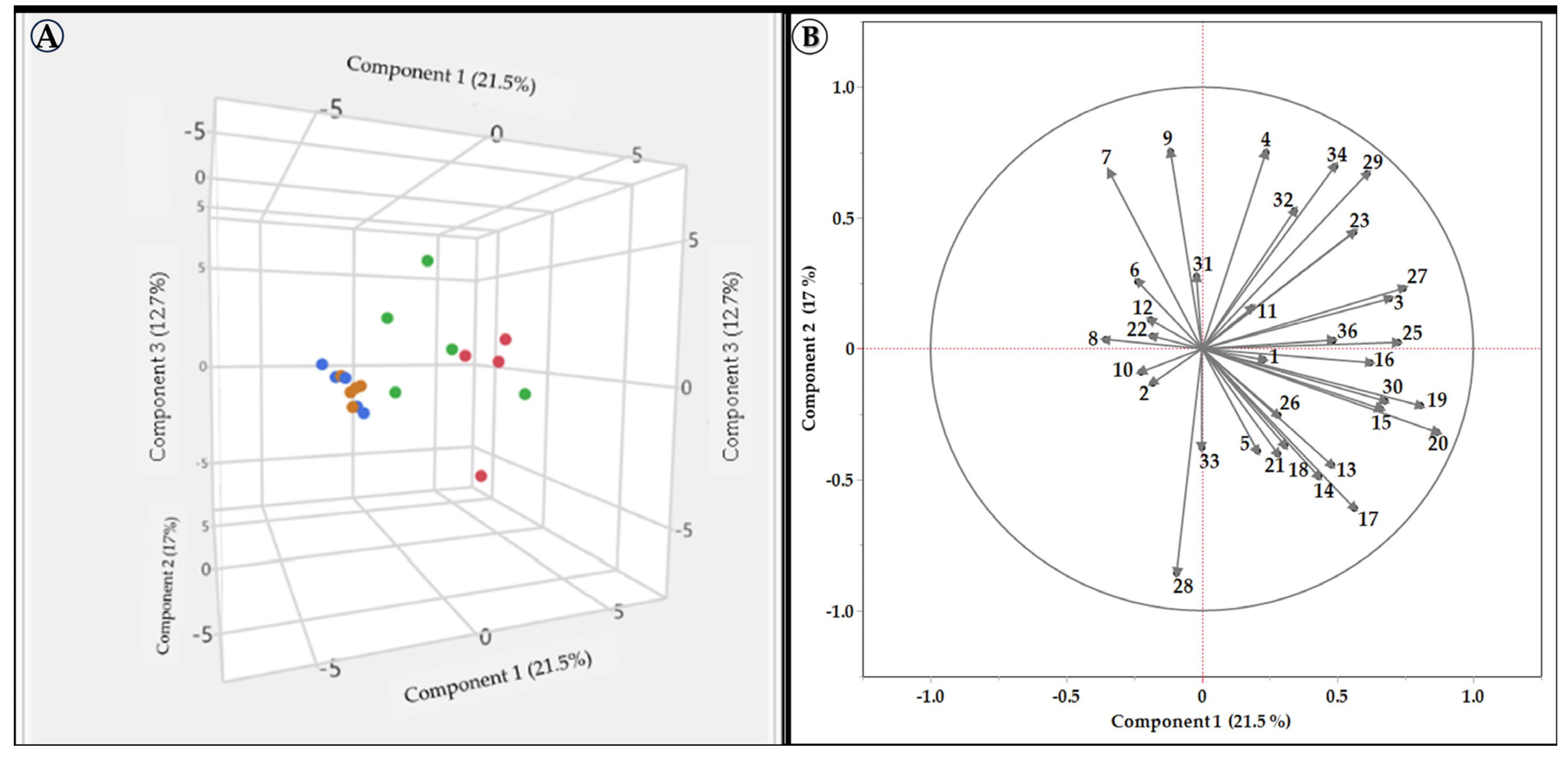
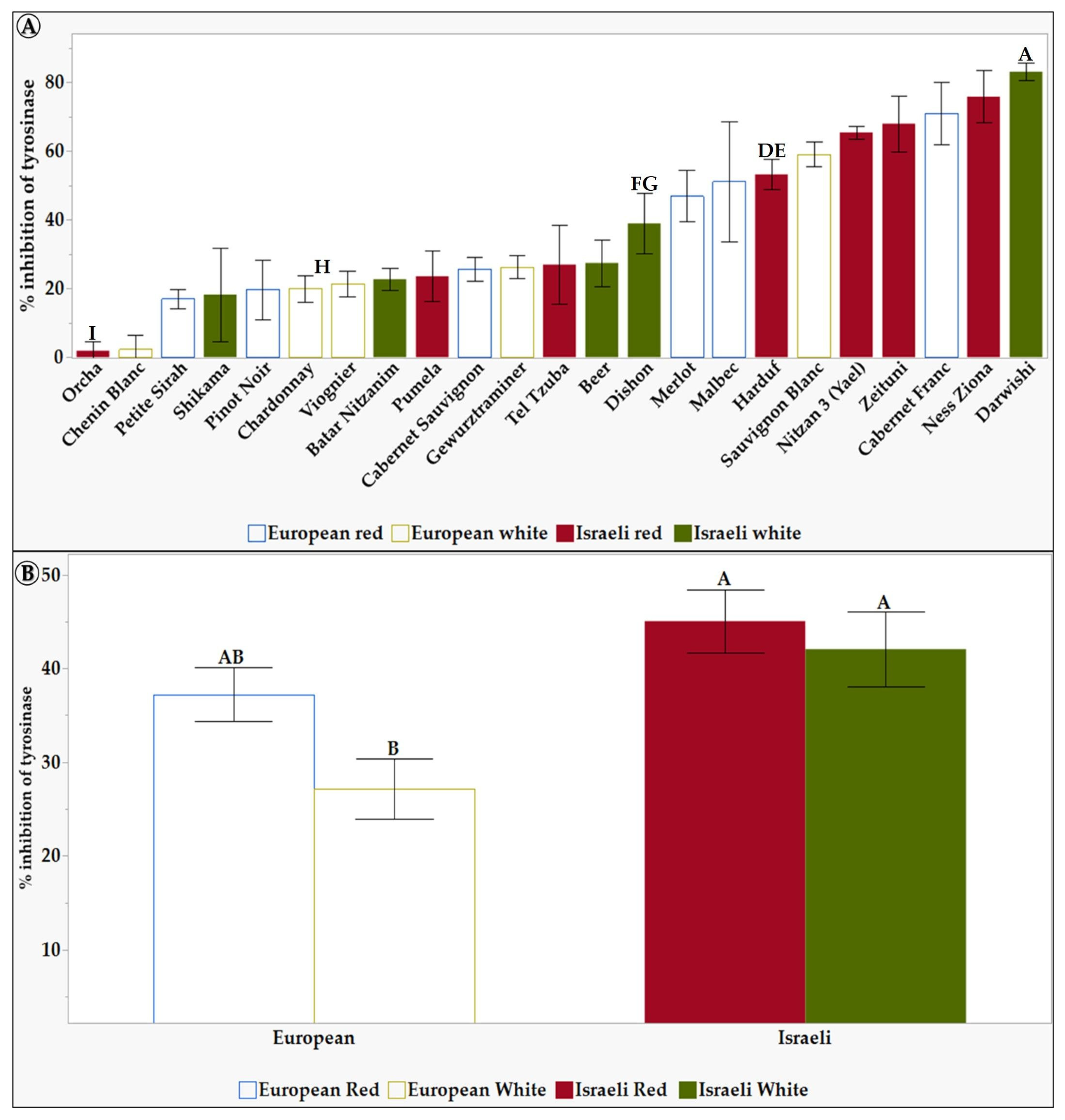
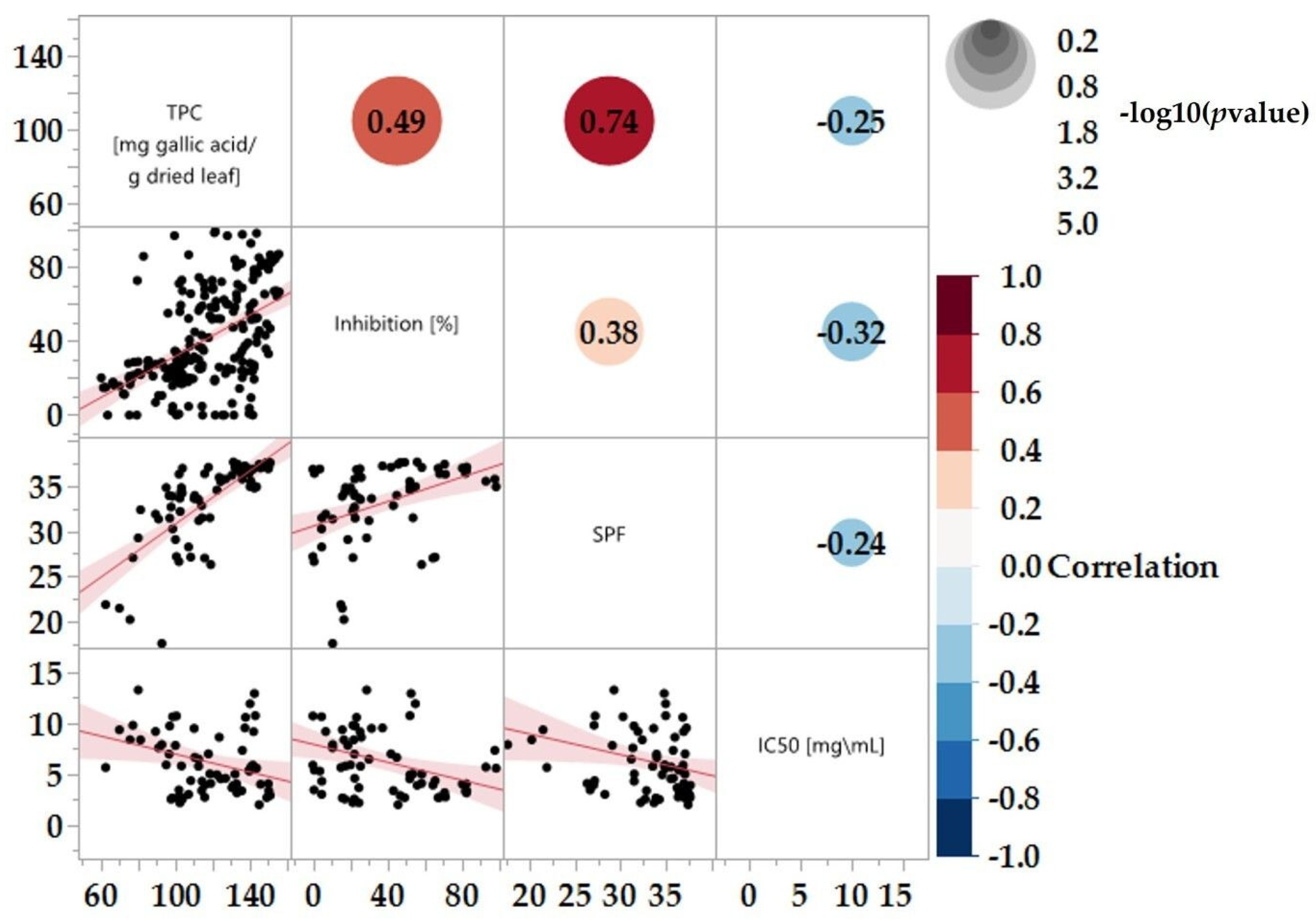
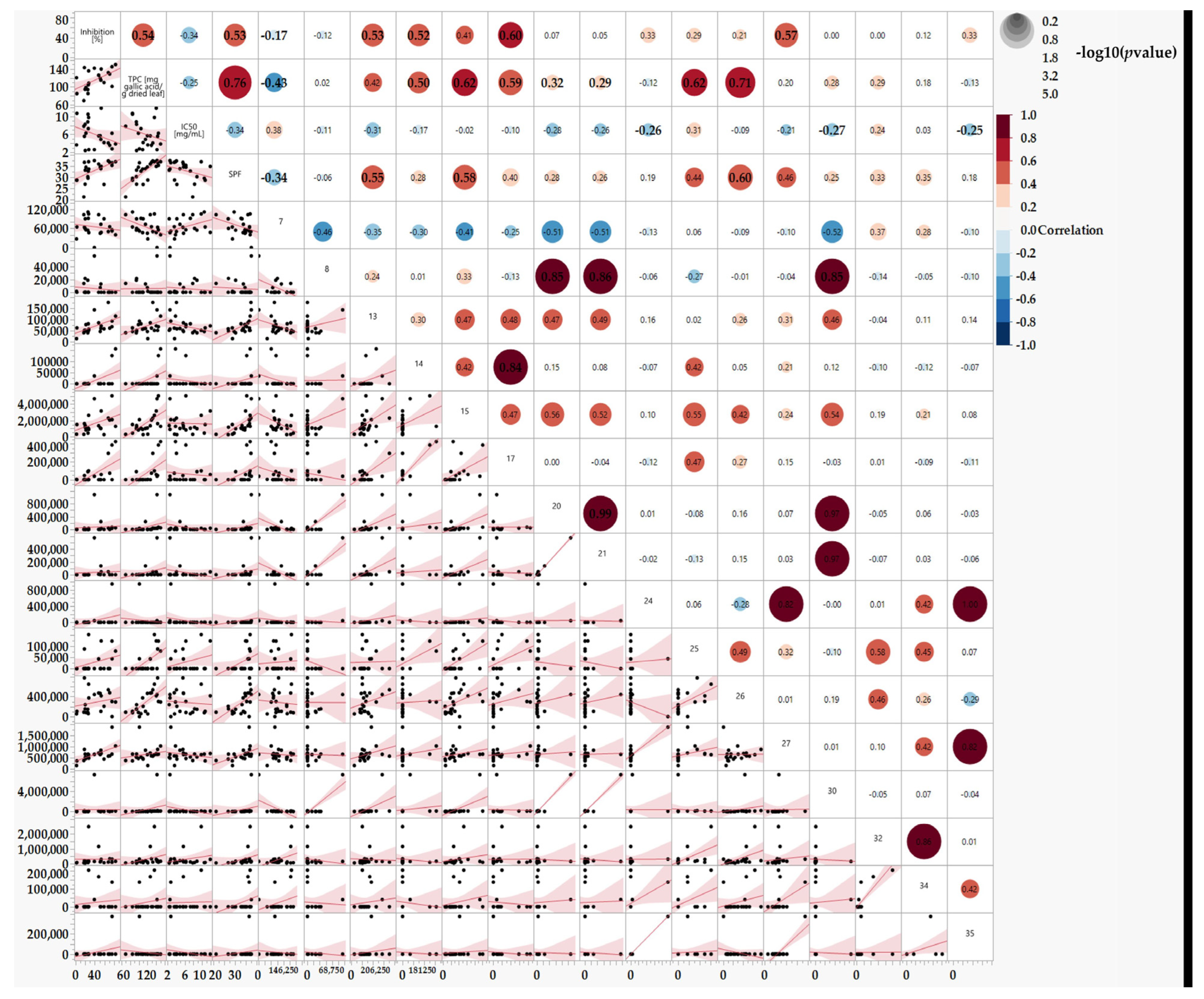
Hyperpigmentation, characterized by the excessive accumulation of melanin in the skin, is a common dermatological concern triggered by various factors, including UV radiation exposure. This study investigates the potential of grapevine leaf extracts in treating hyperpigmentation induced by UV radiation, focusing on 11 European and 12 Israeli grapevine varieties. Our research explores the correlations between total polyphenol content (TPC), tyrosinase inhibition, sun protection factor (SPF), and half-maximal inhibitory concentration (IC50) of these extracts. Our findings reveal substantial variation in TPC among grapevine varieties’ leaves, with the Israeli varieties showing higher TPC levels than the European ones. Correlation analysis demonstrates a robust link between TPC and SPF, indicating that increased TPC contributes to enhanced sun protection properties. However, TPC alone does not strongly correlate with tyrosinase inhibition, suggesting the importance of specific polyphenols in tyrosinase inhibition. Furthermore, the study identifies specific peaks in the HPLC analysis that correlate with desired activities. In summary, our research highlights the potential of grapevine leaf extracts, especially those from Israeli indigenous varieties, in addressing hyperpigmentation. It emphasizes the importance of specific polyphenols rather than TPC alone in achieving the desired effects. These findings open doors for further investigation into identifying and isolating active compounds from grapevine leaves for skincare applications.
Keywords: hyperpigmentation; grapevine leaf extract; UV radiation; tyrosinase inhibition; sun protection factor (SPF); polyphenols; total phenolic content (TPC); skincare hyperpigmentation; grapevine leaf extract; UV radiation; tyrosinase inhibition; sun protection factor (SPF); polyphenols; total phenolic content (TPC); skincare