


Abstract
This research addresses the increasing need for efficient energy management in residential settings in response to the increasing global energy demands, focusing on the integration of artificial intelligence to identify energy burdens. We employ and compare some machine learning models, like Decision Trees, K-nearest neighbors, and Feedforward Neural Networks, with a primary focus on electrical current as a key parameter. The Fine K-NN model shows notable efficiency, achieving an accuracy of 99.1% in the identification of active household appliances using a single sensor. Our methodology encompasses rigorous data acquisition and preprocessing under controlled experimental conditions, ensuring the integrity and reliability of our results. This study contributes to the field by illustrating the effectiveness of specific AI models in energy management under controlled conditions, paving the way for future advancements in AI-driven energy conservation strategies.
1. Introduction
The efficient use of electricity in residential settings remains a critical area of focus worldwide, particularly in regions where energy costs are subsidized or regulated. In Mexico, despite the controlled price of electricity, studies have shown that this regulation does not significantly influence the intentions of households to save energy. However, 50.6% of households express an active interest in reducing their electricity consumption, highlighting a significant opportunity to promote energy saving behaviors [1].
Research further supports the potential for substantial reductions in energy consumption through behavioral changes. For example, studies in Europe suggest that modifications in user behavior can lead to savings of up to 20% in household electricity use [2,3]. These findings underscore the importance of equipping residential users with the tools and knowledge necessary to optimize their energy consumption, as well as the potential to leverage technology to influence and reinforce these behaviors.
Appliance-level energy monitoring enables several complementary pathways to energy reduction in residential settings. First, real-time feedback on individual appliance consumption empowers users to identify energy-intensive devices and modify usage behaviors accordingly—for instance, recognizing that an older refrigerator consumes disproportionate energy may motivate replacement or adjustment of temperature settings. Second, disaggregated consumption data enables detection of anomalous patterns indicating appliance malfunction or inefficiency, such as a refrigerator with a failing compressor cycling more frequently than normal. Third, appliance identification provides the foundation for automated demand response systems that can intelligently schedule or curtail non-critical loads during peak pricing periods without user intervention. Finally, personalized recommendations based on actual usage patterns (e.g., ‘your microwave usage costs USD X monthly; upgrading to a more efficient model would save USD Y annually’) are more actionable than generic energy-saving advice. These mechanisms collectively enable the behavioral and technological interventions documented to achieve up to 20% energy savings in residential contexts.
The reliance on manual checks and basic measurement techniques is proving insufficient to address the complex issues and scalability needs of modern energy systems. This limitation has been emphasized in various studies that recommend a shift toward more advanced technological solutions. These conventional methods have undergone rigorous scrutiny in a wide variety of studies, as evidenced by [4]. Critical evaluations of these traditional practices have highlighted their limitations, thus serving as a catalyst for a paradigm shift toward more innovative and technologically advanced strategies. For example, in [5] a stochastic model was proposed to estimate the energy usage of Wireless Sensor Networks (WSNs), demonstrating that probability distribution functions can more effectively characterize energy expenditure. This shift is particularly noticeable in the increasing focus on the integration of Artificial Intelligence (AI) and the exploration of neural network technologies, marking a significant evolution in the field. These sophisticated methodologies go far beyond mere tools for improving the efficiency and automation of energy-charge-identification processes. Notable examples include the use of Feedforward Neural Networks (FFNNs), which have proven to be highly effective in improving residential energy management in various applications. Studies highlight their utility in forecasting the demands for heating and cooling in buildings [6,7], estimating the monthly consumption of electrical energy [8], and predicting the patterns of energy use [9]. Notably, FFNNs have been instrumental in optimizing air handling units, achieving ventilation energy savings of up to 74.2% [10]. When combined with advanced techniques such as Long Short-Term Memory (LSTM) networks and Stationary Wavelet Transform, FFNNs demonstrate significantly improved prediction accuracy [11]. Additionally, they have been utilized in home energy management systems to reduce electricity costs and carbon dioxide emissions through the integration of renewable energy sources [12]. Furthermore, hybrid approaches that integrate FFNNs with other neural network architectures have shown improved performance in forecasting HVAC loads [13]. These innovations act as transformative agents that fundamentally alter consumer behavior. By providing detailed information on energy consumption patterns, as illustrated in [14], these advanced technologies pave the way for a transition to more sustainable and efficient energy use. This evolution underscores the urgent need for the energy sector to adapt by embracing technological advances that can effectively meet the challenges posed by the increasing complexity and scale of global energy demands.
Expanding on the discourse on energy conservation, the authors of [15] present a detailed examination of electricity tariffs within the Mexican context, highlighting untapped opportunities for savings within the construction sector. This exploration is complemented by the innovative work in [16], which introduces a dual optimization strategy ingeniously formulated to harmonize economic electricity consumption with the achievement of optimal thermal comfort. Building on this foundation, the research described in [17] offers valuable empirical insights into the dynamics of electricity consumption. It delineates various determinants such as peak usage times, the lifespan of common appliances, and regional variances in device usage, thus contributing to a deeper understanding of energy consumption patterns. Similarly, Xu et al. [18] embark on a comprehensive review of strategies designed to improve the operational efficiency of electric companies, presenting a wide spectrum of approaches to energy management.
Artificial intelligence (AI), especially neural network technologies, has emerged as a key player in revolutionizing energy management strategies. These innovative approaches offer significant improvements in automating and streamlining energy systems, going beyond traditional techniques to provide a more profound, data-driven insight into energy usage patterns. Recent progress includes the creation of sophisticated neural network models that exhibit high precision in appliance detection and load prediction, which are crucial for improving energy conservation efforts. In a notable advancement of methodological approaches, the study detailed in [19] uses Gaussian mixture clustering and eXtreme Gradient Boosting techniques to predict electricity consumption, signifying a leap toward more predictive and adaptive energy management strategies. Further enriching scientific discourse, De Baets et al. [20] use convolutional neural networks for the analysis of voltage–current graphical images, a concept that is advanced in [21] through the application of residual convolutional neural networks. Moreover, Werthen-Brabants et al. [22] delve into the application of Bayesian neural networks to interpret current-voltage diagrams, illustrating the breadth of neural network applications in energy analysis. However, reliance on voltage as a reference point in neural network models is criticized for potentially introducing confounding variables, highlighting the complexities inherent in accurately modeling and analyzing electrical consumption data.
The environmental implications of electricity generation also occupy a central place in the discourse, with [23] advocating the adoption of cutting-edge devices aimed at fostering sustainable consumption habits. Through the application of a Multilayer Perceptron (MLP) model, this research demonstrates a high degree of accuracy in device identification; however, it acknowledges limitations in identifying devices with variable power profiles. Complementing this technological approach, the empirical investigation conducted in Singaporean households, as documented in [24], provides compelling evidence of the impact of behavioral interventions on energy conservation. This study illuminates the intricate interaction between behavioral changes, financial incentives, and the regional climate in shaping energy consumption patterns, offering valuable information for the development of targeted energy conservation strategies.
This study highlights the significance of using simple yet powerful machine learning models alongside a slow sampling rate (one sample per second) to tackle the complex challenges inherent in large-scale energy management systems. Unlike approaches that focus on developing novel algorithms, our research addresses the critical gap between theoretical machine learning capabilities and practical deployment constraints. Our primary contributions are threefold: (1) demonstrating that a simplified single-sensor configuration achieves exceptionally high accuracy, (2) revealing the counter-intuitive finding that current-only measurements could outperform multi-parameter approaches, and (3) providing comprehensive performance–complexity tradeoff analysis to guide practical system design decisions. This approach is designed to navigate the complexities of achieving rapid computational results, which are essential yet often difficult to realize in large-scale applications. Our methodology encompasses the training of a diverse array of models, including the Decision Tree, the K-Nearest Neighbors (K-NN), and a Feedforward Neural Network. This selection emphasizes the goal of achieving an accuracy higher than 90% to surpass the results of [25], where only the working period of each household and the mean of energy consumption were used. Initially, a broad set of parameters was considered, including electrical current, power factor, and power. However, in pursuit of greater precision and simplicity, our focus was mainly on current, particularly for models that demonstrate accuracy rates greater than 90%. This refined approach draws support from the distinctions established in [26] between high- and low-resolution appliance usage profiles, and our research focuses on the latter to reduce computational demands. This strategic choice contrasts with the high-resolution data collection methodologies explored in [27,28], highlighting our commitment to efficiency and simplicity. The practical significance of our findings lies in enabling cost-effective deployment of energy monitoring systems using widely available, inexpensive current transformers without sacrificing classification performance, thereby removing a major barrier to widespread adoption of intelligent energy management in residential settings. The structure of this article is meticulously organized into three principal sections. Data Acquisition and Pre-processing, Results, and Conclusions; each section reflects our dedication to clarity in model design and data processing. This comprehensive and strategic approach aims to provide a thorough overview of our findings, underscoring their significance in the broader context of energy conservation and the advantages of leverage.
2. Data Acquisition and Preprocessing
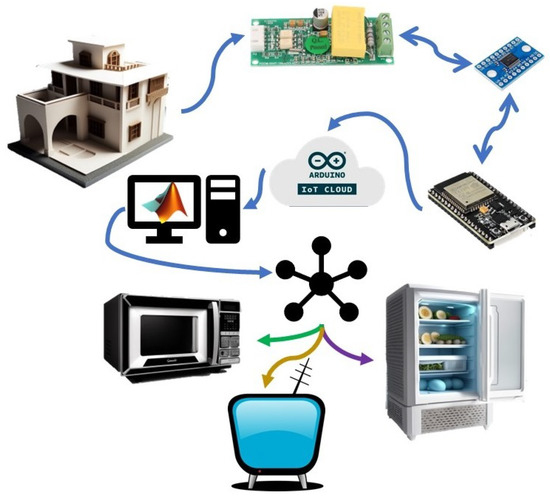
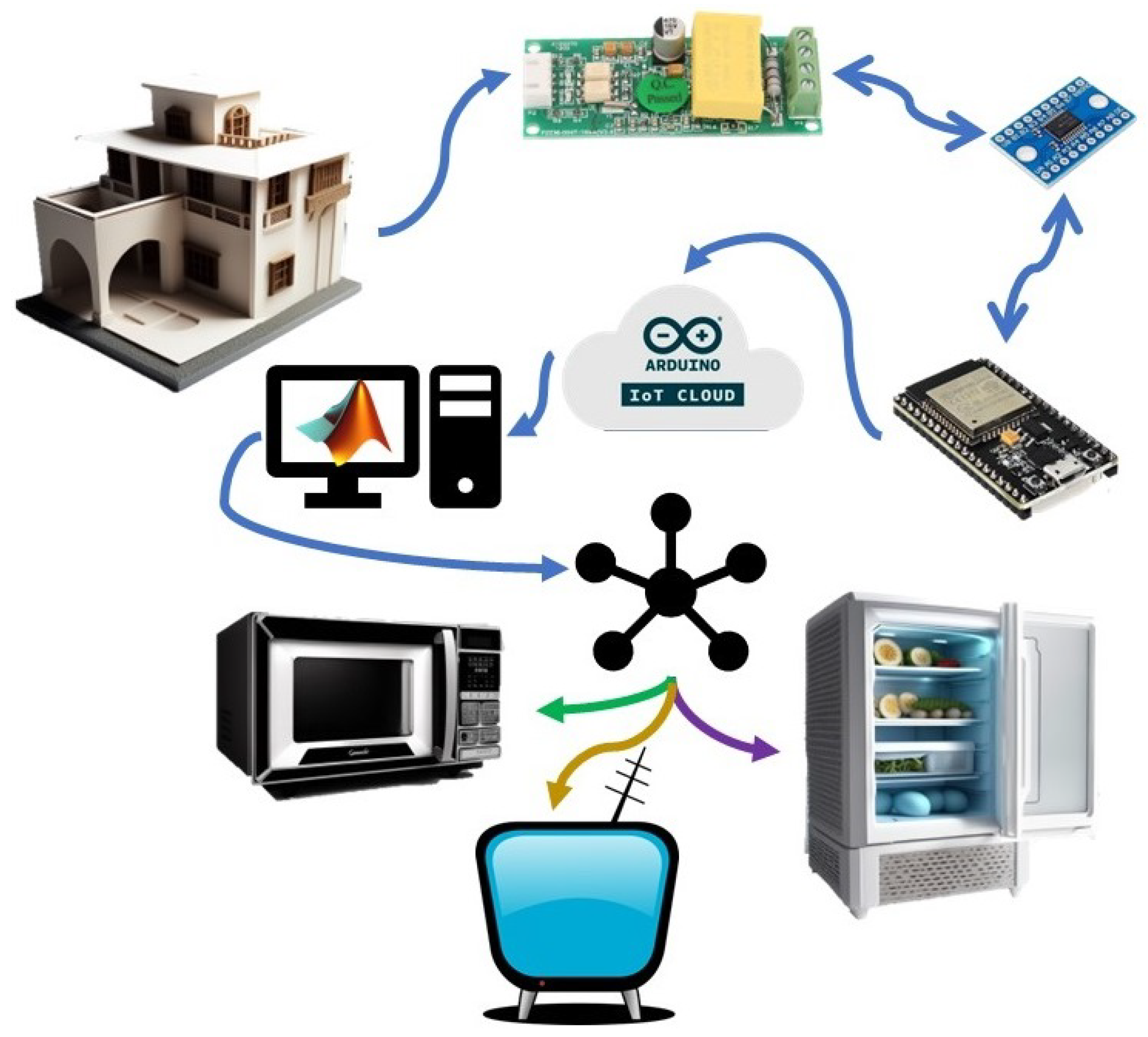
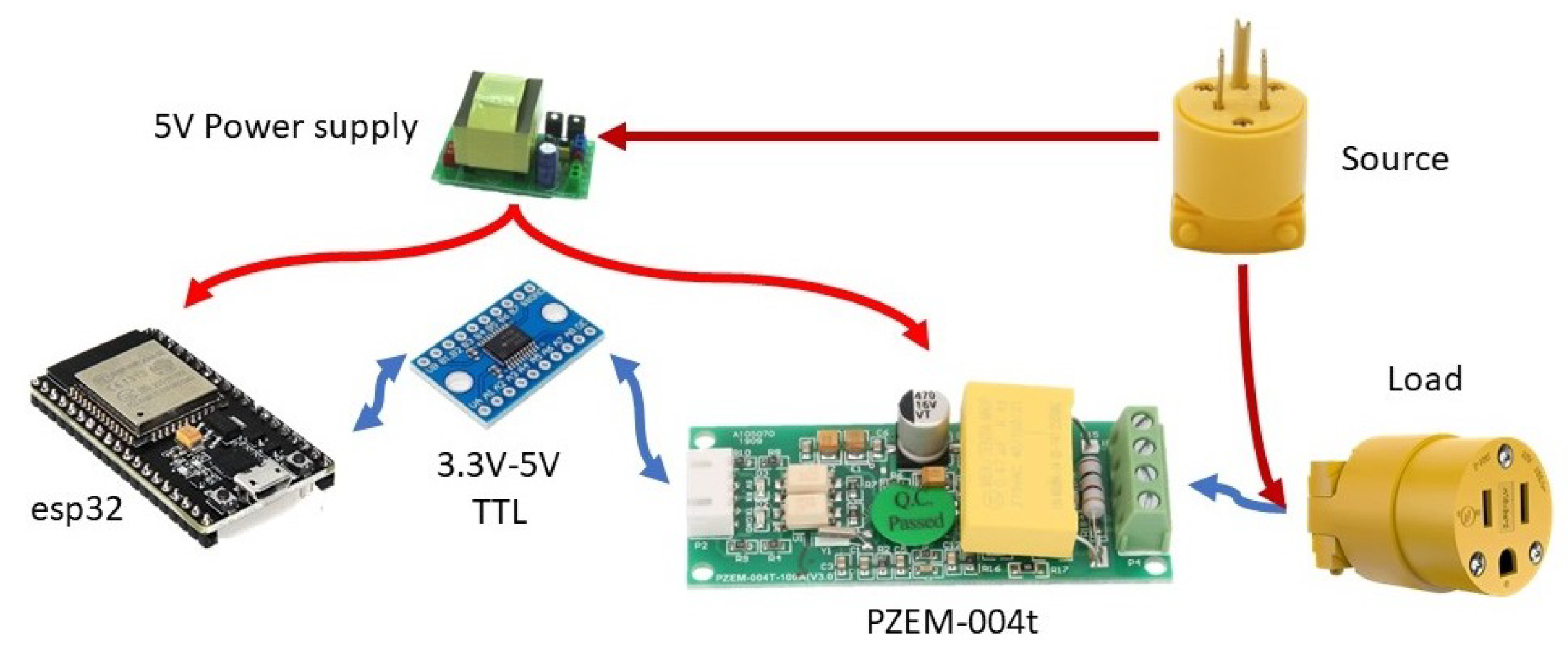
Accurate and reliable data acquisition and preprocessing are the cornerstones of the integrity and success of this research endeavor. To delineate the process and framework that guide the collection and refinement of the data, we refer to the schematic representation provided in Figure 1. This diagram offers a visual overview of the comprehensive pipeline developed for the systematic recollection, processing, and preparation of the dataset that underpins our analysis. In accordance with the best practices and methodologies established previously in the field, corroborated by references from the literature [29,30,31,32], we opt for the use of a PZEM-004t in conjunction with an esp32 for the primary data collection phase. For example, reference [29] highlights the development of a motor monitoring system and an electrical energy consumption monitoring system that uses an esp8266, a precursor to the esp32, equipped with the capabilities to detect current, voltage, and temperature. Reference [32] also developed an Android mobile application so that users could be aware of the measurements. Reference [30] discusses the application of a PZEM-004t as a kWh meter, revealing that this sensor exhibits a discrepancy of less than 2% compared to standard multimeters, confirming its accuracy and reliability for precise electrical measurements. Reference [31] explores the use of an esp32 coupled with a PZEM-004t as a sophisticated power sensor and controller to manage the sale or purchase of solar-generated electricity, showcasing the versatility and applicability of this hardware configuration in renewable energy transactions. These references collectively underline the robustness and adaptability of the selected tools in the capture and processing of electrical data, further strengthening the methodological choices made in this study.
Figure 1.
Scheme of the used pipeline.
Data logging was performed using Arduino Cloud infrastructure, which provided straightforward device integration, cloud-based data storage, and dashboard monitoring capabilities. Six electrical parameters (voltage, current, power, power factor, frequency, and energy) were logged continuously throughout the experimental period.
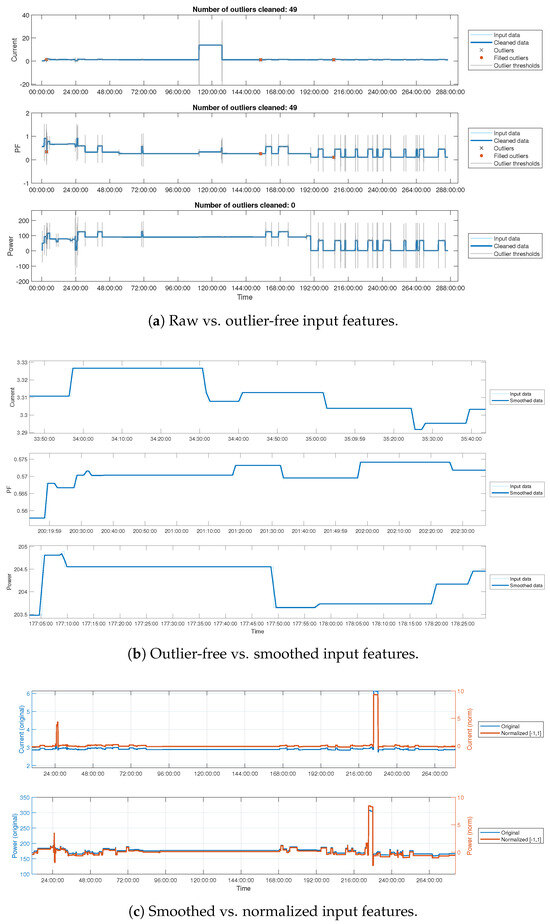
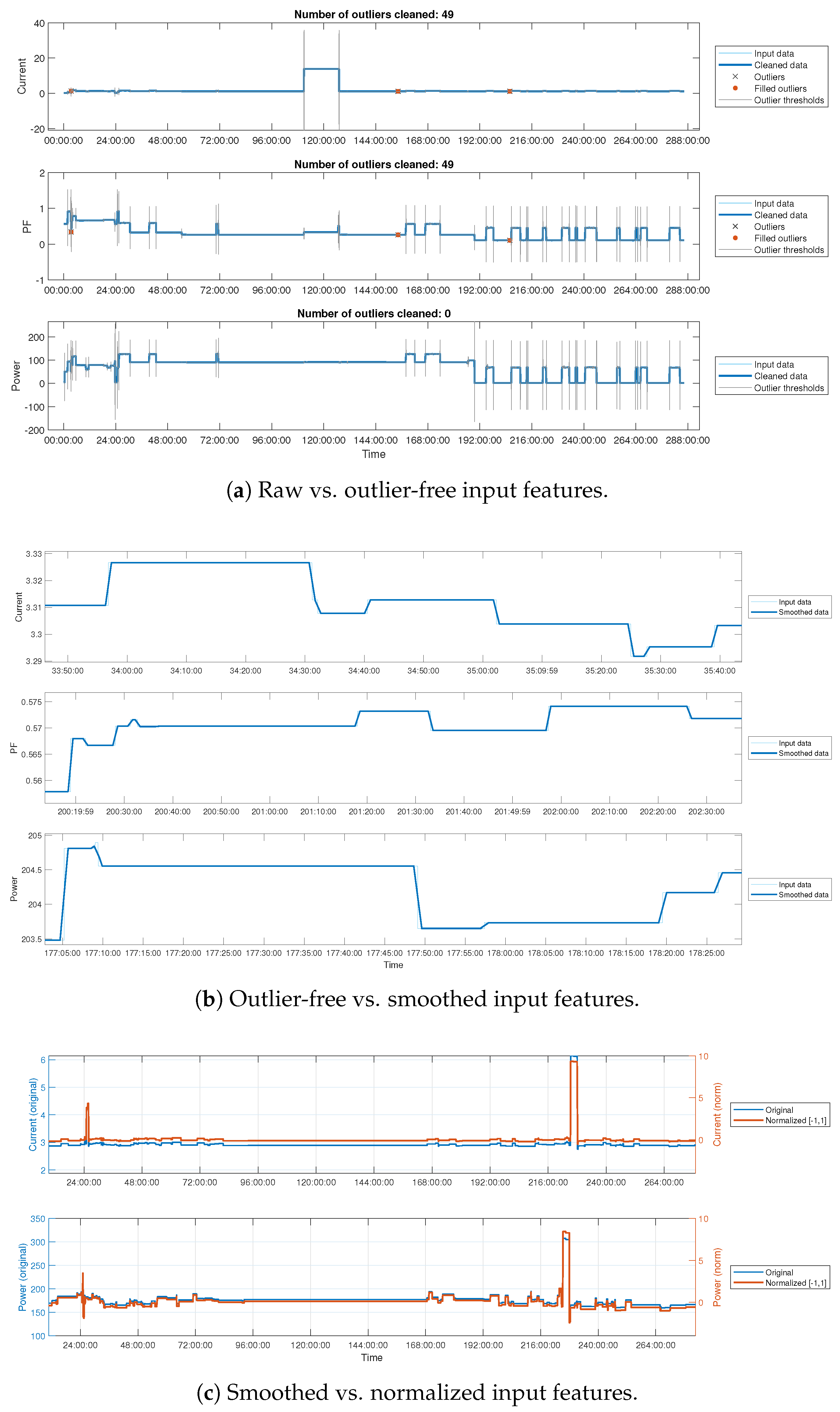
Following the initial phase of data acquisition, the data were subjected to a rigorous preprocessing routine. First, the removal of outliers is essential, as outliers pose a significant threat to the analytical validity of our research, potentially skewing results and leading to erroneous conclusions. To address this challenge, we used the moving median algorithm, opting for a one-minute window coupled with a threshold factor of 3. In addition to outlier removal, we implemented a smoothing procedure aimed at attenuating the transient fluctuations inherent in the raw data. This was achieved by applying the moving median algorithm with a one-minute window, further refining the consistency and reliability of the dataset for subsequent analysis.
Before advancing to the modeling phase, it was imperative to normalize the dataset. Normalization facilitates the comparability of features by adjusting their scales to a uniform metric, a process essential to ensure that the algorithms employed in later stages can effectively interpret and analyze the data. We used the z-score normalization method, which standardizes each feature to have a mean of zero and a standard deviation of one. This normalization step is particularly crucial for models and algorithms that are sensitive to the magnitude of input features, ensuring that no single feature disproportionately influences the outcome of the analyzes due to scale differences.
Figure 2a illustrates the data preprocessing pipeline applied to representative current, PF, and power estimated measurements from a television, a refrigerator, and a microwave during mutual operation. The raw data as acquired from the PZEM-004t sensor, exhibits typical measurement noise and transient spikes. This figure also demonstrates the effect of outlier removal using the moving median algorithm with a one-minute window and threshold factor of 3, effectively eliminating spurious measurements. Figure 2b shows the smoothed data after applying the moving median filter, reducing high-frequency fluctuations while preserving the underlying signal characteristics. Figure 2c presents the normalized data using z-score normalization, transforming the measurements to zero mean and unit variance for input to the machine learning models. This preprocessing sequence ensures data quality and prepares the measurements for effective model training.
Figure 2.
Data cleaning process showing (a) outlier removal, (b) smoothing, and (c) normalization of input features.
2.1. Hardware
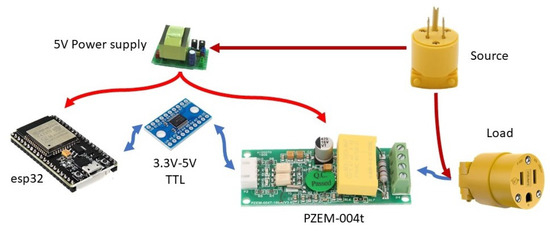
In the design and execution of our experimental framework, the ESP32 microcontroller was selected as the control unit, paired with a PZEM-004t sensor for electrical parameter measurement. This hardware combination was chosen based on its documented reliability in similar applications [29,30,31,32], particularly the PZEM-004t’s demonstrated accuracy of <2% error compared to standard multimeters [30], and the total component cost of approximately USD 10–15, which supports the practical feasibility objective of this work. A bidirectional level shifter was employed to interface the 5 V PZEM-004t with the 3.3 V input channels of the ESP32. Both components were powered by a dedicated 5 V supply connected directly to the measurement line to ensure accurate readings. The PZEM-004t sensor operates as a non-intrusive current and voltage measurement device. For our experimental setup, the sensor was installed inline with the electrical circuit feeding the appliances under test. Specifically, the live (hot) wire from the power source passes through the current transformer (CT) clamp of the PZEM-004t, while the sensor simultaneously measures voltage via its voltage sensing terminals connected in parallel to the line. This configuration enables the sensor to measure current flow through the circuit and voltage across the load without interrupting the electrical connection. Each appliance was connected to a standard electrical outlet, with the PZEM-004t positioned between the power source and the outlet to capture all electrical parameters (current, voltage, power, power factor, frequency, and energy) during appliance operation. The complete experimental setup is illustrated in Figure 3, and detailed connection specifications are available upon request. The selection of commercially available, low-cost components represents a deliberate design decision aimed at demonstrating the practical feasibility of intelligent energy monitoring systems without requiring specialized hardware development. The total component cost (approximately USD 10–15) positions this approach as accessible for widespread residential deployment, particularly in cost-sensitive markets. This accessibility, combined with the high classification accuracy achieved, represents a key contribution of this work toward practical implementation of energy management systems.
Figure 3.
Scheme of the used electronic components. The PZEM-004t sensor is connected inline with the electrical circuit, with the load current passing through its current transformer (CT) while voltage is measured in parallel. The ESP32 microcontroller communicates with the PZEM-004t via serial interface through a bidirectional level shifter (3.3 V–5 V TTL) to acquire electrical measurements.
2.2. Software
The methodology behind our data acquisition process was engineered to meticulously isolate the operation of each household appliance, setting the stage for the creation of diverse scenarios in which multiple appliances could be operational simultaneously. The appliances selected for this study (microwaves, refrigerators, and televisions) represent common residential loads found in typical households, chosen based on their prevalence and distinct electrical characteristics. It is important to note that multi-appliance scenarios were constructed by combining the electrical signatures of individually measured appliances, while occurring in simultaneous operations in controlled environments, while this controlled approach ensures systematic coverage of all appliance combinations and provides clean labeled data for model training, it does not fully capture real-world phenomena such as harmonic interactions between devices, transient coupling effects, or the temporal dynamics of naturally varying loads. This intricate approach was based on the decomposition of electrical current into its real and reactive constituent components, a process facilitated by the precise measurement of the power factor. Such a decomposition technique was pivotal, as it enabled the synthesis of data from an array of household appliances, ranging from microwaves and refrigerators to televisions and beyond. This method allowed for the simulation of many operational scenarios, effectively mimicking the complex interplay of appliances typically found in residential settings. By aggregating data representing all possible combinations of appliance operations, we were able to construct a comprehensive dataset reflective of real-world energy consumption patterns.
As we stated previously, the normalization of the parameters of the dataset that ensues is essential. However, an exception was made for the power factor; given its bounded nature, it was exempt from the normalization process to preserve its intrinsic properties. In the data preparation phase, the dataset was strategically divided into training and test sets, allocated in proportions of 70% and 30%, respectively. This partitioning is critical for evaluating the robustness of the predictive models developed, ensuring that the models perform accurately on unseen data. All of these data cleaning, processing, and model training activities were performed within the MATLAB environment (R2024a).
3. Overview of Employed Models
In this study, we used a variety of machine learning models to compare their performance with the acquired data. Below is a brief overview of the employed models:
- K-Nearest Neighbors (K-NN): K-NN is a nonparametric, lazy learning algorithm that classifies a data point based on the classes of its nearest neighbors [33]. The parameter K determines the number of neighbors considered for classification. Through our experimentation, we identified that setting yielded the best performance, allowing the model to achieve highly granular and accurate classifications. While maximizes sensitivity to local feature space structure, it also introduces higher variance and potential sensitivity to noise compared to larger K values. The strong performance observed with indicates that appliance electrical signatures in our dataset exhibit sufficient separation in the feature space, though this configuration may be more sensitive to measurement artifacts or variations in electrical conditions than models employing neighborhood averaging.
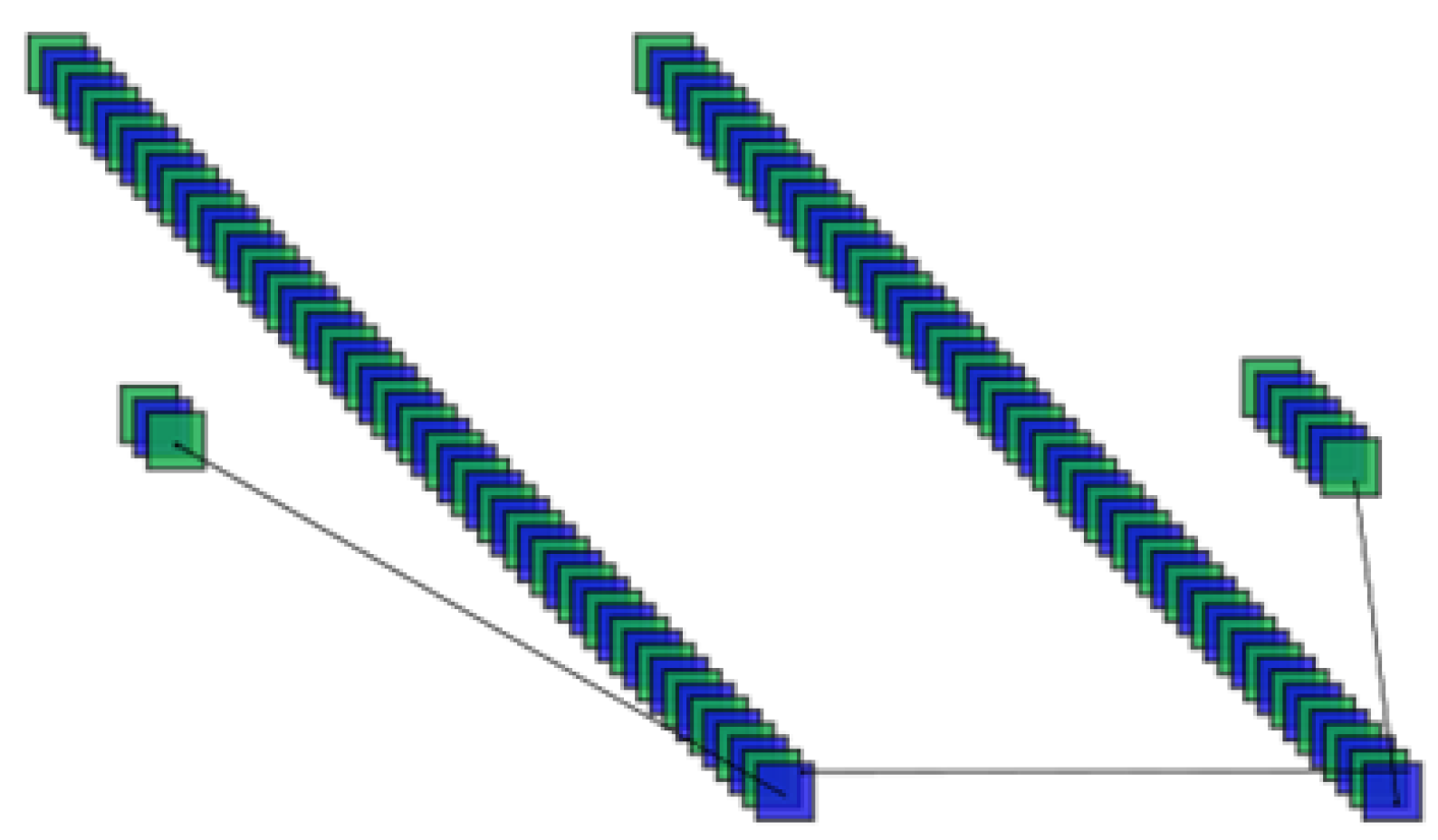
- Feedforward Neural Networks (FFNNs): The FFNN is a type of artificial neural network comprising an input layer, one or more hidden layers, and an output layer. Unlike other neural networks, the connections between nodes in an FFNN do not form cycles, enabling it to effectively learn complex patterns and relationships from data [34,35]. The specific FFNN utilized in this research (Figure 4) consists of two hidden layers with 56 neurons each, an input layer corresponding to the required features, and 7 output nodes, one for each class. This architecture was selected based on preliminary experimentation, though systematic hyperparameter optimization (exploring network depth, width, regularization techniques, and activation functions) was not conducted. Consequently, the FFNN performance reported should not be interpreted as representing the optimal achievable performance for neural network approaches to this task. Its flexibility in handling nonlinear data makes it a robust choice for complex classification tasks.
- Decision Tree: A Decision Tree is a flowchart-like model where each internal node represents a feature, each branch represents a decision rule, and each leaf node corresponds to an outcome [36]. In this research, we used a Fine Decision Tree with a minimum leaf size of one, which allowed the model to create highly detailed splits for improved accuracy.
Figure 4.
Structure of the Neural Network model: 3 inputs, 56 neurons in both hidden layers, and 7 neurons in the output layer.
Each of these models was chosen based on their potential to effectively handle the characteristics of our dataset and the specific challenges posed by our problem domain.
4. Results
The computational infrastructure employed for model training and evaluation comprised a 12th Generation Intel(R) Core(TM) i7-12650H processor operating at 2.30 GHz, complemented by 16.0 GB of RAM (15.6 GB available) and an NVIDIA GeForce RTX 3060 graphics card with 3584 CUDA cores. This configuration provided sufficient computational capacity for the machine learning tasks while remaining representative of commonly available hardware in research and development environments.
To maintain clarity throughout the presentation of results, the following nomenclature is consistently applied across all confusion matrices. Each class corresponds to specific appliance combinations as follows:
- Class 1: Refrigerators.
- Class 2: Microwaves.
- Class 3: Televisions.
- Class 4: Refrigerators and Microwaves.
- Class 5: Refrigerators and Televisions.
- Class 6: Microwaves and Televisions.
- Class 7: Televisions, Refrigerators, and Microwaves.
This classification scheme enables systematic evaluation of model performance across both individual appliance operations and their concurrent combinations, which represents a more realistic representation of household energy consumption patterns within the constraints of our controlled experimental setup.
Three distinct machine learning architectures were trained and evaluated: a Fine Decision Tree (FDT) with minimum leaf size of one, a Fine K-Nearest Neighbors (K-NN) model with and Euclidean distance metric, and a three-layer Feedforward Neural Network (FFNN) comprising two hidden layers with 56 neurons each. The dataset, encompassing measurements of current, power factor, and power, was partitioned into training (70%) and test (30%) subsets following standard practice for model validation.
4.1. Comparative Performance Analysis
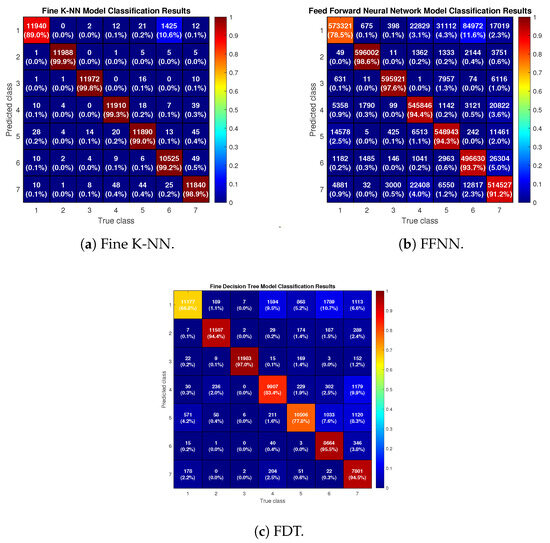
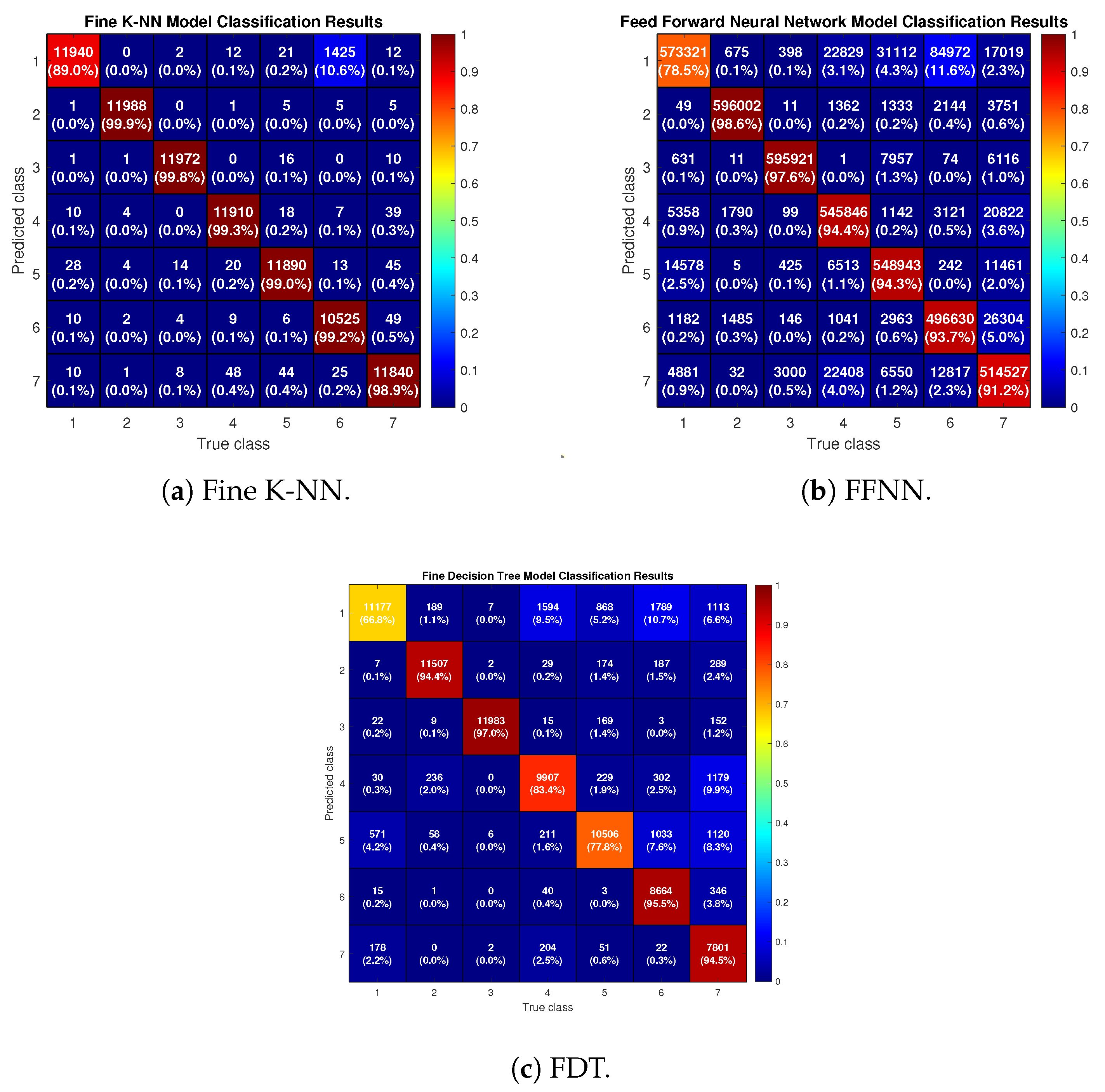
Figure 5 presents the confusion matrices for all three models evaluated on the test set, enabling direct comparison of their classification performance across all appliance combinations. The arrangement facilitates identification of systematic patterns in model behavior and reveals the relative strengths and limitations of each architecture.
Figure 5.
Confusion matrices (a–c) for Fine K-NN, FFNN, and FDT, respectively.
Table 1 presents the recall and specificity metrics for each class across all three models, providing quantitative support for the qualitative observations derived from the confusion matrices.
Table 1.
Comparative performance metrics across models.
The Fine K-NN model achieved the highest overall accuracy at 97.7% (Table 1), demonstrating exceptional performance across most appliance classes. Classes 2 and 3 (microwaves and televisions) achieved near-perfect classification (recall and specificity > 99.8%), indicating highly distinctive electrical signatures. However, Class 1 (Refrigerators) exhibited lower recall (89.0%) despite high specificity (99.5%), attributable to cyclic compressor operation introducing signature variability. Class 6 showed reduced specificity (87.7%), likely due to the additive nature of concurrent appliance operations creating signatures that occasionally resemble other combinations.
The FFNN achieved 92.2% accuracy (Table 1), representing competitive performance with superior model compactness (0.6 MB). The performance degradation relative to K-NN stems from limited dataset size for complex multi-appliance combinations and the lack of systematic architecture optimization (see Section 3). Classes 5 and 7 showed notably lower performance (recall 93.4% and 91.2%), indicating difficulty modeling complex three-appliance scenarios.
The FDT achieved 85.2% accuracy (Table 1), demonstrating limitations of axis-aligned decision boundaries for this classification task. Strong performance for Classes 3 and 6 (97.0% and 95.5% recall) indicates some signatures are captured effectively through threshold-based rules, while poor performance for refrigerator-containing combinations (Class 1: 66.8% recall, Class 5: 77.8% recall) reveals that temporal variability cannot be adequately modeled through hierarchical splitting rules.
4.2. Single-Feature Performance Evaluation
To assess the feasibility of simplified sensor configurations and evaluate the information content of individual electrical parameters, the two highest-performing models (Fine K-NN and FFNN) were retrained using exclusively current measurements as input. This analysis addresses practical considerations for deployment scenarios where minimizing sensor complexity and cost is paramount, while also providing insight into the relative importance of different electrical parameters for appliance discrimination.
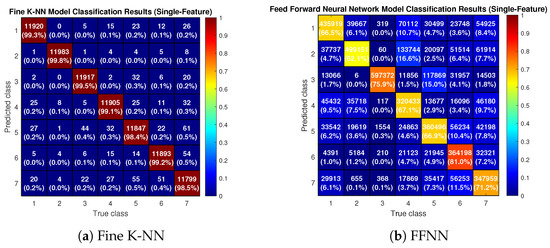
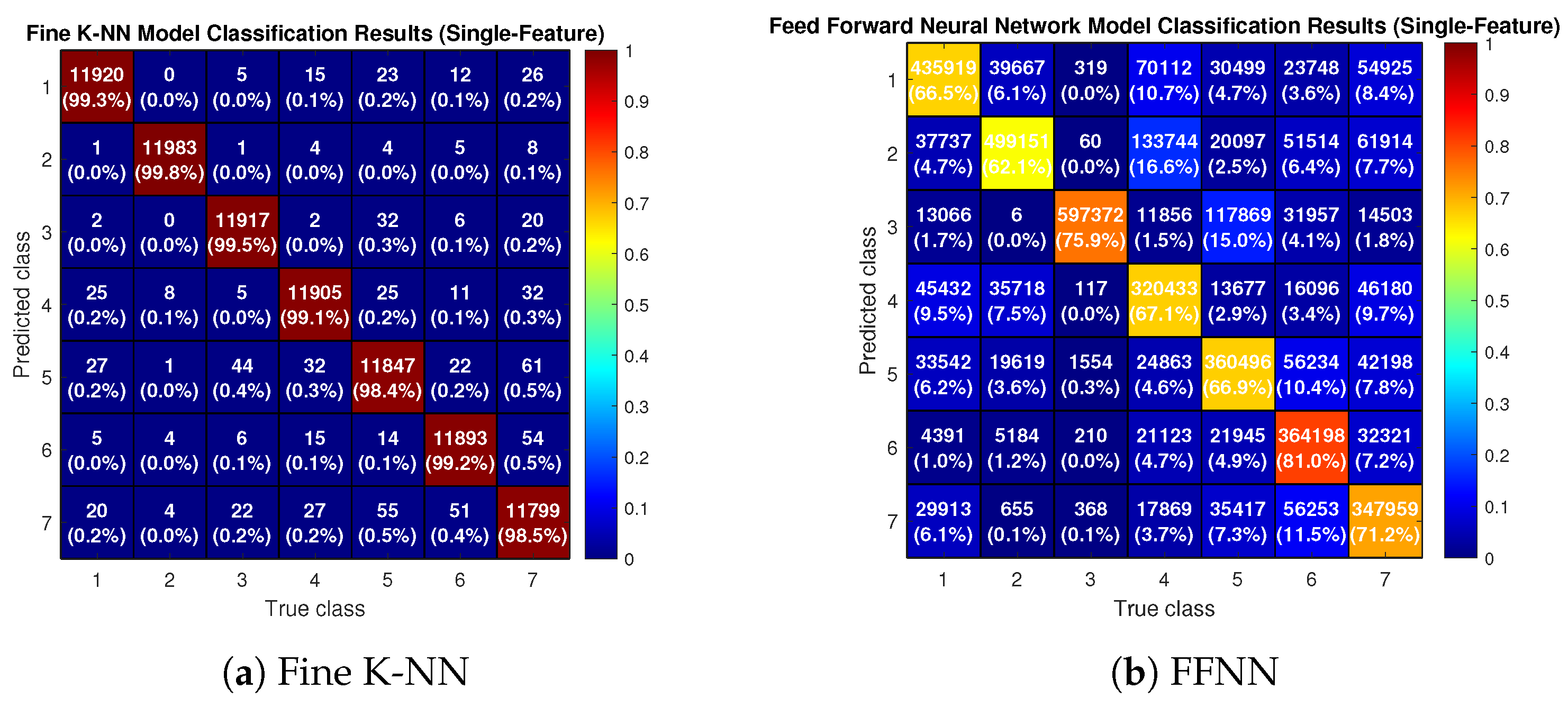
Figure 6 presents the confusion matrices for both models operating with current-only input, revealing markedly different responses to this feature reduction across the two architectures.
Figure 6.
Confusion matrices (a,b) for current-only Fine K-NN and FFNN, respectively.
The Fine K-NN model demonstrated remarkable robustness to feature reduction, achieving 99.1% accuracy with current as the sole input parameter (Table 2)—a decrease of only 1.4 percentage points relative to its three-parameter performance. This counter-intuitive result warrants careful interpretation and suggests several possible explanations: (1) current magnitude may be the dominant discriminative feature for the specific appliances examined, with power factor and power potentially introducing measurement noise affecting K = 1 nearest-neighbor selection, (2) mathematical relationships between current, voltage, and power may introduce feature correlations that affect distance metrics, and (3) z-score normalization assigns equal weight to features regardless of signal-to-noise ratios. The strong current-only performance indicates that, for this specific appliance set, current amplitude provides sufficient discriminative information, though this may not generalize to broader appliance inventories or different electrical conditions. All classes maintained recall and specificity above 98%, confirming that current magnitude captures the primary distinguishing characteristics for these household appliances. In stark contrast, the FFNN experienced severe performance degradation with current-only input, achieving just 69.7% accuracy (Table 2)—a 22.5 percentage point reduction. This substantial decline reveals the network’s reliance on complementary information from power factor and power. Power factor provides critical phase relationship information distinguishing resistive loads (microwaves) from inductive loads (refrigerator motors); without this, the network cannot separate appliances with similar current magnitudes but different load characteristics. Class 3 maintained relatively robust performance (82.6% recall), suggesting televisions possess distinctive current signatures from their switched-mode power supplies, while Classes 1 and 2 experienced substantial degradation (66.5% and 62.1% recall), indicating these require multi-parameter characterization.
Table 2.
Comparative performance metrics across models for singe features.
The divergent behavior of K-NN and FFNN under feature reduction provides valuable guidance for practical system design. For deployment scenarios prioritizing simplicity and cost-effectiveness, current-only monitoring coupled with K-NN classification offers an attractive solution, requiring only a simple current transformer and minimal computational resources. However, for applications demanding robust classification across diverse appliance types and combinations, the multi-parameter approach with neural network classification provides superior reliability, particularly for complex scenarios involving multiple concurrent appliances.
4.3. Computational Efficiency Analysis
Table 3 summarizes the model size and training time for each architecture, providing insight into the computational costs associated with different approaches and their implications for deployment scenarios.
Table 3.
Computational requirements for trained models.
The FFNN emerges as the most compact model at 0.6 MB, representing approximately one-quarter the size of the K-NN model (2.37 MB) and 40% of the FDT size (1.48 MB). This compactness stems from the parametric nature of neural networks, where knowledge is encoded in weight matrices rather than stored training examples (as in K-NN) or tree structures (as in FDT). The small memory footprint suggests that quantized and pruned versions of the FFNN could potentially be deployed on resource-constrained embedded systems such as the ESP32 microcontroller, enabling edge-based inference without cloud connectivity. However, the substantially longer training time (631 s) compared to K-NN (10.81 s) and FDT (7.53 s) indicates that model development and refinement would require more significant computational investment. For practical deployments requiring frequent model updates or adaptation to new appliances, this extended training time may represent a significant constraint.
The K-NN model, despite its larger size, requires minimal training time since it employs lazy learning—the model simply stores the training data and defers all computation to inference time. This characteristic makes K-NN particularly attractive for scenarios requiring rapid model updates or personalization to specific households. The FDT offers an intermediate solution with moderate size and very rapid training, though its inferior classification performance limits its practical applicability for this task.
For deployment at scale, cloud-based inference represents the most feasible approach across all three models, leveraging centralized computational resources and enabling seamless model updates. However, for privacy-sensitive applications or scenarios with intermittent connectivity, the compact FFNN or the robust K-NN with current-only input provide viable edge-based alternatives, each with distinct tradeoffs between accuracy, resource requirements, and feature complexity.
5. Conclusions
This research establishes a comprehensive framework for automated household appliance identification using machine learning approaches applied to electrical parameter monitoring, demonstrating the technical feasibility of intelligent energy management systems under controlled laboratory conditions. However, significant validation gaps remain before such systems can be considered deployment-ready for real-world residential applications.
5.1. Principal Contributions
The primary contribution of this work lies in demonstrating that highly accurate appliance classification (97.7% for Fine K-NN, 92.2% for FFNN) can be achieved under controlled conditions using a single non-intrusive sensor installed at the main electrical panel, employing a modest sampling rate of one sample per second. This finding represents a proof-of-concept advancement over previous approaches that either required multiple sensors, higher sampling rates, or achieved lower classification accuracy in similar controlled settings. The combination of simplicity, accuracy, and computational efficiency positions this methodology as a foundation for further development toward real-world energy monitoring systems.
A particularly noteworthy finding is the demonstration that current alone, when combined with the Fine K-NN classifier, provides sufficient information to achieve 99.1% classification accuracy for the specific appliance set examined, exceeding the performance obtained with three electrical parameters. While this result should not be overgeneralized, it challenges conventional assumptions regarding feature requirements for appliance identification and opens pathways for dramatically simplified sensor configurations employing only current transformers, thereby reducing system cost and complexity for applications with similar appliance profiles without sacrificing performance. The practical implications are substantial: residential energy monitoring systems can be deployed using widely available, low-cost current sensors without requiring sophisticated power analyzers or voltage measurements.
The comparative analysis of three distinct machine learning architectures provides actionable guidance for system designers, revealing clear performance–complexity tradeoffs within the constraints of our experimental methodology. The Fine K-NN model offers superior accuracy with moderate computational requirements, making it suitable for applications where classification performance is paramount. The FFNN, despite lower accuracy with the specific architecture tested, provides the most compact model representation (0.6 MB), suggesting viability for edge deployment on resource-constrained embedded systems following quantization, pruning and potential performance improvement through systematic architecture optimization. The FDT, while computationally efficient, demonstrates limitations that restrict its applicability to this domain.
Practical applications for energy management: The appliance identification capability demonstrated in this work enables several concrete energy management applications in residential settings:
- Real-time consumption monitoring and user feedback: Homeowners can receive detailed breakdowns of energy consumption by appliance category, enabling identification of energy-intensive devices and informed decisions about usage patterns or appliance replacement.
- Anomaly detection for efficiency monitoring: By establishing baseline consumption profiles for each appliance, the system can automatically detect deviations indicating malfunction or degraded efficiency (e.g., a refrigerator drawing abnormally high current due to compressor issues), alerting users to maintenance needs before complete failure.
- Automated demand response: Integration with smart home systems would enable automated load scheduling during off-peak hours or load curtailment during peak pricing periods, reducing electricity costs without requiring manual intervention.
- Personalized energy-saving recommendations: By analyzing actual appliance usage patterns and consumption, the system can generate specific, quantified recommendations (e.g., ‘replacing your 15-year-old refrigerator would save approximately USD 120 annually’) that are more actionable than generic energy-saving advice.
Beyond the technical implementation, this work advances the broader field of residential energy management by providing empirical evidence that demonstrates a counter-intuitive relationship between feature complexity and classification performance for specific appliance categories, and by systematically quantifying the performance–complexity tradeoffs across different machine learning architectures under controlled conditions. By enabling real-time visibility into appliance-level consumption, such systems can facilitate up to 20% energy savings potential identified in behavioral studies, contributing meaningfully to residential energy conservation efforts.
5.2. Limitations and Future Directions
Several limitations constrain the generalizability and applicability of the present findings, while simultaneously identifying promising directions for future research. First, the dataset employed in this study encompasses only seven appliance classes (three individual appliances and four combinations), while this scope demonstrates proof-of-concept, realistic household environments contain substantially more diverse appliance populations, including variable-load devices such as washing machines, dryers, air conditioning systems, and increasingly prevalent devices with complex power profiles (e.g., variable-speed heat pumps, electric vehicle chargers). Extending the classification framework to accommodate larger appliance inventories, including devices with highly variable or time-dependent consumption patterns, represents an important avenue for future investigation. The challenge of class imbalance, where certain appliances operate far more frequently than others, will also require careful consideration in expanded datasets.
Critical NILM challenges not addressed: This study operates within a closed-world assumption that fundamentally limits its applicability to real-world deployment. Specifically:
- Unseen appliances: Our models are trained and tested only on seven predefined appliance classes. Real residential environments contain diverse appliance inventories that vary across households. The ability to detect or appropriately handle appliances not present during training (open-set recognition) is not evaluated and represents a critical requirement for practical systems.
- Load drift and temporal variability: Appliance electrical characteristics change over time due to component aging, temperature variations, mechanical wear, and other factors. Our single-session data collection cannot assess model robustness to these temporal variations or the need for continuous model adaptation.
- Cross-household generalization: All training and testing data originate from the same experimental setup with specific appliance instances. Generalization to different households with different brands, models, ages, and operational conditions of the same appliance types is not validated. This represents perhaps the most significant gap, as practical NILM systems must operate across diverse residential settings without per-household retraining.
- Background loads and standby power: Our controlled scenarios do not include the numerous small loads, standby consumption, and unmodelled devices present in real homes, which create baseline noise that may affect classification performance.
These limitations mean that the high accuracies reported represent upper bounds achievable under idealized conditions rather than realistic performance expectations for deployed systems. Bridging these gaps through multi-household field trials, open-set recognition methods, continual learning approaches, and robustness testing under realistic noise conditions is essential before this methodology can be considered deployment-ready.
A critical limitation of this study is the construction of multi-appliance scenarios through combination of individually measured appliance signatures in controlled environments, while this methodology enables systematic dataset generation and unambiguous ground-truth labeling, it does not fully represent the complexity of real residential environments where appliances operate with natural temporal variations, interact through harmonic coupling, and are influenced by grid conditions and background loads. The high classification accuracies reported should therefore be interpreted as upper bounds achievable under idealized conditions. Field validation with naturally occurring appliance usage patterns is essential to assess performance degradation in realistic deployment scenarios and to identify potential adaptations required for robust real-world operation.
The observed improvement in K-NN performance when using current-only versus multi-parameter input requires further investigation. This result may indicate that power factor and power measurements introduce noise or correlation artifacts for the specific appliances and measurement setup employed, but it should not be generalized as evidence that current-only monitoring is universally superior. Different appliance types (e.g., variable-speed motors, switched-mode power supplies, heating elements) may require multi-parameter characterization for reliable discrimination. Systematic feature analysis, including feature importance ranking, correlation analysis, and controlled noise injection studies, would provide deeper insight into the optimal feature sets for different appliance categories.
A methodological limitation of this study is the absence of systematic hyperparameter optimization for the FFNN architecture. The specific configuration employed (2 hidden layers, 56 neurons each) was selected through limited preliminary experimentation without comprehensive exploration of the hyperparameter space. Consequently, comparisons between K-NN and FFNN performance should be interpreted cautiously—we demonstrate that a simple K-NN configuration outperforms this particular FFNN architecture, but we cannot definitively conclude that K-NN is inherently superior to neural network approaches for this task. Systematic hyperparameter search using techniques such as grid search, random search, or Bayesian optimization, combined with cross-validation, would be necessary to identify optimal FFNN configurations and enable fair model comparisons. Such optimization may reveal neural network architectures that match or exceed K-NN performance while offering advantages in terms of model compactness or inference efficiency.
Second, the current methodology demonstrates high accuracy for static appliance states but does not explicitly address appliance state transitions—the brief periods during which devices activate or deactivate. These transient events contain rich diagnostic information and represent opportunities for enhanced classification accuracy, particularly for distinguishing between appliances with similar steady-state signatures. As noted in the conclusions, future work employing high-speed MQTT-based data acquisition systems could enable detection of these transitions and associated harmonic content, potentially improving classification of challenging appliance categories.
Third, the present study evaluates model performance on data collected from a single experimental setup under controlled conditions. Real-world deployment introduces numerous challenges including: variations in household electrical infrastructure, voltage fluctuations and harmonics from the distribution network, electromagnetic interference, aging effects on appliance electrical characteristics, and the influence of environmental factors (e.g., ambient temperature on refrigerator cycling). The K = 1 configuration employed in the Fine K-NN model, while achieving optimal performance on our test set, may exhibit reduced robustness in the presence of higher measurement noise or appliance variability encountered in diverse real-world settings. Validation with different K values (e.g., K = 3, K = 5) and cross-validation across multiple households would provide additional confidence in model generalization. Comprehensive validation across diverse residential settings, including different household configurations, geographic locations, and electrical grid characteristics, is essential to establish the robustness and reliability required for commercial deployment. Future work should prioritize multi-site field trials to assess model generalization and identify potential adaptation requirements for different residential contexts.
Fourth, while this research demonstrates technical feasibility, practical deployment requires addressing additional considerations including: user privacy concerns associated with appliance monitoring, cybersecurity requirements for connected systems, regulatory compliance with electrical safety standards, and the development of intuitive user interfaces that translate technical measurements into actionable energy management insights. The integration of appliance identification with recommendation systems, automated control strategies, and integration with home automation platforms represents a natural extension of this work.
Addressing the critical NILM challenges identified above represents the most important direction for future research. Specifically:
- Cross-household validation studies to assess model generalization and identify adaptation requirements.
- Open-set recognition mechanisms to detect and appropriately handle unseen appliances.
- Continual learning frameworks to accommodate load drift and temporal variations without catastrophic forgetting.
- Transfer learning approaches where models pretrained on large multi-household datasets are fine-tuned for specific residences, could address the challenge of limited training data while accommodating household-specific appliance characteristics.
The computational analysis suggests that cloud-based inference represents the most practical deployment strategy for immediate applications, providing centralized computational resources, simplified model updates, and consistent performance across diverse hardware platforms. However, privacy-sensitive applications and scenarios with limited connectivity motivate continued research into edge-based inference. Future work should investigate model compression techniques (quantization, pruning, knowledge distillation) to enable deployment of high-accuracy models on resource-constrained embedded systems such as the ESP32 platform, while maintaining classification performance.
The neural network architectures employed in this study represent relatively simple feedforward configurations. Recent advances in deep learning, including attention mechanisms, transformer architectures, and temporal convolutional networks, offer potential pathways for improved performance, particularly for modeling the temporal dynamics of appliance operation. Transfer learning approaches, where models pretrained on large multi-household datasets are fine-tuned for specific residences, could address the challenge of limited training data while accommodating household-specific appliance characteristics. Finally, this research focuses exclusively on appliance identification, representing only the first step toward comprehensive intelligent energy management. Future research should address the integration of classification outputs with: (1) predictive models for forecasting household energy consumption, (2) optimization algorithms for load scheduling and demand response, (3) anomaly detection systems for identifying faulty or inefficient appliance operation, and (4) user behavior modeling to enable personalized energy conservation recommendations. The ultimate objective—translating technical capability into meaningful energy savings and environmental impact—requires holistic system design that bridges machine learning, control theory, human–computer interaction, and behavioral science.
Author Contributions
Conceptualization, G.A.S.-M. and A.E.R.-M.; Methodology, G.A.S.-M. and A.E.R.-M.; Software, G.A.S.-M. and V.A.G.-H.; Validation, I.R.-V. and G.V.-P.; Formal analysis, G.A.S.-M. and G.V.-P.; Investigation, A.E.R.-M. and I.R.-V.; Data curation, V.A.G.-H.; Writing—original draft preparation, G.A.S.-M. and V.A.G.-H.; Writing—review and editing, G.V.-P. and J.-A.A.-D.; Visualization, J.-A.A.-D.; Supervision, A.E.R.-M.; Project administration, A.E.R.-M.; Funding acquisition, A.E.R.-M. All authors have read and agreed to the published version of the manuscript.
Funding
This work was funded by the project “Identification of Electrical Devices and Leaks Through Energy Consumption Readings Using Artificial Intelligence as an Energy-Saving Strategy”—2024(1) Call, and “Scientific Research, Technological Development, and Innovation Projects”—TecNM.
Data Availability Statement
The original contributions presented in this study are included in the article. Further inquiries can be directed to the corresponding author(s).
Conflicts of Interest
The authors declare no conflicts of interest.
Abbreviations
The following abbreviations are used in this manuscript:
| AI | Artificial Intelligence |
| FFNN | Feedforward Neural Network |
| FDT | Fine Decision Tree |
| HVAC | Heating, Ventilation, and Air Conditioning |
| K-NN | K-nearest neighbor |
| LSTM | Long Short-Term Memory |
| MLP | Multilayer Perceptron |
| WSN | Wireless Sensor Networks |
References
- Morales Ramírez, D.; Alvarado Lagunas, E.; González Del Ángel, L.J. Disposición al ahorro de energía eléctrica en los hogares de México. Estud. Demográficos Urbanos 2021, 36, 533–561. [Google Scholar] [CrossRef] [Scilit]
- Joachain, H.; Klopfert, F. Smarter than metering? Coupling smart meters and complementary currencies to reinforce the motivation of households for energy savings. Ecol. Econ. 2014, 105, 89–96. [Google Scholar] [CrossRef] [Scilit]
- Barbu, A.D.; Griffiths, N.; Morton, G. Achieving Energy Efficiency Through Behaviour Change: What Does It Take? European Environment Agency (EEA): Copenhagen, Denmark, 2013. [Google Scholar]
- Alam, S.M.M.; Ali, M.H. A New Subtractive Clustering Based ANFIS System for Residential Load Forecasting. In Proceedings of the 2020 IEEE Power & Energy Society Innovative Smart Grid Technologies Conference (ISGT), Washington, DC, USA, 17–20 February 2020; pp. 1–5. [Google Scholar] [CrossRef] [Scilit]
- Correia, F.; Alencar, M.; Assis, K. Stochastic modeling and analysis of the energy consumption of wireless sensor networks. IEEE Lat. Am. Trans. 2023, 21, 434–440. [Google Scholar] [CrossRef] [Scilit]
- Ray, M.; Samal, P.; Panigrahi, C.K. An Analysis on Energy Management of Domestic Buildings Using ANN Techniques. In Proceedings of the 2022 3rd International Conference for Emerging Technology (INCET); IEEE: Washington, DC, USA, 27 May 2022; pp. 1–4. [Google Scholar]
- Balacian, D.; Melian, D.M.; Stancu, S. The Application of Feed—Forward Neural Network Architecture for Improving Energy Efficiency. Postmod. Openings 2023, 14, 1–17. [Google Scholar] [CrossRef] [Scilit]
- Ene, A.; Stirbu, C. The estimation of monthly electrical energy consumption with feed forward neural networks. In Proceedings of the 2019 11th International Conference on Electronics, Computers and Artificial Intelligence (ECAI); IEEE: Washington, DC, USA, June 2019; pp. 1–4. [Google Scholar]
- Fayaz, M.; Shah, H.; Aseere, A.M.; Mashwani, W.K.; Shah, A.S. A Framework for Prediction of Household Energy Consumption Using Feed Forward Back Propagation Neural Network. Technologies 2019, 7, 30. [Google Scholar] [CrossRef] [Scilit]
- Moradzadeh, A.; Mohammadi-Ivatloo, B.; Abapour, M.; Anvari-Moghaddam, A.; Gholami Farkoush, S.; Rhee, S.B. A practical solution based on convolutional neural network for non-intrusive load monitoring. J. Ambient. Intell. Humaniz. Comput. 2021, 12, 9775–9789. [Google Scholar] [CrossRef] [Scilit]
- Kumaraswamy, S.; Subathra, K.; Dattathreya; Geeitha, S.; Ramkumar, G.; Metwally, A.S.M.; Ansari, M.Z. An ensemble neural network model for predicting the energy utility in individual houses. Comput. Electr. Eng. 2024, 114, 109059. [Google Scholar] [CrossRef] [Scilit]
- Balakrishnan, R.; Geetha, V.; Kumar, M.R.; Leung, M.F. Reduction in Residential Electricity Bill and Carbon Dioxide Emission through Renewable Energy Integration Using an Adaptive Feed-Forward Neural Network System and MPPT Technique. Sustainability 2023, 15, 14088. [Google Scholar] [CrossRef] [Scilit]
- Ray, M.; Samal, P.; Panigrahi, C.K. Implementation of a Hybrid Technique for the Predictive Control of the Residential Heating Ventilation and Air Conditioning Systems. Eng. Technol. Appl. Sci. Res. 2022, 12, 8772–8776. [Google Scholar] [CrossRef] [Scilit]
- Wang, J.; Wang, R.; Cai, H.; Li, L.; Zhao, Z. Smart household electrical appliance usage behavior of residents in China: Converging the theory of planned behavior, value-belief-norm theory and external information. Energy Build. 2023, 296, 113346. [Google Scholar] [CrossRef] [Scilit]
- Chatellier Lorentzen, D.M.; McNeil, M.A. Electricity demand of non-residential buildings in Mexico. Sustain. Cities Soc. 2020, 59, 102165. [Google Scholar] [CrossRef] [Scilit]
- Colmenar-Santos, A.; Muñoz-Gómez, A.M.; Rosales-Asensio, E.; Fernandez Aznar, G.; Galan-Hernandez, N. Adaptive model predictive control for electricity management in the household sector. Int. J. Electr. Power Energy Syst. 2022, 137, 107831. [Google Scholar] [CrossRef] [Scilit]
- INEGI. Encuesta Nacional Sobre Consumo de Energéticos en Viviendas Particulares (ENCEVI); Technical Report; Instituto Nacional de Estadística y Geografía México: Aguascalientes, Mexico, 2018. [Google Scholar]
- Xu, Y.; Ahokangas, P.; Louis, J.N.; Pongrácz, E. Electricity Market Empowered by Artificial Intelligence: A Platform Approach. Energies 2019, 12, 4128. [Google Scholar] [CrossRef] [Scilit]
- Lazzari, F.; Mor, G.; Cipriano, J.; Gabaldon, E.; Grillone, B.; Chemisana, D.; Solsona, F. User behaviour models to forecast electricity consumption of residential customers based on smart metering data. Energy Rep. 2022, 8, 3680–3691. [Google Scholar] [CrossRef] [Scilit]
- De Baets, L.; Ruyssinck, J.; Develder, C.; Dhaene, T.; Deschrijver, D. Appliance classification using VI trajectories and convolutional neural networks. Energy Build. 2018, 158, 32–36. [Google Scholar] [CrossRef] [Scilit]
- Qu, L.; Kong, Y.; Li, M.; Dong, W.; Zhang, F.; Zou, H. A residual convolutional neural network with multi-block for appliance recognition in non-intrusive load identification. Energy Build. 2023, 281, 112749. [Google Scholar] [CrossRef] [Scilit]
- Werthen-Brabants, L.; Dhaene, T.; Deschrijver, D. Uncertainty quantification for appliance recognition in non-intrusive load monitoring using Bayesian deep learning. Energy Build. 2022, 270, 112282. [Google Scholar] [CrossRef] [Scilit]
- Duong, V.H.; Nguyen, N.H. Machine learning algorithms for electrical appliances monitoring system using open-source systems. IAES Int. J. Artif. Intell. (IJ-AI) 2022, 11, 300. [Google Scholar] [CrossRef] [Scilit]
- Borzino, N.; Schmitt, K.; Schmitz, J.; Schubert, R.; Tiefenbeck, V. Electricity Conservation Campaigns and High Consumption Appliances-A Field Experiment on Feedback, Goal Setting and Incentives; Technical Report; ETH Zürich: Zürich, Switzerland, 2021. [Google Scholar] [CrossRef] [Scilit]
- Benedá, T.; Manera, L. An Proposal to Energy Consumption Estimation of Residential Loads based on State Sensors Devices. In Proceedings of the 2019 IEEE PES Innovative Smart Grid Technologies Conference-Latin America (ISGT Latin America); IEEE: Washington, DC, USA, 2019; pp. 1–6. [Google Scholar]
- Rafiq, H.; Manandhar, P.; Rodriguez-Ubinas, E.; Ahmed Qureshi, O.; Palpanas, T. A review of current methods and challenges of advanced deep learning-based non-intrusive load monitoring (NILM) in residential context. Energy Build. 2024, 305, 113890. [Google Scholar] [CrossRef] [Scilit]
- Aslan, M.; Nur Zurel, E. An efficient hybrid model for appliances classification based on time series features. Energy Build. 2022, 266, 112087. [Google Scholar] [CrossRef] [Scilit]
- Kommey, B.; Tamakloe, E.; Kponyo, J.J.; Tchao, E.T.; Agbemenu, A.S.; Nunoo-Mensah, H. An artificial intelligence-based non-intrusive load monitoring of energy consumption in an electrical energy system using a modified K-Nearest Neighbour algorithm. IET Smart Cities 2024, 6, 132–155. [Google Scholar] [CrossRef] [Scilit]
- Hanafi, I.; Hunaini, F.; Siswanto, D. Sistem Monitoring Dan Kontrol Motor Listrik Industri Menggunakan Internet of Things (IoT). JEEE-U (J. Electr. Electron. Eng.-UMSIDA) 2023, 7, 64–78. [Google Scholar] [CrossRef] [Scilit]
- Dwiyanto Tobi, M.; Van Harling, V.N. Wireless electric energy transmission system and its recording system using PZEM004T and NRF24L01 module. Indones. J. Electr. Eng. Comput. Sci. 2021, 21, 1372. [Google Scholar] [CrossRef] [Scilit]
- Arif Cahyono, M.R. Design Power Controller for Smart Grid System Based on Internet of Things Devices and Artificial Neural Network. In Proceedings of the 2020 IEEE International Conference on Internet of Things and Intelligence System (IoTaIS); IEEE: Washington, DC, USA, 2021. [Google Scholar] [CrossRef] [Scilit]
- Sámano-Ortega, V.; Méndez-Guzmán, H.; Martinez-Nolasco, J.; Padilla-Medina, A.; Santoyo-Mora, M.; Zavala-Villalpando, J. Electrical energy consumption monitoring system in the residential sector using IoT. IEEE Lat. Am. Trans. 2023, 21, 158–166. [Google Scholar] [CrossRef] [Scilit]
- Peterson, L.E. K-nearest neighbor. Scholarpedia 2009, 4, 1883. [Google Scholar] [CrossRef] [Scilit]
- Sazlı, M.H. A brief review of feed-forward neural networks. In Communications Faculty of Sciences University of Ankara Series A2-A3 Physical Sciences and Engineering; 2006; Volume 50. [Google Scholar] [CrossRef] [Scilit]
- Bebis, G.; Georgiopoulos, M. Feed-forward neural networks. IEEE Potentials 1994, 13, 27–31. [Google Scholar] [CrossRef] [Scilit]
- Kingsford, C.; Salzberg, S.L. What are decision trees? Nat. Biotechnol. 2008, 26, 1011–1013. [Google Scholar] [CrossRef] [Scilit]

Disclaimer/Publisher’s Note: The statements, opinions and data contained in all publications are solely those of the individual author(s) and contributor(s) and not of MDPI and/or the editor(s). MDPI and/or the editor(s) disclaim responsibility for any injury to people or property resulting from any ideas, methods, instructions or products referred to in the content. |
© 2026 by the authors. Licensee MDPI, Basel, Switzerland. This article is an open access article distributed under the terms and conditions of the Creative Commons Attribution (CC BY) license.