Neutralizing Oxidized Phosphatidylcholine Reduces Airway Inflammation and Hyperreactivity in a Murine Model of Allergic Asthma
by
 , , , and
on behalf of the Canadian Respiratory Research Network
, , , and
on behalf of the Canadian Respiratory Research Network
Jignesh Vaghasiya
1,2 ,
,
Aruni Jha
1,2,
Sujata Basu
1,2,
Alaina Bagan
2,
Siwon K. Jengsuksavat
2,
Amir Ravandi
1,3,4,
Christopher D. Pascoe
1,2 and
Andrew J. Halayko
1,2,4,*
on behalf of the Canadian Respiratory Research Network 1
Department of Physiology and Pathophysiology, University of Manitoba, Winnipeg, MB R3E 3P4, Canada
2
Biology of Breathing Group, Children’s Research Hospital of Manitoba, Winnipeg, MB R3E 3P4, Canada
3
Institute of Cardiovascular Sciences, St. Boniface Hospital Albrechtsen Research Centre, Winnipeg, MB R2H 2A6, Canada
4
Department of Internal Medicine, Max Rady College of Medicine, University of Manitoba, Winnipeg, MB R3E 3P4, Canada
*
Author to whom correspondence should be addressed.
Biology 2024, 13(8), 627; https://doi.org/10.3390/biology13080627
Submission received: 10 July 2024
/
Revised: 12 August 2024
/
Accepted: 15 August 2024
/
Published: 17 August 2024
(This article belongs to the Special Issue Molecular Mechanisms and New Targets of Refractory Asthma)
Simple Summary
Oxidative stress generates harmful oxygen radicals that activate biomolecules in the lungs of asthmatics. The effects of these mediators are not directly targeted by first-line therapeutics. Using a clinically relevant murine model of allergic asthma, this study reveals that immuno-pharmacological neutralization of oxidized phospholipids in the lung can ameliorate inflammation and asthma symptoms. This suggests that specifically targeting mediators generated by oxidative stress could offer new therapeutic options for asthma to complement conventional therapies.
Abstract
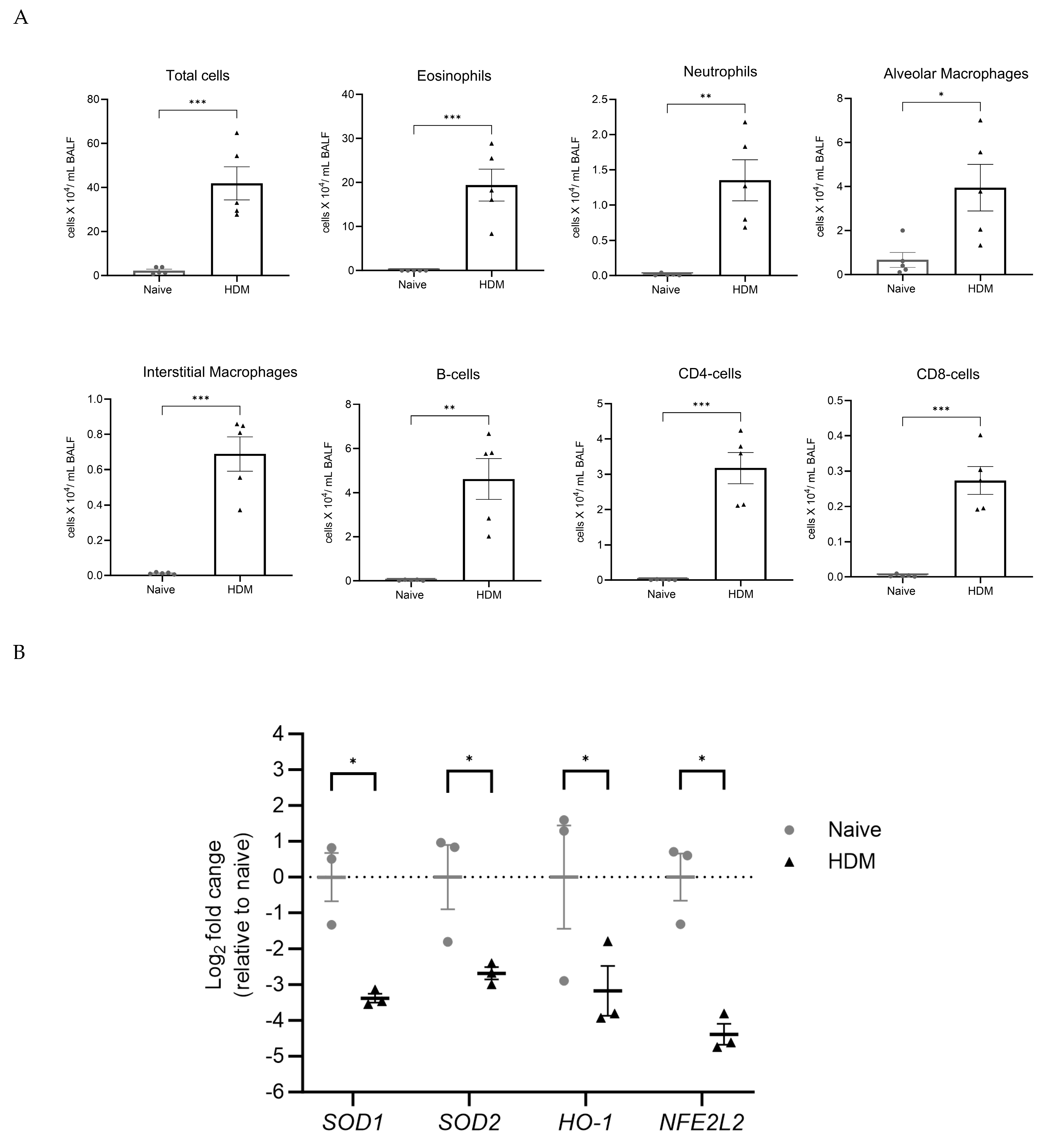
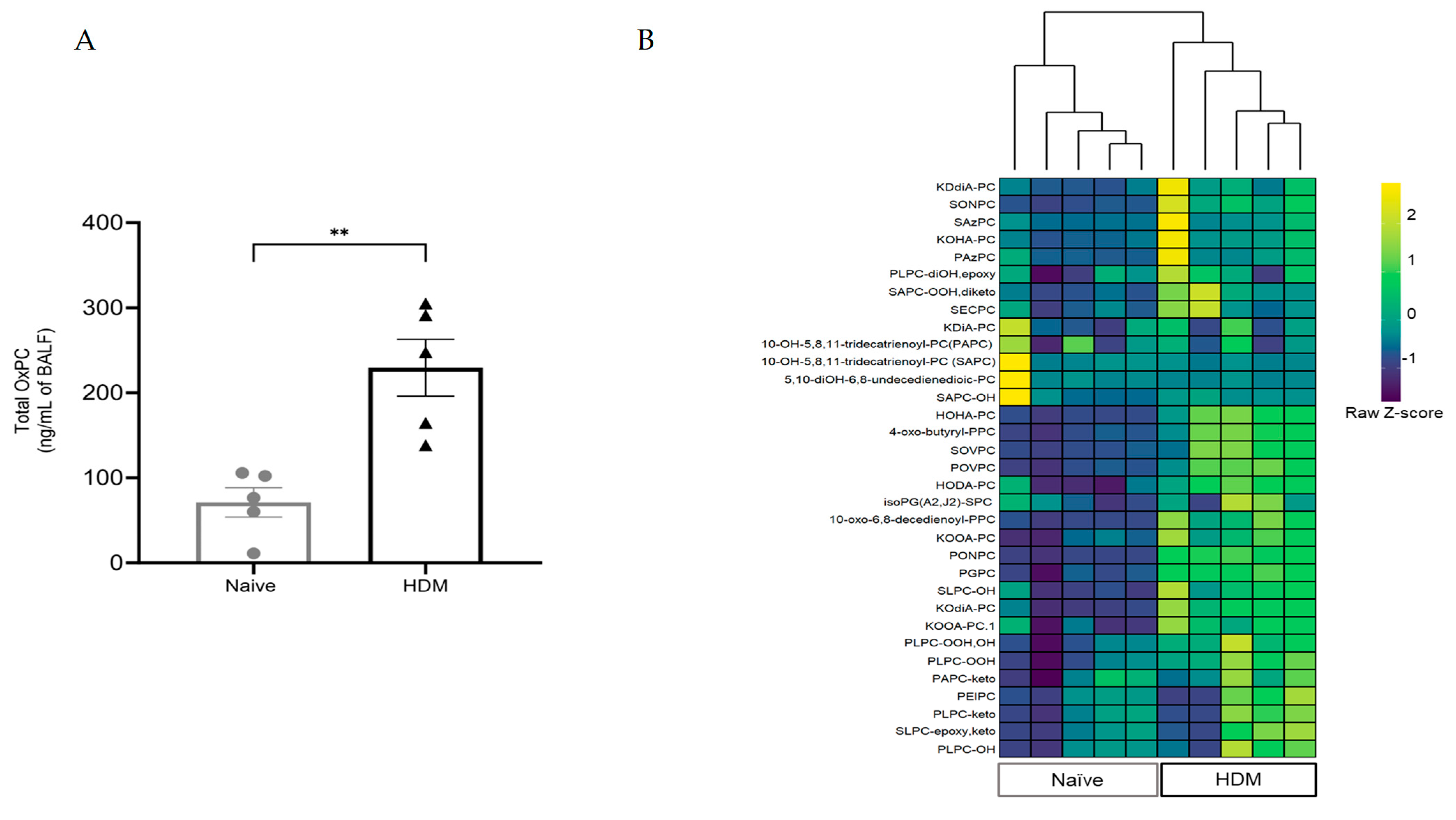
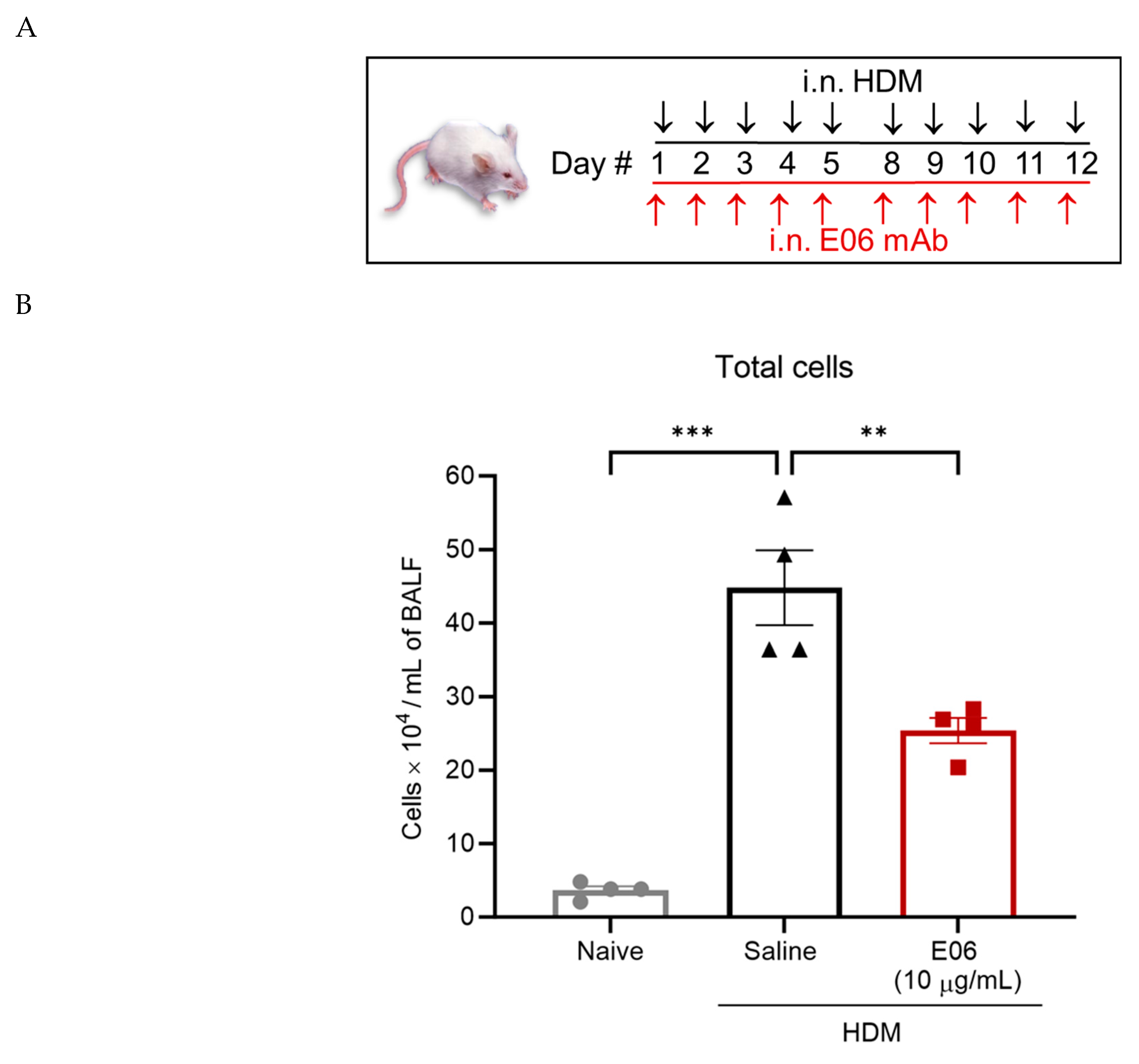
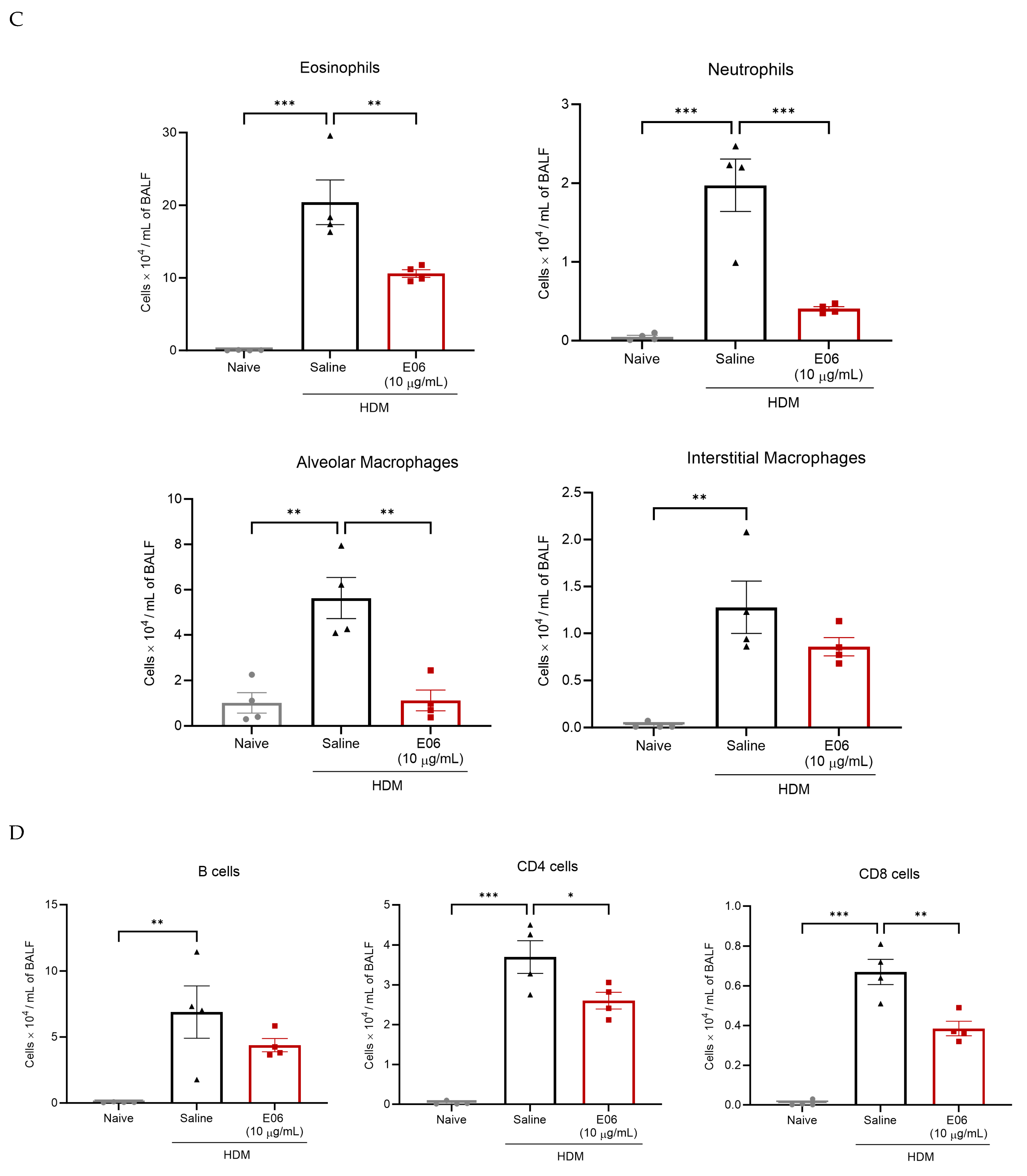
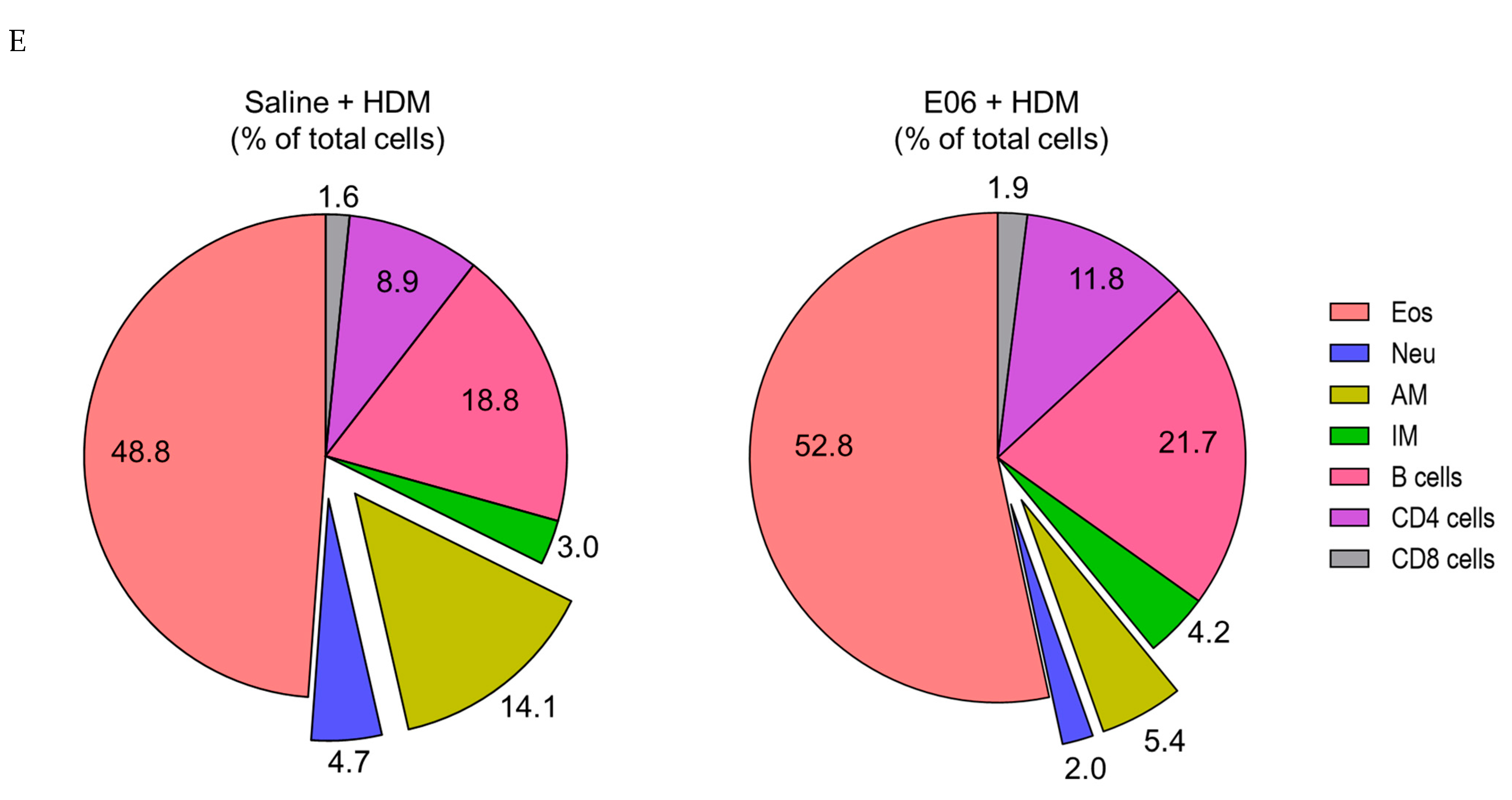
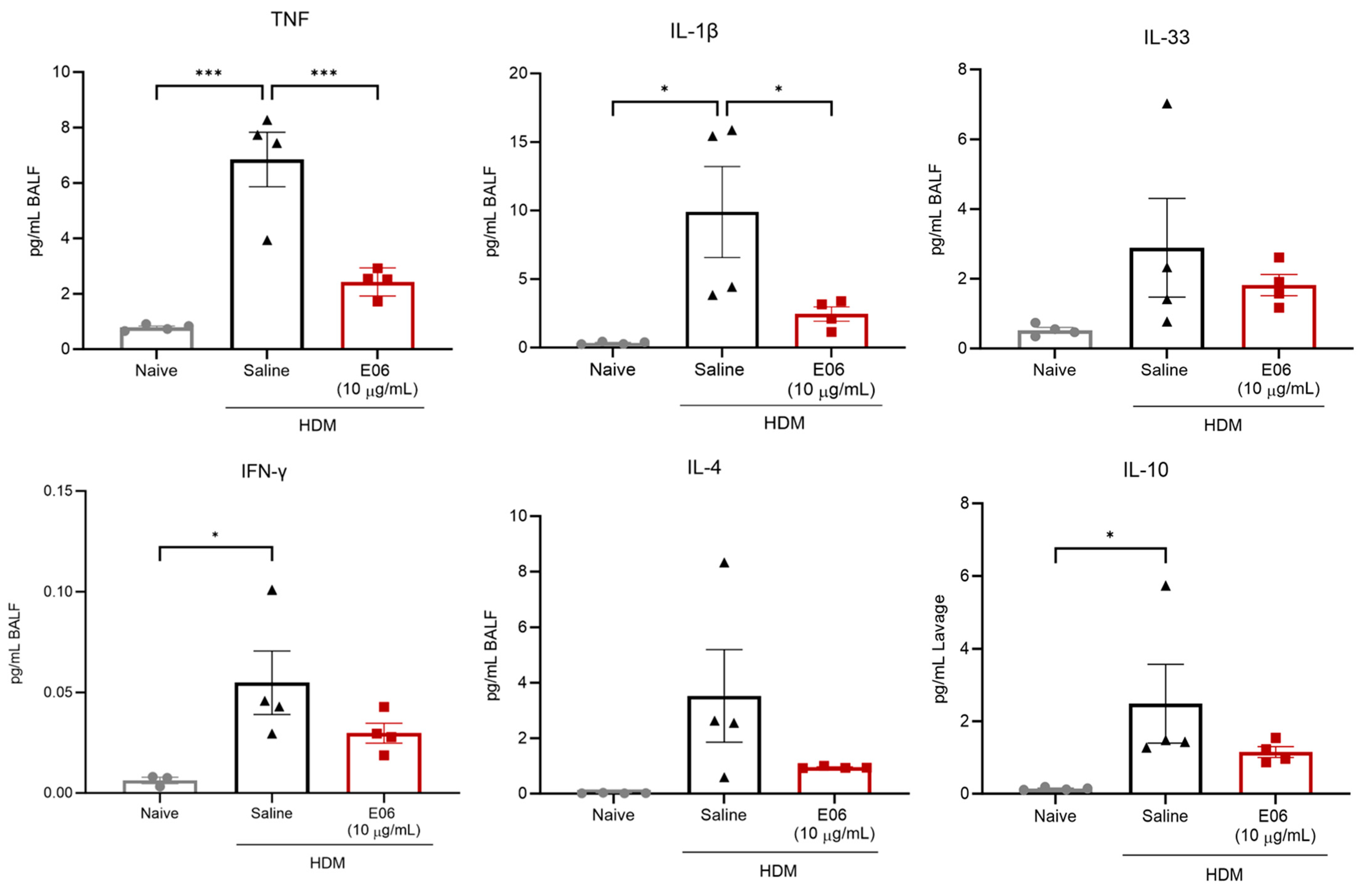
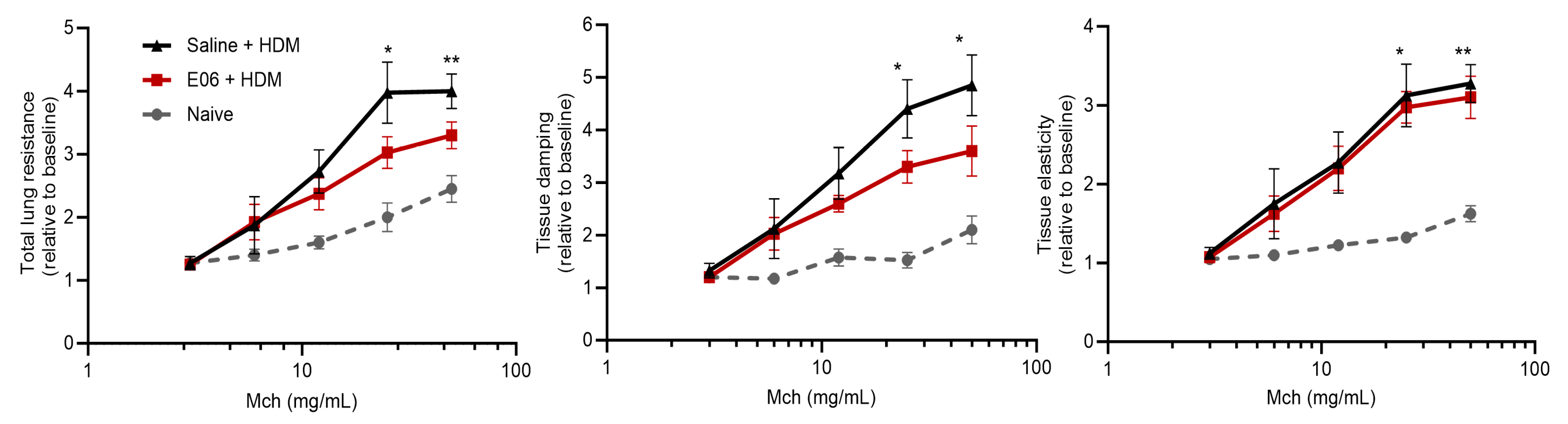
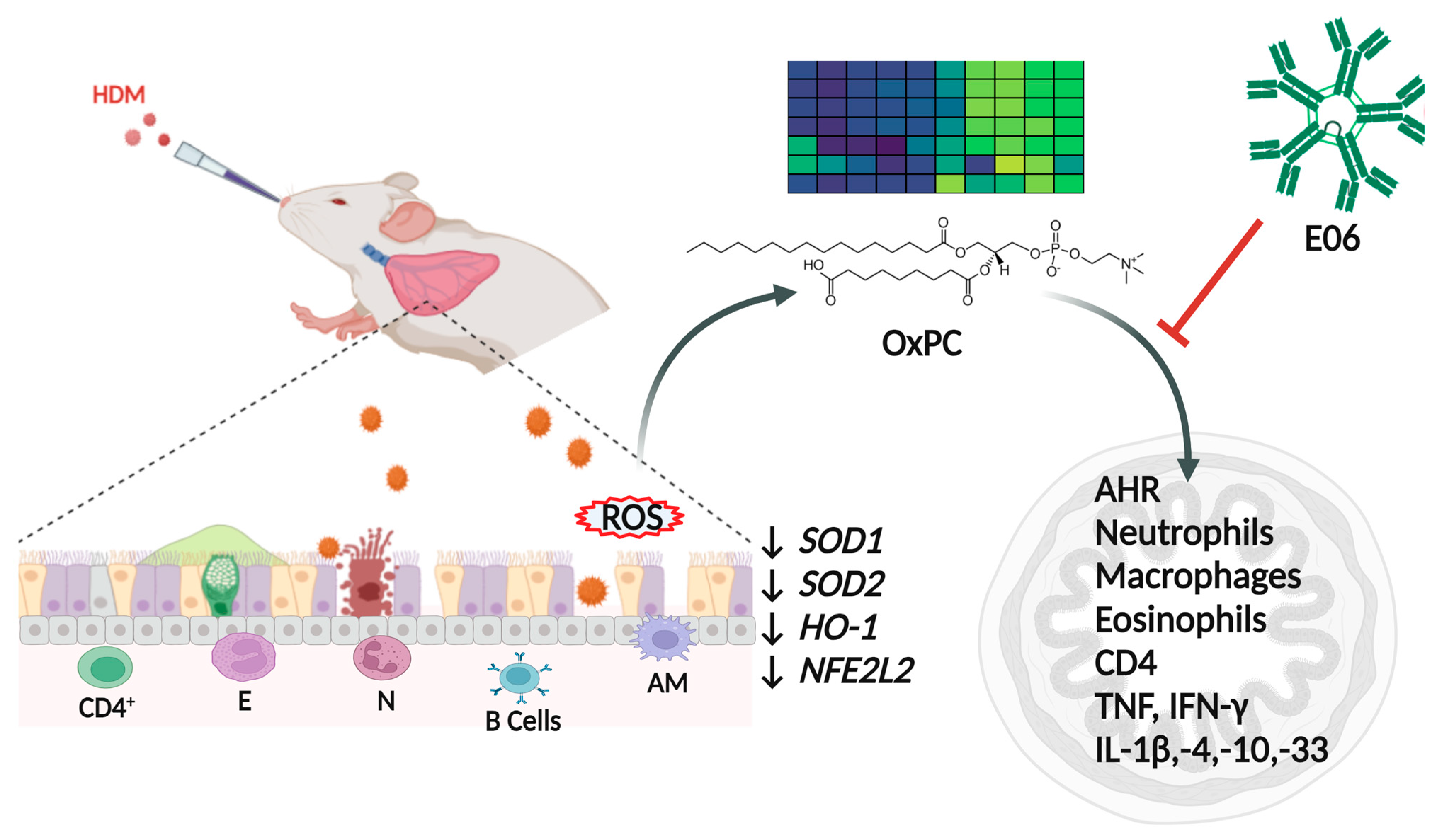
Oxidative stress is associated with asthma pathobiology. We reported that oxidized phosphatidylcholines (OxPCs) are mediators of oxidative stress and accumulate in the lung in response to allergen challenge. The current study begins to unravel mechanisms for OxPC accumulation in the lung, providing the first insights about how OxPCs underpin allergic airway pathophysiology, and pre-clinical testing of selective neutralization of OxPCs in a murine model of allergic asthma. We hypothesized that intranasal delivery of E06, a natural IgM antibody that neutralizes the biological activity of OxPCs, can ameliorate allergen-induced airway inflammation and airway hyperresponsiveness. Adult BALB/c mice were intranasally (i.n.) challenged with house dust mite (HDM) (25 μg/mouse, 2 weeks). Some animals also received E06 monoclonal antibody (mAb) (10 µg) i.n. 1 hr before each HDM challenge. HDM challenge reduced mRNA for anti-oxidant genes (SOD1, SOD2, HO-1, and NFE2L2) in the lung by several orders of magnitude (p < 0.05). Concomitantly, total immune cell number in bronchoalveolar lavage fluid (BALF) increased significantly (p < 0.001). E06 mAb treatment prevented allergen-induced BALF immune cell number by 43% (p < 0.01). This included a significant blockade of eosinophils (by 48%, p < 0.001), neutrophils (by 80%, p < 0.001), macrophages (by 80%, p < 0.05), and CD4 (by 30%, p < 0.05) and CD8 (by 42%, p < 0.01) lymphocytes. E06 effects correlated with a significant reduction in TNF (by 64%, p < 0.001) and IL-1β (by 75%, p < 0.05) and a trend to diminish accumulation of other cytokines (e.g., IL-4, -10, and -33, and IFN-γ). E06 mAb treatment also inhibited HDM exposure-induced increases in total respiratory resistance and small airway resistance by 24% and 26%, respectively. In conclusion, prophylactic treatment with an OxPC-neutralizing antibody significantly limits allergen-induced airway inflammation and airway hyperresponsiveness, suggesting that OxPCs are important mediators of oxidative stress-associated allergic lung pathophysiology.