The Diagenetic Alterations of Historic Skeletons from the Crown Mines Cemetery, South Africa
Human Variation and Identification Research Unit, School of Anatomical Sciences, Faculty of Health Sciences, University of the Witwatersrand, 7 York Road, Parktown, Johannesburg 2193, South Africa
*
Author to whom correspondence should be addressed.
Biology 2023, 12(3), 378; https://doi.org/10.3390/biology12030378
Submission received: 31 January 2023
/
Revised: 14 February 2023
/
Accepted: 22 February 2023
/
Published: 27 February 2023
(This article belongs to the Special Issue New Methods and Applications in the Study of Bone Histomorphometry and Biomechanics)
Simple Summary
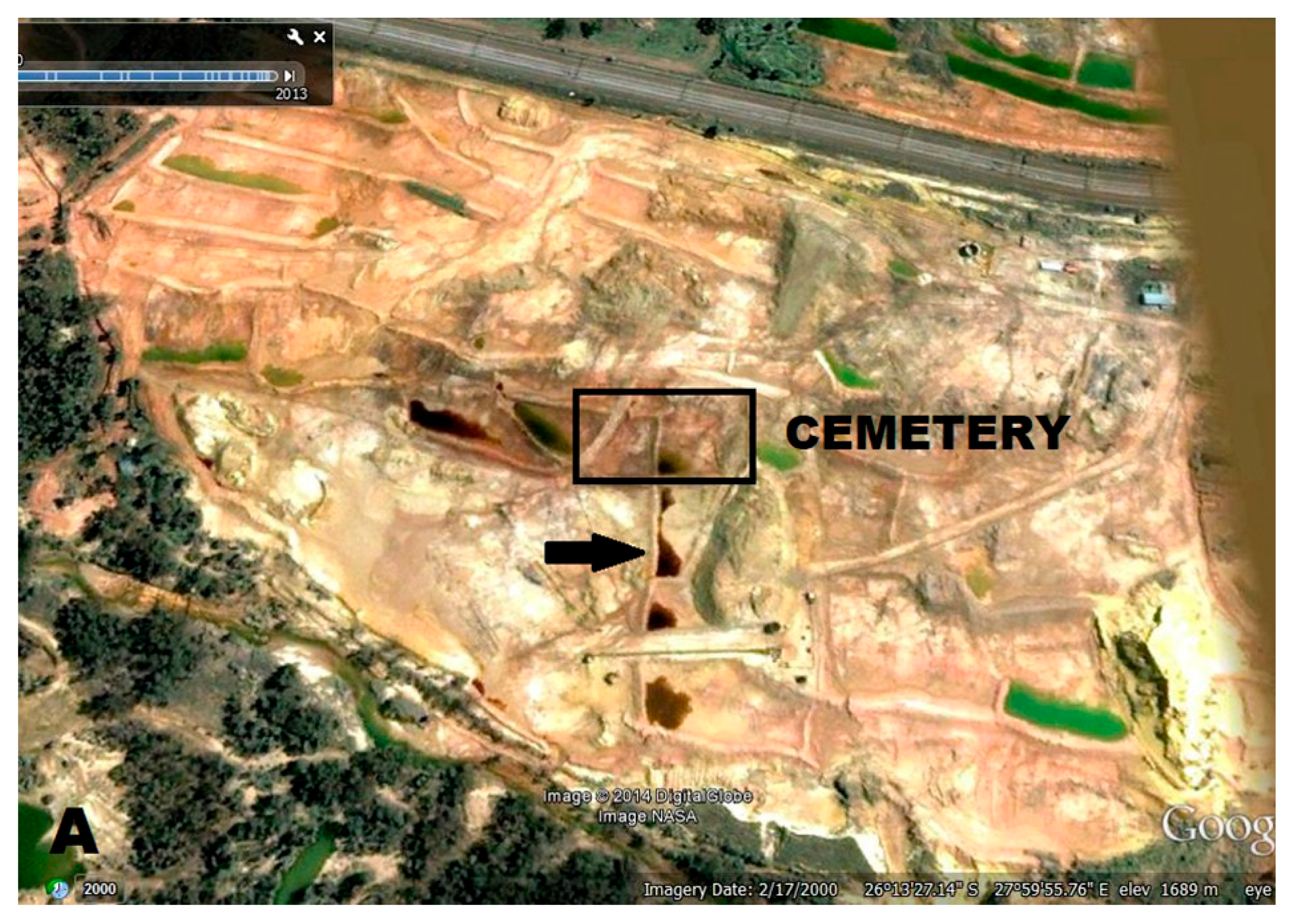
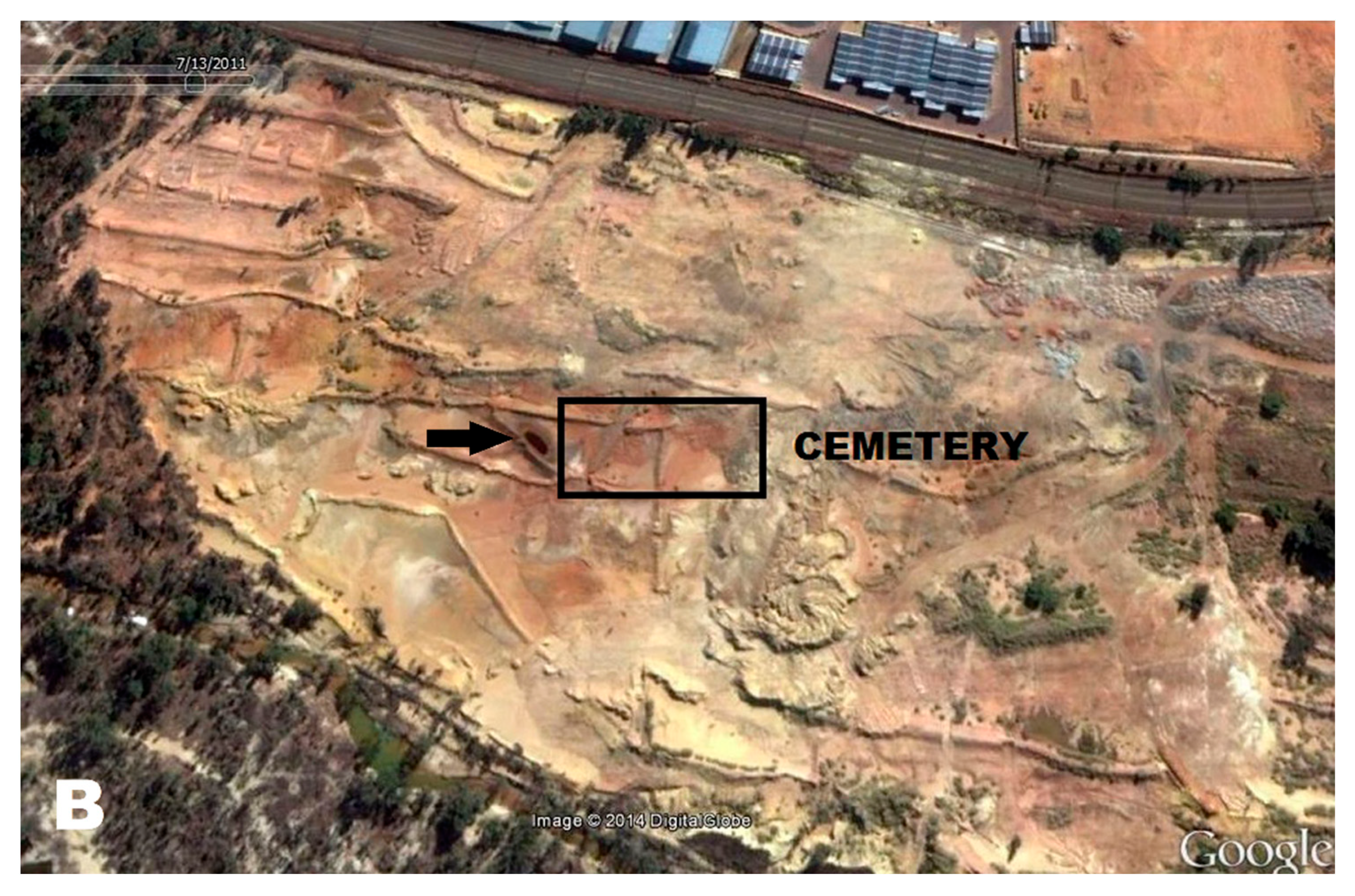
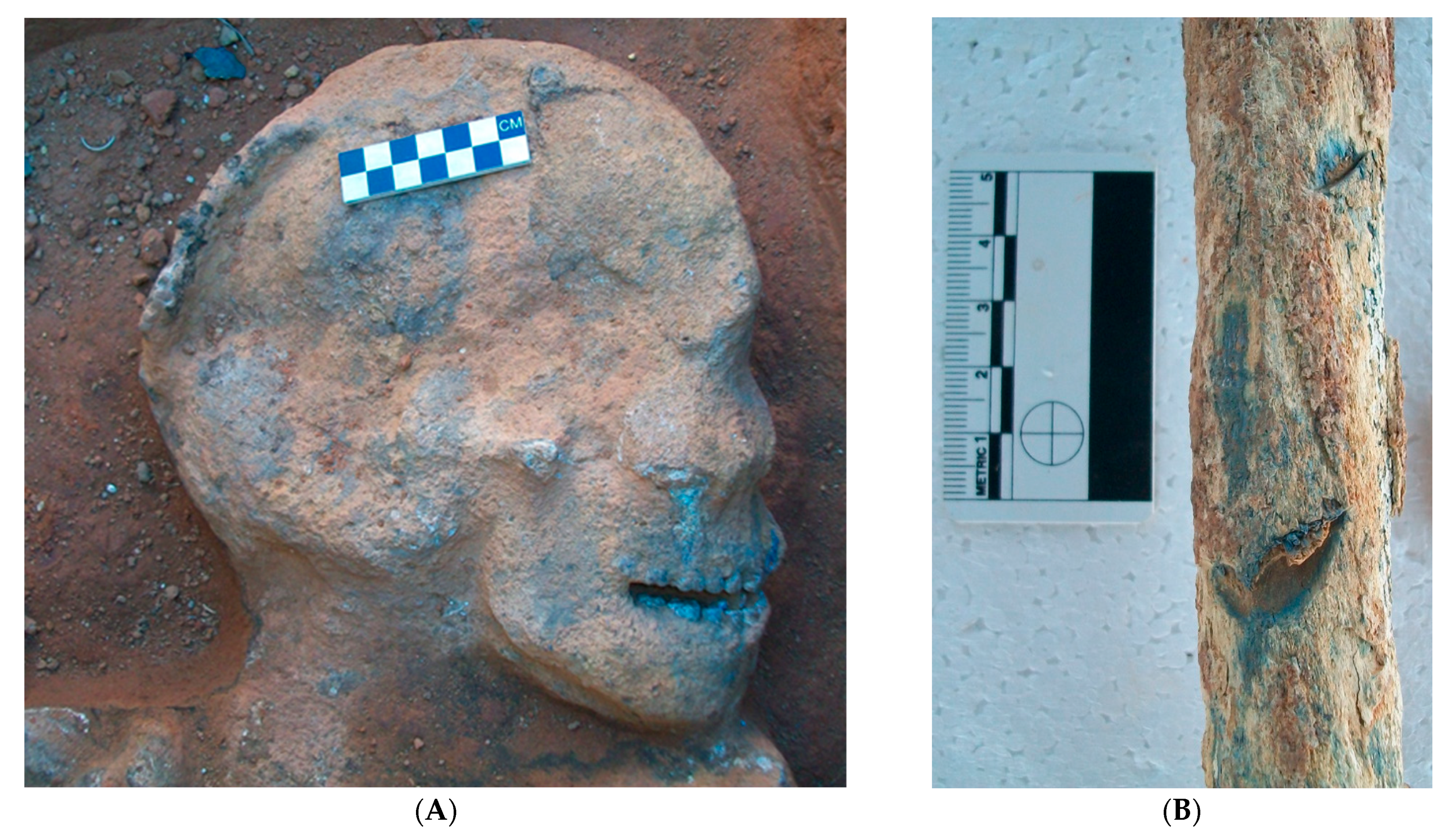
The Crown Mines Cemetery, accidently identified in 2010, is another example of the mistreatment of “native” mine cemeteries during Apartheid in South Africa. The large cemetery was intentionally covered/concealed by a mine dump and when later reclaimed, revealed skeletons that were severely flattened, damaged, and fragmented with some bones stained blue. To investigate the individuals buried at the Crown Mine Cemetery, an osteological analysis was attempted; but as the bones were severely damaged and poorly preserved, little information was obtained. The microstructure of bone can sometimes be more helpful in these circumstances. This study therefore investigated the microstructure of the bones buried in the cemetery, firstly, to determine how this specific type of burial environment affected the bones and, secondly, to establish if the microstructure can be used to find out more about these individuals. The results showed that the bones initially began breaking down under normal conditions, yet later may have been exposed to a more acidic environment most likely due to the overlying mine dump and removal thereof. Although, physically, the bones appeared badly damaged, the inner sections of the bones were well-preserved. This can be used for future investigations to find out more about the individuals.
Abstract
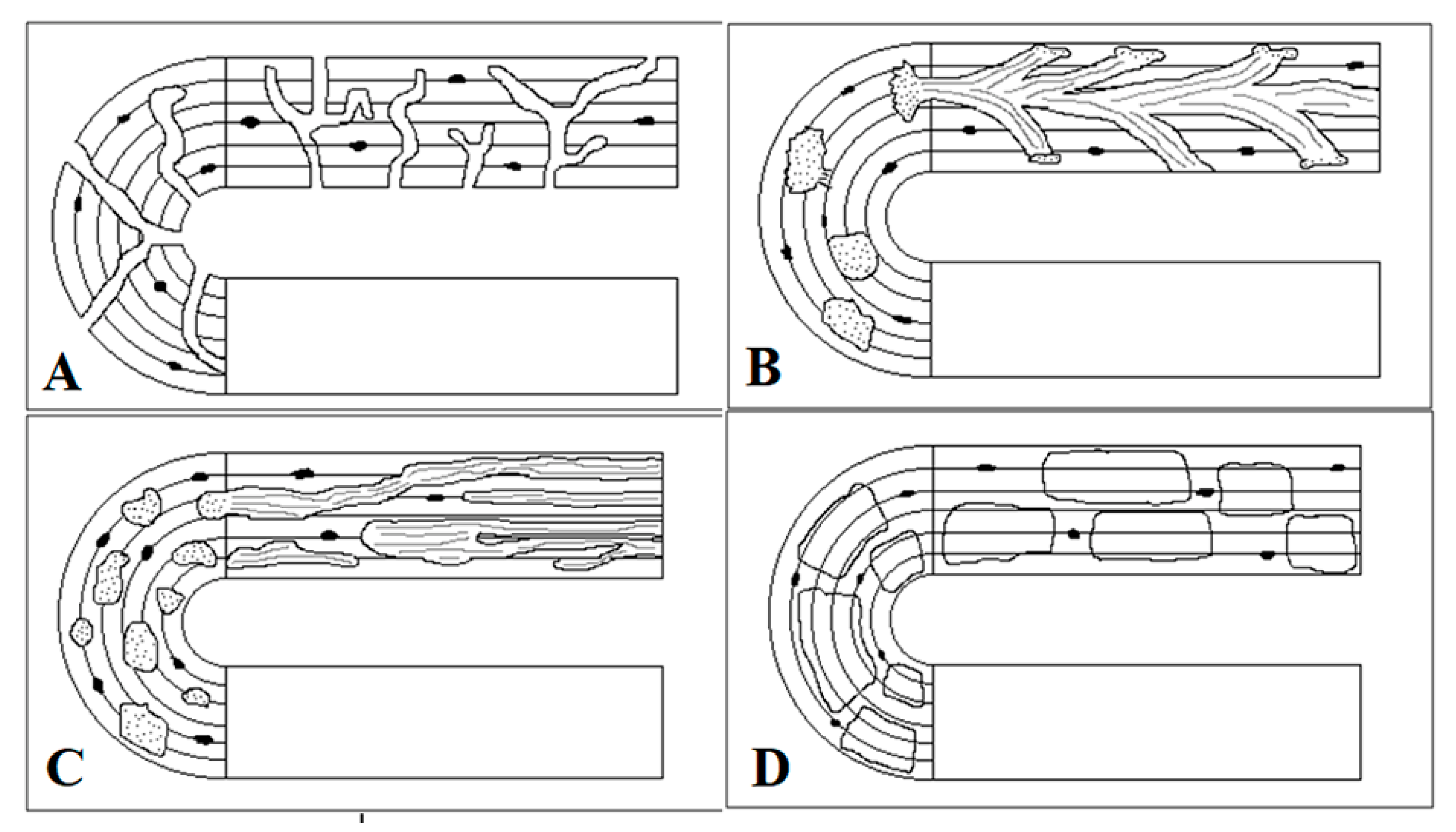
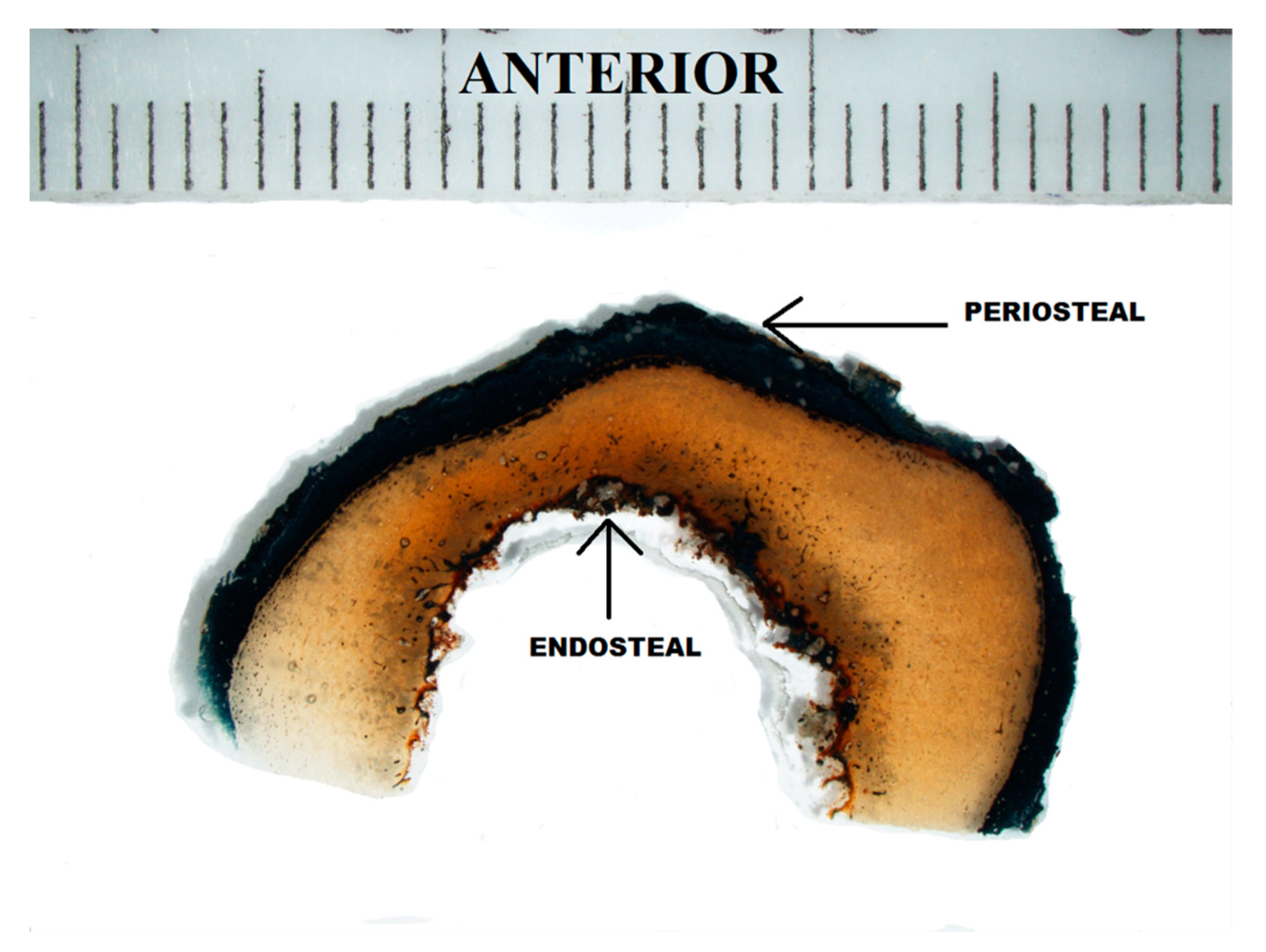
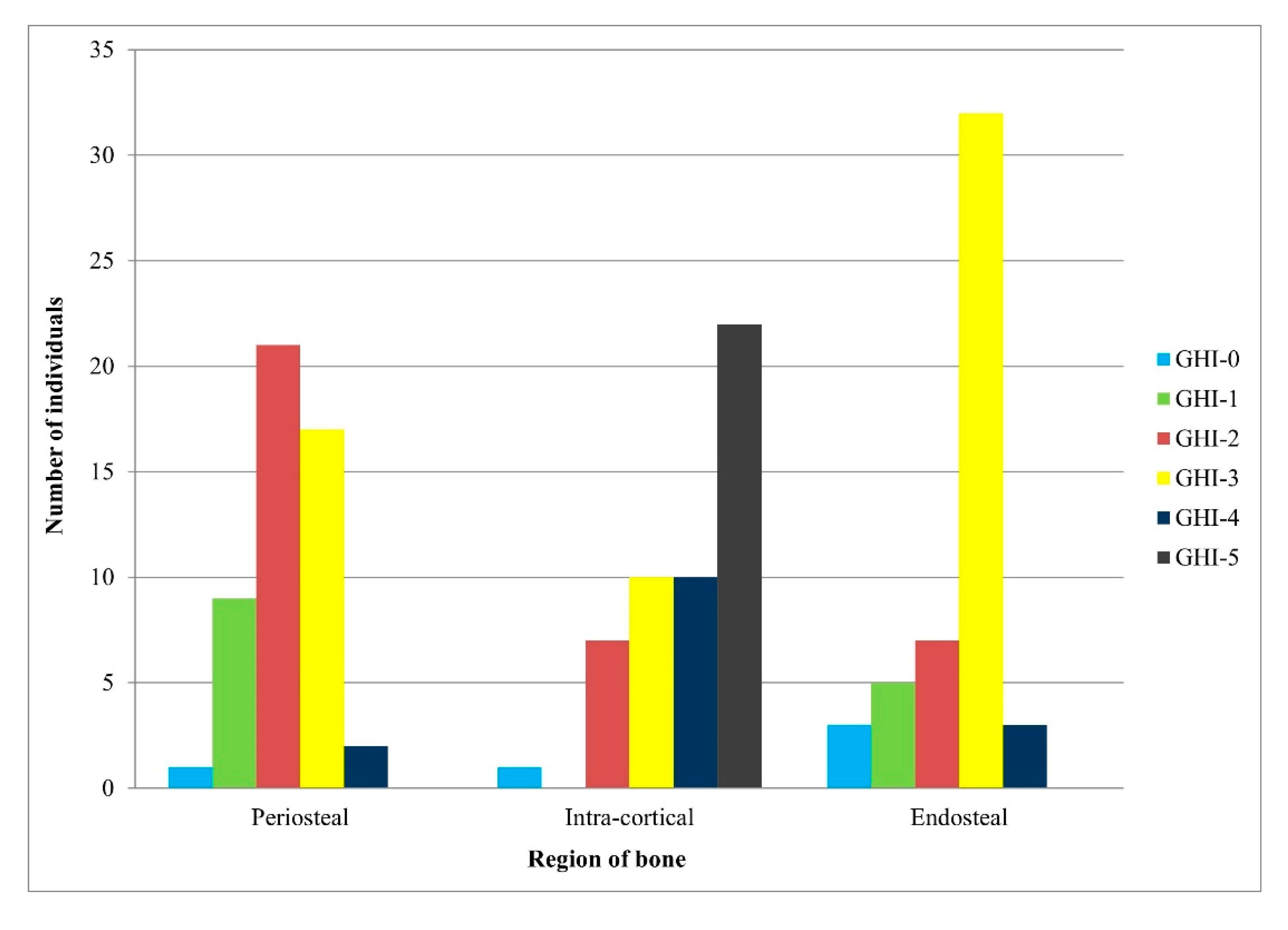
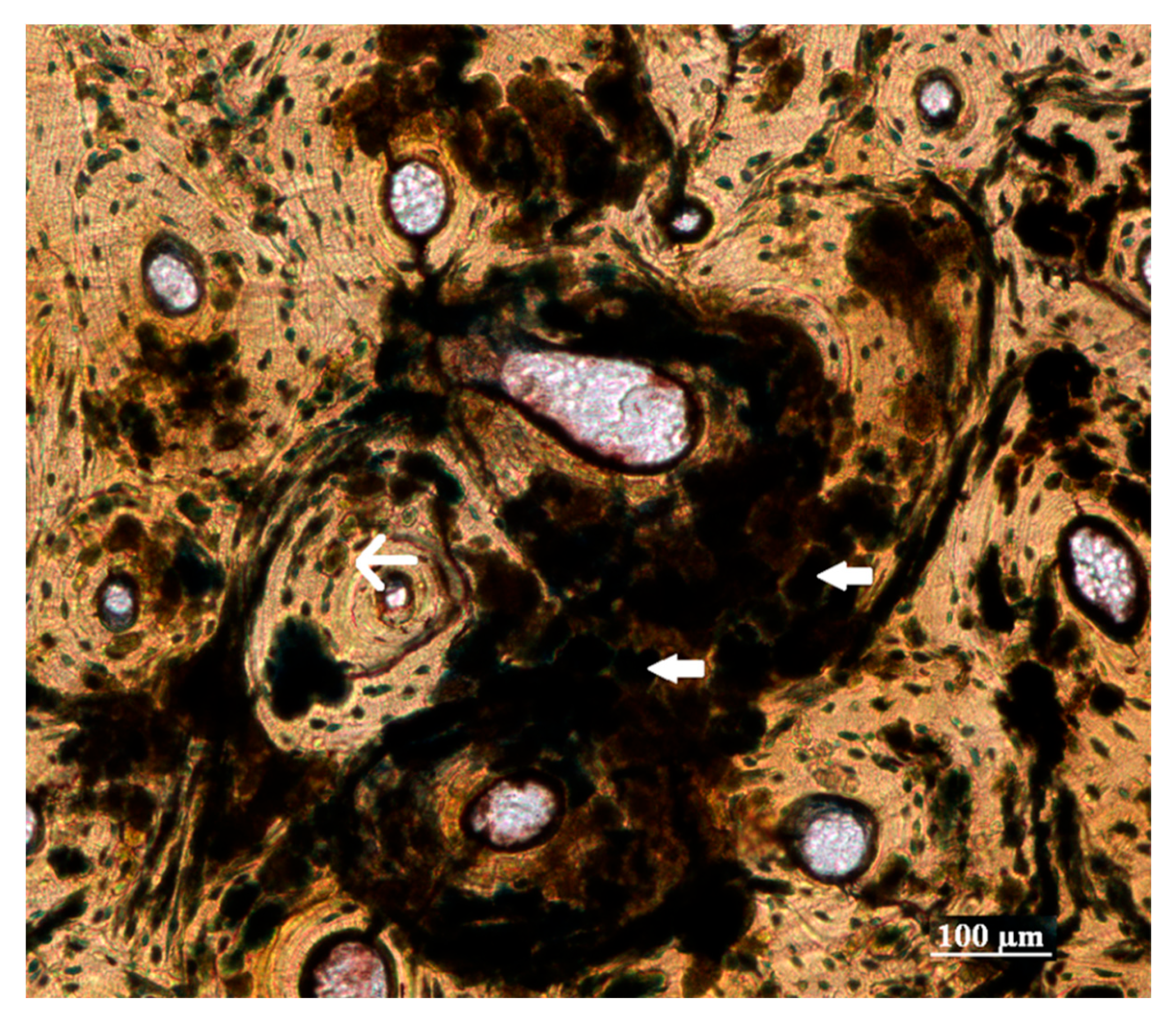
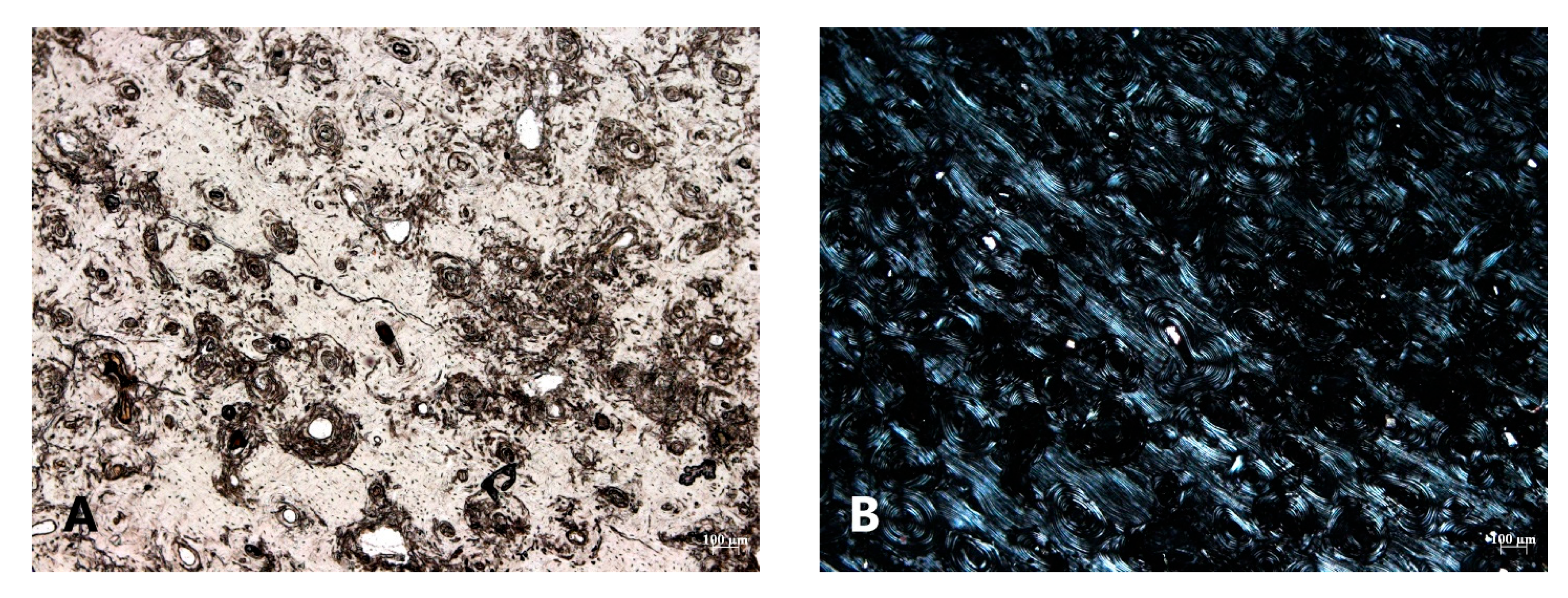
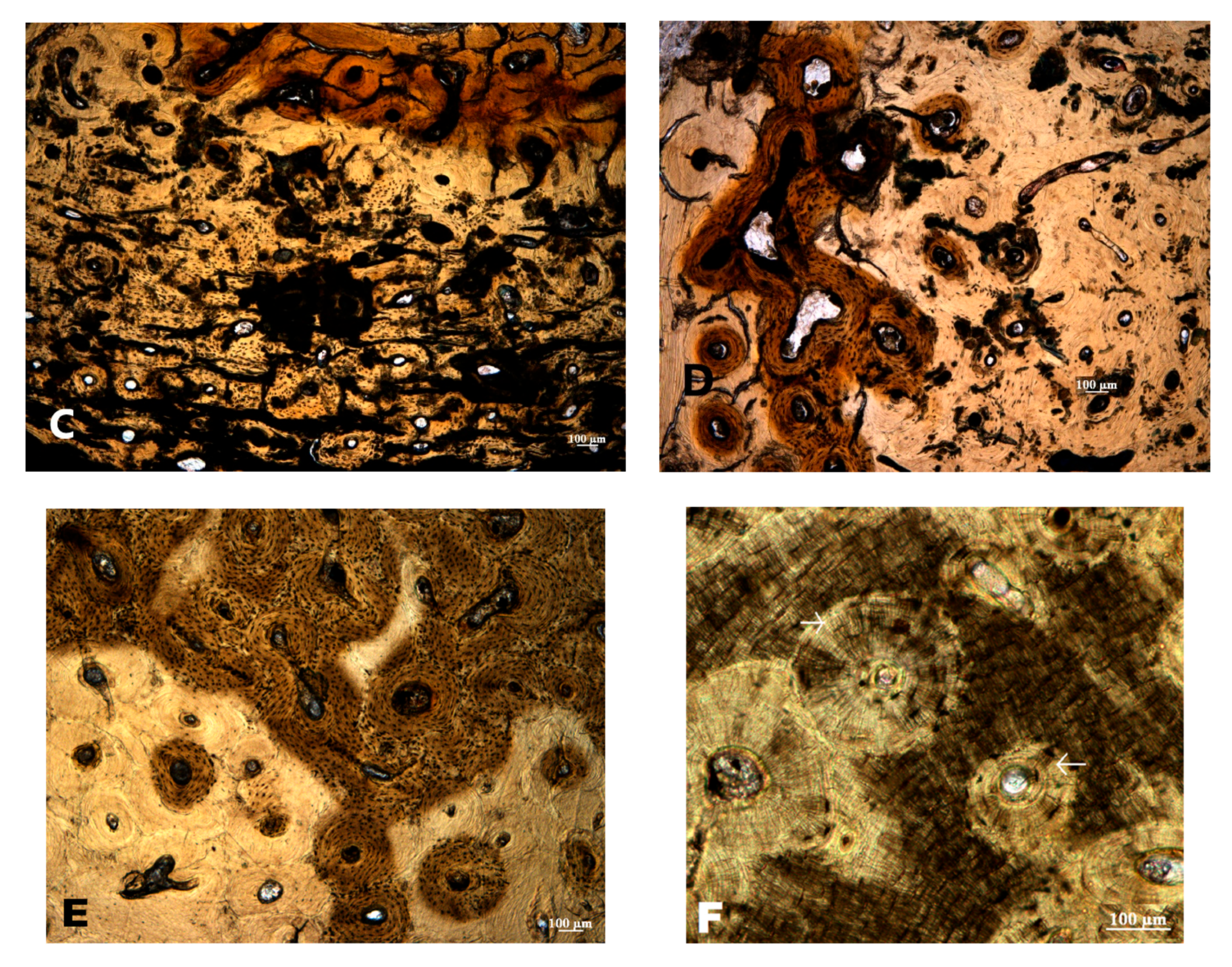
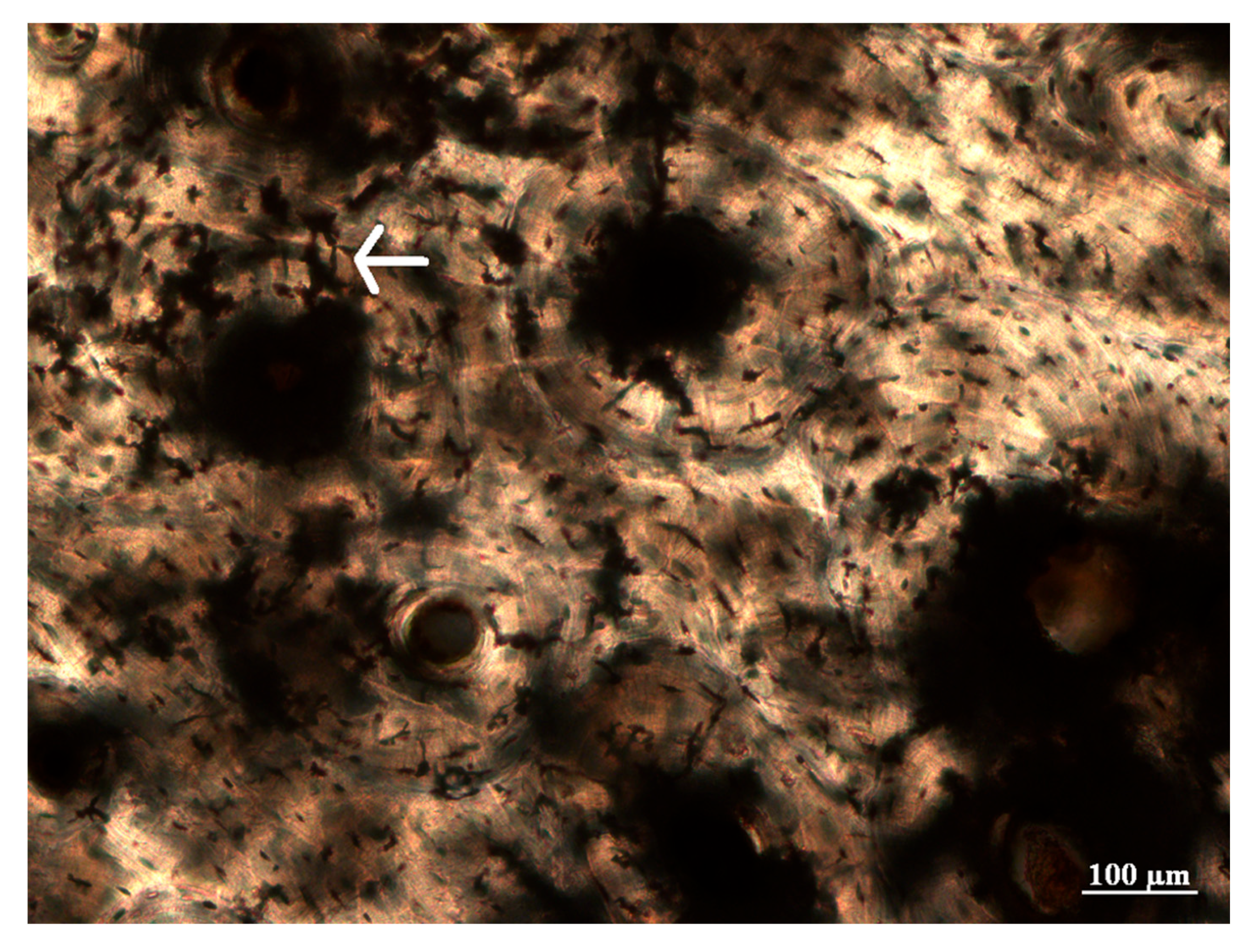
Human skeletons associated with early gold mining in Johannesburg, South Africa are investigated. An unmarked cemetery was buried beneath a mine dump which resulted in macroscopically stained and poorly preserved bones. Histological assessments were conducted to understand the postmortem treatment of the remains, determine the extent of bone degradation, and understand how this environment affected the bone’s microstructure. Various diagenetic alterations and the general histological index were assessed using normal and polarized light microscopy of thin anterior midshaft femur sections (n = 50). Degradation was identified in the periosteal and endosteal regions, while the intra-cortical region remained well-preserved. Bacterial bioerosion, microcracks, infiltrations, inclusions, and staining were found throughout the sample. Numerous non-Wedl micro-foci of destruction were observed, filled with exogenous material. The degradation suggested that the remains were buried in neutral soil that was subsequently covered by acidic mine dumps which resulted in a corrosive environment. Although the skeletons were poorly preserved, their histological integrity was more promising, especially the intra-cortical area. This is important for future investigations of archaeological bone, as this area can lead to more accurate descriptions of skeletal assemblages. Targeted sampling of this region could produce promising estimates of age, descriptions of pathology, and biomolecular results, which require further study.
Keywords:
bone diagenesis; bone histology; bone taphonomy; gold mine cemetery