Article

Effect of Adding Phragmites-Australis Fiber on the Mechanical Properties and Volume Stability of Mortar


1
Faculty of Engineering, Beirut Arab University, Beirut 12-5020, Lebanon
2
Faculty of Engineering, University of Wolverhampton, Wolverhampton WV1 1LY, UK
3
Faculty of Engineering, Alexandria University, Alexandria 5423021, Egypt
*
Author to whom correspondence should be addressed.
Fibers 2024, 12(2), 14; https://doi.org/10.3390/fib12020014
Submission received: 9 December 2023 / Revised: 17 January 2024 / Accepted: 26 January 2024 / Published: 30 January 2024

Abstract

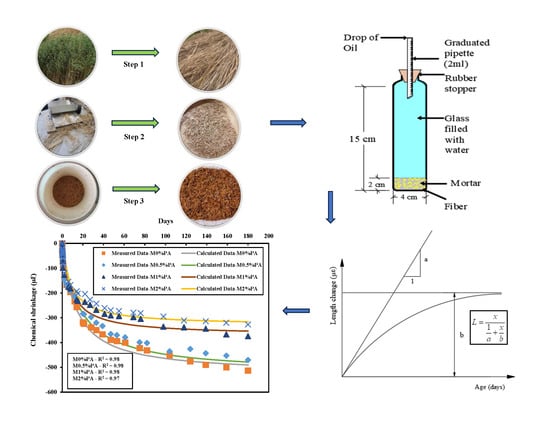
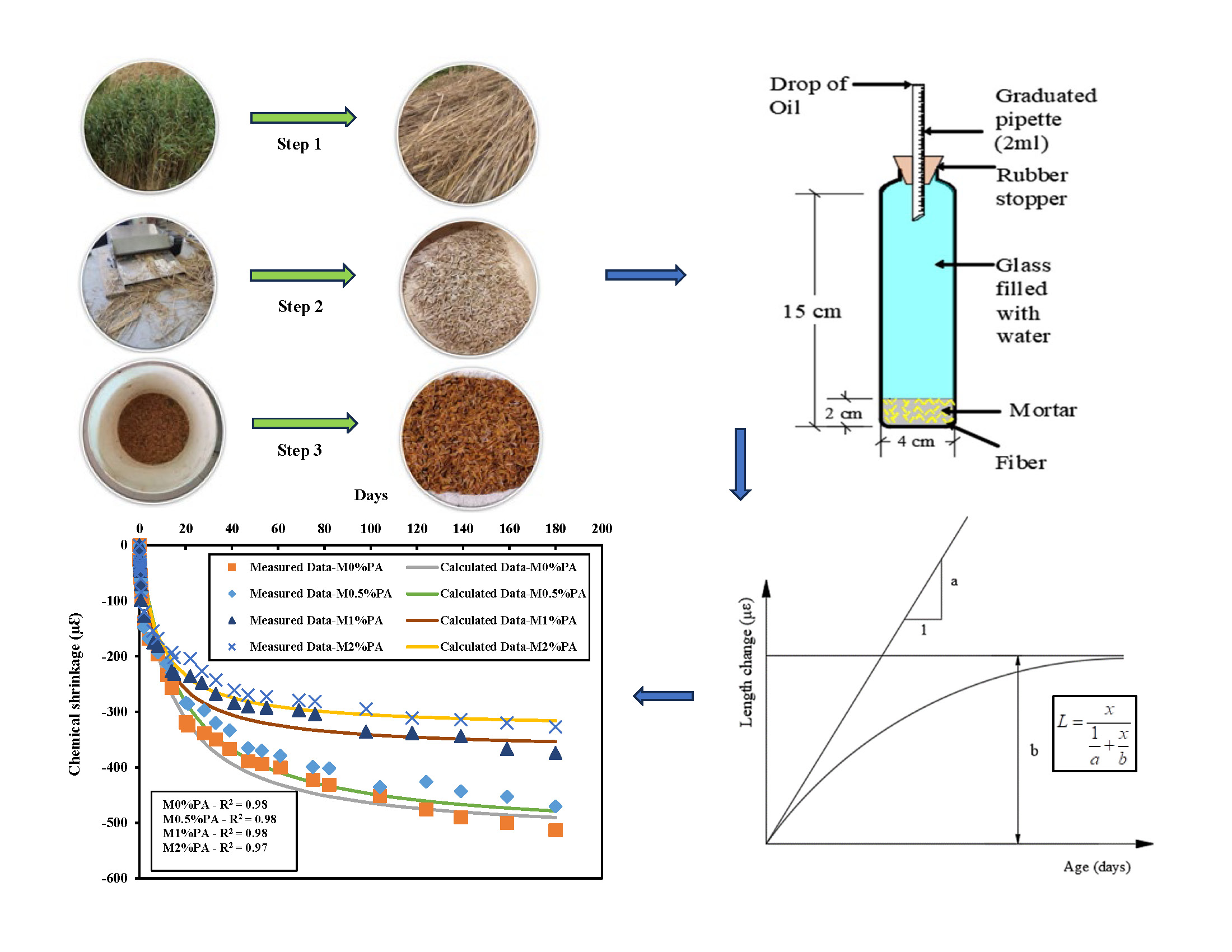
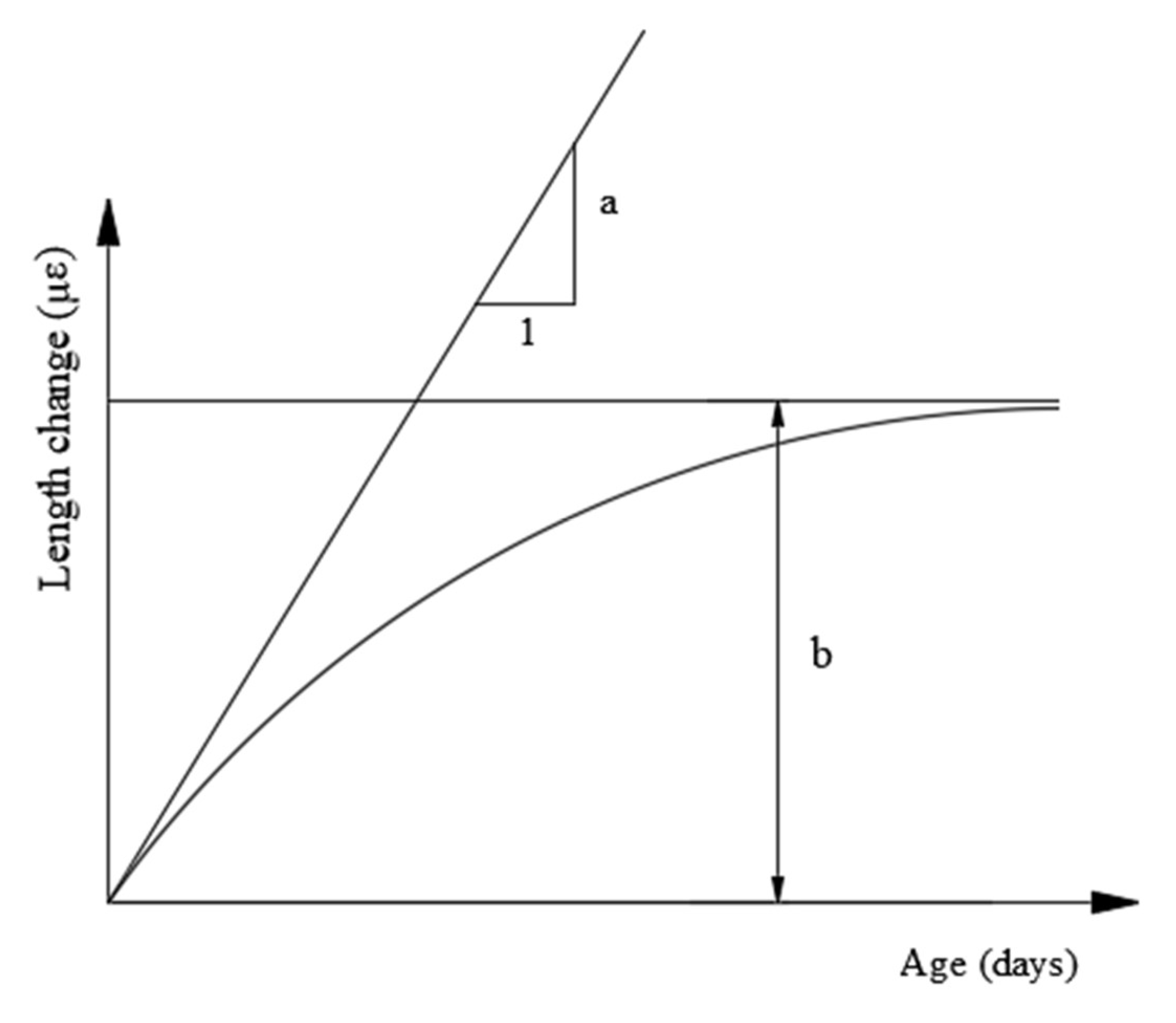
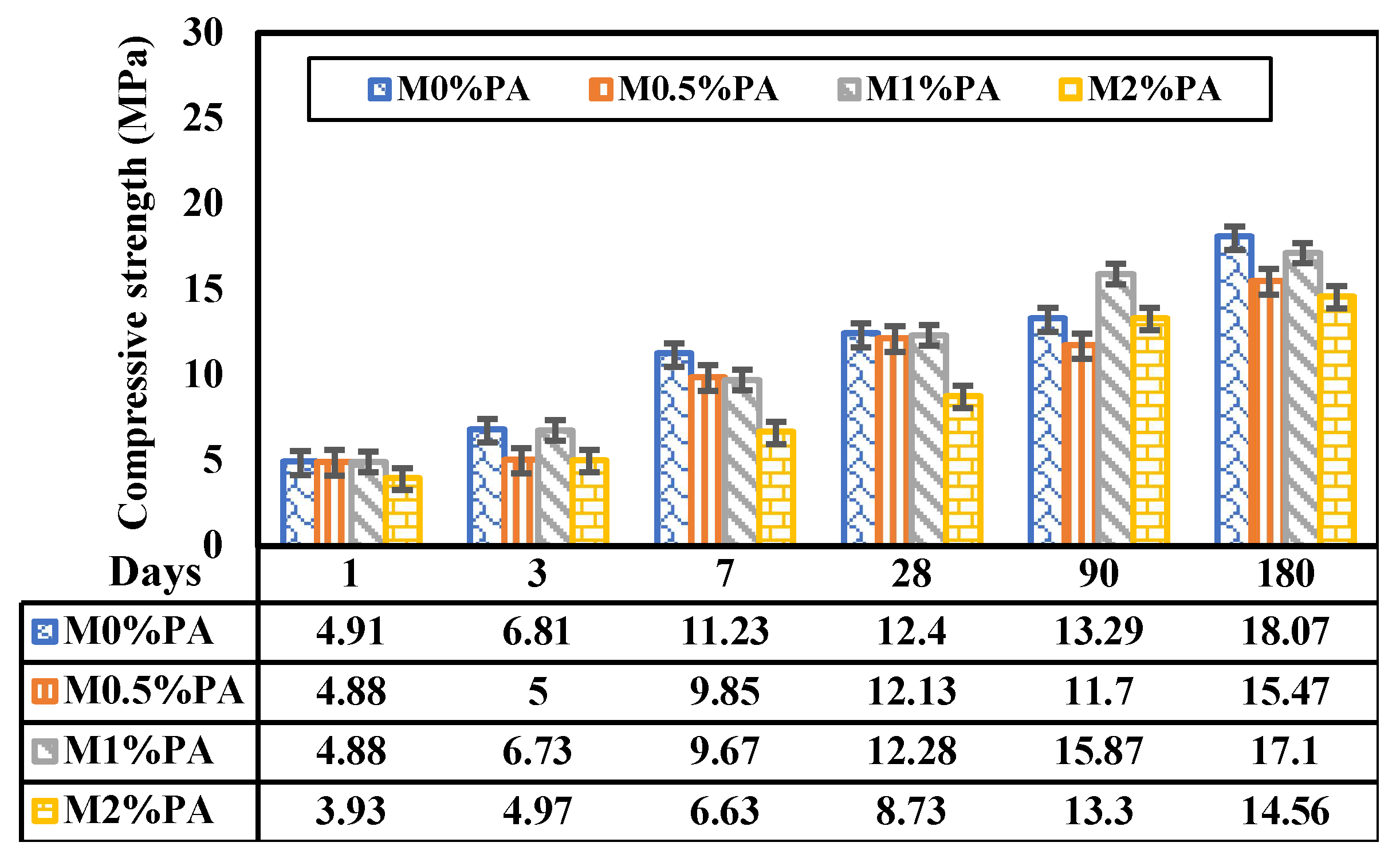
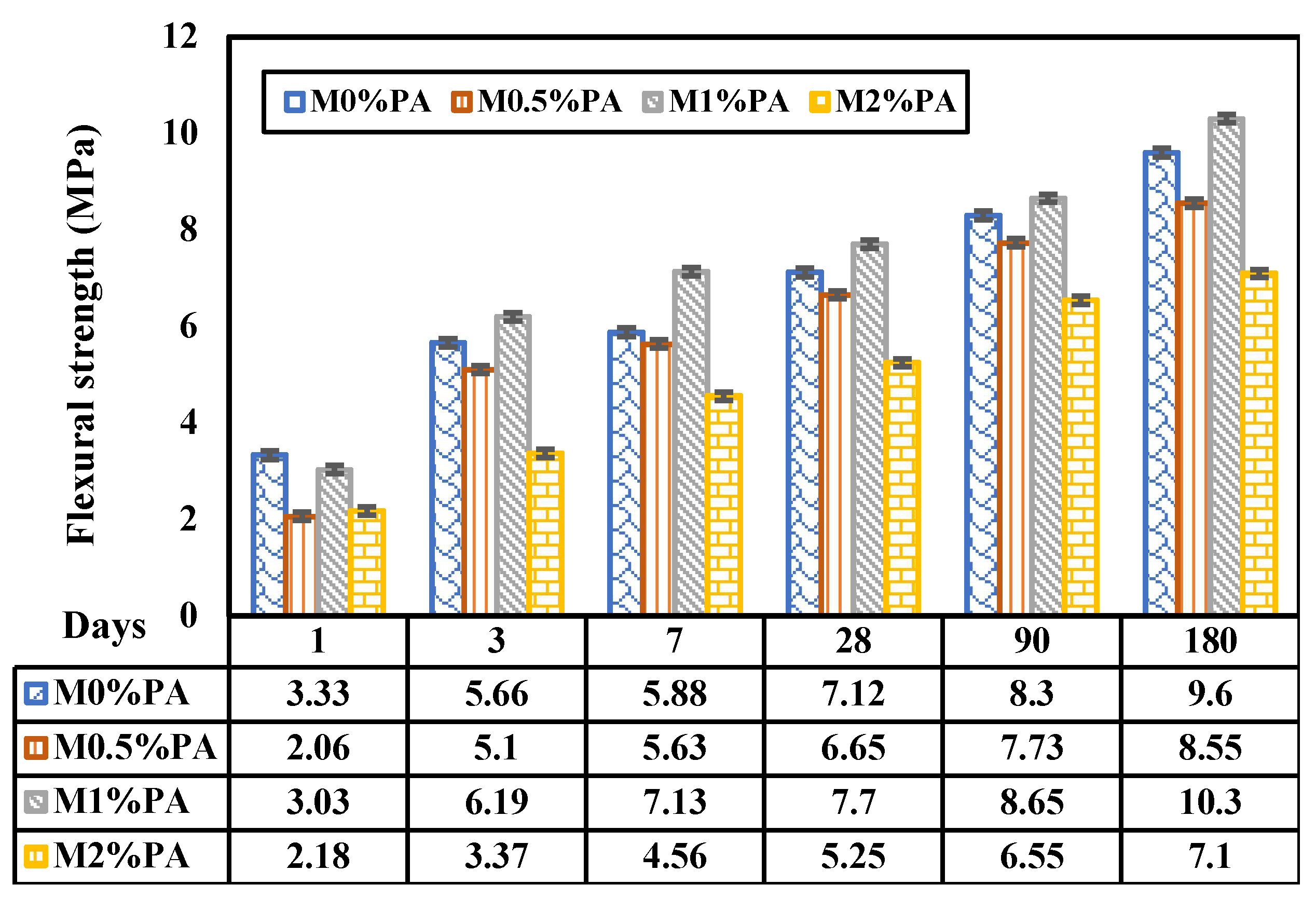
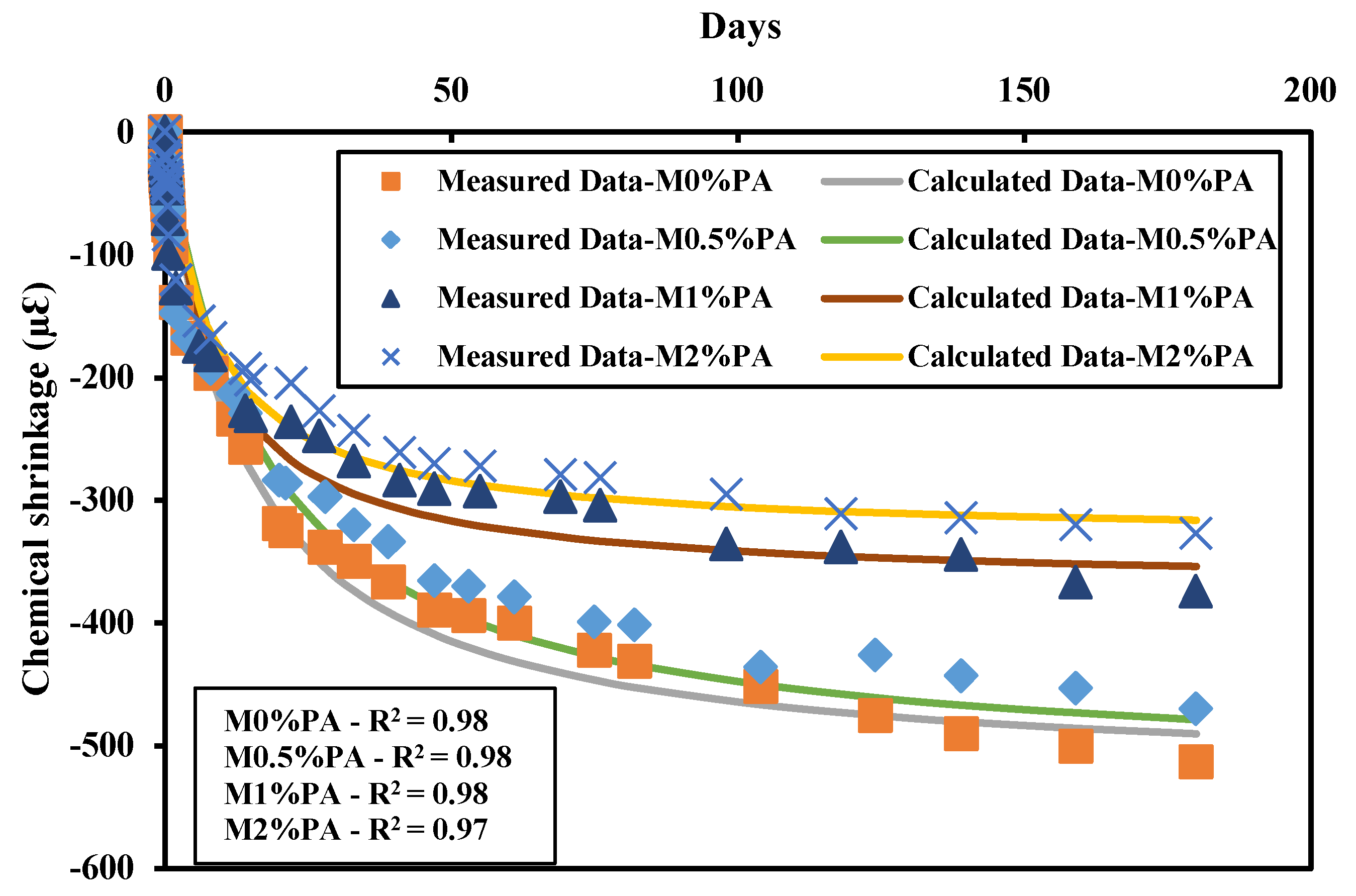
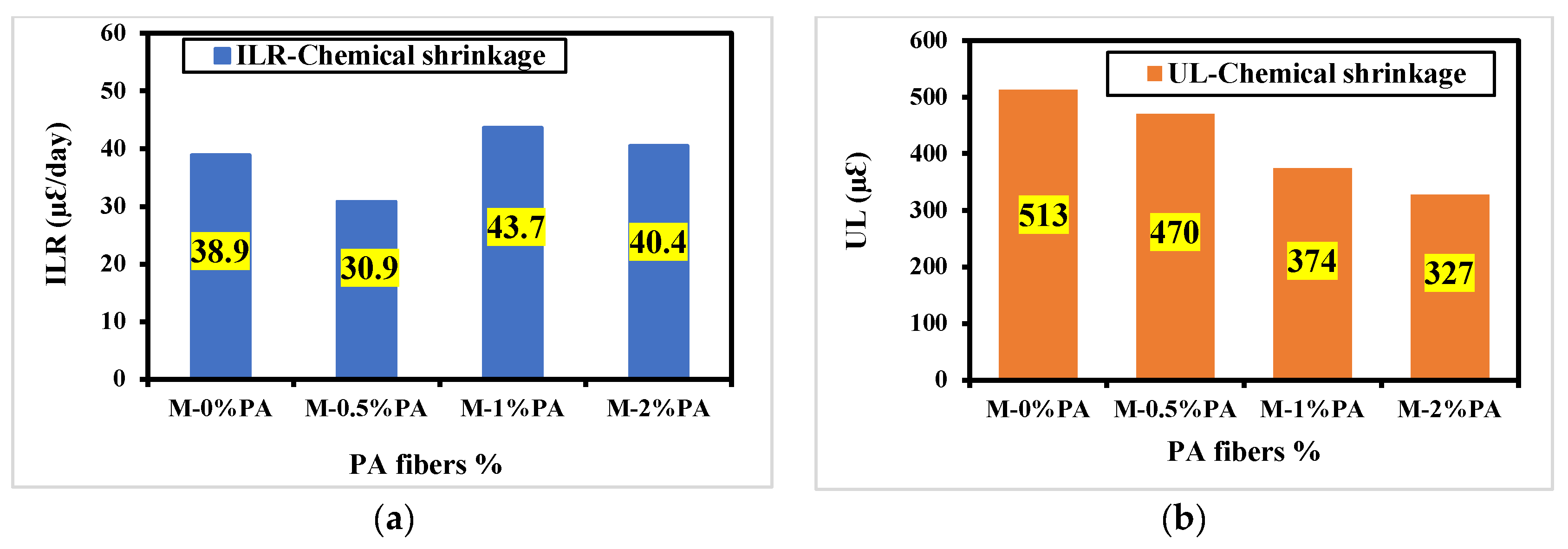
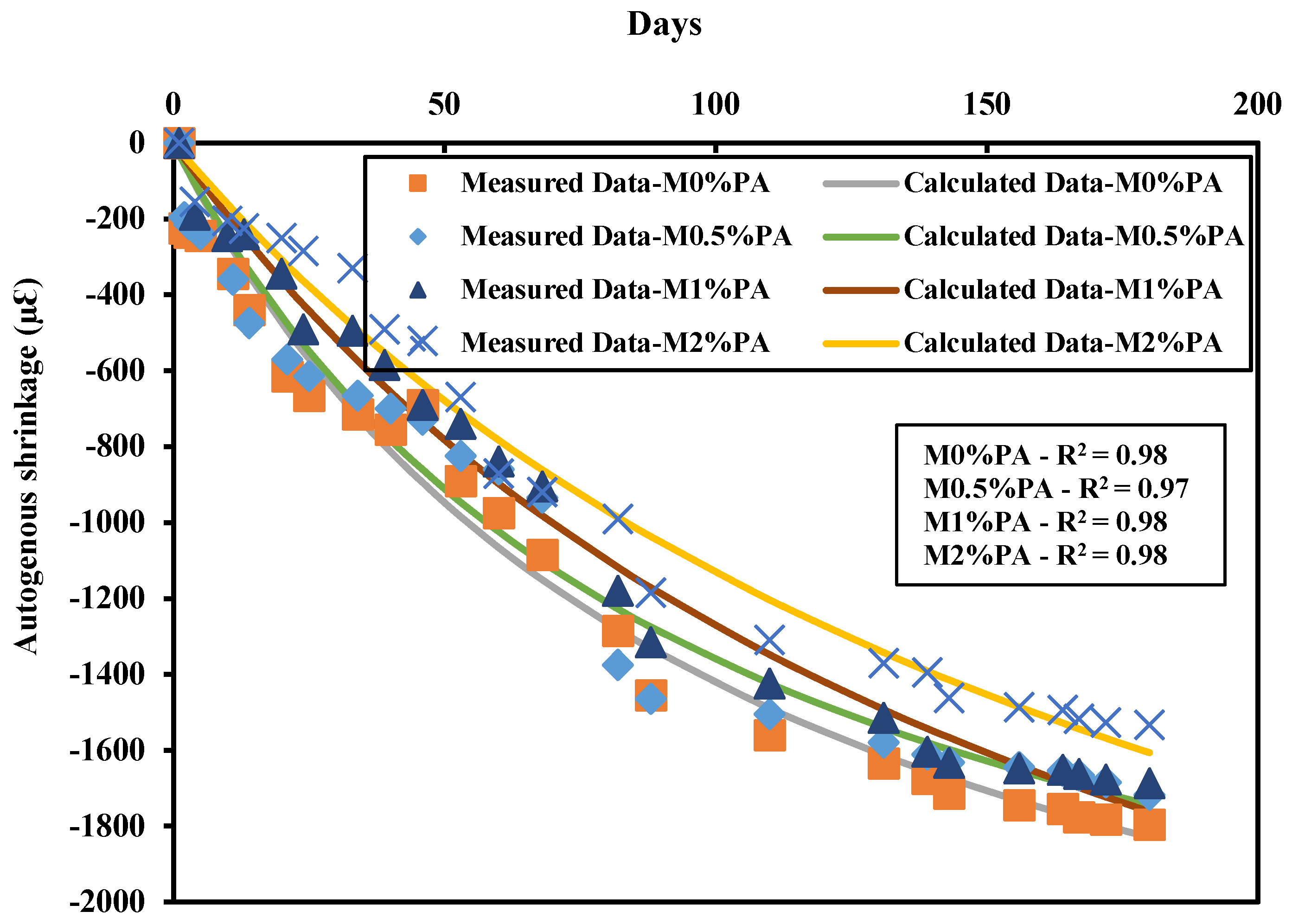
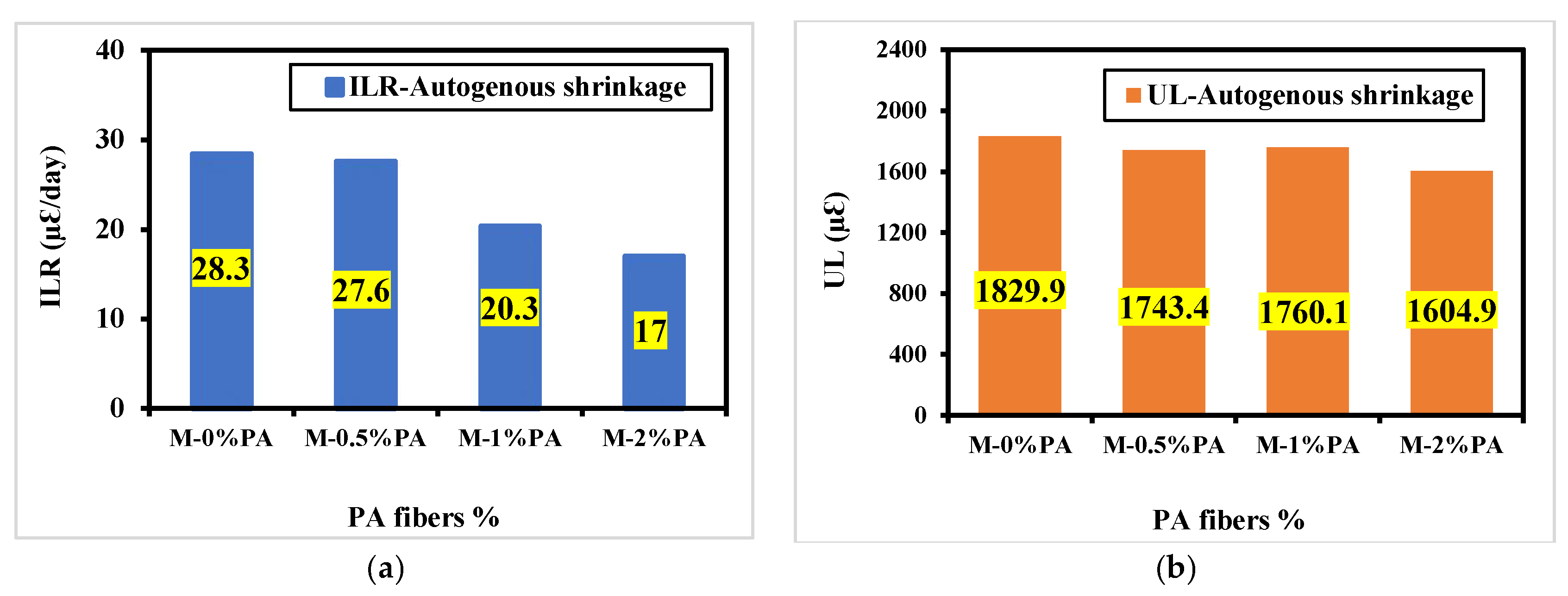
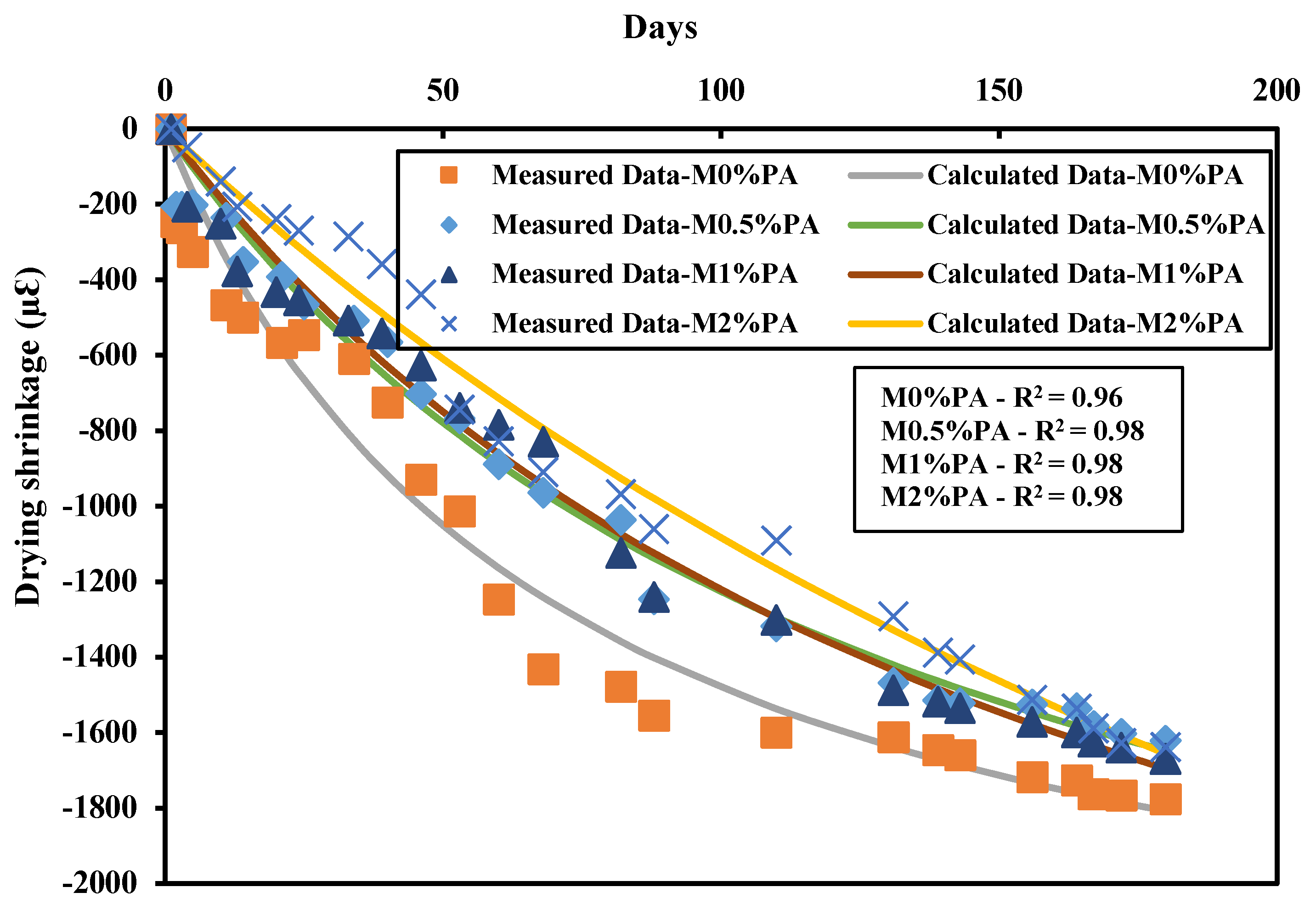
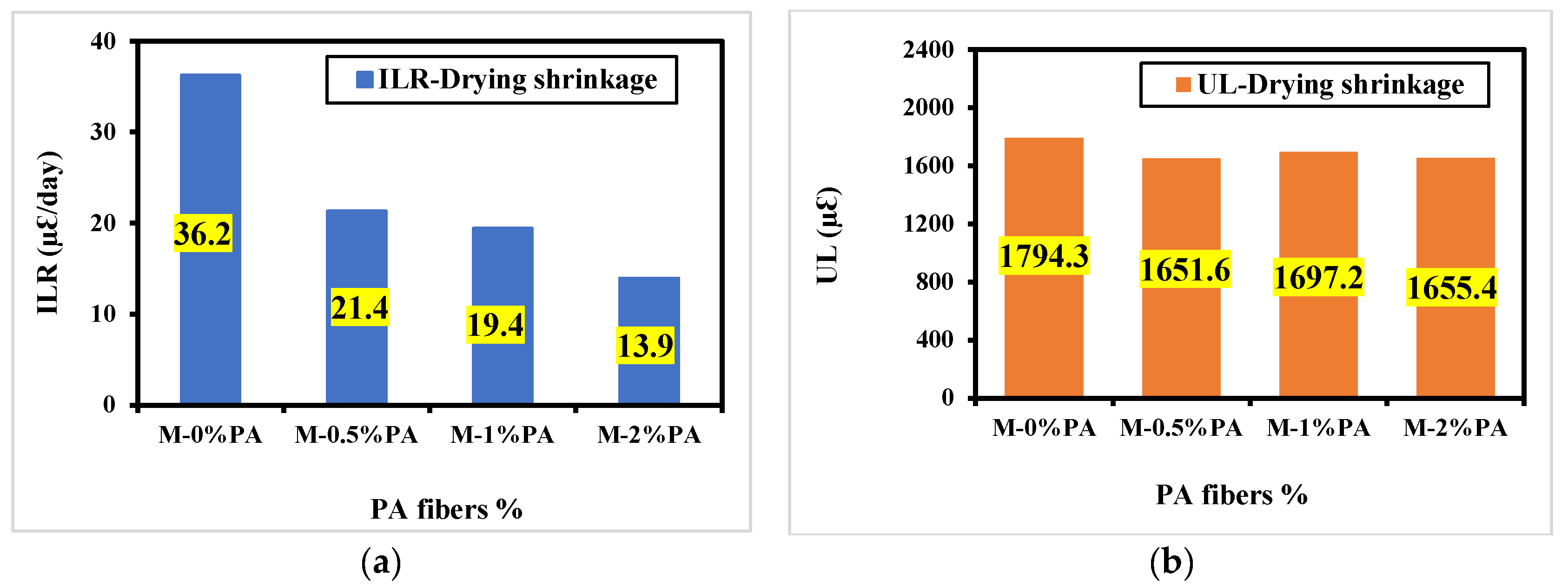
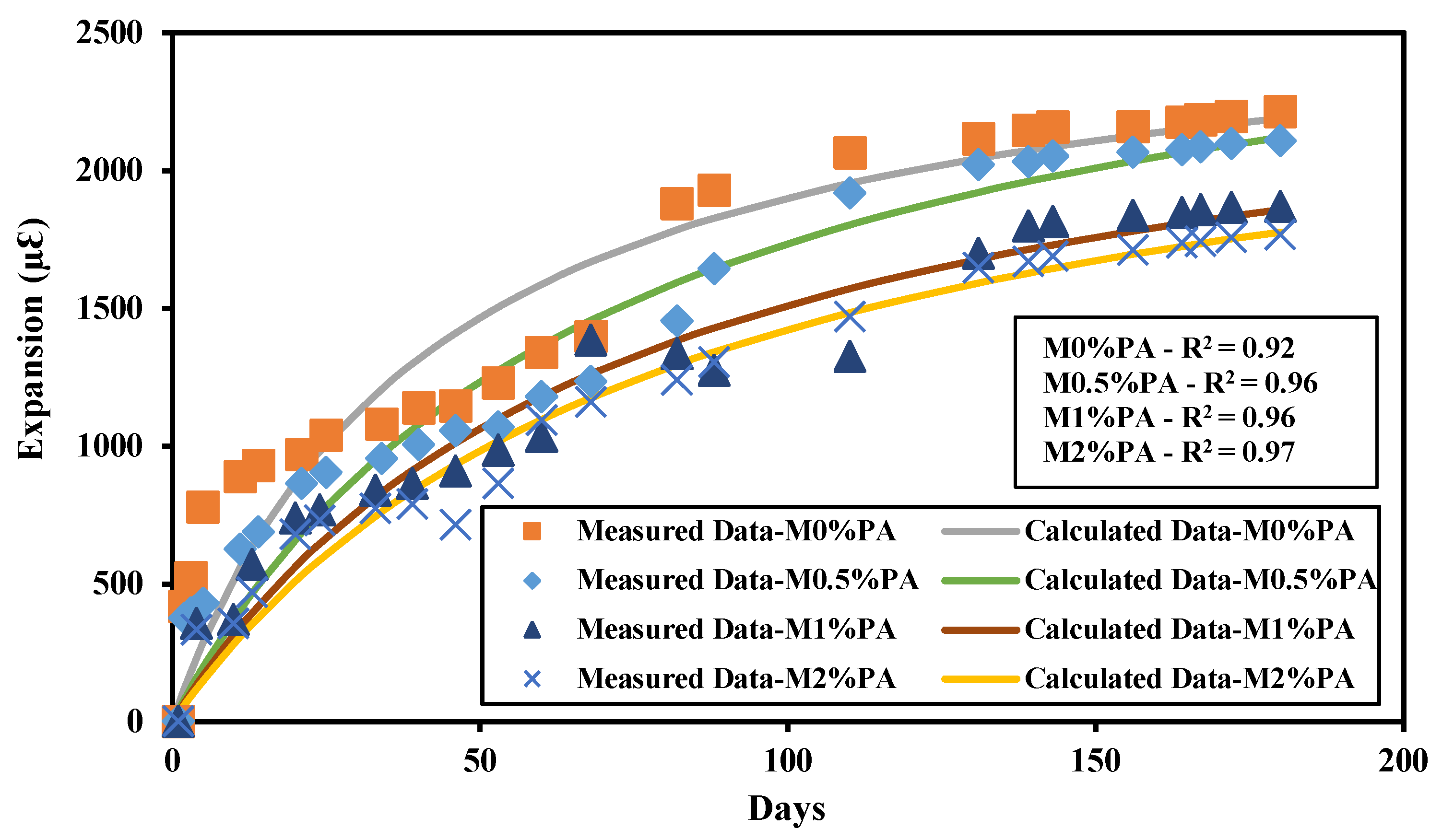
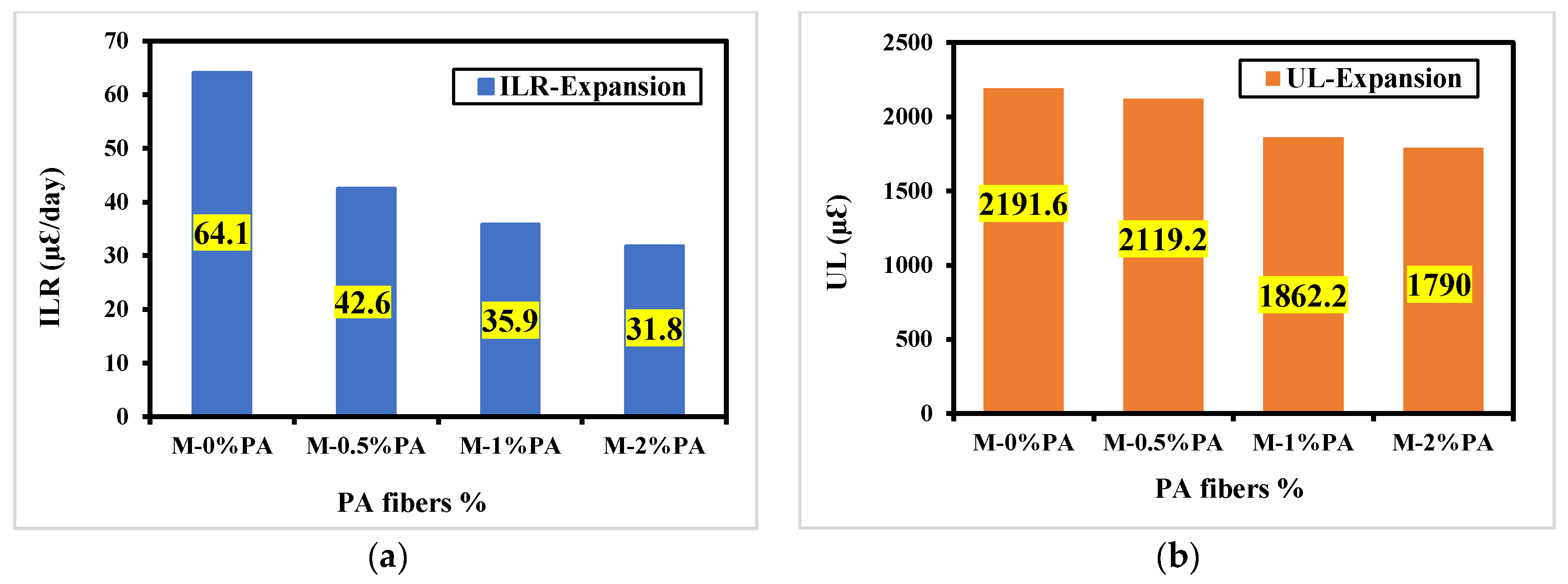
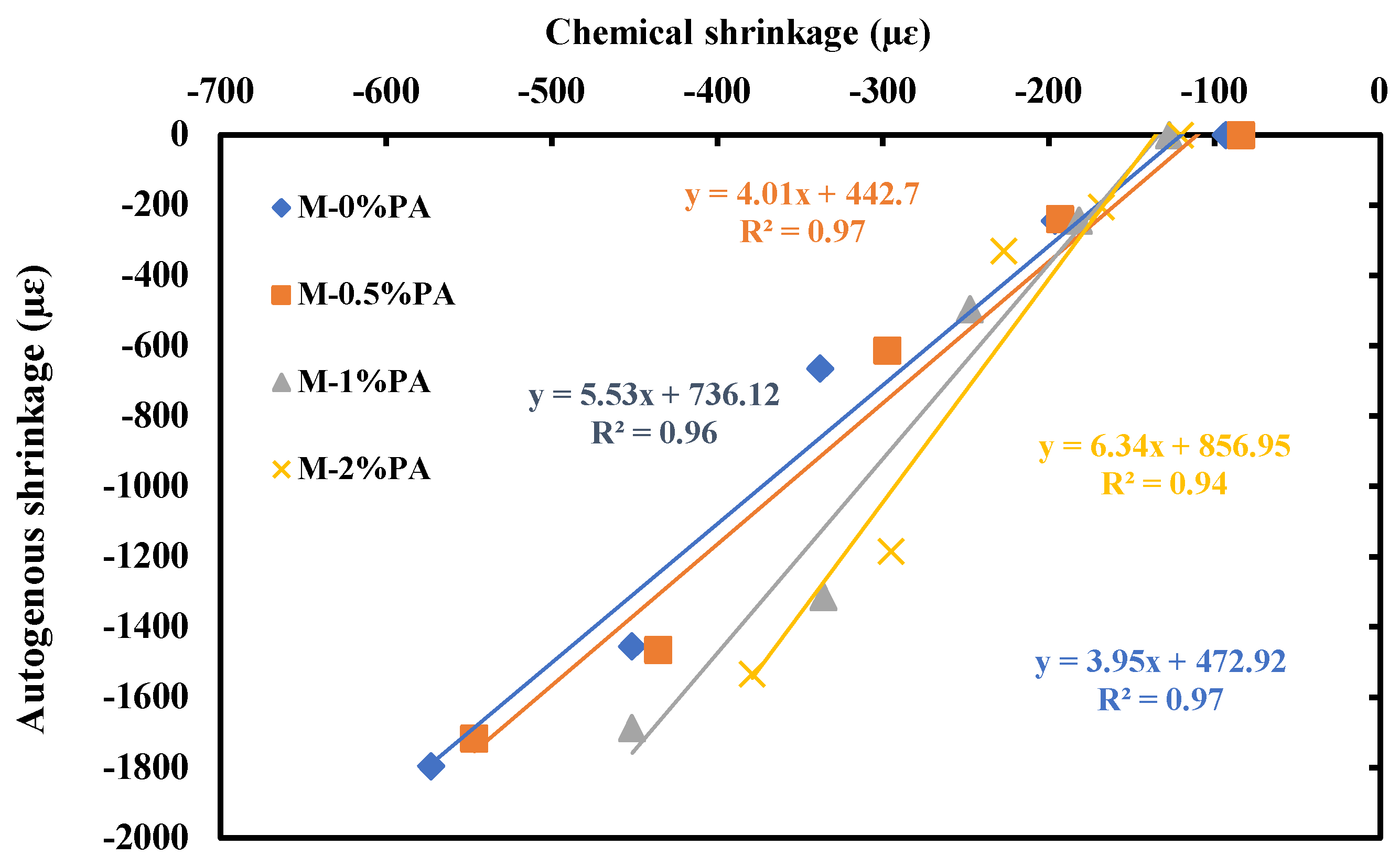
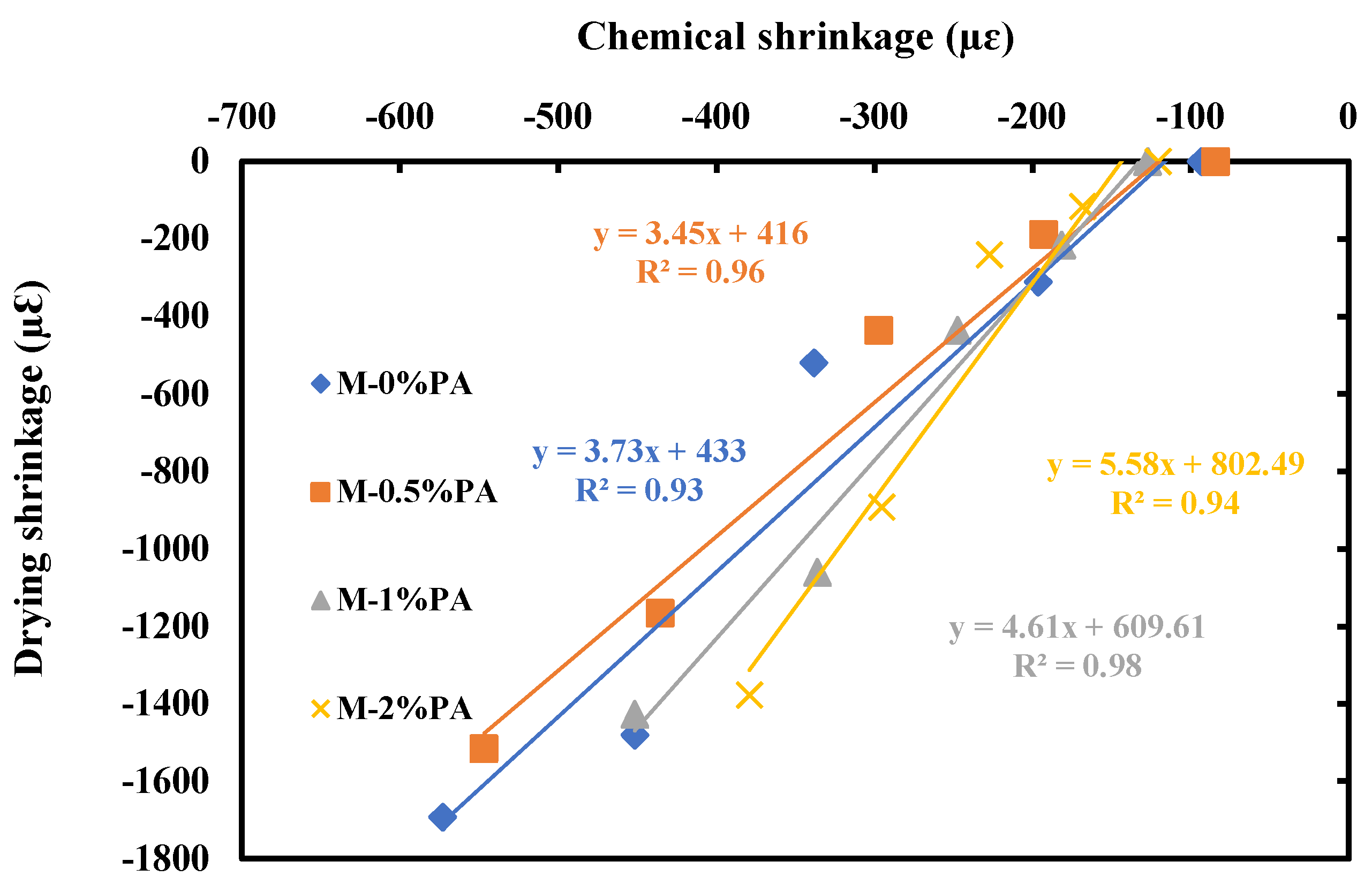
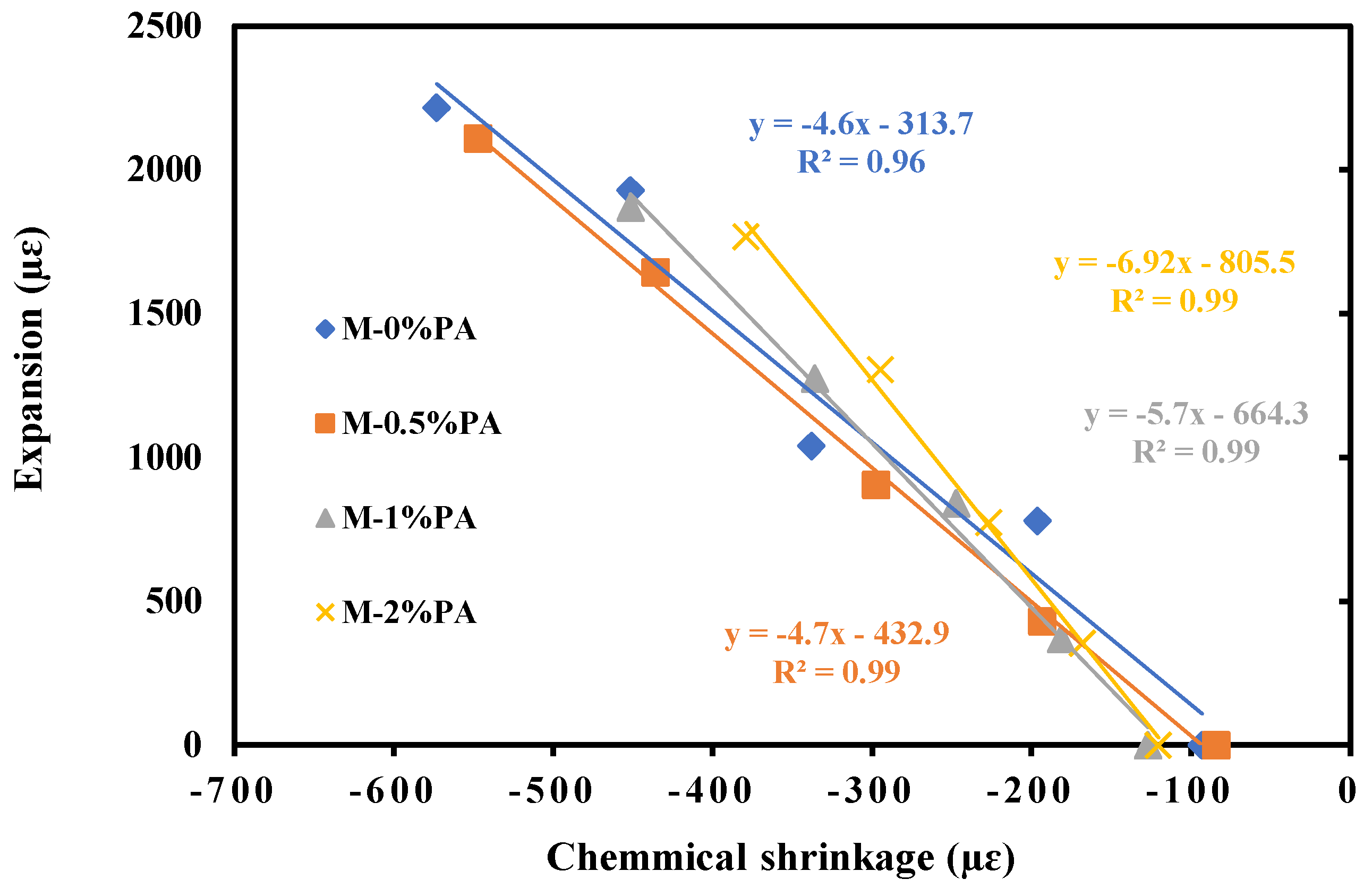
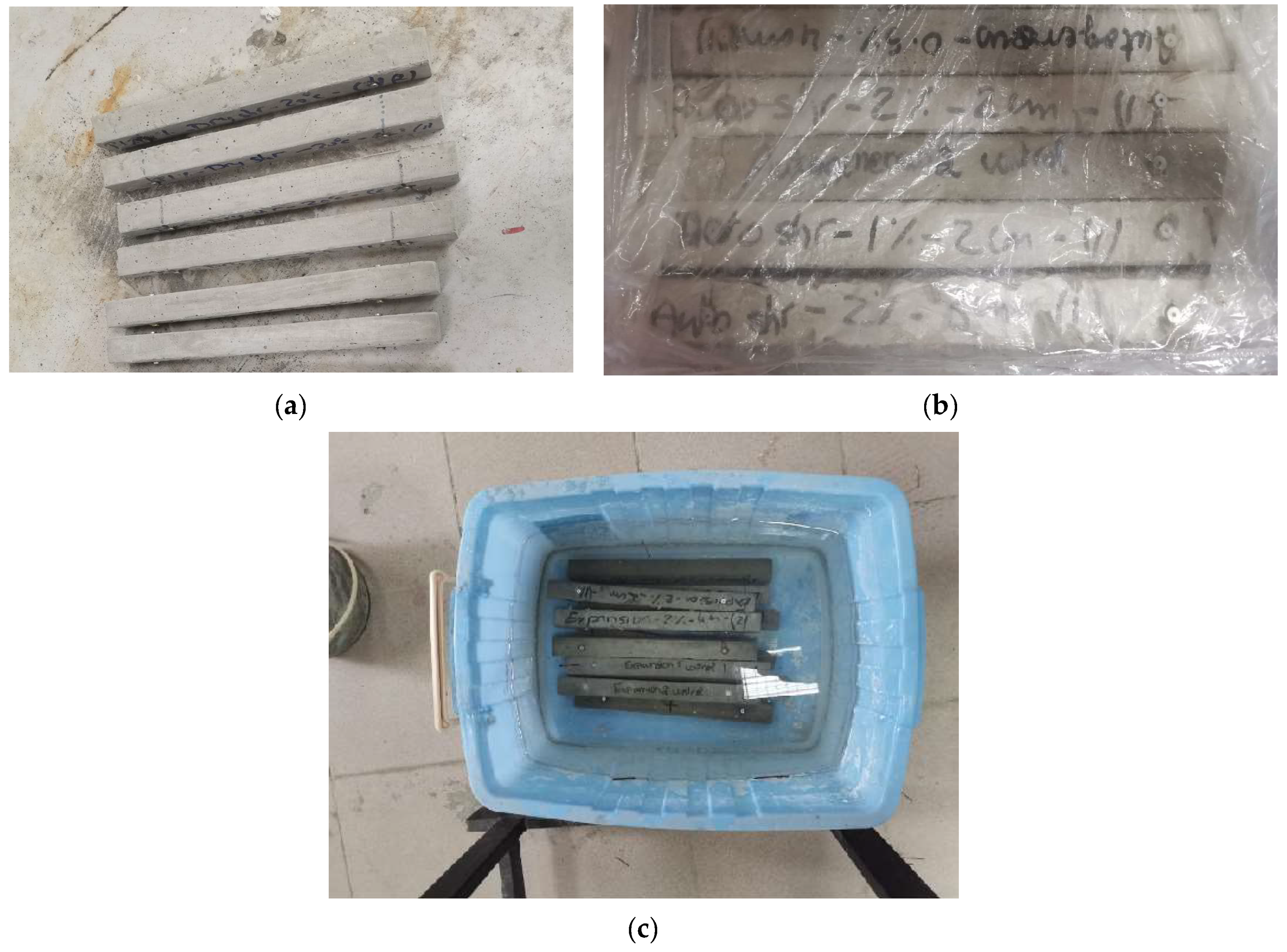
In this research, the investigation focuses on the influence of Phragmites-Australis (PA) fibers on the mechanical properties and volume stability of mortar. A total of four mixtures were employed with varying amounts of locally sourced PA fibers ranging from 0.5% to 2% (by volume). Testing includes flexural strength, compressive strength, chemical shrinkage, drying shrinkage, autogenous shrinkage, and expansion. The findings show that the use of PA fibers caused a reduction in compressive and flexural strength. However, beyond 3 days of curing, an increase in flexural strength ranging from 7 to 21% was observed at 1% PA fiber compared to the control sample. Furthermore, the addition of PA fibers up to 2% effectively mitigates the dimensional stability of mortar samples. A gradual decrease in chemical, autogenous, and drying shrinkage as well as expansion occurs in mortar samples when % of PA fibers increases. At 180 days, this reduction was 37, 19, 15 and 20% in chemical shrinkage, autogenous shrinkage, drying shrinkage, and expansion, respectively, for a mix containing 2% PA fiber. Additionally, a hyperbolic model is proposed to predict the variation of length change with time. Also, a strong relationship is observed between chemical shrinkage and other length change parameters. Consequently, the environmentally friendly utilization of PA fibers demonstrates its potential to significantly enhance mortar durability in construction applications.
Keywords: mortar; phragmites-australis; length change; mechanical properties; hyperbolic model mortar; phragmites-australis; length change; mechanical properties; hyperbolic model
Graphical Abstract