Green Extraction and Functional Polymer Applications of Urushiol for Advanced Coatings: Progress and Perspectives

Abstract
1. Introduction
2. Green Extraction Methods of Urushiol
2.1. Limitations of Traditional Extraction Methods
2.2. Modern Assisted Extraction Techniques
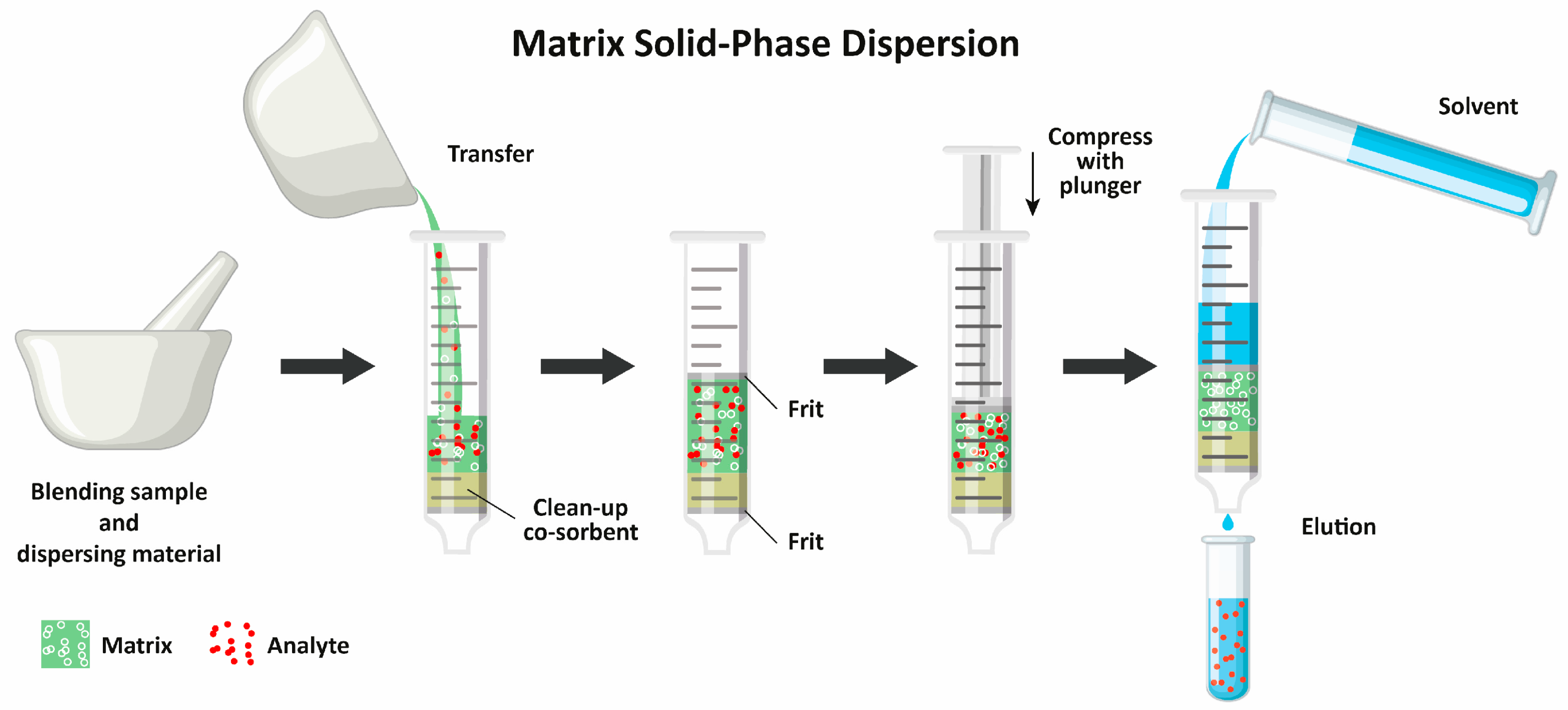
2.3. Novel Microextraction Techniques: A Paradigm Shift
2.4. Comparative Evaluation and Selection Strategies of Extraction Methods
3. Polymer-Based Functional Applications
3.1. Performance Enhancement of Traditional Lacquer Coatings
3.2. Development of High-Efficiency Antibacterial Materials
3.3. Construction of Functional Surface Materials
3.4. Preliminary Exploration in Biomedical Applications
4. Mechanisms and Mitigation Strategies for Urushiol Allergenicity: Structure–Activity Relationships
4.1. Molecular Mechanisms of Urushiol Allergenicity
4.2. Strategies for Reducing Allergenicity via Molecular Design and Modification
5. Technical Challenges and Prospects for Industrial Translation
5.1. Technical Challenges
5.2. Future Research Directions
6. Conclusions
Author Contributions
Funding
Institutional Review Board Statement
Data Availability Statement
Conflicts of Interest
References
- Gao, R.; Wang, L.; Lin, Q. Effect of hexamethylenetetramine on the property of Chinese lacquer film. Prog. Org. Coat. 2019, 133, 169–173. [Google Scholar] [CrossRef] [Scilit]
- Harigaya, S.; Honda, T.; Rong, L.; Miyakoshi, T.; Chen, C. Enzymatic dehydrogenative polymerization of urushiols in fresh exudates from the lacquer tree. Rhus Vernic. DC. J. Agric. Food Chem. 2007, 55, 2201–2208. [Google Scholar] [CrossRef] [Scilit]
- ElSohly, M.A.; Turner, C.E. GLC analysis of poison ivy and poison oak urushiol components in vegetable oil preparations. J. Pharm. Sci. 1980, 69, 587–589. [Google Scholar] [CrossRef] [Scilit] [PubMed]
- Ma, X.; Lu, R.; Miyakoshi, T. Recent Advances in Research on Lacquer Allergy. Allergol. Int. 2012, 61, 45–50. [Google Scholar] [CrossRef] [Scilit] [PubMed]
- Yang, J.; Deng, J.; Zhu, J.; Liu, W.; Zhou, M.; Li, D. Thermal polymerization of lacquer sap and its effects on the properties of lacquer film. Prog. Org. Coat. 2016, 94, 41–48. [Google Scholar] [CrossRef] [Scilit]
- Wu, H.; Han, X.; Zhao, W.; Zhang, Q.; Zhao, A.; Xia, J. Mechanical and electrochemical properties of UV-curable nanocellulose/urushiol epoxy acrylate anti-corrosive composite coatings. Ind. Crops Prod. 2022, 181, 114805. [Google Scholar] [CrossRef] [Scilit]
- Cauduro, V.; Gohlke, G.; Da Silva, N.; Cruz, A.; Flores, E. A review on scale-up approaches for ultrasound-assisted extraction of natural products. Curr. Opin. Chem. Eng. 2025, 48, 101120. [Google Scholar] [CrossRef] [Scilit]
- Jie, X.; Shiu, B.; Zhang, Y.; Wu, H.; Ye, Y.; Fang, R. Chitosan-Urushiol nanofiber membrane with enhanced acid resistance and broad-spectrum antibacterial activity. Carbohydr. Polym. 2023, 312, 120792. [Google Scholar] [CrossRef] [Scilit] [PubMed]
- Shen, L.; Pang, S.; Zhong, M.; Sun, Y.; Qayum, A.; Liu, Y.; Ren, X. A comprehensive review of ultrasonic assisted extraction (UAE) for bioactive components: Principles, advantages, equipment, and combined technologies. Ultrason. Sonochem. 2023, 101, 106646. [Google Scholar] [CrossRef] [Scilit] [PubMed]
- Cao, S.; Liang, J.; Chen, M.; Xu, C.; Wang, X.; Qiu, L.; Zhao, X.; Hu, W. Comparative analysis of extraction technologies for plant extracts and absolutes. Front. Chem. 2025, 13, 1536590. [Google Scholar] [CrossRef] [Scilit] [PubMed]
- Yadav, P.; Nousiainen, P.; Farooq, M. Environmental impact and cost of bio-based hydrophobic multifunctional coatings. Environ. Sci. Pollut. Res. 2026, 33, 6657–6677. [Google Scholar] [CrossRef] [Scilit]
- Vogl, O. Oriental lacquer, poison ivy, and drying oils. J. Polym. Sci. Part A Polym. Chem. 2000, 38, 4327–4335. [Google Scholar] [CrossRef] [Scilit]
- Yuan-Feng, H.; Cheng-Zhang, W.; Rong, L.U. Identification of Chemical Structure of Urushiol from Maoba Lacquer by HPLC-MS. Chem. Ind. For. Prod. 2012, 32, 47–51. [Google Scholar] [CrossRef] [Scilit]
- Xia, F.; He, H.; Ma, J.; Jin, Y.; Qiao, Q.; Long, P.; Li, P.; Sun, R. Optimization of Ultrasonic-Assisted Extraction of Diene Urushiol from Lacquer Tree Leaves Using Response Surface Methodology. Molecules 2025, 30, 13. [Google Scholar] [CrossRef] [Scilit]
- Juric, M.; Golub, N.; Galic, E.; Radić, K.; Maslov Bandić, L.; Vitali Čepo, D. Microwave-Assisted Extraction of Bioactive Compounds from Mandarin Peel: A Comprehensive Biorefinery Strategy. Antioxidants 2025, 14, 722. [Google Scholar] [CrossRef] [Scilit] [PubMed]
- Wong, Y.; Yusoff, R.; Ngoh, G. Phenolic compounds extraction by assistive technologies and natural deep eutectic solvents. Rev. Chem. Eng. 2024, 40, 229–246. [Google Scholar]
- Laina, K.; Drosou, C.; Stergiopoulos, C.; Eleni, P.; Krokida, M. Optimization of Combined Ultrasound and Microwave-Assisted Extraction for Enhanced Bioactive Compounds Recovery from Four Medicinal Plants: Oregano, Rosemary, Hypericum, and Chamomile. Molecules 2024, 29, 5773. [Google Scholar] [CrossRef] [Scilit] [PubMed]
- Zgola-Grześkowiak, A.; Grześkowiak, T.; Ligor, M.; Frankowski, R. Achievements and Challenges of Matrix Solid-Phase Dispersion Usage in the Extraction of Plants and Food Samples. Processes 2024, 12, 1146. [Google Scholar] [CrossRef] [Scilit]
- Chen, H.; Zhou, H.; Qi, Z.; Xue, X.; Wang, C. Vortex-blending matrix solid-phase dispersion and UPLC-Q-TOF/MS were proposed to extract and examine the urushiols from Toxicodendron vernicifluum bark. J. Pharm. Biomed. Anal. 2024, 242, 116066. [Google Scholar] [CrossRef] [Scilit] [PubMed]
- Yan, C.; Zhang, Y.; Du, K.; Guo, J.; He, J.; Li, J.; Chang, Y. A ball mill-assisted vortex-enhanced matrix solid-phase dispersion method for the extraction and determination of five phenolic compounds from Rubi Fructus by high-performance liquid chromatography. Sep. Sci. Plus 2021, 4, 211–221. [Google Scholar] [CrossRef] [Scilit]
- Li, D.; Zhang, J.; Zhang, T.; Li, Y.; Xue, X.; Qi, Z. Research Progress on Polymerization and Curing Technology of Urushiol and Its Application in Functional Polymers. Chem. Ind. For. Prod. 2024, 44, 129–137. [Google Scholar]
- Shin, Y.; Lee, S.; Lee, J.; Moon, J.; Hwang, G.; Lee, H.; Jeong, Y. Sustainable UV-curable coatings based on urushiol and lignin: From radical crosslinking to functional performance. Prog. Org. Coat. 2026, 212, 109883. [Google Scholar] [CrossRef] [Scilit]
- Li, D.; Li, K.; Fang, J. Research Progress on Modification and Application of Raw Lacquer. ChemistrySelect 2022, 7, e202200943. [Google Scholar] [CrossRef] [Scilit]
- Hou, J.; Wang, Y.; Wang, T.; Xu, G.; Feng, X.; Liu, X. The Effects of Repeated Kurome Treatment on Chinese Lacquer and Its Film Properties. Polymers 2025, 17, 1481. [Google Scholar] [CrossRef] [Scilit] [PubMed]
- Wang, T.; Hou, J.; Wang, Y.; Feng, X.; Liu, X. Urushiol-Based Antimicrobial Coatings: Molecular Mechanisms, Structural Innovations, and Multifunctional Applications. Polymers 2025, 17, 1500. [Google Scholar] [CrossRef] [Scilit] [PubMed]
- Qi, Z.; Wang, C.; Jiang, J. Research Progress on Biochemical Activity and Application of Urushiol. Biomass Chem. Eng. 2018, 52, 60–66. [Google Scholar]
- Jeong, S.; Kim, D.; Seo, J. Preparation and the antioxidant and antibacterial activities of urushiol powders (YPUOH). Prog. Org. Coat. 2014, 77, 981–987. [Google Scholar] [CrossRef] [Scilit]
- Suk, K.; Kim, H.; Kim, M.; Kim, J.; Uh, Y.; Jang, I.; Kim, S.; Choi, E.; Kim, M.; Joo, J.; et al. In vitro Antibacterial and Morphological Effects of the Urushiol Component of the Sap of the Korean lacquer tree (Rhus vernicifera Stokes) on Helicobacter pylori. J. Korean Med. Sci. 2010, 25, 399–404. [Google Scholar] [CrossRef] [Scilit] [PubMed]
- Chen, J.; Jian, R.; Yang, K.; Bai, W.; Huang, C.; Lin, Y.; Zheng, B.; Wei, F.; Lin, Q.; Xu, Y. Urushiol-based benzoxazine copper polymer with low surface energy, strong substrate adhesion and antibacterial for marine antifouling application. J. Clean. Prod. 2021, 318, 128527. [Google Scholar] [CrossRef] [Scilit]
- Kim, H.; Yeum, J.; Choi, S.; Lee, J.; Cheong, I. Urushiol/polyurethane-urea dispersions and their film properties. Prog. Org. Coat. 2009, 65, 341–347. [Google Scholar] [CrossRef] [Scilit]
- Bai, W.; Zhang, X.; Chen, X.; Li, P.; Huang, J.; Chen, J.; Zheng, S.; Li, X.; Lin, Y.; Jian, R. Magnetic bio-based Fe3O4@urushiol-Fe polymeric nanoparticles for efficient photothermal sterilization. J. Environ. Chem. Eng. 2024, 12, 113523. [Google Scholar] [CrossRef] [Scilit]
- Fang, Y.; Yan, L.; Liu, H. Facile Preparation of Hydrophobic Melamine Sponges using Naturally Derived Urushiol for Efficient Oil/Water Separation. ACS Appl. Polym. Mater. 2020, 2, 3781–3788. [Google Scholar] [CrossRef] [Scilit]
- Zeng, H.; Zhang, Y.; Wu, H.; Ye, Y.; Zhang, W.; Fang, R. Preparation of highly hydrophobic melamine sponge for oil-water separation through copolymerization deposition. J. Environ. Chem. Eng. 2024, 12, 114906. [Google Scholar] [CrossRef] [Scilit]
- Bai, W.; Chen, K.; Chen, J.; Xu, J.; Lin, H.; Lin, Y.; Xu, Y.; Lin, J. Natural Highly-hydrophobic urushiol@TiO2 coated cotton fabric for effective oil-water separation in highly acidic alkaline and salty environment. Sep. Purif. Technol. 2020, 253, 117495. [Google Scholar] [CrossRef] [Scilit]
- Zhu, Y.; Li, Y.; Xiao, J.; Li, J.; Yu, S. Facile Preparation of Robust Superhydrophobic Stainless Steel Mesh Coated with Urushiol-based Polybenzoxazine and SiO2 for Efficient Oil/water Separation. J. Wuhan Univ. Technol. Mater. Sci. Ed. 2025, 40, 842–851. [Google Scholar] [CrossRef] [Scilit]
- Shi, B. Synthesis and Characteristics of Urushiol-Quinoline Functional Polymer. J. Funct. Mater. 2025, 40, 727–729. [Google Scholar]
- Jie, X.; Shiu, B.-C.; Wu, H.; Zhang, Y.; Ye, Y.; Lin, C.; Fang, R. Adsorption and recovery of Cr(VI) from wastewater by Chitosan–Urushiol composite nanofiber membrane. e-Polymers 2023, 23, 20230157. [Google Scholar] [CrossRef] [Scilit]
- Kadokura, K.; Suruga, K.; Tomita, T.; Hiruma, W.; Yamada, M.; Kobayashi, A.; Takatsuki, A.; Nishio, T.; Oku, T.; Sekino, Y. Novel urushiols with human immunodeficiency virus type 1 reverse transcriptase inhibitory activity from the leaves of Rhus verniciflua. J. Nat. Med. 2015, 69, 148–153. [Google Scholar] [CrossRef] [Scilit] [PubMed]
- Hong, D.; Han, S.; Lee, C.; Park, S.; Jeon, Y.; Kim, M.; Kim, H. Cytotoxicity of urushiols isolated from sap of Korean lacquer tree (Rhus vernicifera Stokes). Arch. Pharmacal Res. 1999, 22, 638–641. [Google Scholar] [CrossRef] [Scilit]
- Xue, X.; Qi, Z.; Wang, Z.; Tao, R.; Zhou, H.; Chen, H.; Lei, J.; Wang, C. Urushiol-dextran SPIONs magnetic recyclable nanoparticles immobilizing vancomycin (V@DU@Fe) for antibacterial application. Int. J. Biol. Macromol. 2025, 304, 140847. [Google Scholar] [CrossRef] [Scilit] [PubMed]
- Qi, Z.; Zhou, H.; Chen, H.; Zhang, C.; Deng, T.; Wang, C. pH Responsiveness and Their in vitro Properties of Urushiol-based BPAU-NH2-Gal Paclitaxel-loaded Micelle. Chem. Ind. For. Prod. 2020, 40, 121–128. [Google Scholar]
- Xue, X.; Qi, Z.; Zhou, H.; Chen, H.; Wang, Z.; Wang, C. Preparation of Urushiol Magnetic Imprinted Polymer and Its Specific Adsorption of Vancomycin. Chem. Ind. For. Prod. 2025, 45, 116–124. [Google Scholar] [CrossRef] [Scilit]
- Kim, J.; Cho, J.; Ma, Y.; Lee, Y.; Moon, J. Nonallergenic urushiol derivatives inhibit the oxidation of unilamellar vesicles and of rat plasma induced by various radical generators. Free Radic. Biol. Med. 2014, 71, 379–389. [Google Scholar] [CrossRef] [Scilit] [PubMed]
- Liberato, D.J.; Byers, V.S.; Dennick, R.G.; Castagnoli, N. Regiospecific attack of nitrogen and sulfur nucleophiles on quinones derived from poison oak/ivy catechols (urushiols) and analogs as models for urushiol-protein conjugate formation. J. Med. Chem. 1981, 24, 28–33. [Google Scholar] [CrossRef] [Scilit] [PubMed]
- Dunn, I.S.; Liberato, D.J.; Castagnoli, N.; Byers, V.S. Influence of chemical reactivity of urushiol-type haptens on sensitization and the induction of tolerance. Cell. Immunol. 1986, 97, 189–196. [Google Scholar] [CrossRef] [Scilit] [PubMed]
- Tyman, J.H.P.; Schofield, B.G.; Khor, C.H. A synthesis of the phenolic lipid, 3-[(Z)-pentadec-8-enyl] catechol, (15:1)-urushiol. Chem. Phys. Lipids 2002, 120, 101–108. [Google Scholar] [CrossRef] [Scilit] [PubMed]
- ElSohly, M.A.; Adawadkar, P.D.; Benigni, D.A.; Watson, E.; Little, T.L., Jr. Analogs of poison ivy urushiol. Synthesis and biological activity of disubstituted n-alkylbenzenes. J. Med. Chem. 1986, 29, 606–611. [Google Scholar] [CrossRef] [Scilit] [PubMed]
- Belwal, T.; Chemat, F.; Venskutonis, P.; Cravotto, G.; Jaiswal, D.K.; Bhatt, I.D.; Luo, Z. Recent advances in scaling-up of non-conventional extraction techniques: Learning from successes and failures. TrAC Trends Anal. Chem. 2020, 127, 115895. [Google Scholar] [CrossRef] [Scilit]
- Narita, C.; Yamada, K. Development of glossy and UV-resistant urushi coatings by thermal polymerization. Prog. Org. Coat. 2024, 186, 108032. [Google Scholar] [CrossRef] [Scilit]
- Roberts, D.W.; Benezra, C. Quantitative structure-activity relationships for skin sensitization potential of urushiol analogues. Contact Dermat. 1993, 29, 78–83. [Google Scholar] [CrossRef] [Scilit]
- He, Y. Structural Modification and Bioactivity of Urushiol from Lacquer Sap. Master’s Thesis, Chinese Academy of Forestry, Beijing, China, 2013. [Google Scholar]
- Bai, G.; Chen, C.; Zhao, C.; Zhou, T.; Li, D.; Zhou, T.; Li, S. The chromosome-level genome for Toxicodendron vernicifluum provides crucial insights into Anacardiaceae evolution and urushiol biosynthesis. iScience 2022, 25, 104512. [Google Scholar] [CrossRef] [Scilit] [PubMed]
- Zhou, H.; Wang, C.; Deng, T.; Tao, R.; Li, W. Novel urushiol derivatives as HDAC8 inhibitors: Rational design, virtual screening, molecular docking and molecular dynamics studies. J. Biomol. Struct. Dyn. 2018, 36, 1966–1978. [Google Scholar] [PubMed]
- Yao, K.; Tian, J.; Huang, P. Urushiol-Based Antimicrobial Coatings for Lacquer Art Applications: A Review of Mechanisms, Durability, and Safety. Coatings 2026, 16, 198. [Google Scholar] [CrossRef] [Scilit]
- Li, J.; Sun, W.; Lichtfouse, E.; Maurer, C.; Liu, H. Life cycle assessment of biochar for sustainable agricultural application: A review. Sci. Total Environ. 2024, 951, 175448. [Google Scholar] [CrossRef] [Scilit] [PubMed]





| Factor | Single-Factor Range | Response Surface Optimization Levels | Optimal Condition |
|---|---|---|---|
| Extraction time (min) | 15, 30, 60, 90, 120 | 30, 60, 90 | 55 |
| Solvent-to-material ratio (mL/g) | 3:1, 5:1, 10:1, 15:1 | 5:1, 10:1, 15:1 | 10:1 |
| Extraction temperature (°C) | 30, 40, 50, 60 | 40, 50, 60 | 50 |
| Number of extractions | 1, 2, 3, 4 | —(discrete variable, not included in RSM) | 3 |
| Comparison Dimension | Conventional Solvent Extraction and Column Chromatography | Ultrasound-Assisted Extraction | Vortex-Assisted MSPD | Ball-Milling-Coupled Vortex Extraction |
|---|---|---|---|---|
| Sample Amount | 5–10 g | 1 g | 0.1 g | 0.02 g |
| Solvent Consumption | Tens to hundreds mL | Tens mL | 4 mL | 1.4 mL |
| Extraction Time | 24 h standing + several hours | 55 min | 10.5 min | ~5 min |
| Purity/Yield | Purity > 90% | 4.56 mg/g | 0.20–0.50 μg/mL | 98.7%–102% recovery |
| Allergenicity Risk | High | Medium | Low | Low |
| Application Scenario | High-purity preparation | Rapid extraction | Trace analysis | Trace analysis |
| Structural Feature | Key Property/Function | Representative Application |
|---|---|---|
| Catechol core | Strong adhesion, metal chelation, redox activity, ROS generation for antibacterial effects | Traditional coatings, metal-phenolic networks, antibacterial materials |
| Unsaturated C15–C17 side chain | Flexibility, hydrophobicity, membrane disruption—also enhances allergenicity (more double bonds, stronger sensitization) | Traditional coatings, superwetting surfaces, antibacterial membranes |
| Hydroxyl protection (methylation/methoxylation) | Reduces allergenicity by blocking oxidation to quinones; retains antioxidant activity | Low-allergen urushiol derivatives |
| C5/C6 site modification | Reduces allergenicity by preventing nucleophilic attack by skin proteins; can induce immune tolerance | Low-allergen urushiol analogs |
| Complete methylation of hydroxyl groups | Eliminates allergenicity while preserving antioxidant function (detoxification without functional loss) | Safe urushiol-based materials for biomedical use |
| Catechol + long side chain (synergy) | Amphiphilicity, enabling multifunctional applications across coatings, antibacterials, and drug delivery | UV-curable coatings, antibacterial polymers, drug delivery systems, oil–water separation |
Disclaimer/Publisher’s Note: The statements, opinions and data contained in all publications are solely those of the individual author(s) and contributor(s) and not of MDPI and/or the editor(s). MDPI and/or the editor(s) disclaim responsibility for any injury to people or property resulting from any ideas, methods, instructions or products referred to in the content. |
© 2026 by the authors. Licensee MDPI, Basel, Switzerland. This article is an open access article distributed under the terms and conditions of the Creative Commons Attribution (CC BY) license.
Share and Cite
Wu, X.; Zheng, Y.; Feng, X. Green Extraction and Functional Polymer Applications of Urushiol for Advanced Coatings: Progress and Perspectives. Coatings 2026, 16, 822. https://doi.org/10.3390/coatings16070822
Wu X, Zheng Y, Feng X. Green Extraction and Functional Polymer Applications of Urushiol for Advanced Coatings: Progress and Perspectives. Coatings. 2026; 16(7):822. https://doi.org/10.3390/coatings16070822
Chicago/Turabian StyleWu, Xiaoyu, Yunyao Zheng, and Xinhao Feng. 2026. "Green Extraction and Functional Polymer Applications of Urushiol for Advanced Coatings: Progress and Perspectives" Coatings 16, no. 7: 822. https://doi.org/10.3390/coatings16070822
APA StyleWu, X., Zheng, Y., & Feng, X. (2026). Green Extraction and Functional Polymer Applications of Urushiol for Advanced Coatings: Progress and Perspectives. Coatings, 16(7), 822. https://doi.org/10.3390/coatings16070822