3.1. Citation Network Structure and Identification of Technological Paradigms
Analysis of the citation network generated using CitNetExplorer revealed a well-structured intellectual landscape within the field of corrosion-protective coatings. Four dominant clusters emerged, each interpreted as a technological paradigm organized around specific material families, coating architectures, and corrosion protection mechanisms. The blue cluster corresponds to smart and self-healing coatings; the green cluster to chromate-free sol–gel or silane pretreatments; the violet cluster to graphene or graphene oxide-based nanocomposite coatings; and the orange cluster to electroactive coatings based on conductive polymers.
The citation network analysis identified four dominant clusters, each representing a technological paradigm structured around distinct material families, coating architectures, and corrosion-protection mechanisms. These clusters include smart or self-healing coatings, chromate-free sol–gel or silane pretreatments, graphene or graphene oxide-based nanocomposite coatings, and conducting polymer-based electroactive coatings.
Table 5 presents quantitative data on the size, connectivity, dominant materials, and protection mechanisms of these clusters, and
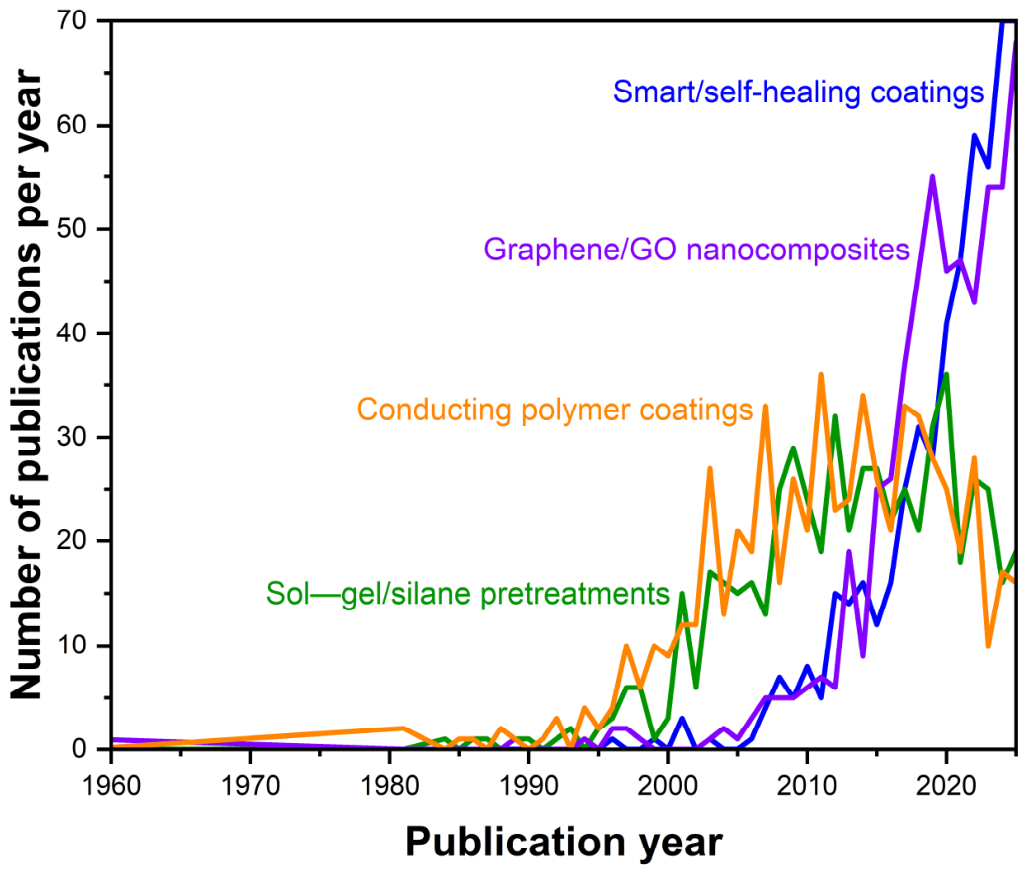
Figure 2 illustrates their chronological development.
In addition to the structural interpretation of the citation network, the annual distribution of publications was analyzed for the four dominant clusters. As illustrated in
Figure 2, the orange and green clusters emerged earlier and correspond to established research trajectories focused on conducting polymers and chromate-free sol–gel or silane pretreatments. Conversely, the violet and blue clusters have exhibited more pronounced growth in recent years, indicating the rising significance of graphene or graphene oxide-based nanocomposite barriers and smart or self-healing coatings. This chronological trend suggests that the field has progressed from chromate-free interfacial protection and electroactive passivation to nanostructured barrier engineering and active functional recovery.
A key finding is that the field has not progressed along a single technological trajectory. Instead, corrosion-protective coatings have developed through partially overlapping paradigms, each addressing specific limitations of conventional protection systems. The green cluster reflects efforts to develop chromate-free pretreatments that provide adhesion, barrier protection, and early active inhibition. The orange cluster represents the electroactive approach, in which conductive polymers alter the electrochemical state at the metal and coating interface. The violet cluster embodies the nanocomposite barrier strategy, utilizing two-dimensional fillers to reduce permeability and enhance coating durability. The blue cluster represents the most integrative paradigm, employing active reservoirs and self-healing mechanisms to restore protection after localized damage.
The chronological distribution of publications further substantiates this evolutionary interpretation. The green cluster represents an early and well-established paradigm, rather than a recently expanded one. The orange group reflects an older, highly interconnected research tradition, whose annual output has declined in recent years. In contrast, the violet cluster exhibits significant growth following the introduction of graphene and graphene oxide-based nanocomposite coatings. The blue cluster displays the most pronounced upward trend in recent periods. This temporal pattern suggests a shift from chromate-free interfacial protection and electroactive passivation toward the development of nanostructured barriers and active functional recovery.
This cluster structure aligns with the persistent challenge of replacing chromate-based corrosion protection. Chromates offered a unique combination of barrier support, active inhibition, and localized protection at coating defects, particularly for aerospace aluminum alloys [
2]. The citation network indicates that no single material family has fully replicated these functions. Instead, various research communities have developed complementary strategies: sol–gel or silane systems replicate adhesion and barrier properties; rare-earth inhibitors provide active inhibition without chromates; conductive polymers introduce electrochemical passivation; graphene or graphene oxide nanocomposites enhance barrier durability; and smart or self-healing systems enable controlled inhibitor release.
From a materials standpoint, each cluster is characterized by a dominant material family and its associated protective function. The green cluster comprises sol–gel hybrid coatings, organosilanes, cerium or lanthanide inhibitors, and oxide nanoparticles. The orange cluster centers on polyaniline, polypyrrole, and doped conductive polymers. The violet cluster includes graphene, graphene oxide, functionalized graphene oxide, hexagonal boron nitride, clays, and graphene oxide-hexagonal boron nitride hybrids. The blue cluster features nanocontainers, layered double hydroxides, mesoporous silica, halloysite nanotubes, zeolites, hydroxyapatite particles, and microcapsules.
Table 5 presents the size, connectivity, material families, and protection mechanisms associated with the four dominant clusters. Collectively, these clusters encompass 2330 publications and 16,429 direct citation links, accounting for 59.7% of the publications and 57.4% of the direct citation links within the core network. Consequently, these clusters form the principal intellectual framework for interpreting the technological evolution of corrosion-protective coatings.
Table 5 demonstrates that the four technological paradigms are similar in size but differ in connectivity and material–mechanism orientation. The conducting polymer electroactive coatings paradigm has the highest number of citation links, which suggests early and highly interconnected development within corrosion-protection research. In contrast, the smart/self-healing coatings, chromate-free sol–gel/silane pretreatments, and graphene/GO nanocomposite coatings paradigms have comparable publication volumes but represent distinct technological approaches: controlled release and functional recovery, chromate-free interfacial protection, and nanostructured barrier reinforcement, respectively. These results suggest that the field is structured around material–mechanism relationships rather than isolated coating categories.
The citation network further demonstrates that the most influential articles are those that not only introduced new materials but also transformed the conceptual framework of protective coatings. For instance, early research on sol–gel and silanes redefined chromate-free pretreatments as hybrid interfacial materials [
3,
4]. Investigations into polymers established that coatings can actively modify electrochemical behavior [
7,
8]. Research on graphene and graphene oxide emphasized the reinforcement of nanostructured barriers [
11,
12]. Studies on smart coatings redefined them as reactive systems capable of releasing inhibitors or restoring protective function after damage [
15,
16,
17].
In summary, the citation network supports the central interpretation of this study: corrosion-protective coatings have evolved from passive barriers and chromate-based systems to active, electroactive, nanostructured, and self-healing materials. The four clusters represent distinct yet interconnected technological paradigms that collectively explain the evolution and integration of the field.
3.2. Smart and Self-Healing Coatings as an Integrative Technological Paradigm
The smart/self healing cluster constitutes the most integrative technological paradigm identified within the citation network. Central to this cluster are publications focused on smart, active, and self-healing coatings for corrosion protection. The primary materials include layer-by-layer nanocontainers, laminar double hydroxides, mesoporous silica nanoparticles, halloysite nanotubes, zeolite fillers, hydroxyapatite reservoirs, and microcapsules. These materials are engineered to store active corrosion inhibitors or repair agents and to release them in response to corrosion-related stimuli, such as pH fluctuations, chloride ingress, electrochemical activation, or mechanical damage.
The conceptual foundation of this cluster lies in the understanding that conventional organic coatings are effective only while their barrier function remains uncompromised. When scratches, pores, cracks, or localized defects permit water, oxygen, and chloride ions to access the metal/coating interface, corrosion may initiate and propagate beneath the coating. Smart coatings overcome this limitation by incorporating active materials that respond to localized damage. Montemor highlights that the development of functional and smart corrosion-protective coatings is achievable by incorporating active agents into coating systems, reservoirs, or carrier structures, and by chemically modifying the coating matrix to introduce responsive functionalities [
1].
A significant contribution in this field is the work by Shchukin et al. on layer-by-layer assembled nanocapsules for self-healing corrosion protection [
15]. This approach addresses a major limitation of direct inhibitor addition: freely dispersed inhibitors in the coating matrix may leach out prematurely, react with the polymer or sol–gel network, diminish barrier properties, or become depleted before corrosion initiates. Encapsulation isolates the inhibitor from the coating matrix and enables its localized release in response to environmental changes associated with corrosion.
A central mechanism within the smart/self-healing coatings cluster is the release of inhibitors in response to specific stimuli. Local corrosion processes generate pH gradients, changes in electrochemical potential, and chloride accumulation near defects or active intermetallic particles. These changes can trigger the release of inhibitors from nanocapsules or active reservoirs. In this context, self-healing typically refers to functional recovery rather than complete physical reconstruction of the coating. In many corrosion protection systems, self-healing denotes the suppression of anodic or cathodic activity at damaged sites through the release of inhibitory species.
Layer double hydroxides (LDHs) represent one of the most important material families within the blue cluster. Their layered structure enables the intercalation of inhibitor anions and their exchange with aggressive chloride ions. Tedim et al. demonstrated that Zn-Al LDHs can function as chloride nanotraps in active protective coatings, providing a dual mechanism of chloride capture and inhibitor release [
16]. This dual functionality renders LDHs particularly suitable for protecting aluminum and magnesium alloys, where chloride-induced localized corrosion is a significant concern.
The significance of LDHs extends beyond their function as dispersed pigments. Subsequent studies and reviews have demonstrated that LDHs can serve as reservoirs for inhibitors, chloride traps, and functional surface growth layers, particularly for aluminum alloys [
17]. This versatility accounts for their central role in the blue cluster. LDH-based materials bridge coating chemistry, surface pretreatment, and smart release, exemplifying the transition from passive barrier coatings to active and reactive corrosion protection systems.
The smart/self-healing coatings cluster also encompasses other reservoir-based materials, including mesoporous silica nanoparticles, halloysite nanotubes, zeolites, and hydroxyapatite microparticles. These materials operate on a shared functional principle: they store active species and release them in response to corrosion-related stimuli. Mesoporous silica offers controlled porosity and a large surface area for inhibitor loading; halloysite provides a natural tubular morphology suitable for storage; zeolites and oxide-based reservoirs can accommodate rare earth species; and hydroxyapatite particles function as active feedback reservoirs in response to local pH changes. The diversity of these materials indicates that the blue cluster is defined by the principle of controlled storage and triggered release, rather than by a single type of support.
The smart/self-healing coatings cluster is conceptually connected to the broader field of autonomous self-healing materials. White et al. introduced the concept of self-healing in polymer composites by employing microcapsules containing repair agents, which are released upon crack propagation and subsequently polymerize in the damaged region [
23]. Although this work did not initially address corrosion protection, it became relevant to coatings research by demonstrating that damage can trigger a localized repair response. In corrosion-protective coatings, this concept evolved into two related strategies: physical crack repair and chemical restoration of corrosion protection through inhibitor release.
Multiple publications within this cluster emphasize multifunctionality. The most advanced smart coatings integrate barrier matrices, active reservoirs, chloride trapping, interfacial stabilization, and inhibitor release, rather than relying on a single inhibitor or carrier. Zheludkevich et al. described smart coatings utilizing multifunctional micro- and nanocontainers, underscoring the importance of combining active reservoirs with protective matrices [
24]. This integration is fundamental to the blue cluster and accounts for its role as a convergence point for concepts originating in other clusters. The smart and self-healing coatings cluster integrates chromate-free pretreatment chemistry with advanced self-healing architectures. For example, incorporating inhibitor-loaded nanocontainers into sol–gel coatings converts chromate-free hybrid matrices into responsive self-healing systems [
25]. Similarly, LDH-based systems connect surface pretreatment chemistry with active release mechanisms. These developments indicate that the blue cluster emerged from prior research on sol–gel chemistry, rare-earth inhibition, and active corrosion protection.
Methodologically, this paradigm employs electrochemical and localized techniques to demonstrate barrier degradation, inhibitor release, and active corrosion protection. Electrochemical impedance spectroscopy is used to assess coating resistance, capacitance, water absorption, and long-term degradation. However, smart coatings also necessitate methods that verify the local action of inhibitors at artificial defects.
The development of smart and self-healing coatings constitutes a major technological advancement in corrosion protection. These coatings shift the role of traditional coatings from passive barriers to responsive material systems capable of storing inhibitors, detecting corrosion stimuli, and releasing active species when required. This integrative approach incorporates materials and mechanisms from diverse research domains, including sol–gel matrices and rare-earth inhibitors derived from chromate-free pretreatment systems, electrochemical activation associated with conducting polymer-based coatings, and nanostructured functional materials found in graphene or graphene oxide-based nanocomposite coatings.
3.3. Chromate-Free Sol–Gel and Silane Pretreatments as a Transitional Paradigm
This cluster represents a key transitional paradigm within the citation network. Its core encompasses research on chromate-free sol—gel coatings, organofunctional silane films, rare-earth inhibitors, oxide nanoparticles, zeolite fillers, and organic-inorganic hybrid pretreatments for aluminum and magnesium alloys. In contrast to the blue cluster, which emphasizes smart release and self-healing, the green cluster primarily addresses the replacement of chromate-based pretreatments with environmentally acceptable materials that enhance adhesion, barrier properties, interfacial stability, and localized inhibition.
The technological origins of this cluster are rooted in the pursuit of alternatives to chromate conversion coatings, particularly for aerospace aluminum alloys. Twite and Bierwagen emphasized that effective chromate replacement necessitates not only safer materials but also systems capable of replicating the multifunctional roles of chromates, including barrier enhancement, active inhibition, adhesion promotion, and protection at local defects [
2]. As a result, this paradigm encompasses several material families, including sol–gel hybrids, silanes, cerium compounds, lanthanides, zirconia nanoparticles, and inhibitor-doped pretreatments, instead of relying on a single technological solution.
Sol—gel chemistry has emerged as one of the most influential chromate-free approaches, enabling the formation of thin, adherent organic-inorganic hybrid films on metal substrates. Wang and Bierwagen reviewed sol—gel coatings on metals, highlighting their significance for corrosion protection due to chemical stability, dense film formation, and compatibility with environmentally friendly surface treatments [
3]. Sol—gel hybrid systems are particularly notable because the inorganic component enhances adhesion and chemical resistance, while the organic component increases flexibility, hydrophobicity, thickness, and compatibility with organic coatings [
4].
One notable advancement within this paradigm is the development of nanostructured sol–gel coatings for AA2024-T3 aluminum alloy. Zheludkevich et al. demonstrated that hybrid sol—gel films doped with cerium nitrate and reinforced with zirconia nanoparticles enhanced the corrosion protection of AA2024-T3 [
26]. Zirconia nanoparticles contributed improved barrier and pore-blocking properties, while cerium provided active inhibition. This combination exemplifies the transitional character of the green cluster: the coating functions primarily as a pretreatment and barrier system, yet already incorporates active components that foreshadow the principles of smart coatings.
The incorporation of inhibitors into sol–gel matrices revealed both the potential and limitations of direct addition. Yasakau et al. demonstrated that inhibitor-doped sol–gel coatings on AA2024 could provide active corrosion protection, but the effectiveness depended largely on the chemical compatibility between the inhibitor and the coating matrix [
27]. This finding is significant as it explains the subsequent shift in research toward inhibitor reservoirs and nanocontainers: direct addition may compromise coating integrity or cause premature leaching, whereas encapsulation can preserve both barrier and active functions.
Rare-earth compounds, especially cerium and lanthanum salts, play a pivotal role in chromate-free sol–gel and silane pretreatment systems. Early studies established that rare earth salts can serve as environmentally acceptable corrosion inhibitors for aluminum alloys and other metals [
5]. Aldykiewicz et al. demonstrated that cerium primarily functions as a cathodic inhibitor in aluminum-copper systems by forming cerium-rich deposits at cathodic sites, thereby reducing oxygen reduction and localized corrosion activity [
6]. This mechanism accounts for the recurring use of cerium in sol–gel coatings, silane films, CeO
2-filled layers, and subsequent deposit-based systems.
The significance of cerium in this cluster is further demonstrated by studies on sol–gel and silane films modified with CeO
2. Montemor et al. showed that silane films containing CeO
2 nanoparticles enhanced corrosion protection and suggested that cerium could influence both the chemical composition and protective performance of the film [
28]. Schem et al. also demonstrated that CeO
2-filled sol–gel coatings improved the corrosion resistance of the AA2024-T3 alloy, indicating that cerium oxide nanoparticles function not only as fillers but also as active components within hybrid films [
29]. These studies support the view that this paradigm evolved from passive hybrid pretreatments to active nanomodified coating systems.
Organofunctional silanes constitute an important technological category within this framework. Silane films have been investigated as chromate-free pretreatments because they form interfacial layers between metal oxides and organic coatings, thereby improving adhesion and reducing electrolyte access to the substrate. Zhu and van Ooij demonstrated that bis-sulfur silanes protect the AA2024-T3 alloy by forming a dense interfacial layer that limits pitting growth and blocks cathodic sites [
30]. This research is significant as it links surface chemistry, adhesion, and corrosion protection, establishing silanes as fundamental materials for future interfacial engineering strategies.
Silane films have evolved from serving solely as adhesion promoters to functioning as active pretreatments containing inhibitors. Palanivel et al. demonstrated that incorporating corrosion inhibitors such as benzotriazole, tolyltriazole, or cerium salts into silane films improved the performance of AA2024-T3 in chloride solutions [
31]. These studies demonstrate that the green cluster exhibited an early form of active protection. However, inhibitor release in these systems was less controlled than in nanocontainer-based smart or self-healing coating systems.
A further decisive advancement toward smart coatings was the development of porous or nanostructured reservoirs within sol–gel-based systems. Lamaka et al. proposed a nanoporous titanium dioxide intermediate layer as a reservoir for corrosion inhibitors in self-healing coatings [
32]. This strategy separated the inhibitor from the sol–gel matrix, reducing the risk of negative interactions and enabling the release of active species during corrosion processes. Subsequently, reservoirs of oxide nanoparticles and zeolite fillers were also employed to store and release corrosion inhibitors such as cerium species. This study represents a significant technological link between chromate-free sol–gel or silane pretreatments and the development of smart or self-healing coating systems.
This paradigm is closely linked to the corrosion behavior of AA2024-T3 alloy, a material extensively utilized in aerospace applications that contains intermetallic particles promoting localized corrosion. Investigations into localized dissolution associated with S-phase particles have established the mechanistic basis for numerous sol–gel, silane, and rare-earth-based strategies [
33]. Therefore, this cluster represents not only a set of coating chemistries but also a targeted response to the challenge of mitigating localized corrosion in high-strength aluminum alloys without the use of chromates.
This paradigm extends to magnesium alloys, another category of lightweight materials that face significant corrosion challenges. Gray and Luan reviewed protective coatings for magnesium and its alloys, highlighting the necessity for uniform, adherent, pore-free, and, preferably, self-healing coatings due to magnesium’s pronounced susceptibility to corrosion [
34]. Lamaka et al. developed sol–gel hybrid coatings for AZ31B magnesium alloy, demonstrating that organic–inorganic formulations enhance both adhesion and corrosion protection [
35]. The application of these approaches to magnesium alloys clarifies the subsequent association between chromate-free sol–gel or silane pretreatment systems and advanced smart or self-healing coating strategies, including those based on PEO, LDHs, cerium modification, and superhydrophobic layers.
Table 6 presents an overview of the principal technological families within this paradigm and demonstrates the progression from chromate-free barrier pretreatments to early active and reservoir-based systems. The table demonstrates that sol–gel coatings and organofunctional silanes established the interfacial and barrier foundation, whereas rare-earth inhibitors, oxide nanoparticles, inhibitor-doped films, and porous reservoirs progressively introduced active inhibition and controlled-release mechanisms.
This progression positions chromate-free sol–gel/silane pretreatments as a transitional paradigm that connects chromate-free chemistry with the advancement of smart and self-healing coating systems.
This cluster establishes the chemical and interfacial foundations for the technological advancements described in the citation network. It addresses chromate replacement through the development of sol–gel and silane hybrid matrices, the identification of cerium and rare-earth compounds as active inhibitors, the introduction of nanoparticles for pore blocking and barrier enhancement, and the investigation of inhibitor-containing films and coatings. Recognizing the limitations of direct inhibitor addition, the necessity for localized responses, and the objective of replicating the active behavior of chromates, the field has advanced toward the use of nanocontainers and smart coatings. This paradigm serves as a transitional framework between chromate-free pretreatment chemistry and smart/self-healing coating strategies.
3.4. Graphene and Graphene Oxide-Based Nanocomposite Coatings as Models for Advanced Barrier Materials
The graphene and graphene oxide (GO)-based nanocomposite coatings cluster represents the advanced nanocomposite barrier paradigm within the citation network. This research direction encompasses graphene, graphene oxide (GO), functionalized graphene oxide (fGO), graphene-based hybrids, hexagonal boron nitride (h-BN), organoclays, and other two-dimensional or lamellar nanofillers incorporated into polymeric coatings. Unlike smart or self-healing coatings, which primarily depend on controlled inhibitor release, this paradigm focuses on diffusion control, barrier reinforcement, reduced water uptake, enhanced ionic resistance, and improved coating–substrate interfacial strength. The technological rationale centers on the capacity of two-dimensional nanofillers to increase the tortuosity of diffusion pathways within organic coatings. When well dispersed, graphene nanosheets or GO compel water, oxygen, and chloride ions to traverse longer and more complex pathways before reaching the metal/coating interface. This process reduces permeability, delays electrolyte penetration, and enhances long-term barrier properties. Ramezanzadeh et al. demonstrated that amino-functionalized GO significantly improves the barrier performance and corrosion protection of epoxy coatings, particularly when GO is efficiently transferred and dispersed within the polymer matrix [
11].
The effectiveness of graphene-based coatings is highly dependent on the quality of dispersion, exfoliation, and chemical compatibility with the coating matrix. Inadequate dispersion of GO or graphene can result in agglomeration, defect formation, and the creation of preferential pathways for electrolyte transport, ultimately diminishing the coating’s protective performance. Pourhashem et al. demonstrated that the method of GO incorporation into epoxy formulations significantly influences both its dispersion and anticorrosive properties; while low GO content can enhance protection, excessive loading may lead to aggregation and reduced barrier efficiency [
12]. Thus, this paradigm represents a research trajectory focused on interfacial engineering and filler dispersion, not just the addition of graphene.
An essential aspect of this paradigm is the widespread application of chemical functionalization to improve graphene oxide (GO) and polymer compatibility. The introduction of functional groups onto GO surfaces strengthens interfacial bonding with epoxy, polyurethane, or water-based matrices, limits nanosheet reordering, and improves nanofiller homogeneity. Ramezanzadeh et al. demonstrated that covalently grafted GO nanosheets enhanced the barrier properties and corrosion protection of polyurethane coatings by improving dispersion and compatibility within the polymer matrix [
36]. Similarly, studies on polydopamine-coated GO indicated that surface modification can reinforce the anticorrosive performance of water-based epoxy coatings by increasing adhesion and compatibility between GO and the polymer phase [
37].
The cluster also encompasses research on graphene oxide-silica nanohybrids, which offer a strategy to mitigate GO aggregation and enhance barrier efficiency. Ramezanzadeh et al. synthesized SiO
2-coated GO nanohybrids and demonstrated that silica nanoparticles attached to GO sheets improved dispersion, reduced cathodic delamination, and increased the corrosion resistance of epoxy coatings [
38]. Similarly, Pourhashem et al. reported that SiO
2–GO hybrids enhanced adhesion, contact angle, and corrosion protection performance of epoxy coatings, illustrating that inorganic nanoparticles can function as spacers and compatibility enhancers for GO nanosheets [
39]. Collectively, these studies suggest that the most effective graphene-based anticorrosive coatings are typically hybrid systems rather than simple graphene/polymer blends.
Other oxide-doped GO hybrids, including TiO
2–GO and Al
2O
3–GO, further support this interpretation. TiO
2-modified GO has been utilized to enhance anticorrosive performance by optimizing GO dispersion and blocking micropores formed during coating curing [
40]. GO–Al
2O
3 hybrids have also been explored as reinforcements for epoxy coatings, with alumina particles promoting exfoliation, reducing stacking, and increasing the coating’s barrier efficacy [
41]. The results highlight a fundamental design principle within this paradigm: the barrier performance of graphene-derived materials depends primarily on their controlled integration into stable, well-dispersed hybrid architectures rather than on their mere inclusion.
This paradigm highlights a significant limitation in using graphene as a direct barrier against corrosion. Early studies proposed graphene as an ultrathin barrier to oxidation or corrosion in metals like copper, nickel, or copper–nickel alloys. However, later research demonstrated that graphene coatings may fail after prolonged exposure, as oxygen and water can penetrate through defects, grain boundaries, or discontinuities. Furthermore, the high electrical conductivity of graphene can promote galvanic corrosion when the underlying metal is exposed through coating defects. Schriver et al. therefore described graphene as a long-term oxidation barrier that may be detrimental under specific conditions [
13].
This critical perspective accounts for the field’s transition from direct graphene films to graphene-derived nanofillers embedded within insulating polymer matrices. Sun et al. addressed the corrosion-promoting activity of graphene by modifying reduced graphene oxide with APTES, which reduced electrical connectivity between the graphene sheets and the metal substrate [
14]. This approach mitigates the galvanic risk associated with conductive graphene networks while retaining the tortuosity and barrier benefits of lamellar nanofillers. As a result, the violet cluster represents a shift from using graphene as a direct coating to employing functionalized graphene as a barrier element dispersed within polymeric coatings.
The cluster also encompasses alternative lamellar fillers beyond graphene and graphene oxide (GO), such as organoclays and hexagonal boron nitride (h-BN). Organically modified clay particles, used prior to the widespread adoption of graphene-based fillers, provided early evidence that lamellar nanofillers can enhance the barrier properties of epoxy by increasing diffusion tortuosity [
42]. More recently, h-BN nanosheets have been incorporated into water-based epoxy coatings as two-dimensional, electrically insulating fillers. In contrast to graphene, h-BN is dielectric, chemically stable, and hydrophobic, making it particularly suitable for corrosion protection by reinforcing the barrier without introducing the risk of galvanic coupling [
43].
Water-based coatings represent an important subcategory within this paradigm. The incorporation of graphene, GO, polydopamine-modified GO, or h-BN into water-based epoxy systems demonstrates the convergence of high-performance corrosion protection with environmental requirements for reduced volatile organic compound emissions. Liu et al. showed that graphene-reinforced water-based epoxy coatings exhibited improved corrosion resistance when graphene was added at an optimized loading, while excessive loading resulted in aggregation and diminished performance [
44]. Subsequently, Cui et al. found that water-dispersible h-BN nanosheets enhanced the anticorrosive performance of water-based epoxy coatings by reducing water absorption and improving impedance response during immersion [
43].
A significant contribution of this paradigm is its emphasis on interfacial engineering. Certain studies employ functionalized GO films as surface treatments between steel and epoxy resin, rather than incorporating GO solely into the coating matrix. Ramezanzadeh et al. demonstrated that a sol–gel/silane nanocomposite film containing fGO enhanced corrosion protection and resistance to cathodic delamination in epoxy coatings on steel [
45]. Parhizkar et al. further showed that GO films functionalized with amino groups and covalently modified can improve interfacial adhesion between epoxy resin and steel, reduce ion transport at the interface, and increase resistance to cathodic delamination [
46]. Thus, this paradigm connects the design of nanocomposite barriers with interfacial pretreatment strategies identified in chromate-free sol–gel/silane systems.
The cluster also demonstrates a clear link to conductive polymer technologies. Several graphene-based nanocomposite coatings incorporate polyaniline or polypyrrole, combining the barrier function of graphene-derived materials with the electroactive properties of conductive polymers. Chang et al. developed polyaniline/graphene composites for anticorrosive coatings, showing that graphene enhanced barrier properties while polyaniline provided electroactive protection [
47]. Subsequently, Qiu et al. reported a synergistic effect in aqueous coatings where graphene intercalated with polypyrrole improved impermeability and polypyrrole contributed to passivation and self-healing-like behavior [
48]. This research trajectory directly connects the violet cluster with the orange cluster.
Table 7 presents a summary of the principal technological families identified within this paradigm. This paradigm extends beyond graphene and graphene oxide, encompassing a wider range of two-dimensional and lamellar nanofillers, functionalized graphene oxide (GO) systems, GO–oxide hybrids, waterborne nanocomposites, interfacial functionalized GO (fGO) films, and hybrid systems that integrate graphene-derived materials with conducting polymers.
Overall, this paradigm exemplifies the barrier-protection pathway using advanced nanocomposite coatings. Its primary contribution is not inhibitor release, as in smart/self-healing coatings, nor electrochemical passivation, as in conducting polymer-based electroactive coatings. Instead, it focuses on engineering nanoscale polymer coating architectures to reduce permeability, increase tortuosity, and strengthen the coating–substrate interface. Additionally, the cluster demonstrates growing integration with other paradigms, including fGO/silane interfacial films, PANI/GO and PPy/graphene composites, aqueous formulations, and GO-oxide hybrid architectures. This progression confirms that the development of corrosion-protective coatings involves both the introduction of new materials and the systematic combination of barrier, active, interfacial, and environmental functionalities.
3.5. Conducting Polymer-Based Electroactive Coatings
Conducting polymer-based electroactive coatings serve as a representative example of the electroactive paradigm within the citation network. Its core comprises publications focused on intrinsically conductive polymers, particularly polyaniline (PANI) and polypyrrole (PPy), which are utilized as standalone films, primers, additives in organic coatings, or as components in hybrid nanocomposite systems. In contrast to graphene or graphene oxide (GO)-based nanocomposite coatings, which primarily achieve barrier reinforcement through two-dimensional fillers, conducting polymer-based electroactive coatings function by enabling electroactive polymers to modify the electrochemical state at the metal and coating interface.
A foundational contribution within this cluster is DeBerry’s study on modifying the electrochemical and corrosion behavior of stainless steels using electroactive coatings [
7]. This research introduced the concept that a conductive polymer can electronically interact with the passive surface of a metal, altering corrosion resistance. The significance of this work lies in shifting the perspective from considering coatings solely as physical barriers to recognizing them as electrochemical components capable of stabilizing or inducing passivation.
Wessling expanded upon this interpretation by proposing that polyaniline can passivate metals by altering the corrosion potential and modifying the morphological features of the metal/coating interface [
8]. In this context, PANI functions as an electroactive material that maintains the substrate at a more noble or passive potential. Subsequent studies on PANI coatings for mild steel and cold-rolled steel supported this hypothesis, demonstrating that electroactive PANI layers can reduce corrosion currents and enhance interfacial protective effects [
49,
50]. Consequently, the initial phase of this paradigm hypothesized that PANI protects metals mainly through anodic passivation rather than barrier action.
Surface analysis studies further substantiated this mechanism. Fahlman et al. employed X-ray photoelectron spectroscopy to examine the corrosion protection of iron and steel using emeraldine-based polyaniline, reporting the formation of protective iron oxide layers at the polymer/metal interface [
51]. These interfacial layers, typically rich in Fe
2O
3 and Fe
3O
4, were interpreted as evidence that PANI can extract charge from the metal and foster a passivating environment. Similarly, Talo et al. found that polyaniline/epoxy coatings could shift the corrosion potential of mild steel toward more noble values and promote the formation of protective interfacial layers [
52].
However, the conducting polymer-based electroactive coatings paradigm does not provide clear evidence that polyaniline is a universally effective anticorrosive material. Multiple studies have shown that the performance of conductive polymers is highly dependent on factors such as dopant chemistry, coating morphology, adhesion, film porosity, electrolyte composition, and the presence of an overlying protective layer. For example, Araujo et al. demonstrated that undoped PANI coatings exhibit poor barrier properties and weak adhesion, resulting in inadequate corrosion protection in practical tests [
53]. This evidence is critical, as it prevents an overly simplistic interpretation of PANI as inherently protective.
The most important conceptual refinements in this field are the role of dopants and counterions. Kinlen et al. demonstrated that polyanilines doped with sulfonic and phosphonic acids can provide varying degrees of corrosion protection for mild steel, with phosphonic acid dopants being particularly relevant, as they can form insoluble iron-dopant complexes at coating defects [
54]. Subsequently, Pereira da Silva et al. interpreted poly(aniline) acrylic coatings as systems in which counterions play an active role: corrosion-driven redox processes can reduce PANI and release anions capable of forming passivating complexes with iron [
55]. These studies shifted the interpretation, moving from viewing PANI as a passivating polymer to viewing it as a redox-active reservoir of inhibitory species.
The concept of smart release is explicitly addressed in studies on smart coatings based on conductive polymers. Kendig et al. proposed that corrosion energy at a defect can drive the release of inhibiting anions from a conductive polymer film, enabling the coating to respond selectively when corrosion initiates [
56]. Paliwoda-Porebska et al. expanded this concept by employing polypyrrole coatings doped with molybdate or phosphomolybdate species, demonstrating that changes in interfacial potential during corrosion can trigger the release of inhibiting anions and induce self-healing behavior [
57]. The reviewed studies demonstrate a significant conceptual connection between electroactive protection and smart or self-healing coating strategies.
Polypyrrole is the second major subcategory of conducting polymers in this paradigm. Early studies demonstrated that PPy can be electropolymerized onto iron or mild steel under specific conditions, particularly in oxalic acid media that facilitate passivation of the metal surface prior to polymer growth. Beck et al. showed that pyrrole can form adherent films on iron in aqueous oxalic acid, and subsequent research investigated PPy coatings on mild and low-carbon steels using electrochemical impedance spectroscopy and polarization techniques [
58,
59]. Although PANI is predominant in the cluster, PPy is significant as it provides an alternative electroactive platform, particularly for dopant-controlled release and self-healing strategies.
The cluster also illustrates a transition from electrochemically deposited films to formulated coating systems. Schauer et al. investigated PANI as a primer for iron corrosion protection, emphasizing the importance of topcoats and multilayer architectures [
60]. Wessling and Posdorfer evaluated commercial PANI-based primer systems, demonstrating that their performance relies on the combination of the electroactive layer with appropriate barrier topcoats [
61]. Armelin et al. further showed that PANI and PPy can serve as anticorrosive additives in epoxy paint, indicating a gradual shift of conductive polymers from laboratory-deposited films to more application-oriented coating formulations [
62].
This transition is significant because conductive polymers alone frequently do not offer adequate long-term barrier protection. Organic matrices, such as epoxy, acrylic, PMMA, or PVB, can restrict electrolyte ingress, while conductive polymers can contribute electroactive or inhibitory functionality. Gupta et al. investigated the application of polyaniline-lignosulfonate/epoxy coatings on AA2024-T3 alloy, thereby establishing a connection between electroactive conducting polymer coatings and chromate-free protection strategies for aerospace aluminum alloys [
63]. In these systems, the organic matrix and the conductive polymer fulfill complementary roles: providing barrier resistance and delivering electroactive or inhibitory responses.
A further significant advancement is the integration of conductive polymers into nanocomposite systems. Yeh et al. demonstrated that polyaniline-clay nanocomposites provide enhanced corrosion protection compared to conventional PANI coatings, attributed to the additional barrier effect of the layered clay particles [
64]. Subsequently, Radhakrishnan et al. developed PANI-nano-TiO
2 composites for corrosion-resistant smart coatings, while Mostafaei and Nasirpouri reported on hybrid epoxy/PANI-ZnO nanorod coatings with improved corrosion protection performance [
65,
66]. These studies connect electroactive protection and nanocomposite barrier reinforcement by combining conducting polymer electroactivity with graphene-derived materials’ barrier effects.
Rohwerder and Michalik provide the most comprehensive interpretation of this paradigm by analyzing the factors that differentiate failure from success in corrosion protection with conducting polymers [
10]. Their analysis suggests that conductive polymers can provide effective protection when they enable controlled release of inhibiting anions or promote localized passivation. However, failure may occur when coating defects are extensive, when cation incorporation surpasses anion release, or when conductive pathways facilitate delamination or galvanic effects. This interpretation explains the heterogeneous results reported for conducting polymer coatings and highlights the need for careful architectural design.
Table 8 provides a summary of the principal technological families identified within this paradigm. The development in this area has evolved from early polyaniline PANI-based electroactive coatings to more application-oriented and hybrid systems. These include PANI/epoxy primers, dopant-controlled inhibition, polypyrrole (PPy) coatings, conducting polymer additives, conducting polymer nanocomposites, and critical investigations into the factors influencing the effectiveness of corrosion protection.
Table 8 demonstrates the progressive integration of electroactivity, dopant-controlled inhibition, and advanced coating formulation strategies within this paradigm. Polyaniline (PANI) and polypyrrole (PPy) facilitate passivation and redox-mediated protection. Dopant-controlled systems have anticipated the emergence of smart-release concepts. Additionally, the application of PANI/epoxy primers, conducting polymer additives, and nanocomposite formulations exemplifies the shift from electrochemically deposited films to practical coating architectures.
This paradigm functions as an electroactive precursor for advanced corrosion-protective coatings. Its significance extends beyond the use of PANI or PPy as individual coating materials by establishing an electrochemical framework in which coatings enable passivation, mediate redox reactions, release inhibitory dopants, and respond to corrosion-related stimuli. Although challenges remain regarding porosity, stability, and defect sensitivity, advancements in conducting polymers have enabled coatings to transition to active, intelligent, corrosion-protection systems.
3.6. Cross-Cluster Integration: From Chromate Replacement to Multifunctional Corrosion-Protection Paradigms
The four clusters identified in the citation network reveal that the evolution of corrosion-protective coatings has not been driven by a single family of materials or by a linear sequence of technological substitution. Instead, the field has advanced through the interaction of complementary paradigms: chromate-free sol–gel/silane pretreatments, electroactive coatings based on conductive polymers, graphene/graphene oxide-based nanocomposite barriers, and smart/self-healing coatings. Each cluster addresses a different limitation of conventional coating systems. Each paradigm addresses a distinct protection function. Chromate-free sol–gel/silane pretreatments provide interfacial protection. Conducting polymer-based electroactive coatings introduce electrochemical activity. Graphene/GO-based nanocomposite coatings enhance barrier performance by controlling nanoscale diffusion. Smart/self-healing coatings integrate active reservoirs with controlled-release mechanisms.
The starting point for this evolution is the historical need to replace chromate-based corrosion protection. Chromates provided a hard-to-replace combination of barrier support, active inhibition, and protection against local defects, especially in aerospace aluminum alloys [
2]. The citation network suggests that this multifunctionality was not replicated with a single alternative material, but was gradually reconstructed through different technological routes. Sol–gel and silane systems contributed to adhesion and interfacial stability; rare-earth inhibitors provided chromate-free active inhibition; conductive polymers contributed to electroactive passivation; graphene/graphene oxide nanocomposites provided advanced barrier reinforcement; and smart/self-healing systems contributed to the controlled release of inhibitors and functional recovery.
Consequently, this paradigm establishes the chemical and interfacial basis of the network. Sol–gel and silane hybrid systems offer environmentally sustainable platforms for producing adherent and relatively dense films on aluminum, steel, and magnesium alloys [
3,
4]. These systems improved adhesion and barrier properties, but their ability to provide long-term active protection was limited when inhibitors were added directly to the matrix [
27]. This limitation drove the development of porous reservoirs, oxide nanoparticles, and zeolite fillers capable of storing and releasing active species, creating a direct technological bridge between chromate-free pretreatments and smart/self-healing systems [
32].
This paradigm introduced a new conceptual advancement: that coatings can actively modify the electrochemical state of the metal/coating interface. Early studies on polyaniline demonstrated that conductive polymers could modify corrosion potentials, promote passivation, and favor the formation of protective interfacial oxide [
7,
8,
49,
50,
51,
52]. Subsequent studies demonstrated that dopants and counterions could act as inhibitory species released under corrosion conditions [
54,
55]. This paradigm introduced an early form of active, stimulus-responsive protection, which subsequently converged conceptually with controlled-release strategies in smart or self-healing coating systems [
56,
57].
This paradigm contributed to the key nanostructured barrier pathway in the network. Graphene, GO, fGO, h-BN, organoclays, and GO-oxide hybrids enhance corrosion protection by increasing diffusion tortuosity, reducing water absorption, blocking micropores, and strengthening the coating/substrate interface [
11,
12,
36,
37,
38,
39,
40,
41,
42,
43,
44,
45,
46,
47,
48]. In contrast to conducting polymer-based electroactive coatings, which emphasize electroactivity, and smart or self-healing coatings, which primarily depend on inhibitor release, this approach emphasizes the regulation of mass transport through organic coatings. However, its subsequent evolution shows increasing overlap with other paradigms, particularly through interfacial films of fGO/silane, PANI/GO composites, and PPy/graphene systems [
45,
46,
47,
48].
This paradigm holds the most integrative position within the citation network, as it synthesizes multiple mechanisms that were previously developed in isolation. Smart/self-healing coatings integrate barrier protection, active inhibition, chloride trapping, pH-activated release, inhibitor storage, interfacial stabilization, and, in some cases, physical repair of coating damage [
1,
15,
16,
17,
23,
24,
25]. This cluster transforms the problem of chromate replacement into a broader design principle: coatings must not only delay corrosion but also respond when it begins. In this sense, this paradigm does not replace the others; rather, it reorganizes their most effective functions into active and responsive coating architectures.
Several highly cited articles serve as bridges between clusters, confirming that the boundaries between paradigms are permeable. Zheludkevich et al. established a link between chromate-free sol–gel/silane pretreatments and smart or self-healing coatings by incorporating inhibitor-loaded nanocapsules into sol–gel-based systems, thus transforming chromate-free pretreatments into self-healing coating architectures [
25]. Kendig et al. integrated conducting polymer-based electroactive coatings with smart or self-healing systems by proposing corrosion-inhibiting coatings in which corrosion energy facilitates inhibitor release from electroactive polymer films [
56]. Ramezanzadeh et al. connected graphene or graphene oxide (GO)-based nanocomposite coatings with chromate-free sol–gel/silane pretreatments by employing functionalized GO (fGO)-filled sol–gel/silane interfacial films to enhance epoxy coating adhesion and mitigate cathodic delamination [
45]. Similarly, polyaniline (PANI)/graphene and polypyrrole (PPy)/graphene systems bridge graphene or GO-based nanocomposite coatings with conducting polymer-based electroactive coatings by combining two-dimensional barrier materials with electroactive polymers [
47,
48].
Table 9 provides an overview of the principal bridge publications identified across the four technological paradigms. These publications are significant as they establish connections between material families and protection mechanisms that originated from distinct research trajectories, such as sol–gel pretreatments with nanocontainers, conducting polymers with smart inhibitor release, fGO/silane interfacial films, and PANI/GO or PPy/graphene hybrid coatings.
As shown in
Table 9, the most significant bridge publications do more than combine materials; they transfer or integrate protection mechanisms across different approaches. Sol–gel systems achieve self-healing when paired with inhibitor reservoirs. Conducting polymers gain smart-coating functionality when dopant release is triggered by corrosion. Graphene-derived materials link with sol–gel or silane chemistry through interfacial films. PANI/GO and PPy/graphene systems combine barrier reinforcement with electroactive protection. These advances show that the field is progressing through technological convergence rather than isolated material substitution.
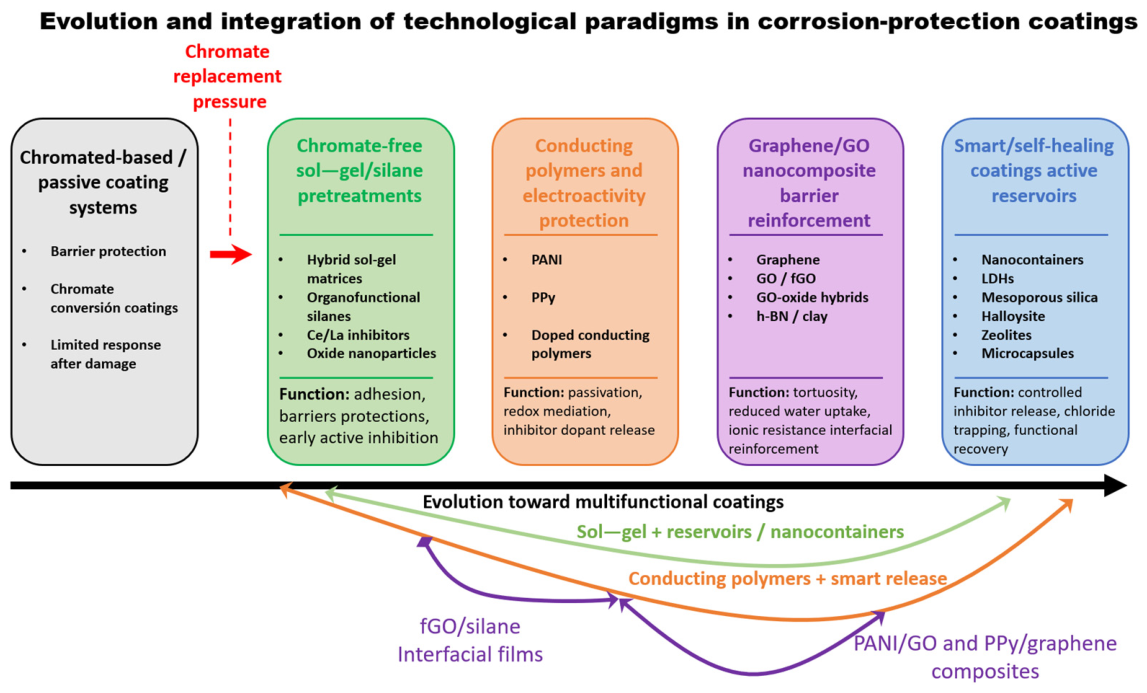
Table 9 provides a summary of the relationships conceptually illustrated in
Figure 3. This figure demonstrates the transition from chromate-based and passive barrier systems to four interrelated technological paradigms: chromate-free sol–gel or silane pretreatments, conducting polymer-based electroactive coatings, graphene or graphene oxide (GO) nanocomposite barriers, and smart or self-healing coatings containing active reservoirs. The cross-links in
Figure 3 indicate the connections among these paradigms through shared materials, hybrid coating architectures, and common protection mechanisms.
Figure 3 shows that the four technological paradigms are distinct but interconnected strategies to address the limitations of conventional corrosion-protective coatings. Chromate-free sol–gel/silane pretreatments provide interfacial and barrier protection. Conducting polymer-based electroactive coatings offer electroactive and redox-mediated protection mechanisms. Graphene/GO-based nanocomposite coatings focus on nanostructured barrier reinforcement. Smart/self-healing coatings combine active reservoirs, controlled release, and functional recovery. The cross-links show main pathways of technological convergence, including sol–gel systems with nanocontainers, conducting polymers with smart release, fGO/silane interfacial films, and PANI/GO or PPy/graphene hybrid composites.
A comparison of clusters also shows that the definition of coating performance has expanded over time. In early approaches, performance was often evaluated by changes in corrosion potential, coating resistance, salt spray exposure, or delay in the onset of visible corrosion. In more recent paradigms, performance encompasses multiple dimensions: impedance stability, reduced water absorption, local suppression of anodic or cathodic activity, resistance to cathodic delamination, inhibitor release kinetics, chloride trapping, interfacial adhesion, and recovery of protective function following damage. This methodological diversification explains why electrochemical impedance spectroscopy, localized electrochemical techniques, XPS, SKP, SVET, and water absorption analysis appear repeatedly across the various clusters.
Overall, the citation network suggests that corrosion-protective coatings evolved from material substitution toward the integration of mechanisms. The first stage focused on replacing hazardous chromate-based systems with safer alternatives, such as sol–gel films, silanes, rare-earth inhibitors, and conductive polymers [
2,
3,
4,
5,
6,
7,
8,
9,
10]. The second stage focused on enhancing coating function through active additives, dopants, nanofillers, and inhibitor reservoirs [
26,
27,
28,
29,
30,
31,
32,
54,
55,
56,
57,
58,
59,
60,
61,
62,
63,
64,
65,
66]. The third stage incorporated nanostructured architectures capable of controlling diffusion, interfacial adhesion, and the local electrochemical response [
36,
37,
38,
39,
40,
41,
42,
43,
44,
45,
46,
47,
48]. The most recent stage is represented by smart/self-healing coatings, where barrier, active, and reactive functions are combined into a single protective architecture [
15,
16,
17,
23,
24,
25].
This evolutionary sequence also explains why none of the clusters should be considered obsolete. The continued relevance of these paradigms lies in their complementary contributions. Chromate-free sol–gel/silane pretreatments remain important as they provide adhesion and interfacial control. Producing polymer-based electroactive coatings contributes to redox-mediated protection and dopant release. Graphene/GO-based nanocomposite coatings remain relevant because polymeric coatings still need greater barrier durability, reduced permeability, and improved resistance to water uptake. Smart/self-healing coatings represent the most integrative paradigm. However, they depend conceptually and technologically on the foundations established by the other paradigms.
From a materials design perspective, the most important implication is that future high-performance anticorrosion protective coatings will likely be based on hybrid architectures rather than single-function coatings. Effective systems can combine an interfacial pretreatment layer, a barrier matrix reinforced with nanofillers, active deposits loaded with corrosion inhibitors, and, where appropriate, electroactive additives or hydrophobic topcoats. The citation network shows that the most influential developments are those that connect materials design with specific protection mechanisms, rather than those that simply introduce a new additive.
In summary, the cross-cluster analysis supports the central proposition of this study: anticorrosion protective coatings have evolved through the integration of technological paradigms, rather than through the replacement of one paradigm by another. Overall, the intellectual structure of the field can be interpreted as a progressive shift from chromate replacement and passive barrier protection toward active, nanostructured, electroactive, and multifunctional corrosion-protection architectures. Chromate-free sol–gel/silane pretreatments, conducting polymer-based electroactive coatings, graphene/GO-based nanocomposite coatings, and smart/self-healing coatings represent complementary paradigms that collectively explain this technological evolution.



 ,
,