Article

Influence of Carbonized Garbage Fly Ash on the Performance of Foam Concrete

1
School of Chemical Engineering and Machinery, Liaodong University, Dandong 118000, China
2
School of Civil Engineering and Geographic Environment, Ningbo University, Ningbo 315000, China
3
School of Civil Engineering, Chongqing University, Chongqing 400044, China
*
Author to whom correspondence should be addressed.
Coatings 2025, 15(7), 736; https://doi.org/10.3390/coatings15070736

Submission received: 20 May 2025 / Revised: 14 June 2025 / Accepted: 18 June 2025 / Published: 20 June 2025

Abstract

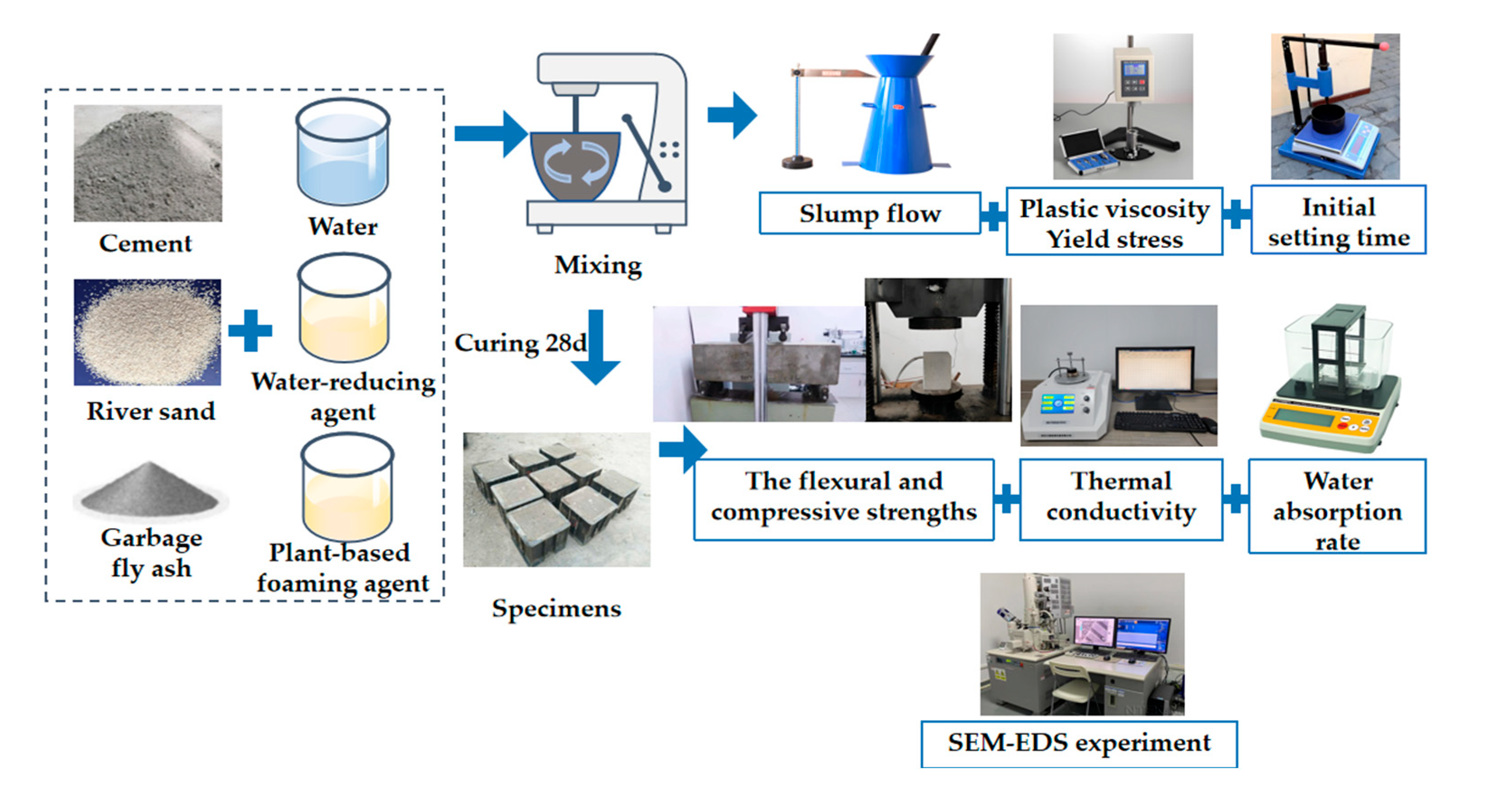
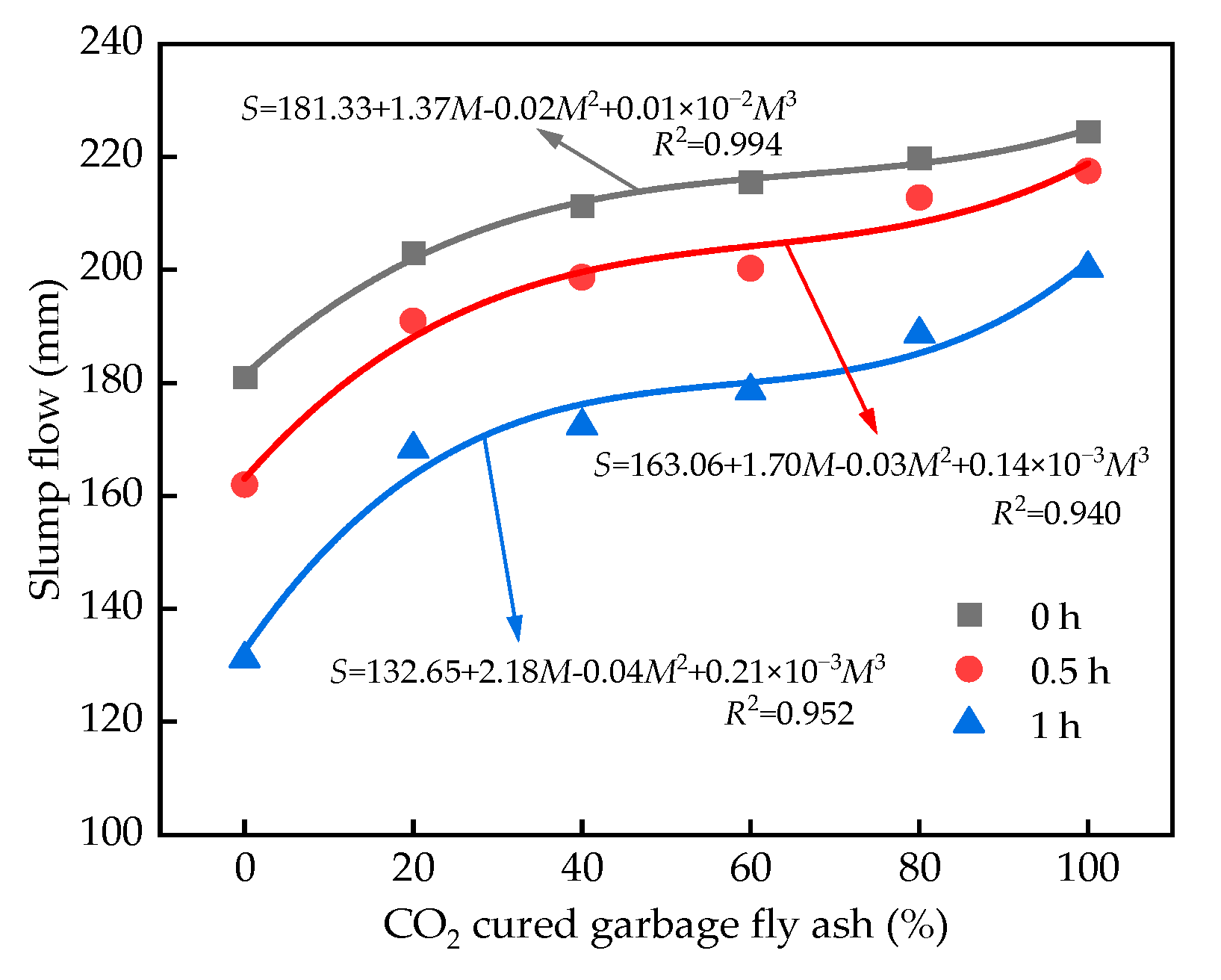
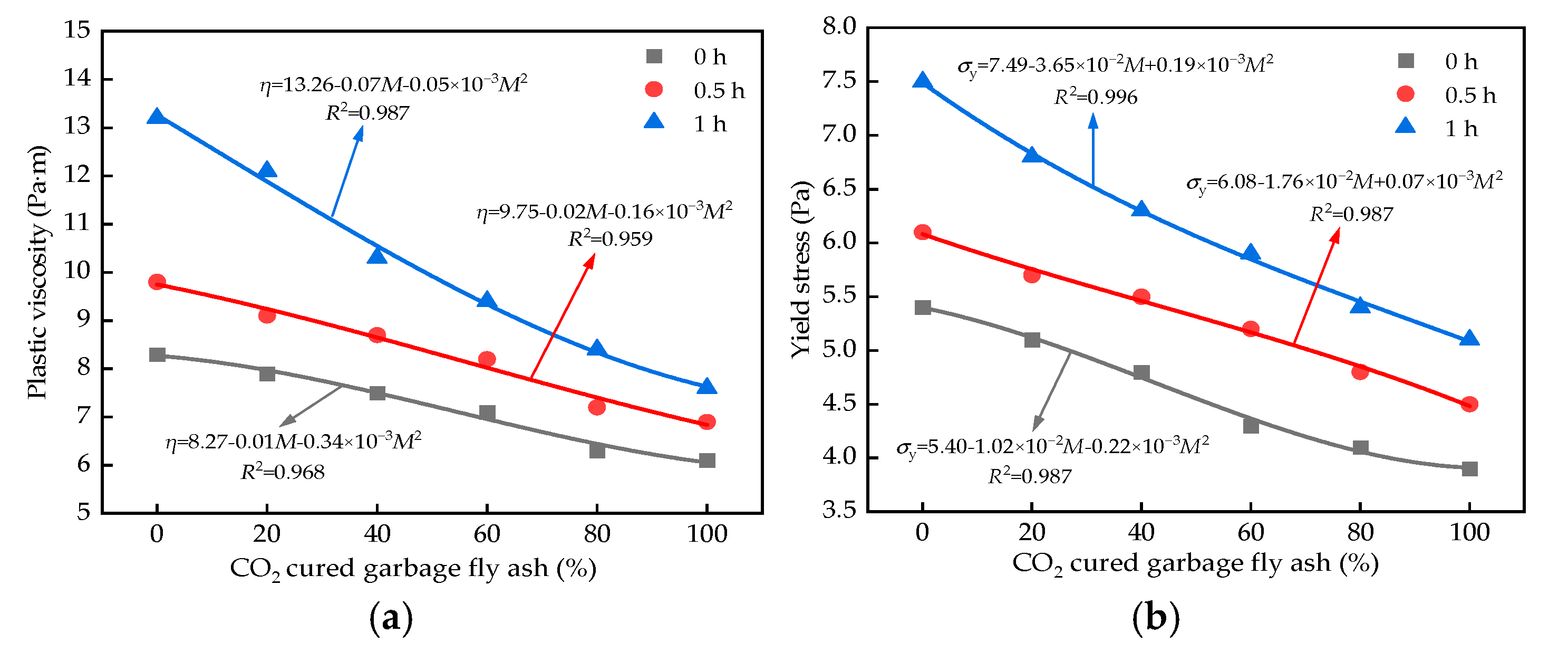
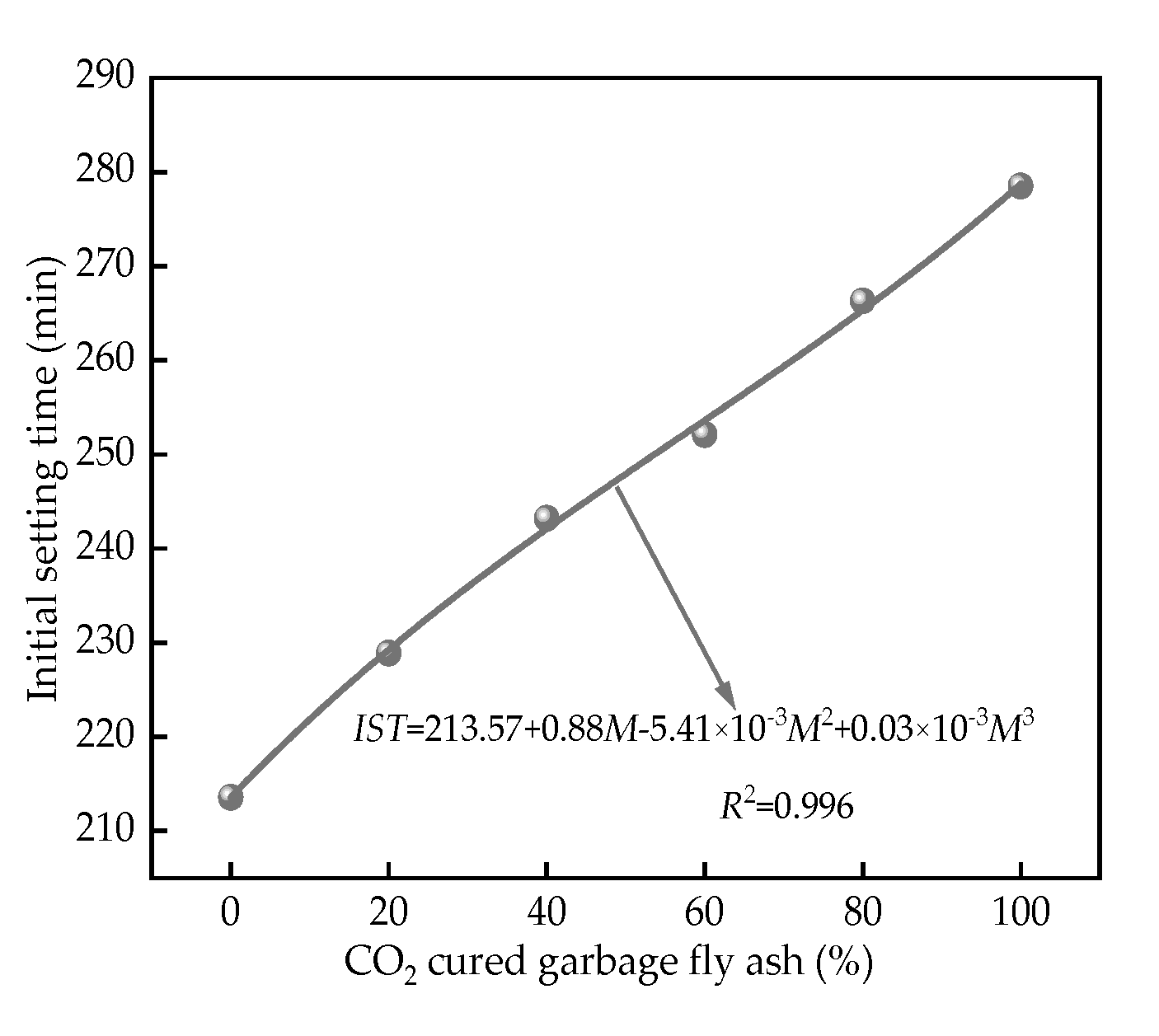
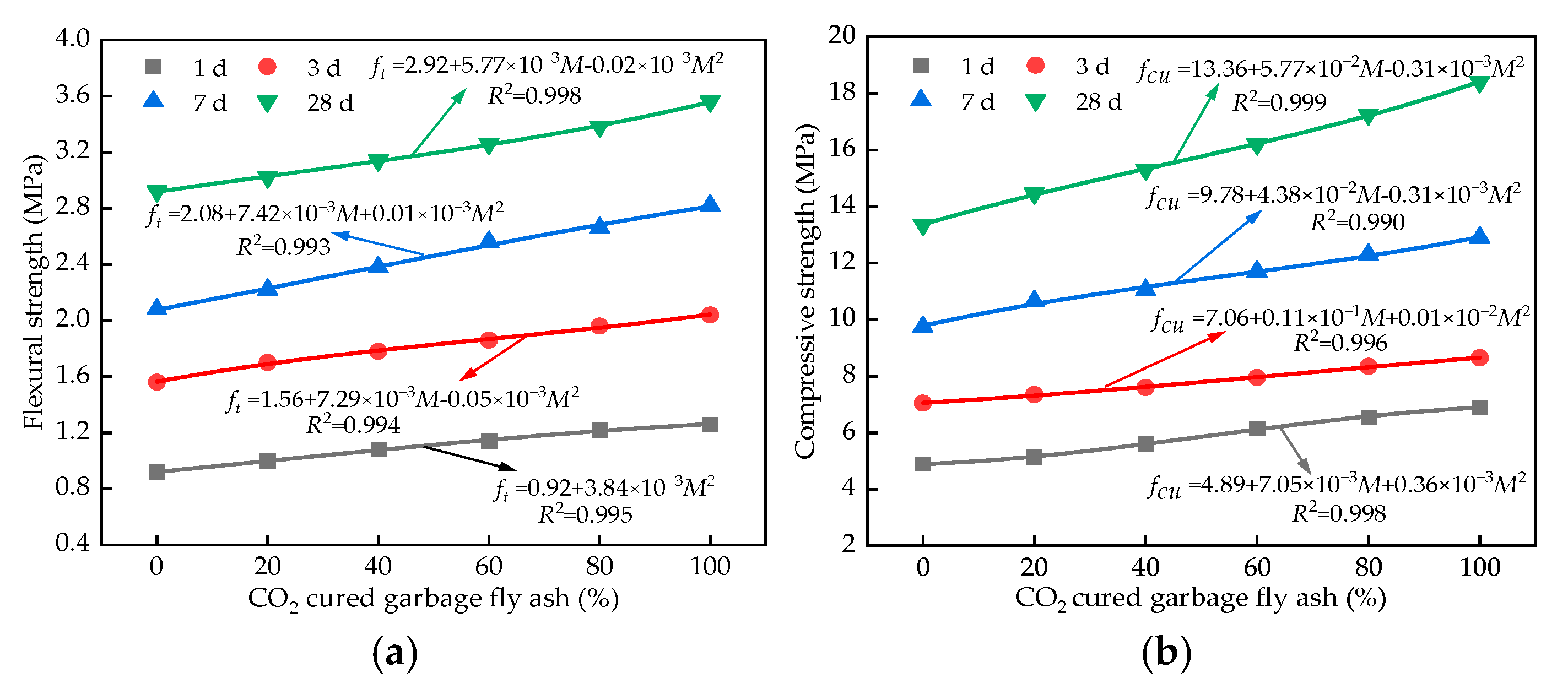
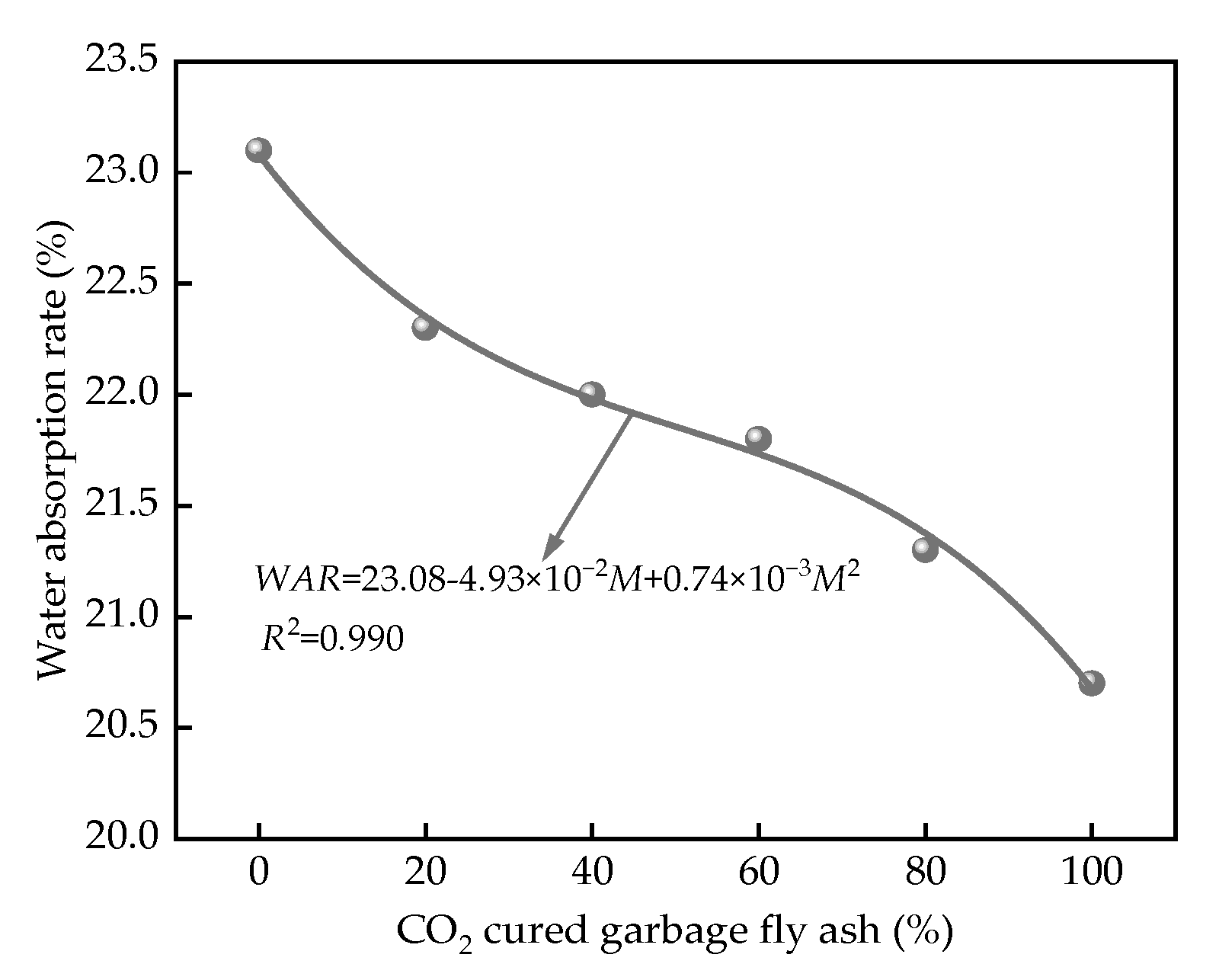
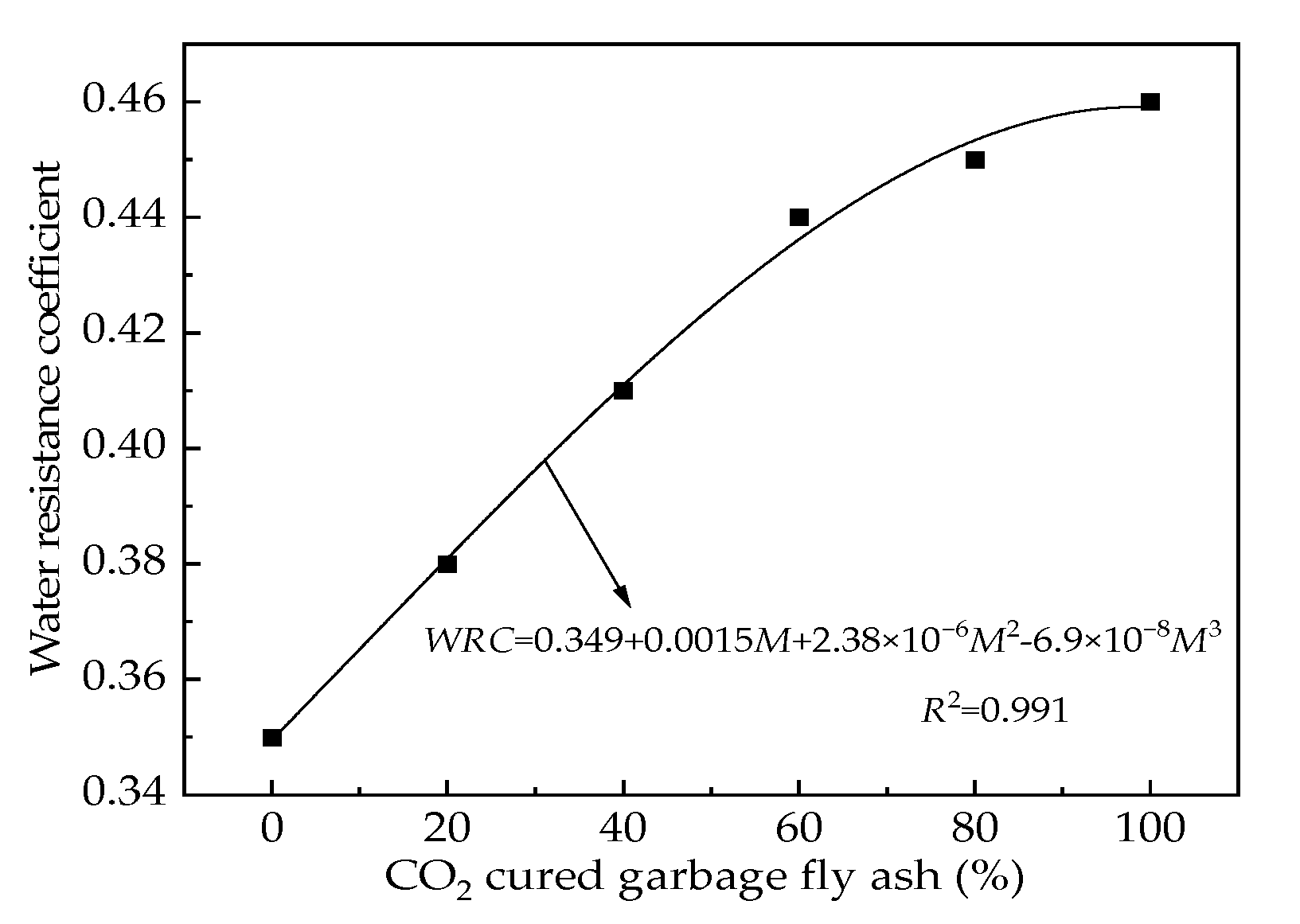
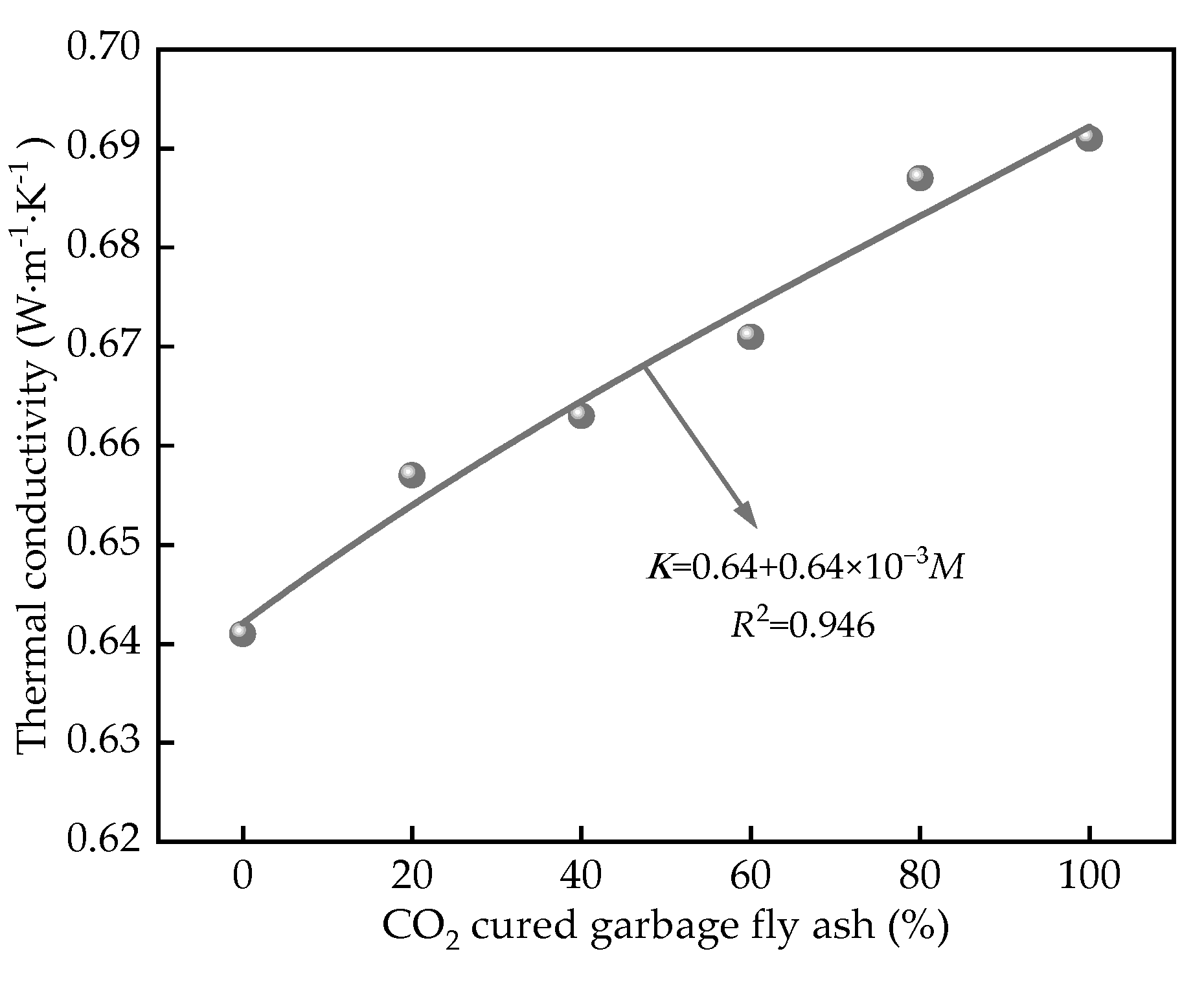
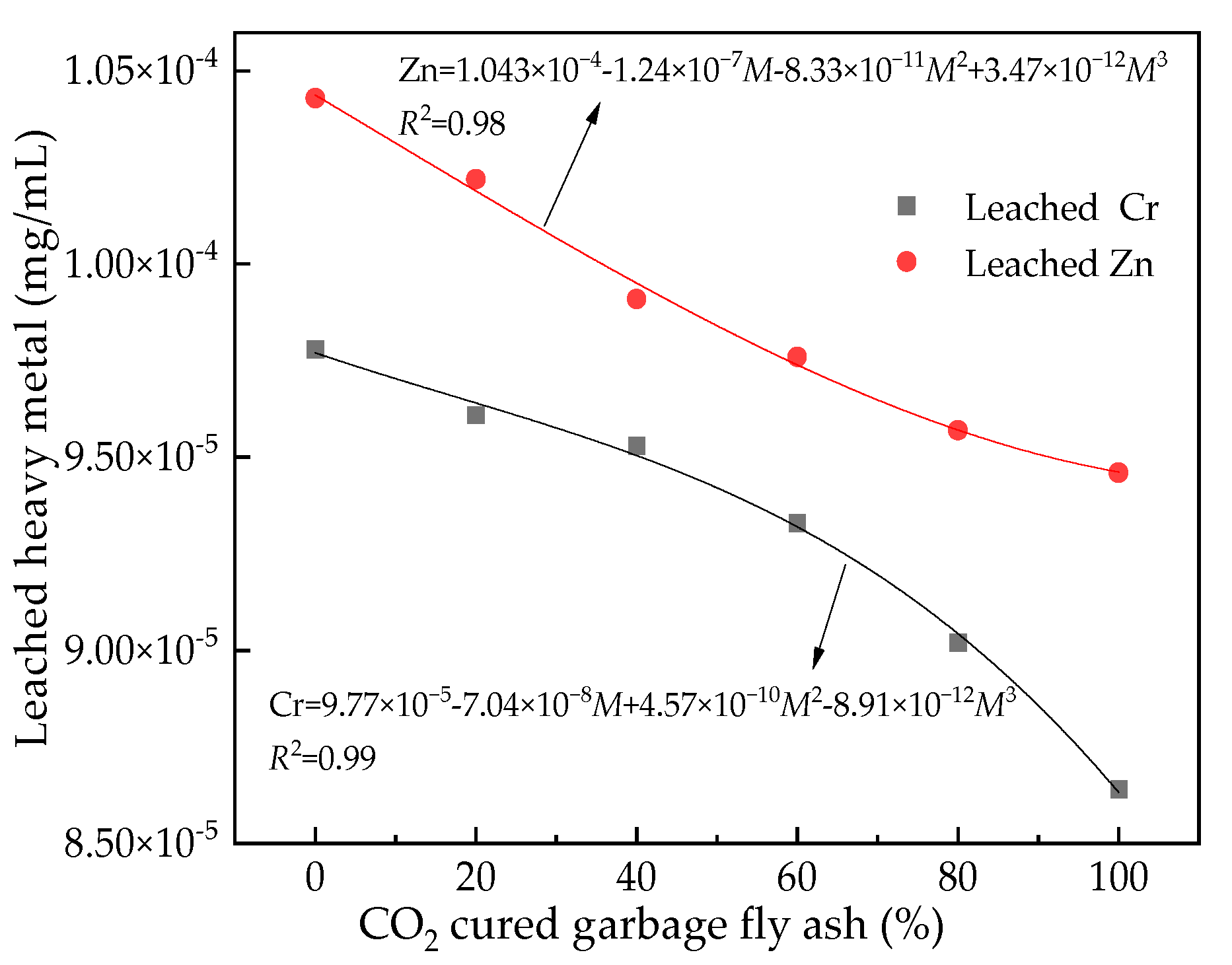
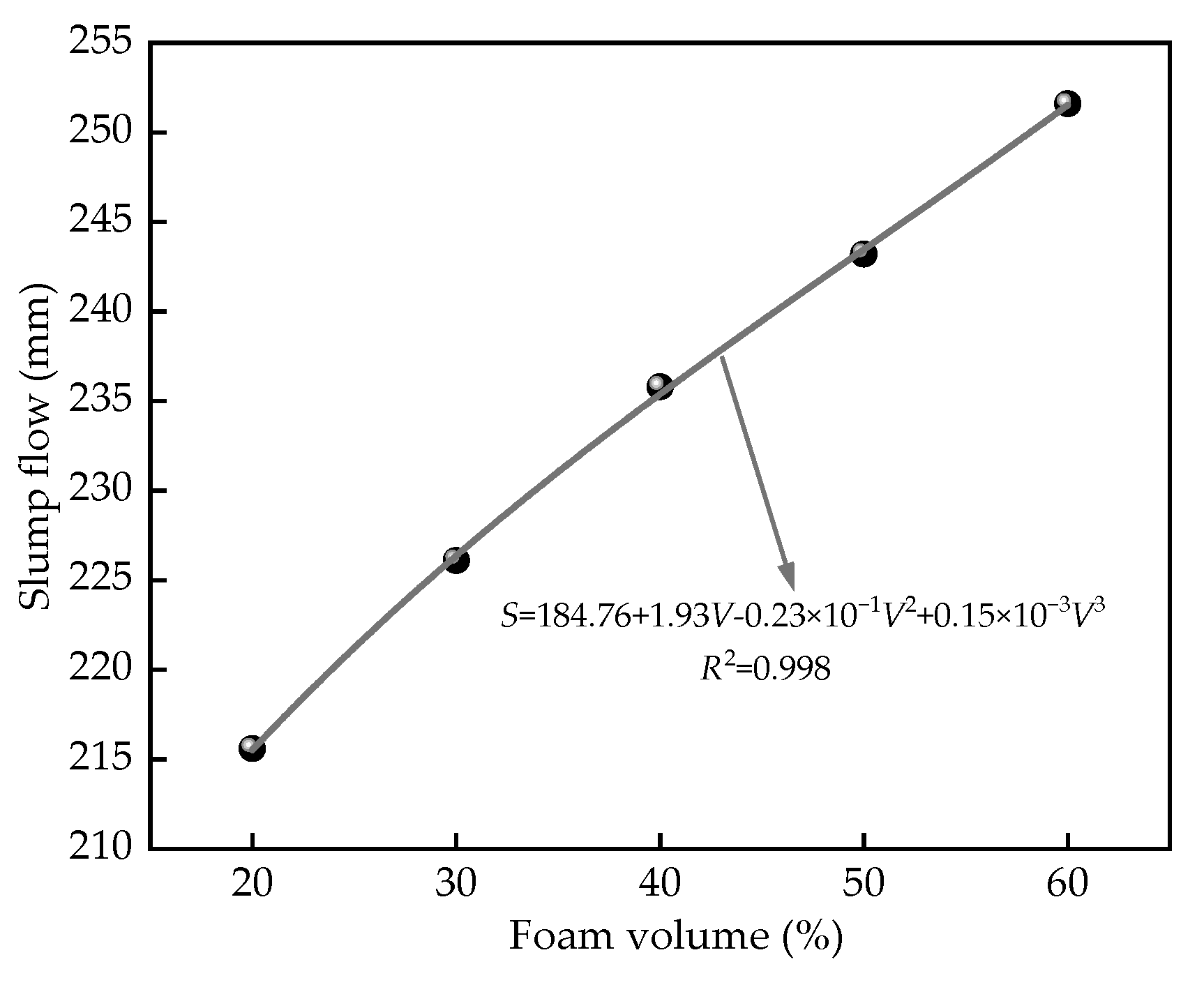
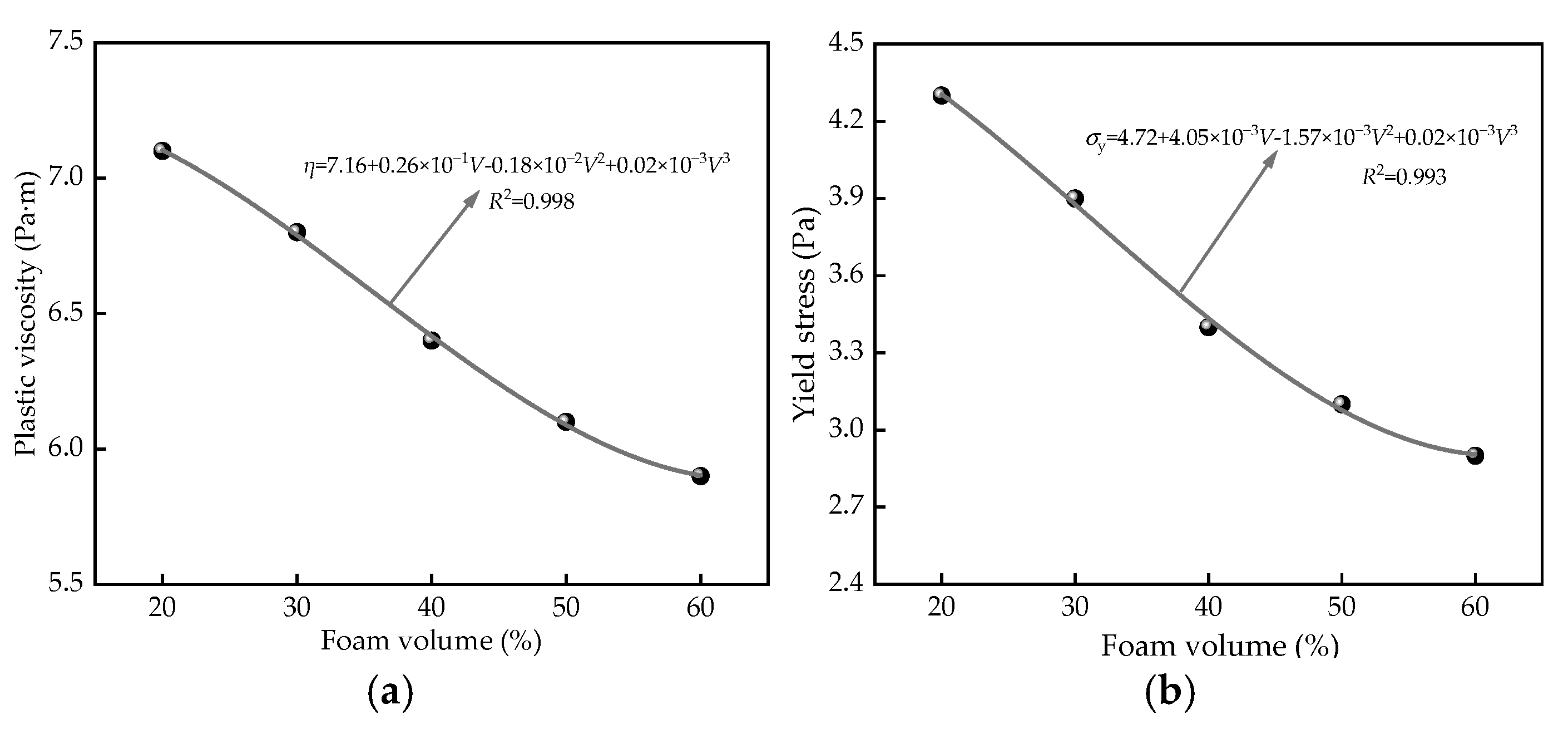
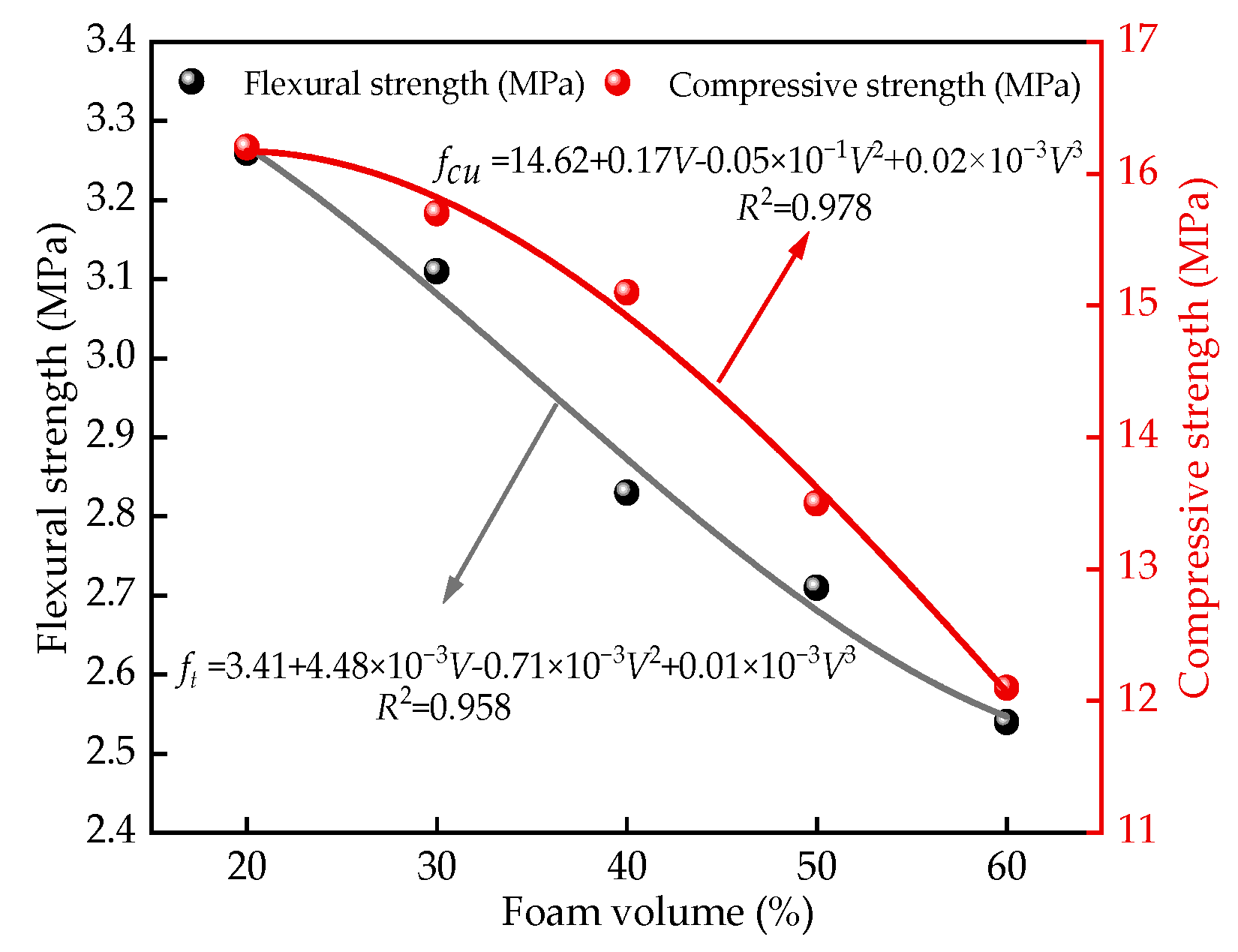
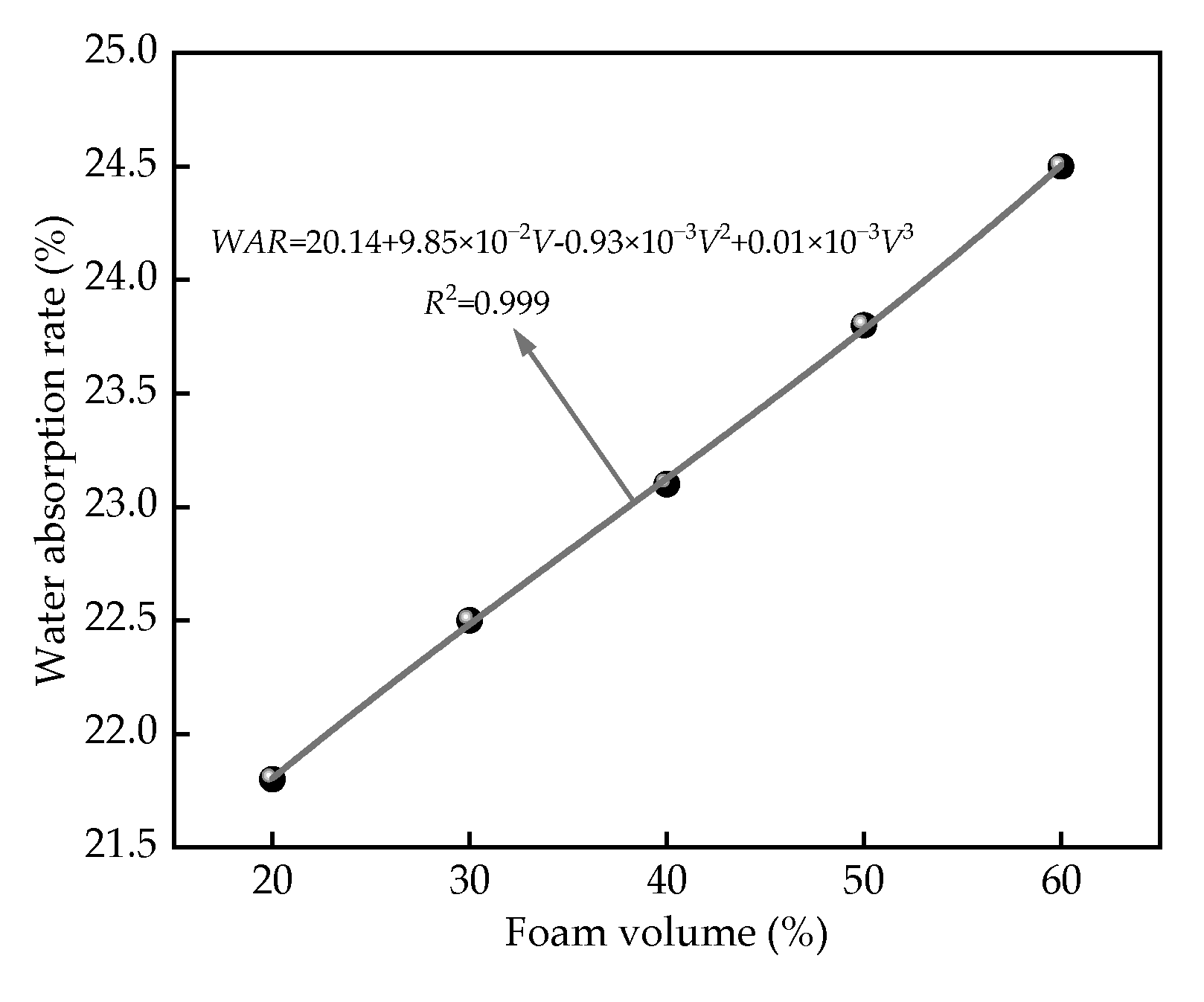
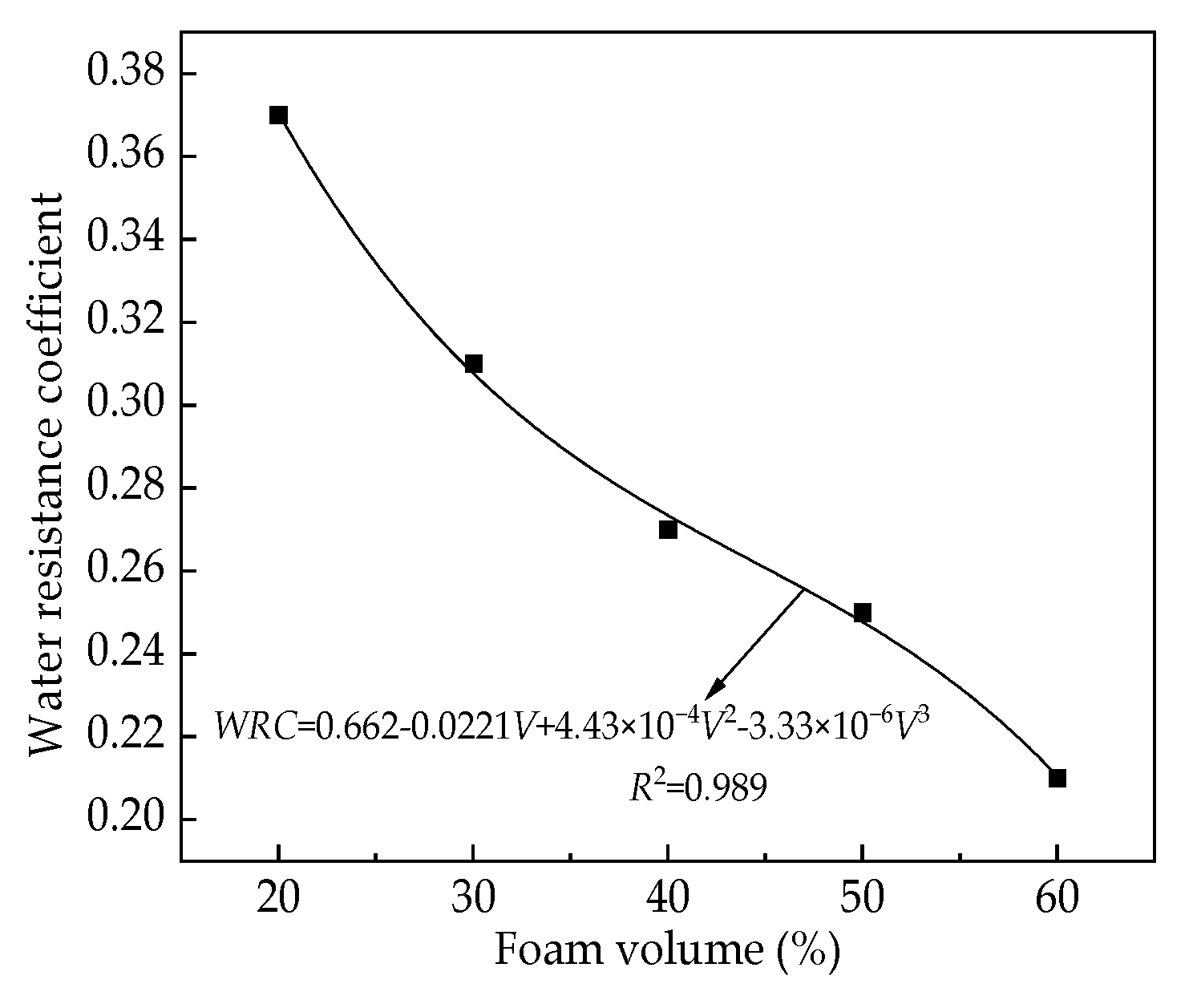
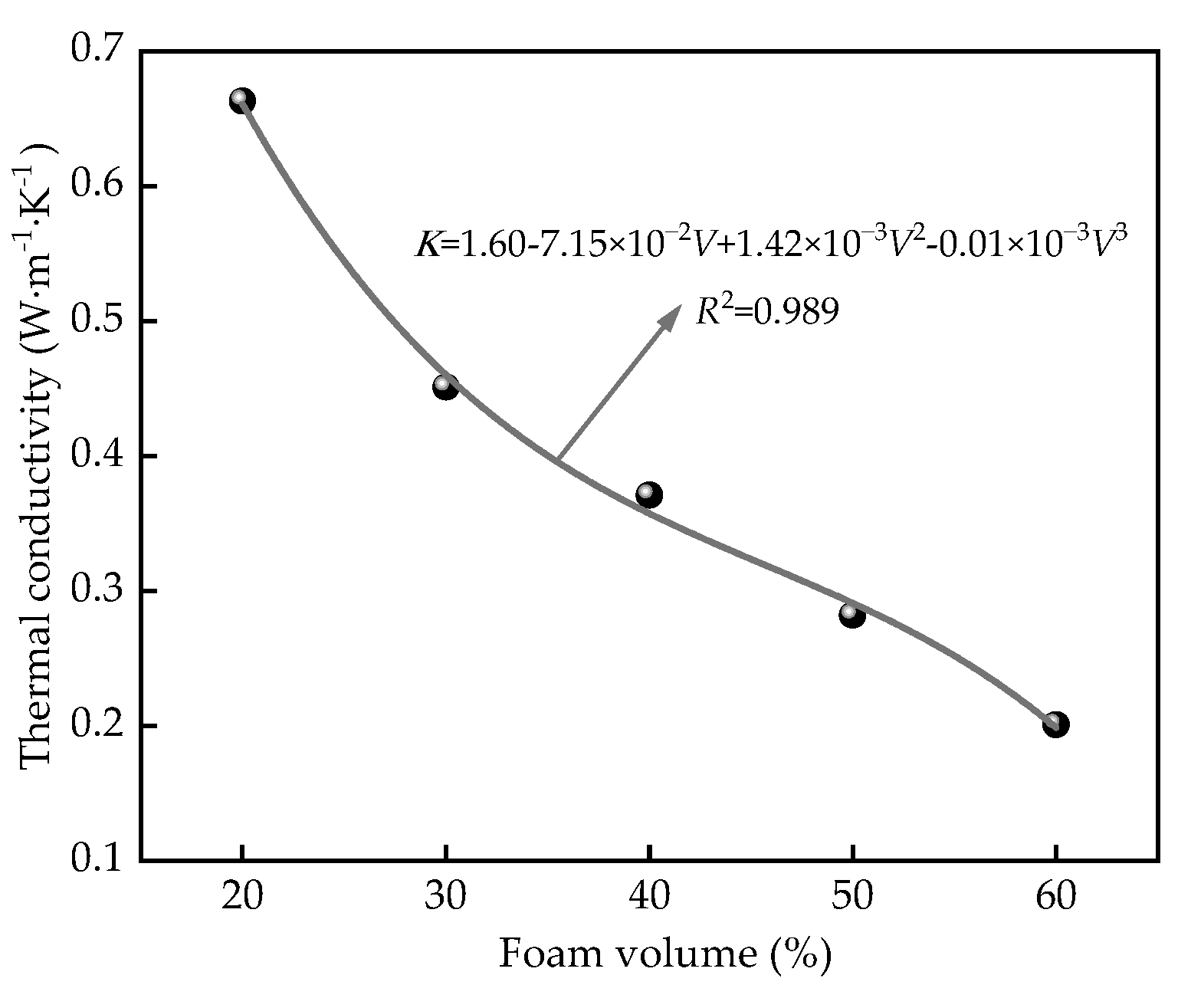
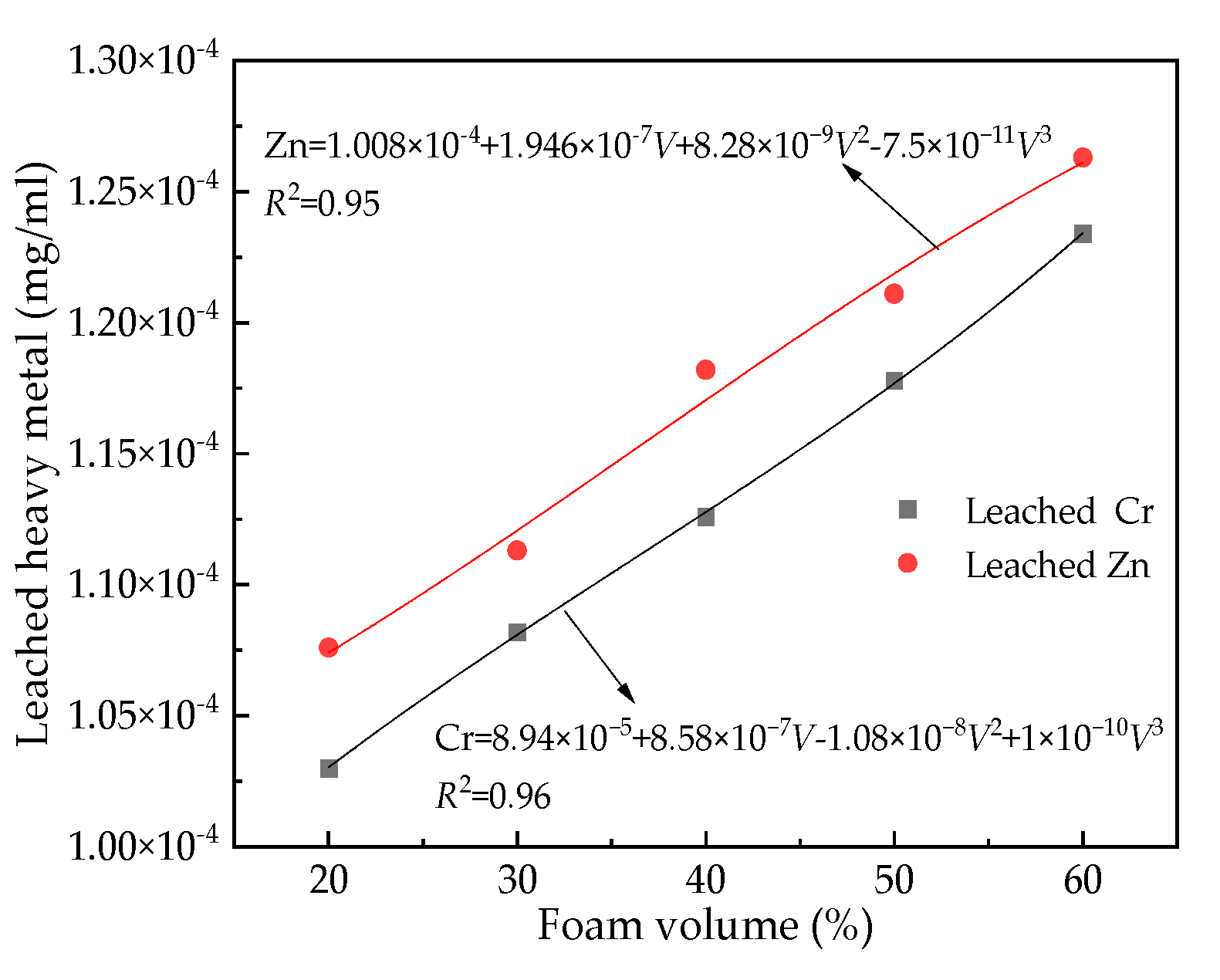
To utilize garbage fly ash (GFA) as a resource, this research proposes a method for preparing GFA with higher reactivity through carbonation and applies it to the production of foamed concrete. The effects of CO2-cured GFA substitution rate and foam volume on slump flow, rheological properties, mechanical strength, thermal conductivity, water absorption rate, and water resistance coefficient of foam concrete are clarified. The results show that an increase in the CO2-cured GFA substitution rate from 0 to 100% improves the slump flow by 10.8%~34.5% and decreases the plastic viscosity by 4.8%~36.4% and yield stress by 5.6%~28.1%. The higher carbonized GFA substitution rate can prolong the initial setting time with the largest amplitude of 30.4%. In addition, increasing the CO2-cured GFA substitution rate improves the mechanical strengths, water resistance, thermal conductivity, and solidification of heavy metals. When the CO2-cured GFA substitution rate is 100%, the 28-day compressive strength, 28-day flexural strength, water absorption rate, water resistance coefficient, thermal conductivity, leached Zn, and leached Cr of foam concrete are 18 MPa, 3.6 MPa, 20.7%, 0.46, 0.69 W·m−1·K−1, 9.4 × 10⁻⁵ mg/mL, and 8.6 × 10⁻⁵ mg/mL, respectively. Moreover, more foam volume improves the fresh-mixed performance of foam concrete while reducing the mechanical strength, water resistance property, thermal conductivity, and solidification of heavy metals. It is found that the technical approach for preparing foamed concrete containing CO2-cured GFA with 40% foam volume can achieve its large-scale use.
Keywords: foamed concrete; water absorption rate; thermal conductivity; initial setting time; mechanical strengths foamed concrete; water absorption rate; thermal conductivity; initial setting time; mechanical strengths