Article

Field Application and Numerical Simulation of Distributed Optical Fiber Temperature Monitoring for In-Service Embankment Dams

1
Engineering Research Center of Catastrophic Prophylaxis and Treatment of Road & Traffic Safety of Ministry of Education, Changsha University of Science & Technology, Changsha 410114, China
2
Jiangxi Provincial Key Laboratory of Traffic Infrastructure Safety, East-China Jiaotong University, Nanchang 310013, China
3
School of Civil Engineering, Hunan University of Science and Technology, Xiangtan 411201, China
4
National Key Laboratory of Green and Long-Life Road Engineering in Extreme Environment (Changsha), Changsha University of Science & Technology, Changsha 410114, China
*
Author to whom correspondence should be addressed.
Coatings 2025, 15(12), 1392; https://doi.org/10.3390/coatings15121392
Submission received: 14 October 2025 / Revised: 12 November 2025 / Accepted: 24 November 2025 / Published: 28 November 2025
(This article belongs to the Special Issue Novel Cleaner Materials for Pavements)

Abstract

The distribution of seepage field in embankment dams is an important aspect of the safe operation of in-service embankment dams. The distributed optical fiber temperature monitoring technology has some advantages of high sensitivity, strong real-time performance, and rich data. This is a problem worthy of study for the monitoring of seepage field in embankment dams. This paper takes a certain embankment dam as an example. It sets up some optical fiber temperature measurement sections near the traditional seepage monitoring section. It elaborately introduces the optical fiber layout, on-site construction, long-term monitoring, and simulation. The result shows that the position of the infiltration line can be measured by using heated distributed optical fibers; the error is within the range of 0.1 to 0.2 m. The monitoring results are basically consistent with the traditional seepage monitoring results, indicating that it is feasible to use distributed optical fiber temperature measurement technology for dam seepage monitoring. Long-term monitoring and numerical simulation have obtained the infiltration lines, velocity vectors, and streamlines at different water levels, verifying the reliability of the distributed optical fiber temperature monitoring technology. As summarized, the distributed optical fiber temperature measurement technology can accurately obtain the seepage information inside the dam body, providing a new idea for the analysis and safety assessment of the seepage field of embankment dams.

1. Introduction

Embankment dams are widely utilized owing to the abundant availability and ease of handling of natural construction materials, low construction costs, and minimal equipment requirements [1]. They can be used for a single purpose or multiple combined purposes, such as water storage, hydropower generation, flood control, etc. [2,3]. Seepage through the dam body and foundation represents one of the most significant threats to their structural safety [4,5]. Nan et al. [3] pointed out that approximately 35% of embankment dam failures are attributed to uncontrolled seepage (leakage). Such failures can lead to catastrophic consequences. Continuous monitoring of seepage conditions is crucial to ensure the integrity and safety of water-retaining earthen infrastructures [6,7,8]. It provides researchers and engineers with crucial data, particularly regarding the mechanisms of leakage, the variations in leakage in space and time, and the methods for how defects should be repaired. Temperature tracking helps detect leakage/leakage phenomena by using optical fiber sensors to measure the temperature inside the dam. Many researchers have conducted laboratory studies [9] and have also embedded distributed optical fibers in new dam construction projects. However, with regard to how to embed distributed optical fibers into the in-service dams for seepage monitoring, sufficient relevant experience has not yet been accumulated [10]. Therefore, in order to promote this efficient, sensitive, and automated monitoring technology for seepage lines, and to explore a construction method and determination criteria for embedding optical fibers in existing embankment dams, this study holds significant theoretical and practical importance for the safety of embankment dams.
There are many methods for the analysis and evaluation of seepage in dams, such as analysis [11,12,13], model testing [14,15], and on-site monitoring [16,17]. The main methods for seepage on-site monitoring include water level observation, water pressure observation, phreatic line monitoring, geophysical exploration, etc. [13,17]. Huang et al. [11] have developed a mechanistic model for predicting seepage in embankment dams; however, the model usually cannot simultaneously meet the requirements of accuracy and interpretability. Jie et al. [13] present a deep learning framework for dam seepage prediction and safety assessment. The outlier detection method can combine the degree of local outliers with the global data anomaly information when determining outliers, which is very effective in improving the detection accuracy. Huang et al. [17] collected fourteen piezometers to monitor the groundwater path over a period of 10 years. Based on the comprehensive analysis of the monitoring data (water level and seepage volume), the effectiveness of the dam’s anti-seepage curtain was evaluated using numerical simulation methods, and the seepage characteristics and control factors were obtained.
The distributed optical fiber temperature measurement technology is a new technology [18,19] that has been applied in many fields [20,21,22], including the monitoring of earth-rock dams [16,23]. However, there are few literature reports on how to install distributed optical fibers in service embankment dams. Radzicki et al. [16] devised a novel Multi-Point Thermal-Active Monitoring method to enhance the applicability of the thermal method for studying subsurface water flow. Guo et al. [24] found that low temperature was a challenge for the grouting FGRB, as it affected the grouting strength and the strain experienced by the FGRB specimens. Bekele et al. [10] investigated the seepage patterns and temperature changes in an embankment dam experimental model of 1:100 scale using fiber optic distributed temperature sensors. The uncertainties and deficiencies that may arise during the monitoring process could lead to an incorrect understanding of the leakage mechanism.
How to embed distributed optical fibers in existing dams for seepage monitoring is a problem worthy of study. Thus, this study takes a practical engineering case as the research object. An optical fiber temperature monitoring system was established near the traditional seepage monitoring section of the embankment dam and the laying construction was carried out. Then, through the comparative analysis of the monitoring results, the reliability and accuracy of the optical fiber temperature monitoring technology were verified. Subsequently, a seepage field simulation analysis was conducted, and the water table, velocity vectors, and streamlines under different water levels were obtained. The simulation results were compared with the monitoring results, and the seepage condition of the embankment dam was comprehensively evaluated. The application effect of the optical fiber temperature monitoring technology in the seepage field analysis of embankment dams was discussed. This provides a reference for promoting the application of this technology in the safety monitoring of water conservancy projects. The outcome of this research aims to fill certain gaps in the existing literature.

2. Project Case

2.1. Project Overview

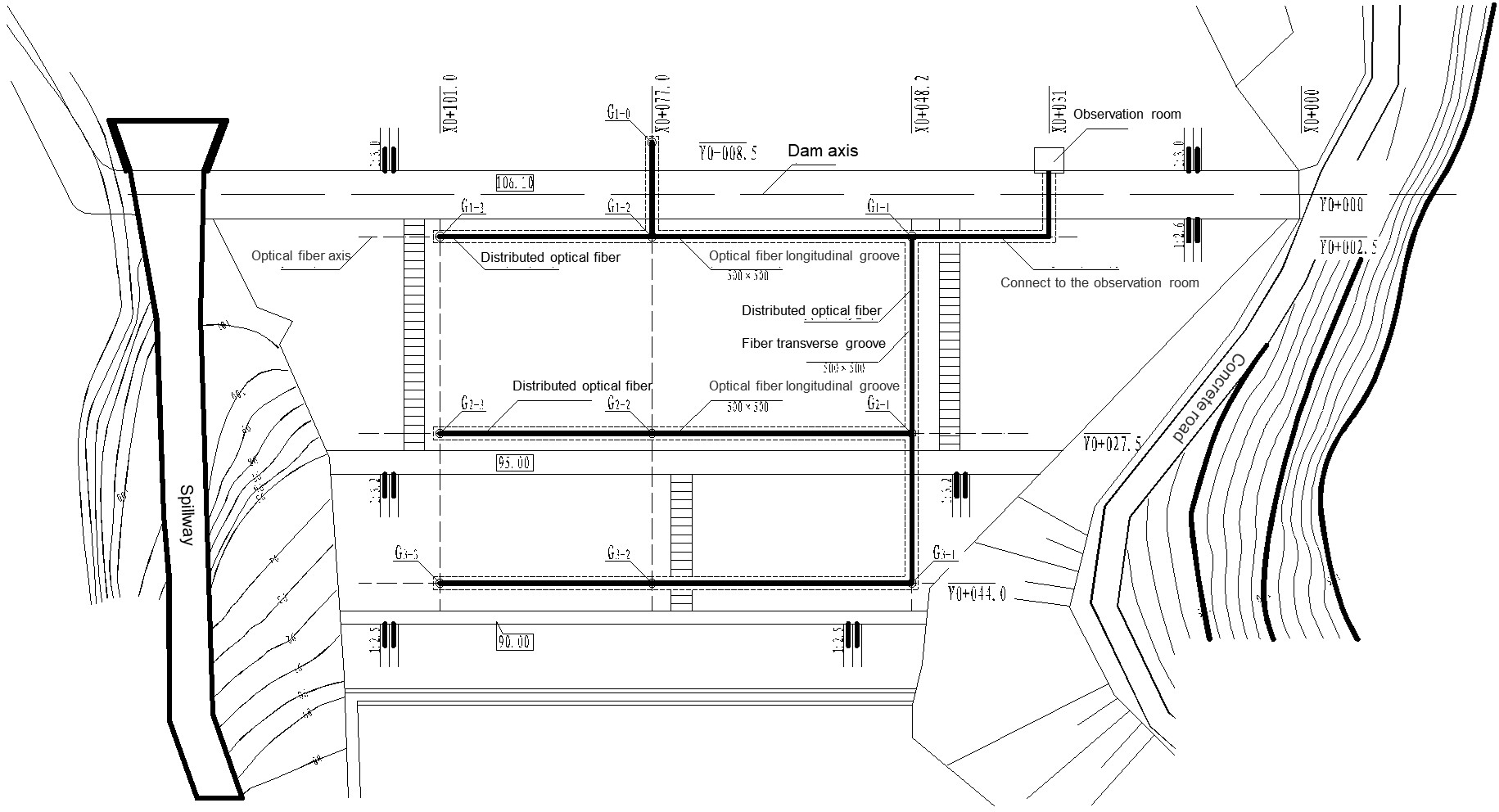
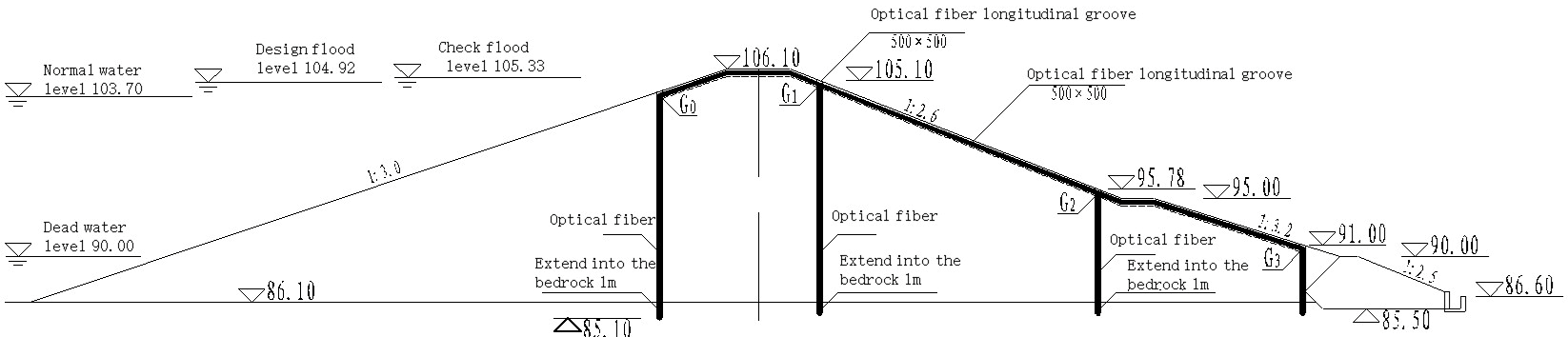
The control basin area of the reservoir is 4.02 km2. It is a small (I)-type reservoir mainly for irrigation, with comprehensive utilization of flood control, water supply, fish culture, and so on. Table 1 shows the various characteristic water levels and storage capacities of it. The project consists of permanent buildings such as dams, spillways, and water conveyance facilities. The dam is a homogeneous embankment dam with a maximum height of 20 m and a crest elevation of 106.10 m. At present, there is no platform on the upstream slope of the dam, and the slope ratio is 1:3.0. The downstream dam slope has a first-level platform; the platform elevation is 95.0 m, and the slope ratio is 1:2.6 and 1:3.2 from top to bottom, respectively. The dam body is artificial filling soil with a maximum thickness of 20 m, mainly low liquid limit clay, as shown in Figure 1 and Figure 2.

2.2. Optical Fiber Monitoring Scheme Design

In order to better verify the reliability of the optical fiber saturation line monitoring data, it is proposed to be carried out near the traditional saturation line monitoring profile. The optical fiber saturation line monitoring designs three cross sections, namely the profile X0 + 048, X0 + 077, and X0 + 101. The layout of each measurement point is detailed in Figure 1 and Figure 2 and Table 2.
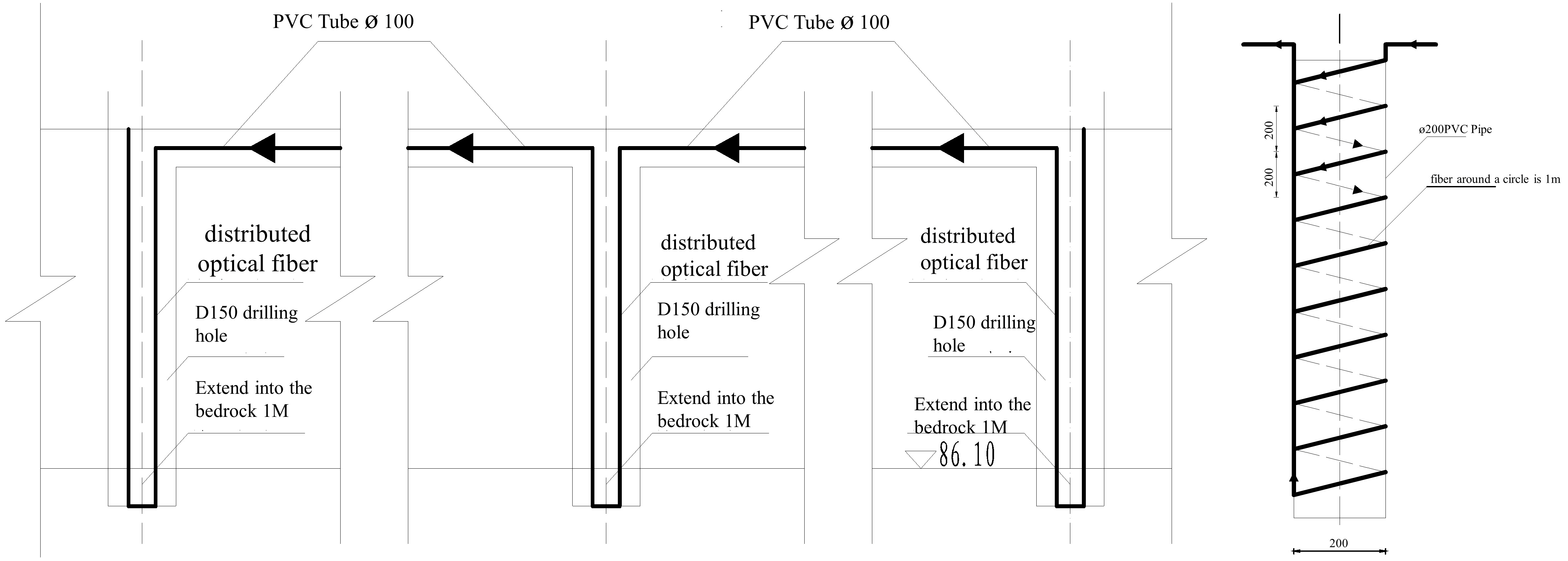
Figure 3 shows the measurement direction of the optical fiber and the optical fiber winding scheme determined through laboratory experiments to achieve the measurement accuracy. Because the spatial resolution of the optical fiber will increase with the increase in the length of the measured optical fiber, in order to reduce the influence of the spatial resolution on the measurement data and reduce the number of measurements, the three-hole (G1-1, G2-1, G3-1, and G0-2) optical fiber measurement points of the section Y0 + 002 are composed of the optical fiber saturation line monitoring measurement section 1, the three-hole (G1-2, G2-2, and G3-2) optical fiber measurement points of the section Y0 + 027 are composed of the optical fiber saturation line monitoring measurement section 2, and the three-hole (G1-3, G2-3, and G3-3) optical fiber measurement points of the section Y0 + 044 are composed of the optical fiber saturation line monitoring measurement section 3.

2.3. Optical Fiber On-Site Construction Technology

The field construction of the optical fiber monitoring system mainly includes hole making, cable installation, laying, and connection. The specific process is as follows.
(1)
Drilling
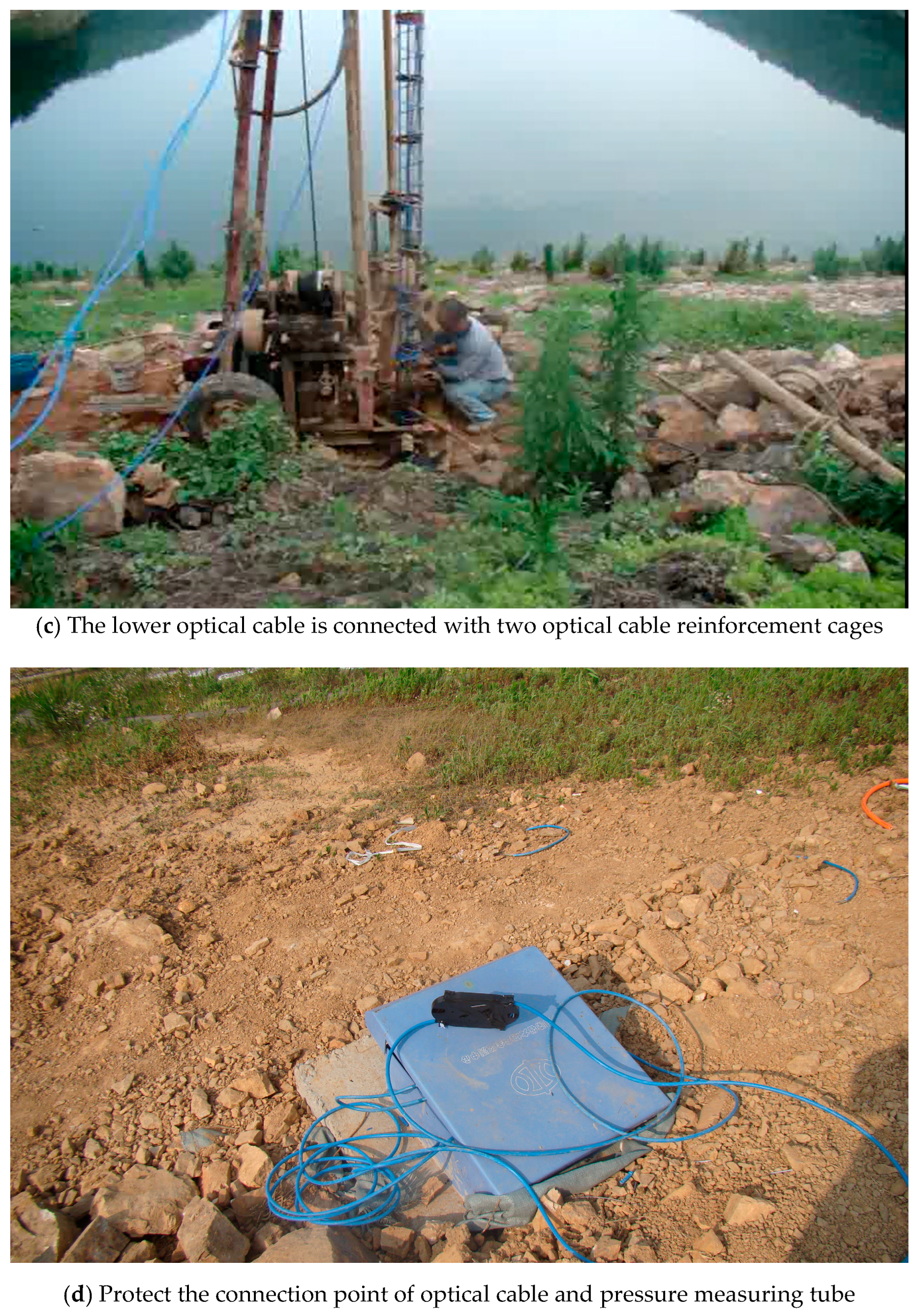
The geological drilling rig is used for drilling, and the opening diameter D = 200 mm can be drilled directly to the lowest elevation. In order to prevent hole collapse, steel casing wall protection and mud wall protection can be used for drilling. After the final hole, the hole inclination is measured to accurately determine the position of the measuring point.
Because most of the embankment dams in service have poor filling quality and less clay content, hole collapse may occur in the process of hole making. In order to prevent hole collapse, steel casing wall protection and mud wall protection can be used. Because the casing with steel casing wall protection needs to be pulled out and reused, after the optical cable is lowered, the blocking casing is pulled out. At this time, the optical cable is cut off to pull out the casing. After the mud wall is holed, the optical cable can be directly lowered; the choice of mud wall protection is more favorable for distributed optical fiber measurement.
(2)
Optical cable installation
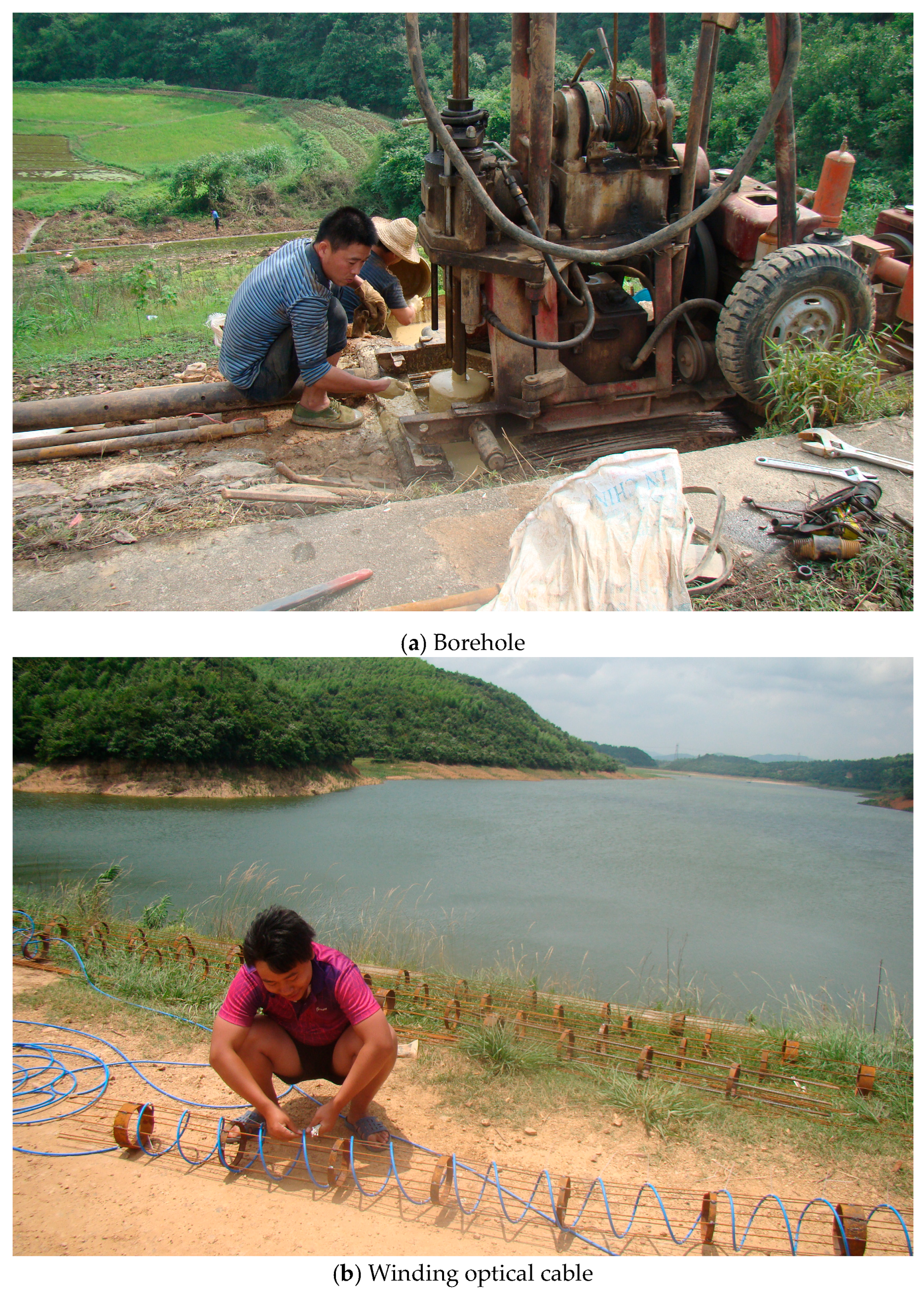
Before embedding the cable, the cable should be wrapped around a steel cage with a diameter of D = 150 mm (or other possible lengths) according to the design requirements of the drawing (perimeter L = 1 m and height difference h = 0.1 m, as shown in Figure 4b). If multiple cable reinforcement cages are needed to complete a measuring point, a long enough cable must be left between the reinforcement cages to facilitate the lifting and lowering of the cable. After the fabrication of the cable reinforcement cage is completed, the fiber position is marked and recorded in order to mark the position in the optical fiber temperature measurement system. The fabricated cable reinforcement cage is lowered, the wire mesh is closely connected, and the suspension system is strong and keeps straight; the two cable reinforcement cages are fixed by welding. After the optical cable is buried in place, the optical path measurement is used to accurately measure and record the archive.
(3)
Laying
After the optical fiber test reaches the standard, the original dam soil can be directly backfilled, and the optical cable protection can be achieved well.
(4)
Connection
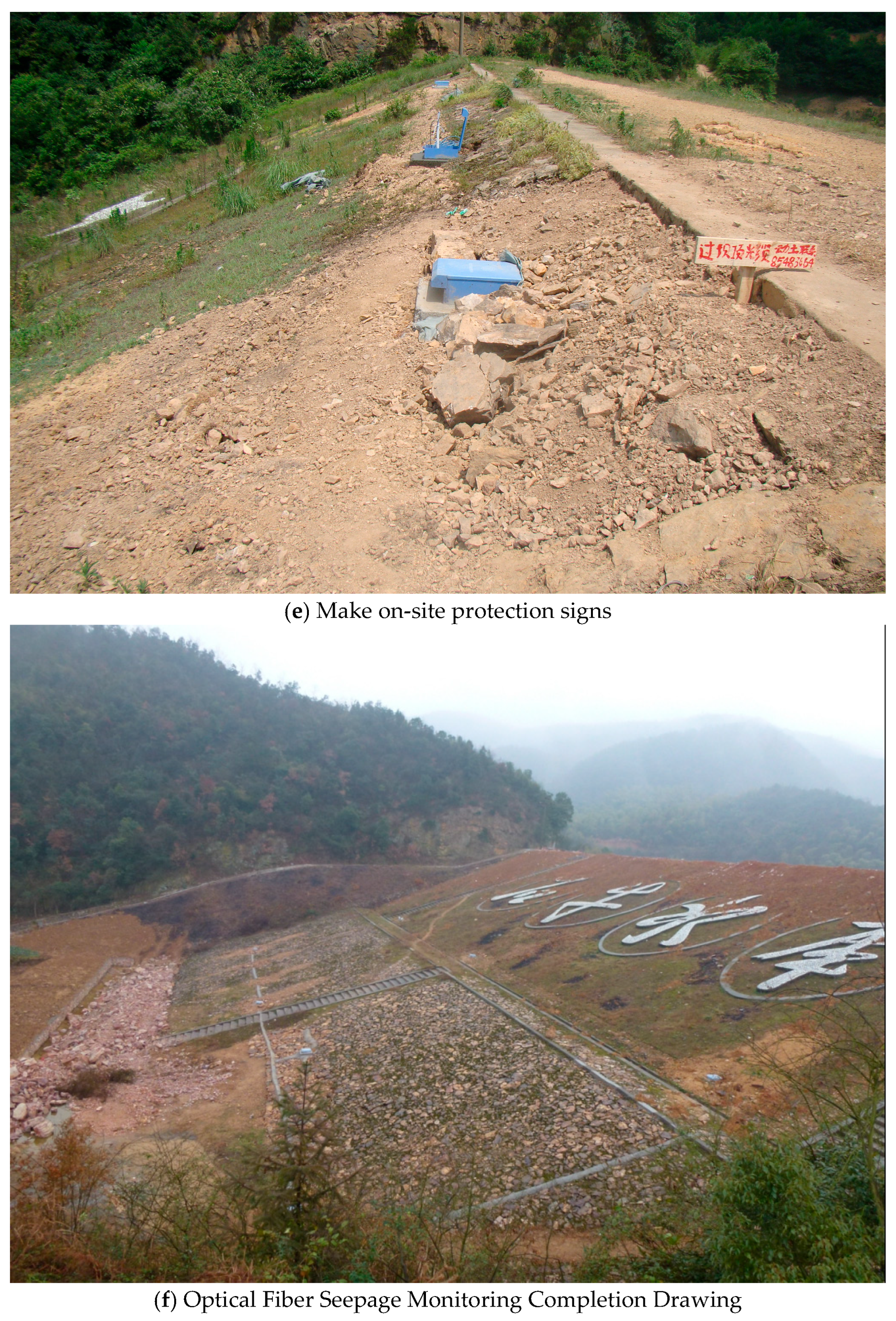
Connect the optical path and circuit of the cable break point and do a good job of waterproof protection. Connect the measuring tail fiber and establish the whole optical fiber saturation line monitoring system.
The on-site construction ensures that the optical cable is laid in strict accordance with the design scheme, and the integrity and monitoring performance of the optical cable are guaranteed. The on-site construction process diagram of the optical fiber saturation line monitoring of the embankment dam is shown in the following Figure 4.

2.4. Monitoring Results

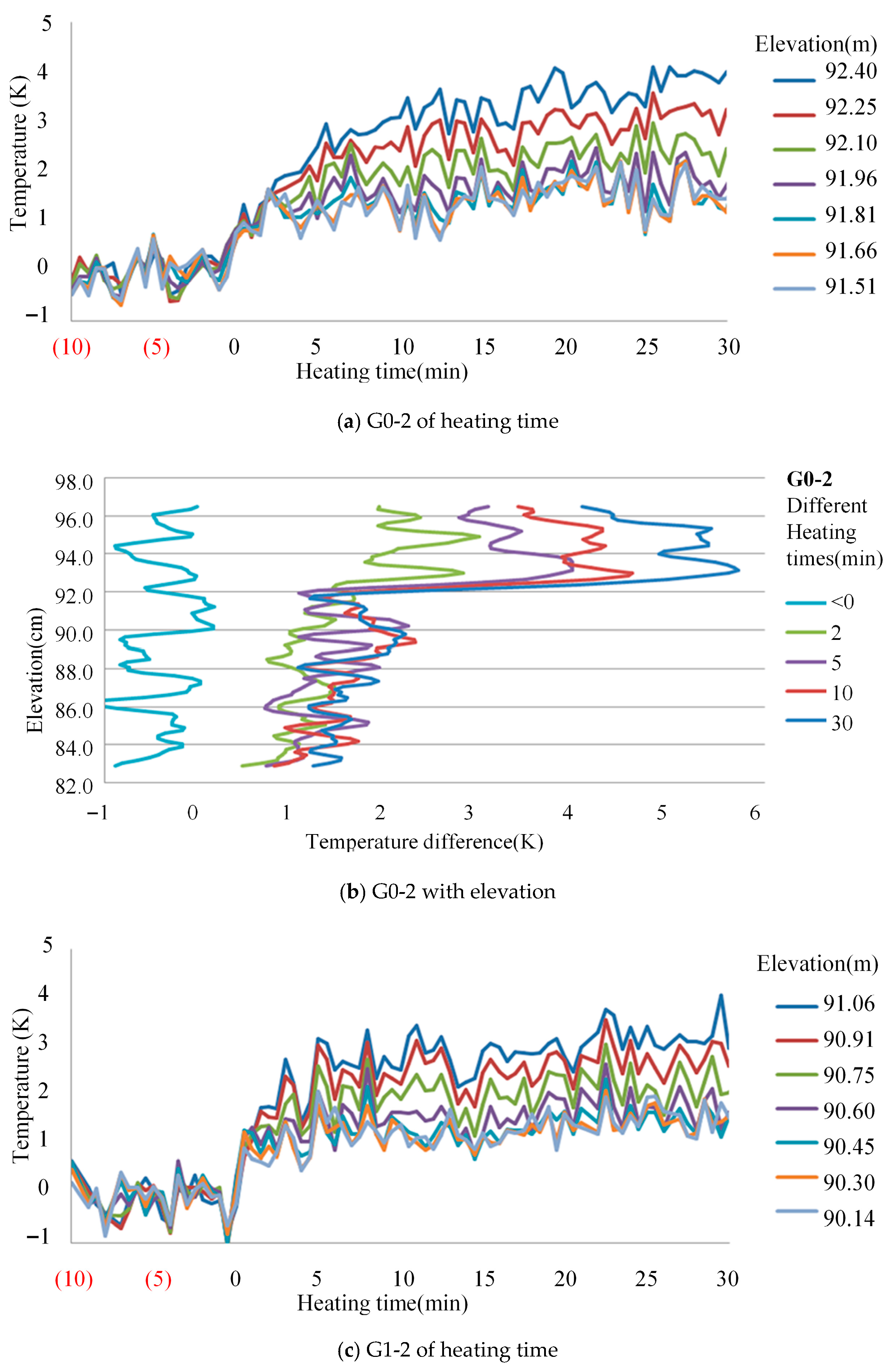
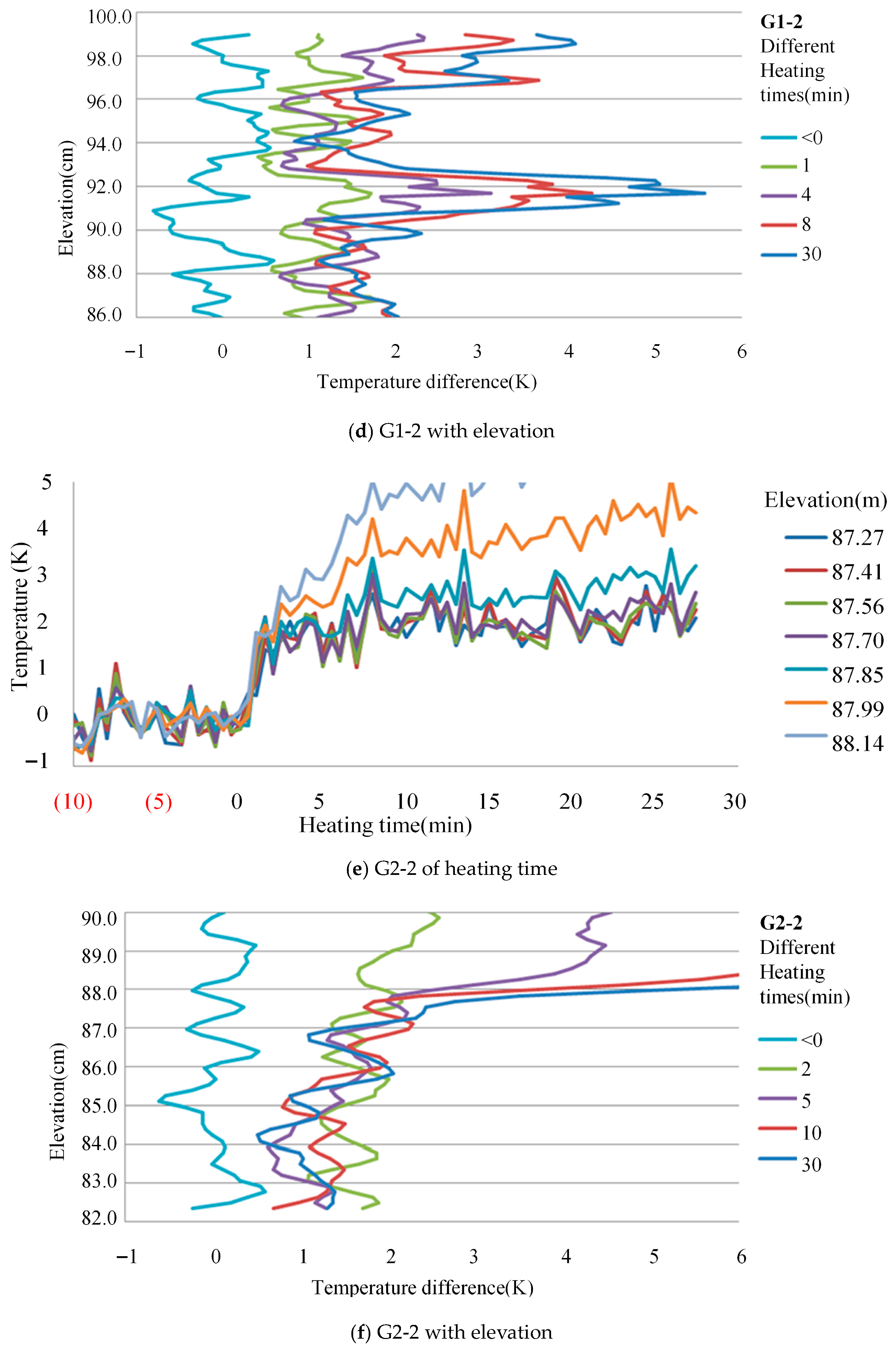
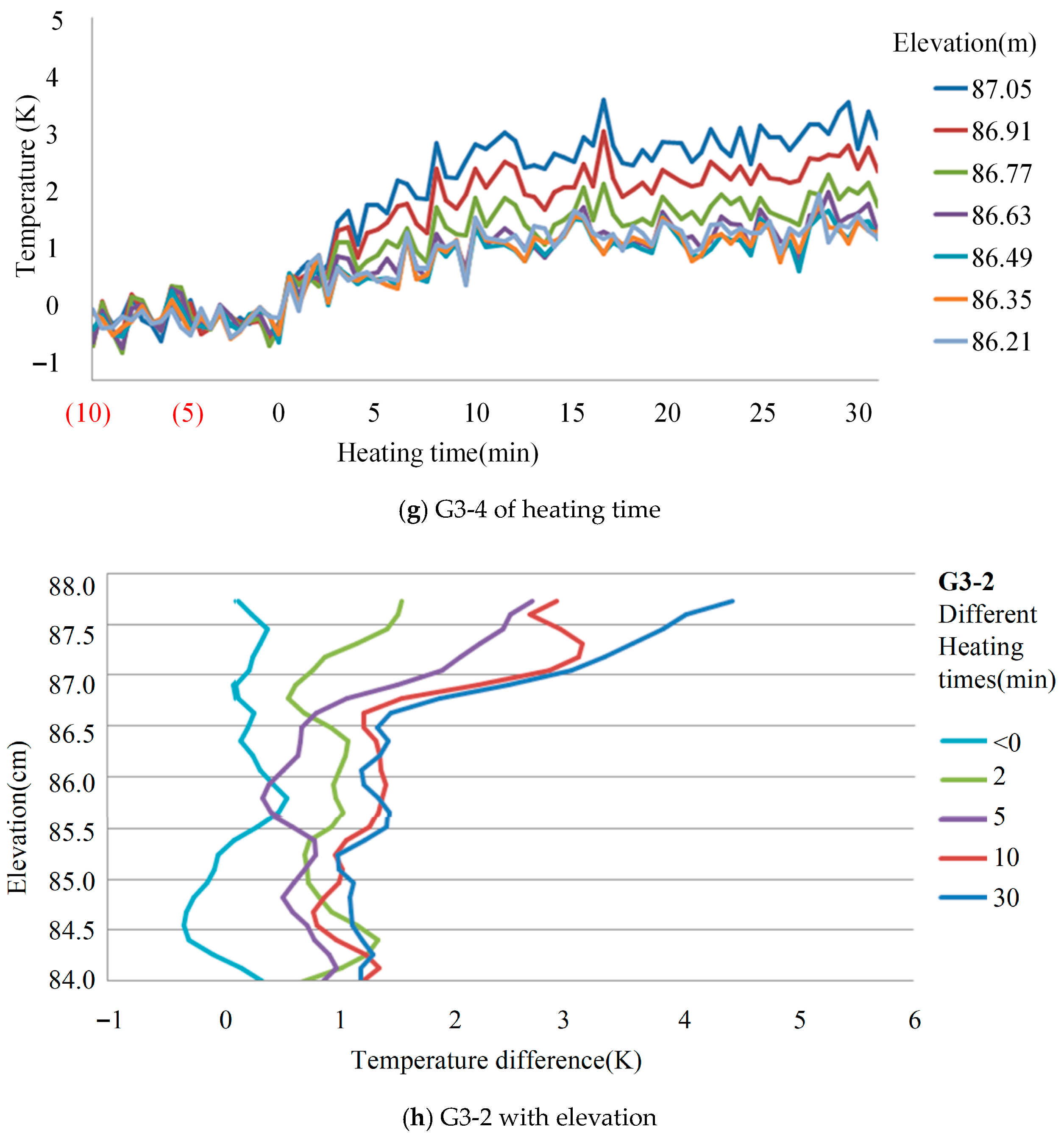
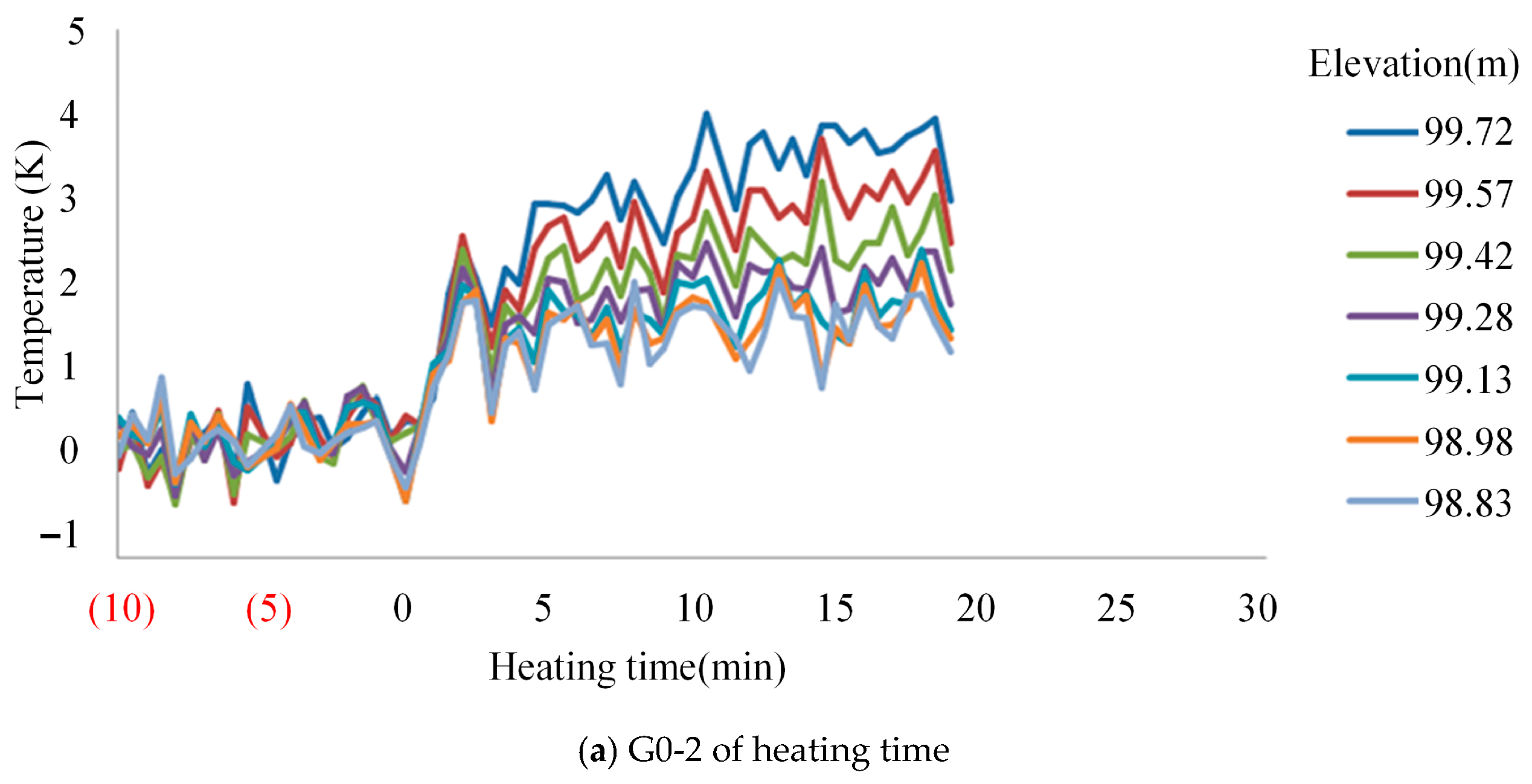
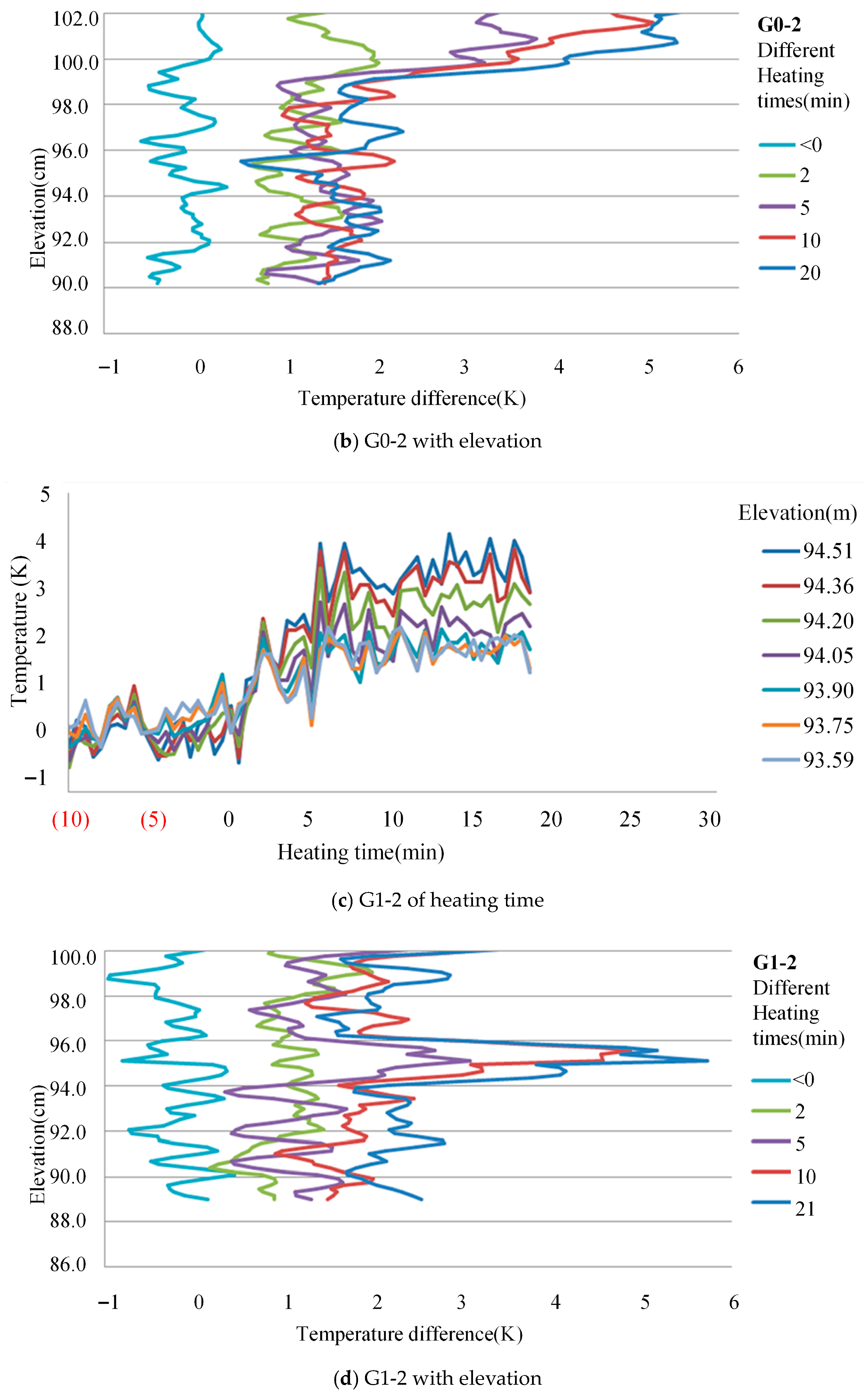
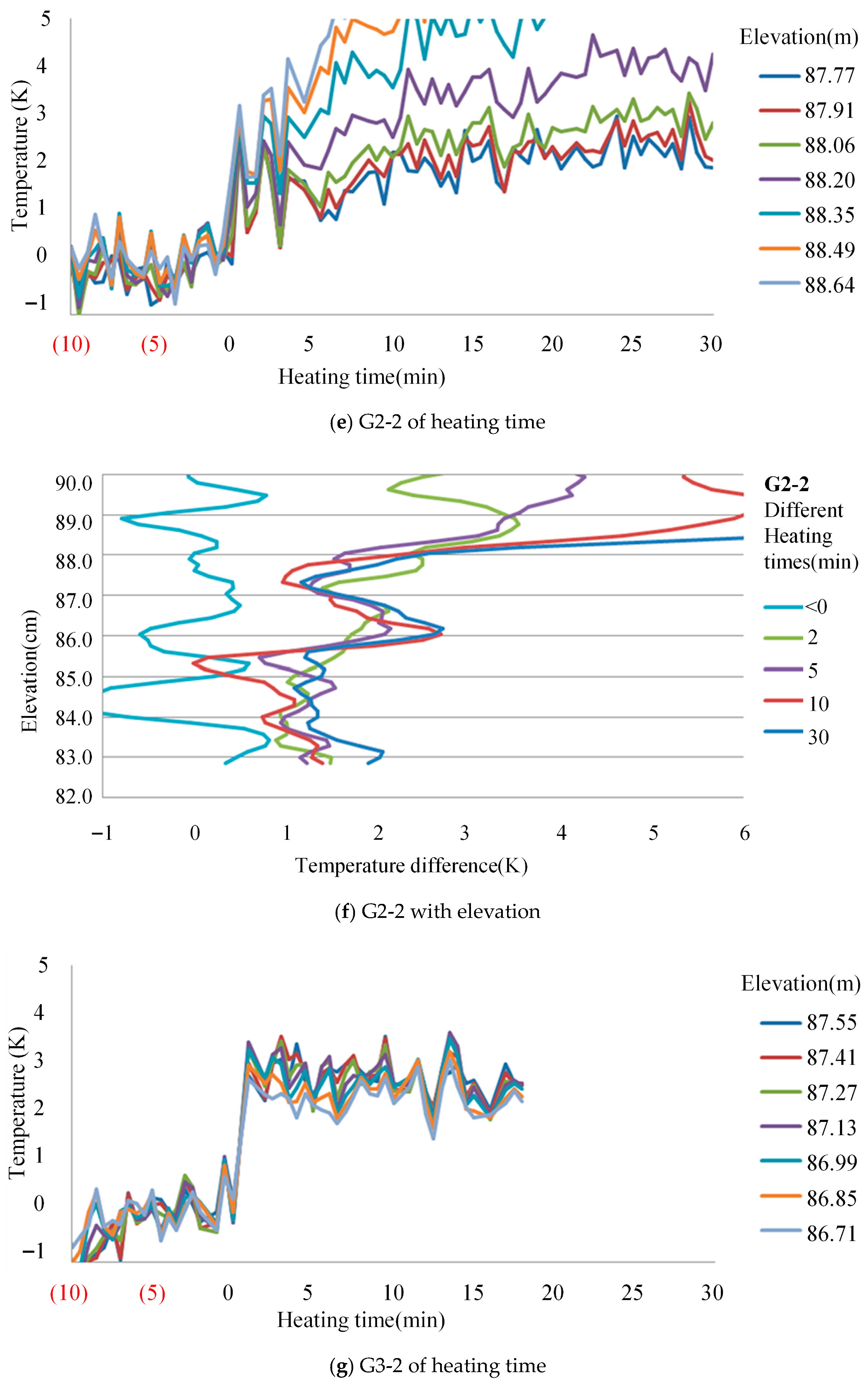
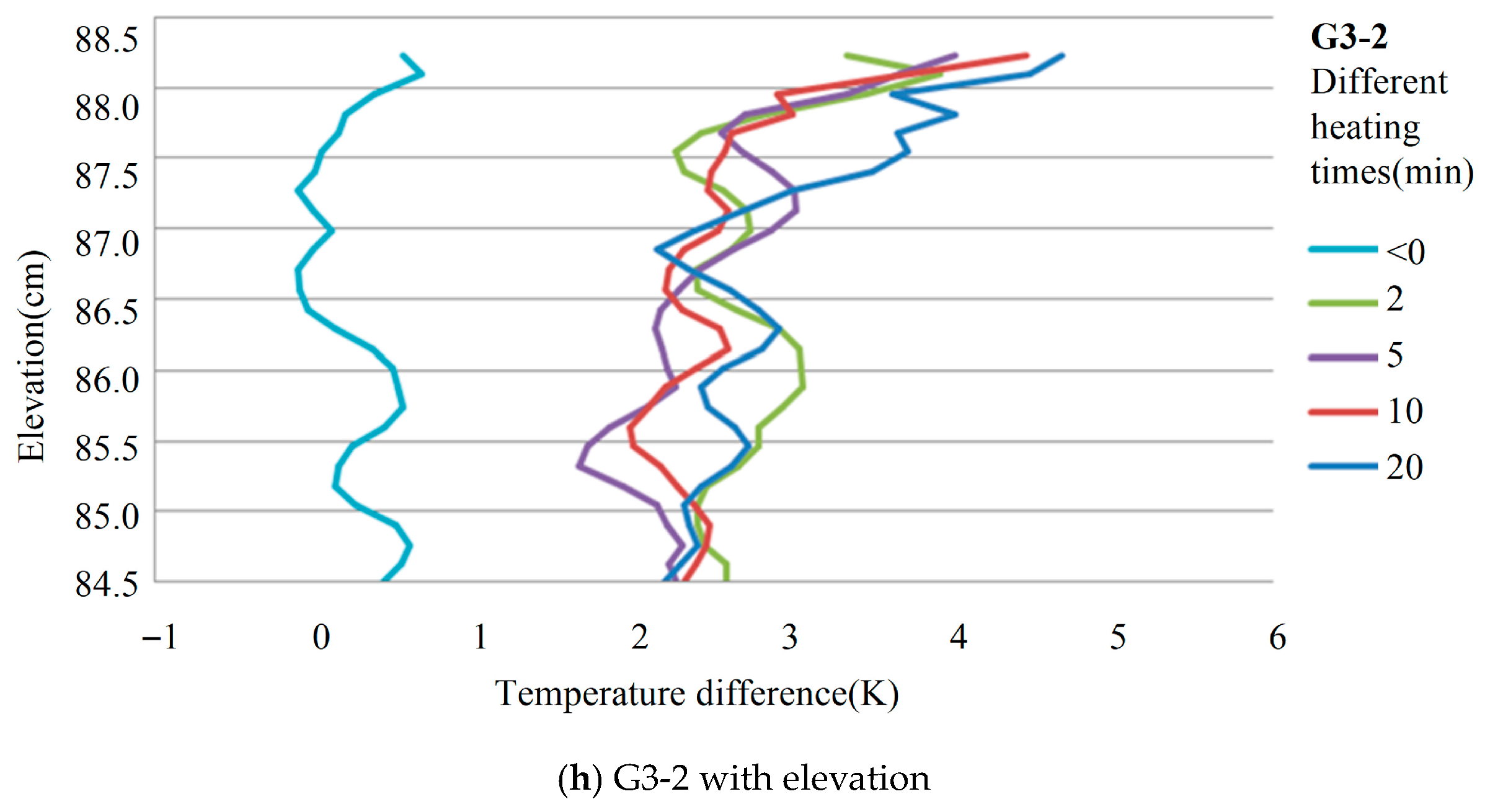
The calibration and sensitivity aspects of the distributed temperature sensing system, such as spatial resolution, thermal response time, seasonal variations, fiber installation stress, and contact conditions, have been covered in the literature [9]. Therefore, this study will not repeat these descriptions. The temperature data of 4-hole (G0-2, G1-2, G2-2, and G3-4) optical cables in the cross section of the exiting were collected under the condition of 10 A heating current [9], and the test results of Figure 5 and Figure 6 and Table 3 were processed.
From the point of view of field measurement, the traditional infiltration line monitoring uses a portable osmometer acquisition instrument to manually measure and record the position of the infiltration line, which is simple and convenient to measure; however, each measurement needs to be unlocked to open the protection box, and only one set of data can be measured at a time. The measurement results are recorded manually or by instruments, and post-processing is required. The optical fiber saturation line monitoring uses the temperature measurement software to collect the temperature data of the optical cable and the timing automatic loading heating system, and the manual operation time is short. Because the heating time is long, the acquisition time is long, and the temperature measurement host, heating system, and computer all need to use the conventional 220 V voltage, which increases the difficulty of field measurement. However, it collects the whole optical cable at the same time, with large amounts of data and strong real-time performance. Therefore, the monitoring results show the following:
(1)
Optical fiber monitoring has obtained complete temperature information distributed along the cable. According to the temperature mutation point, the position of the wetting line can be accurately determined.
(2)
The data of multiple measuring points at different elevations can synchronously reflect the seepage condition inside the dam.
(3)
The monitoring results of the optical fiber system are in good agreement with the traditional manual monitoring results. The position of the wetting line identified by the two methods is very close. This verifies the reliability of optical fiber thermal monitoring technology.
(4)
Different from the traditional manual method, the optical fiber system has the advantages of high efficiency, high sensitivity, and high degree of automation. It can realize real-time, continuous, and rich data acquisition without frequent manual operation and have strong anti-interference ability.
Through the successful installation of this optical fiber and the subsequent collection of effective monitoring data, this technology can be widely applied to existing soil dams or embankments that are easy to drill and have relatively normal conditions.

3. Numerical Simulation

In order to further analyze the seepage behavior of the embankment dam, the finite element numerical simulation of the seepage field of the embankment dam is carried out using geostudio software.

3.1. Numerical Model and Seepage Parameters

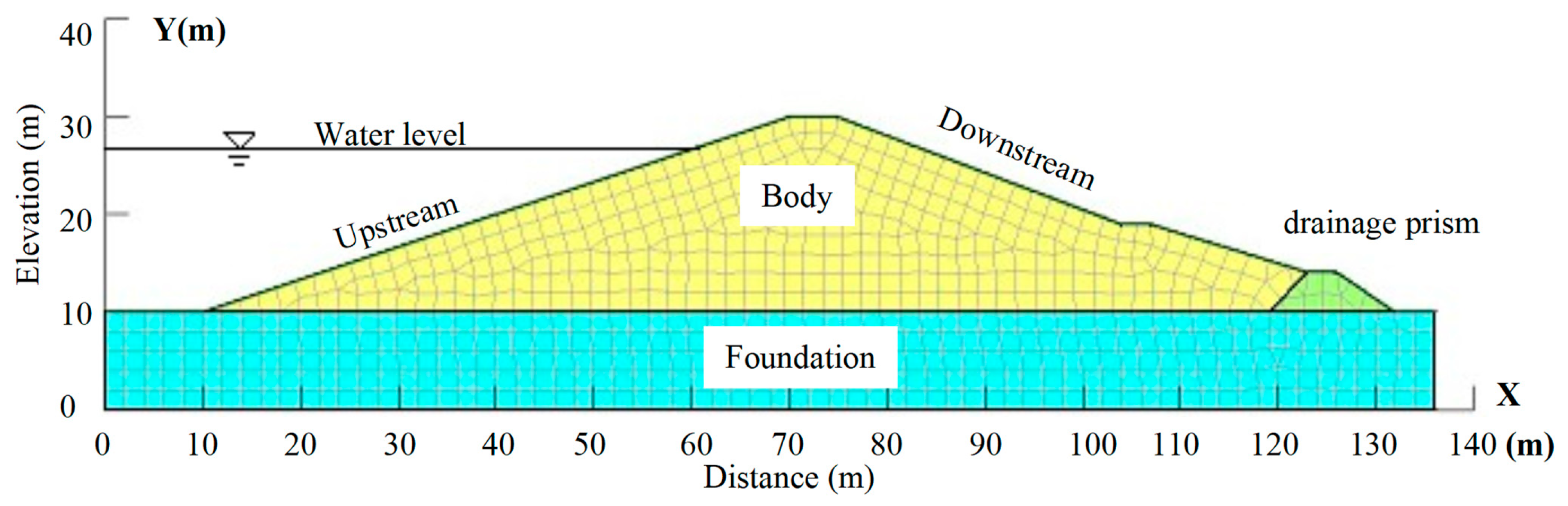
The coordinate system is established with the horizontal right as the X-axis positive direction and the vertical upward as the Y-axis positive direction (Y = 0 corresponds to the elevation of 76 m in Figure 7). The seepage analysis solid model of the dam is established with the typical cross section of the dam before reinforcement as the object. The four-node quadrilateral element and three-node triangular element are used to discretize the solid model, and the finite element mesh model is generated as shown in Figure 7, including 765 nodes and 701 elements. The upstream section has been set to full head based on the water level, while the downstream section has been configured for free outflow. The permeability coefficients of the dam body, dam foundation, and drainage prism zone were derived through reverse analysis of on-site monitoring data. The permeability coefficients of each zone are shown in Table 4. Three working conditions in this study were calculated, with the upstream water levels being the normal storage level, the design flood level, and the check flood level.

3.2. Analysis of Numerical Results

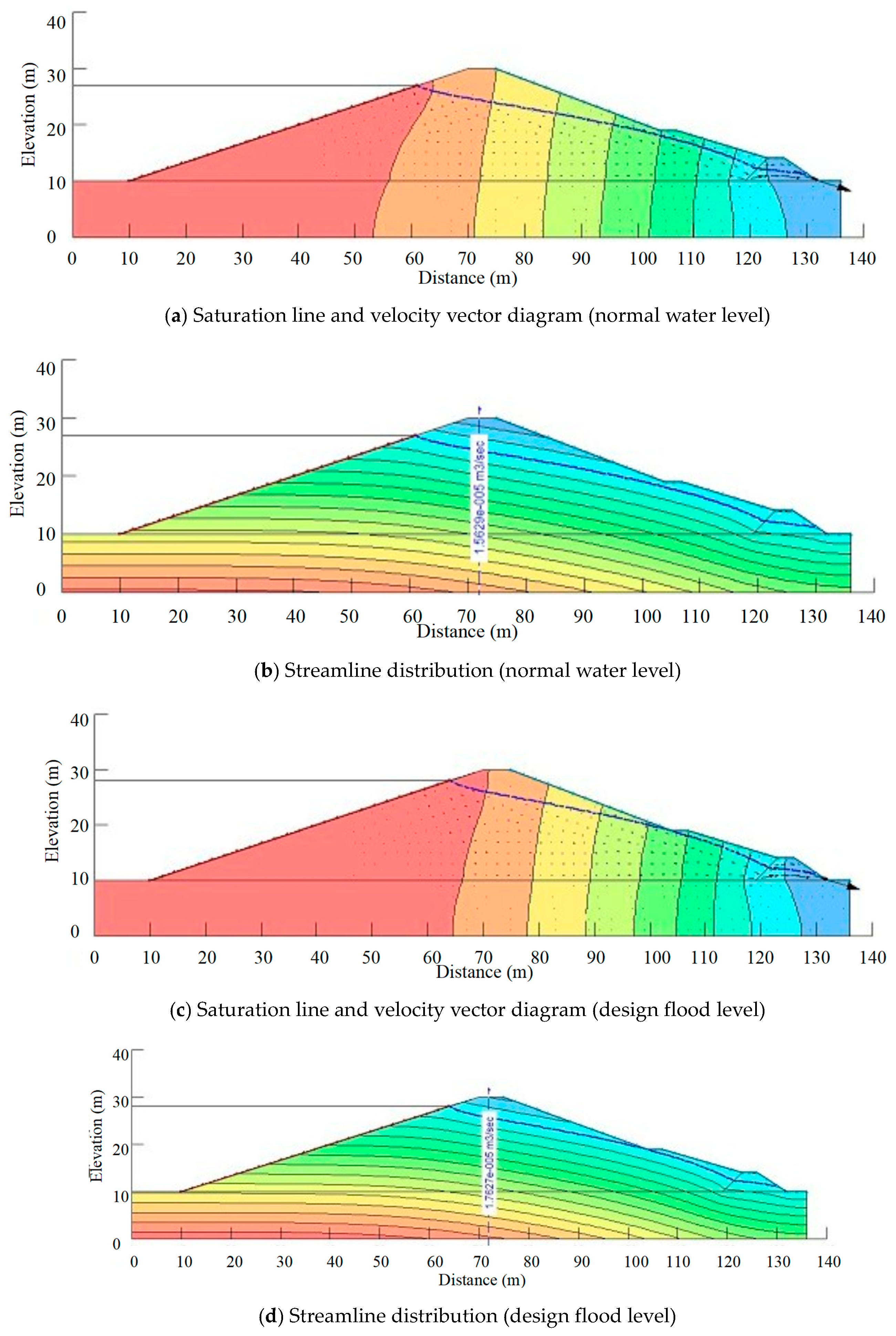
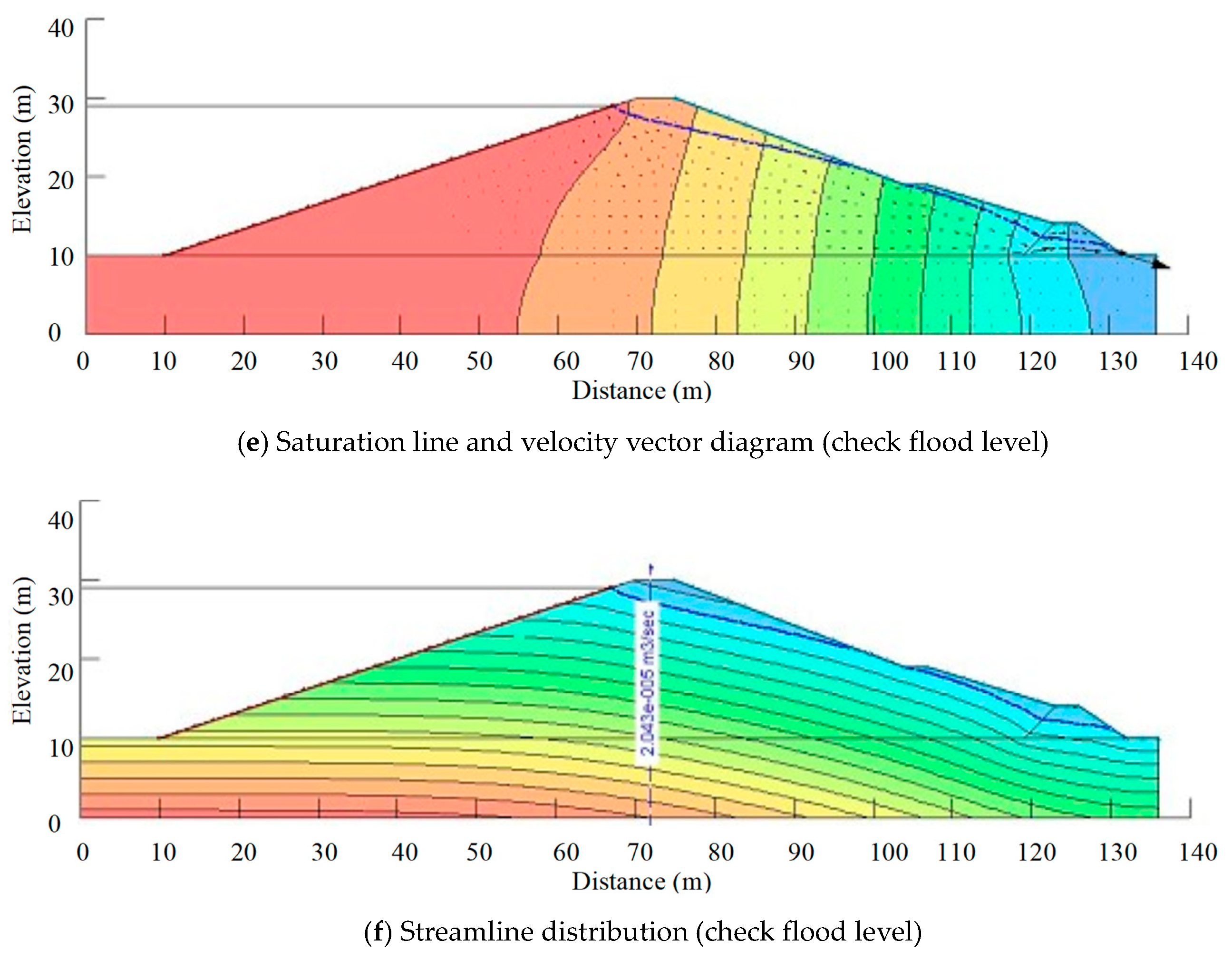
The saturation line position, velocity vector diagram, and streamline distribution diagram of typical sections under three characteristic water levels are obtained, as shown in Figure 8.
(1)
Saturation line. With the increase in upstream reservoir water level, the elevation of saturation line increases obviously. When the upstream water level reaches the check flood level of 29 m, the saturation line has penetrated the vertical core wall and is close to the dam crest, indicating a high risk of internal erosion.
(2)
Velocity vector. The flow velocity near the saturation line is large, which is about 10−6~10−5 m/s. The maximum flow velocity appears at the bottom of the downstream slope near the saturation line.
(3)
Streamline distribution. The streamlines are dense and concentrated in the foundation and clay core with low permeability. According to the streamline diagram, no potential preferential seepage path was observed.
(4)
Seepage flow. The total seepage flow through the dam is obtained by integrating the seepage flux along the downstream boundary. The results show that the flow rate increases from 3.25 m3/d under normal water level to 4.53 m3/d under check flood level.
It can be seen from the above figures that the saturation line of the dam body is high, and there is a high risk of scattered immersion in the downstream dam slope. Appropriate engineering measures should be taken to reduce the saturation line of the dam body

4. Analysis and Discussion

4.1. Consistency Analysis

The monitoring data are in good agreement with the numerical calculation results and can be mutually verified. The combination of optical fiber monitoring and numerical simulation can fully reveal the seepage characteristics of embankment dams. The two methods are highly complementary and the results are consistent, which verifies the reliability of optical fiber temperature monitoring technology.
The optical fiber monitoring results directly reflect the position of the saturation line inside the dam, and the numerical simulation determines the position of the saturation line. These two lines have similar physical meanings, and their positions are very close. By comparing the optical fiber monitoring results with the numerical simulation results, we can find the consistency between them and verify the accuracy of the saturation line position obtained by the two methods. This means that optical fiber monitoring and numerical simulation have high consistency in determining the location of the saturation line and can be verified with each other.
The optical fiber monitoring shows that the saturation line increases with the increase in upstream water level. The numerical results also show that the elevation of the saturation line increases with the increase in the water level. By comparing the optical fiber monitoring results with the numerical simulation results, we can find the consistency between them and verify the law of the change in the saturation line with the water level obtained by the two methods. This means that optical fiber monitoring and numerical simulation have high consistency in the study of the change in saturation line with water level, which can be verified by each other.
The monitoring data and simulation results show that the dam has potential seepage hazards, and dam reinforcement measures need to be taken. By comparing the monitoring data and simulation results, we can find the consistency between them and verify the existence of seepage hazards obtained by the two methods. This means that the monitoring data and numerical simulation have high consistency in the assessment of seepage hazards and can be verified with each other.
In summary, the combination of optical fiber monitoring and numerical simulation can fully reveal the seepage characteristics of embankment dams. By comparing the optical fiber monitoring results with the numerical simulation results, we can verify the reliability and accuracy of the two methods. The results of this mutual verification further enhance our confidence in the optical fiber temperature monitoring technology, so that we can more accurately assess and monitor the seepage of the dam and provide a reliable basis for taking appropriate reinforcement measures.

4.2. Advantages of Optical Fiber Monitoring

Compared with the traditional seepage monitoring methods, optical fiber temperature monitoring technology has the following advantages which make it more suitable for automatic long-term monitoring of embankment dam seepage field:
(1)
Rich data: Optical fiber temperature monitoring technology can obtain a large number of data sets to fully reveal the seepage behavior.
(2)
By analyzing these data, we can better understand the law and trend of seepage and provide a more comprehensive basis for dam safety management.
(3)
Good anti-interference: The data quality of optical fiber temperature monitoring technology is not easily affected by electromagnetic interference.
(4)
It can work stably and will not cause data distortion due to external interference, which ensures the accuracy and reliability of the monitoring results.
(5)
Good durability: Optical fiber temperature monitoring technology has good durability and can work normally for a long time without significant performance degradation. Its stability and reliability make it an ideal choice for long-term monitoring of dam seepage.

5. Conclusions

The main finding of this study is summarized as follows:
(1)
A construction method for embedding distributed optical fibers in existing dams has been developed, filling the gap in its application on existing dams.
(2)
The monitoring results of distributed optical fibers were basically consistent with those of traditional seepage monitoring.
(3)
The seepage lines, velocity vectors, and streamlines under different water levels in long-term monitoring and numerical simulation were obtained, indicating that this technology is highly effective.

Author Contributions

Conceptualization, W.L.; methodology, F.L. and G.Z.; software, G.Z.; validation, T.L.; investigation, Y.H.; resources, F.L.; writing—original draft preparation, F.L.; writing—review and editing, T.L.; visualization, Y.H.; supervision, T.L.; project administration, F.L.; funding acquisition, F.L. and T.L. All authors have read and agreed to the published version of the manuscript.

Funding

This research was funded by the National Natural Science Foundation of China (No. 52208436), Open Fund of Engineering Research Center of Catastrophic Prophylaxis and Treatment of Road and Traffic Safety of Ministry of Education (Changsha University of Science and Technology) (No. kfj210402), National Key Laboratory of Green and Long-Life Road Engineering in Extreme Environment (Changsha) (Changsha University of Science and Technology) (No. kfj230106).

Institutional Review Board Statement

Not applicable.

Informed Consent Statement

The study did not involve humans.

Data Availability Statement

The original contributions presented in this study are included in the article. Further inquiries can be directed to the corresponding author.

Conflicts of Interest

The authors declare no conflict of interest.

References

  1. Talukdar, P.; Dey, A. Hydraulic failures of earthen dams and embankments. Innov. Infrastruct. Solut. 2019, 4, 42. [Google Scholar] [CrossRef]
  2. Lee, Y.; Park, J.; Fujisawa, K.; Murakami, A.; Lee, D. Experimental study on seepage characteristics of reservoir embankment considering interval of horizontal filter. Paddy Water Environ. 2019, 17, 273–280. [Google Scholar] [CrossRef]
  3. Li, J.; Hou, Q.; Peng, J.; Hu, H.; Vizzari, D. A critical review of heavy metal characteristics and risk assessment approaches of municipal solid waste incineration bottom ash in subgrade construction. J. Traffic Transp. Eng. 2025, 12, 1150–1173. [Google Scholar] [CrossRef]
  4. Demirdogen, S.; Gunaratne, M. Stability analysis of embankment dams with defective internal geomembrane liners. Int. J. Geotech. Eng. 2022, 16, 1165–1175. [Google Scholar] [CrossRef]
  5. Omofunmi, O.E.; Kolo, J.G.; Oladipo, A.S.; Diabana, P.D.; Ojo, A.S. A Review on Effects and Control of Seepage through Earth-fill Dam. Curr. J. Appl. Sci. Technol. 2017, 22, 1–11. [Google Scholar] [CrossRef]
  6. Bekele, B.; Song, C.; Abualshar, B.; Hunde, A. Real-time seepage health monitoring using spatial autocorrelation of distributed temperature data from fiber optic sensor. J. Civ. Struct. Health Monit. 2025, 15, 1101–1116. [Google Scholar] [CrossRef]
  7. Zhao, L.; Zhang, S.; Deng, M.; Wang, X. Statistical analysis and comparative study of multi-scale 2D and 3D shape features for unbound granular geomaterials. Transp. Geotech. 2021, 26, 10037727. [Google Scholar] [CrossRef]
  8. Yao, J.; Feng, D.; Wang, Z.; Peng, C.; Zhang, Y.; Han, L. Experimental Study on Performance of Modified Cement-Based Building Materials under High-Water-Pressure Surrounding Rock Environment. Coatings 2023, 13, 501. [Google Scholar] [CrossRef]
  9. Li, F.; Qin, W.; Hu, H. Experimental Investigation Monitoring the Saturated Line of Slope Based on Distributed Optical Fiber Temperature System. Adv. Mater. Sci. Eng. 2022, 2022, 9243361. [Google Scholar] [CrossRef]
  10. Bekele, B.; Song, C.; Eun, J.; Kim, S. Exploratory Seepage Detection in a Laboratory-Scale Earthen Dam Based on Distributed Temperature Sensing Method. Geotech. Geol. Eng. 2023, 41, 927–942. [Google Scholar] [CrossRef]
  11. Huang, H.; Pang, Q.; Yan, J.; Chen, S.; Wang, S.; Wu, Y.; Gu, Y. A seepage prediction method for earth-rock dams integrating surrogate modeling with hysteresis effect functions. J. Civ. Struct. Health Monit. 2025, 1–17. [Google Scholar] [CrossRef]
  12. Jia, J.; Mao, C.; Tenorio, V.O. Slope stability considering multi-fissure seepage under rainfall conditions. Sci. Rep. 2024, 14, 11662. [Google Scholar] [CrossRef] [PubMed]
  13. Ren, J.; Nan, S.; Zhang, J.; Zhang, S. A deep learning approach driven by raw monitoring data for earth/rockfill dam seepage prediction and safety assessment. J. Civ. Struct. Health Monit. 2025, 15, 2017–2036. [Google Scholar] [CrossRef]
  14. An, J.-B.; Park, J.; Lee, C.-W.; Cho, G.-C. Centrifuge Investigation of Seepage-Induced Surface Settlement and Particle Loss Near Tunnel Openings. Geotech. Geol. Eng. 2025, 43, 305. [Google Scholar] [CrossRef]
  15. Wu, Z.; Wu, H.; Peng, Y.; Song, R.; Wu, Y.; Wu, H.; Zhuang, G. Experimental study on seepage characteristics model of tunnel lining based on infrared imaging. Sci. Rep. 2025, 15, 30609. [Google Scholar] [CrossRef]
  16. Radzicki, K.; Stoliński, M. Seepage monitoring and leaks detection along an earth dam with a multi-sensor thermal-active system. Bull. Eng. Geol. Environ. 2024, 83, 362. [Google Scholar] [CrossRef]
  17. Huang, Q.; Zhou, Y.; Ning, Z.; Wang, J. The seepage characteristics of a rockfill dam with multi- control measures: Insights from long-term field monitoring. Bull. Eng. Geol. Environ. 2025, 84, 446. [Google Scholar] [CrossRef]
  18. Lyu, L.; Liu, Z.; Feng, Y.; Wang, Z.; Huang, M. A compatible distributed optical fiber sensing system based on spatial division spectrum multiplexing. J. Opt. 2025, 1–7. [Google Scholar] [CrossRef]
  19. Hou, B.; Zhang, Q.; Lv, J. Distributed Fiber Optic Monitoring of Asymmetric Fracture Swarm Propagation in Laminated Continental Shale Oil Reservoirs. Rock Mech. Rock Eng. 2024, 57, 5067–5087. [Google Scholar] [CrossRef]
  20. Bhushan, M.; Bhardwaj, R.; Nathavajhula, G.R.; Sarigala, P. Case Studies: AI-Enhanced Optical Fiber Sensors in Healthcare and Environmental Monitoring. In Optical Fiber Sensors and AI: Exploring the Fusion; Bhardwaj, V., Kumar, S., Kishor, K., Rai, A., Eds.; Springer Nature: Singapore, 2025; pp. 137–155. [Google Scholar]
  21. Tei, M.; Soma, F.; Barbieri, E.; Uga, Y.; Kawahito, Y. Non-destructive real-time monitoring of underground root development with distributed fiber optic sensing. Plant Methods 2024, 20, 36. [Google Scholar] [CrossRef]
  22. Lalam, N.; Bukka, S.; Bhatta, H.; Buric, M.; Ohodnicki, P.; Wright, R. Achieving precise multiparameter measurements with distributed optical fiber sensor using wavelength diversity and deep neural networks. Commun. Eng. 2024, 3, 121. [Google Scholar] [CrossRef] [PubMed]
  23. Liu, J.; Zhou, L.; Zhang, X.; Sun, H.; Miao, M.; Qu, S.; Xie, Q.; Han, B.; Wang, K. Monitoring contact seepage between earth-fill dam and trans-dam culvert based on temperature variation regularity of optical fiber. J. Civ. Struct. Health Monit. 2023, 13, 767–780. [Google Scholar] [CrossRef]
  24. Guo, C.; Moore, K.; Vlachopoulos, N. Assessing Cold Temperature Effects on Fully Grouted Rock Bolts Using Distributed Fiber Optic Sensors. Geotech. Geol. Eng. 2025, 43, 135. [Google Scholar] [CrossRef]
Figure 1. Plane layout of optical fiber infiltration line monitoring.
Coatings 15 01392 g001
Figure 2. Optical fiber saturation line monitoring profile.
Coatings 15 01392 g002
Figure 3. Fiber optic cable layout circuit and laying mode diagram.
Coatings 15 01392 g003
Figure 4. Monitoring installation and effect diagram of optical fiber saturation line.
Coatings 15 01392 g004aCoatings 15 01392 g004bCoatings 15 01392 g004c
Figure 5. Optical fiber temperature difference value along the elevation distribution of the Field test (before reinforcement).
Coatings 15 01392 g005aCoatings 15 01392 g005bCoatings 15 01392 g005c
Figure 6. Optical fiber temperature difference value along the elevation distribution of the Field test (after reinforcement).
Coatings 15 01392 g006aCoatings 15 01392 g006bCoatings 15 01392 g006cCoatings 15 01392 g006d
Figure 7. Finite element mesh model of seepage analysis before reinforcement.
Coatings 15 01392 g007
Figure 8. Saturation line, velocity vector diagram, and streamline distribution diagram before reinforcement.
Coatings 15 01392 g008aCoatings 15 01392 g008b
Table 1. Characteristic water levels and storage capacities.
No.NameNumber (m)Storage Capacity (×106 m3)
1normal water level103.70 2.08
2designed flood level (P = 3.3%)104.85 2.49
3designed flood level (P = 0.33%)105.20 2.67
4crest elevation106.10 -
5dead water level90.00 0.19
Table 2. The mileage and elevation of the measurement points.
No.XYElevation (m)
G0-2X0 + 077Y0 − 00895.8
G1-1X0 + 048Y0 + 002105.1
G2-1Y0 + 02795.8
G3-1Y0 + 04490.0 
G2-2X0 + 077Y0 + 002105.1
G3-2Y0 + 02795.8
G1-3Y0 + 04490.0 
G1-3X0 + 101Y0 + 002105.1
G2-3Y0 + 02795.8
G3-3Y0 + 04490.0 
Table 3. Optical fiber saturation line and traditional saturation line measurement data table.
Immersion Line Elevation (m)G0-1G1-2G2-2G3-2
Jan-10Optical fiber92.190.687.888.6
Tradition92.090.18888.8
Error difference0.10.50.20.2
Variance (%)0.6 2.8 1.4 2.0 
Nov-22Optical fiber99.4948887.5
Tradition99.394.288.187.2
Error difference0.10.20.10.3
Variance (%)0.6 1.1 0.7 3.0 
Table 4. Seepage parameters of embankment dam model.
Dam permeability coefficient (m/s)5.18 × 10−6
Dam foundation permeability coefficient (m/s)1.70 × 10−6
Permeability coefficient of drainage prism (m/s)4.36 × 10−6
Disclaimer/Publisher’s Note: The statements, opinions and data contained in all publications are solely those of the individual author(s) and contributor(s) and not of MDPI and/or the editor(s). MDPI and/or the editor(s) disclaim responsibility for any injury to people or property resulting from any ideas, methods, instructions or products referred to in the content.