
Review

Extrusion-Based 3D Printing Applications of PLA Composites: A Review

by
Eda Hazal Tümer
and
Husnu Yildirim Erbil
*
Department of Chemical Engineering, Gebze Technical University, 41400 Gebze, Kocaeli, Turkey
*
Author to whom correspondence should be addressed.
Coatings 2021, 11(4), 390; https://doi.org/10.3390/coatings11040390

Submission received: 1 March 2021 / Revised: 19 March 2021 / Accepted: 24 March 2021 / Published: 29 March 2021

Abstract

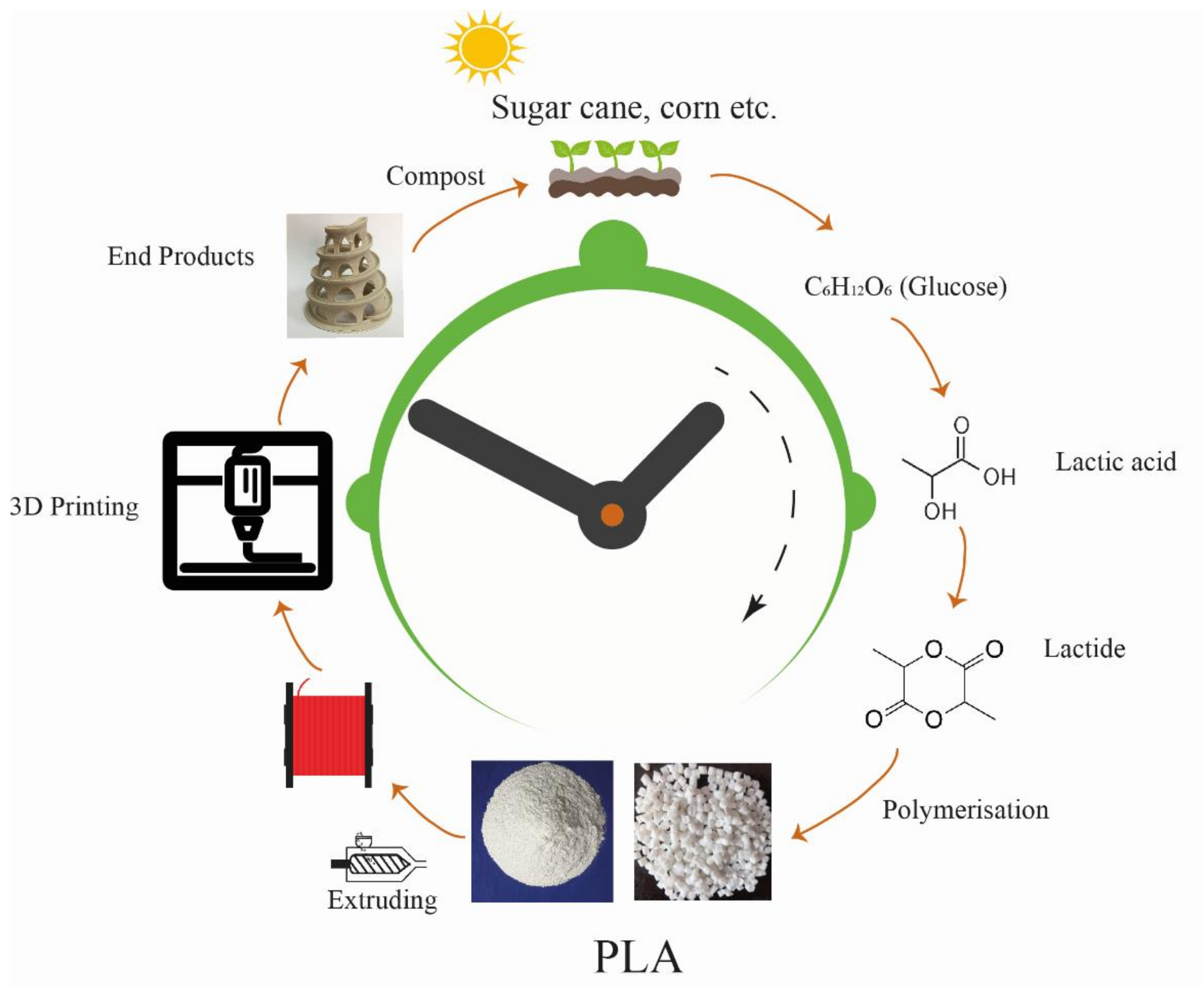
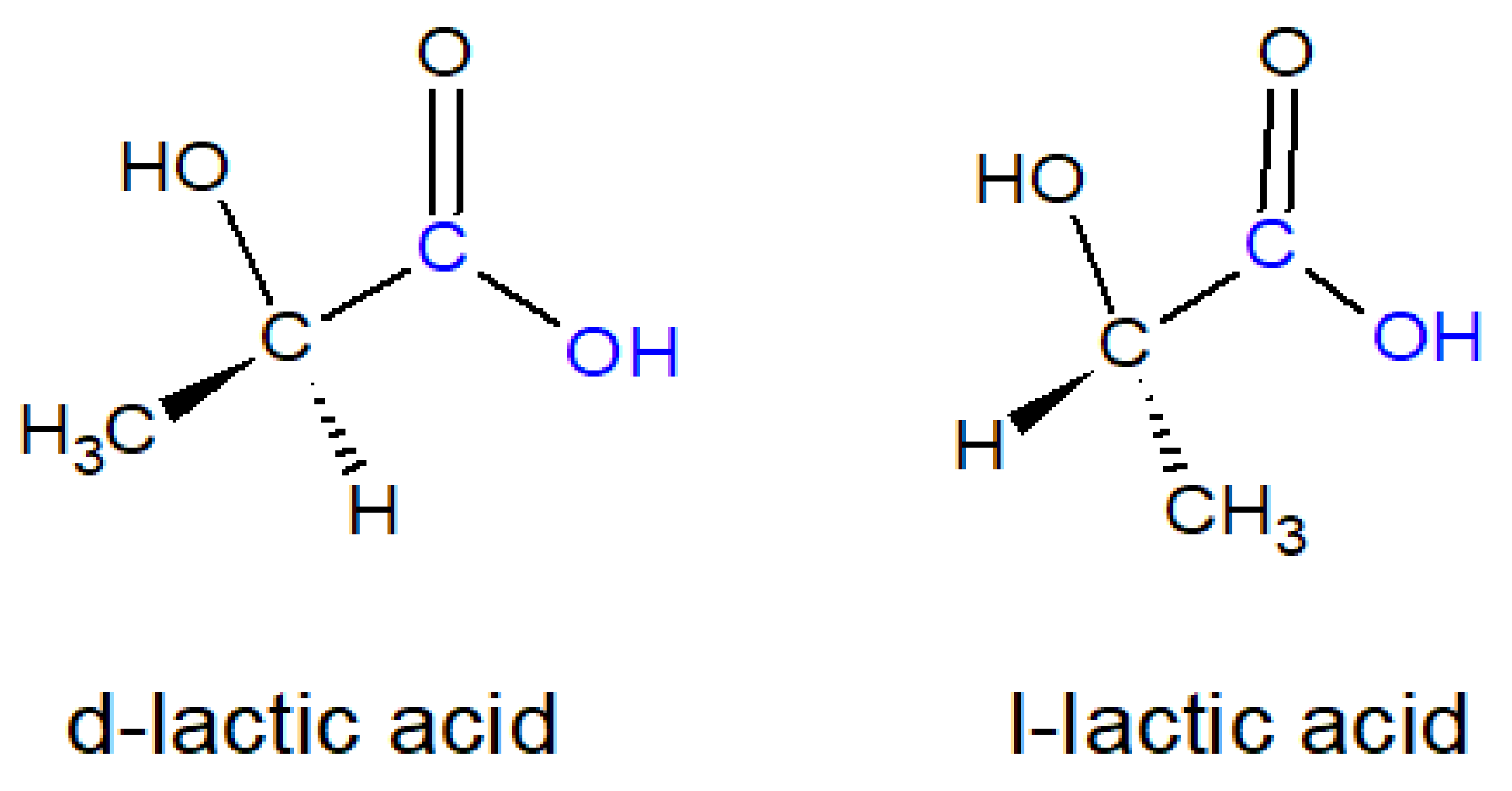
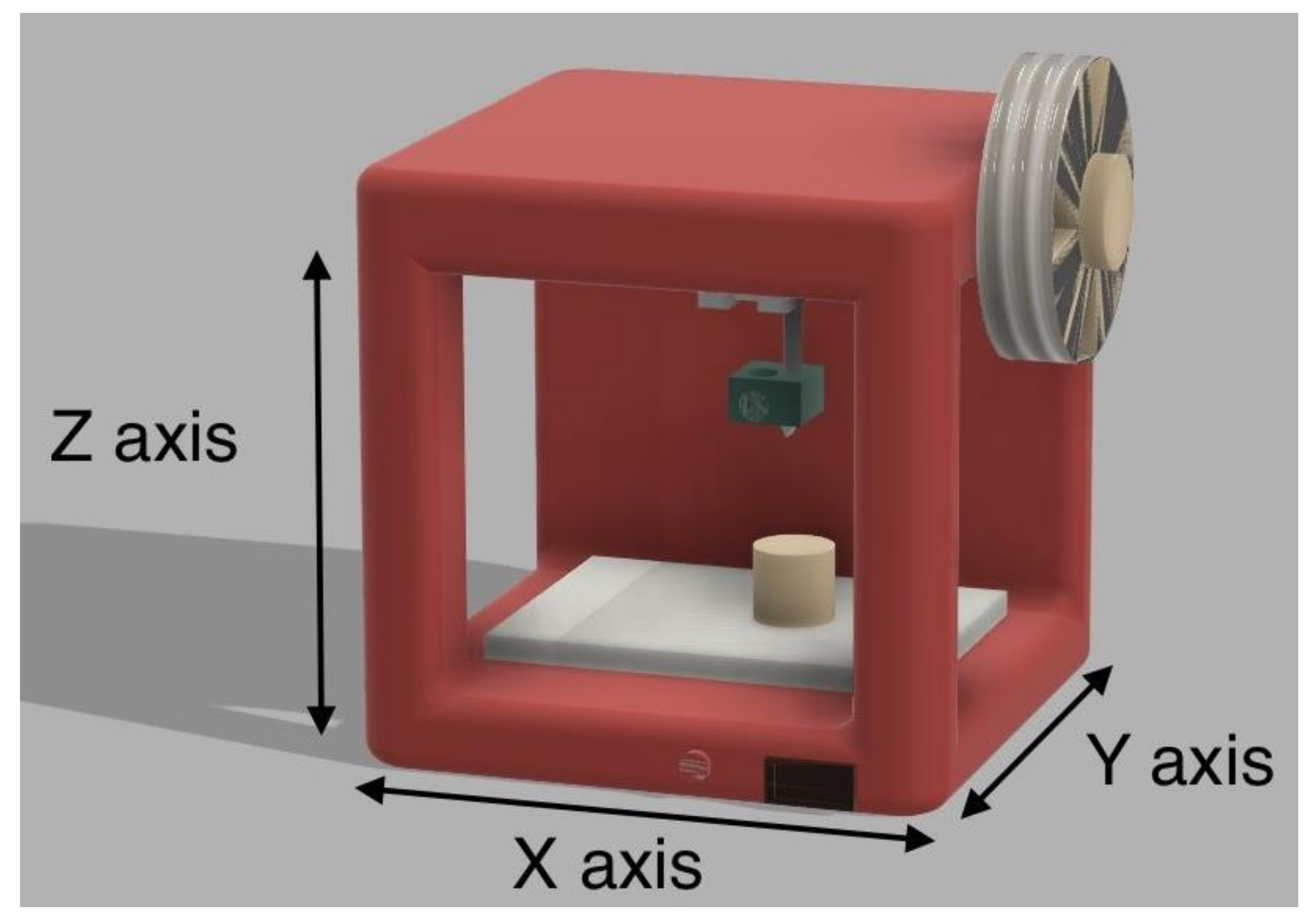
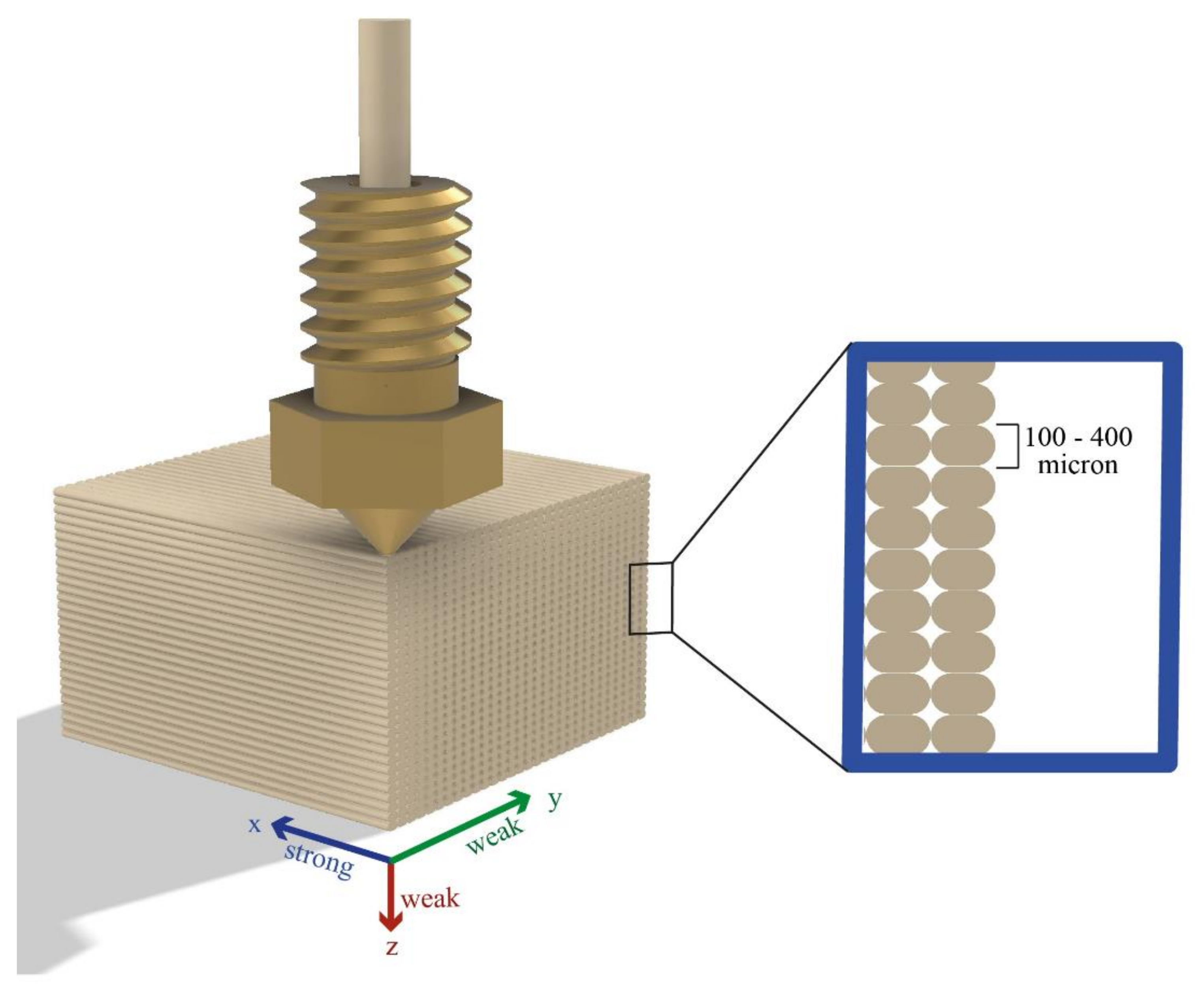
Polylactic acid (PLA) is the most widely used raw material in extrusion-based three-dimensional (3D) printing (fused deposition modeling, FDM approach) in many areas since it is biodegradable and environmentally friendly, however its utilization is limited due to some of its disadvantages such as mechanical weakness, water solubility rate, etc. FDM is a simple and more cost-effective fabrication process compared to other 3D printing techniques. Unfortunately, there are deficiencies of the FDM approach, such as mechanical weakness of the FDM parts compared to the parts produced by the conventional injection and compression molding methods. Preparation of PLA composites with suitable additives is the most useful technique to improve the properties of the 3D-printed PLA parts obtained by the FDM method. In the last decade, newly developed PLA composites find large usage areas both in academic and industrial circles. This review focuses on the chemistry and properties of pure PLA and also the preparation methods of the PLA composites which will be used as a raw material in 3D printers. The main drawbacks of the pure PLA filaments and the necessity for the preparation of PLA composites which will be employed in the FDM-based 3D printing applications is also discussed in the first part. The current methods to obtain PLA composites as raw materials to be used as filaments in the extrusion-based 3D printing are given in the second part. The applications of the novel PLA composites by utilizing the FDM-based 3D printing technology in the fields of biomedical, tissue engineering, human bone repair, antibacterial, bioprinting, electrical conductivity, electromagnetic, sensor, battery, automotive, aviation, four-dimensional (4D) printing, smart textile, environmental, and luminescence applications are presented and critically discussed in the third part of this review.
Keywords: polylactic acid; PLA; composite; 3D printing; fused deposition modeling; additive manufacturing polylactic acid; PLA; composite; 3D printing; fused deposition modeling; additive manufacturing