
Review

Clinical Potential of Essential Oils: Cytotoxicity, Selectivity Index and Antimicrobial Activity Against Gram-Negative ESKAPEE Pathogens

School of Optometry and Vision Science, University of New South Wales, Sydney, NSW 2052, Australia
*
Authors to whom correspondence should be addressed.
Antibiotics 2026, 15(3), 274; https://doi.org/10.3390/antibiotics15030274

Submission received: 9 February 2026 / Revised: 2 March 2026 / Accepted: 4 March 2026 / Published: 6 March 2026

Abstract

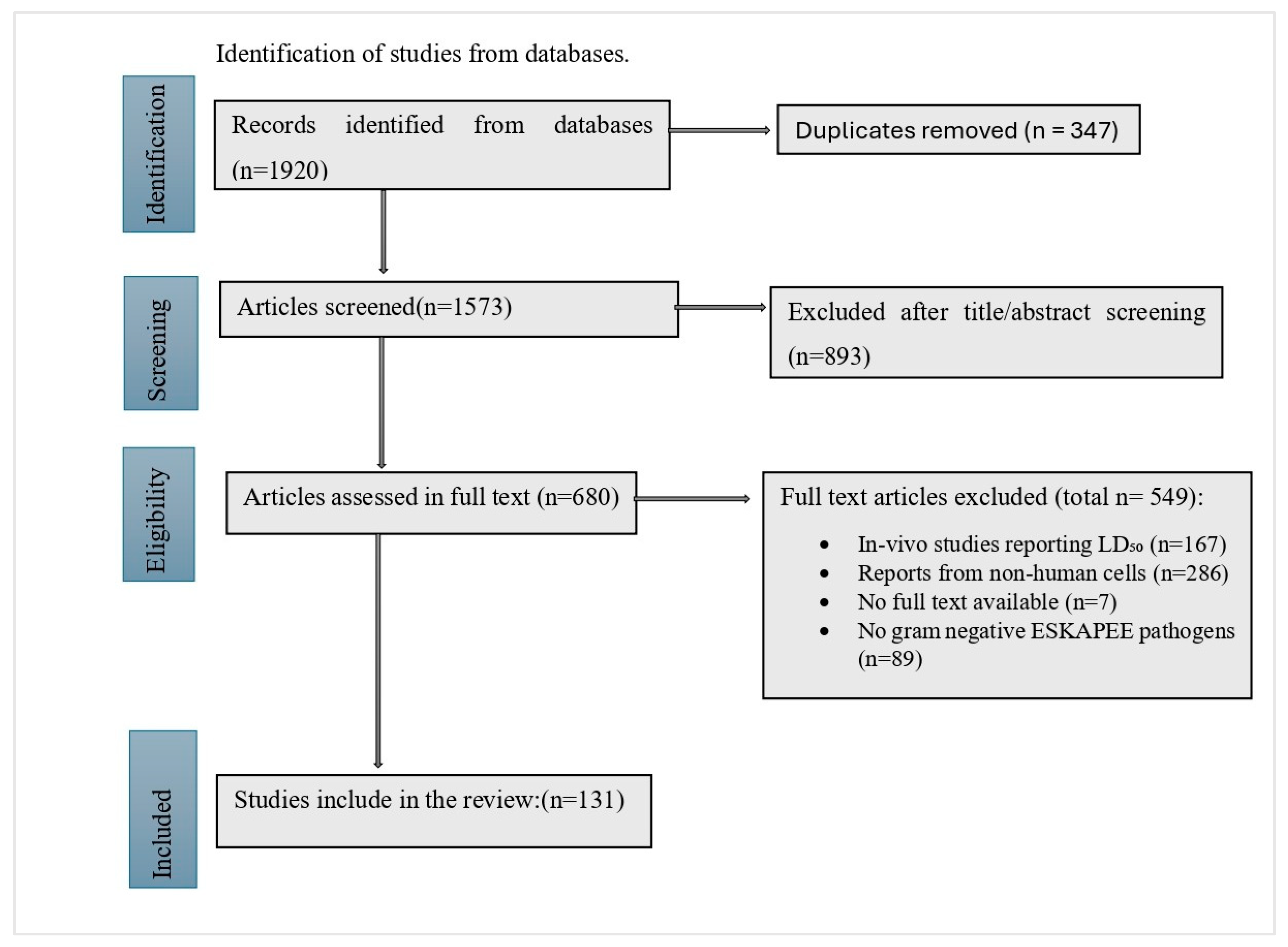
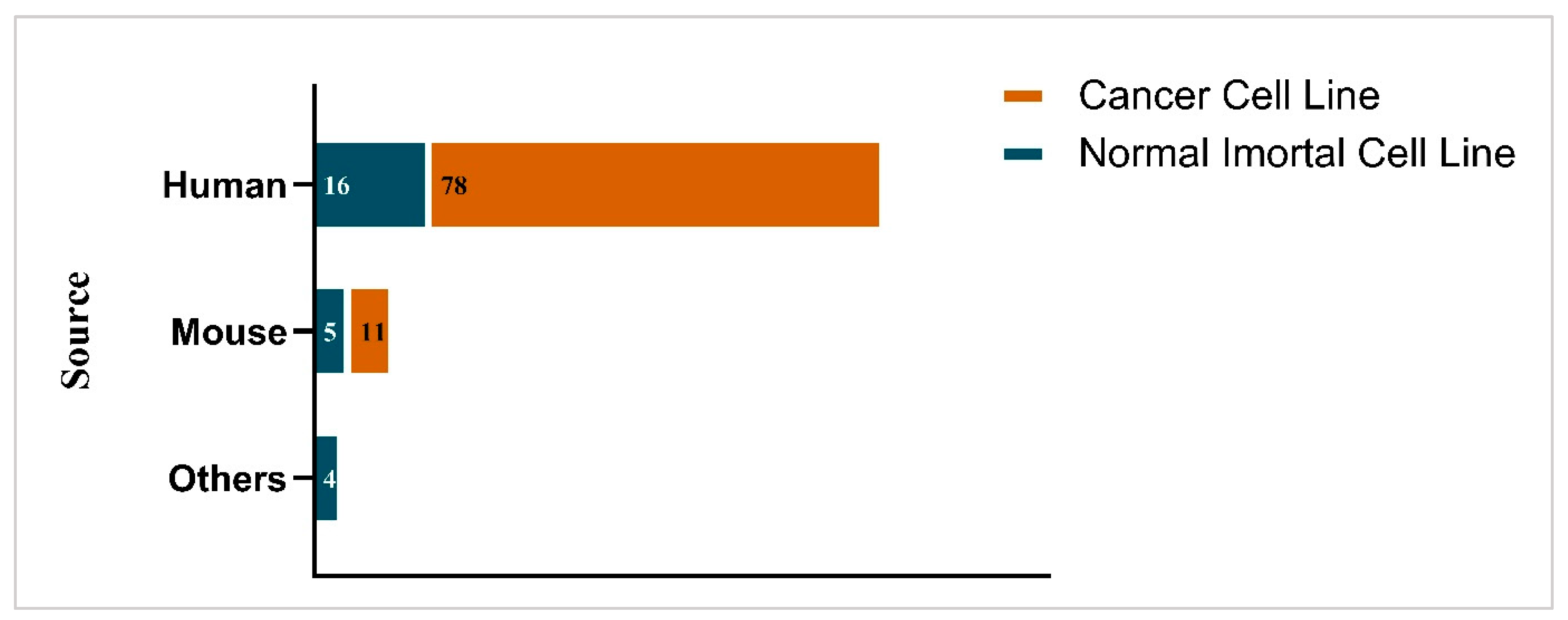
Background: Novel therapeutic compounds with strong efficacy and low resistance potential are urgently needed to combat life-threatening infections caused by antibiotic-resistant ESKAPEE pathogens. These pathogens contribute globally to a large share of bloodstream, respiratory, urinary, and wound infections, and often have levels of high antimicrobial resistance. This review examined the antimicrobial efficacy of different plant essential oils (EOs) against Gram-negative ESKAPEE pathogens and their cytotoxic effects and calculated selectivity indices in cancer and normal cell lines. Methods: This review was developed using studies retrieved from PubMed, Scopus, and Web of Science, covering publications between 2013 and 2024 using the search terms: “essential oils”, “plant extracts”, “safety”, “cytotoxicity”, “cell lines”, “human”, “in-vitro”, antimicrobial”, “antibacterial” and “antibiotic” with Boolean operators (“AND”, “OR”, “NOT”). Only studies that reported both antimicrobial inhibitory concentrations and concentrations causing toxicity to mammalian cells were included in the final review. These data were then used to calculate the selectivity indices of the EOs (toxic concentration/antimicrobial inhibitory concentration) to give an initial assessment of safety. Results: Ocimum basilicum EOs had strong antibacterial effects against the Gram-negative ESKAPEE pathogens Escherichia coli, Pseudomonas aeruginosa, and Klebsiella pneumoniae, with minimum inhibitory concentrations (MICs) as low as 1 μg/mL and high selectivity indices of >80.4. Likewise, Satureja nabateorum EOs had potent antibacterial activity, with a low MIC of 0.1 μg/mL against K. pneumoniae, 2.3 μg/mL against E. coli, and 12.5 μg/mL against P. aeruginosa, along with a very high selectivity index (>100). Other EOs such as those from Eucalyptus spp., Thymus spp., Mentha spp., Cinnamomum spp., Artemisia spp., and Aquilaria crassna also had broad-spectrum antibacterial potential and minimal toxicity toward mammalian cells, making them promising candidates for safe and effective antimicrobial agents in clinical and industrial applications. However, several EOs had selectivity indices of <10, indicating that at their MIC they would also be potentially highly cytotoxic. EOs tended to show increased toxicity to cells derived from cancers. Conclusions and recommendations: Certain EOs are highly active against Gram-negative ESKAPEE pathogens. They are also toxic to cancer-derived mammalian cells. Additional studies using normal cell lines and clinical trials are warranted to further validate their safety and therapeutic potential.
Keywords: essential oils; antibiotics; ESKAPEE pathogens; selectivity index; cytotoxicity essential oils; antibiotics; ESKAPEE pathogens; selectivity index; cytotoxicity