Article

Cranberry-Derived Phenolic Compounds Contribute to the Inhibition of FimH-Mediated Escherichia coli Hemagglutination


by
Rosana Ribić
1,
Vesna Petrović Peroković
2,
Tomislav Meštrović
1,*,
Marijana Neuberg
1 and
Nikola Bradić
1,3
1
University Centre Varaždin, University North, HR-42000 Varaždin, Croatia
2
Department of Chemistry, Faculty of Science, University of Zagreb, HR-10000 Zagreb, Croatia
3
Department of Anesthesiology and Intensive Care, University Hospital Dubrava, HR-10000 Zagreb, Croatia
*
Author to whom correspondence should be addressed.
Antibiotics 2025, 14(4), 418; https://doi.org/10.3390/antibiotics14040418

Submission received: 11 March 2025 / Revised: 6 April 2025 / Accepted: 18 April 2025 / Published: 21 April 2025
(This article belongs to the Special Issue Innovations in Plant-Based Antibiotic and Antiviral Agents)

Abstract

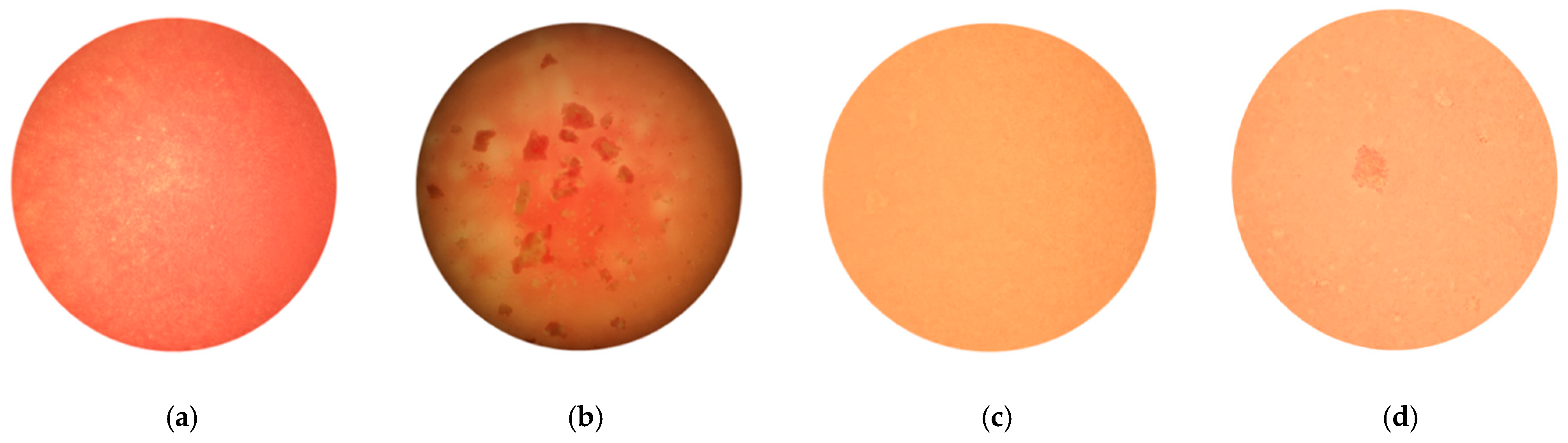
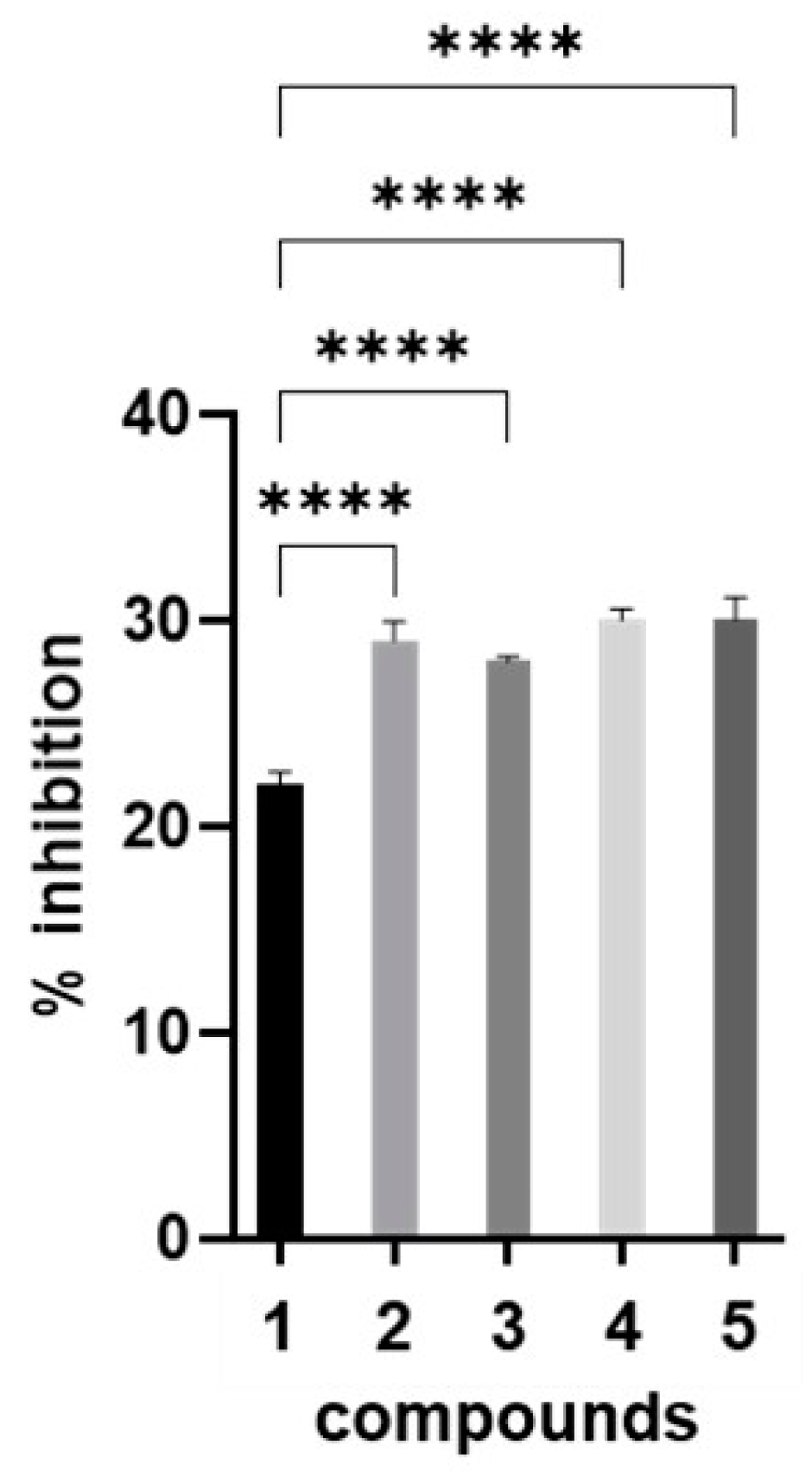
Background/Objectives: FimH adhesin, located at the tips of type 1 pili in Escherichia coli (E. coli), plays a crucial role in bacterial adhesion to the surface urothelial cells—a key step in the pathogenesis of urinary tract infections (UTIs). Given the rising concern over antimicrobial resistance (AMR), and considering that E. coli is one of the pathogens with the largest AMR burdens on a global scale, alternative strategies targeting bacterial adhesion are gaining increasing attention. Products that contain D-mannose and cranberry-derived phenolic compounds have shown promise in preventing E. coli colonization and infection. The aim of this study was to investigate the antiadhesive effects of cranberry-related phenolic compounds on FimH-mediated E. coli adhesion using a cellular hemagglutination inhibition assay, as well as to assess the synergistic effects of mannose and phenolic compounds on biofilm formation. Methods: A range of phenolic acids (benzoic, chlorogenic, hippuric, p-coumaric, ferulic and caffeic), resveratrol, (+)-catechin and procyanidin A, as well as a Vaccinium macrocarpon extract, were evaluated for their ability to inhibit FimH-mediated adhesion. A binocular microscope was used to observe agglutination, and we also evaluated the biofilm inhibition potential of the phenolic compounds in the presence of D-mannose. Results: Our results demonstrated that these compounds significantly reduced hemagglutination, with benzoic acid, chlorogenic acid, caffeic acid and resveratrol exhibiting strong inhibitory effects at concentrations as low as 0.25 mM. Furthermore, the addition of 1 mM solutions of these phenolic compounds to D-mannose resulted in a twofold reduction in the inhibition titer, suggesting synergistic interactions. In addition to their antiadhesive properties, the tested phenolic compounds contributed slightly to the inhibition of FimH-mediated biofilm formation, further supporting their potential roles in UTI prevention. Conclusions: These findings highlight the potential of cranberry-derived phenolics as natural antiadhesive agents against E. coli and warrant further investigation into their mechanisms of action and possible applications in infection control.
Keywords: Escherichia coli; hemagglutination inhibition assay; FimH adhesin; mannose; cranberry-related phenols; urinary tract infection Escherichia coli; hemagglutination inhibition assay; FimH adhesin; mannose; cranberry-related phenols; urinary tract infection