Article

Human-Centered AI to Support an Adaptive Management of Human-Machine Transitions with Vehicle Automation

1
Laboratory of Ergonomics and Cognitive Sciences Applied to Transport, Gustave Eiffel University, LESCOT, 69675 Lyon, France
2
Laboratory of Accident Mechanism Analysis, Gustave Eiffel University, LMA, 13300 Salon-de-Provence, France
*
Authors to whom correspondence should be addressed.
Information 2021, 12(1), 13; https://doi.org/10.3390/info12010013

Submission received: 1 October 2020 / Revised: 14 December 2020 / Accepted: 23 December 2020 / Published: 31 December 2020

Abstract

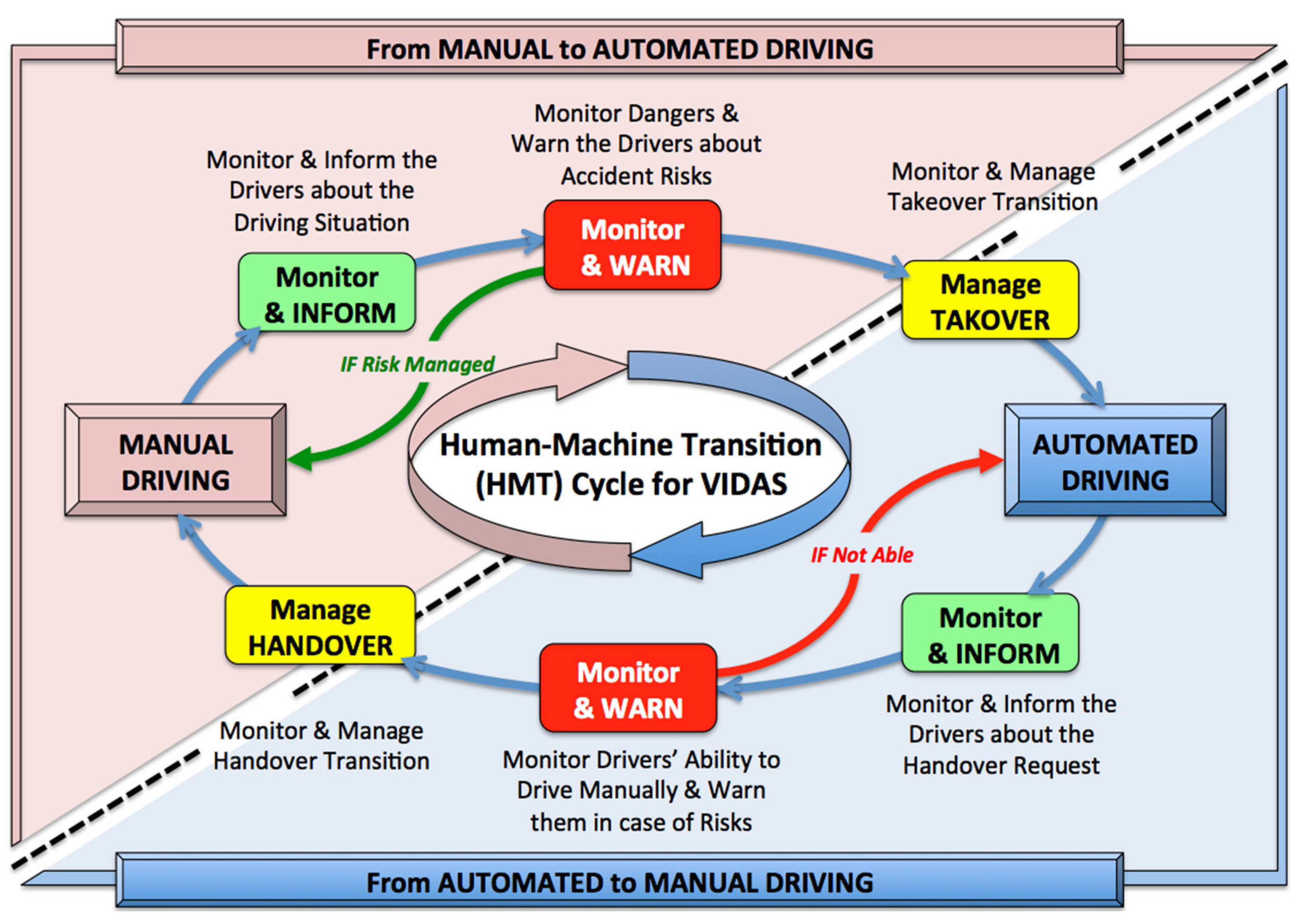
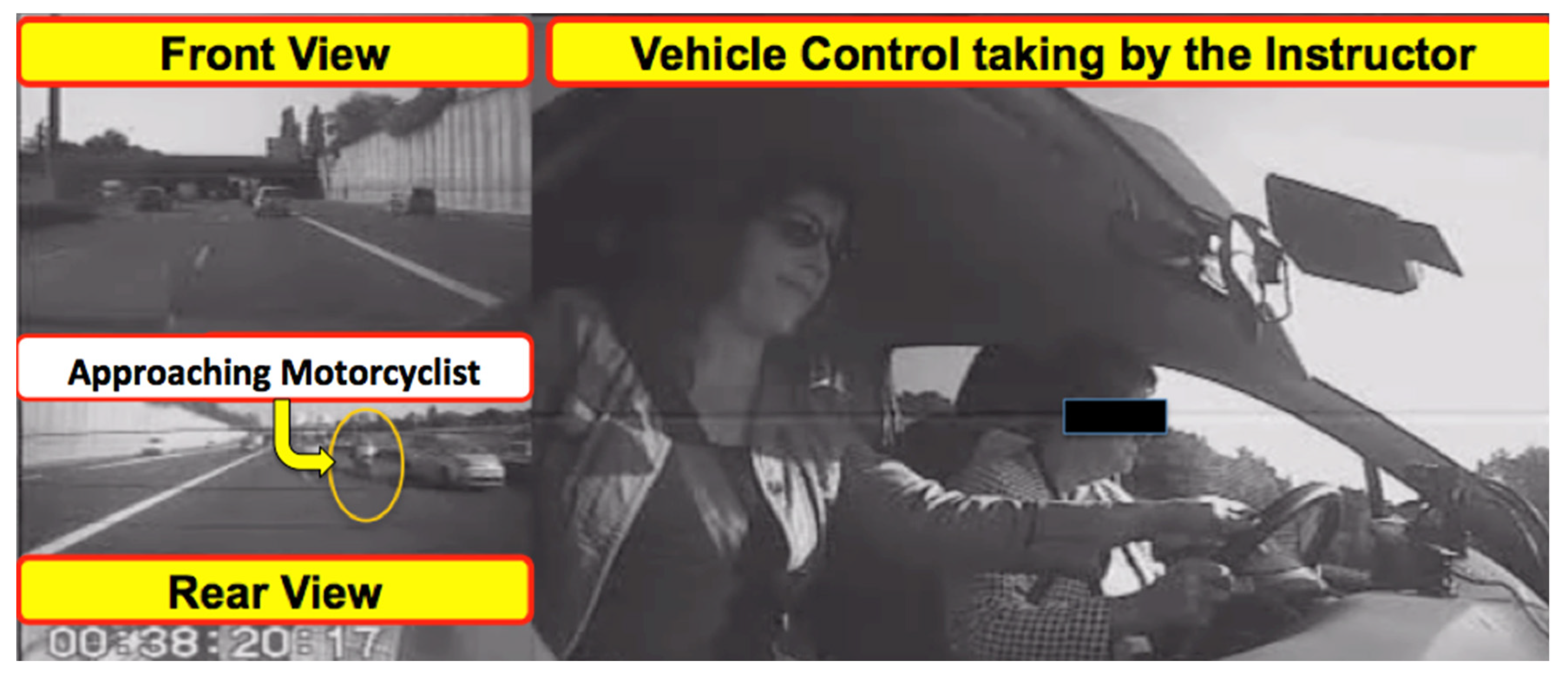
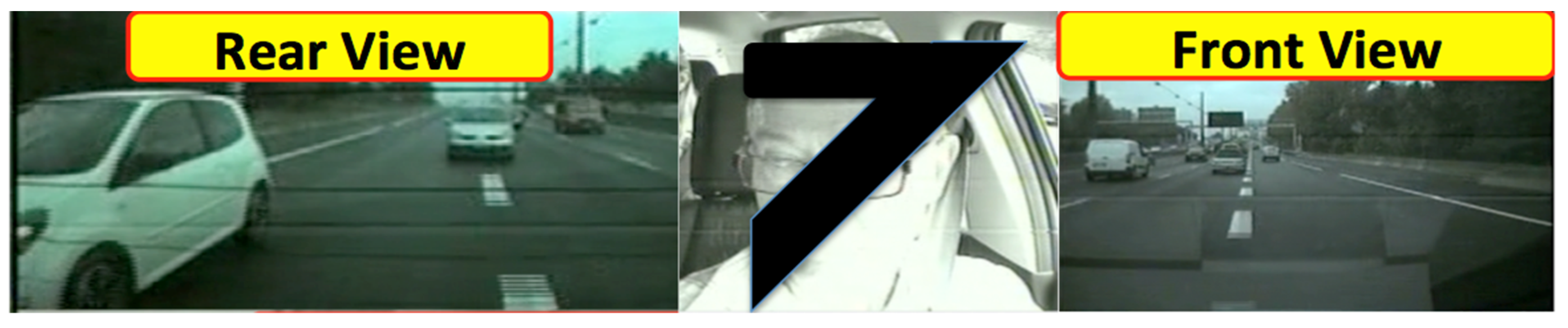
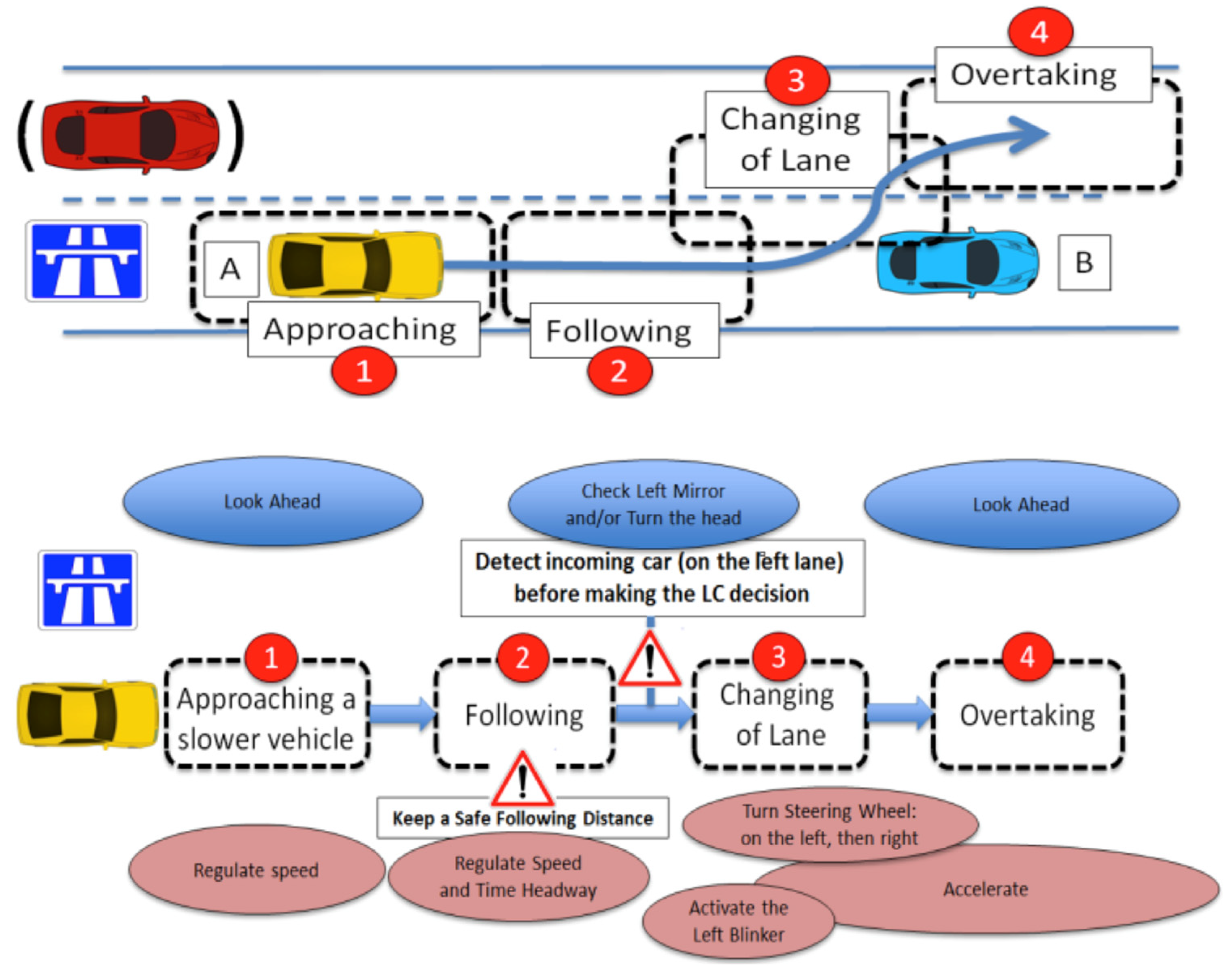
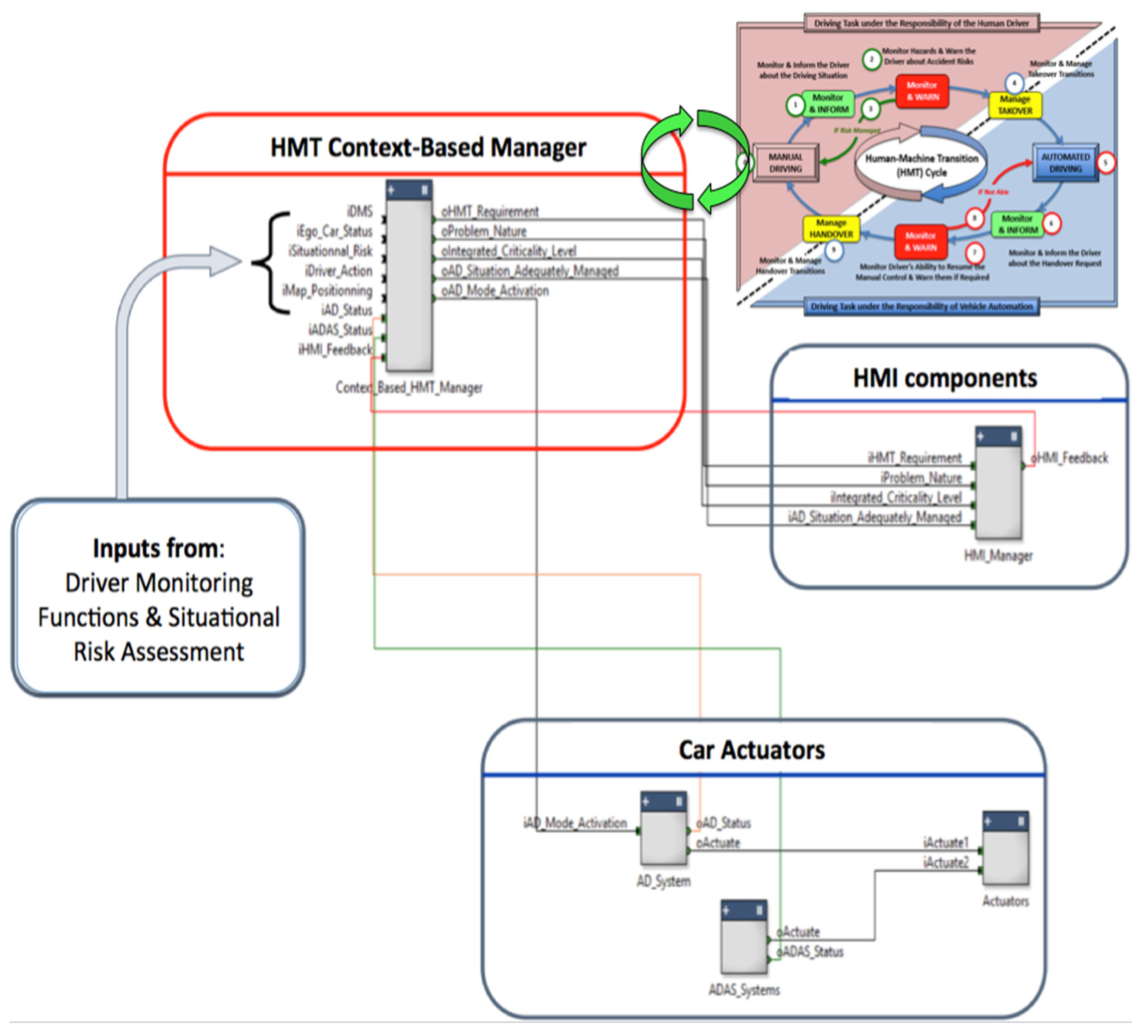
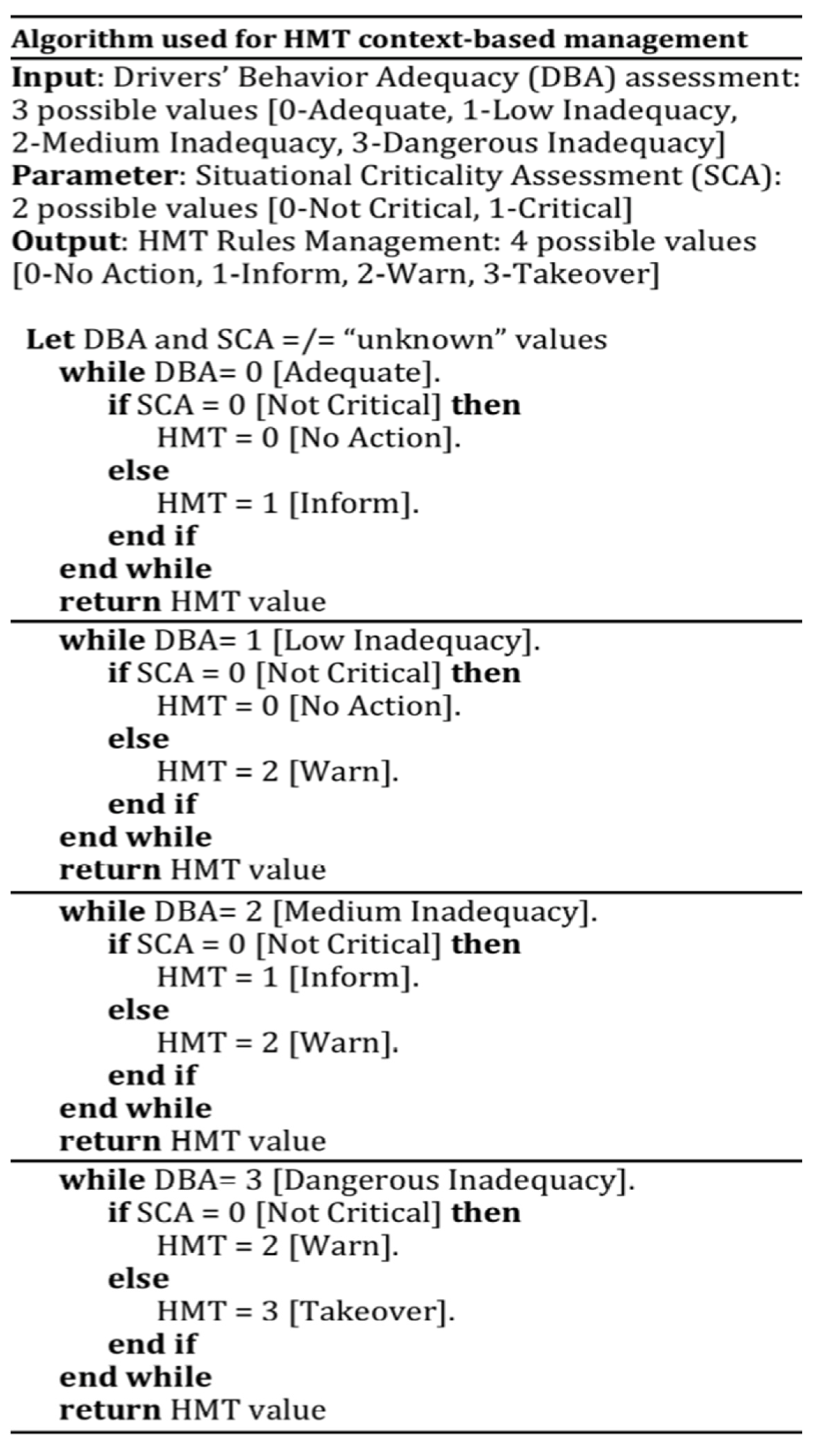
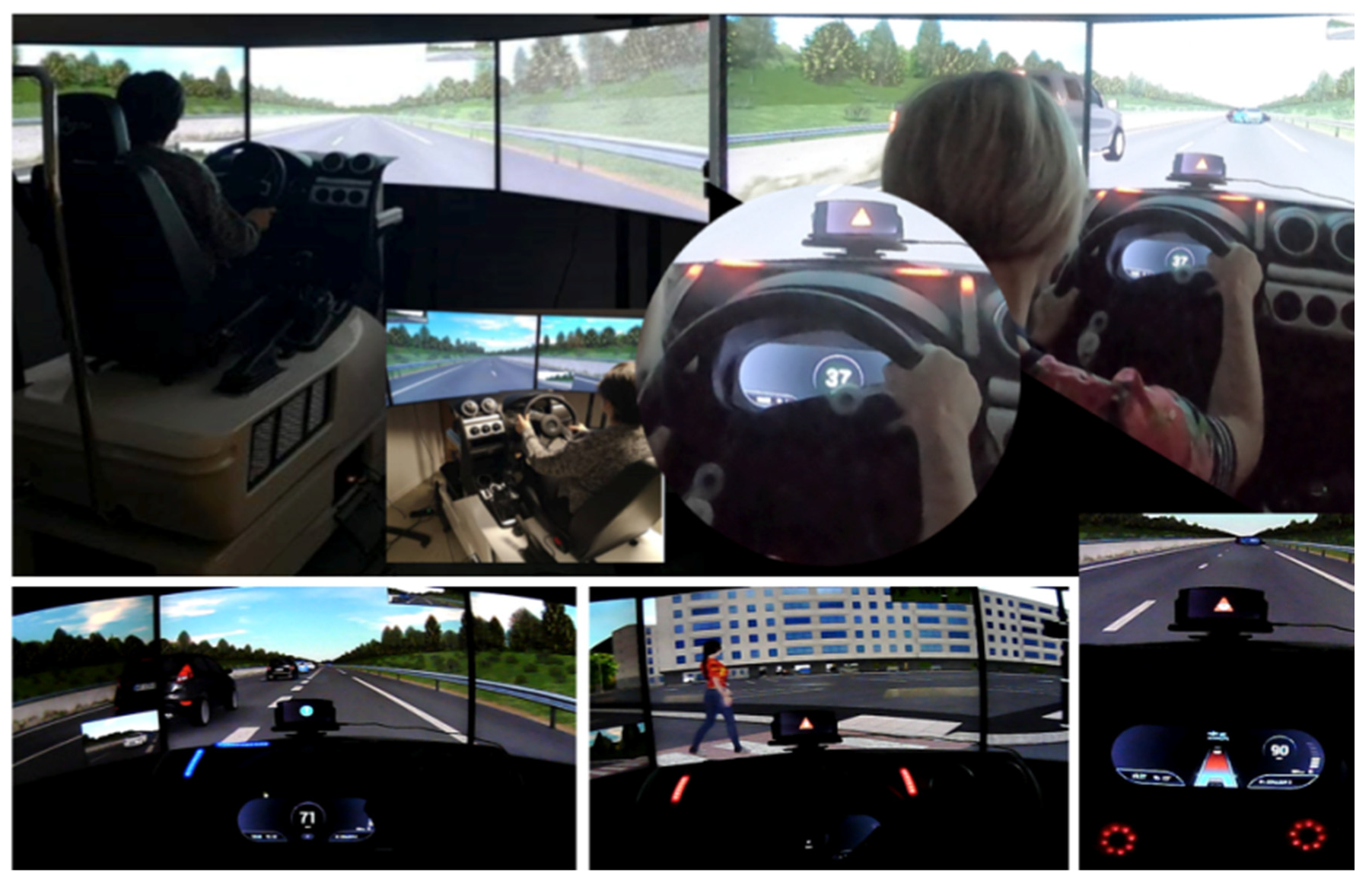
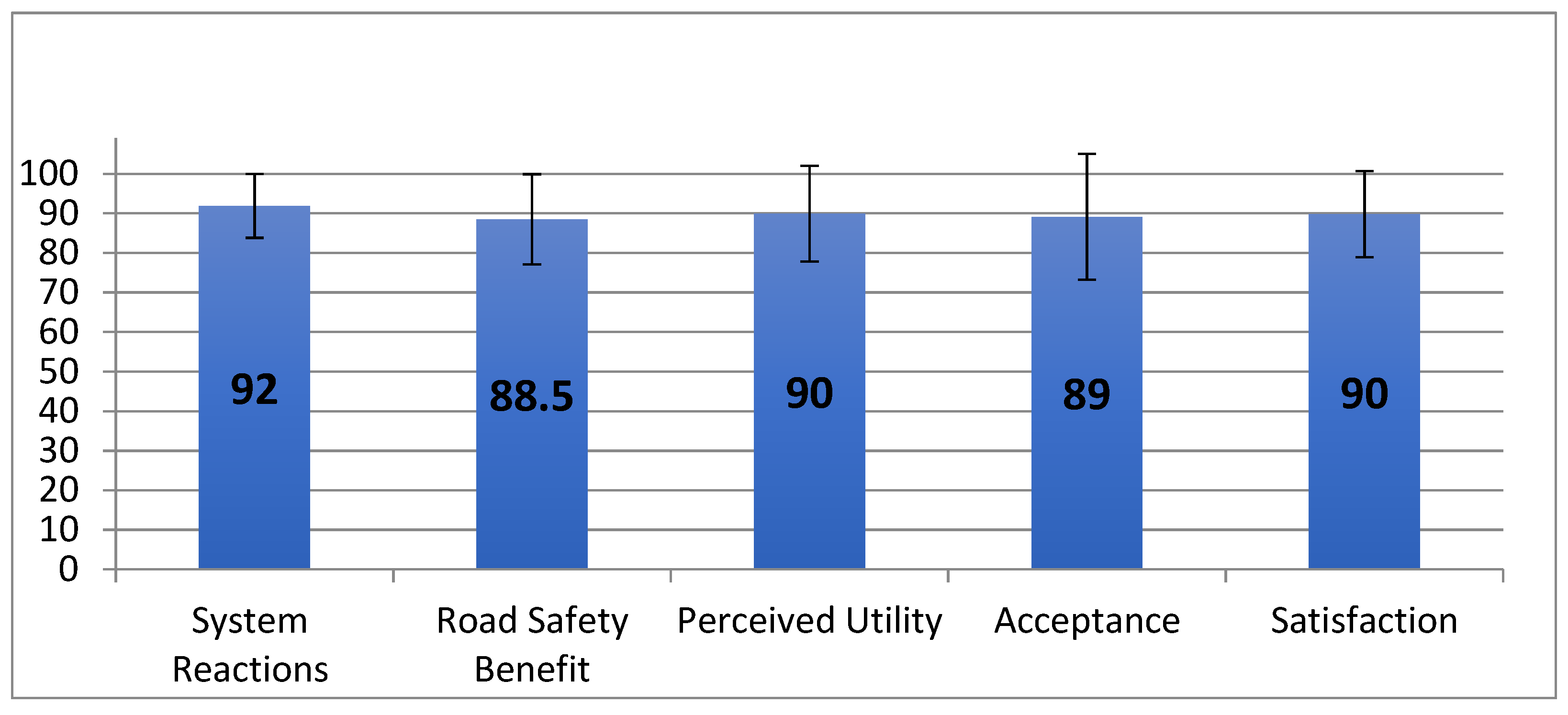
This article is about the Human-Centered Design (HCD), development and evaluation of an Artificial Intelligence (AI) algorithm aiming to support an adaptive management of Human-Machine Transition (HMT) between car drivers and vehicle automation. The general principle of this algorithm is to monitor (1) the drivers’ behaviors and (2) the situational criticality to manage in real time the Human-Machine Interactions (HMI). This Human-Centered AI (HCAI) approach was designed from real drivers’ needs, difficulties and errors observed at the wheel of an instrumented car. Then, the HCAI algorithm was integrated into demonstrators of Advanced Driving Aid Systems (ADAS) implemented on a driving simulator (dedicated to highway driving or to urban intersection crossing). Finally, user tests were carried out to support their evaluation from the end-users point of view. Thirty participants were invited to practically experience these ADAS supported by the HCAI algorithm. To increase the scope of this evaluation, driving simulator experiments were implemented among three groups of 10 participants, corresponding to three highly contrasted profiles of end-users, having respectively a positive, neutral or reluctant attitude towards vehicle automation. After having introduced the research context and presented the HCAI algorithm designed to contextually manage HMT with vehicle automation, the main results collected among these three profiles of future potential end users are presented. In brief, main findings confirm the efficiency and the effectiveness of the HCAI algorithm, its benefits regarding drivers’ satisfaction, and the high levels of acceptance, perceived utility, usability and attractiveness of this new type of “adaptive vehicle automation”.
Keywords: Human-Centered Design (HCD); Human-Centered Artificial Intelligence (HCAI); Vehicle Automation; Human-Machine Transition (HMT); driver monitoring; adaptive HMI; User Experience (UX) Human-Centered Design (HCD); Human-Centered Artificial Intelligence (HCAI); Vehicle Automation; Human-Machine Transition (HMT); driver monitoring; adaptive HMI; User Experience (UX)