Article

The Evolution of Ship Fuel Sulfur Content Monitoring—From Exhaust Gas Measurement to AI-Driven Comprehensive Analysis


1
College of Information Engineering, Shanghai Maritime University, Shanghai 201306, China
2
Shanghai Engineering Research Center of Ship Exhaust Intelligent Monitoring, Shanghai 201306, China
*
Author to whom correspondence should be addressed.
J. Mar. Sci. Eng. 2025, 13(9), 1795; https://doi.org/10.3390/jmse13091795
Submission received: 31 August 2025 / Revised: 14 September 2025 / Accepted: 16 September 2025 / Published: 17 September 2025
(This article belongs to the Special Issue Sustainable Maritime Transport and Port Intelligence)

Abstract

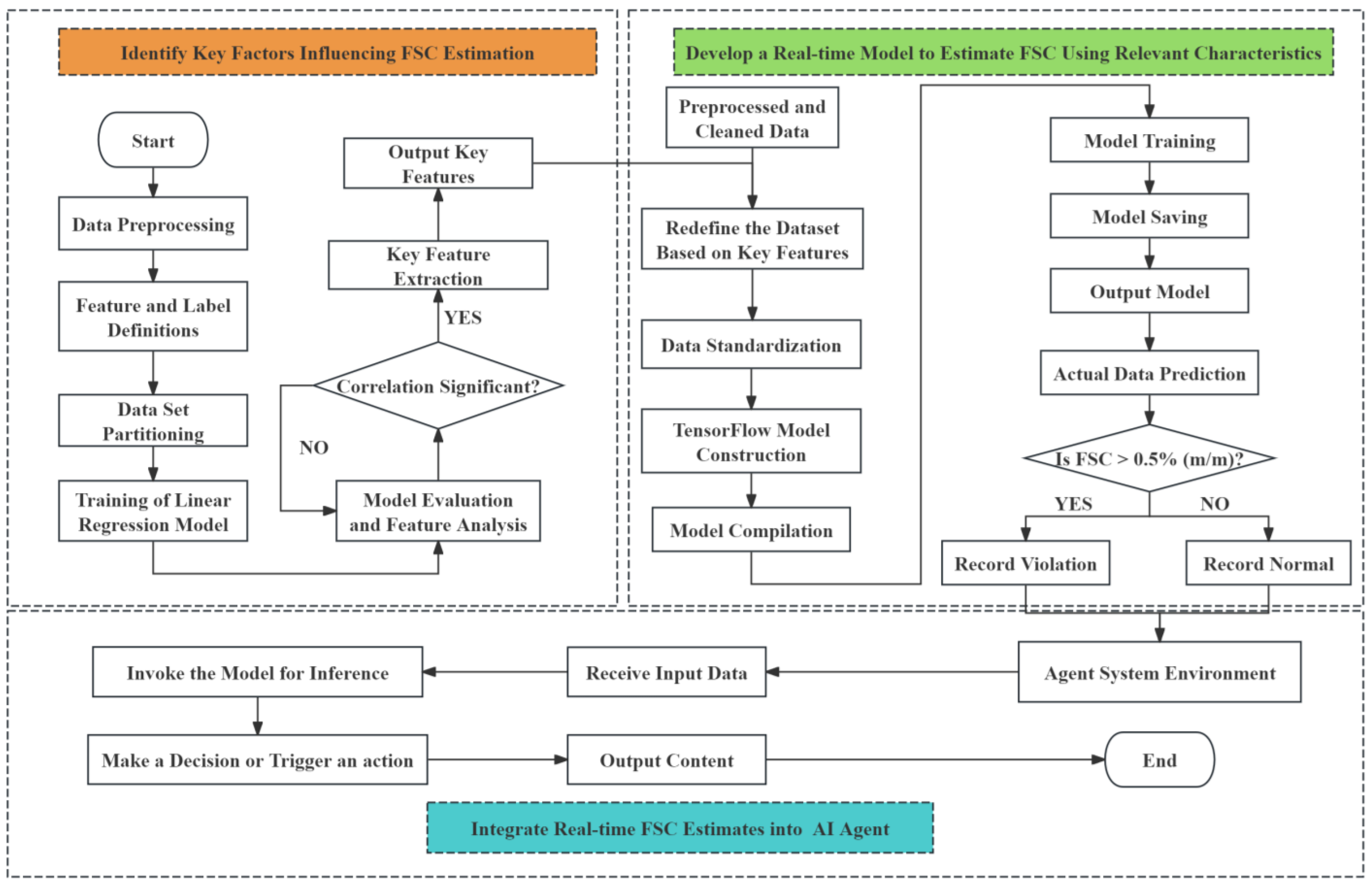
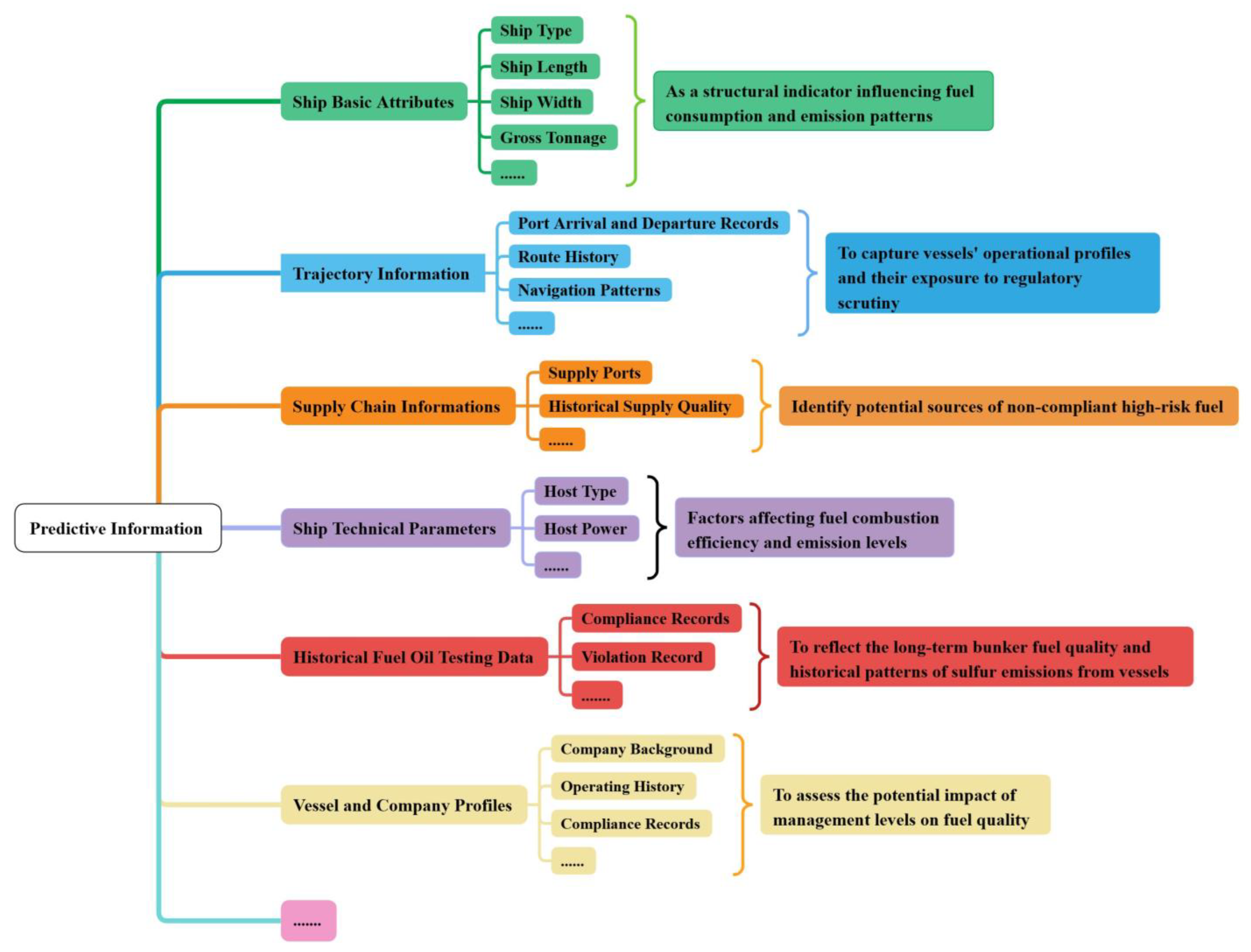
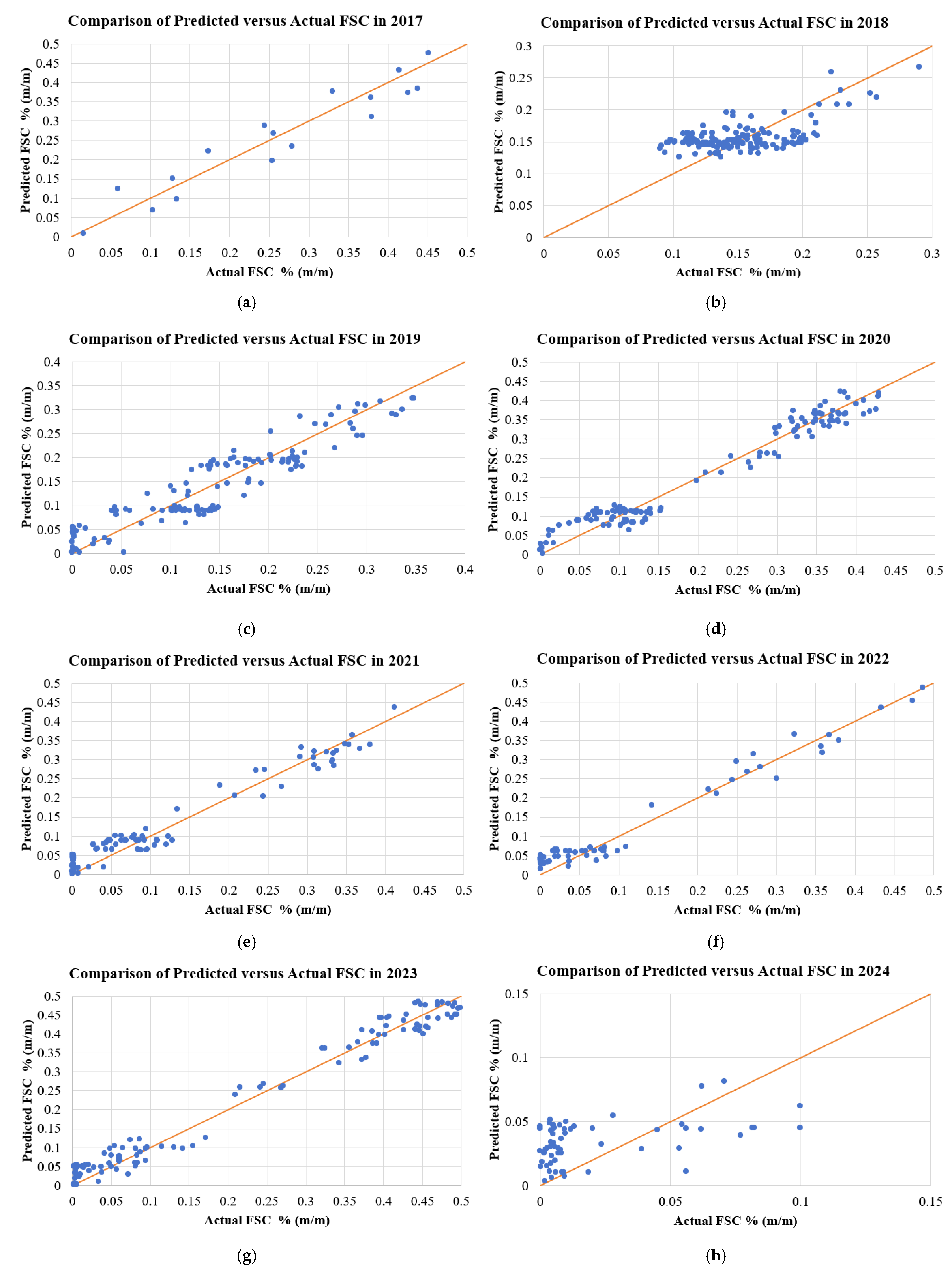
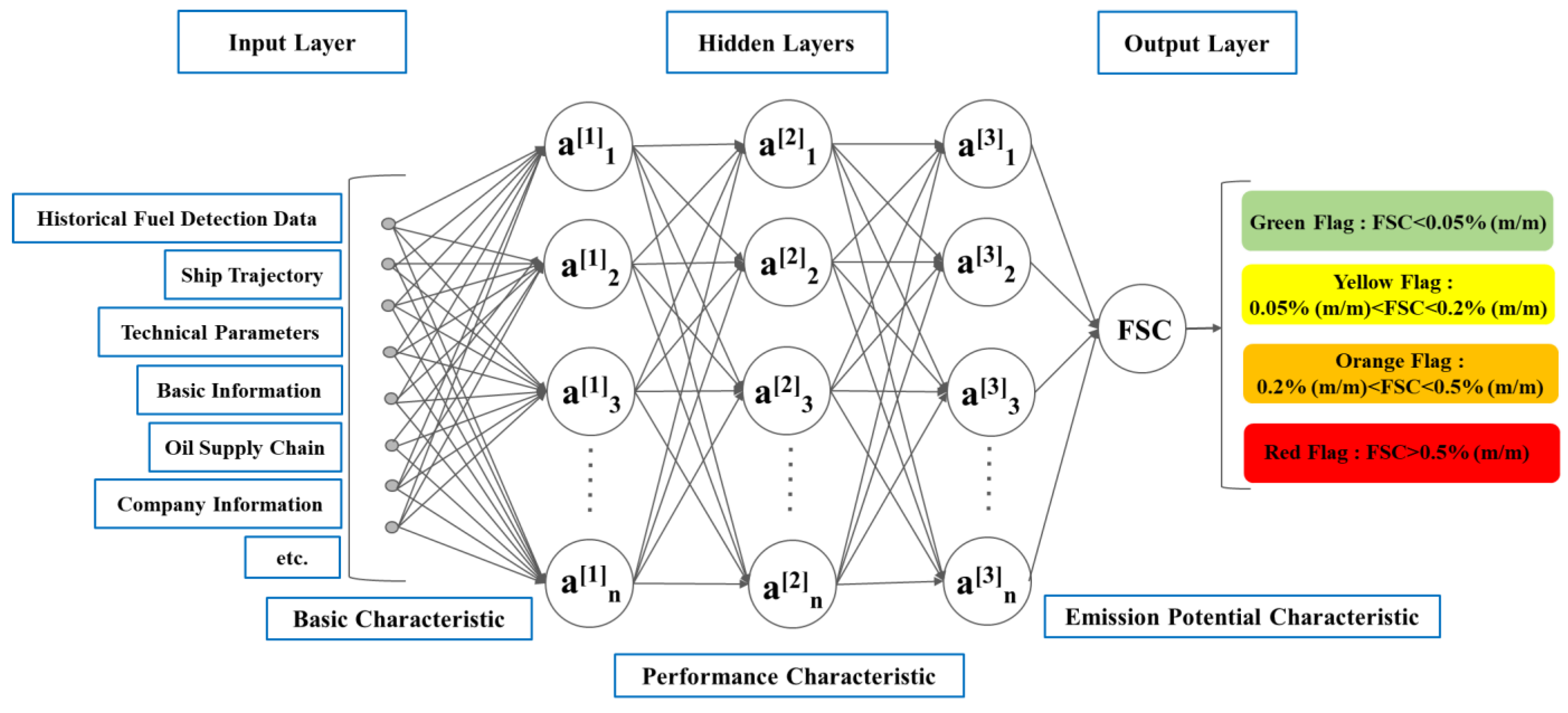
To address the limitations of traditional single-point detection methods in monitoring the sulfur content of ship fuel (FSC), which are inadequate in meeting the regulatory demands of high-traffic ports, this study proposes an integrated analytical approach based on artificial intelligence. This approach synthesizes multi-source heterogeneous data, including historical fuel testing records, Automatic Identification System (AIS) trajectory data, ship and operator profiles, technical specifications, fuel supply chain documentation, fundamental ship attributes and so on. Following rigorous data cleaning and preprocessing procedures, a refined dataset comprising 3046 records collected between 2017 and 2024 from the Port of Ningbo was utilized. Initially, multiple linear regression analysis was con-ducted to identify key factors influencing sulfur emissions, resulting in an R2 value of 0.67. Based on these findings, a deep neural network model was developed using TensorFlow to enable real-time estimation of FSC and classification of compliance risk levels. The results indicate that the proposed method exhibits high estimated accuracy and robustness. An AI-based intelligent monitoring module, developed based on this research, has been integrated into the ship exhaust gas detection system at the Port of Ningbo. This module enables real-time analysis of inbound ships and intelligent identification of potentially non-compliant ships, thereby significantly improving the precision and efficiency of port regulatory operations. This study not only contributes to the theoretical framework for ship fuel compliance monitoring but also provides a practical and scalable technical solution for intelligent port governance.
Keywords: fuel sulfur content; multi-source heterogeneous data processing; multiple linear regression analysis; deep learning algorithms; intelligent port supervision system fuel sulfur content; multi-source heterogeneous data processing; multiple linear regression analysis; deep learning algorithms; intelligent port supervision system