


Abstract
Despite recent biotechnological advancements in the brewing industry, the effective valorization of spent grains from craft beer production remains challenging due to the nutritional variability of cereal-based raw materials. This study analyzes the proteins, free amino acids, fatty acids, and mineral composition of spent grains obtained from two beer types brewed with different proportions of maize grits and malted wheat, in order to assess the influence of adjunct composition. Protein content ranged between 25.81% and 28.43%, with higher values observed in the wheat-based spent grain. Total free amino acids were also higher in the wheat-based sample (190.03 mg/100 g) compared to the maize-based variant (178.66 mg/100 g). Both samples showed a similar fatty acid profile dominated by linoleic acid (51.39–51.58%), while phosphorus was the predominant mineral (up to 2700.03 mg/kg). These results suggest that adjunct type influences the nutritional characteristics of spent grains and provide a basis for their differentiated valorization in sustainable agri-food systems.
1. Introduction
Growing concerns over rapid resource depletion and the urgent need to minimize agro-industrial waste have driven increasing interest in circular bioeconomy strategies aimed at generating value-added products in a sustainable manner. This approach is centered around the exploitation of unconventional resources and extending their applicability while minimizing environmental impact upon their return to consumption [1].
The brewing industry holds a significant economic position, as evidenced by the global Beer Market, reaching a value of USD 768.55 billion in 2022 and projected growth to USD 996.49 billion by 2030 [2]. This substantial growth emphasizes the industry’s robust presence within the broader economic landscape. Recent biotechnological advancements in the brewing industry have led to notable cost savings over the past decade, primarily due to enhanced process efficiency. However, despite these improvements, the generation of waste by-products, including spent cereal, spent hops, yeast, and wastewater, remains a challenge [3].
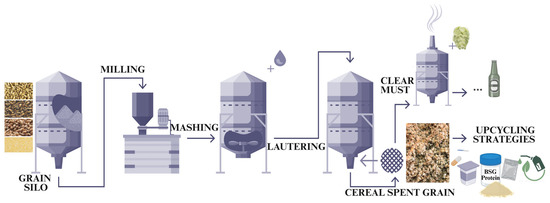
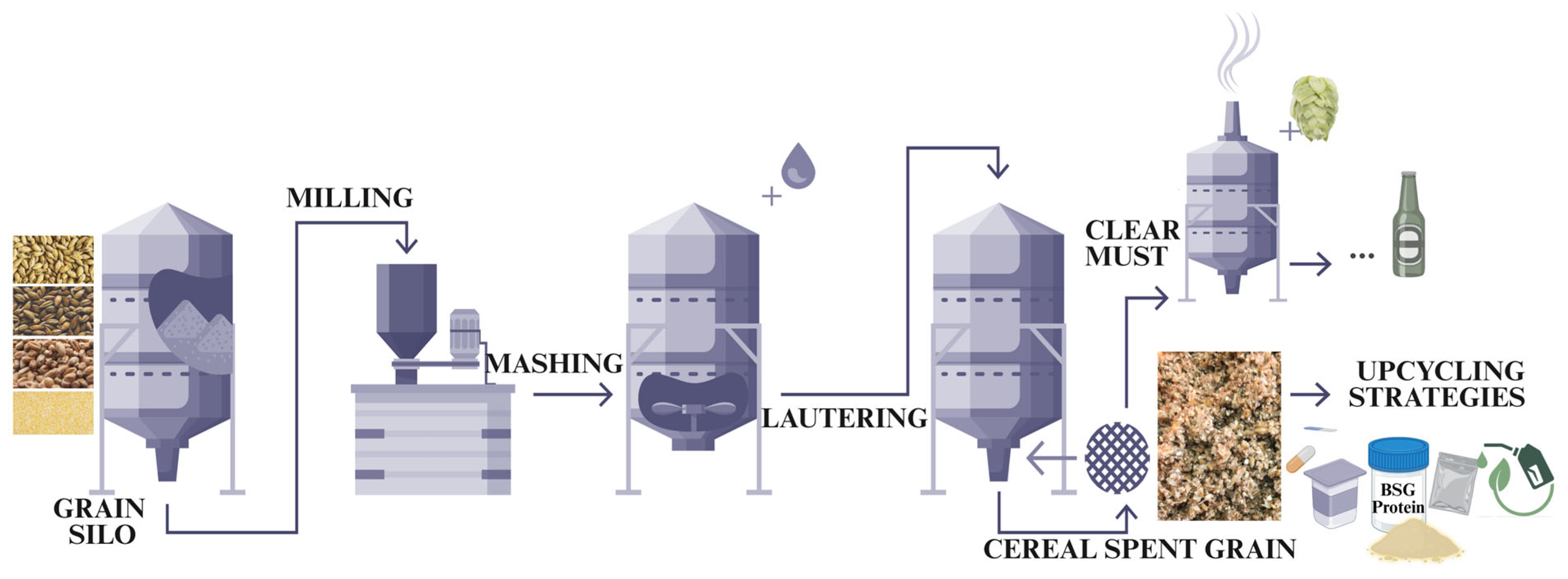
The main by-product of the brewing process (Figure 1) is the solid biomass, particularly brewer’s spent grain (BSG), which constitutes about 85% of the total waste from brewing and the post-wort extraction stage [4]. In terms of quantity, the production of beer results in the generation of approximately 14 to 20 kg of wet BSG for every hundred liters of beer brewed [5]. Annually, global BSG production is estimated at approximately 39 million tons, of which around 3.4 million tons originate from the European Union [6]. Although beer production trends may vary regionally, the widespread use of adjunct cereals and the diversification of brewing practices, particularly within the craft brewing sector, contribute to the sustained generation of BSG with heterogeneous composition. This compositional variability highlights the need for a more targeted evaluation of BSG derived from different brewing formulations, as differences in raw material input may significantly affect its nutritional and technological potential.
Figure 1.
Brewing process flowchart: highlighting the spent grain generation stage.
BSG contains a considerable amount of malt husk, pericarp, and seed coat components, together with residual fractions of the endosperm. During barley germination (malting), enzymatic activity modifies the endosperm structure, increasing the accessibility of its macromolecules. In the mashing stage, soluble compounds are transferred into the wort, while the insoluble and structurally resistant fractions remain in the solid residue, forming the spent grain fraction [7]. The BSG therefore exhibits a robust nutritional profile characterized by lignocellulosic fibers, notable quantities of proteins (including hordeins, glutelins, globulins, and albumins), lipids, minerals, and phenolic compounds [8,9].
Amino acids, as the fundamental constituents of proteins, are present in significant amounts in BSG. Among these, essential amino acids such as tryptophan, phenylalanine, lysine, histidine, and methionine are notable, whereas proline, serine, glycine, and alanine are the dominant non-essential amino acids [6]. Generally, free amino acids could successfully improve or contribute to the flavor or even interact with sugars during the well-known Maillard reaction, when BSG is used as a food ingredient [10]. For instance, alanine, proline, and threonine are commonly associated with sweet taste perceptions, whereas branched-chain amino acids such as isoleucine, leucine, and valine are linked to bitter taste. In addition, aspartic acid and glutamic acid contribute to the umami taste, while aromatic amino acids such as tyrosine are generally associated with bitterness [10].
The current global market reflects a rising consumer preference for expanded dietary options, encouraging the food industry to innovate with novel functional components, particularly plant proteins [8,11]. Considering the shift towards plant-based proteins and the interest in exploiting by-products, the principles of the circular bioeconomy could interlink here. Over time, many attempts have been made to identify new sustainable sources of protein, and BSG could represent a valuable one, considering that its protein content can reach up to 35.4% [12].
Lipids, accounting for up to 10% of the BSG composition, are primarily present as triglycerides and free fatty acids, including linoleic, palmitic, and oleic acids [13,14]. In addition to these macronutrient components, BSG also contains a range of essential micronutrients. Its mineral composition includes phosphorus, calcium, cobalt, potassium, copper, iron, magnesium, manganese, selenium, sulfur, and sodium [15].
According to global market analyses, beer fermentation has traditionally relied predominantly on malted barley as the primary raw material [16,17]. In recent years, however, the incorporation of cereal adjuncts such as wheat, maize, and rice into beer production has become a common practice [18]. Maize is a cereal rich in starch and protein, and is frequently used in brewing due to its cost-effectiveness [19]. Nevertheless, the use of maize presents certain technological limitations, as it lacks a husk—an important component for efficient lautering—and exhibits lower endogenous enzymatic activity, particularly amylolytic activity, compared to barley [20]. Wheat, typically malted or used in specific beer styles, contributes distinct compositional characteristics but may influence processing performance due to its higher protein content [21].
The chemical composition of spent grain depends not only on the type of malt and mashing conditions, but also on process parameters such as lautering efficiency, sparging intensity, and the original gravity of the wort, which influence the extent of solubilization and extraction of components during the wort production.
In the craft brewing sector, the composition of BSG is strongly influenced by raw material proportions and process variability [10,22]. Unlike industrial brewing, which operates under highly standardized formulations and tightly controlled technological parameters, craft brewing is characterized by smaller production volumes, recipe diversification, and greater flexibility in adjunct usage. This variability may result in more heterogeneous compositional profiles of the resulting spent grains [23].
Despite the increasing interest in BSG valorization, limited comparative data are available regarding the compositional differences in spent grains generated from craft beers formulated with distinct adjunct cereals under real production conditions. In particular, systematic evaluations of how maize grits versus malted wheat influence the protein, amino acid, lipid, and mineral profiles of the resulting BSG remain scarce. It can be hypothesized that differences in adjunct composition significantly affect the nutritional characteristics of spent grain due to variations in intrinsic cereal composition and processing behavior during malting and mashing. Therefore, comprehending the raw material composition of BSG becomes imperative for a fundamental understanding of its intrinsic properties and for supporting its targeted valorization.
Over the past decade, extensive research has explored the diverse applications of brewers’ spent grains across multiple sectors, including their reintroduction into the food chain through incorporation into food products, the extraction of bioactive compounds for pharmaceutical and biopolymer applications, as well as their use in biofuel production, biofertilizers, and sustainable food packaging materials [5,24,25,26].
In this context, the present study aims to determine the protein, free amino acid, fatty acid, and mineral composition of BSG collected from two Romanian craft breweries. The comparative assessment of these parameters is intended to evaluate the influence of adjunct formulation on BSG composition and to generate data relevant for their differentiated valorization within sustainable agri-food systems.
2. Materials and Methods
2.1. Sample Preparation
The two samples of brewers’ spent grain (BSGM–brewer’s spent grain obtained using maize grits and BSGW–brewer’s spent grain obtained using malted wheat) were sourced from two craft breweries located in the North-West region of Romania. For each formulation, two independent production batches were collected and subsequently homogenized to obtain a representative composite samples for analysis. In addition to BSG samples, corresponding raw brewing materials, including two types of barley malt (Pale Ale-BM1 and Pilsner-BM2), maize grits (MG), and malted wheat (WM), were also collected.
Fresh BSG samples were lyophilized in a Buchi Lyovapor L-200 (Büchi Labortechnik AG, Flawil, Switzerland) for 72 h at a vacuum pressure of 0.05 mbar and a condenser temperature of −54 °C. Post-lyophilization, the BSG samples were ground using an IKA A10 laboratory mill (Staufen, Germany), sieved through a 0.8 mm mesh, and stored at −20 °C until analysis. All subsequent compositional analyses were performed using these lyophilized and homogenized samples. Total protein and ash were analyzed according to AACC 46-11.02 and AACC 08-01.01 [27], respectively, and Folch’s total lipids extraction was used for total fat content.
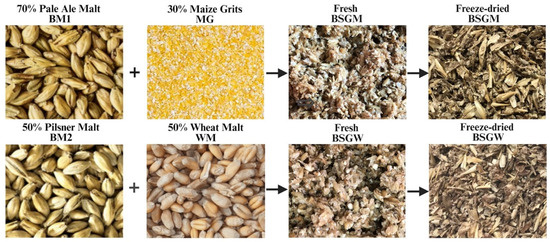
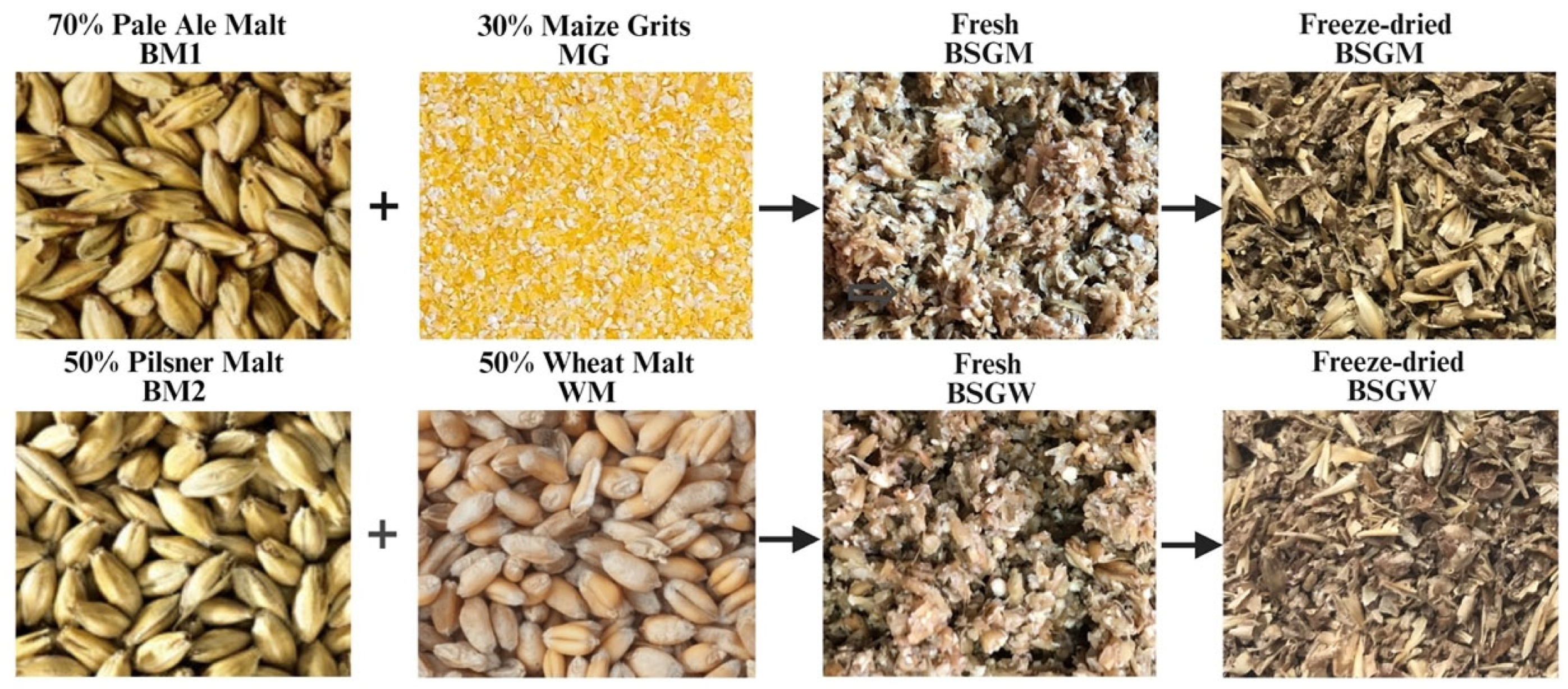
Figure 2 displays the exact percentages of each raw material used in the brewing processes of the two beers, from which the BSG samples were generated.
Figure 2.
The raw materials used in the brewing processes of the two beers, from which the BSG samples were generated.
As the samples originated from craft brewing processes, variability associated with brewery-specific process conditions may contribute to differences in BSG composition. Nevertheless, the focus of the present study is the impact of raw material formulation on the compositional profile of spent grain.
2.2. Free Amino Acid Analysis
For amino acid extraction, 100 mg of the raw material sample was treated with 1 mL of 6% trichloroacetic acid at 50 °C for 20 min, including ultrasound treatment for 10 min. After centrifugation at 6000 rpm for 5 min, 0.5 mL of the supernatant was mixed with 15N-glycine and passed through a Dowex 50W-W8 (Sigma-Aldrich, St. Louis, MO, USA) ion exchange column. Elution was performed with 1 mL of 3 M ammonium hydroxide. The eluate was vacuum-dried at 60 °C and subsequently derivatized by esterification with butanol/acetyl chloride, followed by acetylation with trifluoroacetic anhydride.
Free amino acid analysis was performed using a Trace DSQ Thermo Finnigan (Thermo Fisher Scientific, Waltham, MA, USA) quadrupole mass spectrometer coupled to a Trace GC system, operating in electron ionization mode (100 mA, 50–500 a.m.u mass range), as previously described by Fărcaș et al. [28]. The transfer line, injector, and ion source temperatures were maintained at 250 °C. Separation was achieved on an Rtx-5MS (Restek, Bellefonte, PA, USA) capillary column (30 m × 0.25 mm i.d., 0.25 µm film thickness), using a temperature program starting at 70 °C and increasing to 310 °C at defined rates. Helium was used as carrier gas at 1 mL/min. Samples (1 µL) were injected in split mode (10:1) using a TriPlus autosampler (Thermo Fisher Scientific, MA, USA).
Method validation was performed using standard amino acids subjected to the same extraction and derivatization procedure. Calibration curves (0–100 mg/mL) demonstrated good linearity (R2 > 0.99). Analytical precision and repeatability were confirmed by replicate analyses, yielding relative standard deviation (RSD) values below 20%, while limits of detection were below 0.1 mg/mL. Quantification was carried out using 15N-glycine (99 atom % 15N, 50 mg/mL) as internal standard and external calibration standards to ensure analytical reliability. Amino acid contents are expressed as mg/100 g freeze-dried sample (dry matter basis).
2.3. Folch’s Lipid Extraction and Fatty Acid Methyl Esters Analysis
The extraction of total lipids from samples was conducted following the modified Folch’s method, as outlined in a previous study by Dulf et al. [29]. Initially, 3 g of the sample material was blended with 5 mL of methanol (analytical grade, ≥99.8%) for 1 min using a high-power homogenizer (MICCRA D-9, ART Prozess-und Labortechnik, Mullheim, Germany). After adding 10 mL of chloroform, the sample was further homogenized for two minutes. The solid residue was re-extracted with 15 mL of a chloroform/methanol mix (2:1, v/v) following filtration. The filtrates were purified using a 0.88% potassium chloride solution in a separation funnel and dried over anhydrous sodium sulphate. Solvent removal was then completed with a rotary evaporator Hei-VAP Value Digital HL/G3 (Heidolph Instruments GmbH& Co. KG, Schwabach, Germany).
For the analysis of fatty acid methyl esters (FAMEs), we employed the methodology described by Fărcaș et al. [30] and Dulf et al. [31] utilizing GC-MS (gas chromatography-mass spectrometry) with a PerkinElmer Clarus 600 T GC-MS (PerkinElmer, Inc., Shelton, CT, USA) equipped with a Supelcowax 10 capillary column (60 m × 0.25 mm i.d., 0.25 µm film thickness; Supelco Inc., Bellefonte, PA, USA). The chromatographic analysis started at 140 °C and increased to 220 °C at 7 °C/min, held for 23 min. Helium was used as the carrier gas at 0.8 mL/min. Mass spectra were recorded in EI mode from 22 to 395 m/z. FAMEs identification utilized a 37-component FAME standard (Supelco No. 47885-U) and NIST MS Search 2.0 software (Gaithersburg, MD, USA) for spectral matching. Quantification was expressed as the percentage of peak area relative to the total fatty acids.
2.4. Determination of Minerals by Inductively Coupled Plasma Atomic Emission Spectrometry (ICP-OES)
Mineral analysis was conducted as detailed in Fărcaș et al. [32], utilizing optical emission spectroscopy. Samples were prepared by mixing with 2 mL of H2O2 (30%) and 10 mL HNO3, followed by a 25 min digestion in a Xpert closed-vessel system (Berghof, Eningen, Germany). Post-digestion, the volume was adjusted to 20 mL with ultrapure water. Analysis was performed using an Optima 5300DV ICP-OES (Perkin Elmer, Norwalk, CT, USA), calibrated with ICP Multi-Element Standard Solution IV (1000 mg/L, Merck, Darmstadt, Germany). The final concentration was calculated as follows:
where
Cicp—concentration measured in the mineralized sample solution expressed in mg/L
Vs—solution volume (100 mL)
mp—mass of the mineralized sample (1 g).
2.5. Statistical Analysis
All obtained data were the results of three replicates, and means were subjected to Duncan multiple comparison test (p < 0.05) with SPSS version 19 software (IBM Corp., Armonk, NY, USA). Small different letters in a row indicated significant differences between samples. The results obtained for the mineral, fatty acids and amino acids profile were subjected to principal component analysis (PCA) with cross-validation (full model size and centre data), using Unscrambler X version 10.5 software (CAMO Software AS, Oslo, Norway).
3. Results and Discussions
3.1. Protein and Amino Acid Contents
In the present study, the protein content of BSG ranged between 25.81% and 28.43% for both BSGM and BSGW samples, values consistent with previously reported ranges of 20–30% for similar materials [33,34]. The brewing process effectively concentrates protein in the spent grain based on its limited solubility. As carbohydrates are reduced through sugar extraction, the relative proportion of protein in the husk and other grain residues increases, leading to the high protein content observed in BSG. This aspect is important to consider, particularly for potential applications of BSG in animal feed, composting, or as a source of protein for further processing and utilization in food or industrial applications.
Regarding the raw materials, the protein content of WM (12.95%) was significantly higher (p < 0.05) than that of BM1 and BM2, which exhibited protein contents of 10.61% and 10.44%, respectively. This observation is consistent with findings reported by Gonu et al. [35], who indicated that wheat malt generally contains higher protein levels than barley malt. Also, this difference can be attributed to factors such as starch and protein compaction, enzyme modification, and limited endosperm hydration during the malting process [36]. The value obtained for WM falls within the range of 12.72–13.88% previously reported for wheat malt [36], thus meeting the requirements for satisfactory malt quality. In contrast, MG showed a protein content of 8.83%, comparable to the value of 9.21% reported by Ndife et al. [20].
In terms of total free amino acid content, the analysis revealed that BM1 (Pale Ale barley malt) and BM2 (Pilsner barley malt) samples contained 37.89 mg/100 g and 33.40 mg/100 g, respectively, while WM exhibited a higher concentration of 58.62 mg/100 g. MG (maize grits) presented the lowest value, 27.18 mg/100 g (Table 1). The corresponding spent grain samples showed significantly higher TAA values, reaching 178.66 mg/100 g for BSGM and 190.03 mg/100 g for BSGW. This increase may be attributed to proteolytic activity during malting and mashing, combined with the relative concentration of nitrogenous compounds in the solid matrix following carbohydrate extraction.
Table 1.
The free amino acid profile of brewing raw materials and the corresponding freeze-dried spent grain samples (mg/100 g).
Among essential amino acids (EAAs), leucine, valine, and isoleucine were predominant in both BSG samples. In BSGM, leucine (8.33 mg/100 g), valine (8.16 mg/100 g), and isoleucine (5.31 mg/100 g) recorded the highest concentrations within the essential fraction. A similar distribution was observed in BSGW, with leucine (8.91 mg/100 g), valine (8.62 mg/100 g), and isoleucine (5.61 mg/100 g) as the major essential amino acids.
The non-essential amino acid fraction was dominated by proline, glycine, alanine, and glutamic acid. Proline reached 59.84 mg/100 g in BSGM and 64.25 mg/100 g in BSGW, while glycine accounted for 37.94 mg/100 g and 38.79 mg/100 g, respectively. The predominance of proline and glutamic acid is consistent with the known composition of barley storage proteins, particularly hordeins, which are rich in these amino acids [33].
The EAA values were 36.42 mg/100 g for BSGM and 38.59 mg/100 g for BSGW, corresponding to EAA/TAA ratios of 0.20 for both samples. These results indicate that essential amino acids represented approximately 20% of the total free amino acid fraction. It should be noted that this ratio refers specifically to free amino acids and does not represent an overall assessment of total protein quality.
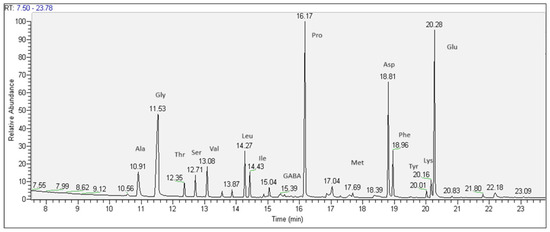
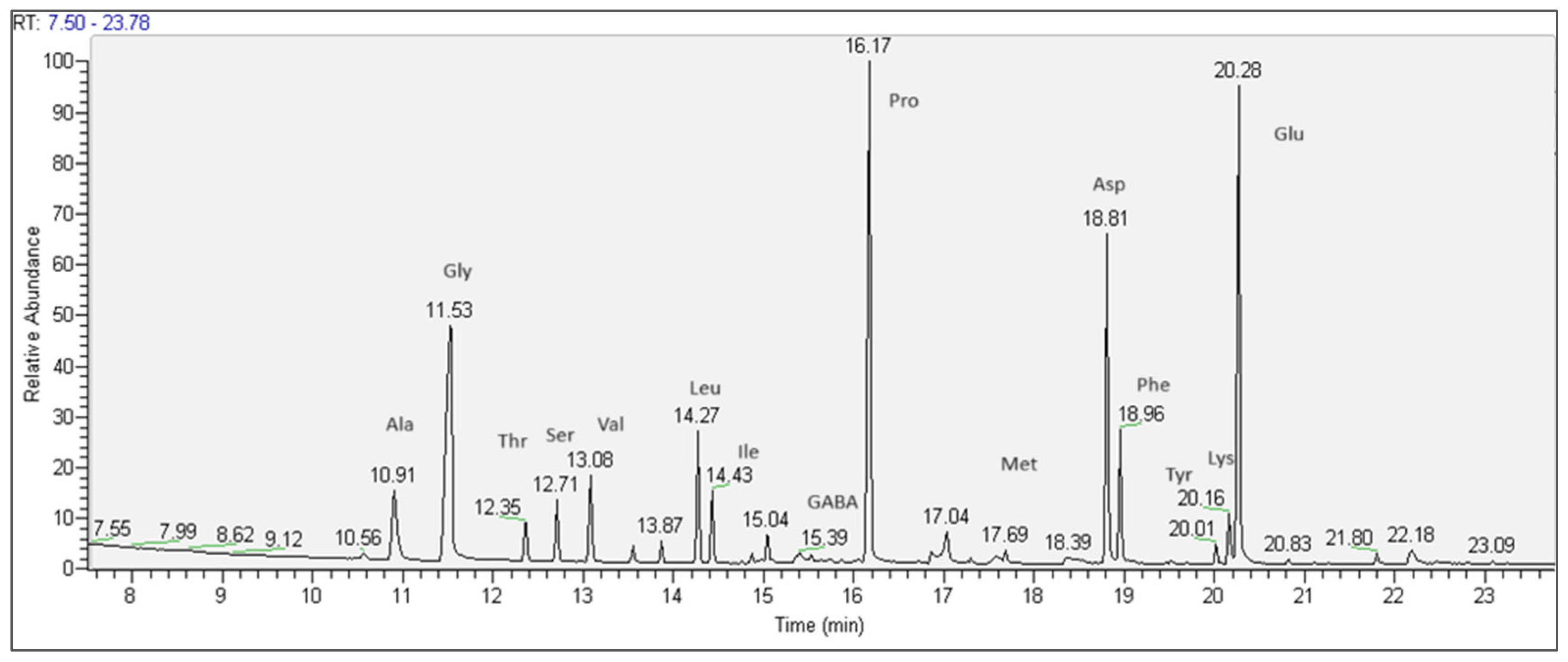
In our study, we observed that the use of wheat malt (WM) at a proportion of 50% significantly improved the amino acid content of BSGW (Figure 3), considering that the total amino acid content of WM was 58.62 mg/100 g, which was higher than that of both barley malt (BM) and maize grits (MG). According to the literature, wheat malting enhances proteolytic activity, leading to the breakdown of storage proteins into peptides and free amino acids [37].
Figure 3.
GC-MS profile of derivatives of free amino acids in the BSGW sample.
Jin et al. [10] also indicated that process-related factors in craft brewing may contribute to variability in free amino acid content. In their study, total free amino acid values in craft brewers’ spent grain ranged from 120.50 to 568.78 mg/100 g. The values obtained in the present study (178.66 mg/100 g for BSGM and 190.03 mg/100 g for BSGW) fall within this reported range, supporting the comparability of our results with previously published data.
In conclusion, the variability in free amino acid concentrations observed among the analyzed raw materials and their corresponding spent grain samples reflects primarily the intrinsic protein characteristics of the different brewing formulations, as well as the biochemical transformations occurring during malting and brewing. The higher values recorded in the spent grain samples, particularly in BSGW compared with BSGM, highlight the influence of adjunct composition on the free amino acid profile of brewers’ spent grain.
3.2. Lipid and Fatty Acid Content
The lipid contents of the BSGM and BSGW samples were comparable, with values of 6.58% and 6.98%, respectively. These results are consistent with those reported by Alonso-Riaño et al. [33], who indicated a BSG fat content of approximately 6%, as well as with Pabbathi et al. [34], who reported lipid contents ranging between 2.5% and 6%. In contrast, the BM1 and BM2 samples exhibited lower lipid contents of 2.21% and 2.29%, respectively. This observation is in agreement with the findings of Lordan et al. [38], who reported that barley contains lipids in the range of 2–4% (dry weight) and that approximately 30% of the lipid fraction is lost during barley germination, primarily due to triglyceride hydrolysis followed by subsequent metabolic utilization.
Regarding WM and MG lipid content, our study identified values of 1.41% and 1.15%, respectively. The total lipid content of WM is likely influenced by the malting process, during which the overall lipid amount decreases. For instance, during the initial stage of wheat germination, triglycerides are converted into fatty acids and glycerol, which are subsequently involved in carbon production through gluconeogenesis and β-oxidation pathways [17].
The low lipid content of maize used in the brewing process is an important technological aspect, as a high lipid content may negatively influence beer foam stability and flavor. Therefore, degermination represents a critical and mandatory processing step. During degermination, the germ of the corn kernel, which is mainly rich in fat (around 5%, according to Yang et al. [19] is removed, resulting in corn grits reaching an approximate final fat content of 1%, which is consistent with our obtained result [39].
The fatty acid composition of the analyzed samples is presented in Table 2, including the distribution of saturated fatty acids (SFAs), monounsaturated fatty acids (MUFAs), and polyunsaturated fatty acids (PUFAs).
Table 2.
Fatty acid composition (% of total fatty acids) of the total lipid of brewing raw materials and the corresponding spent grain (freeze-dried) sample by GC-MS.
Among the individual fatty acids, BSGM registered the highest values for linoleic, palmitic, and oleic acids, with percentages of 51.39%, 28.15%, and 13.55%, respectively. In the BSGW sample, linoleic, palmitic, and oleic acids recorded values of 51.58%, 28.74%, and 10.17%, respectively. These data are in agreement with previous studies such as Sobek et al. [40], Almeida et al. [41] and Niemi et al. [42], who reported linoleic, palmitic, and oleic acids as the predominant fatty acids in BSG. They also stated that the relatively high lipid content of BSG may be attributed to the presence of husk–pericarp seed coat layers, which are richer in lipids compared to the endosperm.
In line with this, Ferreira et al. [43] highlighted that polyunsaturated fatty acids were the predominant group in BSG, with linoleic acid reaching a value of 53.9%, while within the saturated fatty acid group, palmitic acid was present in the highest amount, with a value of 27.0%. Moreover, during the mashing process, the endosperm is almost completely solubilized, and most of the lipids remain within the BSG and do not pass into the wort [42].
The present study also reveals that PUFAs, particularly linoleic and α-linolenic acids, are the main fatty acids in WM, while oleic acid is the primary MUFA (9.72%). Comparatively, the BM1 and BM2 samples recorded PUFA values of 62.21% and 61.79%, respectively, mainly represented by linoleic acid, whereas oleic acid registered values of 10.42% and 9.16%, respectively. Additionally, the most abundant PUFA identified in MG was linoleic acid, while oleic acid represented the main MUFA. In this context, it is worth mentioning that the differences in oleic acid content between BSGM and BSGW samples may be explained by the higher oleic acid content in malted maize (31.28%) compared to the value observed in WM (9.72%).
The n − 6/n − 3 ratios observed in BSGM (10.19) and BSGW (9.99) are lower than those recorded for maize (63.85) and fall within the range commonly reported for cereal-based ingredients. Although these values exceed the ratios generally suggested for optimal dietary balance in human nutrition (often below 4–5:1), they remain comparable to many plant-derived raw materials and could be adjusted in composite formulations intended for food or feed applications. Moreover, the PUFA/SFA ratios (1.75–1.92) exceed the minimum value of 0.4 commonly considered nutritionally desirable in dietary fat evaluation, indicating a favorable fatty acid distribution from a lipid quality perspective [44].
It is also important to note that several factors may influence the fatty acid composition of spent grain, including the brewing technological process, barley grain type, and harvesting time, as well as the incorporation of different adjuncts [42,45]. During the mashing process, lipid components tend to concentrate in the solid fraction, as the endosperm is largely solubilized while most lipids are not transferred into the wort [42].
In addition, despite the clarification processes applied to limit lipid presence in beer, the relatively low lipid content in the final beverage may also be explained by the presence of polar lipids and fatty acids in barley. These compounds may form amylose–fatty acid complexes that are not fully extractable, thereby promoting lipid retention in BSG [38]. Consequently, the formation of such complexes contributes to the higher fatty acid levels observed in spent grain.
Furthermore, malting and mashing processes facilitate the release of fatty acids from phospholipids and triglycerides due to endogenous lipase activity [42]. At the same time, starch and protein solubilization by α- and β-amylases leads to a relative enrichment of lipids in the spent grain matrix [34]. Malt variety also influences the fatty acid profile during mashing, particularly linoleic acid levels [46]. Overall, these technological and biochemical mechanisms collectively explain the elevated fatty acid content observed in BSG.
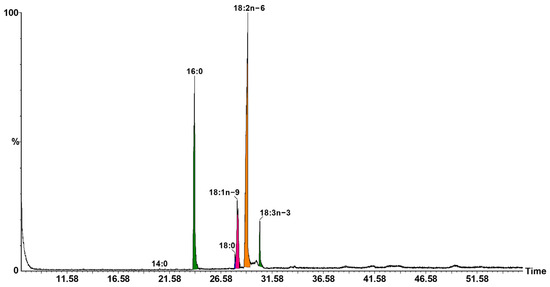
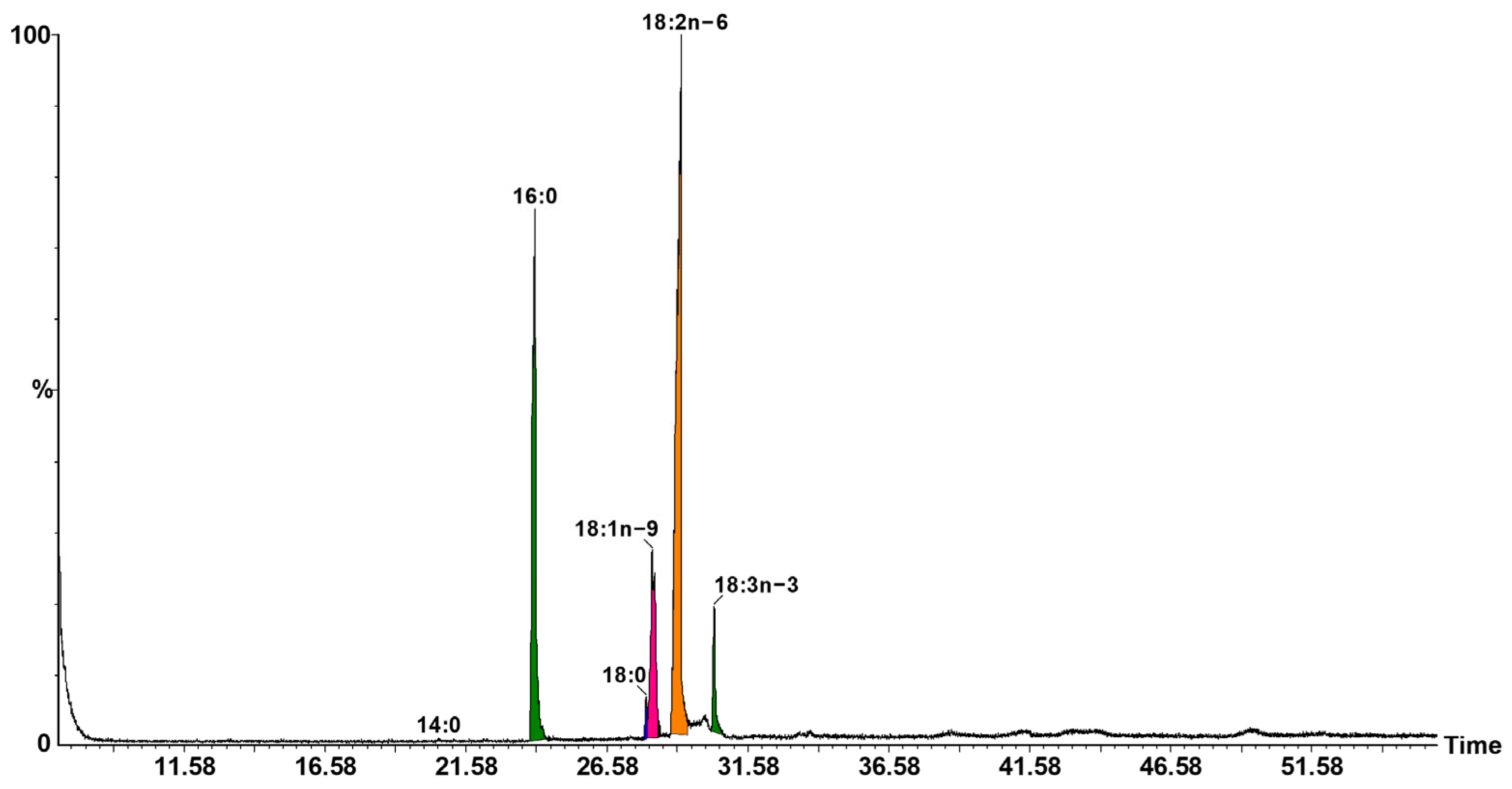
Figure 4 displays the BSGM chromatogram with the main fatty acids profile.
Figure 4.
GC-MS chromatogram of FAMEs in the TLs of BSGM analyzed on a SUPELCOWAX 10 capillary column. Peaks: Myristic, (14:0); Palmitic, (16:0); Stearic, 18:0; Oleic, 18:1 (n − 9); Linoleic, 18:2 (n − 6); α-Linolenic, 18:3 (n − 3).
3.3. Mineral Content
The highest total ash content was observed in the spent grain samples, with BSGW and BSGM recording values of 3.51% and 3.75%, respectively. These values exceeded those of barley malts BM1 and BM2, which showed ash contents of 2.26% and 2.50%, respectively. In contrast, WM and MG exhibited lower ash values of 1.8% and 1.04%, respectively. These findings are consistent with literature reports indicating that the ash content of BSG typically ranges between 1.10% and 4.18% (dry weight) [34], while maize and wheat have been reported to contain approximately 1.4% and 1.6% ash, respectively [19].
The origin of BSG, particularly the wheat and barley malts used, is an important determinant of its mineral composition. In addition, the type of adjuncts employed during wort production contributes to the mineral profile of the resulting spent grain [47]. In the present study, WM generally showed higher mineral values compared to MG, which may be attributed to the effects of malting. The malting process enhances mineral availability in wheat and barley due to biochemical and structural changes occurring during germination. Previous studies have demonstrated significant increases in Ca, P, and Mg contents following germination [48,49].
In both BSG samples, the predominant macrominerals were phosphorus (P), calcium (Ca), and magnesium (Mg), while zinc (Zn), iron (Fe), manganese (Mn), and copper (Cu) were present in lower concentrations (Table 3). Such distribution reflects the retention of mineral-associated fractions in the outer grain layers, which remain largely in the spent grain fraction after wort separation. These findings differ from the results reported by Jin et al. [10], who identified lower levels of Ca (1523.2 mg/kg), P (5333.0 mg/kg), and Fe (111.2 mg/kg). Furthermore, Almeida et al. [41] reported phosphorus, potassium (K), and calcium as the principal macrominerals in BSG, with trace amounts of Zn and Fe, findings that are also supported by Yitayew et al. [50] The higher phosphorus content observed in the spent grain samples compared to certain raw materials may be attributed to a concentration effect occurring during mashing, where soluble carbohydrates and extractable components are transferred into the wort, while mineral-associated fractions, including phosphorus bound to phytate complexes, remain predominantly in the solid residue.
Table 3.
Macro and micro minerals samples content of beer raw materials and the corresponding spent grain freeze-dried sample (mg/kg d.w.).
From a nutritional perspective, the bioavailability of minerals in BSG may be influenced by factors such as dietary fiber content, the presence of phytates, and matrix interactions resulting from processing. Therefore, while the compositional data indicate substantial mineral levels, further investigations would be required to assess their bioaccessibility under physiological conditions.
It should also be noted that the present ICP-OES analysis focused on nutritionally relevant mineral elements. The evaluation of potential heavy metal contaminants was beyond the scope of this study; therefore, compliance with regulatory thresholds established for food and feed applications should be considered in future valorization strategies.
3.4. Principal Component Analysis
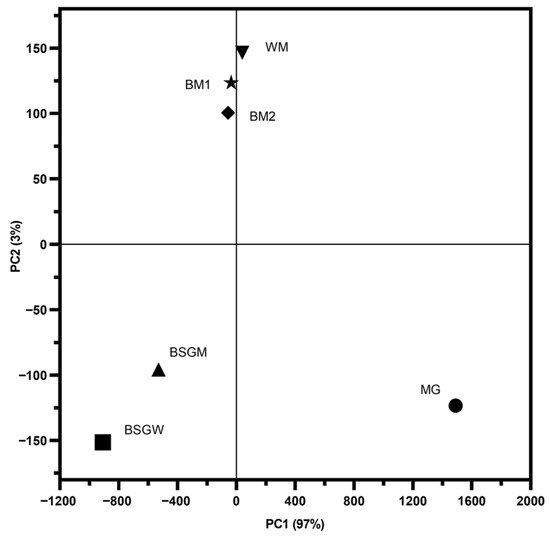
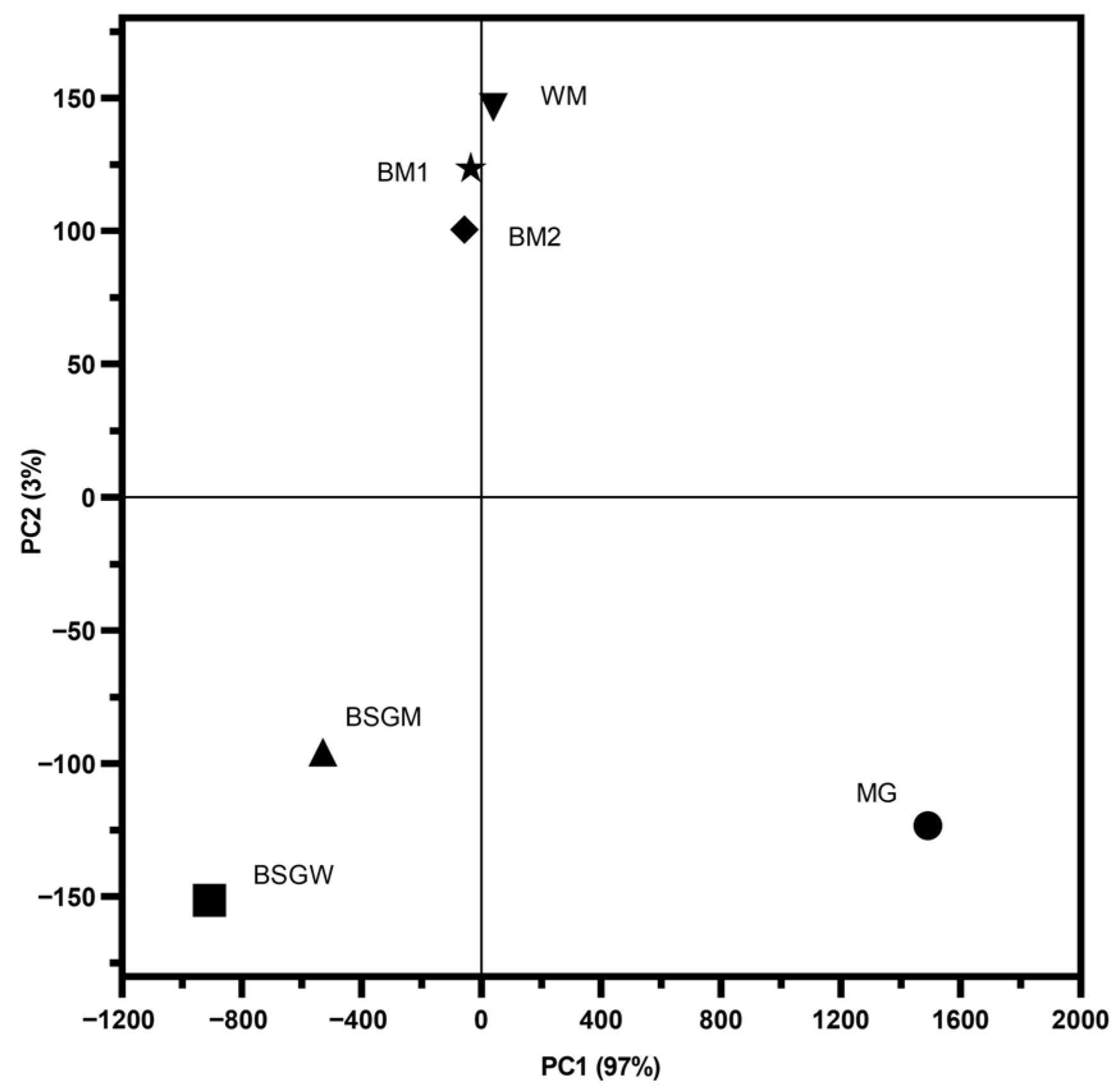
The chemical datasets (minerals, fatty acids, and amino acids) were further evaluated using Principal Component Analysis, a multivariate statistical approach applied to assess similarities and differences among samples based on their compositional profiles. As shown in Figure 5, the two principal components explained 100% of the overall variance (97% and 3% for PC1 and PC2, respectively), dividing the studied samples into 3 distinct clusters. The first cluster included the barley malt samples (BM1 and BM2) together with malted wheat (WM), reflecting similarities in their raw material composition. The second cluster comprised the corresponding spent grain samples (BSGM and BSGW), indicating compositional modifications induced by the brewing process. Maize grits (MG) formed a separate cluster, suggesting a distinct chemical profile compared to the other materials. The correlation loadings bi-plot, computed in order to underline the correlations between the samples and their chemical profile, indicated that Fe, Mg, P, and Ca are among the marker minerals, while the PUFAs/SFAs, MUFAs, n − 6/n − 3 ratios, and 18:1n − 9 can be considered markers for the MG sample.
Figure 5.
PCA score plot and correlation loading bi-plot of chemical profiles (minerals, fatty acids, and amino acids) of raw materials and spent grains.
4. Conclusions
In the context of sustainable resource management, brewers’ spent grain represents a continuously available agro-industrial by-product with significant nutritional potential. The present study provides a comparative compositional assessment of spent grains obtained from craft beers formulated with maize grits and malted wheat, highlighting the influence of adjunct type on protein, amino acid, fatty acid, and mineral composition.
Protein content ranged from 25.81% to 28.43%, with higher values observed in the wheat-based spent grain, which also exhibited increased total free amino acids (190.03 mg/100 g) and phosphorus levels (up to 2700.03 mg/kg). Both samples displayed fatty acid profiles dominated by linoleic acid (approximately 51% of total fatty acids). Principal component analysis further confirmed a clear differentiation between raw materials and their corresponding spent grains, as well as between maize- and wheat-based formulations.
Overall, the results demonstrate that adjunct composition significantly affects the nutritional characteristics of brewers’ spent grains derived from craft brewing. This study provides comparative data on Romanian craft BSG and supports a more targeted valorization approach according to raw material formulation. From a practical perspective, wheat-based spent grain may be considered for protein-enrichment strategies in food applications, whereas maize-based variants may be of interest for lipid-oriented recovery or feed-related uses. Future research should address the functional properties and processing performance of these materials to facilitate their effective integration into food and feed systems.
Author Contributions
A.C.F.: Conceptualization, Methodology, Resources, Writing—Reviewing and Editing, Project administration, Funding. M.S.C.: Writing—original draft, Formal analysis, Data curation, Validation. S.A.S.: Methodology, Supervision, Resources. F.D.: Investigation, Validation, Funding acquisition. P.P.: Investigation, Validation, Writing—original draft. L.C.S.: Investigation, Writing—Reviewing, and Editing. A.P.: Writing—Reviewing and Editing. O.N.: Writing—Reviewing and Editing. All authors have read and agreed to the published version of the manuscript.
Funding
This work was supported by grants of the Romanian Ministry of Education and Research, CNCS-UEFISCDI, project number PN-III-P4-ID-PCE-2020-2306 and PN-III-P4-PCE-2021-0750, within PNCDI III.
Data Availability Statement
The original contributions presented in this study are included in the article. Further inquiries can be directed to the corresponding author.
Conflicts of Interest
The authors declare no conflicts of interest. The authors O.N. (Oana Negrean) is an employee of MDPI; however, she is not working for the journal Agriculture at the time of submission and publication.
References
- Nyhan, L.; Sahin, A.W.; Schmitz, H.H.; Siegel, J.B.; Arendt, E.K. Brewers’ Spent Grain: An Unprecedented Opportunity to Develop Sustainable Plant-Based Nutrition Ingredients Addressing Global Malnutrition Challenges. J. Agric. Food Chem. 2023, 71, 10543–10564. [Google Scholar] [CrossRef] [Scilit] [PubMed]
- Salanță, L.; Fărcaş, A.; Borșa, A.; Pop, C. Current Strategies for the Management of Valuable Compounds from Hops Waste for a Circular Economy. Food Chem. X 2023, 19, 100876. [Google Scholar] [CrossRef] [Scilit]
- Purhace, D. Valorisation of brewery wastes in a circular bioeconomy—From low-cost animal feed to high-value products. In Waste Valorisation, Food, Feed, Fertilizer, Fuel and Value-Added Products; Wong, M.H., Purchase, D., Dickinson, N., Eds.; Food, World Scientific: Singapore, 2023; pp. 471–502. [Google Scholar]
- Wagner, E.; Pería, M.E.; Ortiz, G.E.; Rojas, N.L.; Ghiringhelli, P.D. Valorization of Brewer’s Spent Grain by Different Strategies of Structural Destabilization and Enzymatic Saccharification. Ind. Crops Prod. 2021, 163, 113329. [Google Scholar] [CrossRef] [Scilit]
- Qazanfarzadeh, Z.; Ganesan, A.R.; Mariniello, L.; Conterno, L.; Kumaravel, V. Valorization of Brewer’s Spent Grain for Sustainable Food Packaging. J. Clean. Prod. 2023, 385, 135726. [Google Scholar] [CrossRef] [Scilit]
- Lock, T.J.; Mah, S.H.; Lai, Z.W. Versatile Applications of Brewer’s Spent Grain: Solid-State Fermentation and Nutritional Added Value. Appl. Biochem. Biotechnol. 2024, 196, 5508–5532. [Google Scholar] [CrossRef] [Scilit]
- Lisci, S.; Tronci, S.; Grosso, M.; Karring, H.; Hajrizaj, R.; Errico, M. Brewer’s Spent Grain: Its Value as Renewable Biomass and Its Possible Applications. Chem. Eng. Trans. 2022, 92, 259–264. [Google Scholar] [CrossRef]
- Karlsen, F.; Skov, P.V. Review—Potentials and Limitations of Utilising Brewer’s Spent Grain as a Protein Source in Aquaculture Feeds. J. Clean. Prod. 2022, 357, 131986. [Google Scholar] [CrossRef] [Scilit]
- Yu, D.; Sun, Y.; Wang, W.; O’Keefe, S.F.; Neilson, A.P.; Feng, H.; Wang, Z.; Huang, H. Recovery of Protein Hydrolysates from Brewer’s Spent Grain Using Enzyme and Ultrasonication. Int. J. Food Sci. Technol. 2020, 55, 357–368. [Google Scholar] [CrossRef] [Scilit]
- Jin, Z.; Lan, Y.; Ohm, J.B.; Gillespie, J.; Schwarz, P.; Chen, B. Physicochemical Composition, Fermentable Sugars, Free Amino Acids, Phenolics, and Minerals in Brewers’ Spent Grains Obtained from Craft Brewing Operations. J. Cereal Sci. 2022, 104, 103413. [Google Scholar] [CrossRef] [Scilit]
- Qin, P.; Wang, T.; Luo, Y. A Review on Plant-Based Proteins from Soybean: Health Benefits and Soy Product Development. J. Agric. Food Res. 2022, 7, 100265. [Google Scholar] [CrossRef] [Scilit]
- Rodriguez, L.M.; Camina, J.L.; Borroni, V.; Pérez, E.E. Protein Recovery from Brewery Solid Wastes. Food Chem. 2023, 407, 134810. [Google Scholar] [CrossRef] [Scilit]
- Chetrariu, A.; Dabija, A. Brewer’s Spent Grains: Possibilities of Valorization, a Review. Appl. Sci. 2020, 10, 5619. [Google Scholar] [CrossRef] [Scilit]
- Mitri, S.; Salameh, S.J.; Khelfa, A.; Leonard, E.; Maroun, R.G.; Louka, N.; Koubaa, M. Valorization of Brewers’ Spent Grains: Pretreatments and Fermentation, a Review. Fermentation 2022, 8, 50. [Google Scholar] [CrossRef] [Scilit]
- Birsan, R.I.; Wilde, P.; Waldron, K.W.; Rai, D.K. Recovery of Polyphenols from Brewer’s Spent Grains. Antioxidants 2019, 8, 380. [Google Scholar] [CrossRef] [Scilit]
- Agrawal, D.; Gopaliya, D.; Willoughby, N.; Khare, S.K.; Kumar, V. Recycling Potential of Brewer’s Spent Grains for Circular Biorefineries. Curr. Opin. Green Sustain. Chem. 2023, 40, 100748. [Google Scholar] [CrossRef] [Scilit]
- Byeon, Y.S.; Hong, Y.S.; Kwak, H.S.; Lim, S.T.; Kim, S.S. Metabolite Profile and Antioxidant Potential of Wheat (Triticum aestivum L.) during Malting. Food Chem. 2022, 384, 132443. [Google Scholar] [CrossRef] [Scilit]
- Maia, C.; Cunha, S.; Debyser, W.; Cook, D. Impacts of Adjunct Incorporation on Flavor Stability Metrics at Early Stages of Beer Production. J. Am. Soc. Brew. Chem. 2023, 81, 54–65. [Google Scholar] [CrossRef] [Scilit]
- Yang, D.; Gao, X. Progress of the Use of Alternatives to Malt in the Production of Gluten-Free Beer. Crit. Rev. Food Sci. Nutr. 2022, 62, 2820–2835. [Google Scholar] [CrossRef] [Scilit] [PubMed]
- Ndife, J.; Nwokedi, C.U.; Ugwuona, F.U. Optimization of malting and saccharification in the production of malt beverage from maize. Niger. J. Agric. Food Environ. 2019, 15, 134–141. [Google Scholar]
- Villacreces, S.; Blanco, C.A.; Caballero, I. Developments and Characteristics of Craft Beer Production Processes. Food Biosci. 2022, 45, 101495. [Google Scholar] [CrossRef] [Scilit]
- Zeko-Pivač, A.; Tišma, M.; Žnidaršič-Plazl, P.; Kulisic, B.; Sakellaris, G.; Hao, J.; Planinić, M. The Potential of Brewer’s Spent Grain in the Circular Bioeconomy: State of the Art and Future Perspectives. Front. Bioeng. Biotechnol. 2022, 10, 1–15. [Google Scholar] [CrossRef] [Scilit]
- Baiano, A.; Fiore, A. Sustainable Food Processing: Single and Interactive Effects of Type and Quantity of Brewers’ Spent Grain and of Type of Sweetener on Physicochemical and Sensory Characteristics of Functional Biscuits. Int. J. Food Sci. Technol. 2023, 58, 5757–5772. [Google Scholar] [CrossRef] [Scilit]
- Jayant, M.; Hassan, M.A.; Srivastava, P.P.; Meena, D.K.; Kumar, P.; Kumar, A.; Wagde, M.S. Brewer’s Spent Grains (BSGs) as Feedstuff for Striped Catfish, Pangasianodon Hypophthalmus Fingerlings: An Approach to Transform Waste into Wealth. J. Clean. Prod. 2018, 199, 716–722. [Google Scholar] [CrossRef] [Scilit]
- Buller, L.S.; Sganzerla, W.G.; Lima, M.N.; Muenchow, K.E.; Timko, M.T.; Forster-Carneiro, T. Ultrasonic Pretreatment of Brewers’ Spent Grains for Anaerobic Digestion: Biogas Production for a Sustainable Industrial Development. J. Clean. Prod. 2022, 355, 131802. [Google Scholar] [CrossRef] [Scilit]
- Evaristo, R.B.W.; Costa, A.A.; Nascimento, P.G.B.D.; Ghesti, G.F. Biorefinery Development Based on Brewers’ Spent Grain (BSG) Conversion: A Forecasting Technology Study in the Brazilian Scenario. Biomass 2023, 3, 217–237. [Google Scholar] [CrossRef] [Scilit]
- AACC. Approved Methods of the American Association of Cereal Chemistry; Methods 46-11.02, 08-01.01; AACC: Saint Paul, MN, USA, 2000.
- Fărcaș, A.C.; Socaci, S.A.; Chiș, M.S.; Dulf, F.V.; Podea, P.; Tofană, M. Analysis of Fatty Acids, Amino Acids and Volatile Profile of Apple By-Products by Gas Chromatography-Mass Spectrometry. Molecules 2022, 27, 1987. [Google Scholar] [CrossRef] [Scilit]
- Dulf, F.V.; Vodnar, D.C.; Dulf, E.H.; Toşa, M.I. Total Phenolic Contents, Antioxidant Activities, and Lipid Fractions from Berry Pomaces Obtained by Solid-State Fermentation of Two Sambucus Species with Aspergillus niger. J. Agric. Food Chem. 2015, 63, 3489–3500. [Google Scholar] [CrossRef] [Scilit]
- Fărcaş, A.C.; Socaci, S.A.; Dulf, F.V.; Tofană, M.; Mudura, E.; Diaconeasa, Z. Volatile Profile, Fatty Acids Composition and Total Phenolics Content of Brewers’ Spent Grain by-Product with Potential Use in the Development of New Functional Foods. J. Cereal Sci. 2015, 64, 34–42. [Google Scholar] [CrossRef] [Scilit]
- Dulf, F.V.; Vodnar, D.C.; Dulf, E.H. Solid-State Fermentation with Zygomycetes Fungi as a Tool for Biofortification of Apple Pomace with γ-Linolenic Acid, Carotenoid Pigments and Phenolic Antioxidants. Food Res. Int. 2023, 173, 113448. [Google Scholar] [CrossRef] [Scilit]
- Fărcaș, A.C.; Socaci, S.A.; Chiș, M.S.; Martí, J. In Vitro Digestibility of Minerals and B Vitamins Group from Different Brewers ’ Spent Grains. Nutrients 2022, 14, 3512. [Google Scholar] [CrossRef] [Scilit]
- Alonso-Riaño, P.; Sanz, M.T.; Benito-Román, O.; Beltrán, S.; Trigueros, E. Subcritical Water as Hydrolytic Medium to Recover and Fractionate the Protein Fraction and Phenolic Compounds from Craft Brewer’s Spent Grain. Food Chem. 2021, 351, 129264. [Google Scholar] [CrossRef] [Scilit]
- Pabbathi, N.P.P.; Velidandi, A.; Pogula, S.; Gandam, P.K.; Baadhe, R.R.; Sharma, M.; Sirohi, R.; Thakur, V.K.; Gupta, V.K. Brewer’s Spent Grains-Based Biorefineries: A Critical Review. Fuel 2022, 317, 123435. [Google Scholar] [CrossRef] [Scilit]
- Gonu, H.; Withayagiat, U. Congress Mashing of Malted Wheat Cultivars from Thailand Provide Adequate Malt Extract Physicochemical Properties Suitable for Brewing Purposes. Cereal Chem. 2023, 100, 1080–1091. [Google Scholar] [CrossRef] [Scilit]
- Guo, M.; Jin, Y.; Du, J.; Zhang, K.; Zhao, D. Effects of Wheat Protein Compositions on Malt Quality. Qual. Assur. Saf. Crops Foods 2014, 6, 73–80. [Google Scholar] [CrossRef] [Scilit]
- Belcar, J.; Sekutowski, T.R.; Zardzewiały, M.; Gorzelany, J. Effect of Malting Process Duration on Malting Losses and Quality of Wheat Malts. Acta Univ. Cibiniensis. Ser. E Food Technol. 2021, 25, 221–232. [Google Scholar] [CrossRef] [Scilit]
- Lordan, R.; O’Keeffe, E.; Tsoupras, A.; Zabetakis, I. Total, Neutral, and Polar Lipids of Brewing Ingredients, by-Products and Beer: Evaluation of Antithrombotic Activities. Foods 2019, 8, 171. [Google Scholar] [CrossRef] [Scilit]
- Bravi, E.; Sensidoni, M.; Floridi, S.; Perretti, G. Fatty Acids Composition Differences Between Beers Made with All-Malt and Brewer’s Corn Grits and Malt. Tech. Q. 2009. [Google Scholar] [CrossRef] [Scilit]
- Sobek, S.; Zeng, K.; Werle, S.; Junga, R.; Sajdak, M. Brewer’s Spent Grain Pyrolysis Kinetics and Evolved Gas Analysis for the Sustainable Phenolic Compounds and Fatty Acids Recovery Potential. Renew. Energy 2022, 199, 157–168. [Google Scholar] [CrossRef] [Scilit]
- Almeida, A.d.R.; Geraldo, M.R.F.; Ribeiro, L.F.; Silva, M.V.; Maciel, M.V.d.O.B.; Haminiuk, C.W.I. Compostos Bioativos Do Bagaço de Malte: Compostos Fenólicos, Ácidos Graxos e Capacidade Antioxidante in Vitro. Acta Sci. Technol. 2017, 39, 269–277. [Google Scholar] [CrossRef] [Scilit]
- Niemi, P.; Tamminen, T.; Smeds, A.; Viljanen, K.; Ohra-Aho, T.; Holopainen-Mantila, U.; Faulds, C.B.; Poutanen, K.; Buchert, J. Characterization of Lipids and Lignans in Brewer’s Spent Grain and its Enzymatically Extracted Fraction. J. Agric. Food Chem. 2012, 60, 9910–9917. [Google Scholar] [CrossRef] [Scilit]
- Ferreira, R.; Lourenço, S.; Lopes, A.; Andrade, C.; Câmara, J.S.; Castilho, P.; Perestrelo, R. Evaluation of Fatty Acids Profile as a Useful Tool towards Valorization of By-Products of Agri-Food Industry. Foods 2021, 10, 2867. [Google Scholar] [CrossRef] [Scilit] [PubMed]
- FAO/WHO. Fats and Fatty Acids in Human Nutrition: Report of an Expert Consultation; FAO Food and Nutrition Paper 91; Food and Agriculture Organization of the United Nations: Rome, Italy, 2010; Available online: https://www.fao.org/fileadmin/user_upload/nutrition/docs/requirements/fatsandfattacidsreport.pdf (accessed on 10 March 2026).
- Patel, A.; Mikes, F.; Bühler, S.; Matsakas, L. Valorization of Brewers’ Spent Grain for the Production of Lipids by Oleaginous Yeast. Molecules 2018, 23, 3052. [Google Scholar] [CrossRef] [Scilit] [PubMed]
- Evans, D.E.; Goldsmith, M.; Redd, K.S.; Nischwitz, R.; Lentini, A. Impact of Mashing Conditions on Extract, Its Fermentability, and the Levels of Wort Free Amino Nitrogen (FAN), β-Glucan, and Lipids. J. Am. Soc. Brew. Chem. 2012, 70, 39–49. [Google Scholar] [CrossRef] [Scilit]
- Mussatto, S.I. Brewer’s Spent Grain: A Valuable Feedstock for Industrial Applications. J. Sci. Food Agric. 2014, 94, 1264–1275. [Google Scholar] [CrossRef] [Scilit]
- Hingade, S.T.; Chavan, V.R.; Machewad, G.M.; Deshpande, H.W. Studies on Effect of Malting on Physiochemical Characteristics of Wheat Malt and Barley Malt Used for Preparation of Probiotic Beverage. J. Pharmacogn. Phytochem. 2019, 8, 1811–1813. [Google Scholar]
- Farooqui, A.; Syed, H.; Talpade, N.; Sontakke, M.; Ghatge, P. Influence of Germination on Chemical and Nutritional Properties of Barley Flour. J. Pharmacogn. Phytochem. 2018, 7, 3855–3858. [Google Scholar]
- Yitayew, T.; Moges, D.; Satheesh, N. Effect of Brewery Spent Grain Level and Fermentation Time on the Quality of Bread. Int. J. Food Sci. 2022, 2022, 8704684. [Google Scholar] [CrossRef] [Scilit]

Disclaimer/Publisher’s Note: The statements, opinions and data contained in all publications are solely those of the individual author(s) and contributor(s) and not of MDPI and/or the editor(s). MDPI and/or the editor(s) disclaim responsibility for any injury to people or property resulting from any ideas, methods, instructions or products referred to in the content. |
© 2026 by the authors. Licensee MDPI, Basel, Switzerland. This article is an open access article distributed under the terms and conditions of the Creative Commons Attribution (CC BY) license.