Systematic Review

Underestimation of Intraocular Pressure (IOP) After LASIK and PRK: Systematic Review and Meta-Analysis


by
Stamatios Lampsas
1,*,
Efthymios Karmiris
1,
George D. Kymionis
2 and
Irini Chatziralli
1
1
2nd Department of Ophthalmology, Attikon University Hospital, Medical School, National and Kapodistrian University of Athens, 11528 Athens, Greece
2
1st Department of Ophthalmology, “G. Gennimatas” Hospital, Medical School, National and Kapodistrian University of Athens, 11528 Athens, Greece
*
Author to whom correspondence should be addressed.
J. Clin. Med. 2026, 15(12), 4426; https://doi.org/10.3390/jcm15124426
Submission received: 13 April 2026 / Revised: 3 June 2026 / Accepted: 5 June 2026 / Published: 8 June 2026
(This article belongs to the Special Issue Glaucoma: Diagnosis and Management Insights)

Abstract

Background/Objectives: Refractive corneal surgery alters corneal biomechanics and thickness, affecting the accuracy of intraocular pressure (IOP) measurements. This systematic review and meta-analysis aimed to quantify the postoperative underestimation of IOP following such procedures. Methods: This systematic review and meta-analysis, conducted based on PRISMA guidelines, evaluated pre- and postoperative IOP changes following LASIK and PRK using GAT, ORA, and CORVIS ST, based on studies identified through PubMed, Scopus, Cochrane Library, and ScienceDirect up to 31 December 2025, with results synthesized using random-effects models and reported as mean differences (MD) with 95% confidence intervals (CI). Results: Of the 1796 articles identified, 54 studies met the inclusion criteria, encompassing a total of 4730 eyes. After LASIK, a statistically significant underestimation of IOP was observed with all methods: GAT (MD: 3.23 mmHg, 95% CI: 2.77–3.69, p < 0.001), ORA (MD: 2.13 mmHg, 95% CI: 1.56–2.70, p < 0.001), and CORVIS ST (MD: 1.39 mmHg, 95% CI: 0.53–2.24, p = 0.001). Similarly, after PRK, a significant reduction in IOP was recorded with GAT (MD: 2.04 mmHg, 95% CI: 1.24–2.84, p < 0.001) and ORA (MD: 2.46 mmHg, 95% CI: 0.62–4.29, p < 0.01), while the difference measured by CORVIS ST was not statistically significant. Conclusions: LASIK and PRK result in systematic underestimation of IOP, most pronounced with GAT and less evident with ORA and CORVIS ST, highlighting the importance of selecting appropriate tonometry methods for accurate monitoring, especially in patients at risk of glaucoma or elevated IOP.

1. Introduction

Refractive errors (myopia, hyperopia, and presbyopia) is the number one cause of low visual acuity, accounting for approximately 51–58% of visual impairment [1,2]. Corneal refractive surgery, one of the most widely used techniques for correcting refractive errors of the eye, has been at the forefront of ophthalmologic interest over the past two decades due to significant advances in the field. In the United States, it is estimated that 700,000–800,000 LASIK procedures are performed annually, making it the most widely used corneal refractive surgical technique, while PRK accounts for approximately 10–15% of laser vision correction procedures, corresponding to roughly 70,000–120,000 surgeries per year [3].
Accurate measurement of IOP is a critical component of the ophthalmologic examination for the detection and monitoring of glaucoma, with Goldmann applanation tonometry (GAT) considered the gold standard among the various available tonometry methods [4]. Refractive corneal surgeries, such as Laser-Assisted In Situ Keratomileusis (LASIK) and Photorefractive Keratectomy (PRK), reduce central corneal thickness by removing tissue from the anterior stroma—the strongest layer—thereby altering biomechanical properties, decreasing overall stability, and weakening corneal rigidity, elasticity, and viscoelastic response [5,6]. The accuracy of intraocular pressure measurements may be significantly affected following these procedures due to alterations in the biomechanical properties of the cornea, thereby increasing the risk of underestimation and potentially resulting in delayed diagnosis of ocular hypertension and/or glaucoma [7,8]. Previous studies have shown that IOP is frequently underestimated after LASIK and PRK. Postoperative corneal thinning and alterations in corneal biomechanics reduce resistance during applanation tonometry, leading to lower measured IOP values. This underestimation may delay the detection and management of steroid-induced IOP elevation and has been associated with progression to advanced glaucoma [9,10]. However, contemporary devices such as the Ocular Response Analyzer (ORA) and Corneal Visualization Scheimpflug Technology (Corvis ST) enable more accurate estimation of IOP despite post-refractive alterations in corneal biomechanics, offering a comparative advantage over GAT [7,10,11,12]. Although these novel devices offer several advantages, the underestimation of IOP still exists and newer algorithms adapted both for Corvis ST and ORA have tried to improve this, with limited efficiency and accuracy [13]. Given the increasing number of patients undergoing refractive surgery worldwide and the critical role of accurate IOP assessment in glaucoma detection and monitoring, understanding the extent of postoperative IOP underestimation carries important clinical significance and was a major motivation for conducting this study.
Based on the above, the aim of this systematic review and meta-analysis is to evaluate the changes in IOP following corneal refractive surgeries in patients who have undergone LASIK and PRK. Secondarily, the study seeks to quantify these changes through meta-analysis, focusing on measurements obtained with GAT, the ORA and Corvis ST before and after surgery, as well as their relationship with alterations in corneal biomechanics.

2. Materials and Methods

2.1. Literature Search

This study followed the methodological approach specified by the Preferred Reporting Items for Systematic Reviews and Meta-Analyses (PRISMA) guidelines [14], and the protocol was officially recorded with PROSPERO under registration number CRD420261367793. The PRISMA 2020 checklist has been included in the Supplementary Materials (Table S1). The search queries were designed to apply to the endpoints of the protocol, investigating the changes of IOP before and after LASIK and PRK Refractive Surgery (Supplementary Table S2). Eligibility based on predefined protocol selection criteria was independently assessed by two researchers. Before conducting the final analysis, the database searches were rerun, and any newly identified relevant studies were obtained for inclusion. Additionally, the reference lists of the retrieved articles were also reviewed using the “snowballing” technique to identify obtain relevant publications.

2.2. Study Selection and Data Extraction

All primary observational research—including prospective and retrospective cohort studies, cross-sectional analyses, and case–control investigations—was incorporated based on the following selection criteria: (i) All included studies involved human adults aged 18 years or older, encompassing both male and female participants; (ii) Peer-reviewed articles published in English were considered for inclusion; (iii) Studies that assessed and measured IOP before and after refractive surgery—specifically PRK and/or LASIK—were included; (iv) IOP was measured using the GAT, the ORA, and/or the Corvis ST (v) Studies were included only if postoperative IOP was measured at one month after surgery, in order to avoid the influence of postoperative corticosteroids, which can elevate IOP. Only studies evaluating IOP using standard central corneal measurements were included to ensure consistency and comparability across the analyzed tonometry methods. Topical corticosteroid use in the eye can elevate intraocular pressure (IOP) by increasing aqueous outflow resistance due to the accumulation of extracellular matrix material within the trabecular meshwork, potentially leading to steroid-induced glaucoma [15]. The following were excluded: (i) all reviews, systematic reviews, and meta-analyses; (ii) studies not published in English; and (iii) animal studies. Additionally, the inclusion criteria were defined according to the PECOS framework to ensure transparency and accuracy in this systematic review and meta-analysis: (i) participants (P)-patients undergone PRK or LASIK; (ii) exposure (E)-patients undergone refractive surgery and IOP evaluated before surgery by GAT, or/and ORA, or/and Corvis ST; (iii) comparator (C)-patients undergone refractive surgery and IOP evaluated after surgery by GAT, or/and ORA, or/and Corvis ST; (iv) outcome (O)-mean difference of IOP before and after; (v) study (S)-observational studies. After the completion of study selection, two independent reviewers extracted the relevant data from the included studies utilizing a predefined data extraction form: (i) the name of the first author and the year of publication; (ii) the study sample-total eyes undergone refractive surgery; (iii) refractive surgery method (LASIK or/and PRK); (iv) the method of IOP evaluation; (v) mean age and male sex ratio for the whole sample. The screening process was performed after deduplication of citations using Rayyan systematic review software and Zotero (version 7.0.12).

2.3. Quality Assessment

To assess the methodological rigor and potential bias of the 54 studies that met the inclusion criteria, the Newcastle–Ottawa Scale (NOS)—modified appropriately for case-control, cross-sectional, and cohort designs—was employed. The NOS evaluation focuses on three key areas: (i) selection of participants, (ii) comparability of study groups, and (iii) ascertainment of exposure or outcome of interest. The maximum score is 9 for case-control studies and cohort studies, with scores of 0–3, 4–6, and 7–9 indicating low, moderate, and high quality, respectively. A detailed report is included in Supplementary Table S3.

2.4. Statistical Analysis

Forest plots were used to present the results, with group differences evaluated using mean differences (MDs) and corresponding 95% confidence intervals (CIs) calculated under a random-effects model. Statistical heterogeneity was assessed using the Q statistic based on the χ2 test (with a significance level of p = 0.05), while the I2 statistic quantified the proportion of variability attributable to between-study heterogeneity, with values >75% indicating substantial, 50–75% moderate, and <50% low heterogeneity. A sensitivity analysis was conducted using a leave-one-out approach to compare mean differences (MDs), while outlier studies were identified and excluded based on Egger’s test, a statistical method used to assess funnel plot asymmetry. Sensitivity analyses were not performed for meta-analyses including fewer than five studies, as such analyses are considered unreliable and may yield unstable estimates due to the limited number of included studies [16]. All statistical analyses were performed using RevMan 5.4 software (The Cochrane Collaboration, Oxford, UK).

3. Results

3.1. Search Results

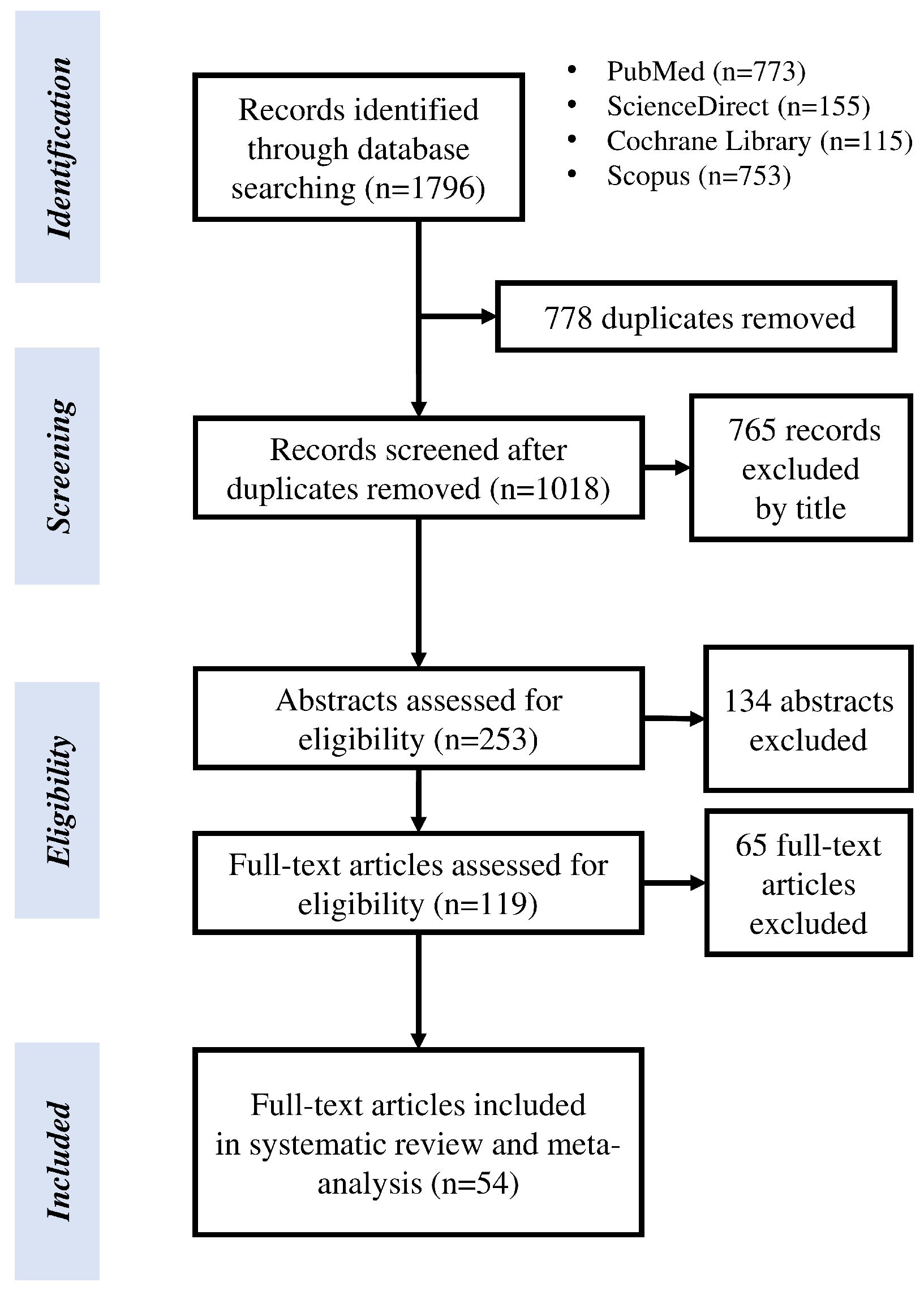
A total of 54 studies were included in the systematic review and meta-analysis following the screening of 1796 initially identified records. Overall, 4730 eyes undergone refractive surgery were included, with a mean subject’s age of 32.7 ± 7.8 years, 45.3% of them being male, and a mean post refractive surgery follow-up time 4.3 months (Figure 1, Table 1).

3.2. Comparison of Pre- and Post-Operative IOP in Patients Who Have Undergone LASIK

3.2.1. Measurement of Pre- and Post-Operative IOP Using a Goldmann Applanation Tonometer (GAT) After LASIK

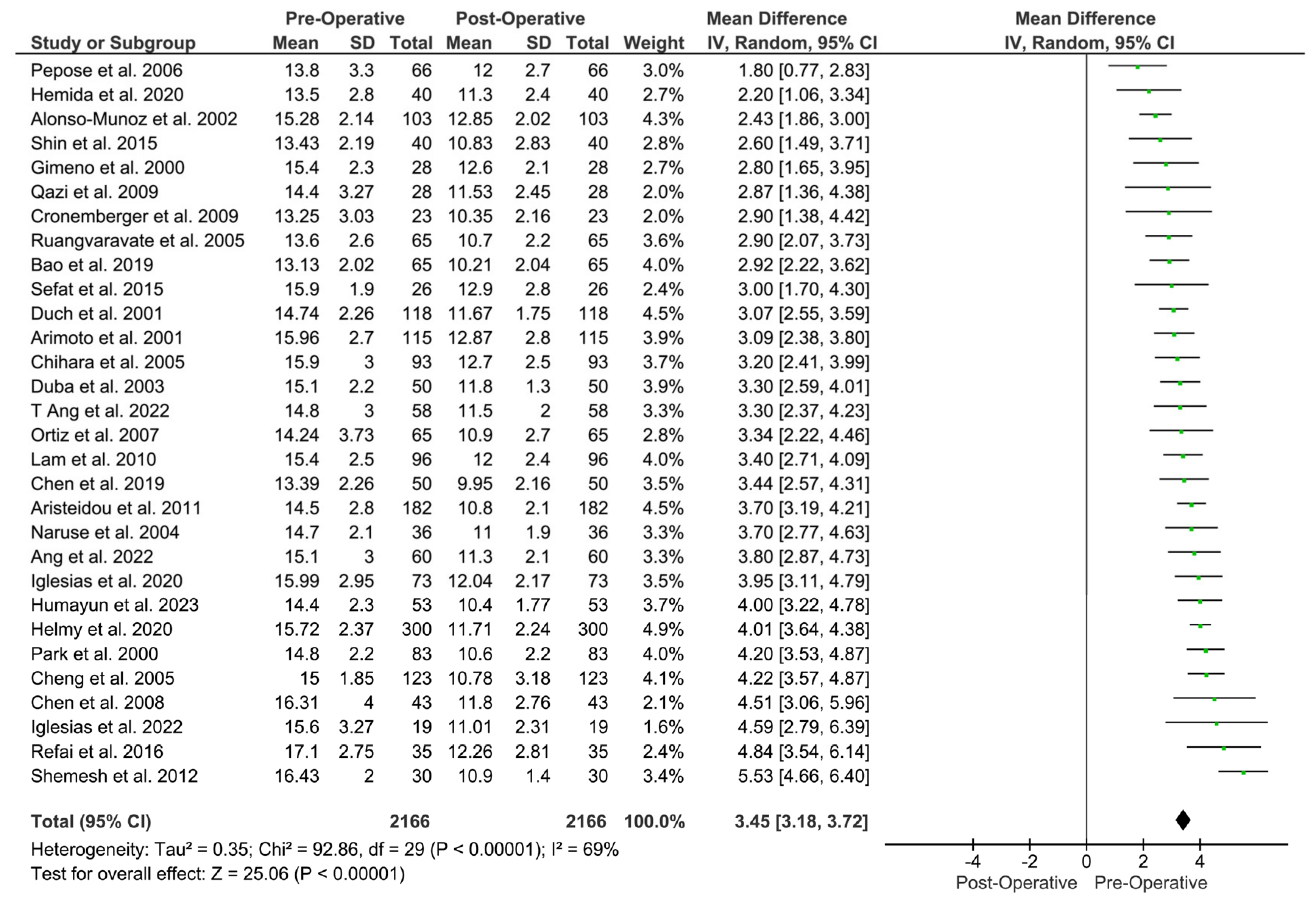
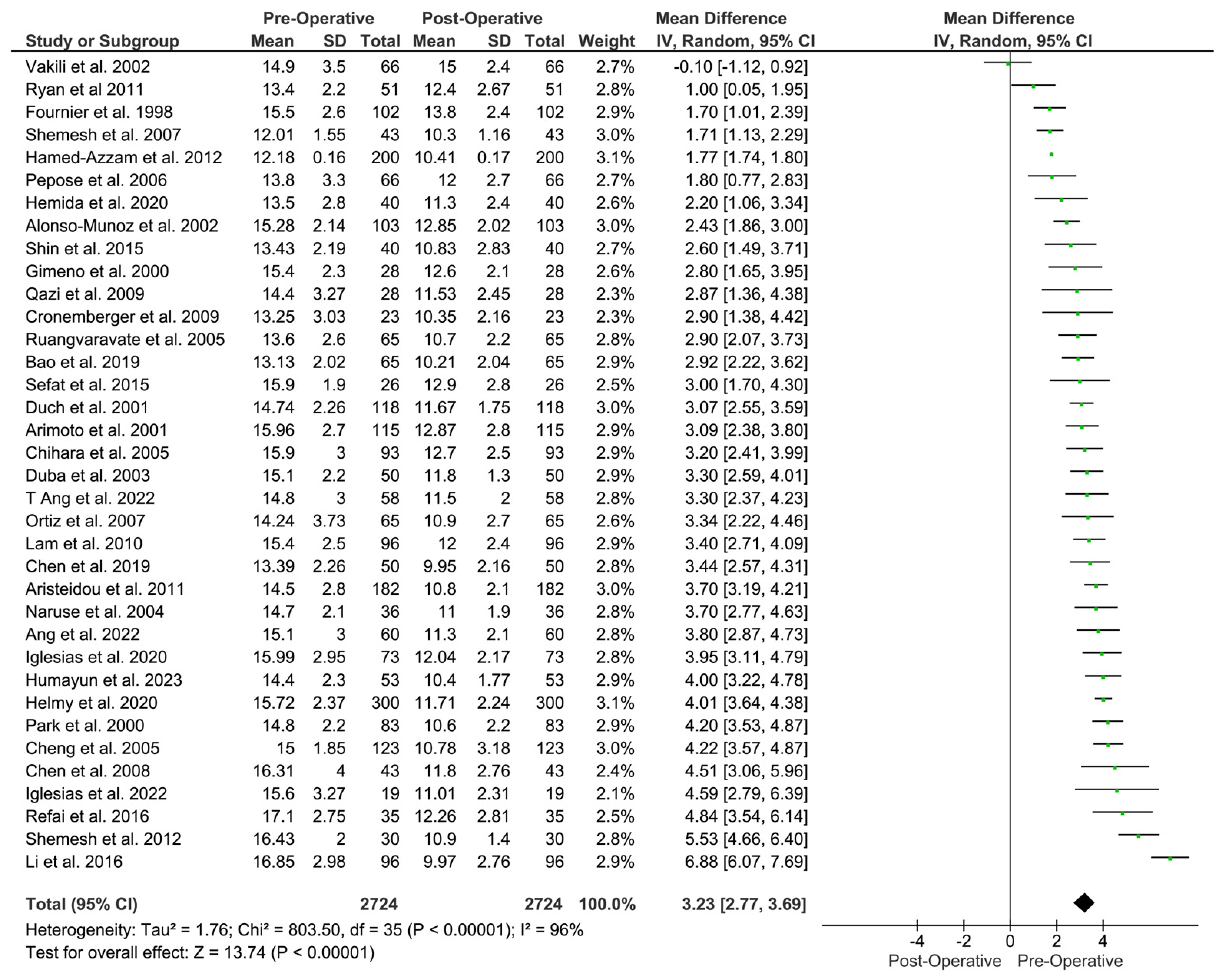
In the present analysis, 36 studies were included, examining a total of 2724 eyes before and after LASIK. This meta-analysis demonstrated a statistically significant difference in IOP measured with GAT, with a calculated mean difference of 3.23 mmHg (95% CI: 2.77–3.69, p < 0.001). Heterogeneity among the included studies was substantial, with I2 = 96% (Figure 2). In sensitivity analysis, a total of 30 studies were included, encompassing 2166 eyes evaluated before and after LASIK, six outlier studies were removed after funnel plot assessment. The findings of this analysis revealed a statistically significant decrease in IOP measured with GAT, with an estimated mean difference of 3.45 mmHg (95% CI: 3.18–3.72, p < 0.001). The level of heterogeneity across the included studies was moderate as indicated by an I2 value of 69% (Figure 3). Egger’s test did not indicate significant publication bias, as the intercept was not statistically significant (p = 0.495).

3.2.2. Measurement of Pre- and Post-Operative IOP Using Ocular Response Analyzer (ORA) After LASIK

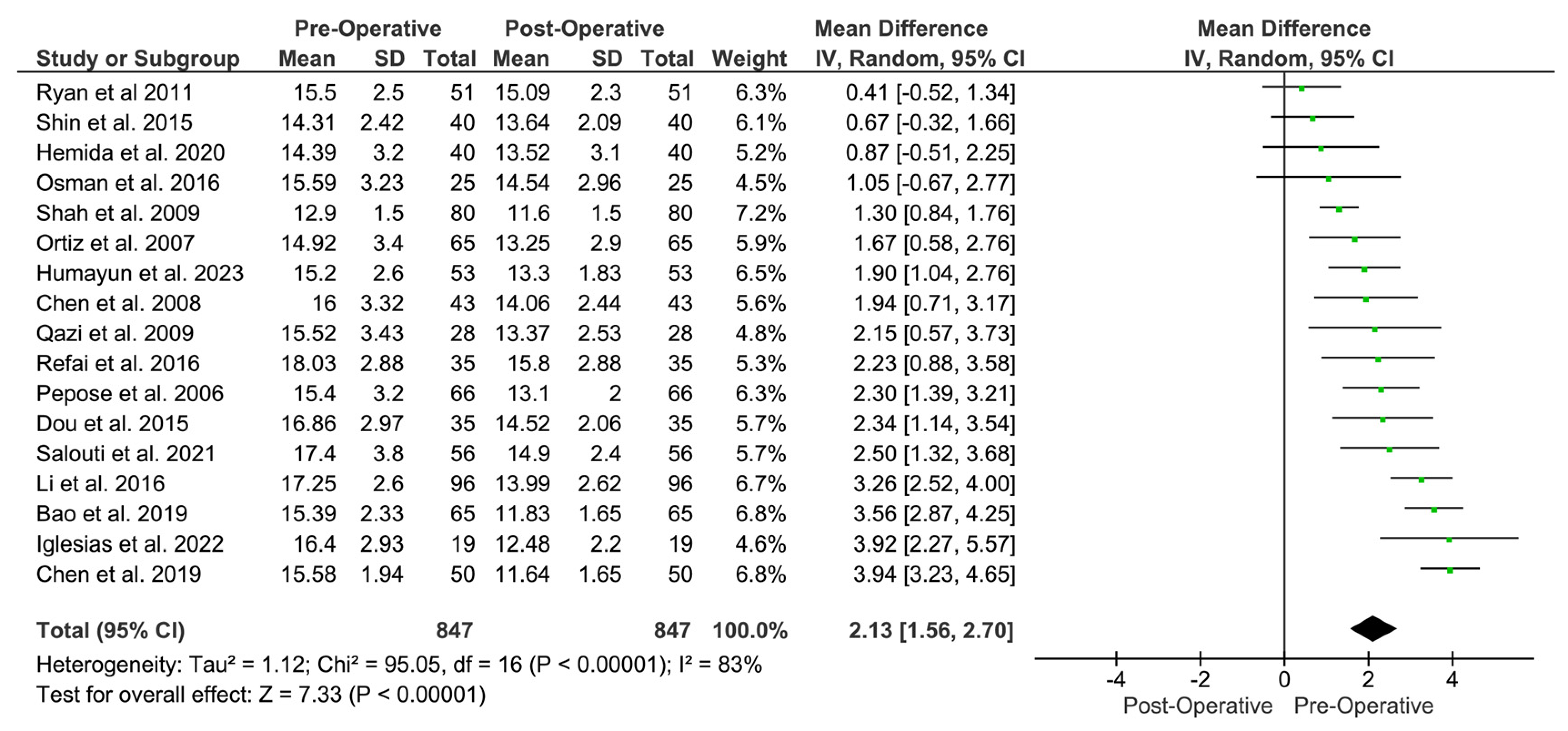
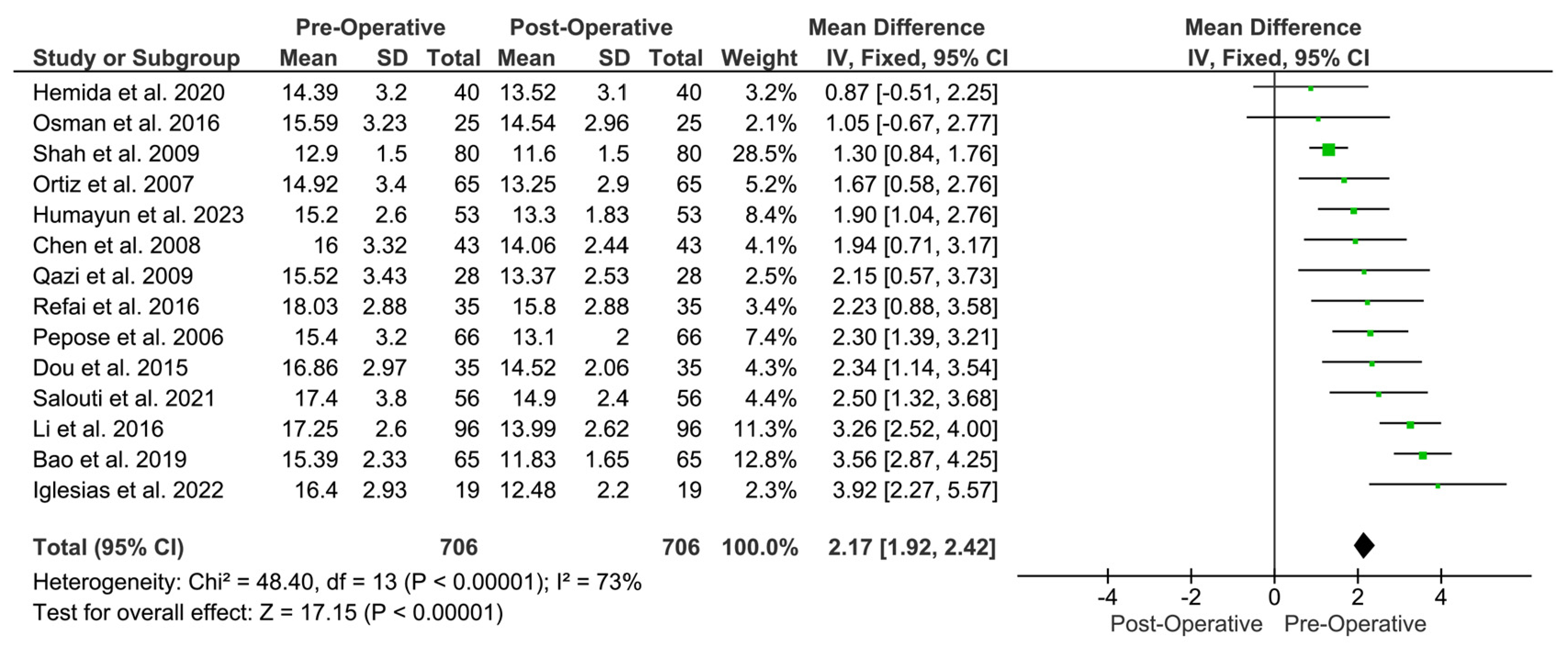
A total of 17 studies were included in this analysis, encompassing 847 eyes evaluated before and after LASIK. The meta-analysis revealed a statistically significant decrease in IOP measured with ORA, with an estimated mean difference of 2.13 mmHg (95% CI: 1.56–2.70, p < 0.001). Substantial heterogeneity was observed among the included studies, with an I2 value of 83% (Figure 4). In this analysis, 14 studies were included, comprising a total of 706 eyes evaluated before and after LASIK, three outlier studies were removed after funnel plot assessment. The meta-analysis demonstrated a statistically significant reduction in IOP measured with ORA, with a calculated mean difference of 2.17 mmHg (95% CI: 1.92–2.42, p < 0.001). The heterogeneity among the included studies was moderate, with an I2 value of 73% (Figure 5). No evidence of publication bias was detected by Egger’s test, as the intercept did not reach statistical significance (p = 0.649).

3.2.3. Measurement of Pre- and Post-Operative IOP Using Corneal Visualization Scheimpflug Technology (Corvis ST) After LASIK

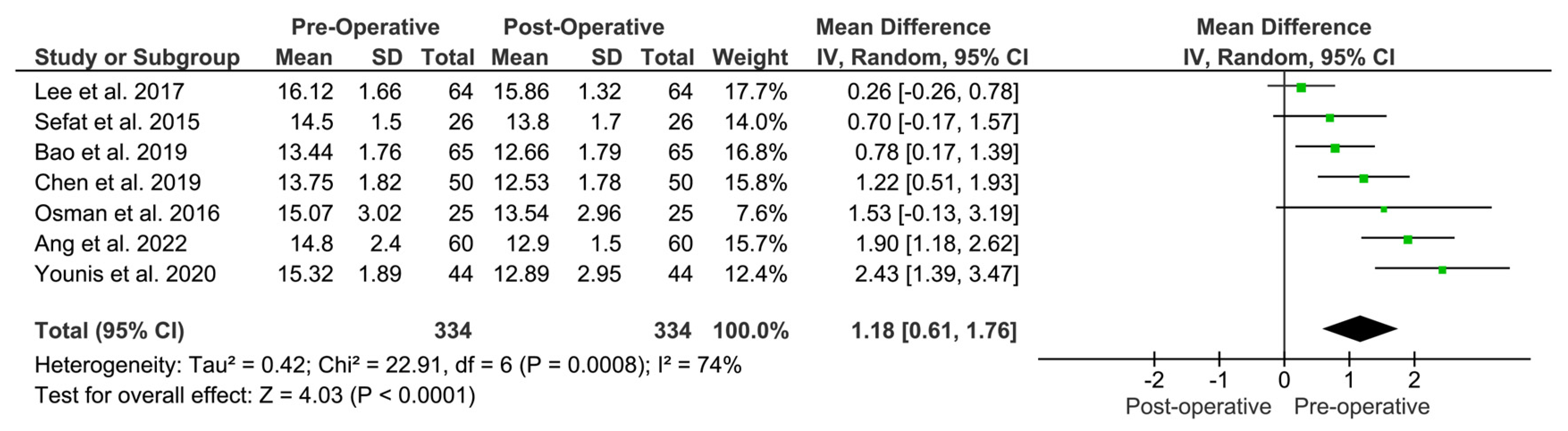
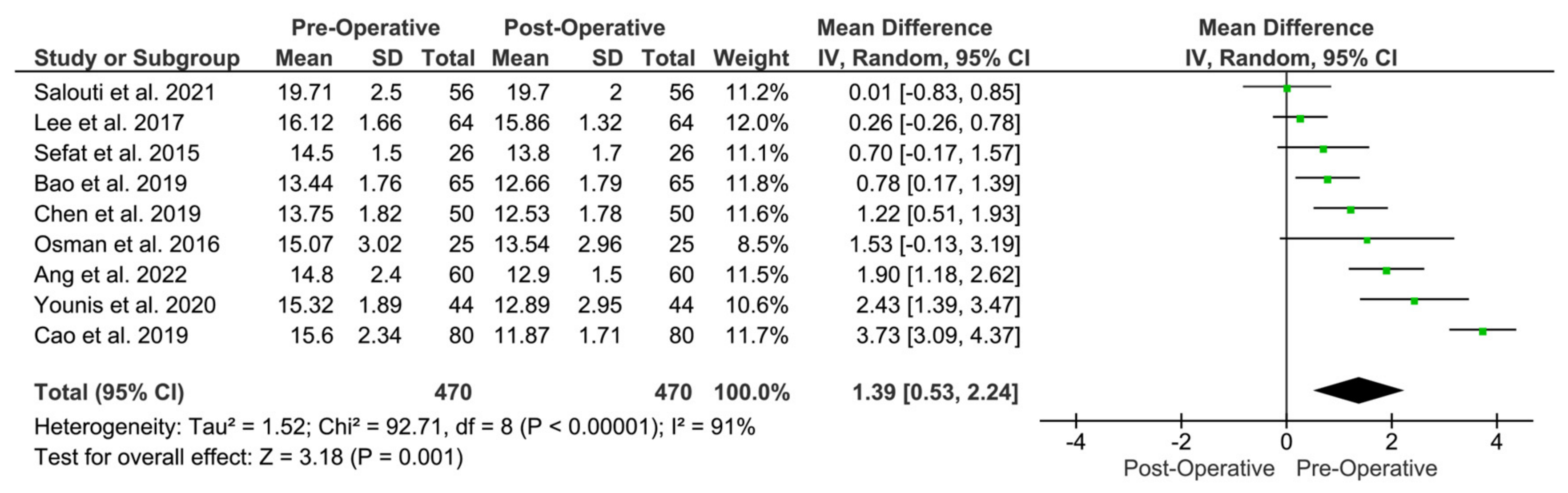
A total of 9 studies were included in this analysis, encompassing 470 eyes assessed before and after LASIK. The meta-analysis revealed a statistically significant decrease in IOP measured with Corvis ST, with an estimated mean difference of 1.39 mmHg (95% CI: 0.53–2.24, p = 0.001). Substantial heterogeneity was observed among the included studies, with an I2 value of 91% (Figure 6). A total of 7 studies were incorporated into the sensitivity analysis, after two outlier studies removed, including 334 eyes evaluated before and after LASIK. The meta-analysis indicated a statistically significant reduction IOP measured with Corvis ST, with an estimated mean difference of 1.18 mmHg (95% CI: 0.61–1.76, p < 0.0001). Moderate heterogeneity was identified among the included studies (I2 = 74%). Egger’s regression analysis was performed to assess potential publication bias and did not reveal statistically significant small-study effects (intercept = 3.61, 95% CI: −2.01 to 9.23, p = 0.159), suggesting no evidence of publication bias (Figure 7).

3.3. Comparison of Pre- and Post-Operative IOP in Patients Who Have Undergone PRK

3.3.1. Measurement of Pre- and Post-Operative IOP Using GAT After PRK

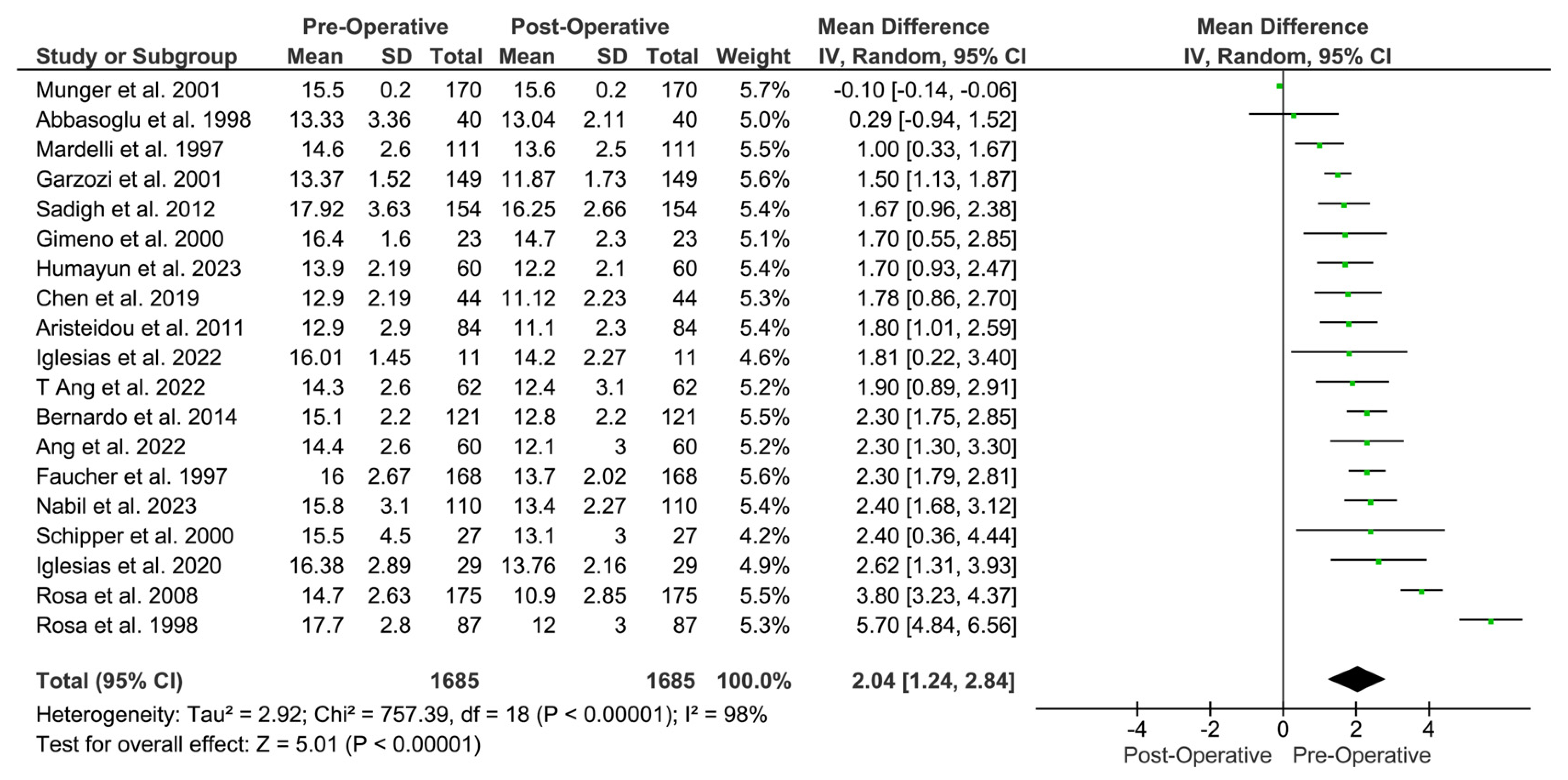
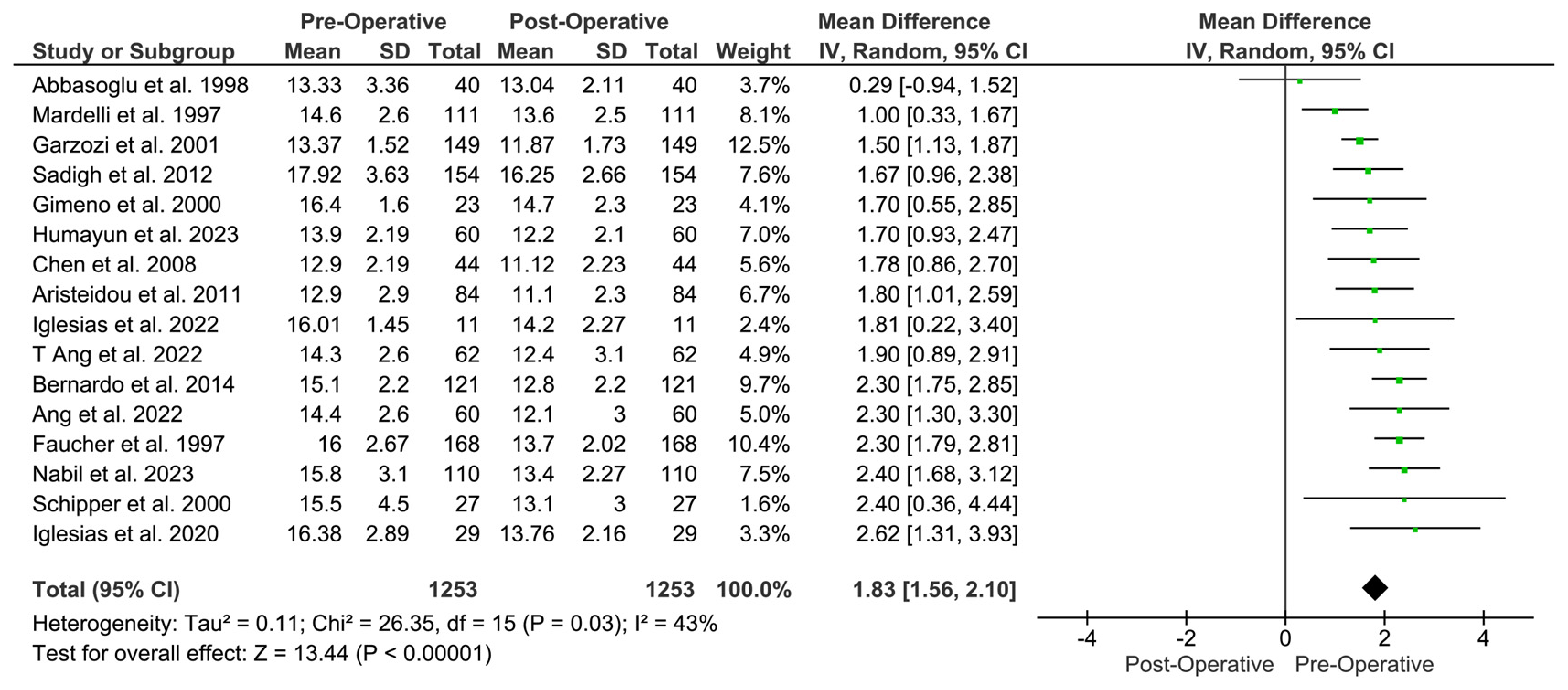
In this analysis, 19 studies were included, comprising a total of 1685 eyes evaluated before and after PRK. The meta-analysis demonstrated a statistically significant reduction in IOP measured with GAT, with a calculated mean difference of 2.04 mmHg (95% CI: 1.24–2.84, p < 0.00001). The heterogeneity among the included studies was substantial, with an I2 value of 98% (Figure 8). A sensitivity analysis was performed by excluding three studies after funnel plot evaluation, resulting in 16 studies comprising 1253 eyes evaluated before and after PRK. The analysis continued to demonstrate a statistically significant reduction in IOP measured with GAT, with a mean difference of 1.83 mmHg (95% CI: 1.56–2.10, p < 0.00001). Notably, heterogeneity was low compared to the primary analysis, with an I2 value of 43%, indicating improved consistency among the included studies (Figure 9). Egger’s test did not demonstrate significant publication bias (intercept = 0.22, p = 0.804).

3.3.2. Measurement of Pre- and Post-Operative IOP Using Ocular Response Analyzer (ORA) After PRK

A total of 3 studies were included in this analysis, encompassing 115 eyes assessed before and after PRK. The meta-analysis indicated a statistically significant decrease in IOP measured with ORA, with an estimated mean difference of 2.46 mmHg (95% CI: 0.62–4.29, p = 0.009). Substantial heterogeneity was observed among the included studies, with an I2 value of 84% (Figure 10).

3.3.3. Measurement of Pre- and Post-Operative IOP Using Corneal Visualization Scheimpflug Technology (Corvis ST) After PRK

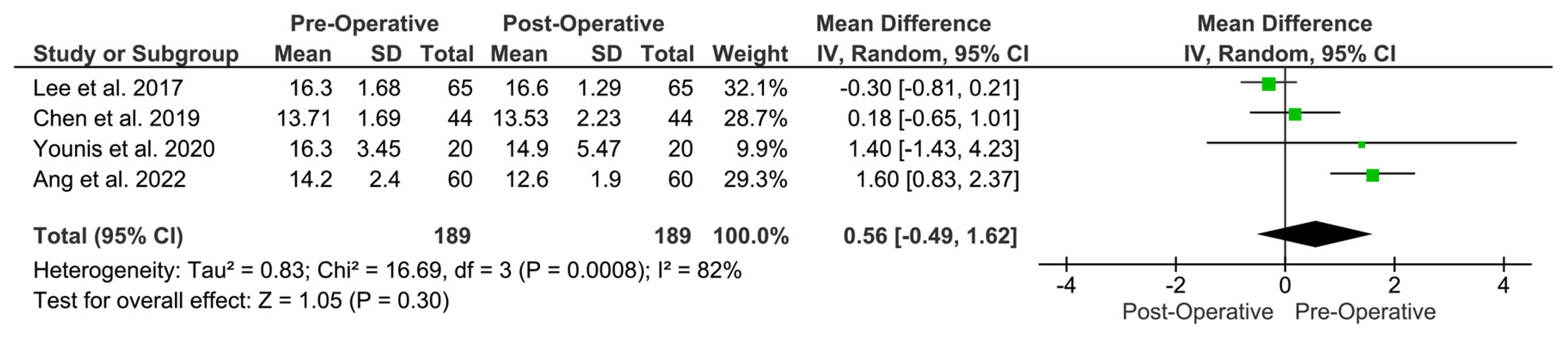
In this analysis, 4 studies were included, comprising a total of 189 eyes evaluated before and after PRK. The meta-analysis did not demonstrate a statistically significant difference in IOP measured with Corvis ST, with a calculated mean difference of 0.56 mmHg (95% CI: −0.49 to 1.62, p = 0.30). The heterogeneity among the included studies was considerable, with an I2 value of 82% (Figure 11).

4. Discussion

This systematic review and meta-analysis comprehensively evaluated the impact of refractive procedures, namely LASIK and PRK, on IOP measurements using three different tonometry technologies: GAT, ORA, and CORVIS ST. The findings suggest that both LASIK and PRK result in a statistically significant postoperative underestimation of IOP, with the magnitude of underestimation being smaller when measured with CORVIS ST, which, through Scheimpflug imaging, appears to underestimate IOP to a lesser extent.
Specifically, following LASIK, the greatest underestimation of IOP was observed with GAT, with a mean reduction of 3.23 mmHg, followed by ORA with a decrease of 2.13 mmHg and CORVIS ST with 1.39 mmHg. LASIK induces thinning of the central cornea and disruption of stromal architecture, resulting in increased corneal deformability under the force applied during IOP measurement [23]. This increased deformability reduces the force required to applanate the cornea, with the magnitude of underestimation being proportional to the reduction in corneal hysteresis and corneal resistance factor, as well as to the amount of tissue ablated and the final central corneal thickness [68]. These meta-analytic findings further confirm that GAT underestimates IOP to a greater extent, as its measurements are based on the degree of corneal applanation [69].
Similarly, in patients undergoing PRK, a statistically significant reduction in measured IOP was observed with GAT and ORA, with mean differences of 2.04 mmHg and 2.46 mmHg, respectively. Moreover, sensitivity analysis for GAT measurements after PRK demonstrated that the pooled effect estimates remained stable after exclusion of outlier studies, supporting the robustness of the observed postoperative IOP reduction despite the initial heterogeneity. In contrast, IOP measurements obtained with CORVIS ST after PRK did not demonstrate a statistically significant change, suggesting that this technology may be more resistant to corneal alterations induced by the procedure. However, these findings should be interpreted cautiously, as the analysis of Corvis ST after PRK included only a limited number of studies and eyes, reducing statistical power and increasing the possibility of a Type II error. Although PRK does not involve the creation of a corneal flap, changes in corneal structure and biomechanical properties appear sufficient to affect IOP measurements. Biomechanical simulation studies further indicate that LASIK alters corneal stress distribution, reducing its resistance to deformation and thereby increasing measurement error [70,71]. This effect is more pronounced with deeper tissue ablation and thicker flaps and is more evident in LASIK compared to surface ablation techniques such as PRK.
With regard to corneal biomechanical properties, accounting for their alterations may improve the accuracy of postoperative IOP assessment, with corneal hysteresis representing a key parameter for quantifying these changes. The cornea exhibits viscoelastic behaviour, meaning it possesses both viscous and elastic properties, similar to most biological tissues. Viscoelastic materials demonstrate a degree of hysteresis during deformation, reflecting their capacity to dissipate energy when subjected to external forces [72]. Corneal hysteresis represents the ability of corneal tissue to absorb and release energy during the process of bidirectional applanation and constitutes an important biomechanical property of the cornea [72]. It reflects the cornea’s capacity to dampen mechanical stress, the balance between its elastic and viscous components, and the overall structural integrity of the tissue [73]. Clinically, reduced corneal hysteresis has been associated with glaucoma progression, provides insight into corneal biomechanical stability and the risk of postoperative ectasia following LASIK, and is commonly decreased in keratoconus, contributing to the diagnosis and monitoring of the disease [74,75].
Similarly, the corneal resistance factor (CRF) is a parameter measured by ORA that reflects the overall resistance of the cornea to deformation, incorporating its viscoelastic properties [68,76]. It is strongly correlated with central corneal thickness and overall corneal stiffness and is derived from the difference between inward and outward applanation pressures during air-puff–induced deformation [77,78]. Following refractive procedures such as LASIK and PRK, both CRF and corneal hysteresis are significantly reduced, with a more pronounced decrease observed after LASIK compared to PRK, reflecting greater biomechanical weakening due to flap creation and deeper stromal ablation [79,80,81]. Moreover, recent evidence demonstrates that LASIK produces significantly greater reductions in both CH and CRF compared to PRK, reflecting additional biomechanical weakening from flap creation and deeper stromal ablation [82]. Finite element simulations confirm that LASIK concentrates stress in the posterior stroma while PRK maintains more uniform anterior stress distribution, directly explaining the greater IOP underestimation observed after LASIK. Newer technologies offer only partial correction, as a 2024 study found that Corvis ST’s bIOP remained stable after PRK (change: 0.3 ± 1.7 mmHg) while ORA’s IOPcc still decreased significantly (−1.6 ± 4.0 mmHg), and the two devices should not be used interchangeably [12]. Thus, integrating CH and CRF as central interpretive variables provides a more complete framework for understanding why even advanced tonometers offer only partial correction of post-refractive IOP measurement error.
Finally, beyond the multifactorial nature of IOP measurement discussed above, a deeper understanding of how each tonometer’s operating principle influences post-refractive readings is essential for interpreting the observed differences between GAT, ORA, and Corvis ST. GAT measures IOP based on the force required to applanate a fixed corneal area, operating under the Imbert-Fick law that assumes an ideal spherical, thin, dry, and elastic cornea [83]. Refractive surgery violates these assumptions through corneal thinning, flattening, and altered biomechanics [84]. Consequently, GAT predominantly measures measurement-related bias rather than true IOP, as reduced thickness and increased deformability lower applanation force without any actual change in true IOP [84]. In contrast, ORA partly adjusts for biomechanical changes by assessing both inward and outward applanation pressures and deriving corneal hysteresis and corneal resistance factors, thereby providing a corneal-compensated IOP that may more accurately reflect true IOP compared with GAT [12]. Corvis ST further enhances assessment by employing an ultra-high-speed Scheimpflug imaging system to monitor dynamic corneal deformation, allowing estimation of a biomechanically adjusted IOP that incorporates individual differences in corneal stiffness and thickness through biomechanical modeling [85]. Thus, these devices differ in accuracy, with GAT showing the greatest bias, Corvis ST the least, and ORA demonstrating intermediate performance. Postoperative IOP measurements should therefore not be considered interchangeable.
A limitation of this meta-analysis is the substantial heterogeneity observed across several analyses, likely due to differences in surgical techniques, corneal characteristics, and follow-up duration among studies. Additionally, subgroup analyses and meta-regression were limited by the inconsistent reporting of variables such as ablation depth and central corneal thickness. Furthermore, differences in postoperative follow-up duration may have contributed to the observed heterogeneity, as IOP measurements can vary over time after refractive surgery (Supplementary Table S4). Another limitation of this meta-analysis is that physiological variability in IOP, including circadian fluctuations, body position, and recent diagnostic or therapeutic interventions, was not consistently reported across the included studies [86]. These factors may influence IOP measurements and could contribute to variability in postoperative assessments, particularly in post-refractive surgery patients where measurement accuracy is already affected by corneal alterations.
Clinically, the findings of this meta-analysis are particularly relevant for patients with a history of refractive surgery who are being monitored for glaucoma or elevated intraocular pressure. However, the high heterogeneity observed across most analyses suggests that the results should be interpreted with caution. In glaucoma suspects, clinicians must integrate other diagnostic tools, including optic nerve evaluation, retinal nerve fiber layer imaging, and visual field testing, rather than relying solely on measured IOP values. Finally, despite the development of newer technologies providing biomechanically adjusted IOP measurements, such as ORA and Corvis ST, clinicians should remain aware of the potential underestimation of IOP after refractive surgery and perform a comprehensive ophthalmologic evaluation.

5. Conclusions

This systematic review and meta-analysis comprehensively evaluated the impact of refractive procedures, namely LASIK and PRK, on IOP measurements using three different tonometry technologies: GAT, ORA, and CORVIS ST. The findings indicate that both LASIK and PRK lead to a statistically significant postoperative underestimation of IOP, with the magnitude showing differences among tonometry methods. Clinicians should be aware that even biomechanically adjusted IOP readings may underestimate true IOP post refractive surgery, warranting caution in glaucoma screening and monitoring.

Supplementary Materials

The following supporting information can be downloaded at: https://www.mdpi.com/article/10.3390/jcm15124426/s1, Supplementary Table S1: PRISMA 2020 Checklist. Supplementary Table S2: Search queries regarding the changes of Intraocular pressure before and after Laser-Assisted In Situ Keratomileusis (LASIK) and Photorefractive Keratectomy (PRK) Refractive Surgery; Supplementary Table S3: Quality assessment results obtained using the Newcastle–Ottawa Quality Assessment Scale (NOS) tool; Supplementary Table S4: Baseline corneal characteristics of the included studies.

Author Contributions

Conceptualisation, S.L., E.K. and I.C.; methodology, S.L.; writing—original draft preparation, S.L., E.K., G.D.K. and I.C.; writing—review and editing, S.L., E.K., G.D.K. and I.C.; supervision, G.D.K. and I.C. All authors have read and agreed to the published version of the manuscript.

Funding

This research received no external funding.

Institutional Review Board Statement

Not applicable.

Informed Consent Statement

Not applicable.

Data Availability Statement

All data generated or analyzed during this study are included in this article. Further enquiries can be directed to the corresponding author.

Conflicts of Interest

The authors declare no conflicts of interest.

References

  1. US Preventive Services Task Force; Mangione, C.M.; Barry, M.J.; Nicholson, W.K.; Cabana, M.; Chelmow, D.; Coker, T.R.; Davis, E.M.; Donahue, K.E.; Epling, J.W., Jr.; et al. Screening for Impaired Visual Acuity in Older Adults: US Preventive Services Task Force Recommendation Statement. JAMA 2022, 327, 2123–2128. [Google Scholar] [CrossRef]
  2. Bastawrous, A.; Kassalow, J.; Watts, E. Global uncorrected refractive error and presbyopia: The size of the problem. Community Eye Health 2024, 37, 3–4. [Google Scholar] [PubMed]
  3. Joffe, S.N. The 25th Anniversary of Laser Vision Correction in the United States. Clin. Ophthalmol. 2021, 15, 1163–1172. [Google Scholar] [CrossRef] [PubMed]
  4. Zeppieri, M.; Gurnani, B. Applanation Tonometry. In StatPearls; StatPearls Publishing LLC: Treasure Island, FL, USA, 2026. [Google Scholar]
  5. Memmi, B.; Wu, Q.; Borderie, V.; Allain, J.M. Assessment of Human Corneal Biomechanical Properties After Refractive Surgery with Inflation Test Using Optical Coherence Tomography. J. Refract. Surg. 2026, 42, e64–e70. [Google Scholar] [CrossRef] [PubMed]
  6. Hwang, E.S.; Stagg, B.C.; Swan, R.; Fenzl, C.R.; McFadden, M.; Muthappan, V.; Santiago-Caban, L.; Mifflin, M.D.; Moshirfar, M. Corneal biomechanical properties after laser-assisted in situ keratomileusis and photorefractive keratectomy. Clin. Ophthalmol. 2017, 11, 1785–1789. [Google Scholar] [CrossRef]
  7. Lanza, M.; Sbordone, S.; Tortori, A.; Gironi Carnevale, U.A.; Melillo, P.; Simonelli, F. Evaluating Intraocular Pressure After Myopic Photorefractive Keratectomy: A Comparison of Different Tonometers. J. Glaucoma 2022, 31, 406–412. [Google Scholar] [CrossRef]
  8. Bao, F.; Huang, W.; Zhu, R.; Lu, N.; Wang, Y.; Li, H.; Wu, S.; Lin, H.; Wang, J.; Zheng, X.; et al. Effectiveness of the Goldmann Applanation Tonometer, the Dynamic Contour Tonometer, the Ocular Response Analyzer and the Corvis ST in Measuring Intraocular Pressure following FS-LASIK. Curr. Eye Res. 2020, 45, 144–152. [Google Scholar] [CrossRef]
  9. Hamilton, D.R.; Manche, E.E.; Rich, L.F.; Maloney, R.K. Steroid-induced glaucoma after laser in situ keratomileusis associated with interface fluid. Ophthalmology 2002, 109, 659–665. [Google Scholar] [CrossRef]
  10. Ang, R.E.T.; Bargas, N.V.R.; Martinez, G.H.A.; Sosuan, G.M.N.; Nabor-Umali, M.I. Comparison of Three Tonometers in Measuring Intraocular Pressure in Eyes That Underwent Myopic Laser in situ Keratomileusis and Photorefractive Keratectomy. Clin. Ophthalmol. 2022, 16, 1623–1637. [Google Scholar] [CrossRef]
  11. Salouti, R.; Razeghinejad, R.; Eslami, G.; Zare, M.; Salouti, K.; Ghoreyshi, M.; Nowroozzadeh, M.H. Agreement of ocular response analyzer cornea compensated IOP with corvis ST biomechanical IOP following Femtosecond Laser-assisted LASIK. Eye 2023, 37, 263–266. [Google Scholar] [CrossRef]
  12. Salouti, R.; Azimi, A.; Meshksar, A.; Takapouy, R.; Ghoreyshi, M.; Salouti, K.; Razeghinejad, R.; Nowroozzadeh, M.H. Intraocular Pressure Before and After Corneal Refractive Surgery: A Prospective Comparison of Corvis ST and Ocular Response Analyzer. J. Glaucoma 2024, 33, 780–784. [Google Scholar] [CrossRef]
  13. Chen, K.J.; Joda, A.; Vinciguerra, R.; Eliasy, A.; Sefat, S.M.M.; Kook, D.; Geraghty, B.; Roberts, C.J.; Elsheikh, A. Clinical evaluation of a new correction algorithm for dynamic Scheimpflug analyzer tonometry before and after laser in situ keratomileusis and small-incision lenticule extraction. J. Cataract Refract. Surg. 2018, 44, 581–588. [Google Scholar] [CrossRef] [PubMed]
  14. Page, M.J.; McKenzie, J.E.; Bossuyt, P.M.; Boutron, I.; Hoffmann, T.C.; Mulrow, C.D.; Shamseer, L.; Tetzlaff, J.M.; Akl, E.A.; Brennan, S.E.; et al. The PRISMA 2020 statement: An updated guideline for reporting systematic reviews. BMJ 2021, 372, n71. [Google Scholar] [CrossRef]
  15. Jones, R., III; Rhee, D.J. Corticosteroid-induced ocular hypertension and glaucoma: A brief review and update of the literature. Curr. Opin. Ophthalmol. 2006, 17, 163–167. [Google Scholar] [CrossRef]
  16. Cumpston, M.; Li, T.; Page, M.J.; Chandler, J.; Welch, V.A.; Higgins, J.P.; Thomas, J. Updated guidance for trusted systematic reviews: A new edition of the Cochrane Handbook for Systematic Reviews of Interventions. Cochrane Database Syst. Rev. 2019, 10, ED000142. [Google Scholar] [CrossRef]
  17. Younis, F.; Zafar, O.; Basit, I.; Jabeen, F. Changes in Corneal Biomechanics After Refractive Surgery Using Corvis St—A Quasi Experimental Study. Pak. Armed Forces Med. J. 2020, 70, 792–796. [Google Scholar]
  18. Sadigh, A.L.; Fouladi, R.F.; Hashemi, H.; Beheshtnejad, A.H. A comparison between Goldmann applanation tonometry and dynamic contour tonometry after photorefractive keratectomy. Graefes Arch. Clin. Exp. Ophthalmol. 2013, 251, 603–608. [Google Scholar] [CrossRef] [PubMed]
  19. Faucher, A.; Gregoire, J.; Blondeau, P. Accuracy of Goldmann tonometry after refractive surgery. J. Cataract Refract. Surg. 1997, 23, 832–838. [Google Scholar] [CrossRef] [PubMed]
  20. Rosa, N.; Lanza, M.; Cennamo, G.; Capasso, L.; Iaccarino, G.; Borrelli, M.; Fusco, F.; Flagiello, A. Accuracy of Schiotz Tonometry in Measuring the Intraocular Pressure After Corneal Refractive Surgery. J. Optom. 2008, 1, 59–64. [Google Scholar] [CrossRef]
  21. Alonso-Munoz, L.; Lleo-Perez, A.; Rahhal, M.S.; Sanchis-Gimeno, J.A. Assessment of applanation tonometry after hyperopic laser in situ keratomileusis. Cornea 2002, 21, 156–160. [Google Scholar] [CrossRef]
  22. Schipper, I.; Senn, P.; Oyo-Szerenyi, K.; Peter, R. Central and peripheral pressure measurements with the Goldmann tonometer and Tono-Pen after photorefractive keratectomy for myopia. J. Cataract Refract. Surg. 2000, 26, 929–933. [Google Scholar] [CrossRef] [PubMed]
  23. Shin, J.; Kim, T.W.; Park, S.J.; Yoon, M.; Lee, J.W. Changes in biomechanical properties of the cornea and intraocular pressure after myopic laser in situ keratomileusis using a femtosecond laser for flap creation determined using ocular response analyzer and Goldmann applanation tonometry. J. Glaucoma 2015, 24, 195–201. [Google Scholar] [CrossRef]
  24. Lee, H.; Roberts, C.J.; Kim, T.I.; Ambrosio, R., Jr.; Elsheikh, A.; Yong Kang, D.S. Changes in biomechanically corrected intraocular pressure and dynamic corneal response parameters before and after transepithelial photorefractive keratectomy and femtosecond laser-assisted laser in situ keratomileusis. J. Cataract Refract. Surg. 2017, 43, 1495–1503. [Google Scholar] [CrossRef]
  25. Hemida, A.Y.; Said, O.M.; Abdel-Meguid, A.A.E.; Iqbal, M.; Badawi, A.E. Changes in corneal biomechanics and intraocular pressure following Femto-LASIK using Goldman applanation tonometry and ocular response analyzer. Int. J. Ophthalmol. 2020, 13, 782–787. [Google Scholar] [CrossRef]
  26. Pepose, J.S.; Feigenbaum, S.K.; Qazi, M.A.; Sanderson, J.P.; Roberts, C.J. Changes in corneal biomechanics and intraocular pressure following LASIK using static, dynamic, and noncontact tonometry. Am. J. Ophthalmol. 2007, 143, 39–47. [Google Scholar] [CrossRef]
  27. Cao, K.; Liu, L.; Yu, T.; Chen, F.; Bai, J.; Liu, T. Changes in corneal biomechanics during small-incision lenticule extraction (SMILE) and femtosecond-assisted laser in situ keratomileusis (FS-LASIK). Lasers Med. Sci. 2020, 35, 599–609. [Google Scholar] [CrossRef]
  28. Munger, R.; Dohadwala, A.A.; Hodge, W.G.; Jackson, W.B.; Mintsioulis, G.; Damji, K.F. Changes in measured intraocular pressure after hyperopic photorefractive keratectomy. J. Cataract Refract. Surg. 2001, 27, 1254–1262. [Google Scholar] [CrossRef]
  29. Aristeidou, A.P.; Labiris, G.; Katsanos, A.; Fanariotis, M.; Foudoulakis, N.C.; Kozobolis, V.P. Comparison between Pascal dynamic contour tonometer and Goldmann applanation tonometer after different types of refractive surgery. Graefes Arch. Clin. Exp. Ophthalmol. 2011, 249, 767–773. [Google Scholar] [CrossRef] [PubMed]
  30. Dou, R.; Wang, Y.; Xu, L.; Wu, D.; Wu, W.; Li, X. Comparison of Corneal Biomechanical Characteristics After Surface Ablation Refractive Surgery and Novel Lamellar Refractive Surgery. Cornea 2015, 34, 1441–1446. [Google Scholar] [CrossRef] [PubMed]
  31. Osman, I.M.; Helaly, H.A.; Abdalla, M.; Shousha, M.A. Corneal biomechanical changes in eyes with small incision lenticule extraction and laser assisted in situ keratomileusis. BMC Ophthalmol. 2016, 16, 123. [Google Scholar] [CrossRef]
  32. Chen, M.C.; Lee, N.; Bourla, N.; Hamilton, D.R. Corneal biomechanical measurements before and after laser in situ keratomileusis. J. Cataract Refract. Surg. 2008, 34, 1886–1891. [Google Scholar] [CrossRef]
  33. Ortiz, D.; Pinero, D.; Shabayek, M.H.; Arnalich-Montiel, F.; Alio, J.L. Corneal biomechanical properties in normal, post-laser in situ keratomileusis, and keratoconic eyes. J. Cataract Refract. Surg. 2007, 33, 1371–1375. [Google Scholar] [CrossRef]
  34. Ryan, D.S.; Coe, C.D.; Howard, R.S.; Edwards, J.D.; Bower, K.S. Corneal biomechanics following epi-LASIK. J. Refract. Surg. 2011, 27, 458–464. [Google Scholar] [CrossRef]
  35. Duba, I.; Wirthlin, A.C. Dynamic contour tonometry for post-LASIK intraocular pressure measurements. Klin. Monbl. Augenheilkd. 2004, 221, 347–350. [Google Scholar] [CrossRef]
  36. Lam, A.K.; Wu, R.; Wang, Z.; Woo, V.; Chan, E.; Tam, K.; Chau, R.; Wong, K.K. Effect of laser in situ keratomileusis on rebound tonometry and Goldmann applanation tonometry. J. Cataract Refract. Surg. 2010, 36, 631–636. [Google Scholar] [CrossRef]
  37. Vakili, R.; Choudhri, S.A.; Tauber, S.; Shields, M.B. Effect of mild to moderate myopic correction by laser-assisted in situ keratomileusis on intraocular pressure measurements with goldmann applanation tonometer, tono-pen, and pneumatonometer. J. Glaucoma 2002, 11, 493–496. [Google Scholar] [CrossRef]
  38. Chen, S.; Lopes, B.T.; Huang, W.; Zheng, X.; Wang, J.; Zhu, R.; Vinciguerra, R.; Li, Y.; Wang, Q.; Li, H.; et al. Effectiveness of 4 tonometers in measuring IOP after femtosecond laser-assisted LASIK, SMILE, and transepithelial photorefractive keratectomy. J. Cataract Refract. Surg. 2020, 46, 967–974. [Google Scholar] [CrossRef] [PubMed]
  39. Refai, T.A.; Hassanin, O.A. Refinement of Intraocular Pressure Measurements made by Ocular Response Analyzer following Laser in Situ Keratomileusis using M2 90 Moria Microkeratome for Egyptian Myopic and Astigmatic Patients. Electron. Physician 2016, 8, 3429–3433. [Google Scholar] [CrossRef]
  40. Sefat, S.M.; Wiltfang, R.; Bechmann, M.; Mayer, W.J.; Kampik, A.; Kook, D. Evaluation of Changes in Human Corneas After Femtosecond Laser-Assisted LASIK and Small-Incision Lenticule Extraction (SMILE) Using Non-Contact Tonometry and Ultra-High-Speed Camera (Corvis ST). Curr. Eye Res. 2016, 41, 917–922. [Google Scholar] [CrossRef] [PubMed]
  41. Hamed-Azzam, S.; Briscoe, D.; Tomkins, O.; Shehedeh-Mashor, R.; Garzozi, H. Evaluation of intraocular pressure according to corneal thickness before and after excimer laser corneal ablation for myopia. Int. Ophthalmol. 2013, 33, 349–354. [Google Scholar] [CrossRef] [PubMed]
  42. Naruse, S.; Mori, K.; Kojo, M.; Hieda, O.; Kinoshita, S. Evaluation of intraocular pressure change after laser in situ keratomileusis using the pressure phosphene tonometer. J. Cataract Refract. Surg. 2004, 30, 390–397. [Google Scholar] [CrossRef]
  43. Ang, R.E.T.; Rixon, A.; Kilgore, K.; Schweitzer, J. Goldmann and modified Goldmann tonometry measuring intraocular pressure changes in eyes which underwent myopic laser in situ Keratomileusis and photorefractive keratectomy. BMC Ophthalmol. 2022, 22, 503. [Google Scholar] [CrossRef] [PubMed]
  44. Rosa, N.; Cennamo, G.; Breve, M.A.; La Rana, A. Goldmann applanation tonometry after myopic photorefractive keratectomy. Acta Ophthalmol. Scand. 1998, 76, 550–554. [Google Scholar] [CrossRef] [PubMed]
  45. Gimeno, J.A.; Munoz, L.A.; Valenzuela, L.A.; Molto, F.J.; Rahhal, M.S. Influence of refraction on tonometric readings after photorefractive keratectomy and laser assisted in situ keratomileusis. Cornea 2000, 19, 512–516. [Google Scholar] [CrossRef]
  46. Helmy, H.; Hashem, O. Intraocular Pressure Calculation in Myopic Patients After Laser-Assisted In Situ Keratomileusis. Clin. Ophthalmol. 2020, 14, 509–516. [Google Scholar] [CrossRef]
  47. Li, H.; Wang, Y.; Dou, R.; Wei, P.; Zhang, J.; Zhao, W.; Li, L. Intraocular Pressure Changes and Relationship with Corneal Biomechanics After SMILE and FS-LASIK. Investig. Ophthalmol. Vis. Sci. 2016, 57, 4180–4186. [Google Scholar] [CrossRef] [PubMed]
  48. Humayun, S.; Bangash, Y.W.; Ishaq, M.; Shah, A.A. Intraocular Pressure Changes in Myopic Patients Undergoing Laser In-Situ Keratomileusis and Photorefractive Keratectomy. J. Coll. Physicians Surg. Pak. 2023, 33, 1148–1152. [Google Scholar] [CrossRef]
  49. De Bernardo, M.; Capasso, L.; Caliendo, L.; Vosa, Y.; Rosa, N. Intraocular Pressure Evaluation after Myopic Refractive Surgery: A Comparison of Methods in 121 Eyes. Semin. Ophthalmol. 2016, 31, 233–242. [Google Scholar] [CrossRef]
  50. Nabil, K.M.; Elmassry, A.A.K.; Ntakarusho, S.; Said, A.A. Intraocular pressure after combined photorefractive keratectomy and corneal collagen cross-linking for keratoconus. Int. Ophthalmol. 2023, 43, 4837–4849. [Google Scholar] [CrossRef]
  51. Iglesias, M.; Kudsieh, B.; Laiseca, A.; Santos, C.; Nadal, J.; Barraquer, R.; Casaroli-Marano, R.P. Intraocular pressure after myopic laser refractive surgery measured with a new Goldmann convex prism: Correlations with GAT and ORA. BMC Ophthalmol. 2022, 22, 79. [Google Scholar] [CrossRef]
  52. Cronemberger, S.; Guimaraes, C.S.; Calixto, N.; Calixto, J.M. Intraocular pressure and ocular rigidity after LASIK. Arq. Bras. Oftalmol. 2009, 72, 439–443. [Google Scholar] [CrossRef][Green Version]
  53. Garzozi, H.J.; Chung, H.S.; Lang, Y.; Kagemann, L.; Harris, A. Intraocular pressure and photorefractive keratectomy: A comparison of three different tonometers. Cornea 2001, 20, 33–36. [Google Scholar] [CrossRef]
  54. Fournier, A.V.; Podtetenev, M.; Lemire, J.; Thompson, P.; Duchesne, R.; Perreault, C.; Chehade, N.; Blondeau, P. Intraocular pressure change measured by Goldmann tonometry after laser in situ keratomileusis. J. Cataract Refract. Surg. 1998, 24, 905–910. [Google Scholar] [CrossRef]
  55. Cheng, A.C.; Leung, D.Y.; Cheung, E.Y.; Fan, D.S.; Law, R.W.; Lam, D.S. Intraocular pressure measurement in patients with previous LASIK surgery using pressure phosphene tonometer. Clin. Exp. Ophthalmol. 2005, 33, 153–157. [Google Scholar] [CrossRef]
  56. Shemesh, G.; Soiberman, U.; Kurtz, S. Intraocular pressure measurements with Goldmann applanation tonometry and dynamic contour tonometry in eyes after IntraLASIK or LASEK. Clin. Ophthalmol. 2012, 6, 1967–1970. [Google Scholar] [CrossRef][Green Version]
  57. Iglesias, M.; Yebra, F.; Kudsieh, B.; Laiseca, A.; Santos, C.; Nadal, J.; Barraquer, R.; Casaroli-Marano, R.P. New applanation tonometer for myopic patients after laser refractive surgery. Sci. Rep. 2020, 10, 7053. [Google Scholar] [CrossRef]
  58. Qazi, M.A.; Sanderson, J.P.; Mahmoud, A.M.; Yoon, E.Y.; Roberts, C.J.; Pepose, J.S. Postoperative changes in intraocular pressure and corneal biomechanical metrics Laser in situ keratomileusis versus laser-assisted subepithelial keratectomy. J. Cataract Refract. Surg. 2009, 35, 1774–1788. [Google Scholar] [CrossRef] [PubMed]
  59. Shemesh, G.; Man, O.; Michaeli, A.; Varssano, D.; Lazar, M. Pressure phosphene tonometry versus Goldmann applanation tonometry for measuring intraocular pressure before and after LASIK. J. Refract. Surg. 2007, 23, 405–409. [Google Scholar] [CrossRef]
  60. Park, H.J.; Uhm, K.B.; Hong, C. Reduction in intraocular pressure after laser in situ keratomileusis. J. Cataract Refract. Surg. 2001, 27, 303–309. [Google Scholar] [CrossRef] [PubMed]
  61. Abbasoglu, O.E.; Bowman, R.W.; Cavanagh, H.D.; McCulley, J.P. Reliability of intraocular pressure measurements after myopic excimer photorefractive keratectomy. Ophthalmology 1998, 105, 2193–2196. [Google Scholar] [CrossRef] [PubMed]
  62. Mardelli, P.G.; Piebenga, L.W.; Whitacre, M.M.; Siegmund, K.D. The effect of excimer laser photorefractive keratectomy on intraocular pressure measurements using the Goldmann applanation tonometer. Ophthalmology 1997, 104, 945–948; discussion 949. [Google Scholar] [CrossRef] [PubMed]
  63. Chihara, E.; Takahashi, H.; Okazaki, K.; Park, M.; Tanito, M. The preoperative intraocular pressure level predicts the amount of underestimated intraocular pressure after LASIK for myopia. Br. J. Ophthalmol. 2005, 89, 160–164. [Google Scholar] [CrossRef] [PubMed]
  64. Shah, S.; Laiquzzaman, M.; Yeung, I.; Pan, X.; Roberts, C. The use of the Ocular Response Analyser to determine corneal hysteresis in eyes before and after excimer laser refractive surgery. Cont. Lens Anterior Eye 2009, 32, 123–128. [Google Scholar] [CrossRef] [PubMed]
  65. Ruangvaravate, N.; Thuangtong, A.; Kosrirukvongs, P.; Prabhasawat, P.; Booranapong, W.; Srivannaboon, S. Tonometry after laser in situ keratomileusis treatment: A preliminary study in Thai patients. J. Med. Assoc. Thai 2005, 88, 340–344. [Google Scholar]
  66. Duch, S.; Serra, A.; Castanera, J.; Abos, R.; Quintana, M. Tonometry after laser in situ keratomileusis treatment. J. Glaucoma 2001, 10, 261–265. [Google Scholar] [CrossRef]
  67. Arimoto, A.; Shimizu, K.; Shoji, N.; Enomoto, K.; Kohara, M. Underestimation of intraocular pressure in eyes after laser in situ keratomileusis. Jpn. J. Ophthalmol. 2002, 46, 645–649. [Google Scholar] [CrossRef]
  68. Chen, S.; Chen, D.; Wang, J.; Lu, F.; Wang, Q.; Qu, J. Changes in ocular response analyzer parameters after LASIK. J. Refract. Surg. 2010, 26, 279–288. [Google Scholar] [CrossRef]
  69. Okafor, K.C.; Brandt, J.D. Measuring intraocular pressure. Curr. Opin. Ophthalmol. 2015, 26, 103–109. [Google Scholar] [CrossRef]
  70. Shih, P.J.; Wang, I.J.; Cai, W.F.; Yen, J.Y. Biomechanical Simulation of Stress Concentration and Intraocular Pressure in Corneas Subjected to Myopic Refractive Surgical Procedures. Sci. Rep. 2017, 7, 13906. [Google Scholar] [CrossRef]
  71. Kodali, S.; Murthy, S.; Banad, N.; Dongre, P.; Senthil, S. Glaucoma and refractive surgery: A comprehensive review. Indian J. Ophthalmol. 2024, 72, 1244–1253. [Google Scholar] [CrossRef]
  72. He, M.; Wang, W.; Ding, H.; Zhong, X. Corneal Biomechanical Properties in High Myopia Measured by Dynamic Scheimpflug Imaging Technology. Optom. Vis. Sci. 2017, 94, 1074–1080. [Google Scholar] [CrossRef]
  73. Takeda, Y.; Hanyuda, A.; Takahashi, N.; Omodaka, K.; Ninomiya, T.; Kiyota, N.; Tsuda, S.; Yokoyama, Y.; Himori, N.; Takagi, A.; et al. Relationship between corneal hysteresis and the site of damage to peripapillary retinal nerve fibre layer thickness in open-angle glaucoma. Sci. Rep. 2024, 14, 26329. [Google Scholar] [CrossRef]
  74. Masiwa, L.E.; Moodley, V. A review of corneal imaging methods for the early diagnosis of pre-clinical Keratoconus. J. Optom. 2020, 13, 269–275. [Google Scholar] [CrossRef]
  75. Jimenez-Santos, M.A.; Saenz-Frances, F.; Sanchez-Jean, R.; Martinez-de-la Casa, J.M.; Garcia-Feijoo, J.; Janez-Escalada, L. Synergic effect of corneal hysteresis and central corneal thickness in the risk of early-stage primary open-angle glaucoma progression. Graefes Arch. Clin. Exp. Ophthalmol. 2021, 259, 2743–2751. [Google Scholar] [CrossRef]
  76. Asaoka, K.; Fujino, Y.; Fukuyo, H.; Murata, H.; Aoki, S.; Ishii, K.; Kiuchi, Y.; Asaoka, R. Usefulness of Measuring Corneal Stiffness in Predicting the Reduction of Intraocular Pressure with Microhook Ab Interno Trabeculotomy. Transl. Vis. Sci. Technol. 2025, 14, 19. [Google Scholar] [CrossRef] [PubMed]
  77. Khawaja, A.P.; Rojas Lopez, K.E.; Hardcastle, A.J.; Hammond, C.J.; Liskova, P.; Davidson, A.E.; Gore, D.M.; Hafford Tear, N.J.; Pontikos, N.; Hayat, S.; et al. Genetic Variants Associated with Corneal Biomechanical Properties and Potentially Conferring Susceptibility to Keratoconus in a Genome-Wide Association Study. JAMA Ophthalmol. 2019, 137, 1005–1012. [Google Scholar] [CrossRef] [PubMed]
  78. Sedaghat, M.R.; Momeni-Moghaddam, H.; Kangari, H.; Moradi, A.; Akbarzadeh, R.; Naroo, S.A. Changes in corneal biomechanical parameters in keratoconus eyes with various severities after corneal cross-linking (CXL): A comparative study. Eur. J. Ophthalmol. 2023, 33, 2114–2122. [Google Scholar] [CrossRef]
  79. Kamiya, K.; Shimizu, K.; Ohmoto, F. Comparison of the changes in corneal biomechanical properties after photorefractive keratectomy and laser in situ keratomileusis. Cornea 2009, 28, 765–769. [Google Scholar] [CrossRef] [PubMed]
  80. Lanza, M.; De Rosa, L.; Sbordone, S.; Boccia, R.; Gironi Carnevale, U.A.; Simonelli, F. Analysis of Corneal Distortion after Myopic PRK. J. Clin. Med. 2020, 10, 82. [Google Scholar] [CrossRef]
  81. Gan, W.; Yang, S.; Zhang, Y.; Hu, Q.; He, P.; Du, Z. Comparative corneal biomechanical changes after FS-LASIK and orthokeratology. Biomed. Eng. Online 2025, 25, 12. [Google Scholar] [CrossRef]
  82. Aoki, S.; Asaoka, R.; Fujino, Y.; Nakakura, S.; Murata, H.; Kiuchi, Y. Comparison of two analyzer measurements focusing on material stiffness among normal, treatment-naive, and treated glaucoma eyes. Sci. Rep. 2023, 13, 96. [Google Scholar] [CrossRef] [PubMed]
  83. Lu, S.H.; Chong, I.T.; Leung, S.Y.Y.; Lam, D.C.C. Characterization of Corneal Biomechanical Properties and Determination of Natural Intraocular Pressure Using CID-GAT. Transl. Vis. Sci. Technol. 2019, 8, 10. [Google Scholar] [CrossRef] [PubMed]
  84. Eliasy, A.; Lopes, B.T.; Wang, J.; Abass, A.; Vinciguerra, R.; Vinciguerra, P.; Bao, F.J.; Elsheikh, A. Introduction and Clinical Validation of an Updated Biomechanically Corrected Intraocular Pressure bIOP (v2). Curr. Eye Res. 2023, 48, 382–391. [Google Scholar] [CrossRef]
  85. Zarei-Ghanavati, S.; Tabatabaei, S.M.; Gholamhoseinpour-Omran, S.; Hosseinikhah-Manshadi, H.; Banan, S.; Aminizade, M.; Esmaili, K.; Azaripour, E. Assessment of Tonometry Methods in Keratoconic Eyes Following Intracorneal Ring Segments Implantation: A Comparative Study. Korean J. Ophthalmol. 2025, 39, 231–240. [Google Scholar] [CrossRef]
  86. Ross, A.; Ostrin, L.A. Influence of body position and time of day on ocular rhythms. Sci. Rep. 2025, 15, 26556. [Google Scholar] [CrossRef] [PubMed]
Figure 1. PRISMA flowchart for study selection.
Jcm 15 04426 g001
Figure 2. Forest plot of the estimated mean difference (MD) in intraocular pressure (IOP) measured with GAT before (pre-operative) and after (post-operative) LASIK. A random-effects model was applied; SD: standard deviation; CI: confidence interval; [8,21,23,25,26,29,32,33,34,35,36,37,38,39,40,41,42,43,45,46,47,48,51,52,53,54,55,56,57,58,59,60,63,65,66,67].
Jcm 15 04426 g002
Figure 3. Forest plot of Sensitivity analysis with the estimated mean difference (MD) in intraocular pressure (IOP) measured with GAT before (pre-operative) and after (post-operative) LASIK. A random-effects model was applied; SD: standard deviation; CI: confidence interval; [8,21,23,25,26,29,32,33,35,36,37,38,39,40,42,43,45,46,48,51,52,55,56,57,58,60,63,65,66,67].
Jcm 15 04426 g003
Figure 4. Forest plot of the estimated mean difference (MD) in intraocular pressure (IOP) measured with ORA before (pre-operative) and after (post-operative) LASIK. A random-effects model was applied; SD: standard deviation; CI: confidence interval; [8,11,23,25,26,30,31,32,33,34,38,39,47,48,51,58,64].
Jcm 15 04426 g004
Figure 5. Forest plot of Sensitivity analysis with the estimated mean difference (MD) in intraocular pressure (IOP) measured with ORA before (pre-operative) and after (post-operative) LASIK. A random-effects model was applied; SD: standard deviation; CI: confidence interval; [8,11,25,26,30,31,32,33,39,47,48,51,58,64].
Jcm 15 04426 g005
Figure 6. Forest plot of the estimated mean difference (MD) in intraocular pressure (IOP) measured with Corvis ST before (pre-operative) and after (post-operative) LASIK. A random-effects model was applied; SD: standard deviation; CI: confidence interval; [8,11,17,24,27,31,38,40,43].
Jcm 15 04426 g006
Figure 7. Forest plot of Sensitivity analysis with the estimated mean difference (MD) in intraocular pressure (IOP) measured with Corvis ST before (pre-operative) and after (post-operative) LASIK. A random-effects model was applied; SD: standard deviation; CI: confidence interval; [8,17,24,31,38,40,43].
Jcm 15 04426 g007
Figure 8. Forest plot of the estimated mean difference (MD) in intraocular pressure (IOP) measured with GAT before (pre-operative) and after (post-operative) PRK. A random-effects model was applied; SD: standard deviation; CI: confidence interval; [18,19,20,22,28,29,38,43,45,48,49,50,51,52,53,57,61,62].
Jcm 15 04426 g008
Figure 9. Forest plot of Sensitivity analysis with the estimated mean difference (MD) in intraocular pressure (IOP) measured with GAT before (pre-operative) and after (post-operative) PRK. A random-effects model was applied; SD: standard deviation; CI: confidence interval; [18,19,22,29,32,43,45,48,49,50,51,53,57,61,62].
Jcm 15 04426 g009
Figure 10. Forest plot of the estimated mean difference (MD) in intraocular pressure (IOP) measured with ORA before (pre-operative) and after (post-operative) PRK. A random-effects model was applied; SD: standard deviation; CI: confidence interval; [38,48,51].
Jcm 15 04426 g010
Figure 11. Forest plot of the estimated mean difference (MD) in intraocular pressure (IOP) measured with Corvis ST before (pre-operative) and after (post-operative) PRK. A random-effects model was applied; SD: standard deviation; CI: confidence interval; [17,24,38,43].
Jcm 15 04426 g011
Table 1. Characteristics and findings of the included studies.
StudyEyesRefractive MethodIOP MeasurementMale Sex (%)Age (Yes)
Younis et al., 2020 [17]64LASIK, PRKCORVIS ST6626.3 ± 5
Sadigh et al., 2012 [18]154PRKGAT80.527.5 ± 6.3
Faucher et al., 1997 [19]168PRKGAT41.637.7 ± 9.3
Rosa et al., 2008 [20]175PRKGAT4032 ± 8.7
Salouti et al., 2021 [11]56LASIKCORVIS ST, ORA2529.1 ± 6.3
Alonso-Munoz et al., 2002 [21]103LASIKGAT48.730.6 ± 7.6
Bao et al., 2019 [8]65LASIKCORVIS ST, ORA, GAT53.326.6 ± 6.6
Schipper et al., 2000 [22]27PRKGATNA37.2 ± 9.5
Shin et al., 2015 [23]40LASIKORA, GAT33.326.2 ± 7.2
Lee et al., 2017 [24]64LASIK, PRKCORVIS ST27.728.1 ± 5.4
Hemida et al., 2020 [25]40LASIKORA, GATNA25.3 ± 3.7
Pepose et al., 2006 [26]66LASIKORA, GAT42.439.6 ± 11.4
Cao et al., 2019 [27]80LASIKCORVIS ST4525.3 ± 5.1
Munger et al., 2001 [28]170PRKGATNA51.8 ± 7.8
Aristeidou et al., 2011 [29]266LASIK, PRKGAT31.231.1 ± 10.2
Dou et al., 2015 [30]35LASIKORA4023 ± 3.4
Ang et al., 2022 [10]60LASIK, PRKCORVIS ST, GAT32.529.9 ± 7.9
Osman et al., 2016 [31]25LASIKCORVIS ST, ORA4826.2 ± 3.4
Chen et al., 2008 [32]43LASIKORA, GATNA40.5 ± 10.4
Ortiz et al., 2007 [33]65LASIKORA, GAT53.837 ± 3.8
Ryan et al., 2011 [34]51LASIKORA, GAT5836 ± 8
Duba et al., 2003 [35]50LASIKGAT3835 ± 4
Lam et al., 2010 [36]96LASIKGAT22.930.7 ± 6.7
Vakili et al., 2002 [37]66LASIKGAT44.139.0 ± 8.4
Chen et al., 2019 [38]50LASIK, PRKCORVIS ST, ORA, GAT38.226.3 ± 5.2
Refai et al., 2016 [39]35LASIKORA, GAT73.630.1 ±7.1
Sefat et al., 2015 [40]26LASIKCORVIS ST, GAT6036.6 ± 7.4
Hamed-Azzam et al., 2012 [41]200LASIKGAT23.531.9 ± 9.8
Naruse et al., 2004 [42]36LASIKGAT31.832.6 ± 9
T Ang et al., 2022 [43]120LASIK, PRKGAT40.830 ± 8
Rosa et al., 1998 [44]87PRKGAT52.827.5 ± 4.3
Gimeno et al., 2000 [45]51LASIK, PRKGAT4629.7 ± 5.3
Helmy et al., 2020 [46]300LASIKGAT4534.7 ± 8.8
Li et al., 2016 [47]96LASIKORA, GAT42.724 ± 6
Humayun et al., 2023 [48]113LASIK, PRKORA, GAT51.323.9 ± 5.2
Bernardo et al., 2014 [49]121PRKGAT5034 ± 9
Nabil et al., 2023 [50]110PRKGAT55.828.2 ± 6.2
Iglesias et al., 2022 [51]30LASIK, PRKORA, GATNA30.7 ± 6.5
Cronemberger et al., 2009 [52]23LASIKGAT3237.8 ± 6.1
Garzozi et al., 2001 [53]149PRKGAT44.331.1 ± 8.2
Fournier et al., 1998 [54]102LASIKGAT40.638.7 ± 10
Cheng et al., 2005 [55]123LASIKGATNA33.8 ± 6.1
Shemesh et al., 2012 [56]51LASIKGAT50.926.6 ± 5.8
Iglesias et al., 2020 [57]102LASIK, PRKGAT61.831.6 ± 6.1
Qazi et al., 2009 [58]28LASIKORA, GAT42.839 ± 12
Shemesh et al., 2007 [59]43LASIKGAT41.831.4 ± 9.7
Park et al., 2000 [60]83LASIKGATNA29.5 ± 7.3
Abbasoglu et al., 1998 [61]40PRKGAT33.342 ± 12
Mardelli et al., 1997 [62]111PRKGAT56.737.9 ± 9.2
Chihara et al., 2005 [63]93LASIKGAT54.833.2 ± 8.6
Shah et al., 2009 [64]80LASIKORA3941.2 ± 10.8
Ruangvaravate et al., 2005 [65]65LASIKGAT47.730.9 ± 7.1
Duch et al., 2001 [66]118LASIKGAT38.336.7 ± 7.6
Arimoto et al., 2001 [67]115LASIKGAT72.331.2 ± 10.5
LASIK, Laser-Assisted In Situ Keratomileusis; PRK, Photorefractive Keratectomy; IOP, Intraocular Pressure; GAT, Goldmann Applanation Tonometry; CORVIS ST, Corneal Visualization Scheimpflug Technology.
Disclaimer/Publisher’s Note: The statements, opinions and data contained in all publications are solely those of the individual author(s) and contributor(s) and not of MDPI and/or the editor(s). MDPI and/or the editor(s) disclaim responsibility for any injury to people or property resulting from any ideas, methods, instructions or products referred to in the content.