Article

A New Rectus and Sartorius Sparing Approach for Periacetabular Osteotomy in Patients with Developmental Dysplasia of the Hip

1
Center for Musculoskeletal Surgery, Charité—Universitätsmedizin Berlin, Corporate Member of Freie Universität Berlin, Humboldt-Universität zu Berlin, and Berlin Institute of Health, Augustenburger Platz 1, D-13353 Berlin, Germany
2
Department for Orthopaedic Surgery, University of Greifswald, Ferdinand-Sauerbruch-Straße, D-17475 Greifswald, Germany
*
Author to whom correspondence should be addressed.
J. Clin. Med. 2021, 10(4), 601; https://doi.org/10.3390/jcm10040601
Submission received: 25 December 2020 / Revised: 25 January 2021 / Accepted: 27 January 2021 / Published: 5 February 2021

Abstract

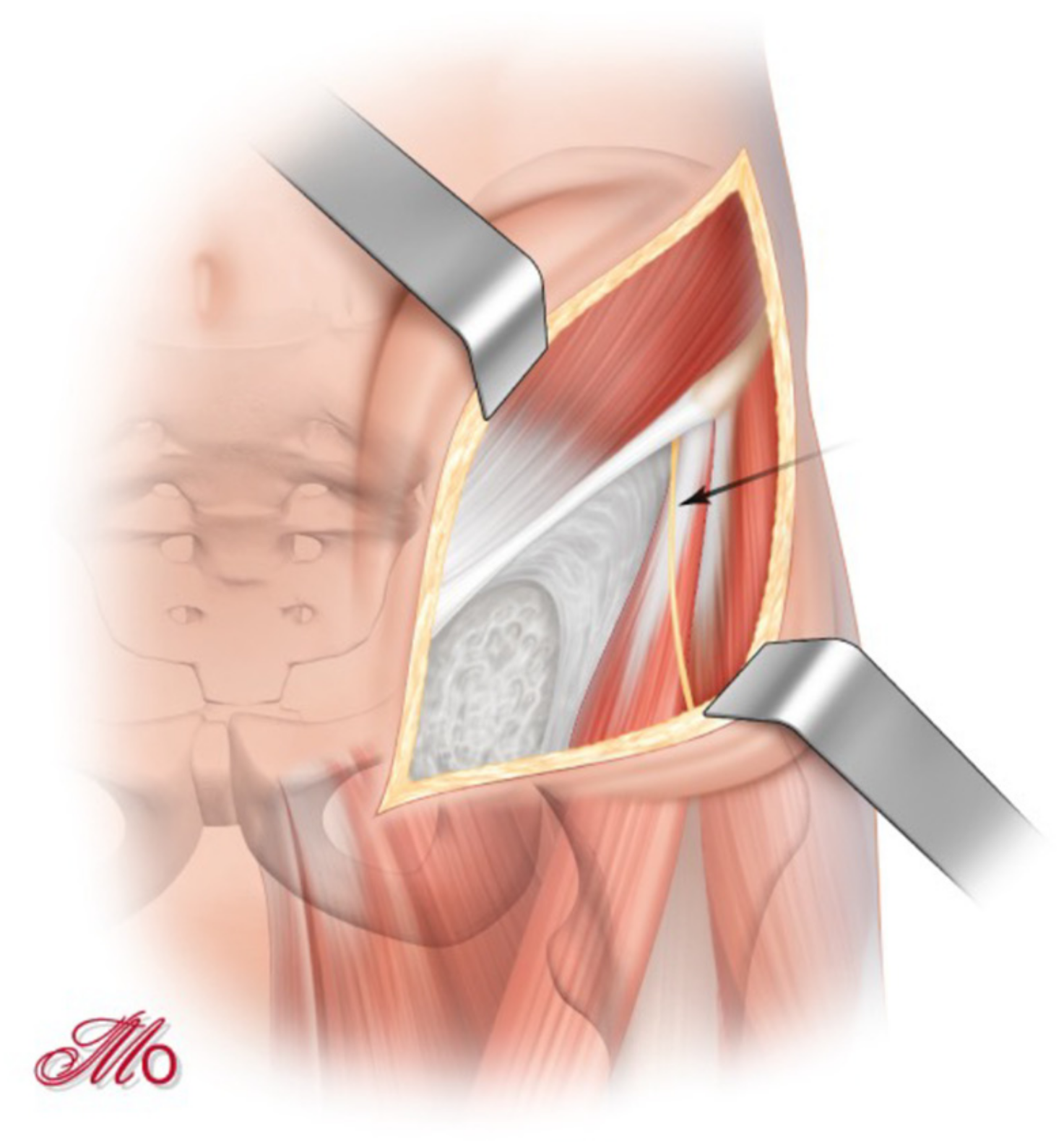
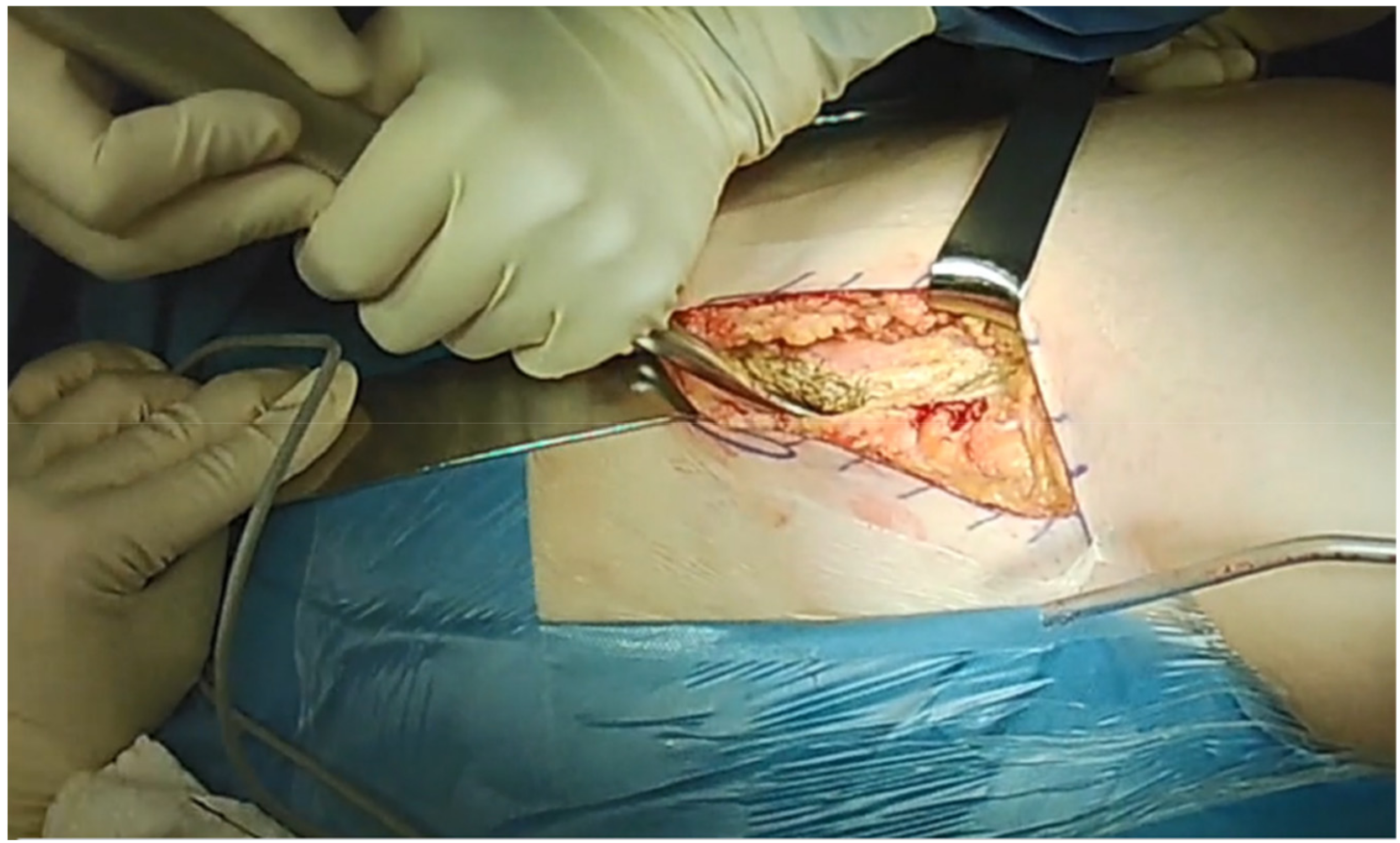
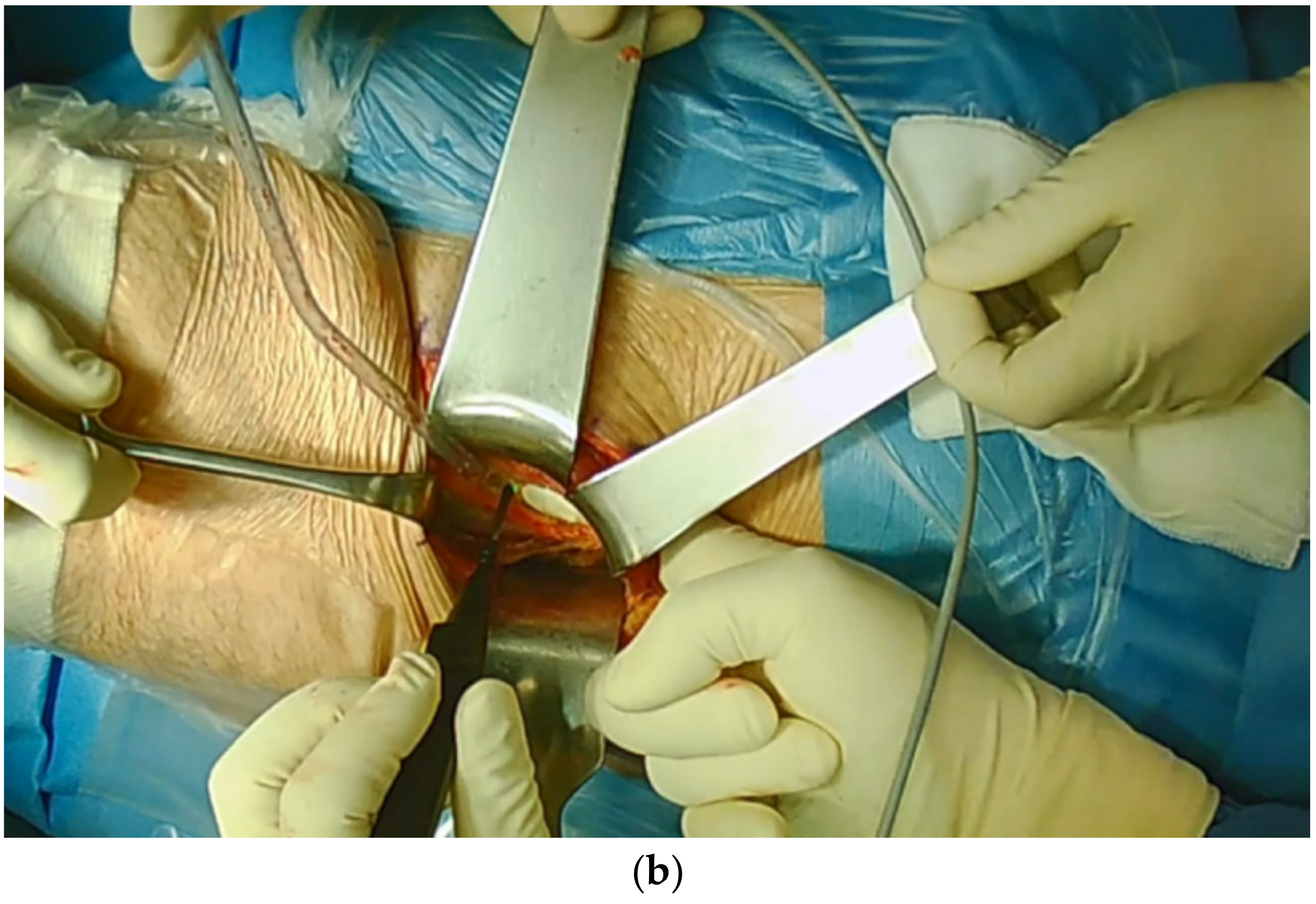
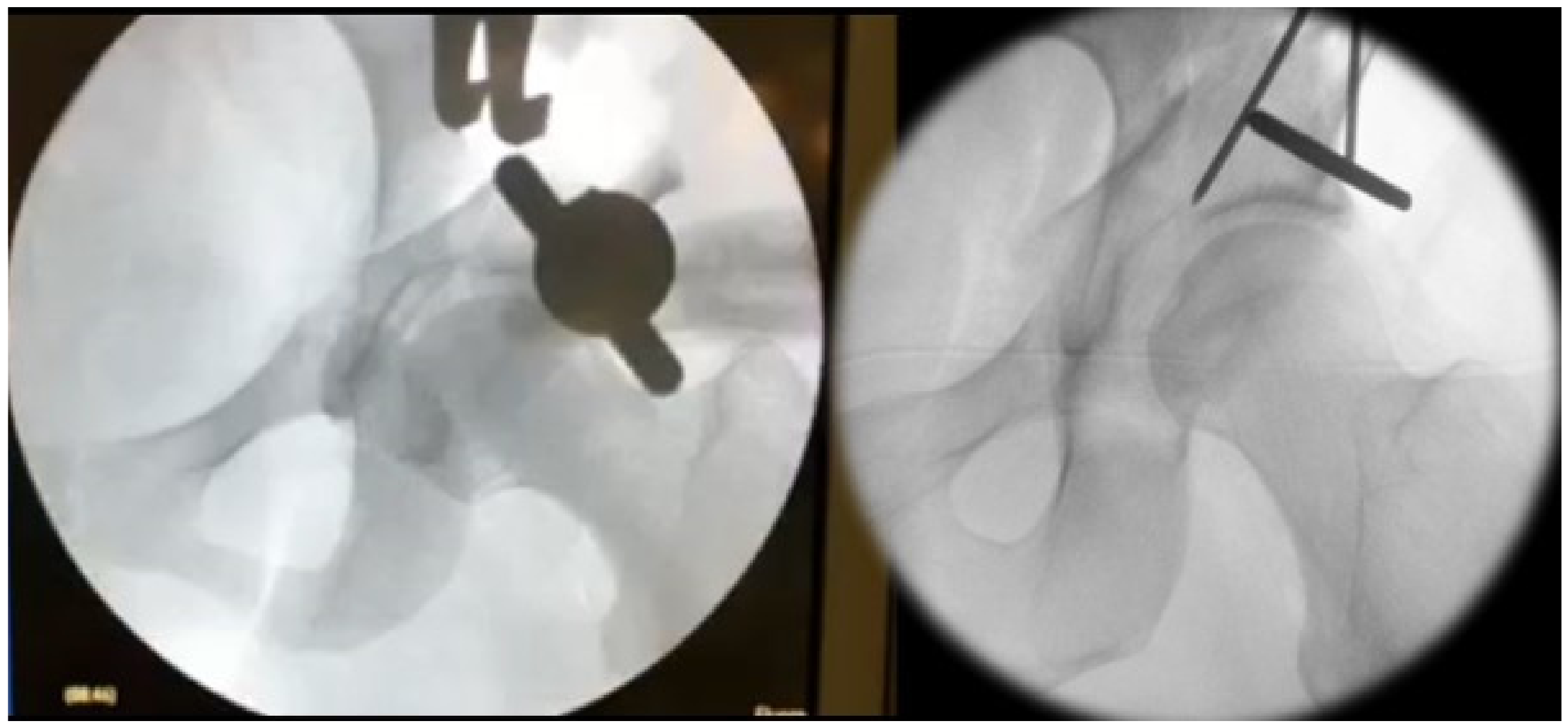
Background: periacetabular osteotomy (PAO) is known as the gold standard surgical treatment in young adults with symptomatic hip dysplasia. With the aim of reducing soft tissue trauma, we developed a new rectus and sartorius sparing (RASS) approach. We hypothesized that this new PAO technique was equal regarding acetabular reorientation, complication rate, and short-term clinical outcome parameters, compared to our conventional, rectus sparing (RS) approach. Patients and Methods: we retrospectively assessed all PAO procedures performed by a single surgeon between 2016 and 2019 (n = 239 hips in 217 patients). The cases in which the new RASS technique were used (n = 48) were compared to the RS cases for acetabular orientation parameters, surgical time, perioperative reduction of hemoglobin level, and length of hospital stay (LOHS). Inclusion criteria were a lateral center-edge angle (LCEA) <25° and osteoarthritis Tönnis grade ≤1. Patients with acetabular retroversion or additional femoral osteotomy were excluded. Results: the mean patient age at the time of surgery was 29 years (14 to 50, SD ± 8.5). Females accounted for 79.5% in this series. The mean preoperative LCEA were 16° (7 to 24°, SD ± 4.4) and 15° (0 to 23°, SD ± 6) in the RASS and the RS group, respectively (p = 0.96). The mean preoperative acetabular index (AI) angles were 14° (2 to 25°, SD ± 4) and 14° (7 to 29°, SD ± 4.3), respectively (p = 0.67). The mean postoperative LCEA were significantly improved to 31° (25 to 37°, SD ± 3.5, p < 0.001) and 30.2° (20 to 38°, SD ± 4, p < 0.001), respectively. The mean postoperative AI angles improved to 2.8° (−3 to 13°, SD ± 3.3, p < 0.001) and 3° (−2 to 15°, SD ± 3.3, p < 0.001), respectively. There were no significant differences between the RASS and the RS group for surgical time, perioperative reduction in hemoglobin level, and LOHS. No blood transfusions were necessary perioperatively in either group. No major perioperative complication occurred in either group. We observed one surgical site infection (SSI) requiring superficial debridement in the RS group. Conclusion: the RASS approach for PAO showed to be a safe procedure with equivalent acetabular reorientation and equivalent clinical outcome parameters compared to the RS approach. Additionally, patients have fewer postoperative restrictions in mobilization with the RASS approach.
Keywords: periacetabular osteotomy; approach; muscle sparing; rectus sparing; sartorius sparing periacetabular osteotomy; approach; muscle sparing; rectus sparing; sartorius sparing