Article

Production of Drinking Water with Membranes with Simultaneous Utilization of Concentrate and Reject Effluent after Sludge Dewatering


Department of Water Supply, Moscow State University of Civil Engineering, 26, Yaroslaskoye Highway, 129337 Moscow, Russia
*
Author to whom correspondence should be addressed.
Membranes 2023, 13(2), 133; https://doi.org/10.3390/membranes13020133

Submission received: 15 December 2022 / Revised: 10 January 2023 / Accepted: 16 January 2023 / Published: 19 January 2023
(This article belongs to the Special Issue Recent Advances in Desalination Based on Membrane Technologies)

Abstract

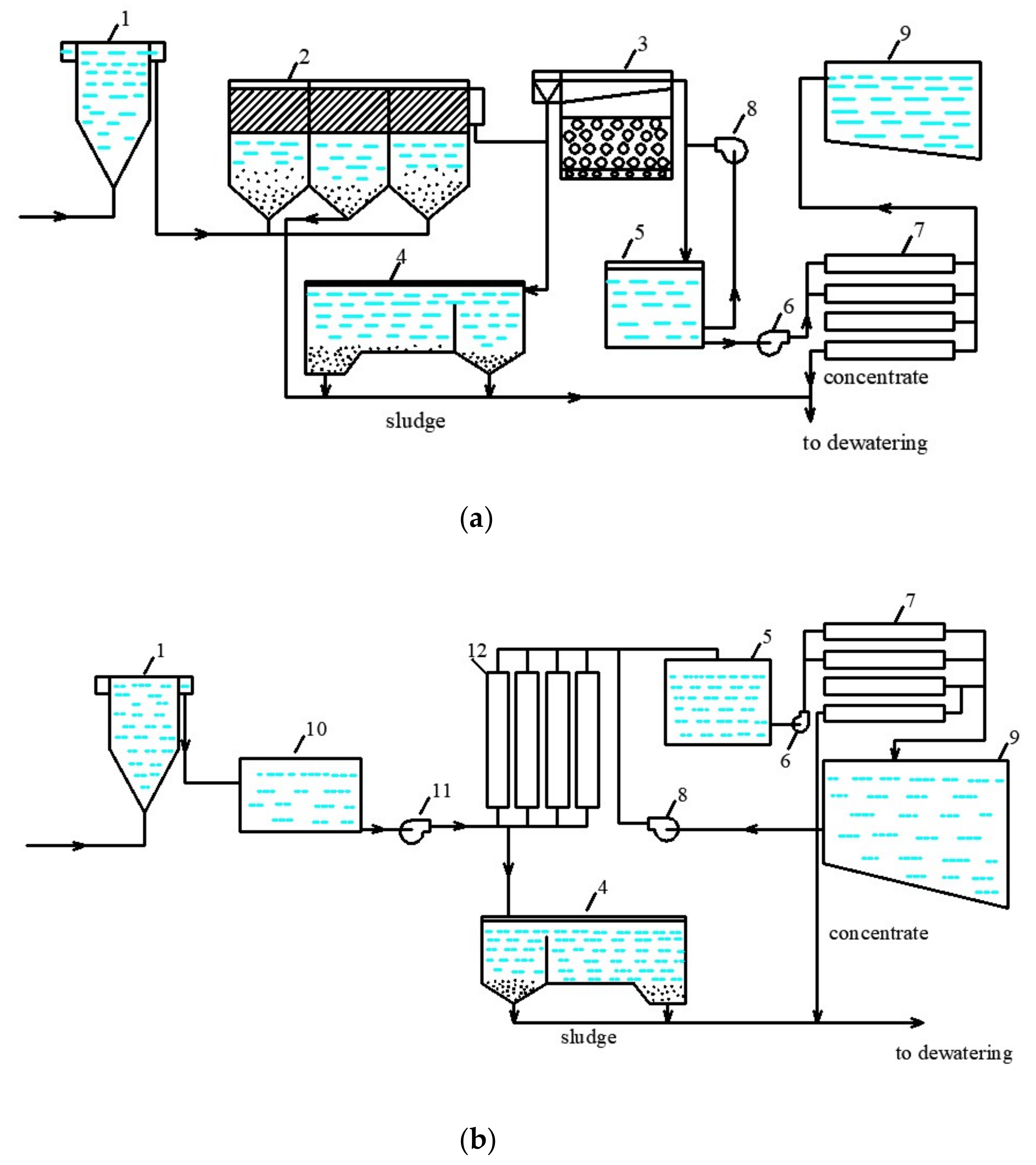
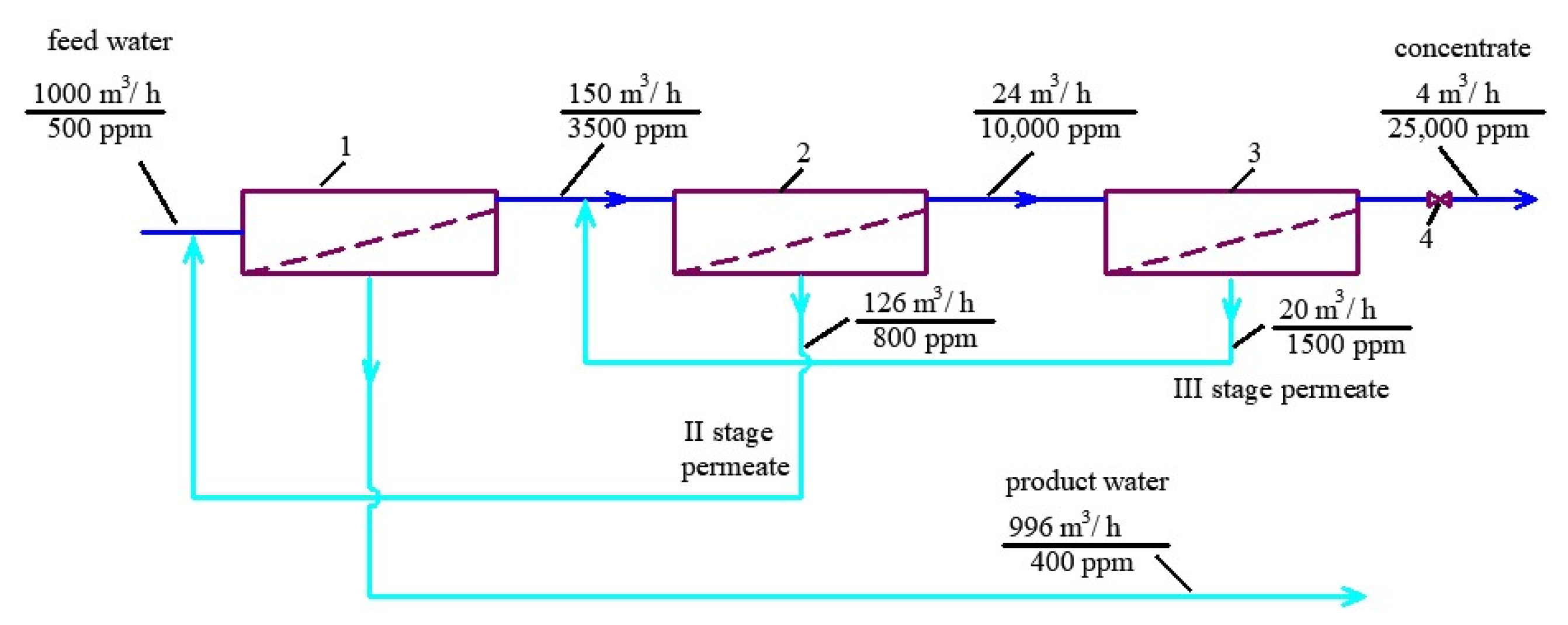
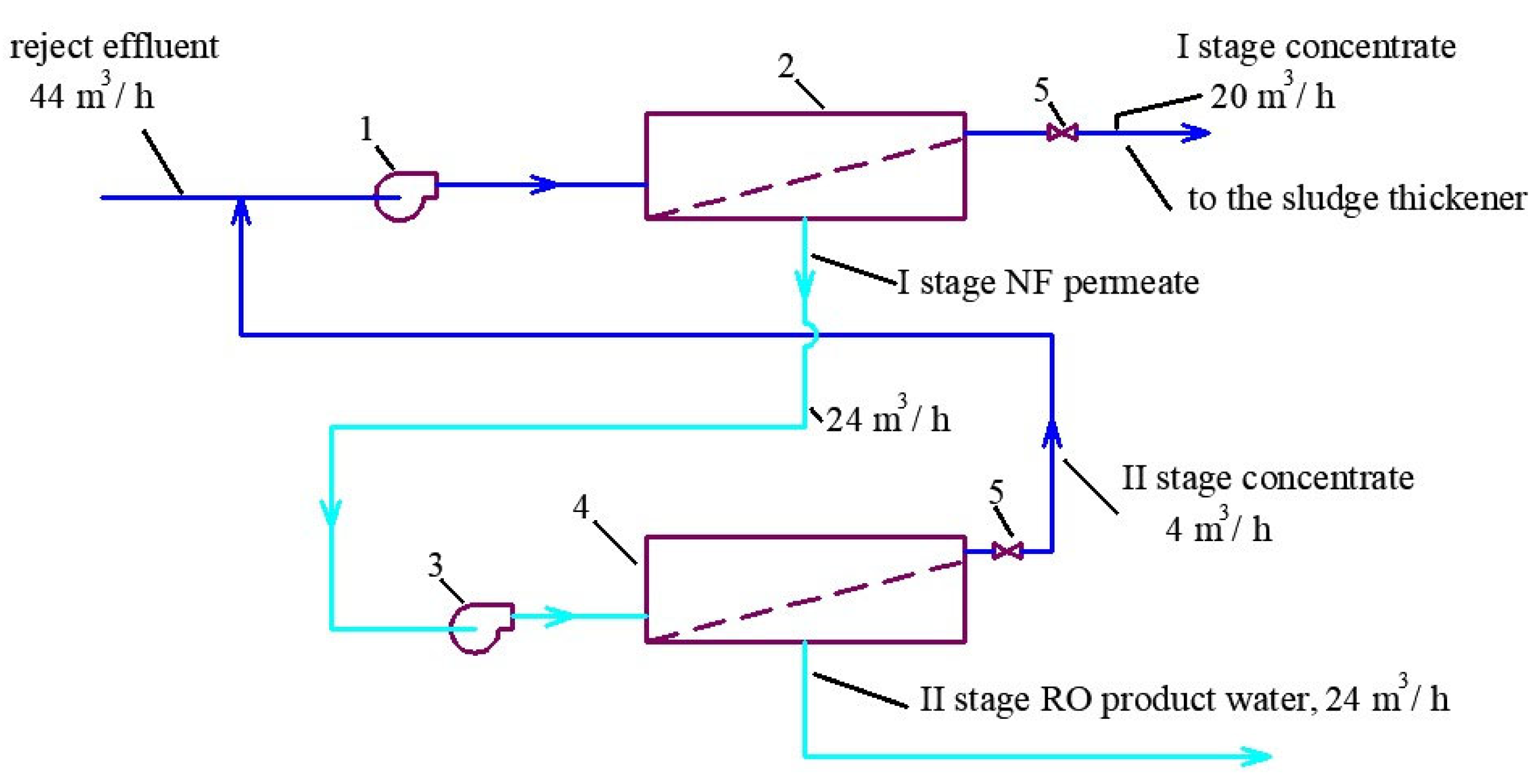
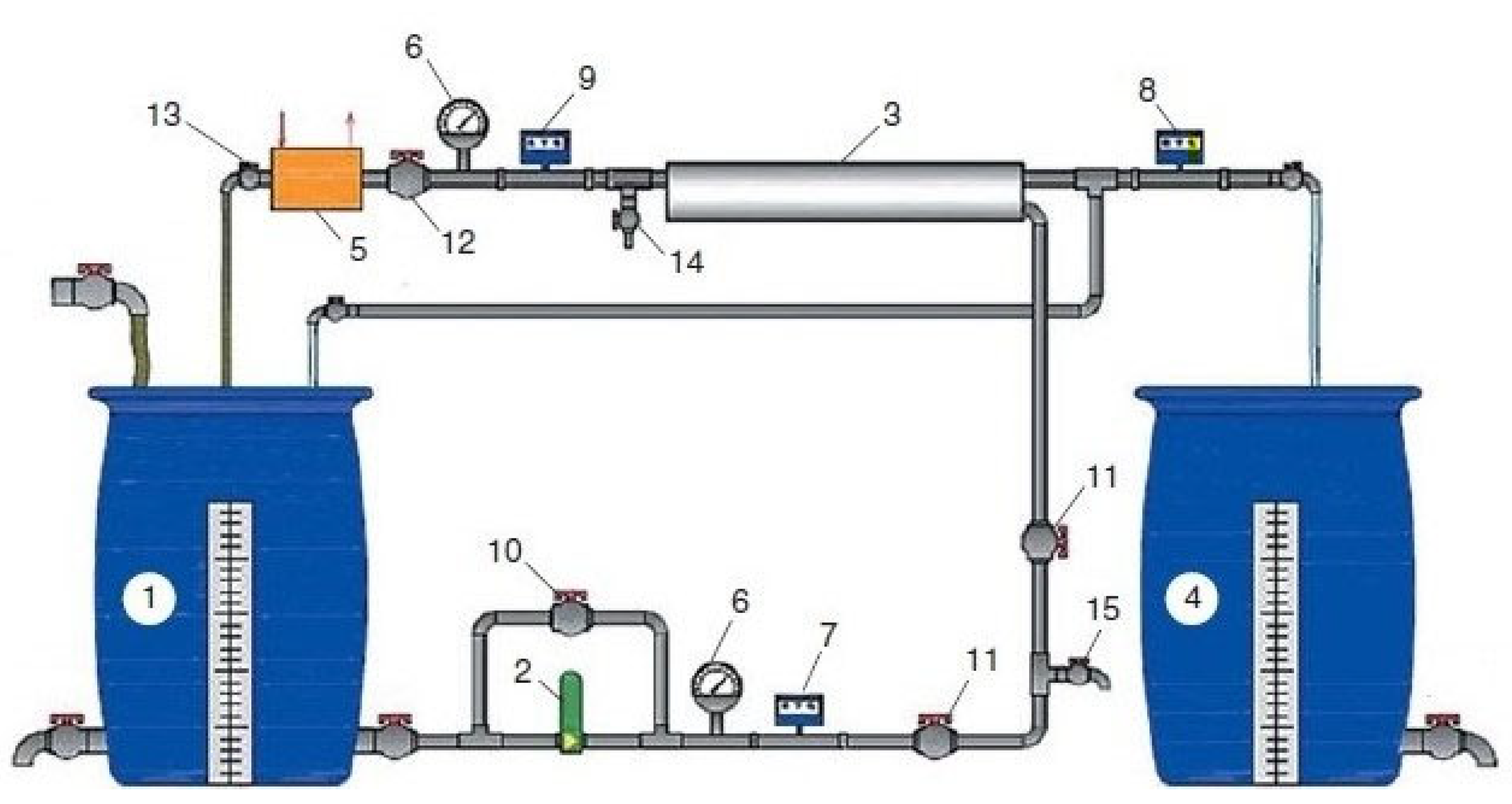
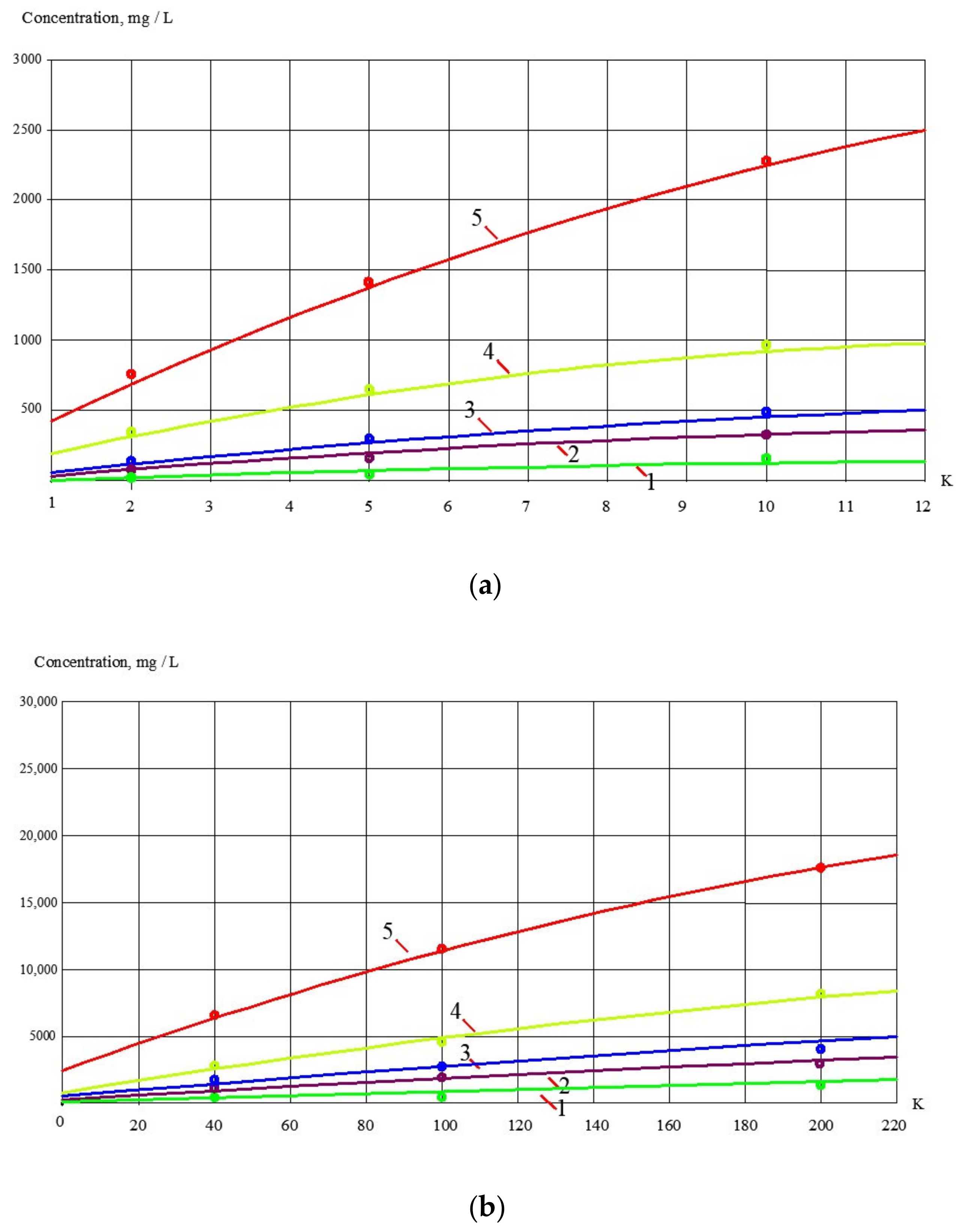
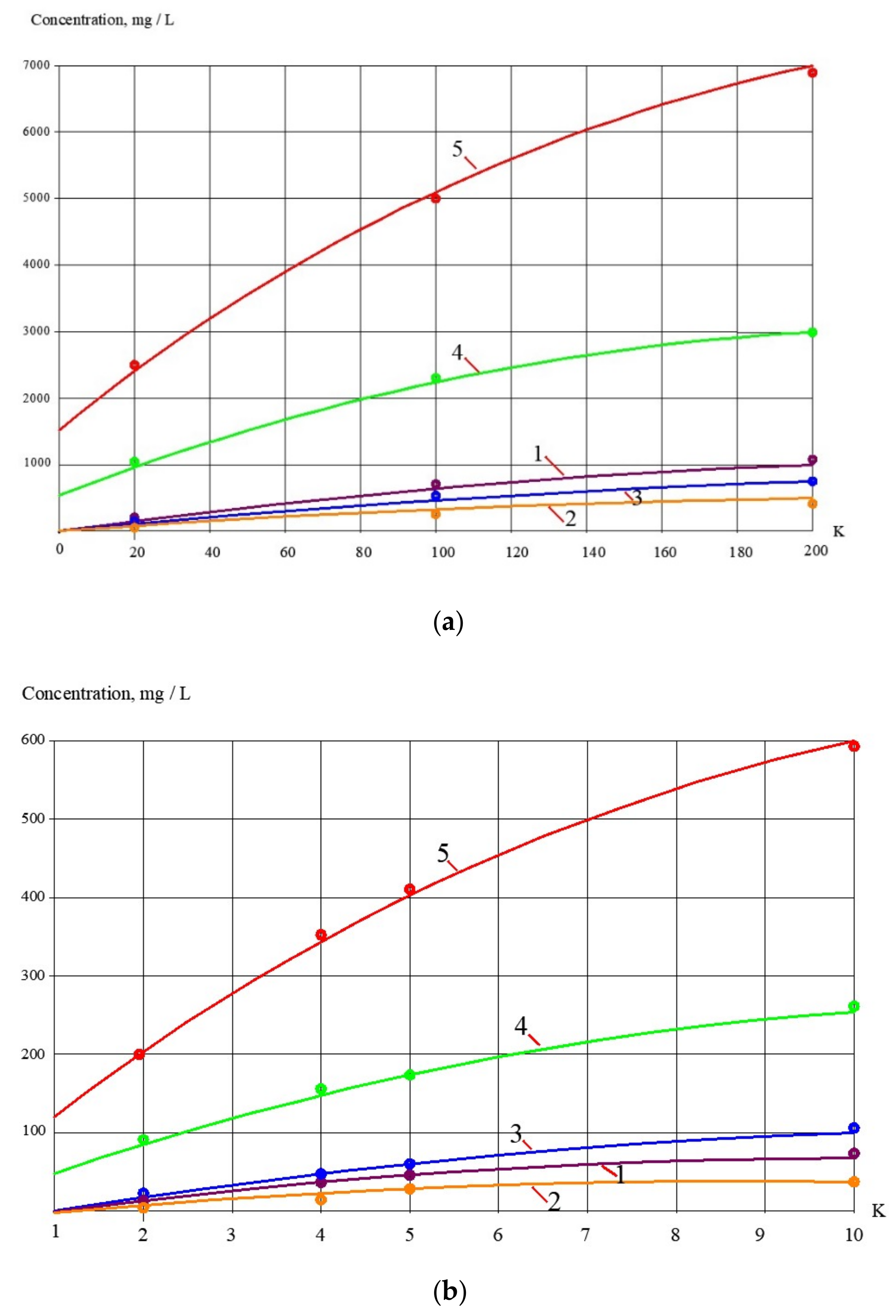
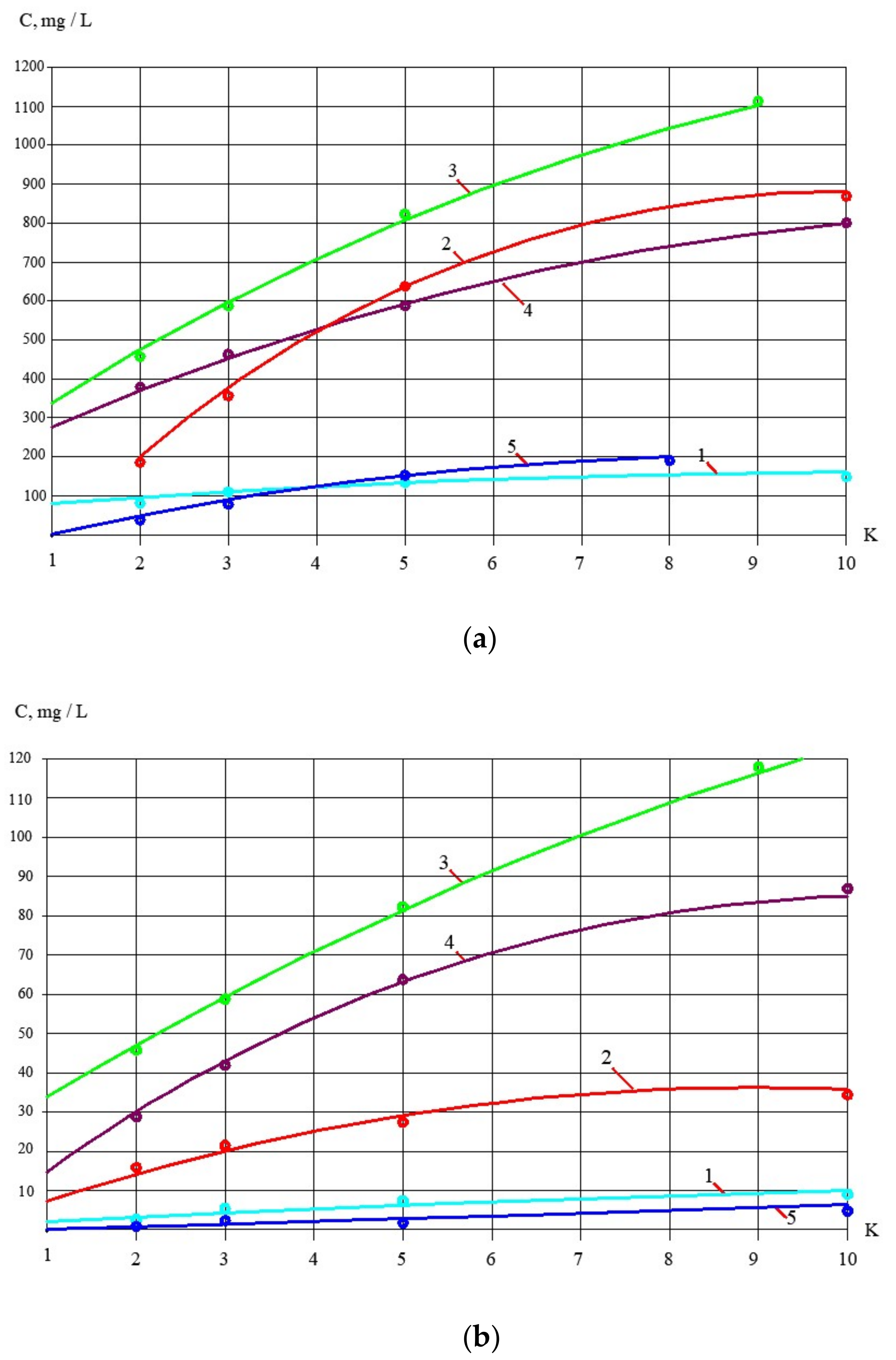
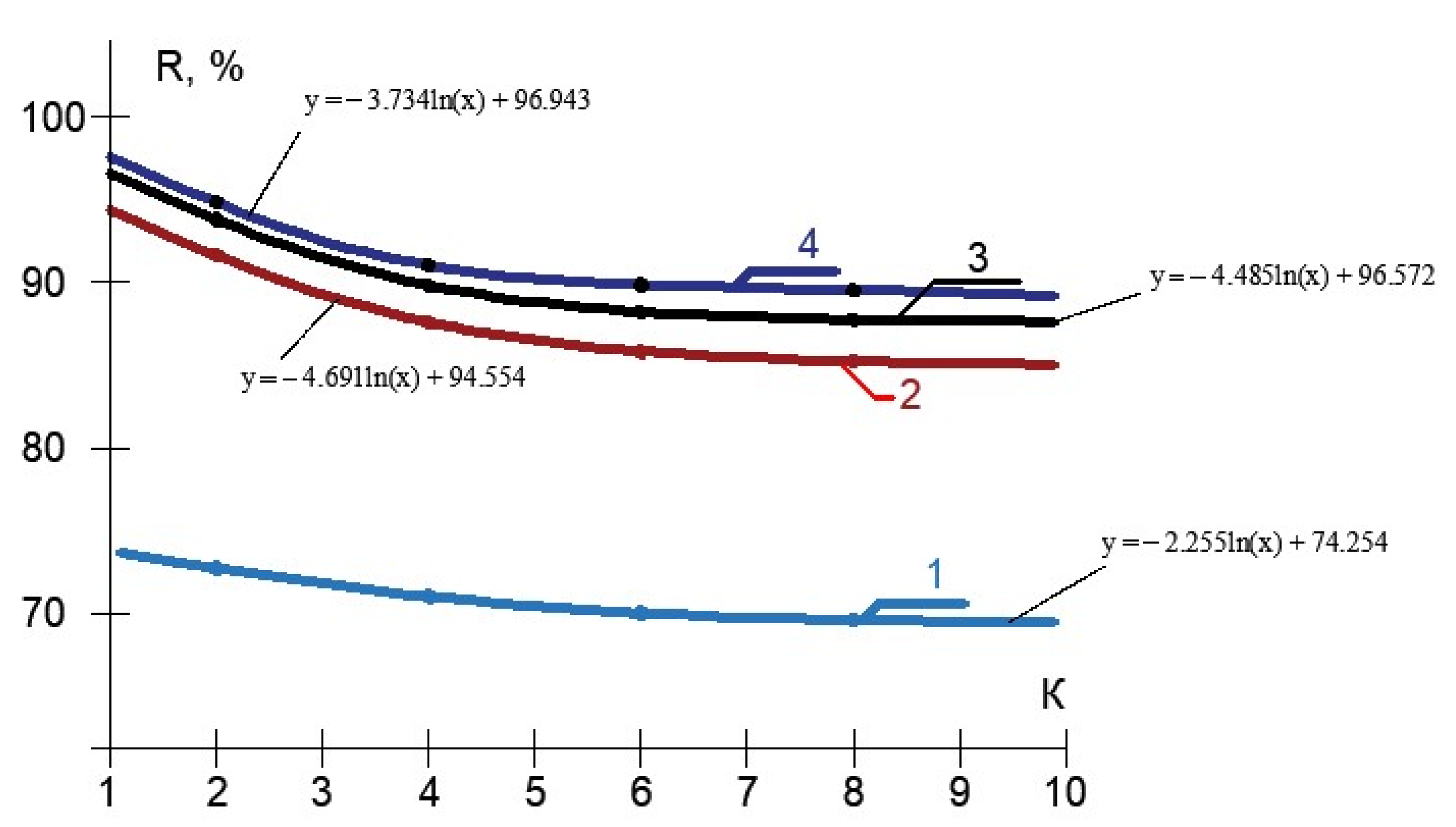
A new technology is described that enables us to completely exclude liquid discharges during production of drinking water from surface sources. The proposed described technological scheme separates the natural water into a stream of purified drinking water and dewatered sludge. The sludge moisture has a value of 80 percent. The experimental program is described to treat the natural water with nanofiltration membranes and to produce a drinking-quality water with recovery value of 0.99 and higher. Concentrate of membrane plant is mixed with the wet sludge and the reject effluent after sludge dewatering is again treated by reverse osmosis membranes and returned back to the sludge thickening tank. Results of experiments to treat reject water after sludge dewatering are presented. The use of nanofiltration membranes provides reduction in the Total Dissolved Solids content (TDS), aluminum, color and oxidation to meet drinking water standards. Experimental plots are presented that can be used to select membrane characteristics and to predict product water chemical composition at each stage of the membrane treatment scheme. Concentrate of membrane treatment plant is mixed with the wet sludge in the thickening tank. The sludge, after the thickening tank, is dewatered using either filter-press or centrifugal equipment. The reject (or fugate), after sludge dewatering, is treated by membrane facility to separate it into deionized water stream and concentrate stream. The deionized water can be mixed with the feed water or drinking water and the concentrate stream is returned back to the thickening tank. Thus, the salt balance is maintained in the thickening tank, whereby all dissolved salts and impurities that are rejected by membranes are collected in the thickening tank, and then are withdrawn together with the dewatered sludge. Based on the results of experimental data processing, balance diagrams of the sludge dehydration process with waste water purification at the membrane plant and with the addition of the membrane plant concentrate to the sludge thickener are presented, according to which all contaminants removed by the membranes are removed together with the sludge.
Keywords: reverse osmosis; nanofiltration; sludge dewatering; sludge moisture; pretreatment; membrane fouling; concentrate utilization reverse osmosis; nanofiltration; sludge dewatering; sludge moisture; pretreatment; membrane fouling; concentrate utilization