Article

Can Decomposition Approaches Always Enhance Soft Computing Models? Predicting the Dissolved Oxygen Concentration in the St. Johns River, Florida


1
Department of Water Engineering, Shahid Bahonar University of Kerman, Kerman 76169-14111, Iran
2
Department of Constructional and Environmental Engineering, Kyungpook National University, Sangju 37224, Korea
3
Department of Railroad Construction and Safety Engineering, Dongyang University, Yeongju 36040, Korea
4
Department of Water Engineering, University of Tabriz, Tabriz 51666-16471, Iran
5
Department of Land, Water and Environment Research, Korea Institute of Civil Engineering and Building Technology, Goyang 10223, Korea
6
Department of Biological and Agricultural Engineering & Zachry Department of Civil Engineering, Texas A & M University, College Station, TX 77843-2117, USA
*
Author to whom correspondence should be addressed.
Appl. Sci. 2019, 9(12), 2534; https://doi.org/10.3390/app9122534
Submission received: 19 May 2019 / Revised: 11 June 2019 / Accepted: 15 June 2019 / Published: 21 June 2019

Abstract

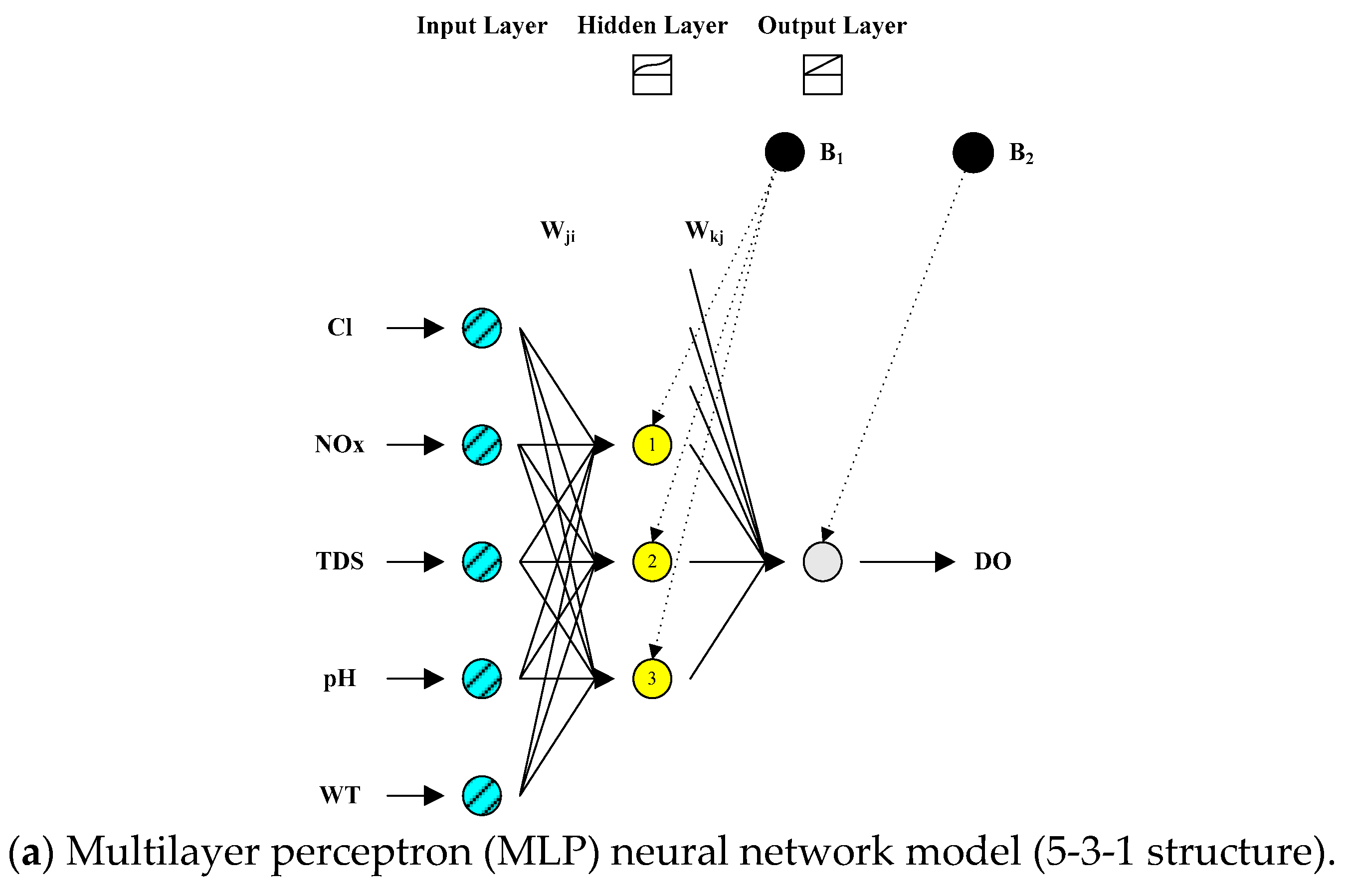
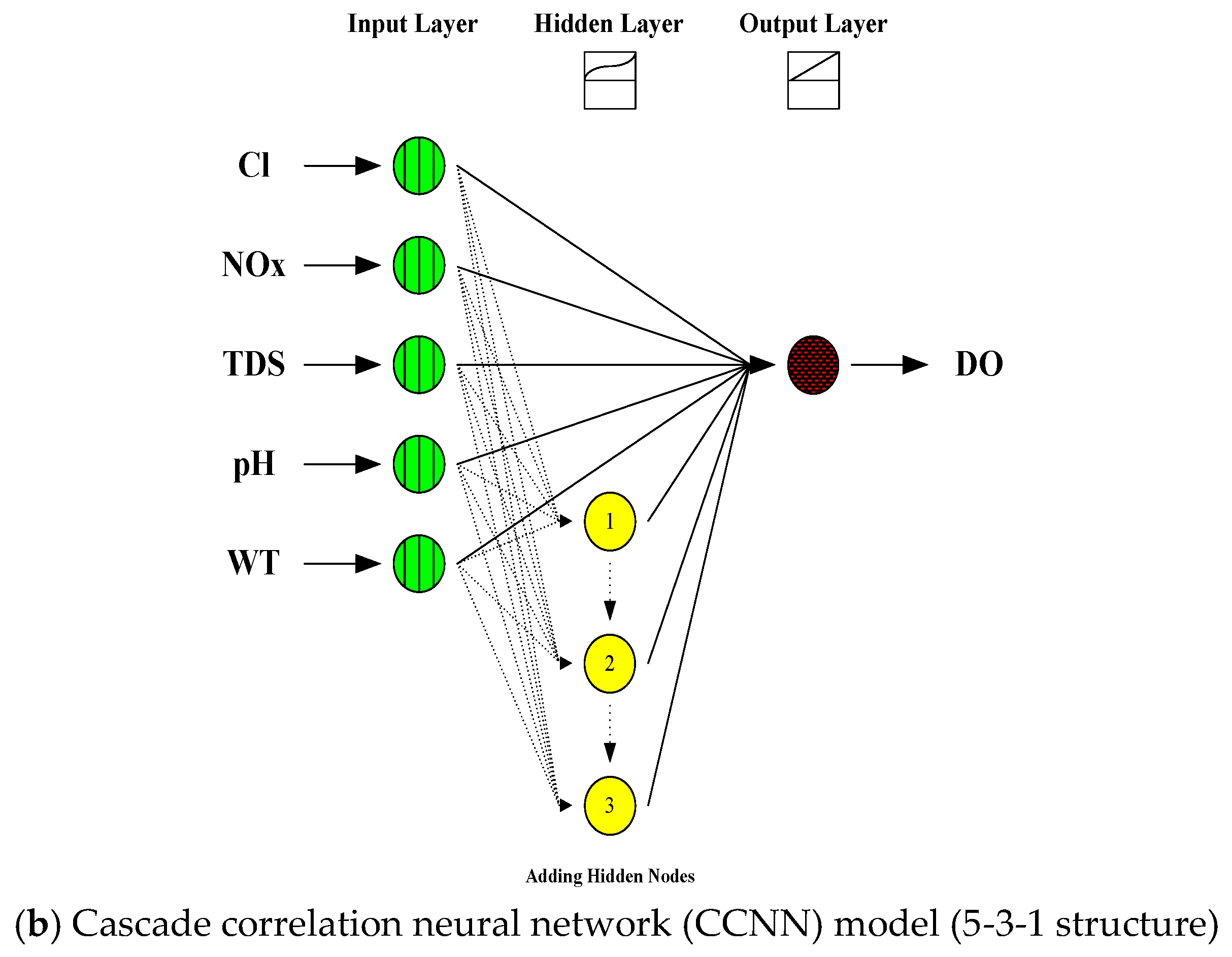
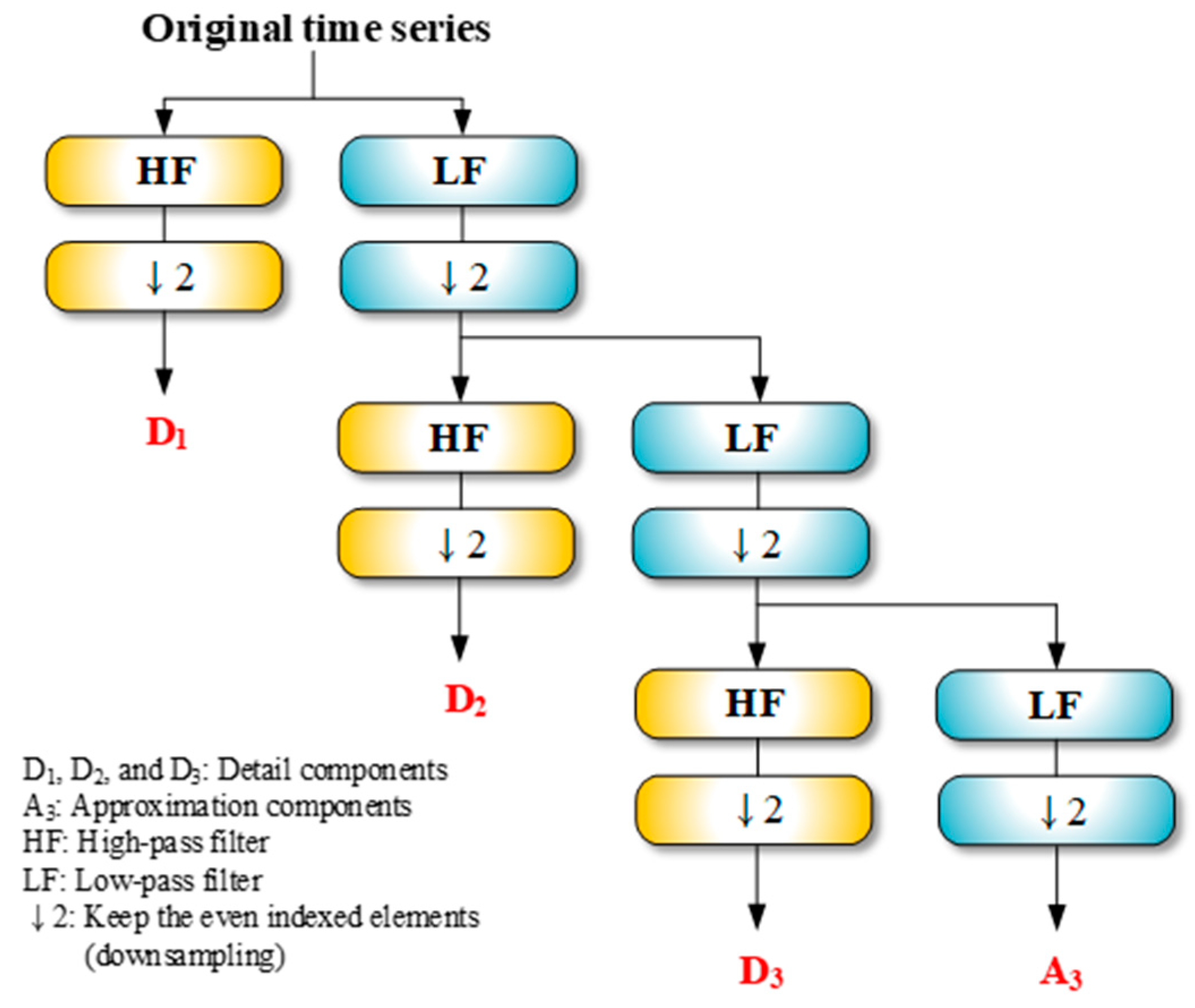
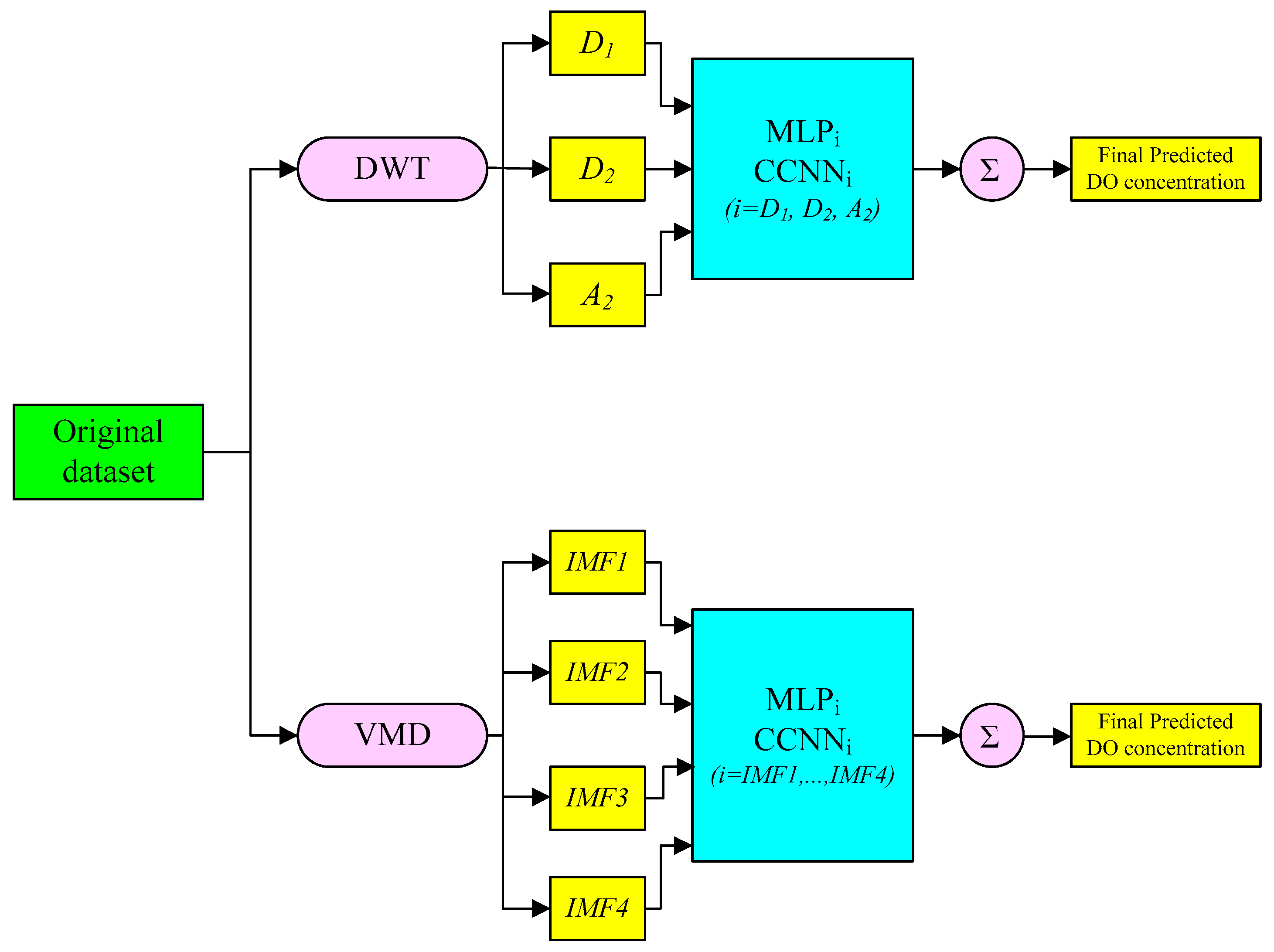
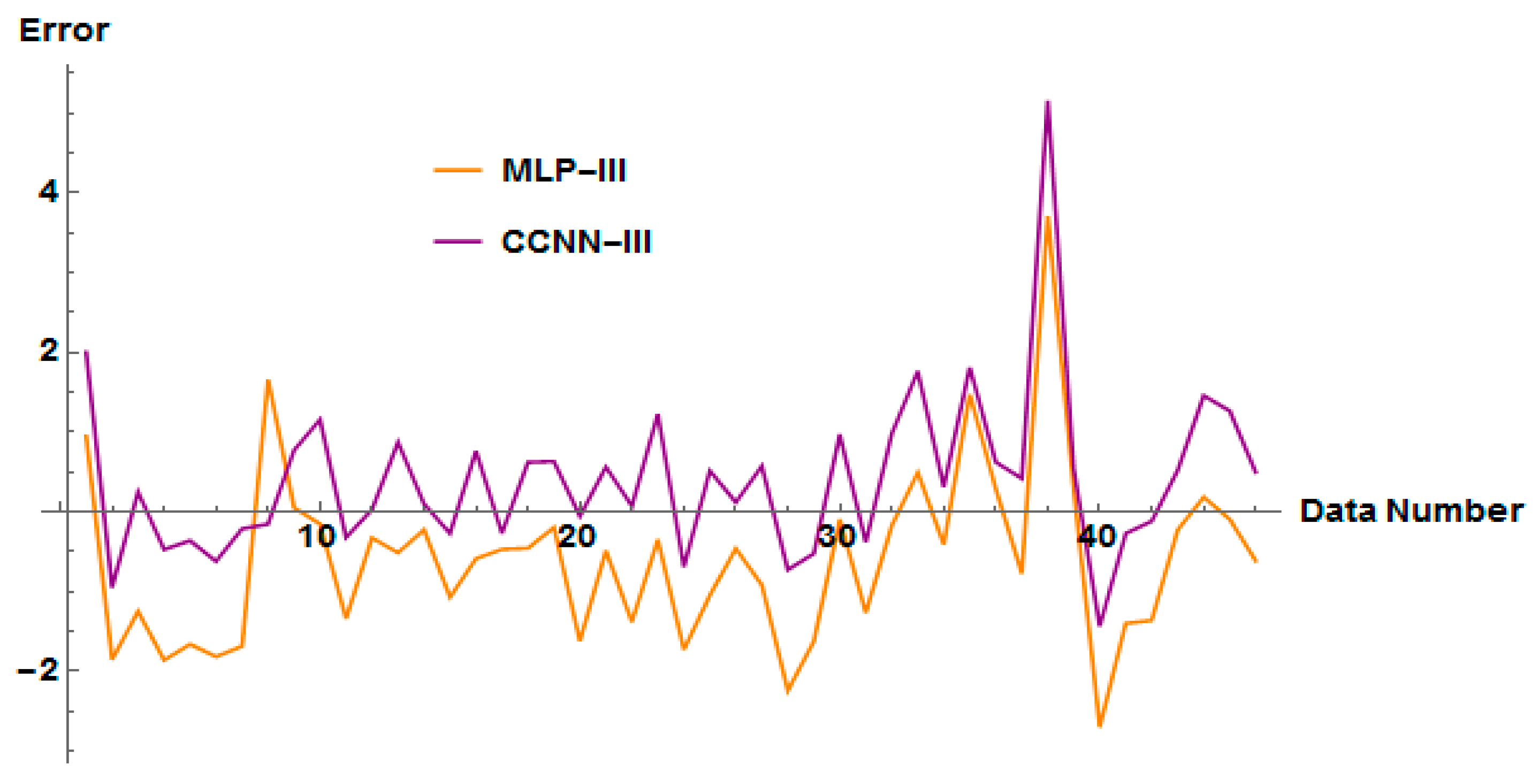
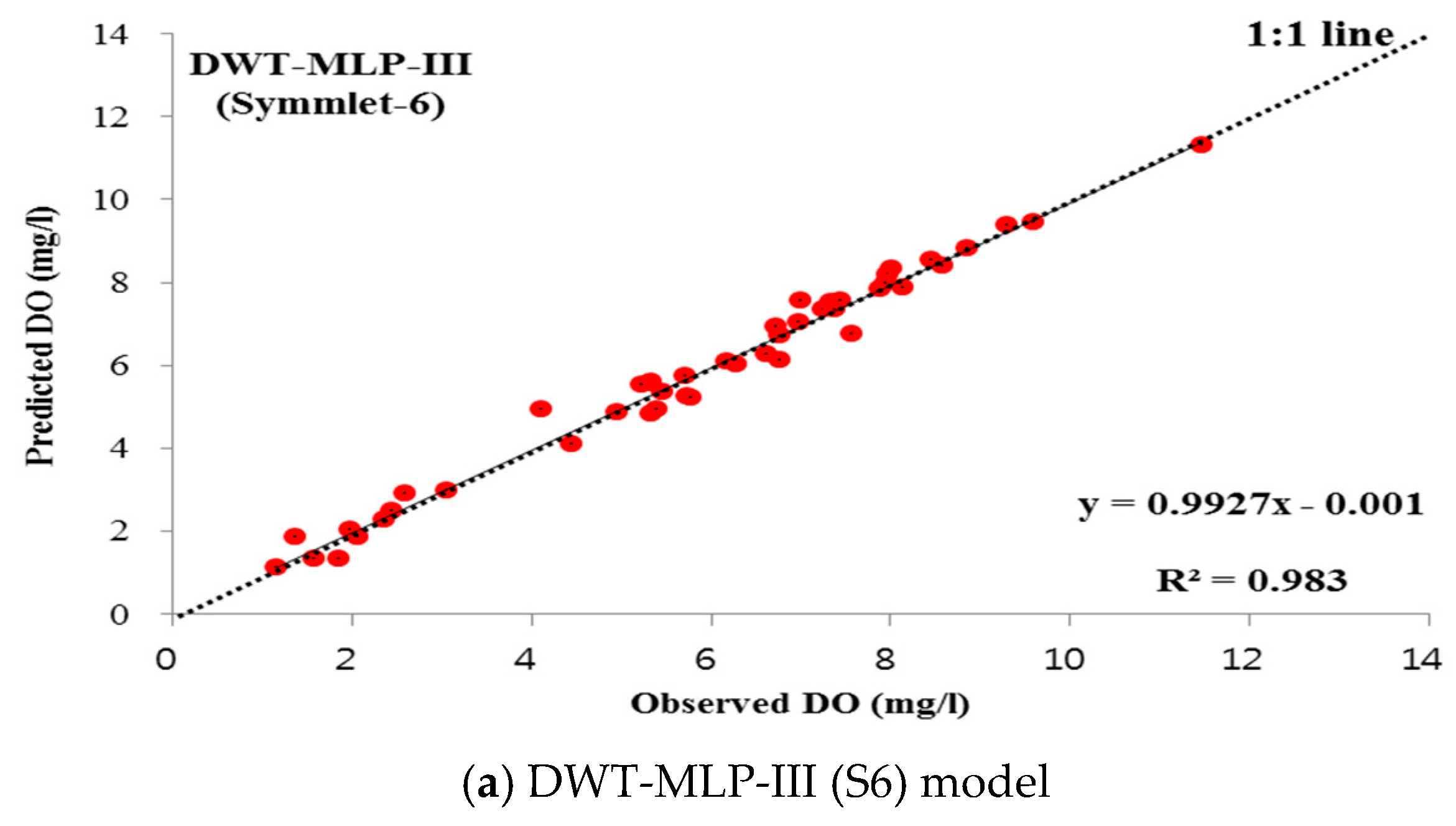
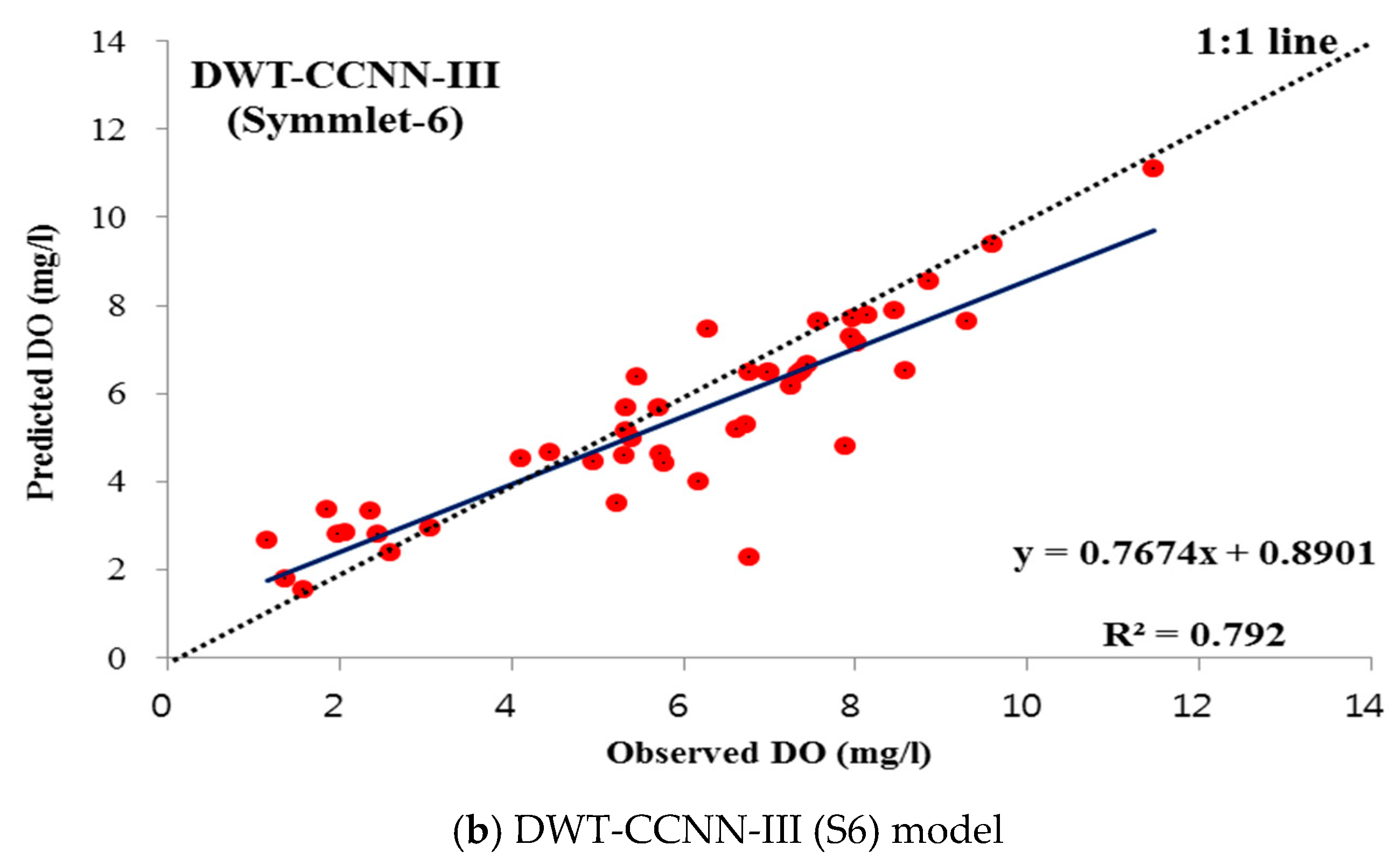
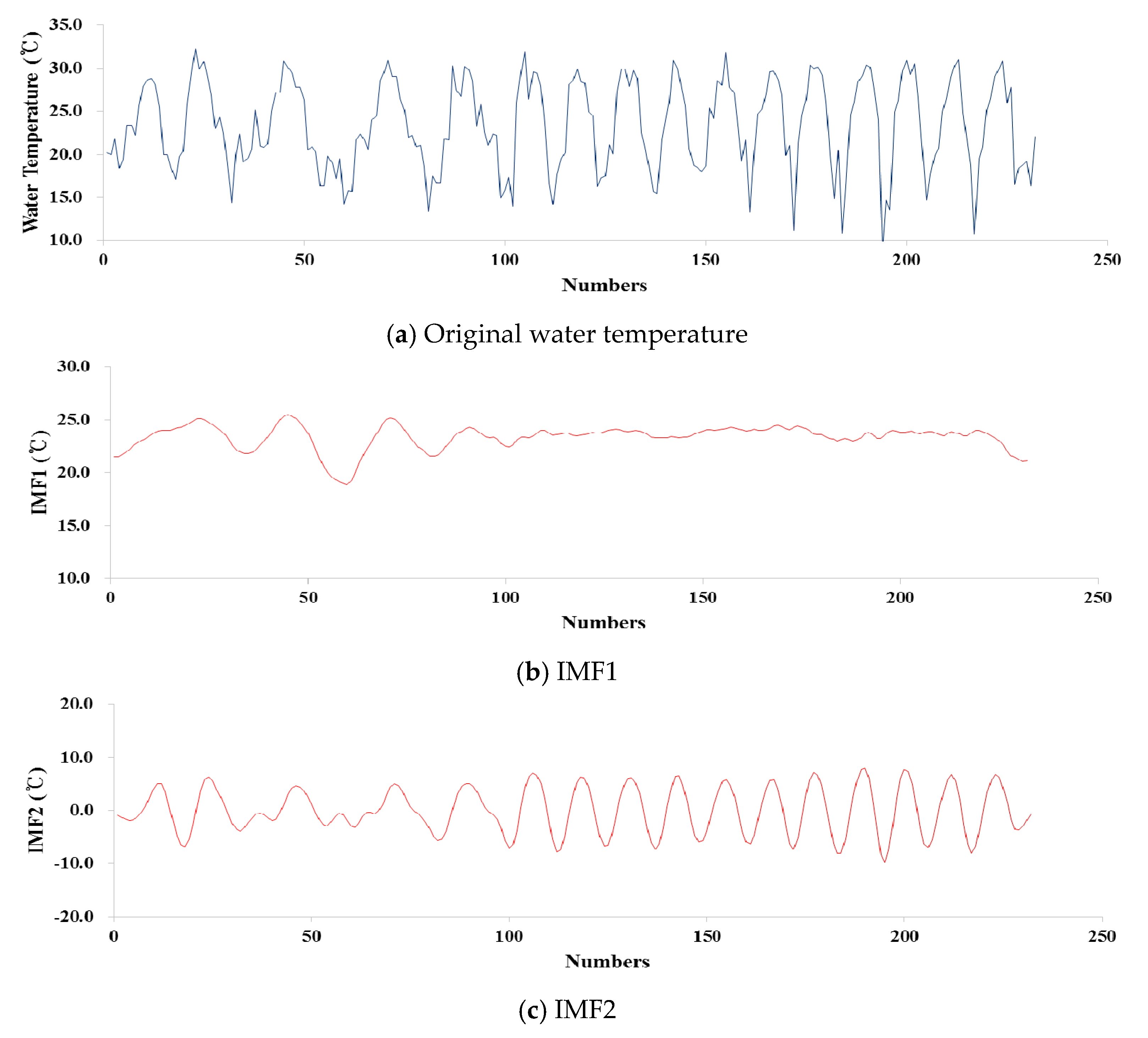
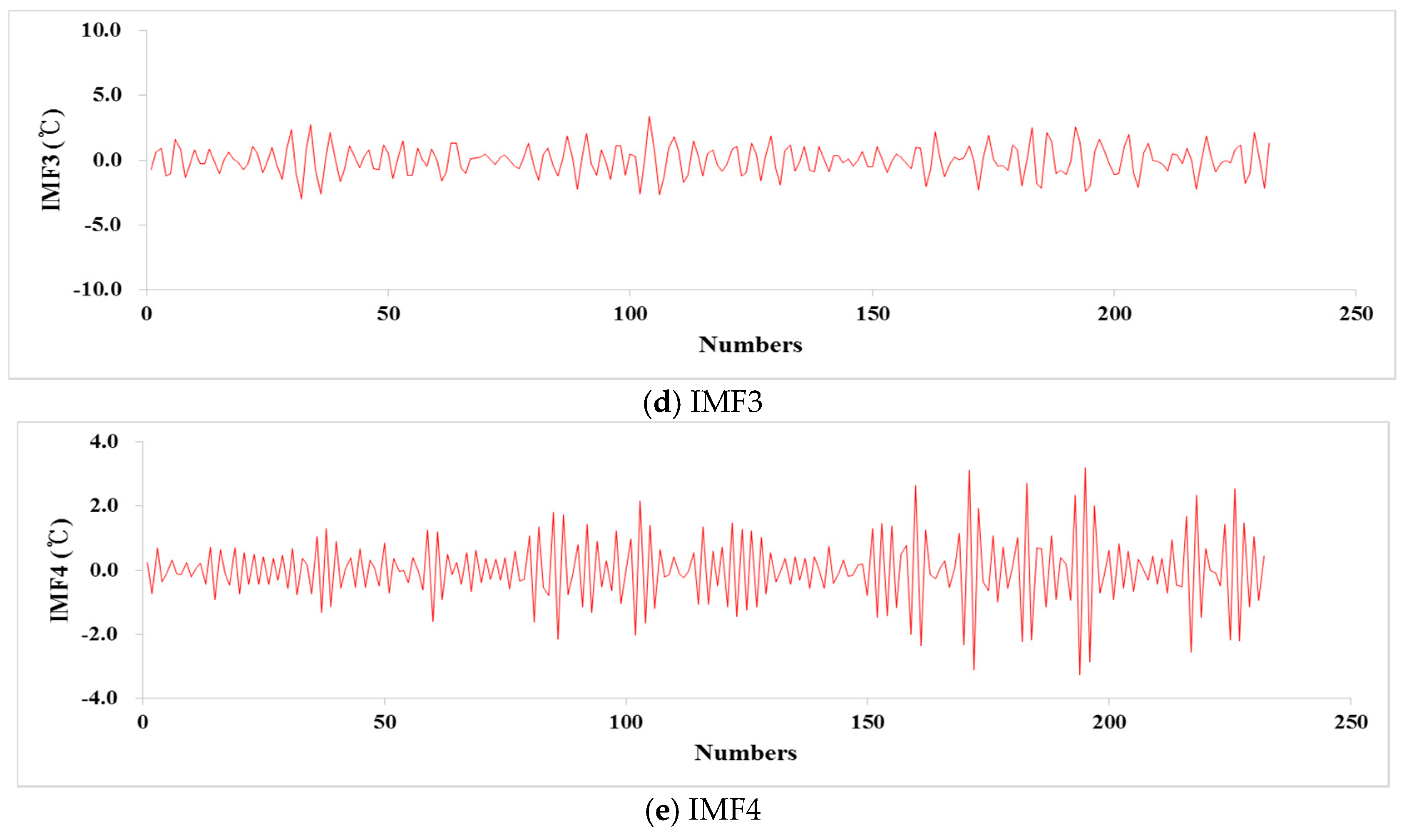
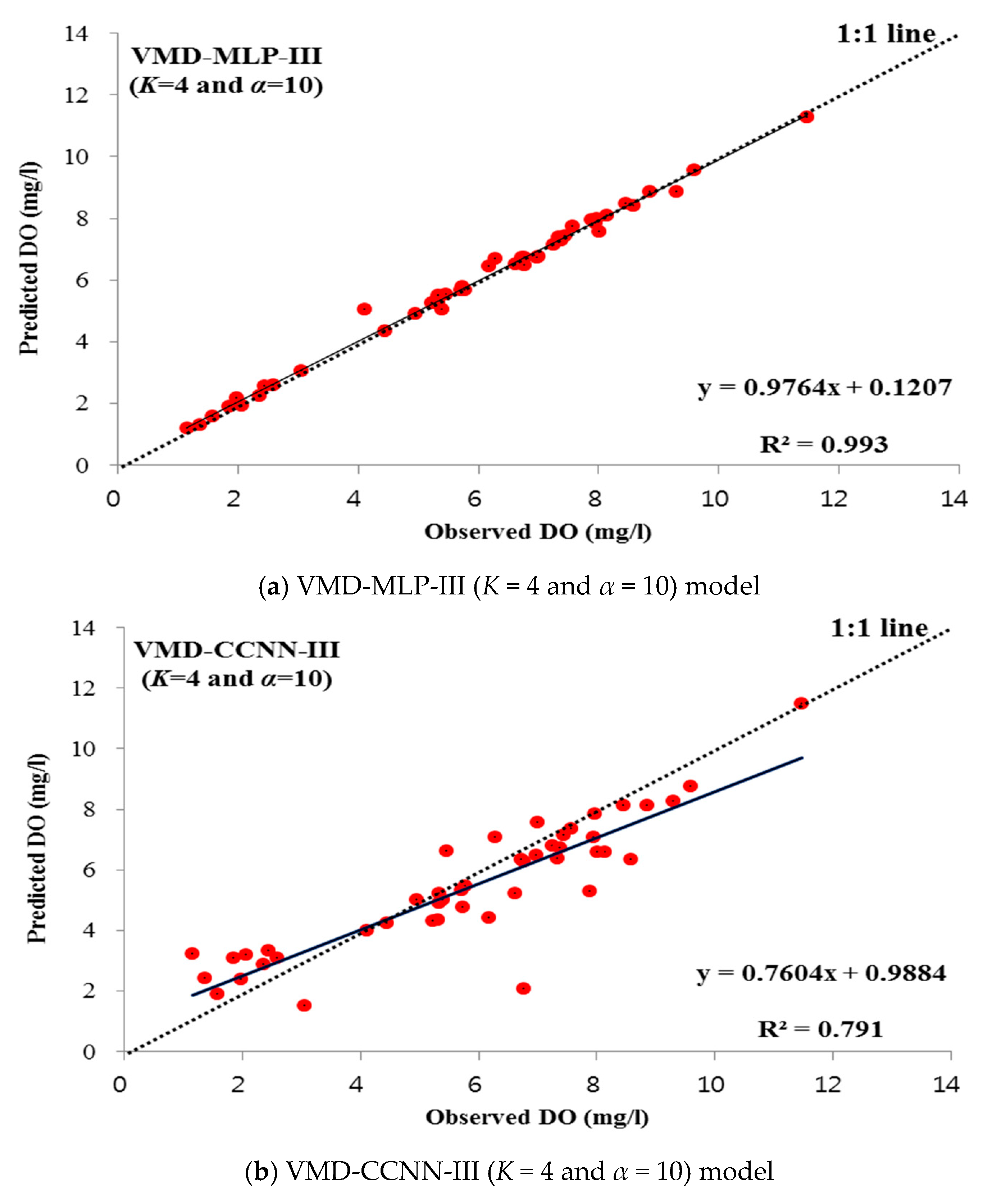
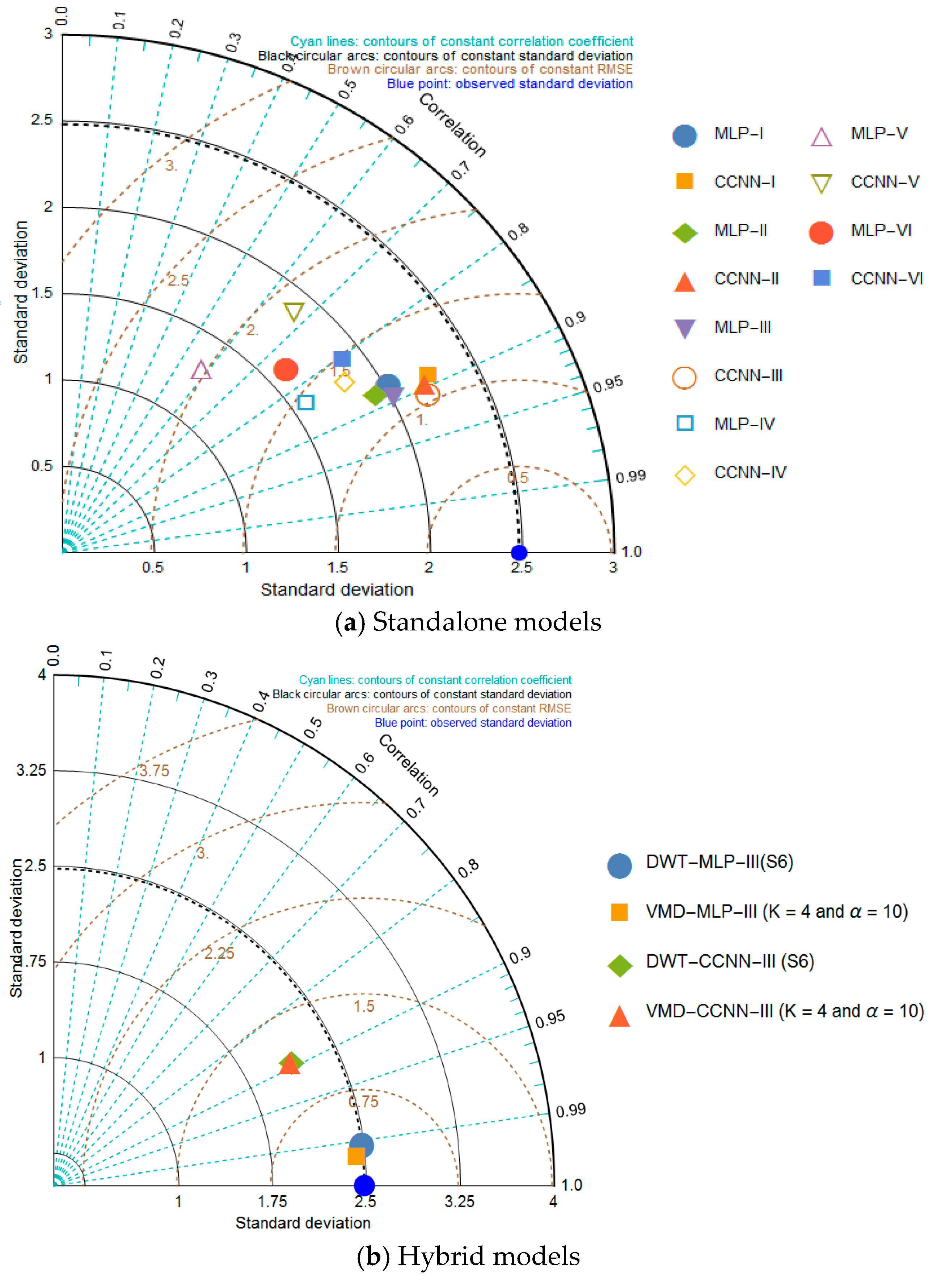
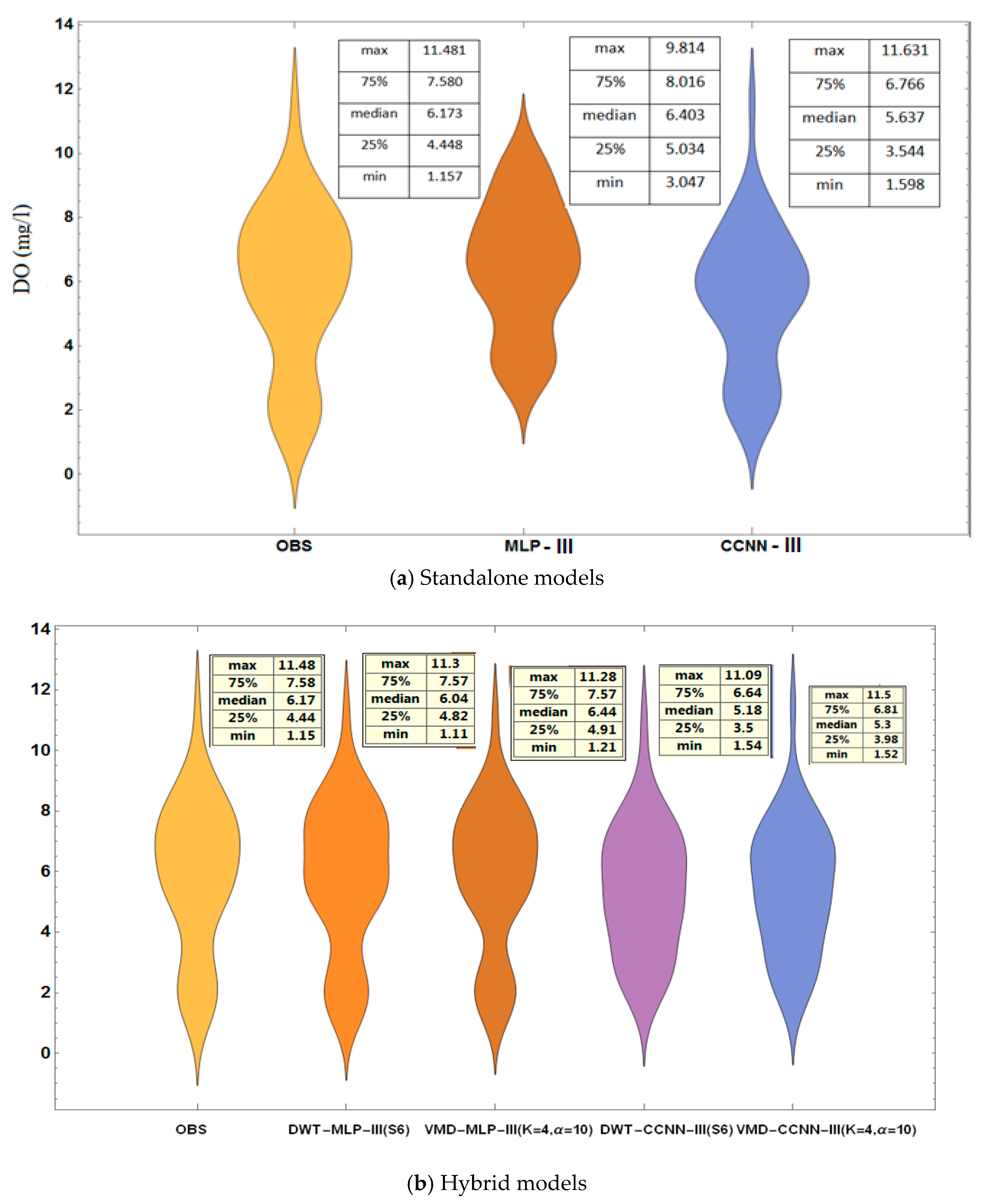
This study evaluates standalone and hybrid soft computing models for predicting dissolved oxygen (DO) concentration by utilizing different water quality parameters. In the first stage, two standalone soft computing models, including multilayer perceptron (MLP) neural network and cascade correlation neural network (CCNN), were proposed for estimating the DO concentration in the St. Johns River, Florida, USA. The DO concentration and water quality parameters (e.g., chloride (Cl), nitrogen oxides (NOx), total dissolved solid (TDS), potential of hydrogen (pH), and water temperature (WT)) were used for developing the standalone models by defining six combinations of input parameters. Results were evaluated using five performance criteria metrics. Overall results revealed that the CCNN model with input combination III (CCNN-III) provided the most accurate predictions of DO concentration values (root mean square error (RMSE) = 1.261 mg/L, Nash-Sutcliffe coefficient (NSE) = 0.736, Willmott’s index of agreement (WI) = 0.919, R2 = 0.801, and mean absolute error (MAE) = 0.989 mg/L) for the standalone model category. In the second stage, two decomposition approaches, including discrete wavelet transform (DWT) and variational mode decomposition (VMD), were employed to improve the accuracy of DO concentration using the MLP and CCNN models with input combination III (e.g., DWT-MLP-III, DWT-CCNN-III, VMD-MLP-III, and VMD-CCNN-III). From the results, the DWT-MLP-III and VMD-MLP-III models provided better accuracy than the standalone models (e.g., MLP-III and CCNN-III). Comparison of the best hybrid soft computing models showed that the VMD-MLP-III model with 4 intrinsic mode functions (IMFs) and 10 quadratic penalty factor (VMD-MLP-III (K = 4 and α = 10)) model yielded slightly better performance than the DWT-MLP-III with Daubechies-6 (D6) and Symmlet-6 (S6) (DWT-MLP-III (D6 and S6)) models. Unfortunately, the DWT-CCNN-III and VMD-CCNN-III models did not improve the performance of the CCNN-III model. It was found that the CCNN-III model cannot be used to apply the hybrid soft computing modeling for prediction of the DO concentration. Graphical comparisons (e.g., Taylor diagram and violin plot) were also utilized to examine the similarity between the observed and predicted DO concentration values. The DWT-MLP-III and VMD-MLP-III models can be an alternative tool for accurate prediction of the DO concentration values.
Keywords: multilayer perceptron; cascade correlation; dissolved oxygen concentration; water quality prediction; discrete wavelet transform; variational mode decomposition multilayer perceptron; cascade correlation; dissolved oxygen concentration; water quality prediction; discrete wavelet transform; variational mode decomposition