Article

An Exploratory Study of a Generative AI-Based Intelligent Tutoring System Using a Multi-Agent Architecture in Higher Education


by
Juan P. López-Goyez
1,2,*,
Alfonso González-Briones
1,
Yves Demazeau
3 and
Jhonatan M. Guaytarilla G.
2
1
BISITE Research Group, University of Salamanca, Edificio I+D+i, Calle Espejo 2, 37007 Salamanca, Castile and León, Spain
2
Multimedia and Audiovisual Production Program, Faculty of Health Sciences and Education Sciences, Universidad Politécnica Estatal del Carchi, Calle Antisana, Tulcán 040101, Ecuador
3
Centre National de le Recherche Scientifique-Laboratoire d’Informatique de Grenoble (CNRS-LIG), University of Grenoble-Alps, 38000 Grenoble, France
*
Author to whom correspondence should be addressed.
Appl. Sci. 2026, 16(11), 5453; https://doi.org/10.3390/app16115453
Submission received: 23 March 2026 / Revised: 28 April 2026 / Accepted: 29 April 2026 / Published: 30 May 2026
(This article belongs to the Special Issue Applications of Digital Technology and AI in Educational Settings)

Abstract

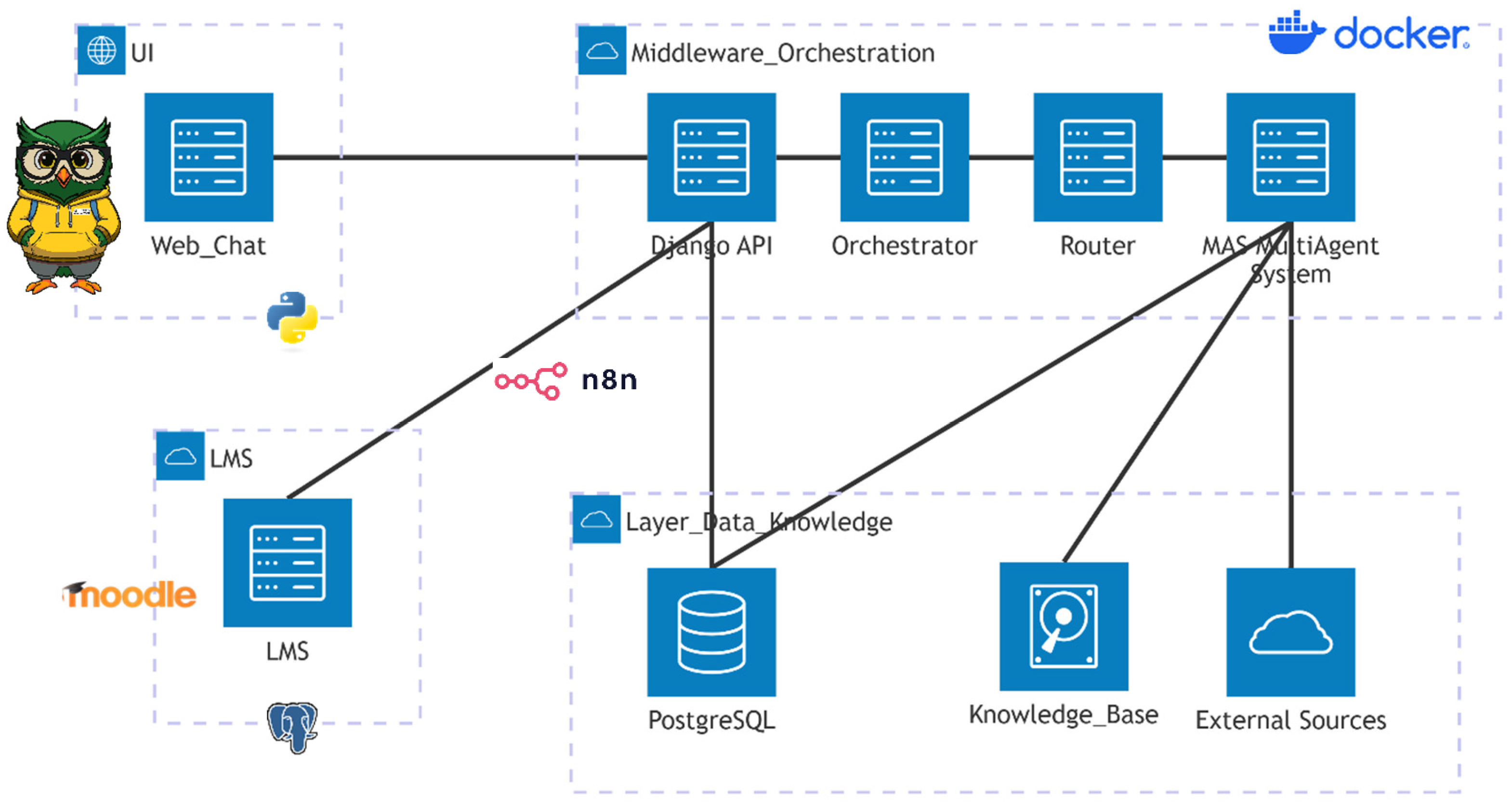
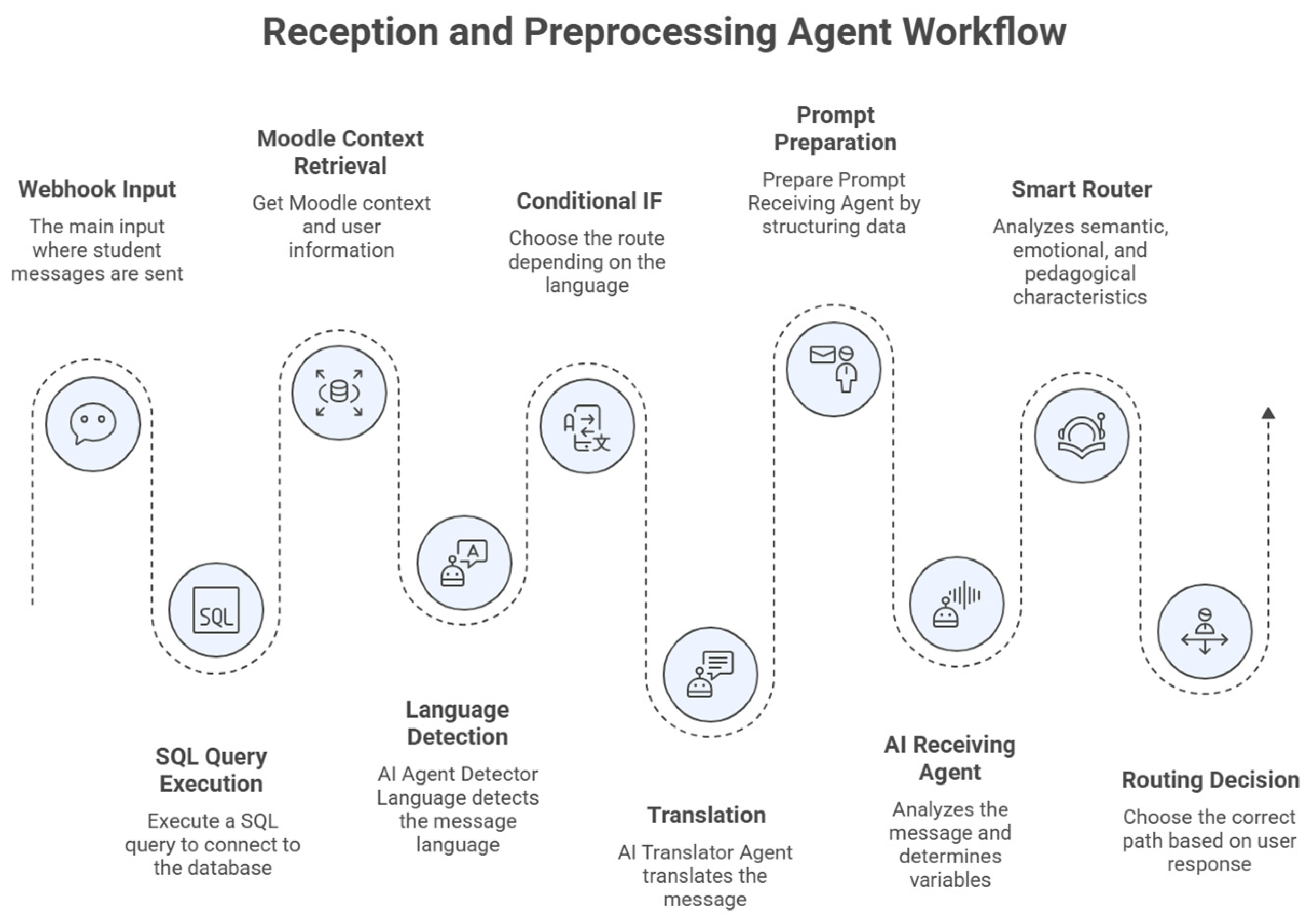
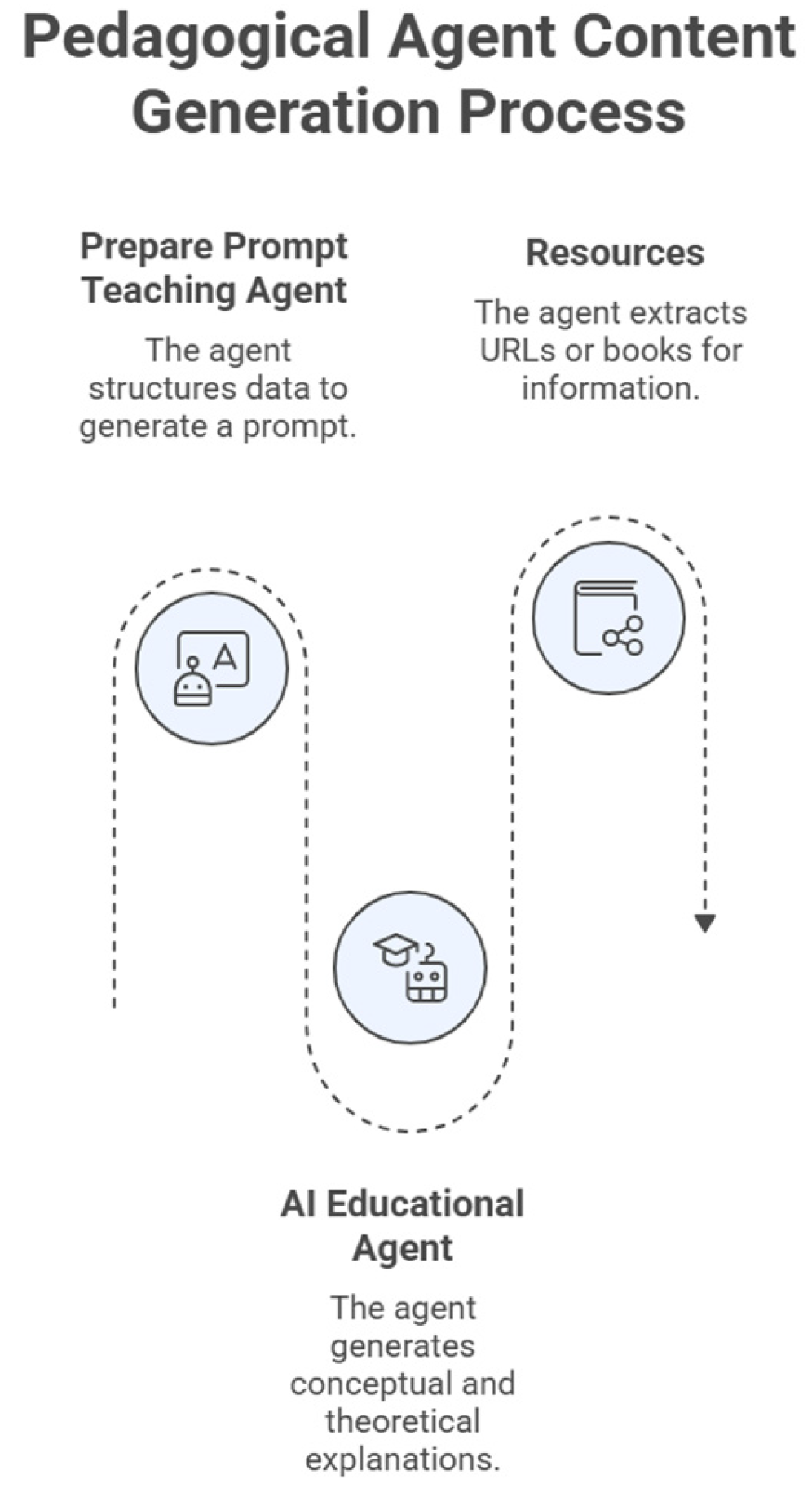
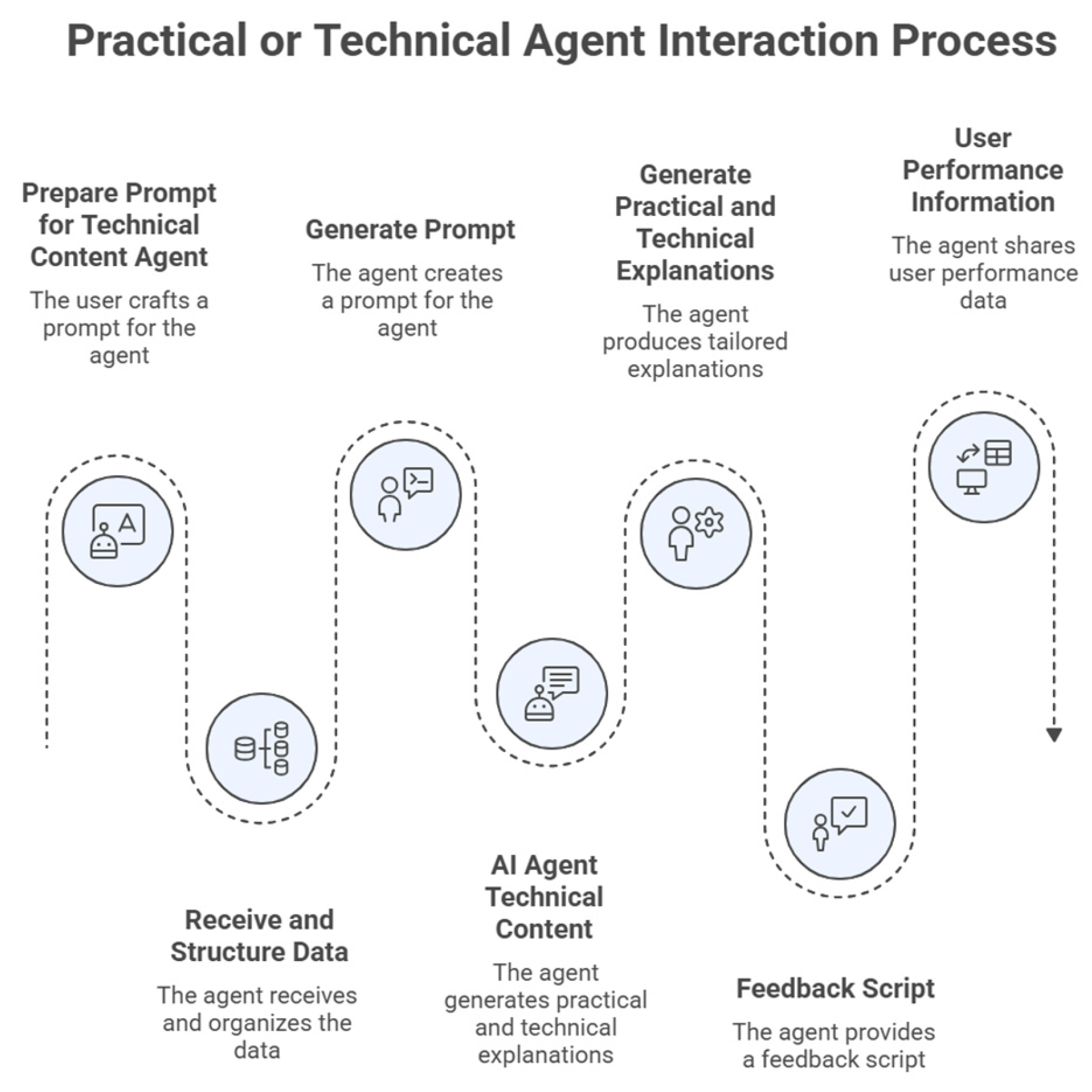
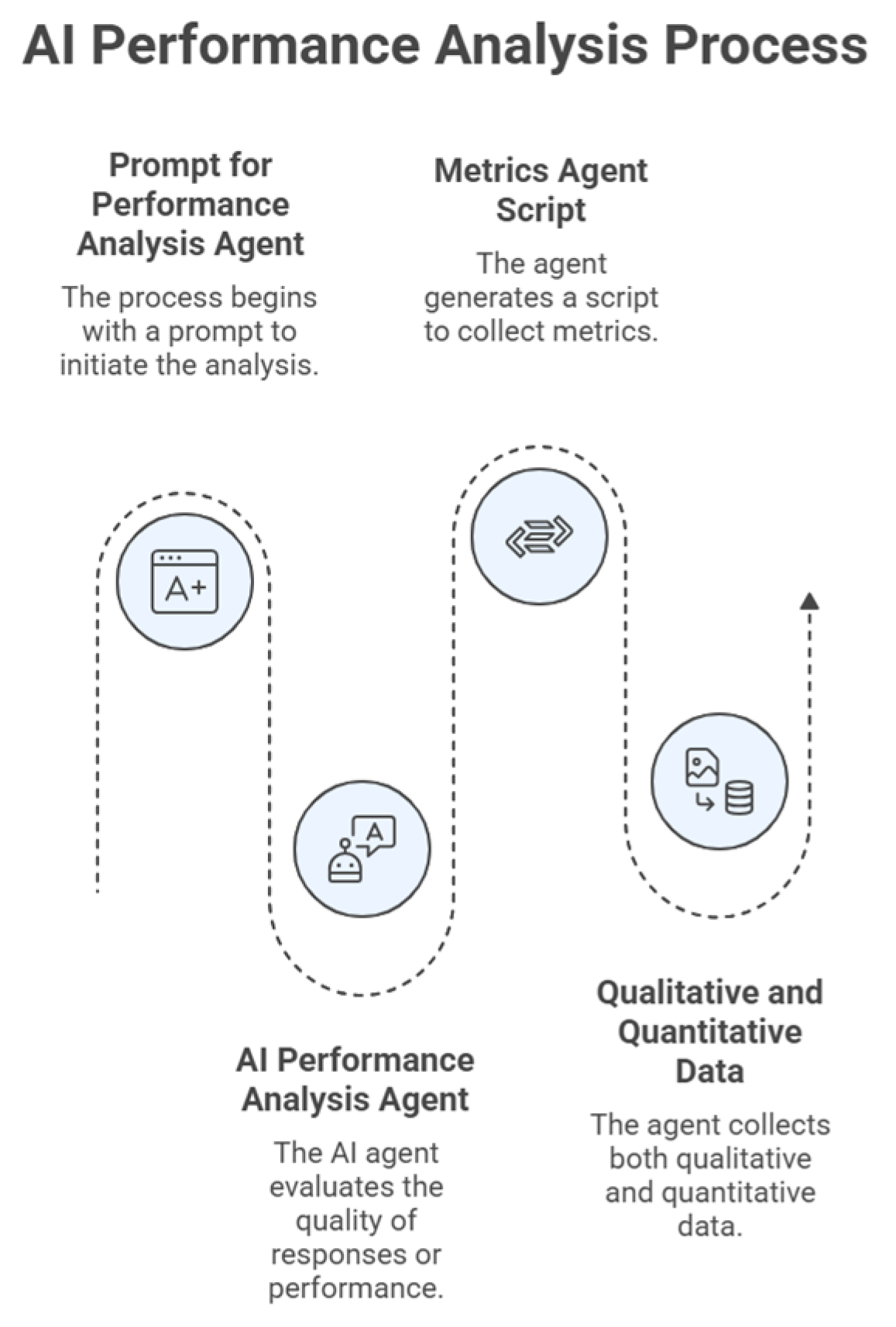
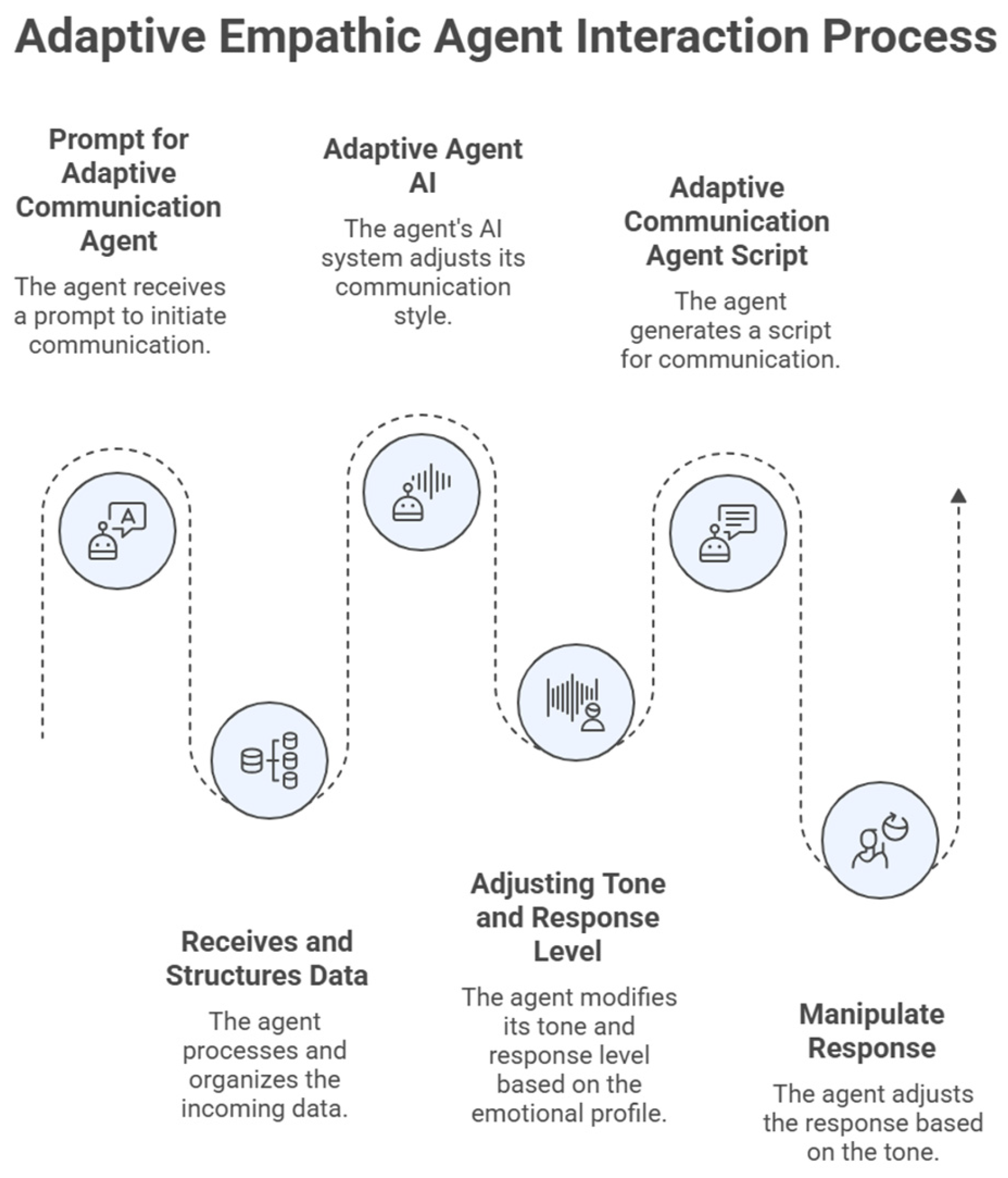
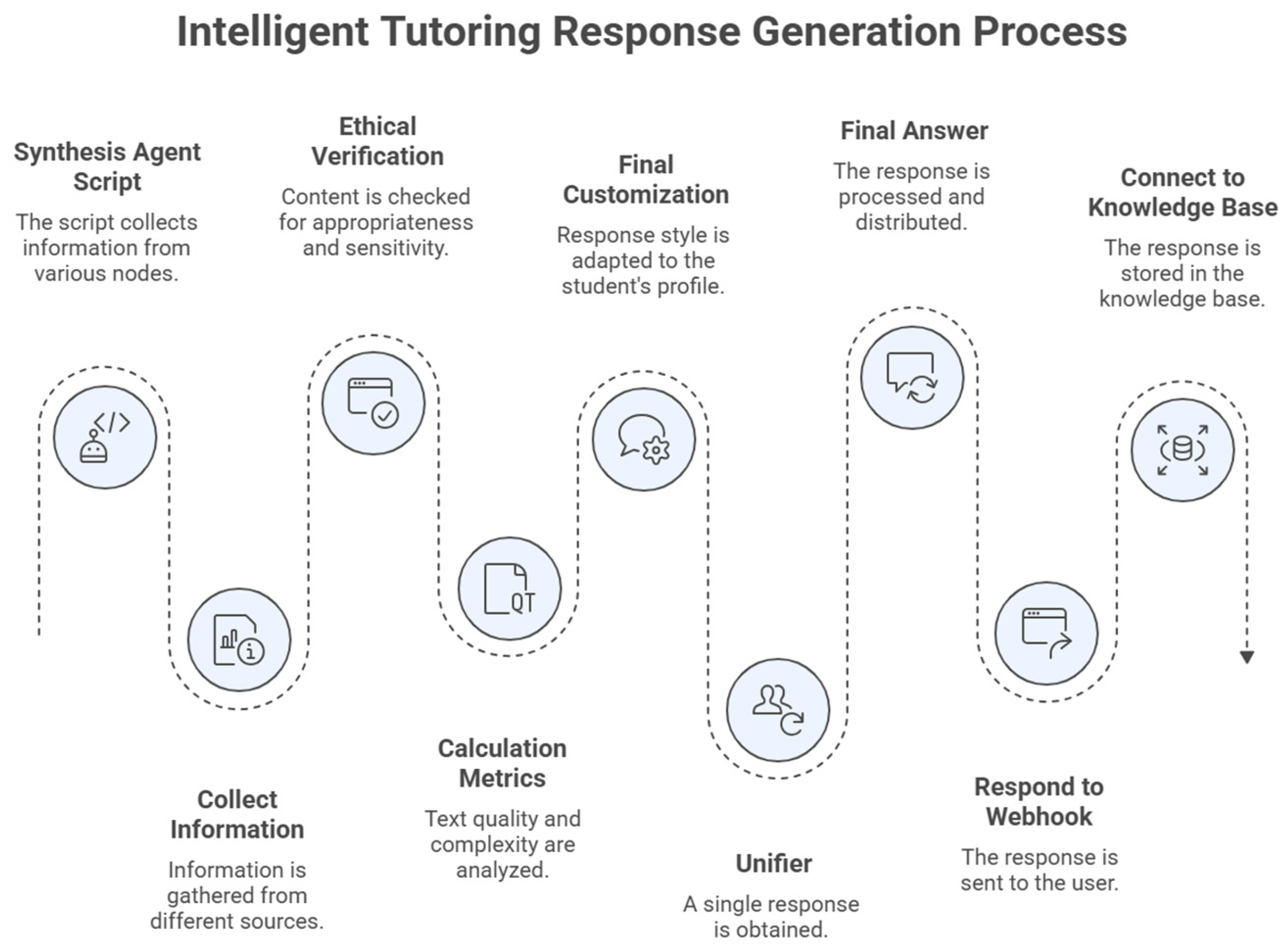
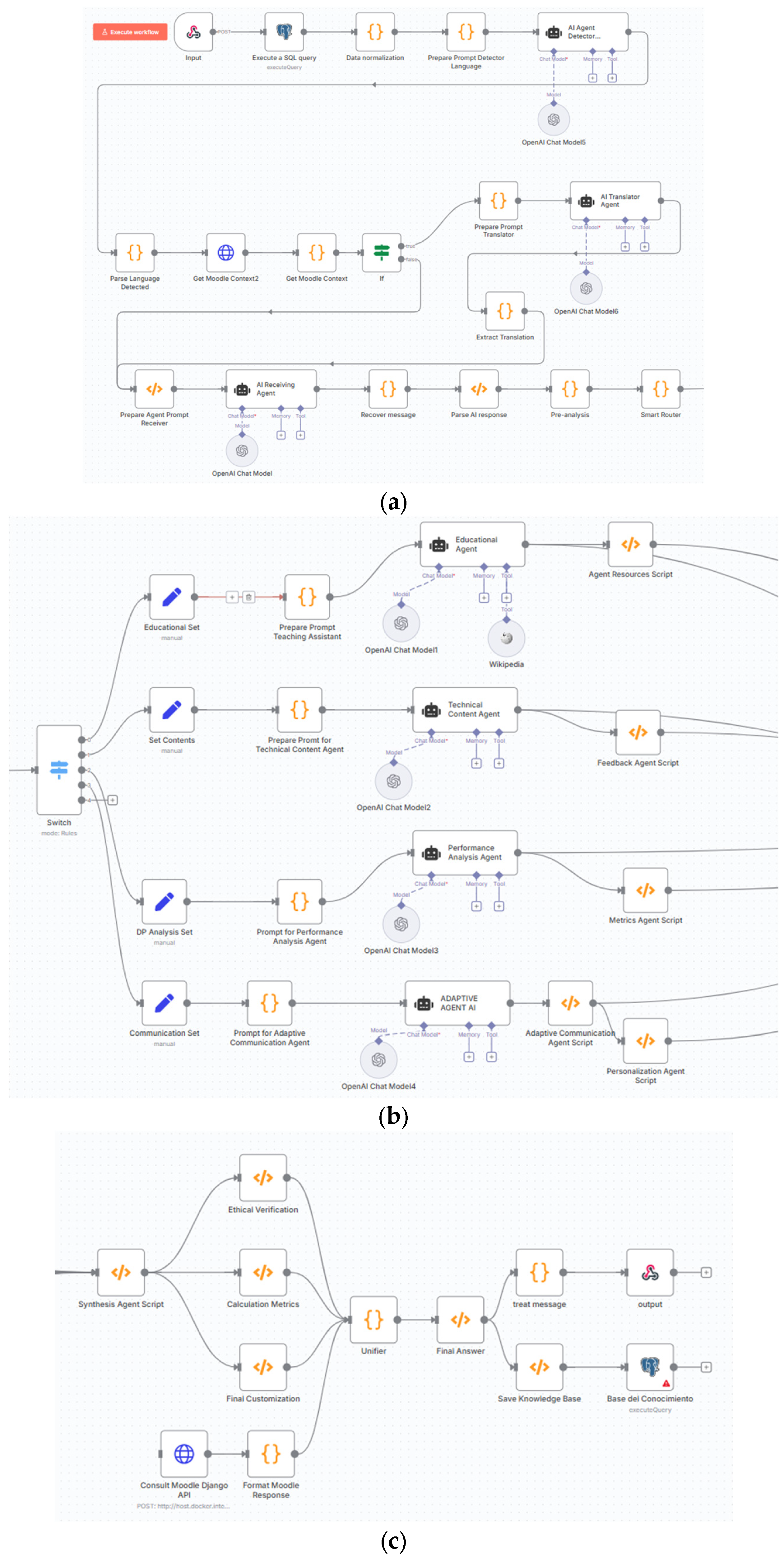
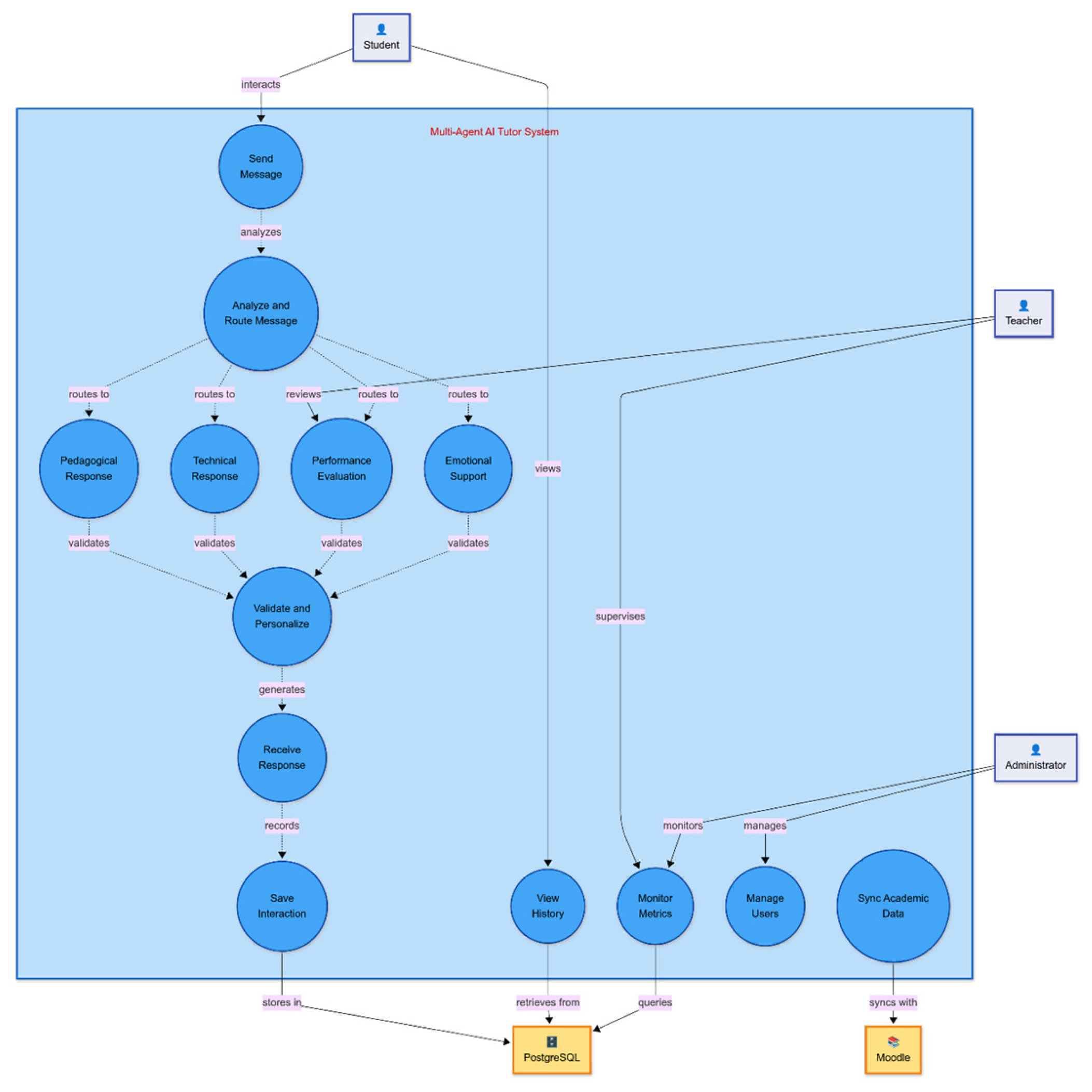
This article presents ELA Tutor, a generative AI-based Intelligent Tutoring System (ITS) built on a Multi-Agent System (MAS) architecture and implemented using the n8n platform to support personalized learning processes in higher education. The proposal integrates adaptive, ethical, and pedagogical components within a technology-enhanced learning environment. The architecture consists of specialized agents (pedagogical, technical, performance analysis, adaptive empathy, and ethical–pedagogical), coordinated through an intelligent decision router that distributes user queries according to their type, complexity, and learning profile. This approach enables automated information flow management and supports context-aware response generation. In addition, it facilitates integration with learning management systems such as Moodle. An exploratory qualitative study was conducted with 20 university instructors from the State Polytechnic University of Carchi (UPEC) to evaluate usability, adaptability, personalization, perceived reliability, and potential for institutional adoption. The evaluation was carried out in a controlled testing environment prior to deployment with students. Additionally, a preliminary validation was conducted with students from the Multimedia and Audiovisual Production program, who interacted with the system in a pilot context. The results indicate that ELA Tutor is perceived as easy to use and capable of providing responses that align with students’ learning processes. Instructor feedback highlights the system’s potential to extend tutoring through asynchronous interactions and supports its integration within institutional platforms. The proposal represents an initial validation of the system and identifies key areas for improvement, including content generation based on teaching guidelines and integration with academic data sources. Future work will focus on quantitative evaluation, including learning outcomes and system performance metrics, in real educational environments.
Keywords: generative AI; human agent interaction; intelligent tutoring systems; multi-agent systems; personalized adaptive learning generative AI; human agent interaction; intelligent tutoring systems; multi-agent systems; personalized adaptive learning