1. Introduction
As underground mining progresses to greater depths, surface subsidence and cracking increasingly threaten the safety and functionality of overlying roads. Surface highways, as critical infrastructure for mineral transport and public traffic, are particularly vulnerable. Mining-induced subsidence can cause uneven pavement settlement, cracking, and localized collapse, increasing accident risks, impairing road function, and raising maintenance costs [
1,
2]. Ensuring road stability while optimizing mining structures is therefore essential for mining safety and transportation continuity [
3].
Traditional multi-objective parameter optimization relies mainly on empirical formulas or repeated numerical simulations. Discrete combinations of barrier pillars and sidewalls are tested to evaluate surface subsidence and economic returns, and the optimal scheme is selected by comparison [
4]. However, as the number of variables increases, the combinatorial space grows exponentially, requiring extensive repeated simulations. These methods also depend on subjective experience, often yielding only local optima and failing to capture the nonlinear interactions between parameters and objectives [
5].
Recent advances in artificial intelligence have transformed multi-objective optimization. Machine learning (ML) can construct high-fidelity datasets from multiple sources, including geological, mining, and geomechanical data, revealing complex relationships among pillar and sidewall dimensions, surface subsidence, and economic performance [
6]. ML enables rapid global identification of Pareto-optimal solutions, reducing computational costs and overcoming limitations of empirical design.
Reasonable design of barrier pillars is crucial for both safety and economic efficiency. Numerous studies have investigated optimal dimensions and configurations: Hu et al. [
7] studied safety pillar optimization in combined open-pit and underground mining; Li et al. [
8] evaluated pillar stability using limit equilibrium and simulation methods; Ma et al. [
9] and Xu et al. [
10] focused on roof pillar stability and thickness; Long et al. [
11] analyzed stress and displacement under different thicknesses; Lu et al. [
12] found that a 20 m pillar minimizes roof deformation. Zhang et al. [
13] reviewed empirical, numerical, statistical, and AI-based methods, highlighting the benefits of integrating data-driven and theoretical approaches. Xu et al. [
14] investigated artificial pillar substitution during the open-pit to underground transition, and Babanouri et al. [
15] compared recovery methods via 3D simulations, confirming the safety and controllability of the “split and fender” strategy.
Analytical and mechanical models have also been widely applied. Guo et al. [
16] established a plane strain elasticity model for mine walls; Wang et al. [
17] used cusp catastrophe theory to study wall instability and proposed thickness reduction strategies; Li et al. [
18] derived stress expressions for horizontal pillars based on thick-plate theory and verified a safe thickness of 20 m; Xie et al. [
19] developed stability analysis models under longitudinal and transverse loads using small-deflection elastic plate bending theory.
Most existing studies focus on isolated structural stability, often neglecting the impact of parameter adjustments on ore yield and economic returns, which may result in conservative or suboptimal designs. To address these limitations, this study proposes an ML-based multi-objective optimization framework using simulation-generated datasets and dual objectives: controlling surface subsidence and maximizing economic benefits. Intelligent algorithms perform global optimization, providing a foundation for safe and efficient design of underground mining structures beneath highways [
20,
21,
22,
23,
24,
25].
Research on surface highway safety above mining areas has also progressed. Strategic planning frameworks have been proposed to manage overlapping mining and highway zones [
26]; predictive modeling using MITSOUKO software and stochastic methods has been employed to forecast road settlement [
27,
28]; finite element simulations have been used to study subsidence under complex geological conditions [
29]; neural network-based adaptive prediction models have further improved forecast accuracy, reducing errors in real-time monitoring [
30,
31,
32]. These studies provide important references for model validation and optimization.
In summary, as underground mining reaches deeper strata, surface subsidence and cracking increasingly threaten road networks. Optimizing barrier pillars and sidewall thickness is essential for both safety and economic efficiency. By integrating machine learning, numerical simulation, and economic analysis, this study proposes a multi-objective optimization framework to coordinate underground mining with surface highway safety, offering new theoretical and technical references for the industry.
4. Intelligent Optimization of Underground Mining Site Structural Parameters Based on Multi-Objective Optimization and Machine Learning Methods
4.1. Principles of the LSTM Algorithm
Long Short-Term Memory (LSTM) networks are an advanced evolution of standard Recurrent Neural Networks (RNNs), specifically designed to overcome the inherent challenges of modeling long-term temporal dependencies. Traditional RNNs often encounter vanishing or exploding gradient problems when processing long sequences, whereas LSTMs mitigate these issues through an innovative architecture that includes memory cells and regulatory gates. This structure enables the network to retain critical information over extended time intervals.
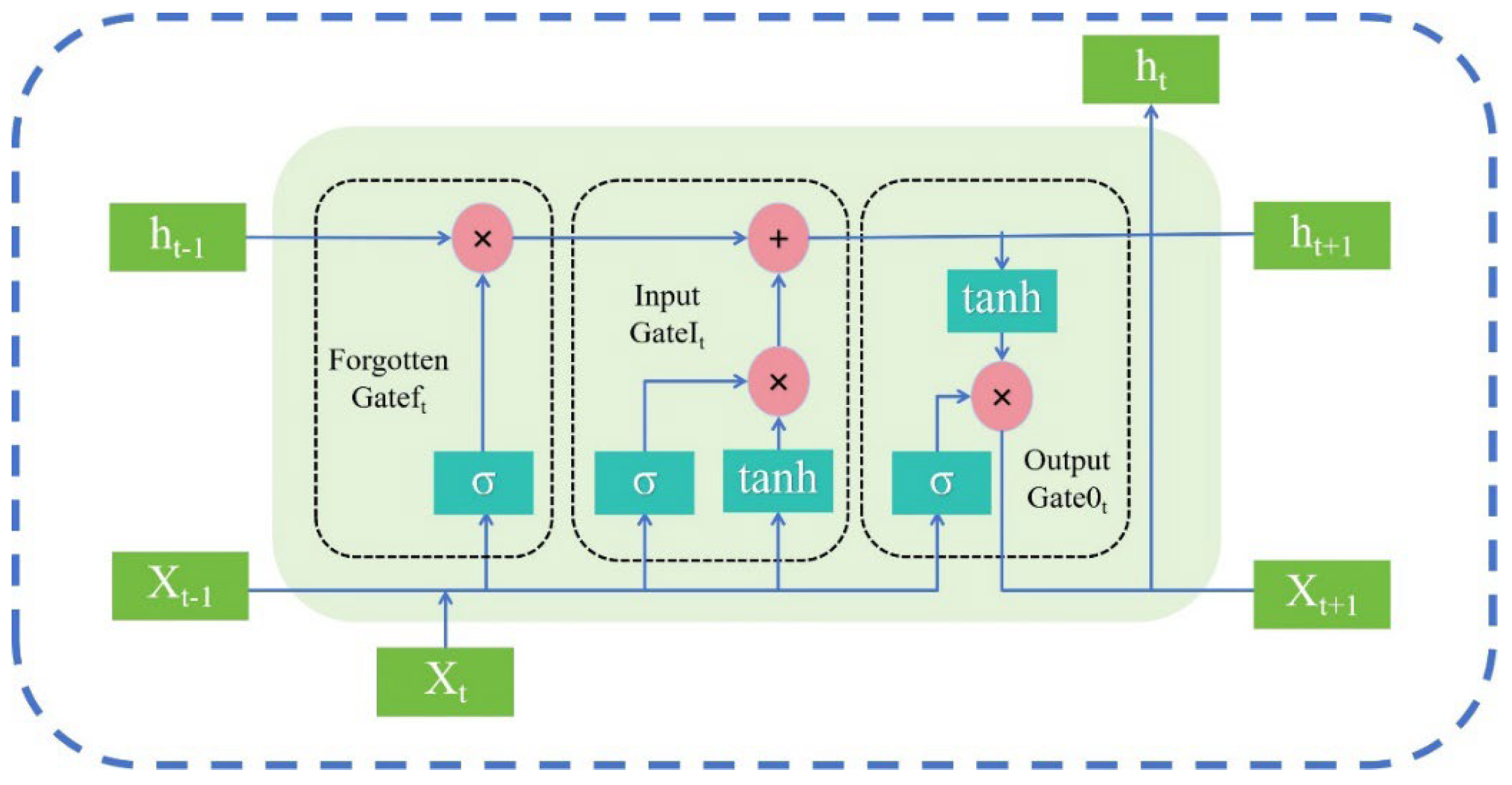
As shown in
Figure 5, the operational core of an LSTM is the “cell state,” which acts as a persistent repository controlled by three main functional units: the forget gate, the input gate, and the output gate. These gates collaboratively regulate the flow and updating of information, a process mathematically formulated through a series of interconnected state equations.
Forget Gate: The forget gate controls how much of the information will be “forgotten.” Its output is determined by the current input
and the previous hidden state
:
Here, σ represents the sigmoid activation function, is the weight matrix for the forget gate, and is the bias term.
Input Gate: The input gate controls how much of the current input information will be stored in the memory cell. The calculation formula is as follows:
Here, i represents the output of the input gate, is the weight matrix for the input gate, and is the bias term.
Candidate Memory Cell: It generates candidate memory information, which, together with the input gate, determines the new information to be stored at the current time step:
Here, represents the candidate memory cell, and is the hyperbolic tangent activation function.
Memory Cell Update: The memory cell state is updated by combining the forget gate and the input gate:
Here, represents the memory cell state at the current time step, and represents the memory cell state at the previous time step.
Output Gate: The output gate controls how much of the current memory cell’s information will affect the current output. The calculation formula is as follows:
Here, represents the output of the output gate, is the weight matrix for the output gate, and is the bias term.
Final Output: The current hidden state is generated through the output gate and the memory cell state at the current time step.
Here, represents the hidden state at the current time step, which is the output of the LSTM.
In this study, a two-layer LSTM (64 and 32 neurons, 1 output neuron with linear activation) was constructed to predict silica prices. The input sequence length was 18, prices were log-transformed and normalized, an Adam optimizer with MSE loss was used, and EarlyStopping prevented overfitting. Hyperparameters were optimized via Bayesian Optimization, and k-fold validation ensured reproducibility.
4.2. XGBoost Algorithm
XGBoost is an efficient implementation of the Gradient Boosting algorithm, widely used in machine learning for classification and regression problems. Its core idea is based on the Gradient Boosting Decision Tree (GBDT) in ensemble learning, which works by sequentially training a series of weak learners (usually decision trees) to progressively reduce the model’s error.
Gradient Boosting is an ensemble learning method that combines multiple weak classifiers (e.g., shallow decision trees) into a strong classifier through an additive model. In GBDT, for Mean Squared Error (MSE) loss, each tree fits the residuals of the previous model. For a general loss function, each tree fits the negative gradient of the loss function with respect to the previous prediction (i.e., pseudo-residuals) using gradient descent.
Let the objective function be , where represents the model parameters, and the training dataset is , where denotes the input features and denotes the corresponding labels. For each iteration, the gradient boosting method updates the model’s prediction by fitting the negative gradient of the loss function.
- 2.
Objective Function of XGBoost
The core of XGBoost is to optimize the model by minimizing the objective function. Unlike traditional GBDT, XGBoost introduces a regularization term to prevent overfitting. The objective function can be expressed as follows:
is the training error term, typically the loss function, used to measure the difference between the model’s predicted values and the true values ; is the regularization term, which controls the model complexity and prevents overfitting. This term takes into account the complexity of the tree structure.
- (1)
Training Error Term
The training error term is typically determined by selecting an appropriate loss function based on the specific task:
For regression problems, the commonly used loss function is Mean Squared Error (MSE):
For binary classification problems, the commonly used loss function is the log loss:
- (2)
Regularization Term
The regularization term
is used to control the complexity of the tree and prevent overfitting. Its form is as follows:
is the number of leaf nodes in the tree; is the weight of the leaf node; and are hyperparameters that control the model complexity.
- 3.
Tree Structure and Learning Algorithm
In XGBoost, the model is built through a stepwise additive process. In each iteration, the model optimizes the residuals by training a new decision tree and adding it to the existing model. Let
be the predicted value after the
iteration, and the prediction value for the new round,
, can be expressed as follows:
where,
represents the predicted value of the tree after the
-th round of training;
is the learning rate, used to reduce the influence of each individual tree and mitigate the risk of overfitting.
During the training of each tree, XGBoost learns the structure and weights of each tree by fitting the negative gradient of the objective function. The learning process of each tree is optimized by minimizing the following objective function:
To select the best split for each node, XGBoost calculates the gain for each possible split. The gain value reflects the reduction in error after splitting the current node. The formula for calculating the gain is as follows:
represents the gradient of sample ; represents the second-order gradient of sample ; and represent the left and right subtrees of the current node, respectively; represents all samples in the current node.
The gain value is used to measure the effectiveness of the current split, and the split with the maximum gain is selected.
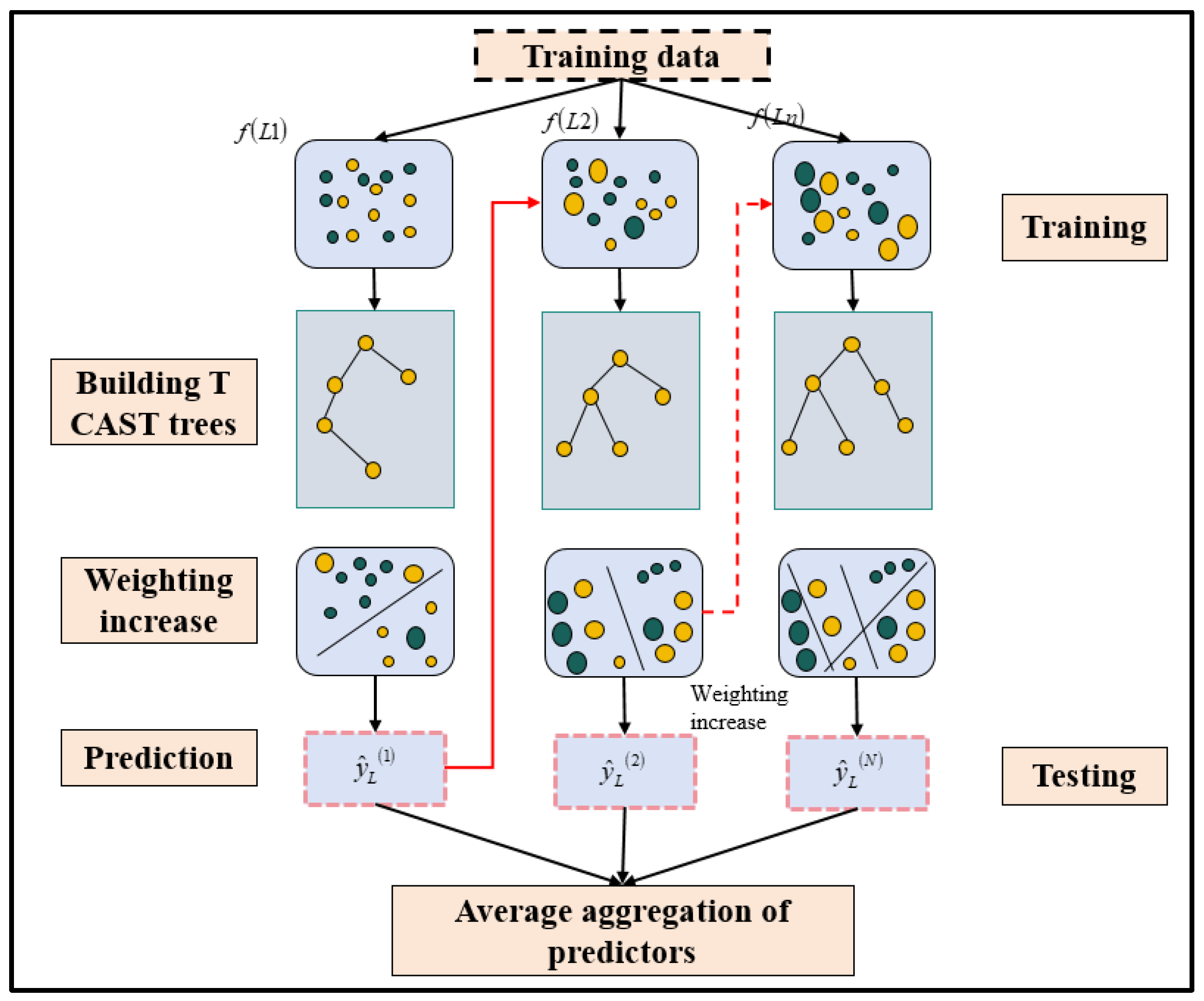
As shown in
Figure 6 XGBoost, through multiple optimizations of the traditional gradient boosting method, has become a machine learning algorithm that excels at handling large-scale data. It combines an efficient training mechanism, regularization techniques, and flexible model tuning capabilities, making it a powerful tool in many practical applications.
4.3. NSGA-II Algorithm
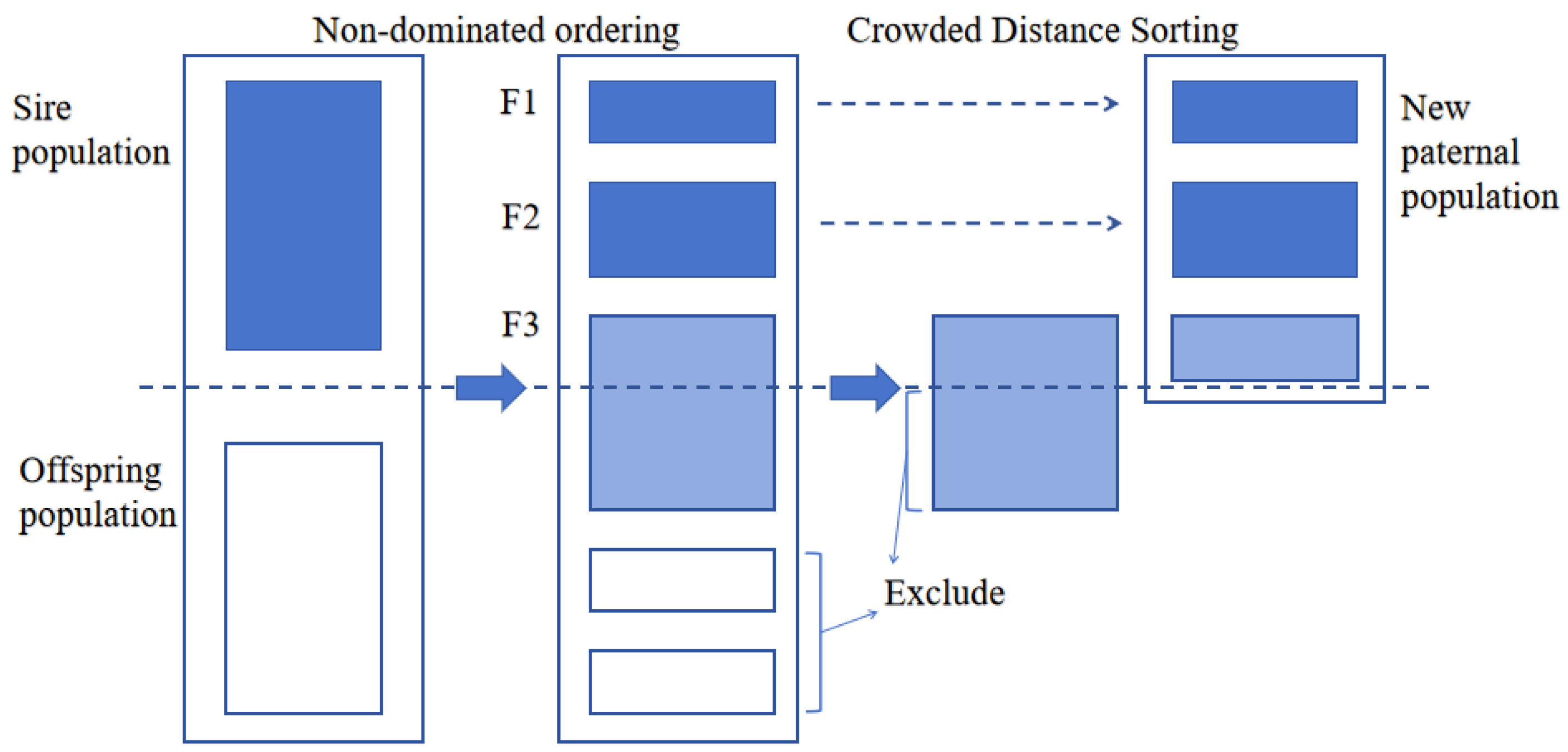
As shown in the
Figure 7 The Non-dominated Sorting Genetic Algorithm II (NSGA-II) is a multi-objective evolutionary algorithm that improves traditional genetic algorithms using fast non-dominated sorting, crowding distance, and elitism. By combining parent and offspring populations, it preserves high-quality solutions and balances convergence speed with Pareto front diversity.
The population initialization is the starting point of the NSGA-II algorithm’s iteration. The core task is to construct a valid initial parent population P0 of size N. The specific steps are as follows:
First, define the decision variable set and the constraint intervals for the multi-objective optimization problem, and determine an appropriate population size N based on the problem’s complexity. Next, use real-valued encoding and generate candidate individuals within the constraint intervals by random sampling or Latin Hypercube Sampling (LHS). LHS ensures that the initial individuals are evenly distributed across the solution space, enhancing population diversity. Then, perform a legality check on the generated candidates, and for individuals that exceed the constraint boundaries, use truncation or reflection methods for correction. Finally, compile N valid individuals to form the initial parent population P0, which lays the foundation for the subsequent genetic operations and iterative optimization.
- 2.
Genetic Operations
The parent population undergoes selection, crossover, and mutation operations to generate an offspring population of the same size. In the selection process, a tournament selection strategy is used (typically k = 2). Individuals with better non-dominance levels are prioritized, and when levels are the same, individuals with larger crowding distances are selected. This process is repeated to construct a pairing pool. For crossover, the simulated binary crossover (SBX) strategy is applied to real-valued encoded individuals, adjusting the genetic difference between offspring and parents using a crossover factor. In the mutation process, a polynomial mutation strategy is used to introduce small disturbances to the individual’s genes, breaking the local optimum constraints and maintaining population diversity. This results in the final offspring population .
- 3.
The parent population and the offspring population are merged to form the new generation mixed population.
- 4.
Non-dominated Sorting
Non-dominated sorting is performed on the mixed population , which results from the merging of the parent and offspring populations. First, the dominance relationship is defined: An individual dominates if is no worse than in all optimization objectives and at least one objective is better. Then, the population is traversed to calculate the dominance count and dominance sets for each individual. Individuals with an empty dominance set are placed in the optimal non-dominated front . Subsequently, the individuals in the dominance set are iteratively reduced in dominance count, and individuals with a dominance count of 0 are placed in the next layer. This process continues until the entire population is layered, providing a basis for priority selection in subsequent steps.
- 5.
Crowding Distance Calculation
Next, the crowding distance is calculated for each individual in the current population, as shown below:
In the equation, and represent the function values of two adjacent individuals i after sorting, on the j-th objective. and represent the maximum and minimum values of the j-th objective in the current population. The crowding distance reflects the distribution density around an individual; the larger the crowding distance, the more sparse the individual is, indicating better diversity in the solution set.
- 6.
Individual Selection
The purpose of individual selection is to filter out a population of size N from the non-dominated layers after sorting. The selection follows the priority of non-dominated layers from high to low, sequentially adding all individuals from each layer to the candidate set. If the population size has not reached N after adding the current layer, the next layer is added. If the size exceeds N, individuals in the current layer are sorted in descending order of crowding distance, and the top k individuals (where k is the number of individuals needed to fill the gap) are selected. This process ultimately forms the next-generation parent population that meets the size requirement, providing high-quality samples for subsequent iterative optimization.
- 7.
Repeat steps (2)~(6) until the maximum evolution iteration count is reached, resulting in the Pareto approximate optimal solution set.
4.4. Bayesian Optimization Algorithm
Bayesian Optimization (BO) is an efficient global optimization framework designed for black-box objective functions where evaluation is expensive or derivatives are unavailable. The basic idea is to use probabilistic surrogate models, such as Gaussian Process (GP), to perform Bayesian modeling of the objective function
. The posterior distribution of the function values is obtained based on prior knowledge and existing observations. An acquisition function is then constructed based on this posterior, which balances exploration and exploitation, iteratively selecting the next evaluation point to approach the global optimum. If the function values at the input point set
are denoted as the vector
, the joint distribution under the GP assumption is as follows:
where
is the mean function vector, and the elements of the covariance matrix are given by the kernel function
, i.e.,
. Given the current observational data, the GP can provide the posterior mean
and posterior standard deviation
for any candidate point
. A commonly used acquisition function and its closed-form expression (for the maximization case) are as follows:
where
is the current observed optimal value,
and
are the adjustment parameters that balance exploration and exploitation, and
and
are denoted the cumulative distribution function (CDF) and the probability density function (PDF) associated with a standard normal distribution, respectively, where
In practical applications, the choice of the kernel function and its hyperparameters can be estimated by maximizing the marginal likelihood or using Bayesian methods. In summary, BO constructs a probabilistic surrogate with uncertainty quantification for the objective function and uses the acquisition function to drive sample selection. This allows for efficient optimization within a limited evaluation budget. It is widely used in engineering design, hyperparameter tuning, and optimization problems with limited experimental resources.
4.5. K-Fold Cross-Validation
Let the dataset be
, which is divided into KKK roughly equal subsets
. In the k-th iteration,
is used as the validation set, and the remaining
subsets form the training set
to train the model
. The average performance is computed as follows:
where L denotes the evaluation metric (e.g., accuracy, Mean Squared Error). K-fold cross-validation effectively utilizes all data and reduces bias due to random splitting. Common choices are
or
.
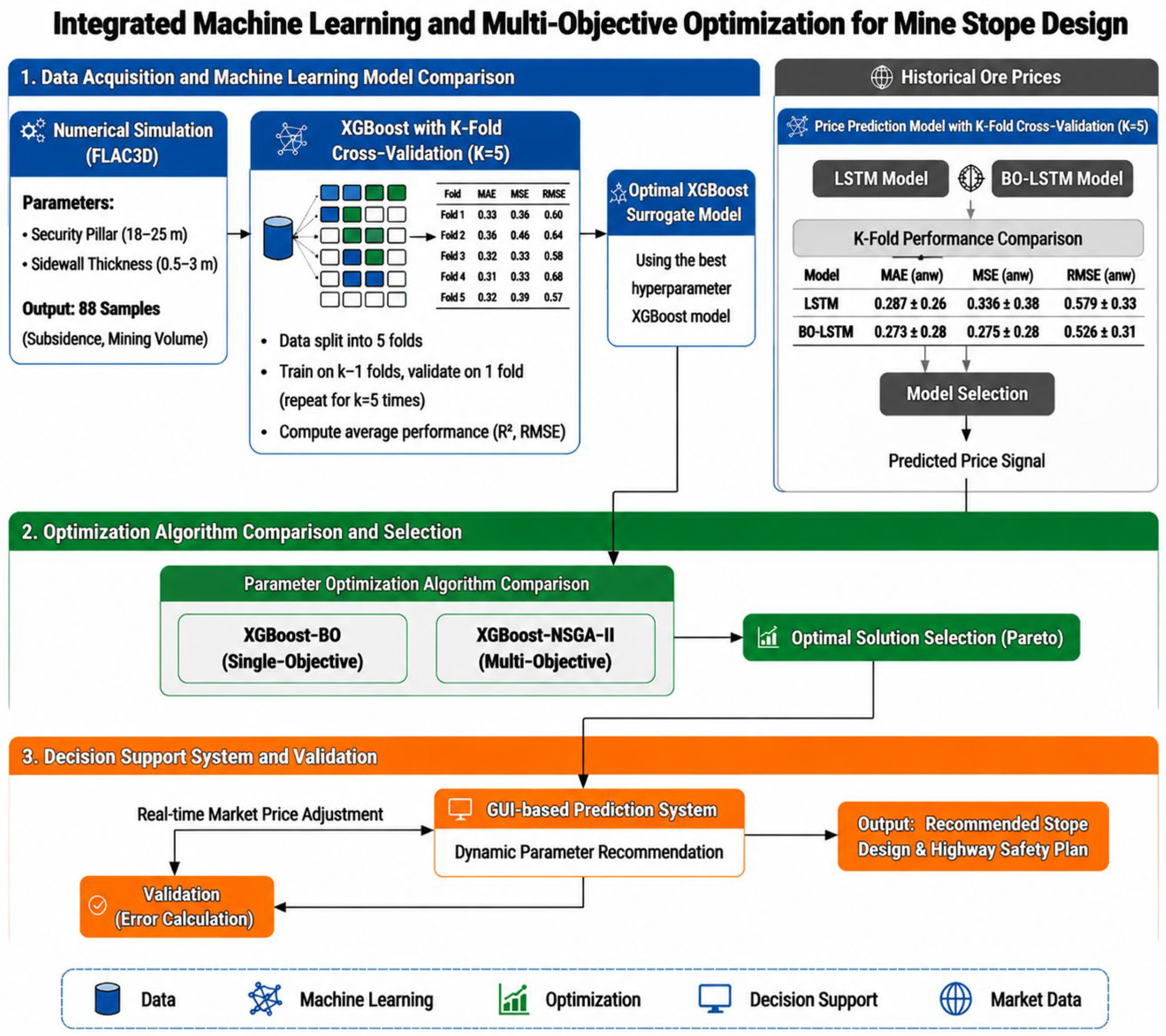
As shown in
Figure 8, the study first generates 88 sample datasets using FLAC3D numerical simulations, considering variations in security pillar height and sidewall thickness on surface displacement and mining volume. An XGBoost surrogate model with K-fold cross-validation (k = 5) is constructed for rapid prediction of physical responses. Historical ore prices are similarly predicted using K-fold cross-validated LSTM and BO-LSTM models, with the Bayesian-optimized BO-LSTM providing the most accurate market price signals. For mining parameter optimization, single-objective XGBoost-BO is compared with multi-objective XGBoost-NSGA-II, and NSGA-II is employed to obtain Pareto-optimal solutions balancing safety and economic benefits. All selected models are integrated into a GUI-based decision support system that dynamically adjusts parameter schemes based on predicted market prices and outputs recommended stope designs and highway safety plans. The framework’s reliability is confirmed through comparison with secondary FLAC3D simulation results.
4.6. Model Training and Testing
4.6.1. Convergence Analysis
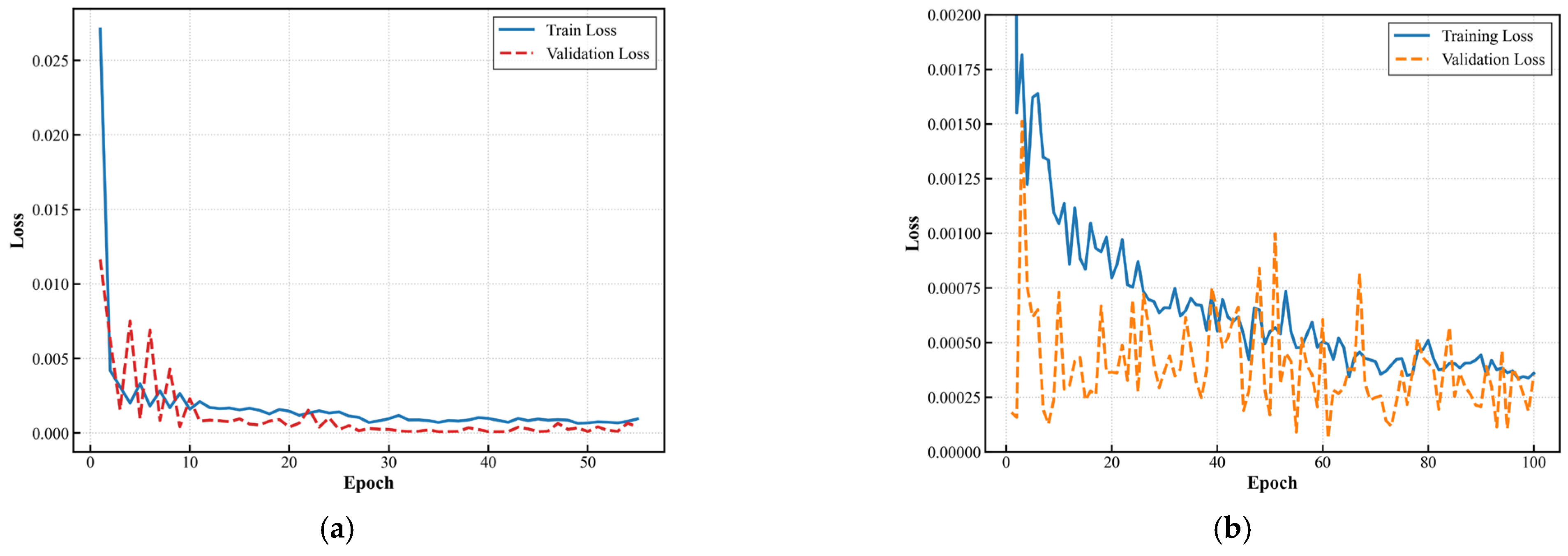
Figure 9 presents the convergence analysis of the ore price prediction models. In
Figure 9a, the BO-LSTM model shows a rapid decrease in both training and validation loss during the initial epochs, stabilizing at a low loss value after around 20 epochs, indicating fast and stable convergence. In contrast,
Figure 9b shows the standard LSTM model, where the training loss decreases more slowly, and the validation loss exhibits larger fluctuations throughout the 100 epochs, suggesting slower convergence and less stable generalization. Overall, these results demonstrate that the BO-LSTM model converges faster and achieves more reliable predictions compared with the conventional LSTM model. Therefore, Bo-LSTM is better suited for this ore price prediction task, not only improving convergence speed but also enhancing global optimization capability and model stability.
- 2.
Iterative Analysis of Mining Field Structural Parameter Optimization
As shown in
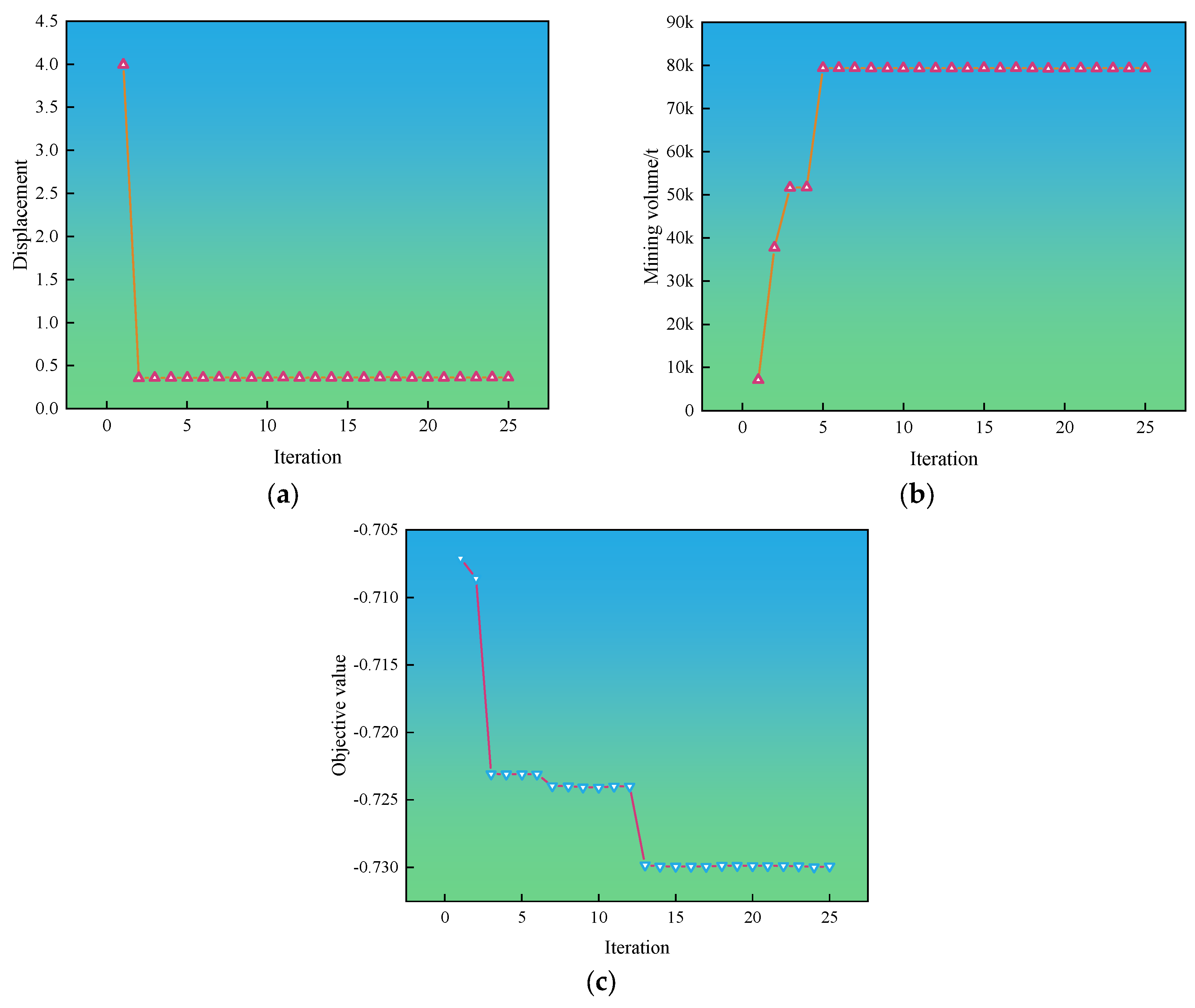
Figure 10, the convergence characteristics of different optimization algorithms are presented. In
Figure 10a, the XGBoost-NSGA-II surface displacement iteration curve shows that the displacement values decrease rapidly during the initial iterations and stabilize in subsequent iterations, indicating that the algorithm converges quickly and steadily for surface displacement prediction.
Figure 10b shows the XGBoost-NSGA-II mining volume iteration curve, which exhibits a similar trend: the mining volume rises rapidly in the early iterations and remains stable thereafter, suggesting that the multi-objective optimization can efficiently approximate Pareto-optimal solutions that balance safety and economic benefits.
Figure 10c presents the iteration curve of the single-objective XGBoost-BO, where the loss decreases significantly in the early iterations and changes minimally in subsequent iterations, reflecting the convergence characteristics of single-objective optimization in parameter adjustment. Overall, NSGA-II demonstrates higher convergence speed and stability in multi-objective optimization problems, while XGBoost-BO also converges effectively in single-objective optimization, albeit with relatively limited optimization flexibility.
4.6.2. Accuracy Analysis
To conduct a rigorous assessment of the predictive accuracy across all models, a suite of fundamental statistical indicators was employed: Mean Squared Error (MSE), Coefficient of Determination (R
2), Mean Absolute Percentage Error (MAPE), and Mean Absolute Error (MAE). These metrics provide a multi-faceted perspective on model robustness. The comparative outcomes for the four investigated algorithms—specifically regarding their performance in forecasting displacement, excavation volume, and mineral market prices—are synthesized in
Table 5 and
Table 6.
In the formula, represents the true value of the i-th sample; represents the predicted value of the i-th sample; and N is the number of samples.
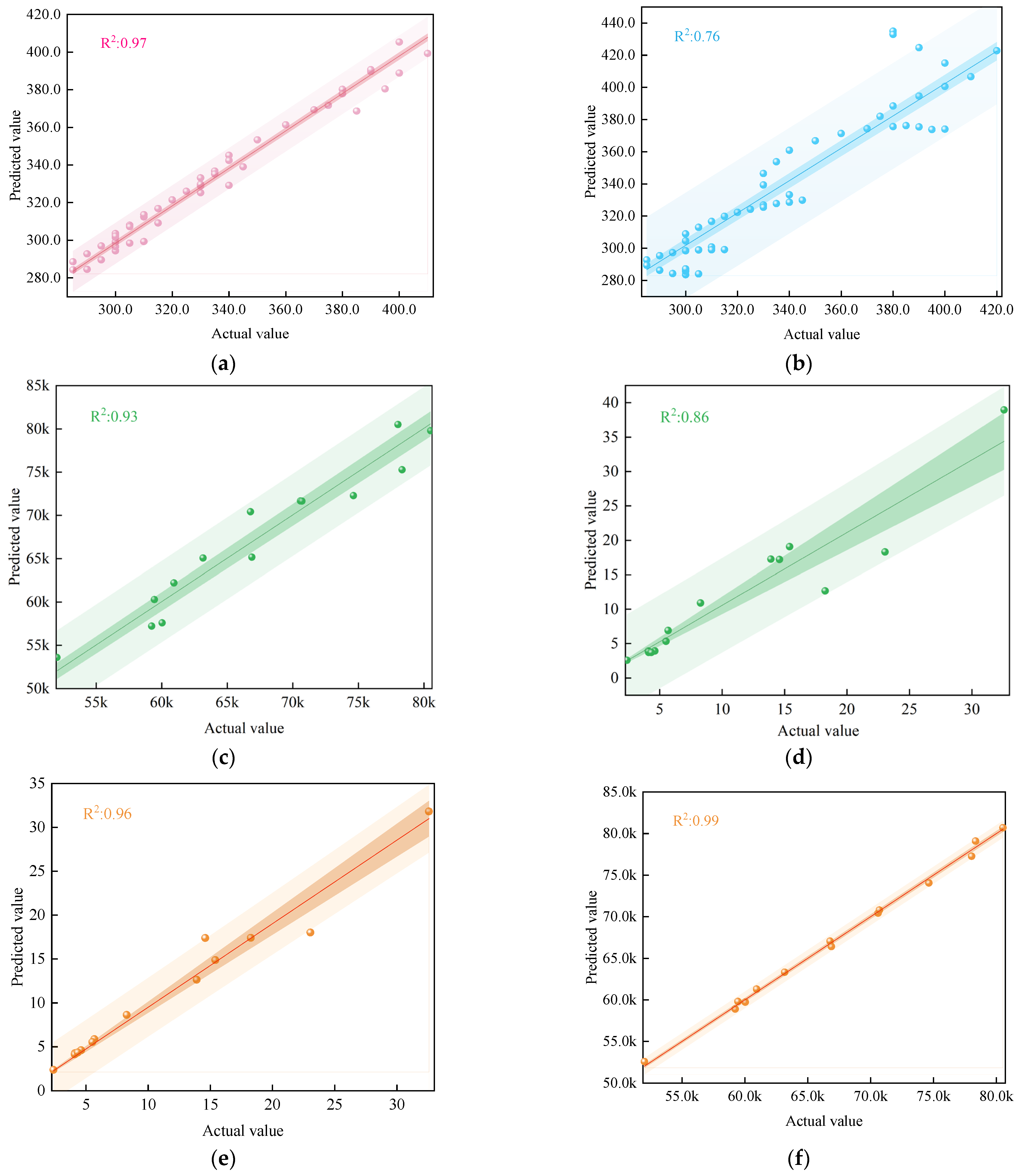
Figure 11 illustrates the predictive performance of different models and their R goodness-of-fit.
Figure 11a and b show the predicted ore prices using BO-LSTM and LSTM, respectively, where BO-LSTM achieves a notably higher R
2 = 0.97 compared to LSTM’s R
2 = 0.76, indicating that the Bayesian-optimized LSTM model exhibits superior accuracy in price prediction.
Figure 11c,d present the predictions of surface displacement and mining volume by the XGBoost-BO model, with R
2 values of 0.93 and 0.86, demonstrating that the single-objective optimization model provides good predictive performance for physical responses.
Figure 11e,f show the corresponding predictions of the XGBoost-NSGA-II model, with R
2 values of 0.96 and 0.99 for surface is placement and mining volume, indicating that multi-objective optimization achieves higher fitting accuracy than single-objective optimization and more precisely captures the relationship between actual mining parameters and physical responses. Overall, both BO-LSTM and XGBoost-NSGA-II demonstrate high predictive accuracy and reliability within their respective tasks.
- 2.
Comparison Analysis of True Values and Predicted Values
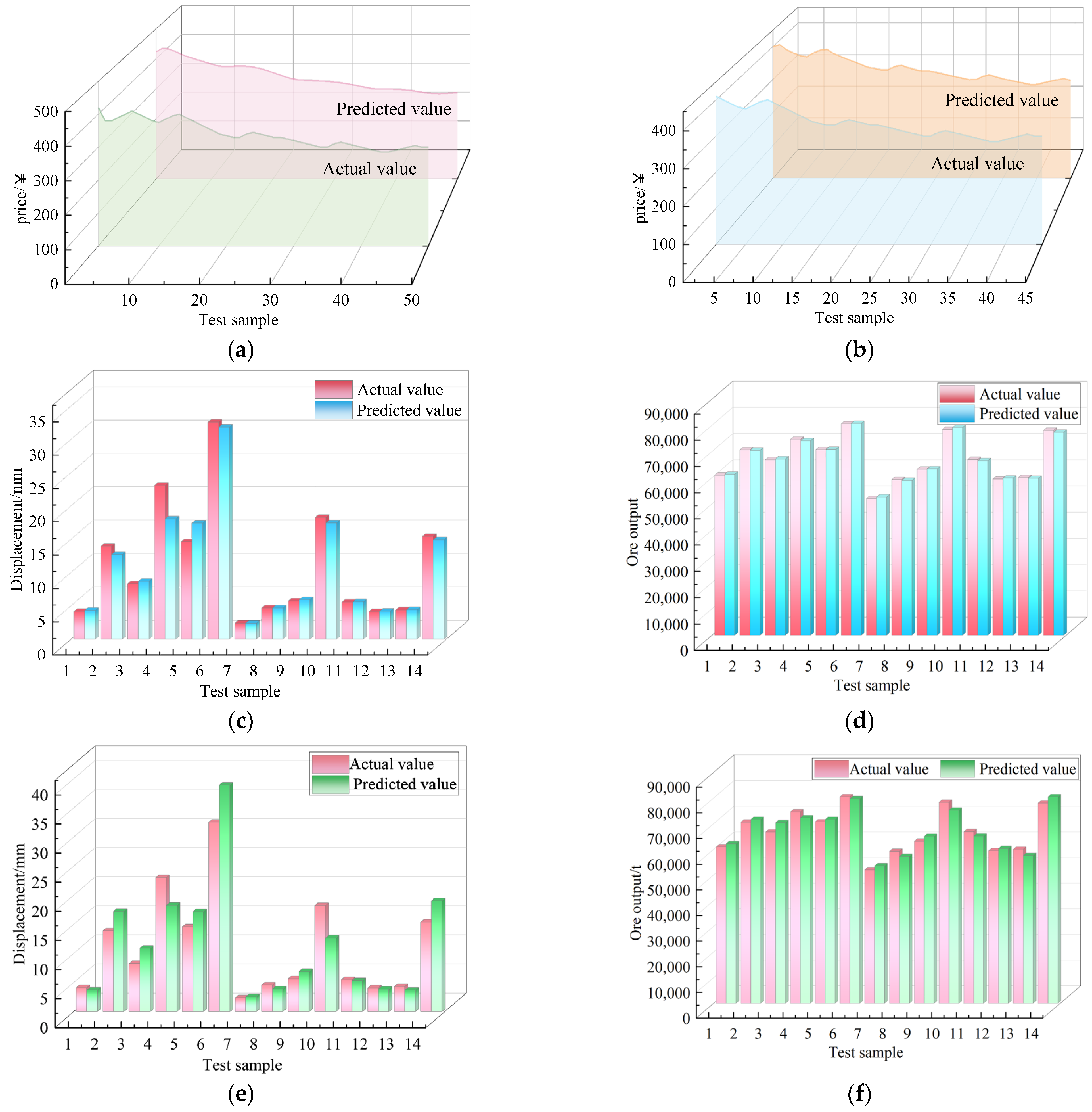
Figure 12 presents the comparison between predicted and actual values for different models. The results indicate that BO-LSTM and XGBoost-NSGA-II closely reproduce the actual data, accurately capturing ore prices, surface displacement, and mining output, whereas the single-objective XGBoost-BO model reflects the overall trends but with slightly lower accuracy.
4.6.3. Sensitivity Analysis
The price prediction model is a typical endogenous variable-driven model. Its core logic is based on the autocorrelation of historical silicon ore prices for evolutionary reasoning, where the feature space is composed only of “historical prices” and the “time dimension.” Since the model does not incorporate external variables such as electricity costs, downstream demand, supply-demand gaps, or macroeconomic policies, it is not possible to observe the causal feedback of output fluctuations by disturbing the independent variables. Under the algorithmic framework, all external factors have been internalized into the statistical characteristics of the price curve through the “comprehensive environmental effects.” If a sensitivity analysis were performed, the results would only reflect the robustness of hyperparameters or data noise, rather than sensitivity to market factors. Therefore, under the logic framework of this project, such an analysis holds no business reference value.
- 2.
Underground Mining Site Parameter Sensitivity Analysis
As shown in
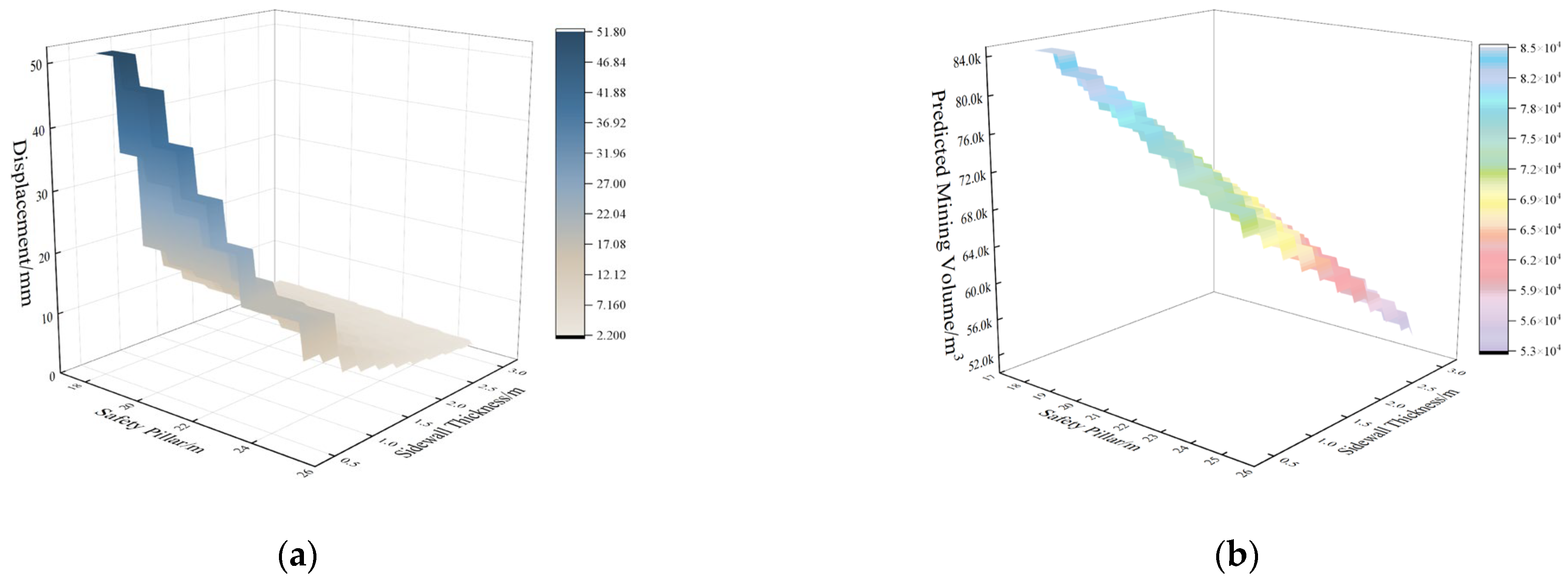
Figure 13, the sensitivity analysis of the model outputs with respect to key parameters is presented.
Figure 13a depicts the sensitivity analysis for surface displacement, showing that displacement decreases noticeably with changes in the parameters, but the overall variation is moderate, indicating that the model exhibits a certain degree of robustness in predicting displacement.
Figure 13b illustrates the sensitivity analysis for mining volume, which similarly shows a gradual decrease with parameter changes and relatively uniform variation, suggesting limited sensitivity of the model in predicting mining output. Overall, these two figures indicate that, within the current model framework, the physical responses remain relatively stable with respect to changes in input parameters, confirming the robustness of the model.
4.6.4. Analysis of Core Predictive Models Under Varying Sample Sizes and Input Noise
The analysis shows that LSTM-BO achieves higher accuracy in price prediction, while XGBoost-NSGA-II excels in mining site parameter optimization. This section focuses on these two models, examining how sample size, noise, and outliers affect prediction accuracy.
This experiment analyzes the sample size sensitivity and input perturbation of the core models, focusing on LSTM-BO and XGBoost-NSGA-II. As shown in
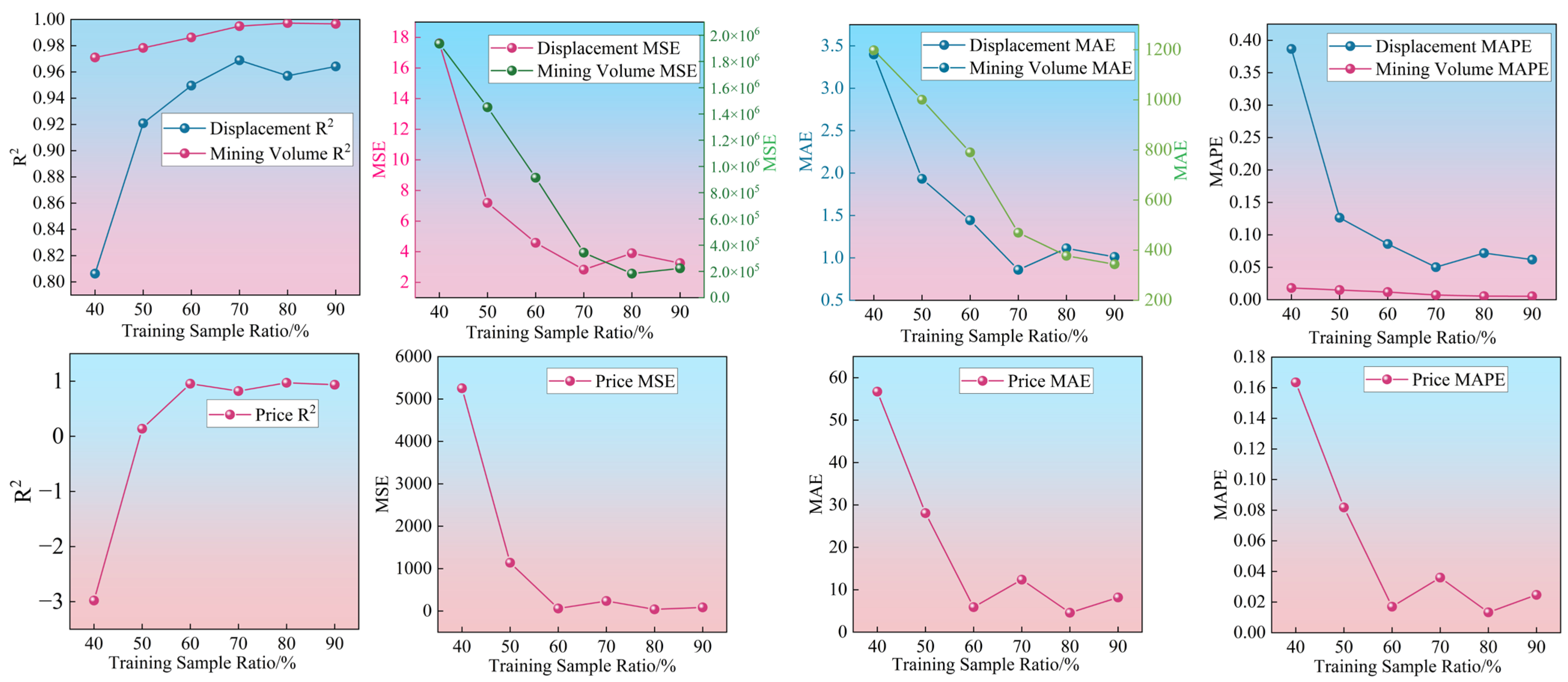
Table 7, from 88 full-factor samples, 40–90% were used as training sets and the rest as validation sets. The models were trained, and R
2, MAE, and MSE were computed to assess prediction accuracy across different sample sizes.
Figure 14 illustrates that the proportion of training samples significantly affects model predictive performance. As the training sample ratio increases from 40% to 90%, all models show a marked improvement in goodness-of-fit (R
2) and a substantial reduction in Mean Squared Error (MSE), Mean Absolute Error (MAE), and Mean Absolute Percentage Error (MAPE). The most notable performance gains occur when the ratio rises from 40% to 60%, with R
2 increasing sharply and error metrics decreasing significantly, indicating high model sensitivity to training data. Beyond a 70% sample ratio, performance metrics stabilize, suggesting that further increasing the sample size yields limited additional improvement.
- 2.
Noise Analysis
As shown in
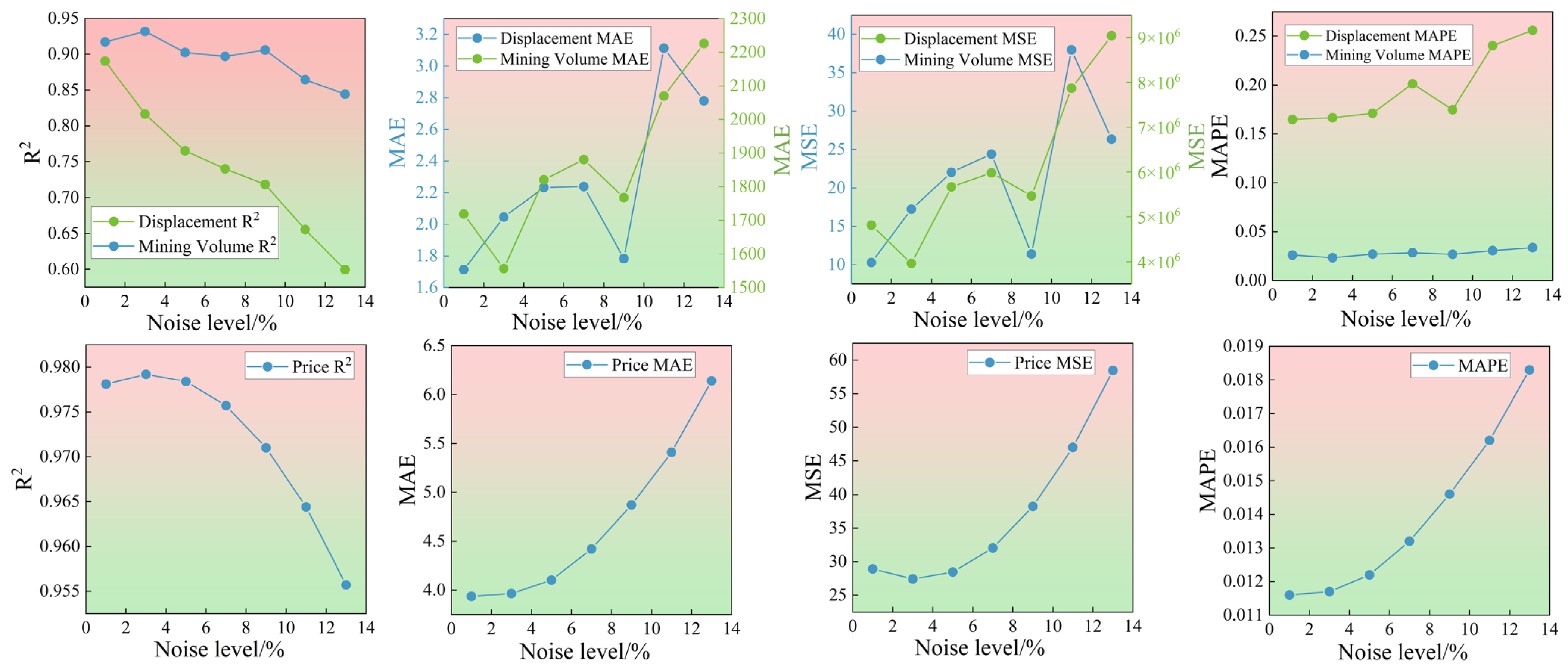
Table 8, this experiment introduced Gaussian noise with standard deviations of 1%, 3%, 5%, 7%, 9%, 11%, and 13% by adjusting the noise proportion in the training data. The BO-LSTM and XGBoost-NSGA-II models were then trained under these conditions, and performance metrics such as R
2, MAE, and MSE were calculated to quantify the models’ predictive accuracy under varying noise levels.
As shown in
Figure 15, the models exhibit varying performance under different noise levels. As the noise level increases from 1% to 13%, the R
2 values for displacement, mining volume, and price show a decreasing trend, while MSE, MAE, and MAPE generally increase. This indicates that the predictive accuracy of the models declines with increasing data noise, although the magnitude of this decline differs across metrics.
Specifically, the displacement metric is highly sensitive to noise, with R2 decreasing rapidly and error metrics rising significantly. The mining volume metric is relatively robust, showing only modest increases in errors. The price metric demonstrates strong noise tolerance, maintaining relatively high R2 values and exhibiting slow growth in error measures. These results suggest that model robustness varies across different target variables, and the impact of data noise should be carefully considered in practical applications.
- 3.
Outlier Sensitivity Analysis
Outlier sensitivity analysis is conducted to assess the extent to which data analysis or model results are affected by outliers. Specifically, in
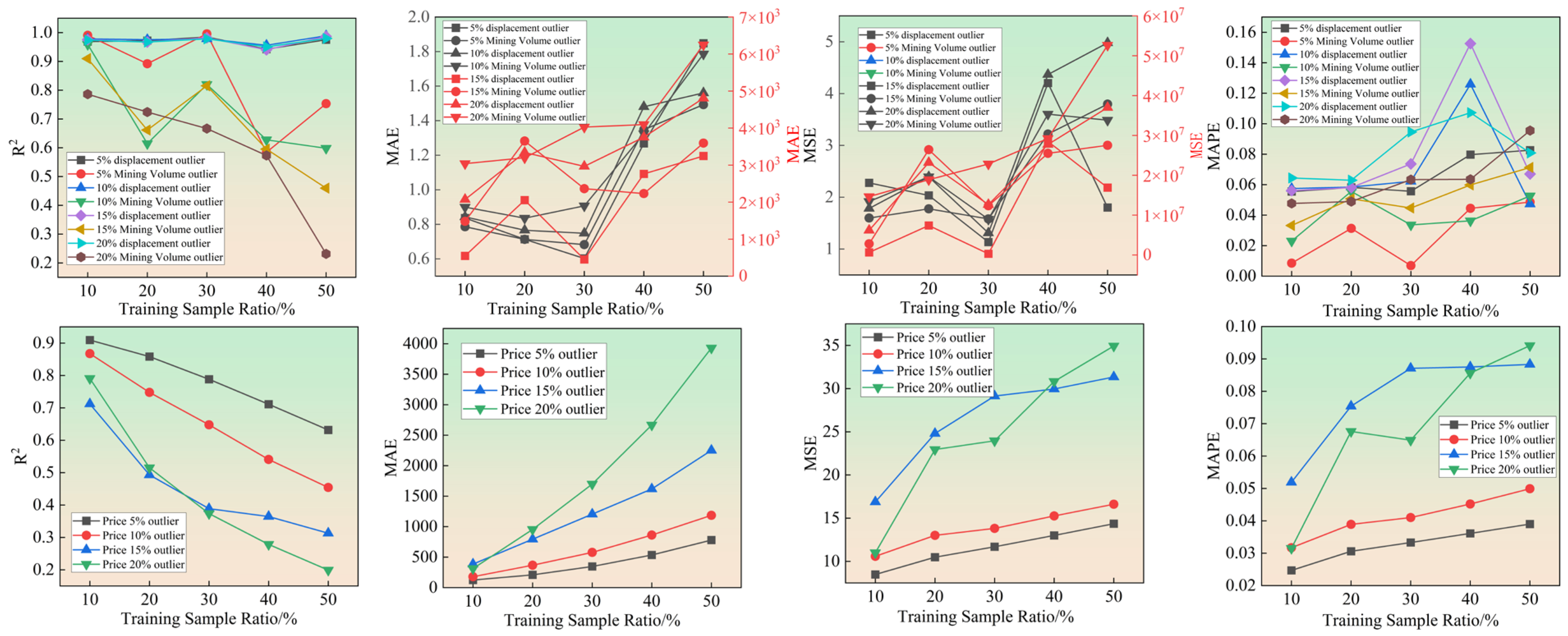
Table 9, outlier proportions are set at 5%, 10%, 15%, and 20%, with deviation magnitudes of 10%, 20%, 30%, 40%, and 50%. Under these conditions, the BO-LSTM and XGBoost-NSGA-II models are trained. Model performance is then quantified by calculating metrics such as R
2, MAE, and MSE, allowing evaluation of predictive accuracy and robustness under varying outlier conditions.
From
Figure 16, experimental results show that as the amplitude and proportion of outliers increase, both models exhibit a stepwise performance decline. Within a “safe zone” of outlier amplitudes below 30%, NSGA-II and Bayesian-optimized models maintain high R
2 scores. Beyond this threshold, error metrics (MAE, MSE, MAPE) rise sharply, with MSE being most sensitive, indicating that large outliers severely distort the loss function. XGBoost demonstrates stronger stability for discrete parameters, while LSTM is more sensitive to temporal fluctuations, with price predictions showing a regular stratified decline in R
2 as noise grows. These findings highlight the importance of data cleaning and defining model reliability boundaries for safe and robust deep mining predictions.
The experimental results confirm that the proposed algorithm is reasonable and robust. Accuracy improves with more training data, while moderate noise and outliers have a limited impact. Performance drops only beyond critical thresholds, demonstrating the algorithm’s reliability limits. Overall, the findings show it is suitable for predictive modeling in complex, noisy datasets.
4.7. Intelligent Mining Site Parameter Optimization System for Underground Mining Engineering Structures
4.7.1. System Introduction
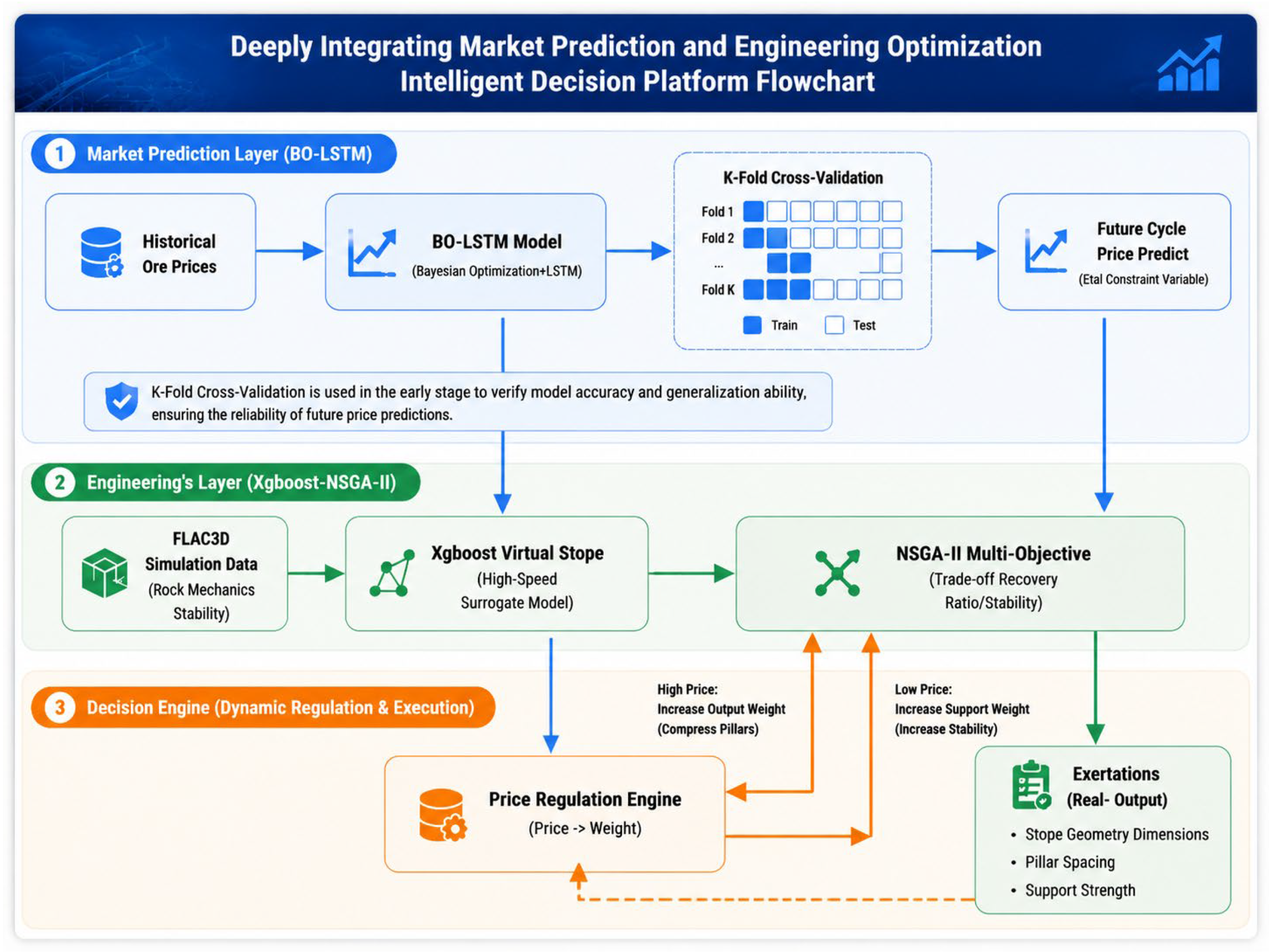
From
Figure 17, the technical workflow of the system consists of three main modules. First, in the Market Prediction Layer, historical ore prices are used to train a BO-LSTM model, which is validated in the early stage using K-fold cross-validation to ensure prediction accuracy and generalization ability, producing future cycle price signals. Next, in the Engineering Layer, FLAC3D simulation data are used to build an XGBoost surrogate model (Virtual Stope), and NSGA-II multi-objective optimization is applied to simultaneously consider recovery ratio and support stability, yielding Pareto-optimal engineering parameters. Finally, in the Decision Engine Layer, mining parameters are dynamically adjusted based on the market price signals and optimization results: high prices increase output weight to compress pillars, while low prices increase support weight to enhance stability. The system outputs practical mining schemes, including stope geometry, pillar spacing, and support strength, thereby achieving a deep integration of market prediction, engineering optimization, and intelligent decision-making.
4.7.2. Establishment of an Intelligent Decision-Making Platform with Deep Integration of Market Forecasting and Engineering Optimization
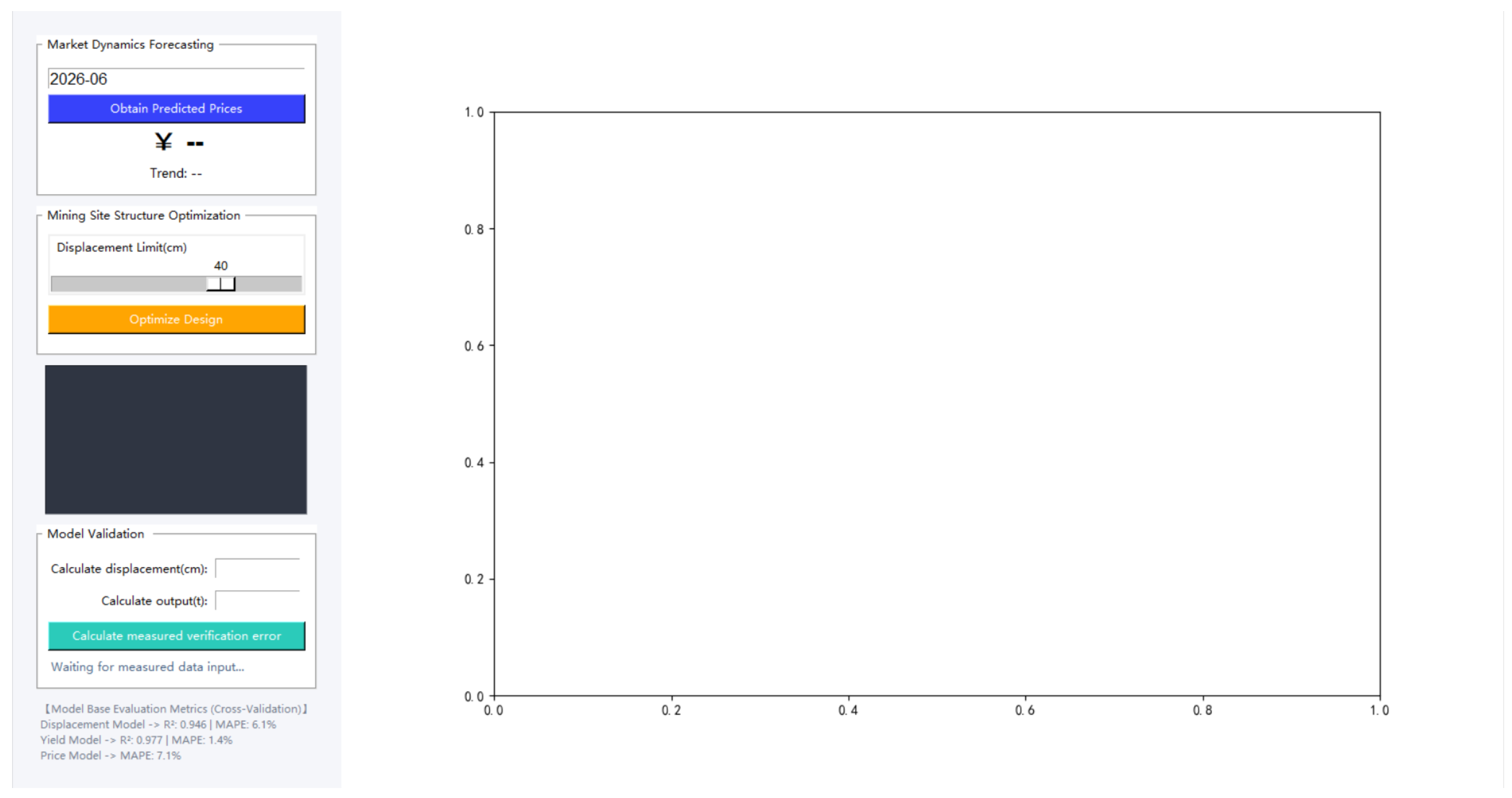
The system is an intelligent decision-making platform for mining safety and market optimization, built with Python Tkinter and integrating machine learning, deep learning, and multi-objective optimization.
Market Prediction: BO-LSTM forecasts ore prices, validated with K-fold cross-validation (MAPE). Users can obtain predicted prices and trends for a target month.
Mining Site Optimization: XGBoost surrogate models and NSGA-II optimize pillar height and sidewall thickness, balancing safety and output. Results are visualized alongside historical samples.
Field Validation: Users input measured displacement and mining volume; the system computes deviations from AI predictions and displays measured points on the chart for comparison.
The left panel handles inputs and outputs, while the right panel shows dynamic visualizations, supporting informed decision-making for mining operations.
As shown in
Figure 18, it is the GUI interface diagram of the prediction system.
4.7.3. Accuracy Verification of the GUI Prediction Interface System
As shown in
Table 10, by comparing historical prices with the predictions from the GUI system, it can be observed that the overall predictions are relatively close to the actual values, but there are still some errors. Specifically, most predicted values have a relative error between 1% and 10% compared to the historical prices. For example, the prediction of 317.63 for a historical price of 320 results in an error of only 0.74%, while the prediction of 313.33 for a historical price of 330 has an error of approximately 5.05%. However, some data points show larger errors, such as the historical price of 450 predicted as 375, with an error of 16.67%, and the historical price of 340 predicted as 285, with an error of 16.18%, indicating that the system’s predictions deviate more in higher values or certain fluctuating ranges. Overall, the prediction system is able to capture the trend accurately in most cases, but further optimization is needed to reduce extreme errors and ensure the stability and reliability of the model.
- 2.
Validation of Mining Site Structure Parameter Accuracy
Based on the results above, it can be inferred that the GUI interface, integrated with the algorithm, demonstrates reliable accuracy in ore price forecasting, especially in more stable market conditions. This suggests that when using this model to predict future prices, the effectiveness and accuracy of the predictions can be reasonably ensured. Therefore, when forecasting ore prices for the next three years based on this model, it can provide strong support to decision-makers, offering scientific guidance for selecting the optimal mining site structure parameters. This prediction not only provides direction for optimizing mining strategies but also offers data support for resource allocation and production scheduling, further enhancing the precision and scientific nature of decision-making. As shown in
Table 11, the mining site structure parameters correspond to the predicted future prices.
- 3.
Error Validation Calculation Based on FLAC3D
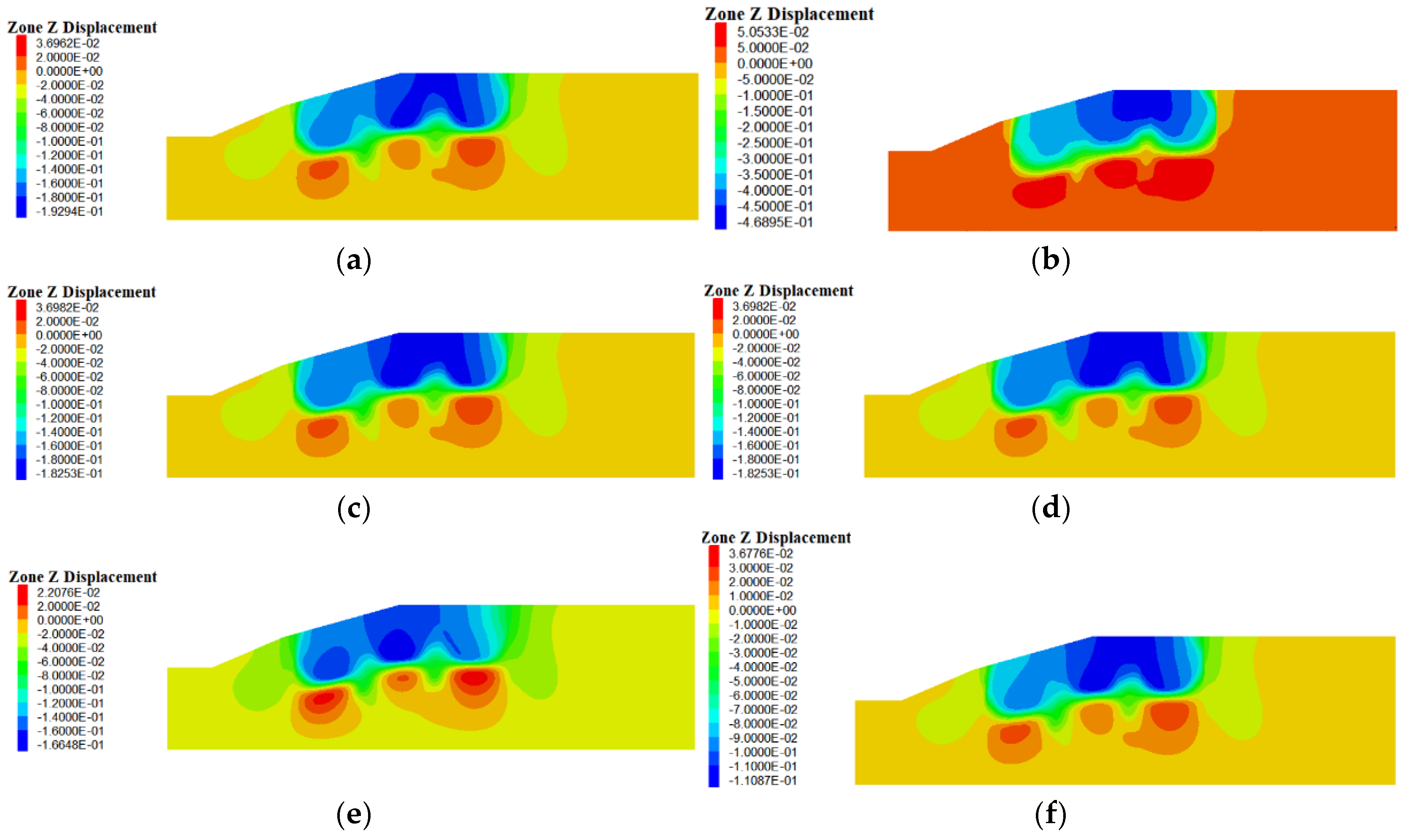
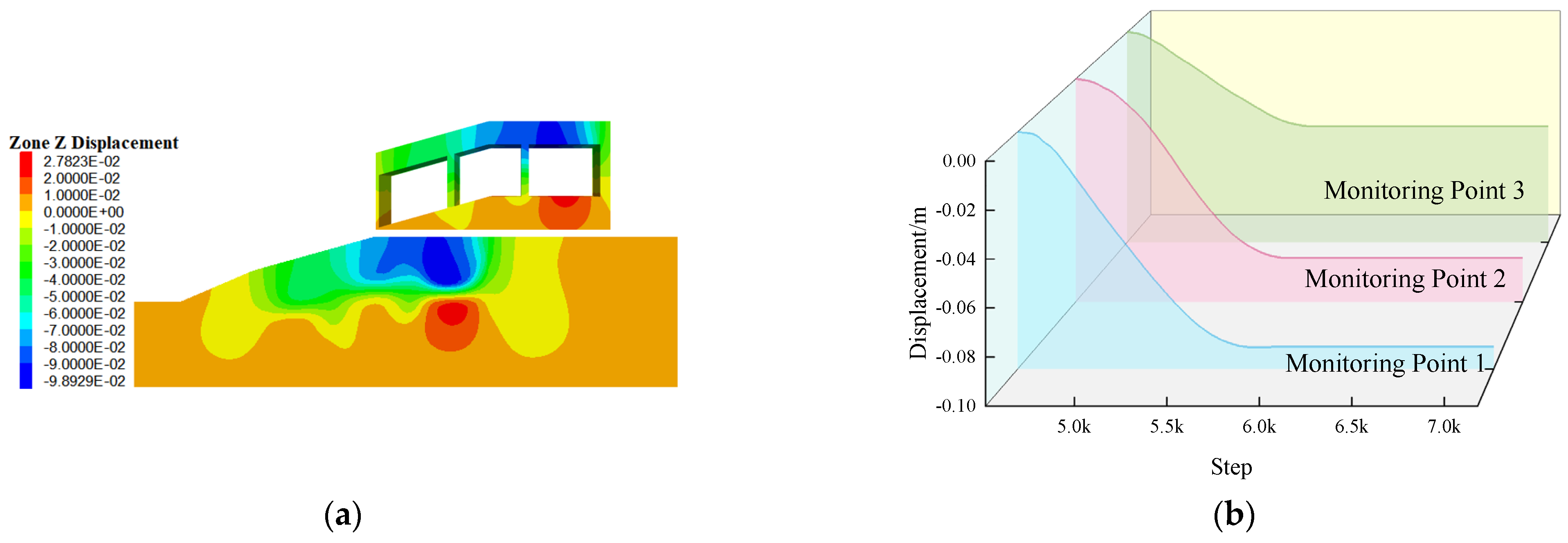
A numerical calculation model was established using FLAC3D. As shown in
Figure 19 and
Table 12, the surface settlement value is 9.89 cm. The calculated mining volume is 69,834.5 t. The relative error of displacement is 5.07%, and the relative error of mining volume is 2.38%, demonstrating a certain level of accuracy.
A represents the measured or calculated value; B represents the true value.
5. Conclusions
This study tackles the challenge of quartzite mining beneath a secondary highway in Yunnan Province by proposing a hybrid optimization framework that integrates geomechanical numerical simulation with machine learning. Three-dimensional FLAC3D simulations quantified surface displacement (cm) and ore recovery under varying pillar heights (18–25 m) and sidewall thicknesses (0.5–3 m), enabling systematic assessment of tunnel stability, road safety, and economic efficiency.
To accelerate analysis, an XGBoost-based “virtual tunnel” surrogate model was developed for rapid prediction of geomechanical responses. Using 5-fold cross-validation, the model achieved high-accuracy R2 = 0.9709 for vertical surface displacement and R2 = 0.9963 for ore recovery. Robustness tests against varying training data sizes, noise levels, and outliers identified a “safe operating zone,” ensuring reliable predictions under data perturbations.
For dynamic integration with market signals, the XGBoost outputs were combined with a Bayesian-optimized LSTM (BO-LSTM) via NSGA-II multi-objective optimization. The BO-LSTM tracked ore price fluctuations with high accuracy (MAPE = 1.26%), allowing the framework to adapt tunnel design-narrower pillars during high prices to maximize yield, wider during low prices to prioritize stability and settlement control. NSGA-II delineated a Pareto frontier, balancing surface settlement and ore recovery.
Despite promising results, limitations remain. The XGBoost surrogate relied on only 88 full-factorial samples, and economic modeling simplified nonlinear support costs and external factors without considering legal settlement thresholds. Future work will expand stochastic sampling, refine cross-validation, and integrate NPV-based economics. Incorporating digital twin technology could enable real-time linkage between underground operations and surface monitoring, supporting more adaptive and predictive mining optimization.