1. Introduction
As humanity sets its sights on interplanetary exploration, Mars stands out as one of the most promising—and technically demanding—destinations [
1]. Despite superficial similarities with Earth, the Martian atmosphere poses unique aerodynamic challenges [
1,
2], especially for flight [
3]. The surface pressure of the planet is only about 0.6 % of Earth’s, with an atmosphere dominated by carbon dioxide (95%) [
4], necessitating novel aerodynamic approaches [
5,
6] to enable stable flight on the Red Planet.
In this context, research on low Reynolds number aerodynamics [
7,
8] has gained increasing attention, particularly for Micro Aerial Vehicles operating within these regimes in the Martian atmosphere. Although classical aerodynamics has focused on high Reynolds number flows, planetary exploration missions such as NASA Ingenuity helicopter, which achieved powered flight on Mars in 2021, underscore the importance of understanding low Reynolds number flight behaviour [
9]. Interestingly, Mars vehicles experience low and high Reynolds number conditions depending on specific flight phases and configurations [
10,
11]. The emergence of new techniques [
12,
13] presents a promising and highly potential future in this field of research.
This study investigates the aerodynamic behaviour of bioinspired airfoils under extremely low Reynolds number conditions by evaluating modified NACA 0018 profiles equipped with leading-edge sinusoidal tubercles. Inspired by nature [
14], these geometries improve manoeuvrability and flow control due to tubercular structures similar to those found in humpback whale flippers [
15], which have demonstrated improvements in flow stability, delayed separation, and reduced drag [
16].
Experiments were conducted in a hydrodynamic towing tank simulating Martian atmospheric conditions, a low-speed environment suitable for examining flow dynamics at Reynolds numbers comparable to those on Mars. Flow visualization utilized an ink-based tracer system [
17], which allowed precise identification of separation points and vortex structures at varying angles of attack. Several tubercle configurations were tested with variations in wavelength and orientation.
The results show significant aerodynamic improvements over the baseline NACA 0018 profile. Certain tubercle arrangements effectively delay flow separation and stabilize the wake, supporting the hypothesis that controlled surface perturbations can manipulate boundary layer behaviour [
16], even in low-density environments.
This bioinspired approach offers a promising paradigm for addressing engineering challenges where traditional methods fail. By modelling designs after humpback whale flippers [
15]—which maintain lift and manoeuvrability at high angles of attack and low speeds [
18]—this study aligns with the efficiency and reliability goals required for extraterrestrial flight, demonstrating the potential of biomimicry in next-generation aerodynamic design.
To summarize, this study leverages hydrodynamic towing tank flow visualization techniques to investigate the aerodynamic characteristics of a NACA0018 airfoil modified with leading-edge tubercles at extremely low Reynolds numbers, drawing inspiration from the morphological adaptations (biomimicry) found in humpback whales. Flow visualization methods have proven invaluable for understanding complex flow phenomena that computational tools may not accurately predict, particularly in regimes where viscous effects dominate. The growing interest in Micro Aerial Vehicles (MAV), especially for Mars exploration missions where ultra-low density atmospheric conditions prevail, has highlighted the critical importance of bioinspired aerodynamic solutions capable of operating effectively at Reynolds numbers around 103. By combining traditional airfoil geometries with bioinspired tubercle modifications and employing advanced visualization techniques, this research contributes to the fundamental understanding of how nature-derived geometric features can enhance aerodynamic performance in challenging low Reynolds number environments, with potential applications ranging from micro air vehicles to future Mars flight systems. As agencies continue to develop aerial technologies for Mars and other extraterrestrial environments, integrating nature-inspired solutions could be the key to unlocking new performance thresholds.
2. Materials and Methods
2.1. Experimental Models and Fabrication
In this study, a total of four airfoil models were developed and tested. The models were developed using the NACA 0018 symmetrical profile as a base. The experimental setup was conducted using a hydrodynamic towing tank system, similar to previous work on extremely low Reynolds number experiments [
17]. The purpose was to analyze the aerodynamic performance of sinusoidal leading-edge tubercles under extremely low Reynolds number conditions. The models differ in the orientation and wavelength of the tubercles applied to the leading edge, simulating bioinspired geometries.
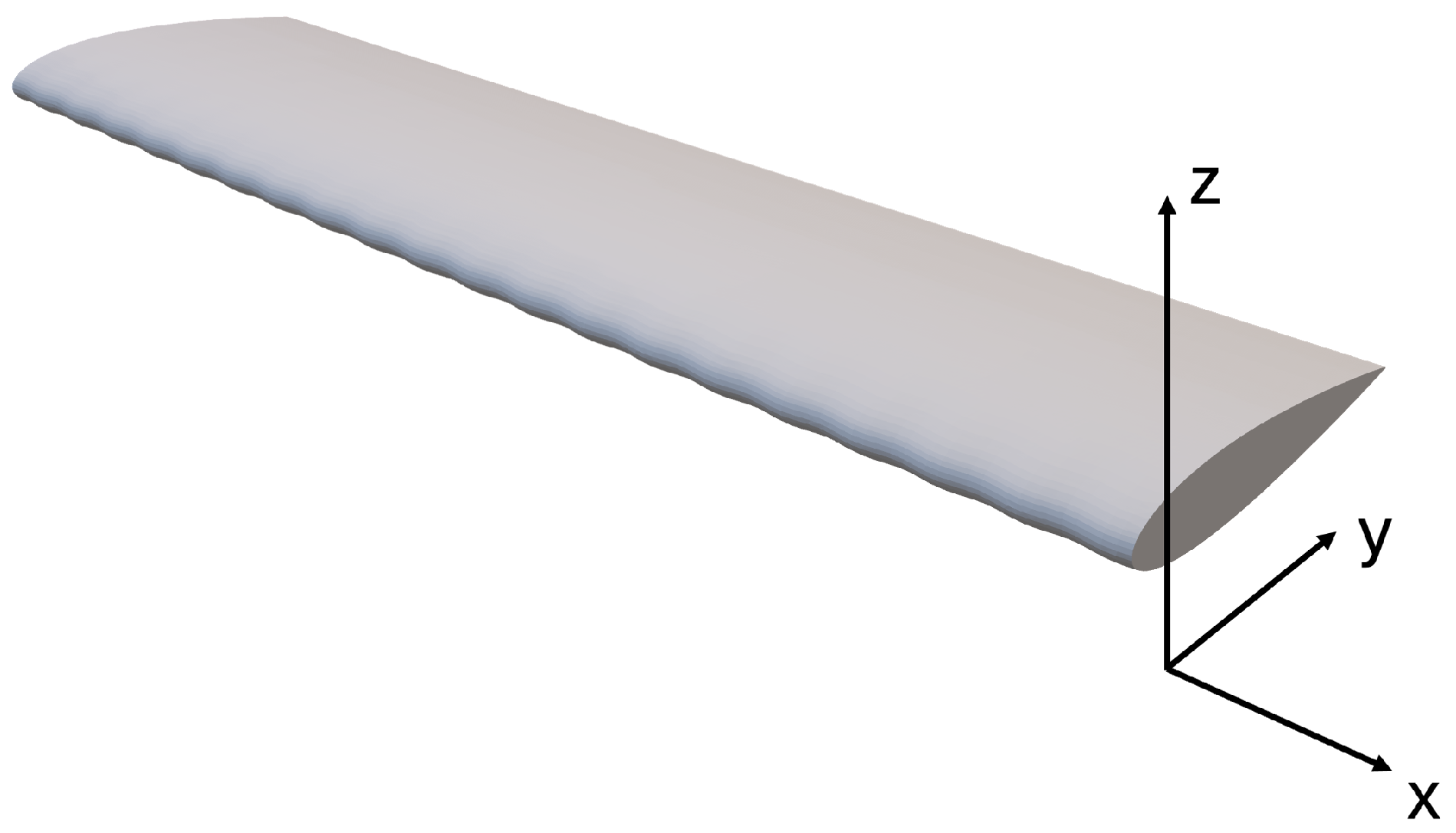
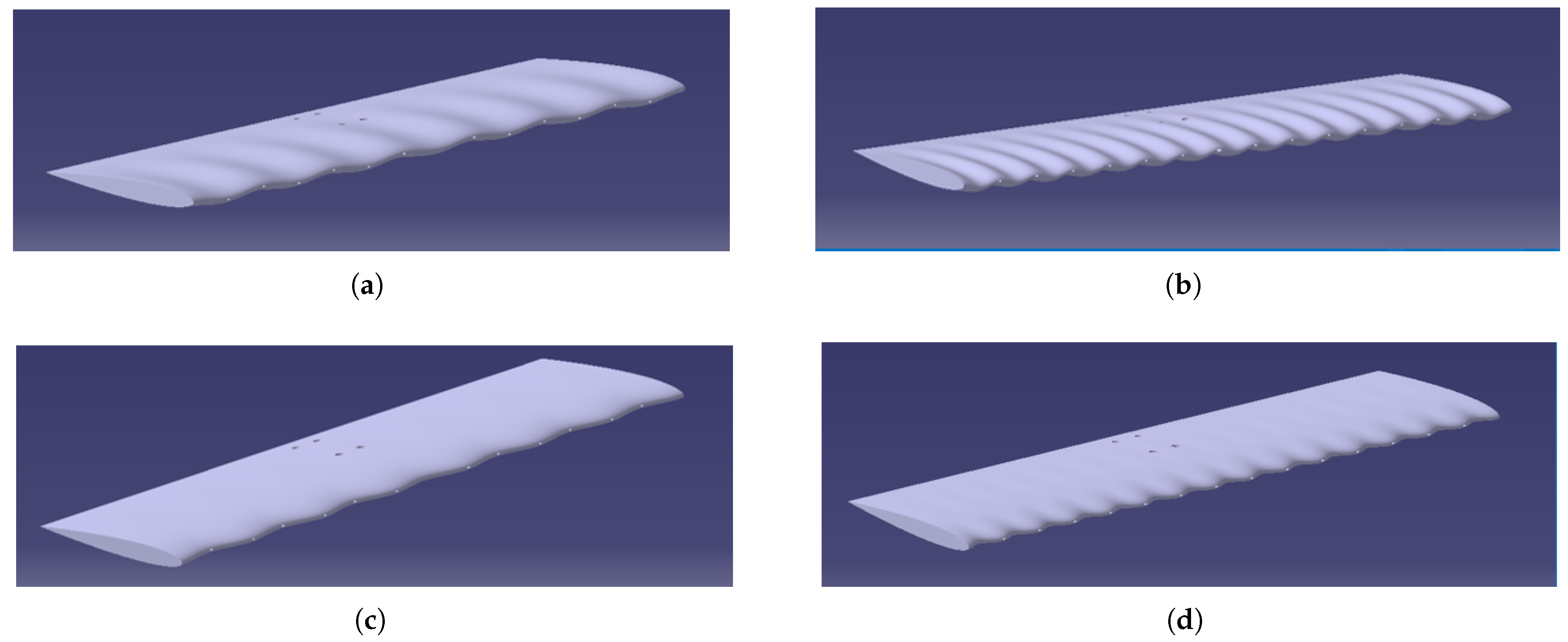
To properly distribute the tubercles, a sine-based function has been defined. Two prototypes with tubercles orientated in the XY-plane and two prototypes with tubercles orientated in the XZ-plane, with two wavelengths (7 and 15 tubercles), can be seen in
Figure 1.
The following nomenclature will be used throughout the study to facilitate the identification and comparison of the different configurations of the airfoils.
Model configurations:
Baseline: Unmodified NACA 0018 profile, used as the control reference.
EX070: 7 sinusoidal tubercles orientated in the XZ-plane.
EX150: 15 sinusoidal tubercles orientated in the XZ-plane.
BA070: 7 sinusoidal tubercles orientated in the XY-plane.
BA150: 15 sinusoidal tubercles orientated in the XY-plane.
is the aspect ratio of the airfoil, with ;
are the number of tubercles of each prototype.
Each profile had a chord length of 92 mm and a span of 335 mm, with a consistent thickness distribution according to the definition of NACA 0018. According to this, the aspect ratio of the profile is
= 3.64, and the airfoils with 7 tubercles have wavelengths of 47.86 mm, while the airfoils with 15 tubercles have wavelengths of 22.33 mm (see
Figure 2).
All models were printed with a standard mounting notch to ensure repeatability and accurate alignment during testing. The 3D geometry of each airfoil was modeled using CATIA V5, allowing precise control over the sinusoidal modifications applied to the leading edge. Once designed, the models were exported in STL format and fabricated using 3D printing technology [
19,
20].
The main differences between the models lie in the placement and orientation of the sinusoidal tubercles. In the BA-series profiles, the wave pattern was applied in the horizontal plane (XY), resulting in a lateral undulation of the leading edge. In contrast, the EX-series implemented sinusoidal variation in the vertical plane (XZ), creating an undulating contour in height along the span. The variation in wavelength allowed for the study of how closely spaced or widely spaced tubercles affect flow separation and vortex shedding.
This systematic variation in geometry enables a direct comparison of aerodynamic behaviour, which allowed us to isolate the influence of tubercle wavelength and orientation under controlled flow conditions.
2.2. Experimental Setup
The tests were conducted in a hydrodynamic towing tank specifically designed for extremely low Reynolds number flow experiments. The tank measures 3000 mm in length, 420 mm in height, and 720 mm in total width, with an effective working width of 335 mm. This configuration ensures a sufficiently large cross-sectional area for observing low Reynolds number flows while maintaining a blockage ratio within acceptable hydrodynamic testing standards.
The towing mechanism consisted of a motorized trolley mounted on rails above the channel. This engine-driven carriage system allowed for controlled linear translation of the test model through still water, simulating a quasi-stationary flow around the airfoils. The carriage motor operated within a frequency range of 0 to 155 Hz, adjustable based on the desired flow velocity and Reynolds number range. The position and angle of the model could be precisely adjusted using a mechanical level, allowing the angle of attack to be varied.
To visualize the flow patterns around the airfoils, an ink-based tracer system was used. The system used a Mariotte bottle to maintain constant hydrostatic pressure, feeding the dye into the channel through flexible tubings. Several valves were installed to regulate and purge the system, ensuring a continuous and uniform dye flow. The tracer fluid consisted of a non-toxic solution made from 28% cosmetic-grade colorants and 72% water, chosen both for environmental compatibility and to enhance visibility during image capture.
This configuration enabled high-fidelity visualization of separation points and vortex formation along airfoil surfaces under varied experimental conditions [
17].
2.3. Test Parameters
In this study, the aerodynamic behaviour of the tested profiles was evaluated under ultra low Reynolds number conditions, typically defined as flows with Reynolds numbers below
, representative of Martian atmospheric flow. The selected motor frequency for the hydrodynamic tunnel was 155 Hz, which, according to the system calibration, corresponds to a trolley’s velocity of 3.5 m/min (5.83 cm/s), based on the following linear relationship:
where
The Reynolds number,
, is a dimensionless quantity that expresses the ratio between inertial and viscous forces, and is given by the following:
where
is the fluid density ();
U is the characteristic velocity of the fluid flow ();
is the characteristic length (), which is a relevant dimension of the object or flow system;
is the dynamic viscosity of the fluid (), which measures the resistance of the fluid to shear.
where is the density of water, is the flow velocity, is the chord length of the airfoil, and is the dynamic viscosity of water (laboratory conditions). Substituting these values into the formula yields a Reynolds number of . This Reynolds number has been selected according to previous tests on NACA airfoils.
The flow was incompressible and initially laminar, though it exhibited signs of transition to turbulence at higher angles of attack. A smooth and uniform flow was achieved in the hydrodynamic towing tank by purging the ink injection system prior to each test. The angle of attack was varied from to in steps of , each setting carefully adjusted using a manual level to ensure repeatability and precision. Under these controlled conditions, the extremely low Reynolds number regime allowed for the detailed observation of boundary layer development, flow separation, and the aerodynamic influence of sinusoidal leading-edge geometries.
The main data of this testing procedure were taken using two cameras. The lateral images were taken with an AF-S NIKKOR 18–140 mm VR (Nikon, Madrid, Spain), with a steady position. Zenithal images were taken with a Sony DSC-QX100 (Sony, Madrid, Spain); it was placed at the top of the towing tank, attached to the trolley (model car), allowing photographs to be taken from the beginning through to the end of the channel.
Regarding the lateral photographs, the measurement procedure is as follows. Using ImageJ software (
https://imagej.net, accessed on 1 August 2025, a free professional software for analyzing scientific images), the number of pixels corresponding to the chord length is calibrated and compared with its nominal value, i.e., 92 mm. This is achieved by manually measuring the chord with the mouse and subsequently assigning the pixel-to-millimetre equivalence based on the known length of the chord. It is important to repeat this measurement at least 5 to 10 times (a representative statistic value) and compute the mean value to ensure a more accurate conversion. Furthermore, since the experiments were conducted over several days and the zoom setting may have varied, the calibration was performed individually for each photograph.
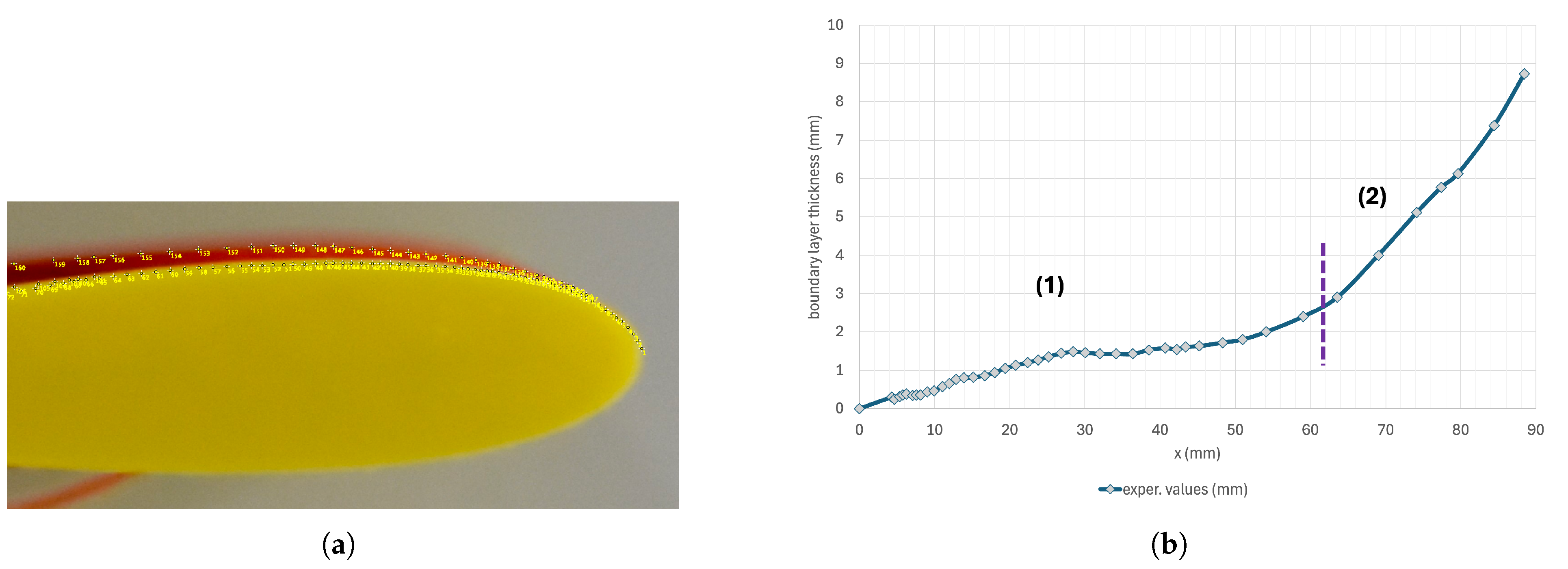
Subsequently, a criterion was defined to determine when the laminar boundary layer remains attached and when it can be considered as having transitioned to turbulence or undergone separation (stall onset). To this end, the thickness of the boundary layer was measured at the angles of attack where full attachment is observed, at
. In this case, the resulting thickness is represented in (
Figure 3), obtained from a set of 50 measurements (pair of points) over the airfoil. Based on this, the criterion establishes that when the thickness of the boundary layer clearly changes their slope and maintains it constantly, a transition into turbulent flow has occurred or a detachment of the flow takes place.
The Blasius expression [
21] for the evolution of the thickness of the boundary layer on flat plates in laminar flows without a pressure gradient is as follows:
where
(x) is the thickness of the boundary layer as a function of x (m);
x is the coordinate in the direction of the chord (m);
is the density of the fluid ();
U is the characteristic velocity of the fluid flow ();
is the dynamic viscosity of the fluid (), which measures the resistance of the fluid to shear.
.
Based on the previous description in
Figure 3, the first part of the thickness evolution (1) grows as a Blasius slope
, but the second part (2) has clearly increased the slope from
. In accordance with some interesting research about boundary layers over NACA airfoils [
22,
23,
24], this notorious increase of the slope is a signal of the detachment of the flow; it could be possible to observe this change according to transition, but not at this extremely low Reynolds number flow, without a previous perturbation. Finally, this criterion was applied, and the corresponding results are discussed below.
3. Results
The experimental analysis was conducted on four modified NACA 0018 airfoils—EX150, EX070, BA070, and BA150—each featuring sinusoidal leading-edge modifications inspired by biomimicry principles. The objective was to evaluate the aerodynamic performance of these geometries at extremely low Reynolds numbers, replicating the flow conditions likely to be encountered in Martian atmospheric flight. Moreover, another important concept is to study the effect of the tubercles over the flow. Due to this, it is necessary to compare these four modified profiles with the NACA 0018 without tubercles. All profiles were tested in a towing tank, and the primary focus was on identifying the chordwise location of the flow separation point across a range of angles of attack () from to , with increments.
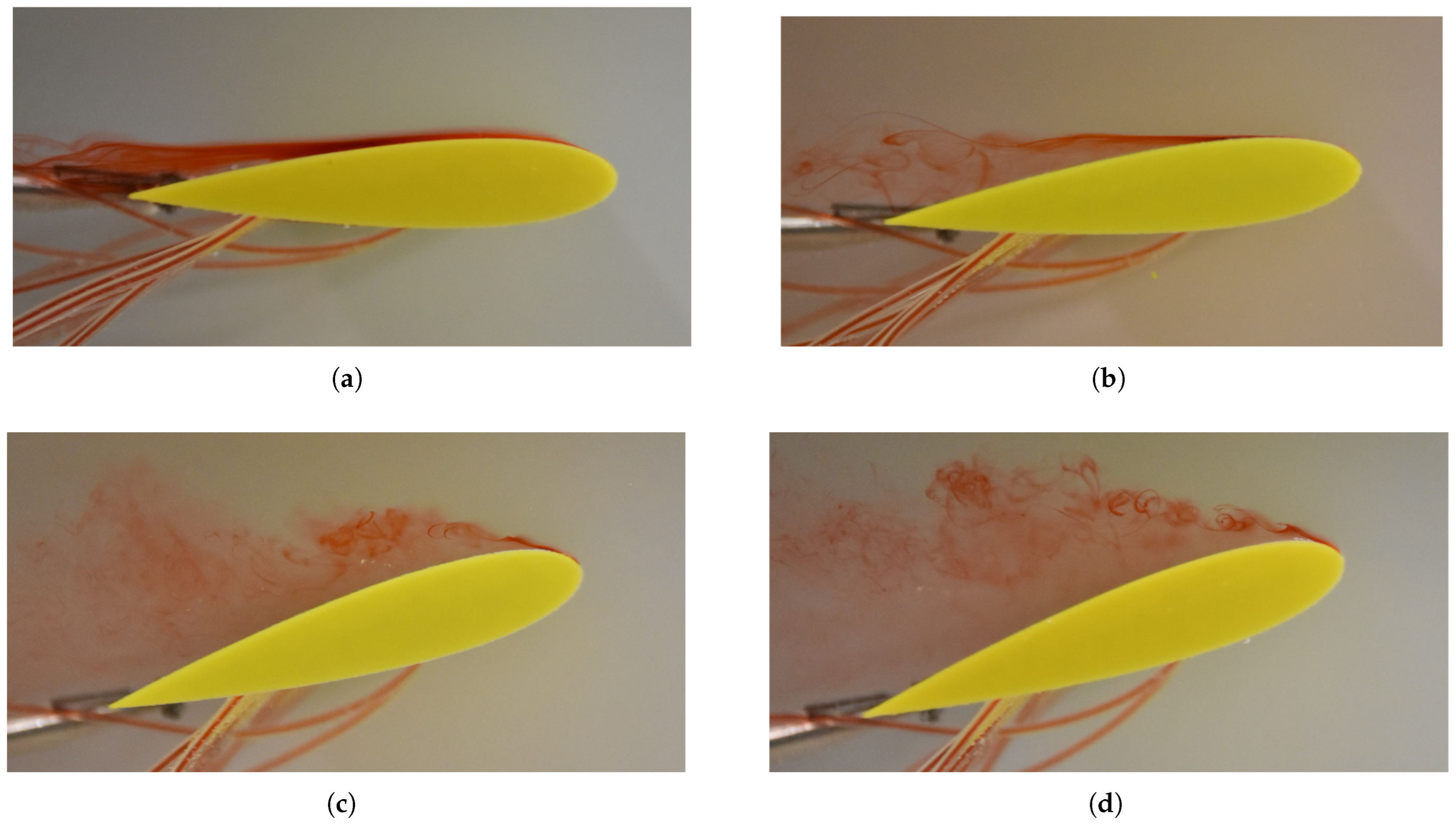
According to the description above, all tested configurations exhibited a noticeable delay in flow separation when compared to the conventional NACA 0018 airfoil tested in our previous research (
Figure 4).
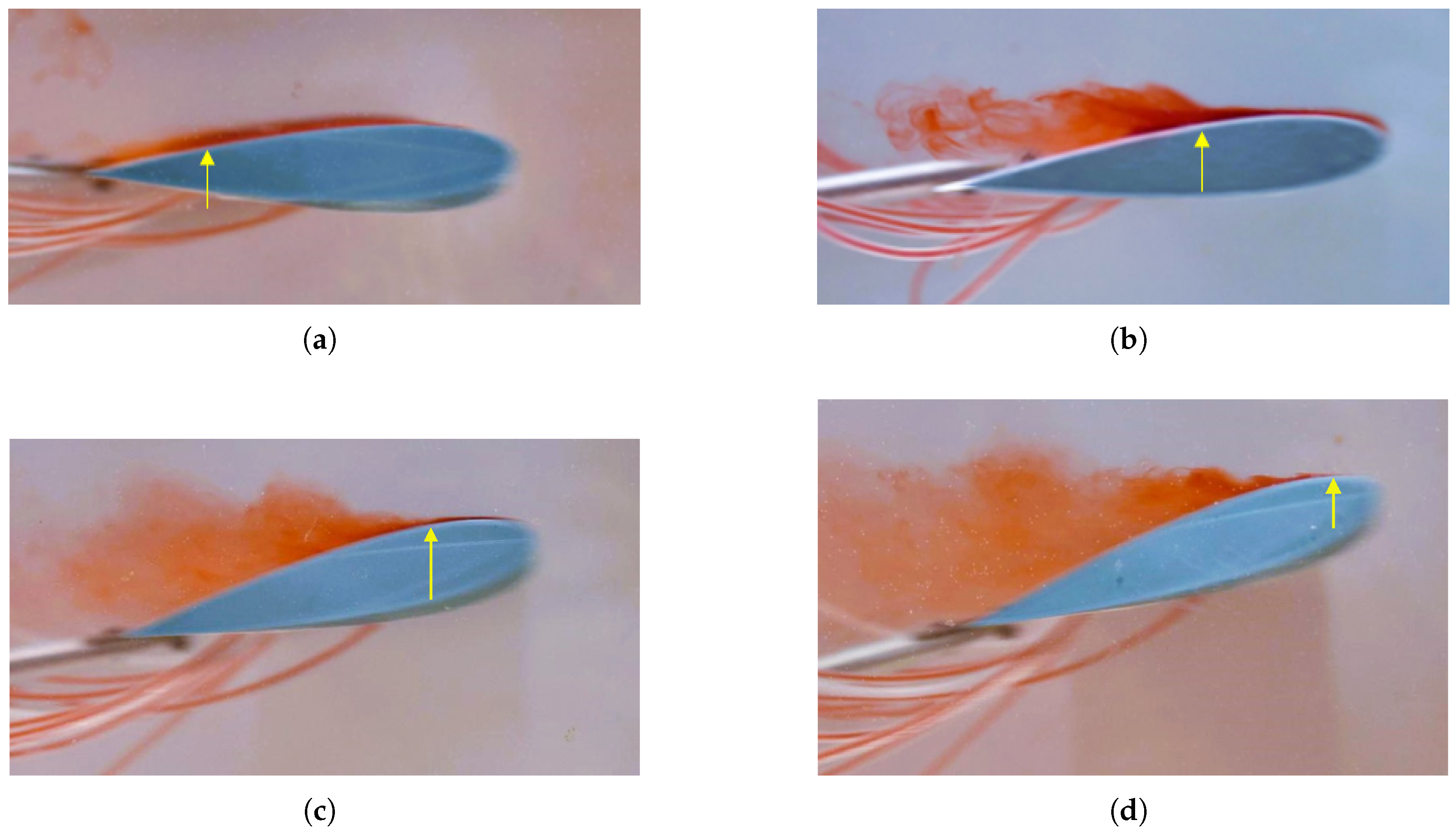
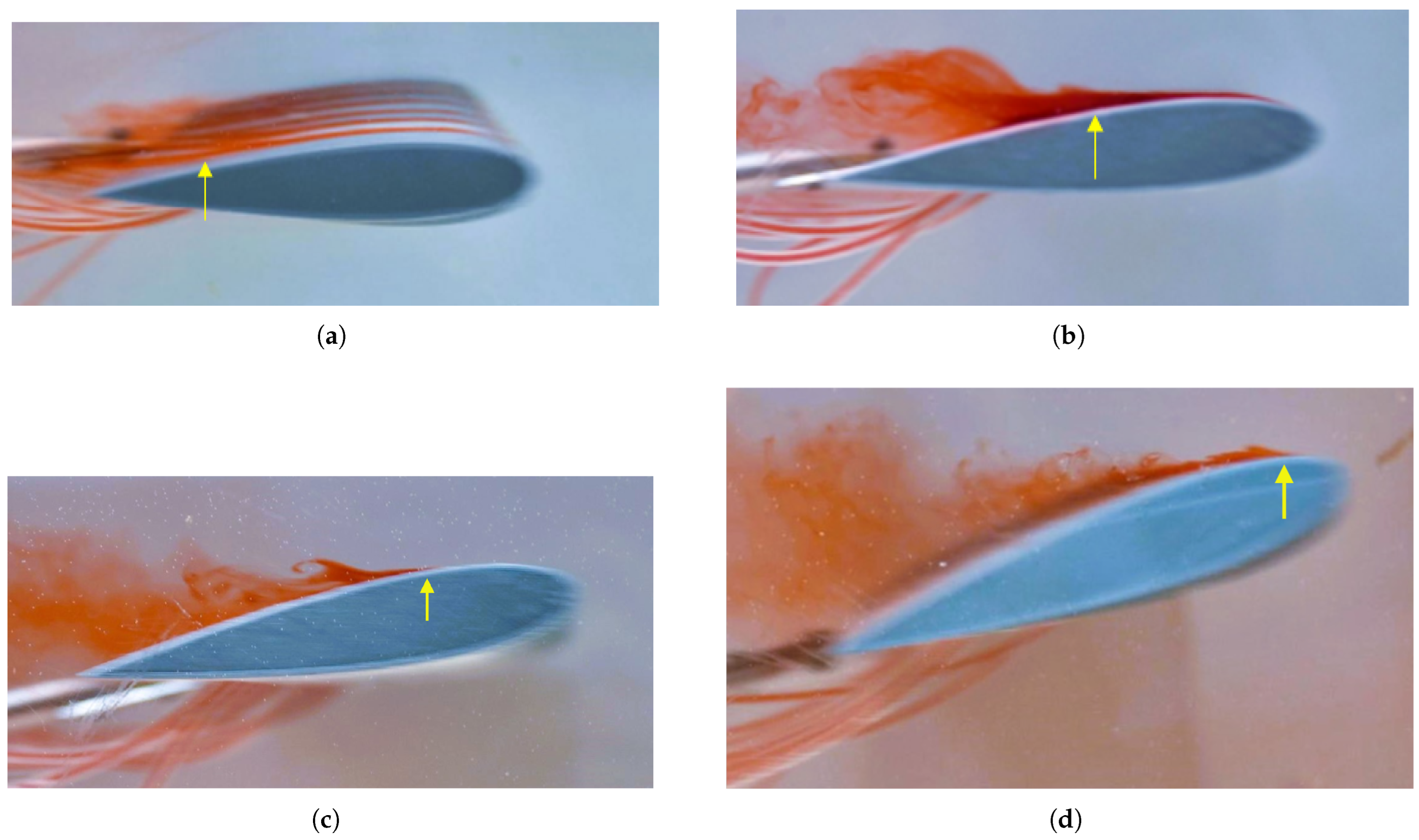
The results showed notable aerodynamic improvements, particularly for the EX150 configuration (
Figure 5), which delayed flow separation. This behaviour was consistent with previous studies of bioinspired modifications in low Reynolds conditions [
16]. At
, flow separation occurred at approximately 69% of the chord length, and as the angle increased, the separation point gradually migrated forward, reaching about 5% at
(
Figure 6). This behaviour suggests that the EX150 configuration significantly alters the pressure distribution along the surface, enhancing flow attachment at low angles.
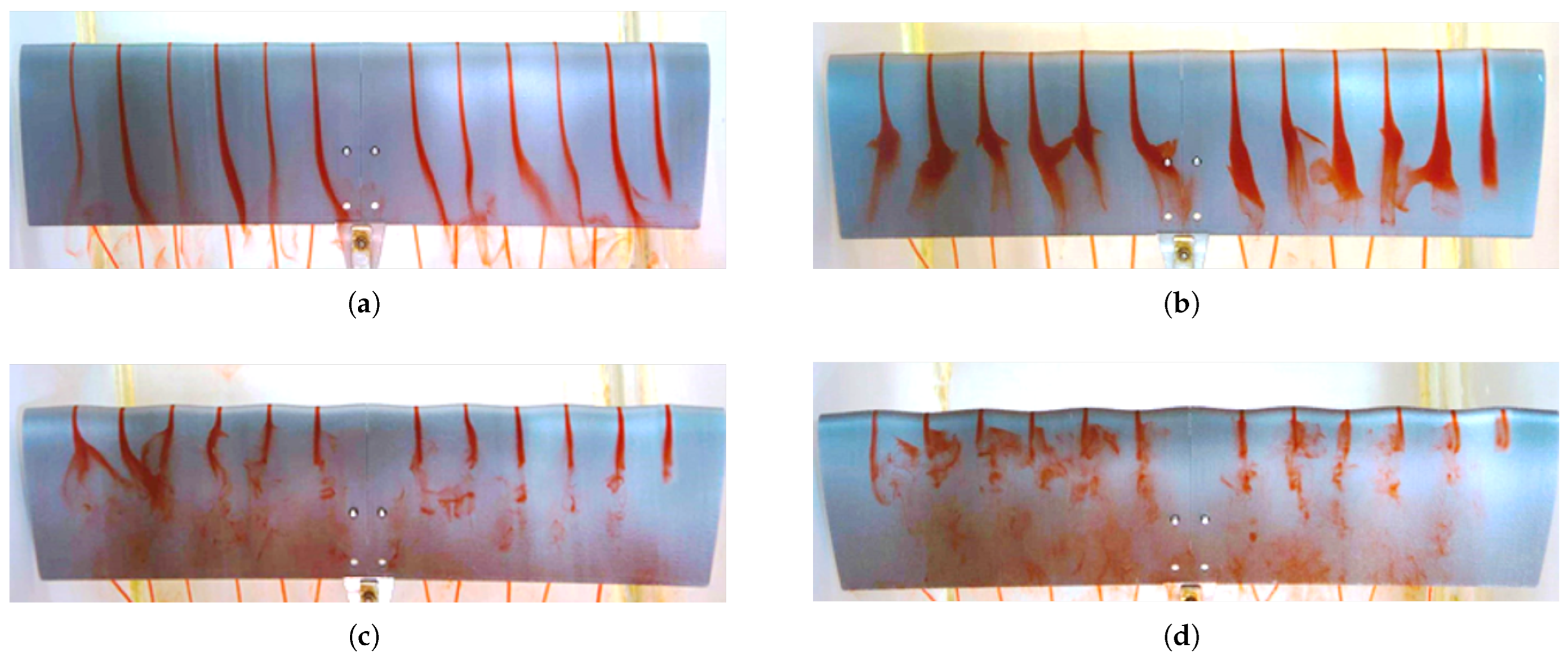
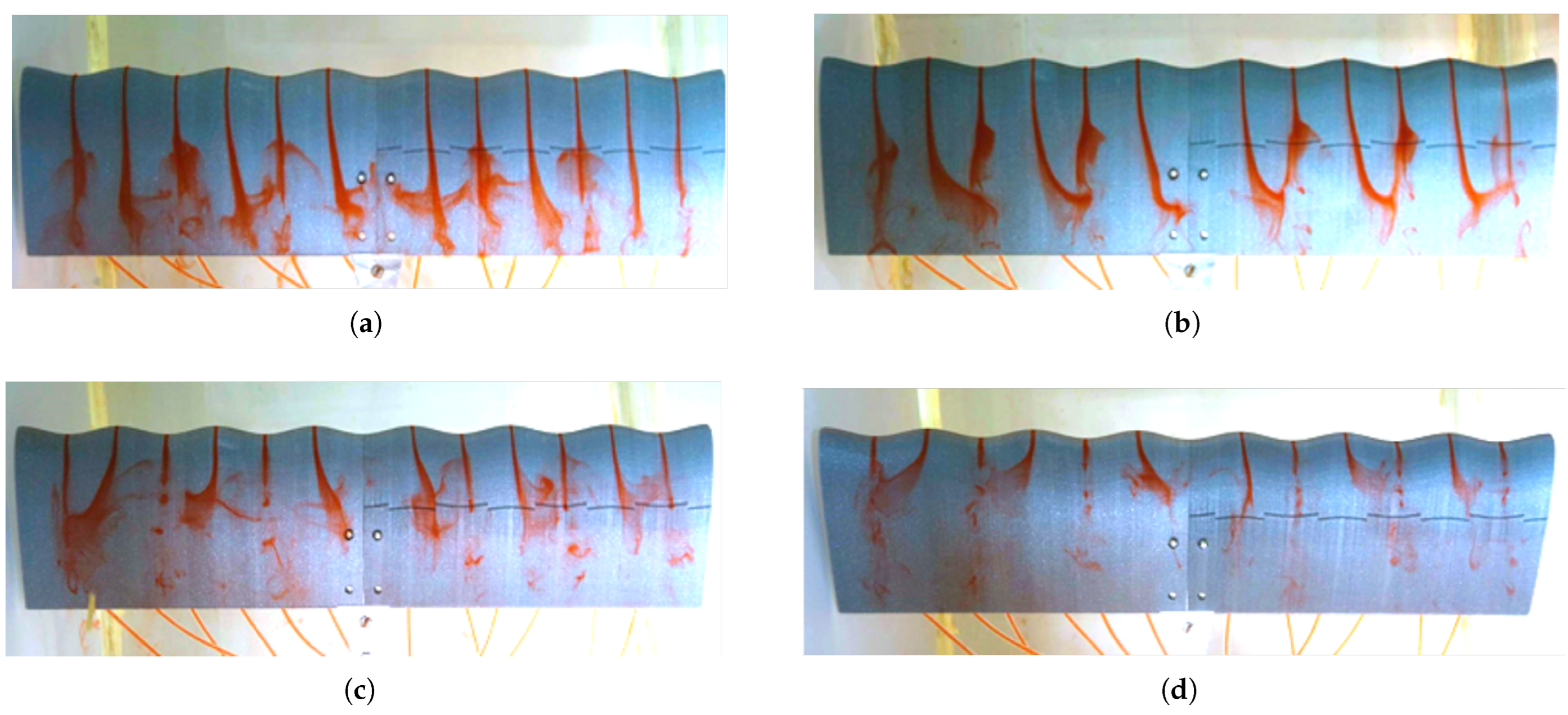
The EX070 profile demonstrated a comparable trend, albeit with a slightly less aggressive shift in the detachment point (
Figure 7). Its flow remained attached over a relatively large portion of the chord for moderate angles, maintaining better aerodynamic stability up to around
. This implies that while the wavelength of the sinusoidal pattern in EX070 is shorter than that of EX150, it still plays a key role in modifying boundary layer dynamics (
Figure 8).
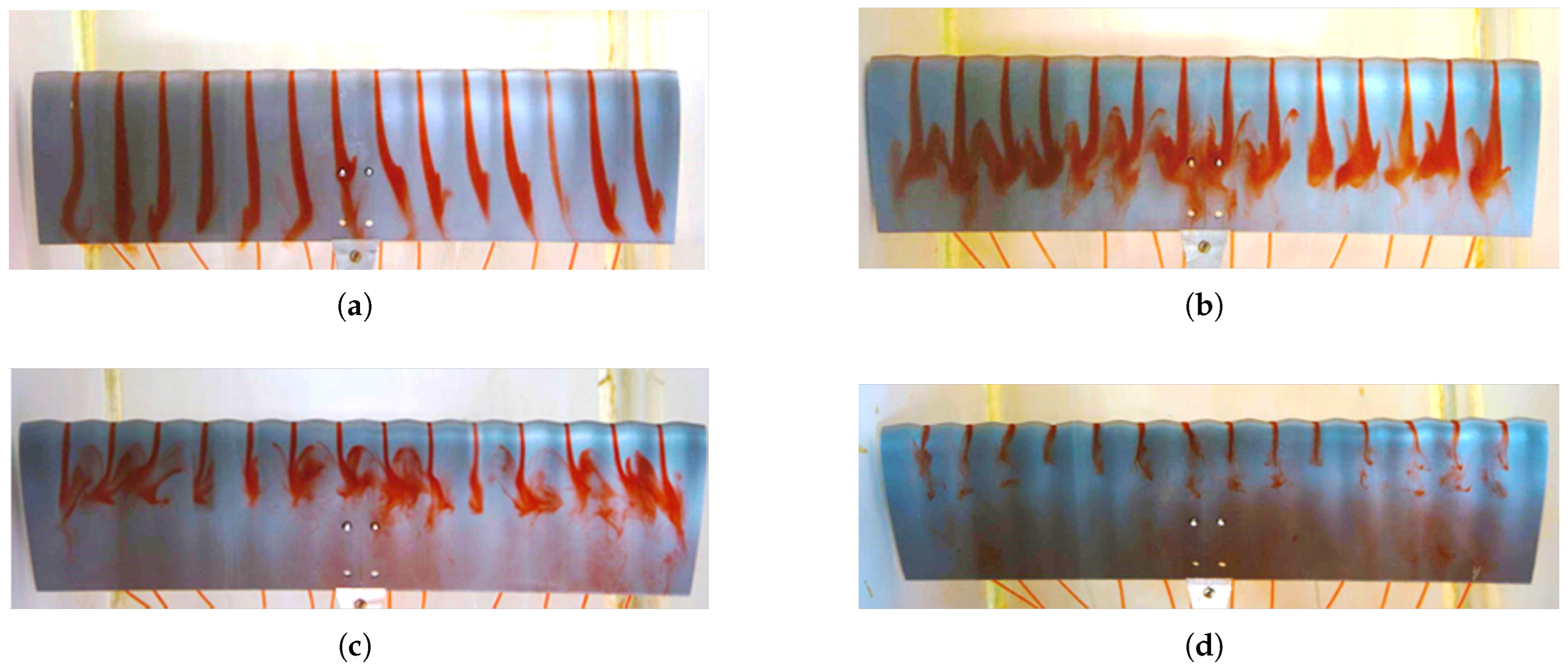
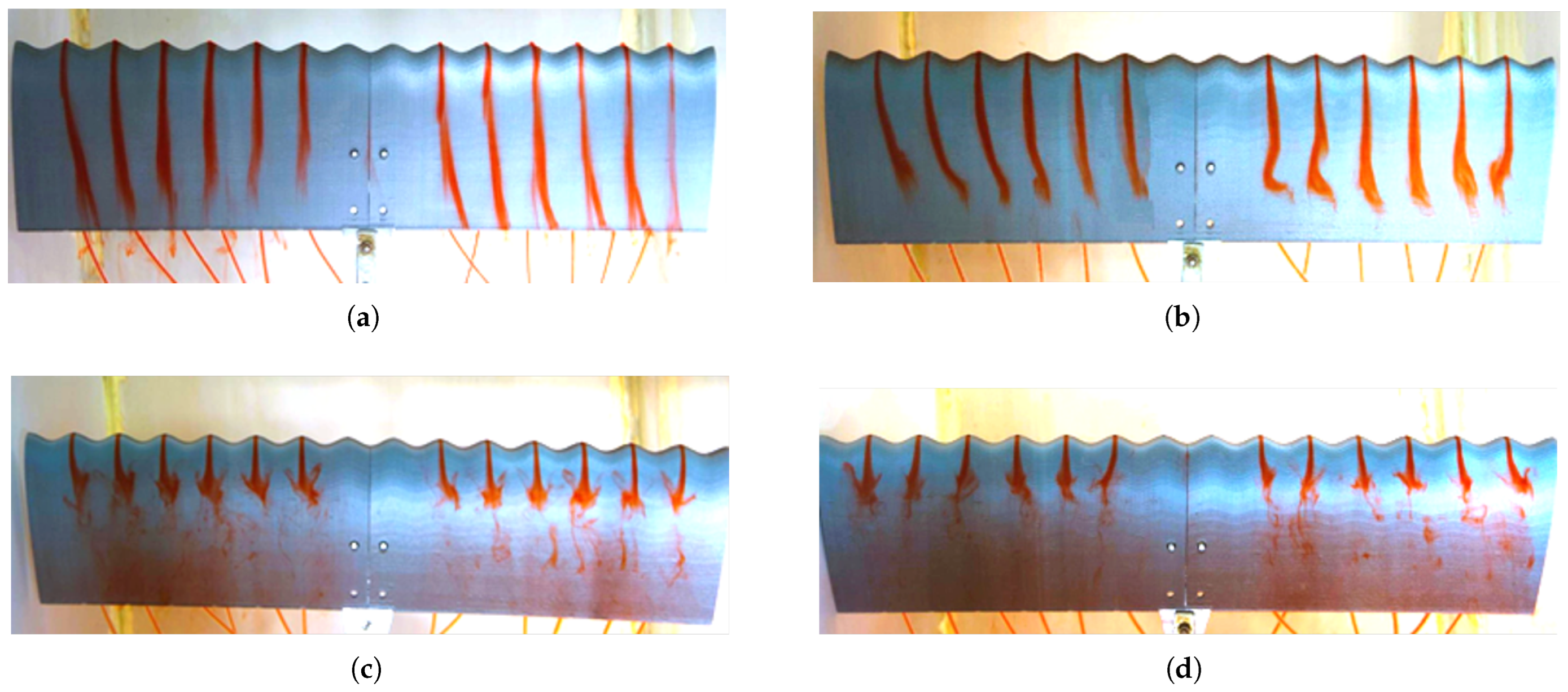
In contrast, the BA070 profile showed a more moderate improvement over the baseline. At low angles of attack, it provided marginal benefits in delaying flow separation, but its effectiveness diminished at higher angles (
Figure 9). The smoother detachment trend observed in BA070 could be attributed to its specific amplitude and orientation, which may not induce the same level of spanwise mixing (
Figure 10) or vortex generation as the EX configurations. According to [
15], the tubercles contributed to the flow control. Then, according to
Figure 10, there are some differences between the peak-plane streamlines and the trough-plane streamline separation points. The streamlines from the peak-planes extend downstream from the separation point. Clearly, these differences should increase the vorticity and may mitigate flow separation.
Some authors suggest [
18] the appearance of symmetric counter-rotating vortices between the tubercle peak regions. According to the results shown, this can be observed in
Figure 7 and
Figure 9.
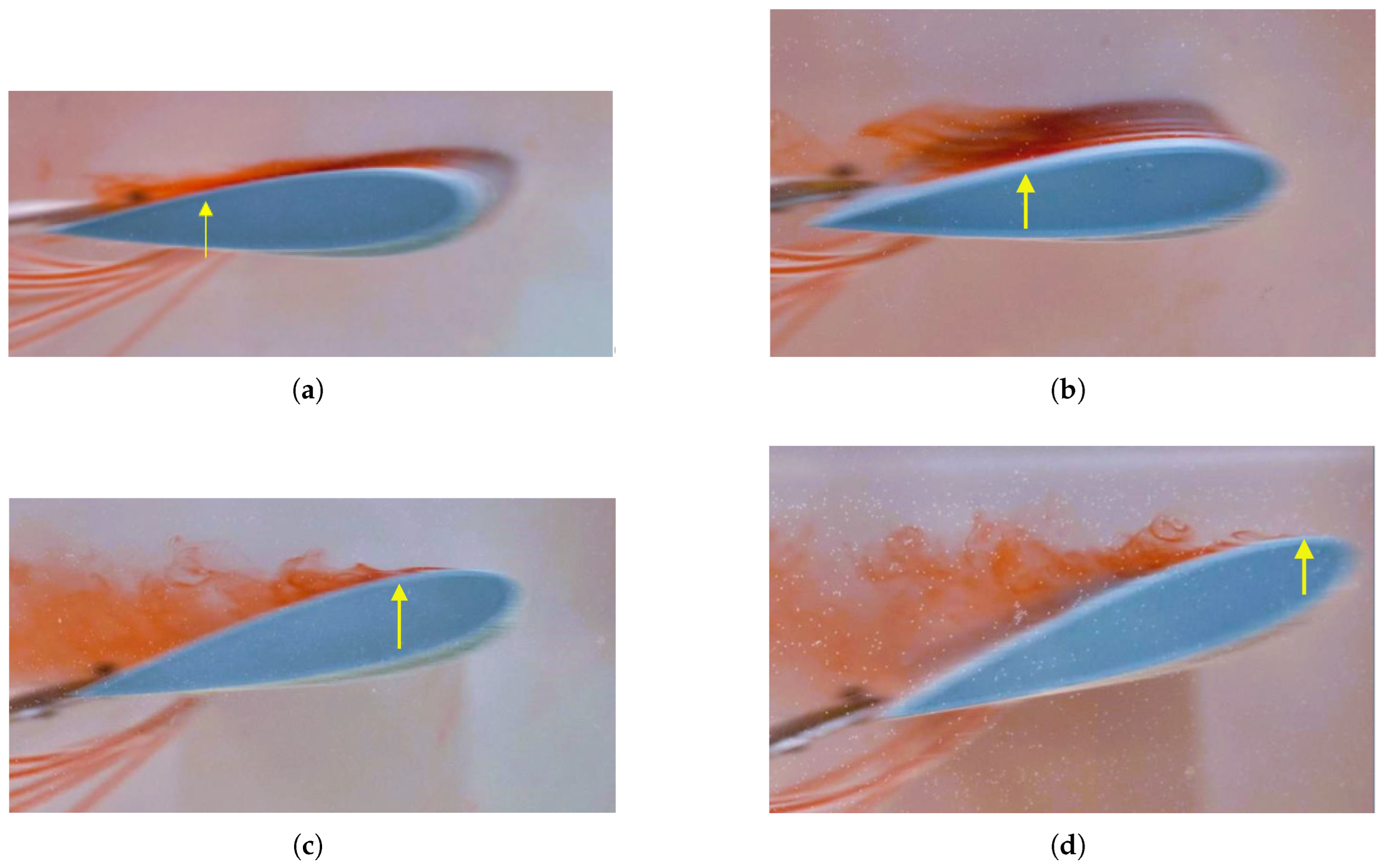
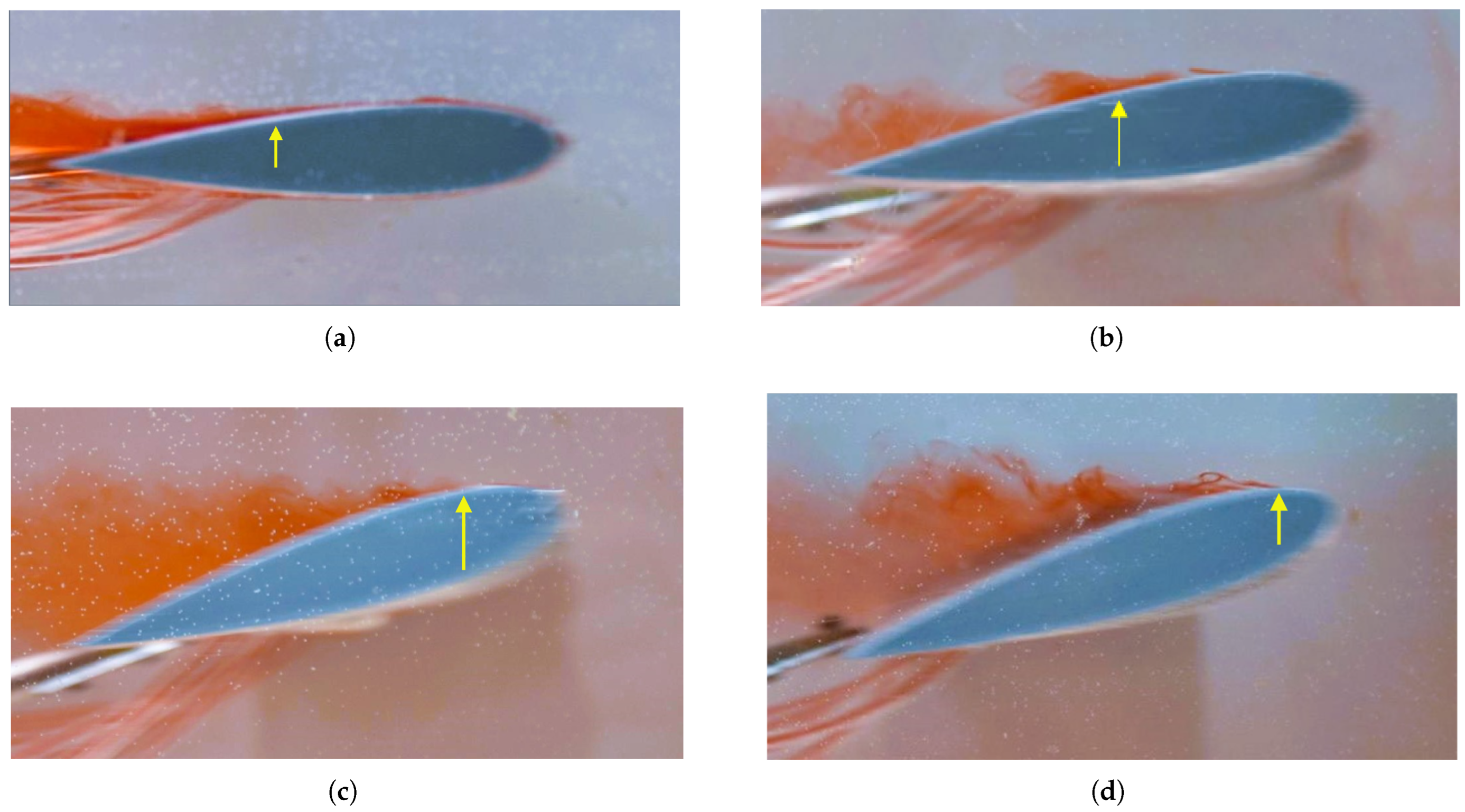
The BA150 profile, however, performed particularly well at low to moderate angles (
Figure 11). At
, the initial separation point was observed at 74% of the chord, the furthest downstream among all profiles. This performance persisted up to
, after which the detachment point shifted forward more abruptly (
Figure 12). These results indicate that the BA150 geometry is especially effective at maintaining attached flow under conditions typical of steady, low-speed operation.
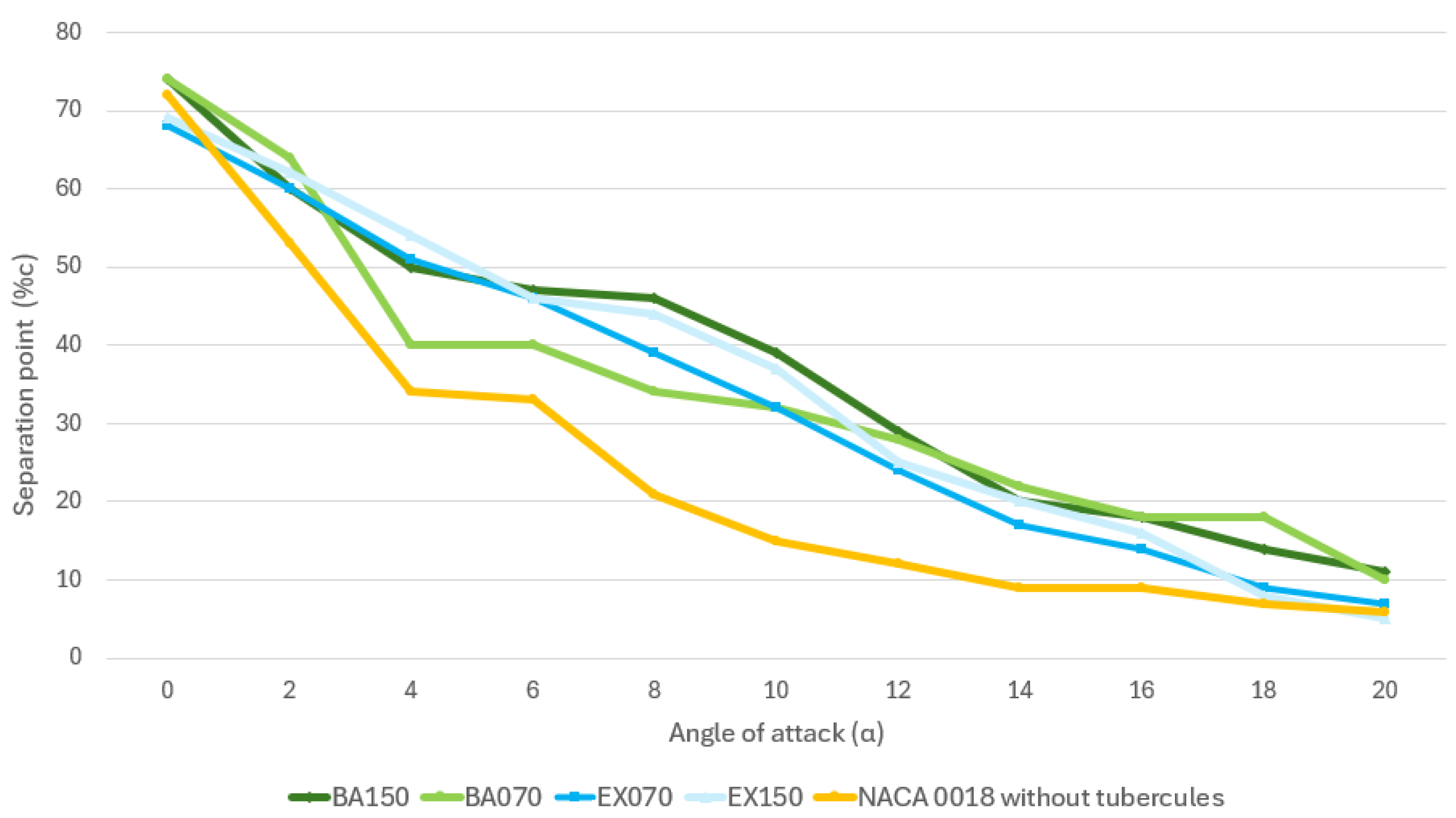
Figure 13 presents the evolution of the separation point across all tested profiles. A general descending trend is evident, indicating earlier separation with increasing angle of attack. However, the modified geometries consistently outperformed the baseline profile, confirming the aerodynamic benefits of leading-edge sinusoidal perturbations.
Now, it is appropriate to include mean values of these separation points. In this case, these values are calculated from eight images of every condition. These mean values, and their standard deviation, are included in
Table 1.
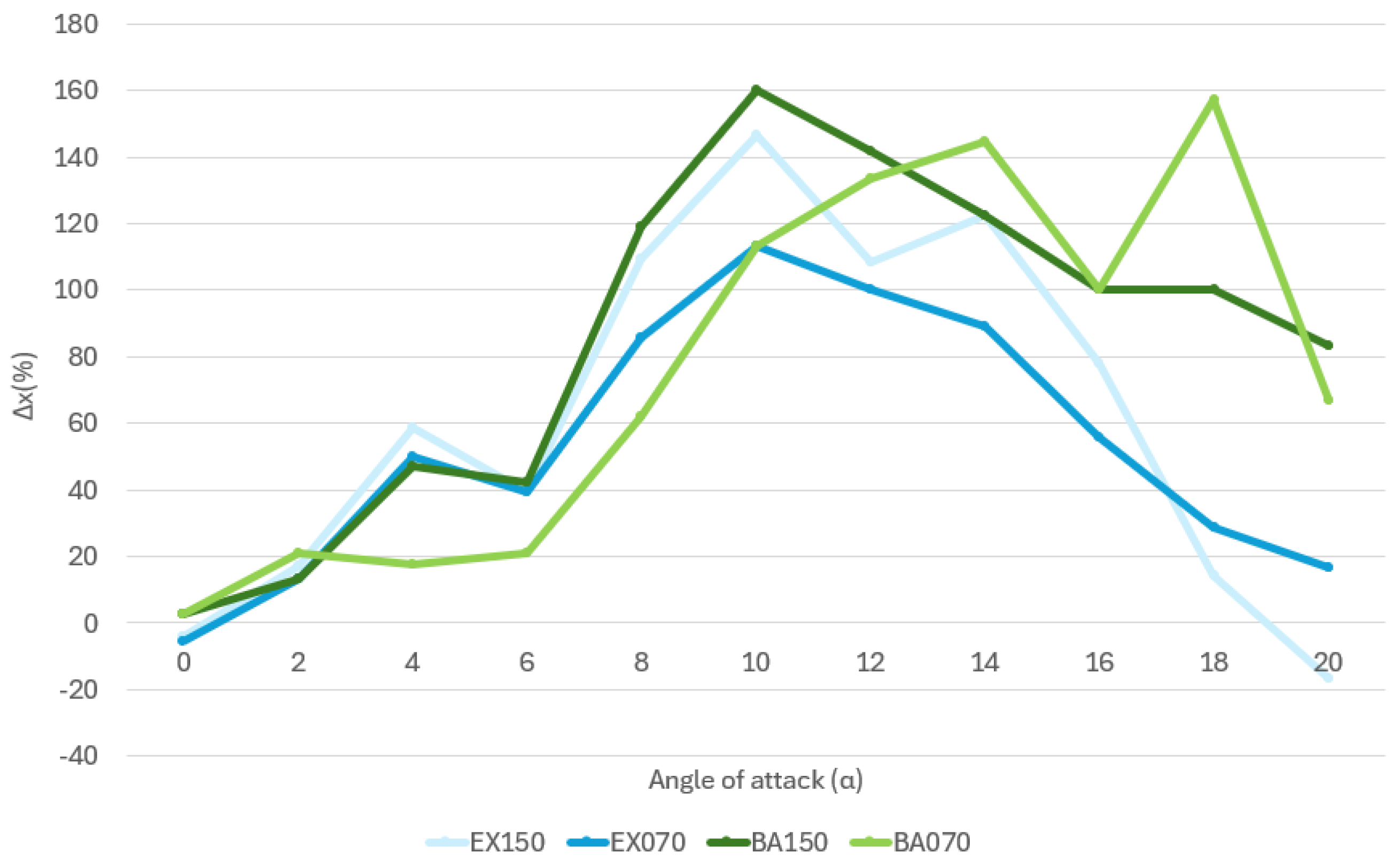
To emphasize the aerodynamic improvement introduced by the leading-edge modifications, it could be interesting to define this improvement in terms of a increment relative to the original NACA 0018. Then,
where
is the increment of any separation point in terms of x (%);
is the x position of the separation point of every NACA 0018 tubercles model (EX150, EX070, BA070, BA150);
is the x position of the separation point of NACA 0018 without tubercles.
Then, according to this definition,
Figure 14 illustrates the deviation in separation point location with respect to the unmodified NACA 0018 profile. The positive offset observed across all configurations—particularly between
and
—highlights the enhanced flow adherence induced by the tubercle-like designs. Every airfoil derived from NACA 0018 original produces a delay on the stall onset, as shown in these results.
4. Conclusions
The central purpose of this research was to develop an alternative airfoil design that would improve the aerodynamic performance of the NACA 0018 profile, specifically to delay stall onset, for extremely low Reynolds conditions, such as Martian ones. Despite using equipment based on a hydrodynamic towing tank with water, the dynamic similarity is achieved with equality with the Reynolds number, even if the fluids are not the same.
To obtain this, a profile was designed with the same dimensions, incorporating sinusoidal waves along the leading edge with different wavelengths and directions. Additionally, the ink distribution setup for the new models was kept identical to that of the smooth profile previously tested, ensuring a fair comparison under the same experimental conditions to isolate the influence of the sinusoidal leading edge.
This work led to the fabrication of four symmetric NACA airfoils with bioinspired sinusoidal leading edges (like tubercles). Each profile featured a distinct wave geometry, as detailed in previous chapters. The main hypothesis proposed that modification of the leading edge would improve aerodynamic performance. Specifically, it sought to determine whether the flow separation point would be delayed. Throughout the evaluation of all four profiles, each showed improved flow attachment. In most cases—with only a few exceptions—the location along the chord where the separation occurred shifted downstream, thus delaying stall onset. It was also noted that the profile with the fewest waveforms on the leading edge exhibited a behaviour most similar to the original smooth profile.
Most of the research centred on modifying profiles with tubercles is focused on tubercles at the leading edge; it is not common to find results with upper and lower surfaces of the airfoils with different wavelengths. These leading edge tubercles cause a pattern of vortices that increase flow circulation, and the downwash perturbations are larger behind the peak region. These patterns have been shown throughout this paper.
In light of the above, this work contributes to the growing body of research on bioinspired design in aerospace applications. This visualization technique stands out as a powerful and versatile tool for understanding complex flow phenomena, specially in vehicles moving in extremely low Reynolds number conditions. In contrast, it is true that one of the weak points of these techniques is the repeatability of the tests, i.e., some high standard deviation values. This topic should be refined in future works.
Therefore, it is essential to continue testing along this line of research, maintaining consistent conditions and exploring alternative designs to further improve the results. Finally, one potential direction is to apply modifications to the trailing edge, similar to those implemented on the leading edge in this study, and eventually analyze a profile with both leading and trailing edges modified. Trailing edge modifications such as Gurney and serrated flaps, as well as wavelengths, could be some of the future proposals.




 ,
,