Review

Application of Chronobiology in Plant Agriculture

Department of Plant Physiology and Biophysics, Institute of Biological Sciences, Maria Curie-Skłodowska University, Akademicka 19, 20-033 Lublin, Poland
Appl. Sci. 2025, 15(17), 9614; https://doi.org/10.3390/app15179614
Submission received: 9 August 2025 / Revised: 27 August 2025 / Accepted: 28 August 2025 / Published: 31 August 2025
(This article belongs to the Section Agricultural Science and Technology)

Abstract

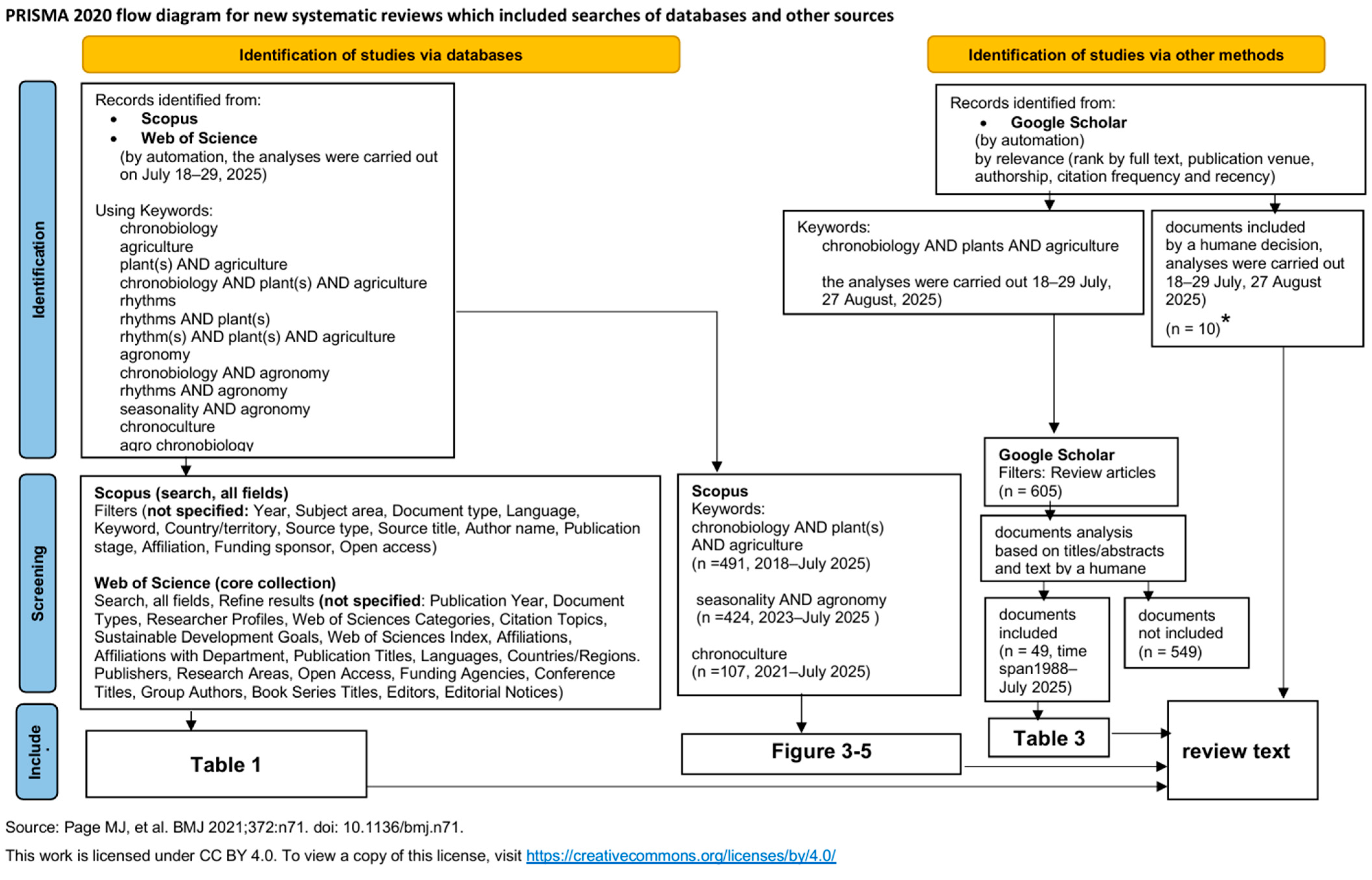
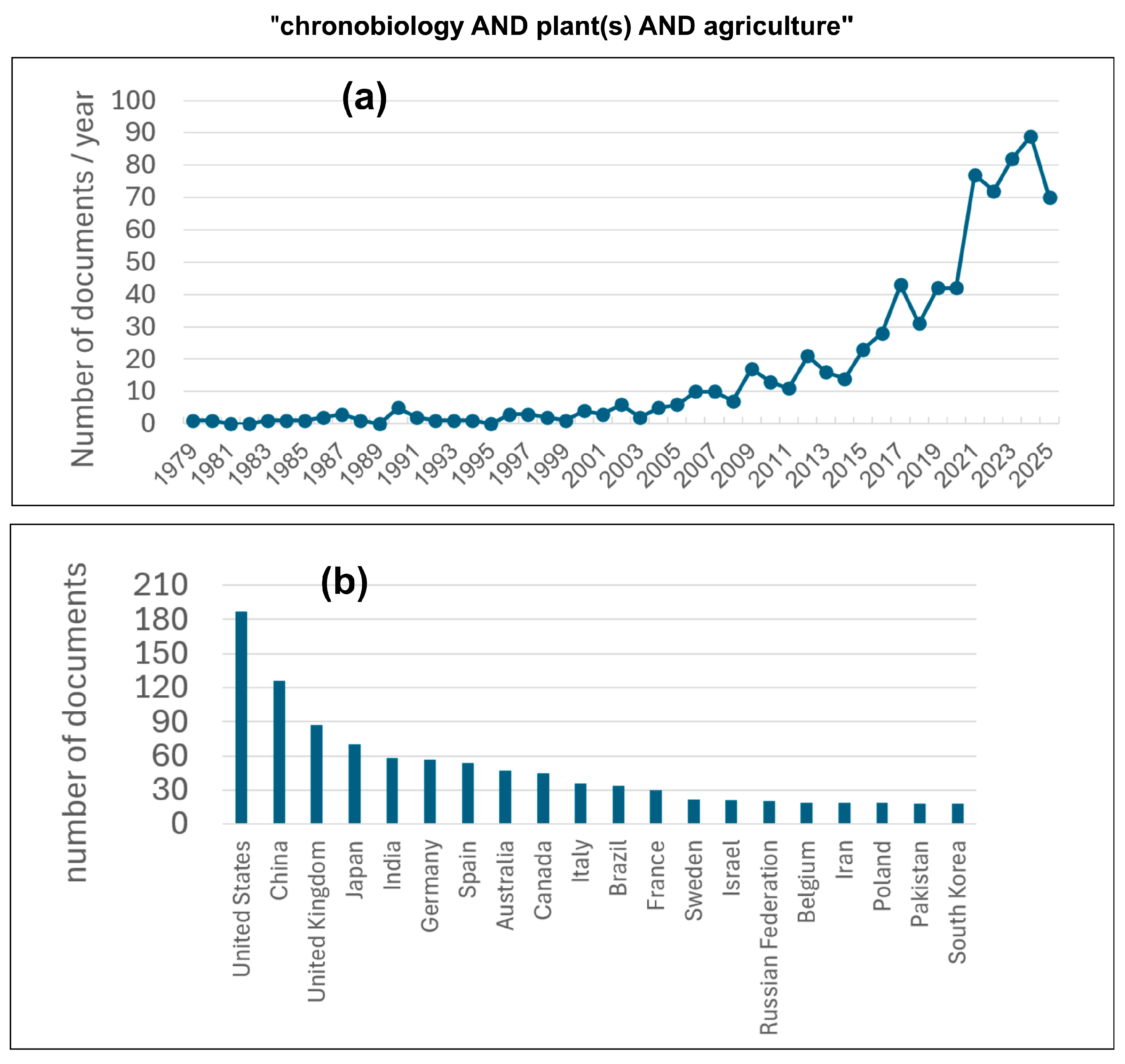
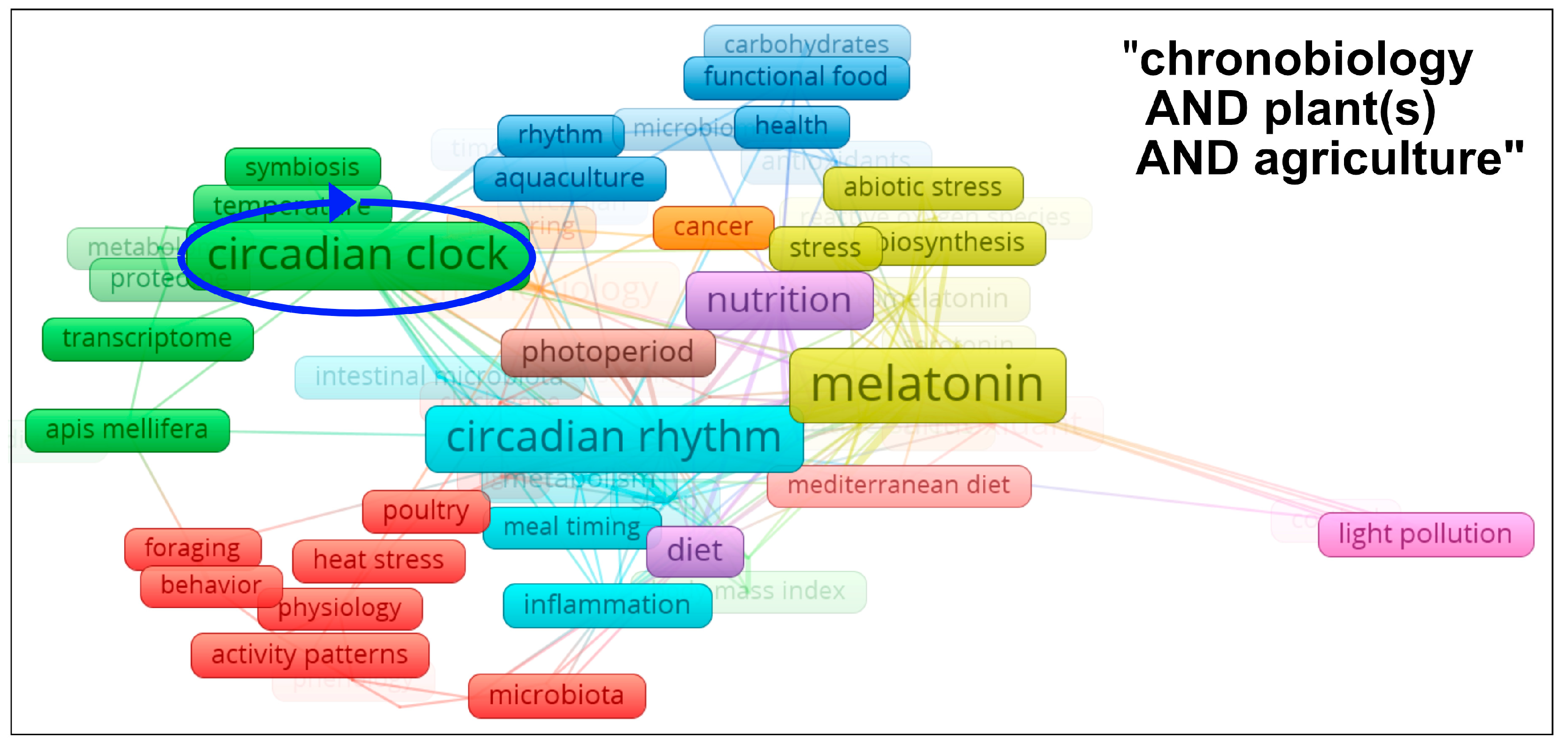
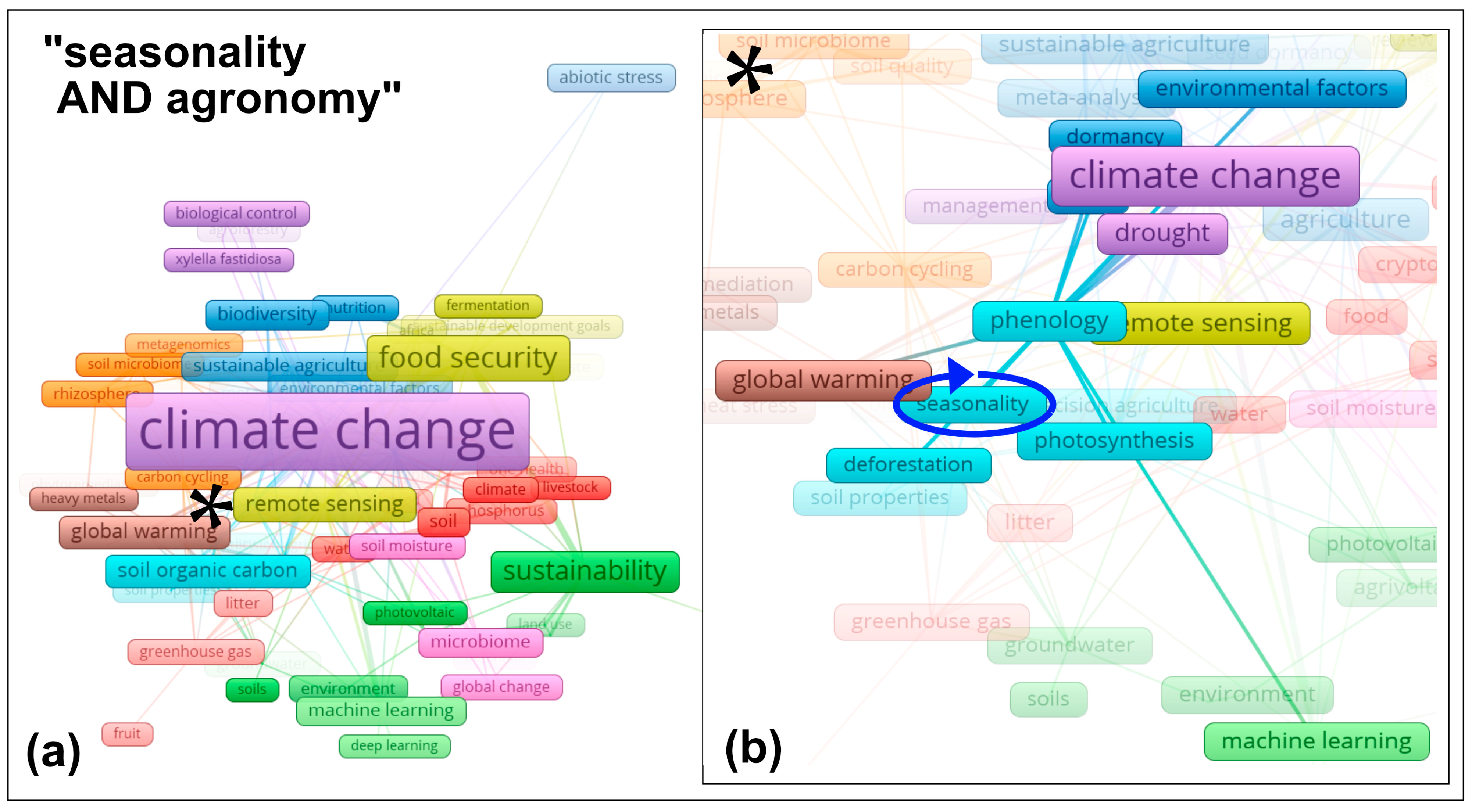
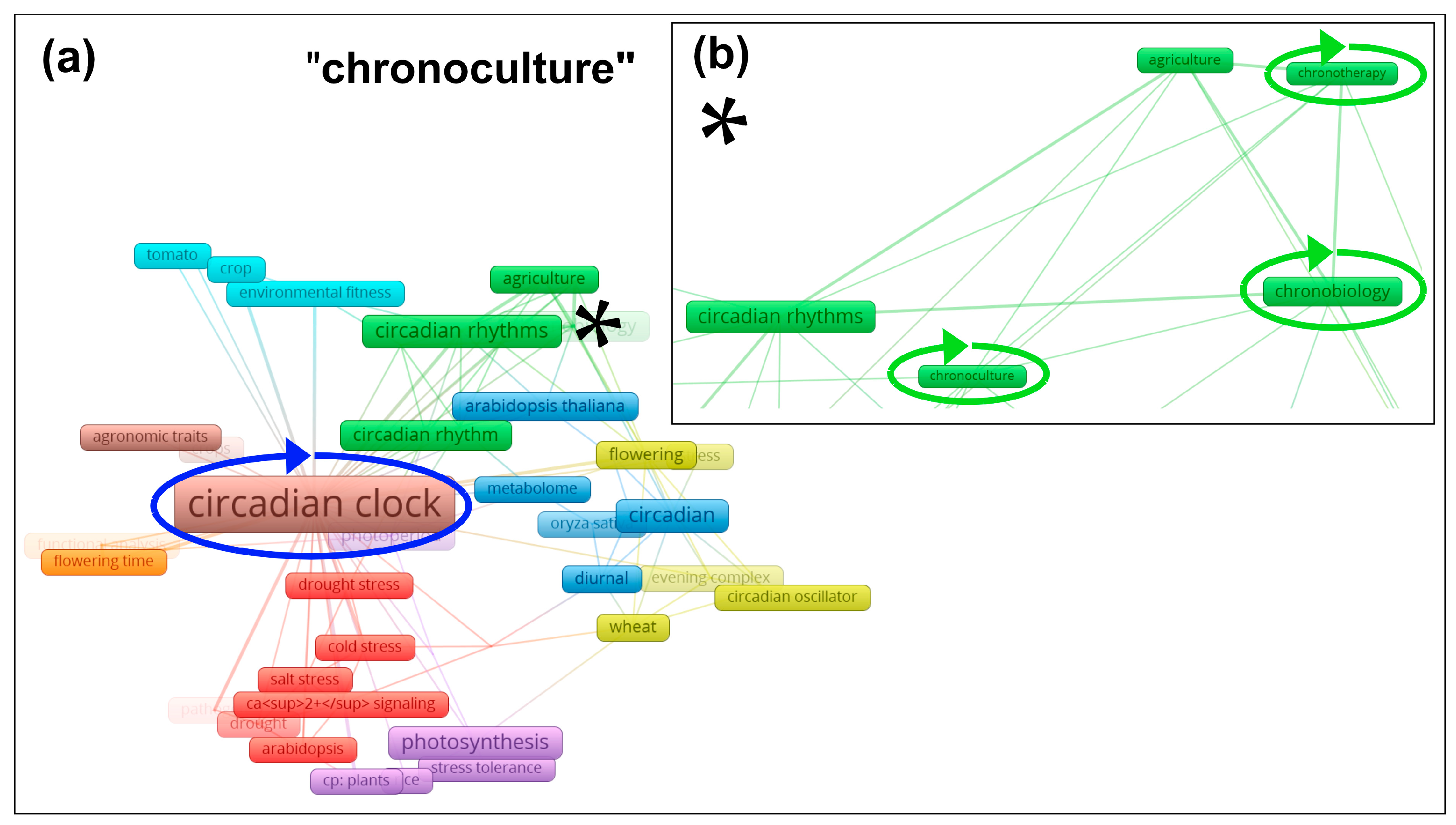
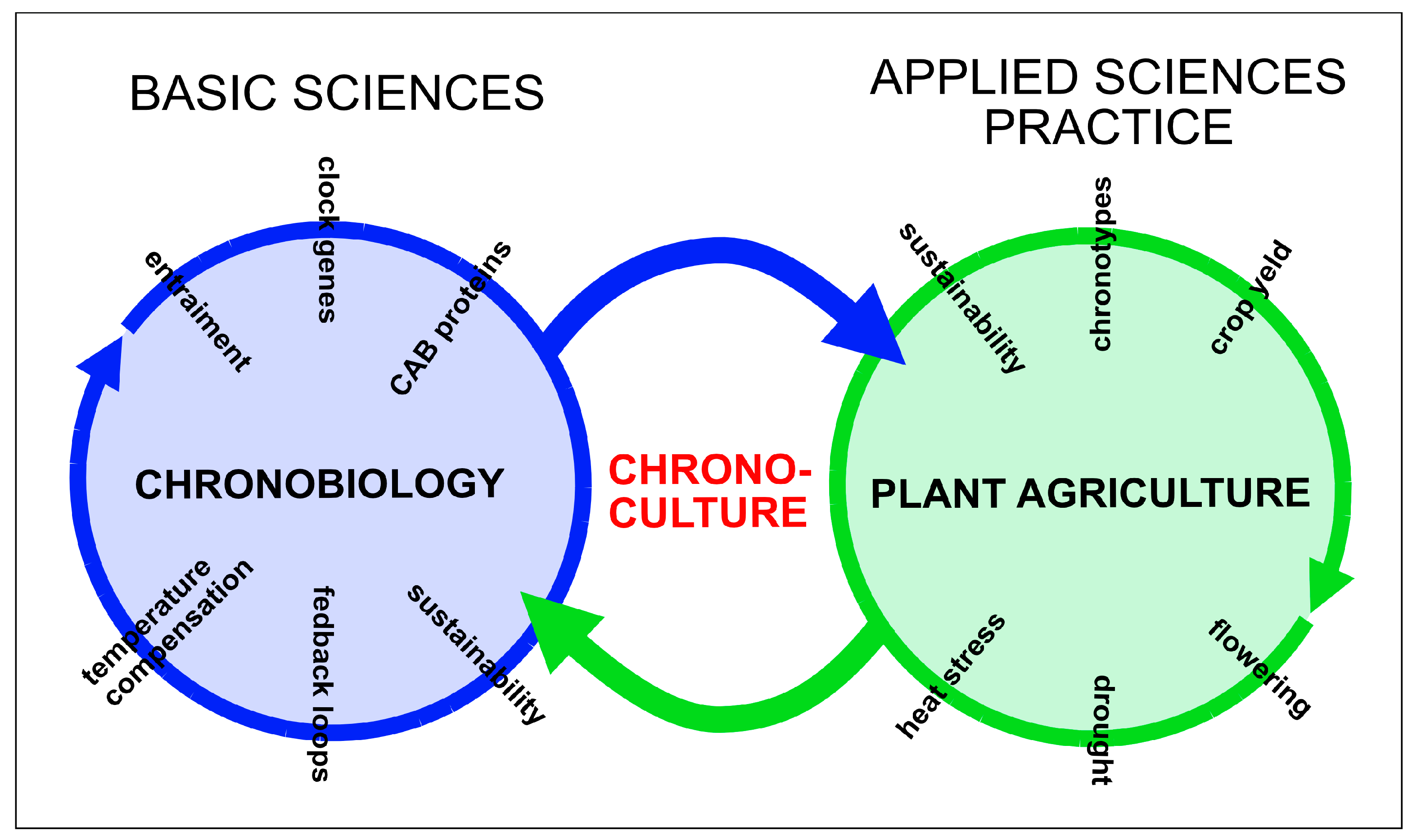
Plants grow, develop, and reproduce within a rhythmic environment. Environmental cues—such as light, temperature, nutrition, water—initiate, sustain, or terminate basic physiological processes within the plant, such as photosynthesis, respiration, nutrient uptake, water management, transpiration, growth, and hormone regulation. Simultaneously, inside the plant, internal “living clocks” are ticking and helping plants to synchronize internal processes with environmental cues and defend themselves against stressful conditions. These clock-regulated processes underlie a variety of plant traits, such as germination capability, growth and development rate, time of flowering, fruiting and yielding, development of plant shape, and size and biomass production. Most of these physiological traits are important attributes of crop plants. In recent years, the growing understanding of environmental rhythms as environmental cues and the mechanisms underlying plant internal clocks has begun to play an increasingly important role in agricultural practices. This is an emerging area of research that integrates insights from chronobiology with practices in plant agriculture. In this review, this new research area is studied and mapped using Scopus, Web of Science, Google Scholar, Preferred Reporting Items for Systematic Reviews and Meta-Analyses (PRISMA protocol), and VOSviewer1.6.20 software. The analyses were carried out on 18 July–27 August 2025. For the VOSviewer author keywords co-occurrence analysis, all 1022 documents covering the time range of the last 7.5–2.5 years (2018–July 2025) were included and three maps were generated. Additionally, 59 review documents covering the last 27 years (1988–July 2025) were extracted by relevance using Google Scholar. In this review, recent advances and topics in plant chronobiology were examined. The issue of how these advances respond to key challenges in plant agriculture was explored. The bidirectional influence between chronobiology and practices in plant agriculture were also considered.
Keywords: chronobiology; chronoculture; rhythms; plant agriculture; agronomy; seasonality; crop yield; flowering; ultradian; plant movements; circumnutations chronobiology; chronoculture; rhythms; plant agriculture; agronomy; seasonality; crop yield; flowering; ultradian; plant movements; circumnutations