Article

Distributed Software Build Assurance for Software Supply Chain Integrity

1
Department of Computer Science, University of Colorado Colorado Springs, Colorado Springs, CO 80918, USA
2
Department of Computer Science, Florida Polytechnic University, Lakeland, FL 33805, USA
3
Department of Computer Science and Information Systems, Texas A&M University-Commerce, Commerce, TX 75428, USA
4
Electronics and Telecommunications Research Institute, Daejeon 34129, Republic of Korea
*
Authors to whom correspondence should be addressed.
Appl. Sci. 2024, 14(20), 9262; https://doi.org/10.3390/app14209262
Submission received: 12 August 2024 / Revised: 5 October 2024 / Accepted: 6 October 2024 / Published: 11 October 2024

Abstract

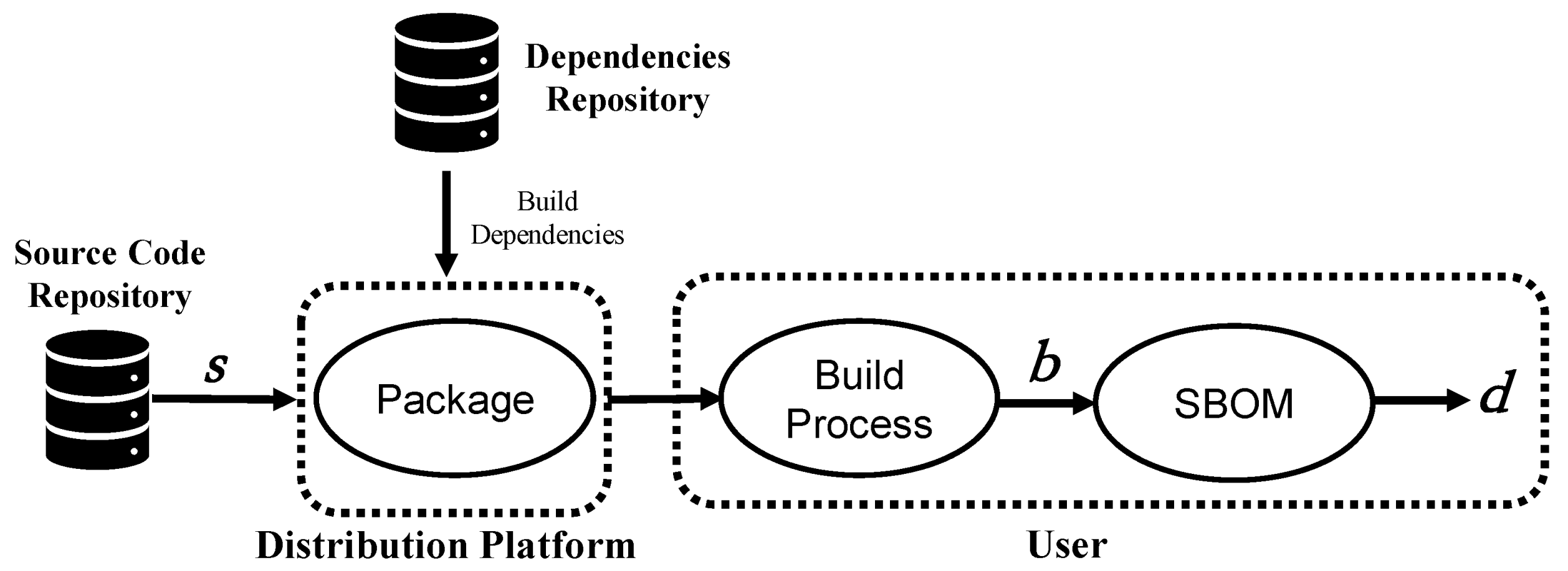
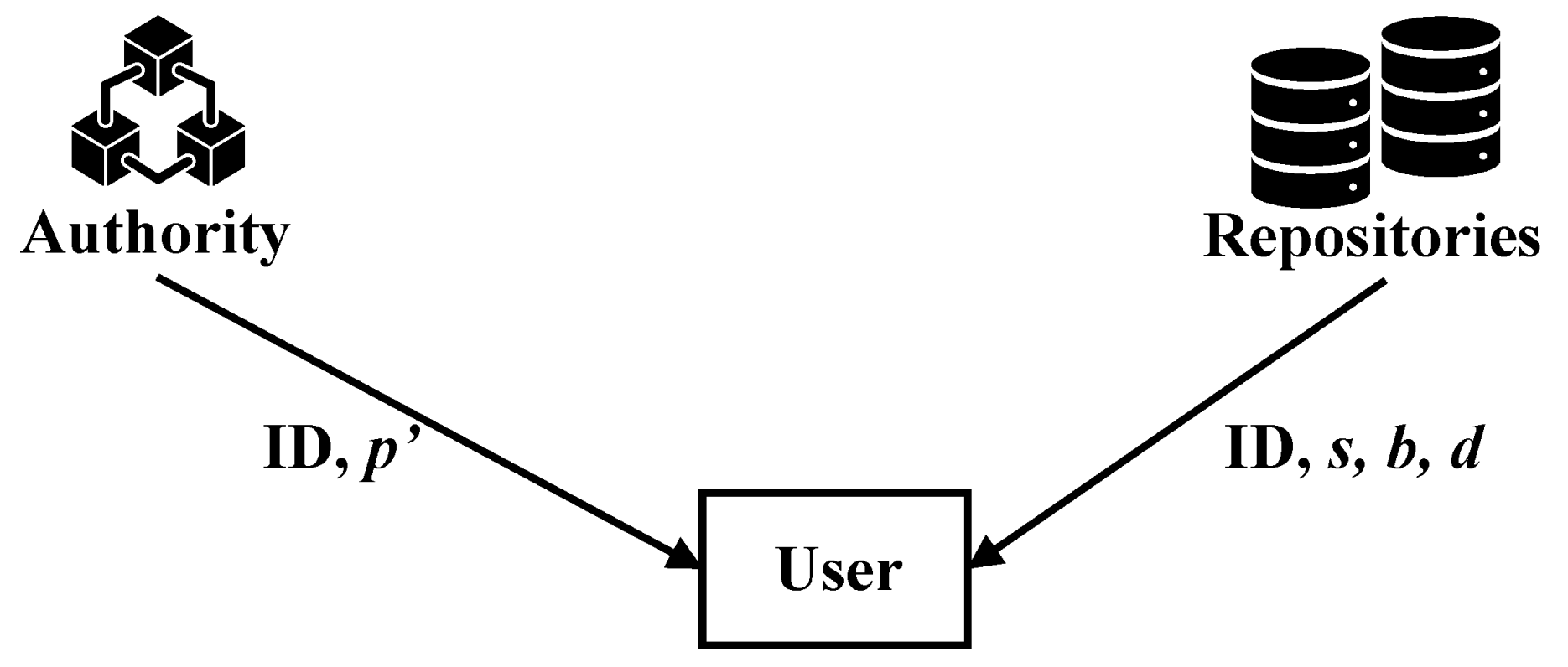
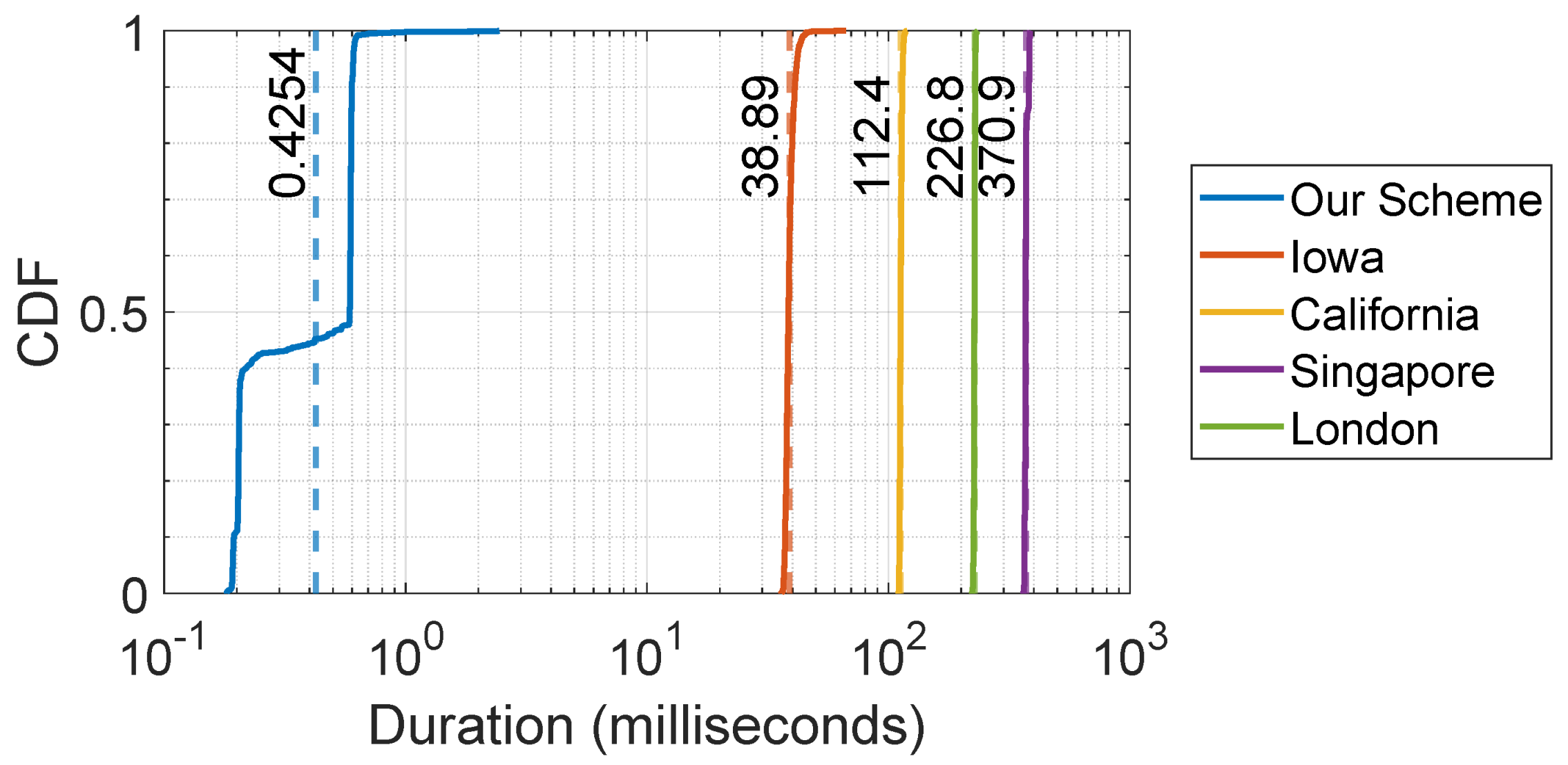
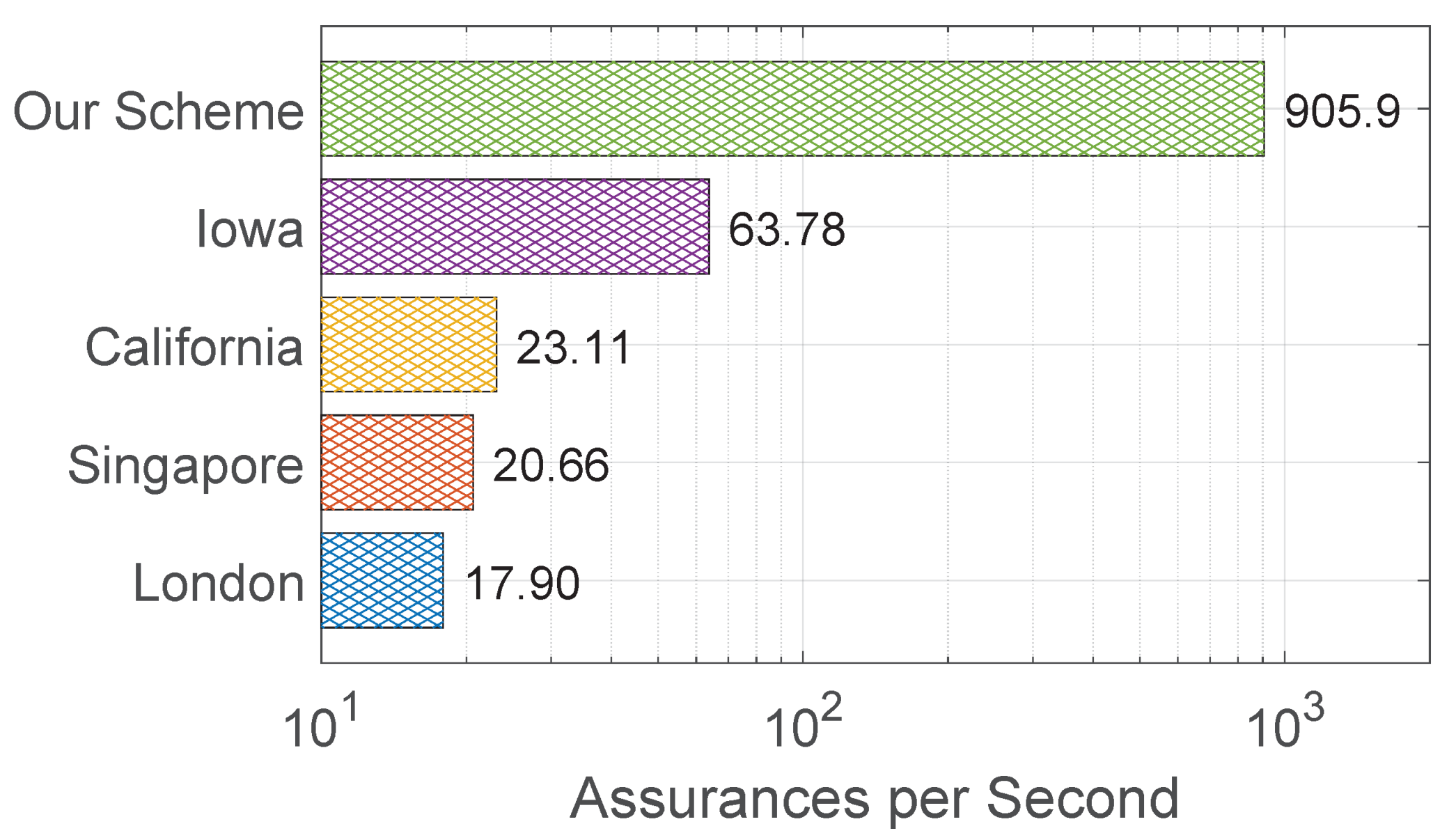
Computing and networking are increasingly implemented in software. We design and build a software build assurance scheme detecting if there have been injections or modifications in the various steps in the software supply chain, including the source code, compiling, and distribution. Building on the reproducible build and software bill of materials (SBOM), our work is distinguished from previous research in assuring multiple software artifacts across the software supply chain. Reproducible build, in particular, enables our scheme, as our scheme requires the software materials/artifacts to be consistent across machines with the same operating system/specifications. Furthermore, we use blockchain to deliver the proof reference, which enables our scheme to be distributed so that the assurance beneficiary and verifier are the same, i.e., the node downloading the software verifies its own materials, artifacts, and outputs. Blockchain also significantly improves the assurance efficiency. We first describe and explain our scheme using abstraction and then implement our scheme to assure Ethereum as the target software to provide concrete proof-of-concept implementation, validation, and experimental analyses. Our scheme enables more significant performance gains than relying on a centralized server thanks to the use of blockchain (e.g., two to three orders of magnitude quicker in verification) and adds small overheads (e.g., generating and verifying proof have an overhead of approximately one second, which is two orders of magnitude smaller than the software download or build processes).
Keywords: software supply chain; assurance; software integrity; applied cryptography; blockchain software supply chain; assurance; software integrity; applied cryptography; blockchain