Article

Analysis of Plasma Ion Distribution and Dust Collection Efficiency of Carbon-Brush Air Purifiers

1
Institute of Carbon Technology, Jeonju University, Jeonju 55069, Republic of Korea
2
Graduate School of Carbon Convergence Engineering, Jeonju University, Jeonju 55069, Republic of Korea
*
Author to whom correspondence should be addressed.
Appl. Sci. 2023, 13(4), 2101; https://doi.org/10.3390/app13042101
Submission received: 5 January 2023 / Revised: 30 January 2023 / Accepted: 1 February 2023 / Published: 6 February 2023
(This article belongs to the Special Issue Air Quality in Indoor Environments)

Abstract

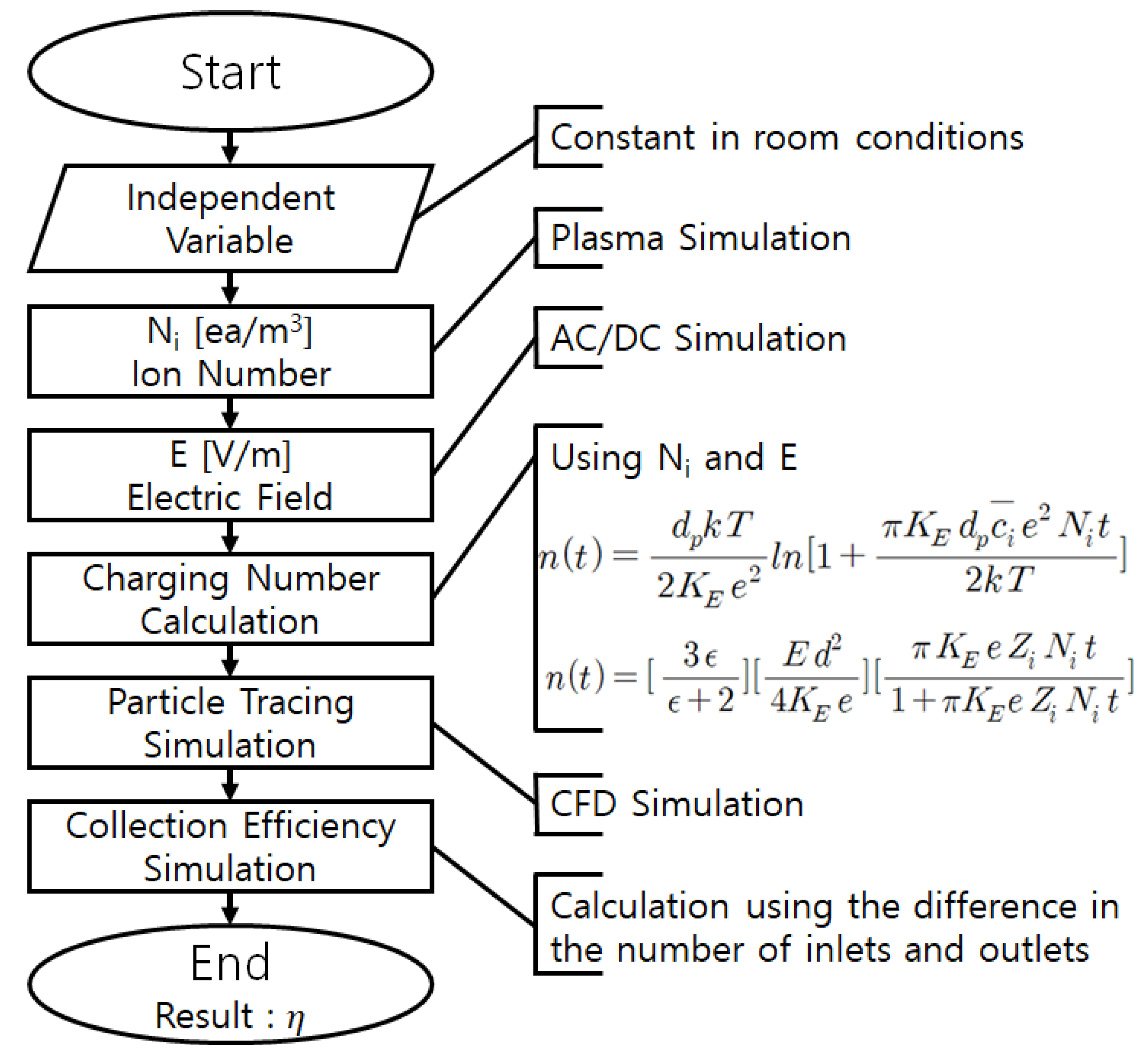
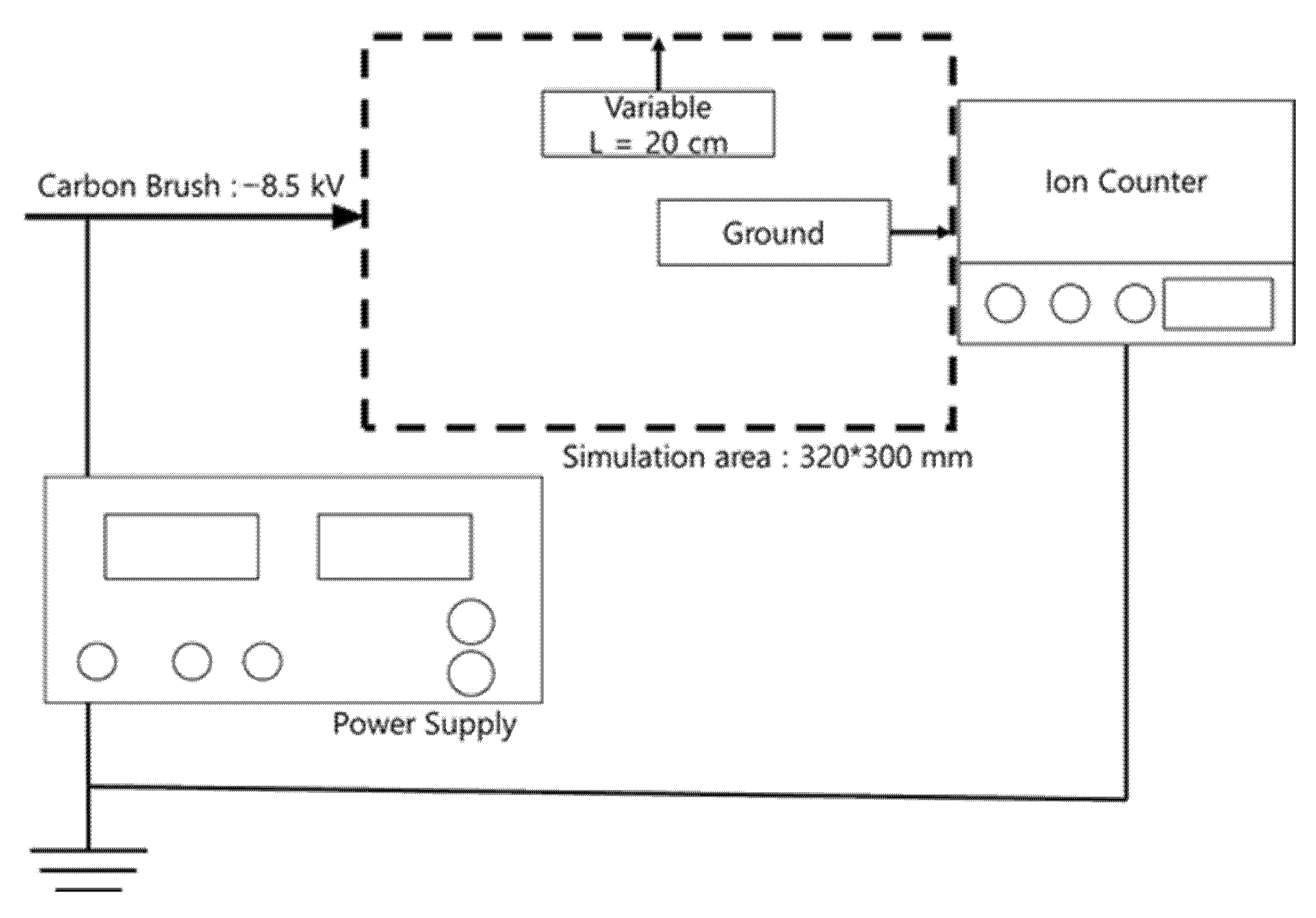
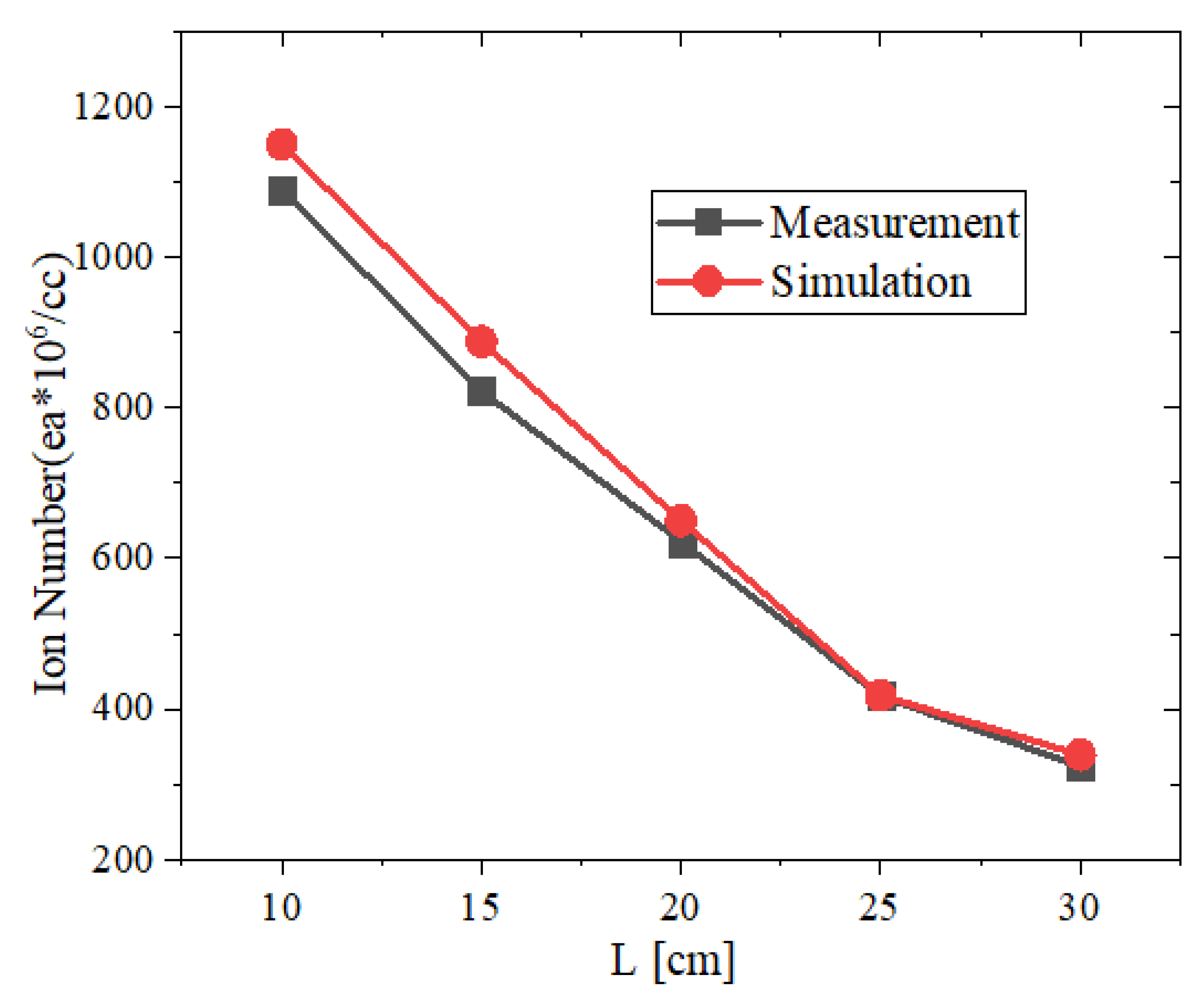
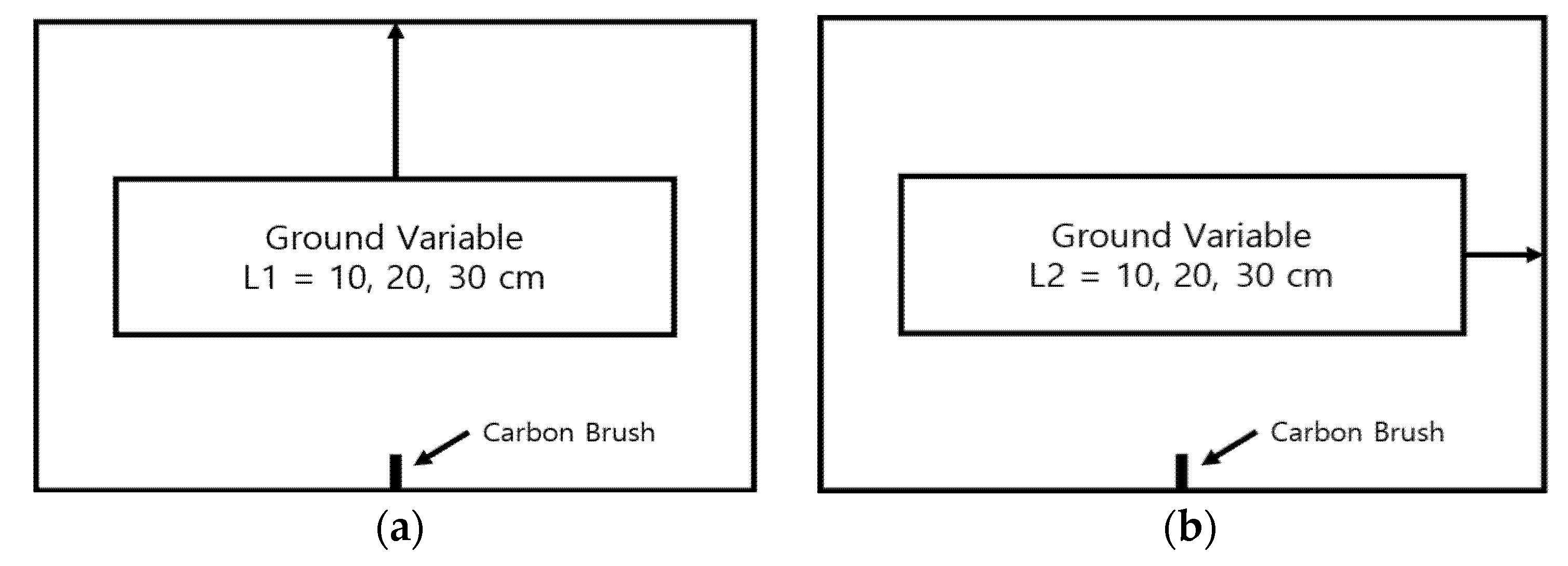
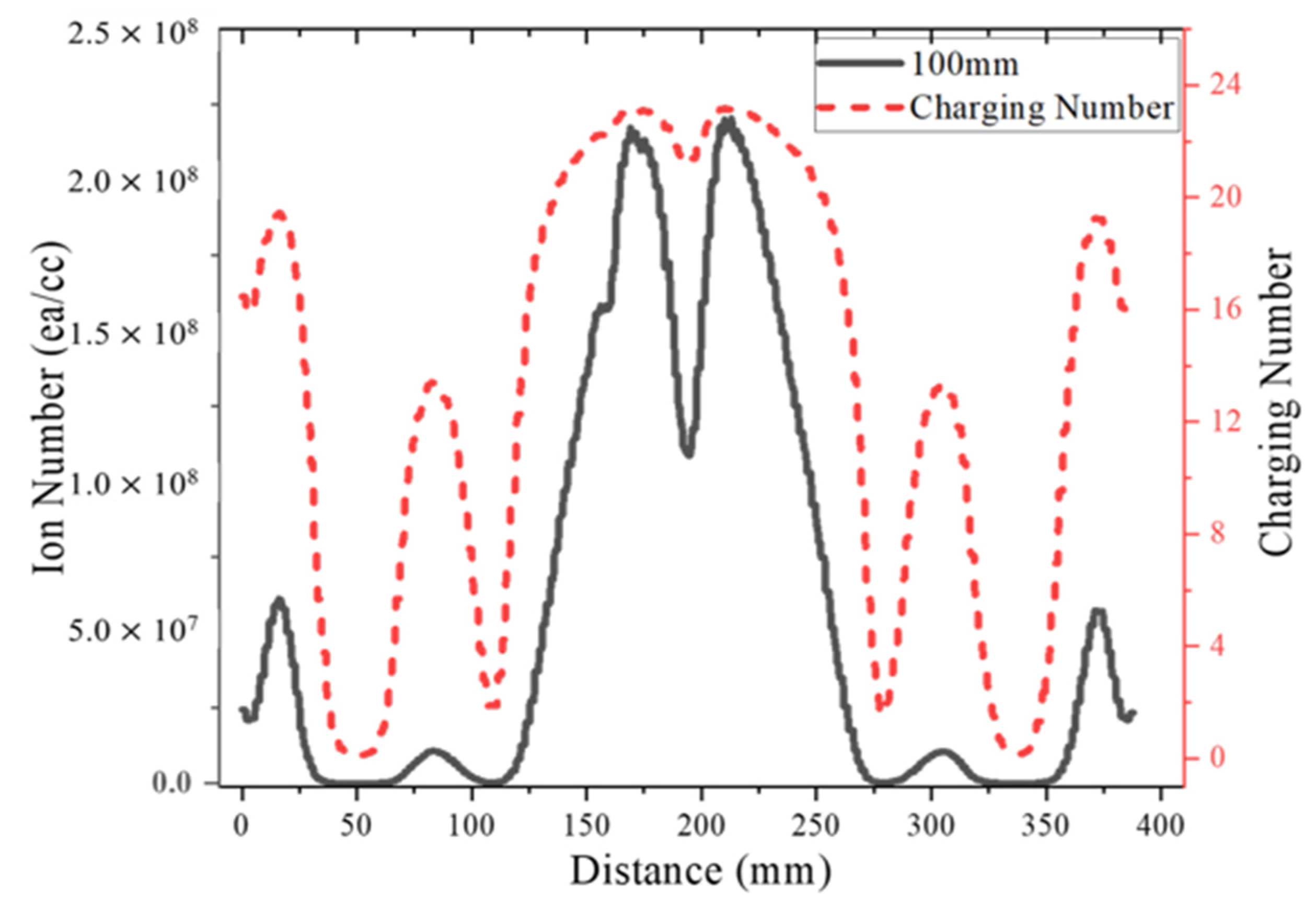
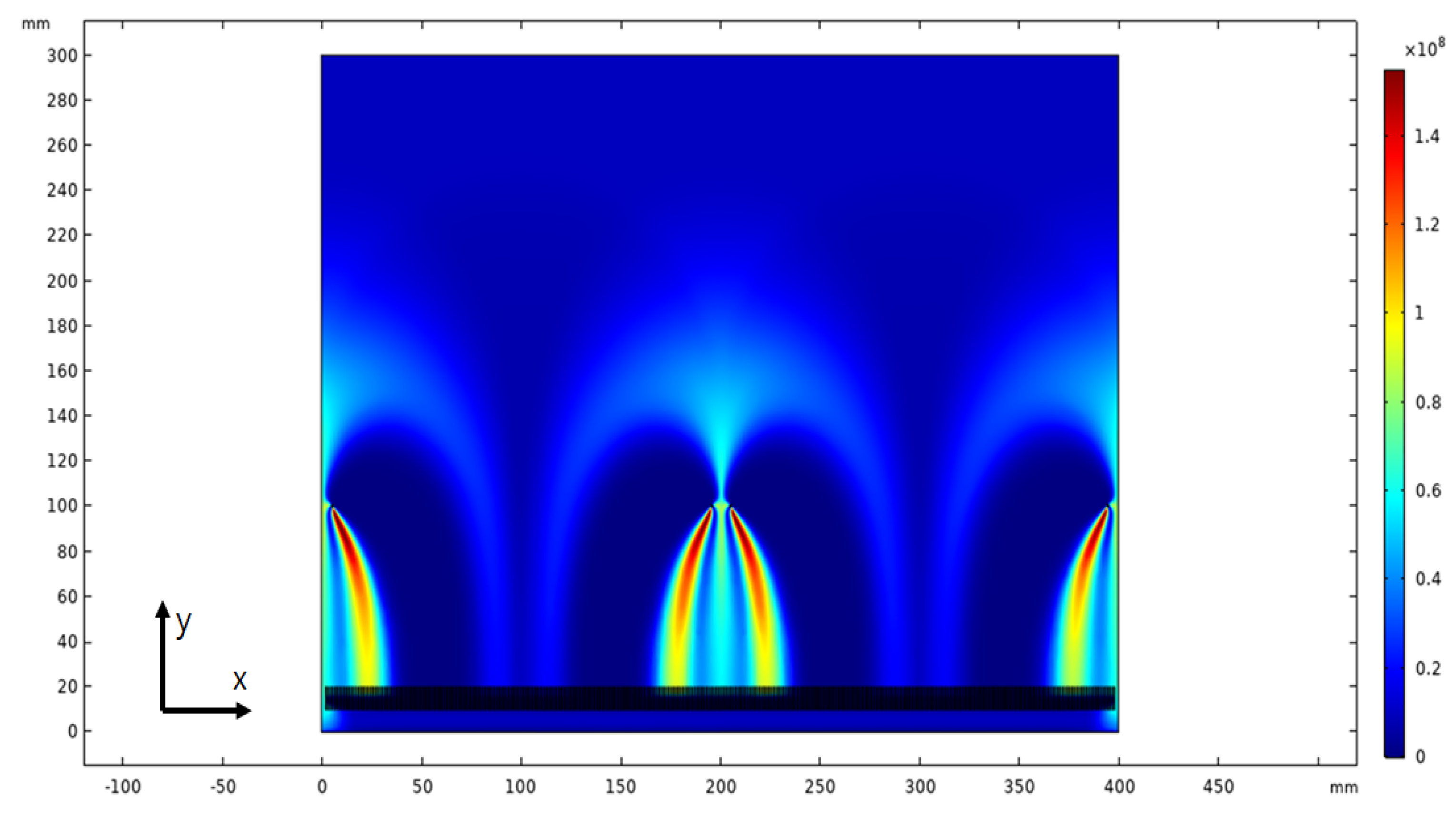
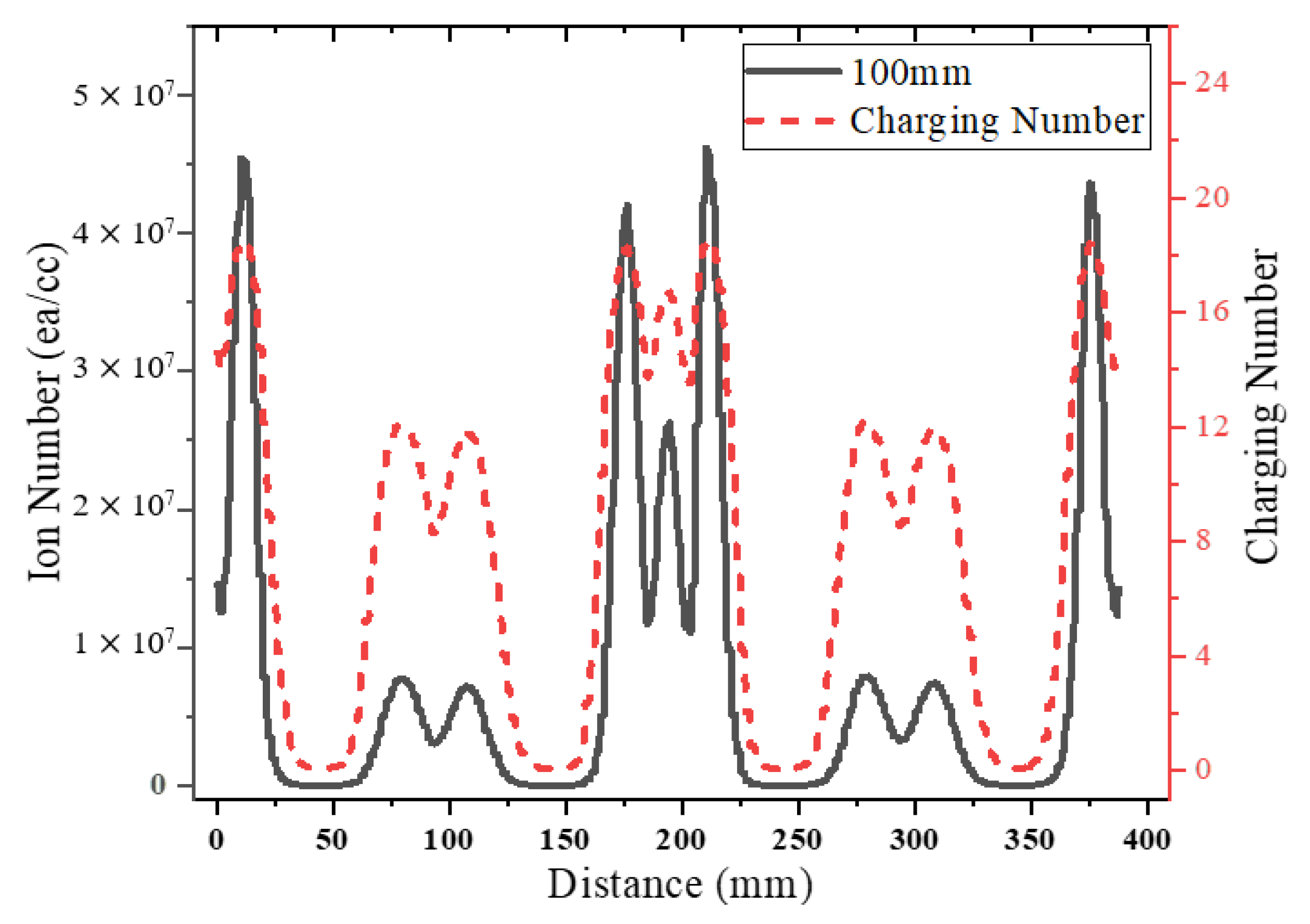
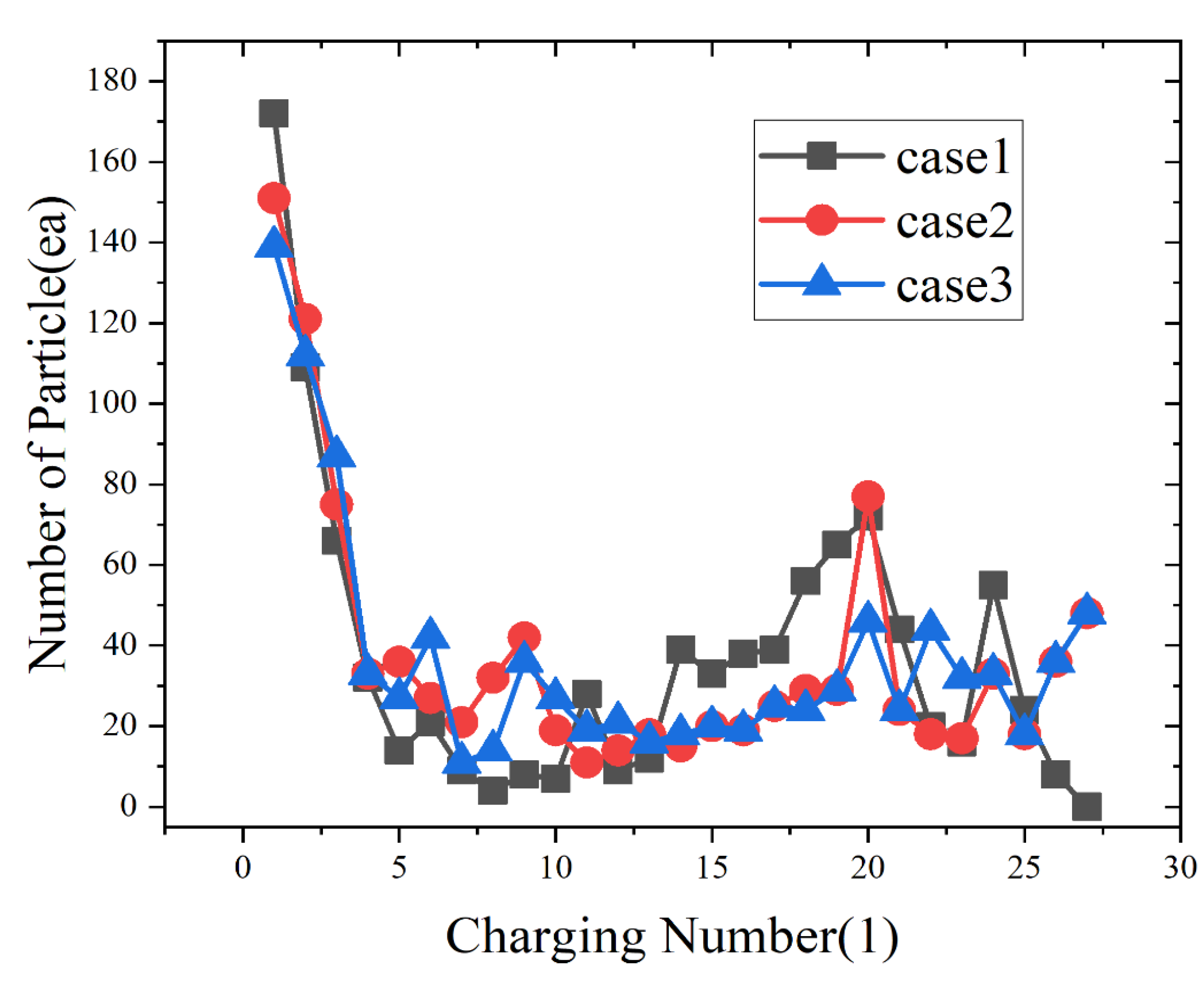
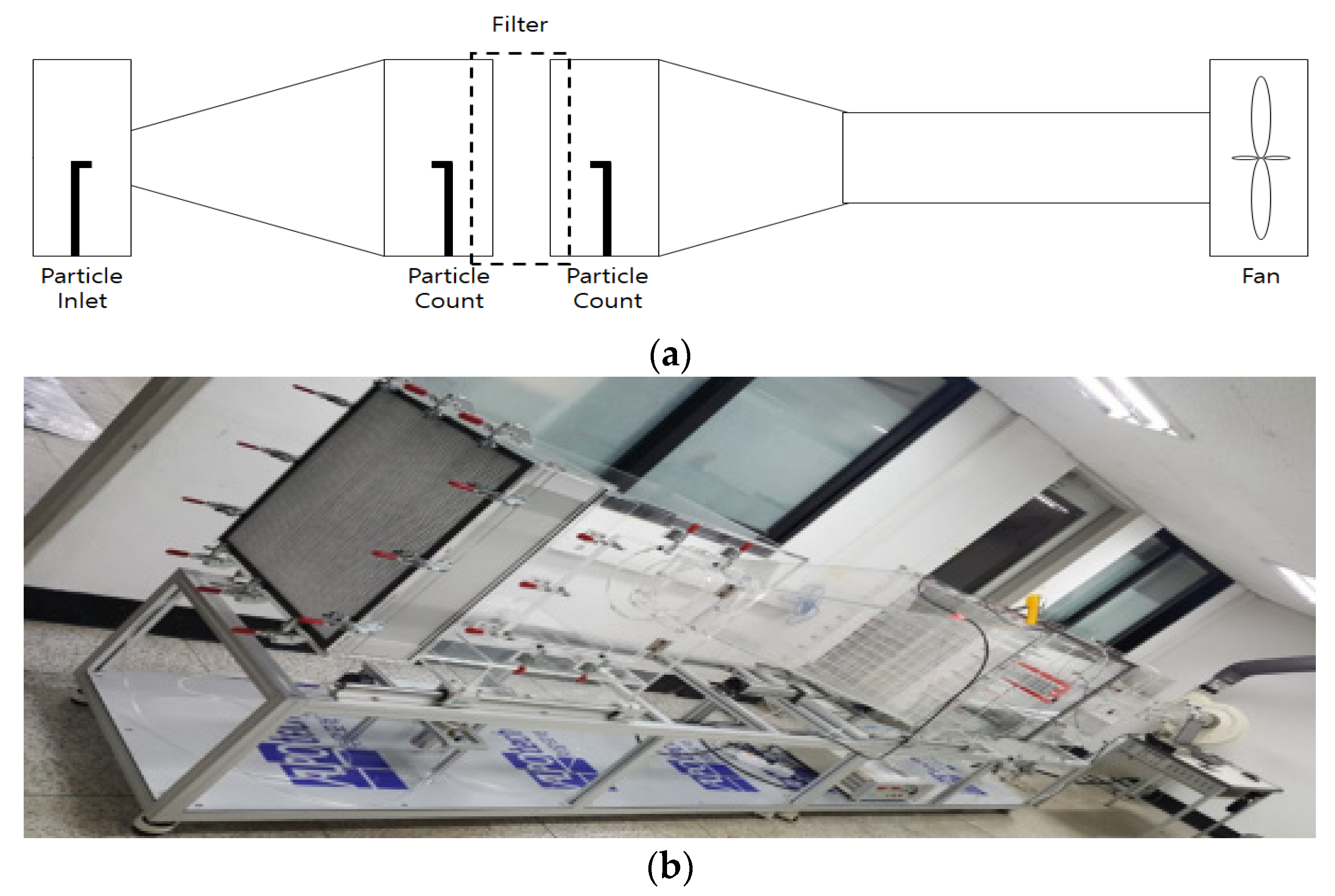
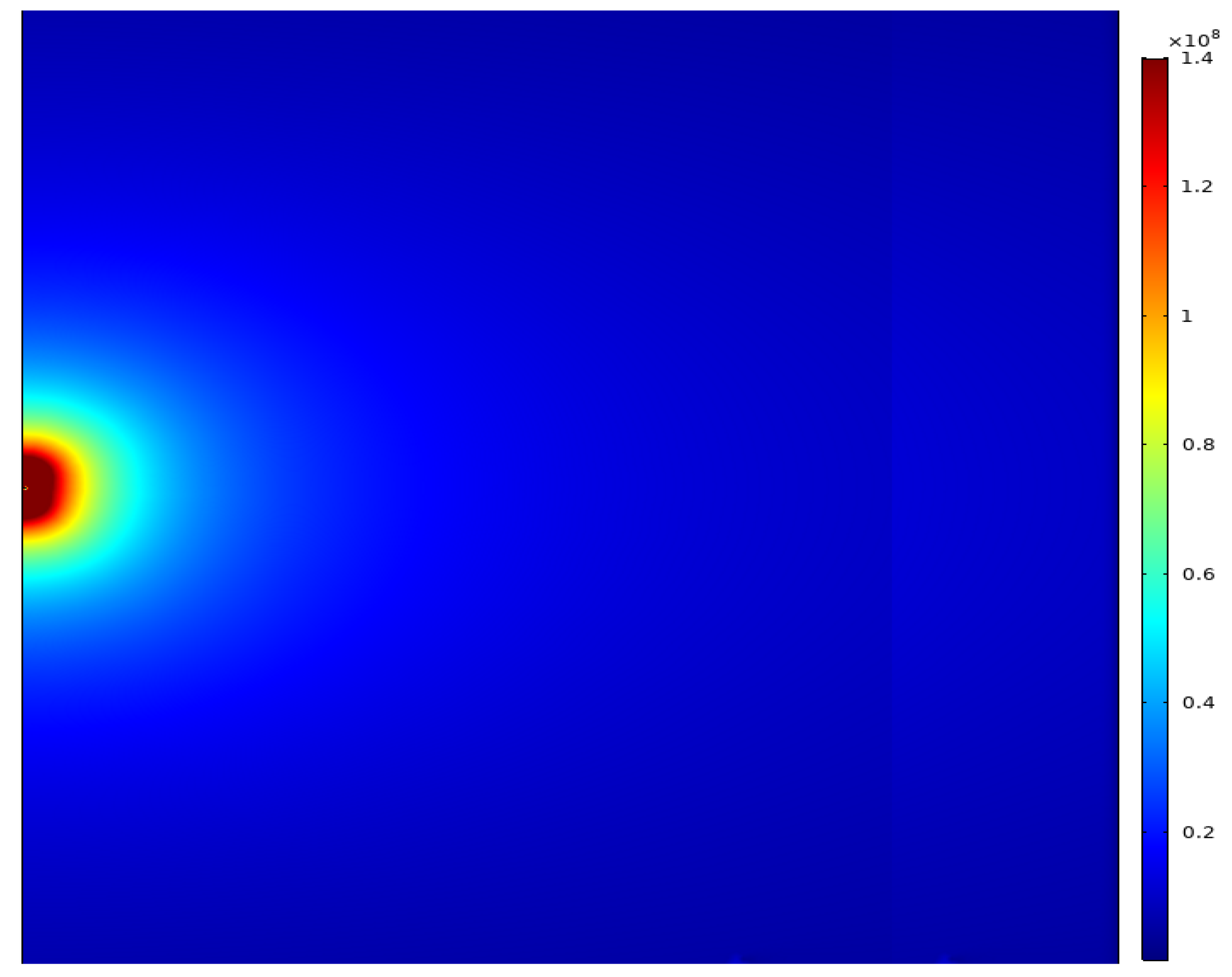
In recent years, many studies on air purifiers have been conducted, as particulate matter and virus issues have emerged. In this study, the ion concentration distribution in an air purifier that applies a high voltage was investigated through simulation. For a single carbon brush that applied a high voltage of –8.5 kV, the simulation results of the ion concentration distribution in the ground direction were compared with the result of the experiment and an error of 4.3% was observed, thereby confirming the reliability of the simulation. On this basis, the ion concentration distribution was calculated according to the number and location of the brushes. In addition, the charging number was calculated by applying the charging mechanism to the distributed dust particles, and the dust collection efficiency was calculated by conducting particle multiphysics analysis. The dust collection efficiency increased from 0.5% to 1% as the number of brushes increased, and the dust collection efficiency was 82% when there were two brushes and 83% when there were four brushes. In the proposed modeling, the location of the brushes is more important than the number of brushes. These results are expected to provide more accurate design information for the number and location of brushes applicable to an air purifier.
Keywords: computational fluid dynamics (CFD); carbon-brush; collection efficiency; air-purifiers; ion concentration computational fluid dynamics (CFD); carbon-brush; collection efficiency; air-purifiers; ion concentration