Article

New Empirical Laws in Geosciences: A Successful Proposal

by
Jesús Díaz-Curiel
1,*,
Bárbara Biosca
1,
Lucía Arévalo-Lomas
1,
David Paredes-Palacios
2 and
María Jesús Miguel
3
1
Department of Energy and Fuels, School of Mines and Energy, Universidad Politécnica de Madrid, C/Ríos Rosas 21, 28003 Madrid, Spain
2
Department of Geological and Mining Engineering, School of Mines and Energy, Universidad Politécnica de Madrid, C/Ríos Rosas 21, 28003 Madrid, Spain
3
Spanish Ministry of Science and Innovation, Paseo de la Castellana 162, 28046 Madrid, Spain
*
Author to whom correspondence should be addressed.
Appl. Sci. 2023, 13(18), 10321; https://doi.org/10.3390/app131810321
Submission received: 14 July 2023 / Revised: 8 September 2023 / Accepted: 12 September 2023 / Published: 14 September 2023

Abstract

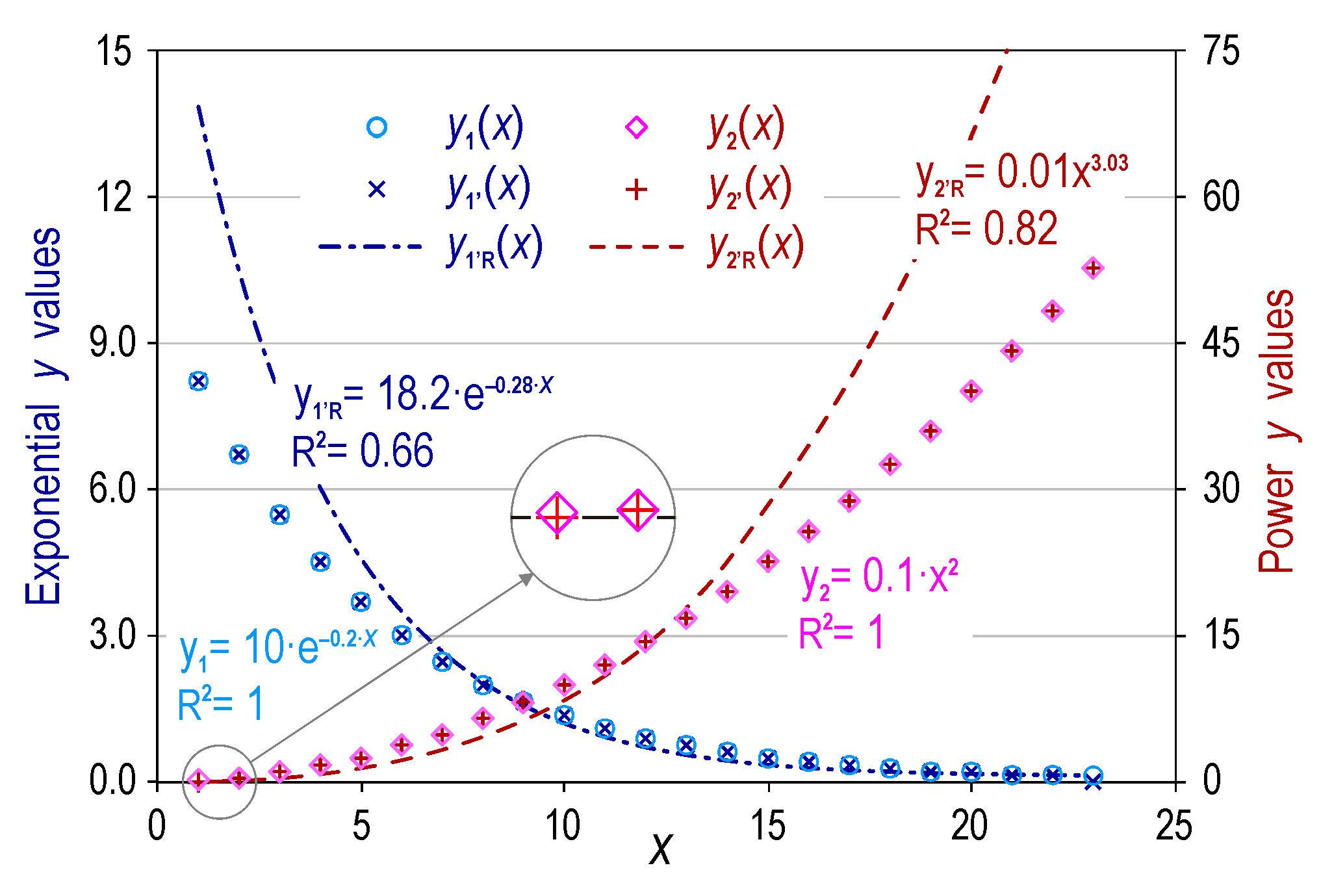
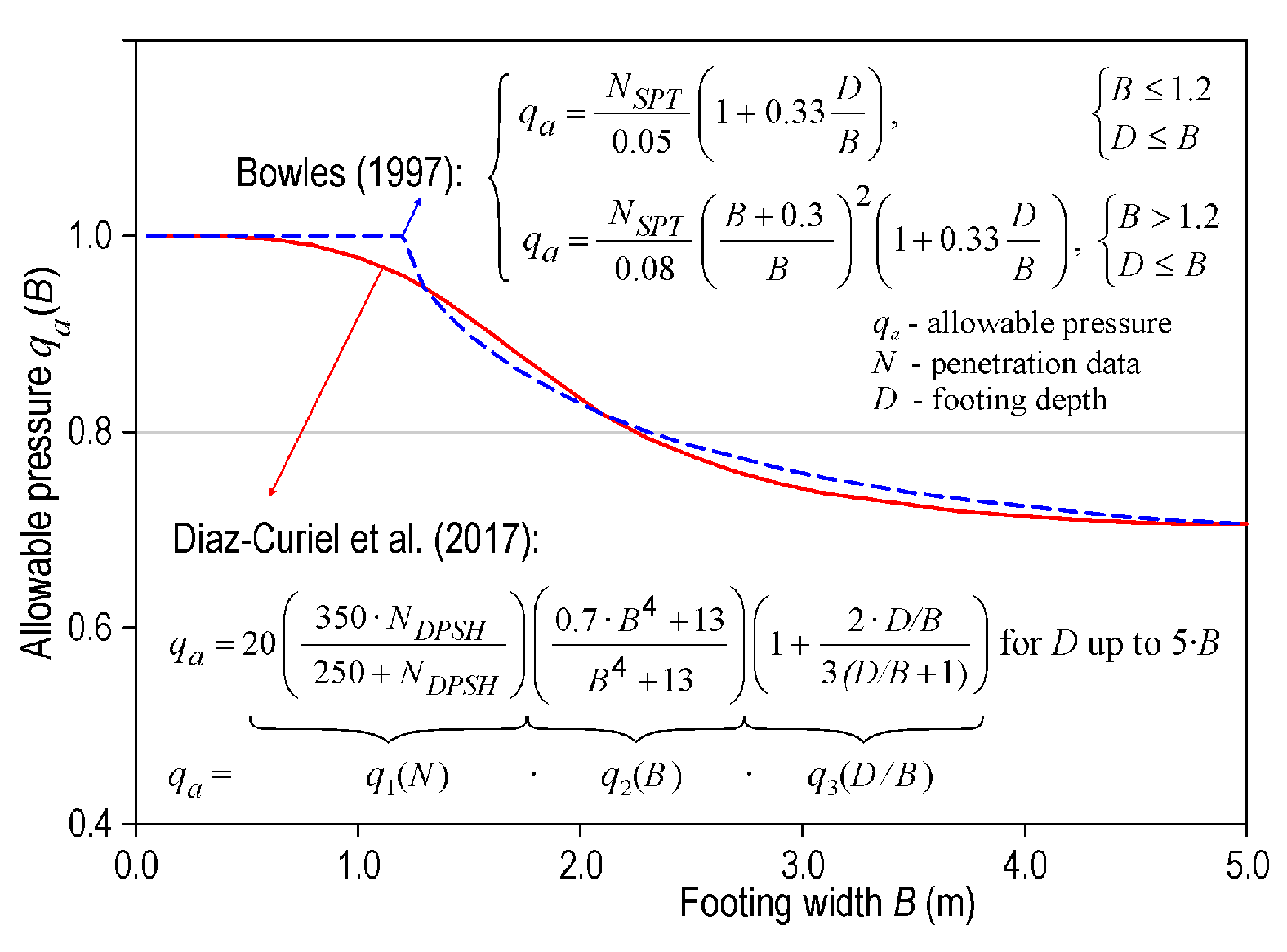
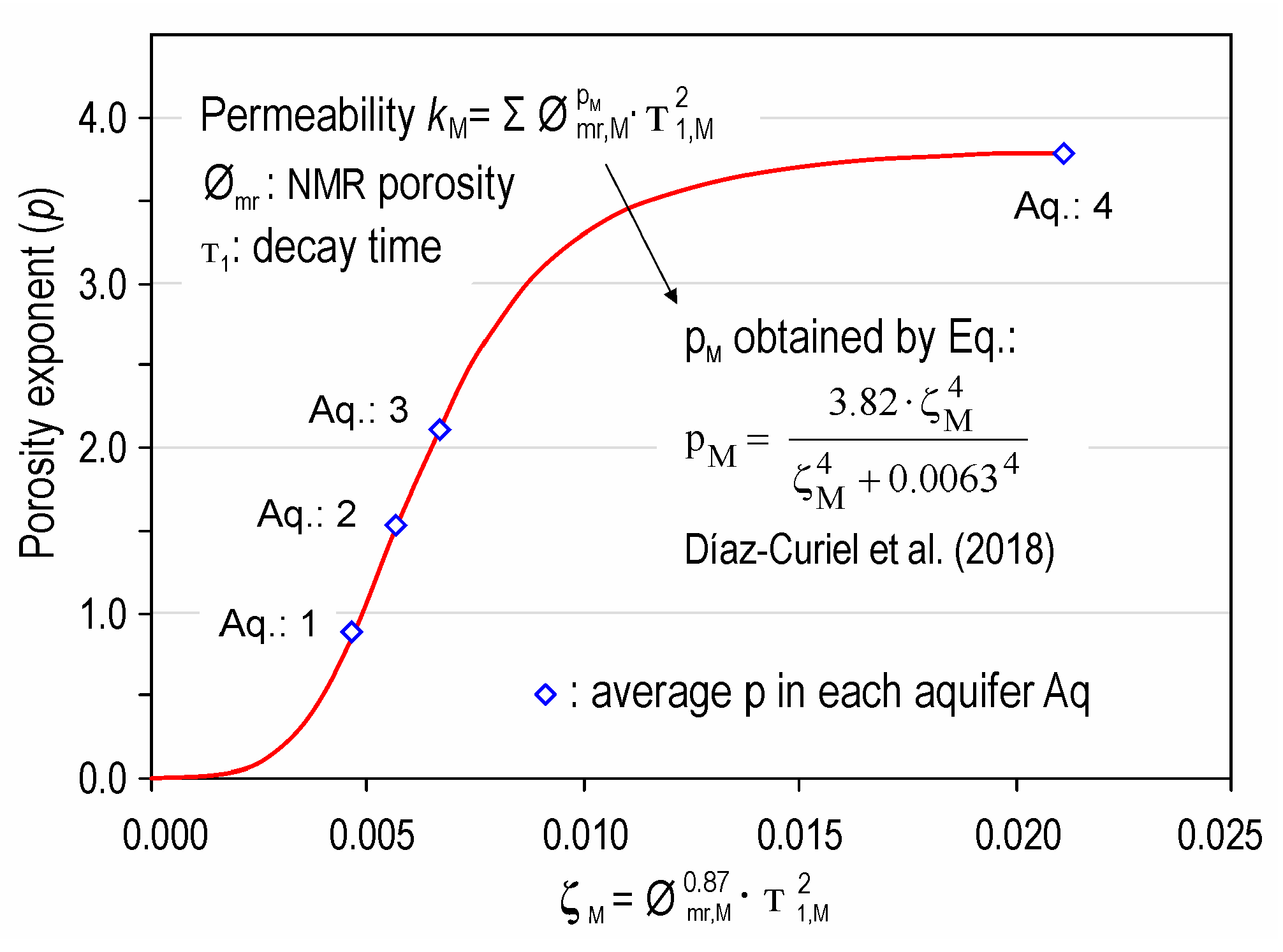
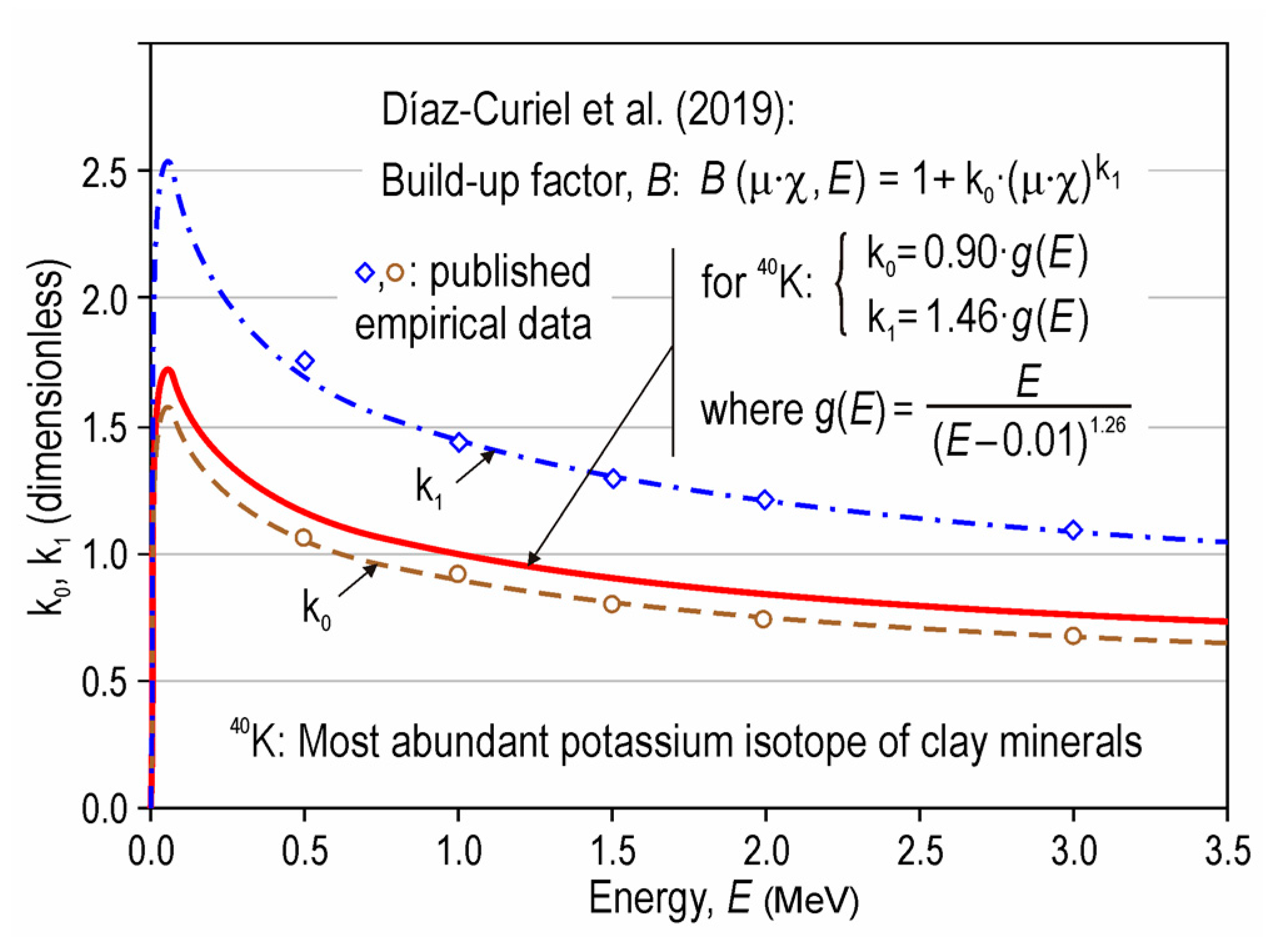
The importance of empirical versus theoretical laws is a controversial issue in many scientific fields, the latter being generally accepted and the relevance of which is not discussed here. As in other areas, there are well-known theoretical and empirical formulas in geosciences that do not adequately represent the reality of a given phenomenon. Quantitative comparison of geophysical and petrophysical results with data from the other multiple fields that comprise the geosciences compels a high exigency to avoid discontinuities in existing relationships. However, the proposal of new empirical laws that more accurately reflect a given phenomenon is often considered insufficient to contradict existing formulas. The aim of this work is to defend the development of new empirical laws by showing that they constitute a true model of analysed behaviour if certain criteria are followed. This defence is especially needed when non-linearisable functions are required to fit the empirical data. To achieve this aim, this study shows the established algebraic function as a function of a single variable, whose main advantage is its application to phenomena of a geological nature that show two differentiated behaviours as the variable x is increased. A series of five examples of different phenomena related to geosciences is selected to demonstrate the level of accuracy that new empirical laws can reach in contrast to the widely accepted historical relationships.
Keywords: empirical laws; geosciences; function of double asymptote; nature double behaviour empirical laws; geosciences; function of double asymptote; nature double behaviour