Article

Failure Behaviour of Jointed Rock Masses with 3D Nonpenetrating Joints under Uniaxial Compression: Insights from Discrete Element Method Modelling


1
School of Resources and Safety Engineering, Central South University, Changsha 410083, China
2
Changjiang River Scientific Research Institute, Wuhan 430015, China
3
State Key Laboratory of Geohazard Prevention and Geoenvironment Protection, Chengdu University of Technology, Chengdu 610059, China
*
Authors to whom correspondence should be addressed.
Appl. Sci. 2022, 12(21), 11027; https://doi.org/10.3390/app122111027
Submission received: 12 October 2022 / Revised: 26 October 2022 / Accepted: 28 October 2022 / Published: 31 October 2022
(This article belongs to the Special Issue Advances in Failure Behavior of Rocks)

Abstract

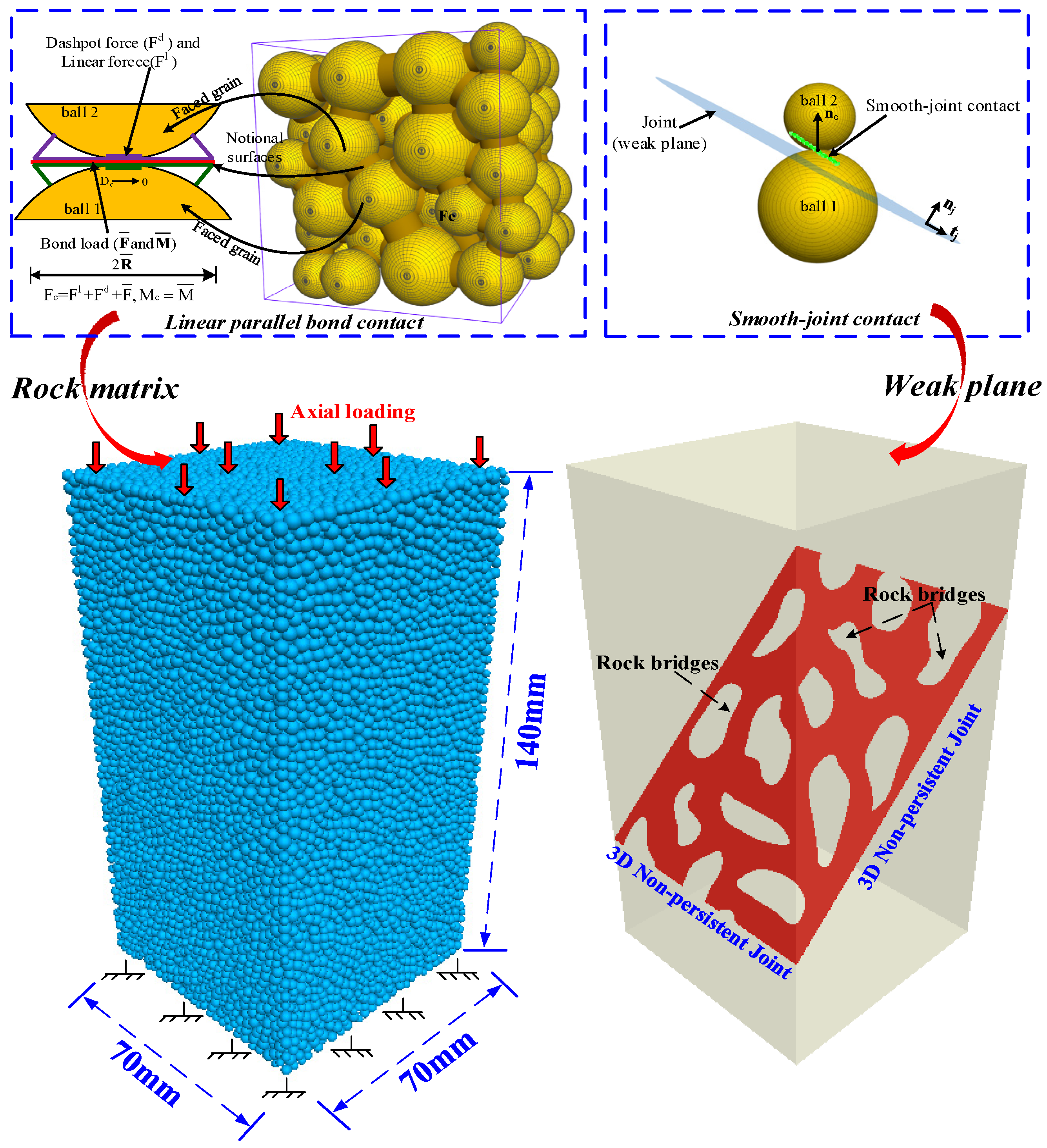
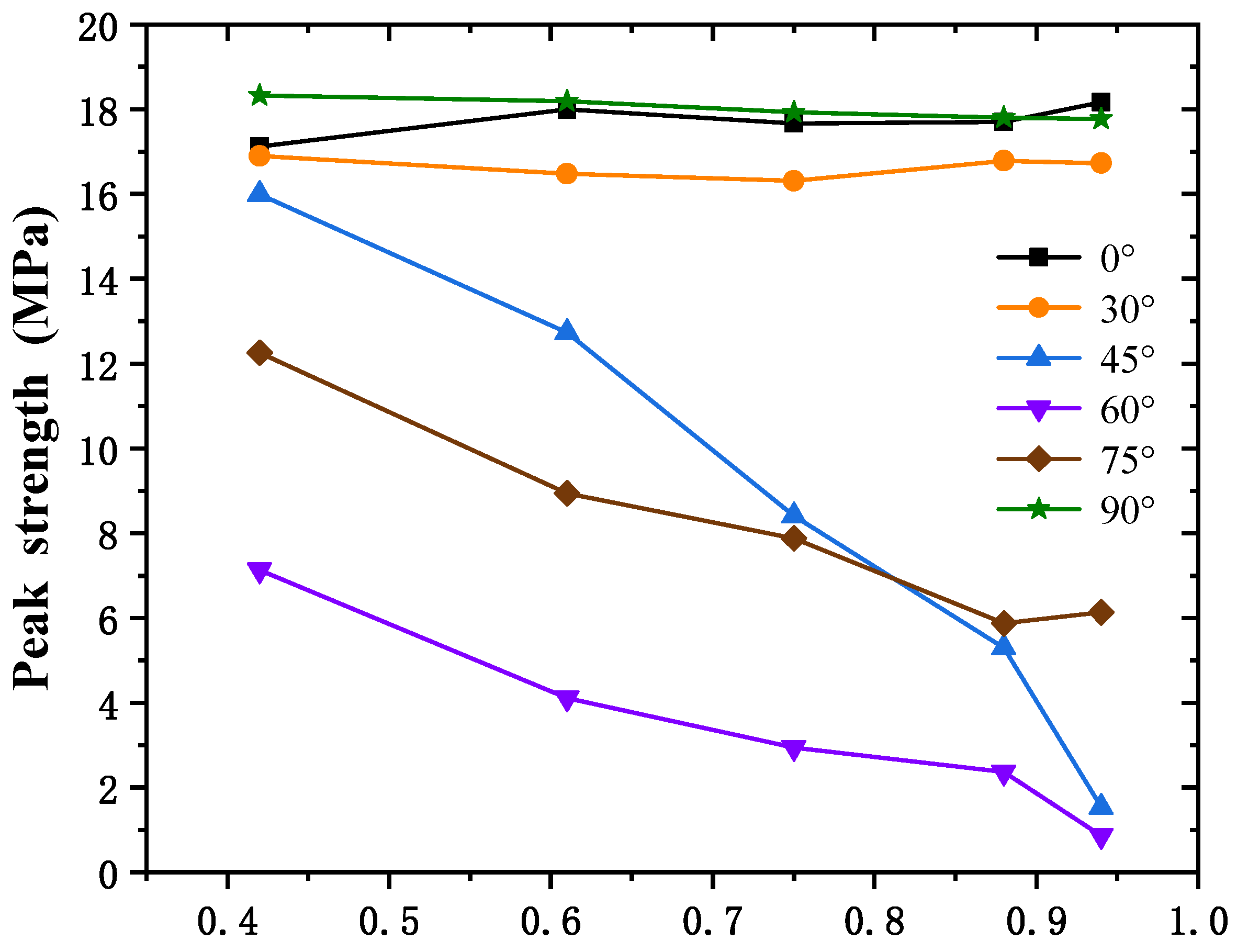
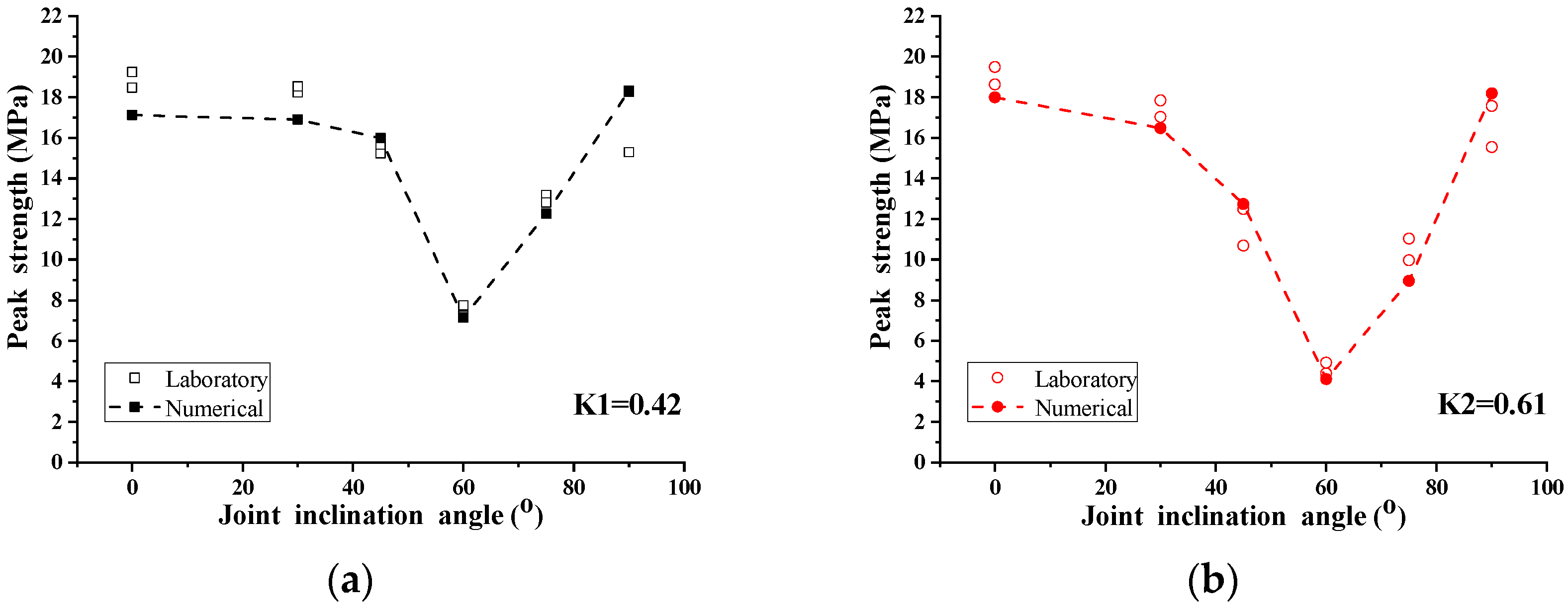
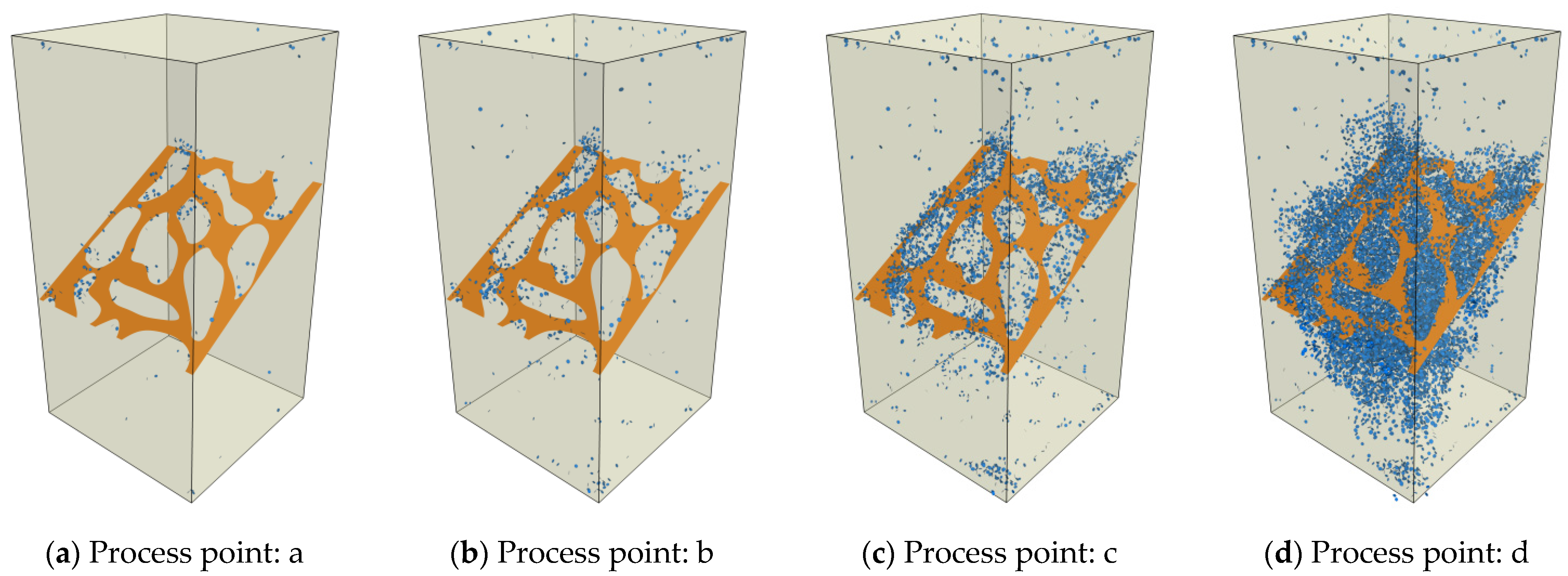
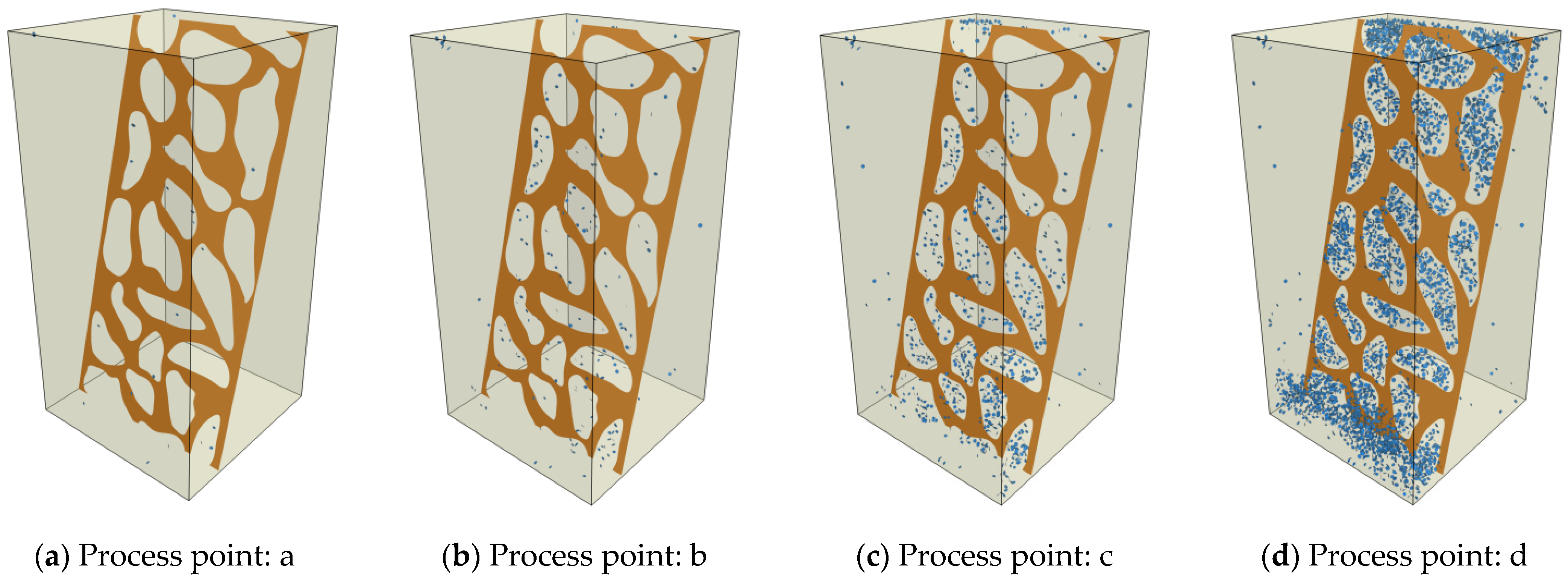
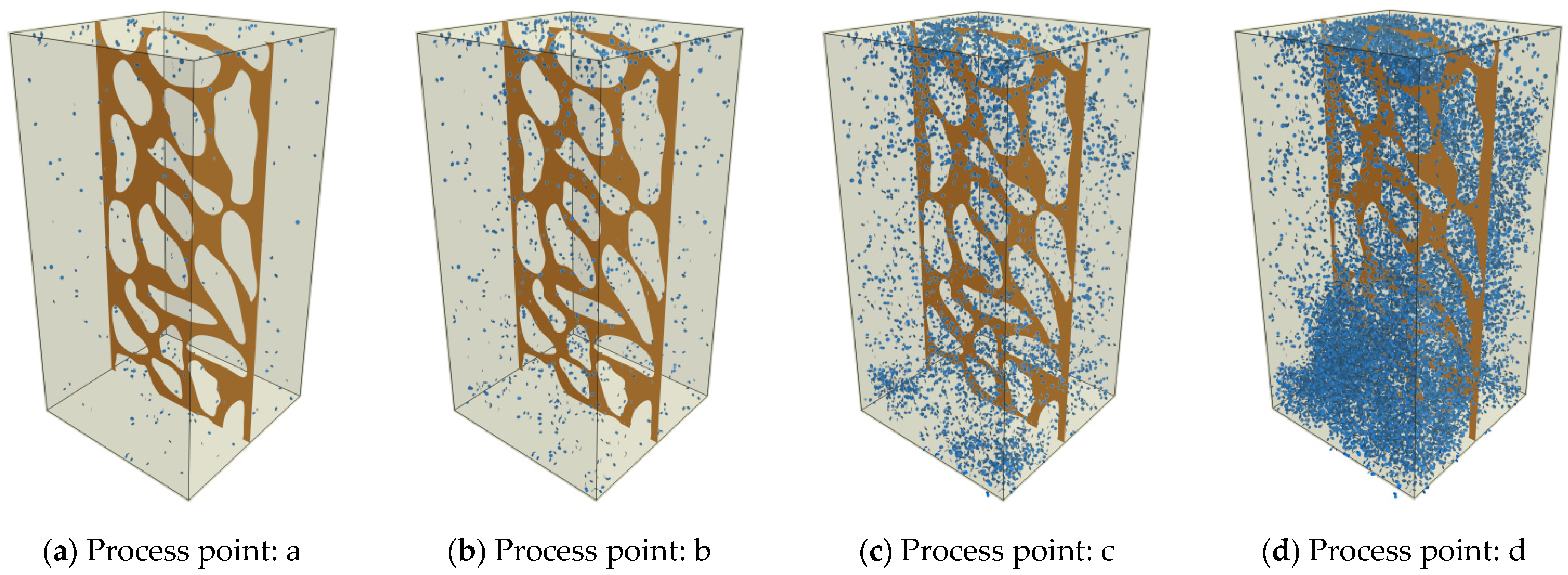
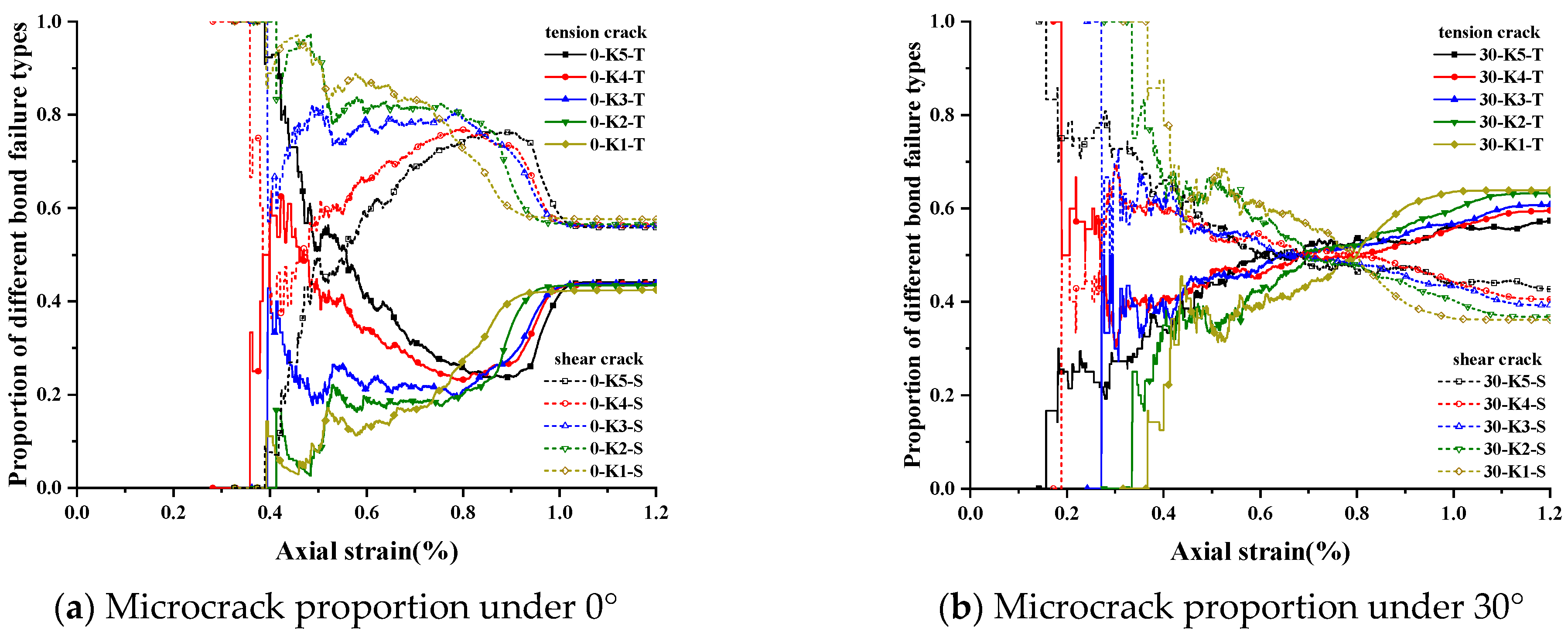
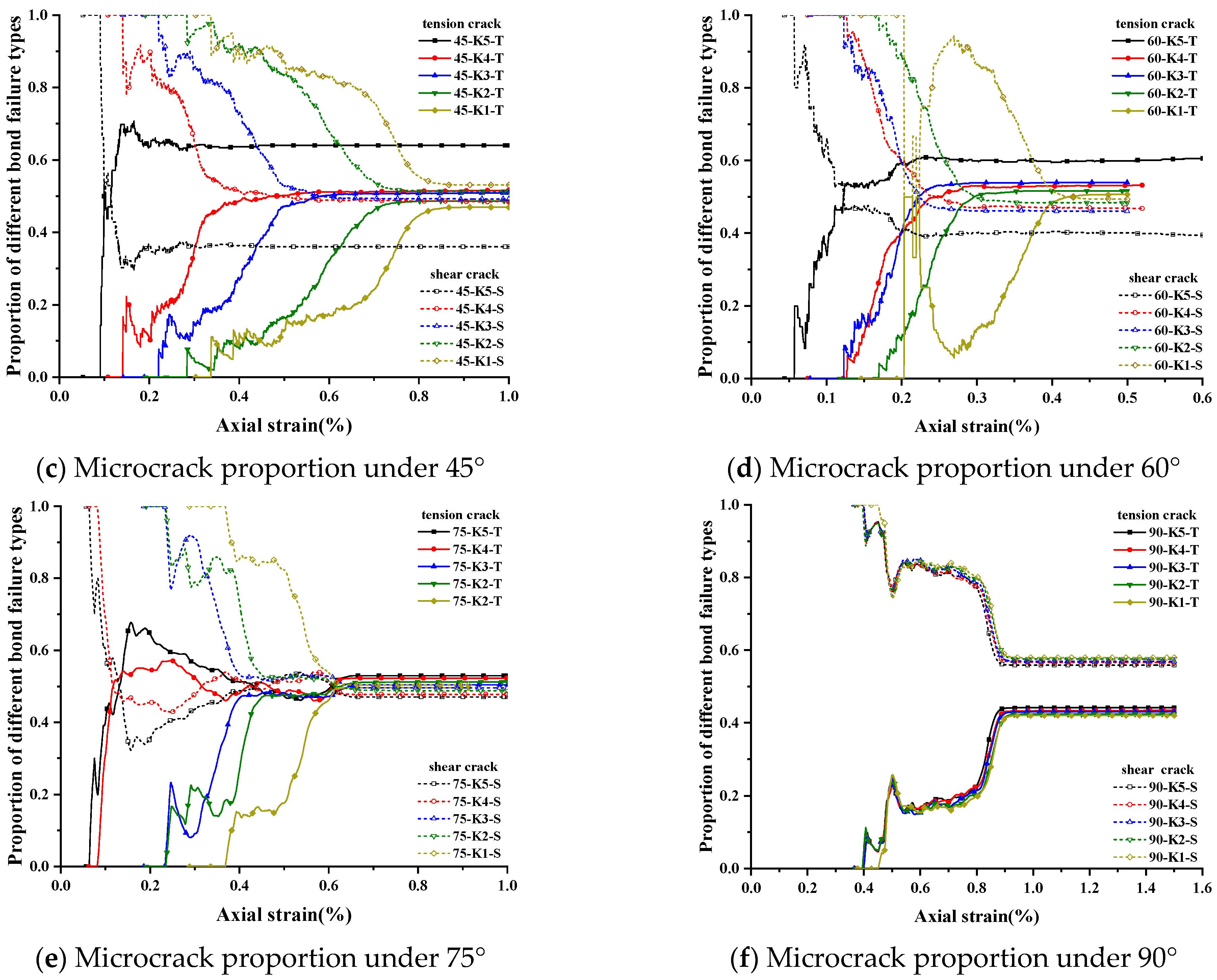
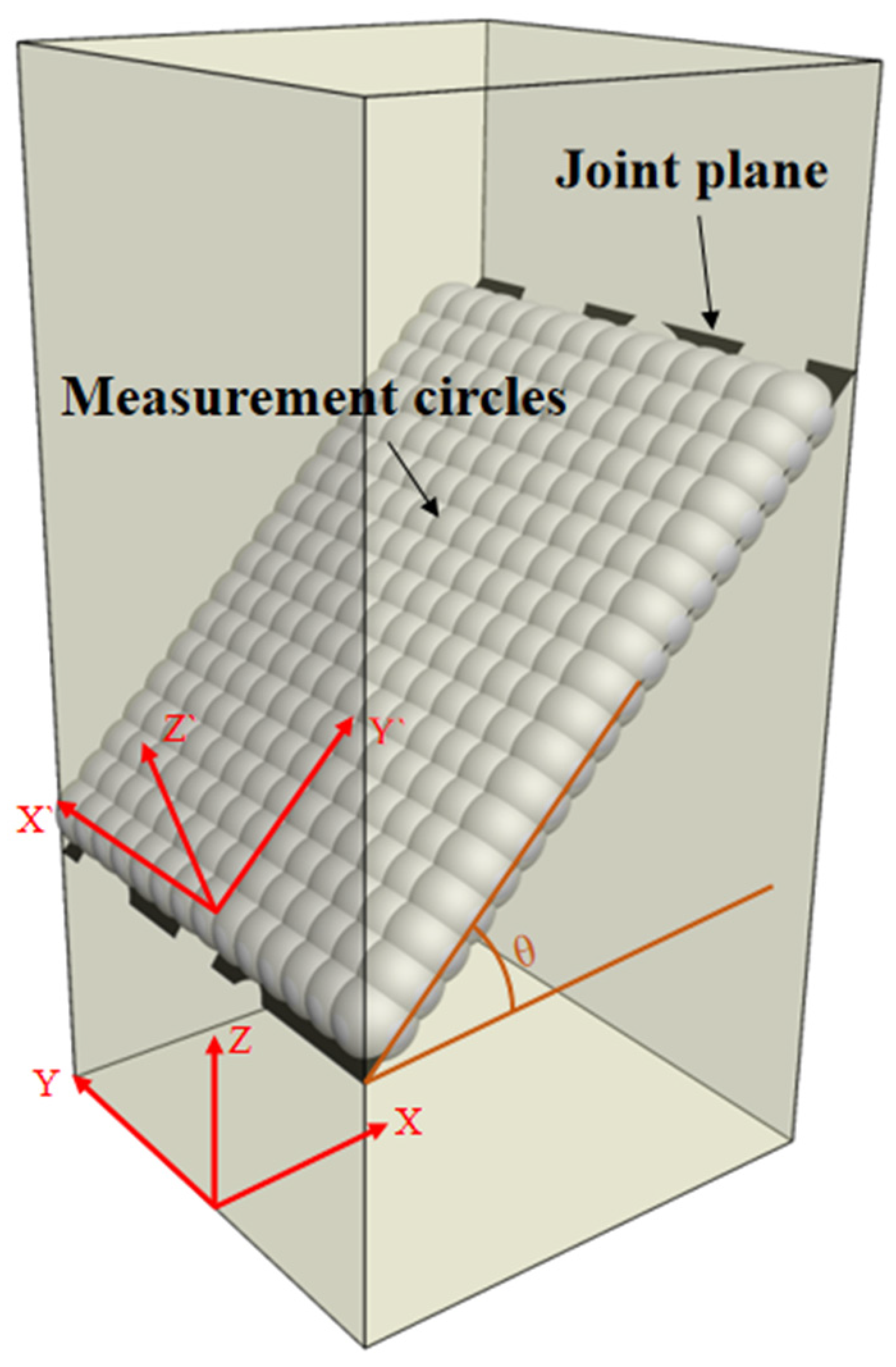
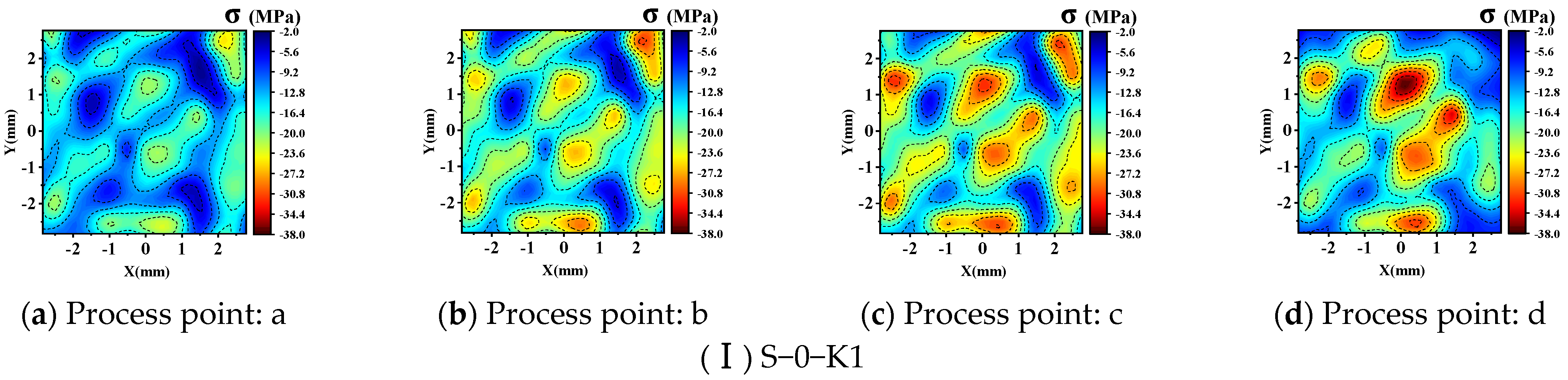
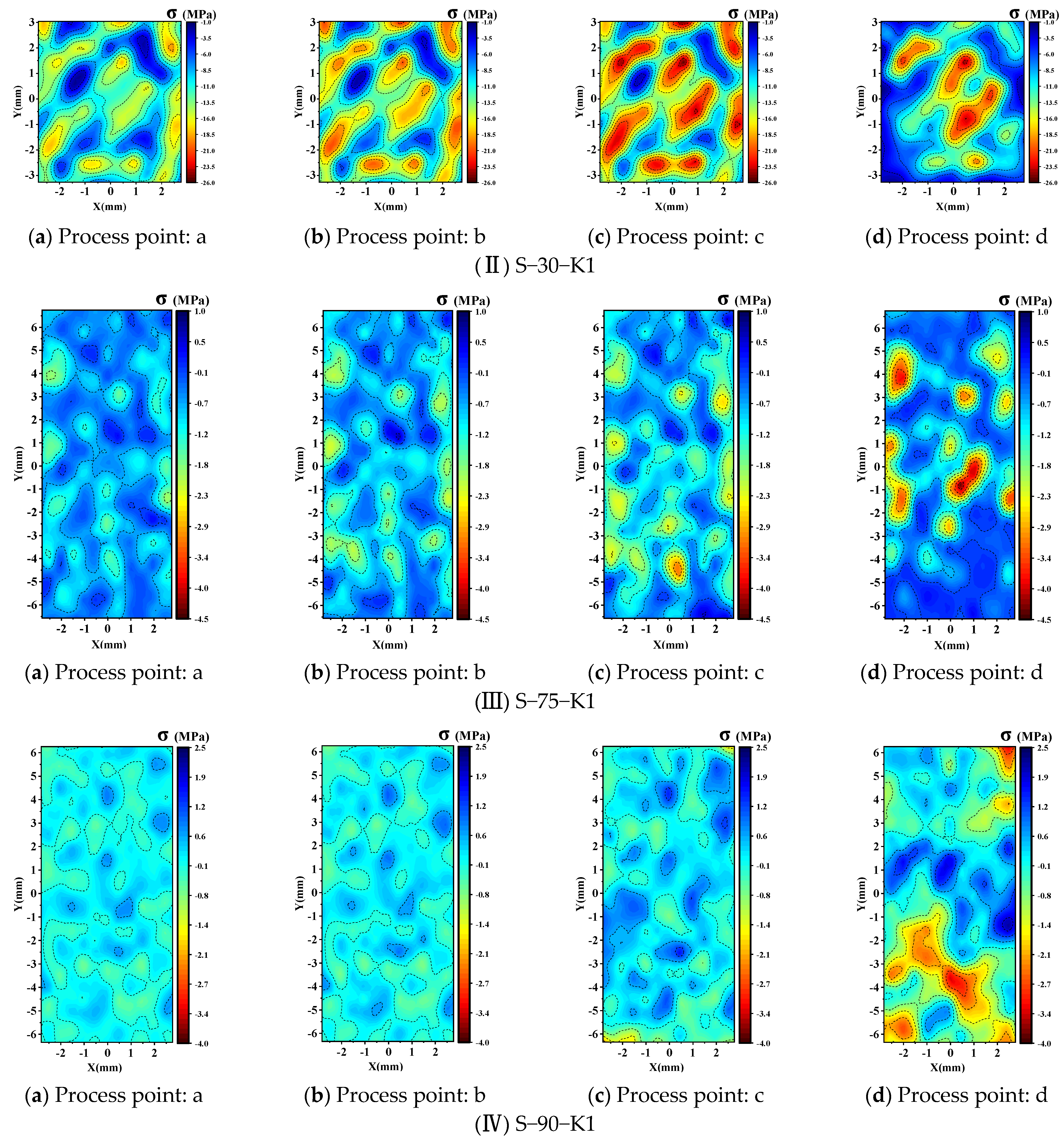
It is well known that joints or fissures have an important effect on the failure mechanism of natural rocks. Previously, many numerical and experimental papers have been carried out to study the strength anisotropy and failure characteristics of jointed rocks. However, few studies have been carried out on the failure mechanism of nonpersistent jointed rock masses with different persistence, especially for nonpersistent joints in three dimensions. In the present study, the failure characteristics of a 3D nonpersistent jointed rock mass with different inclinations (θ) and persistence (K) are studied by numerical simulation. For the 3D digital elevation model (DEM), the linear parallel bond model (LPBM) and smooth-joint model (S-J) were used to model the rock-like material and joint interface, respectively. The connections between the geometric parameters of joints and peak strength are revealed. For the peak strength, the joint persistence only plays a minor role in specimens with inclinations of 0° and 90°, and its influence on strength is mainly reflected in the specimens with shear failure (θ = 45°, 60°, and 75°). Based on microcrack accumulation and evolution, four typical failure processes (shear failure, split failure, mixed failure, and intact failure) are analysed from the micro perspective. The shear stress evolution process on the 3D nonpersistent joint of the specimen with different inclinations under K1 = 0.42 was monitored by the measurement circle, and it was found that the distribution of shear stress inside the rock bridge is related to the failure mode of the specimen. For the specimens with θ = 0° and 90°, the shear stress had little change, indicating that there is slight shear slip behaviour on the joint surface. When the inclination is 45°, 60°, and 75°, the shear stress changes obviously during loading, indicating that the shear action is strong in this failure mode.
Keywords: three-dimensional nonpersistent joint; crack initiation; failure characteristic; shear stress; numerical simulation three-dimensional nonpersistent joint; crack initiation; failure characteristic; shear stress; numerical simulation