Article

An Improved Method for Evaluating Image Sharpness Based on Edge Information
College of Intelligence Science and Technology, National University of Defense Technology, Changsha 410073, China
*
Author to whom correspondence should be addressed.
Appl. Sci. 2022, 12(13), 6712; https://doi.org/10.3390/app12136712
Submission received: 8 June 2022 / Revised: 29 June 2022 / Accepted: 30 June 2022 / Published: 2 July 2022
(This article belongs to the Topic Computer Vision and Image Processing)

Abstract

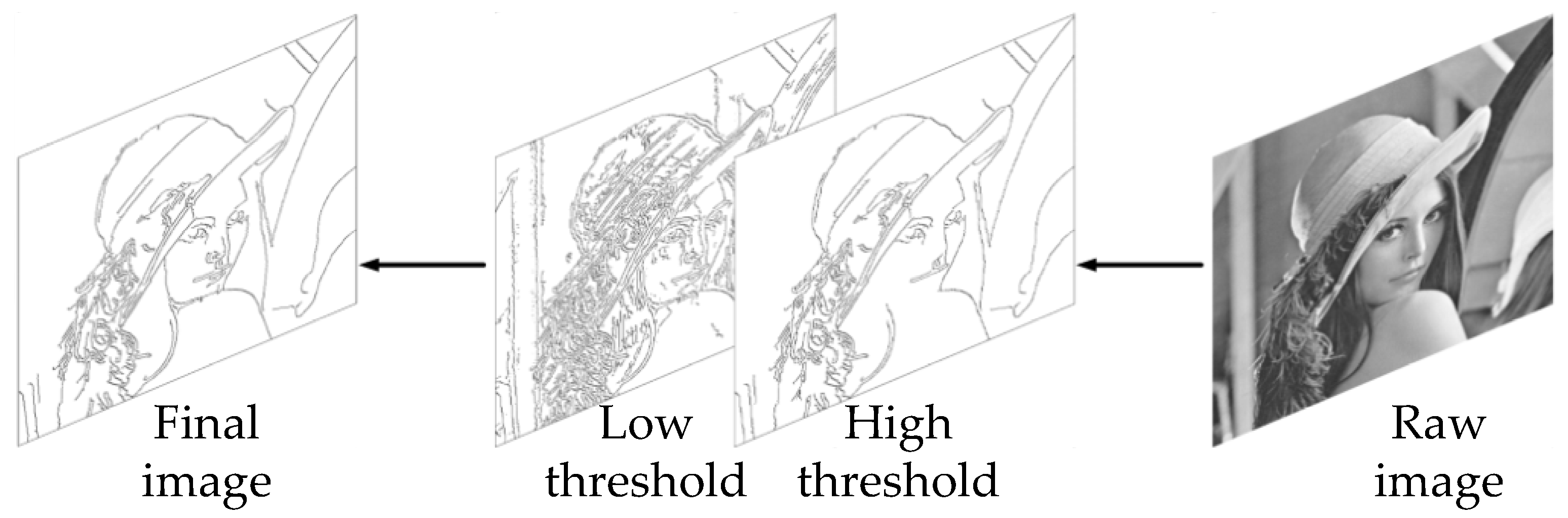
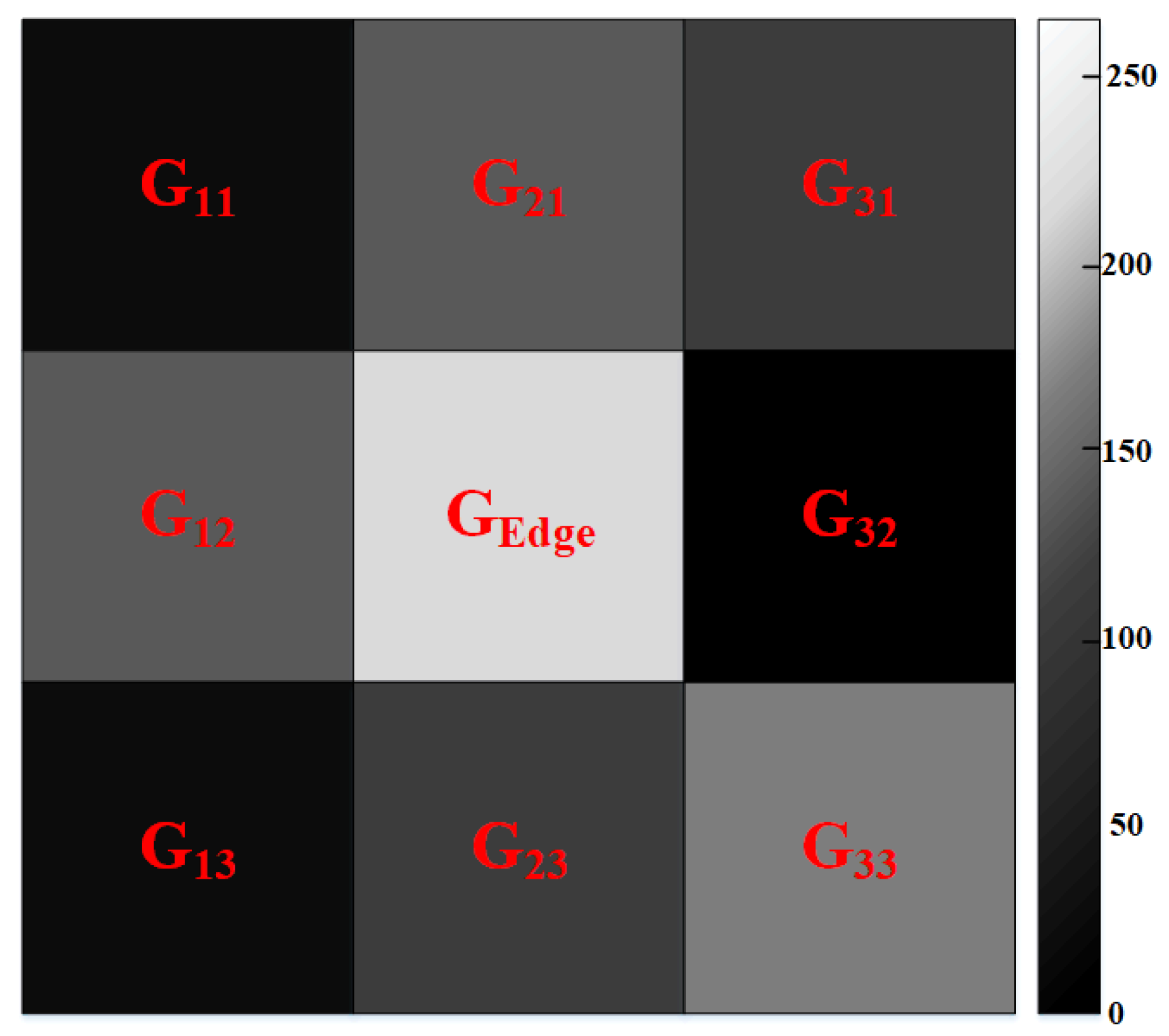
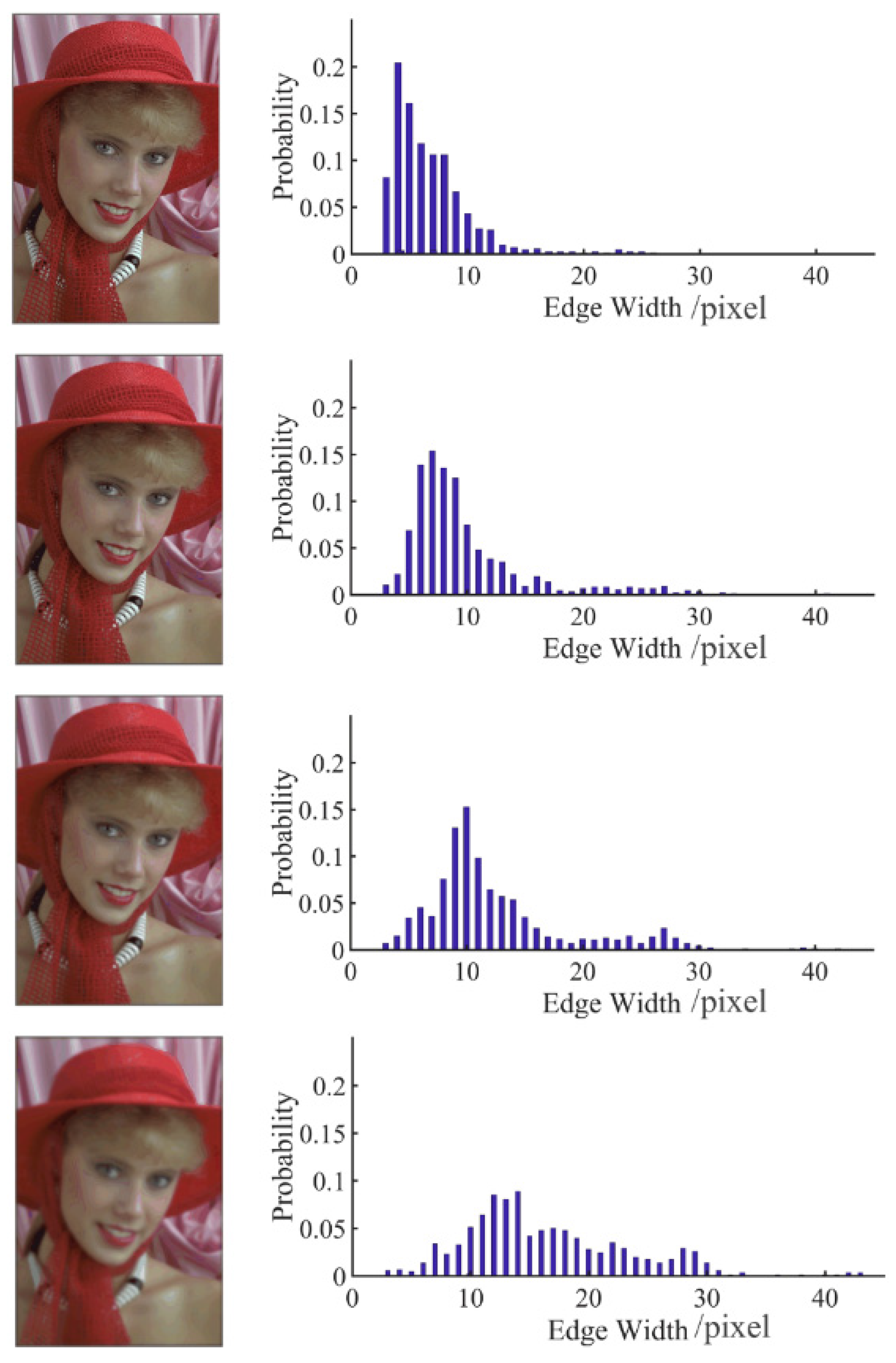
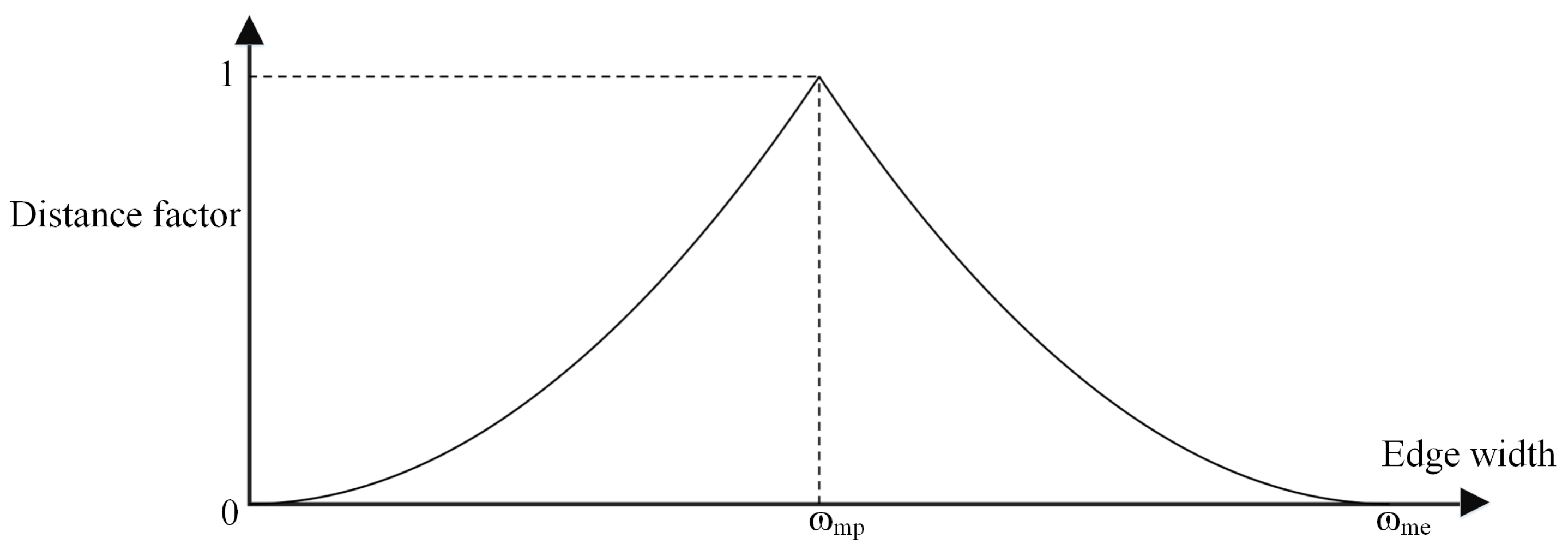
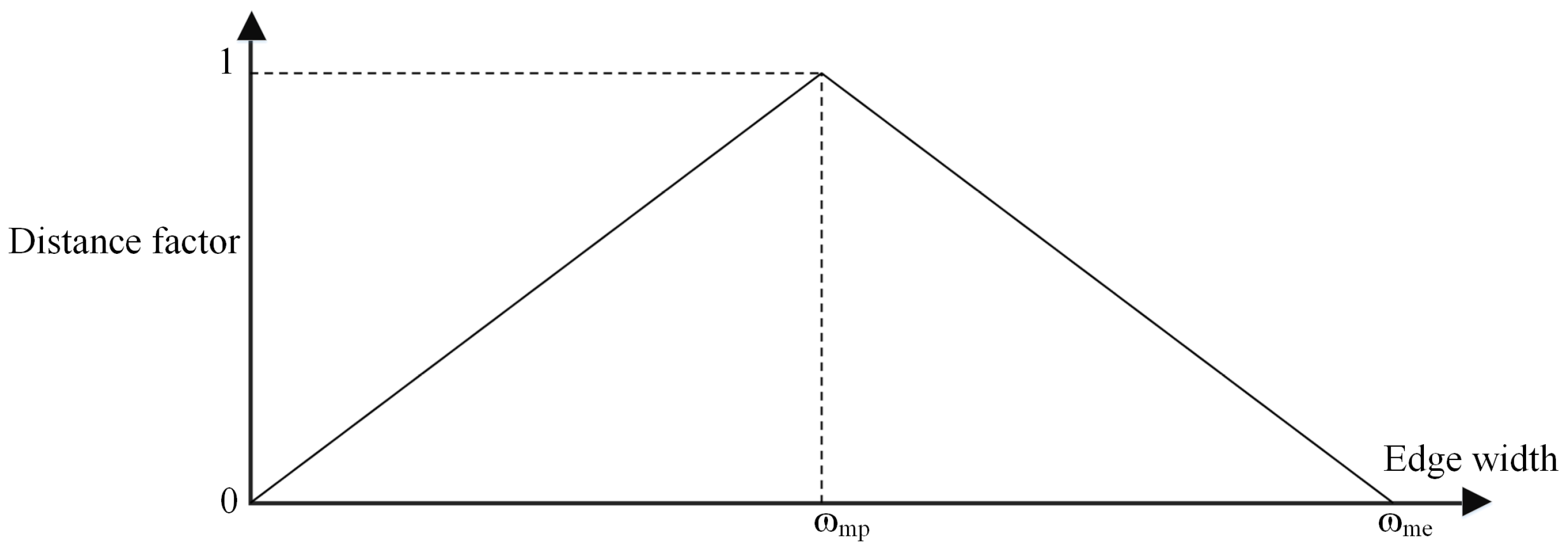
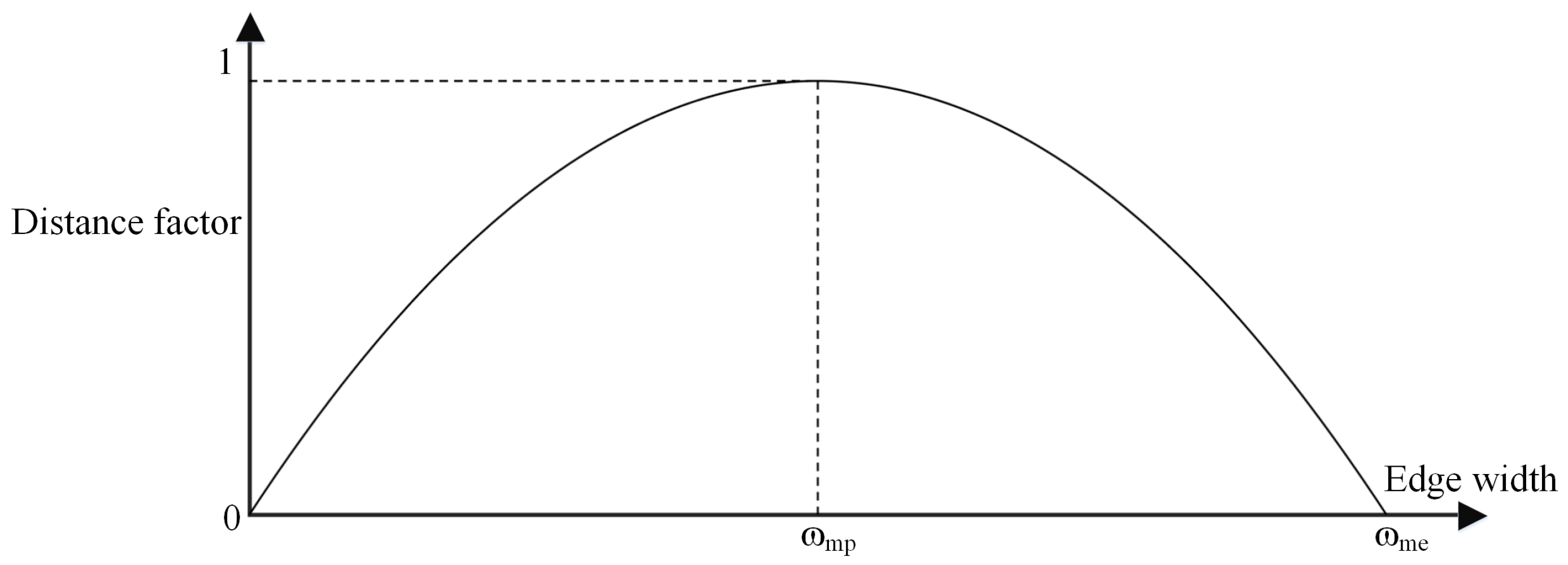
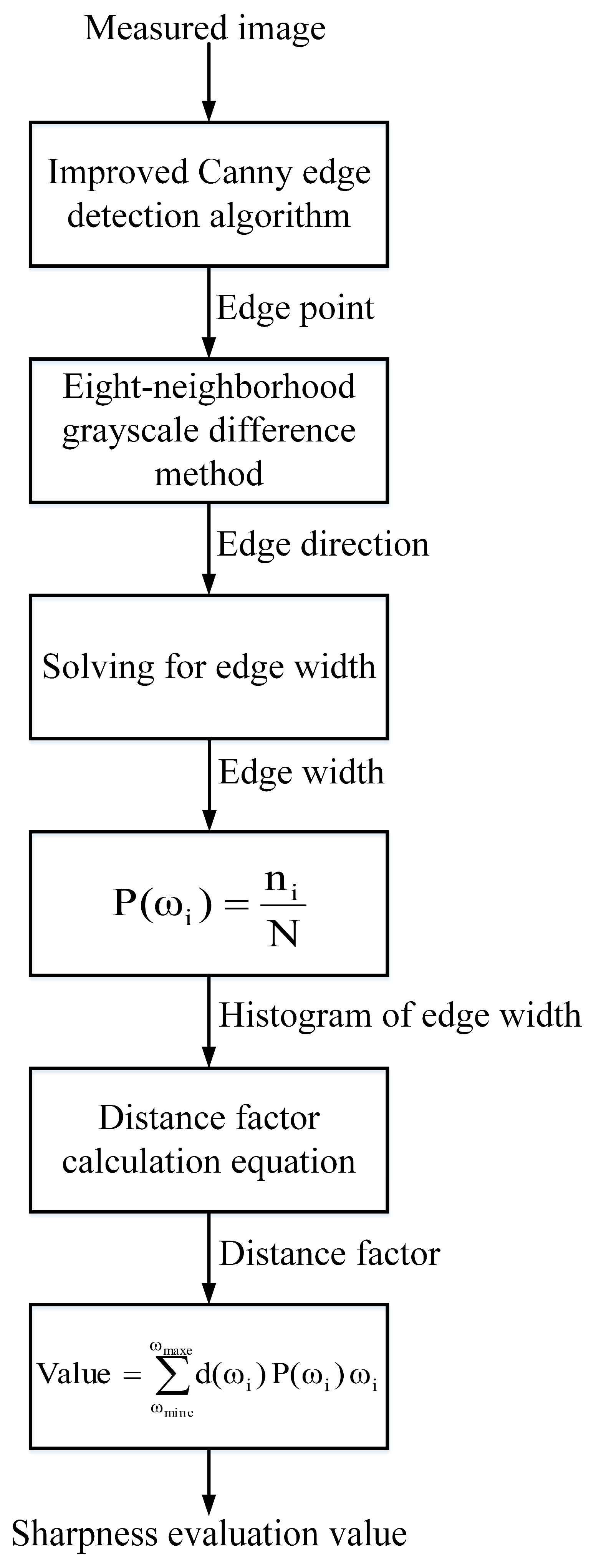
In order to improve the subjective and objective consistency of image sharpness evaluation while meeting the requirement of image content irrelevance, this paper proposes an improved sharpness evaluation method without a reference image. First, the positions of the edge points are obtained by a Canny edge detection algorithm based on the activation mechanism. Then, the edge direction detection algorithm based on the grayscale information of the eight neighboring pixels is used to acquire the edge direction of each edge point. Further, the edge width is solved to establish the histogram of edge width. Finally, according to the performance of three distance factors based on the histogram information, the type 3 distance factor is introduced into the weighted average edge width solving model to obtain the sharpness evaluation index. The image sharpness evaluation method proposed in this paper was tested on the LIVE database. The test results were as follows: the Pearson linear correlation coefficient (CC) was 0.9346, the root mean square error (RMSE) was 5.78, the mean absolute error (MAE) was 4.9383, the Spearman rank-order correlation coefficient (ROCC) was 0.9373, and the outlier rate (OR) as 0. In addition, through a comparative analysis with two other methods and a real shooting experiment, the superiority and effectiveness of the proposed method in performance were verified.
Keywords: image sharpness; no-reference; eight-neighborhood algorithm; edge width; distance factor image sharpness; no-reference; eight-neighborhood algorithm; edge width; distance factor