Article

Study on Underwater Target Tracking Technology Based on an LSTM–Kalman Filtering Method
1
Ocean Engineering Research Center, Hangzhou Dianzi University, Hangzhou 310018, China
2
School of Mechanical Engineering, Hangzhou Dianzi University, Hangzhou 310018, China
*
Author to whom correspondence should be addressed.
Appl. Sci. 2022, 12(10), 5233; https://doi.org/10.3390/app12105233
Submission received: 7 April 2022 / Revised: 20 May 2022 / Accepted: 20 May 2022 / Published: 22 May 2022
(This article belongs to the Special Issue Deep Learning for Signal Processing Applications)

Abstract

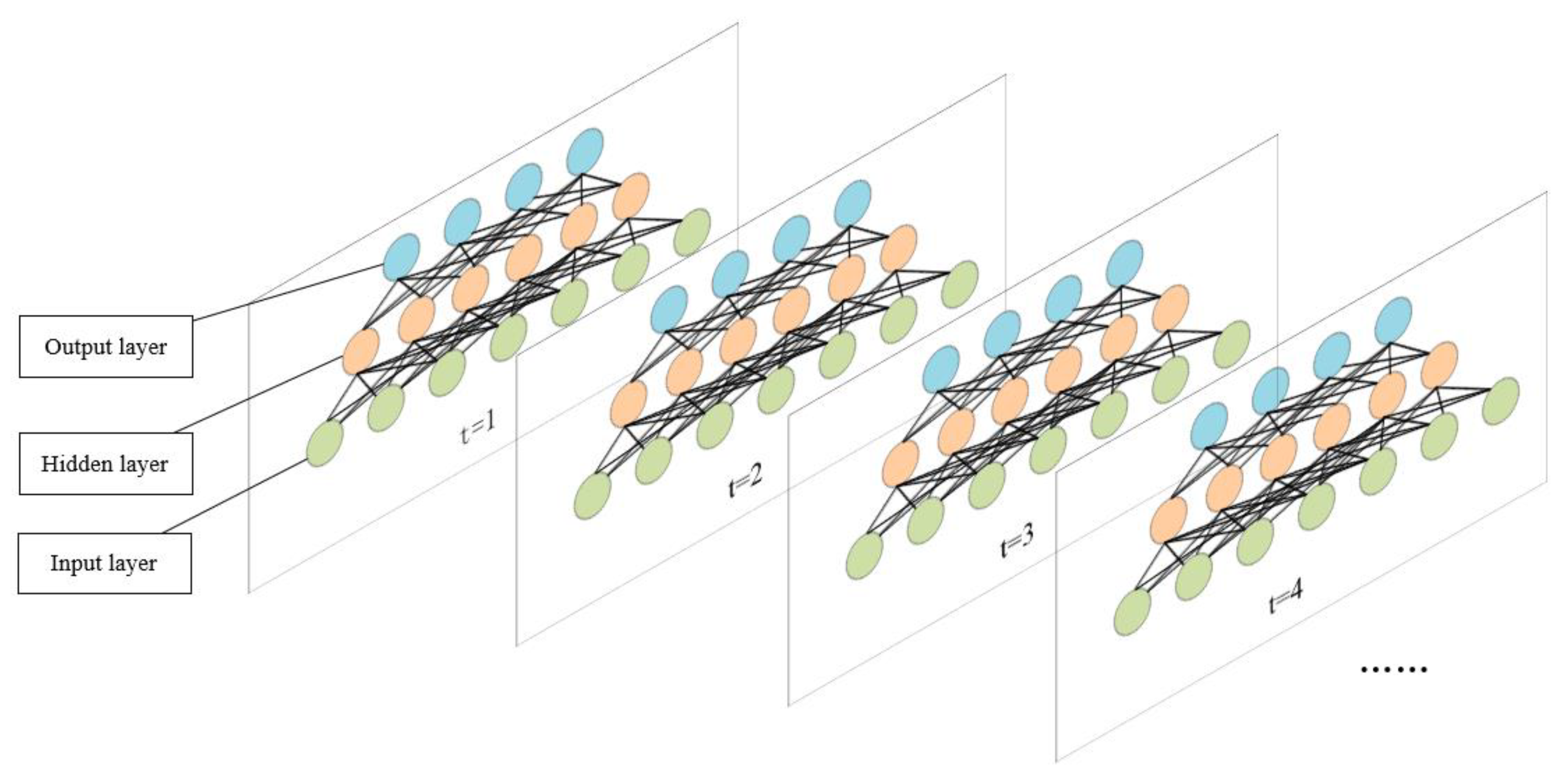
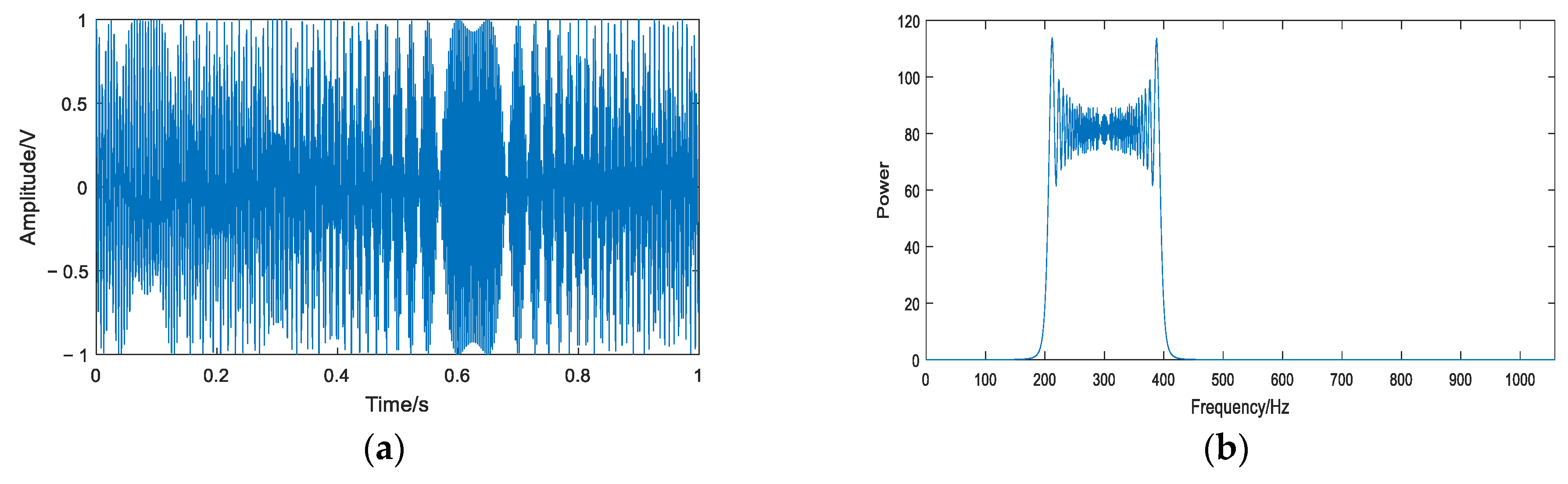
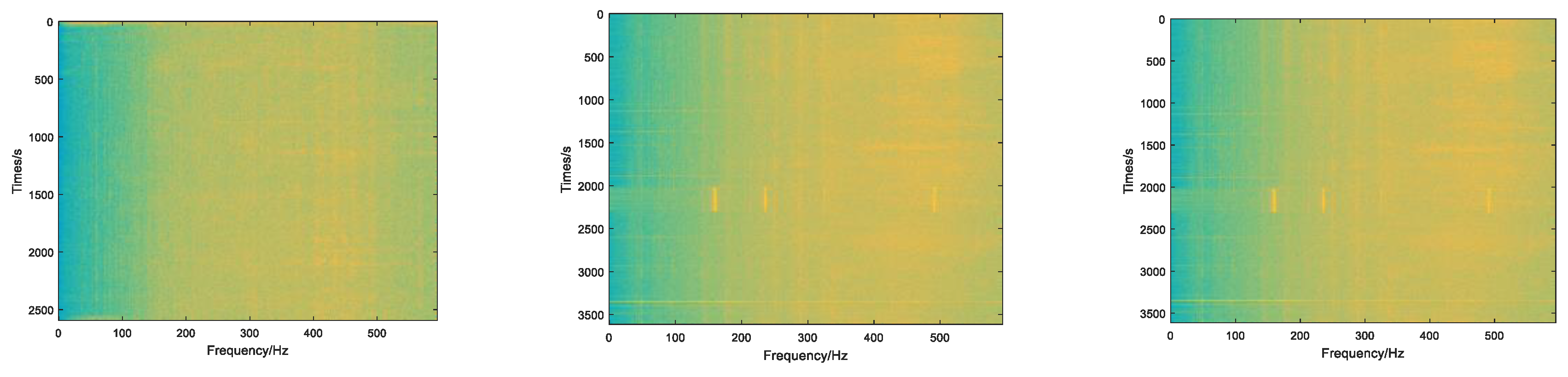
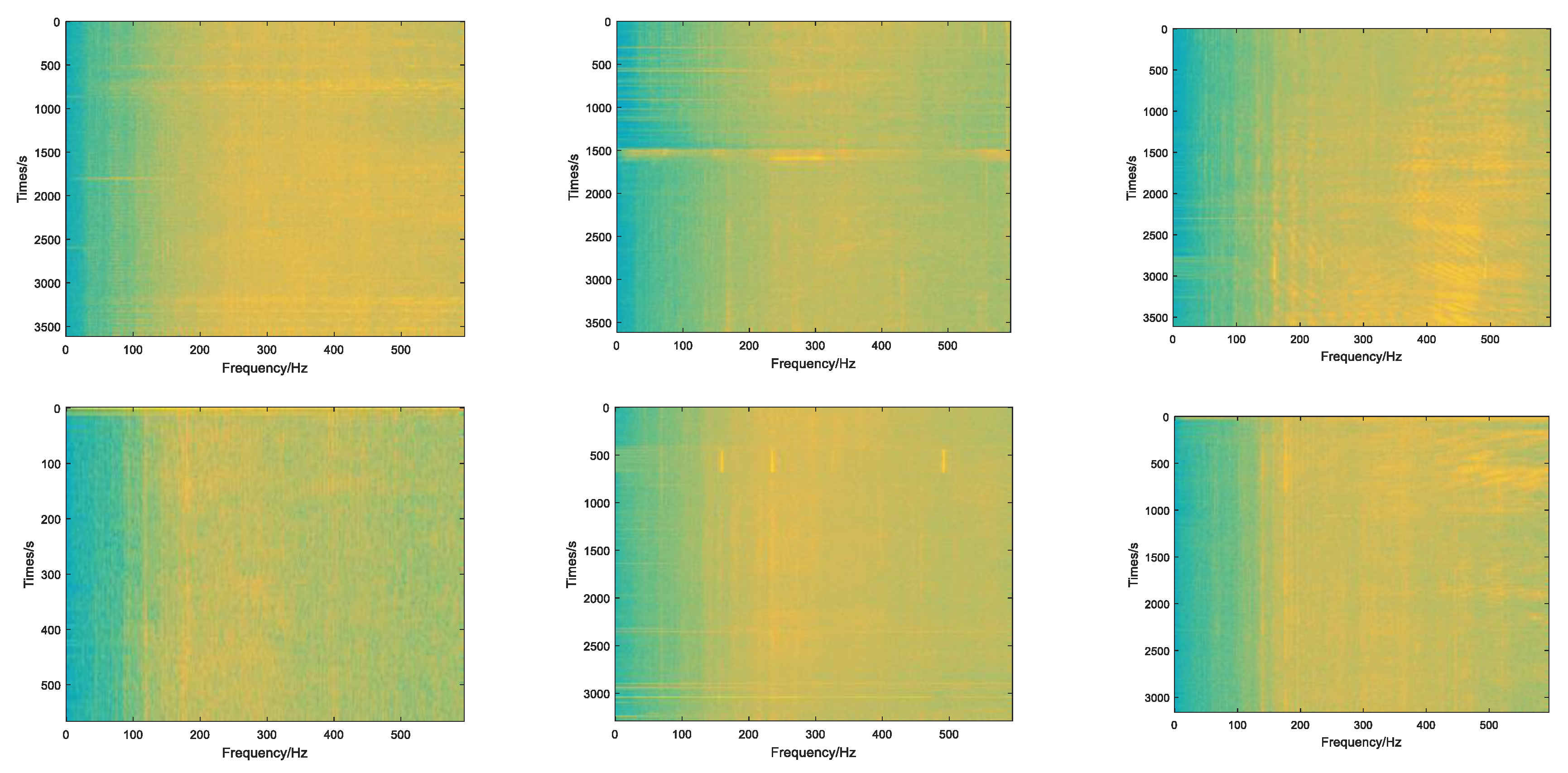
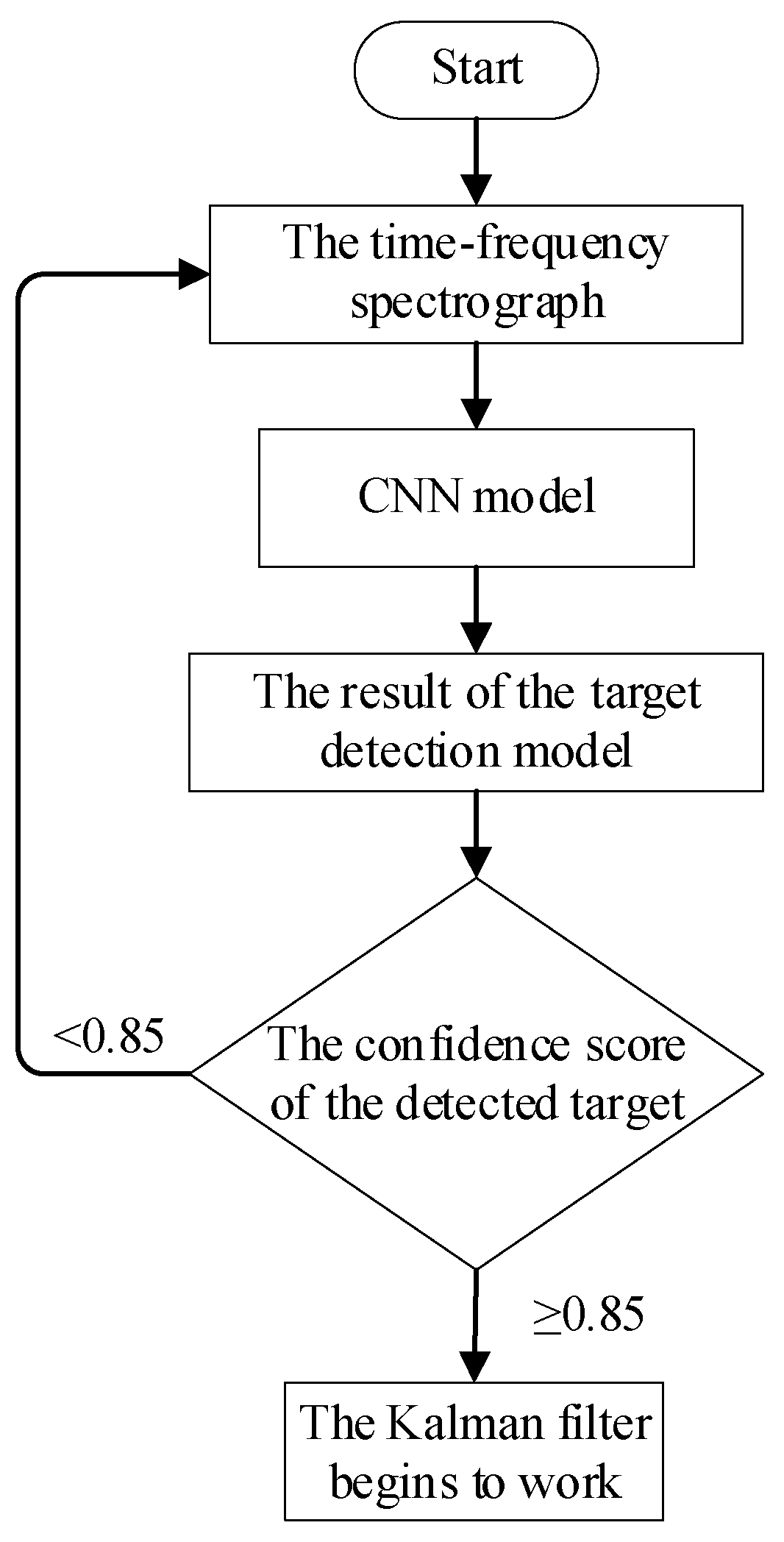
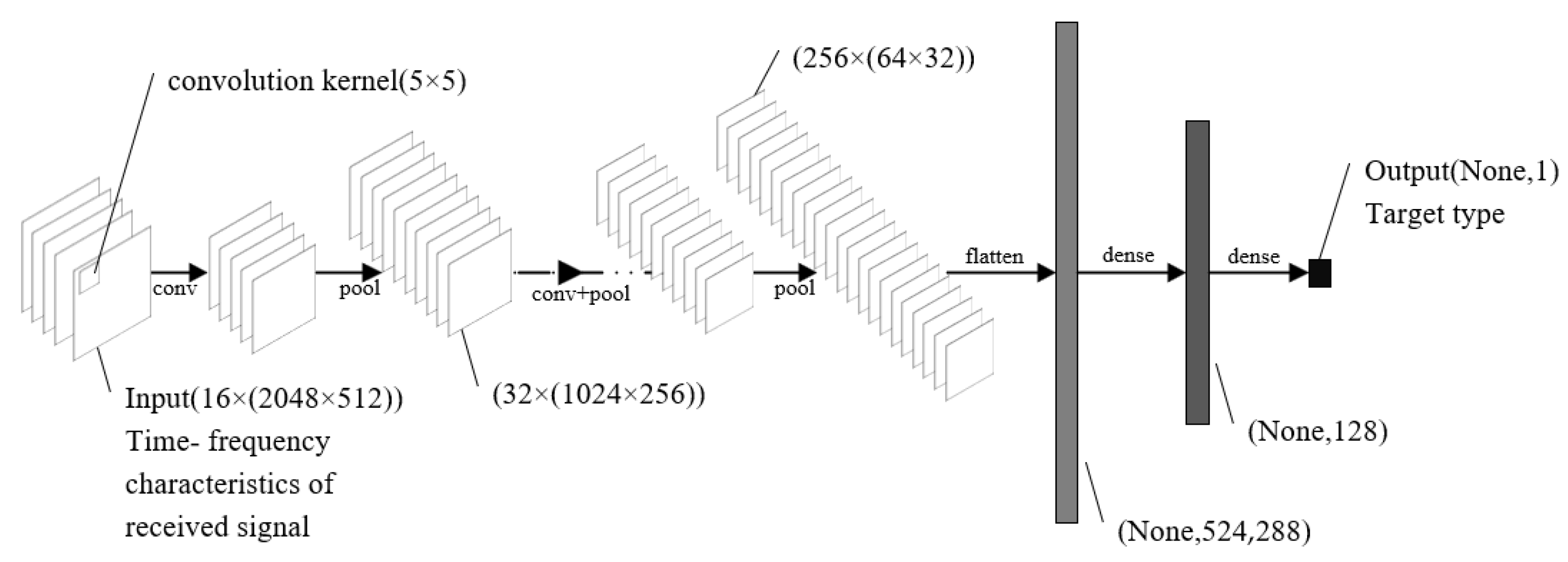
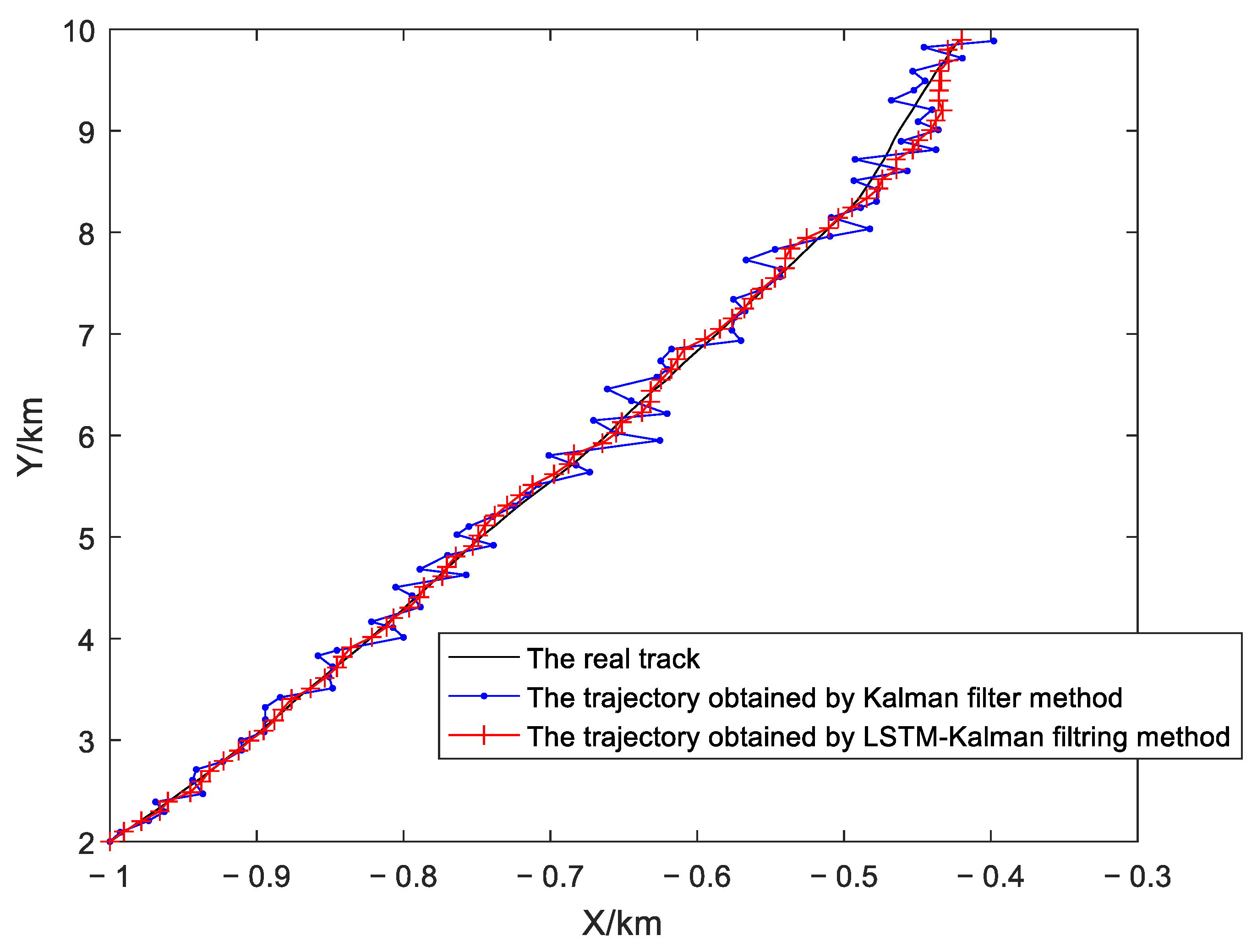
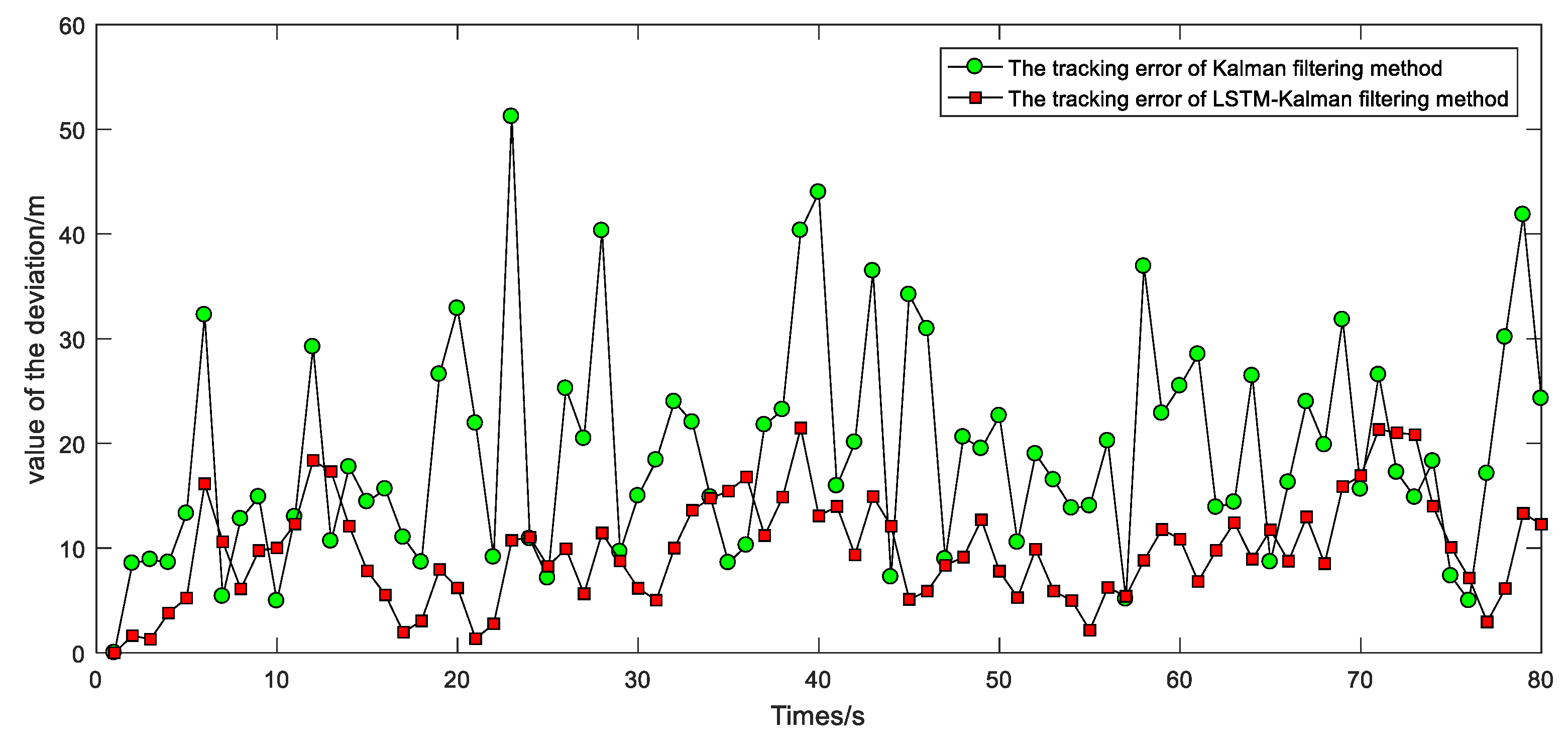
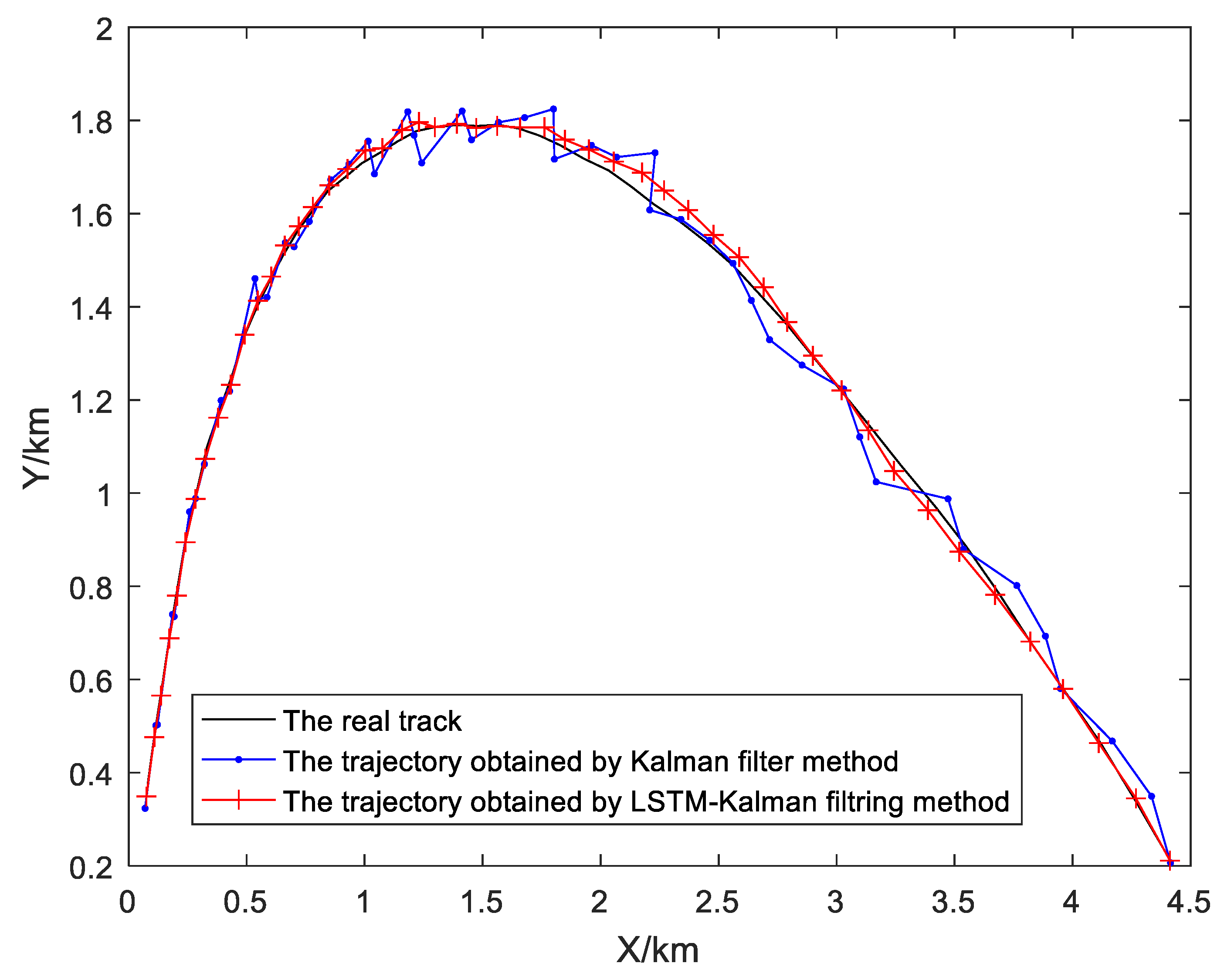
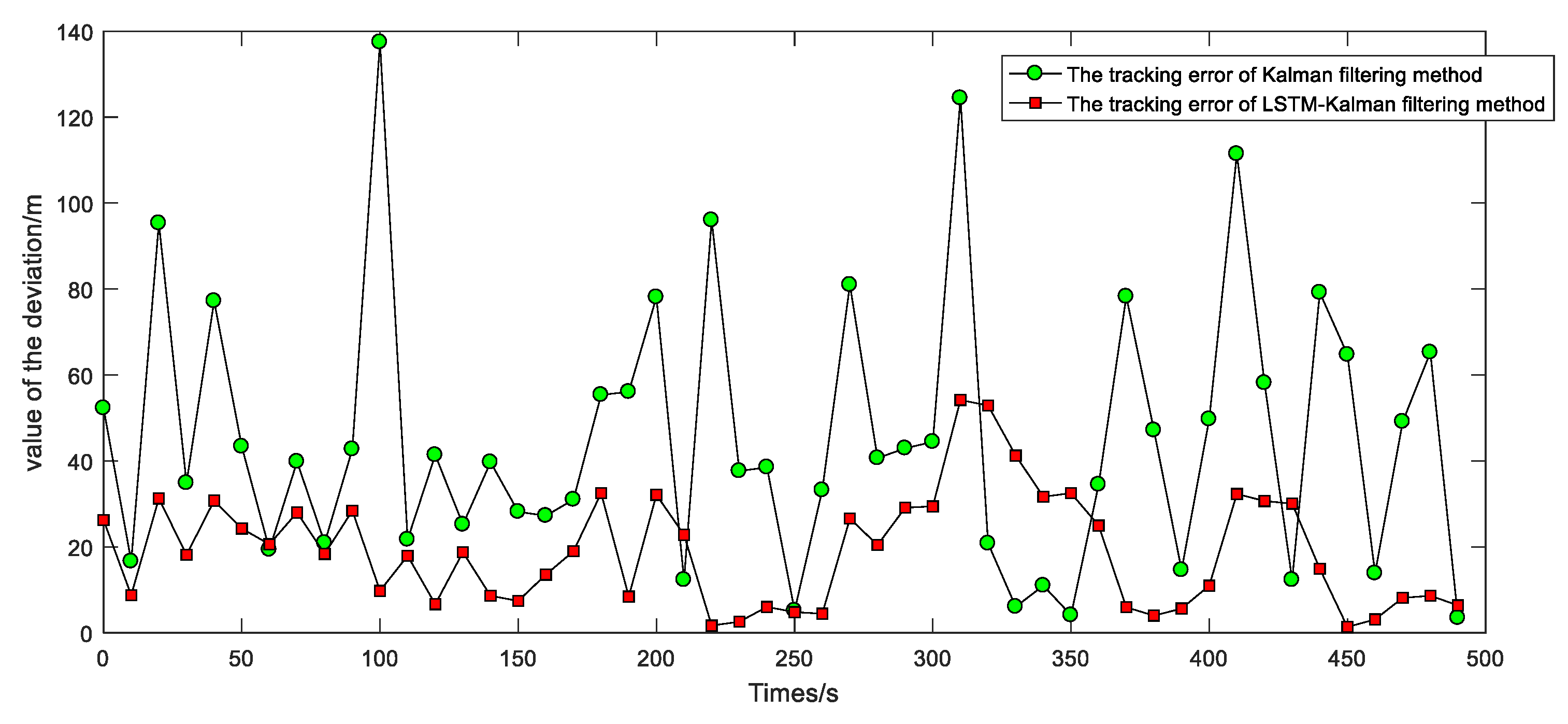
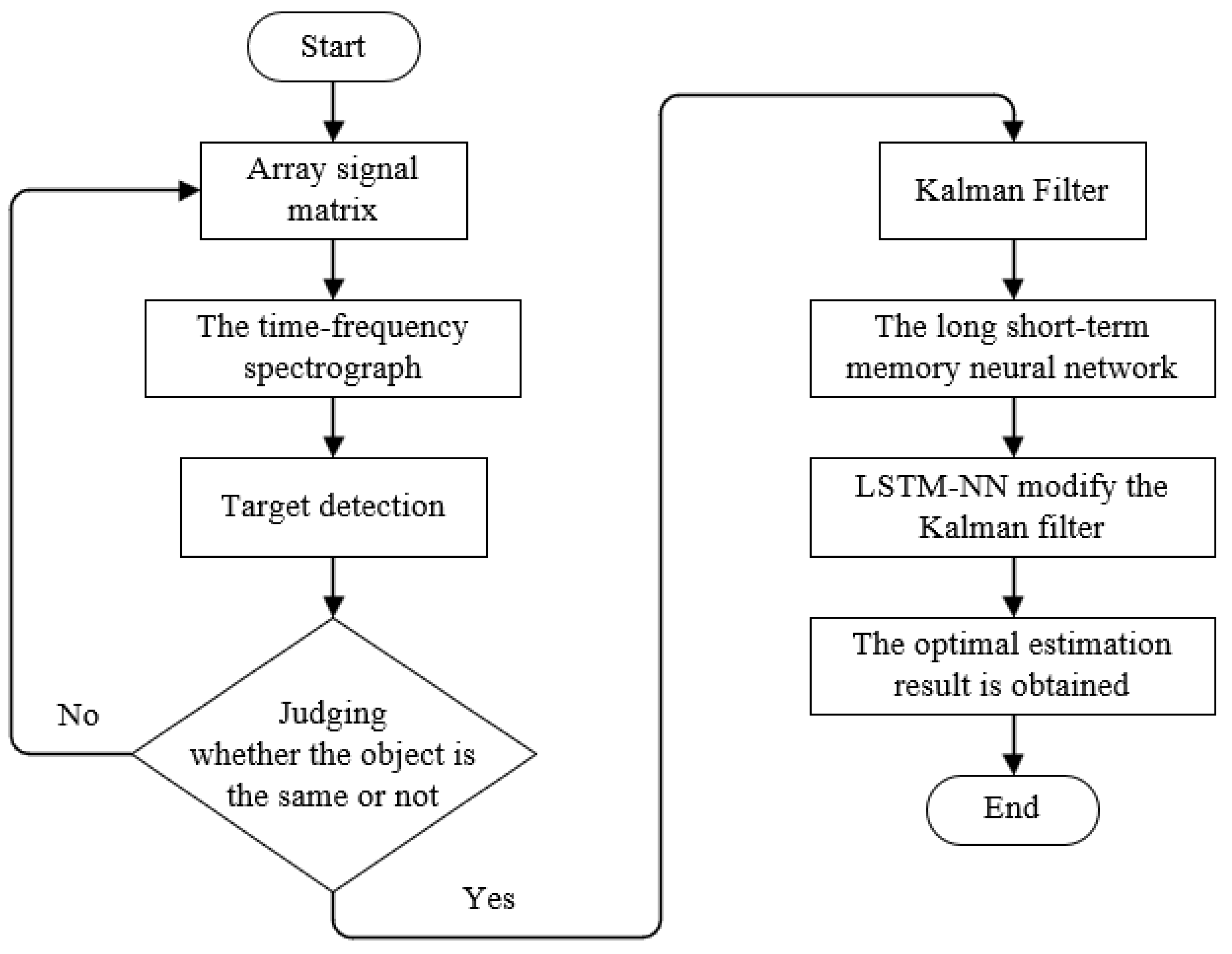
In the marine environment, underwater targets are often affected by interference from other targets and environmental fluctuations, so traditional target tracking methods are difficult to use for tracking underwater targets stably and accurately. Among the traditional methods, the Kalman filtering method is widely used; however, it only has advantages in solving linear problems and it is difficult to use to realize effective tracking problems when the trajectory of the moving target is nonlinear. Aiming to solve this limitation, an LSTM–Kalman filtering method was proposed, which can efficiently solve the problem of overly large deviations in underwater target tracking. Using this method, we first studied the features of typical underwater targets and, according to these rules, constructed the corresponding target dataset. Second, we built a convolutional neural network (CNN) model to detect the target and determine the tracking value of the moving target. We used a long-term and short-term memory artificial neural network (LSTM-NN) to modify the Kalman filter to predict the azimuth and distance of the target and to update it iteratively. Then, we verified the new method using simulation tests and the measured data from an acoustic sea trial. The results showed that compared to the traditional Kalman filtering method, the relative error of the LSTM–Kalman filtering method was reduced by 60% in the simulation tests and 72.25% in the sea trial and that the estimation variance was only 4.79. These results indicate that the method that is proposed in this paper achieves good prediction results and a high prediction efficiency for underwater target tracking.
Keywords: target tracking; LSTM–Kalman filtering; underwater target; active sonar target tracking; LSTM–Kalman filtering; underwater target; active sonar