Article

Personalized Augmented Reality Based Tourism System: Big Data and User Demographic Contexts
by
Soheil Rezaee
1,†,
Abolghasem Sadeghi-Niaraki
1,2,*,†,
Maryam Shakeri
1 and
Soo-Mi Choi
2
1
Geoinformation Technology Center of Excellence, Faculty of Geodesy and Geomatics Engineering, K.N. Toosi University of Technology, Tehran 19697, Iran
2
Deptartment of Computer Science and Engineering and Convergence Engineering for Intelligent Drone, Sejong University, Seoul 143-747, Korea
*
Author to whom correspondence should be addressed.
These authors contributed equally to this work.
Appl. Sci. 2021, 11(13), 6047; https://doi.org/10.3390/app11136047
Submission received: 31 May 2021 / Revised: 21 June 2021 / Accepted: 22 June 2021 / Published: 29 June 2021
(This article belongs to the Collection Virtual and Augmented Reality Systems)

Abstract

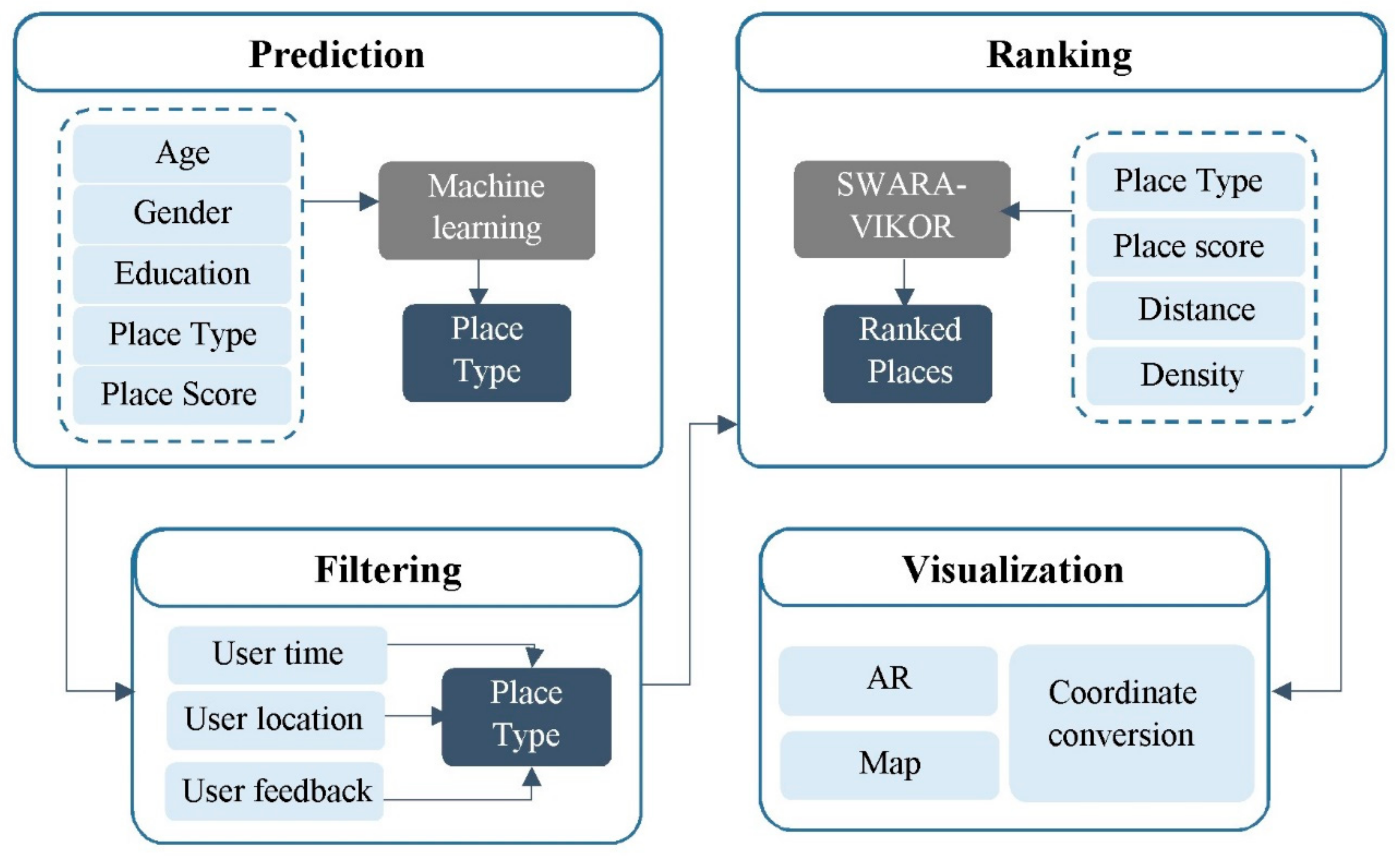
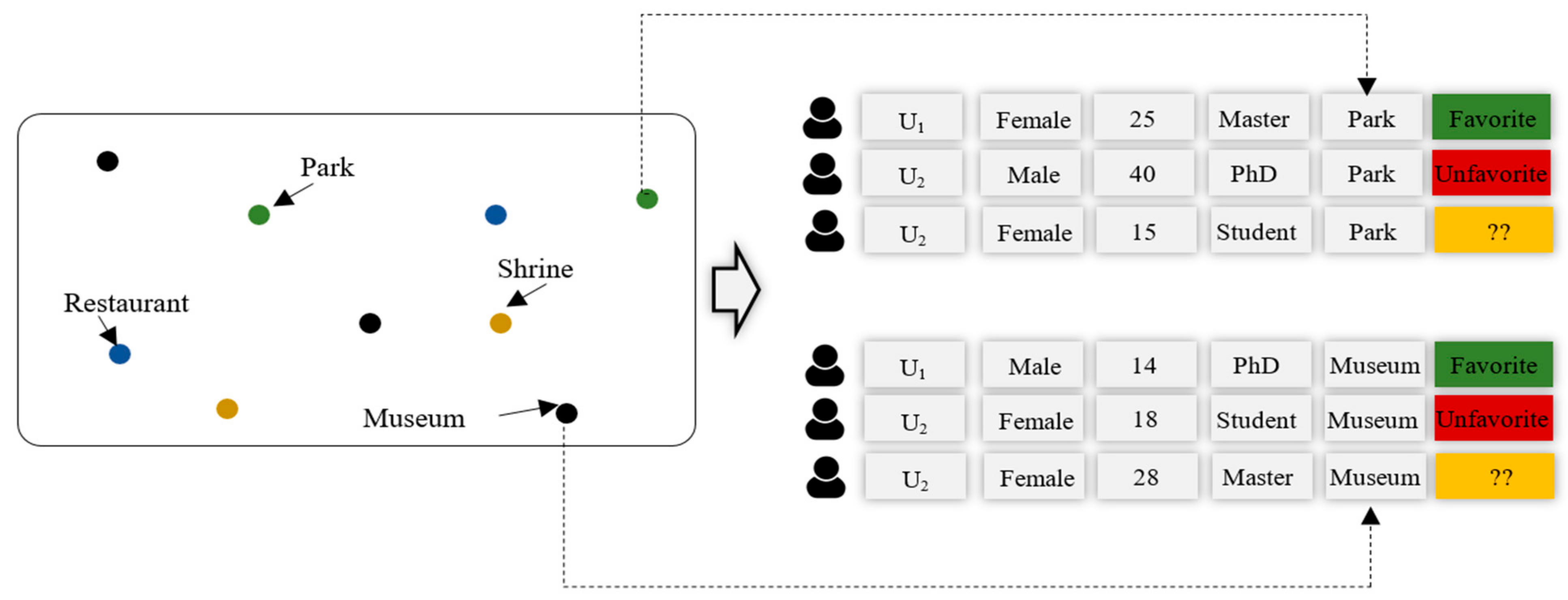
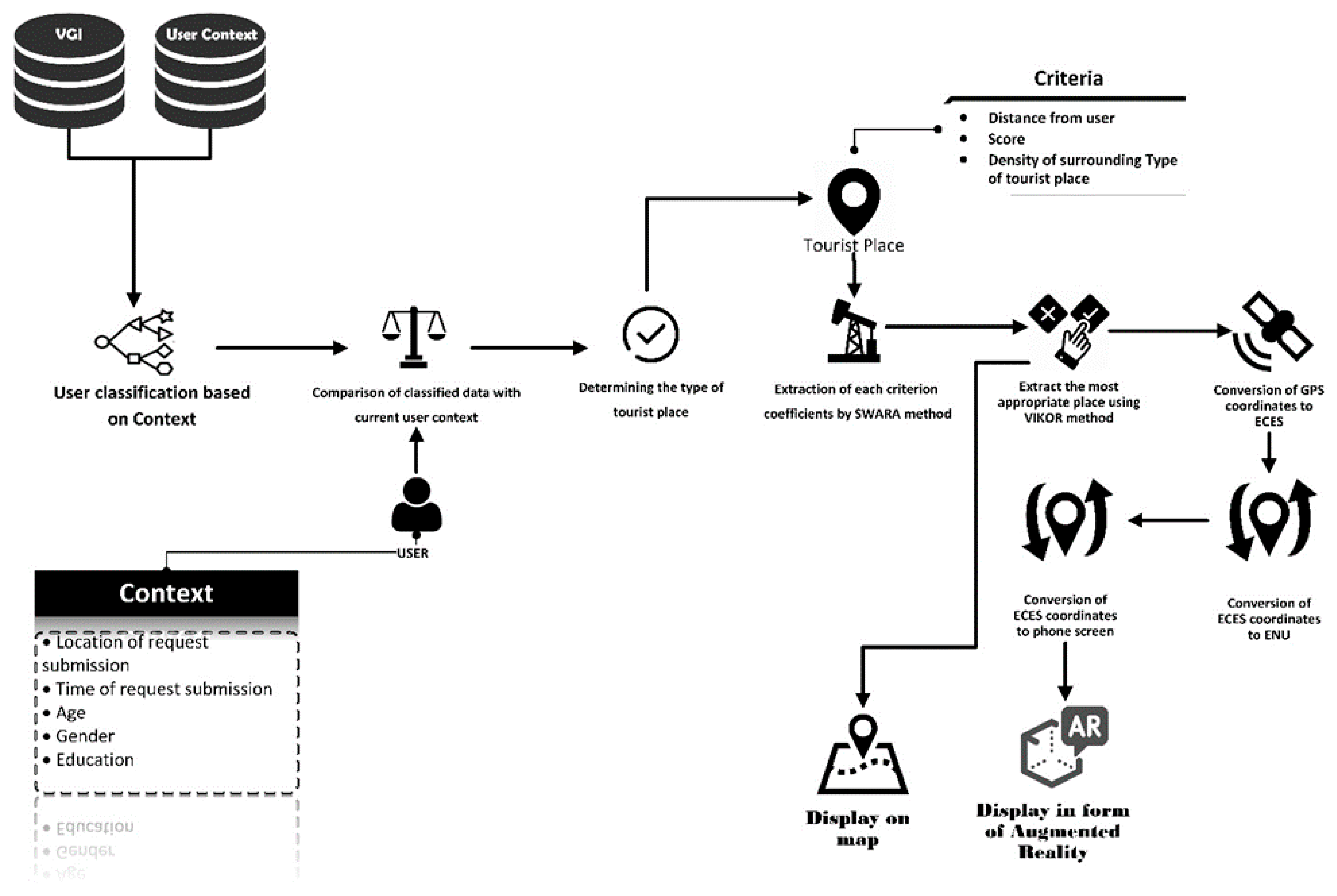
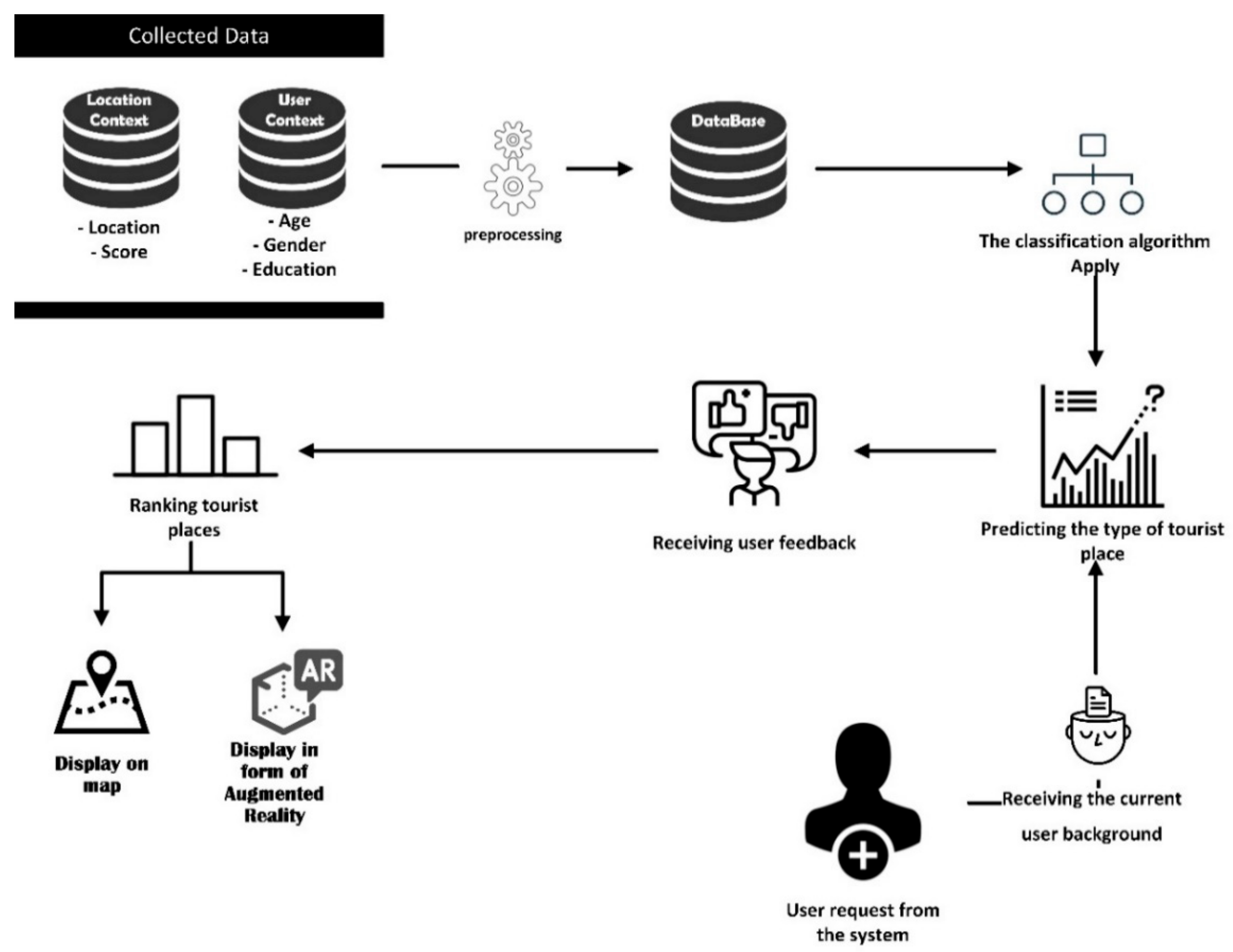
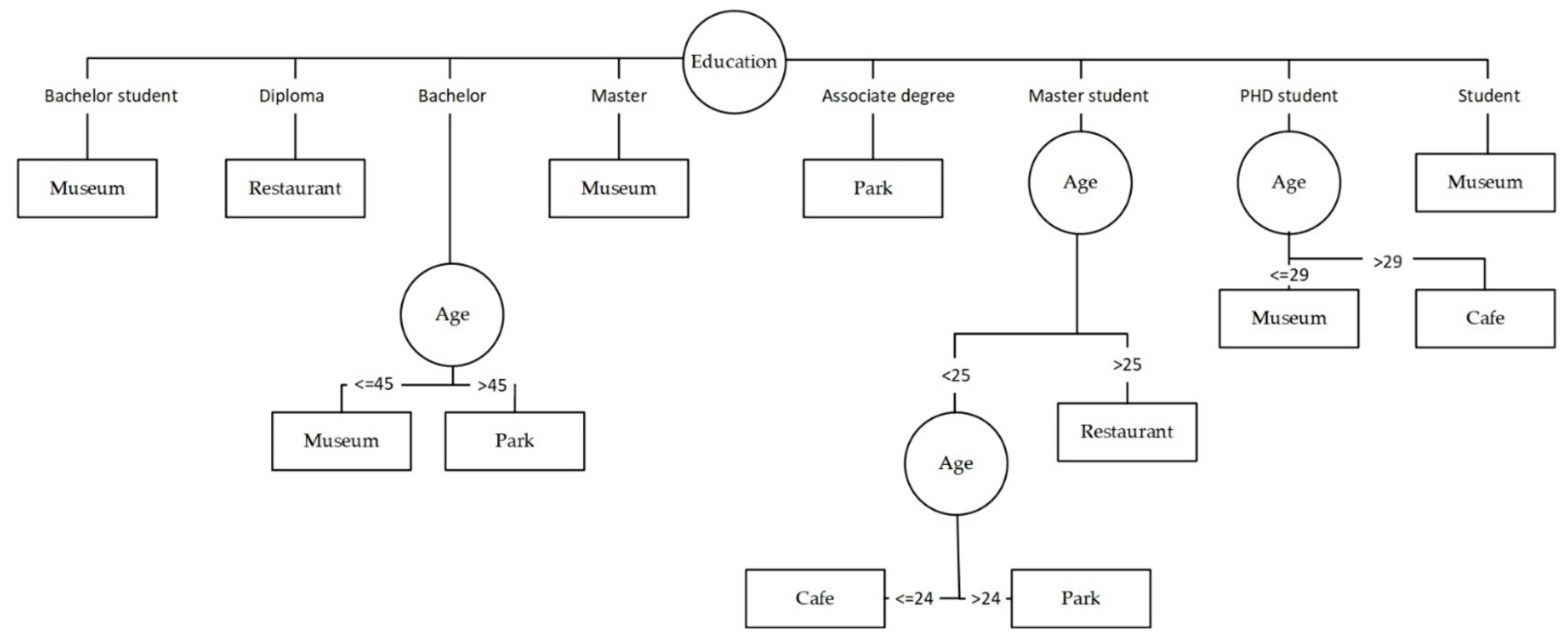
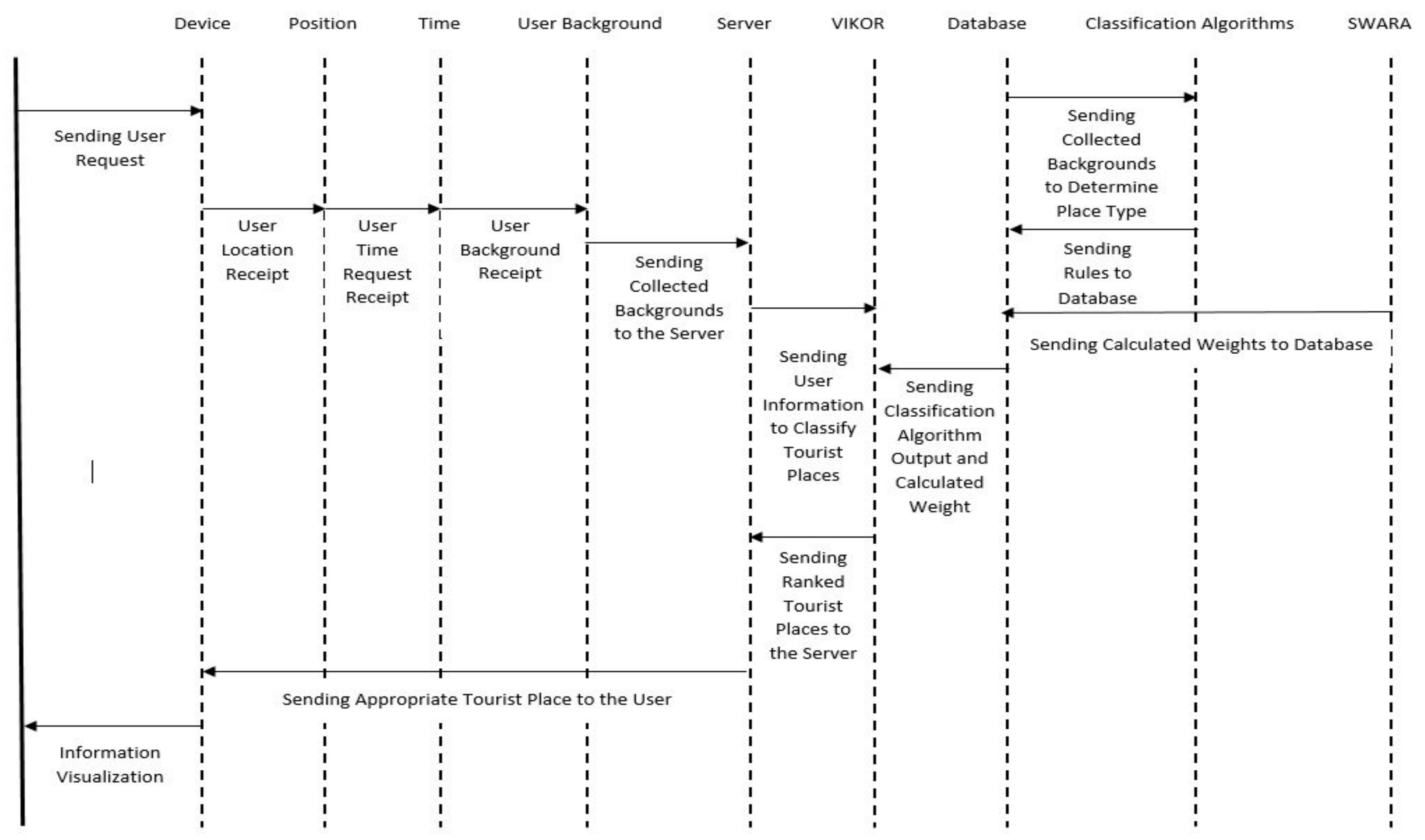
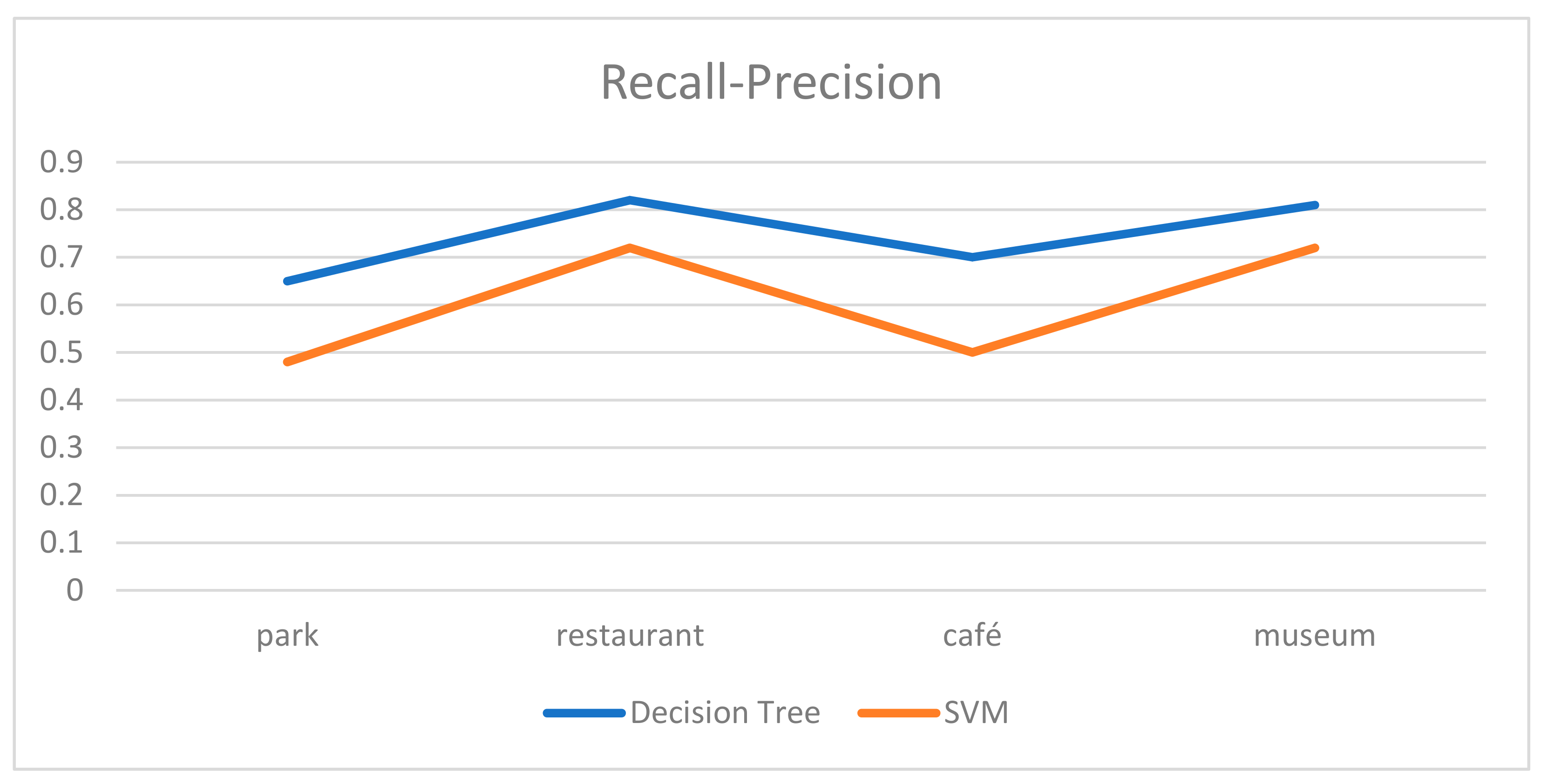
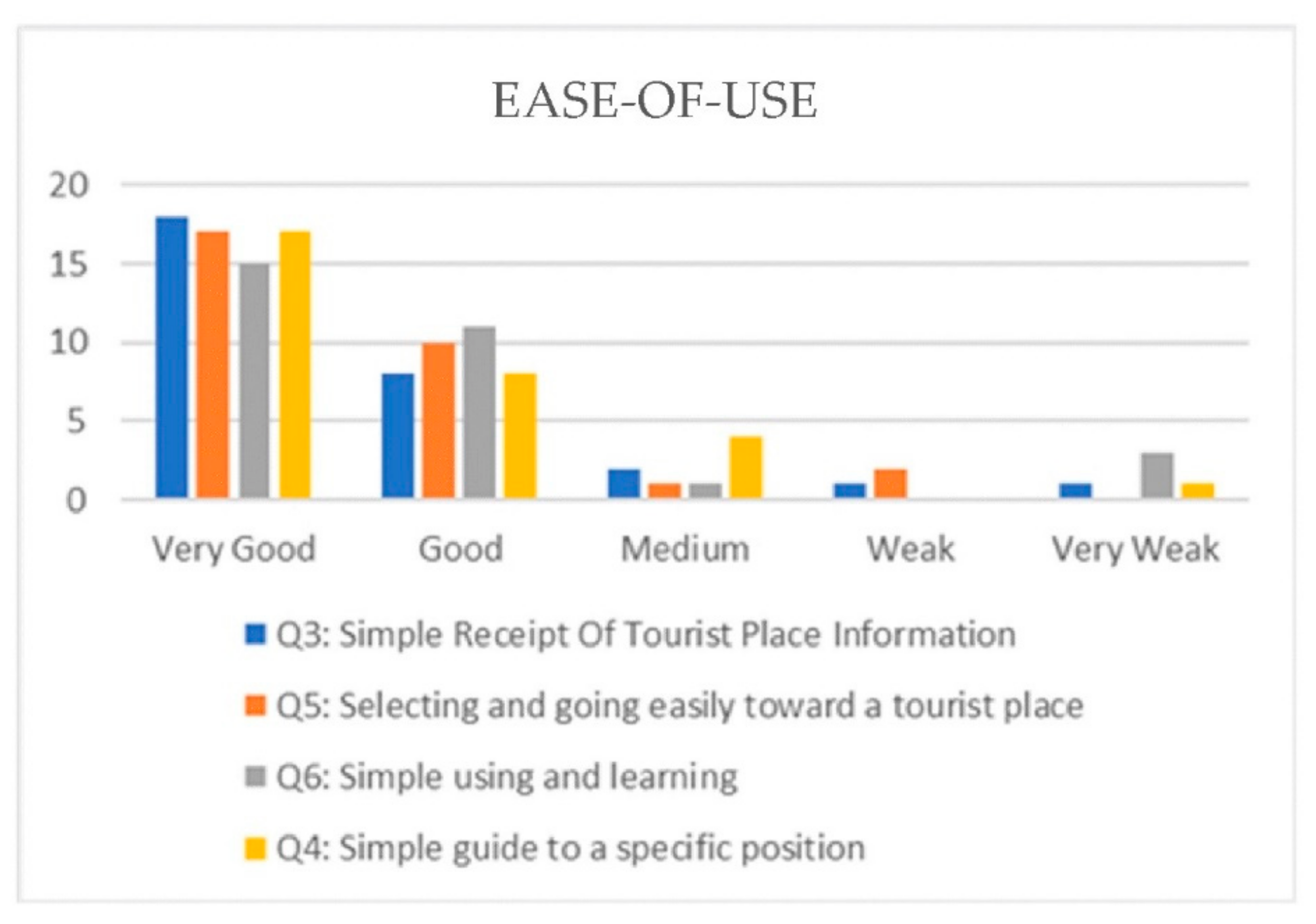
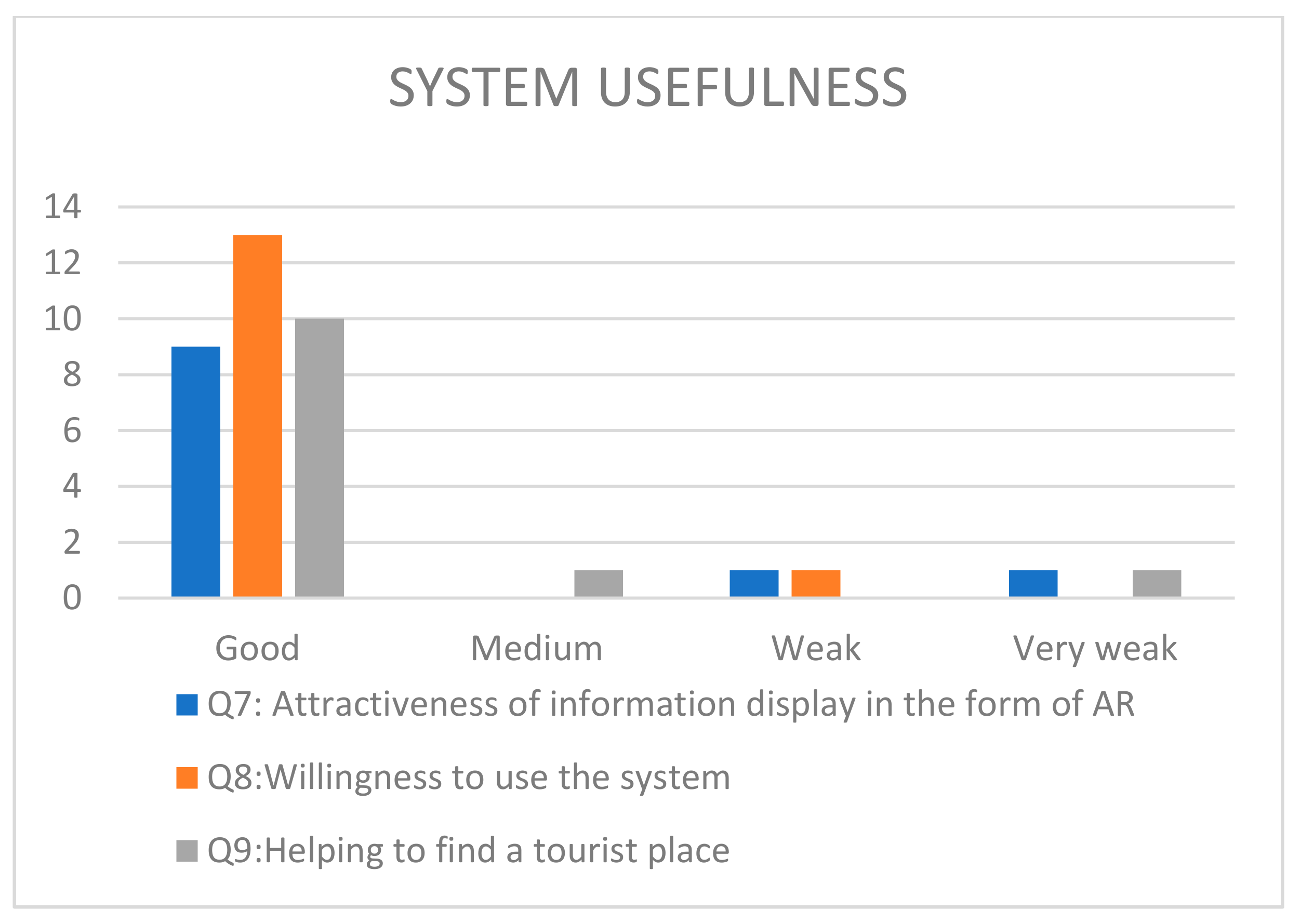
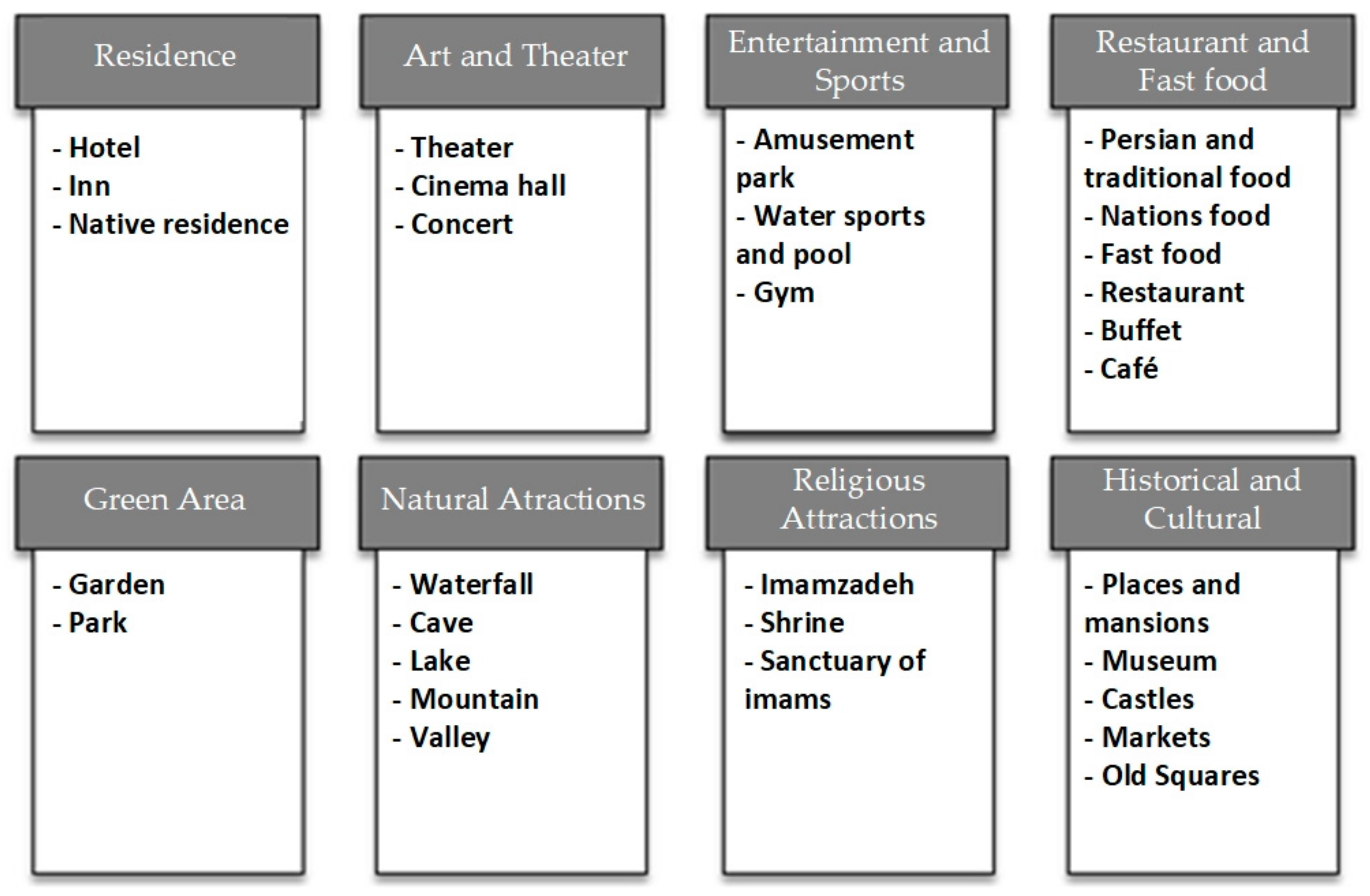
A lack of required data resources is one of the challenges of accepting the Augmented Reality (AR) to provide the right services to the users, whereas the amount of spatial information produced by people is increasing daily. This research aims to design a personalized AR that is based on a tourist system that retrieves the big data according to the users’ demographic contexts in order to enrich the AR data source in tourism. This research is conducted in two main steps. First, the type of the tourist attraction where the users interest is predicted according to the user demographic contexts, which include age, gender, and education level, by using a machine learning method. Second, the correct data for the user are extracted from the big data by considering time, distance, popularity, and the neighborhood of the tourist places, by using the VIKOR and SWAR decision making methods. By about 6%, the results show better performance of the decision tree by predicting the type of tourist attraction, when compared to the SVM method. In addition, the results of the user study of the system show the overall satisfaction of the participants in terms of the ease-of-use, which is about 55%, and in terms of the systems usefulness, about 56%.
Keywords: augmented reality; big data; tourism; decision tree; VIKOR; SWARA augmented reality; big data; tourism; decision tree; VIKOR; SWARA