Article

Defining Technology-Based Business Models Through a Systematic Literature Review and Empirical Research


1
Institute of General Management and Organisation, Graz University of Technology, Kopernikusgasse 24/IV, 8010 Graz, Austria
2
Armengaud Innovate GmbH, Paracelsusweg 1, 8144 Tobelbad, Austria
*
Author to whom correspondence should be addressed.
Adm. Sci. 2026, 16(4), 183; https://doi.org/10.3390/admsci16040183

Submission received: 17 December 2025 / Revised: 6 March 2026 / Accepted: 11 March 2026 / Published: 9 April 2026

Abstract

A business model is an essential concept for securing long-term success and competitive advantage, where technologies take on an enabling role. Without the respective technology, the business model becomes unviable. Digital technologies are well known to enable business models, and various definitions of the term digital business models and their characteristics are discussed in the existing literature. However, scholars sometimes use this term interchangeably with the term technology-based business models, although not all technologies are digital in nature. In fact, many different types of technologies other than digital ones exist. A strong theoretical foundation for digital business models is available, while the research on technology-based business models is fragmented and incomplete. This term has been used without further defining its meaning or the definitions provided are too narrow and decisive characteristics are missing. Although authors have used these two terms interchangeably, they cannot be seen as equivalent, and the definitions and characteristics of digital business models cannot be simply transferred to the concept of technology-based ones. Therefore, the absence of a holistic and comprehensive definition of the term technology-based business models in the existing literature represents a significant gap that this research seeks to address. The aim of our study was to examine how business models are based on a particular technology. We use the results of a systematic literature review and semi-structured expert interviews to construct a comprehensive definition for the term technology-based business models, and we identify the major and minor characteristics of both terms. In addition to adding to the business model literature, these findings help practitioners understand technology-based business models in more detail and how technology can enable business models to meet customers’ needs.

1. Introduction

Business models (BMs) describe how companies create and deliver value to their customers while also capturing value for themselves (Osterwalder & Pigneur, 2010). Among the many factors that can influence BMs, technology is one of the most important (Teece, 2018; Zott et al., 2011). Technology can play three distinctive roles with respect to BMs: (1) it can support a BM or (2) enable a BM, or alternatively (3) the BM enables an innovative technology (Schallmo, 2013, pp. 128–129). In this paper, we concentrate on the second role technology can play, where the BM is enabled by extant technology and requires it to remain viable.
Researchers have examined digital BMs based on digital technologies from different angles and recognized four categories of digital technologies, allowing for their thorough depiction and the creation of various definitions (Langley et al., 2021; Schaller et al., 2019; Schallmo, 2013; Schallmo et al., 2017). Well-known examples of BMs enabled by technologies are digital BMs such as Airbnb, where the BM works because of underlying digital technologies, such as platform software and connectivity (Genet et al., 2023). Naturally, digital BMs can be viewed as a particular subset of technology-based BMs, and the latter as a subset of all BMs. Each set of BMs may have specific characteristics that differ from those on the next lower level, making it necessary to create a separate definition and identify unique characteristics for each one.
We noticed that the scholars Chammassian and Sabatier (2020) and Killström (2007) mentioned the term technology-based BM in their works without further clarifying what was meant. Only a few publications (Athanasopoulou et al., 2019; Behrendt & Scheiner, 2023; Hiteva & Foxon, 2021) have offered a definition for this term, but these are incomplete, and scholars have not yet discussed how technology-based BMs are characterized. Technology in this context is not limited to a specific type or category of technology but instead includes all types of technology. The term technology-based BM is used to describe such BMs.
A clear definition of the term technology-based BM is vital because it ensures a shared understanding of what is meant by the term. Simultaneously, it allows scholars to gain a holistic and comprehensive view of the enabling character of a technology, as well as the reciprocal influences between technology and BMs. Profound knowledge about the mutual influences becomes crucial when developing and implementing BMs in practice. The gap we address with our research is the absence of a clear definition for the term technology-based BM in the existing literature, and the fact that such a definition does not yet exist motivates this research.
The aim of this study was to examine what it means for a BM to be based on a particular technology. The study findings provide a comprehensive definition for the term technology-based BM and define the characteristics of such business models. To achieve this aim, the following research questions (RQs) were developed:
  • RQ1: How are technology-based BMs defined?
    • RQ1.1: How are technology-based BMs defined theoretically in the literature?
    • RQ1.2: How are technology-based BMs defined in practice by industry experts?
  • RQ2: What are the essential characteristics of technology-based BMs?
To answer these RQs, two methods were selected. First, a systematic literature review (SLR) was performed to identify literature on technology-based BMs. Second, semi-structured expert interviews were conducted to identify findings that support the SLR results. The first RQ was asked from two perspectives, namely a literature perspective and an empirical perspective, resulting in the development of two sub-questions. Combining theoretical and empirical data allowed us to answer the RQs in a more detailed manner, create a comprehensive definition, and define characteristics of technology-based BMs. The remainder of the paper is structured as follows: Section 2 illustrates the theoretical framework with the underlying theoretical concepts, and Section 3 discusses the research design of the study. Section 4 presents the results obtained by applying both methods and the answers to the RQs. Lastly, Section 5 concludes this paper by providing a summary, limitations, and future outlook, as well as by discussing the academic and practical implications of the findings.

2. Theoretical Framework

2.1. Business Models

Throughout the historical development of the BM concept in different scientific disciplines, no unified definition of the term business model was developed. In the new economy, the BM developed into a central concept for any business idea and was used interchangeably with the terms business idea, business concept, revenue model, or economic model. Thus, the BM increased in strategic relevance (Wirtz, 2011, p. 8). However, intensive research over the past few decades has resulted in the emergence of dominant definitions. The predominant number of definitions describe BMs as an abstract view held by the company, placing a focus on describing different dimensions or elements that fit together and shape the BM. Currently accepted definitions mainly refer to the definition provided by Teece, who defined the business model as a company’s “design or architecture of the value creation, delivery, and capture mechanisms” (Teece, 2010, p. 172). The components that constitute a BM also seem to converge as shown in this description, “the firm’s value proposition and market segments, the structure of the value chain required for realizing the value proposition, the mechanisms of value capture that the firm deploys, and how these elements are linked together in an architecture.” (Foss & Saebi, 2017; Saebi et al., 2017). These components vary slightly depending on the BM description and definition. Osterwalder and Pigneur (2010) describe the BM in the business model canvas as consisting of nine interconnected components that can be combined in four dimensions: (1) products and services (i.e., value proposition), (2) infrastructure management (i.e., value creation), (3) customer interface (i.e., value delivery), and (4) financial aspects (i.e., value capture). In a similar way, these dimensions are also found in the works of other researchers (Gassmann et al., 2014; Remane et al., 2016); therefore, these build the basis for our research investigations as described in this paper.
Foss and Saebi (2017) describe the evolution of the BM in three research streams: The first stream describes the BM as a basis for enterprise classification due to the emergence of e-business and the classification of value drivers for such BMs (Amit & Zott, 2001; Magretta, 2002). Second, BMs are seen as an important factor contributing to a company’s performance, because some BM types outperform others (Malone et al., 2006; Zott & Amit, 2007, 2010). Successful BMs are also cited as examples that can be imitated (Chesbrough, 2010; Teece, 2010) or replicated (Doz & Kosonen, 2010; Winter & Szulanski, 2001). Third, the BM is seen as an object for innovative purposes (Zott et al., 2011). In particular, researchers and practitioners have expressed increasing interest in recent decades in introducing innovation into a company with a new BM to achieve a competitive advantage (Hamel & Trudel, 2021).
With the rise of the internet and e-commerce, the understanding of the term business model morphed into a concept describing new businesses enabled by digital technologies (Wirtz, 2011). Chesbrough (2010) points out that a BM can be essential to a company’s success because it allows them to commercialize the economic value of new ideas and technologies in ways they otherwise would not have been able to accomplish on their own. This means that the BM has greater importance than the product or service it is used to commercialize, since technology on its own has no objective value. Value is created through a well-defined and innovative BM, as demonstrated by examples like Xerox (Chesbrough, 2002), Nespresso (Matzler et al., 2013), or the success of MP3 through Apple (Montgomerie & Roscoe, 2013). These examples show that the value of a new technology is provided through the BM.
For the scope of this paper, we refer to the definition proposed by Gassmann et al. (2014) and their distinction of four dimensions. The abstraction into four dimensions is more suitable for assessing the technology’s impact in each dimension while maintaining an appropriate level of detail. It must be noted that Zott et al. (2011) argue that a BM cannot be seen as its individual components but as a combination of all of them. Gassmann et al. (2014) agree that changes in one dimension directly effect changes in the others, whereas changes in at least two dimensions result in BM innovation. This close dependence between the dimensions of a BM is crucial for our current research, because it means that the unviability of one dimension results in the unviability of the entire BM.

2.2. Theory of Technology Based on the Context of Business Models

In this section, we outline how technology is defined generally before we highlight the technology’s business scope and the theory in the context of BMs to provide our theoretical foundation of technology-based BMs.
There are various definitions of the term technology, depending on the explored scope. In a general review on how this term is defined, we found several definitions. It was important for us to not only rely on general definitions for this term but also to include definitions of technology as it is used in business settings. A seminal work by Abell (1980) discusses technology as directly related to satisfying customer needs through a product or service. For a general perspective of what technology is, we included the definitions by Arthur (2009) and Nightingale (2014). Lastly, we included the definition for technology provided by Schuh and Klappert (2011), which relates to technology management in organizations. We selected the following four definitions:
  • Technologies describe the way, or how customer needs are satisfied. […] Technologies describe the […] ways in which a particular function can be performed for a customer. A technology in this sense is a form of solution to the customer’s problem.” (Abell, 1980, pp. 169–172)
  • A technology is a means to fulfill a purpose: a device, or method, or process. A technology does something. It executes a purpose.” (Arthur, 2009, p. 29)
  • Technologies are entities produced by a problem-solving process that changes and transforms the world so that it matches a preconceived idea, or plan, or design to generate a desired artificial function.” (Nightingale, 2014, p. 6)
  • Technology includes knowledge, skills and abilities for solving technical problems as well as equipment and processes for the practical implementation of scientific findings.” (Schuh & Klappert, 2011, p. 33)
Below, we discuss these definitions in detail and we compare them before establishing our research design, which enabled us to create a comprehensive definition for technology-based BMs.
Generally, technology can be referred to as “a body of knowledge” (Nightingale, 2014). Nightingale (2014) provides six definitions for technology, but most of them are based on the same idea and are related. As one of his definitions reveals key features of technology, we analyzed this definition in more detail and compared it with the definition proposed by Arthur (2009).
According to Nightingale (2014), technologies arise from problem-solving processes. In other words, technologies are created when humans identify problems that necessitate a solution. Nightingale (2014) uses entities as a general term to encompass tools, methods, processes, or systems that are designed as solutions to the problem. Arthur (2009) describes technologies in more detail and states that technology can be seen as a device and also as a process or method; these terms are used interchangeably, since a device depends on a process or method and vice versa.
Nightingale (2014) specifies that technologies “change and transform the world”. Technologies interact with and alter the world, because they are solutions to problems. This meaning can be reduced to a transformative characteristic. While the definition proposed by Arthur (2009) does not refer to the transformative power of technology, it addresses a main characteristic of technology: Technology fulfills a purpose. His notion of “does something” can be translated into functionality. In other words, technology possesses a functionality that enables it to fulfill a purpose. This is closely related to the last part of Nightingale’s definition, where he states that the solution “matches a preconceived idea, or plan, or design to generate a desired artificial outcome” (Nightingale, 2014). What this means is that technology is created intentionally to achieve a specific human-created purpose (e.g., a human-made solution to a problem). The functionality ascribed to the technology results in the “desired artificial outcome”. If we summarize these definitions for technology from a general perspective, we can conclude that technology is a transformative device, process, or method; it is created intentionally to achieve a specific purpose; and to fulfill its purpose, technology performs a particular function and solves a problem.
Unlike the general definitions, the definitions proposed by Schuh and Klappert (2011) and Abell (1980) suggest that technology has a practical application and is used for problem-solving, especially in a business context. Like Nightingale (2014) and Arthur (2009), Schuh and Klappert (2011) see technology as “knowledge, skills, abilities, […] equipment and processes”. Although the authors consider technology to be a basis of knowledge, it can also be systematically differentiated into input, process, and output. According to Schuh and Klappert (2011), technology is broken down into three parts: Knowledge basis (input), problem-solving path (process), and solution (output). In other words, Schuh and Klappert (2011) describe technology as the knowledge to solve technical problems as well as the practical application of this knowledge. The authors emphasize that, for an organization to gain the greatest value from a technology, it must find the optimal combination of internal and external exploitation methods, where external exploitation methods considers how well the technology can solve a problem that a company’s customers might have. This shares strong similarities with the more customer-centric definition provided by Abell (1980). Abell (1980) created a three-dimensional framework for defining a business, where technology is specifically addressed in one of the dimensions. He stresses that technology should not be confused with the value a product or service offers; instead, technology provides the functionality that enables a problem to be solved or a need to be addressed. His definition of technology translates to satisfying customers and, more precisely, to solving customer issues to increase satisfaction. The definition of Abell (1980) can be applied to the BM framework proposed by Gassmann et al. (2014). Abell argues that technology should not to be confused with what is offered to the customer (value proposition) but rather how the value is created to solve the customer problem (value chain).
We conclude that technology-based BMs are BMs that are based on a particular technology to create the value proposition. More specifically, the functionality that the technology offers enables the value chain and the creation of the value proposition. Without the functionality of the technology, the value cannot be created, and the intended BM becomes unviable. It must be noted that the product or service is not the technology itself. As an example, the car-sharing company car2go offers quick and secure car sharing with radio-frequency identification (RFID) technology (Schallmo, 2013, p. 129). The value proposition is not the technology itself, but the value that is created through the functionality that RFID technology provides, such as automated vehicle access, real-time vehicle tracking, and vehicle condition monitoring. When the RFID technology and its functionality are removed, the intended BM becomes unviable. Therefore, a technology-based BM is created using technology as an enabler.
Technologies in the business context can be seen as a source of competitive advantage (Frank et al., 2019; Zott et al., 2011), where technologies go through certain life cycle phases (International, 1986; Schuh & Klappert, 2011). These different phases are embryonic, pacing, key, base, and replaced technology. Each phase can also be described by its impact on differentiation potential and diffusion within the market. This means that the impact a technology has on products, services, and processes is different at each phase. If a technology is still in the embryonic or pacing phase, not only is its application or dominant design unclear or unknown, but more importantly, its technological viability is still unclear as well. We suppose that for a BM to be based on a technology, the technology itself must be technologically viable and have clear applications that are accepted by the majority of the market. For it to enable a BM, the technology must be widespread on the market and have a high impact on products, services, and processes. Therefore, we argue that technology-based BMs can only be based on technologies that are categorized as key and base technologies.
This literature review forms the theoretical foundation that guided our subsequent research design, which is discussed in the following sections.

3. Research Design

The research design used for this study consists of two parts: (1) an SLR followed by (2) semi-structured expert interviews to identify findings that support the SLR results and substantiate the definition and characteristics. We decided to conduct an SLR to collect information on technology-based BMs, since it is a trustworthy and rigorous procedure for this purpose (Tranfield et al., 2003). The SLR was conducted to find relevant literature, including available definitions and characteristics of technology-based BMs. In the next section, the SLR results are complemented by insights from industry experts who are involved in BM activities. The expert interviews method is ideal for obtaining specialized expert knowledge on a certain topic (Gläser & Laudel, 2010). Since we aimed to gather specific information about technology-based BMs in practice from experts, we deliberately selected practicing managers that were working with technology-based BMs, as opposed to researchers and academic scholars. Formulating a definition and identifying characteristics might be considered as something predominantly theoretical. Incorporating practical insights of people adept in the creation and realization of technology-based BMs is likewise beneficial to developing a definition. Thus, our approach allows for practical relevance to be better reflected by theory and a stronger alignment of both.

3.1. Systematic Literature Review

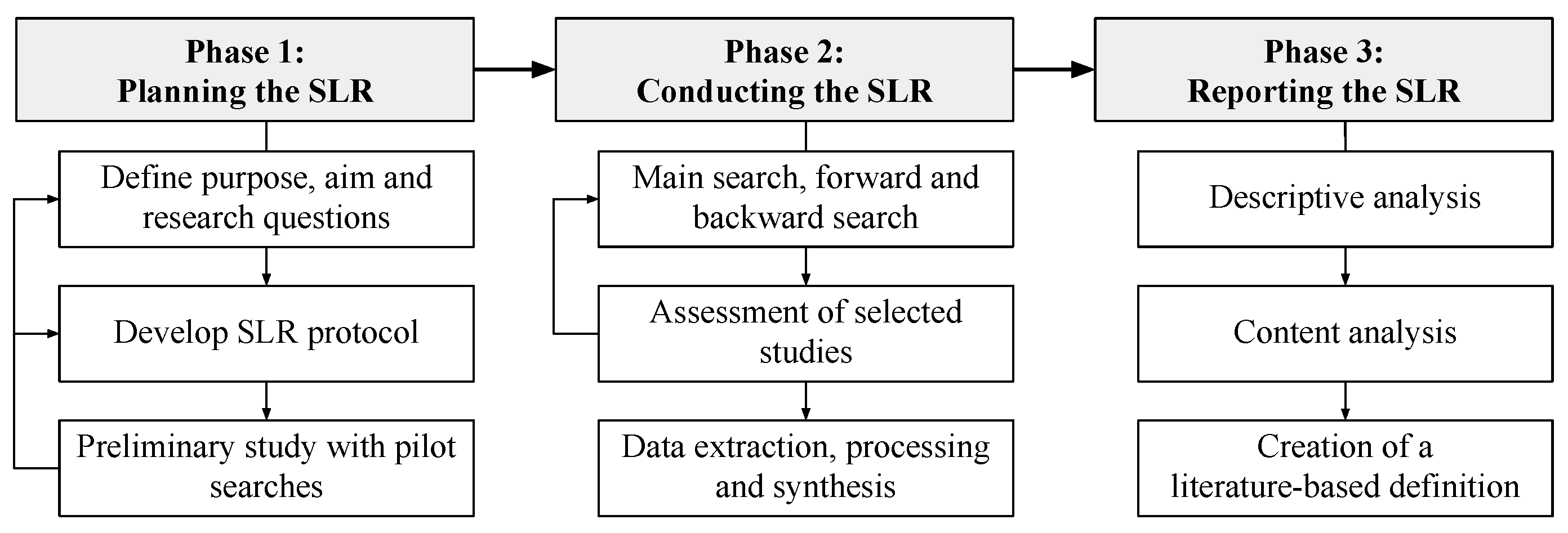
To conduct the SLR, we followed a widely known and rigorous approach suggested by Tranfield et al. (2003). The process was adapted to fit our SLR and is shown in Figure 1. An SLR protocol was prepared and cross-checked by the co-authors to ensure rigor and transparency. The protocol was used as a working document and was updated iteratively throughout the SLR. In the protocol, we documented all decisions and processes.

3.1.1. Search Strategy and Selection Process

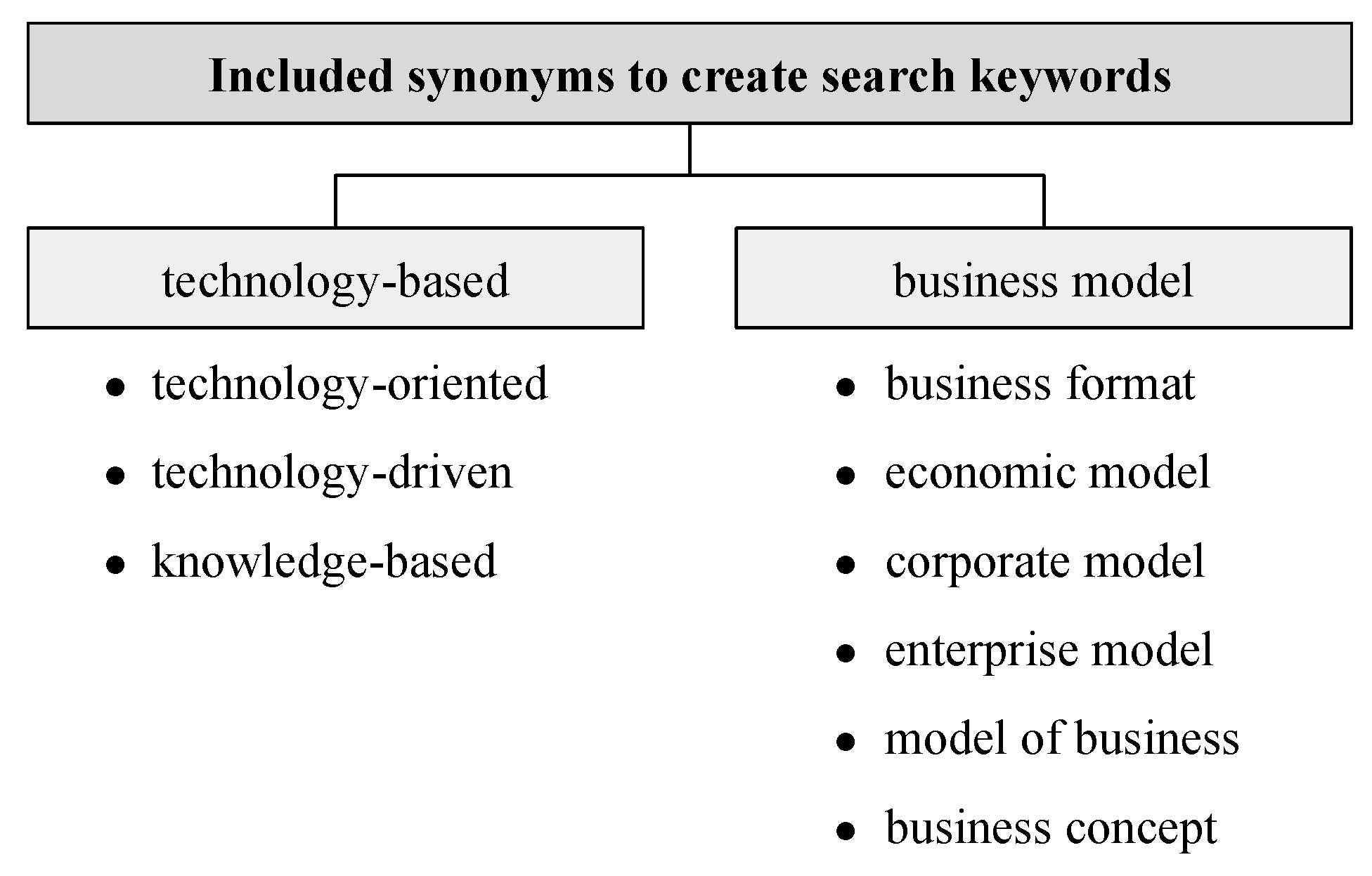
In the beginning of the SLR process, we conducted a preliminary study and pilot searches to help us identify relevant online databases and search keywords. As our goal was to identify literature on technology-based BMs, we split the term into two parts: technology-based and business model. We piloted various synonyms and alternative spelling forms to compose different search keywords and ensure a broad search. Figure 2 shows the final synonyms that were combined to create 28 search keywords. Our final search radius included five major online databases and publishers: Emerald Insight, ScienceDirect, Scopus, Springer Link, and Web of Science. Our pilot searches also revealed that some publications that discuss technology-based BMs did not use specific terms but instead described how technology enabled the BMs. To include these publications as well, we generated the following search string:
technology AND enable OR facilitate AND business model OR business format OR economic model OR corporate model OR enterprise model OR model of business OR business concept
To avoid missing potentially relevant publications in German, especially in databases such as SpringerLink, we also translated selected terms into German. We deliberately chose to include as many publication types as possible, including conference papers, books, and book chapters, as well as other types of gray literature such as technical reports. This decision was guided by the aim of performing a very broad search of the literature.
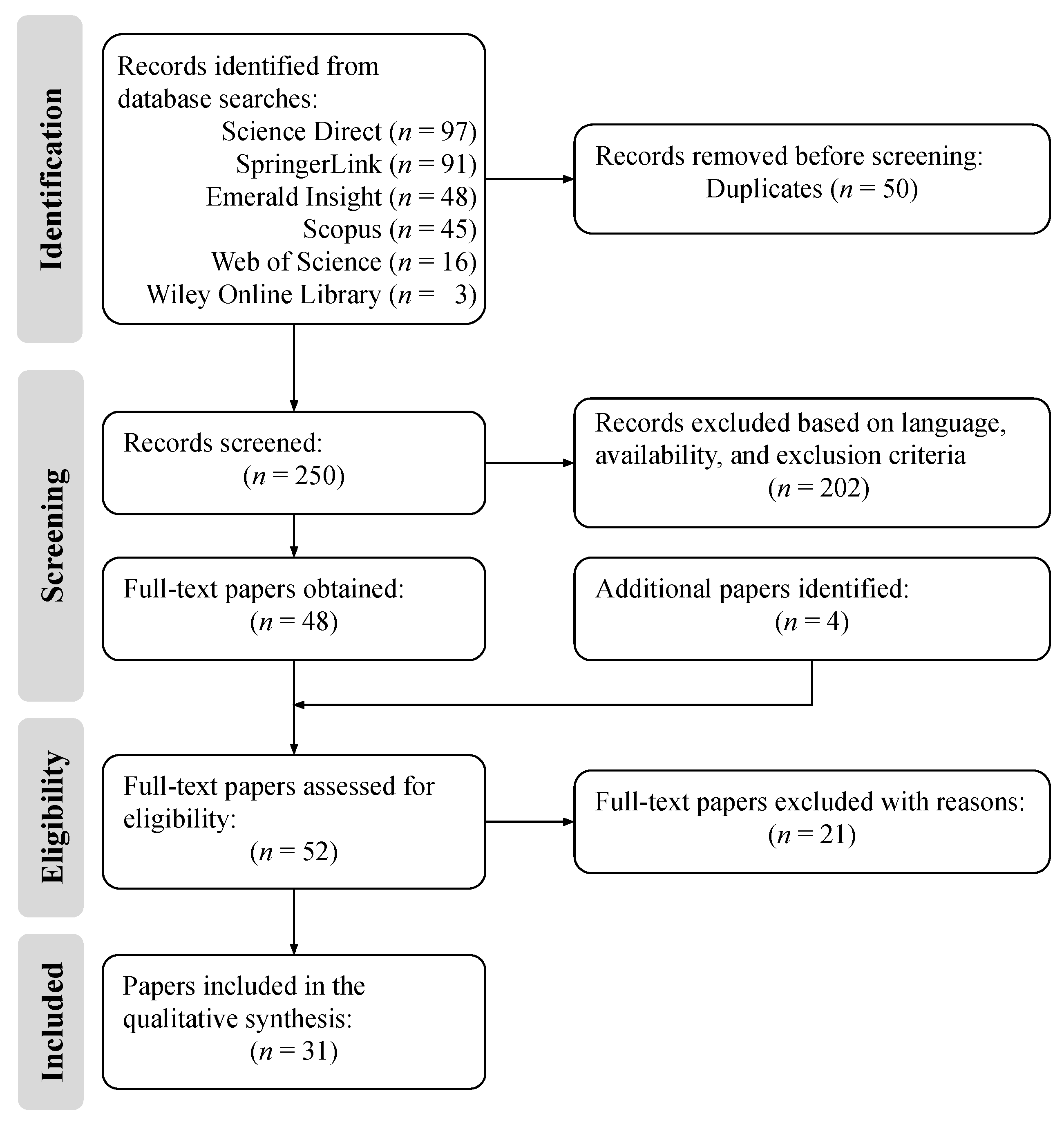
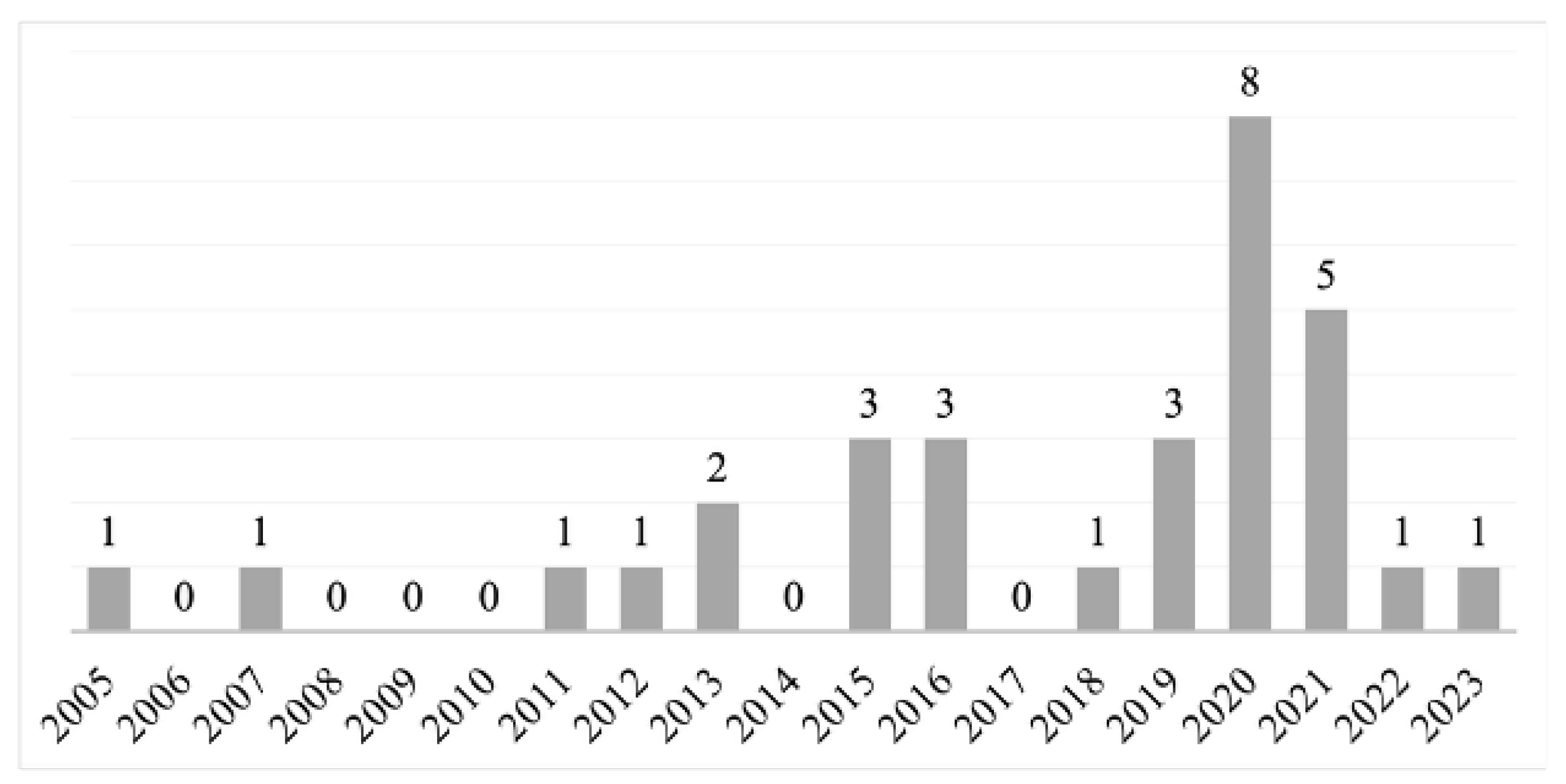
The screening and selection process was carried out in two steps: (1) based on title, abstract, and keywords, and (2) based on full text. All authors carefully defined the search criteria, which included the inclusion and exclusion criteria. The search criteria were iteratively updated during the process, and the final criteria are listed in Table 1. For a publication to be forwarded to the next step, it had to fulfill all inclusion criteria and none of the exclusion criteria. If a publication fulfilled at least one exclusion criterion or more criteria, it was excluded from the SLR. The main search of six databases resulted in the identification of 300 potentially relevant publications. After removing duplicate entries (n = 50), we were left with 250 unique publications subject to the two-step screening and selection process. Two authors assessed the publications independently and documented their results in a separate copy of the spreadsheet. A publication was forwarded to the next step for a more detailed assessment if uncertainty existed. In regular meetings, the authors compared different results and discussed their viewpoints. In most cases, the authors came to an agreement; where uncertainty still existed, the third author was consulted. Out of 250 publications, 202 were excluded based on their title, abstract, or keywords (i.e., about 80%). These were excluded because one of the search keywords was mentioned in the abstract, although the publication had a different focus. Forty-eight publications were forwarded to the next step and assessed based on the full text. A forward and backward search was conducted on these publications, enabling the identification of another four potentially relevant publications, the full texts of which were then read and assessed. In the final assessment of the full-text publications, an additional 21 publications were excluded, and the final selection consisted of 31 publications that were then used for data extraction purposes. Figure 3 illustrates the results of the search and selection process based on the PRISMA process. The publications that were part of the SLR are listed in Appendix A. Out of these 31 publications, more than half had been published in the last five years, and 25% were published in 2020, as shown in Figure 4.

3.1.2. Data Extraction Process

The included publications were imported into the software analysis tool MAXQDA for extraction, processing, and analysis. An initial coding system was set up before processing the publications. These categories were derived from the RQs and theory-based definitions: (1) definition of technology-based BM, (2) characteristics of technology-based BM, and (3) technology serving as the basis of the technology-based BM. While reading the publications, text passages relevant for these categories were highlighted. Data were not only extracted deductively, but also inductively. While reading through the text, interesting and unexpected text passages related to technology-based BMs were identified, which were highlighted initially. After processing about one-third of the papers, the inductively highlighted text passages were grouped, and new categories were defined: (4) examples of technology-based BMs, (5) frequently used patterns with technology-based BMs, and (6) technology-based BM creation processes. As new categories were defined, the previously handled publications were processed again to ensure rigorous, inductive categorization (Grodal et al., 2021). From the selected publications, 320 coded segments were extracted. Table 2 shows the final categories, the number of coded segments (# Seg), the number of publications containing the particular category (# Pub), and the percentage of all publications (% Pub). Based on these findings, a first definition for the term technology-based business model was proposed, and its essential characteristics were identified, which were refined after conducting the semi-structured expert interviews.

3.2. Semi-Structured Expert Interviews

Based on the SLR results, we conducted an empirical study comprising semi-structured expert interviews with ten industry experts working in the field of BM management and development. The empirical part of this project was included to identify support for the SLR results and determine how technology-based BMs are structured, developed, and introduced into practice.

3.2.1. Sampling Method and Selection Process

We defined minimum requirements and criteria for companies to be considered ideal samples; these facilitated the selection of interview partners. Our target group consisted of experts with experience in developing and executing technology-based BMs. Although we prioritized positions in the field of BM development, BM management, business analysis, and strategy, we did not exclude people with other positions who had adequate expertise. Therefore, we included people in practicing sales and service management positions as well. Table 3 shows the companies that were included in the sample.

3.2.2. Design of Expert Interviews

As recommended by Gläser and Laudel (2010) and to avoid the typical mistake of forgetting to translate RQs into interview questions, an appropriate interview guideline was carefully designed based on the RQs and cross-checked by the co-authors. The interview guidelines consist of three parts: (1) introduction—simple initial questions about the interviewees’ responsibilities regarding the BM, (2) main part—questions about the BM, enabling technologies, and challenges and risks, and (3) final part—concluding questions to wrap up the interview. A total of eleven questions were asked, and each interview lasted about 60 min. Before starting the interviews, we obtained a written consent for recording and processing the shared information. All interviews were fully transcribed and translated into English during the processing phase.

3.2.3. Processing and Coding of the Empirical Data

The transcripts were analyzed and evaluated in four steps using a qualitative content analysis approach described by Gläser and Laudel (2010).
The first step describes the preparation phase for the data extraction, where we created a category system that allowed us to systematically encode and extract relevant information from the interview transcripts. The categories were specified and refined in an inductive and deductive manner. Most of the categories were determined deductively based on the previously conducted SLR of the literature on BMs and technology and by considering the interview questions. By observing specific patterns in the data, we iteratively updated the categorical system, adding new categories inductively. In the end, this system consisted of six categories, which are shown in Table 4 along with their descriptions and a prime example of the extracted interview data.
Extracting the data was part of the second step and was carried out based on the previously defined extraction rules that ensure repeatability of the process. Only relevant data were extracted, while anecdotes, verbal detours, and technical explanations were left out. Each interview question was assigned to a particular category, and the relevant information was extracted from the answers and assigned to the corresponding categories. In some cases, relevant information was found in multiple answers; therefore, the category system was beneficial to summarize scattered information by labeling the paraphrase with the corresponding category. Relevant text segments were collected by assigning them a precise category label, a reference to the interview it was taken from, and the timestamp of the respective audio recording.
Processing the data was the third step and was carried out to reduce the amount of material that needed to be examined and to improve its quality. Each transcript was reviewed separately to more easily condense scattered datapoints, summarize synonymous information, and remove redundancies and duplicates. If necessary, the information was further anonymized to ensure it did not reveal any personal or sensitive information about the interview partner or the company (Gläser & Laudel, 2010). We extracted 342 text segments and categorized them using the category system designed in the preparation step.
In the next and last step of the qualitative content analysis approach, we evaluated the results. We discuss our findings below. Our analysis is found in the next section, where we present our definition of the term technology-based business model and refine it with reference to the empirical findings, which offer a practical viewpoint. In this section, we additionally align the characteristics of technology-based BMs found in the SLR results and interviews to describe the characteristics of technology-based BMs.

4. Defining and Characterizing a Technology-Based Business Model

4.1. Results for and Discussion of the Definition

In this section, we answer RQ1 and its sub-questions. We present and discuss the results obtained by performing the SLR and carrying out semi-structured interviews. We also trace our findings back to the underlying literature to further refine and propose a comprehensive definition. The SLR revealed eight different definitions for the term technology-based business model (see Table 5). Not all definitions use this exact term but still refer to a BM that is enabled by technology. In this section, we use the terms that are used by the respective authors when referring to a specific definition; however, we summarize the findings using the term technology-based business model since we understand this to be an overall term that encompasses the others. Seven out of eight definitions were in English, and the definition of Eckert (2018) was translated from German into English. Analyzing the definitions more closely, we recognized that the definitions stem from different contexts; therefore, we grouped them into two broad categories of definitions:
  • A technology-based BM is when technology enables or creates value by improving, optimizing, or solving problems.
  • A technology-based BM is when BMs focus on developing or deploying emerging technologies.

4.1.1. Category I: Technology Enables and Creates Value

The definitions provided by Athanasopoulou et al. (2019), Behrendt and Scheiner (2023), Eckert (2018), Hildebrandt et al. (2016), Killström (2007), and Langley et al. (2021) belong to the first section of definitions. These six definitions (66.7%) put technology in the foreground of value creation and define the value chain dimension in the BM triangle by Gassmann et al. (2014). Some of the definitions do not mention the value creation directly, but describe the technology enabling companies to optimize business processes (Eckert, 2018) or meet new challenges (Killström, 2007). Creating value connects back to Abell (1980) and Schuh and Klappert (2011). As they stated, technology creates the value offered to customers by providing a solution to a problem. We have also identified this defining trait in the empirical data we collected. When practitioners talked about their technology-based BM, all interview partners mentioned that the respective technology is responsible for creating the value and enabling their BM. The technology’s functionality created the value proposition promised to their customers. In other words, it directly enabled the value chain dimension of their BMs. We see this as a crucial characteristic and therefore incorporated it into our final definition.

4.1.2. Category II: BMs Develop or Deploy Emerging Technologies

The definitions provided by Athanasopoulou et al. (2019), Chammassian and Sabatier (2020), and Killström (2007) belong to the second category and focus on technology-based BMs as a means to develop new technologies, overcome challenges, and innovate. In these definitions, the BMs are exploratory and used to support R&D efforts (Chammassian & Sabatier, 2020). These BMs can also develop or deploy a new and emerging technology to make it valuable (Athanasopoulou et al., 2019; Hiteva & Foxon, 2021). As pointed out by Athanasopoulou et al. (2019), new and emerging technologies become valuable when suitable BMs are used. This definition suggests that new and emerging technologies are not valuable until they enable a BM. We did not expect to find definitions that support BMs driven by emerging technologies, since the reviewed literature indicated clearly that technology can only provide value when it is recognized and accepted by the majority of consumers. This means that a technology must be established in the market for it to be able to create value; this is a crucial factor that we considered when revising our final definition. In conclusion, the identified definitions partially match the foundations we discussed in the Theoretical Framework Section. Based on the empirical data, the key aspects are that technologies create value and are a source of innovation. By connecting the theoretical foundations to the identified definitions, we developed the following definition for the term technology-based business model:
A technology-based BM is defined as a BM when at least the dimension of value creation is developed from and remains reliant on widely used technology, which can be seen as applied knowledge, equipment, or process. The technology fulfills a BM purpose and supplies the proper functionality to fulfill the defined purpose. Although the particular enabling technology is mainly a source for value creation, it can also be seen as a source of innovation.

4.2. Results for and Discussion of the Characteristics

4.2.1. Characteristics Identified in the SLR

The purpose of the SLR was not only to identify available definitions of technology-based BMs but also to find examples of the use of these terms and to examine their characteristics. We identified 12 technology-based BMs that were either the subject of an experimental study or that were implemented in practice and described as a short case study. However, the descriptions of these examples were rather limited. We were interested in seeing which BM dimensions were more closely connected to and enabled by technology than others. For this reason, we focused on gathering characteristics that have been enabled by a respective technology and assigned them to a corresponding BM dimension (see Table 6). We relied on the categorization of dimensions by Gassmann et al. (2014). This helped us visualize which dimension has been enabled by a technology the most. It must be noted that the same characteristics occur in multiple examples, such as direct value exchange, customization of product, increased flexibility and adaptability, or technology-based payment. After categorizing these characteristics, we recognized a pattern, and saw that not all BM dimensions are enabled by technology equally. Out of 27 characteristics, more than half (19) are part of the value proposition and value chain. Not only did technology directly enable the offered value, but it also enabled the way the value was created and delivered to the customer. Our examples show that the other dimensions, customer segment and profit mechanism, seem to be indirectly enabled by technology because the dimensions of value proposition and value chain are directly affected by it. This enabling process seems to be due to the close associations between all BM dimensions. This leads us to conclude that the offered value and how it is created in a technology-based BM are primarily based on the technology.

4.2.2. Characteristics Identified in the Empirical Data

The insights into the characteristics obtained from the SLR allowed us to analyze the characteristics of the ten technology-based BMs identified in the empirical examples. As we formulated the interview questions to fit our needs, we could obtain more aligned answers. For each empirical example, we have provided a highly detailed description of the BM, so we can draw more precise conclusions about technology-based BMs in practice.
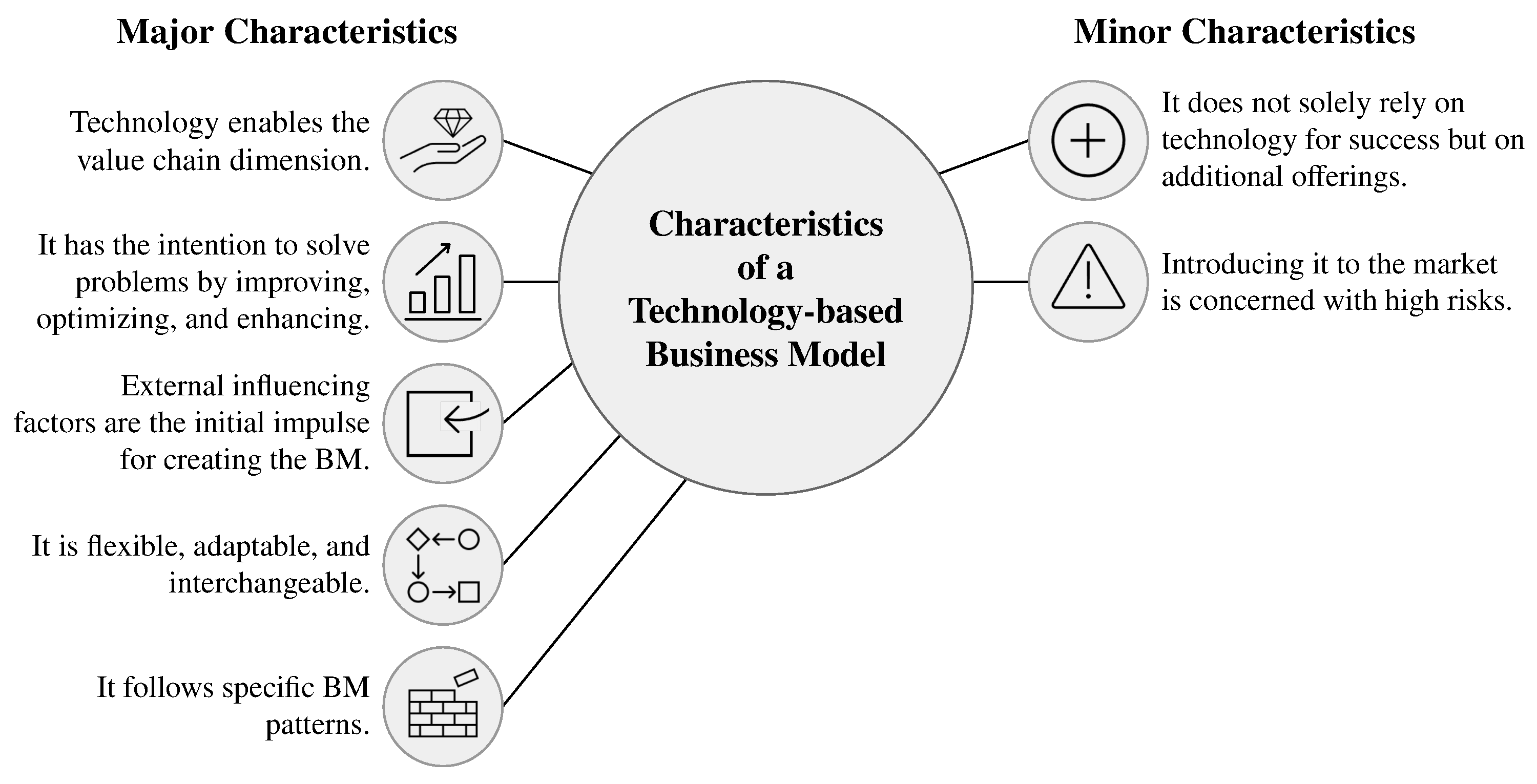
Although we identified many characteristics, we only considered seven that were present in more than 60% of the analyzed examples. We distinguished between five major characteristics identified in at least 90% of all analyzed technology-based BMs, and two minor characteristics identified in at least 60% of the cases. These characteristics are shown in Table 7.
We noticed that, first and foremost, technology directly enables the value creation dimension of each example. The other BM dimensions are enabled next, either as a consequence or indirectly, as the other dimensions are aligned. This finding corresponds with 11 out of 12 examples from the SLR as well. The value chain dimension is crucial to a BM (Gassmann et al., 2014). Similarly, Osterwalder and Pigneur (2010) put the value proposition at the center of a BM. Nevertheless, a distinction must be made between technology supporting a BM and enabling it. According to Schallmo (2013), technology can play a supporting role as well, but, in this case, the BM does not depend on it or require it to remain viable; technology supports it, as opposed to technology-based BMs, where the respective technology plays an essential part: It cannot be taken away from the BM or replaced, because it enables it. Based on our examples, Company A described it as “the better the technology is, the more value it brings to the customer. The technology results immediately in the unique selling point that the solution has.” Similarly, Company G explained that their “supply security also depends on technology because the tools and methods are required to create the product.” Based on our findings, we conclude that the technology in all examples is directly connected to the purpose and promised value. When the promised value cannot be created or offered because the respective technology is missing, the whole BM becomes unviable. The respective technology determines how value is created through its provided functionalities. For example, a company in our sample offers a software platform for optimizing and automating work processes. The company created specific optimization software and algorithms to fulfill their BM’s purpose. This realization shows that a BM can be seen as a technology-based BM if the value itself or the creation thereof relies on a specific technology to make the BM viable. If technology is utilized in other BM dimensions, such as customer segment or profit mechanism, this technology tends to take on the supporting role that Schallmo (2013) describes. The other dimensions are not strongly dependent on a specific technology, whereas the promised value is.
Another important characteristic we identified is that technology-based BMs are created to improve, optimize, and enhance something. For example, we observed that the enabling technology is often deployed to optimize a customer’s business processes, make tasks more efficient and effective, solve specific customer problems like reducing their risk or taking care of complex, time-consuming tasks, or simply enhance certain product features and make them better. This is because the technologies used within the BMs have such qualities. This links back to the definitions of the term technology, where the characteristic of solving problems is inherent in the nature of technology. Technology-based BMs adopt this characteristic because of their strong connection to technology. Generally, the reason for developing a technology-based BM is betterment. It must be noted that other BMs that are not technology-based can be created for this reason as well. The difference is that the improvement, optimization, enhancement, etc. are not directly linked and enabled by a specific technology. And this distinction makes it a technology-based BM.
Another major characteristic identified in all our empirical examples is that external influencing factors are the initial reason for developing technology-based BMs. Examples of external influencing factors are market trends and the market itself, customer preferences, and competition. Technology-based BMs demand external influencing factors when established or developed, and often a mixture of different triggers; for example, Company C highlighted many equally important drivers, such as the market, the competition, and the customers’ behavior. Company I stated, “the primary drivers are the customer requirements. The business model is clearly driven by customers. Another significant driver was the trend on the market which we could not overlook.” The same is true when transforming or innovating BMs into technology-based ones. The market and external trends must support them and align with the value offered by the BM. Although internal influencing factors, such as ideas from employees, also trigger the development and adaptation of technology-based BMs, these are only decisive when they align with market trends or demands; otherwise, they are not pursued further.
The fourth major characteristic is flexibility and adaptability of technology-based BMs to fit customers’ preferences. Sometimes the company offers different tiers that change the dimensions of the value proposition and profit mechanism. Company A, for example, states, dour solution consists of different components and the customers choose which components have the greatest possible value for them. Flexibility and adaptability are important points.” Company C offered a “modular system, which makes it smart. The customer can choose what he requires. At the core of the system, the models can be exchanged within a few hours, which makes our company future-proof.” Company F explained, “the entire product palette is a modular system that can be combined. The first tier is just the software running in the cloud. Then there are many possibilities to expand by adding various hardware products.” When customers of Company F want to expand, all systems can be seamlessly integrated, and, for the customer, all known operations and processes remain the same. This gives their customers a flexible and easy way to grow. A similar situation is seen with Company I, where “the service concept ’We do everything for you’ is conveyed.” Their customers could choose from a variety of technology-based products and services to put together what they want. This characteristic offers a distinct advantage in that it allows the BM to be developed to fit the customers’ needs and preferences. Especially when the offer is directed at the mass market, it is important to ensure that the BM can be adjusted and changed.
The last major characteristic is that 9 out of 10 practical examples make use of specific BM patterns such as subscriptions, pay-per-use, and platform BMs. Concepts such as product-service systems were also identified in the examples. While performing the SLR, we noticed that using such patterns allows companies to pick up on specific technological trends and establish them within their BMs more easily and efficiently. It is no surprise that the same can be noticed in the practical examples collected for this study. The BM patterns are used to a company’s advantage, since they favor the reliability of technologies. Utilizing them within a BM can convert it into a technology-based BM that relies on specific technologies to be viable. For example, Company I described their BM as a mix of offered products, placing service is in the foreground. The BM of Company D made use of the product-service systems concept, where the customer does not buy the product but rents its performance while also obtaining the services of delivery, replacement, and maintenance. The company creates excellent value for its customers through servitization. Similarly, Company E innovates its BM by offering a full-service contract where the Product-as-a-Service is bundled as a contracting solution. Nevertheless, strictly implementing one or the other pattern will neither guarantee a technology-based BM nor its success. It is up to the company to know their customers’ needs and utilize the patterns in advantageous ways to create a successful BM.
The first minor characteristic we identified in the data does not directly concern technology-based BMs, but rather the respective companies that implement them. They do not rely on the technology for success but offer an element related to it, such as service network, prestige, reputation, and all-in-one solutions. Even though the BM depends on technology, some companies in our sample stressed that technology alone is not the reason for their success or differentiation; instead, a well thought-through BM and strategy are. Some interview partners admitted that the technology is replaceable and can basically be copied, but the real differentiation stems from the supporting components that complement the technology and ensure its success. The components named were a reliable service network, customer service, high reputation, and brand awareness, to offer just a few examples. Company C mentioned, “technology is no guarantee that the business model or the company is capable of surviving. There is more to it than just technology. One needs a solid business model to be successful.” Company D stated that “the used technologies are not groundbreaking or revolutionary. It’s the accumulated expertise combined in our product.” Company F explained this from their point of view, commenting that, “technology is interchangeable. We believe it is the knowledge and expertise we offer that make it unique.” Company F did not see the product itself as a unique selling point that a company should rely on; instead, they said, “it is important to offer an element around such as customer service, inter-compatibility, or similar.” Their standpoint adamantly claimed that technology itself may give the company a lead, but the competition will catch up. Interestingly, many of the interviewed companies offer supporting components such as an extensive service network (Companies C, D, E, F, I, and J), reputation on the market, and profound expertise (Companies A, B, D, E, F, and G) or technological benefits like inter-compatibility, seamless integration, and scalability (Companies A, C, D, E, F, G, I, and J). These all complement the technology used in the BM and secure success.
The second minor but essential aspect of technology-based BMs is that they are afflicted with substantial risks. Six out of ten companies stressed how much risk is attached to introducing their BM in practice. Nevertheless, they agreed that it can also bring benefits. Each company views taking on risks differently. One company felt that it means handling sensitive and private data and making sure it is appropriately managed. Another company describe it as investing large sums into research and development and building up know-how. Therefore, risk is an essential factor that is identified in technology-based BMs. Company B said, “the more risk is taken, the higher the probability of having less competition.” Risk can create separation, and the company’s commitment can directly translate to how much competition the company will face. Company G put it this way, “when risks are applied correctly, they can also generate competitive advantages. Real differentiation is created through strong commitment regarding financial investment and building know-how. The challenge is to invest in the commitment. It builds a barrier for other companies to do the same.” In summary, we combine the SLR results with the empirical data analysis results and present the seven major and minor characteristics of technology-based BMs in Figure 5.

4.2.3. Working Examples of Technology-Based BMs from the Data Set

Company B delivers highly customized, project-based products under long-term contracts of 4 to 7 years. Customers configure specific process steps according to their requirements, resulting in individually tailored solutions (Characteristic 4). The product’s functionality increases through the combination of proprietary technologies and processes, which are developed to solve critical industry challenges in ways that offer superior quality and that competitors cannot replicate (Characteristic 2). Their value creation is closely connected to extensive expertise, technological know-how, and trade secrets, where the BM is heavily dependent on specialized process technologies and expert knowledge. A precise, non-imitable sequence of processes is used to refine and enhance the product, creating sustainable differentiation (Characteristic 1). Their customers operate in the mobility sector, including the automotive, rail, and aviation industries, and give the external motivation for Company B to produce this product (Characteristic 3). The revenue is generated with large-scale, unit-based pricing in high-volume projects. Financial performance depends on securing follow-up contracts, as the project sums and associated risks are substantial (Characteristic 7).
Company G delivers a product based on its extensive expertise in physics and electrical engineering. The company transforms market-ready raw materials into refined products, where they can promise their customers a very low failure rate due to their high component quality and engineering. The product can be customized and provides an all-in-one solution (Characteristic 6). Continuous innovation and optimization of their product allows Company G to further enhance performance and differentiation for their customer (Characteristic 2). Value creation relies on extensive know-how with approximately 200 interconnected process steps and a complex production chain that is difficult to replicate (Characteristic 1). While parts of the value chain depend on external factors, the entire value proposition is developed in-house (Characteristic 3). The company uses certain BM patterns, where the physical product is combined with additional services (Characteristic 5). Their customers operate primarily in the automotive and semiconductor industries, and revenue is generated through large-scale, project-based contracts with high purchasing volumes. Each project is individually configured and involves substantial financial risk (Characteristic 7).

4.3. Discussion Between Theoretical and Practical Findings

Our preliminary assumption of technology being applied in knowledge, equipment, or processes corresponds with the SLR and empirical data results. Especially in our interviews, we recognized a pattern that many of our companies rely on knowledge they have built up over time. Some companies see their profound expertise as the initial and fundamental technology their BMs are reliant on. For large and established companies, the knowledge has been built up over time and persists within the company over multiple generations. For smaller companies or the start-up example we have in our sample, their specific knowledge can be seen as a key insight, very detailed expertise, or knowledge that has now found a new and valuable application in practice. In both scenarios, based on this expertise, these companies have created unique processes and methods that are hard to copy to create value for their customers and make their BM viable.
As discussed by Killström (2007), the technologies the BMs rely on should be well-established and approved. The author states that the technology must be reliable, and usability should reach an appropriate level. Before analyzing the results of the SLR, we suggested that only well-established and well-known technologies are suitable for developing and establishing a BM. Those technologies exhibit a higher degree of competitive viability than technologies that are still very young. These are also no longer in the research phase, but in the phase of technology development and application (Weule, 2002). Upon examining the technology from our empirical example, we realized that all discussed technologies are either key or base technologies as discussed by International (1986). They have a high impact on products and processes, are accepted by the mainstream market, and have clear applications.
Even though the SLR results guided the empirical data collection, we still could recognize a strong connection between the theoretical and practical findings. Based on the examples identified from the SLR, the enabling technologies allow for simplification (de Lange, 2013; Kraemer et al., 2000), improved efficiency and effectivity (Hummel et al., 2018; Ranta et al., 2021), and increased flexibility and adaptability (Cavalieri et al., 2013; de Lange, 2013; Hummel et al., 2018; Kraemer et al., 2000; Lee & Wu, 2015; Zanetti et al., 2015). Similarly, the BMs determined during the expert interviews are based on technologies to optimize and improve processes, improve task efficiency, and provide flexible and adaptable solutions to their customers’ problems. The characteristic of solving problems lies in the nature of technology, and from our observed examples, we can conclude that technology-based BMs inherit this distinguishing property as well.

4.4. Connection Between Technology-Based Business Models and Digital Business Models

As proposed by Veit et al. (2014), BMs are considered to be digital when changes in conducting business and generating revenue are caused by digital technologies. On the same note, Li (2020) states that digital technologies are crucial enablers for BM innovation, such as the digital transformation of BMs on a holistic level. Extensive research by Schallmo et al. (2017) distinguishes between four categories of digital enablers: (1) digital data, (2) automation, (3) digital customer access, and (4) networking. However, these authors draw the boundary around digital technologies that enable BMs. Our empirical analysis revealed that not only can digital technologies enable BMs but also that, among others, chemical, thermal, and mechanical technologies are capable of enabling BMs as well. These kinds of technologies are not covered by the categories defined by Schallmo et al. (2017) or the descriptions of other authors. While some authors use the term technology-based business model interchangeably with digital business model, we understand the former to encompass a wider range of BMs, extending beyond digital ones. Accordingly, we treat digital BMs as a central subset of technology-based BMs.

5. Concluding Remarks

5.1. Implications for Academia and Industry

The findings of this study close an identified research gap: The lack of a common definition for the term technology-based business model. This term has been used in the BM literature, but no further clarifications of what it means or how technology-based BMs are characterized have been given. The formulated definition highlights what it means for a BM to be enabled and based on a particular technology. It serves as a coherent representation of technology-based BMs and allows for a common understanding among researchers when discussing BMs and the enabling role that technology can play.
Furthermore, the findings are equally important for the industry and top and middle management tiers. When dealing with technology-based BMs in practice, these tiers benefit from having a clear definition and insight into the distinct characteristics in many ways. Innovative companies must pay close attention to technology’s development. Since technology in and of itself has no inherent value, a proper BM must be constructed to create value for their customers. Managers and business developers need to think about the technology’s functionality and how it translates into value for their customers. A comprehensive understanding of how technology enables a BM can result in a more thought-out implementation of such BMs (Şimşek et al., 2022). In other words, if researchers and scholars are not sensitive to the definition and characteristics of technology-based BMs, crucial opportunities may be missed. Thorough knowledge of and common criteria for these BMs give managers and BM developers a distinct advantage when introducing technology-based BMs into the market and meeting their customers’ needs.

5.2. Limitations and Future Work

Publications behind a paywall were excluded from this study. Although a significant number of publications were accessible through the Graz University of Technology Library, some publications seemed promising but were not accessible. An exclusion criterion applied during the SLR was to rule out any papers that were not available through the university (Creswell & Creswell, 2023). The main benefit is that this ensures that the SLR is highly transparent and reproducible, not only by those who have privileged access.
The search keywords used for the SLR posed another limitation in this study. Although the final list of search keywords for the SLR is extensive, we found various terms describing similar concepts during the review, such as electronic BM or e-BM, digital BM, digitally transformed BM, emergent BM, etc. We intentionally excluded these terms, since they only refer to a specific type of technology-based BMs, and, hence, we possibly restricted the process or biased the findings, as noted by Xiao and Watson (2019). Similarly, literature that described technology-based BMs without using particular labels might have gone undetected. Additionally, we see the potential for comprehensive research on how the term technology-based business model fits into the big picture alongside related BM concepts such as digital business model. This study extended the concept of technology enabling a BM to various types of technology; therefore, a technology-based BM can be seen as a more generic concept. As the data collection process revealed, not only can digital technologies enable a BM, but chemical, thermal, and mechanical technologies can also do so. Further research could determine and clarify the hierarchy of technology-based BMs regarding similar concepts.
Due to COVID-19 restrictions, acquiring interview partners and conducting the interviews were structured remotely online, which proved to be a demanding and lengthy process. Using social networking platforms such as LinkedIn and Xing to find experts in the field introduced a few uncertainty factors. Mainly, we could not be sure if the person still worked at the company, and whether the stated job position was still up to date or incorrect. If the person had an incorrect or incomplete name on the profile, this also affected establishing contact. Another uncertainty factor was whether our inquiry would reach the recipient or be sorted out by spam filters or whether the respective person would be willing to assist us. Although we achieved a success rate of 20%, the interviews could be replicated under the current circumstances.
There is great potential to diversify the sample size and obtain new findings. Our results consist primarily of information from larger companies and corporations with more than 1000 employees, where four of these had more than 10,000 employees. Therefore, the perspective of how technology-based BMs are structured and implemented in practice is mainly dominated by big companies. This may skew the results because, generally, the structures and hierarchies of large companies differ from those of small and medium-sized enterprises (SMEs) and start-ups. Only one company with fewer than 50 employees was part of our sample, and when comparing the findings for this company directly with those for large corporations, we see substantial differences in the company culture and mindset. The structures are also very different, and the smaller company has significantly fewer hierarchies. Attaining the participation of diverse companies for our interviews was challenging, as the nature of qualitative research is laborious and time-consuming (Creswell & Creswell, 2023). Although this remains a considerable limitation in our project, it also opens up the opportunity to conduct more interviews with a stronger focus on SMEs and start-ups. Having more examples to compare can yield novel or innovative implementation practices and methods for technology-based BMs.
Future research could determine and clarify the hierarchy of technology-based BMs in more detail. Additionally, future research could examine how practitioners can apply the insights, since rigor and evidence-based research require specific but different research designs and data foundations. Similarly, the other roles technology can play regarding BMs can be explored further. Schallmo et al. (2017) identifies technology as playing three roles, whereby this study examined one particular role, namely the role of acting as an enabler of BMs. As these authors describe, technology can be a supporter of a business model or the business model can enable the commercialization of technology. The SLR results show that technology in combination with BMs is a highly discussed topic, and the other roles technology can play are promising avenues for further research.

5.3. Conclusions

A well-defined BM is an important key aspect for a business to succeed in the market. Technology is an indispensable factor in our everyday lives, and it is also vital to a company’s products or services and their respective BMs. Of the three roles technology can play regarding BMs, this work concentrated on how technology enables a BM. In this case, without the respective technology, the BM becomes unviable. A particular focus was placed on including all types of technologies where the term technology-based business model is used to describe them. The literature was carefully examined by performing a comprehensive SLR to identify definitions for and relevant information about technology-based BMs. After examining the SLR results, a definition for the term technology-based business model was formulated; this, in turn, helped during the remainder of the research and data collection process. In the next step, empirical data on real-world technology-based BMs were collected in interviews with experts in the field of BM development. Based on the findings of the data analysis, the definition was revised to include the practical viewpoints of these experts. The examples from the SLR and the interviews were analyzed to identify their major five and minor two characteristics. The defined RQs were answered based on these findings, which add to the BM literature and provide a detailed summary of how technology can enable a BM.
There is still much research to be done in the field of BMs concerning technologies, but it is safe to say that technology plays and will continue to play a significant role in BMs. There is already substantial research on technology concerning BMs; however, there is also much potential for further studies on how technology can continue advancing and enabling BMs.

Author Contributions

C.R. (Camilla Reis): conceptualization, methodology, formal analysis, investigation, resources, data curation, writing—original draft preparation, visualization. F.R.: conceptualization, methodology, formal analysis, writing—review and editing. C.R. (Christiana Ropposch): conceptualization, methodology, writing—review and editing, supervision. All authors have read and agreed to the published version of the manuscript.

Funding

The APC was funded by the Open Access Funding of Graz University of Technology.

Institutional Review Board Statement

The research was conducted in accordance with the European Code of Conduct for Research Integrity and the Guidelines on Safeguarding Good Scientific Practice of Graz University of Technology. Ethical review and approval were waived for this study by the Ethics Committee of Graz University of Technology, as data collection had been completed in 2021, prior to the committee’s establishment in January 2024.

Informed Consent Statement

Informed consent was obtained from all subjects involved in the study.

Data Availability Statement

Interview data is not available due to the general data protection regulation (GDPR).

Conflicts of Interest

Author Florian Ratz was employed by the company Armengaud Innovate GmbH. The remaining authors declare that the research was conducted in the absence of any commercial or financial relationships that could be construed as a potential conflict of interest.

Abbreviations

The following abbreviations are used in this manuscript:
BMBusiness Model
RQResearch Question
SLRSystematic Literature Review

Appendix A. Included Publications Within the SLR

References

  1. Abell, D. F. (1980). Defining the business: The starting point of strategic planning. Prentice-Hall. [Google Scholar]
  2. Amit, R., & Zott, C. (2001). Value creation in e-business. Strategic Management Journal, 22(6–7), 493–520. [Google Scholar] [CrossRef]
  3. Arthur, W. B. (2009). The nature of technology: What it is and how it evolves. Free Press. [Google Scholar]
  4. Athanasopoulou, A., De Reuver, M., Nikou, S., & Bouwman, H. (2019). What technology enabled services impact business models in the automotive industry? An exploratory study. Futures, 109, 73–83. [Google Scholar] [CrossRef]
  5. Batista, L. (2013). New business models enabled by digital technologies—A perspective from the fashion sector. UEA Digital Repository. [Google Scholar]
  6. Behrendt, S., & Scheiner, C. W. (2023, July 23–28). Archetypes of blockchain-based business models. Social Computing and Social Media: 15th International Conference, SCSM 2023 (pp. 311–322), Copenhagen, Denmark. [Google Scholar] [CrossRef]
  7. Bruning, K. (2005). The internet & e-commerce business models e-bay, dell computer, amazon.com models of competitive strategy in the information age. The International Journal of Applied Management and Technology, 3(1), 159–170. [Google Scholar]
  8. Cavalieri, S., Romero, D., Strandhagen, J. O., & Schönsleben, P. (2013). Interactive business models to deliver product-services to global markets. In V. Prabhu, M. Taisch, & D. Kiritsis (Eds.), Advances in production management systems. Sustainable production and service supply chains (Vol. 415, pp. 186–193). Springer. [Google Scholar] [CrossRef]
  9. Chammassian, R. G., & Sabatier, V. (2020). The role of costs in business model design for early-stage technology startups. Technological Forecasting and Social Change, 157, 120090. [Google Scholar] [CrossRef]
  10. Chesbrough, H. (2002). The role of the business model in capturing value from innovation: Evidence from Xerox Corporation’s technology spin-off companies. Industrial and Corporate Change, 11(3), 529–555. [Google Scholar] [CrossRef]
  11. Chesbrough, H. (2010). Business model innovation: Opportunities and barriers. Long Range Planning, 43(2–3), 354–363. [Google Scholar] [CrossRef]
  12. Creswell, J. W., & Creswell, J. D. (2023). Research design: Qualitative, quantitative, and mixed methods approaches (2nd ed.). Sage. [Google Scholar]
  13. Daugherty, P., Carrel-Billiard, M., & Biltz, M. J. (2016). Accenture platform economy technology vision 2016. Available online: https://de.scribd.com/document/324914114/Accenture-Platform-Economy-Technology-Vision-2016-France (accessed on 10 March 2026).
  14. de Lange, M. C. (2013). A strategic analysis of capitec bank limited within the south african banking industry [Unpublished Ph.D. thesis, Nelson Mandela Metropolitan University Business School]. [Google Scholar]
  15. Doz, Y. L., & Kosonen, M. (2010). Embedding strategic agility: A leadership agenda for accelerating business model renewal. Long Range Planning, 43(2), 370–382. [Google Scholar] [CrossRef]
  16. Eckert, R. (2018). Intelligente echtzeitunternehmen im digitalen hyperwettbewerb: Multiple geschäftsmodelle–hybride organisationsmodelle–vernetzte ökosysteme. Springer Fachmedien Wiesbaden. [Google Scholar] [CrossRef]
  17. Falkenreck, C., & Wagner, R. (2022). From managing customers to joint venturing with customers: Co-creating service value in the digital age. Journal of Business & Industrial Marketing, 37(3), 643–656. [Google Scholar] [CrossRef]
  18. Foss, N. J., & Saebi, T. (2017). Fifteen years of research on business model innovation: How far have we come, and where should we go? Journal of Management, 43(1), 200–227. [Google Scholar] [CrossRef]
  19. Frank, A. G., Mendes, G. H. S., Ayala, N. F., & Ghezzi, A. (2019). Servitization and industry 4.0 convergence in the digital transformation of product firms: A business model innovation perspective. Technological Forecasting and Social Change, 141, 341–351. [Google Scholar] [CrossRef]
  20. Gassmann, O., Frankenberger, K., & Csik, M. (2014). The business model navigator: 55 models that will revolutionise your business. Pearson Education Limited. [Google Scholar]
  21. Genet, C., Gandia, R., & Colombero, S. (2023). The simultaneous management of business model innovation and replication processes. Journal of Business Models, 11(2), 44–63. [Google Scholar] [CrossRef]
  22. Gläser, J., & Laudel, G. (2010). Experteninterviews und qualitative inhaltsanalyse. VS Verlag für Sozialwissenschaften. [Google Scholar]
  23. Gläßner, C., Yi, L., & Aurich, J. C. (2019). Entwicklung von geschäftsmodellen auf basis der additiven fertigung: Ein vorgehensmodell zur technologiegetriebenen geschäftsmodellinnovation. Zeitschrift für Wirtschaftlichen Fabrikbetrieb, 114(12), 863–868. [Google Scholar] [CrossRef]
  24. Grodal, S., Anteby, M., & Holm, A. L. (2021). Achieving rigor in qualitative analysis: The role of active categorization in theory building. Academy of Management Review, 46(3), 591–612. [Google Scholar] [CrossRef]
  25. Guo, H., Wang, C., Su, Z., & Wang, D. (2020). Technology push or market pull? Strategic orientation in business model design and digital start-up performance. Journal of Product Innovation Management, 37(4), 352–372. [Google Scholar] [CrossRef]
  26. Guo, L., Cao, Y., Qu, Y., & Tseng, M.-L. (2022). Developing sustainable business model innovation through stakeholder management and dynamic capability: A longitudinal case study. Journal of Cleaner Production, 372, 133626. [Google Scholar] [CrossRef]
  27. Gupta, S., Leszkiewicz, A., Kumar, V., Bijmolt, T., & Potapov, D. (2020). Digital analytics: Modeling for insights and new methods. Journal of Interactive Marketing, 51(1), 26–43. [Google Scholar] [CrossRef]
  28. Hamel, G., & Trudel, J. D. (2001). Leading the revolution. Journal of Product Innovation Management 18, 212–215. [Google Scholar] [CrossRef]
  29. Han, W., Song, B., & Park, Y. (2012). Paths of business model evolution—Findings from business model patents. In Proceedings of the international conference on data communication networking, e-business and optical communication systems (pp. 197–200). SciTePress—Science and and Technology Publications. [Google Scholar] [CrossRef]
  30. Hildebrandt, B., Remané, G., Brauer, B., & Kolbe, L. M. (2016). Facilitating e-mobility through digital technologies—Development and evaluation of a dynamic battery-leasing business model. PACIS 2016 Proceedings. Paper 217. Available online: https://aisel.aisnet.org/pacis2016/217/ (accessed on 10 March 2026).
  31. Hiteva, R., & Foxon, T. J. (2021). Beware the value gap: Creating value for users and for the system through innovation in digital energy services business models. Technological Forecasting and Social Change, 166, 120525. [Google Scholar] [CrossRef]
  32. Hummel, V., Palm, D., Ranz, F., & Guldin, M. (2018). Geschäftsmodelle für die industrie 4.0—Erfolgsfaktoren, hindernisse und anwendungsbeispiele. Baden-Württemberg Stiftung gGmbH. [Google Scholar]
  33. International, A. D. L. (Ed.). (1986). Management im zeitalter der strategischen führung (2nd ed.). Gabler. [Google Scholar]
  34. Killström, U. (2007). Marketplace dynamics and business models framework. In Enabling technologies for mobile services (pp. 295–342). John Wiley & Sons, Ltd. [Google Scholar] [CrossRef]
  35. Kraemer, K. L., Dedrick, J., & Yamashiro, S. (2000). Refining and extending the business model with information technology: Dell computer corporation. The Information Society, 16(1), 5–21. [Google Scholar] [CrossRef]
  36. Langley, D. J., van Doorn, J., Ng, I. C., Stieglitz, S., Lazovik, A., & Boonstra, A. (2021). The internet of everything: Smart things and their impact on business models. Journal of Business Research, 122, 853–863. [Google Scholar] [CrossRef]
  37. Lee, Y.-H., & Wu, K. (2015). The feasibility of technology-based business model for SMEs in Taiwan tourism industry. British Journal of Economics, Management & Trade, 6(1), 50–60. [Google Scholar] [CrossRef]
  38. Li, F. (2020). The digital transformation of business models in the creative industries: A holistic framework and emerging trends. Technovation, 92–93, 102012. [Google Scholar] [CrossRef]
  39. Loock, M. (2020). Unlocking the value of digitalization for the european energy transition: A typology of innovative business models. Energy Research & Social Science, 69, 101740. [Google Scholar] [CrossRef]
  40. Magretta, J. (2002). Why business models matter. Harvard Business Review, 80(5), 86–92, 133. [Google Scholar] [PubMed]
  41. Malone, T., Weill, P., Lai, R., D’Urso, V., Herman, G., Apel, T., & Woerner, S. (2006). Do some business models perform better than others? MIT Sloan Research Paper No. 4615-06. Available online: https://papers.ssrn.com/sol3/papers.cfm?abstract_id=920667 (accessed on 10 March 2026).
  42. Matzler, K., Bailom, F., Friedrich von den Eichen, S., & Kohler, T. (2013). Business model innovation: Coffee triumphs for Nespresso. Journal of Business Strategy, 34(2), 30–37. [Google Scholar] [CrossRef]
  43. Montgomerie, J., & Roscoe, S. (2013). Owning the consumer—Getting to the core of the Apple business model. Accounting Forum, 37(4), 290–299. [Google Scholar] [CrossRef]
  44. Nightingale, P. (2014). What is technology? Six definitions and two pathologies. University of Sussex Business School. [Google Scholar] [CrossRef][Green Version]
  45. Osterwalder, A., & Pigneur, Y. (2010). Business model generation: A handbook for visionaries, game changers, and challengers. Wiley. [Google Scholar]
  46. Owen, R., & O’Dair, M. (2020). How blockchain technology can monetize new music ventures: An examination of new business models. The Journal of Risk Finance, 21(4), 333–353. [Google Scholar] [CrossRef]
  47. Priyono, A., Darmawan, B., & Witjaksono, G. (2021). How to harnesses digital technologies for pursuing business model innovation: A longitudinal study in creative industries. Journal of Systems and Information Technology, 23(3/4), 266–289. [Google Scholar] [CrossRef]
  48. Priyono, A., Moin, A., & Putri, V. N. A. O. (2020). Identifying digital transformation paths in the business model of SMEs during the COVID-19 pandemic. Journal of Open Innovation: Technology, Market, and Complexity, 6(4), 104. [Google Scholar] [CrossRef]
  49. Ranta, V., Aarikka-Stenroos, L., & Väisänen, J.-M. (2021). Digital technologies catalyzing business model innovation for circular economy—Multiple case study. Resources, Conservation and Recycling, 164, 105155. [Google Scholar] [CrossRef]
  50. Remane, G., Hanelt, A., Tesch, J., & Kolbe, L. (2016). The business model pattern database—A tool for systematic business model innovation. International Journal of Innovation Management, 21, 1750004. [Google Scholar] [CrossRef]
  51. Saebi, T., Lien, L., & Foss, N. J. (2017). What drives business model adaptation? The impact of opportunities, threats and strategic orientation. Long Range Planning, 50(5), 567–581. [Google Scholar] [CrossRef]
  52. Savolainen, J., & Collan, M. (2020). Industrial additive manufacturing business models—What do we know from the literature? In M. Collan, & K.-E. Michelsen (Eds.), Technical, economic and societal effects of manufacturing 4.0 (pp. 115–130). Springer International Publishing. [Google Scholar] [CrossRef]
  53. Schaller, A.-A., Vatananan-Thesenvitz, R., Pulsiri, N., & Schaller, A.-M. (2019, August 25–29). The rise of digital business models: An analysis of the knowledge base. 2019 Portland International Conference on Management of Engineering and Technology (PICMET) (pp. 1–13), Portland, OR, USA. [Google Scholar] [CrossRef]
  54. Schallmo, D. (2013). Geschäftsmodelle erfolgreich entwickeln und implementieren. Springer. [Google Scholar] [CrossRef]
  55. Schallmo, D., Williams, C. A., & Boardman, L. (2017). Digital transformation of business models—Best practice, enablers, and roadmap. International Journal of Innovation Management, 21(8), 1740014. [Google Scholar] [CrossRef]
  56. Schuh, G., & Klappert, S. (Eds.). (2011). Technologiemanagement. Springer. [Google Scholar] [CrossRef]
  57. Şimşek, T., Öner, M. A., Kunday, Ö., & Olcay, G. A. (2022). A journey towards a digital platform business model: A case study in a global tech-company. Technological Forecasting and Social Change, 175, 121372. [Google Scholar] [CrossRef]
  58. Teece, D. J. (2006). Reflections on “profiting from innovation”. Research Policy, 35(8), 1131–1146. [Google Scholar] [CrossRef]
  59. Teece, D. J. (2010). Business models, business strategy and innovation. Long Range Planning, 43(2–3), 172–194. [Google Scholar] [CrossRef]
  60. Teece, D. J. (2018). Business models and dynamic capabilities. Long Range Planning, 51(1), 40–49. [Google Scholar] [CrossRef]
  61. Tranfield, D., Denyer, D., & Smart, P. (2003). Towards a methodology for developing evidence-informed management knowledge by means of systematic review. British Journal of Management, 14(3), 207–222. [Google Scholar] [CrossRef]
  62. Tumasjan, A., & Beutel, T. (2019). Blockchain-based decentralized business models in the sharing economy: A technology adoption perspective. In H. Treiblmaier, & R. Beck (Eds.), Business transformation through blockchain (pp. 77–120). Springer International Publishing. [Google Scholar] [CrossRef]
  63. Veit, D., Clemons, E., Benlian, A., Buxmann, P., Hess, T., Spann, M., Kundisch, D., Leimeister, J. M., & Loos, P. (2014). Business models: An information systems research agenda. Business & Information Systems Engineering, 6, 45–53. [Google Scholar] [CrossRef]
  64. Waitzinger, S., Ohlhausen, P., & Spath, D. (2015, July 30–August 3). The industrial internet: Business models as challenges for innovations. 23rd International Conference for Production Research, ICPR 2015, Manila, Philippines. [Google Scholar]
  65. Watanabe, C., Naveed, K., & Neittaanmäki, P. (2016). Co-evolution of three mega-trends nurtures un-captured GDP—Uber’s ride-sharing revolution. Technology in Society, 46, 164–185. [Google Scholar] [CrossRef]
  66. Weule, H. (2002). Integriertes forschungs-und entwicklungsmanagement: Grundlagen-strategien-umsetzung. Hanser. [Google Scholar]
  67. Winter, S., & Szulanski, G. (2001). Replication as strategy. Organization Science—ORGAN SCI, 12, 730–743. [Google Scholar] [CrossRef]
  68. Wirtz, B. W. (2011). Business model management: Design—Instrumente-erfolgsfaktoren von geschäftsmodellen (2, aktualisierte und überarb. Aufl ed.). Gabler. [Google Scholar]
  69. Xiao, Y., & Watson, M. (2019). Guidance on conducting a systematic literature review. Journal of Planning Education and Research, 39(1), 93–112. [Google Scholar] [CrossRef]
  70. Yoo, Y., Henfridsson, O., & Lyytinen, K. (2010). The new organizing logic of digital innovation: An agenda for information systems research. Information Systems Research, 21, 724–735. [Google Scholar] [CrossRef]
  71. Zanetti, V., Cavalieri, S., Kalchschmidt, M., & Pinto, R. (2015). The role of additive manufacturing in the B2C value chain: Challenges, opportunities and models. In S. Umeda, M. Nakano, H. Mizuyama, H. Hibino, D. Kiritsis, & G. Von Cieminski (Eds.), Advances in production management systems: Innovative production management towards sustainable growth (Vol. 460, pp. 137–145). Springer International Publishing. [Google Scholar] [CrossRef]
  72. Zott, C., & Amit, R. (2007). Business model design and the performance of entrepreneurial firms. Organization Science, 18(2), 181–199. [Google Scholar] [CrossRef]
  73. Zott, C., & Amit, R. (2010). Business model design: An activity system perspective. Long Range Planning, 43(2–3), 216–226. [Google Scholar] [CrossRef]
  74. Zott, C., Amit, R., & Massa, L. (2011). The business model: Recent developments and future research. Journal of Management, 37(4), 1019–1042. [Google Scholar] [CrossRef]
Figure 1. The SLR process adapted from Tranfield et al. (2003).
Admsci 16 00183 g001
Figure 2. Search keywords identified for the SLR.
Admsci 16 00183 g002
Figure 3. Results of the search and selection process based on the PRISMA process.
Admsci 16 00183 g003
Figure 4. Number of selected publications per year.
Admsci 16 00183 g004
Figure 5. Major and minor characteristics identified in technology-based BMs.
Admsci 16 00183 g005
Table 1. Final search criteria applied to select the included publications.
Inclusion criteria to select relevant literature
Publications from peer-reviewed journals and conferences, books and book chapters, technical reports
Published before July 2023
Publications with a business model focus
Publications defines or describes technology-based BMs either with examples, a business model canvas, textual description, or something similar
Language in English and German (the authors’ native languages)
Exclusion criteria to eliminate unsuitable literature
Restricted access, abstract and/or full text is not available
Publication does not focus on business models
Publication mentions the term technology-based BM or a synonym without further definition or description
Publication focuses on BM innovation and BM transformation
Table 2. The final categories and the number of publications assigned to each category.
No.Category# Seg# Pub% Pub
1Definition of technology-based BMs11929%
2Characteristics of technology-based BMs1523097%
3Technology the technology-based BM is based on602477%
4Examples of technology-based BMs582271%
5Frequently used patterns with technology-based BMs251342%
6Technology-based BM creation processes14619%
Table 3. List of companies with a technology-based BM included in the sample.
CompanyNo. of Emps.HQField of ActivityPosition of Interviewee
Company A>10,000ATDevelopment and production of vehicle componentsHead of Strategy and Business Innovation
Company B>500ATProduction and processing of textilesHead of Business Unit
Company C<50ATDevelopment of software and computer services and consultingCEO
Company D>10,000CHDevelopment and distribution of construction machineryHead of Business Unit
Company E>5000ATDevelopment, production, and distribution of lighting technologiesVice President Business Development
Company F>5000ATDevelopment and construction of logistics machinery and IT servicesHead of Business Unit
Company G>10,000DEDevelopment, production, and distribution of switching elements and micro-electronicsHead of Business Unit
Company H>10,000ATDevelopment and manufacturing of plant components and engineeringSenior Manager Strategy and Analytics
Company I>1000ATEnergy and environmental productsSales Manager
Company J>1000ATEnergy and environmental productsSales Manager
Table 4. Deductively and inductively created categories based on the interview data, which were used to analyze the BM structure and characteristics.
Cat. LabelCategoryDeductive/ InductiveCategory DescriptionPrime Example of Interview Data
C1Value Propostion (“what”)deductiveDescribes what product/service is being offered to the customerWe are all about optimizing and automating business processes using [our technology]. There is already a technology that is 10 years old, and we are disrupting it.” (Company C)
C2Target Customer (“who”)deductiveDescribes who the company is targeting (broad mass, niche, individual, etc.)These are customers we haven’t targeted before, such as small customers or medium-sized companies that don’t have a high need for customization but want a fast, cost-effective, and flexible solution.” (Company F)
C3Value Creation (“how”)deductiveDescribes how value is created for the target customerThe value proposition goes beyond parameters such as efficiency, ease of maintenance, etc. According to internal customer surveys, price is the second most important purchasing criterion. Customer relations are very important.” (Company H)
C4Value Capture (“why”)deductiveDescribes the revenue mechanism(s) of the business modelThe billing can vary. For example, it can be a one-time payment, an installment model, or even a license model. These three models are often behind this business model.” (Company A)
C5Development and Implementation ProcessinductiveDescribes where the BM came from, how it was developed or implemented (methods, patterns, etc.)The [business models] have remained relatively unchanged in this case. This business unit has not been around for long. It was launched in 2019 in response to various developments. The requirements for it did not exist in this form before.” (Company B)
C6Unique Characteristics and Differences from CompetitioninductiveDescribes unique BM characteristics, differences from competitors, collaborations that support viability, and resemblance to systems like product-service or circular economyOur model is based on having a know-how advantage thanks to the additional functions I can add to the [product].” (Company B)
Table 5. Existing definitions of technology-based BMs identified within the SLR results.
No.Cat.Existing Definition of Technology-Based BMsReference
1I, IIDue to new innovative and transformative technologies, innovative products and services are enabled, which in turn offer new opportunities for value creation, capturing and delivery. As services are enabled by technologies, innovative technologies become valuable once they enable new service offerings. To viably offer these services, business models are needed.(Athanasopoulou et al., 2019, p. 75)
2I“[…] the business model is enabled by the blockchain technology. This means that the use of […] technology is integral to the success of the business, providing value and solving problems in a way that would not be possible without it.(Behrendt & Scheiner, 2023, p. 318)
3IThe focus of a technological BM is in particular the IT-related increase in efficiency and effectiveness in the relevant business processes and the associated business process modeling.(Eckert, 2018, p. 205) (citing Wirtz (2011))
4I“[…] sensors and other digital capabilities […] enable the deployment of completely new services and business models. The business models of firms are therefore an important locus of innovation, as these technological advances must be employed in proper business models in order to create and capture value.(Hildebrandt et al., 2016, p. 4) (citing Amit and Zott (2001); Teece (2006, 2010); Yoo et al. (2010))
5IThe technology-based model describes a situation where a company meets new technological challenges. In order to benefit from these challenges, all the other business model components have to be defined accordingly.(Killström, 2007, p. 310)
6I“[…] digital technology […] offers opportunities throughout the entire process of value creation and appropriation.(Langley et al., 2021, p. 2)
7IIAs technology-driven business models are exploratory by default, research and development (R&D) factors and where to invest become key strategic decisions. […] Technology-driven business models [focus] on developing an emerging technology.(Chammassian & Sabatier, 2020, p. 7)
8IITechnology-based business models are the most widely spread business models for DES [digital energy services; energy services enabled by digital technology] in the UK. They can embody different levels of complexity but usually involve the deployment of technologies.(Hiteva & Foxon, 2021, p. 7)
Table 6. Characteristics identified in the SLR, with examples categorized by the BM dimension.
Value PropositionValue ChainProfit MechanismCustomer Segment
Increased engagement and participationSimplification of processes and decisionsGenerate more value for companyDirect contact and communication
Enhanced experience of product and serviceImproved efficiency and effectivityTechnological payment optionsMore specific customer segmentation
Rewards and incentive systemsGained knowledge and intellectual assetsValue captured through intellectual capitalImproved customer support
Higher accessibility of serviceWork more closely with customerValue captured through partnerships/endorsementsCustomer interaction
Direct value exchange, no intermediaryHigher information management
Customization of productIncreased flexibility and adaptability to changes
Higher affordabilityReduce and slow resource flows
Increased privacyCreation of intangibles
Higher provided valueBetter partner relationships
Table 7. Characteristics identified in more than half of the empirical examples.
No.Major/ MinorCharacteristicDiscussed by Company
1MajorThe utilized technologies and their functionalities are directly linked to the value creation dimension, sometimes to other dimensions such as value capture.Companies A, B, C, D, E, F, G, H, I, J
2MajorTechnology-based BMs demonstrate properties of improvement, optimization, enhancement, and problem-solving.Companies A, B, C, D, E, F, G, H, I, J
3MajorA technology-based BM is mostly shaped by external influencing factors; sometimes, they also show internal influencing factors.Companies A, B, C, D, E, F, G, H, I, J
4MajorTechnology-based BMs are flexible, adaptable, and interchangeable to fit the customer’s preference. Sometimes the company offers different tiers that change the BM’s value proposition and value capture.Companies A, B, C, D, E, F, H, I, J
5MajorThe BM can follow specific BM patterns such as subscriptions, pay-per-use, platform business models, or product-service-systems.Companies A, C, D, E, F, G, H, I, J
6MinorThe company and its BM do not rely on technology for success but offer an element around it, such as service network, prestige, reputation, and all-in-one solutions; technology serves as a means to an end.Companies A, C, D, E, F, G, I, J
7MinorIntroducing technology-based BMs into the market is connected with high risks such as financial investments, resources, development, quality assessment, data protection, and privacy.Companies A, B, F, G, H, I
Disclaimer/Publisher’s Note: The statements, opinions and data contained in all publications are solely those of the individual author(s) and contributor(s) and not of MDPI and/or the editor(s). MDPI and/or the editor(s) disclaim responsibility for any injury to people or property resulting from any ideas, methods, instructions or products referred to in the content.