Potential of Molecular Weight and Structure of Tannins to Reduce Methane Emissions from Ruminants: A Review


Lethbridge Research and Development Centre, Agriculture and Agri-Food Canada, 5403 1st Avenue South, Lethbridge, AB T1J 4B1, Canada
*
Author to whom correspondence should be addressed.
Animals 2019, 9(11), 856; https://doi.org/10.3390/ani9110856
Submission received: 1 October 2019
/
Revised: 21 October 2019
/
Accepted: 21 October 2019
/
Published: 23 October 2019
(This article belongs to the Special Issue Reducing Enteric Methane Emissions from Ruminants)
Simple Summary
Regardless of the production system adopted, ruminant livestock contribute to greenhouse emissions that are associated with climate change. Among the greenhouse gases, enteric methane produced from the rumen is of the greatest concern because it is the largest single source of livestock emissions. Among the different dietary strategies examined to decrease methanogenesis in ruminants, the use of tannins shows promise, but has received only moderate attention. However, tannins are abundant in both tropical and temperate plants and so are widely available globally and may be an economical approach for livestock producers to mitigate enteric methane emissions. This review explores the challenges and opportunities of using dietary tannins to reduce enteric methane emissions from ruminants.
Abstract
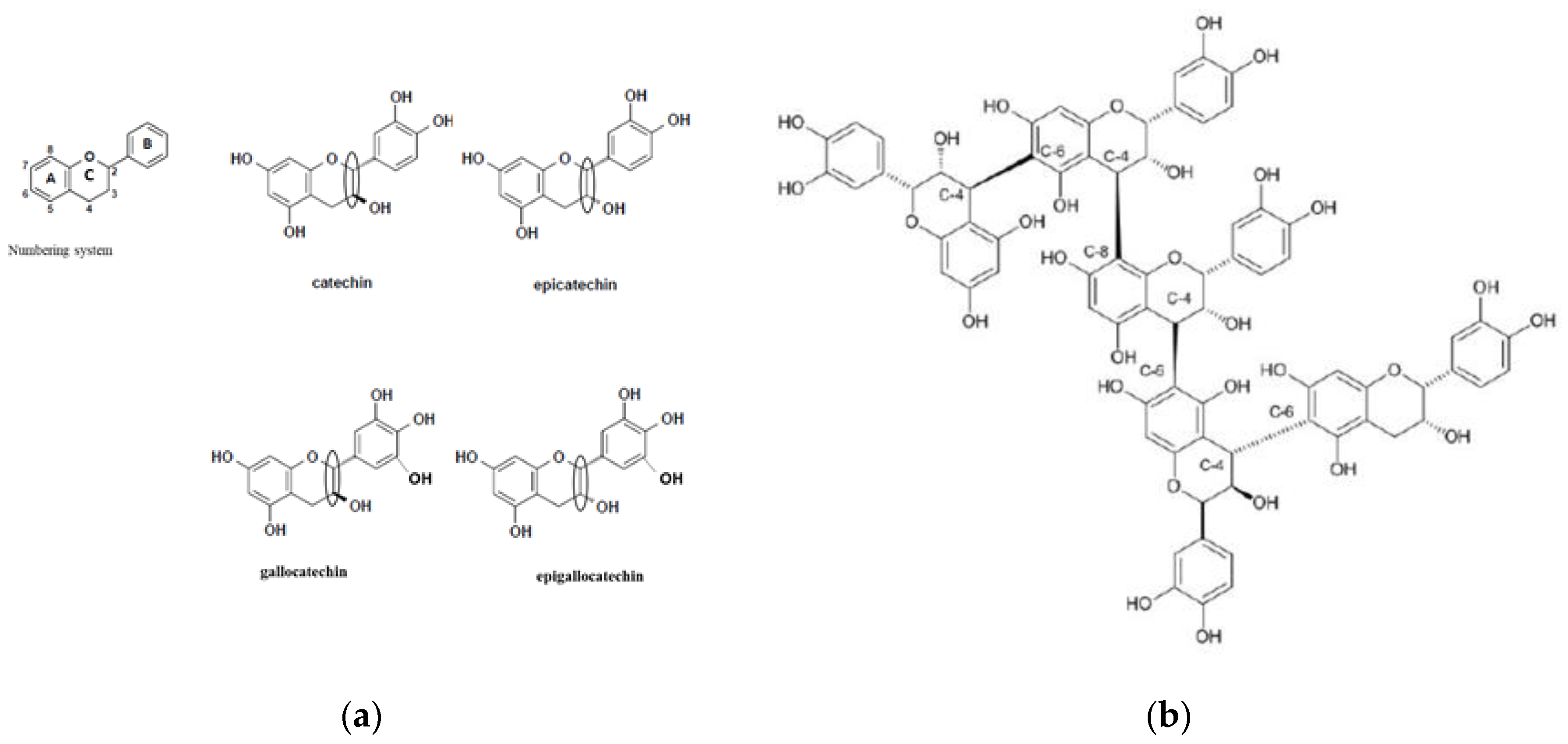
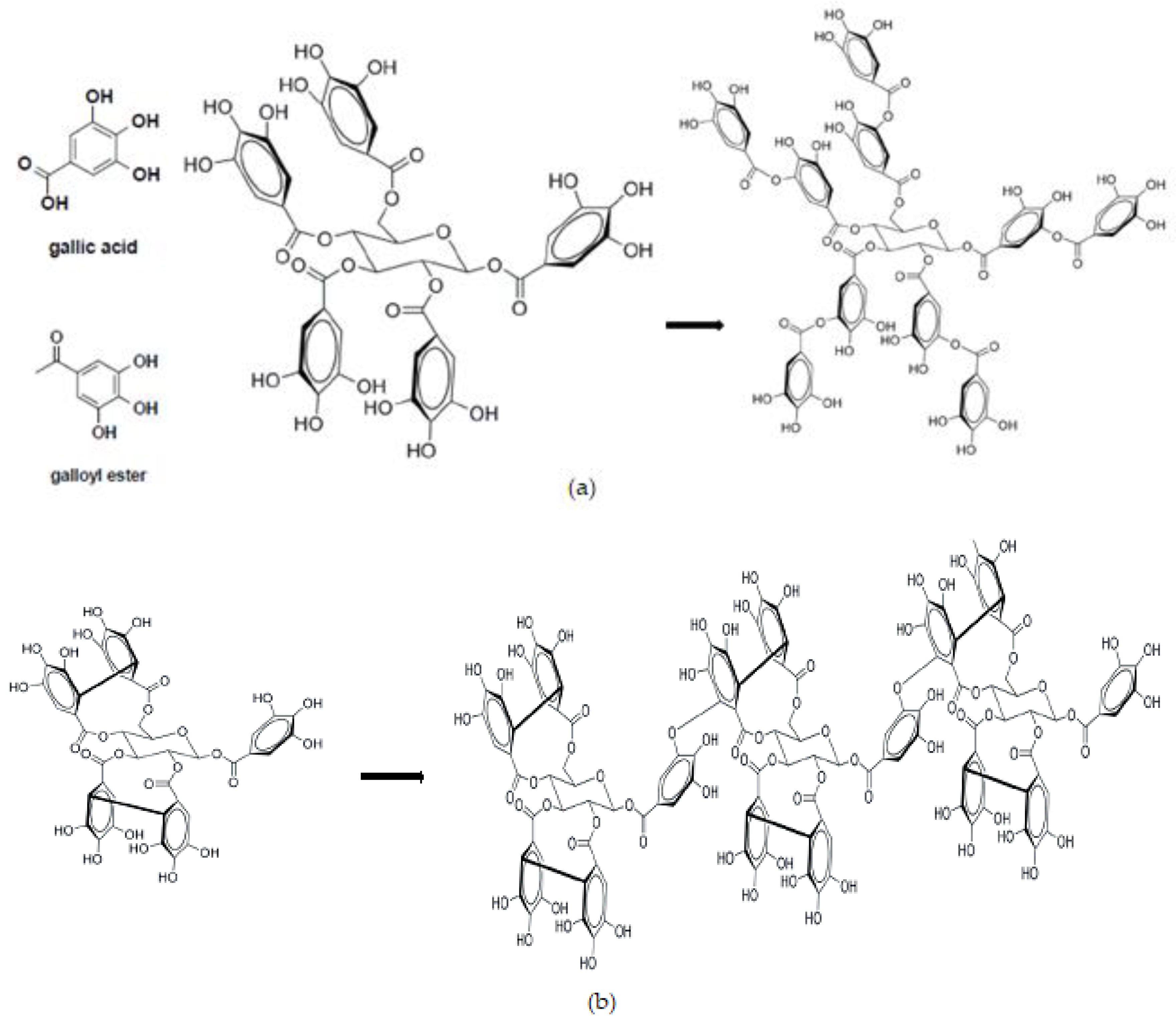
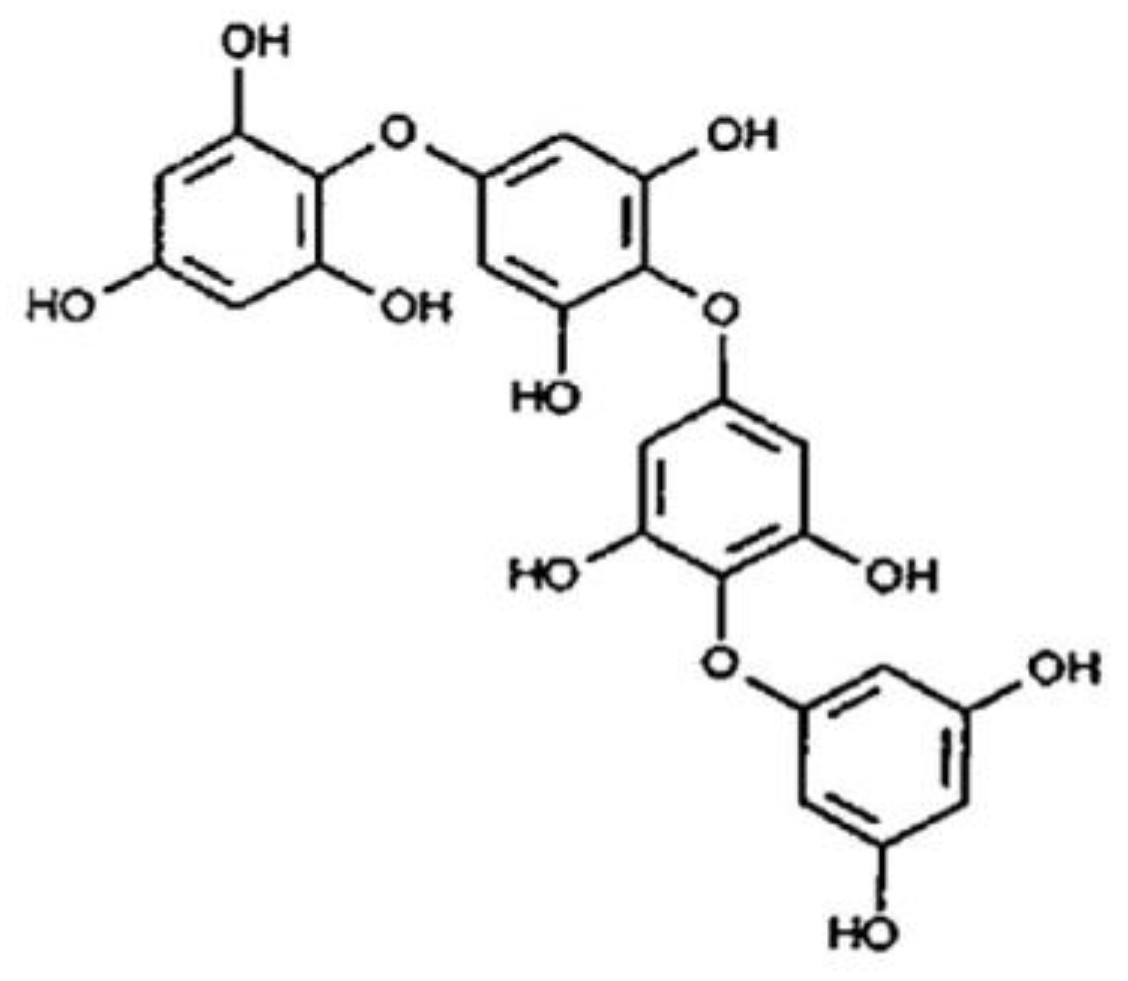
There is a need to reduce enteric methane (CH4) to ensure the environmental sustainability of ruminant production systems. Tannins are naturally found in both tropical and temperate plants, and have been shown to consistently decrease urinary nitrogen (N) excretion when consumed by ruminants. However, the limited number of in vivo studies conducted indicates that the effects of tannins on intake, digestibility, rumen fermentation, CH4 production and animal performance vary depending on source, type, dose, and molecular weight (MW). There are two main types of tannin in terrestrial plants: condensed tannin (CT; high MW) and hydrolysable tannin (HT; low MW). Consumption of CT and HT by ruminants can reduce N excretion without negatively affecting animal performance. High MW tannins bind to dietary protein, while low MW tannins affect rumen microbes, and thus, irrespective of type of tannin, N excretion is affected. The structure of high MW tannin is more diverse compared with that of low MW tannin, which may partly explain the inconsistent effects of CT on CH4 production reported in in vivo studies. In contrast, the limited number of in vivo studies with low MW HT potentially shows a consistent decrease in CH4 production, possibly attributed to the gallic acid subunit. Further in vivo studies are needed to determine the effects of tannins, characterized by MW and structural composition, on reducing CH4 emissions and improving animal performance in ruminants.
Keywords:
tannins; methane; ruminants; performance