Integrated Transcriptomic and Metabolomic Analysis Reveals the Meat Production Features in Hybrid Sheep
by
 ,
,
Zhenghan Chen
1,2,3 ,
,
Shuwei Dong
3,
Liwa Zhang
1,2,
Xuejiao An
1,2,
Qiao Li
1,2,
Zhenfei Xu
4,
Zhiguang Geng
4,
Haina Shi
4,
Chune Niu
1,2,
Rui Zhang
1,2,* and
Yaojing Yue
1,2,* 1
Key Laboratory of Animal Genetics and Breeding on the Tibetan Plateau, Ministry of Agriculture and Rural Affairs, Lanzhou Institute of Husbandry and Pharmaceutical Sciences, Chinese Academy of Agricultural Sciences, Lanzhou 730050, China
2
Sheep Breeding Engineering Technology Research Center of Chinese Academy of Agricultural Sciences, Lanzhou 730050, China
3
Shaanxi Provincial Engineering and Technology Research Center of Cashmere Goats, Life Science Research Center, Yulin University, Yulin 719000, China
4
Institute of Agricultural Sciences of Qingyang, Qingyang 745000, China
*
Authors to whom correspondence should be addressed.
Animals 2026, 16(1), 137; https://doi.org/10.3390/ani16010137
Submission received: 18 October 2025
/
Revised: 12 December 2025
/
Accepted: 2 January 2026
/
Published: 3 January 2026
(This article belongs to the Section Animal Products)
Simple Summary
Mutton is prized by consumers for its high protein content; however, domestic production remains insufficient to meet market demand. Crossbreeding is an effective approach to enhance production performance and meat quality in hybrid offspring. To elucidate the regulatory mechanisms underlying this heterosis, this study compared the meat yield and muscle fiber characteristics of Hu sheep, Suffolk sheep, and their F1 hybrids. Through transcriptomic and metabolomic analyses of the M. Longissimus dorsi thoracis et lumborum (hereafter referred to as Longissimus dorsi) muscle, we identified key differentially expressed genes (DEGs) and differential metabolites (DMs). This aims to construct a molecular regulatory network for heterosis in meat production, thereby providing novel targets for sheep breeding.
Abstract
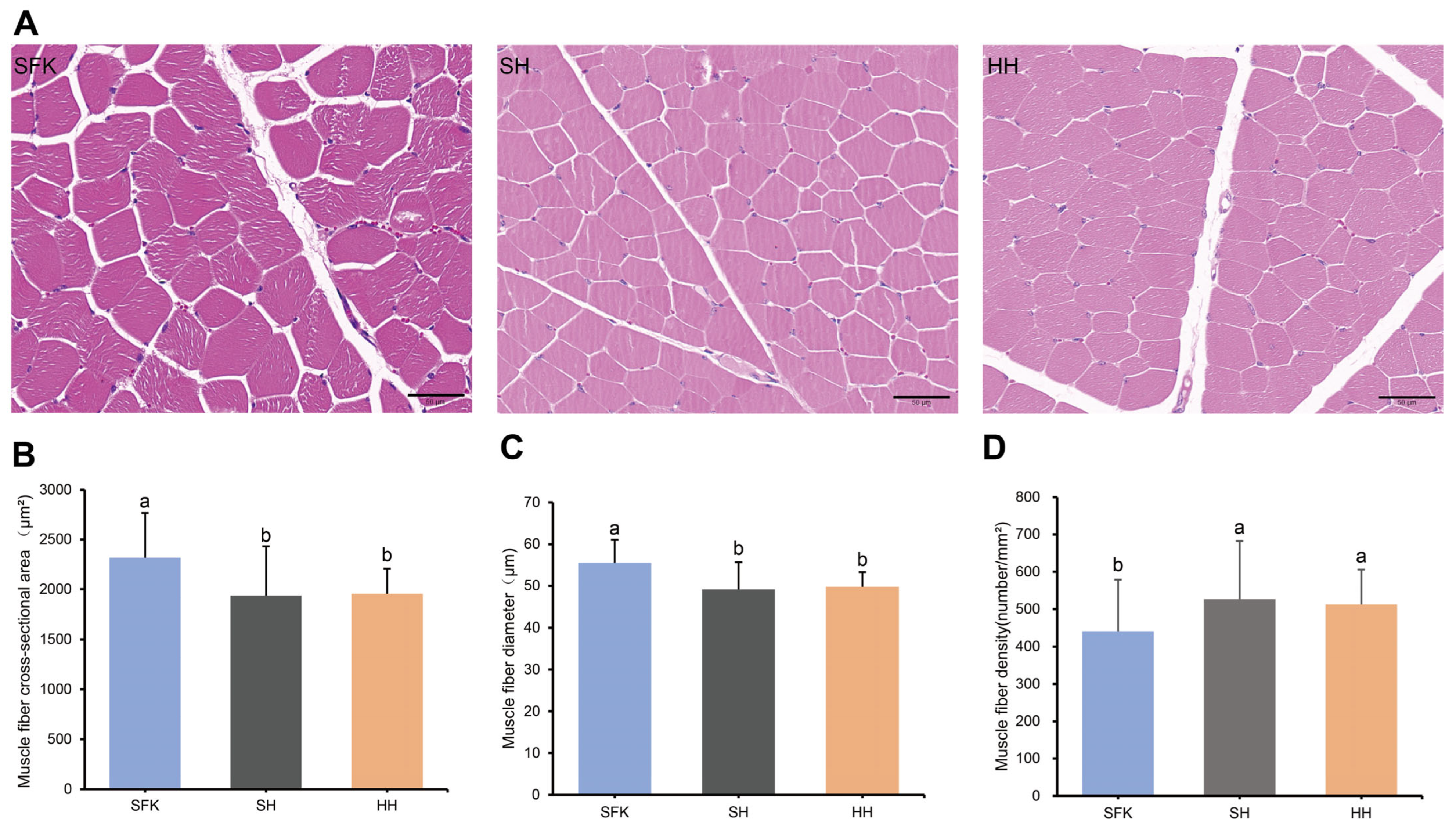
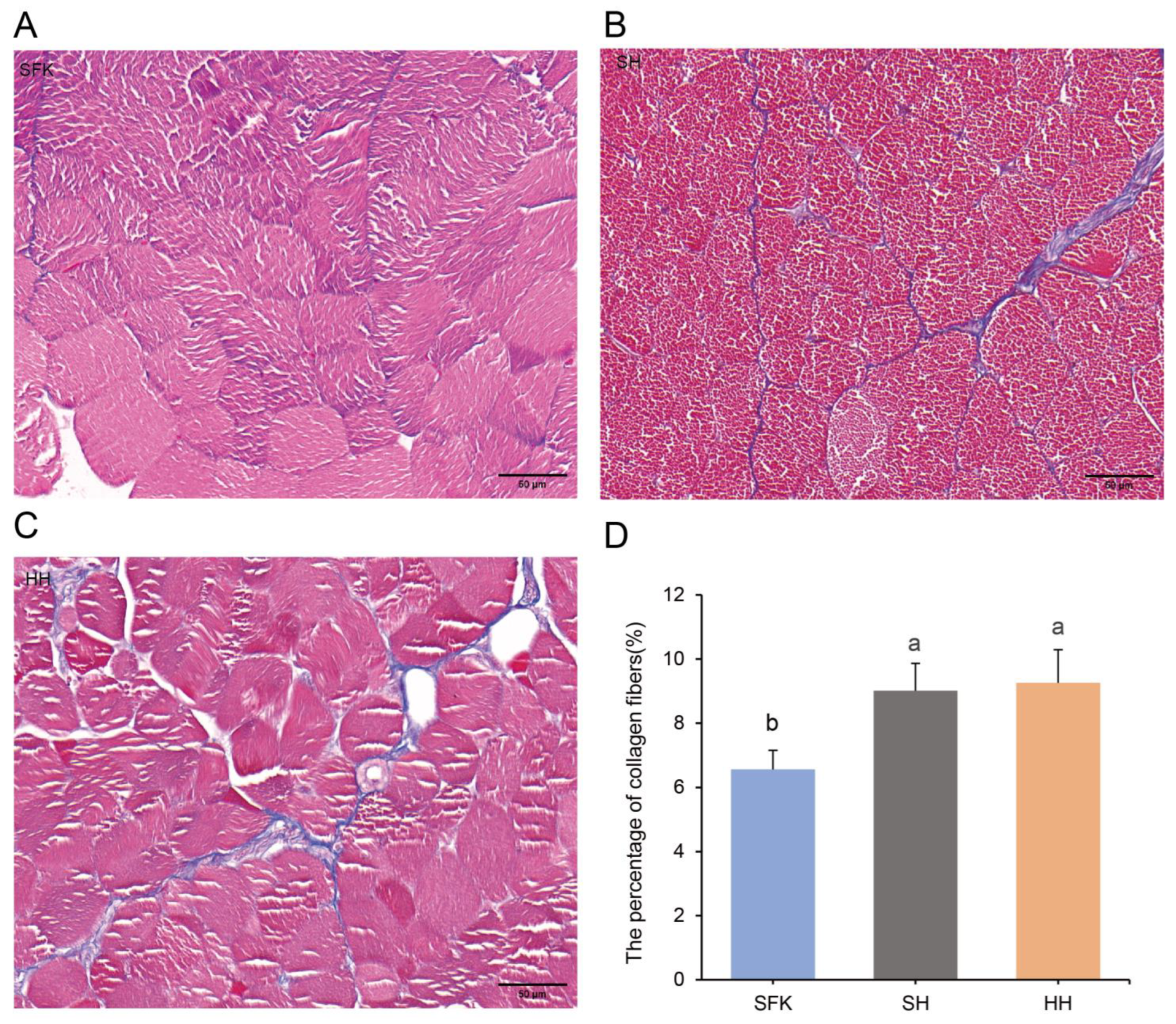
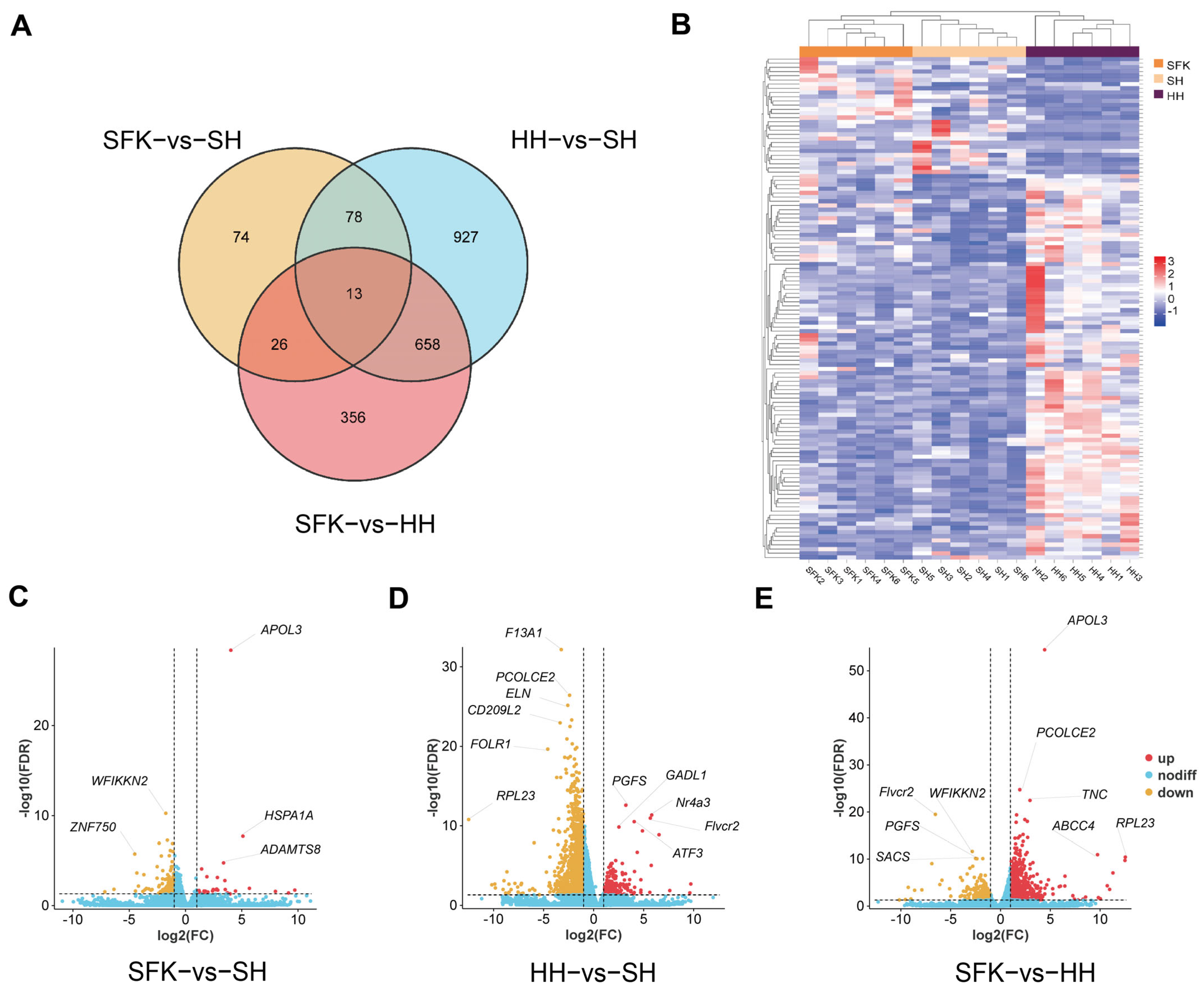
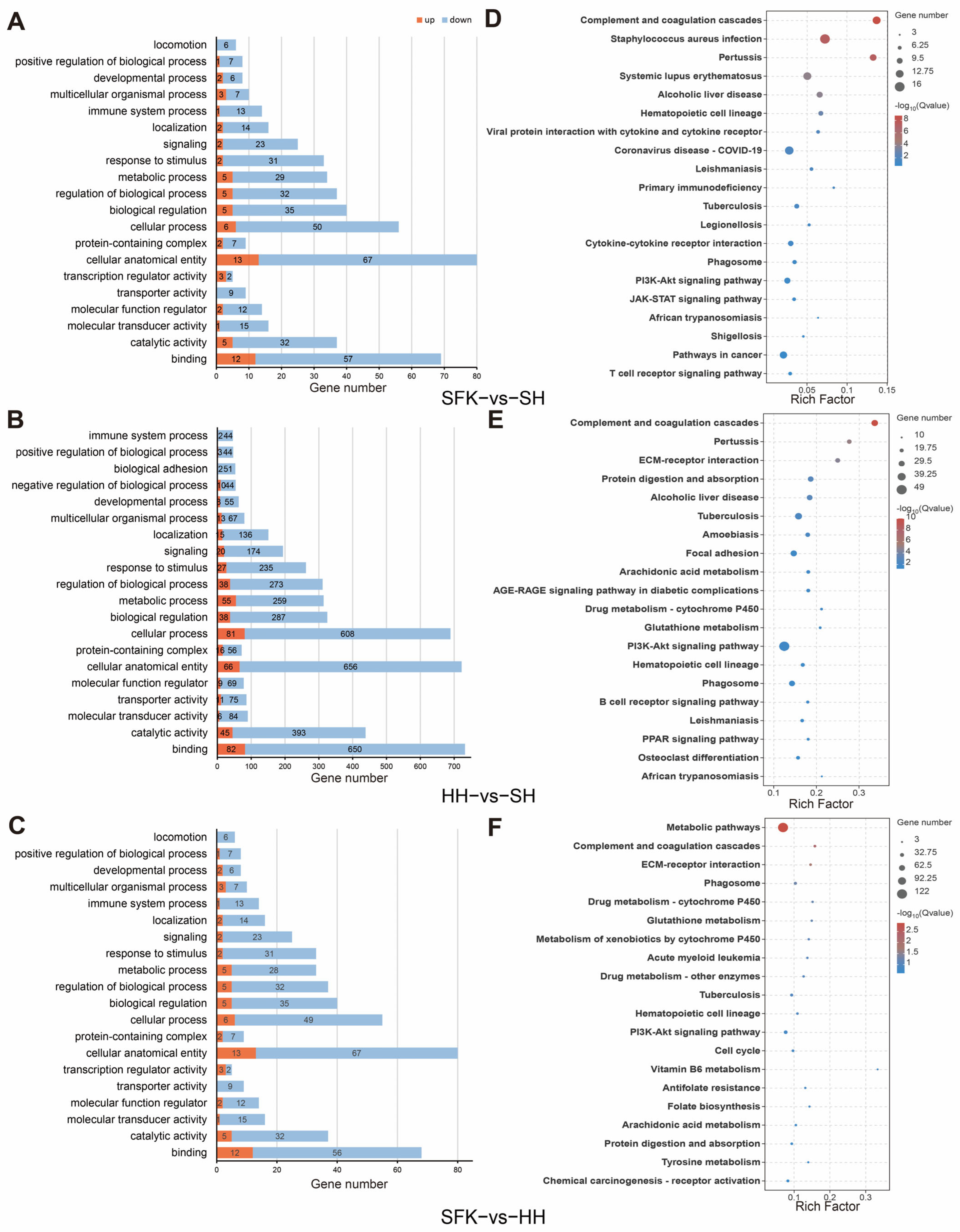
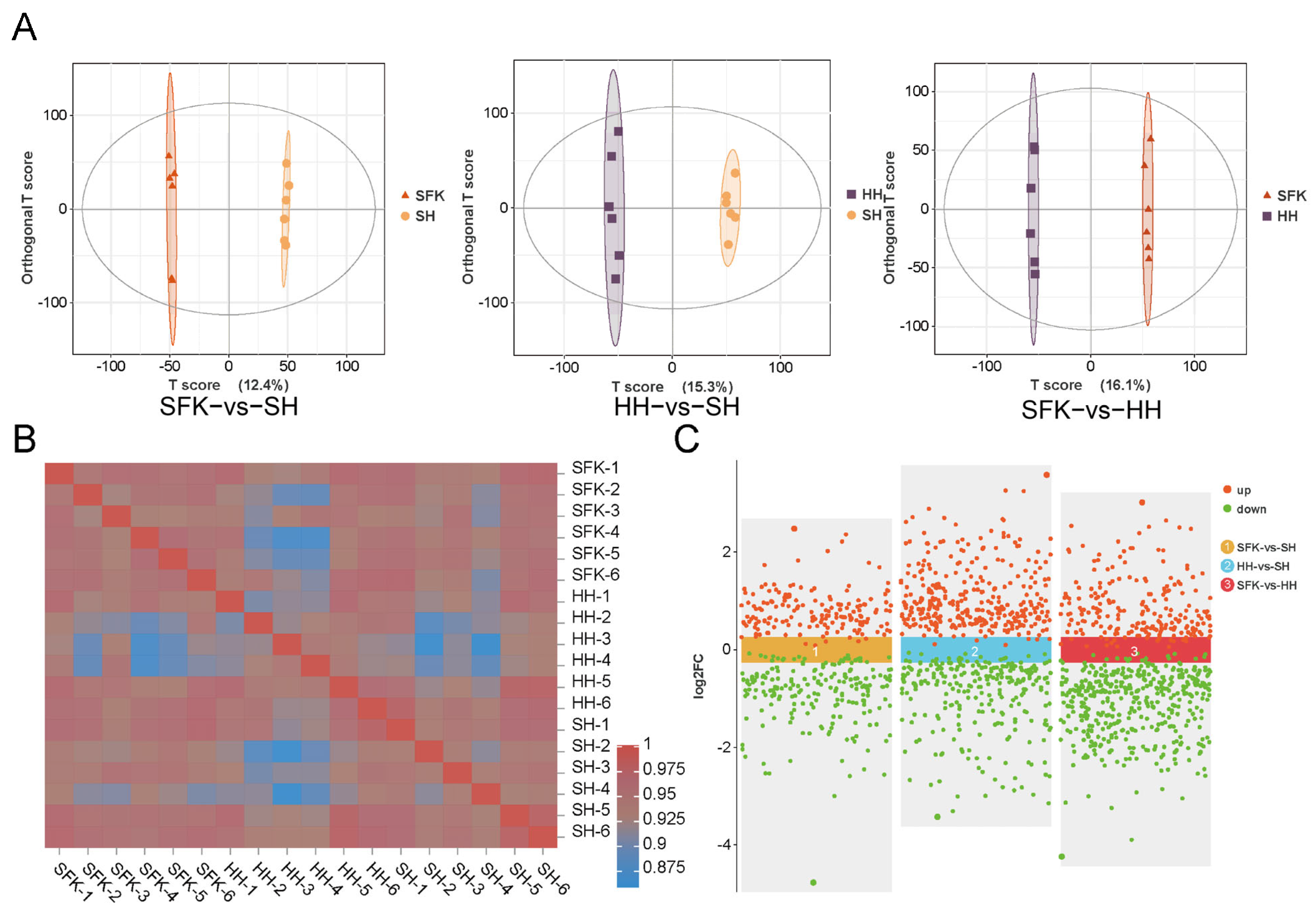
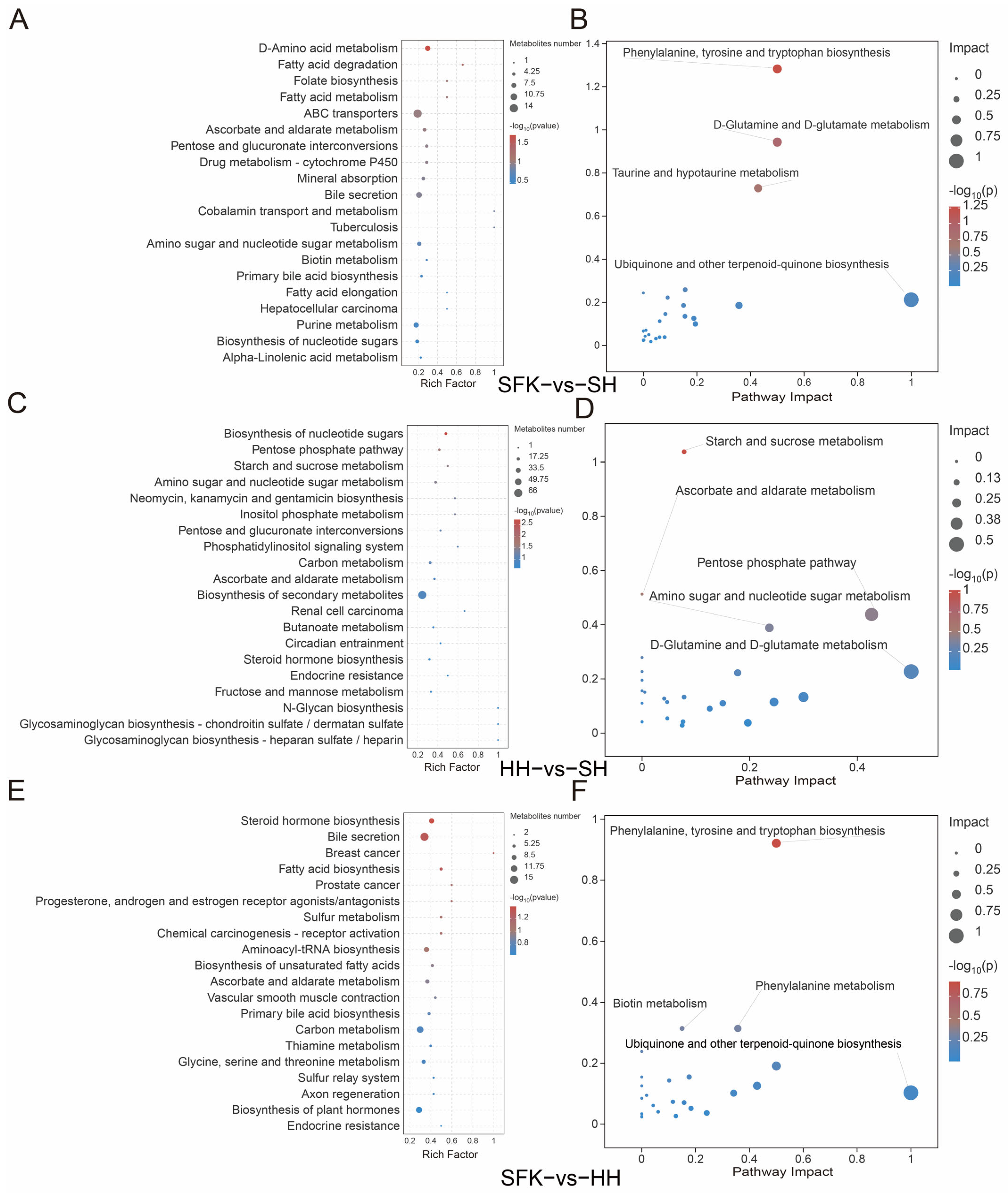
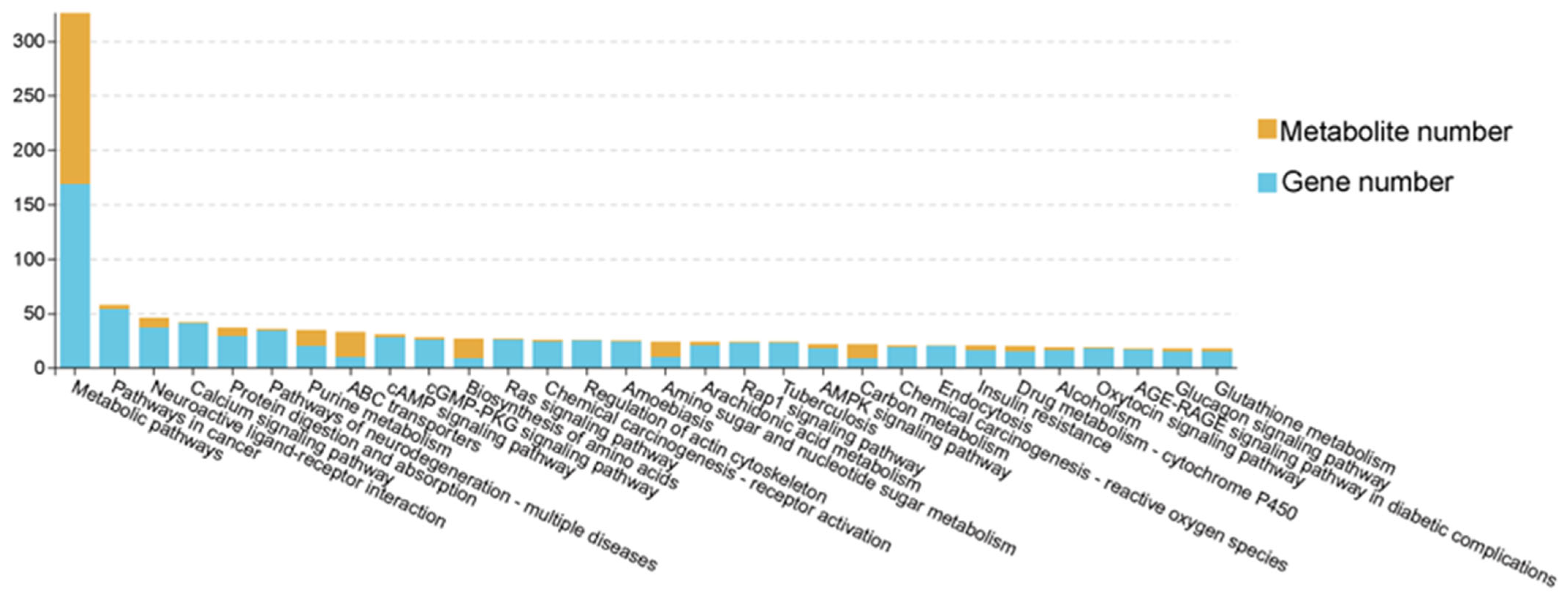
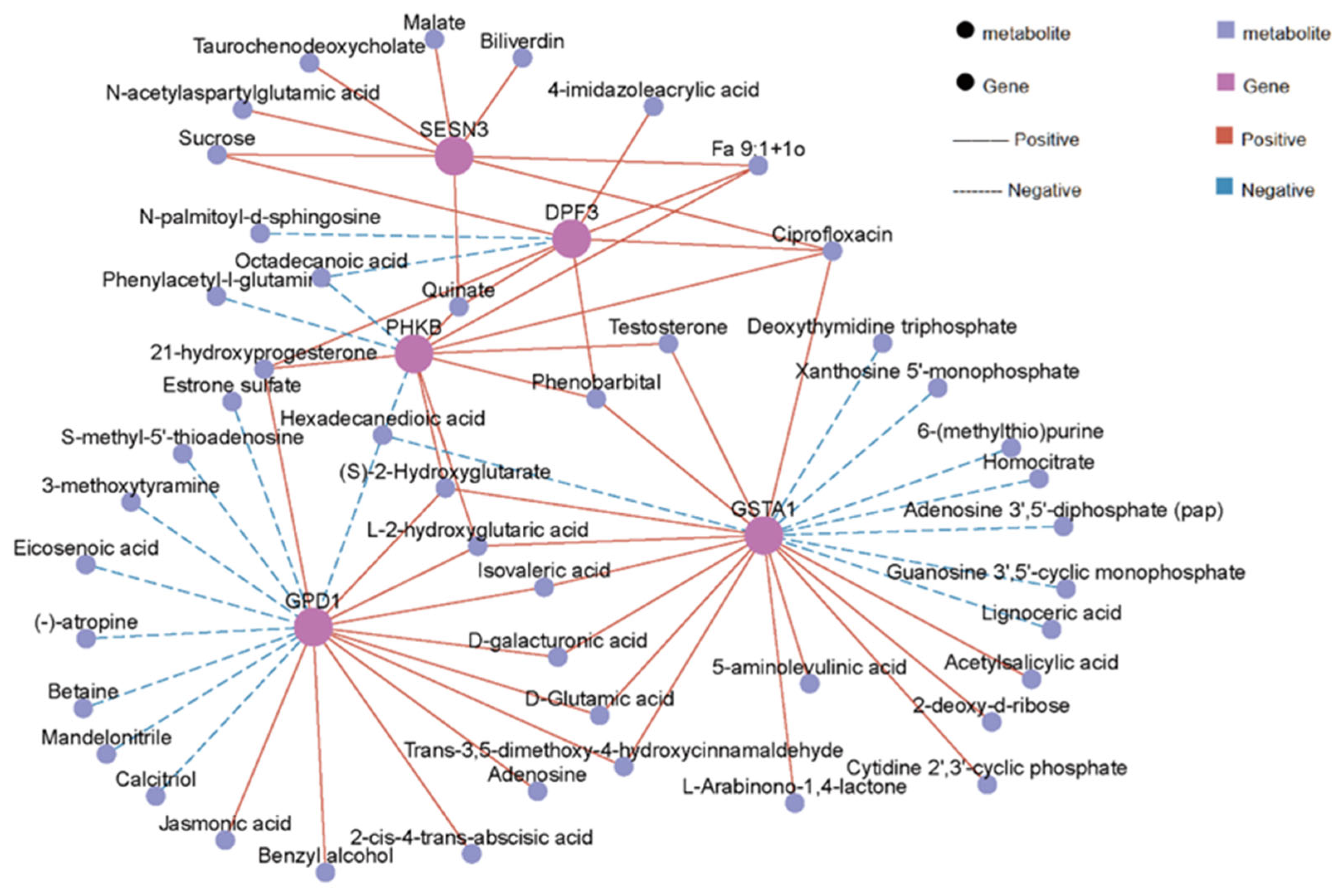
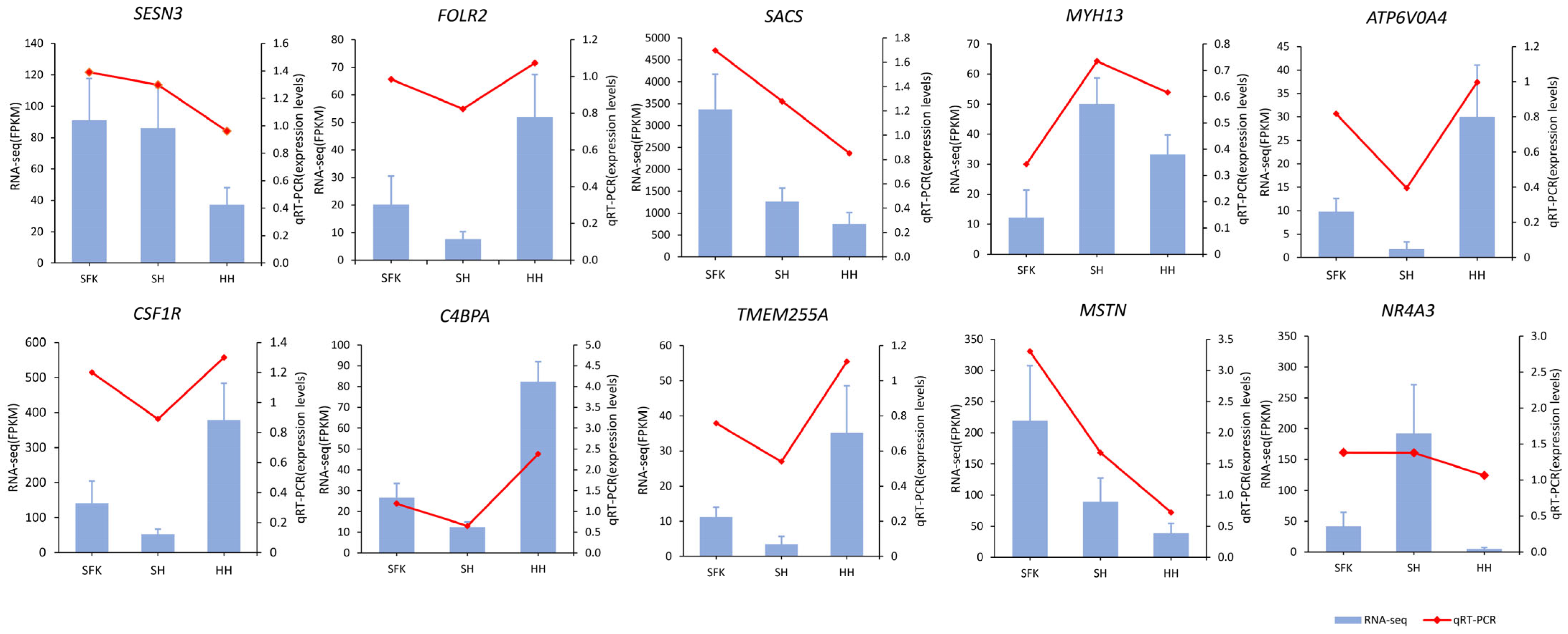
This study was conducted to investigate potential regulatory mechanisms of hybridization increased the meat production performance in sheep. Thirty-six 3-month-old male lambs of Suffolk sheep (SFK, n = 12), Hu sheep (HH, n = 12), and their F1 hybrids (SH, n = 12) were selected and raised in individual pens under identical nutritional supply and husbandry management regimes over a 95-day (including a 15-day pre-trial period) experimental period. At the end of the feeding trial, six sheep closest to the average body weight were selected from each group for the subsequent trial, involving the collection of Longissimus dorsi samples and the determination of production performance, muscle fiber characteristic and transcriptomic and metabolomic analysis. The results showed that the SH sheep had significantly higher pre-slaughter live weight and carcass weight than the HH sheep, while lower than those of the SFK sheep (p < 0.05). The muscle fiber density of the SH group was significantly higher than that of the parental groups, while the muscle fiber diameter and cross-sectional area were significantly smaller (p < 0.05). The collagen fiber content of the SH group was intermediate between the two parental groups and significantly higher than that of the SFK group (p < 0.05). Transcriptomic analysis identified 2920 differentially expressed genes (DEGs), which were mainly enriched in the AMPK, PI3K-Akt, and PPAR signaling pathways. Metabolomic analysis detected 1617 differential metabolites (DMs), which were enriched in the fatty acid degradation and steroid hormone biosynthesis pathways. Integrated analysis revealed that core genes SESN3 and metabolites (malate, testosterone) enhance energy supply capacity through AMPK pathway, thereby promoting muscle fiber proliferation and increasing meat yield in the hybrid sheep. In conclusion, the heterosis of the SH group originates from the remodeling of muscle fiber structure and the synergistic regulation of related pathways, which provides a theoretical basis for sheep crossbreeding.
Keywords:
sheep; Suffolk; Hu sheep; meat production; heterosis; multi-omics