Characterizing the Gut Microbiota of Eurasian Otter (Lutra lutra chinensis) and Snub-Nosed Monkey (Rhinopithecus roxellana) to Enhance Conservation Practices in the Foping National Nature Reserve of China
1
State Key Laboratory of Grassland Agro-Ecosystem, Lanzhou 730020, China
2
College of Pastoral Agriculture Science and Technology, Lanzhou University, Lanzhou 730020, China
3
Foping National Nature Reserve, Hanzhong 723000, China
*
Author to whom correspondence should be addressed.
Animals 2022, 12(22), 3097; https://doi.org/10.3390/ani12223097
Submission received: 18 October 2022
/
Revised: 5 November 2022
/
Accepted: 8 November 2022
/
Published: 10 November 2022
(This article belongs to the Special Issue The Role of Intestinal Microbiota in the Conservation of Wild Animals)
Simple Summary
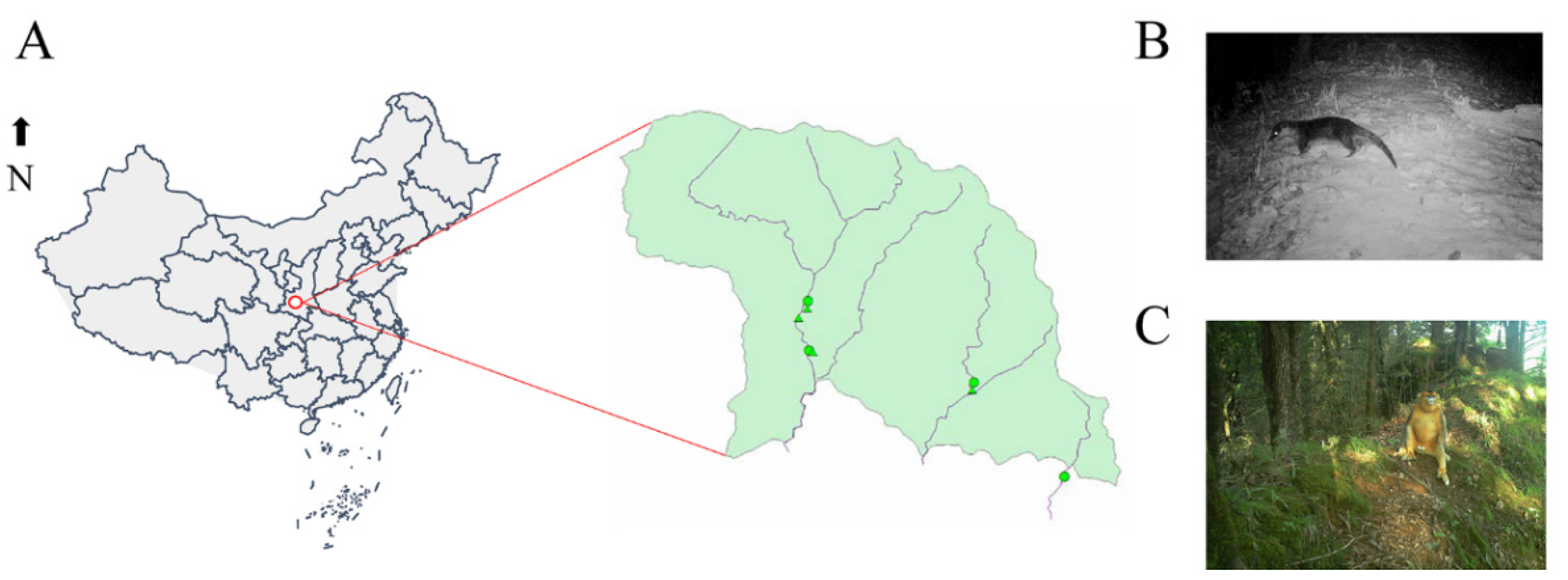
This study analyzed the relationship between soil microbes and the microbial diversity and structure of the distal gut of the terrestrial golden snub-nosed monkey and Eurasian otter in the Foping National Nature Reserve (FNNR), Shaanxi Province, China, and provides baseline information regarding the gut microbiota of these wild species.
Abstract
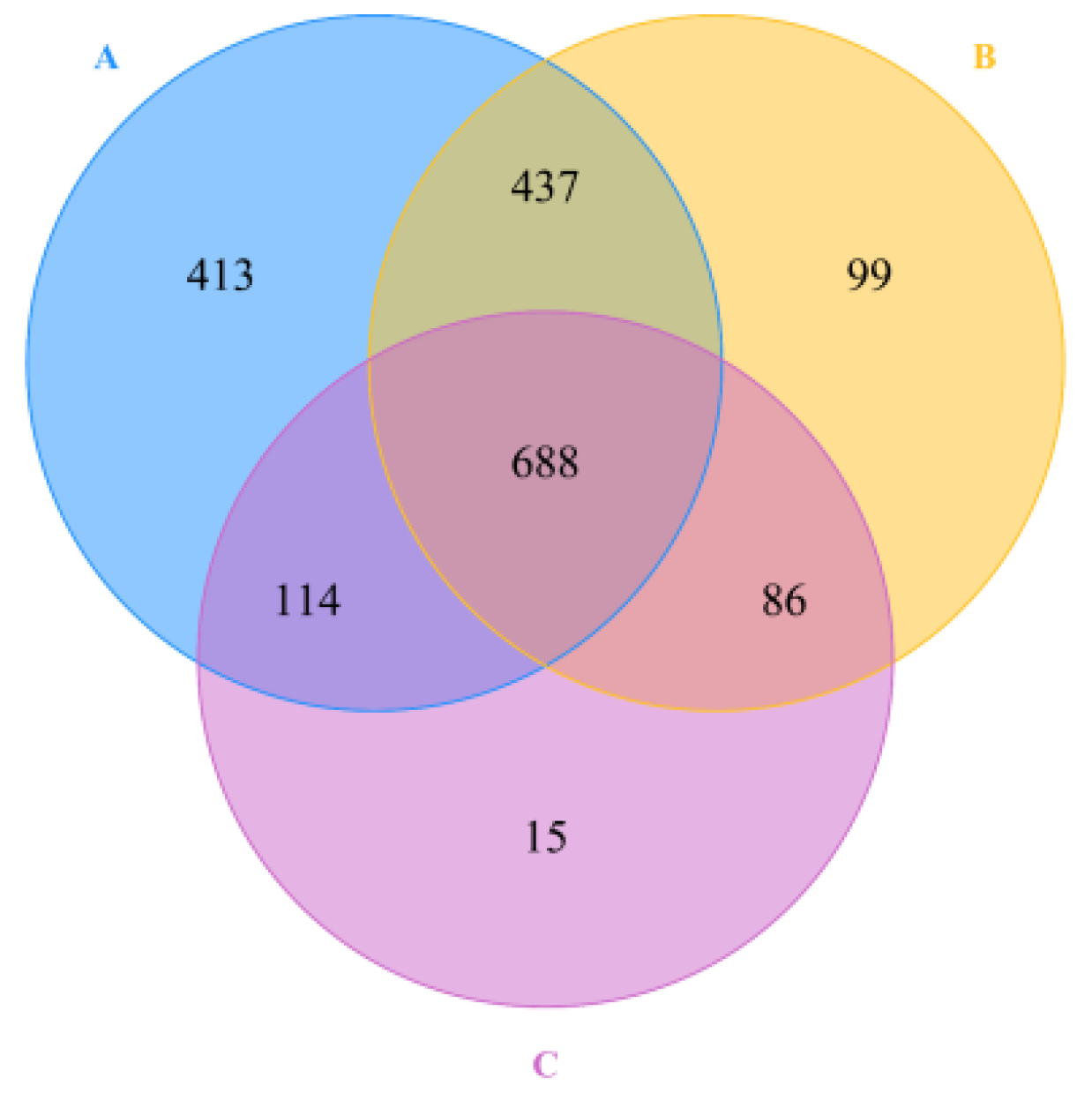
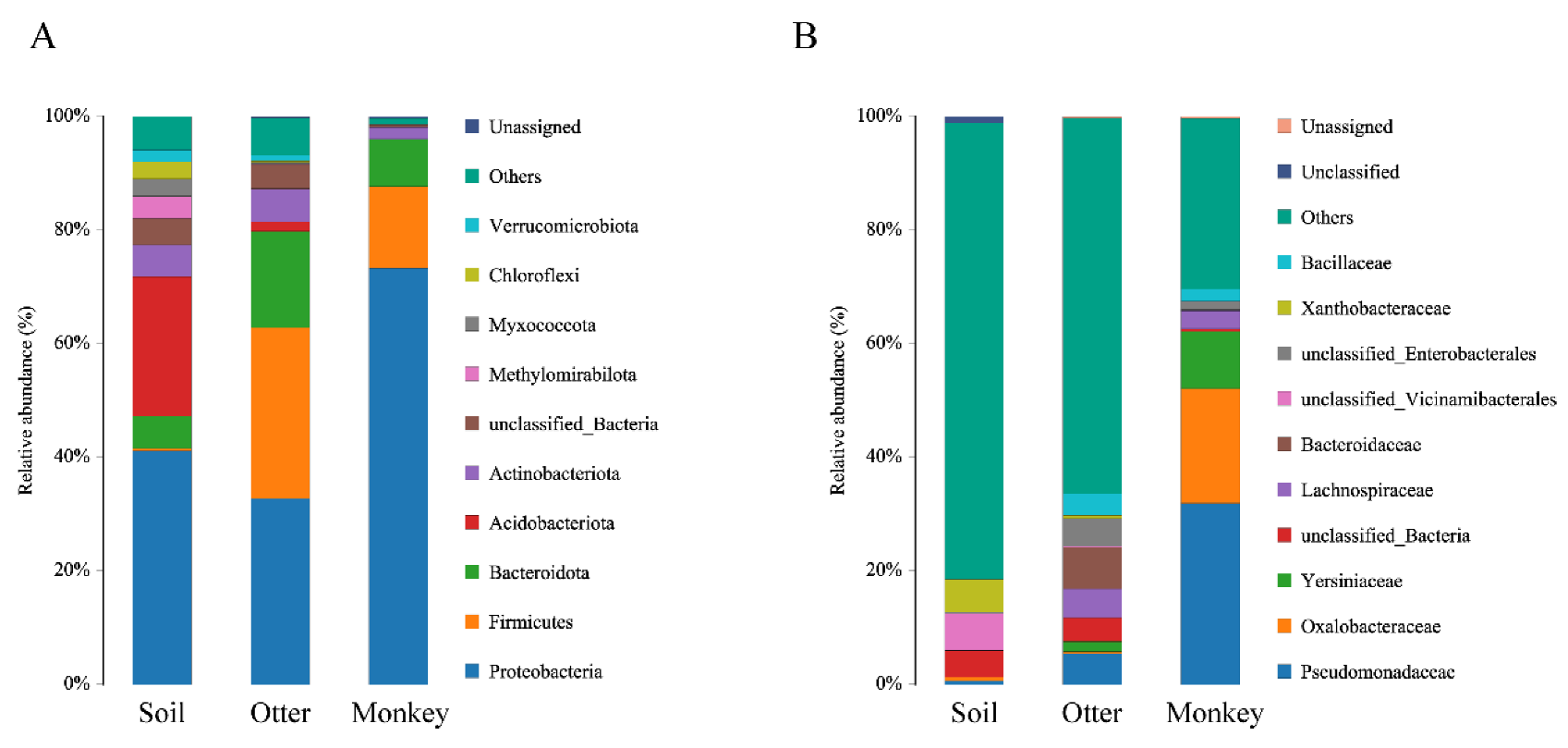
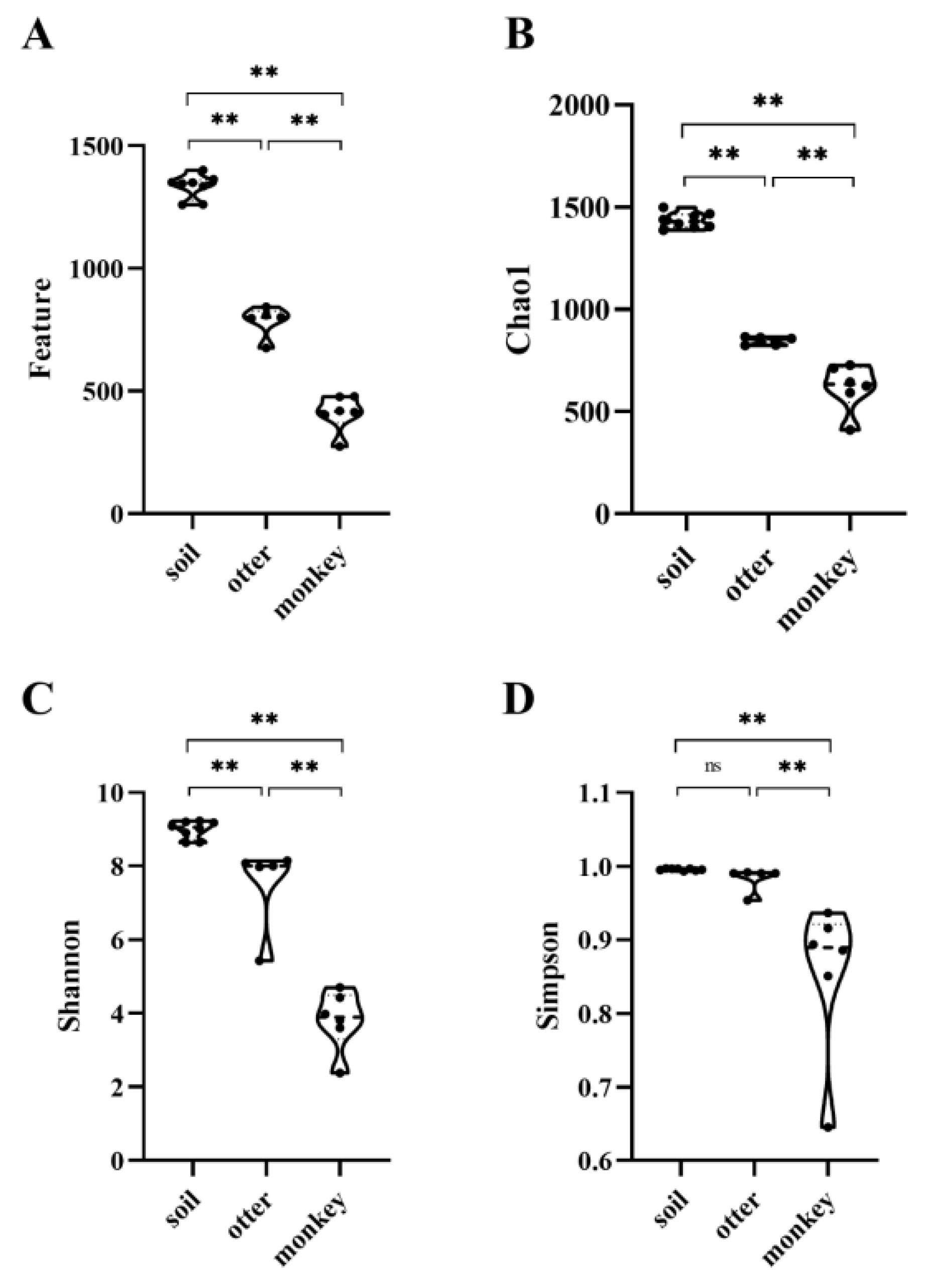
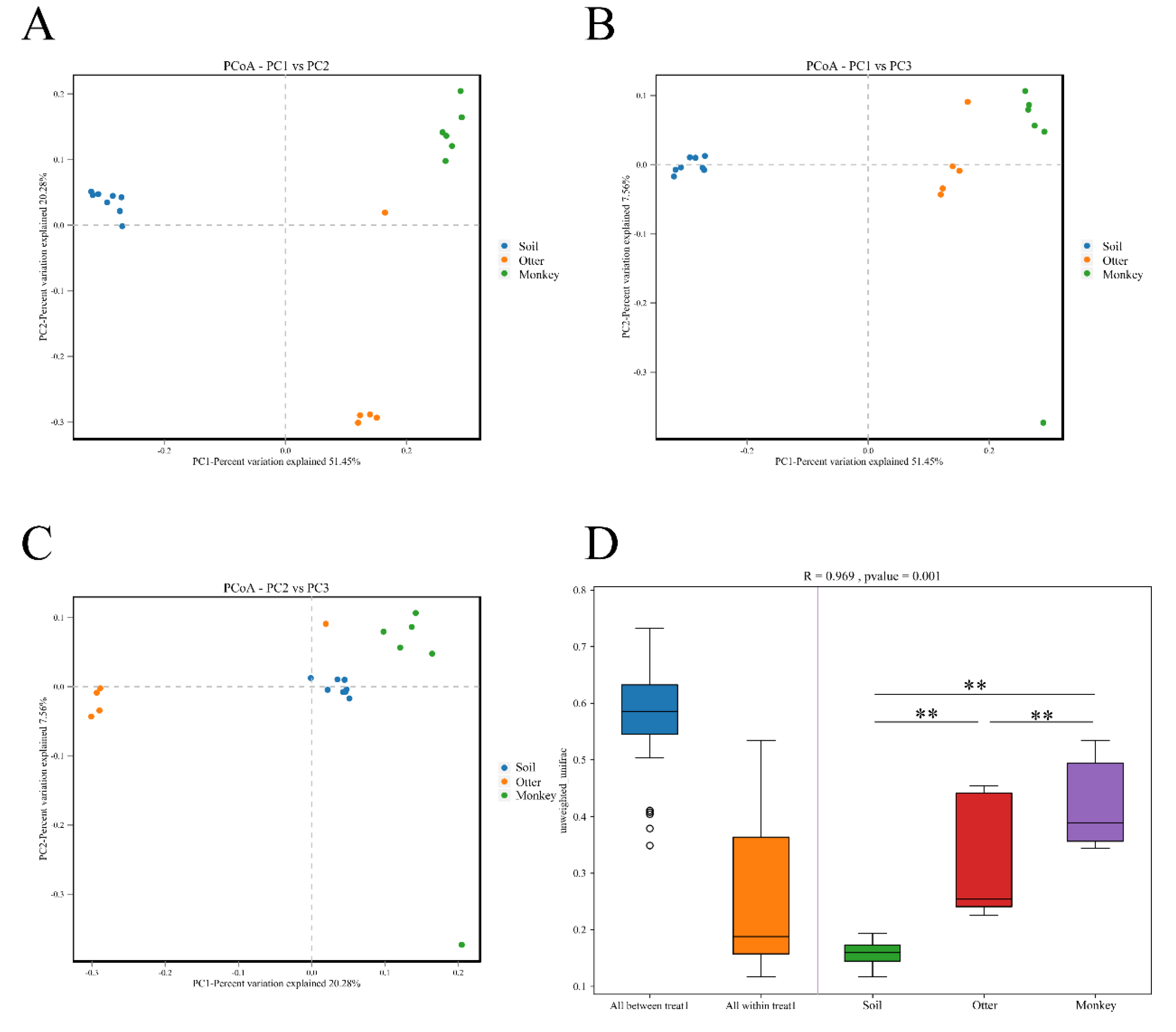
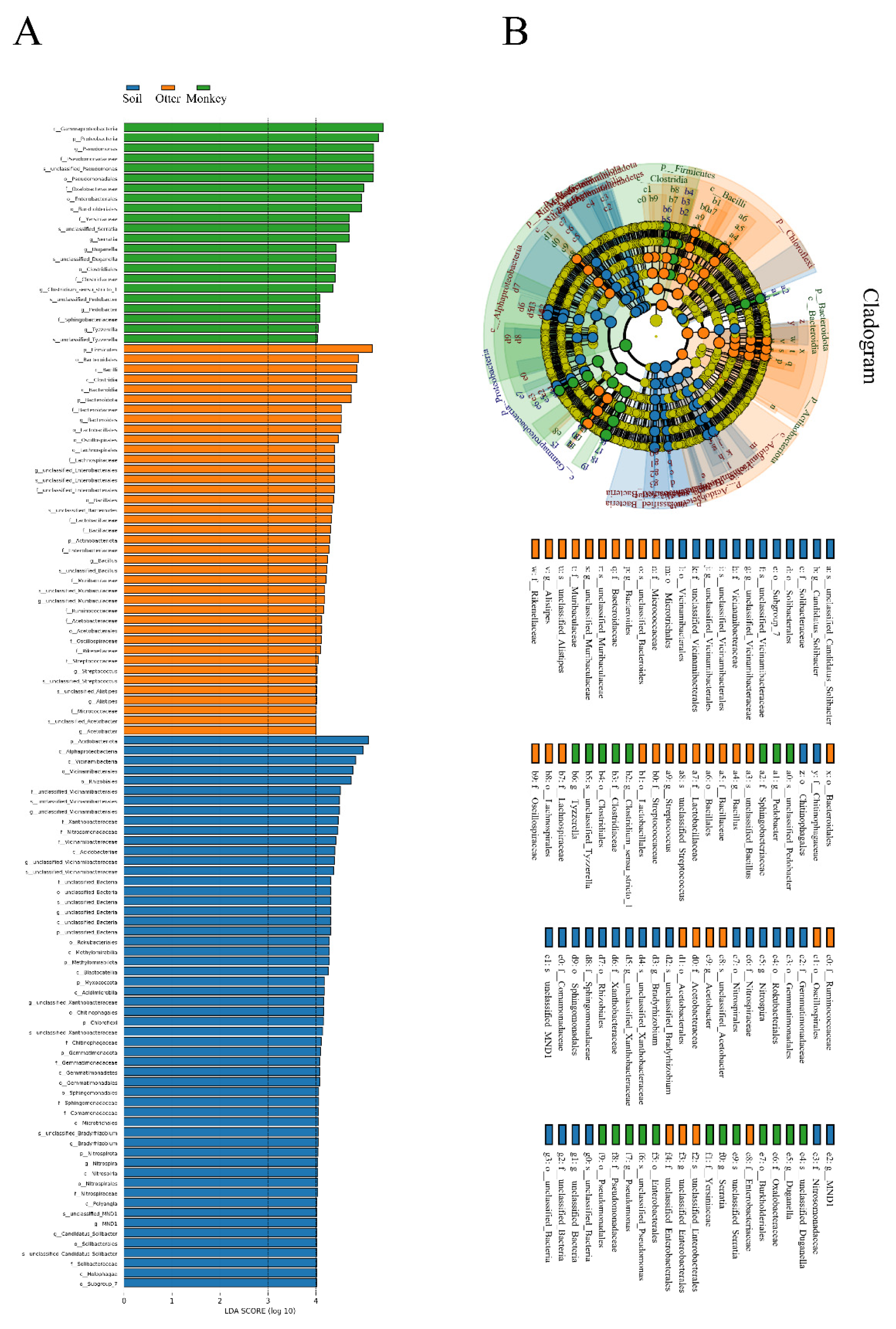
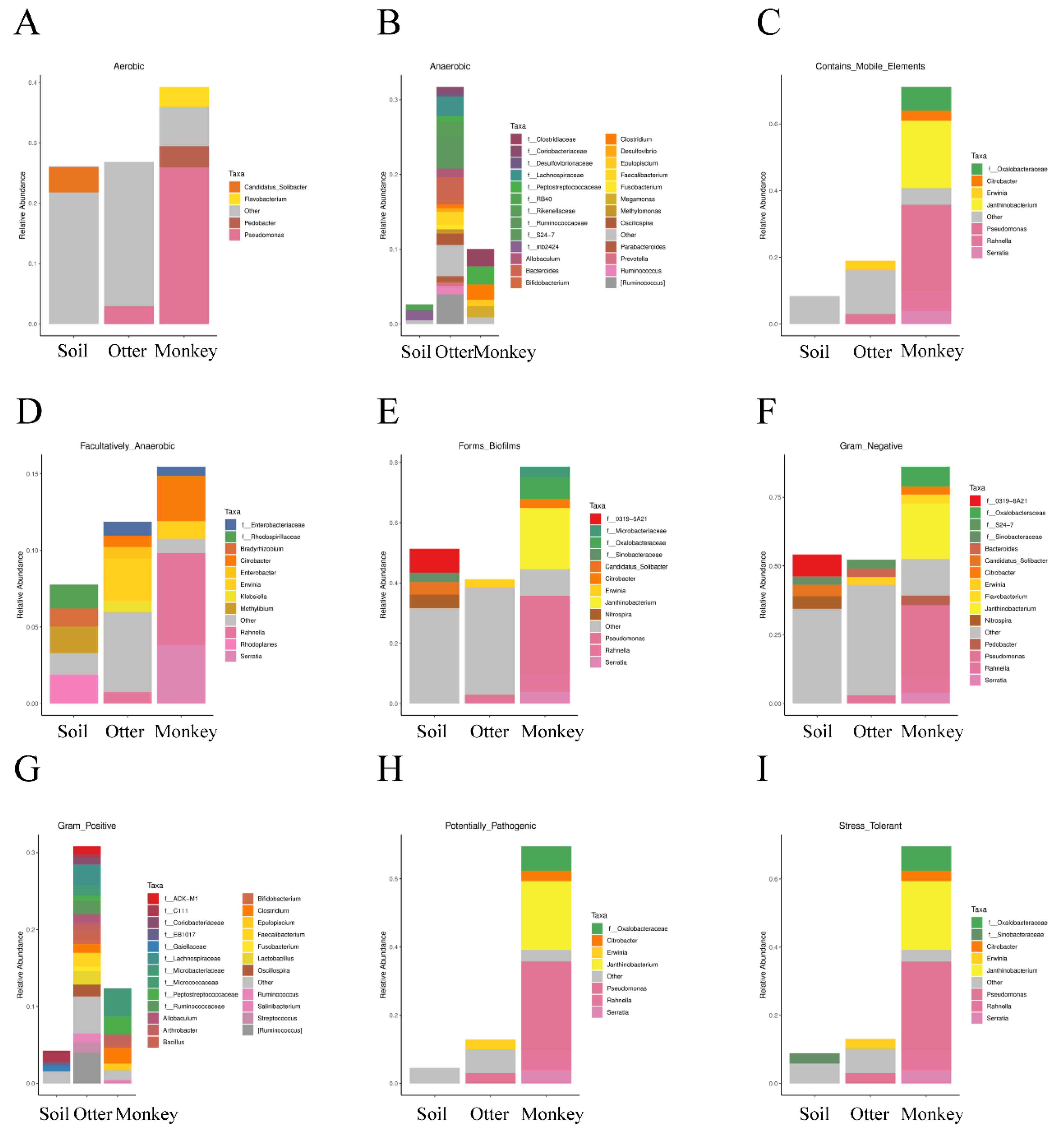
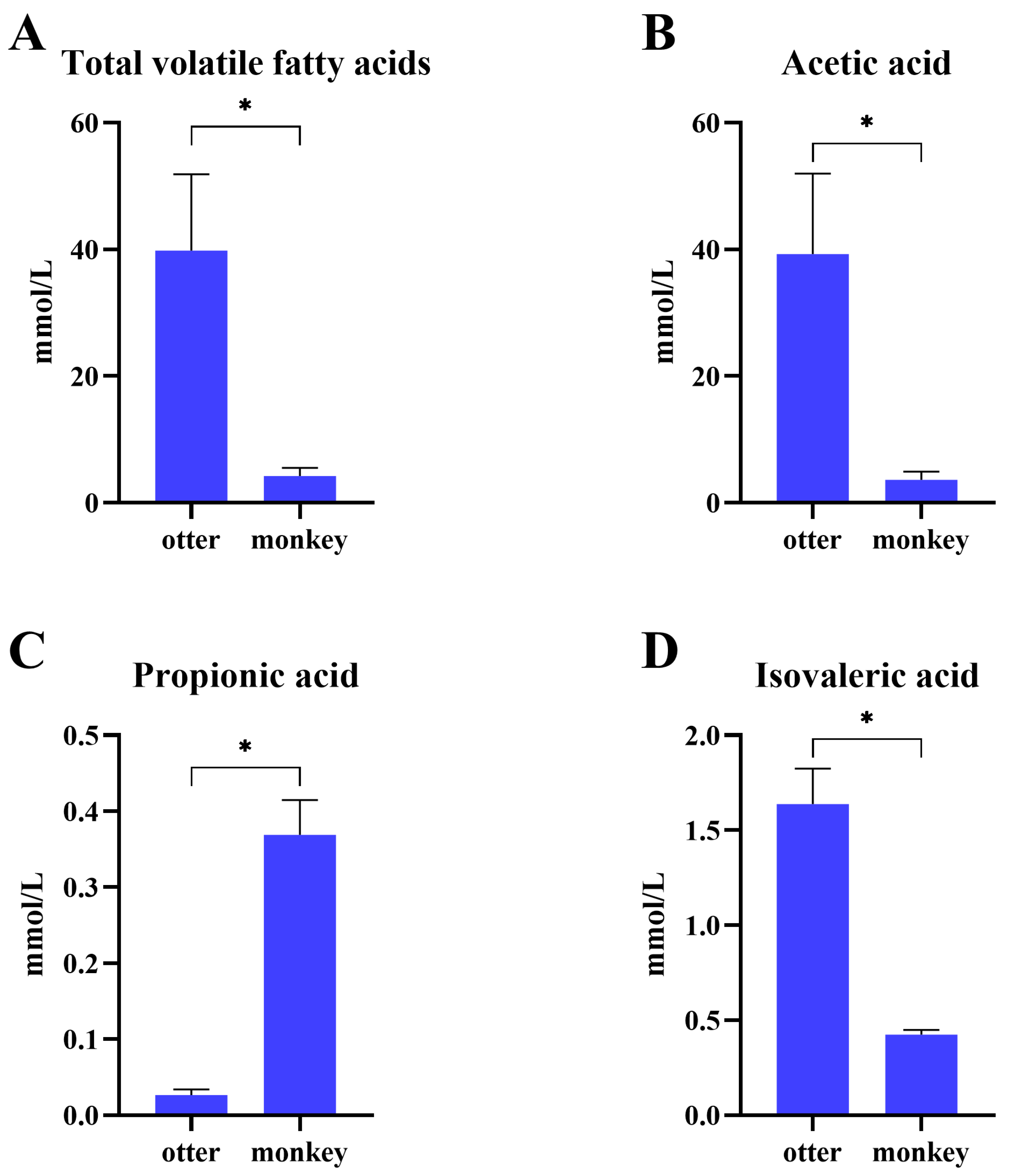
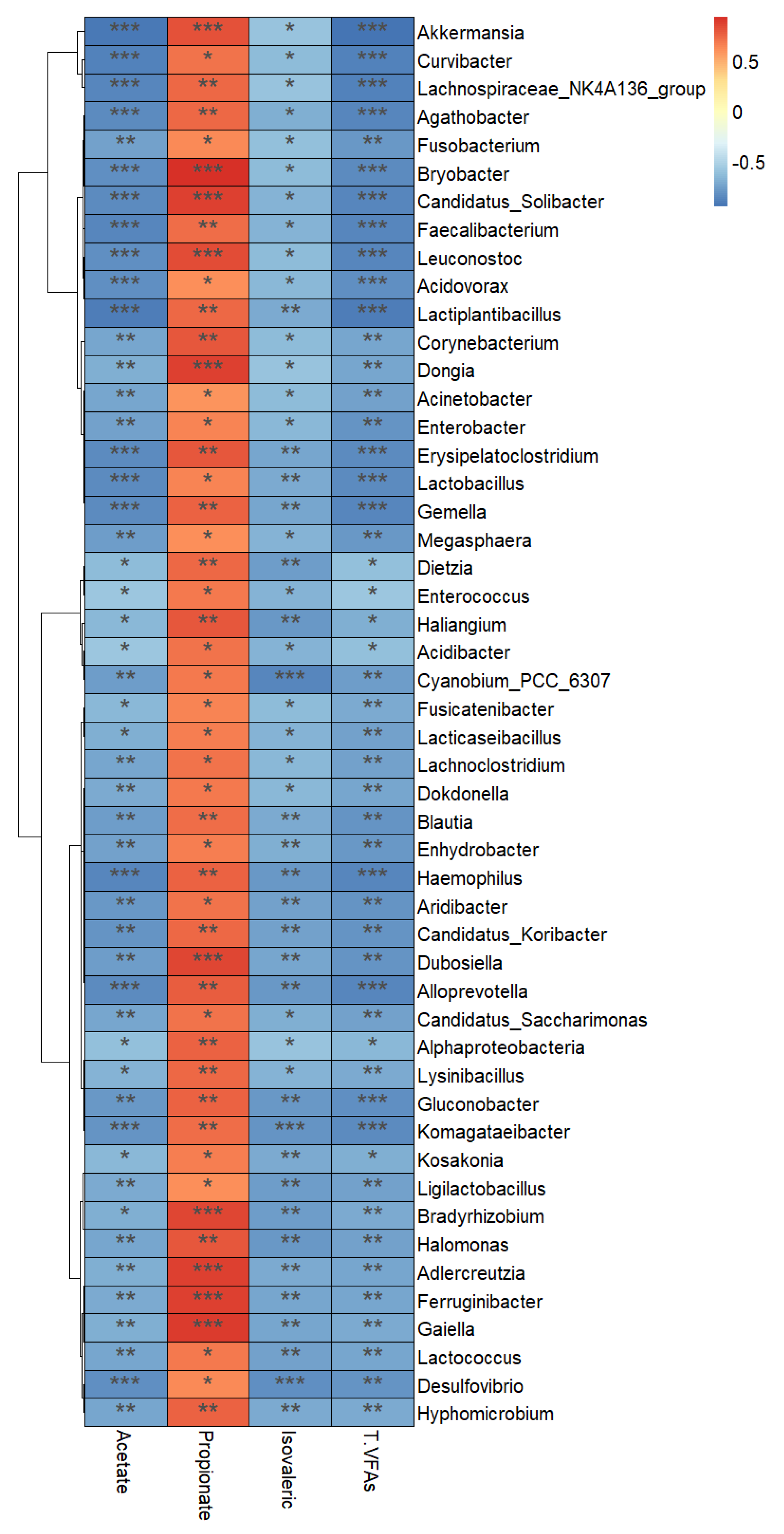
Understanding the interaction between the microbial composition in the habitat and the gut of wildlife will contribute to conservation efforts since changes in the gut microbiome have been proven to influence the healthy and nutritional status of the host. This study analyzed the relationship between soil microbes and the microbial diversity and structure of the distal gut of the terrestrial golden snub-nosed monkey and Eurasian otter in the Foping National Nature Reserve (FNNR). A total of 15 otter fecal samples and 18 monkey fecal samples were collected from which 5 and 6 samples, respectively, were randomly selected for microbiome analysis. The remaining samples were used for fecal short-chain fatty acids (SCFAs) analysis. Soil samples from the otter and monkey habitats at each sampling point (eight in total) were also collected for microbiome analysis. The microbial phyla with the greatest relative abundance in soil or animal samples were Proteobacteria (41.2, 32.7, and 73.3% for soil, otters, and monkeys, respectively), Firmicutes (0.4% soil, 30.1% otters, and 14.4% monkeys), Bacteroidota (5.6% soil, 17.0% otters, and 8.3% monkeys), and Acidobacteriota (24.6% soil, 1.7% otters, and 0.1% monkeys). The estimation of alpha diversity indices revealed that the feature, Chao1, and Shannon indices of the soil microbiome were the greatest (p < 0.01) among the three groups, followed by those of the otter microbiome and those of the monkey microbiome (p < 0.01). Beta diversity analyses confirmed differences in the microbiota of the three types of samples. The determination of SCFA concentration in feces revealed that total volatile fatty acids, acetic acid, and isovaleric acid were greater (p < 0.05) in otters than in monkeys, while propionic acid followed the opposite pattern (p < 0.05). Correlation analysis of the microbiome and SCFA contents showed that propionic acid was positively correlated with significantly different bacterial groups, while acetic and butyric acid and total volatile acids were negatively correlated. This study confirmed that the fecal microbes of Eurasian otters and golden snub-nosed monkeys in the reserve are related to the soil microbial communities of their habitats, but they have different bacterial community structures and compositions, and there are different SCFA metabolic patterns in the gut of the two animals. The present study will help to improve wildlife protection in the FNNR.