Article

Lectin-Mediated Binding of Engineered Lactococcus lactis to Cancer Cells
1
Department of Biotechnology, Jožef Stefan Institute, Jamova 39, 1000 Ljubljana, Slovenia
2
Faculty of Pharmacy, University of Ljubljana, Aškerčeva 7, 1000 Ljubljana, Slovenia
3
Lek d.d., Kolodvorska 27, 1234 Mengeš, Slovenia
*
Author to whom correspondence should be addressed.
These authors contributed equally to the manuscript.
Microorganisms 2021, 9(2), 223; https://doi.org/10.3390/microorganisms9020223

Submission received: 15 December 2020 / Revised: 14 January 2021 / Accepted: 20 January 2021 / Published: 22 January 2021
(This article belongs to the Special Issue Physiology of Lactic Acid Bacteria and Applications to Biotechnology)

Abstract

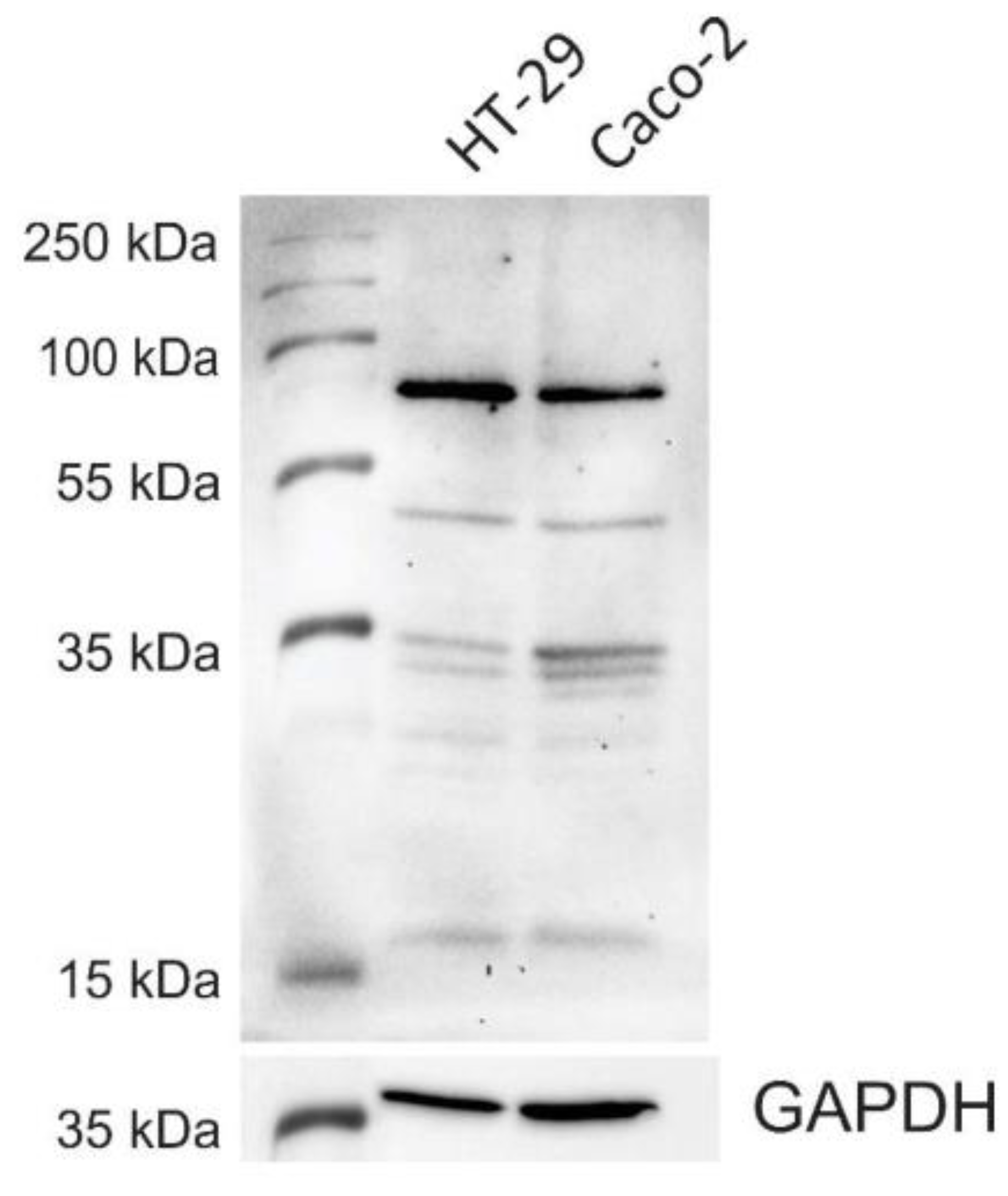
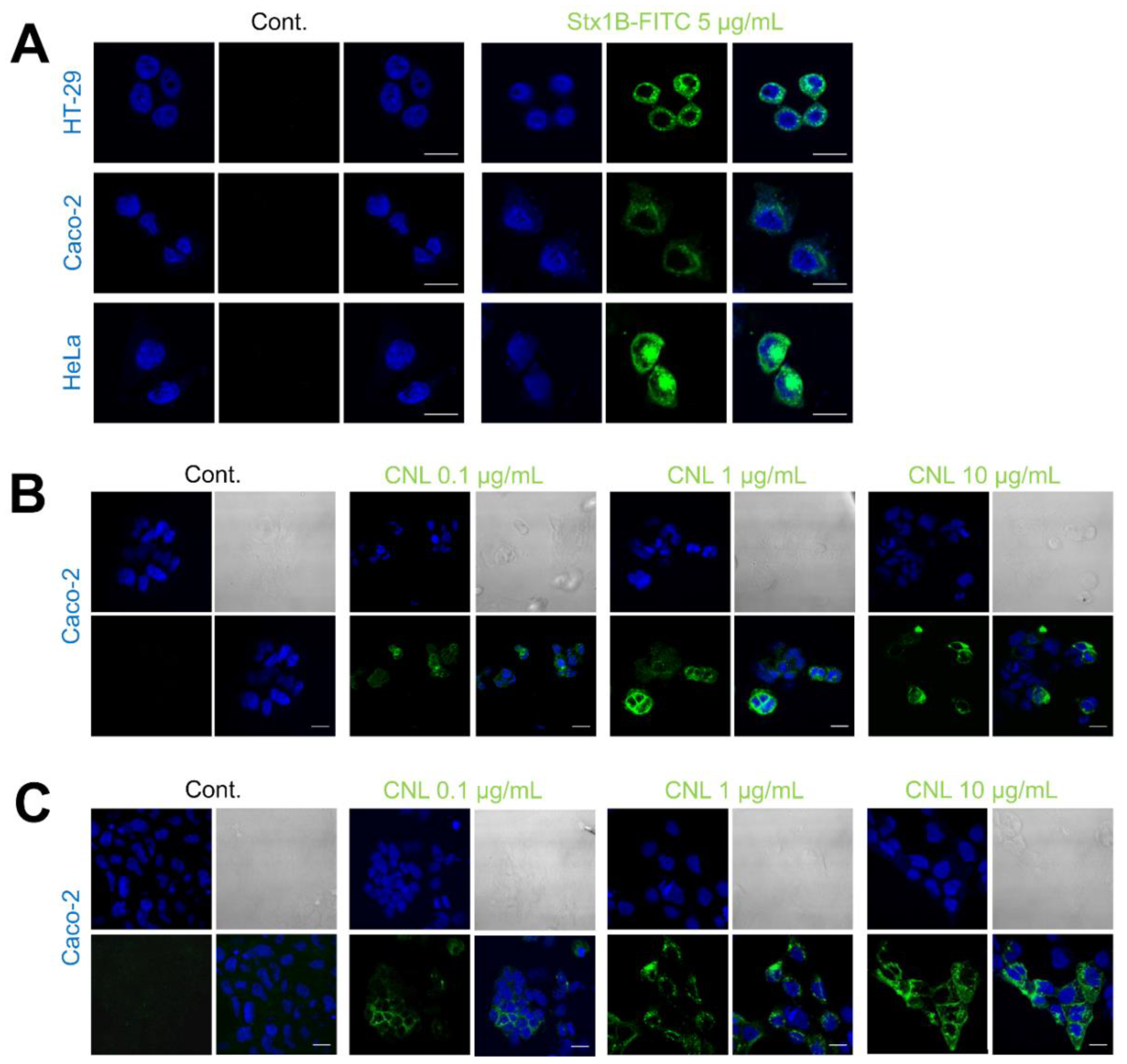
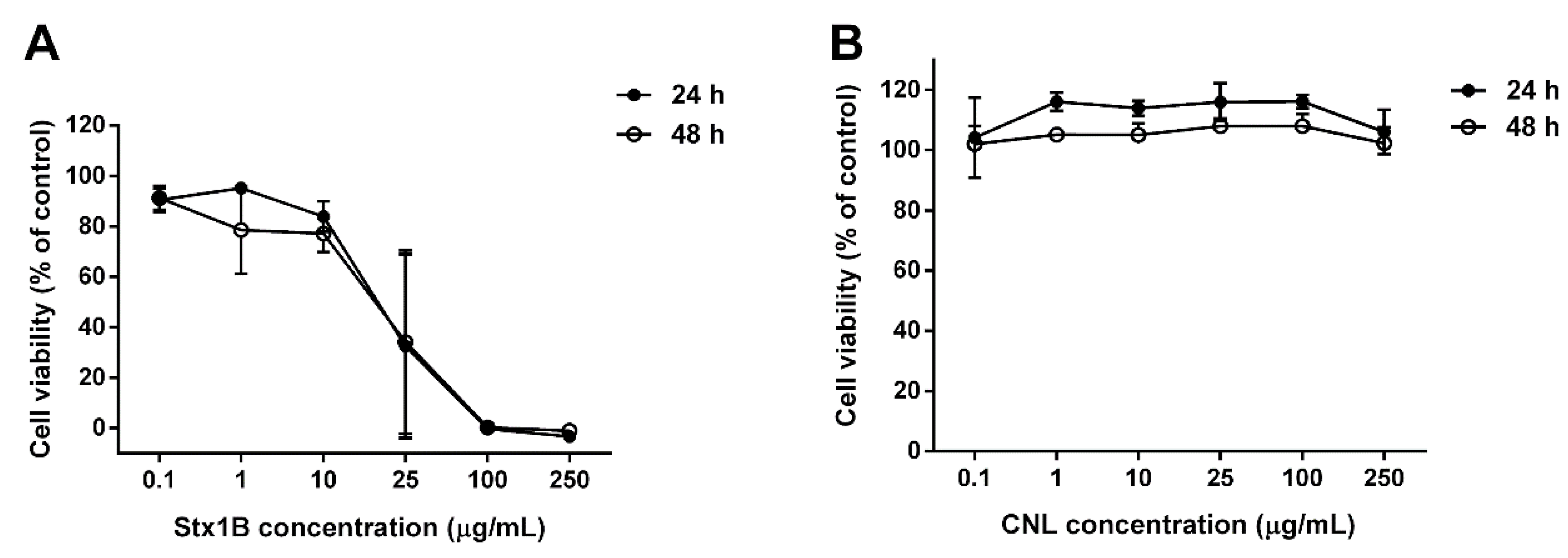
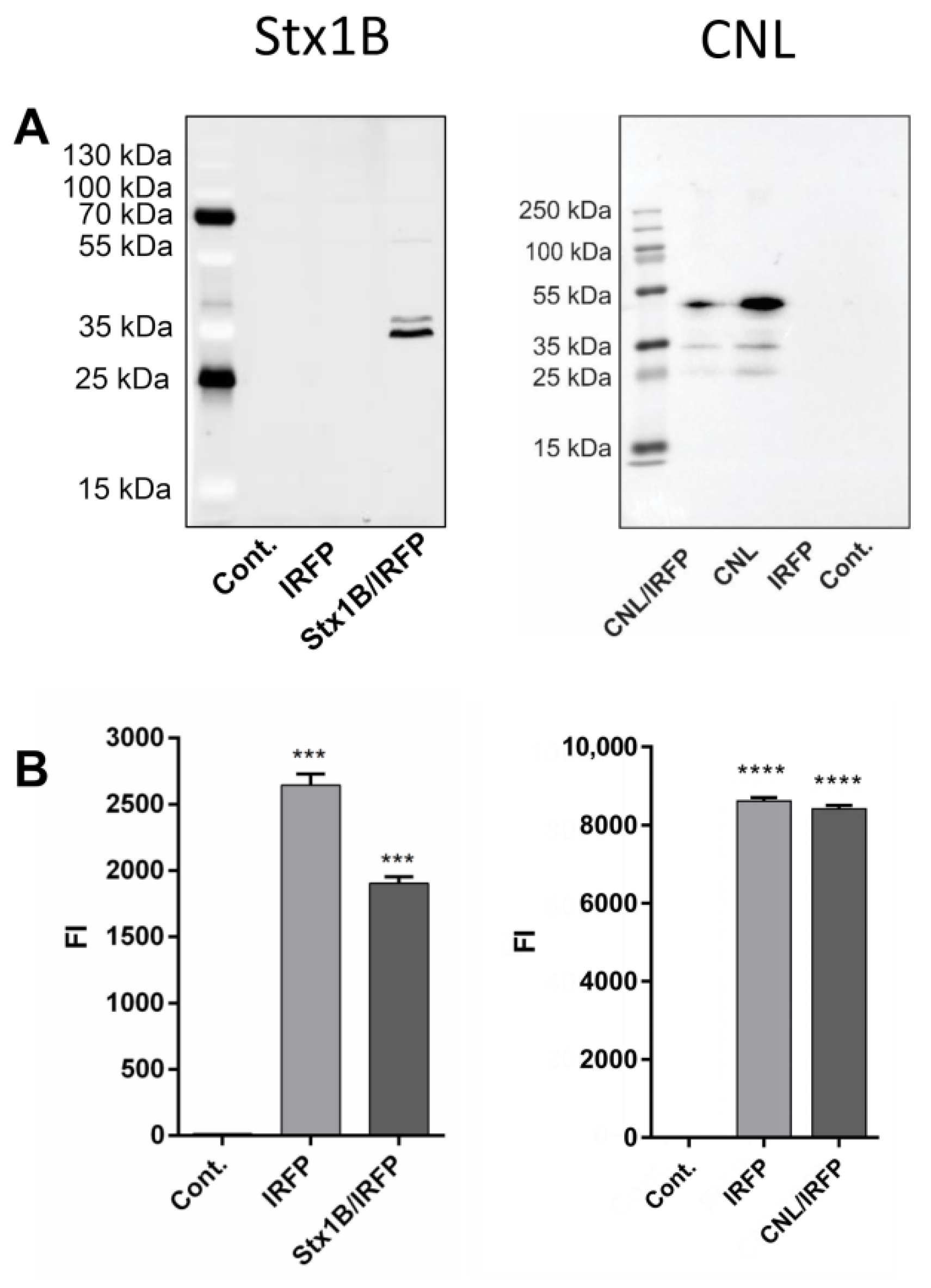
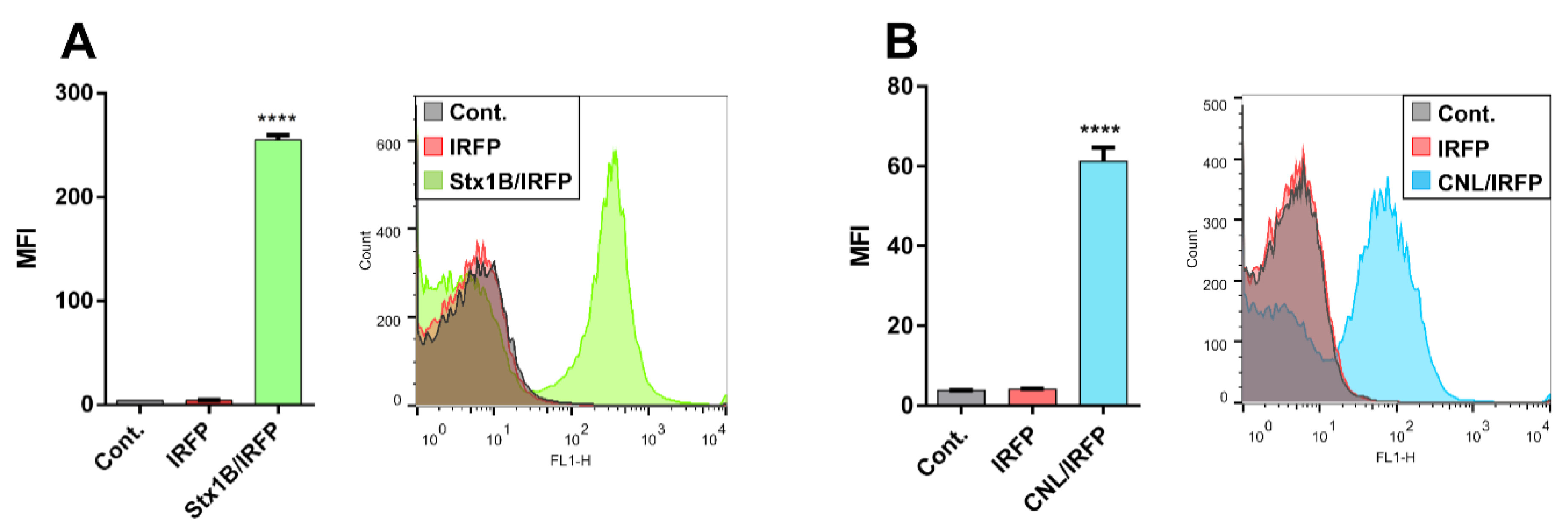
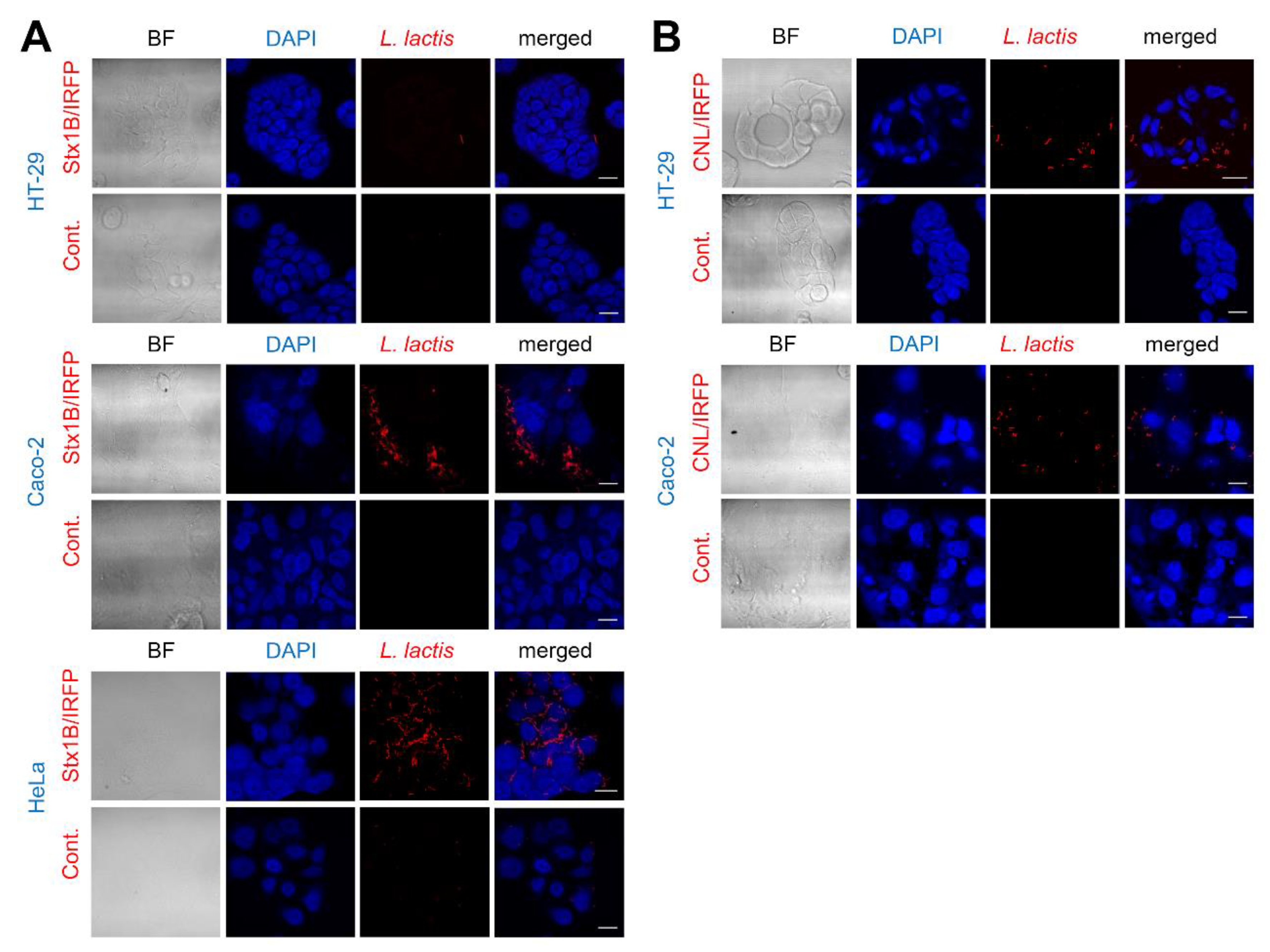
Lectins have been increasingly utilized as carriers for targeted drug delivery based on their specific binding to glycans located on mammalian cells. This study employed two lectins, B subunit of bacterial Shiga holotoxin (Stx1B) and fungal Clitocybe nebularis lectin (CNL), for surface display on the lactic acid bacterium Lactococcus lactis. The specific adhesion of these engineered, lectin-displaying L. lactis to cancer cells was evaluated. The expression and surface display of both lectins on L. lactis were demonstrated by western blotting and flow cytometry, respectively. MTS assays revealed that recombinant Stx1B had no effect on Caco-2 cell viability at concentrations of ≤25 µg/mL, whereas CNL was non-toxic even at relatively high concentrations of ≤250 µg/mL. Stx1B bound to Caco-2, HT-29 and HeLa cells after 1 h of incubation. CNL bound to Caco-2 cells and recognized several glycoproteins in HT-29 and Caco-2 cell homogenates of which a 70 kDa protein predominated. Confocal microscopy revealed adhesion of Stx1B-displaying L. lactis to HeLa, Caco-2, and, to a lesser extent, HT-29 cells; CNL-displaying L. lactis showed a relatively similar level of adherence to HT-29 and Caco-2 cells. Thus, lectin-displaying L. lactis might serve as a carrier in targeted drug delivery when coupled to a therapeutic moiety.
Keywords: Lactococcus lactis; colorectal cancer; targeting; lectins; B subunit of Shiga toxin; Clitocybe nebularis lectin Lactococcus lactis; colorectal cancer; targeting; lectins; B subunit of Shiga toxin; Clitocybe nebularis lectin