Article

Interactions between Candida albicans and Enterococcus faecalis in an Organotypic Oral Epithelial Model


by
Akshaya Lakshmi Krishnamoorthy
1,2,
Alex A. Lemus
3,
Adline Princy Solomon
2,
Alex M. Valm
3,4 and
Prasanna Neelakantan
1,*
1
Faculty of Dentistry, The University of Hong Kong, Pok Fu Lam, Hong Kong
2
Quorum Sensing Laboratory, Center of Research in Infectious Diseases, School of Chemical and Biotechnology, SASTRA Deemed to be University, Thanjavur 613401, India
3
Department of Biological Sciences, University at Albany, State University of New York, Albany, NY 12222, USA
4
The RNA Institute, University at Albany, State University of New York, Albany, NY 12222, USA
*
Author to whom correspondence should be addressed.
Microorganisms 2020, 8(11), 1771; https://doi.org/10.3390/microorganisms8111771

Submission received: 2 November 2020 / Revised: 6 November 2020 / Accepted: 10 November 2020 / Published: 11 November 2020
(This article belongs to the Special Issue Oral Biofilms)

Abstract

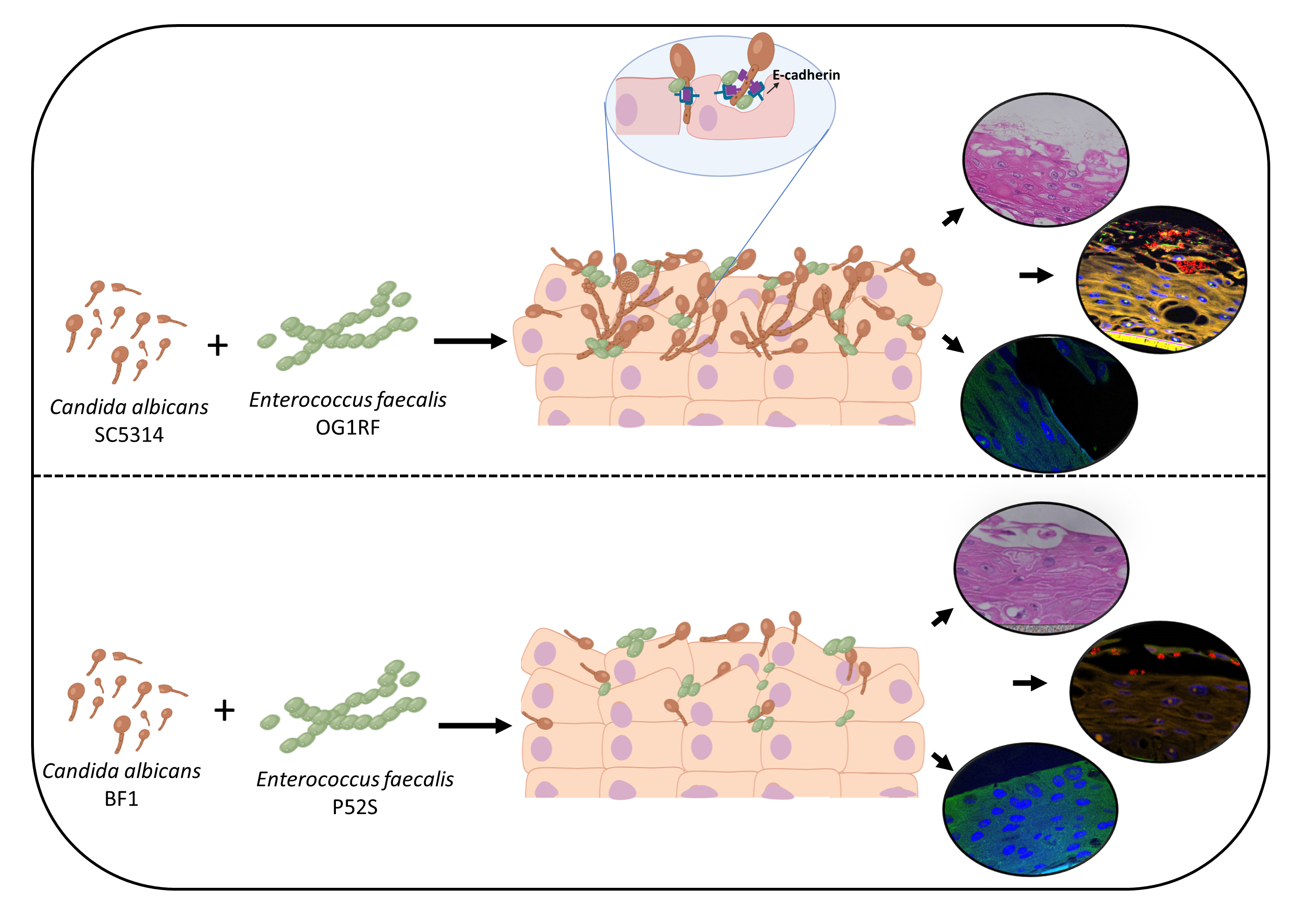
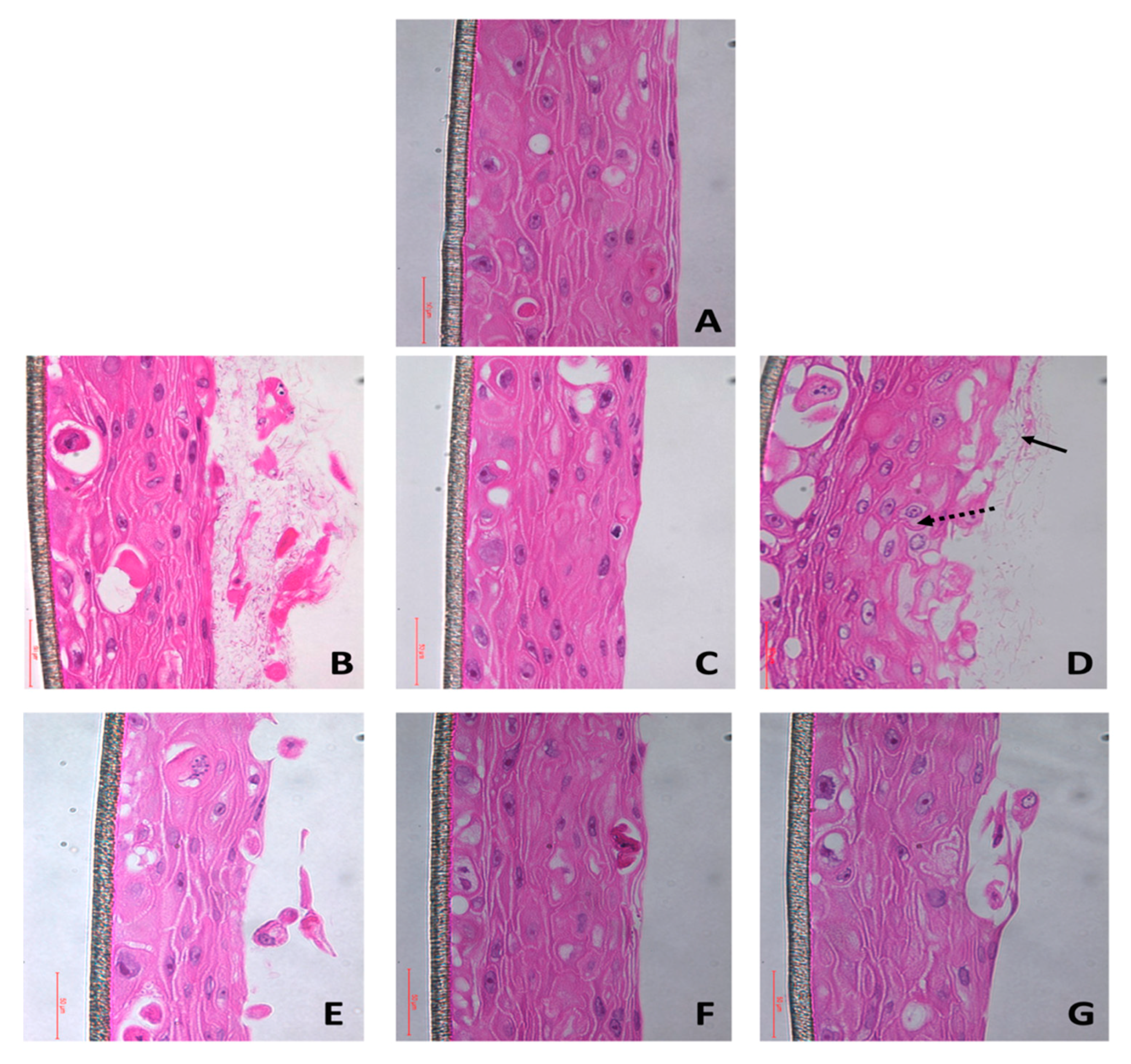
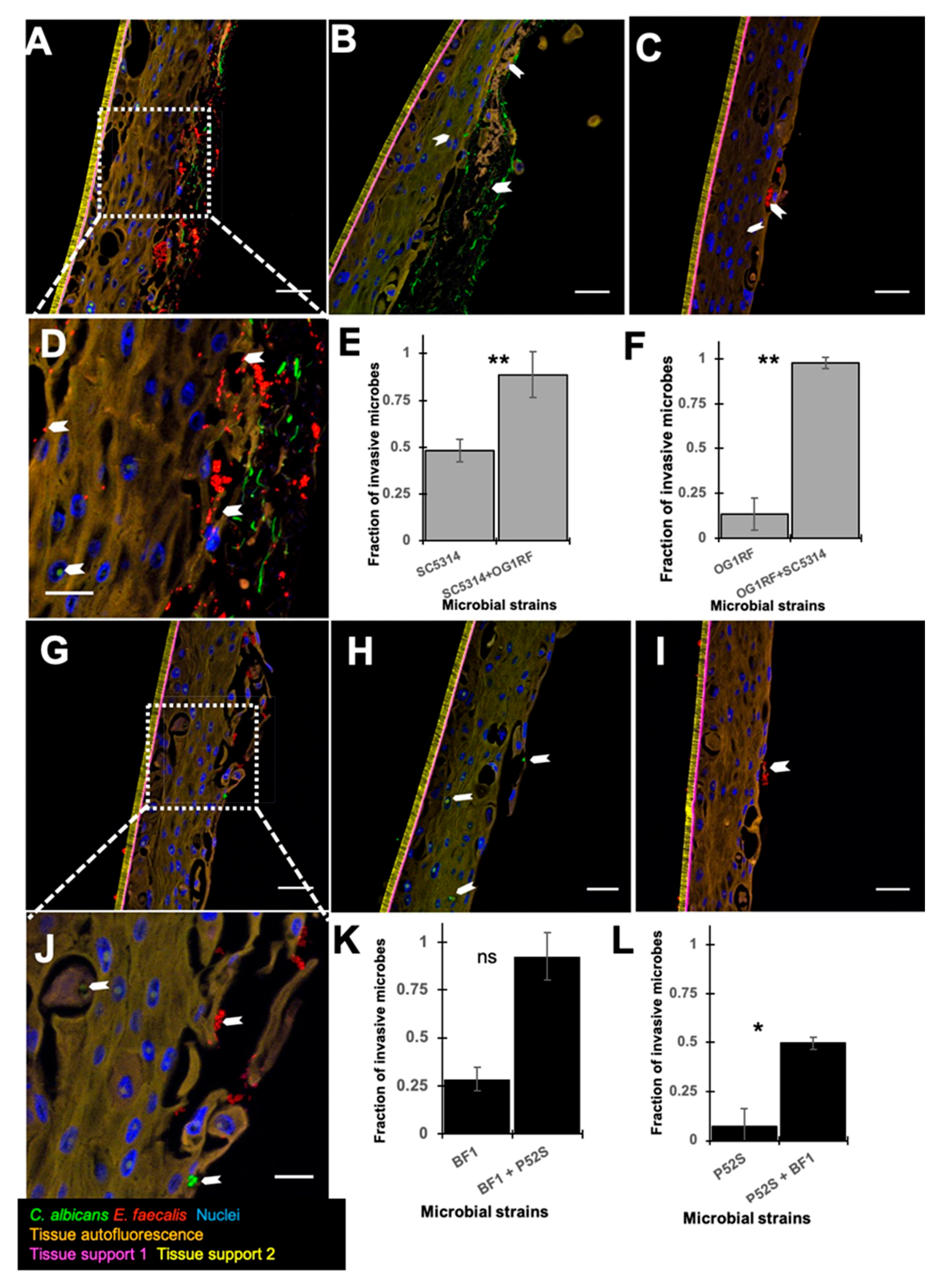
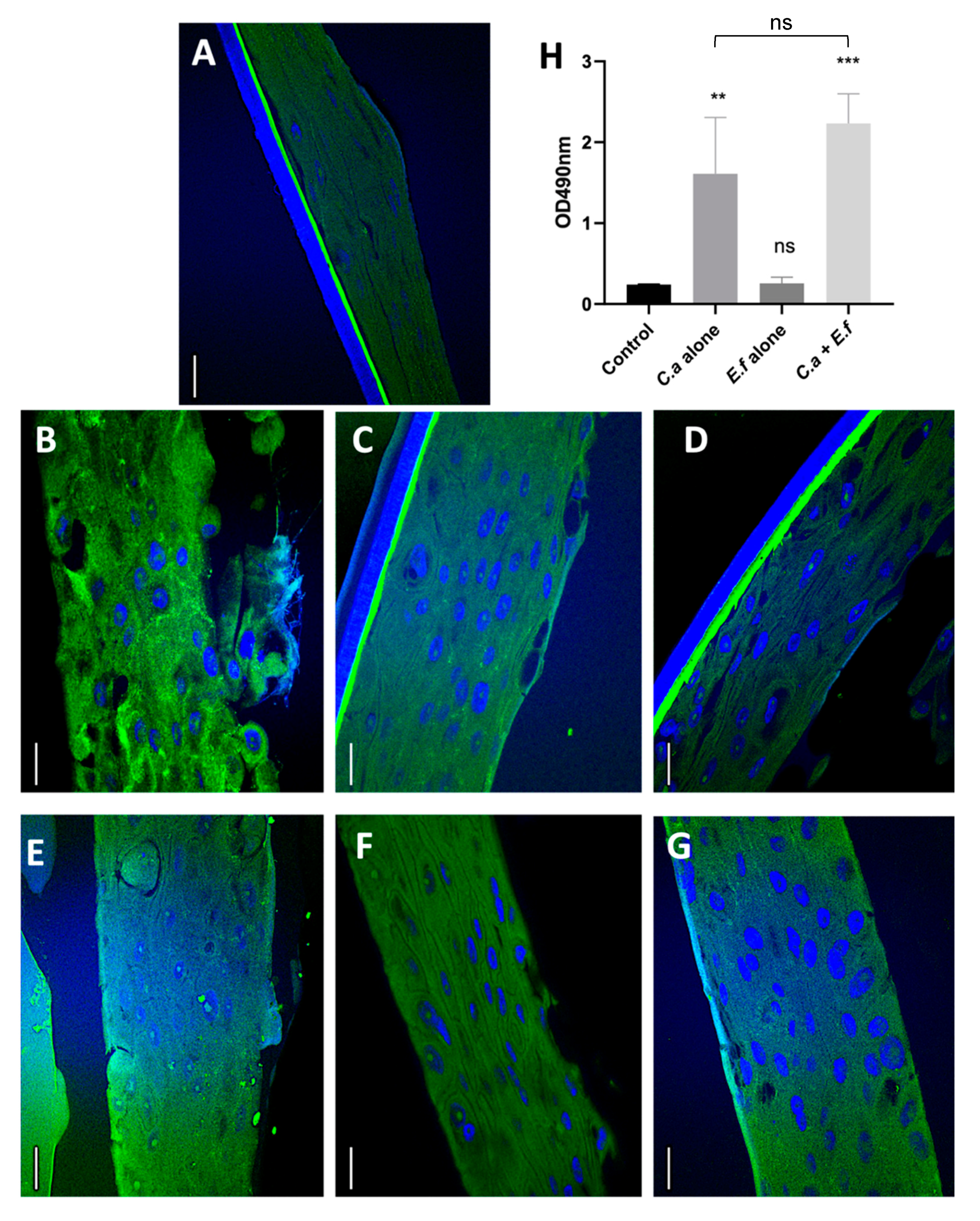
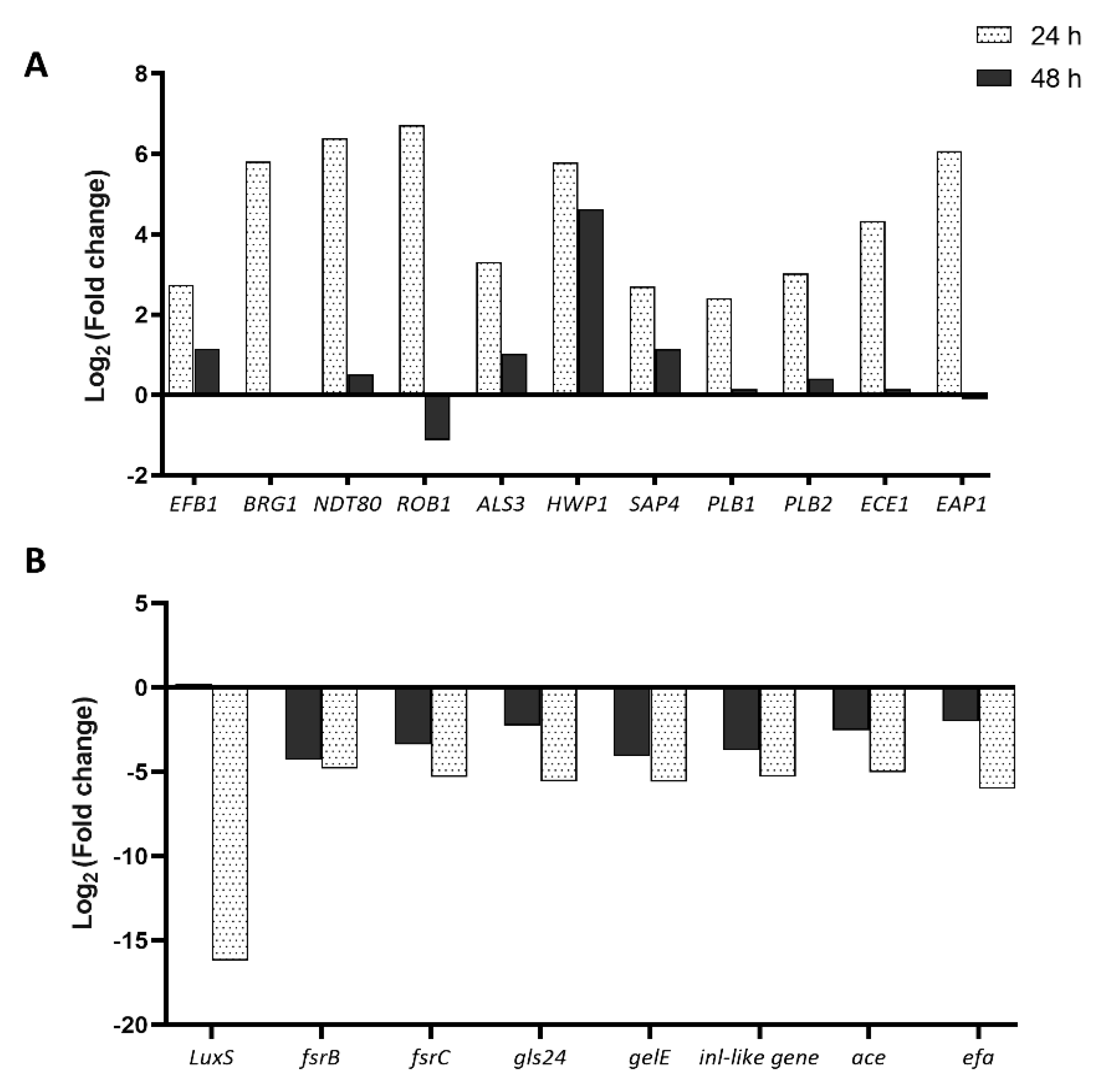
Candida albicans as an opportunistic pathogen exploits the host immune system and causes a variety of life-threatening infections. The polymorphic nature of this fungus gives it tremendous advantage to breach mucosal barriers and cause oral and disseminated infections. Similar to C. albicans, Enterococcus faecalis is a major opportunistic pathogen, which is of critical concern in immunocompromised patients. There is increasing evidence that E. faecalis co-exists with C. albicans in the human body in disease samples. While the interactive profiles between these two organisms have been studied on abiotic substrates and mouse models, studies on their interactions on human oral mucosal surfaces are non-existent. Here, for the first time, we comprehensively characterized the interactive profiles between laboratory and clinical isolates of C. albicans (SC5314 and BF1) and E. faecalis (OG1RF and P52S) on an organotypic oral mucosal model. Our results demonstrated that the dual species biofilms resulted in profound surface erosion and significantly increased microbial invasion into mucosal compartments, compared to either species alone. Notably, several genes of C. albicans involved in tissue adhesion, hyphal formation, fungal invasion, and biofilm formation were significantly upregulated in the presence of E. faecalis. By contrast, E. faecalis genes involved in quorum sensing, biofilm formation, virulence, and mammalian cell invasion were downregulated. This study highlights the synergistic cross-kingdom interactions between E. faecalis and C. albicans in mucosal tissue invasion.
Keywords: biofilm; Candida albicans; E-cadherin; Enterococcus faecalis; FISH; oral mucosa biofilm; Candida albicans; E-cadherin; Enterococcus faecalis; FISH; oral mucosa
Graphical Abstract