


Article

First Isolation of Klebsiella pneumoniae from Septicaemic Piglets in Poland

by
Piotr Cybulski
1,*,
Ines Spiekermeier
2,
Radosław Kondratiuk
1,
Artur Jabłoński
3,
Patryk Tarka
4 and
Grzegorz Woźniakowski
5
1
Goodvalley Agro S.A., Dworcowa 25, 77-320 Przechlewo, Poland
2
SAN Group Biotech Germany GmbH, Mühlenstrasse 13, 49685 Höltinghausen, Germany
3
Department of Pathology and Veterinary Diagnostics, Institute of Veterinary Medicine, Warsaw University of Life Sciences–SGGW, Nowoursynowska 159C, 02-776 Warsaw, Poland
4
Department of Social Medicine and Public Health, Medical University of Warsaw, Pawińskiego 3a, 02-106 Warsaw, Poland
5
Department of Infectious, Invasive Diseases and Veterinary Administration, Institute of Veterinary Medicine, Faculty of Biological and Veterinary Sciences, Nicolaus Copernicus University in Torun, Lwowska 1, 87-100 Toruń, Poland
*
Author to whom correspondence should be addressed.
Microorganisms 2026, 14(1), 256; https://doi.org/10.3390/microorganisms14010256
Submission received: 3 December 2025 / Revised: 24 December 2025 / Accepted: 19 January 2026 / Published: 22 January 2026

Abstract

Klebsiella pneumoniae is commonly known to cause a vast range of community-acquired or nosocomial infections. The isolation of K. pneumoniae has also been noted in diseased food-producing animals, including swine. The main goals of this study were to document clinical manifestation of a septicaemia outbreak in suckling piglets due to K. pneumoniae ST25 and provide molecular characterisation of the isolates. For the purpose of this investigation, 13 dead suckling piglets with cyanosis were selected. All the isolates obtained from affected lungs were susceptible to apramycin, ceftiofur, gentamycin, neomycin, and spectinomycin, presented intermediate susceptibility to florfenicol, and were resistant to other tested antibiotics. Histopathological examination of lungs, kidneys, and livers revealed lesions typical of septicaemia. MLST analysis of the isolates demonstrated a complex metabolic profile of the bacteria with genes attributable to the hypervirulent phenotype. To the best of our knowledge, we documented the first outbreak of K. pneumoniae septicaemia in suckling piglets reared in Poland.

1. Introduction

Among many species of the genus Klebsiella within the Enterobacteriaceae family, Klebsiella pneumoniae is of major clinical importance for both humans and animals. K. pneumoniae is a globally distributed, Gram-negative, rod-shaped, non-motile encapsulated bacterium. Widely studied with reference to human infections, K. pneumoniae is regarded as an opportunistic pathogen. In recent years, the bacterium has been commonly found resistant to multiple clinically important antibiotics. Having been ranked among the top three causes of multidrug-resistance-related deaths in humans worldwide [1], the bacterium is commonly known to cause a vast range of community-acquired or nosocomial infections [2]. Its pathogenicity primarily relies on four main virulence factors: pili which enable bacterial adherence, capsular polysaccharides facilitating evasion from host immune response, lipopolysaccharides acting as immune activators, and siderophores enhancing iron accumulation from host iron-binding proteins [3,4]. With the prevalence of infections increasing since the 1980s [5], K. pneumoniae has been epidemiologically linked to difficult-to-treat pneumonia, urinary tract, wound, and circulatory system infections [6]. As a bacterium thriving in various host niches and ubiquitously found in environmental habitats, including soil, surface and drinking water, sewage, and plants [7], the isolation of K. pneumoniae has also been noted in diseased food-producing animals, including swine [8,9]. Nevertheless, the clinical significance of these niches for infection in humans is disputed. Even though available research studies analysing whole-genome sequenced isolates obtained from animal and human sources demonstrated that the transmission between various ecological niches is less common than human-to-human spread of K. pneumoniae [10], potential risk of transmission of the bacterium and its dynamics is a major topic in a One Health integrated approach.
To date, few reports identified clinical cases of cow mastitis [11], pneumonic sheep and goats [12], and septicaemic pigs [8,9]. Although K. pneumoniae outbreaks causing considerable financial losses were reported in England and Australia in the 2010s [8,9], the prevalence and pathogenicity of the pathogen in swine reared in major pork-producing countries seem to have been largely neglected and consequently under-researched. Apart from these cases, there are no other descriptions demonstrating septicaemia associated with K. pneumoniae in pigs. Therefore, the main goals of this study were to define clinical manifestation of a septicaemia outbreak in suckling piglets due to K. pneumoniae and provide molecular characterisation of obtained isolates. Our study is the first to provide in-depth data on virulence factors and antimicrobial resistance genes in K. pneumoniae isolates obtained from clinical cases in swine reared in Poland.

2. Materials and Methods

2.1. Study Farm Characteristics

The investigation was carried out in 2025 in a high-performing commercial 5000-sow herd located in Poland (in the West Pomeranian Voivodeship). All the animals were offered dry steam-conditioned (80 °C) barley- and wheat-based pelleted feed pressed into cylindrical pellets. The levels of crude protein, fibre, and fat in the feed offered in a lactation diet were 16.35%, 3.79%, and 5.40%. The animals were reared on a slatted floor under welfare conditions significantly exceeding the legal requirements of Council Directive 2008/120/EC of 18 December 2008 laying down minimum standards for the protection of pigs. Sows were kept in groups during a period starting from the day of service to one week before the expected time of farrowing. During the lactation period the animals were kept in free-farrowing pens. No changes in the management were implemented before the disease outbreak. The farm enforced strict biosecurity rules, including shower in/shower out, same source of feed, own transportation services, fencing, security cameras, and inlets fitted with a protective mesh against insects. No biosecurity violations were noted during the study period.

2.2. Health Status of the Farm

Based on regular laboratory monitoring of appropriate biological samples (oral fluid, blood, faeces, tissues) collected by a veterinarian from animals reared at site, the herd was defined as porcine reproductive and respiratory syndrome virus (PRRSV)-negative, Mesomycoplasma hyopneumoniae-positive, toxigenic Pasteurella multocida-negative, Actinobacillus pleuropneumoniae-negative, transmissible gastroenteritis virus (TGEV)-negative, and porcine epidemic diarrhoea virus (PEDV)-negative. All the pregnant gilts and sows were actively immunised prior to the farrow using HIPRASUIS-GLÄSSER, Suiseng Coli/C and Suiseng Diff/A (Laboratorios Hipra S.A., Amer, Spain), Respiporc FLU3, and RESPIPORC FLUpan H1N1 (Ceva Santé Animale, Libourne, France) according to the manufacturers’ recommendations.

2.3. Key Performance Indicators

The retrospective production records (i.e., the average number of liveborn piglets per litter, preweaning mortality rates, and the average weaning weight of piglets) were obtained from the farm management using commercial pig production software (Cloudfarms; Cloudfarms AS, Bratislava, Slovakia). Based on real-time input data provided by the farm management, the system ensures valid monitoring data for production performance at the study farm.

2.4. Samples

For the purpose of this investigation, a total of 13, 14- to 28-day-old dead suckling piglets which died overnight (4–7 kg body weight) with cyanosis of the extremities and ventrum were selected. To avoid bias, the animals were collected randomly (respecting described discolouration of the skin) from different farrowing rooms. All the sampled individuals developed pulmonary oedema and fine strands of fibrin across the thoracic and abdominal body organ linings. The research material was collected by a veterinarian performing post-mortem examination of the pigs.
Each lung specimen was put into a sterile plastic screw-top specimen jar. Three sets of tissues (lung, liver, kidney) for histopathological examination were collected from randomly selected individuals from the same batch and fixed separately in pre-filled specimen containers with 10% Neutral Buffered Formalin (NBF) solution (HISTOPOT 40 mL; Serosep Ltd., Limerick, Ireland). All the samples were transported overnight to SAN Group Biotech Germany GmbH (Höltinghausen, Germany) ensuring cold chain conditions to be processed using methodology specified in the following descriptions. Ethical review and approval were waived for this study, as the analysed material originated from a routine veterinary diagnostic investigation ordered by the farm owners.

2.5. Bacterial Isolation

Aerobic culture samples were individually collected sterile from each lung of every animal. The collected swabs were subjected to the quadrant streaking technique and inoculated onto six distinct agar media: blood agar (ANIVAC®, SAN Group Biotech, Höltinghausen, Germany), blood agar supplemented with a nurse strain (Staphylococcus epidermidis) (ANIVAC®, SAN Group Biotech, Höltinghausen, Germany), cooked blood agar (Thermo Scientific™, Fisher Scientific GmbH, Schwerte, Germany), BROLACIN agar (ANIVAC®, SAN Group Biotech, Höltinghausen, Germany), blood agar with neomycin (ANIVAC®, SAN Group Biotech, Höltinghausen, Germany), and blood agar with gentamicin (ANIVAC®, SAN Group Biotech, Höltinghausen, Germany). The set of plates used for cultivation correspond to a standardised panel for respiratory pathogens of swine at the lab. The inoculated plates were incubated under aerobic conditions at 37 °C for up to 72 h. Macroscopic evaluation of bacterial growth was performed at 24 h intervals. Subcultures were prepared from bacterial cultures to obtain pure cultures for subsequent matrix-assisted laser desorption ionisation–time-of-flight mass spectrometry (MALDI-TOF MS) identification and antimicrobial susceptibility testing.

2.6. MALDI-TOF MS Bacterial Identification

On plates where colony growth was observed, bacterial isolates were subsequently verified through MALDI-TOF MS utilising a MALDI Biotyper (Bruker Daltonik GmbH, Bremen, Germany). The MALDI-TOF score value thereby indicated the similarity between a sample’s mass spectrum and a reference spectrum in the database. A score of ≥2.0 signified a high-confidence identification at the species level.

2.7. Antimicrobial Susceptibility Testing

Antimicrobial susceptibility testing for K. pneumoniae was performed through determination of the Minimal Inhibitory Concentration (MIC) utilising a microtiter plate assay (microtiter plate: DVG food-producing animals MICRONAUT-S Großtiere E1-318-100) and disc diffusion testing. The laboratory procedure adhered strictly to the guidelines set forth by the Clinical and Laboratory Standards Institute (CLSI) document VET01S and the European Society of Clinical Microbiology and Infectious Diseases (EUCAST). The evaluation of the MIC results was performed automatically using the Micronaut6 software system by Bruker (Bruker Corporation, Billerica, MA, USA). The underlying database draws on CLSI, EUCAST, as well as other available literature sources.

2.8. Polymerase Chain Reaction (PCR)

For the molecular analysis, several pieces from each lung were combined to create three pooled samples consisting of 5, 4, and 4 lungs collected from all the 13 individuals, respectively (recommended by the PCR kit manufacturers, validation tests have shown that sensitivity is only minimally affected). Extraction of nucleic acids (DNA and RNA) from these pooled lung tissues was conducted using established molecular biology protocols, specifically employing the Kylt® RNA/DNA Purification Kit (SAN Group Biotech Germany GmbH, Höltinghausen, Germany). Subsequent real-time PCR assays were performed to screen for influenza A Virus (Kylt® IVA beta RTU FLI-C 069; SAN Group Biotech Germany GmbH, Höltinghausen, Germany), porcine circovirus type 2 (PCV-2) (Kylt® PCV-2; SAN Group Biotech Germany GmbH, Höltinghausen, Germany), and both European and North American strains of porcine reproductive and respiratory syndrome virus (PRRSV-EU/-NA) (Kylt® PRRSV; SAN Group Biotech Germany GmbH, Höltinghausen, Germany) in all the three pools, following the manufacturers’ recommended procedures.
In the PCR analysis with Kylt® IVA beta RTU and Kylt® PCV-2, an endogenous control (beta actin) is coamplified in each sample. The beta-Actin DNA target gene is ubiquitous in the cells of the host that the sample is derived from. The beta-Actin DNA target gene is co-amplified with every single reaction and allows for evaluation of sufficient sample preparation/DNA extraction and the Real-Time PCR run itself. For the Kylt® PRRSV assay an Internal Control RNA (IC-RNA) is coamplified in each sample. The IC-RNA is added during the RNA preparation and co-purified with each sample. IC-RNA can be detected in the Internal Control channel if the RNA preparation was successful and no RT- or real-time PCR inhibitors are present. All PCR assays used are commercially available and were conducted in full compliance with the manufacturer’s instructions provided on the Kylt® product website. Reference for the PCR assays: SAN Group Biotech Germany GmbH, Höltinghausen, Germany (https://www.kylt.eu/downloads, accessed on 3 December 2025).

2.9. Histopathological Examination

The sampled tissues were fixed in 4% neutral buffered formalin to preserve cellular and tissue architecture. Subsequently, the material was embedded in paraffin, sectioned into thin slices, and stained. The prepared slides were examined microscopically, with systematic analysis of tissue architecture, cellular morphology, inflammatory processes, degenerative changes, necrosis, and other pathological alterations. All histopathological investigations were conducted at IVD, Gesellschaft für Innovative Veterinärdiagnostik mbH, Seelze-Letter, Germany.

2.10. Bacterial Whole Genome Sequencing (WGS) and Multi-Locus Sequence Typing (MLST) Analysis

Three randomly selected cultures of K. pneumoniae obtained during bacterial isolation protocol described above were processed to isolate high-molecular weight DNA for subsequent long-read nanopore sequencing on a MinION device (Oxford Nanopore Technologies, Oxford, UK). An overview of the sequencing throughput is shown in Table 1. The complete genomic sequences of 3 isolates and plasmids have been submitted to GenBank database (https://www.ncbi.nlm.nih.gov/genbank/, accessed on 3 December 2025; publication in progress). All the obtained sequences were typed using the following open-source bioinformatics software tools for multi-locus sequence typing (MLST): Kleborate v2.3.0 (https://github.com/klebgenomics/Kleborate, accessed on 3 December 2025), ResFinder-4.7.2 (https://genepi.food.dtu.dk/resfinder, accessed on 3 December 2025; used settings: treshold identity: 95%, minimum lenght: 80%, database version ResFinder-2.5.1), PlasmidFinder 2.1 (https://cge.food.dtu.dk/services/PlasmidFinder/, accessed on 3 December 2025; used settings: treshold identity: 95%, minimum lenght: 80%), and MLST 2.0 (https://cge.food.dtu.dk/services/MLST/, accessed on 3 December 2025; v2.0.9, database version: 2025-09-15).

2.11. Phylogenetic Analysis

The whole-genomic sequence analysis has been conducted on MinION device (Oxford Nanopore Technologies, Oxford, UK) as an outsourcing service. The sequence analysis has been performed in Geneious Prime 2026.0 software (Biomatters, Auckland, New Zealand). Nucleotide alignment has been performed after a sequence similarity search program BLAST 2.17.0 (National Library of Medicine, Bethesda, MD, USA) searching of the most representative K. pneumoniae genomes. Alignment has been performed using Muve alignment algorithm. Additionally the plasmid sequences have been aligned using Geneious algorithm.

3. Results

3.1. Key Performance Indicators

The average number of liveborn piglets per litter in a period of three months preceding the outbreak was 18.73. Concurrently, the preweaning mortality rate was 11.40%, with maternal overlay, runts (including scours), and low birth weight (<600 g) reported as the three main reasons of piglet death, accounting for 40.28% (2800/6952), 33.66% (2340/6952), and 14.37% (999/6952) of dead individuals, respectively. The average weaning weight in this period was 6.25 kg.
The outbreak of K. pneumoniae septicaemia was reported in August 2025. Cyanotic suckling piglets in overall good bodily condition from 14 days of age to weaning (4–7 kg body weight) were found dead without pre-diagnosed clinical signs of any disease. In addition to discolouration of the extremities and ventrum, the most frequent gross pathological alterations discovered during postmortem examinations carried out by a veterinarian were pulmonary oedema and fine strands of fibrin across the thoracic and abdominal body organ linings.
The outbreak had sudden onset and was of relatively short duration. Its total timespan was 4 weeks. Total pre-wean mortality during this period was 17.9%. The pre-wean mortality rate attributed to the disease was estimated at 6% with little to no variation between the affected batches. Total individual-litter mortality was from one to three piglets irrespective of the sow parity, with the majority (>70%) of the litters affected.

3.2. Intervention

To prevent further spread of the disease between litters reared in different farrowing rooms, the farm management adopted rules set by the Management Changes to Reduce Exposure to Bacteria to Eliminate Losses (McREBEL) system [13]. No groups without the intervention were monitored. Taking into account both identification of the disease in its early stage of spread and widely variable efficacy of clinical interventions reported in the available literature [9], no antibiotic medication was administered. The outbreak was self-limiting. Gradual reduction in mortality rates to the levels preceding the case required a few weeks. All piglets affected within this period were the same age and presented the same symptoms as described above.

3.3. Bacterial Isolation and MALDI-TOF MS Bacterial Identification

Of the 13 samples examined, all were positive for bacteria by a microbiological culture. K. pneumoniae was successfully isolated from 76.9% (10/13) of the submitted samples (Figure S1). K. pneumoniae was isolated from blood agar, blood agar supplemented with a nurse strain, BROLACIN, and cooked blood agar. A total of 15.4% (2/13) of the samples showed an overgrowth by Proteus sp. One sample (1/13; 7.7%) was E. coli-positive.

3.4. Antimicrobial Susceptibility Testing

The results of the antibiotic susceptibility testing for the isolates are shown in Table 2. All the K. pneumoniae isolates obtained were susceptible to apramycin, ceftiofur, gentamycin, neomycin, and spectinomycin. A total of 60% (6/10) of the case isolates were susceptible to amoxicillin/clavulanic acid (8/4 µg/mL). All the other presented intermediate susceptibility (16/8 µg/mL). A total of 90% (9/10) of the isolates demonstrated intermediate susceptibility to colistin (0.5 or 1 µg/mL). One isolate was resistant (>2 µg/mL) to the antibiotic. A total of 60% (6/10) of the isolates were susceptible to doxycycline. The rest demonstrated resistance to this antibiotic. A total of 60% (6/10) of the obtained K. pneumoniae isolates tested susceptible to gamithromycin (8 µg/mL). All the others were resistant to the antibiotic (>8 µg/mL). A total of 80% (8/10) of the isolates presented intermediate susceptibility to tildipirosin (16 µg/mL). A total of 20% (2/10) were resistant (32 µg/mL) to this antimicrobial. All the case isolates presented intermediate susceptibility to florfenicol (4 µg/mL) and were resistant to the following antibiotics: amoxicillin, ampicillin (>16 µg/mL), erythromycin (>4 µg/mL), lincomycin, oxytetracycline, penicillin (>2 µg/mL), tetracycline (>8 µg/mL), tiamulin (>16 µg/mL), tilmicosin (>16 µg/mL), trimethoprim/sulfamethoxazole (>2/38 µg/mL), tulathromycin (>64 µg/mL), and tylosin.

3.5. Polymerase Chain Reaction (PCR)

None of the three pooled lung samples were demonstrated to contain the genetic material of PRRSV, PCV2, or influenza virus type A.

3.6. Histopathological Examination

In addition to intravascular presence of rod-shaped bacteria in all types of sampled tissues, histopathological examination revealed the same predominant alterations in all three sets of tissues: mild acute fibrinous and haemorrhagic pneumonia with equally aerated alveoli with distended hyperaemic capillaries, moderate to severe acute hyperaemia of kidney tissue, and severe acute hyperaemia of liver tissue. No hint for preexisting lesions was demonstrated.

3.7. Bacterial Whole Genome Sequencing (WGS)

All the samples were subjected to a complete de novo bacterial genome assembly workflow and subsequent downstream analyses. Final consensus genomes were used to address coverage, GC content, and completeness using a Klebsiella-specific database. Each genome was composed of 1 circular chromosome scaffold and 3 or 4 plasmids. The results of bacterial WGS are shown in Table 3.

3.8. Multi-Locus Sequence Typing (MLST) Analysis

Overview of MLST performed on the study isolates is presented in Table 4. All the case isolates were typed as K. pneumoniae sequence type 25 (ST25). The analysis revealed complex metabolic profile of the bacteria and several virulence factors potentially associated with the outbreak. All the isolates sequenced in the study harboured the following siderophore systems: several yersiniabactin systems (including ybt 2, ICEKp1, YbST 324-1LV) and one salmochelin system (iro 3 truncated). Other key virulence genes detected in all the isolates included rmpA 11, rmp3, iroB, and wzi 72. One isolate (sample ID 1) harboured aerobactin iuc3, iucA 9, and iuC 12. Table S1 contains detailed data regarding resistance genes and phenotypes. Complete information on genes coding virulence factors is demonstrated in Table S2.

3.9. Phylogenetic Analysis

The conducted phylogenetic analysis of plasmids sequenced from isolates of K. pneumoniae revealed their genetic relatedness (Figure 1). Minor genetic diversity has been identified in the case of Plasmid #4, and plasmid 2.1. originated from the same swine holding. The reference plasmids retrieved from GenBank database (provided accession numbers) were significantly divergent from the isolates detected for the first time in Poland. An exception was a plasmid 4_PL from K. pneumoniae which was closely related to the CP04966.1 sequence described and published by Sproer et al., 2019, in the USA [14]. The genomes of K. pneumoniae from swine revealed differentiated structure (Figure S2), suggesting multiple genetic events which occurred during the adaptation process of these bacteria.

4. Discussion

Typical clinical signs of septicaemia include fever, increased heart rate, low blood pressure, severe pain, and lethargy. In our study piglets affected by septicaemia died after a short course of the disease without preceding signs; therefore, prioritising welfare concerns and considerable economic implications of the condition, a definite diagnosis of its primary cause followed by effective intervention are of major importance. The main pathogens traditionally associated with cases of septicaemia in suckling piglets were beta-haemolytic streptococci (predominantly Streptococcus suis) [15], enterotoxigenic Escherichia coli (ETEC) [16], Erysipelothrix rhusiopathiae [17], and Actinobacillus suis [18]. The clinical significance of less obvious bacteria seems to have been undervalued. To the best of our knowledge, this is the first documented outbreak of K. pneumoniae septicaemia in suckling piglets in Poland. Following its clinical manifestation and laboratory investigation, the case definition was agreed as ‘suckling piglets older than 14 days found dead with lesions corresponding to septicaemia, pure growth of K. pneumoniae isolated from lungs, and histopathological lesions of lungs, liver and kidney consistent with septicaemia’.
As a commensal bacterium of the porcine digestive tract, K. pneumoniae has been commonly isolated from heathy pig populations [19]. Accordingly, the correct identification of predisposing risk factors compromising immature individuals draws special attention. Contrary to the previously described cases [8,9], pigs sampled in our investigation were reared on slatted floors with no access to bedding materials. Even though it was hypothesised that K. pneumoniae mastitis was associated with provision of sawdust or wood shavings in dairy cattle farms and, in a sense, such organic enrichment could have provided a perfect environment for bacterial multiplication and spread [20], no causal link was established between the outbreaks and straw or sawdust offered to swine [8]. Since the vast majority of affected farms in England were outdoor type, the animals could have had unrestricted access to K. pneumoniae-contaminated external environmental sources; nevertheless, identification of the same issue in swine reared indoors suggests limited impact of massive bacterial contamination of external origin [9].
Due to its multiple virulence factors, K. pneumoniae has been described as a pathogen easily attaching to abiotic surfaces of medical devices that poses a substantial risk of nosocomial infections [21]. Nevertheless, parallel research studies demonstrating the cause-and-effect relationship between the formation of a biofilm in water lines and/or feeding systems and occurrence of the disease at swine farms have not been published to date. Similarly, clinical relevance of asymptomatic carrier animals, including rodents [22], remains highly speculative. According to the available literature, clinically relevant strains of the bacterium were detected in various species of animals, including mice, rats, and shrews [23]; however, strict biosecurity rules established at the study farm effectively prevented the pigs from contact with other animals, their natural habitats, and contaminated vehicles, water, or feed.
Since the first documented outbreak of K. pneumoniae septicaemia in England in 2011, all the reported cases in the country have been attributed to a predictable seasonal occurrence–from May to September. Also, the Australian cases were identified during the local summer months. Regardless of potential differences between farm infrastructure, sudden deaths observed during the same season are strongly suggestive of heat stress and/or potentially poorer sanitation levels; nevertheless, the exact role of in-farm environmental factors triggering the outbreaks of K. pneumoniae septicaemia requires further spatiotemporal investigation. Taking into consideration good bodily condition of dead piglets reported in all the available studies describing outbreaks of K. pneumoniae septicaemia, the influence of variables related to poor colostrum intake and/or nutritional deficiencies can be defined as minor to none.
The age span of affected suckling piglets described in the available case studies varied from one week to weaning. Even though the lower age limit for K. pneumoniae-related mortality reported in our investigation was slightly higher (i.e., 14 days), general clinical manifestation of the infection was consonant with those demonstrated in previous research. In all the officially reported cases, affected individuals in good bodily condition were found dead and cyanosed. In our study, total pre-wean mortality rate attributed to K. pneumoniae septicaemia at 6% was broadly within the range reported in English herds (from 0.8 to 15.8%); however, it was still markedly lower than those in Australian farms–up to 60% in Victorian, and up to 100% in Queensland locations. It is noteworthy that animals reared in the latter facilities tested positive for encephalomyocarditis virus (EMCV), which could have profoundly influenced clinical manifestation of the disease. Similarly to the English report, involvement of concurrent infections was systematically excluded in our investigation using a set of microbiological, molecular, and histopathological testing.
MLST analysis revealed that all three K. pneumoniae isolates obtained from septicaemic piglets sampled in our investigation were sequence type 25 (ST25). The same sequence type was already associated with the outbreaks in England, where all 25 case isolates obtained from septicaemic individuals (representing all 15 reported outbreaks) were identified as K. pneumoniae ST25 [9]. Also, two out of four septicaemia outbreaks in suckling piglets reported in Victoria, Australia were associated with the same sequence type of the bacterium.
Based on increased expression fimbriae, siderophores, and hypermycoviscosity, K. pneumoniae strains can be categorised as classical or hypervirulent isolates. With the exception of one English piece of research, there are no other peer-reviewed scientific works on virulence factors of K. pneumoniae isolates obtained from septicaemic pigs. The analysis conducted on 13 ST25 isolates demonstrated presence of rmpA gene, associated with upregulated capsule expression and the hypermucoviscous phenotype [24]. The same gene was found in all three isolates analysed in our study. In addition to rmpA, all the ST25 isolates displayed other hypervirulence characteristics, including the presence of salmochelin (iro3), yersiniabactin (ybt2), and iroB.
Direct comparison of antibiotic susceptibility between available case isolates is severely limited by the usage of different panels of antimicrobials. Also, CLSI does not provide interpretive criteria for susceptibility testing of the bacterium. As expected, all the K. pneumoniae isolates obtained in our study confirmed their innate resistance to ampicillin. Contrary to the English outputs, all the tested Polish case isolates were sensitive to spectinomycin and apramycin. The same findings regarding the latter antibiotic were reported in the Australian piece of research. Isolates obtained during our investigation demonstrated a resistance pattern to sulphonamides and trimethoprim which also corroborates the Australian report where some of the isolates were found to be resistant against these antibiotics. The same study demonstrated partial resistance to neomycin, which is contrary to our results. Overall, the clinical significance of these results may be severely limited since in vitro findings do not necessarily translate to in vivo efficacy.
Commercial vaccines against K. pneumoniae-associated diseases are not available. Also, data on basic effectiveness of autogenous bacterins containing K. pneumoniae have not been published to date. Although antimicrobial susceptibility testing showed that the isolates obtained in our investigation were sensitive to various commercially available antibiotics commonly used in swine, no antimicrobial-based clinical intervention was executed at the farm. The implementation of the McREBEL system led to self-limitation of the outbreak; still, it was technically impossible to provide a proper baseline for comparison using a control group. Consequently, evaluation of the overall impact exerted by these measures remains entirely hypothetical, and no casual inference can be drawn. In contrast to our report, available case studies documented the administration of various treatments, including parenteral medication of cohorts in affected litters, medication offered via drinking water, or medicated creep feed. Nevertheless, clinical efficacy of these interventions cannot be systematically evaluated without implementation of control groups.
The only available piece of research demonstrating histopathological alterations in pigs experimentally infected with K. pneumoniae reveals alveolar capillary congestion and dilatation, activation of inflammatory cells, and septal thickening of the tissue following the intranasal administration [25]. Reports on the virulence of the bacterium on porcine tissues in septicaemic individuals have not been published to date. In spite of the fact that the dead suckling piglets autopsied during our investigation showed gross lesions largely consistent with those seen in other septicaemic infections typical of that age, pure growth of the bacterium in a number of samples obtained from a visceral site of affected individuals was obtained. Also, intravascular presence of bacteria morphologically corresponding to K. pneumoniae was proven during histopathological examination of clinical samples representing two other vital organs obtained from the same piglets, i.e., the liver and kidneys.
Detailed description of clinical presentation (i.e., good body condition of the animals and spread of the affected individuals across different litters) directly exclude the influence of problems related to low colostrum intake or nutritional deficiencies. Also, other non-infectious causes of preweaning mortality can be automatically excluded–the effects of hypoxia, slurry gas poisoning, or electric shock would not be spread across individuals reared in different pens. Since no concurrent viral or bacterial diseases were identified, and histopathological examination of visceral sites demonstrated no hint of pre-existing alterations, all these features are strongly suggestive that K. pneumoniae was an aetiological agent of the septicaemia outbreak. Consequently, our study is the first to summarise the main histopathological lesions found in K. pneumoniae-related septicaemia in piglets.

5. Conclusions

Our research highlights the importance of less obvious porcine pathogens triggering septicaemia in suckling piglets. To the best of our knowledge, this is the first documented outbreak of K. pneumoniae septicaemia in suckling piglets in Poland. All the case isolates were typed as K. pneumoniae sequence type 25 (ST25). The analysis revealed the complex metabolic profile of the bacteria with genes attributable to the hypervirulent phenotype: rmpA, iro3, ybt2, and iroB. Taking into account a One Health approach, the emergence of K. pneumoniae ST25 in swine reared in Poland represents a health concern; therefore, potential risk factors associated with outbreaks and spread of the disease deserve further spatiotemporal investigation.

Supplementary Materials

The following supporting information can be downloaded at https://www.mdpi.com/article/10.3390/microorganisms14010256/s1, Figure S1: Colony morphology of Klebsiella pneumoniae in pure culture on blood-agar medium isolated from a lung sample collected from a septicaemic 3-week-old piglet; Figure S2: Genomic alignment Klebsiella pneumoniae whole genomes isolated from pigs in Poland and other isolates originated from clinical infections in human (Geneious Prime; Muve genome alignment); Table S1: Overview of resistance genes and phenotypes for K. pneumoniae isolates obtained from septicaemic suckling piglets from 14 days to weaning; Table S2: Overview of virulence factors for K. pneumoniae isolates obtained from septicaemic suckling piglets from 14 days to weaning.

Author Contributions

Conceptualisation, P.C., R.K., and G.W.; methodology, P.C., I.S., A.J., P.T. and G.W.; validation, P.T. and G.W.; investigation, P.C., I.S., R.K., A.J., P.T. and G.W.; writing—original draft preparation, P.C.; writing—review and editing, P.C. and G.W.; visualisation, P.C. and G.W.; supervision, P.C. All authors have read and agreed to the published version of the manuscript.

Funding

This research received no external funding.

Institutional Review Board Statement

Ethical review and approval were waived for this study, as the analysed material originated from routine diagnostic investigations ordered by the farm owners and conducted by Goodvalley Agro S.A.

Informed Consent Statement

Formal consent for the use of the material in this study was provided by the company management of Goodvalley Agro S.A.

Data Availability Statement

The original contributions presented in this study are included in the article/Supplementary Material. Further inquiries can be directed to the corresponding author.

Acknowledgments

The authors are grateful to Magdalena Zając (National Veterinary Research Institute, Pulawy, Poland) and Richard Willmetts for their direct technical help.

Conflicts of Interest

Piotr Cybulski and Radosław Kondratiuk are employed by Goodvalley Agro S.A. (Dworcowa 25, 77-320 Przechlewo, Poland). Ines Spiekermeier is employed by SAN Group Biotech Germany GmbH (Mühlenstrasse 13, 49685 Höltinghausen, Germany). The remaining authors declare that the research was conducted in the absence of any commercial or financial relationships that could be construed as a potential conflict of interest.

Abbreviations

The following abbreviations are used in this manuscript:
bpbase pair
DDTDisc Diffusion Test
DNADeoxyribonucleic acid
EMCVencephalomyocarditis virus
ETECenterotoxigenic Escherichia coli
MALDI-TOF MSmatrix-assisted laser desorption ionisation-time-of-flight mass spectrometry
McREBELManagement Changes to Reduce Exposure to Bacteria to Eliminate Losses
MICMinimal Inhibitory Concentration
MLSTmulti-locus sequence typing
NBFneutral buffered formalin
PCRpolymerase chain reaction
PCV2porcine circovirus type 2
PEDVporcine epidemic diarrhoea virus
PRRSVporcine reproductive and respiratory syndrome virus
TGEVtransmissible gastroenteritis virus
WGSWhole Genome Sequencing

References

  1. Diekema, D.J.; Hsueh, P.; Mendes, R.E.; Pfaller, M.A.; Rolston, K.V.; Sader, H.S.; Jones, R.N. The Microbiology of Bloodstream Infection: 20-Year Trends from the SENTRY Antimicrobial Surveillance Program. Antimicrob. Agents Chemother. 2019, 63, e00355-19. [Google Scholar] [CrossRef]
  2. Wyres, K.L.; Lam, M.M.C.; Holt, K.E. Population genomics of Klebsiella pneumoniae. Nat. Rev. Microbiol. 2020, 18, 344–359. [Google Scholar] [CrossRef]
  3. Holden, V.I.; Bachman, M.A. Diverging roles of bacterial siderophores during infection. Metallomics 2015, 7, 986–995. [Google Scholar] [CrossRef]
  4. Clegg, S.; Murphy, C.N. Epidemiology and virulence of Klebsiella pneumoniae. Microbiol. Spectr. 2016, 4, 1–17. [Google Scholar] [CrossRef]
  5. Siu, L.K.; Yeh, K.M.; Lin, J.C.; Fung, C.P.; Chang, F.Y. Klebsiella pneumoniae liver abscess: A new invasive syndrome. Lancet Infect. Dis. 2012, 12, 881–887. [Google Scholar] [CrossRef]
  6. Murray, C.J.L.; Ikuta, K.S.; Sharara, F.; Swetschinski, L.; Robles Aguilar, G.; Gray, A.; Han, C.; Bisignano, C.; Rao, P.; Wool, E.; et al. Global burden of bacterial antimicrobial resistance in 2019: A systematic analysis. Lancet 2022, 399, 629–655, Erratum in Lancet 2022, 400, 1102. https://doi.org/10.1016/S0140-6736(21)02724-0.. [Google Scholar] [CrossRef] [PubMed]
  7. Podschun, R.; Ullmann, U. Klebsiella spp. as nosocomial pathogens: Epidemiology, taxonomy, typing methods, and pathogenicity factors. Clin. Microbiol. Rev. 1998, 11, 589–603. [Google Scholar] [CrossRef] [PubMed]
  8. Bowring, B.G.; Fahy, V.A.; Morris, A.; Collins, A.M. An unusual culprit: Klebsiella pneumoniae causing septicaemia outbreaks in neonatal pigs? Vet. Microbiol. 2017, 203, 267–270. [Google Scholar] [CrossRef]
  9. Bidewell, C.A.; Williamson, S.M.; Rogers, J.; Tang, Y.; Ellis, R.J.; Petrovska, L.; AbuOun, M. Emergence of Klebsiella pneumoniae subspecies pneumoniae as a cause of septicaemia in pigs in England. PLoS ONE 2018, 13, e0191958. [Google Scholar] [CrossRef] [PubMed]
  10. Hetland, M.A.K.; Winkler, M.A.; Kaspersen, H.P.; Håkonsholm, F.; Bakksjø, R.J.; Bernhoff, E.; Delgado-Blas, J.F.; Brisse, S.; Correia, A.; Fostervold, A.; et al. A genome-wide One Health study of Klebsiella pneumoniae in Norway reveals overlapping populations but few recent transmission events across reservoirs. Genome Med. 2025, 17, 42. [Google Scholar] [CrossRef]
  11. Yang, Y.; Higgins, C.H.; Rehman, I.; Galvao, K.N.; Brito, I.L.; Bicalho, M.L.; Song, J.; Wang, H.; Bicalho, R.C. Genomic diversity, virulence, and antimicrobial resistance of Klebsiella pneumoniae strains from cows and humans. Appl. Environ. Microbiol. 2019, 85, e02654-18. [Google Scholar] [CrossRef] [PubMed]
  12. Mahrous, S.H.; El-Balkemy, F.A.; Abo-Zeid, N.Z.; El-Mekkawy, M.F.; El Damaty, H.M.; Elsohaby, I. Antibacterial and anti-biofilm activities of cinnamon oil against multidrug-resistant Klebsiella pneumoniae isolated from pneumonic sheep and goats. Pathogens 2023, 12, 1138. [Google Scholar] [CrossRef]
  13. Dee, S.; Collins, J.; Halbur, P.; Keffaber, K.; Lautner, B.; McCaw, M.; Polson, D.; Rodibaugh, M.; Sanford, E.; Yeske, P. Control of porcine reproductive and respiratory syndrome (PRRS) virus. Swine Health Prod. 1996, 4, 95–98. [Google Scholar]
  14. Sproer, C.; Gronow, S.; Severitt, S.; Schroder, I.; Tallon, L.; Sadzewicz, L.; Zhao, X.; Vavikolanu, K.; Mehta, A.; Aluvathingal, J.; et al. FDA dAtabase for Regulatory Grade micrObial Sequences (FDA-ARGOS): Supporting Development and Validation of Infectious Disease Dx Tests. Available online: https://www.uniprot.org/citations/CI-6AAKJGIN0IQ24 (accessed on 3 December 2025).
  15. Staats, J.J.; Feder, I.; Okwumabua, O.; Chengappa, M.M. Streptococcus suis: Past and present. Vet. Res. Commun. 1997, 21, 381–407. [Google Scholar] [CrossRef]
  16. Zimmermann, J.J.; Karriker, L.A.; Ramirez, A.; Schwartz, K.J.; Stevenson, G.W.; Zhang, J. (Eds.) Colibacillosis. In Diseases of Swine, 11th ed.; Willey Blackwell: Hoboken, NJ, USA, 2019; pp. 807–834. [Google Scholar]
  17. Shimoji, Y. Pathogenicity of Erysipelothrix rhusiopathiae: Virulence factors and protective immunity. Microbes Infect. 2000, 2, 965–972. [Google Scholar] [CrossRef]
  18. Sanford, S.E.; Josephson, G.K.; Rehmtulla, A.J.; Tilker, A.M. Actinobacillus suis infection in pigs in southwestern Ontario. Can. Vet. J. 1990, 31, 443–447. [Google Scholar]
  19. Kaspersen, H.; Franklin-Alming, F.V.; Hetland, M.A.K.; Bernhoff, E.; Löhr, I.H.; Jiwakanon, J.; Urdahl, A.M.; Leangapichart, T.; Sunde, M. Highly conserved composite transposon harbouring aerobactin iuc3 in Klebsiella pneumoniae from pigs. Microb. Genom. 2023, 9, 000960. [Google Scholar] [CrossRef]
  20. Radostits, O.; Gay, C.; Hinchcliff, K.; Constable, P. (Eds.) Diseases of the mammary gland. In Veterinary Medicine: A Textbook of the Diseases of Cattle, Horses, Sheep, Pigs and Goats, 10th ed.; Saunders Ltd.: Uckfield, UK, 2007; pp. 673–762. [Google Scholar]
  21. Guerra, M.E.S.; Destro, G.; Vieira, B.; Lima, A.S.; Ferraz, L.F.C.; Hakansson, A.P.; Darrieux, M.; Converso, T.R. Klebsiella pneumoniae Biofilms and Their Role in Disease Pathogenesis. Front. Cell. Infect. Microbiol. 2022, 12, 877995, Erratum in Front. Cell. Infect. Microbiol. 2025, 15, 1564010. https://doi.org/10.3389/fcimb.2022.877995.. [Google Scholar] [CrossRef] [PubMed]
  22. Baker, D.G. Natural pathogens of laboratory mice, rats, and rabbits and their effects on research. Clin. Microbiol. Rev. 1998, 11, 231–266. [Google Scholar] [CrossRef] [PubMed]
  23. Zhong, X.S.; Li, Y.Z.; Ge, J.; Xiao, G.; Mo, Y.; Wen, Y.Q.; Liu, J.P.; Xiong, Y.Q.; Qiu, M.; Huo, S.T.; et al. Comparisons of microbiological characteristics and antibiotic resistance of Klebsiella pneumoniae isolates from urban rodents, shrews, and healthy people. BMC Microbiol. 2020, 20, 12. [Google Scholar] [CrossRef]
  24. Lam, M.M.C.; Salisbury, S.M.; Treat, L.P.; Wick, R.R.; Judd, L.M.; Wyres, K.L.; Brisse, S.; Walker, K.A.; Miller, V.L.; Holt, K.E. Genomic and functional analysis of rmp locus variants in Klebsiella pneumoniae. Genome Med. 2025, 17, 36. [Google Scholar] [CrossRef] [PubMed]
  25. Wu, Z.; Li, N.; Li, Z.; Wang, J.; Liu, M.; Qi, M.; Wei, S.; Wu, T.; Guo, Y.; Zhu, J.; et al. Development and application of an indirect ELISA and nested PCR for the epidemiological analysis of Klebsiella pneumoniae among pigs in China. Front. Microbiol. 2024, 14, 1329609. [Google Scholar] [CrossRef] [PubMed]
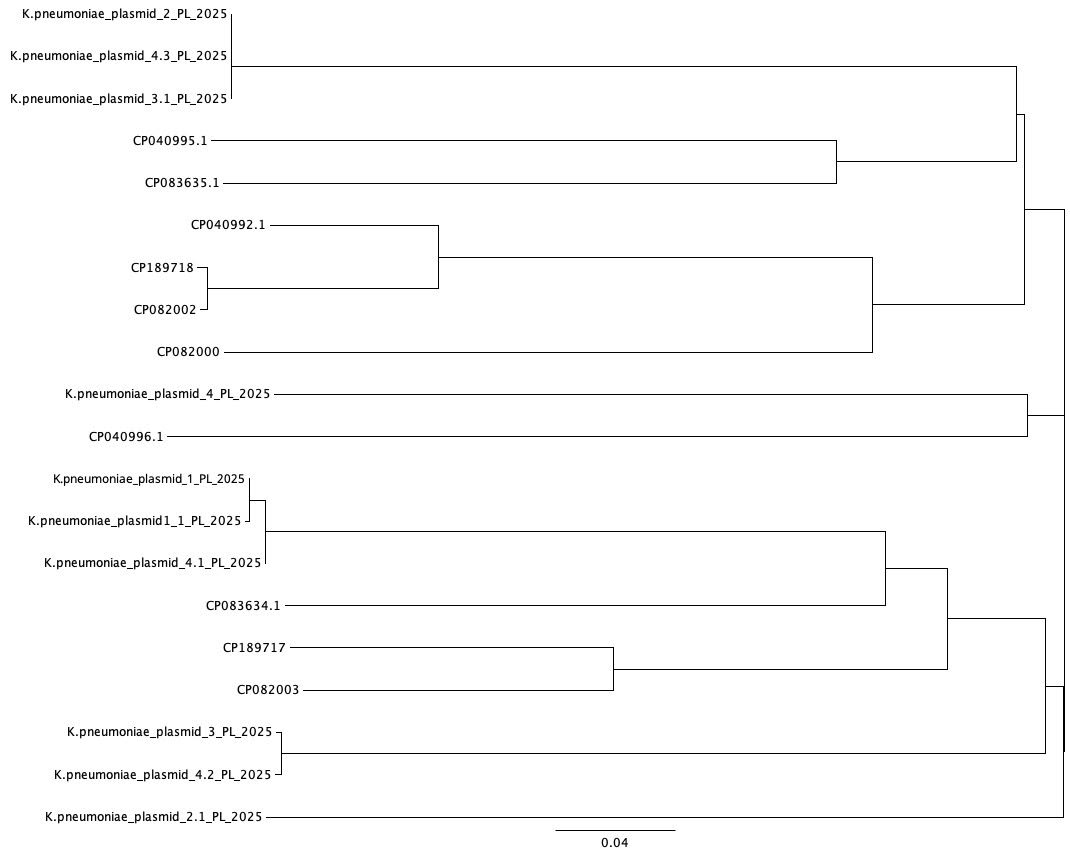
Figure 1. Genetic relationships between K. pneumoniae plasmids isolated from pigs in Poland and other isolates originated from clinical infections in human (Geneious Prime, Geneious Alignment).
Microorganisms 14 00256 g001
Table 1. Overview of sequencing throughput for all samples.
Sample IDDNA ConcentrationReadsN50 (bp) *Output (Bases)
1296 ng/μL648,469.07995.04,463,124,404.0
2329 ng/μL356,214.08199.02,537,927,730.0
3326 ng/μL418,811.08086.02,876,724,730.0
* As the minimal read size contributing to 50% of the total sequenced output.
Table 2. Overall determination of antimicrobial susceptibility of Klebsiella pneumoniae isolates obtained from septicaemic suckling piglets from 14 days to weaning.
KP-1KP-2KP-3KP-4KP-5KP-6KP-7KP-8KP-9KP-10
 Amoxicillin/Clavulanic Acid16/816/88/48/48/48/48/416/816/88/4
Minimal Inhibitory ConcentrationsAmpicillin>16>16>16>16>16>16>16>16>16>16
Ceftiofur0.50.50.50.510.50.50.50.251
Colistin≤0.51≤0.5≤0.5≤0.5≤0.511≤0.5>2
Enrofloxacin10.06250.031250.031250.031250.031250.031250.031250.031250.03125
Erythromycin>4>4>4>4>4>4>4>4>4>4
Florfenicol4444444444
Gamithromycin>8>8888>88>888
Gentamycin0.250.250.250.250.250.250.250.250.250.25
Penicillin>2>2>2>2>2>2>2>2>2>2
Tetracyclin>8>8>8>8>8>8>8>8>8>8
Tiamulin>16>16>16>16>16>16>16>16>16>16
Tildipirosin16163216161616321616
Tilmicosin>16>16>16>16>16>16>16>16>16>16
Trimethoprim/Sulfamethoxazole>2/38>2/38>2/38>2/38>2/38>2/38>2/38>2/38>2/38>2/38
Tulathromycin>64>64>64>64>64>64>64>64>64>64
Disc Diffusion TestAmoxicillinRRRRRRRRRR
ApramycinSSSSSSSSSS
DoxycyclineRSSSRSSSRR
LincomycinRRRRRRRRRR
NeomycinSSSSSSSSSS
OxytetracyclinRRRRRRRRRR
SpectinomycinSSSSSSSSSS
TylosinRRRRRRRRRR
KP-nK. pneumoniae isolate number; Minimal Inhibitory Concentrations (MIC) values reported in µg/mL: green—susceptible; yellow—intermediate susceptible; red—resistant; Disc Diffusion Test (DDT): S—susceptible; R—resistant, green—susceptible; red—resistant.
Table 3. Overview of consensus genome quality control.
Sample IDCoverageGC ContentCompleteness *Genome Size (bp)Scaffolds
1679x56.85%99.99%5,906,6065
2393x57.13%99.99%5,686,9174
3445x57.12%99.99%5,718,5234
* Based on 1359 marker genes from 29 genomes.
Table 4. Overview of multi-locus sequence typing (MLST) for K. pneumoniae isolates obtained from septicaemic suckling piglets from 14 days to weaning.
Sample ID123
Quality ModulePassedPassedPassed
Genotype-AMRaac(3)-IV, aph(3′’)-Ib, aph(3′)-Ia, aph(6)-Id, blaSHV-81, blaTEM-1B, dfrA1, dfrA5, fosA6, lnu(G), mph(E), msr(E), OqxA, OqxA, OqxB, OqxB, sul2, sul2, tet(A), tet(D)aph(3′’)-Ib, aph(6)-Id, blaSHV-81, blaTEM-1B, dfrA5, fosA6, OqxA, OqxA, OqxB, OqxB, sul2aph(3′’)-Ib, aph(6)-Id, blaSHV-81, blaTEM-1B, dfrA5, fosA6, OqxA, OqxA, OqxB, OqxB, sul2, tet(A)
Predicted Phenotypegentamicin, tobramycin, streptomycin, kanamycin, ampicillin, trimethoprim, fosfomycin, lincomycin, erythromycin, azithromycin, uknown[OqxA_1_EU370913], unknown[OqxB_1_EU370913], sulfisoxazole, tetracyclinestreptomycin, kanamycin, ampicillin, trimethoprim, fosfomycin, uknown [OqxA_1_EU370913], unknown[OqxB_1_EU370913], sulfisoxazolestreptomycin, kanamycin, ampicillin, trimethoprim, fosfomycin, unknown[OqxA_1_EU370913], unknown[OqxB_1_EU370913], sulfisoxazole, tetracycline
PlasmidIncFIB(K), IncI1-I(Alpha), IncX5IncI1-I(Alpha), IncFIIIncI1-I(Alpha), IncFII
Sequence Type (ST)252525
Genome Length (bp)5,906,6065,686,9175,718,523
N50 value5,384,3975,385,5835,386,774
Disclaimer/Publisher’s Note: The statements, opinions and data contained in all publications are solely those of the individual author(s) and contributor(s) and not of MDPI and/or the editor(s). MDPI and/or the editor(s) disclaim responsibility for any injury to people or property resulting from any ideas, methods, instructions or products referred to in the content.


