Article

Yield and Rhizosphere Soil Environment of Greenhouse Zucchini in Response to Different Planting and Breeding Waste Composts

1
College of Horticulture, Gansu Agricultural University, Lanzhou 730070, China
2
Gansu Provincial Key Laboratory of Arid Land Crop Science, Gansu Agricultural University, Lanzhou 730070, China
*
Authors to whom correspondence should be addressed.
Microorganisms 2023, 11(4), 1026; https://doi.org/10.3390/microorganisms11041026

Submission received: 16 March 2023 / Revised: 6 April 2023 / Accepted: 12 April 2023 / Published: 14 April 2023

Abstract

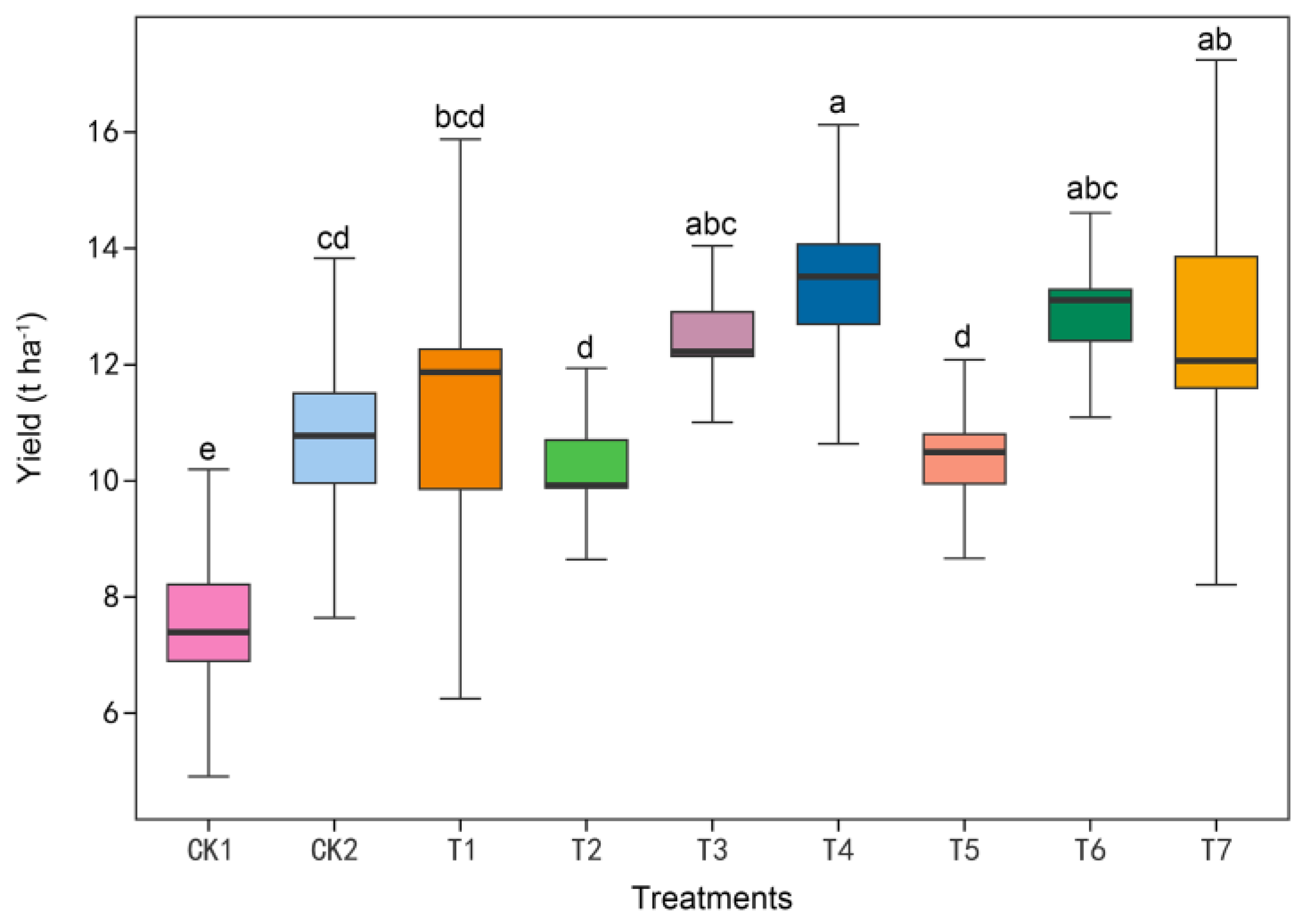
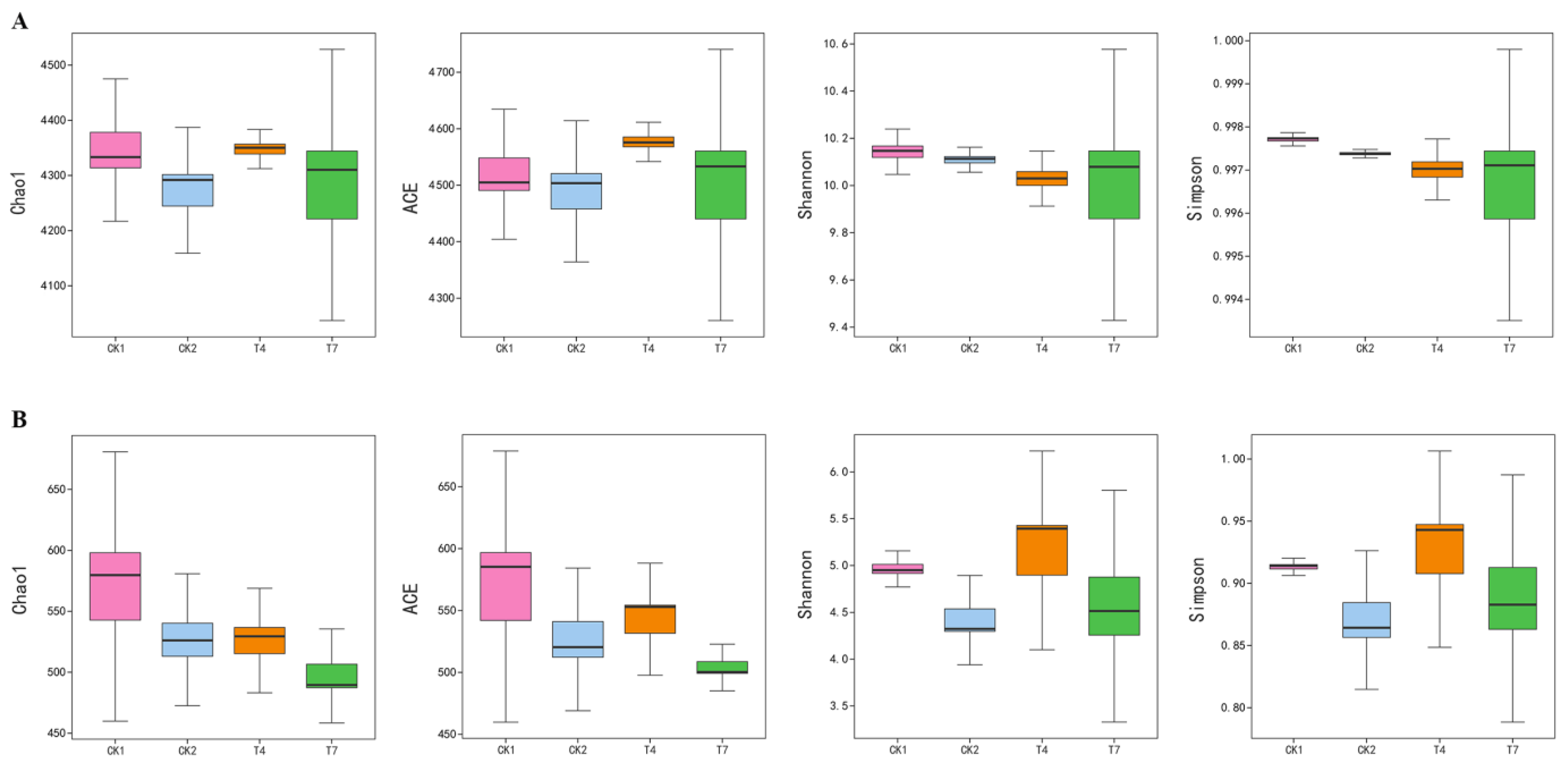
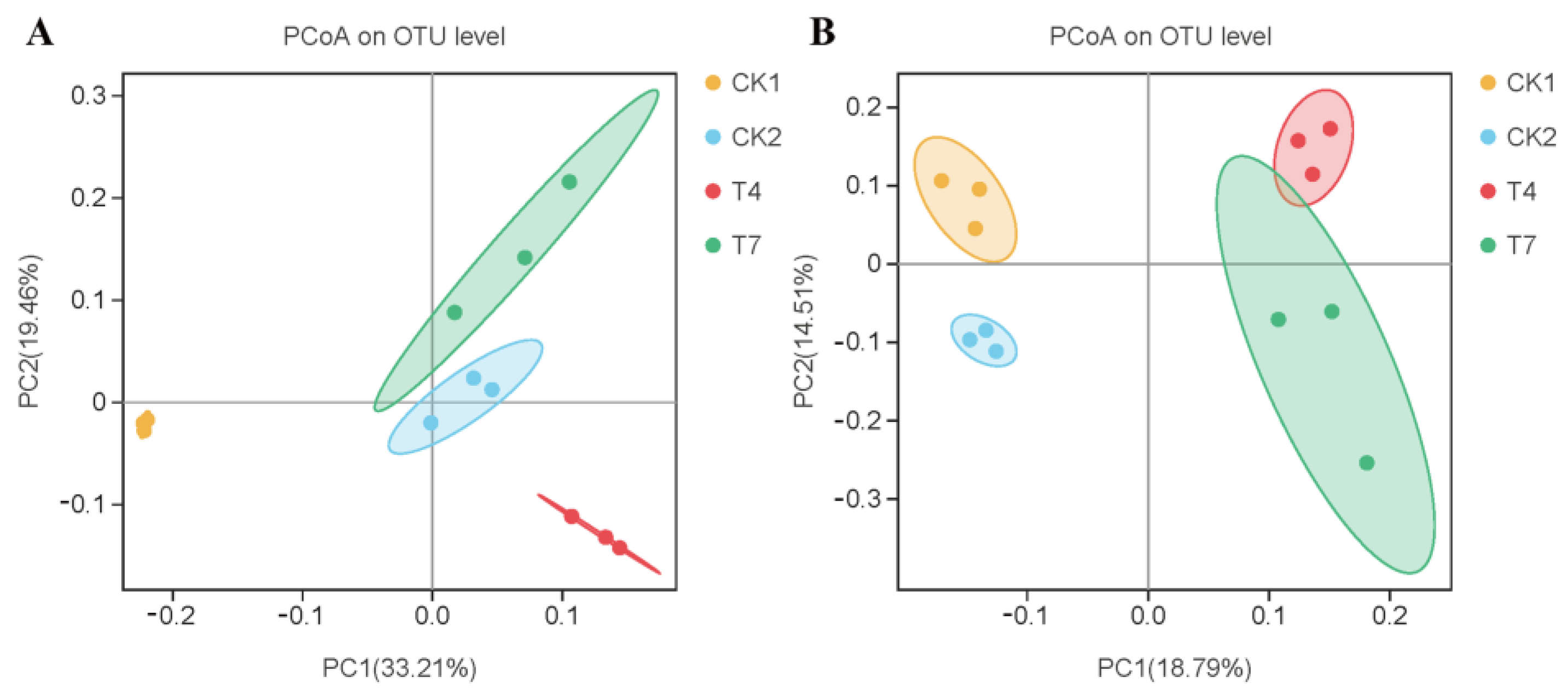
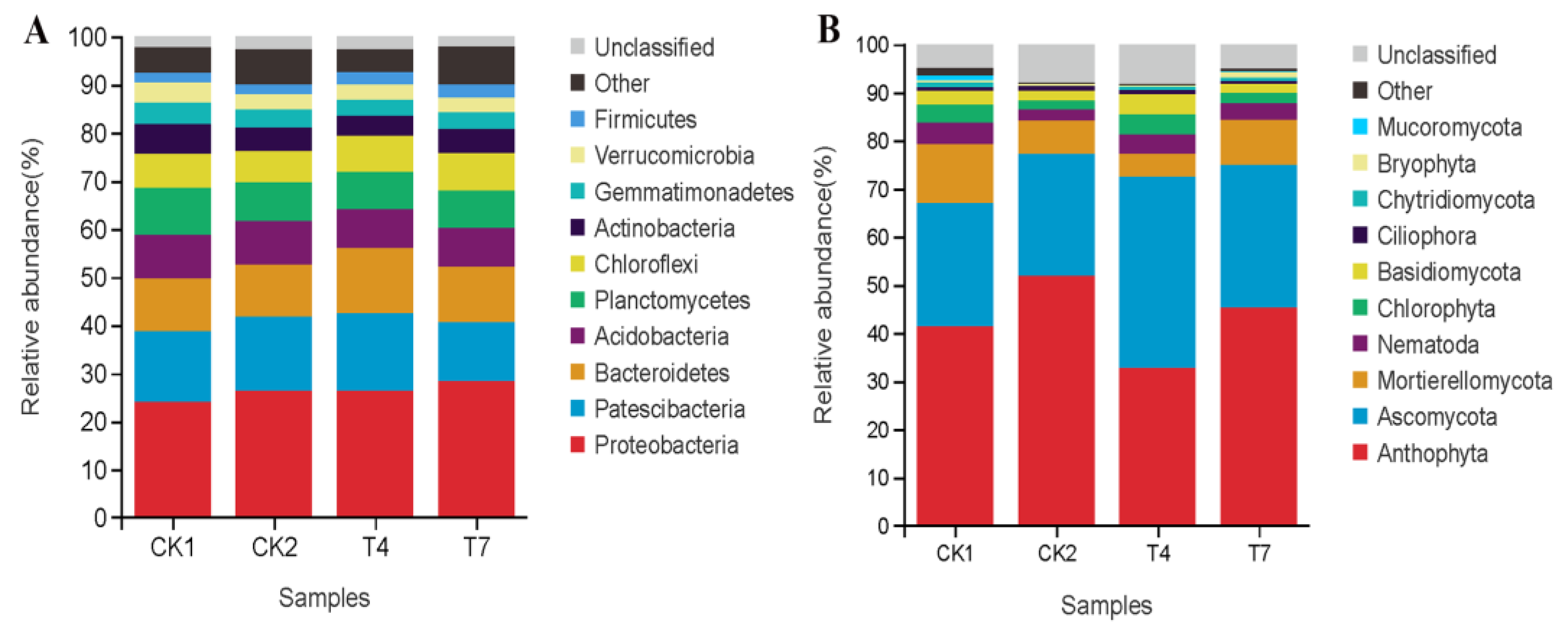
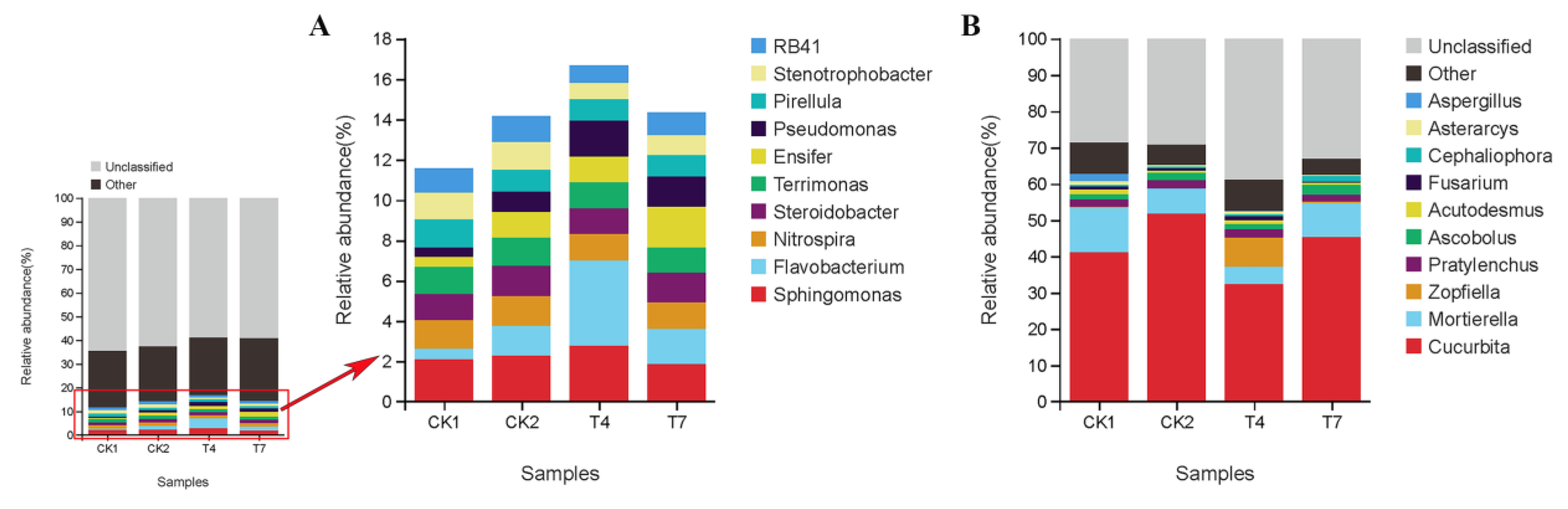
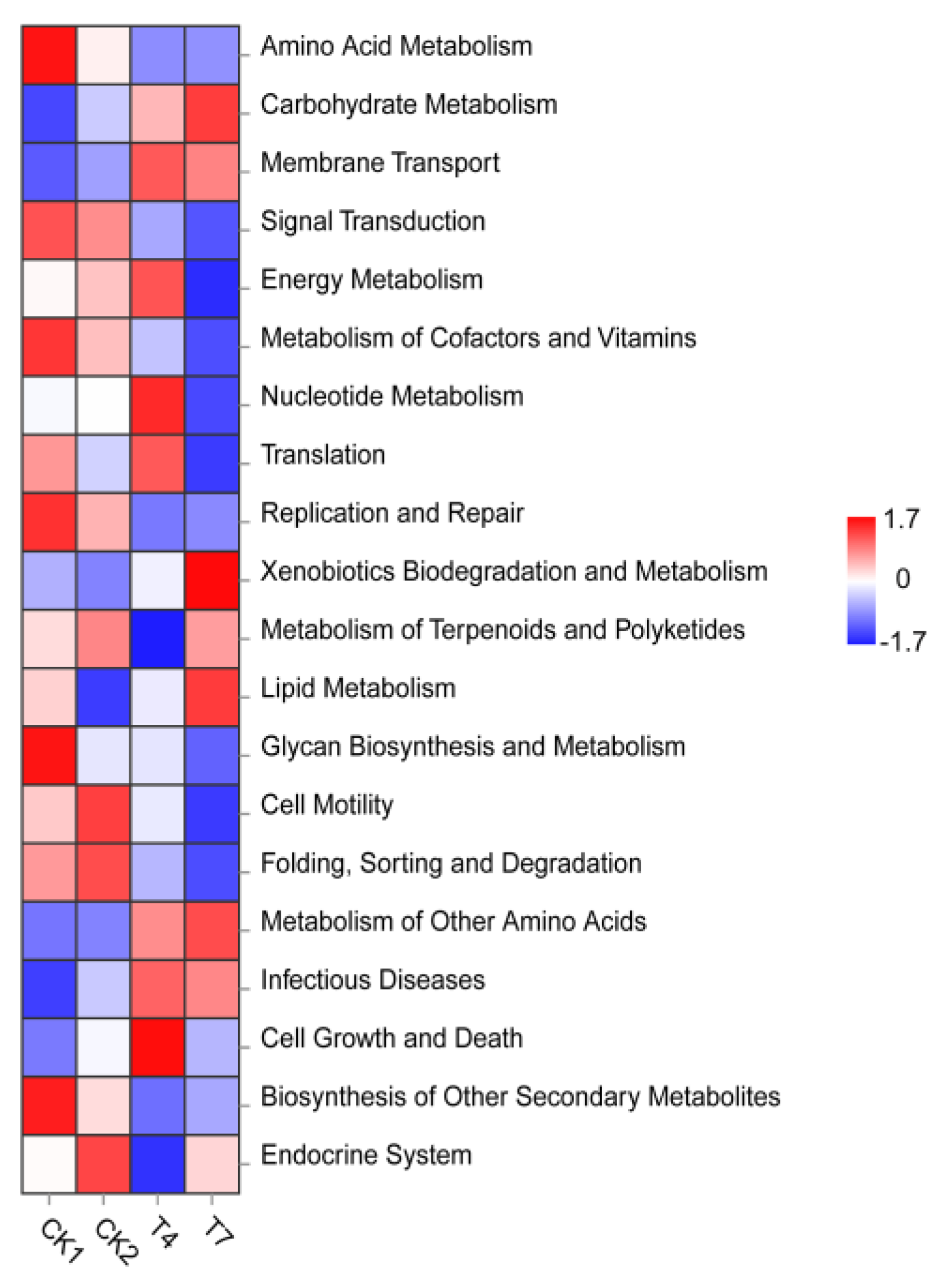
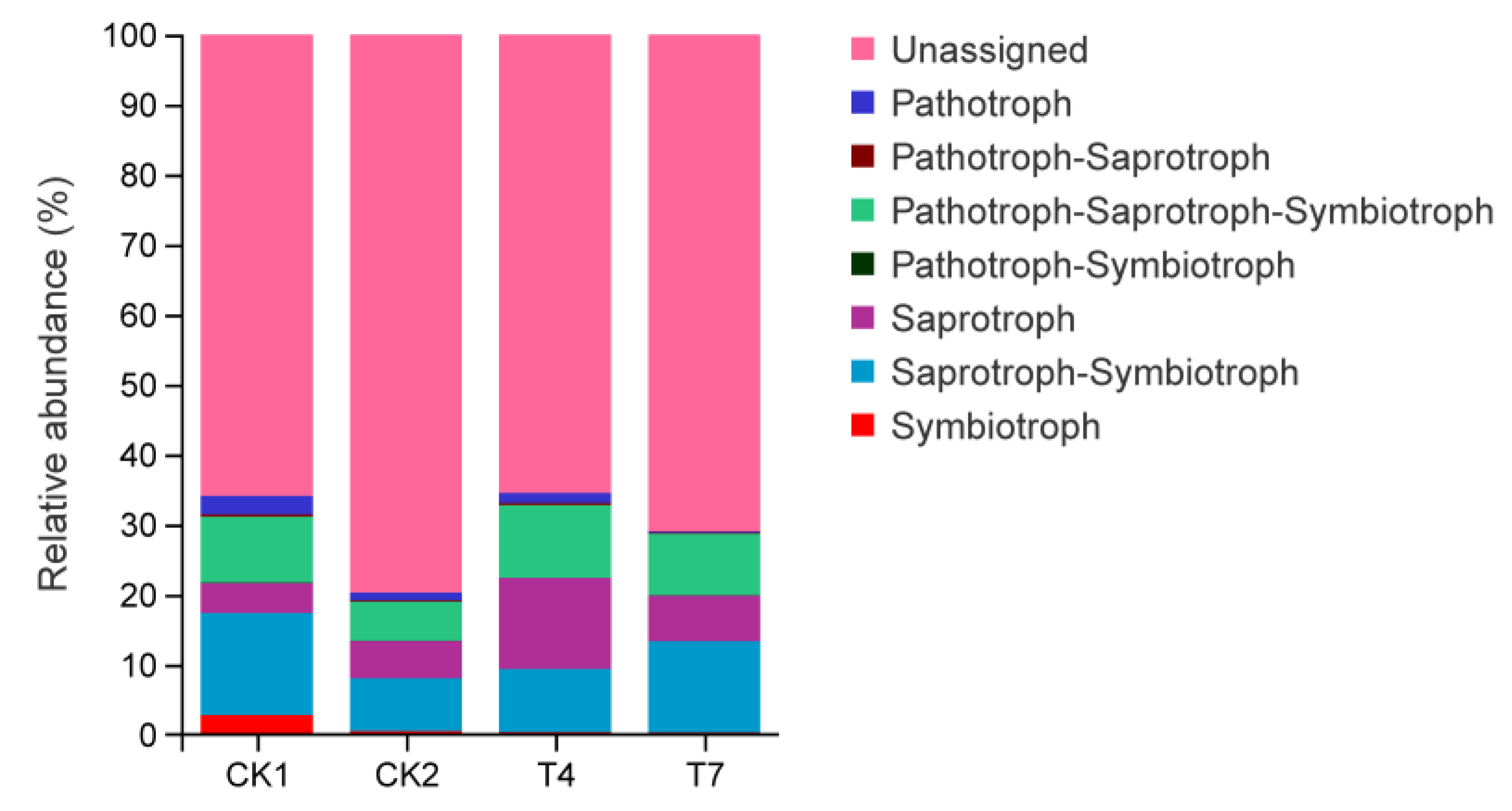
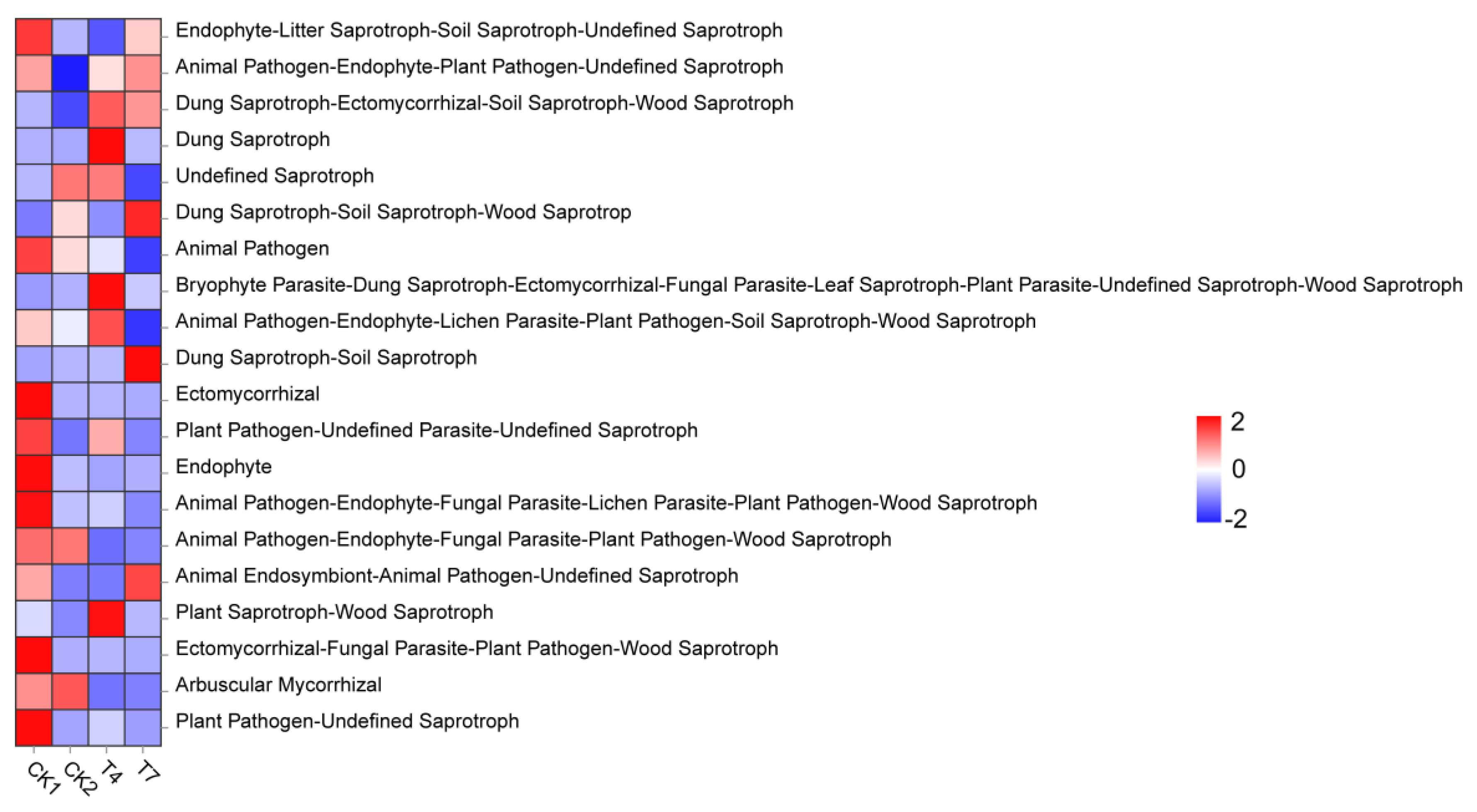
Composting, planting, and breeding waste for return to the field is the most crucial soil improvement method under the resource utilization of agricultural waste. However, how the vegetable yield and rhizosphere soil environment respond to different composts is still unknown. Therefore, eight formulations were designed for compost fermentation using agricultural waste [sheep manure (SM), tail vegetable (TV), cow manure (CM), mushroom residue (MR), and corn straw (CS)] without fertilizer (CK1) and local commercial organic fertilizer (CK2) as controls to study the yield and rhizosphere soil environment of greenhouse zucchini in response to different planting and breeding waste compost. Applying planting and breeding waste compost significantly increased the soil’s organic matter and nutrient content. It inhibited soil acidification, which T4 (SM:TV:CS = 6:3:1) and T7 (SM:TV:MR:CS = 6:2:1:1) treatments affected significantly. Compared to CK2 treatment, T4 and T7 treatments showed a greater increase, with a significant increase of 14.69% and 11.01%, respectively. Therefore, T4, T7, and two control treatments were selected for high-throughput sequencing based on yield performance. Compared with the CK1 treatment, although multiple applications of chemical fertilizers led to a decrease in bacterial and fungal richness, planting and breeding waste compost maintained bacterial diversity and enhanced fungal diversity. Compared to CK2, the relative abundance increased in T7-treated Proteobacteria (Sphingomonas, Pseudomonas, and Lysobacter) and T4-treated Bacteroidetes (Flavobacterium) among bacteria. An increase in T4-treated Ascomycota (Zopfiella and Fusarium) and Basidiomycota among fungi and a decrease in T7-treated Mortierellomycota have been observed. Functional predictions of the bacterial Tax4Fun and fungal FUNGuild revealed that applying planting and breeding waste compost from the T4 treatment significantly increased the abundance of soil bacterial Metabolism of Cities, Genetic Information Processing, and Cellular Processes decreased the abundance of Pathotroph and Saprotroph-Symbiotroph fungi and increased the abundance of Saprotroph fungi. Overall, planting and breeding waste compost increased zucchini yield by improving soil fertility and microbial community structure. Among them, T4 treatment has the most significant effect, so T4 treatment can be selected as the optimized formulation of local commercial organic fertilizer. These findings have valuable implications for sustainable agricultural development.
Keywords: planting and breeding waste; compost; zucchini; soil environment planting and breeding waste; compost; zucchini; soil environment