Article

Rock Varnish Dating, Surface Features and Archaeological Controversies in the North American Desert West


1
Rock Art Research Institute, University of the Witwatersrand, Johannesburg 2017, South Africa
2
School of Geographical Sciences and Urban Planning, Arizona State University, Tempe, AZ 85287, USA
*
Author to whom correspondence should be addressed.
Submission received: 21 August 2025 / Revised: 3 December 2025 / Accepted: 10 December 2025 / Published: 1 January 2026
(This article belongs to the Special Issue Advances in Rock Art Studies)

Abstract

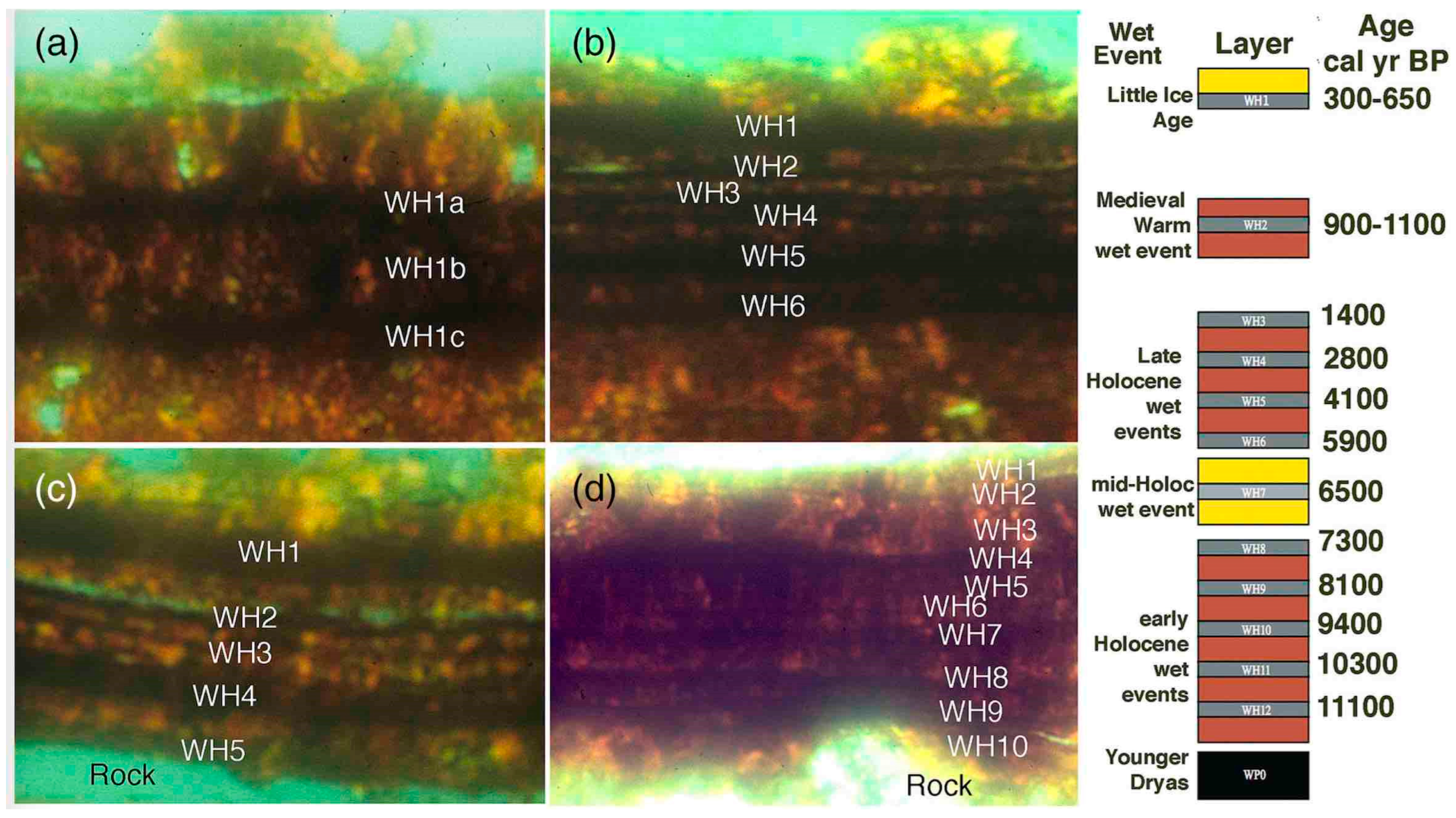
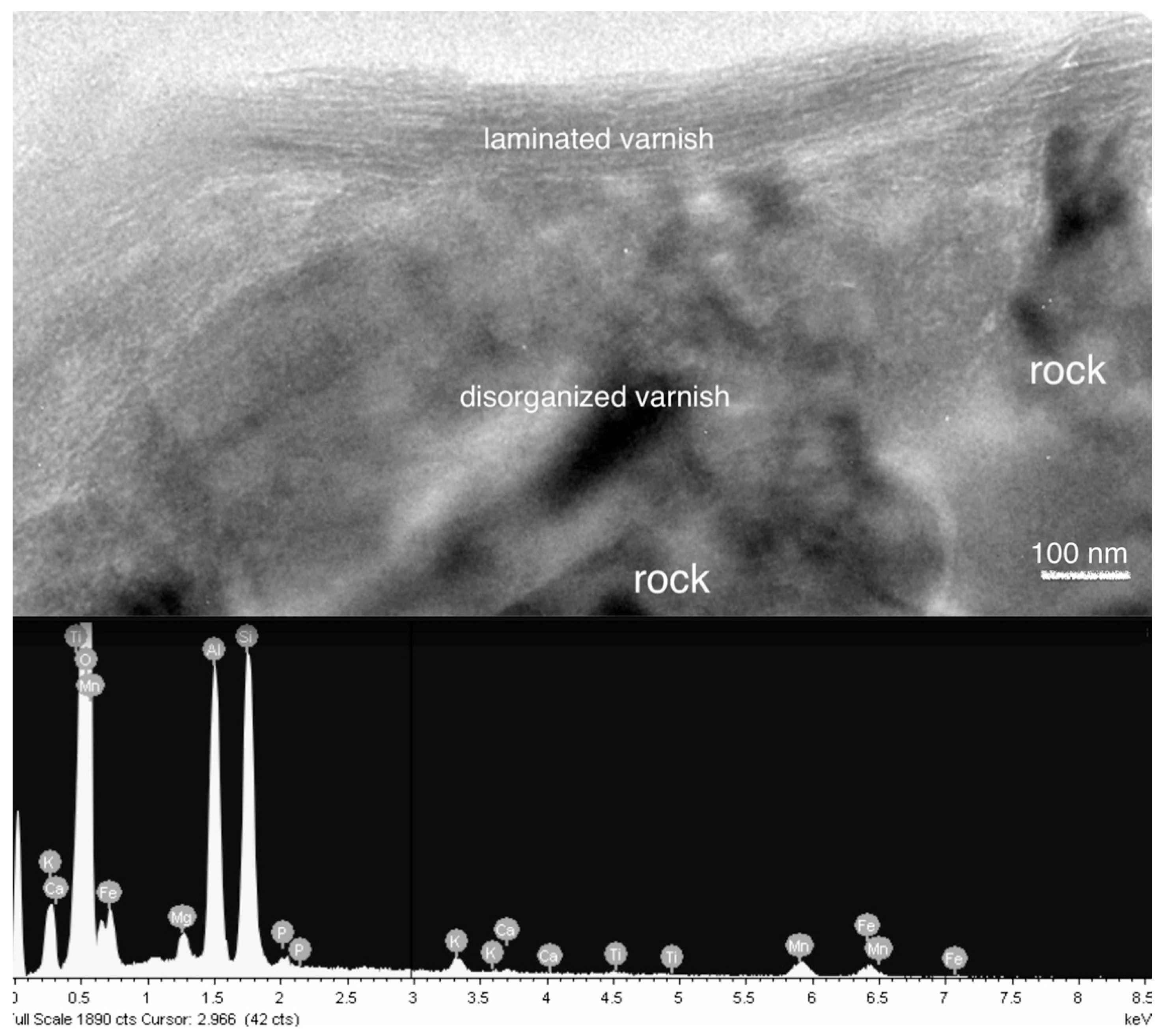
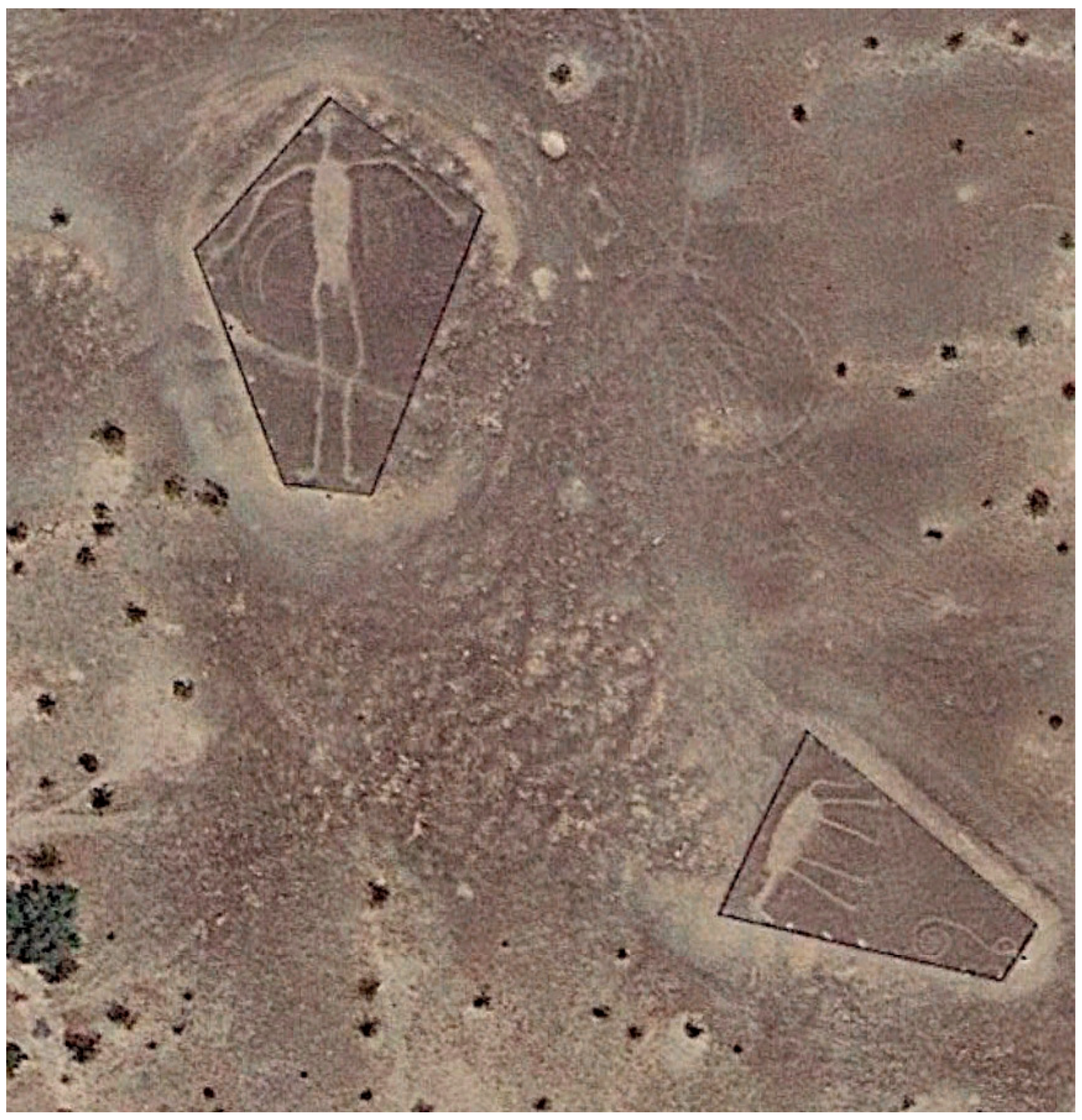
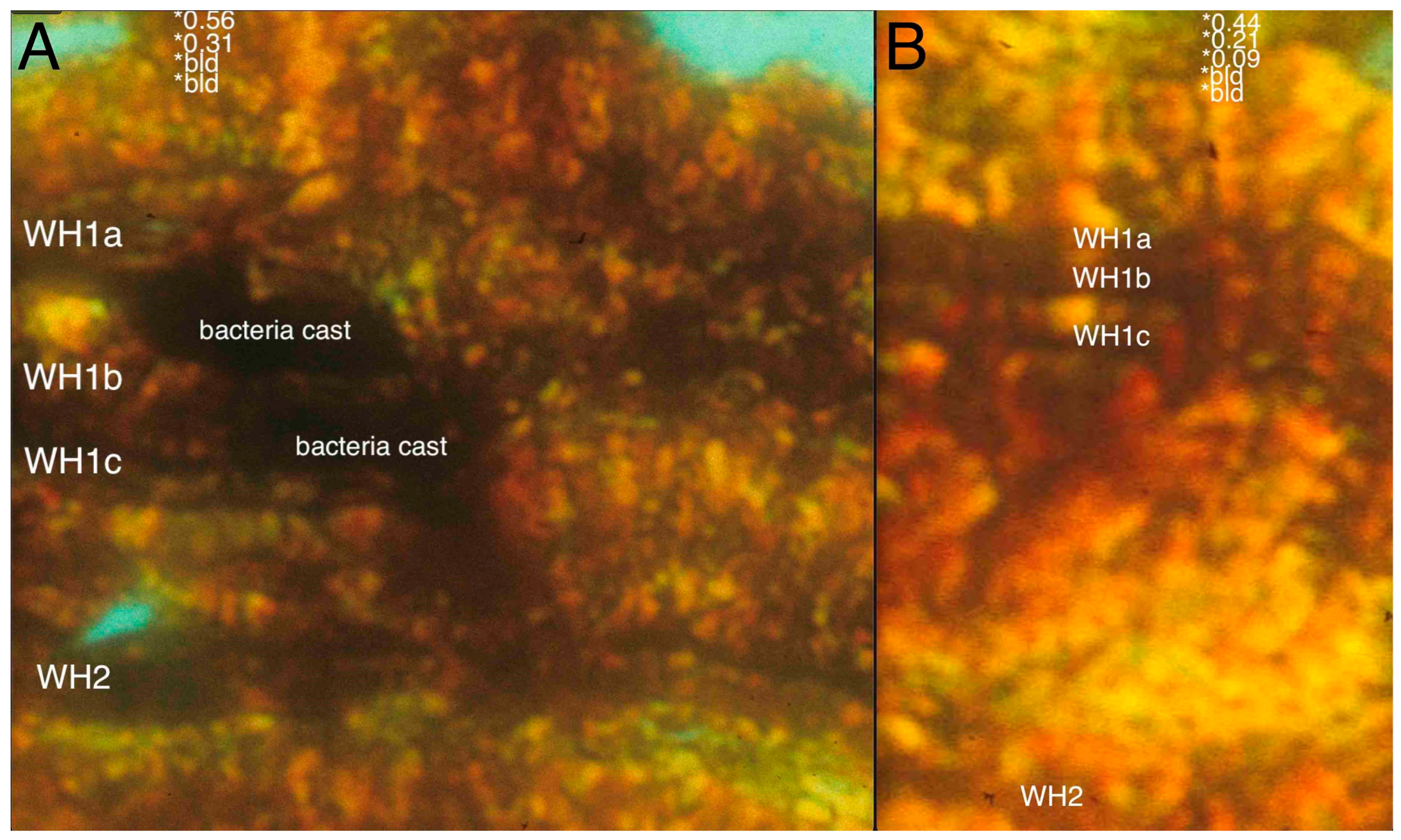
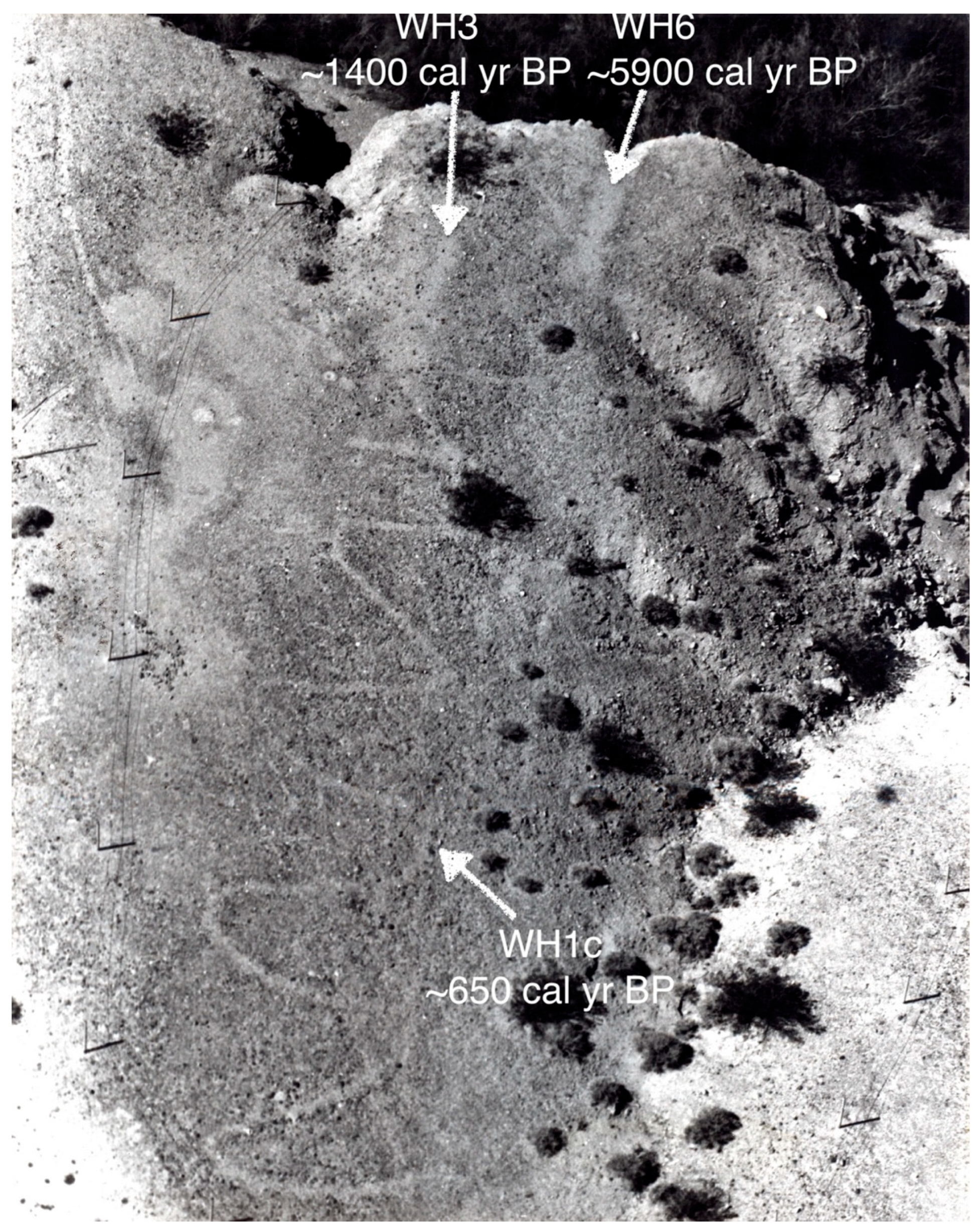
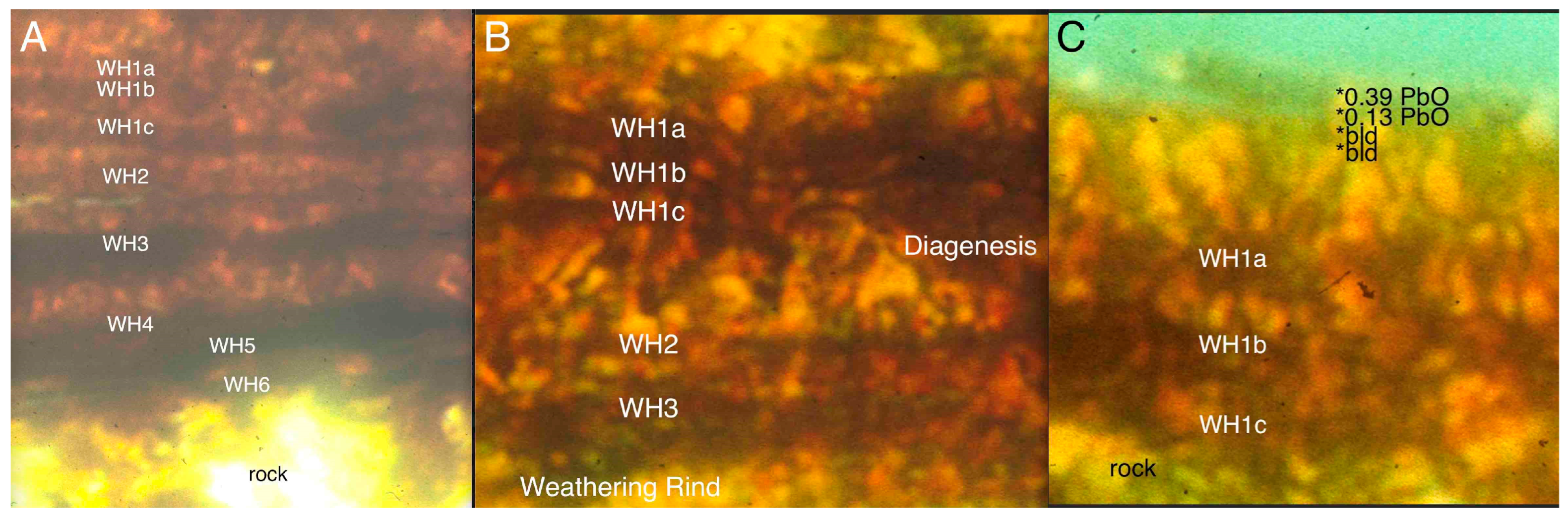
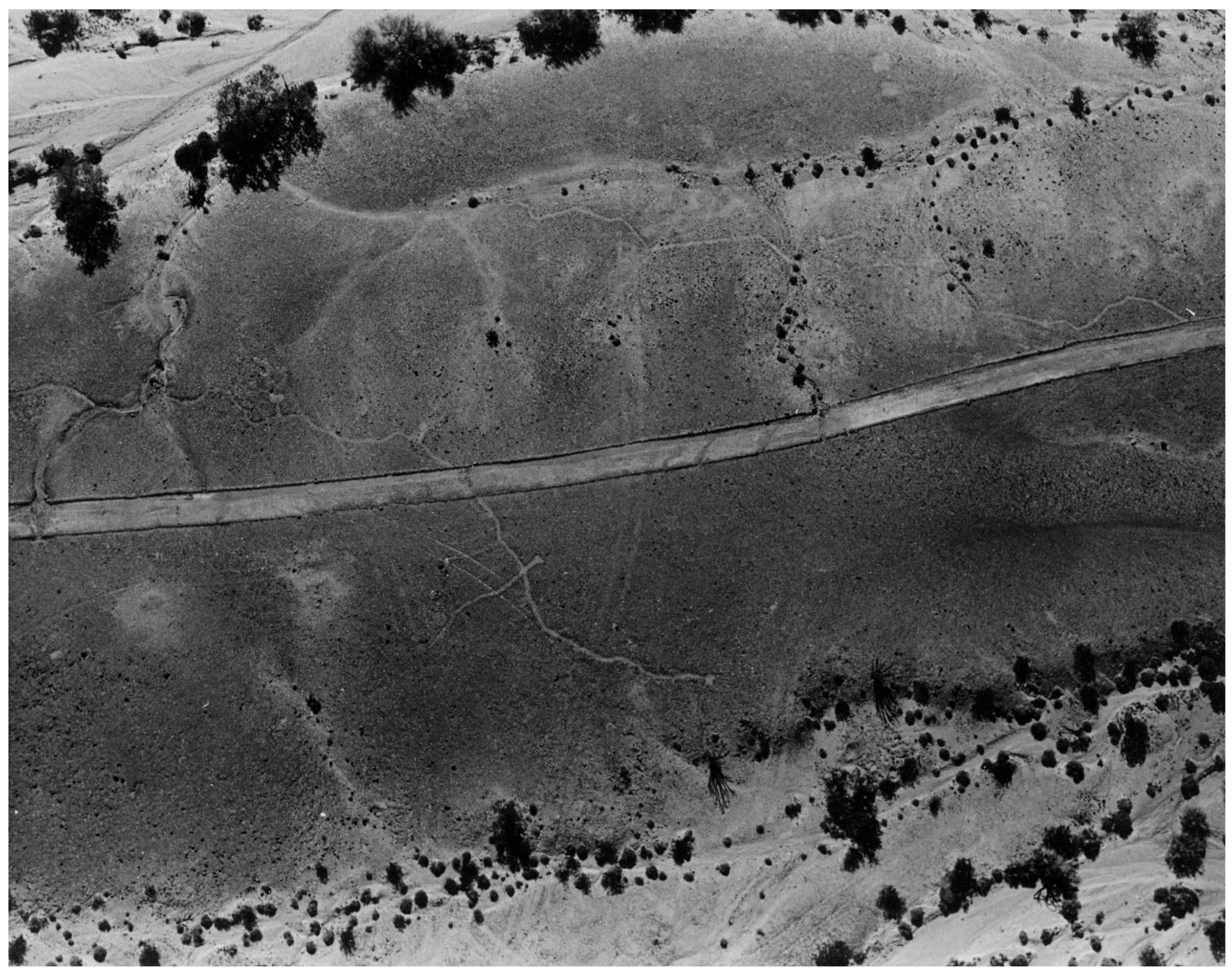
Archaeological surface features on desert pavements, including geoglyphs, are notoriously difficult to assess. Lacking temporally diagnostic artifacts, they may be impossible to place chronologically, limiting their inferential utility. Not surprisingly, controversies have developed in the North American desert west over certain of these features. We describe methods for chronometrically constraining the ages of desert pavement features using three approaches to rock varnish dating: varnish lamination (VML), lead-profile dating, and the cation ratio (CR) as an additional tool. Each of these techniques may be applied to rock varnished cobbles that have been upthrust into areas previously cleared of the original pavement through cultural or natural processes. We use these methods to resolve two archaeological issues: the age of the intaglios (geoglyphs) along the lower Colorado River corridor and whether the Topock (or ‘Mystic’) Maze is the product of Precontact Indigenous or late-nineteenth-century railroad construction. Ethnographic analysis allows us to contextualize these features and to consider two additional issues: the antiquity of the Yuman speakers’ cultural pattern in the lower Colorado River region and the function of the Topock Maze.
Keywords: chronometric dating; ethnography; historical linguistics; intaglios; rock varnish; Yuman speakers chronometric dating; ethnography; historical linguistics; intaglios; rock varnish; Yuman speakers