


Abstract
This review synthesizes recent advances in the characterization of eco-friendly cement composites, focusing on hydration kinetics, microstructural evolution, and mechanical durability. Advanced techniques—from isothermal calorimetry to nanoindentation—enable decoding of reaction pathways, mix optimization, and long-term performance prediction. The analysis covers supplementary cementitious materials (fly ash, slag, silica fume), geopolymers, bio-based additives (SNSs, biochar, CNCs, lignosulfonates), and microbially induced calcite precipitation (MICP). For each category, key mechanisms are identified, property effects quantified, and microstructural correlations established. SCMs achieve pore refinement and enhanced durability through long-term pozzolanic reactions. Geopolymers exhibit exceptional thermal stability (800–1000 °C) and acid resistance. Fly ash-based geopolymers exhibit chloride diffusion coefficients 1–2 orders of magnitude lower than ordinary Portland cement (OPC), though slag-based systems show more moderate improvements due to their different pore structure and higher calcium content. Bio-based additives enable accelerated hydration (SNSs), internal curing and CO2 sequestration (biochar), pore refinement (CNCs), workability enhancement (lignosulfonates), and autonomous crack healing (MICP). Multi-scale characterization is essential for establishing robust structure–property relationships. The review concludes that properly optimized eco-friendly cement composites offer viable pathways toward sustainable construction with reduced carbon footprint, enhanced durability, and extended service life. This review is novel in its systematic comparison of hydration kinetics, microstructural evolution, and mechanical performance across three distinct classes of eco-friendly additives (SCMs, geopolymers, and bio-based materials), with particular emphasis on the complementarity of advanced characterization techniques—an aspect that has received limited attention in previous reviews.
1. Introduction
The construction industry is a fundamental pillar of global economic development, yet it simultaneously represents one of the most resource-intensive and environmentally impactful sectors worldwide. Accounting for approximately 36% of global final energy consumption and nearly 40% of energy and process-related CO2 emissions, its environmental footprint is substantial and demands urgent mitigation strategies [1,2]. At the heart of this challenge lies the production and use of conventional building materials, particularly Ordinary Portland Cement (OPC). The cement industry alone is responsible for an estimated 7–8% of global anthropogenic CO2 emissions, stemming from both the calcination of limestone (a chemical process releasing CO2) and the combustion of fossil fuels required to achieve high kiln temperatures (~1450 °C) [3,4,5]. Beyond its significant carbon footprint, the linear “take-make-dispose” model prevalent in construction leads to extensive extraction of virgin raw materials, generates massive volumes of construction and demolition waste (CDW) often destined for landfills, and contributes to other environmental issues such as particulate matter pollution and urban heat island effects [3,6,7]. In the context of global commitments to net-zero emissions and the principles of a circular economy, the transformation of the built environment towards sustainability is non-negotiable [8,9,10].
This imperative has catalyzed a paradigm shift in construction materials science, driving intensive research and innovation toward eco-friendly cement composites. These advanced materials are designed to radically reduce the clinker factor and environmental burden of traditional concrete through two primary avenues: (i) blending, which involves the partial replacement of OPC with supplementary cementitious materials (SCMs) such as fly ash (FA), ground granulated blast-furnace slag (GGBFS), silica fume, and natural pozzolans; and (ii) alternative binding systems, most notably alkali-activated materials (geopolymers) synthesized from industrial aluminosilicate by-products like FA, slag, metakaolin, and red mud [11,12,13,14]. The motivations extend beyond environmental stewardship to encompass technical superiority and economic opportunity. These composites often demonstrate enhanced long-term strength development, superior resistance to chemical attacks (sulfate, acid), improved dimensional stability, and the valorization of abundant industrial waste streams, thereby contributing to a more circular industrial metabolism [13,15,16]. The frontier of research is continuously expanding to include novel, bio-based, and nano-engineered additives. For instance, bio-derived nanoplatelets from sugar beetroot have been shown to act as potent nucleation agents, accelerating hydration and refining microstructure, while biochar offers a dual promise of enhancing mechanical properties and sequestering carbon within the material matrix [17,18,19].
However, the transition from conventional to eco-friendly cementitious systems is not straightforward. The inherent chemical and physical complexity of these novel composites introduces significant scientific and engineering challenges. Their hydration mechanisms, microstructural evolution, and structure–property relationships often diverge fundamentally from the well-established paradigms of OPC chemistry. The pozzolanic and latent hydraulic reactions of SCMs occur on different, often slower timescales and are highly dependent on the chemistry of the pore solution and curing conditions [15,16]. Among the most promising recent developments in SCMs are calcined clays and, in particular, limestone calcined clay cement (LC3). First proposed by Scrivener and Martirena at the Swiss Federal Institute of Technology (EPFL) and the Universidad Central de Las Villas, Cuba, LC3 enables clinker substitution of up to 50% by combining calcined clay (typically 30%), limestone (15%), and gypsum (5%) with Portland clinker (50%) [20]. This ternary system achieves a 30–40% reduction in CO2 emissions compared to OPC while maintaining comparable or even enhanced mechanical performance [21]. The growing importance of LC3 stems from its reliance on abundantly available raw materials addressing the supply limitations of conventional SCMs such as FA and slag [22]. Geopolymers form through a distinct dissolution–polycondensation pathway, resulting in amorphous aluminosilicate (N-A-S-H) or calcium aluminosilicate (C-A-S-H) gels with properties sensitive to precursor composition, activator type/concentration (SiO2/Na2O molar ratio), and curing temperature [13,14]. Furthermore, the performance of fiber-reinforced versions or those containing lightweight/elastic aggregates is governed by complex interfacial interactions and micromechanics [23,24,25]. This multifaceted behavior means that the performance of eco-friendly composites cannot be reliably predicted or optimized using empirical rules or models calibrated for conventional concrete.
This complexity underscores the critical and indispensable role of advanced, multi-scale characterization in the research, development, and eventual standardization of sustainable cement composites. Moving far beyond the realm of standardized compressive strength tests, the field now employs a sophisticated, interconnected suite of analytical techniques to deconvolute material behavior across all relevant length and time scales. A fundamental understanding begins with deciphering hydration kinetics—the sequence, rate, and extent of chemical reactions. This is probed using isothermal conduction calorimetry, in situ X-ray diffraction (XRD), thermogravimetric analysis (TGA), and advanced spectroscopic methods like Fourier-transform infrared (FTIR) and nuclear magnetic resonance (NMR) spectroscopy. The physical manifestation of these reactions is captured through microstructural evolution, which involves mapping the formation of solid phases, pore networks, and critical interfaces. This requires high-resolution imaging techniques such as Scanning Electron Microscopy (SEM), Backscattered Electron (BSE) imaging, and micro-Computed Tomography (μ-CT), coupled with quantitative analysis via Mercury Intrusion Porosimetry (MIP) and nano-mechanical property mapping through nanoindentation. Finally, bridging this fundamental knowledge to practical application necessitates a comprehensive evaluation of engineering performance, encompassing not only traditional mechanical tests but also advanced assessments of fracture toughness, transport properties (permeability, diffusivity), and long-term durability under coupled mechanical and environmental stressors (e.g., freeze–thaw, chloride ingress, carbonation) [18,19,24,26,27,28].
Therefore, this review paper is crafted to provide a comprehensive, systematic, and critical synthesis of the pivotal role that advanced characterization plays in the field of eco-friendly cement composites. Its structure is designed to illuminate the intrinsic and causal connections between:
- Hydration kinetics and reaction mechanisms: The time-dependent chemical foundation that initiates microstructure formation.
- Microstructural evolution and advanced imaging: The physical architecture (phases, pores, interfaces) that directly dictates macro-scale behavior.
- Mechanical and durability performance: The emergent engineering properties that define the material’s structural utility and service life.
By consolidating and critically analyzing findings from a broad spectrum of contemporary, high-impact studies, this review aims to: (a) elucidate established and emerging structure–property relationships, (b) highlight successful and integrative characterization methodologies, (c) identify persistent knowledge gaps and technical bottlenecks, and (d) outline coherent and promising future research directions. The overarching thesis is that rigorous, holistic, and multi-scale characterization is the essential key to unlocking the full performance potential, ensuring long-term reliability, and accelerating the market adoption of these innovative materials. Through this lens, the paper contributes to the foundational knowledge required to transform eco-friendly cement composites from promising laboratory concepts into robust, codified, and widely deployed solutions for building a sustainable and resilient future.
1.1. Methodology
This review was conducted as a traditional narrative review that incorporated systematic literature search principles to ensure comprehensive coverage of the relevant literature. The following electronic databases were searched for relevant publications: Scopus, Web of Science Core Collection, Google Scholar, and ScienceDirect. The search period covered January 2000 to December 2025, with seminal works published before 2000 included only where necessary for historical context.
The search strategy employed combinations of the following keywords: (“eco-friendly cement” OR “sustainable cement” OR “supplementary cementitious materials” OR “SCM” OR “fly ash” OR “slag” OR “geopolymer” OR “alkali-activated” OR “biochar” OR “cellulose nanocrystals” OR “lignosulfonate” OR “MICP”) combined with (“hydration kinetics” OR “calorimetry” OR “microstructure” OR “SEM” OR “NMR” OR “XRD” OR “TGA” OR “mechanical properties” OR “compressive strength” OR “durability” OR “chloride ingress” OR “carbonation”).
The inclusion criteria for this review were as follows: peer-reviewed journal articles, conference proceedings, and book chapters were considered; studies were required to report experimental characterization data; only English language publications were included; and quantitative data were preferred where applicable. The exclusion criteria were as follows: non-peer-reviewed sources such as theses and technical reports without peer review were excluded; studies without experimental characterization data, including purely computational or theoretical works, were excluded; publications before 2000 were excluded except for seminal works cited for historical context; and duplicate publications were removed.
The screening process proceeded as follows. The initial database search yielded 847 records. After removal of duplicate publications, 178 records were excluded, leaving 669 records for title and abstract screening. Following title and abstract screening, 243 articles were selected for full-text review. Of these, 186 sources met all inclusion criteria and were included in the final synthesis. The remaining 57 articles were excluded primarily due to lack of quantitative characterization data (31 articles) or non-English language (26 articles).
This review is traditional (narrative) in nature, synthesizing findings qualitatively across material categories. Meta-analytic statistical aggregation was not employed due to heterogeneity in experimental conditions and reporting standards across the included studies.
1.2. Scope and Contribution
This review distinguishes itself from existing publications in the field through several specific contributions that address gaps identified in the current literature.
The first contribution is an integrated multi-scale perspective on the characterization of eco-friendly cement composites. Unlike existing reviews that treat hydration kinetics, microstructural evolution, and mechanical performance as separate domains, this review explicitly establishes causal linkages between these three levels of material behavior across all material categories covered, including SCMs, geopolymers, and bio-based additives. These structure–property relationships are quantitatively presented in Section 2.4.
The second contribution is a critical comparative analysis of different material systems on equivalent performance metrics. Comparative performance matrices presented in this review directly compare SCMs, geopolymers, and bio-based additives using the same metrics, including compressive strength, flexural strength, chloride resistance, sulfate resistance, high-temperature stability, carbon footprint, and cost. This approach enables readers to make informed material selections based on their specific application requirements.
The third contribution is the systematic identification of technical bottlenecks associated with each advanced characterization technique. Section 4.1 of this review analyzes unresolved challenges for isothermal calorimetry, XRD, solid-state nuclear magnetic resonance, TGA, MIP, and nanoindentation. Specific bottlenecks discussed include the limitations of amorphous phase quantification in geopolymers, the ink-bottle effect in pore structure analysis, and the difficulties of in situ monitoring for long-term microstructural evolution.
The fourth contribution is a structured synthesis of research gaps organized by theme. Section 5.2 presents gaps in characterization methodologies, material systems, and experimental approaches, each with an assessment of priority level and recommended approaches for addressing them. This gap analysis is intended to guide future research efforts toward the most pressing unresolved questions in the field.
The fifth contribution is the provision of practical recommendations for industrial adoption of eco-friendly cement composites. Section 5.3 offers actionable guidance for quality control protocols, standardization needs, and pathways for field implementation. These recommendations are directed toward different stakeholders, including ready-mix concrete producers, precast manufacturers, construction companies, standards bodies, and policymakers.
The scope of this review covers three main categories of eco-friendly cement composites: supplementary cementitious materials (fly ash, ground granulated blast-furnace slag, and silica fume), alkali-activated materials (geopolymers based on fly ash, slag, metakaolin, and hybrid systems), and emerging bio-based additives (sugar beetroot nanosheets, biochar, cellulose nanocrystals, lignosulfonates, and microbially induced calcite precipitation). For each category, the review critically evaluates characterization methodologies, identifies limitations and contradictions in the existing literature, and proposes directions for future investigation.
2. Key Achievements in Characterization of Eco-Friendly Cement Composites
2.1. Hydration Kinetics and Reaction Mechanisms
The hydration process (the series of exothermic chemical reactions between cementitious powders and water) is the genesis of all properties in cement-based materials. For eco-friendly composites, this process is markedly different from that of pure OPC, necessitating detailed investigation.
2.1.1. Influence of Supplementary Cementitious Materials (SCMs)
The partial replacement of OPC with SCMs like fly ash (FA) and slag significantly alters the hydration trajectory. Isothermal calorimetry, the standard tool for studying reaction kinetics, reveals a characteristic “dual-peak” behavior in many blended systems (Table 1 and Figure 1) [15,16].
Table 1.
Hydration kinetics of OPC-SCM blended systems as characterized by isothermal calorimetry and thermal analysis.
Figure 1.
Heat flow curves from isothermal calorimetry for different binder systems. (Schematic based on data from [13,17,18].)
- Fly ash (Class F): As a predominantly pozzolanic material, high-volume FA (30–50% replacement) substantially reduces and delays the main heat release peak associated with silicate (C3S) hydration. The reaction is governed by the filler effect initially, followed by a slow, long-term pozzolanic reaction where FA reacts with portlandite (CH) to form additional calcium-silicate-hydrate (C-S-H) gel. This leads to continued strength gain over months or years but requires careful curing [17].
- Ground granulated blast-furnace slag (GGBFS): Slag possesses latent hydraulic properties. Its activation is highly dependent on the pH and ionic composition of the pore solution. In OPC-slag blends, the hydration of OPC provides the necessary alkalinity to activate the slag. The reaction is slower than OPC but faster than FA, leading to a more pronounced secondary heat peak. The consumption of CH by slag is nearly complete, resulting in a denser, low-CH matrix with improved durability against sulfate attack and alkali–silica reaction [18].
Calcined clays, particularly metakaolin derived from kaolinite-rich clays (Al2O3·2SiO2·2H2O), exhibit strong pozzolanic reactivity after dehydroxylation at 500–800 °C [24]. The transformation converts crystalline kaolinite into amorphous metakaolin (Al2O3·2SiO2), which readily reacts with CH released during clinker hydration to form additional calcium-alumino-silicate-hydrate (C-A-S-H) phases [22].
In LC3 systems, the combination of calcined clay and limestone creates a synergistic effect that significantly enhances hydration kinetics and microstructural development [22]. The alumina released from calcined clay reacts with carbonates from limestone to form carboaluminate phases (monocarboaluminate and hemicarboaluminate), which serve three critical functions: (1) they refine the pore structure by occupying large capillary pores; (2) they stabilize ettringite, preventing its transformation to monosulfate; and (3) they increase the solid volume of hydration products, contributing to strength development. Avet and Scrivener [22] investigated the influence of calcined kaolinite content on LC3-50 hydration and found that higher kaolinite contents accelerate pore structure refinement, though excessive kaolinite (>65%) can limit carboaluminate formation after 3 days. The optimal calcined clay-to-limestone ratio is typically 2:1 for LC3-50 systems, though this may vary depending on clinker composition and clay reactivity [24].
Isothermal calorimetry studies of LC3 systems reveal accelerated early hydration due to the filler effect of limestone and the additional nucleation sites provided by fine calcined clay particles [23]. The pozzolanic reaction of metakaolin becomes dominant after 3–7 days, contributing to sustained heat evolution and long-term strength gain. Compared to FA systems, LC3 exhibits faster early hydration and higher early strength, while slag-based blends show different kinetics due to their inherent hydraulic activity.
Despite the numerous benefits of SCMs discussed above, several important limitations must be acknowledged when considering these systems for practical applications. The first limitation is the reduction in early-age strength development, particularly for FA-based systems. As shown in Table 1, the replacement of OPC with 30% FA reduces the cumulative heat of hydration at 7 days to approximately 85% of the OPC control, and this reduction in early-age reactivity translates directly into lower early-age compressive strength. For construction applications requiring rapid formwork removal or early loading, such as in fast-track paving or precast concrete production, this early-strength limitation can be a significant drawback. While the long-term strength of FA blends typically reaches or exceeds that of OPC by 90 days, the slower early strength gain may necessitate extended curing periods or the use of accelerating admixtures, both of which add cost and complexity to construction operations. The second major limitation of SCM systems is their sensitivity to curing conditions, particularly with respect to moisture availability during the early hydration period. Unlike OPC, which continues to hydrate at reasonable rates even under less-than-ideal moisture conditions due to its high CH content and relatively rapid reaction kinetics, SCMs require sustained moisture availability for their pozzolanic reactions to proceed. The pozzolanic reaction between FA or SF and CH requires water as a reactant, and if the concrete dries out prematurely, these reactions are arrested before they can fully refine the pore structure and consume the available CH. Studies have shown that FA blends cured under unsealed conditions (60 to 70% relative humidity) exhibit 28-day compressive strength reductions of 25 to 35% compared to identical mixtures cured under sealed conditions (100% relative humidity). For slag blends, the sensitivity is somewhat less pronounced due to the latent hydraulic properties of slag, but proper curing remains essential for optimal performance. This curing sensitivity poses practical challenges for construction sites where maintaining moist curing for 14 to 28 days is often difficult due to scheduling pressures, labor costs, or climatic conditions. The third limitation concerns the regional availability and variability of SCMs. FA is a by-product of coal-fired power generation, and the ongoing global transition away from coal toward renewable energy sources has led to a significant reduction in the availability of high-quality FA in many regions. In some countries, coal-fired power plants have been retired entirely, creating supply shortages and increasing transportation distances and costs for remaining supplies. Furthermore, the quality of FA varies considerably depending on the coal source, combustion conditions, and collection methods. Class F FA (low calcium, derived from anthracite or bituminous coal) behaves fundamentally differently from Class C FA (high calcium, derived from lignite or sub-bituminous coal), yet many specifications and standards do not adequately distinguish between these types. Similarly, GGBFS is a by-product of iron production and is therefore only available in regions with active steel manufacturing. SF, while available as a by-product of silicon and ferrosilicon production, is more expensive than FA or slag and is typically used at lower replacement levels due to its high cost and increased water demand. The fourth limitation is the potential for increased carbonation risk in SCM blends, particularly when curing is inadequate or when replacement levels are high. As discussed in detail in Section 2.3.2, the consumption of CH by pozzolanic reactions reduces the alkaline buffer that protects embedded steel reinforcement from corrosion. While the refined pore structure of well-cured SCM blends can partially compensate for reduced CH content by limiting carbon dioxide diffusion, the net effect depends critically on curing conditions. For high-volume FA concrete with replacement levels above 40%, even extended curing may not fully prevent accelerated carbonation, particularly in urban or industrial environments with elevated carbon dioxide concentrations. This carbonation risk must be carefully evaluated for reinforced concrete applications, and additional protective measures such as increased concrete cover depth, surface coatings, or the use of ternary blends containing slag may be necessary. The fifth limitation is the potential for undesirable side effects at high replacement levels. For FA, replacement levels above 40% can lead to increased setting times, reduced early strength, and increased risk of segregation and bleeding due to the lower density of FA particles compared to cement. For slag, replacement levels above 70% may result in reduced early strength and increased risk of efflorescence due to the lower alkali content of the pore solution. For SF, the high surface area and tendency to agglomerate can lead to increased water demand and reduced workability if superplasticizers are not used appropriately. Agglomeration of SF particles can create localized zones of higher porosity or microcracking due to the expansive forces of hydration product growth within the agglomerates, a phenomenon known as the wall effect. Proper dispersion of silica fume through high-shear mixing or the use of appropriate superplasticizers is essential to avoid these issues, but this adds complexity to mix design and quality control. Finally, the economic viability of SCM systems depends heavily on local market conditions. In regions where FA or slag are abundant and inexpensive due to proximity to coal-fired power plants or steel mills, these materials offer significant cost savings compared to OPC. However, in regions where these by-products must be transported over long distances, the cost advantage may disappear, and the carbon footprint benefit of using SCMs may be partially offset by transportation emissions. Furthermore, the processing and quality control requirements for SCMs, including drying, grinding, and classification, add to their cost. For these reasons, the selection of SCMs should be based on a site-specific assessment of availability, cost, transportation distances, and performance requirements, rather than on general recommendations alone.
2.1.2. Alkali-Activated Materials (Geopolymers)
Geopolymers represent a distinct class of binders formed through the alkali or acid activation of aluminosilicate precursors, offering a low-carbon alternative to OPC with superior durability in aggressive environments. Unlike OPC hydration, which relies on the formation of calcium-silicate-hydrate (C-S-H) gels, geopolymerization proceeds through a fundamentally different chemical pathway involving the dissolution of amorphous or metastable aluminosilicates followed by polycondensation into a three-dimensional inorganic polymer network. The reaction products are typically alkali-aluminosilicate-hydrate (N-A-S-H) gels in low-calcium systems or calcium-aluminosilicate-hydrate (C-A-S-H) gels in systems containing slag or other calcium-rich precursors [11,13].
The geopolymerization process occurs through a series of overlapping stages that have been elucidated through advanced in situ characterization techniques. Kumar et al. comprehensively reviewed the synthesis kinetics and identified four principal stages: (i) dissolution of raw materials, (ii) polymerization of silica and alumina species, (iii) condensation, and (iv) reorganization [29]. These stages are not sequential but rather concurrent, with the relative dominance shifting as the reaction progresses (Table 2):
- Dissolution stage: Upon contact with highly alkaline activator solutions (NaOH, KOH, or sodium/potassium silicate), the aluminosilicate precursor undergoes rapid hydrolysis. The high pH environment (pH > 13) breaks the Si-O-Si and Si-O-Al bonds, releasing monomeric silicate [SiO(OH)3−] and aluminate [Al(OH)4−] species into the solution. The rate and extent of dissolution depend critically on the precursor’s amorphous content, particle size distribution, and the activator concentration. For fly ash-based systems, the dissolution of glassy phases releases reactive silica and alumina, while crystalline phases (quartz, mullite) remain largely inert [30].
- Gelation and polymerization: As the concentration of dissolved species reaches supersaturation, they begin to condense, forming oligomeric precursors. This stage involves the formation of Si-O-Al linkages through nucleophilic substitution mechanisms, where hydroxyl groups on silicate species attack aluminate tetrahedra. In situ Attenuated Total Reflectance Fourier-Transform Infrared Spectroscopy (ATR-FTIR) has revealed the progressive shift in the main Si-O-T (T = Si or Al) stretching band to higher wavenumbers, indicating increasing cross-linking and network formation [30].
- Condensation and hardening: The oligomeric species continue to polymerize, forming a three-dimensional aluminosilicate network. Alkali cations (Na+, K+) incorporated into the structure balance the negative charge generated by tetrahedral Al3+ substitution for Si4+ [29]. The gel phase, initially highly hydrated, expels water as condensation proceeds, leading to hardening and strength development.
- Reorganization and maturation: Over extended curing periods, the initially formed gel (Gel I) undergoes structural reorganization into a more thermodynamically stable form (Gel II). This stage may involve increased cross-linking, the formation of nano-crystalline domains, or in some systems, the slow crystallization of zeolitic phases. In situ Energy-Dispersive X-ray Diffractometry (EDXRD) has been successfully employed to track these transformations, revealing that the structural evolution continues well beyond the initial setting period [31].
Table 2.
Geopolymerization stages, characterization techniques, and key findings.
The kinetics and final properties of geopolymers are exquisitely sensitive to several interrelated parameters. Understanding these factors is essential for tailoring materials for specific applications. The source of aluminosilicate fundamentally determines the reaction pathway and gel composition. Fly ash (Class F) provides amorphous silica and alumina with low calcium content, yielding predominantly N-A-S-H gels. Metakaolin, a calcined clay, offers high purity and reactivity but requires higher water demand. GGBFS introduces significant calcium, leading to hybrid C-A-S-H/N-A-S-H gels with faster setting and higher early strength. Recent research has expanded the precursor palette to include waste glass, coal gasification fly ash (CGFA), and various industrial by-products, each imparting unique characteristics to the final product [29]. The amorphous content is more critical than total oxide composition; precursors with higher glassy phases exhibit greater reactivity.
The Si/Al ratio is perhaps the most critical compositional parameter controlling gel structure and properties. The relationship between Si/Al ratio and reaction extent is non-monotonic. Moderate increases in Si/Al above the stoichiometric ratio can enhance the rate and degree of reaction by providing additional silicate species for condensation [29]. However, very high Si/Al ratios may slow dissolution by increasing solution viscosity and steric hindrance, as reported by Duxson et al. [31] and Rees et al. [32]. An optimal Si/Al range of approximately 1.5–2.0 has been identified for most fly ash-based geopolymers [33]. The Na/Al ratio should ideally be maintained at unity to balance the negative charge of tetrahedral aluminum, although slight deviations are tolerable. Hou et al. employed molecular reaction dynamics to investigate N-A-S-H gels with varying Si/Al ratios (Figure 2), revealing that as the proportion of aluminum increases, tetrahedral aluminum partially transforms to pentahedral and hexahedral coordination, providing additional hydroxyl binding sites for dehydration polycondensation [34]. However, this also reduces the skeletal stability of the gel structure. Uniaxial tensile simulations demonstrated that tensile strength depends primarily on the quantity of bridging oxygen, particularly in Si-O-Si linkages, while the elastic modulus is mainly influenced by hydroxyl group concentration.
Figure 2.
Geopolymer gel structure evolution with varying Si/Al ratios. (Conceptual based on molecular dynamics simulations from [34].)
The nature of the alkaline activator profoundly influences dissolution rates and gel evolution. Common activators include NaOH, KOH, and sodium silicate solutions. The silicate modulus (SiO2/Na2O molar ratio) of the activator is particularly influential [31,35]. Studies have shown that the activator concentration must be carefully optimized; excessively high concentrations can lead to rapid setting and poor workability, while insufficient alkalinity results in incomplete reaction [36].
Research on fly ash-based geopolymers has demonstrated that the choice of alkali cation (Na+ vs. K+) influences reaction kinetics and final properties. Potassium-based activators generally promote faster dissolution and higher degree of polymerization due to the larger ionic radius and lower charge density of K+ [37,38]. However, sodium-based activators are often more economical and widely available for practical applications [14].
Temperature and humidity during curing dramatically affect reaction kinetics. Elevated temperatures (40–90 °C) accelerate dissolution and polycondensation, enabling rapid strength gain, particularly in low-calcium systems that are sluggish at ambient temperature. However, excessive temperatures can lead to non-uniform microstructure and reduced long-term performance [39]. Steam curing has been shown to be more effective than dry heat curing for fly ash-based geopolymers, as the moisture maintains ionic mobility and prevents premature desiccation. The optimal curing temperature typically ranges from 30 °C to 85 °C, with 24 h sufficient for substantial strength development [40]. Despite the exceptional durability properties and low carbon footprint of geopolymers discussed above, several significant limitations must be addressed before these materials can achieve widespread commercial adoption for structural applications. The first major limitation is the phenomenon of efflorescence, which refers to the formation of white alkali carbonate deposits on the surface of geopolymer concrete. Efflorescence occurs when unreacted alkali cations, primarily Na or K from the activator solution, migrate to the surface with evaporating water and react with atmospheric carbon dioxide to form carbonates. These white deposits are not merely an esthetic concern; they indicate that alkalis are being leached from the geopolymer matrix, which can lead to a reduction in pore solution pH over time and potentially compromise the long-term durability of the material. In severe cases, efflorescence can also cause surface scaling and loss of mechanical performance in the near-surface region. The severity of efflorescence depends on several factors, including the activator concentration, the Si/Al ratio of the precursor, the curing conditions, and the exposure environment. Geopolymers with high activator concentrations (NaOH above 10M) and low Si/Al ratios (below 1.5) are particularly susceptible to efflorescence because a greater proportion of alkali cations remains unincorporated into the gel structure. While several mitigation strategies have been proposed, including the use of K-based activators (which produce more soluble carbonates that may be washed away rather than deposited), the addition of Ca-containing precursors such as slag to incorporate alkalis into C-A-S-H gels, and the application of surface sealers, no universally accepted solution to the efflorescence problem currently exists. For architectural applications where appearance is important, efflorescence remains a significant barrier to adoption. The second major limitation of geopolymer systems is the concern regarding carbonation and long-term pH stability, which has direct implications for the corrosion protection of embedded steel reinforcement. As discussed in detail in Section 2.3.4, the carbonation mechanism in geopolymers differs fundamentally from that in OPC. In the absence of CH as an alkaline buffer, the pore solution of geopolymers relies on dissolved alkali hydroxides (sodium or potassium hydroxide) to maintain high pH. These alkali hydroxides react readily with atmospheric carbon dioxide to form carbonates, a process that can occur throughout the material rather than as a front progressing from the exposed surface inward. Studies have shown that under accelerated carbonation conditions, the pore solution of metakaolin-based geopolymers can become almost totally carbonated within 14 days. While the pH of geopolymers under natural carbonation conditions remains higher than that of carbonated OPC (typically above 10.5 compared to below 9.0 for carbonated OPC), the long-term stability of this pH and the threshold pH required for steel passivation in geopolymer systems are not yet well established. Furthermore, as noted by Li and Li, the alkalinity of geopolymer mortar decreases more readily than that of Portland cement mortar under various environmental conditions, including wet-dry cycling and accelerated carbonation, and intense drying can cause crack formation that further accelerates carbonation ingress. For reinforced concrete applications requiring a design service life of 50 to 100 years, the lack of long-term carbonation data for geopolymers under natural exposure conditions represents a significant knowledge gap that must be addressed through extended field studies. The third major limitation concerns the handling and safety requirements associated with alkaline activator solutions. Geopolymer synthesis requires concentrated alkali hydroxide solutions (typically NaOH or KOH at concentrations of 8 to 16M) and often sodium silicate solutions, both of which are highly corrosive and pose significant health and safety risks during handling, mixing, and placement. NaOH solutions can cause severe chemical burns upon contact with skin or eyes, and inhalation of aerosols can damage the respiratory tract. The use of sodium silicate solutions, which are highly alkaline and viscous, presents additional handling challenges. These safety concerns require specialized training for workers, appropriate personal protective equipment (including chemical-resistant gloves, goggles, face shields, and protective clothing), and engineered controls such as ventilation systems and emergency wash stations. On construction sites where conventional concrete is typically handled by workers without specialized chemical safety training, the introduction of highly alkaline activators represents a significant operational challenge. While precast applications allow for better-controlled environments where activators can be handled under controlled conditions, ready-mix concrete applications present greater difficulties. Some researchers have explored the use of solid activators (such as sodium metasilicate powder or blended dry activators) that can be added to the mix in solid form and dissolve during mixing, but these approaches generally result in slower reaction kinetics and lower final strength compared to liquid activator systems. The fourth major limitation is the lack of standardized specifications, testing methods, and quality control procedures for geopolymer concrete. OPC concrete benefits from over a century of standardization through organizations such as ASTM, ACI, CEN, and ISO, which provide detailed guidance on material specifications, mix design methods, testing protocols, and quality control acceptance criteria. For geopolymer concrete, no equivalent body of standards currently exists. The composition of geopolymer concrete varies significantly depending on the precursor source (FA from different power plants, slag from different steel mills, metakaolin from different kaolin sources), the activator type and concentration, the curing conditions, and the mixing procedure. This variability makes it difficult to develop prescriptive specifications of the type used for OPC concrete. Performance-based specifications offer a potential alternative, but performance-based specifications require standardized testing methods that have been validated across multiple laboratories and material sources. Such validation has not yet been completed for geopolymer concrete. Furthermore, quality control procedures for geopolymer concrete differ from those for OPC concrete. For example, the setting time of geopolymer concrete is highly sensitive to temperature, with higher temperatures dramatically accelerating setting, which requires adjustments to quality control protocols depending on ambient conditions. The lack of standards creates uncertainty for specifiers, contractors, and regulators, and it limits the ability of ready-mix concrete producers to offer geopolymer concrete as a certified product. Insurance companies and warranty providers are also reluctant to cover geopolymer concrete applications without established standards and long-term performance data. The fifth limitation concerns the variability of precursor materials and the resulting inconsistency in geopolymer performance. Unlike OPC, which is manufactured to strict chemical and mineralogical specifications under controlled conditions, geopolymer precursors are industrial by-products whose properties vary depending on the source material and production process. FA from the same power plant can vary in fineness, carbon content, and amorphous content depending on combustion conditions and coal source. Slag composition varies depending on the iron ore source and steelmaking process. Metakaolin quality depends on the kaolin source and calcination conditions. This variability means that a geopolymer mix design that works well with one batch of FA may perform poorly with another batch from the same source, let alone from a different source. For commercial applications, this variability requires rigorous incoming material quality control and potentially adjustments to activator dosage or composition for each batch of precursor material. This adds complexity and cost compared to OPC, where the product is manufactured to consistent specifications. The sixth limitation is the reduced workability and short setting time of many geopolymer systems, particularly those containing slag or those activated with high-concentration alkali hydroxides. The geopolymerization reaction proceeds more rapidly than OPC hydration under many conditions, and the setting time can be as short as 15 to 30 min for slag-based geopolymers activated with NaOH at ambient temperature. This short setting time is problematic for applications requiring transportation of ready-mix concrete over distances of more than 15 to 30 min or for placement in complex forms that require extended working time. While retarders used in OPC concrete are not always effective in geopolymer systems, some success has been reported with the addition of borates, zinc salts, or organic retarders. However, these additives may affect final strength and durability and have not been systematically studied across different geopolymer systems. For FA-based geopolymers, the reaction is sluggish at ambient temperature, requiring heat curing (typically 40 to 85 °C) to achieve reasonable strength development within 24 h. This heat curing requirement is acceptable for precast applications but is generally impractical for cast-in-place construction. Finally, the economic viability of geopolymer concrete depends heavily on the local availability and cost of activators and precursors. While the precursors themselves (FA, slag, metakaolin) are often inexpensive or even negative-cost waste materials, the alkali activators (sodium hydroxide, sodium silicate) are manufactured chemicals whose cost and carbon footprint must be considered. Sodium silicate production, in particular, is energy-intensive and can contribute significantly to the overall carbon footprint of geopolymer concrete. In regions where sodium hydroxide and sodium silicate are expensive or must be transported over long distances, the cost advantage of geopolymer concrete compared to OPC may disappear. Furthermore, the handling and safety requirements for activators add to the overall cost through the need for specialized equipment, training, and safety measures. LCA studies have shown that the carbon footprint of geopolymer concrete can be as low as 35 to 40% of OPC when locally available precursors and activators are used, but this benefit is reduced if activators must be transported over long distances or if energy-intensive production methods are used.
2.1.3. Novel Bio-Based and Engineered Additives
Recent frontier research has increasingly explored the use of bio-derived and engineered nanomaterials to manipulate cement hydration at the molecular level. These additives offer unique opportunities to enhance early-age properties, improve durability, and reduce the environmental footprint of cement-based materials through renewable or waste-derived feedstocks. This section critically examines the most significant advances in this rapidly evolving field.
Sugar Beetroot Nanosheets (SNSs)
It should be noted that the majority of published data on SNSs in cementitious systems originates from a single research group (Huang, Chi, Saafi, Ye, and collaborators) [19,20,26,41]. The broader literature on this specific additive remains thin, and independent replication studies are currently lacking. Consequently, the reported performance enhancements—while promising—should be considered preliminary until validated by other laboratories under varying conditions. Huang and colleagues has demonstrated that two-dimensional (2D) nanoplatelets extracted from sugar beetroot can fundamentally alter the hydration kinetics of Portland cement. These bio-derived nanosheets, typically 50–200 nm in lateral dimension and 1–2 nm thick, possess a unique surface chemistry rich in hydroxyl and carboxyl functional groups that make them highly effective nucleation sites for calcium-silicate-hydrate (C-S-H) precipitation. The extraction process involves controlled hydrothermal treatment of sugar beetroot pulp, followed by centrifugation and dialysis to isolate the nanosheet fraction. Atomic Force Microscopy (AFM) confirms the 2D morphology, while X-ray Photoelectron Spectroscopy (XPS) reveals the presence of oxygen-containing functional groups that facilitate interactions with cement particles. Zeta potential measurements indicate that SNS particles carry a negative surface charge in the alkaline pore solution, promoting electrostatic attraction to positively charged cement grains. Isothermal calorimetry studies reveal that SNS addition at concentrations as low as 0.05–0.1% by mass of cement significantly accelerates early-age hydration [19]. Preliminary studies report that SNSs can accelerate hydration by approximately 25% and achieve 30–40% higher strength at 24 h, though independent validation is currently lacking [19,41].
Electrochemical impedance spectroscopy (EIS) measurements indicate that the bulk electrical resistivity of the cement paste composite decreases by approximately 50% with SNS addition [20]. This change reflects modifications in both pore solution conductivity (due to ionic species redistribution) and pore structure tortuosity. It is important to note that EIS measures the bulk resistivity of the composite material, not the pore solution resistivity directly—the latter requires pore solution expression measurements followed by ex situ conductivity testing. The observed decrease in bulk resistivity should therefore be interpreted as a combined microstructural and chemical effect.
Biochar
Biochar, a carbon-rich material produced through pyrolysis of biomass under oxygen-limited conditions, has emerged as a promising multifunctional additive for sustainable cement composites. Its appeal lies in its potential for carbon sequestration, waste valorization, and performance enhancement [21]. Biochar properties depend critically on feedstock type (wood, agricultural residues, sewage sludge, etc.) and pyrolysis conditions (temperature, heating rate, residence time). Higher pyrolysis temperatures (>500 °C) produce more aromatic, hydrophobic char with higher surface area, while lower temperatures yield more oxygen-containing functional groups. Particle size distribution, typically ranging from nanometers to millimeters, is controlled through post-pyrolysis grinding and sieving. Key characterization parameters include specific surface area (BET-N2), pore size distribution, elemental composition (CHN analysis), and surface functionality (FTIR, XPS). Biochars with high surface area (>200 m2/g) and microporous structure are most effective for modifying cement hydration [42,43].
Biochar influences cement hydration through multiple interrelated mechanisms. The microporous structure of biochar absorbs water during mixing and gradually releases it as internal relative humidity drops during hydration. This internal curing effect mitigates autogenous shrinkage, particularly in low water-to-binder ratio systems where self-desiccation is pronounced [44]. Neutron radiography studies have directly visualized water migration from biochar particles into the surrounding paste during hydration [45]. Biochar particles, particularly those with rough surfaces and oxygen-containing functional groups, provide additional nucleation sites for C-S-H precipitation. Isothermal calorimetry shows shortened induction periods and enhanced early heat evolution in biochar-modified pastes, similar to but less pronounced than SNS effects. The magnitude of nucleation enhancement correlates with biochar fineness and surface functionality [42,46].
Biochar surfaces can adsorb Ca2+ ions from the pore solution, locally altering supersaturation conditions and influencing C-S-H nucleation and growth kinetics. This adsorption capacity depends on surface carboxyl and hydroxyl group density, which is higher in lower-temperature biochars [43]. Biochar produced from biomass captures carbon that would otherwise be released through decomposition or combustion. When incorporated into cement composites, this carbon remains sequestered for the service life of the structure, offering a net reduction in carbon footprint. Life-cycle assessment (LCA) studies have reported substantial carbon footprint reductions with biochar addition. For example, one study found that 5% biochar replacement can reduce the carbon footprint of concrete by 32% [46]. However, LCA results for biochar-cement systems are highly dependent on system boundaries (e.g., whether biogenic carbon is counted as zero or negative), biochar feedstock type, pyrolysis conditions, transportation distances, and end-of-life scenarios. Reported reductions vary widely across studies, ranging from 15% to over 50% depending on assumptions.
Other Emerging Bio-Based Additives
Derived from wood pulp or agricultural residues, cellulose nanocrystals (CNCs) offer high aspect ratios and abundant surface hydroxyl groups. A significant contradiction exists in the literature regarding the effect of CNCs on cement hydration kinetics, and this contradiction appears to depend critically on dosage, surface chemistry, and dispersion method. While some earlier studies reported that cellulose nanocrystals accelerate early hydration through nucleation effects, more recent and detailed investigations on tricalcium silicate (C3S) have demonstrated that cellulose nanocrystals can actually delay early hydration by adsorbing onto cement particle surfaces and limiting water access to unhydrated grains. Specifically, Zheng and colleagues found that the addition of 0.5% cellulose nanocrystals delayed the main hydration peak by 1.1 h compared to a control sample without nanocrystals [47]. This contradiction is likely explained by several factors. First, the surface chemistry of cellulose nanocrystals varies considerably depending on the production method: sulfated nanocrystals behave differently from carboxylated ones. Second, the dosage is critical, with very low concentrations (below 0.05%) potentially promoting nucleation while higher concentrations (above 0.2%) may lead to adsorption-dominated retardation. Third, the dispersion method, whether ultrasonication, high-shear mixing, or simple stirring, significantly affects the degree of nanoparticle distribution and therefore the observed kinetic effect.
Lignin, a by-product of paper production, functions primarily as a water reducer and set retarder. Recent research explores modified lignins as dispersants for carbon nanotubes or graphene oxide in hybrid systems. Lignosulfonates (LSs) can also influence C-S-H morphology, producing more compact gel structures.
Chitosan, derived from crustacean shells, has been investigated as a bio-admixture for heavy metal immobilization and improved workability. Its amine groups can complex with metal ions, potentially reducing leaching from waste-incorporated composites [48].
Microbially induced calcium carbonate precipitation (MICP) using bacteria or algae offers potential for self-healing concrete. Ureolytic bacteria hydrolyze urea to produce carbonate ions, which precipitate as calcite in the presence of calcium ions, sealing cracks. Algal biomass can also serve as biochar feedstock or provide organic templates for mineral nucleation [49].
While bio-based additives show remarkable promise, several challenges must be addressed for widespread adoption. Variability in bio-based feedstock and production methods leads to inconsistent performance. Standardized characterization protocols and quality control measures are urgently needed. Most studies report short-term properties (up to 28 or 90 days). The long-term stability of organic additives in alkaline cement environments, and their influence on reinforcement corrosion, requires systematic investigation. Achieving uniform dispersion of nanomaterials remains challenging. Surface modification or the use of superplasticizers may be necessary for optimal performance. Finally, comprehensive LCA and techno-economic analysis are needed to verify net environmental benefits and cost competitiveness compared to conventional additives.
While bio-based additives offer unique functionalities and promising performance enhancements for cement composites, as documented in the preceding subsections, several significant limitations must be addressed before these materials can achieve widespread commercial adoption. The first and perhaps most fundamental limitation concerns the feedstock variability of bio-based additives and the resulting inconsistency in their performance. Unlike conventional chemical admixtures, which are manufactured to strict specifications under controlled industrial conditions, bio-based additives are derived from biological sources whose composition varies depending on the source material, growing conditions, harvesting time, extraction method, and processing parameters. For SNSs, the properties of the extracted nanosheets depend on the sugar beet variety, soil conditions, growing season, and the hydrothermal extraction conditions. For biochar, the specific surface area, pore size distribution, surface functional groups, and carbon content vary dramatically depending on the biomass feedstock (wood, agricultural residues, sewage sludge, or other sources) and the pyrolysis conditions, particularly the peak temperature and heating rate. Biochars produced at lower temperatures (300 to 400 °C) retain more oxygen-containing functional groups that may enhance chemical interactions with the cement matrix, but they have lower specific surface area. Biochars produced at higher temperatures (500 to 800 °C) have higher specific surface area and more developed microporosity, but they are more hydrophobic and may not disperse well in the cement paste. For CNCs, the source material (wood pulp, cotton, bacteria, or agricultural residues) and the extraction method (acid hydrolysis, enzymatic treatment, or mechanical methods) determine the nanocrystal dimensions, aspect ratio, surface chemistry, and degree of crystallinity, all of which affect interactions with cement particles [50,51,52]. This inherent variability means that a biochar or cellulose nanocrystal sample that performs well in one study may not perform similarly in another study even at the same dosage, and batch-to-batch variability from the same supplier can be significant. For commercial applications where consistent performance is essential for quality control and warranty purposes, this feedstock variability poses a major challenge. Quality control protocols for incoming bio-based additive materials are not yet standardized, and rapid testing methods suitable for production environments are largely unavailable. The second major limitation concerns the long-term stability of bio-based additives in the highly alkaline environment of cement paste, which has a typical pore solution pH of 12.5 to 13.5. Organic materials, including the polysaccharides, lignins, and proteins from which many bio-based additives are derived, can degrade under highly alkaline conditions through hydrolysis, depolymerization, or other chemical reactions. For SNSs, the long-term stability of the 2D nanoplatelet structure in alkaline pore solution has not been systematically studied beyond 90 days. While the early-age acceleration effects of SNSs are well documented up to 28 days, it is unclear whether the nanosheets retain their structural integrity and nucleation functionality over longer time periods or whether they degrade into smaller molecules that may leach out of the matrix or adversely affect long-term durability. For biochar, the carbonaceous structure is generally considered chemically stable due to the aromatic carbon formed during pyrolysis, particularly at higher temperatures [42,53]. However, the surface functional groups that contribute to nucleation effects may be altered or removed through reaction with alkaline pore solution over extended periods. Furthermore, the long-term carbon sequestration stability of biochar in cement composites requires verification; while biochar is stable in soil environments for centuries, the alkaline cement environment may accelerate oxidation or carbonation of the biochar surface. For CNCs, the alkaline stability is a particular concern because cellulose is susceptible to alkaline degradation through a peeling reaction that depolymerizes the cellulose chains. Studies on CNCs in cement have primarily focused on early-age effects up to 28 or 90 days, and the long-term stability of cellulose nanocrystals in cement paste beyond one year has not been adequately investigated [51,52,54]. If the cellulose nanocrystals degrade over time, the initial benefits in terms of pore refinement and strength enhancement may diminish, and degradation products might affect other properties such as porosity or alkalinity. For MICP, the long-term viability of bacterial spores in the concrete matrix is a critical question. While spore-forming bacteria can remain dormant for extended periods and become activated when cracks provide access to water and nutrients, the survival rate of bacterial spores in the high-pH, low-moisture environment of concrete over decades is unknown [55,56]. Studies have demonstrated bacterial survival for several months to a few years, but data beyond five years are lacking. Furthermore, the repeated activation and healing cycles that may occur over the service life of a structure (cracking, healing, re-cracking, re-healing) have not been systematically studied. The depletion of nutrients and the accumulation of metabolic waste products may limit the number of healing cycles possible [56]. The third major limitation concerns the dispersion challenges associated with nano-sized and micro-sized bio-based additives. SNSs, CNCs, and fine biochar particles all have high specific surface areas and strong tendencies to agglomerate due to van der Waals forces and hydrogen bonding between particles. When these additives are not properly dispersed, they form agglomerates that act as defects within the cement matrix rather than as reinforcing or nucleating agents. Agglomerated CNCs, for example, create stress concentration points that can initiate microcracks and reduce mechanical performance rather than improving it [57]. Similarly, agglomerated biochar particles create large voids that increase permeability and reduce strength [53]. Achieving uniform dispersion of these additives in the cement paste requires energy-intensive methods such as ultrasonication, high-shear mixing, or the use of dispersing agents, all of which add cost and complexity to the mixing process. For ultrasonication, the energy input must be carefully controlled because excessive sonication can degrade the additive (particularly for cellulose nanocrystals, where prolonged sonication can reduce the aspect ratio and damage the crystal structure), while insufficient sonication leaves agglomerates intact. For high-shear mixing, the shear rate and mixing time must be optimized for each additive type and concentration. The use of dispersing agents such as superplasticizers can improve dispersion, but these agents may interact with the bio-based additives in ways that affect their functionality. For example, polycarboxylate superplasticizers adsorb onto cement particles through electrostatic interactions, but they may also adsorb onto CNCs or SNSs, potentially reducing their availability for nucleation. The development of dispersion protocols that are both effective and practical for industrial-scale mixing (where ultrasonication is generally not feasible) remains an active area of research. The fourth limitation concerns the optimal dosage determination for bio-based additives. As shown in Table 3, the optimal dosage varies considerably depending on the additive type, the cement composition, the water-to-cement ratio, and the desired performance outcome. For SNSs, optimal dosages range from 0.05–0.1% by mass of cement, with higher dosages potentially causing retardation or other adverse effects [19,41]. For biochar, optimal dosages are typically 1–5%, but the optimal value depends on the biochar particle size, specific surface area, and water absorption capacity [42,53]. For CNCs, the literature reports optimal dosages ranging from 0.05–0.5%, but the narrow window between beneficial and detrimental effects makes dosage optimization critical [51]. Below the optimal dosage, the beneficial effects are not fully realized; above the optimal dosage, the additive can cause retardation, agglomeration, or strength reduction. This narrow optimal window requires precise dosing during mixing, which is challenging in ready-mix concrete production where batching tolerances are typically ±1–2% for cement and ±3–5% for water. Furthermore, the optimal dosage for one property may not be optimal for another property. For CNCs, the dosage that maximizes compressive strength may not be the same as the dosage that minimizes drying shrinkage or maximizes chloride resistance [57,58]. Multi-objective optimization considering all relevant performance criteria is rarely performed, and guidance for practitioners on selecting appropriate dosages for specific applications is limited. The fifth limitation concerns the potential for adverse interactions between bio-based additives and other admixtures commonly used in concrete production. Superplasticizers, air-entraining agents, set retarders, and corrosion inhibitors are routinely used in modern concrete construction, and bio-based additives may interact with these admixtures in unexpected ways. For example, the negatively charged surfaces of SNSs and CNCs may adsorb positively charged components of air-entraining agents, reducing air entrainment effectiveness. LSs, which themselves function as water-reducing admixtures, may compete with other bio-based additives for adsorption sites on cement particles [48,59]. The combination of multiple bio-based additives (for example, using biochar for internal curing and CNCs for pore refinement) has not been systematically studied, and synergistic or antagonistic interactions between additives may occur. The interaction between bio-based additives and SCMs is also poorly understood. The presence of fly ash or slag particles may affect the adsorption and dispersion of bio-based additives, and the bio-based additives may in turn affect the pozzolanic reactions of the SCMs. Given the increasing trend toward multi-functional concrete formulations containing both SCMs and chemical admixtures, the lack of data on these interactions represents a significant knowledge gap. The sixth limitation concerns the economic viability and scalability of bio-based additive production. While laboratory-scale production of SNSs, CNCs, and biochar has been demonstrated, the transition to industrial-scale production capable of supplying the concrete industry (which consumes billions of tons of cement annually) presents substantial challenges. For SNSs, the extraction process involves hydrothermal treatment, centrifugation, and dialysis, which are batch processes that are difficult to scale continuously. The yield of nanosheets from sugar beetroot pulp is relatively low, and the cost of production is likely to be significantly higher than that of conventional chemical admixtures unless more efficient extraction methods are developed. For CNCs, commercial production exists for applications in composites, coatings, and biomedical materials, but production capacity is limited and prices are high (typically 500–2000 $/kg) compared to conventional concrete admixtures (1–10 $/kg) [51,57]. While cellulose nanocrystals are effective at very low dosages (0.05–0.2%), the cost per cubic meter of concrete remains substantial [42,45]. For biochar, production is already commercialized for soil amendment and carbon sequestration applications, and prices have decreased significantly in recent years. However, the quality of commercially available biochar is highly variable, and biochar produced for soil applications may not be optimized for use in cement composites. Specifications for biochar suitable for concrete applications have not been established. For MICP, the cultivation of bacteria at the scale required for concrete production (millions of liters of culture medium) presents significant challenges in terms of cost, sterility, and quality control. While laboratory-scale studies use pure cultures grown under sterile conditions, industrial-scale production would require large fermentation facilities and rigorous quality control to avoid contamination. The cost of bacterial cultivation, nutrient media, and calcium sources must be balanced against the benefits of self-healing. The seventh limitation concerns the lack of standardized testing methods and performance criteria for bio-based additives in cement composites. Unlike conventional admixtures, for which ASTM and CEN standards specify testing protocols for properties such as water reduction, set retardation, and air entrainment, no equivalent standards exist for bio-based additives. The performance of SNSs is typically evaluated using isothermal calorimetry and compressive strength testing, but the specific protocols (sample preparation, mixing procedure, curing conditions) vary between studies, making direct comparison difficult [19,20]. For biochar, different studies use different biochar sources, particle size distributions, pre-treatment methods (such as pre-soaking), and addition protocols (replacement of cement by mass versus addition by mass of cement), all of which affect the results [42,45,53]. The lack of standardized methods means that results from different laboratories cannot be directly compared, and the development of performance specifications for commercial products is not possible. Furthermore, the long-term performance criteria for bio-based additives (such as minimum retention of strength enhancement after 5 or 10 years) have not been established.
Table 3.
Key effects of bio-based additives in cement composites.
2.2. Microstructural Evolution and Advanced Imaging
While hydration kinetics provide a timeline of reactions, the ultimate properties of eco-friendly cement composites—their strength, durability, and dimensional stability—are ultimately determined by their microstructure. The microstructure, encompassing the types and distribution of hydration products, porosity, and the interfacial transition zone (ITZ) between the matrix and aggregates, is the physical fingerprint of the chemical reactions described in the previous sections. This section focuses on how different additives shape the microstructure of eco-friendly cementitious materials, along with an overview of the advanced techniques that allow for its visualization and quantification.
2.2.1. Influence of SCMs on Microstructure
The partial replacement of Portland cement with SCMs results in a more complex and often denser microstructure compared to a neat OPC paste (Figure 3). The nature and reactivity of the SCMs dictate the evolution of this structure. Due to its low pozzolanic reactivity at early ages, FA initially acts as a filler. However, in the long term, its reaction with CH leads to the formation of additional C-S-H gel.
Figure 3.
Schematic representation of pore structure and hydration products in OPC (a) versus eco-friendly cement composites (b).
Research using SEM in backscattered electron (BSE) mode has shown that a thin layer of “inner product” richer in silicon and aluminum forms around FA particles compared to the “outer product” [17]. This inner product, a C-A-S-H phase, forms directly from the dissolution of the glassy phase of FA and contributes to the long-term densification of the matrix [17,28]. Despite this, at high replacement levels (30–50%), the overall microstructure can be somewhat more porous at an early age, necessitating careful curing [17,28].
Unlike FA, slag possesses latent hydraulic properties and reacts more quickly. Its hydration leads to the formation of a densely packed microstructure. BSE-EDS (Energy-Dispersive Spectroscopy) analyses have revealed that the inner hydration products of slag exhibit higher Si/Ca and Al/Ca ratios and are enriched in magnesium, indicating the formation of hydrotalcite-like phases within the C-A-S-H gel. The consumption of CH by slag is nearly complete, resulting in a matrix with a low CH content and a finer pore structure, which is key to increased resistance to sulfate attack and alkali–silica reaction (ASR) [18,61].
Due to its ultra-fine particles, SF acts as an excellent filler and nucleation site. However, it is prone to agglomeration. Agglomerated SF particles can create localized zones of expansive stress as hydration products grow around them. This expansive growth at agglomerate boundaries has been reported to induce microcracking in some systems, particularly when silica fume is poorly dispersed [62]. When well dispersed, the pozzolanic reaction of SF is rapid, consuming CH within the first few days and forming a very dense, low-porosity C-S-H gel that significantly refines the pore structure, particularly in the ITZ [63].
Ternary Blends (OPC + FA + Slag) exhibit a synergistic microstructural evolution. SEM imaging reveals a matrix where unreacted or partially reacted FA and slag particles are embedded in a dense, heterogeneous gel matrix. The combination leads to a well-packed system where the slag provides early-age matrix densification, and the fly ash ensures long-term pore refinement through its ongoing pozzolanic reaction, resulting in a more homogeneous and durable microstructure than binary blends [63].
2.2.2. Microstructure of Alkali-Activated Materials (Geopolymers)
The microstructure of geopolymers is fundamentally different from that of OPC-based systems. Instead of a crystalline CH phase and C-S-H gel, the binder in geopolymers is an amorphous to semi-crystalline three-dimensional aluminosilicate gel. The type of gel and its nanostructure are highly dependent on the precursor and activator composition.
In the low-calcium systems (fly ash-based), the primary reaction product is an alkali-aluminosilicate-hydrate (N-A-S-H) gel (Figure 4).
Figure 4.
Schematic representation of microstructure of low-calcium systems (red color—unreacted particles, dark yellow and gray—reaction products, light yellow—pores).
This gel is characterized by a highly cross-linked, three-dimensional network of SiO4 and AlO4 tetrahedra, with alkali metal ions (Na+, K+) balancing the negative charge from tetrahedral aluminum [64]. SEM imaging of these geopolymers typically shows a dense, homogeneous, and featureless matrix, often with embedded unreacted or partially reacted fly ash particles. At higher magnifications using TEM, the gel can appear nanoporous, with the presence of nano-crystalline zeolitic phases sometimes observed during the reorganization stage. The Si/Al ratio is critical; as shown by molecular dynamics simulations, a higher Al content provides more hydroxyl binding sites but can reduce the skeletal stability of the gel structure [65].
In the high-calcium systems (slag-based), the introduction of calcium leads to the formation of a calcium-aluminosilicate-hydrate (C-A-S-H) gel, which has a structure more akin to a poorly crystalline C-S-H (like in OPC) but with aluminum incorporated into the silicate chains [66]. This gel often forms in a more layered or foil-like morphology observable under SEM. These systems tend to set and harden faster than low-calcium ones, resulting in a different pore structure and generally higher early-age strength.
2.2.3. Influence of Novel Bio-Based and Engineered Additives on Microstructure
Bio-based additives, due to their unique sizes and surface chemistries, interact with the cementitious matrix at a very fine scale, often influencing the nucleation, growth, and morphology of hydration products.
The primary microstructural effect of SNSs is the refinement of the pore structure and the promotion of a denser C-S-H gel. The 2D nanosheets act as highly effective nucleation templates. EIS studies indicate a faster formation of a more interconnected solid network, which correlates with a drop in electrical resistivity. Furthermore, research by Huang et al. using nanoindentation and SEM-EDS has shown that SNSs can influence the nanomechanical properties of the C-S-H gel, leading to an increase in the volume fraction of high-density C-S-H at the expense of low-density C-S-H [19]. This refined gel structure is the direct cause of the significant early-age strength gains observed. Additionally, the incorporation of SNSs has been linked to the development of a self-sensing capability, which is likely due to the formation of a more continuous and responsive conductive network within the insulating cement matrix [19,20].
Biochar’s influence on microstructure is multifaceted, primarily stemming from its porous nature. A notable contradiction exists in the literature regarding the effect of biochar on the porosity of cement-based composites, and this contradiction centers on whether biochar acts primarily as a pore refiner or as a source of additional internal porosity. On one hand, several studies have demonstrated that fine biochar particles can fill voids in the cement matrix, leading to physical densification and a reduction in capillary porosity. Gupta and colleagues reported that the filler effect of biochar particles, particularly those with particle sizes below 100 μm, contributes to microstructural refinement and improved mechanical properties [67]. Similarly, Lorenzoni and co-workers found that biochar addition can reduce the volume of harmful capillary pores through a combination of physical filling and nucleation effects [68]. The nucleation effect arises because biochar particles, especially those with rough surfaces and oxygen-containing functional groups, provide additional sites for calcium-silicate-hydrate (C-S-H) precipitation, which further refines the pore structure [43,53]. On the other hand, biochar itself possesses intrinsic microporosity derived from its biomass precursor and pyrolysis conditions, and this internal porosity can introduce additional void space into the cement matrix. The net effect on total porosity, permeability, and strength therefore depends critically on the balance between these two opposing mechanisms.
Several interrelated parameters determine which effect dominates. First, biochar particle size is critically important. When biochar particles are sufficiently fine, typically below 75 μm, the filler effect can effectively fill voids between cement grains and aggregate particles. However, when coarse biochar particles are used, the intrinsic porosity of the biochar may remain unsealed by hydration products, contributing to an overall increase in permeable void space. Second, biochar dosage plays a decisive role. At moderate dosages of 1–3% by mass of cement, the filler and nucleation effects typically outweigh the intrinsic porosity contribution, resulting in net pore refinement and improved mechanical properties. At higher dosages, typically above 10%, the intrinsic porosity of the biochar may dominate, leading to increased total porosity, higher water absorption, and reduced compressive strength. Third, the pyrolysis temperature used to produce the biochar significantly influences its porosity characteristics. Biochars produced at higher pyrolysis temperatures, generally above 500 °C, exhibit more aromatic and hydrophobic structures with higher specific surface area and more developed microporosity, as measured by BET-N2 analysis [44,45]. These high-temperature biochars may enhance internal curing effects due to their water absorption capacity, but they also introduce more void space into the matrix. Conversely, biochars produced at lower pyrolysis temperatures retain more oxygen-containing functional groups, which may enhance chemical interactions with the cement matrix but typically have lower specific surface area [44]. Fourth, the internal curing mechanism associated with biochar adds another layer of complexity to the porosity debate. The microporous structure of biochar absorbs water during mixing and gradually releases this water as internal relative humidity drops during cement hydration [42]. This internal curing effect promotes more complete hydration of cement particles, particularly in low water-to-binder ratio systems where self-desiccation would otherwise occur. More complete hydration leads to the formation of additional C-S-H gel, which can fill capillary pores and actually reduce the net porosity of the matrix despite the presence of biochar’s intrinsic pores. Neutron radiography studies have directly visualized this water migration process, showing that water is released from biochar particles into the surrounding paste over a period of several days to weeks [42]. This delayed water release ensures that hydration proceeds more completely, converting capillary water into chemically bound water and reducing the volume of empty pores. The net result can be a reduction in total porosity at optimal biochar dosages, even though the biochar itself contributes some internal porosity. Fifth, the interaction between biochar and the ITZ between paste and aggregate influences the overall pore structure. Biochar particles that become located at the ITZ can modify its characteristics in two opposing ways. On one hand, the filler effect of fine biochar particles can densify the ITZ, which is typically the most porous region in cement-based composites. On the other hand, if biochar particles are too large or if they agglomerate, they may create additional void space at the ITZ and weaken the aggregate-matrix bond. Studies have shown that proper dispersion of biochar particles and optimization of biochar fineness are essential for achieving ITZ densification rather than ITZ weakening [53]. Sixth, the carbon sequestration potential of biochar, while not directly related to porosity, has important implications for the interpretation of performance-sustainability trade-offs. LCA studies estimate that incorporating 5% biochar can reduce the carbon footprint of concrete by up to 32% while maintaining or even improving mechanical properties at optimal dosages [46]. This means that even if higher biochar dosages lead to some increase in porosity, the environmental benefits of carbon sequestration may justify the use of biochar in non-structural or low-strength applications where permeability is not the primary concern.
The effect of cellulose nanocrystals on microstructure is intrinsically linked to their dual, time-dependent role in hydration. Initially, CNCs can delay early hydration by adsorbing onto cement particles and binding water through their abundant hydroxyl groups, which temporarily limits water access. However, this initial retardation is followed by a significant promotion of hydration [69]. The high aspect ratio and surface area of CNCs allow them to act as effective nucleation templates for C-S-H precipitation. Advanced nanoindentation studies have confirmed that this nucleation effect leads to a measurable increase in the volume fraction of high-density C-S-H at the expense of low-density C-S-H, resulting in a denser and more homogeneous matrix at the nanoscale [70]. In later stages, CNCs contribute to microstructural refinement through a physical filler effect, occupying voids and reducing the volume of harmful capillary pores. This refined pore structure is the direct microstructural cause for the observed improvements in mechanical properties (up to 20% increase in compressive strength) and durability (reduction in autogenous shrinkage and carbonation depth) [50].
LS, primarily known as water reducers and set retarders, exert a more complex influence on microstructure than simple dispersion. By improving the dispersion of cement particles, they promote a more homogeneous initial packing, which is a prerequisite for a uniform microstructure. More importantly, LS molecules actively interact with the hydrating system. They influence the morphology of C-S-H, promoting the formation of a more compact and less porous gel structure by modifying the crystallization and growth processes [51]. The most significant microstructural effect, however, is the refinement of the pore network. Studies show that, at optimal dosages, calcium lignosulfonate increases the proportion of fine, small pores, while decreasing the total porosity and connectivity of the pore system. This leads to improved barrier properties, such as lower permeability. The effect is strongly dose-dependent; exceeding the optimal dosage can lead to excessive retardation, coarsening of the pore structure, and increased permeability, highlighting the need for precise mix design [57].
MICP creates a unique and highly distinct microstructural feature not found in conventional or chemically modified composites. Through the metabolic activity of ureolytic bacteria, the process leads to the precipitation of calcite crystals directly within cracks and voids. SEM imaging provides clear visual evidence of this phenomenon, showing crystals that bridge crack faces, fill voids, and bond to the surrounding cement matrix, effectively healing the material and restoring its structural integrity. The precipitated calcite not only fills the physical space but also creates a chemical bond with the crack surfaces, leading to a significant recovery of mechanical properties, with reported increases in compressive and flexural strength [59]. Recent innovations focus on enhancing MICP efficiency in the harsh alkaline environment of concrete. For instance, pre-treating bacterial spores or immobilizing them on protective carriers, such as eggshell nanoparticles, ensures higher bacterial survival rates and more uniform distribution of the subsequent calcite precipitation, leading to more effective healing and a denser overall matrix [60].
Table 3 (from the previous section) summarizes the key effects of these bio-based additives, many of which are direct consequences of the microstructural changes described above.
2.3. Mechanical and Durability Performance
The preceding sections have detailed how the hydration kinetics and microstructural evolution of eco-friendly cement composites fundamentally differ from those of conventional OPC. These differences directly translate into distinct mechanical properties and durability characteristics. This section critically examines the performance of various sustainable binder systems, focusing on their strength development, transport properties, dimensional stability, and resistance to environmental degradation.
2.3.1. Mechanical Properties of SCM-Blended Systems
The partial replacement of OPC with SCMs results in characteristic strength development patterns that reflect the underlying hydration kinetics and microstructural refinement (Table 4).
Table 4.
The mechanical and durability performance of SCM-blended systems [17,71,72,73].
FA (Class F) systems exhibit a characteristic trade-off between early-age performance and long-term strength gain. At replacement levels of 20–30%, the dilution effect and slow pozzolanic reaction lead to reduced early strength. For FA replacement levels up to 30%, compressive strength generally achieves parity with or exceeds OPC at 90 days under standard curing conditions (20 °C, ≥90% RH). However, at higher replacement levels (e.g., 50%) or under low-temperature curing (<15 °C), strength development is significantly delayed due to the slower pozzolanic reaction of FA. In such cases, parity with OPC may not be reliably achieved within 90 days, and extended curing (≥180 days) or elevated temperature curing may be necessary. The replacement level and curing conditions should therefore be carefully considered when designing high-volume FA systems [56]. The optimal replacement level depends on the specific application; for structural concrete requiring early formwork removal, lower replacement levels (15–25%) are typically employed, while mass concrete applications can benefit from higher replacement levels where early-age heat generation is the primary concern [74].
GGBFS systems demonstrate more rapid strength development compared to FA, owing to the latent hydraulic properties of slag. At replacement levels of 50–70%, slag-blended cements typically achieve 70–80% of OPC strength at 7 days and exceed OPC strength by 28–90 days [75]. The finer pore structure and formation of C-A-S-H gel with lower Ca/Si ratio contribute to improved mechanical performance, particularly in terms of flexural strength and fracture toughness. Studies have demonstrated strong positive correlations between the Ca/Si ratio of C-(N-)A-S-H gel and fracture properties, with the degree of gel polymerization playing a critical role in determining cohesion and adhesion within the matrix [76]. The activation of slag is highly dependent on the alkalinity of the pore solution; in systems with low alkali content, the strength development may be significantly retarded.
SF when used at typical replacement levels of 5–15%, provides substantial enhancement of mechanical properties, particularly at early ages. The ultra-fine particles fill voids between cement grains and act as nucleation sites for C-S-H precipitation [77]. However, the high surface area of silica fume increases water demand, necessitating the use of superplasticizers to maintain workability. The strength enhancement is most pronounced in the ITZ, where silica fume densifies the microstructure and improves bond strength between paste and aggregate [78].
Ternary blends combining OPC with two SCMs (FA and slag, or FA and SF) offer synergistic benefits that optimize the strength development profile. The combination of slag (providing early-age strength) and FA (ensuring long-term reactivity) results in a well-balanced system with excellent mechanical performance across all ages [79]. Typical ternary blends with 50–60% total replacement levels can achieve 28-day compressive strengths comparable to OPC while significantly reducing the carbon footprint.
LC3 systems have demonstrated mechanical performance comparable to or exceeding that of OPC despite 50% clinker substitution. Dhandapani et al. [80] reported that, at 28 days, LC3 concretes achieve compressive strengths of 40–60 MPa, with values exceeding 70 MPa possible for optimized mixtures using high-reactivity metakaolin. The early-age strength development (1–7 days) is often slightly lower than OPC due to reduced clinker content, but by 28–90 days, LC3 generally achieves parity or superiority due to continued pozzolanic reaction and pore structure refinement [81].
2.3.2. Durability of SCM-Blended Systems
The refined pore structure and reduced CH content in SCM-blended systems confer significant durability advantages.
Chloride ingress resistance is substantially improved in SCM-blended systems due to pore refinement and increased chloride binding capacity. FA and slag systems show rapid chloride permeability test (RCPT) values 50–80% lower than OPC controls [71]. The formation of C-A-S-H and hydrotalcite-like phases in slag-blended systems provides additional chloride binding sites through physical adsorption and chemical incorporation into the hydration products. LC3 exhibits exceptional resistance to chloride ingress. The chloride migration coefficient for LC3 concretes is typically 30–70% lower than that of OPC, attributed to the refined pore structure from carboaluminate formation and the reduced portlandite content which limits chloride binding competition. Maraghechi et al. [82] demonstrated that LC3 binders with various kaolinite contents consistently outperform OPC in chloride transport resistance. This enhanced resistance to chloride penetration is particularly valuable for marine structures and other applications exposed to de-icing salts.
Sulfate attack resistance is improved through multiple mechanisms. The consumption of portlandite by pozzolanic reactions eliminates the primary reactant for gypsum and ettringite formation. Additionally, the reduced C3A content in blended systems (due to dilution) and the formation of C-A-S-H gels with lower aluminum availability limit the expansive formation of secondary ettringite [83]. Slag-blended systems with replacement levels above 60% are particularly resistant to sulfate attack and are specified for sulfate-exposed environments in many standards.
Alkali–silica reaction (ASR) mitigation is achieved through dilution of alkalis, and reduced permeability limiting alkali transport. Silica fume is particularly effective at mitigating ASR due to its high pozzolanic activity and ability to consume alkalis through incorporation into C-S-H [84].
Carbonation resistance presents a more complex and contradictory picture in the literature compared to other durability properties of supplementary cementitious material blends. While it is well established that blended systems generally exhibit superior resistance to chloride ingress, sulfate attack, and ASR, their performance against carbonation is highly variable and depends critically on curing conditions, replacement level, and exposure environment. The fundamental mechanism underlying this complexity is that SCMs consume CH through pozzolanic reactions, and CH is the primary alkaline reservoir that buffers against carbonation-induced pH reduction in OPC systems. As the CH content decreases, the material becomes more dependent on other phases, such as C-S-H gel and alkali cations, to maintain pH stability, and these phases respond differently to carbonation.
A significant contradiction exists in the literature regarding whether SCM blends exhibit higher or lower carbonation resistance compared to OPC. On one hand, several studies have reported that properly cured SCM blends can achieve carbonation resistance comparable to or even better than OPC. Gruyaert and colleagues investigated the carbonation of slag concrete and found that with adequate curing, slag replacement levels of up to 50% produced carbonation coefficients similar to those of OPC [73]. The refined pore structure that develops in well-cured slag blends, characterized by reduced capillary porosity and a more tortuous pore network, limits the diffusion of carbon dioxide into the material and partially compensates for the reduced CH content. On the other hand, other researchers have reported substantially increased carbonation rates in SCM blends, particularly those containing high volumes of FA. Van den Heede and co-workers conducted accelerated and natural carbonation studies on concrete with high volumes of FA and found that these materials exhibited carbonation depths approximately twice those of OPC after 10 years of natural exposure [72]. The chemical and microstructural analysis revealed that the reduced CH content, combined with the slower early-age hydration of FA, left the material more vulnerable to carbonation front progression.
Carbonation resistance remains a nuanced challenge for LC3. Due to reduced CH content (a consequence of the pozzolanic reaction), LC3 concretes generally carbonate faster than OPC under accelerated conditions. Lizarazo-Marriaga et al. [85] reported that while LC3 concretes show excellent chloride resistance, their performance under carbonation exposure requires careful attention, particularly for reinforced concrete applications. This trade-off between chloride resistance and carbonation resistance should be considered in mix design and cover depth specifications. Natural carbonation under field conditions proceeds more slowly than accelerated testing suggests, but long-term performance data are still emerging [23].
The resolution of this contradiction lies primarily in the curing conditions applied before carbonation exposure. SCMs require longer and more moisture-controlled curing than OPC because their pozzolanic reactions proceed more slowly and depend on the availability of water and CH. When SCM blends are cured under sealed conditions with continuous access to moisture for 14 to 28 days, the pozzolanic reactions proceed more completely, the pore structure becomes more refined, and the material develops a dense microstructure that limits carbon dioxide ingress. However, when SCM blends are cured under ambient conditions with intermittent drying or with insufficient curing duration, typically less than 7 days, the pozzolanic reactions are arrested before they can fully refine the pore structure. The result is a more porous microstructure with higher capillary connectivity, and this porous network allows carbon dioxide to penetrate more deeply despite the lower CH content.
Several additional factors contribute to the contradictory reports in the literature. First, the type of SCM matters significantly. Slag-blended systems generally exhibit better carbonation resistance than fly ash-blended systems at equivalent replacement levels because slag reacts more quickly and produces a denser microstructure in the early curing period [86]. Second, the replacement level is critical. Moderate replacement levels, typically up to 30% for FA and up to 50% for slag, can maintain acceptable carbonation resistance with proper curing. High replacement levels, above 50% for FA, substantially increase carbonation risk regardless of curing conditions. Third, the testing method influences reported results. Accelerated carbonation testing using elevated carbon dioxide concentrations, typically 1 to 20% instead of atmospheric 0.04%, may not accurately represent natural carbonation behavior because the reaction kinetics and product formation differ between these conditions [87]. Fourth, the exposure environment, including relative humidity, temperature, and carbon dioxide concentration, modulates the carbonation rate. Moderate relative humidity, approximately 50 to 70%, produces the highest carbonation rates because water is available for carbonation reactions but does not block carbon dioxide diffusion through water-filled pores.
The practical implications of this contradiction are significant for the specification and use of SCM blends in carbonation-prone environments. For structural concrete exposed to atmospheric carbon dioxide, particularly in urban or industrial areas with elevated carbon dioxide concentrations, extended moist curing for at least 14 days is recommended for SCM blends. For high-volume FA concrete with replacement levels above 30%, additional protective measures such as increased cover depth, surface coatings, or the use of ternary blends with slag may be necessary to ensure adequate carbonation resistance. For precast elements produced with heat curing or steam curing, the carbonation resistance may be improved compared to ambient-cured elements because the elevated temperatures accelerate the pozzolanic reactions and promote more complete microstructural development before exposure. Future research should focus on developing predictive models that account for the coupled effects of curing conditions, replacement level, SCM type, and exposure environment on long-term carbonation progression, as well as establishing minimum curing requirements for different SCM blends and exposure classes in relevant standards.
2.3.3. Mechanical Properties of Alkali-Activated Materials (Geopolymers)
Alkali-activated materials exhibit mechanical properties that are highly dependent on precursor composition, activator type and concentration, and curing conditions.
Compressive strength of FA-based geopolymers typically ranges from 30 to 80 MPa at 28 days, with optimal formulations achieving strengths exceeding 100 MPa [86]. The Si/Al ratio is the most critical parameter controlling strength development; optimal ratios of 1.5–2.5 produce highly cross-linked N-A-S-H gels with maximum mechanical performance [87]. Lower Si/Al ratios result in more disordered structures with reduced strength, while higher ratios can lead to incomplete reaction and unreacted precursor particles. The activator concentration must be carefully optimized; NaOH concentrations of 8–12 M typically provide maximum strength, while higher concentrations can lead to rapid setting and poor workability [88].
Slag-based geopolymers (or alkali-activated slags) generally achieve higher early strength than FA-based systems due to the formation of C-A-S-H gel with greater cohesion. Compressive strengths of 50–100 MPa are commonly reported at 28 days, with some formulations exceeding 120 MPa [89]. The calcium content in slag promotes faster setting and hardening, making these systems suitable for ambient-cured applications without heat treatment.
Hybrid systems combining FA and slag offer tunable mechanical properties through systematic adjustment of the slag-to-FA ratio [90]. Increasing slag content accelerates setting and enhances early-age strength, primarily due to the high calcium content of slag (typically 35–40% CaO), which promotes faster reaction kinetics and formation of calcium-rich gels. These hybrid systems are characterized by the co-existence of two distinct gel phases: calcium-aluminosilicate-hydrate (C-A-S-H) gel from slag activation and sodium-aluminosilicate-hydrate (N-A-S-H) gel from fly ash geopolymerization [91]. This dual-gel microstructure provides a unique combination of properties: The C-A-S-H gel contributes to rapid strength development and dense matrix formation, while the N-A-S-H gel maintains long-term stability and durability [92]. The resulting composites exhibit enhanced durability characteristics, including superior fatigue resistance and crack propagation delay, making them suitable for long-term infrastructure applications [93].
Flexural and tensile strength of geopolymers typically range from 4 to 8 MPa and 2 to 5 MPa, respectively, with values depending on the precursor and activator. A study on pristine graphene-reinforced geopolymer mortar reported maximum tensile strength of 2.5 MPa and flexural strength of 10.4 MPa at 28 days with optimal graphene dosage [94], while research on bendrat wire fiber reinforcement showed flexural strengths ranging from 4.05 to 4.25 MPa and splitting tensile strengths from 2.07 to 2.23 MPa with increasing fiber content [95]. The flexural strength of 10.4 MPa cited for graphene-reinforced geopolymer is notably higher than the typical range of 4–8 MPa reported for unreinforced geopolymers. This value was measured on paste specimens (40 × 40 ×160 mm prisms) with 0.05 wt% graphene nanoplatelets under optimized dispersion conditions. It should be noted that this represents an outlier in the current literature—most studies report flexural strengths below 9 MPa even with nanomaterial reinforcement. The high value may reflect specific synthesis conditions (curing at 60 °C for 24 h) or measurement variability. The brittle nature of the highly cross-linked gel structure can result in lower flexural-to-compressive strength ratios compared to OPC systems. Geopolymer concrete (GPC) is characterized as a brittle material with low flexural toughness and tensile strength, and due to their brittle nature, geopolymer materials require reinforcement to enhance ductility. Fiber reinforcement is often employed to improve ductility and post-peak behavior. Studies demonstrate that steel-PVA hybrid fiber effectively improves initial flexural strength, flexural toughness, and equivalent flexural strength ratio, while steel fibers provide crack-bridging effects that significantly improve specimen integrity and produce notable ductile failure modes [96]. The inclusion of fibers significantly enhances post-cracking flexural and toughness energy, with micro steel fiber-reinforced geopolymer mortar exhibiting 4–5 times higher toughness energy than polypropylene fiber mixes at equivalent deflections [97], and the presence of discrete fibers has been shown to increase the post-peak ductility of flexural geopolymer members [98].
2.3.4. Durability of Alkali-Activated Materials
Geopolymers exhibit exceptional durability in aggressive environments, often surpassing that of OPC-based systems.
High-temperature performance is one of the most significant advantages of geopolymers. Unlike OPC systems which undergo severe strength loss above 400 °C due to portlandite decomposition and C-S-H degradation, geopolymers maintain structural integrity up to 800–1000 °C [99,100]. The ceramic-like nature of the aluminosilicate gel allows sintering and densification at elevated temperatures, often resulting in strength gain rather than loss after exposure to moderate temperatures. Slag–granite geopolymers reinforced with LDH have demonstrated thermal stability up to 800 °C, with no strength loss after firing [101,102].
Acid resistance is substantially improved due to the absence of CH and the stability of the aluminosilicate network in low-pH environments. Geopolymers exposed to sulfuric acid (simulating sewer environments) show mass losses 5–10 times lower than OPC controls [103]. The mechanism of degradation shifts from dissolution of hydration products to dealumination of the gel structure, which proceeds much more slowly. Table 5 summarizes the mechanical and durability performance of alkali-activated materials.
Table 5.
Mechanical and durability performance of alkali-activated materials.
Chloride ingress resistance in geopolymers is generally excellent, with diffusion coefficients 1–2 orders of magnitude lower than OPC [104]. The dense gel structure and reduced connectivity of the pore network limit ion transport. However, the binding of chlorides differs from OPC systems; N-A-S-H gels have limited chloride binding capacity compared to C-S-H, while C-A-S-H gels in slag-based systems can incorporate chlorides into hydrotalcite-like phases [105].
Carbonation in geopolymers proceeds through a fundamentally different mechanism than in OPC, and this difference has led to a significant contradiction in the literature regarding whether geopolymers exhibit acceptable or problematic carbonation resistance. In OPC systems, carbonation involves the reaction of atmospheric carbon dioxide with CH to form calcium carbonate, and this reaction gradually reduces the pH of the pore solution from approximately 12.5 to below 9.0, at which point embedded steel reinforcement becomes vulnerable to corrosion. The presence of CH provides a substantial alkaline buffer that resists pH reduction until most of the CH has been consumed. In contrast, geopolymers lack significant CH content because they are synthesized from aluminosilicate precursors rather than from calcium silicate phases. The primary reaction products in low-calcium geopolymers are sodium-aluminosilicate-hydrate (N-A-S-H) gels, while high-calcium systems produce calcium-aluminosilicate-hydrate (C-A-S-H) gels. Neither of these gels provides the same type of alkaline buffering as CH.
The contradiction in the literature centers on two competing observations. On one hand, several studies have reported that the pore solution in geopolymers carbonates rapidly when exposed to atmospheric carbon dioxide. Pouhet and Cyr investigated the carbonation of metakaolin-based geopolymer activated by sodium silicate and found that almost total carbonation of the pore solution occurred after only 14 days under natural carbon dioxide conditions [106]. This rapid carbonation occurred because the pore solution in geopolymers contains alkali cations, primarily sodium or potassium, that react directly with carbon dioxide to form carbonates such as sodium carbonate or potassium carbonate [107]. Unlike the slow, front-driven carbonation process in OPC, which proceeds from the exposed surface inward over years or decades, the carbonation of geopolymer pore solution can occur throughout the material relatively quickly because carbon dioxide can diffuse through the porous network and react with alkali ions dissolved in the pore water. This rapid carbonation has raised concerns about the long-term durability of geopolymer concrete, particularly for reinforced applications where steel corrosion is a critical consideration.
On the other hand, other researchers have reported that, despite rapid carbonation of the pore solution, the pH of geopolymers may be maintained at adequately high levels for steel passivation, or the mechanical properties may not be severely affected [108]. The resolution of this apparent contradiction lies in understanding that carbonation affects different aspects of geopolymer performance in different ways and at different rates. Li and Li examined the effects of wetting and drying on the alkalinity and strength of FA and slag alkali-activated materials and found that the alkalinity of geopolymer mortar decreases more readily than that of Portland cement mortar under various environmental conditions, including wet-dry cycling and accelerated carbonation [109]. Specifically, they reported that intense drying causes crack formation in geopolymer mortars, and these cracks provide pathways for carbon dioxide ingress that ultimately harm mechanical strength. However, the study also found that under less aggressive conditions, the strength reduction was less pronounced, suggesting that the severity of carbonation effects depends strongly on exposure conditions.
The mechanism of carbonation in geopolymers differs fundamentally from that in OPC in several important ways. First, the absence of CH means that there is no solid alkaline reservoir to buffer against pH reduction. Once the alkali cations in the pore solution are consumed by carbonation, the pH can drop rapidly because there are no sparingly soluble alkaline solids that can dissolve to replenish the pore solution alkalinity. Second, the carbonation products in geopolymers, primarily sodium carbonate or potassium carbonate, are more soluble than calcium carbonate and may be leached out of the material by water ingress, further reducing the alkaline reserve. Third, the carbonation process can cause changes in the gel structure itself. The reaction of carbon dioxide with N-A-S-H gels can lead to decalcification in calcium-containing systems or dealumination of the gel network, potentially increasing porosity and reducing mechanical properties over extended periods.
The practical implications of these findings for the use of geopolymers in reinforced concrete applications are significant. For structural elements containing steel reinforcement, the long-term pH stability of the pore solution is critical for maintaining the passive layer that protects steel from corrosion. The rapid carbonation of pore solution observed under accelerated testing conditions raises legitimate concerns about the service life of reinforced geopolymer concrete in carbonation-prone environments. However, several factors may mitigate this risk in practice. First, the carbonation rate in natural environments with ambient carbon dioxide concentrations (approximately 0.04%) is likely much slower than under accelerated testing conditions (typically 1 to 20% carbon dioxide). Second, the dense pore structure of well-formulated geopolymers may limit carbon dioxide diffusion despite rapid reaction kinetics at the carbonation front. Third, the use of slag-containing geopolymers or hybrid systems may provide improved carbonation resistance because the calcium in C-A-S-H gels can form calcium carbonate, which provides some buffering capacity. Fourth, the application of surface treatments or coatings can protect geopolymer concrete from carbonation in aggressive environments.
Li and Li concluded that the long-term durability of geopolymer concrete in carbonation-prone environments requires careful attention to mix design, curing conditions, and exposure classification [109]. They recommended that for reinforced applications in carbonation-prone environments, geopolymer formulations should include sufficient calcium content, either through slag addition or through the use of hybrid systems, to provide some alkaline buffering capacity. Additionally, they emphasized that the relationship between carbonation-induced pH reduction and steel corrosion risk requires further investigation because the critical pH for depassivation in the high-alkali pore solution of geopolymers may differ from that in OPC systems. Future research should focus on long-term field studies of reinforced geopolymer concrete under natural carbonation conditions, the development of accelerated testing protocols that accurately predict natural carbonation behavior, and the establishment of performance-based specifications for geopolymer concrete in different exposure classes.
2.3.5. Mechanical Properties of Bio-Based Additives
SNSs at optimal dosages of 0.05–0.2% by mass of cement produce substantial improvements in mechanical properties, particularly at early ages. SNS-modified pastes achieve 12–15% higher compressive strength at 28 days compared to controls. Flexural strength is enhanced by up to 40% at 28 days, attributed to the increased volume fraction of high-density C-S-H and refined pore structure. The self-sensing capability of SNS-modified composites provides additional functionality without compromising mechanical performance [19,39].
Biochar exhibits dosage-dependent effects on mechanical properties. At optimal replacement levels of 1–5% by mass of cement, biochar enhances compressive strength by 10–20% through internal curing, nucleation effects, and pore refinement [110]. The 28-day compressive strength of high-strength engineered cementitious composites (ECCs) with 5–10% biochar replacement ranged from 95.4 to 99.6 MPa, comparable to or exceeding the control mixture without biochar. This strength retention is attributed to the internal curing effect of biochar, which promotes more complete cement hydration, combined with its filler and nucleation effects that refine the pore structure. These findings demonstrate that moderate biochar incorporation (up to 10%) can be effectively utilized in high-strength cementitious composites without compromising mechanical performance, while simultaneously contributing to carbon sequestration and waste valorization [111]. Tensile strength of biochar–ECC was improved up to 8.58 MPa at 20% biochar content, though strain capacity decreased at higher dosages. This improvement is attributed to enhanced internal curing and densification of the ITZ at optimal biochar levels [112]. However, the effect on tensile behavior is dosage-dependent and formulation-specific. In PVA-ECC systems with finer biochar particles (≤75 μm), incorporating 10–20% biochar effectively increased tensile strain capacity while decreasing crack opening width, due to reduced chemical and frictional bond strength at the fiber/matrix interface [113]. These findings highlight that optimal biochar content for tensile performance varies depending on the ECC formulation, fiber type, and biochar particle size, requiring careful mix design to balance peak strength, strain capacity, and sustainability benefits [114]. Flexural strength improvements of 10–30% have been reported with optimal biochar addition [115]. Higher replacement levels (>10–15%) typically lead to strength reduction due to increased porosity and dilution effects [58].
The apparent contradictions in reported optimal biochar dosages can be resolved by considering system-specific factors:
- Paste vs. mortar vs. ECCs: In plain cement paste, optimal dosages typically range from 1 to 3% due to water absorption effects. In mortar, slightly higher dosages (2–5%) are often tolerable. ECCs can accommodate 5–10% biochar because the fiber reinforcement and higher binder content compensate for strength losses.
- Water-to-binder ratio: Systems with higher w/b ratios (>0.45) can tolerate higher biochar dosages without strength loss because additional free water compensates for biochar absorption. Lower w/b ratios (<0.35) require pre-saturation of biochar or lower dosages (<3%).
- Biochar pre-treatment: Pre-saturated biochar allows higher dosages (up to 10%) without compromising workability or strength, whereas dry biochar above 5% typically causes strength reduction due to water absorption and poor dispersion.
- Biochar type: High-temperature biochars (>700 °C) with higher porosity and lower volatile content behave differently than low-temperature biochars (<500 °C).
The threshold of >10–15% causing strength reduction applies primarily to plain pastes and mortars with dry biochar addition; ECCs and pre-saturated systems may maintain acceptable performance up to 15–20%.
CNCs demonstrate a dual effect on mechanical properties. While early-age strength may be slightly reduced due to retardation, 28-day compressive strength increases by up to 20% at optimal CNC dosages of 0.1–0.5% by mass. Flexural strength gains of 32% and tensile strength improvements of 33% have been reported at 1.5% and 1% CNC content, respectively. The strength enhancement is attributed to increased high-density C-S-H formation, pore refinement, and improved ITZ quality [52,116,117].
LS, primarily used as water reducers, indirectly improve mechanical properties through reduced water-to-binder ratio and improved particle dispersion. At optimal dosages of 0.1–0.3%, LSs enable water reduction of 5–10%, leading to compressive strength increases of 10–20% at constant workability [54,118]. The refined pore structure and more homogeneous matrix contribute to improved flexural strength and fracture toughness [51,117]. Modified LSs with grafted hydroxyl and carboxyl groups have demonstrated water reduction comparable to polycarboxylates while maintaining strength development [119].
MICP provides unique self-healing capabilities that restore and enhance mechanical properties. Bio-concrete incorporating bacterial spores shows 28–50% increases in compressive strength and 20–66% increases in flexural strength compared to controls [120].
The apparent discrepancy between 2 mm and 0.5 mm (Table 6) crack healing capacities reflects different experimental conditions and healing mechanisms:
- The 2 mm healing was reported by [120] for a specific MICP formulation using Sporosarcina pasteurii with continuous nutrient supply over 28 days under optimal conditions (30 °C, pH 9).
- The 0.5 mm healing in Table 6 represents more conservative estimates from multiple studies under standard laboratory conditions (20 °C, ambient humidity) without continuous nutrient replenishment.
- Healing efficiency decreases nonlinearly with crack width—cracks < 0.5 mm reliably achieve >80% strength recovery, cracks 0.5–1 mm achieve 40–70% recovery, and cracks >1 mm achieve <40% recovery except under optimized conditions.
The precipitation of calcite within pores and cracks densifies the matrix and improves aggregate-matrix bonding. Strength recovery in healed samples can reach 71% of the original strength, with complete healing of cracks 0.8–1.0 mm width [121,122]. The combination of MICP with fibers and SCMs further enhances performance; bio-wollastonite fiber-reinforced concrete showed 26.7% and 25.9% increases in compressive strength at 28 and 90 days, respectively, with corresponding flexural strength increases of 16.0% and 14.0% [123].
2.3.6. Durability of Bio-Based Additives
Biochar significantly improves durability through multiple mechanisms. The internal curing effect reduces autogenous shrinkage by up to 28–55% in cement pastes and ECCs [124]. Water absorption and permeability are reduced at optimal biochar dosages due to pore refinement and densification of the ITZ [125]. Carbonation depth is reduced by up to 38% in CNC-modified systems, and similar benefits are expected for biochar due to pore refinement [116]. The carbon sequestration potential of biochar provides additional environmental benefits, with life cycle assessments showing carbon footprint reductions of 22–32% depending on biochar source and dosage [126,127].
CNCs enhance the durability of cement-based composites through pore refinement and microstructural densification, which reduce permeability and limit the ingress of aggressive agents. The rod-like morphology and high aspect ratio of CNCs contribute to matrix densification and improved ITZ characteristics. A comprehensive review by Al-Askary et al. [116] reported that drying shrinkage was reduced by up to 55% at 1% CNC content, while carbonation depth was decreased by 38%, attributed to the refined pore structure and reduced CO2 diffusivity. These durability improvements are complemented by enhanced electrical resistivity—a 38% increase in bulk resistivity has been documented—indicating superior resistance to chloride ion penetration. While CNCs are too short to bridge macroscopic cracks, their primary reinforcement mechanisms involve steric stabilization, short-circuit diffusion, and nucleation effects that increase the degree of hydration and densify the cement matrix. Frost resistance is improved, with only 0.18% strength loss after 25 freeze–thaw cycles at optimal CNC dosage [116]. The refined pore structure achieved through CNC addition limits ingress of aggressive agents, thereby improving long-term durability in chloride and sulfate environments. The pore refinement mechanism—characterized by reduced capillary porosity and densification of the ITZ—creates a physical barrier that impedes the transport of chloride and sulfate ions into the cement matrix [116,128]. This enhanced durability is evidenced by documented improvements in carbonation resistance (38% reduction in carbonation depth), frost resistance (0.18% strength loss after 25 freeze–thaw cycles), and electrical resistivity (38% increase at 28 days). In sulfate environments, similar principles apply: reduced permeability delays the penetration of sulfate ions that would otherwise react with CH and aluminate phases to form expansive products such as ettringite and gypsum [129]. Collectively, these durability enhancements translate to extended service life for reinforced concrete structures exposed to aggressive environmental conditions, including marine environments, de-icing salt applications, and sulfate-bearing soils.
Unlike the SCMs and bio-based nanoparticles discussed earlier, LSs function as organic water-reducing admixtures whose influence on durability operates through fundamentally different mechanisms. LSs influence durability primarily through their effect on workability and water demand, which indirectly affects pore structure. At optimal dosages (typically 0.2–0.5% by mass of cement), LSs enable lower water-to-binder ratios while maintaining adequate workability, leading to a denser matrix and refined pore structure [130]. The improved particle dispersion promoted by LS adsorption on cement grains results in more uniform hydration product distribution. However, the pore structure modification by LSs differs fundamentally from that of SCMs. LSs do not participate in pozzolanic reactions or actively fill pores through chemical binding. Instead, their effect on porosity is indirect: lower water content enabled by LSs reduces capillary porosity. This can lead to an increased proportion of fine pores and reduced total porosity compared to a reference mix with the same workability but higher water content. The reduced permeability resulting from lower water-to-binder ratios contributes to improved resistance to chloride ingress. Studies have demonstrated that properly formulated LS admixtures can reduce chloride migration coefficients in concrete. However, it is important to note that LSs themselves do not chemically bind chlorides and may, in some cases, affect the chloride binding capacity of the cement matrix [131]. At higher dosages (above optimal levels), LSs can introduce air voids, delay hydration, and potentially increase pore connectivity, which may negatively affect durability [60]. Modified LSs have demonstrated corrosion-inhibiting properties, increasing charge transfer resistance and reducing corrosion current density in reinforced concrete exposed to chloride environments [119]. However, the dose-dependent nature of these benefits requires careful optimization; excessive LSs can coarsen the pore structure and increase permeability [132]. Table 6 summarizes the key mechanical and durability effects of bio-based additives. The comparative performance of all material systems covered in this review is summarized in Table 7, Table 8 and Table 9. Each table reports the following metrics relative to OPC (taken as 100% baseline): compressive strength at 28 days, flexural strength, chloride resistance, sulfate resistance, carbonation resistance, high-temperature stability at 800 °C, carbon footprint, cost index, and technology readiness level. Table 10 provides a quick overview without numerical values.
Table 6.
Mechanical and durability effects of bio-based additives.
Table 7.
Visual rating scale (Qualitative comparison).
Table 8.
Thermal and spectroscopic techniques.
Table 9.
Microscopy techniques for microstructure.
Table 10.
Techniques for porosity analysis.
MICP provides unique self-healing capabilities that continuously restore durability during the service life. Crack healing through calcite precipitation restores impermeability and prevents ingress of aggressive agents [48]. MICP significantly improves impermeability in healed concrete specimens. Studies demonstrate that optimal microbial self-healing formulations achieve a 48.14% reduction in apparent water absorption index (AIB) and a 48.29% reduction in permeable void volume (VPV) compared to control specimens. The reduction in water absorption is attributed to calcite and aragonite crystals filling pore structures ranging from 10 to 5800 nm, which decreases harmful porosity by 32.15–62.28%. Crack closure through MICP results in up to 70% less capillary water absorption compared to unhealed cracked specimens, with water tightness recovery exceeding 74% under rapid absorption conditions [133]. The refined pore structure and reduced permeability also limit the ingress of aggressive agents, including CO2, potentially improving carbonation resistance. However, specific carbonation depth data requires further investigation as this parameter is not consistently reported in the current MICP literature. Acid resistance is significantly improved in bio-modified concrete. Studies have demonstrated that MICP enhances the durability of cementitious materials exposed to acidic and sulfate environments [50]. Bacillus subtilis bio-mortar exposed to 3% and 6% hydrochloric acid exhibited 25–50% greater compressive strength than normal mortar after 28 days, with the MICP process effectively generating CaCO3 that fills pores and enhances structural integrity [134]. Similarly, Bacillus megaterium bacterial concrete retained 40.11% greater compressive strength after 10 days of acid exposure, with weight loss reduced from 10.99% in controls to 8.74% in bacterial specimens [135]. The improved acid resistance is attributed to calcite precipitation, which reduces harmful porosity by 32–62% and decreases permeability by 44–55% [50]. Under sulfate attack, MICP-treated specimens exhibit 15.4–20.0% less strength loss and 8.9–10.0% lower volume expansion after 180 days of exposure compared to controls [136]. These findings confirm that MICP technology provides effective protection against acid-induced degradation, contributing to extended service life of concrete structures in aggressive environments.
2.4. Structure–Property Relationships
Establishing quantitative relationships between microstructural features and mechanical performance is essential for the predictive design of eco-friendly cement composites. While the preceding sections have described hydration kinetics and microstructural evolution separately from mechanical properties, this section explicitly connects these domains by presenting established correlations between measurable microstructural parameters and engineering performance metrics.
2.4.1. Porosity–Strength Relationship
The relationship between porosity and compressive strength is fundamental to all cementitious materials. In general, compressive strength decreases exponentially as capillary porosity increases, a relationship that has been confirmed across multiple studies of SCM blends [17,18,28,78]. The modified Powers equation provides a theoretical framework for this relationship, expressing compressive strength as a function of the intrinsic strength of the solid phase and the capillary porosity. Analysis of published data reveals a critical porosity threshold for high-performance concrete. Materials with capillary porosity below approximately 25% consistently achieve compressive strengths exceeding 60 MPa, while materials with porosity above 35% rarely exceed 30 MPa. This threshold provides a practical target for mix design: to achieve high-strength concrete, the capillary porosity must be reduced through a combination of low water-to-binder ratio, effective particle packing, and sufficient hydration or geopolymerization [17,28]. The sensitivity of strength to porosity varies with binder type. Geopolymers generally show higher sensitivity to porosity than OPC, meaning that small increases in porosity cause larger strength reductions. Slag blends show lower sensitivity, which is consistent with their denser microstructure and the presence of hydrotalcite-like phases that refine the pore network [18,78].
2.4.2. ITZ Effects on Mechanical Performance
The ITZ between the binder matrix and aggregate particles is widely recognized as the weakest link in cementitious composites, and its characteristics directly control mechanical performance, particularly flexural strength and fracture toughness. In OPC concrete, the ITZ typically extends 50 to 60 µm from the aggregate surface and exhibits porosity significantly higher than the bulk paste due to the wall effect, which prevents efficient packing of cement particles against the aggregate surface [63,80]. The addition of SCMs modifies the ITZ in ways that correlate with SCM fineness. SF, with its ultra-fine particle size, is particularly effective at reducing ITZ thickness and porosity. Studies have shown that the addition of SF significantly reduces ITZ thickness, which explains the substantial improvements in flexural strength observed with SF addition [63,80]. FA, with its coarser particle size, is less effective at refining the ITZ, while slag provides intermediate refinement [64]. The reduction in ITZ thickness and porosity correlates with improvements in flexural strength and fracture toughness. Thinner, denser ITZs promote better load transfer between the matrix and aggregates, resulting in higher flexural strength and greater resistance to crack propagation [63,64,80].
2.4.3. Gel Structure–Mechanics Relationships
The nanoscale structure of C-S-H gel, which is the primary binding phase in OPC and SCM blends, exists in at least two forms with different densities and mechanical properties. High-density C-S-H exhibits higher elastic modulus and hardness compared to low-density C-S-H. The volume fraction of these two forms, often expressed as the HD/LD ratio, determines the bulk mechanical properties of the cement paste [39,78]. Nanoindentation studies have shown that the HD/LD ratio correlates with compressive strength and elastic modulus. Higher HD/LD ratios are associated with higher strength and stiffness. The addition of SNSs has been shown to increase the HD/LD ratio, which explains the observed improvements in mechanical performance, including the 30 to 40% improvement in early-age strength reported in Section 2.3.5 [19,36]. Similarly, CNCs promote the formation of high-density C-S-H, contributing to the strength enhancements documented in Section 2.3.5 [51,57]. For geopolymer systems, the gel structure differs fundamentally from C-S-H, but similar structure–property relationships exist. The mean chain length of the aluminosilicate network, as determined by 29Si NMR spectroscopy, correlates with compressive strength. Longer mean chain lengths generally correspond to higher compressive strength. For FA-based geopolymers with Si/Al ratios between 1.5 and 2.5, compressive strength increases with mean chain length [65,87]. The cross-linking density, expressed as the ratio of Q4 species (silicon atoms connected to four other silicon or aluminum atoms through bridging oxygens) to Q3 species (silicon atoms with one non-bridging oxygen), influences fracture toughness. Well-formulated geopolymers achieve higher Q4/Q3 ratios than OPC, which contributes to their superior mechanical properties in certain applications [65].
2.5. Curing Conditions, Long-Term Durability, and Field Applicability
2.5.1. Influence of Curing Conditions on Performance
Curing conditions, including temperature, humidity, and duration, dramatically affect the hydration kinetics, microstructural development, and ultimate mechanical properties of eco-friendly cement composites.
The sensitivity to curing conditions varies significantly among different material systems. For OPC, curing at elevated temperatures accelerates early hydration and increases early-age compressive strength compared to ambient curing. However, excessive temperatures may reduce long-term strength due to the formation of a less uniform C-S-H gel. For FA blends, elevated temperature curing is generally beneficial because the pozzolanic reaction of FA is thermally activated, improving both early-age and long-term strength when moisture is maintained. For slag blends, elevated temperature curing accelerates the latent hydraulic reaction of slag, producing higher early strength [17,18,37]. FA-based geopolymers require elevated temperature curing to achieve optimal strength development. At ambient temperature, FA-based geopolymers show significantly reduced strength gain. Curing at 40 to 60 °C substantially improves strength development, while curing at excessively high temperatures may lead to microcracking. Slag-based geopolymers are less temperature-sensitive and can achieve adequate strength at ambient temperature, although elevated temperature curing still accelerates strength development [37,38].
Moisture availability during curing is critical for all cementitious systems, but SCM blends and geopolymers are particularly sensitive to drying. For FA blends, unsealed curing substantially reduces compressive strength compared to sealed curing because the pozzolanic reaction requires water as a reactant. For slag blends, the sensitivity is intermediate. For geopolymers, moisture control is essential because the geopolymerization reaction requires water as a medium for ion transport. Drying during the early curing period can severely impair strength development [28,37].
Steam curing is widely used in precast concrete production to accelerate strength development. For OPC and slag blends, steam curing effectively accelerates strength gain. For FA-based geopolymers, steam curing at 60 °C for 24 h is an effective production cycle. For slag-based geopolymers, shorter steam curing cycles are sufficient due to their faster reaction kinetics [37,38].
For high-volume FA concrete, extended moist curing is recommended. For slag blends, adequate moist curing is also important. For FA-based geopolymers, heat curing under sealed conditions is recommended for precast applications; for cast-in-place applications, slag-modified geopolymers or ambient-cured formulations may be used. For all eco-friendly composites, curing compounds or plastic sheeting should be considered to prevent moisture loss [17,18,28,37].
2.5.2. Precursor Comparison for Geopolymers
The choice of precursor material is a critical decision in geopolymer mix design, as it determines reaction kinetics, gel structure, and mechanical properties. FA Class F is the most widely studied precursor, offering low cost and low carbon footprint, but its availability is declining due to the global transition away from coal-fired power generation. GGBFS offers high reactivity and can be cured at ambient temperature, but its availability is limited to regions with active steel manufacturing. Metakaolin offers consistent quality at higher cost. Red mud and waste glass represent emerging precursors that valorize waste streams [14,29,30].
2.5.3. Long-Term Durability Performance
Long-term durability data are essential for service life prediction and for gaining acceptance from specifiers and insurers. While data beyond 10 years remain limited for many eco-friendly composites, the available information allows for preliminary conclusions.
Chloride diffusion coefficients decrease over time as hydration or geopolymerization proceeds and the pore structure refines. For SCM blends, the decrease with age is more pronounced than for OPC due to continued pozzolanic reaction. For geopolymers, chloride diffusion coefficients remain low over time, contributing to excellent durability in marine environments [71,105].
Carbonation depth typically follows a square root of time relationship. For FA blends with adequate curing, carbonation rates are higher than for OPC under natural exposure conditions. For slag blends with adequate curing, carbonation rates are similar to or slightly higher than OPC. For geopolymers, carbonation behavior is more complex because the pore solution carbonates rapidly but the gel structure may remain stable. Long-term natural carbonation data beyond 5 years for geopolymers are limited [72,73,108].
With proper air entrainment, SCM blends achieve freeze–thaw resistance comparable to OPC. Without air entrainment, high-volume FA concrete may show reduced freeze–thaw resistance. Geopolymers show variable freeze–thaw resistance depending on the precursor and activator; slag-based geopolymers generally perform well [37,100].
SCM blends exhibit superior sulfate attack resistance compared to OPC due to the consumption of CH and reduced C3A content. Geopolymers, particularly those with low calcium content, show excellent sulfate resistance with substantially lower degradation than OPC [83,106].
For SCM blends, most durability properties improve with age as the pozzolanic reaction continues. Chloride resistance continues to improve beyond one year. For geopolymers, the evolution is more complex; some properties remain stable while carbonation resistance may decrease over very long periods. For bio-based additives, long-term evolution data are not yet available [44,50].
2.5.4. Field Applicability and Demonstration Projects
Field demonstration projects have demonstrated the technical feasibility of eco-friendly cement composites at commercial scale. Notable projects include geopolymer concrete at Brisbane West Wellcamp Airport (Australia, 2014) and the Global Change Institute building (Australia, 2013), high-volume FA concrete at the University of Connecticut parking structure (USA, 2015), and self-healing bacterial concrete pilot projects in the Netherlands and Belgium [14,55].
SCMs are at Technology Readiness Level (TRL) 9 (commercial deployment with standards available). Geopolymers are at TRL 6 to 8, depending on the application. Bio-based additives are at lower TRL: biochar-modified concrete (TRL 5–6), CNC-modified concrete (TRL 4–5), SNS-modified concrete (TRL 4–5), and bacterial self-healing concrete (TRL 5–6) [14,55].
Several barriers persist, including the lack of standardized specifications, supply chain issues (declining FA availability, limited local suppliers for bio-additives), higher upfront costs for some systems, workforce training gaps, and insurance/warranty concerns [14,42].
3. Comparative Performance Synthesis
Based on the comprehensive review presented in Section 2, the following comparative observations can be made.
Slag-based systems offer an excellent balance of mechanical properties and durability with significantly reduced carbon footprint compared to OPC. FA systems provide long-term strength gain and durability improvements but require extended curing. SF provides substantial strength enhancement but at higher cost. Ternary blends combine the benefits of multiple SCMs [17,18,71,83].
Fly ash-based geopolymers offer the lowest carbon footprint and exceptional high-temperature stability but require heat curing. Slag-based geopolymers achieve higher compressive strength with ambient curing but have higher carbon footprint than FA-based systems. Hybrid systems offer balanced properties [13,37,100,104,105].
SNSs provide substantial early-age strength enhancement [19,41]. Biochar offers carbon sequestration and internal curing benefits [44,46,47]. CNCs improve mechanical properties and reduce shrinkage [47,51,117]. LSs are commercially mature water reducers. MICP enables self-healing of cracks [49,55].
No single material system excels in all performance categories. The optimal choice depends on application requirements, curing capabilities, carbon footprint targets, and budget constraints. For a quick qualitative overview that avoids numerical values, Table 7 provides a visual rating scale where each material is scored from one to five symbols across six key performance indicators.
Before presenting the qualitative comparative ratings in Table 7, it is instructive to examine the direct relationship between two fundamental performance metrics: environmental impact (CO2 emissions) and mechanical performance (28-day compressive strength). Figure 5 illustrates this trade-off for the main material categories covered in this review. As expected, OPC achieves the highest compressive strength (40 MPa) but at the cost of the highest CO2 emissions (100 kg/m3). Conversely, bio-based composites offer the lowest carbon footprint (20 kg CO2/m3) with adequate strength for many applications (25 MPa). Geopolymers and SCMs occupy intermediate positions, providing balanced combinations of environmental and mechanical performance. This visualization reinforces the central thesis of this review: that material selection must consider multiple performance criteria simultaneously, and that no single material dominates across all metrics.
Figure 5.
Comparative analysis of CO2 emissions and 28-day compressive strength for different cement-based material systems: OPC, SCMs, geopolymers, and bio-based composites.
The first radar chart (Figure 6) illustrates the performance of traditional SCMs such as FA, GGBFS, and SF relative to the OPC baseline. These materials are characterized by their high TRL, matching the maturity of OPC. The chart shows a significant ‘outward’ expansion on the CR and SR axes, indicating that SCMs are primarily used to enhance the durability of concrete. SF stands out for providing the highest gain in CS, while all materials in this group offer a balanced improvement in HTR compared to pure cement. The second radar chart (Figure 7) compares Geopolymers (FA and Slag based) against the OPC baseline. The most striking feature is the massive expansion along the HTR axis, where geopolymers outperform traditional cement by up to 5 times. They also show superior durability in terms of Chloride (CR) and Sulfate (SR) resistance. However, the chart clearly illustrates two main challenges: a lower TRL, indicating they are not yet as commercially mature as OPC, and a lower CF score in this specific normalization, reflecting the chemical intensity of the activators used. The third chart (Figure 8) illustrates the performance of emerging Bio-additives (SNSs, Biochar, and MICP). These materials generally enhance CS and offer excellent CR and SR, particularly in the case of MICP. The primary characteristic of this group is the very low TRL value (represented by the points being closest to the center on the TRL axis), highlighting that these are still largely in the experimental or pilot phases of development compared to established cementitious binders.
Figure 6.
Normalized performance metrics of SCMs relative to the OPC baseline.
Figure 7.
Comparative radar chart of Geopolymer binders and OPC.
Figure 8.
Sustainability and durability assessment of Bio-additive technologies.
4. Critical Analysis
4.1. Technical Bottlenecks in Advanced Characterization
While advanced characterization techniques provide unprecedented insight into the hydration kinetics, microstructural evolution, and mechanical performance of eco-friendly cement composites, each method has inherent limitations that create technical bottlenecks when applied to these complex, multi-component systems. This section critically examines these challenges for the most commonly employed techniques and discusses strategies for mitigating them.
4.1.1. Isothermal Calorimetry
Isothermal calorimetry is the standard technique for studying hydration kinetics because it continuously monitors the heat released during cement hydration, providing information on reaction rates, induction periods, and cumulative heat evolution. However, several technical bottlenecks arise when this technique is applied to eco-friendly cement composites. The first challenge concerns the separation of overlapping thermal events in multi-component systems. In SCM blends, the heat flow curve represents the superposition of OPC hydration, the pozzolanic reaction of FA or SF, and the latent hydraulic reaction of slag. These processes occur on different timescales and with different temperature sensitivities, but their thermal signatures overlap in the calorimetry signal. Deconvoluting the contribution of each component to the total heat flow requires assumptions about the reaction kinetics of each component that may not be valid across different blend compositions or curing conditions [17,18]. The second and more significant bottleneck is the low heat output from slow reactions, particularly the pozzolanic activity of FA at ages beyond 28 days. The heat flow from FA pozzolanic reactions typically falls below 0.5 milliwatts per gram, which approaches the detection limit of standard isothermal calorimeters. Typical instruments have a sensitivity of 1 to 2 microwatts per gram, but the signal-to-noise ratio becomes inadequate for reliable measurement of heat flows below 0.5 milliwatts per gram. Furthermore, extended measurements beyond 7 days suffer from baseline drift of approximately 10 to 20 microwatts per day due to subtle temperature fluctuations and electronic noise. This baseline drift can obscure the low-magnitude signals from slow pozzolanic reactions, making it difficult to quantify the extent of reaction at later ages [28]. The third challenge is the need for careful sample preparation and temperature equilibration. Eco-friendly cement composites often contain reactive components that begin hydrating immediately upon contact with water, meaning that the first few minutes of hydration, which include the initial dissolution and nucleation events, may be lost during sample loading and temperature stabilization. For systems with very rapid setting, such as some slag-based geopolymers, the initial heat release may be substantially underestimated if the sample does not reach thermal equilibrium before the reaction accelerates [37]. Several mitigation strategies can address these bottlenecks. For low-heat reactions, extended measurement periods of up to 60 days with active baseline stability protocols, including the use of twin calorimeter cells with reference samples, can improve signal quality. For overlapping thermal events, the use of supplementary techniques such as in situ X-ray diffraction or thermogravimetric analysis can help deconvolute the contributions of different reactions. For rapid-setting systems, external mixing of the sample immediately before insertion into the calorimeter, or the use of ampoule mixing devices that allow mixing to occur inside the calorimeter, can ensure that early-age data are captured accurately.
4.1.2. X-Ray Diffraction (XRD) and Synchrotron XRD
X-ray diffraction is widely used for phase identification and quantification in cementitious materials, but its application to eco-friendly composites, particularly geopolymers, presents substantial challenges. The primary challenge is the quantification of amorphous phases in geopolymers, which typically contain 60 to 80% amorphous content in the form of N-A-S-H or C-A-S-H gels. Standard Rietveld refinement using internal standards, such as 10% corundum or zinc oxide, allows for quantification of crystalline phases but cannot directly quantify amorphous content because the amorphous hump in the diffraction pattern cannot be modeled accurately using conventional peak-fitting approaches. The amorphous content is typically calculated by difference after quantifying all crystalline phases, but this approach assumes that all non-crystalline material is the amorphous gel of interest. In reality, geopolymers may contain unreacted precursor particles, partially reacted particles, and impurities, all of which contribute to the amorphous fraction [29,30]. The second bottleneck is that the Partial Or No Known Crystal Structure (PONKCS) method, which has been developed for quantifying amorphous or poorly crystalline phases, requires pure phase standards for the amorphous material of interest. For N-A-S-H gels, whose composition and structure vary with the Si/Al ratio, water content, and alkali cation type, no such pure phase standards exist. The N-A-S-H gel is not a single phase with fixed stoichiometry but rather a family of amorphous aluminosilicate structures whose properties change continuously with composition [65,87]. This compositional variability means that a PONKCS model developed for one geopolymer formulation may not be valid for another. The third challenge is that the detection limits of laboratory XRD instruments (typically 1 to 5 wt.% for crystalline phases) are insufficient for quantifying minor crystalline phases that may be important for durability, such as zeolitic products that form during long-term aging or during carbonation. Synchrotron XRD offers higher resolution and better detection limits, but access to synchrotron beamlines is limited, and sample preparation requirements are more stringent [31]. Mitigation strategies for these bottlenecks include the use of combined XRD with total scattering and Pair Distribution Function (PDF) analysis. The PDF method probes both crystalline and amorphous components because it is based on the total scattering intensity rather than just the Bragg peaks. This approach can provide information about the local atomic structure of amorphous gels, including bond distances and coordination numbers, that is not available from conventional XRD. However, PDF analysis requires high-energy synchrotron radiation and complex data processing, limiting its widespread application. An alternative approach is the external standard method using NIST SRM 676a (alumina) with amorphous quantification via difference, though this method is less accurate for highly amorphous materials.
4.1.3. Solid-State Nuclear Magnetic Resonance (NMR) Spectroscopy
NMR spectroscopy, particularly 29Si and 27Al NMR, is one of the most powerful techniques for characterizing the atomic-scale structure of amorphous aluminosilicate gels in geopolymers and C-A-S-H phases in slag-blended systems. However, significant technical bottlenecks limit its application. The first challenge is distinguishing between overlapping resonances from different silicate environments in hybrid systems that contain both C-A-S-H and N-A-S-H gels. In OPC systems, 29Si NMRs for C-S-H appear in the range of −78 to −88 parts per million, corresponding to Q1 and Q2 silicate species. In N-A-S-H gels, the resonances appear at slightly more negative chemical shifts, typically −85 to −95 parts per million, because the incorporation of aluminum into the silicate network shifts the resonances upfield. However, in hybrid geopolymer systems containing both calcium and sodium, the resonances from C-A-S-H and N-A-S-H overlap considerably, making it difficult to determine the relative proportions of each gel type or their mean chain lengths [93,106]. The second bottleneck is the long acquisition times required for 29Si NMR due to the low natural abundance of the 29Si isotope (only 4.7%) and the long spin-lattice relaxation times of silicon nuclei in silicate materials. A single 29Si NMR spectrum may require several hours to days of signal averaging to achieve acceptable signal-to-noise ratio. This long acquisition time prevents time-resolved studies of early geopolymerization reactions (the first few hours to days), which is precisely when the most significant structural changes occur. While 27Al NMR has higher sensitivity due to the 100% natural abundance of 27Al and faster relaxation, it still requires hours of acquisition for quantitative analysis, particularly for samples with low aluminum content [65,92]. The third challenge is that standard magic-angle spinning NMR experiments require sample spinning rates of 5 to 15 kilohertz to average away anisotropic interactions, but spinning at these rates can cause sample heating and may alter the structure of hydrated gels by driving off water. For N-A-S-H and C-A-S-H gels, which contain significant amounts of structurally bound water, spinning-induced dehydration can change the local aluminum coordination environment and shift resonances, compromising the accuracy of quantitative analysis. Mitigation strategies include Dynamic Nuclear Polarization (DNP) enhanced NMR, which can increase sensitivity by 10 to 100 times by transferring polarization from unpaired electrons to nearby nuclei. DNP-NMR enables acquisition of 29Si spectra in minutes rather than hours, opening the possibility for time-resolved studies of early geopolymerization. However, DNP requires the addition of paramagnetic polarizing agents (stable radicals) to the sample, which may affect the chemistry of the system under study. Cross-polarization magic-angle spinning (CP-MAS) sequences can enhance signal for proton-bearing species, though these sequences are not quantitative. Ultra-fast magic-angle spinning (above 60 kilohertz) can reduce acquisition times while improving resolution, though specialized probes are required.
4.1.4. Thermogravimetric Analysis (TGA)
TGA is widely used to quantify CH content, bound water, and carbonate content in cementitious materials. However, its application to eco-friendly composites presents several challenges. The primary challenge is the deconvolution of overlapping decomposition events. In OPC, the decomposition of C-S-H, CH, and calcium carbonate occurs at reasonably well-separated temperatures (C-S-H: 100 to 300 °C, CH: 450 to 500 °C, calcium carbonate: 600 to 800 °C). In eco-friendly composites, additional phases introduce additional decomposition events that overlap with these temperature ranges. In slag-blended systems, hydrotalcite-like phases decompose between 300 and 400 °C, producing a mass loss that overlaps with the tail of the C-S-H decomposition. In geopolymers, the decomposition of N-A-S-H gels occurs over a broad temperature range from 100 to 500 °C, overlapping with both C-S-H decomposition (if calcium is present) and hydrotalcite decomposition. In FA systems, unburned C may oxidize at high temperatures (500 to 700 °C), overlapping with carbonate decomposition [17,28]. The second bottleneck is that the derivative thermogravimetric (DTG) peaks for these overlapping events are often not well resolved, even at slow heating rates (5 to 10 °C per minute). The apparent peak temperatures shift with heating rate, sample mass, and purge gas composition, making direct comparison between studies difficult when different experimental parameters are used. Furthermore, the mass loss associated with a particular phase is not always proportional to its concentration because the decomposition stoichiometry may vary with the phase composition. For C-A-S-H gels, the water content varies with the Ca/Si ratio and Al content, introducing uncertainty in quantitative analysis [18]. The third challenge is that the high alkalinity of geopolymer pore solutions can cause carbonation during sample preparation and handling. Atmospheric carbon dioxide reacts with alkali hydroxides in the pore solution to form carbonates, which then decompose during TGA and are indistinguishable from carbonates formed by carbonation of the gel structure. This ex situ carbonation can lead to overestimation of the carbonate content and underestimation of the alkali content [107,108]. Mitigation strategies include coupled TGA-MS or TGA-FTIR for evolved gas analysis. By monitoring the specific mass-to-charge ratios for water (mass-to-charge ratio 18), carbon dioxide (mass-to-charge ratio 44), and other evolved gases, the contributions of overlapping decomposition events can be separated even when the DTG peaks are not resolved. Stepwise isothermal analysis (SIA), in which the sample is held at specific temperatures until mass loss is complete before ramping to the next temperature, can improve resolution by allowing each decomposition reaction to go to completion before the next begins. Controlled rate thermal analysis (CRTA), in which the heating rate is continuously adjusted to maintain a constant mass loss rate, provides the best resolution but requires specialized instrumentation and longer analysis times.
4.1.5. Mercury Intrusion Porosimetry (MIP)
MIP is the most commonly used technique for characterizing the pore structure of cementitious materials, providing information on pore size distribution, total porosity, and bulk density. However, significant artifacts arise when this technique is applied to eco-friendly composites. The first challenge is the ink-bottle effect, which occurs when a large pore body is connected to the surface by a smaller pore neck. During mercury intrusion, the pressure required to force mercury through the small neck controls the recorded intrusion pressure, causing the large pore body to be recorded as having the size of the small neck. Conversely, during extrusion, mercury becomes trapped in the large pore body behind the small neck, leading to hysteresis between the intrusion and extrusion curves. This effect is particularly pronounced in SCM blends, where the pore network is often more tortuous and irregular than in OPC paste, and in geopolymers, where the gel structure is nanoporous with complex connectivity [69,126]. The second and more serious bottleneck is that the high pressures required for mercury intrusion (up to 400 MPa to access pores as small as 3 nm) can deform soft gel pores, creating artificial porosity and shifting the apparent pore size distribution. The elastic modulus of C-S-H gel is approximately 20 to 30 GPa, which is insufficient to withstand the compressive stresses imposed by mercury at high intrusion pressures without deformation. For N-A-S-H gels in geopolymers, which have lower density and lower modulus than C-S-H, the deformation problem is even more severe. Studies comparing MIP with nitrogen adsorption (BET) and nuclear magnetic resonance relaxometry have shown that MIP systematically underestimates the volume of gel pores (pores smaller than 10 nm) and overestimates the volume of capillary pores (pores between 10 nm and 10 µm) due to compression of the gel structure [69]. The third challenge is that MIP provides no information about closed pores (pores not connected to the external surface) because mercury can only intrude into pores that are accessible from the surface. In eco-friendly composites containing biochar, which has closed microporosity within its carbon structure, the closed pore volume can be substantial but is not detected by MIP, leading to underestimation of total porosity. Mitigation strategies include the use of complementary techniques. BET surface area analysis using nitrogen adsorption provides information about mesopores (2 to 50 nm) without the deformation artifacts associated with high-pressure mercury intrusion. NMR relaxometry can provide pore size distributions based on the relaxation behavior of water within the pores, without requiring high pressures or mercury handling. However, NMR relaxometry requires calibration for each material system and does not provide absolute pore volumes directly. Low-pressure MIP (up to 30 MPa) with correction models for gel porosity can reduce deformation artifacts, though this approach limits the accessible pore size range to pores larger than approximately 50 nm.
4.1.6. Nanoindentation
Nanoindentation has emerged as a powerful technique for measuring the elastic modulus and hardness of individual phases in cementitious materials at the micrometer and nanometer scales. However, its application to heterogeneous eco-friendly composites presents several challenges. The first challenge is the deconvolution of intrinsic gel properties from the composite response measured by nanoindentation. The indentation response of a multiphase material represents the average behavior of all phases within the interaction volume beneath the indenter tip, which for a typical Berkovich indenter extends approximately 5 to 10 times the indentation depth radially and 10 to 15 times the indentation depth vertically. In a heterogeneous matrix containing unreacted FA or slag particles, partially reacted particles, gel phases, capillary pores, and microcracks, the measured indentation modulus and hardness represent a composite response that must be deconvoluted to extract the properties of individual phases. This deconvolution requires statistical analysis of large datasets (hundreds to thousands of indentations) and assumes that the mechanical response of each phase follows a known distribution (typically Gaussian), which may not be accurate for materials with continuous gradations in properties [41,51]. The second bottleneck is the effect of surface roughness on nanoindentation measurements. The required surface finish for reliable nanoindentation is a root-mean-square roughness of less than 5 nm over the area of interest, which is challenging to achieve for cementitious materials due to their heterogeneous nature and the presence of pores and microcracks. Polishing to this level of smoothness can alter the microstructure by grinding-induced microcracking, water loss due to frictional heating, or resin infiltration into surface pores. For geopolymers, which are more brittle than OPC pastes, polishing-induced damage is particularly problematic. Furthermore, the polishing process preferentially removes softer phases (such as gel phases) relative to harder phases (such as unreacted particles), introducing surface topography that reflects the underlying phase distribution rather than a true planar surface [41]. The third challenge is the need for statistical nanoindentation with grid indentation (hundreds to thousands of indentations) to obtain meaningful results from heterogeneous materials. A single nanoindentation measurement or even a small set of measurements cannot capture the full distribution of properties in a multi-phase material. Grid indentation, in which indentations are made at regular intervals across a region of interest, followed by deconvolution of the resulting property distributions using Gaussian mixture modeling or similar statistical techniques, is required to separate the contributions of different phases. However, grid indentation is time-consuming (typically 4 to 24 h for a grid of 100 to 1000 indentations) and requires careful planning to ensure that the indentation spacing is sufficient to avoid interaction between adjacent indentations (typically 10 to 20 times the indentation depth) [41,51]. Mitigation strategies include the use of continuous stiffness measurement (CSM) mode, in which a small oscillation is superimposed on the indentation load, allowing the measurement of contact stiffness continuously throughout the indentation. This approach provides depth-dependent properties and can help identify near-surface artifacts. High-speed nanoindentation mapping (10 to 100 times faster than conventional nanoindentation) using electromagnetic actuators rather than piezoelectric actuators can reduce measurement time while maintaining spatial resolution. However, high-speed mapping requires careful calibration and may have reduced accuracy for very soft materials.
5. Conclusions
5.1. Key Findings
This review has systematically examined the advanced characterization of eco-friendly cement composites, covering SCMs, geopolymers, and bio-based additives. The following key findings emerge from the synthesis of the literature.
The hydration behavior of eco-friendly cement composites differs fundamentally from conventional OPC systems. SCMs such as FA and slag exhibit characteristic hydration patterns with delayed but sustained heat release, enabling long-term strength development while reducing early-age heat generation. Isothermal calorimetry has proven indispensable for quantifying these effects. Geopolymerization proceeds through distinct stages of dissolution, gelation, condensation, and reorganization, with the silicon-to-aluminum ratio emerging as the most critical compositional parameter for controlling mechanical performance. Novel bio-based additives offer unique mechanisms for manipulating hydration: SNSs accelerate early hydration through nucleation effects, while CNCs exhibit complex, time-dependent behavior depending on dosage and surface chemistry. The microstructure of SCM blends is characterized by refined pore networks and densified interfacial transition zones compared to OPC. FA systems exhibit gradual formation of calcium-aluminosilicate-hydrate products around particles, contributing to long-term densification. Slag systems produce densely packed calcium-aluminosilicate-hydrate gels with hydrotalcite-like phases, resulting in matrices with superior durability. Geopolymers form amorphous to semi-crystalline three-dimensional aluminosilicate networks distinct from OPC microstructures. Low-calcium systems produce homogeneous sodium-aluminosilicate-hydrate gels, while high-calcium systems form layered calcium-aluminosilicate-hydrate gels with faster setting and higher early strength. Bio-based additives modify microstructure through multiple mechanisms: SNSs act as nucleation templates, biochar provides internal curing through water release from its porous structure, CNCs refine pores through nucleation and filler effects, and microbially induced calcite precipitation produces calcite crystals that fill voids and restore structural integrity.
SCM blends exhibit characteristic strength development profiles. FA systems show reduced early strength but achieve parity with or exceed OPC at later ages. Slag systems reach or exceed OPC strength by 28 days. SF provides substantial early strength enhancement. Ternary blends offer synergistic benefits, combining early strength from slag with long-term reactivity from FA. Geopolymers achieve compressive strengths ranging from 30 to 80 MPa for FA-based systems to 50 to 120 MPa for slag-based systems. Flexural and tensile strengths are typically lower relative to compressive strength due to the brittle nature of the highly cross-linked gel structure, necessitating fiber reinforcement for applications requiring ductility. Bio-based additives provide significant mechanical enhancements: SNSs substantially increase early-age strength, biochar enhances compressive strength at optimal dosages through internal curing and nucleation, CNCs improve compressive strength and reduce shrinkage, and microbially induced calcite precipitation yields strength increases through calcite precipitation within pores and cracks.
SCM blends exhibit significantly improved resistance to chloride ingress due to pore refinement and increased chloride binding capacity. Slag systems are particularly effective, with hydrotalcite-like phases providing additional chloride binding sites. Sulfate resistance is enhanced through portlandite consumption and reduced aluminate phase content. Geopolymers demonstrate exceptional durability in aggressive environments, including high-temperature stability up to 800 to 1000 °C due to the ceramic-like aluminosilicate network, superior acid resistance with substantially lower mass losses than OPC in sulfuric acid environments, and chloride diffusion coefficients significantly lower than OPC. Bio-based additives provide diverse durability enhancements: biochar reduces autogenous shrinkage and reduces carbon footprint through carbon sequestration, CNCs reduce drying shrinkage and carbonation depth with improved frost resistance, LSs indirectly improve durability through water reduction, and MICP enables autonomous crack healing with substantial permeability reduction.
Quantitative relationships between microstructural features and mechanical performance have been established. Compressive strength decreases exponentially with increasing capillary porosity, with a critical porosity threshold separating high-strength from moderate-strength materials. ITZ thickness correlates inversely with SCM fineness, and thinner ITZs correspond to higher flexural strength and fracture toughness. The ratio of high-density to low-density calcium-silicate-hydrate correlates with compressive strength and elastic modulus, and bio-based additives increase this ratio, explaining observed strength enhancements. For geopolymers, mean chain length from nuclear magnetic resonance spectroscopy correlates with compressive strength, and cross-linking density predicts fracture toughness.
Properly optimized eco-friendly cement composites offer viable pathways toward sustainable construction with reduced carbon footprint, enhanced durability in many exposure conditions, and extended service life. However, the successful application of these materials requires careful attention to mix design, curing conditions, and quality control. SCMs are commercially mature with established standards. Geopolymers have been demonstrated at commercial scale but require further standardization. Bio-based additives show promise but remain at lower technology readiness levels and require additional research on long-term durability, feedstock variability, and dispersion methods.
5.2. Identified Research Gaps
Based on the critical synthesis of the literature presented throughout this review and the technical bottlenecks identified in Section 4.1, several significant research gaps emerge that must be addressed to advance the field of eco-friendly cement composites. These gaps are organized into three categories: characterization gaps, material gaps, and methodological gaps.
5.2.1. Characterization Gaps
The first characterization gap concerns the lack of standardized protocols for amorphous phase quantification in geopolymers and alkali-activated materials. As discussed in Section 4.1.2, geopolymers typically contain 60 to 80% amorphous N-A-S-H or C-A-S-H gels, yet no standard method exists for quantifying the proportion of amorphous material, determining its composition, or assessing its degree of polymerization across different laboratories. The development of a round-robin testing program involving multiple laboratories, similar to those conducted by RILEM for other cementitious materials, is urgently needed to establish validated protocols for amorphous phase analysis. Such a program should compare the performance of different techniques, including solid-state NMR, total scattering with pair distribution function analysis, and combined XRD with internal standards, on a set of reference geopolymer compositions [31,32,65]. The second characterization gap is the absence of in situ techniques for monitoring long-term microstructural evolution beyond one year. While extensive research has focused on early-age hydration (the first 28 days) and some studies have extended to 90 or 365 days, very few investigations have tracked microstructural changes over periods of 5 to 10 years or more. This gap is particularly significant for bio-based additives, whose long-term stability in the alkaline cement environment remains uncertain, and for geopolymers, whose slow structural reorganization may continue for years after initial setting. The development of non-destructive monitoring methods, such as neutron tomography or environmental X-ray computed tomography with controlled humidity and temperature, could enable long-term studies without disturbing the samples [44,69]. The third characterization gap is the absence of coupled multi-modal characterization on identical samples. Most studies report results from different techniques applied to different samples, often prepared under different conditions. This approach makes it difficult to correlate information from different length scales or to validate findings from one technique against another. The development of correlative microscopy workflows, in which the same sample region is examined by multiple techniques (for example, SEM followed by nanoindentation or Raman spectroscopy), would enable direct structure–property correlations at the micrometer and nanometer scales [41,80].
5.2.2. Material Gaps
The first material gap concerns the long-term durability of bio-based additives in alkaline environments. While SNSs, CNCs, biochar, and bacterial spores have shown promising performance in laboratory studies lasting up to 90 or 180 days, data beyond one year are extremely limited. The alkaline pore solution of cement paste (pH 12.5 to 13.5) can degrade organic materials through hydrolysis, depolymerization, or oxidation, and the products of such degradation could affect the long-term durability of the composite. Accelerated aging protocols that correlate with natural exposure need to be developed and validated, followed by long-term field studies of at least 5 to 10 years duration [42,45,49]. The second material gap concerns the performance of hybrid systems that combine multiple types of additives. Most studies have focused on single additives: FA alone, slag alone, geopolymers without bio-additives, or bio-additives in OPC. Very few investigations have examined ternary or quaternary systems combining, for example, SCMs with biochar and CNCs, or geopolymers with bacterial spores for self-healing. The interactions between different additives may be synergistic (enhancing performance beyond the sum of individual effects) or antagonistic (reducing performance), and these interactions cannot be predicted from studies of single additives alone. Systematic design of experiments approaches, such as factorial designs or mixture design methods, are needed to map the performance space of multi-additive systems [19,20,59]. The third material gap concerns the upcycling of mixed construction and demolition waste streams as precursors for eco-friendly cement composites. Most research on SCMs and geopolymer precursors has used high-quality, single-source by-products such as FA from coal-fired power plants or slag from steel mills. However, the future availability of these materials is uncertain due to the global transition away from coal and changes in steel production methods. Mixed construction and demolition waste, including crushed concrete, brick, tile, and glass, represents a vast and widely available resource, but its heterogeneity and variability present significant challenges. Research is needed on sorting and beneficiation methods to produce consistent precursors from mixed waste streams, as well as on the performance of cements and geopolymers made from such precursors [14].
5.2.3. Methodological Gaps
The first methodological gap is the lack of predictive models that account for feedstock variability. Most models for predicting the properties of eco-friendly cement composites are empirical correlations developed from a limited set of specific materials. These models do not generalize to other sources of FA, slag, or biochar, limiting their utility for mix design in commercial practice. The development of machine learning models trained on large, open-access datasets that include detailed characterization of precursor chemistry, particle size distribution, amorphous content, and other relevant parameters could enable predictions that account for feedstock variability. Such models would require the compilation of a comprehensive database from published literature and the standardization of reporting protocols to ensure that data from different studies are comparable [11,13]. The second methodological gap concerns the lack of LCA data for emerging bio-based additives. While the carbon footprint of SCMs and geopolymers has been extensively studied, relatively few LCAs have been published for SNSs, CNCs, or MICP. The production of these additives involves energy-intensive steps (hydrothermal treatment, acid hydrolysis, bacterial cultivation), and the net environmental benefit depends on the functional performance improvement achieved. Gate-to-gate LCAs with primary data from producers, combined with consequential LCA that accounts for market-mediated effects, are needed to guide the development of these technologies [46]. The third methodological gap is the absence of standardized accelerated testing protocols for novel systems. Current accelerated testing methods (for example, rapid chloride permeability testing, accelerated carbonation at elevated carbon dioxide concentrations, or freeze–thaw testing with rapid cycles) were developed for OPC concrete and may not be appropriate for geopolymers or bio-based composites. For example, accelerated carbonation testing at 1 to 20% carbon dioxide may produce different carbonation products and different microstructural changes than natural carbonation at 0.04% carbon dioxide, leading to incorrect predictions of long-term performance. Research is needed to develop accelerated testing protocols that are correlated with natural exposure for each material class and for each durability mechanism of interest [73,108].
5.3. Future Research Directions
Based on the research gaps identified in Section 5.2, the following future research directions are recommended as priorities for the field. The highest priority is the development of standardized characterization protocols for geopolymers and bio-based composites, through organizations such as RILEM, ASTM, CEN, or ISO. These protocols should address amorphous phase quantification, pore structure analysis, carbonation resistance testing, and long-term durability assessment. A critical first step is the production of reference materials: standardized N-A-S-H gel with well-characterized composition and structure, reference biochar with specified feedstock and pyrolysis conditions, and reference CNCs with defined surface chemistry. These reference materials would enable round-robin testing across laboratories and provide benchmarks for method validation. The formation of a RILEM technical committee specifically focused on characterization of alkali-activated materials and bio-based composites is recommended. The second priority is the establishment of multi-site field validation studies to generate long-term performance data under real-world conditions. These studies should include at least five different climate zones (tropical, temperate, continental, arid, and cold), with exposure conditions representing the range of service environments for concrete structures (marine, urban with elevated carbon dioxide, industrial with acid exposure, and freeze–thaw). Instrumented specimens should be monitored for temperature, relative humidity, chloride ingress, carbonation depth, and corrosion rate over a minimum period of 5 years, with continuation to 10 years where possible. These field studies should include a range of material systems: high-volume FA concrete, slag concrete, ternary blends, FA-based geopolymer, slag-based geopolymer, and OPC as control. Bio-based additives (biochar, CNCs, and bacterial self-healing) should be included in a subset of specimens. The third priority is the application of machine learning methods to optimize mix designs for eco-friendly cement composites. The large parameter space (precursor type and composition, activator type and concentration, water-to-binder ratio, curing conditions, additive type and dosage) cannot be explored exhaustively through experimentation alone. Machine learning models, including random forests, gradient boosting, and neural networks, can identify optimal combinations and predict performance from limited experimental data. The development of an open-access database containing at least 10,000 mixtures with consistent characterization data (including precursor chemistry, particle size distribution, mix proportions, curing conditions, and measured properties) is a prerequisite for this approach. Feature engineering should include representation of precursor chemical composition, amorphous content, and particle morphology, as well as the processing history of the material. The fourth priority is the development of hybrid reinforcement strategies that combine multiple mechanisms for performance enhancement. Examples include the combination of fibers for crack control with bacterial self-healing for crack closure, the combination of CNCs for nucleation with biochar for internal curing and carbon sequestration, and the combination of SCMs for long-term durability with SNSs for early-age strength. The interactions between these different additives should be systematically studied using design of experiments approaches, and the optimal combinations for specific applications (such as high-strength concrete, self-healing concrete, or low-carbon concrete) should be identified. The fifth priority is the scale-up of production for the most promising bio-based additives and the demonstration of their performance at commercial scale. For SNSs and CNCs, the development of continuous production processes (rather than batch processes) is needed to reduce cost and increase production capacity. For biochar, the development of specifications for concrete-grade biochar (including particle size distribution, specific surface area, water absorption capacity, and heavy metal limits) would enable producers to manufacture consistent products for the construction industry. For bacterial self-healing, the development of cost-effective cultivation methods and protective carriers (such as encapsulated spores or immobilized bacteria on mineral carriers) that enable long-term survival in concrete is needed [137]. These scale-up efforts should be accompanied by LCA and techno-economic analysis to verify the net environmental and economic benefits of bio-based additives compared to conventional alternatives.
5.4. Implications for Industrial Applications
The findings of this review have direct implications for different stakeholders in the construction industry. This section provides actionable recommendations for ready-mix concrete producers, precast manufacturers, construction companies, standards bodies, and policymakers.
Ready-mix concrete producers should implement quality control protocols for incoming SCMs that go beyond traditional chemical analysis. Rapid testing methods, including laser diffraction for particle size distribution and portable X-ray fluorescence for elemental composition, can enable batch-to-batch quality assessment. For FA, the loss-on-ignition should be measured for each delivery, as high carbon content affects air entrainment and water demand. For slag, the fineness and reactivity index should be verified regularly. Producers should develop guidance on maximum replacement levels for different exposure classes based on local material availability and performance requirements, recognizing that the optimal replacement level may vary with source. For producers considering the introduction of geopolymer concrete, investments in activator handling infrastructure are required. Training programs for batch plant operators and truck drivers on the safe handling of alkaline activators and on the unique characteristics of geopolymer concrete should be developed. Producers should consider starting with precast applications or non-structural elements (such as paving blocks or pipes) before progressing to ready-mix applications for reinforced concrete. For bio-based additives, producers should request certificates of analysis from suppliers that include relevant quality parameters (particle size distribution, specific surface area, moisture content, and for biochar, the pyrolysis temperature and feedstock source). Small-scale trial batches should be conducted before full-scale production to verify that the additive achieves the expected performance enhancement with the specific local materials.
Precast manufacturers are well positioned to adopt geopolymer and bio-based additive technologies because the controlled factory environment enables heat curing and consistent quality control. For FA-based geopolymers, steam curing at 60 °C for 24 h achieves 90% of 28-day strength, enabling rapid mold turnover. Manufacturers should optimize curing cycles for their specific product geometries and precursor materials, noting that thicker sections require longer curing times or higher temperatures to achieve uniform properties. For biochar, precast manufacturers can use this additive as an internal curing agent to reduce autogenous shrinkage in high-strength concrete products. The optimal biochar dosage depends on the water-to-cement ratio and the specific surface area of the biochar; pre-soaking of biochar before mixing ensures that it releases water gradually during hydration rather than absorbing water from the mix. For CNCs and SNSs, the dispersion method should be optimized for the specific mixing equipment; high-shear mixing is generally more effective than simple stirring, and the addition of the additive to the mixing water before cement addition improves dispersion. For self-healing concrete using bacterial spores, precast manufacturers should consider the production of components for applications where access for repair is difficult, such as tunnel linings, sewer pipes, or foundation elements. The bacterial spores should be added to the mix either as a dry powder (if encapsulated in protective carriers) or as a liquid suspension. The nutrient source (typically calcium lactate or urea) can be added separately or encapsulated for delayed release [137].
Construction companies should develop specification language for sustainable concrete that is performance-based rather than prescriptive. Rather than specifying a particular replacement level or additive dosage, specifications should require that the concrete meet specific performance criteria (28-day compressive strength, rapid chloride permeability, carbonation depth after accelerated testing) and that the environmental product declaration demonstrate a specified reduction in carbon footprint compared to a reference OPC concrete. For geopolymer concrete, construction companies should ensure that the concrete supplier has appropriate activator handling and safety protocols in place. Placement and finishing of geopolymer concrete require trained crews who understand the faster setting time and the importance of maintaining moisture curing. Curing compounds or plastic sheeting should be applied immediately after finishing to prevent moisture loss. Quality control testing should include setting time measurements on each batch, as temperature variations can significantly affect setting behavior. For bio-based additives, construction companies should request verification of long-term performance from the supplier, including accelerated aging test results and field data where available. For self-healing concrete, inspection methods for verifying healing effectiveness should be specified; these may include water permeability testing before and after cracking, crack width measurement, or non-destructive evaluation methods such as ultrasonic pulse velocity.
Standards bodies including ASTM, CEN, and ISO should consider the following updates to existing standards and development of new standards.
New work items should be initiated for the following standards:
- -
- Standard test method for amorphous phase quantification in geopolymers and alkali-activated materials;
- -
- Standard guide for the use of biochar in cementitious composites (including specification for concrete-grade biochar);
- -
- Standard test method for evaluation of self-healing effectiveness in bacterial concrete;
- -
- Standard practice for LCA of bio-based additives in construction materials.
Policymakers should consider the following actions to accelerate the adoption of eco-friendly cement composites. First, carbon credits should be recognized for biochar sequestration in concrete. Current carbon accounting frameworks generally do not credit sequestration in construction materials, creating a disincentive for the use of biochar and other carbon-storing additives. Policies that allow project developers to claim carbon credits for the net carbon removal achieved by biochar in concrete would improve the economic viability of this technology [46]. Second, public procurement requirements should prioritize the use of low-carbon concrete for government-funded infrastructure projects. Requirements could specify maximum carbon footprint thresholds for all new public buildings, bridges, and pavements, with higher reduction targets for projects in sensitive environmental areas. Third, research funding should prioritize multi-year field validation studies and standardization efforts. Government funding agencies should support the establishment of field exposure sites and the long-term monitoring of instrumented specimens, as well as the participation of academic researchers in standards development activities. Funding for scale-up research that bridges the gap between laboratory demonstration and commercial production is particularly needed for bio-based additives. Fourth, building codes should be updated to recognize geopolymer concrete and bio-based additives as acceptable materials when performance criteria are met. The development of code-compliant design provisions for geopolymer concrete structures, including provisions for durability design and service life prediction, would reduce uncertainty for designers and owners.
Finally, workforce development programs should include training on sustainable concrete technologies. The transition to low-carbon construction requires that engineers, contractors, and tradespeople understand the properties and handling requirements of supplementary cementitious materials, geopolymers, and bio-based additives. University curricula should be updated to include these topics, and continuing education programs for practicing professionals should be offered through industry associations.
Author Contributions
Conceptualization, D.B. and I.W.; Formal analysis, D.B. and P.D.; Investigation, D.B.; Writing—original draft preparation, D.B.; Writing—review and editing, P.D. and I.W.; Supervision, P.D.; Project administration, D.B.; Funding acquisition, D.B. and P.D. All authors have read and agreed to the published version of the manuscript.
Funding
This research received no external funding.
Data Availability Statement
Data is contained within the article.
Conflicts of Interest
The authors declare no conflicts of interest.
Abbreviations
The following abbreviations are used in this manuscript:
| OPC | Ordinary Portland Cement |
| CDW | Construction and demolition waste |
| SCM | Supplementary cementitious material |
| GGBFS | Ground granulated blast-furnace slag |
| FA | Fly ash |
| XRD | X-ray diffraction |
| TGA | Thermogravimetric analysis |
| FTIR | Fourier-transform infrared |
| NMR | Nuclear magnetic resonance |
| SEM | Scanning electron microscopy |
| BSE | Backscattered electron |
| MIP | Mercury intrusion porosimetry |
| CH | Portlandite |
| C-S-H | Calcium-silicate-hydrate |
| ATR-FTIR | Attenuated total reflectance Fourier-transform infrared |
| EDXRD | Energy-dispersive X-ray diffractometry |
| SNS | Sugar beetroot nanosheets |
| XPS | X-ray photoelectron spectroscopy |
| EIS | Electrochemical impedance spectroscopy |
| LCA | Life cycle assessment |
| CNCs | Cellulose nanocrystals |
| MICP | Microbially induced calcium carbonate precipitation |
| ITZ | Interfacial transition zone |
| ASR | Alkali–silica reaction |
| LSs | Lignosulfonates |
| RCPT | Rapid chloride permeability test |
References
- Almusaed, A.; Yitmen, I.; Myhren, J.A.; Almssad, A. Assessing the Impact of Recycled Building Materials on Environmental Sustainability and Energy Efficiency: A Comprehensive Framework for Reducing Greenhouse Gas Emissions. Buildings 2024, 14, 1566. [Google Scholar] [CrossRef] [Scilit]
- Hafez, F.S.; Sa’di, B.; Safa-Gamal, M.; Taufiq-Yap, Y.H.; Alrifaey, M.; Seyedmahmoudian, M.; Stojcevski, A.; Horan, B.; Mekhilef, S. Energy Efficiency in Sustainable Buildings: A Systematic Review with Taxonomy, Challenges, Motivations, Methodological Aspects, Recommendations, and Pathways for Future Research. Energy Strategy Rev. 2023, 45, 101013. [Google Scholar] [CrossRef] [Scilit]
- Watts, J. Concrete: The Most Destructive Material on Earth. The Guardian. 2019. Available online: https://www.theguardian.com/cities/2019/feb/25/concrete-the-most-destructive-material-on-earth (accessed on 9 February 2026).
- Poston, R.W. News Detail—Concrete: The Most Destructive Material on Earth? American Concrete Institute (ACI). 2019. Available online: https://www.concrete.org/newsandevents/news/newsdetail.aspx?f=51716973 (accessed on 9 February 2026).
- Nature Editorial. Concrete Needs to Lose Its Colossal Carbon Footprint. Nature 2021, 597, 593–594. [Google Scholar] [CrossRef] [Scilit]
- Onungwe, I.; Hunt, D.V.L.; Jefferson, I. Transition and Implementation of Circular Economy in Municipal Solid Waste Management System in Nigeria: A Systematic Review of the Literature. Sustainability 2023, 15, 12602. [Google Scholar] [CrossRef] [Scilit]
- Onyekwere, C. Perception of Key Actors on the Drivers and Barriers to Construction and Demolition Waste (CDW) Management in Nigeria: A Roadmap for the Recognition of the Informal Sector. Ph.D. Thesis, Cardiff University, Cardiff, UK, 2023. Available online: https://orca.cardiff.ac.uk/id/eprint/170145/ (accessed on 9 February 2026).
- Norouzi, M.; Chàfer, M.; Cabeza, L.F.; Jiménez, L.; Boer, D. Circular Economy in the Building and Construction Sector: A Scientific Evolution Analysis. J. Build. Eng. 2021, 44, 102704. [Google Scholar] [CrossRef] [Scilit]
- Olawumi, T.O.; Chan, D.W.M. A Scientometric Review of Global Research on Sustainability and Sustainable Development. J. Clean. Prod. 2018, 183, 231–250. [Google Scholar] [CrossRef] [Scilit]
- Illankoon, C.; Vithanage, S.C. Closing the Loop in the Construction Industry: A Systematic Literature Review on the Development of Circular Economy. J. Build. Eng. 2023, 76, 107362. [Google Scholar] [CrossRef] [Scilit]
- Nguyen, H.A.T.; Pham, D.H.; Ahn, Y.; Oo, B.L.; Lim, B.T.H. Machine Learning and Sustainable Geopolymer Materials: A Systematic Review. Mater. Today Sustain. 2025, 30, 101095. [Google Scholar] [CrossRef] [Scilit]
- Kumar, A.; Saravanan, T.J.; Bisht, K.; Syed Ahmed Kabeer, K.I. A review on the utilization of red mud for the production of geopolymer and alkali activated concrete. Constr. Build. Mater. 2021, 302, 124170. [Google Scholar] [CrossRef] [Scilit]
- Zhang, Z.; Su, T.; Zhang, L.; Zheng, R.; Ma, K.; Zhang, L.; Amaechi, C.V.; Wang, C. The Influence of Fly Ash and Slag on the Mechanical Properties of Geopolymer Concrete. Buildings 2024, 14, 2720. [Google Scholar] [CrossRef] [Scilit]
- Danish, A.; Ozbakkaloglu, T.; Mosaberpanah, M.A.; Salim, M.U.; Bayram, M.; Yeon, J.H.; Jafar, K. Sustainability Benefits and Commercialization Challenges and Strategies of Geopolymer Concrete: A Review. J. Build. Eng. 2022, 58, 105005. [Google Scholar] [CrossRef] [Scilit]
- Djenaoucine, L.; Picazo, A.; de la Rubia, M.A.; Gálvez, J.C.; Moragues, A. Effect of graphene oxide on the hydration process and macro-mechanical properties of cement. Bol. Soc. Esp. Cerám. Vidr. 2024, 63, 294–303. [Google Scholar] [CrossRef] [Scilit]
- Djenaoucine, L.; Picazo, Á.; de la Rubia, M.Á.; Moragues, A.; Gálvez, J.C. Influence of Graphene Oxide on Mechanical Properties and Durability of Cement Mortar. Materials 2024, 17, 1445. [Google Scholar] [CrossRef] [Scilit]
- Bae, S.; Taylor, R.; Kilcoyne, D.; Moon, J.; Monteiro, P.J.M. Effects of Incorporating High-Volume Fly Ash into Tricalcium Silicate on the Degree of Silicate Polymerization and Aluminum Substitution for Silicon in Calcium Silicate Hydrate. Materials 2017, 10, 131. [Google Scholar] [CrossRef] [Scilit]
- Harrisson, A.M.; Winter, N.B.; Taylor, H.F.W. Microstructure and Microchemistry of Slag Cement Pastes. MRS Online Proc. Libr. 1986, 86, 199. [Google Scholar] [CrossRef] [Scilit]
- Hasan, H.; Huang, B.; Saafi, M.B.S.; Sun, J.; Chi, Y.; Whale, E.; Hepworth, D.; Ye, J. Novel Engineered High Performance Sugar Beetroot 2D Nanoplatelet-Cementitious Composites. Constr. Build. Mater. 2019, 202, 546–562. [Google Scholar] [CrossRef] [Scilit]
- Huang, B.; Chi, Y.; Almotlaq, T.; Wang, J.; Saafi, M.; Ye, J.; Sun, J.; Wang, Y.; Ye, J. Influence of Sugar Beetroot Microsheets on the Hydration Kinetics of Cementitious Composites: Electrochemical Characterization. Cem. Concr. Compos. 2023, 144, 105314. [Google Scholar] [CrossRef] [Scilit]
- Liu, J.; Liu, G.; Zhang, W.; Li, Z.; Xing, F.; Tang, L. Application Potential Analysis of Biochar as a Carbon Capture Material in Cementitious Composites: A Review. Constr. Build. Mater. 2022, 350, 128715. [Google Scholar] [CrossRef] [Scilit]
- Martirena, F.; Scrivener, K. Low Carbon Cement LC3 in Cuba: Ways to Achieve a Sustainable Growth of Cement Production in Emerging Economies. In Calcined Clays for Sustainable Concrete; Martirena, F., Favier, A., Scrivener, K., Eds.; Springer: Berlin/Heidelberg, Germany, 2017. [Google Scholar] [CrossRef] [Scilit]
- Sharma, M.; Bishnoi, S.; Martirena, F.; Scrivener, K. Limestone calcined clay cement and concrete: A state-of-the-art review. Cem. Concr. Res. 2021, 149, 106564. [Google Scholar] [CrossRef] [Scilit]
- Scrivener, K.; Avet, F.; Maraghechi, H.; Zunino, F.; Ston, J.; Hanpongpun, W.; Favier, A. Impacting factors and properties of limestone calcined clay cements (LC3). Green. Mater. 2018, 7, 3–14. [Google Scholar] [CrossRef] [Scilit]
- Huang, Z.; Liang, T.; Huang, B.; Zhou, Y.; Ye, J. Ultra-Lightweight High Ductility Cement Composite Incorporated with Low PE Fiber and Rubber Powder. Constr. Build. Mater. 2021, 312, 125430. [Google Scholar] [CrossRef] [Scilit]
- Ja’e, I.A.; Salih, A.R.; Syamsir, A.; Min, T.H.; Itam, Z.; Amaechi, C.V.; Anggraini, V.; Sridhar, J. Experimental and Predictive Evaluation of Mechanical Properties of Kenaf-Polypropylene Fibre-Reinforced Concrete Using Response Surface Methodology. Dev. Built Environ. 2023, 16, 100262. [Google Scholar] [CrossRef] [Scilit]
- Ja’e, I.A.; bin Raja Sazrin, R.A.N.; Syamsir, A.; Bheel, N.; Amaechi, C.V.; Min, T.H.; Anggraini, V. Optimisation of Mechanical Properties and Impact Resistance of Basalt Fibre Reinforced Concrete Containing Silica Fume: Experimental and Response Surface Assessment. Dev. Built Environ. 2024, 17, 100368. [Google Scholar] [CrossRef] [Scilit]
- Ogawa, Y.; Uji, K.; Ueno, A. Influence of Curing in Early-Age and Drying to Microstructure of Fly Ash Concrete. J. Soc. Mater. Sci. Jpn. 2011, 60, 763–770. [Google Scholar] [CrossRef] [Scilit]
- Kumar, S.G.K.M.; Kinuthia, J.M.; Oti, J.; Adeleke, B.O. Geopolymer Chemistry and Composition: A Comprehensive Review of Synthesis, Reaction Mechanisms, and Material Properties-Oriented with Sustainable Construction. Materials 2025, 18, 3823. [Google Scholar] [CrossRef] [Scilit]
- Siyal, A.A.; Mohamed, R.; Mohamed, S.R.; Shamsuddin, R.; Ridzuan, M.B. A Comprehensive Review of Synthesis Kinetics and Formation Mechanism of Geopolymers. RSC Adv. 2024, 14, 446–462. [Google Scholar] [CrossRef] [Scilit]
- Duxson, P.; Fernández-Jiménez, A.; Provis, J.L.; Lukey, G.C.; Palomo, A.; van Deventer, J.S.J. Geopolymer Technology: The Current State of the Art. J. Mater. Sci. 2007, 42, 2917–2933. [Google Scholar] [CrossRef] [Scilit]
- Rees, C.A.; Provis, J.L.; Lukey, G.C.; van Deventer, J.S.J. Attenuated Total Reflectance Fourier Transform Infrared Analysis of Fly Ash Geopolymer Gel Aging. Langmuir 2007, 23, 8170–8179. [Google Scholar] [CrossRef] [Scilit]
- Rahman, A.; Ekaputri, J.J. The effect of additional aluminium to the strength of geopolymer paste. MATEC Web Conf. 2018, 195, 01011. [Google Scholar] [CrossRef] [Scilit]
- Provis, J.L.; van Deventer, J.S.J. Direct measurement of the kinetics of geopolymerisation by in-situ energy dispersive X-ray diffractometry. J. Mater. Sci. 2007, 42, 2974–2981. [Google Scholar] [CrossRef] [Scilit]
- Hou, D.S.; Sun, M.Q.; Wang, M.H.; Wan, X.M.; Chen, Z.; Wang, X.P.; Zhang, Y.; Wang, P. Molecular Insight into the Formation and Fracture Process of Sodium Aluminosilicate Hydrate Gels. J. Phys. Chem. C 2023, 127, 15542–15555. [Google Scholar] [CrossRef] [Scilit]
- Alonso, S.; Palomo, A. Alkaline Activation of Metakaolin and Calcium Hydroxide Mixtures with Low Water Content. Cem. Concr. Res. 2001, 31, 25–30. [Google Scholar] [CrossRef] [Scilit]
- Provis, J.L.; van Deventer, J.S.J. Geopolymerisation Kinetics. 1. In Situ Energy-Dispersive X-ray Diffractometry. Chem. Eng. Sci. 2007, 62, 2309–2317. [Google Scholar] [CrossRef] [Scilit]
- Xu, H.; van Deventer, J.S.J. The Geopolymerisation of Alumino-Silicate Minerals. Int. J. Miner. Process. 2000, 59, 247–266. [Google Scholar] [CrossRef] [Scilit]
- Yu, Y.; Xu, F.; Wang, S.; Fan, L.; Zhang, J.; Li, P.; Yu, L. Influence Mechanism of Curing Temperature on Geopolymerization Reaction: A Comprehensive Review. J. Build. Eng. 2025, 103, 112195. [Google Scholar] [CrossRef] [Scilit]
- Zeyad, A.M.; Tayeh, B.A.; Adesina, A.; de Azevedo, A.R.G.; Amin, M.; Hadzima-Nyarko, M.; Agwa, I.S. Review on Effect of Steam Curing on Behavior of Concrete. Clean. Mater. 2022, 3, 100042. [Google Scholar] [CrossRef] [Scilit]
- Huang, B.; Chi, Y.; Wang, J.; Wang, G.; Ye, J.; Whale, E.; Hepworth, D.; Ye, J.; Saafi, M. Mechanical and Fracture Properties of Sugar Beetroot-Based Nanosheets (SNS) Doped Cementitious Composites. Constr. Build. Mater. 2023, 409, 133926. [Google Scholar] [CrossRef] [Scilit]
- Almssad, A.; Al-Gburi, M.; Viktor, A.; Mohammadullah, A. The Use of Slag, Biochar, and Hydrochar as Potential Concrete Additives: Effects on Compressive Strength and Spalling Resistance Before and After Fire Exposure. Appl. Sci. 2025, 15, 13248. [Google Scholar] [CrossRef] [Scilit]
- Gupta, S.; Kua, H.W.; Koh, H.J. Application of Biochar from Food and Wood Waste as Green Admixture for Local Hardening of Cement Paste. Sci. Total Environ. 2018, 619–620, 419–435. [Google Scholar] [CrossRef] [Scilit]
- Ofori-Boadu, A.N.; Bryant, D.A.; Bock-Hyeng, C.; Assefa, Z.; Aryeetey, F.; Munkaila, S.; Fini, E. Physiochemical characterization of agricultural waste biochars for partial cement replacement. Int. J. Build. Pathol. Adapt. 2021, 40, 569–586. [Google Scholar] [CrossRef] [Scilit]
- Mekky, K.M.; Nasr, M.; Sharobim, K.; Fujii, M.; Ibrahim, M.G. Sludge Valorization Towards Sustainable Concrete: A Biochar-Based Framework Integrating Life Cycle Assessment, and Socio-Economic Impacts. Innov. Infrastruct. Solut. 2025, 10, 413. [Google Scholar] [CrossRef] [Scilit]
- Shainova, R.; Muradyan, N.; Arzumanyan, A.; Kalantaryan, M.; Sukiasyan, R.; Yeranosyan, M.; Melikyan, Y.; Simonyan, A.; Laroze, D.; Zendri, E.; et al. Effect of Pyrolysis Temperature on the Performance of Malt Biochar in Cement Mortars. Materials 2025, 18, 5105. [Google Scholar] [CrossRef] [Scilit] [PubMed]
- Zheng, D.; Yang, H.; Feng, W.; Fang, Y.; Cui, H. Modification Mechanism of Cellulose Nanocrystals in Cement. Cem. Concr. Res. 2023, 165, 107089. [Google Scholar] [CrossRef] [Scilit]
- Lasheras-Zubiate, M.; Navarro-Blasco, I.; Fernández, J.M.; Álvarez, J.I. Encapsulation, Solid-Phases Identification and Leaching of Toxic Metals in Cement Systems Modified by Natural Biodegradable Polymers. J. Hazard. Mater. 2012, 233–234, 7–17. [Google Scholar] [CrossRef] [Scilit]
- Wilson, U.N.; Abdullahi, A.S.; Adisa, M.A.; Odeyemi, S.O. Microbial Induced Calcite Precipitation on Macrostructural Properties of Concrete: A Review. J. Infrastruct. Preserv. Resil. 2025, 6, 42. [Google Scholar] [CrossRef] [Scilit]
- Feng, H.; Bilal, I.; Sun, Z.; Guo, A.; Yu, Z.; Du, Y.; Su, Y.; Zheng, Y. Mechanical and Shrinkage Properties of Cellulose Nanocrystal Modified Alkali-Activated Fly Ash/Slag Pastes. Cem. Concr. Compos. 2024, 154, 105753. [Google Scholar] [CrossRef] [Scilit]
- Zou, Q.; Wang, W.; Wang, X. Modification Mechanism of Calcium Lignosulfonate on Cementing Cement. Sci. Rep. 2024, 14, 7558. [Google Scholar] [CrossRef] [Scilit]
- Nasir, M.; Aziz, M.A.; Zubair, M.; Ashraf, N.; Hussein, T.N.; Allubli, M.K.; Manzar, M.S.; Al-Kutti, W.; Al-Harthi, M.A. Engineered cellulose nanocrystals-based cement mortar from office paper waste: Flow, strength, microstructure, and thermal properties. J. Build. Eng. 2022, 51, 104345. [Google Scholar] [CrossRef] [Scilit]
- Li, L.; Jiang, Y.; Chen, T.; Gao, X. Porous Biochar-Assisted Aqueous Carbonation of Steel Slag as an Adsorptive Crystallization Modifier for Value-Added Cement Applications. Cem. Concr. Compos. 2025, 159, 106002. [Google Scholar] [CrossRef] [Scilit]
- Mudiastuti, S.; Suryokusumo, S.; dan Yuyun Yumairoh, G.S. Utilization of natrium lignosulponate from black liquor as dispersant additive for eco-mortar mixture. J. Teknol. Ind. Pertan. 2011, 20. Available online: http://journal.ipb.ac.id/index.php/jurnaltin/article/view/3652/2506 (accessed on 20 April 2026).
- Kamal, A.; Shweta, G.; Sudhakara, R.M. Crack Healing in Concrete by Microbially Induced Calcium Carbonate Precipitation as Assessed Through Electromechanical Impedance Technique. Eur. J. Environ. Civ. Eng. 2023, 27, 1123–1143. [Google Scholar] [CrossRef] [Scilit]
- Thymotie, A.; Setiawan, V.; Nguyen, H.A.; Chang, T.P. Engineering Properties of Cement Paste with Fly Ash Substitution and Addition of Alkaline Activator. In EASEC16; Wang, C.M., Dao, V., Kitipornchai, S., Eds.; Lecture Notes in Civil Engineering; Springer: Singapore, 2021; Volume 101. [Google Scholar] [CrossRef] [Scilit]
- Wang, X.; Zou, Q.; Zhou, J.; Wang, W. Influence Mechanisms of the Calcium Lignosulfonate on the Pore Structure of Cement in Coalbed Methane Well Cementing. Geoenergy Sci. Eng. 2025, 246, 213660. [Google Scholar] [CrossRef] [Scilit]
- Raghunath, S.; Hoque, M.; Gondaliya, A.M.; Jalaee, A.; Zakani, B.; Brito dos Santos, F.; Tu, Q.; Foster, E.J. Engineering low-carbon fiber cement with biochar: Understanding its physicochemical properties and their impact on the composite performance and carbon footprint. Green. Chem. 2025, 27, 9706–9723. [Google Scholar] [CrossRef] [Scilit]
- Özhan, H.B.; Yildirim, M.; Öğüt, H.; Öz, H.G. Repair of Cracks in Concrete with the Microbial-Induced Calcite Precipitation (MICP) Method. Slov. J. Civ. Eng. 2023, 31, 1–8. [Google Scholar] [CrossRef] [Scilit]
- Abdelwahed, M.M.; Reyad, A.M.; Abd-Alazim, A.; Mokhtar, G. Immobilization of Bacterial Spores Using Eggshells Nanoparticles and Their Effective Role in Concrete Bio-Healing Process: Novel Approach. BMC Biotechnol. 2025, 25, 130. [Google Scholar] [CrossRef] [Scilit] [PubMed]
- Li, L.; Yang, J.; Li, H.; Du, Y. Insights into the Microstructure Evolution of Slag, Fly Ash and Condensed Silica Fume in Blended Cement Paste. Constr. Build. Mater. 2021, 309, 125044. [Google Scholar] [CrossRef] [Scilit]
- Duan, P.; Shui, Z.; Chen, W.; Shen, C. Effects of Metakaolin, Silica Fume and Slag on Pore Structure, Interfacial Transition Zone and Compressive Strength of Concrete. Constr. Build. Mater. 2013, 44, 1–6. [Google Scholar] [CrossRef] [Scilit]
- Fernández, Á.; García Calvo, J.L.; Alonso, M.C. Ordinary Portland Cement Composition for the Optimization of the Synergies of Supplementary Cementitious Materials of Ternary Binders in Hydration Processes. Cem. Concr. Compos. 2018, 89, 238–250. [Google Scholar] [CrossRef] [Scilit]
- Li, R.; Wu, G.; Jiang, L.; Sun, D. Characterization of Multi-Scale Porous Structure of Fly Ash/Phosphate Geopolymer Hollow Sphere Structures: From Submillimeter to Nano-Scale. Micron 2015, 68, 54–58. [Google Scholar] [CrossRef] [Scilit]
- Guan, X.; Jiang, L.; Fan, D.; Garcia Hernandez, A.; Li, B.; Do, H. Molecular Simulations of the Structure-Property Relationships of N-A-S-H Gels. Constr. Build. Mater. 2022, 329, 127166. [Google Scholar] [CrossRef] [Scilit]
- Borno, I.B.; Haque, M.I.; Ashraf, W. Crystallization of C-S-H and C-A-S-H in Artificial Seawater at Ambient Temperature. Cem. Concr. Res. 2023, 173, 107292. [Google Scholar] [CrossRef] [Scilit]
- Gupta, S.; Kua, H.W. Effect of Water Entrainment by Pre-Soaked Biochar Particles on Strength and Permeability of Cement Mortar. Constr. Build. Mater. 2018, 159, 107–125. [Google Scholar] [CrossRef] [Scilit]
- Lorenzoni, R.; Cunningham, P.; Fritsch, T.; Schmidt, W.; Kruschwitz, S.; Bruno, G. Microstructure Analysis of Cement-Biochar Composites. Mater. Struct. 2024, 57, 175. [Google Scholar] [CrossRef] [Scilit]
- Fan, Q.; Zheng, Y.; Yang, Y.; Liu, S.C.; Meng, D.; Guo, Q.; Liu, Y. Effect of Interface Properties Between Functionalized Cellulose Nanocrystals and Tricalcium Silicate on the Early Hydration Mechanism of Cement. Colloids Surf. A Physicochem. Eng. Asp. 2024, 698, 134552. [Google Scholar] [CrossRef] [Scilit]
- Wang, Y.; Goodman, S.; Bao, Y.; Meng, W. Morphological, Microstructural, and Mechanical Properties of Highly-Ordered C–S–H Regulated by Cellulose Nanocrystals (CNCs). Cem. Concr. Compos. 2023, 143, 105276. [Google Scholar] [CrossRef] [Scilit]
- Chen, Z.; Ye, H. Influence of Metakaolin and Limestone on Chloride Binding of Slag Activated by Mixed Magnesium Oxide and Sodium Hydroxide. Cem. Concr. Compos. 2022, 127, 104397. [Google Scholar] [CrossRef] [Scilit]
- Van den Heede, P.; De Schepper, M.; De Belie, N. Accelerated and Natural Carbonation of Concrete with High Volumes of Fly Ash: Chemical, Mineralogical and Microstructural Effects. R. Soc. Open Sci. 2019, 6, 181665. [Google Scholar] [CrossRef] [Scilit]
- Gruyaert, E.; Van den Heede, P.; De Belie, N. Carbonation of Slag Concrete: Effect of the Cement Replacement Level and Curing on the Carbonation Coefficient: Effect of Carbonation on the Pore Structure. Cem. Concr. Compos. 2013, 35, 39–48. [Google Scholar] [CrossRef] [Scilit]
- Omran, A.; Soliman, N.; Xie, A.; Davidenko, T.; Tagnit-Hamou, A. Field Trials with Concrete Incorporating Biomass-Fly Ash. Constr. Build. Mater. 2018, 186, 660–669. [Google Scholar] [CrossRef] [Scilit]
- Kanavaris, F.; Soutsos, M.; Chen, J.F. Enabling Sustainable Rapid Construction with High Volume GGBS Concrete Through Elevated Temperature Curing and Maturity Testing. J. Build. Eng. 2022, 63, 105434. [Google Scholar] [CrossRef] [Scilit]
- Zhang, S.; Li, Z.; Ghiassi, B.; Yin, S.; Ye, G. Fracture Properties and Microstructure Formation of Hardened Alkali-Activated Slag/Fly Ash Pastes. Cem. Concr. Res. 2021, 144, 106447. [Google Scholar] [CrossRef] [Scilit]
- Meng, W.; Lunkad, P.; Kumar, A.; Khayat, K. Influence of Silica Fume and Polycarboxylate Ether Dispersant on Hydration Mechanisms of Cement. J. Phys. Chem. C 2016, 120, 26814–26823. [Google Scholar] [CrossRef] [Scilit]
- Wang, X.; Li, X.; Zhong, Y.; Li, H.; Wang, J. Properties and Microstructure of an Interfacial Transition Zone Enhanced by Silica Fume in Concrete Prepared with Coal Gangue as an Aggregate. ACS Omega 2023, 9, 1870–1880. [Google Scholar] [CrossRef] [Scilit]
- Ravella, D.P. Investigations on High Performance Self-Compacting Concretes Through Ternary Blends. Mater. Today Proc. 2022, 62, 1868–1872. [Google Scholar] [CrossRef] [Scilit]
- Dhandapani, Y.; Sakthivel, T.; Santhanam, M.; Gettu, R.; Pillai, R.G. Mechanical properties and durability performance of concretes with Limestone Calcined Clay Cement (LC3). Cem. Concr. Res. 2018, 107, 136–151. [Google Scholar] [CrossRef] [Scilit]
- Lourdu, A.R.; Ali, S.H.M. Enhancing Concrete with SCMs: Unveiling the Pros and Cons of Fly Ash, Silica Fume, and Slag. Matéria 2025, 30, 1–15. [Google Scholar] [CrossRef] [Scilit]
- Maraghechi, H.; Avet, F.; Wong, H.; Kamyab, H.; Scrivener, K. Performance of Limestone Calcined Clay Cement (LC3) with various kaolinite contents with respect to chloride transport. Mater. Struct. 2018, 51, 125. [Google Scholar] [CrossRef] [Scilit]
- Ye, H.; Huang, L. Degradation Mechanisms of Alkali-Activated Binders in Sulfuric Acid: The Role of Calcium and Aluminum Availability. Constr. Build. Mater. 2020, 246, 118477. [Google Scholar] [CrossRef] [Scilit]
- Tapas, M.J.; Thomas, P.; Vessalas, K.; Sirivivatnanon, V. Mechanisms of Alkali-Silica Reaction Mitigation in AMBT Conditions: Comparative Study of Traditional Supplementary Cementitious Materials. J. Mater. Civ. Eng. 2022, 34. [Google Scholar] [CrossRef] [Scilit]
- Lizarazo-Marriaga, J.; Salazar-Mayorga, L.F.; Peña-Cruz, L.E. Carbonation or Chloride Ingress? Which One is the Durability Key Factor in Low Reactivity Clay and Limestone Blended Concrete. In International RILEM Conference on Synergising Expertise Towards Sustainability and Robustness of Cement-Based Materials and Concrete Structures: SynerCrete’23; Jędrzejewska, A., Kanavaris, F., Azenha, M., Benboudjema, F., Schlicke, D., Eds.; RILEM Bookseries; Springer: Cham, Switzerland, 2023; Volume 44. [Google Scholar] [CrossRef] [Scilit]
- Lao, J.C.; Ma, R.Y.; Xu, L.Y.; Li, Y.; Shen, Y.N.; Yao, J.; Wang, Y.S.; Xie, T.Y.; Huang, B.T. Fly Ash-Dominated High-Strength Engineered/Strain-Hardening Geopolymer Composites (HS-EGC/SHGC): Influence of Alkalinity and Environmental Assessment. J. Clean. Prod. 2024, 447, 141182. [Google Scholar] [CrossRef] [Scilit]
- Shamo, E.; Charpentier, T.; Moskura, M.; Chartier, A.; Miserque, F.; Rousselet, A. Synthesis Methodology of Pure N–A–S–H Gels with Wide Range of Si/Al Ratios at Ambient Temperature. J. Am. Ceram. Soc. 2024, 107, 7537–7549. [Google Scholar] [CrossRef] [Scilit]
- Ghafoor, M.T.; Ali, S.; Imran, M.; Saeed, M. Influence of NaOH Concentration on Mechanical Properties of Fly Ash-Slag Based Geopolymer Concrete. Tech. J. 2024, 3, 43–49. Available online: https://tj.uettaxila.edu.pk/index.php/technical-journal/article/view/1875 (accessed on 9 February 2026).
- Mohammed, A.A.; Ahmed, H.U.; Mosavi, A. Survey of Mechanical Properties of Geopolymer Concrete: A Comprehensive Review and Data Analysis. Materials 2021, 14, 4690. [Google Scholar] [CrossRef] [Scilit]
- Tunç, U.; Kaya, Z.; Çelik, A.I. Sustainable High-Performance Injection Geopolymers, Role of GGBFS and Water-to-Binder Ratio in Strength, Microstructure, and Predictive Modeling. Sci. Rep. 2025, 15, 42702. [Google Scholar] [CrossRef] [Scilit] [PubMed]
- Mishra, A.; Lahoti, M.; Yang, E.H. Mitigating Environmental Impact by Development of Ambient-Cured EAF Slag and Fly Ash Blended Geopolymer via Mix Design Optimization. Environ. Sci. Pollut. Res. Int. 2024, 27, 38908–38925. [Google Scholar] [CrossRef] [Scilit] [PubMed]
- Bernal, S.A.; Provis, J.L.; Walkley, B.; San Nicolas, R.; Gehman, J.D.; Brice, D.G.; Kilcullen, A.R.; Duxson, P.; van Deventer, J.S.J. Gel Nanostructure in Alkali-Activated Binders Based on Slag and Fly Ash, and Effects of Accelerated Carbonation. Cem. Concr. Res. 2013, 53, 127–144. [Google Scholar] [CrossRef] [Scilit]
- Yang, Y.; Zhou, W.; Yang, Y.; Jiskani, I.M.; Lu, X.; Zhang, Y. Fatigue Behavior and Microstructural Mechanisms of Fly Ash–Slag Based Geopolymer Mortars Under Cyclic Loading. Constr. Build. Mater. 2025, 494, 143236. [Google Scholar] [CrossRef] [Scilit]
- Abiodun, O.; Kabubo, C.; Mutuku, R.; Ejohwomu, O. The Effect of Pristine Graphene on the Mechanical Properties of Geopolymer Mortar. Sustainability 2023, 15, 1706. [Google Scholar] [CrossRef] [Scilit]
- Sucahyo, S.G.; Nurtanto, D.; Utami, N.M. Utilization of Bendrat Wire Fiber on the Mechanical Properties of Geopolymer Concrete. Berk. Sainstek 2023, 11, 182–186. [Google Scholar] [CrossRef] [Scilit]
- Zhang, H.; Sarker, P.K.; Wang, Q.; He, B.; Kuri, J.C.; Jiang, Z. Comparison of Compressive, Flexural, and Temperature-Induced Ductility Behaviours of Steel-PVA Hybrid Fibre Reinforced OPC and Geopolymer Concretes After High Temperatures Exposure. Constr. Build. Mater. 2023, 399, 132560. [Google Scholar] [CrossRef] [Scilit]
- Pham, K.V.A.; Nguyen, K.T.; Le, T.A.; Lee, K. Investigation of Impact Behavior of Innovative Non-Curing Steel Fiber Geopolymer Composites. Case Stud. Constr. Mater. 2022, 16, e01011. [Google Scholar] [CrossRef] [Scilit]
- Junaid, M.T.; Elbana, A.; Altoubat, S. Flexural Response of Geopolymer and Fiber Reinforced Geopolymer Concrete Beams Reinforced with GFRP Bars and Strengthened Using CFRP Sheets. Structures 2020, 24, 666–677. [Google Scholar] [CrossRef] [Scilit]
- Subramanian, S.; Davis, R.; Thomas, B.S. Microstructure and Residual Strength Properties of Engineered Geopolymer Composites (EGC) Subjected to High Temperatures. J. Build. Eng. 2024, 96, 110637. [Google Scholar] [CrossRef] [Scilit]
- Verma, M.; Meena, R.K.; Singh, I.; Gupta, N.; Saxena, K.K.; Reddy, M.M.; Salem, K.H.; Salmaan, U. Investigation on the Impact of Elevated Temperature on Sustainable Geopolymer Composite. Adv. Mech. Eng. 2023, 15. [Google Scholar] [CrossRef] [Scilit]
- Li, P.; Cao, B.; Ran, X. Enhancing Ceramic-Like Phases Crystallization and Sintering Efficiency in Thermal Resistant Geopolymer by B2O3 Sintering Aids. Constr. Build. Mater. 2025, 495, 143702. [Google Scholar] [CrossRef] [Scilit]
- Hashem, F.S.; Salam, A.T.A.; Monir, D. Mechanical Properties and Durability of Slag Granite Geopolymer Cement Incorporated Zirconium Aluminum Layered Double Hydroxide. Sci. Rep. 2025, 15, 17824. [Google Scholar] [CrossRef] [Scilit]
- Ariyadasa, P.W.; Manalo, A.C.; Lokuge, W.; Aravinthan, V.; Gerdes, A.; Kaltenbach, J.; Arevalo Galvan, B. Macro and Microstructural Evolution of Low-Calcium Fly Ash-Based Geopolymer Mortar Exposed to Sulphuric Acid Corrosion. Cem. Concr. Res. 2024, 178, 107436. [Google Scholar] [CrossRef] [Scilit]
- Tennakoon, C.; Shayan, A.; Sanjayan, J.G.; Xu, A. Chloride Ingress and Steel Corrosion in Geopolymer Concrete Based on Long Term Tests. Mater. Des. 2017, 116, 287–299. [Google Scholar] [CrossRef] [Scilit]
- Ismail, I.; Bernal, S.A.; Provis, J.L.; San Nicolas, R.; Hamdan, S.; van Deventer, J.S.J. Modification of Phase Evolution in Alkali-Activated Blast Furnace Slag by the Incorporation of Fly Ash. Cem. Concr. Compos. 2014, 45, 125–135. [Google Scholar] [CrossRef] [Scilit]
- Pouhet, R.; Cyr, M. Studies of Natural and Accelerated Carbonation in Metakaolin-Based Geopolymer. Adv. Sci. Technol. 2014, 92, 38–43. [Google Scholar] [CrossRef] [Scilit]
- Pouhet, R.; Cyr, M. Carbonation in the Pore Solution of Metakaolin-Based Geopolymer. Cem. Concr. Res. 2016, 88, 227–235. [Google Scholar] [CrossRef] [Scilit]
- Zhao, C.; Li, Z.; Peng, S.; Liu, J.; Wu, Q.; Xu, X. State-of-the-Art Review of Geopolymer Concrete Carbonation: From Impact Analysis to Model Establishment. Case Stud. Constr. Mater. 2024, 20, e03124. [Google Scholar] [CrossRef] [Scilit]
- Li, Z.; Li, S. Effects of Wetting and Drying on Alkalinity and Strength of Fly Ash/Slag-Activated Materials. Constr. Build. Mater. 2020, 254, 119069. [Google Scholar] [CrossRef] [Scilit]
- Suarez-Riera, D.; Falliano, D.; Carvajal, J.F.; Celi, A.C.B.; Ferro, G.A.; Tulliani, J.M.; Lavagna, L.; Restuccia, L. The Effect of Different Biochar on the Mechanical Properties of Cement-Pastes and Mortars. Buildings 2023, 13, 2900. [Google Scholar] [CrossRef] [Scilit]
- Zhang, Y.; He, M.; Wang, L.; Yan, J.; Ma, B.; Zhu, X.; Ok, Y.S.; Mechtcherine, V.; Tsang, D.C.W. Biochar as construction materials for achieving carbon neutrality. Biochar 2022, 4, 59. [Google Scholar] [CrossRef] [Scilit]
- Shahmansouri, A.A.; Zhang, Z.; AzariJafari, H.; Shi, X. Biochar-amended high-strength engineered cementitious composites. Cem. Concr. Compos. 2025, 164, 106219. [Google Scholar] [CrossRef] [Scilit]
- Wang, T.; Tang, Y.; Qin, S.; Li, G.; Wu, H.; Leung, C.K.Y. Sustainable and mechanical properties of Engineered Cementitious Composites with biochar: Integrating micro- and macro-mechanical insight. Cem. Concr. Compos. 2025, 155, 105813. [Google Scholar] [CrossRef] [Scilit]
- Sangwoo, K.; Jaewon, G.; Sooncheol, C.; Jinsup, K. Evaluation of the Strength Characteristics of ECC Based on Cement Replacement Ratios with Biochar. KSCE J. Civ. Environ. Eng. Res. 2024, 44, 615–627. [Google Scholar] [CrossRef]
- Suarez-Riera, D.; Lavagna, L.; Carvajal, J.F.; Tulliani, J.-M.; Falliano, D.; Restuccia, L. Enhancing Cement Paste Properties with Biochar: Mechanical and Rheological Insights. Appl. Sci. 2024, 14, 2616. [Google Scholar] [CrossRef] [Scilit]
- Al-Askary, A.S.J.; Kopecskó, K.; Oktay, D. Cellulose nanocrystals and their utilization in cement-based composites: A comprehensive review. Case Stud. Constr. Mater. 2025, 23, e05550. [Google Scholar] [CrossRef] [Scilit]
- Cao, Y.; Zavaterri, P.; Youngblood, J.; Moon, R.; Weiss, J. The influence of cellulose nanocrystal additions on the performance of cement paste. Cem. Concr. Compos. 2015, 56, 73–83. [Google Scholar] [CrossRef] [Scilit]
- Pérez-Nicolás, M.; Duran, A.; Navarro-Blasco, I.; Fernández, J.M.; Sirera, R.; Alvarez, J.I. Study on the effectiveness of PNS and LS superplasticizers in air lime-based mortars. Cem. Concr. Res. 2016, 82, 11–22. [Google Scholar] [CrossRef] [Scilit]
- Shuaishuai, J.; Heng, Y.; Yuxin, Z.; Tao, J.; Longlong, N.; Shiping, Z. Study on the Corrosion-Inhibiting Effect of Sodium Lignosulfonate Derivatives on Rebar. Cailiao Baohu 2024, 57, 115–121. [Google Scholar]
- Nasser, A.A.; Sorour, N.M.; Saafan, M.A.; Abbas, R.N. Microbially-Induced-Calcite-Precipitation (MICP): A biotechnological approach to enhance the durability of concrete using Bacillus pasteurii and Bacillus sphaericus. Heliyon 2022, 8, e09879. [Google Scholar] [CrossRef] [Scilit]
- Sarkar, M.; Maiti, M.; Xu, S.; Mandal, S. Bio-concrete: Unveiling self-healing properties beyond crack-sealing. J. Build. Eng. 2023, 74, 106888. [Google Scholar] [CrossRef] [Scilit]
- Du, X.; Si, Z.; Qi, D.; Li, Y.; Huang, L.; Zhang, Y.; Gao, Y. Optimization of spore production and activation conditions of concrete crack healing bacteria and research on crack repair effect. Constr. Build. Mater. 2023, 394, 132140. [Google Scholar] [CrossRef] [Scilit]
- Nair, P.S.; Khan, R.A.; Gupta, R.; Agrawal, V.; Somani, P.; Thomas, B.S. Enhanced durability and strength of bio-wollastonite fiber-reinforced concrete using MICP technique. Constr. Build. Mater. 2025, 479, 141533. [Google Scholar] [CrossRef] [Scilit]
- Congbin, H.; Hongsheng, T.; Jugang, L. Effect of Pre-Wetted Biochar on Autogenous Shrinkage and Compressive Strength of Ultra-High Performance Concrete. Bull. Chin. Ceram. Soc. 2025, 44, 2458–2464. [Google Scholar] [CrossRef]
- Zhu, X.; Zhang, Y.; Xu, W.; Ma, B.; Li, J.; Wang, L.; Yan, J.; Tsang, D.C.W. Microstructural and pore network evolution of biochar-modified alkali-activated slag cement. J. Build. Engin. 2025, 115, 114584. [Google Scholar] [CrossRef] [Scilit]
- Li, Y.; Lin, H.; Li, Y.; Shen, J.; Yang, C.; Wang, K. Carbon Sequestration of Silica-Rich Biochar in Cement Accompanied by the Pozzolanic Effect. ACS Sustain. Chem. Eng. 2024, 12, 13826–13839. [Google Scholar] [CrossRef] [Scilit]
- Ee, A.W.L.; Chew, S.J.; Khoo, H.H.; Ng, A.T.S.; Kua, H.W. Circular economy for the building industry: Life cycle assessment of biochar-enhanced concrete. Resour. Conserv. Recycl. 2025, 223, 108537. [Google Scholar] [CrossRef] [Scilit]
- Liu, X.; Wang, S.; Han, F.; Qin, J.; Lu, L.; Xue, Q.; Ji, Y. Mechanical relationship between compressive strength and sulfate erosion depth of basalt fiber reinforced concrete. Constr. Build. Mater. 2024, 411, 134412. [Google Scholar] [CrossRef] [Scilit]
- Ramanathan, S.; Chopperla, K.S.T.; Isgor, O.B.; Weiss, W.J. Reducing Greenhouse Gas Emissions Using Cellulose Nanocrystals, Ordinary Portland Cement, and Limestone. ACI Mater. J. 2023, 120, 205–218. [Google Scholar] [CrossRef] [Scilit]
- Nkinamubanzi, P.-C.; Mantellato, S.; Flatt, R.J. 16-Superplasticizers in practice. In Science and Technology of Concrete Admixtures; Aïtcin, P.-C., Flatt, R.J., Eds.; Woodhead Publishing: Cambridge, UK, 2016; pp. 353–377. [Google Scholar] [CrossRef] [Scilit]
- Chen, M.; Cai, Y.; Zhang, M.; Yu, L.; Wu, F.; Jiang, J.; Yang, H.; Bi, R.; Yu, Y. Novel Ca-SLS-LDH nanocomposites obtained via lignosulfonate modification for corrosion protection of steel bars in simulated concrete pore solution. Appl. Clay Sci. 2021, 211, 106195. [Google Scholar] [CrossRef] [Scilit]
- Topçu, I.B.; Ateşin, Ö. Effect of high dosage lignosulphonate and naphthalene sulphonate based plasticizer usage on micro concrete properties. Constr. Build. Mater. 2016, 120, 189–197. [Google Scholar] [CrossRef] [Scilit]
- Ma, H.; Jiang, L.; Hu, S.; Wang, W.; Zhang, Y.; Liu, Y. Study on mechanical properties and impermeability of microbial self-healing concrete based on expanded perlite as carrier. Constr. Build. Mater. 2025, 493, 143239. [Google Scholar] [CrossRef] [Scilit]
- Thongchom, C.; Laemthong, T.; Sangkeaw, P.; Yamasamit, N.; Keawsawasvong, S. Evaluation of encapsulated Bacillus subtilis bio-mortars for use under acidic conditions. Sci. Rep. 2024, 14, 25947. [Google Scholar] [CrossRef] [Scilit] [PubMed]
- Özhan, H.B.; Yildirim, M. Effects of acid and high-temperature treatments on durability of bacterial concrete. Uludağ Üniversitesi Mühendislik Fakültesi Derg. 2020, 25, 1421–1430. [Google Scholar] [CrossRef] [Scilit]
- Pang, H.F. Study on enhancing the resistance of cementitious materials to sulfate erosion by MICP technology. J. Munic. Technol. 2026, 44, 255–262. [Google Scholar]
- Sandalci, I.; Tezer, M.M.; Basaran Bundur, Z. Immobilization of Bacterial Cells on Natural Minerals for Self-Healing Cement-Based Materials. Front. Built Environ. 2021, 7, 655935. [Google Scholar] [CrossRef] [Scilit]
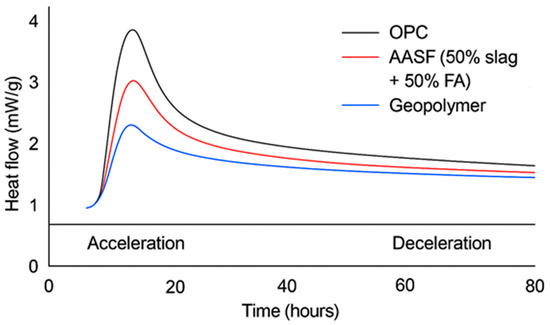
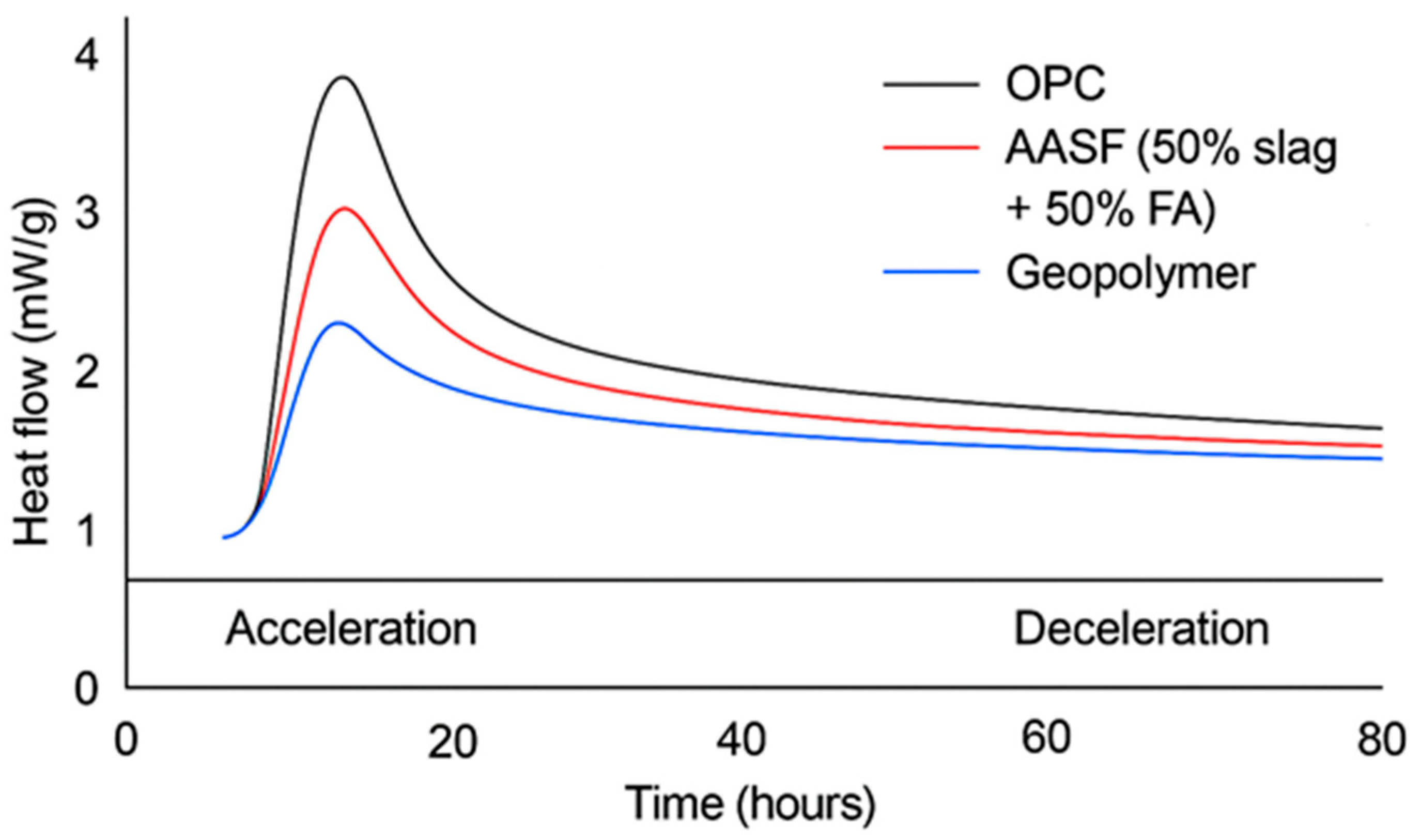
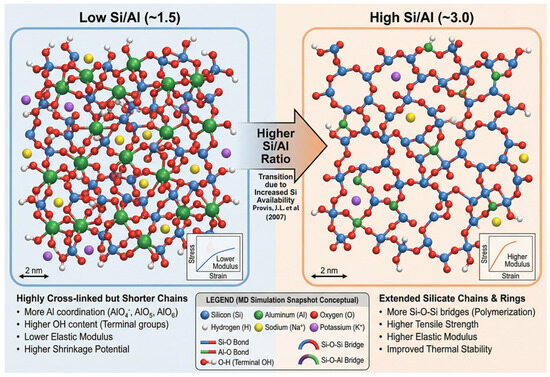
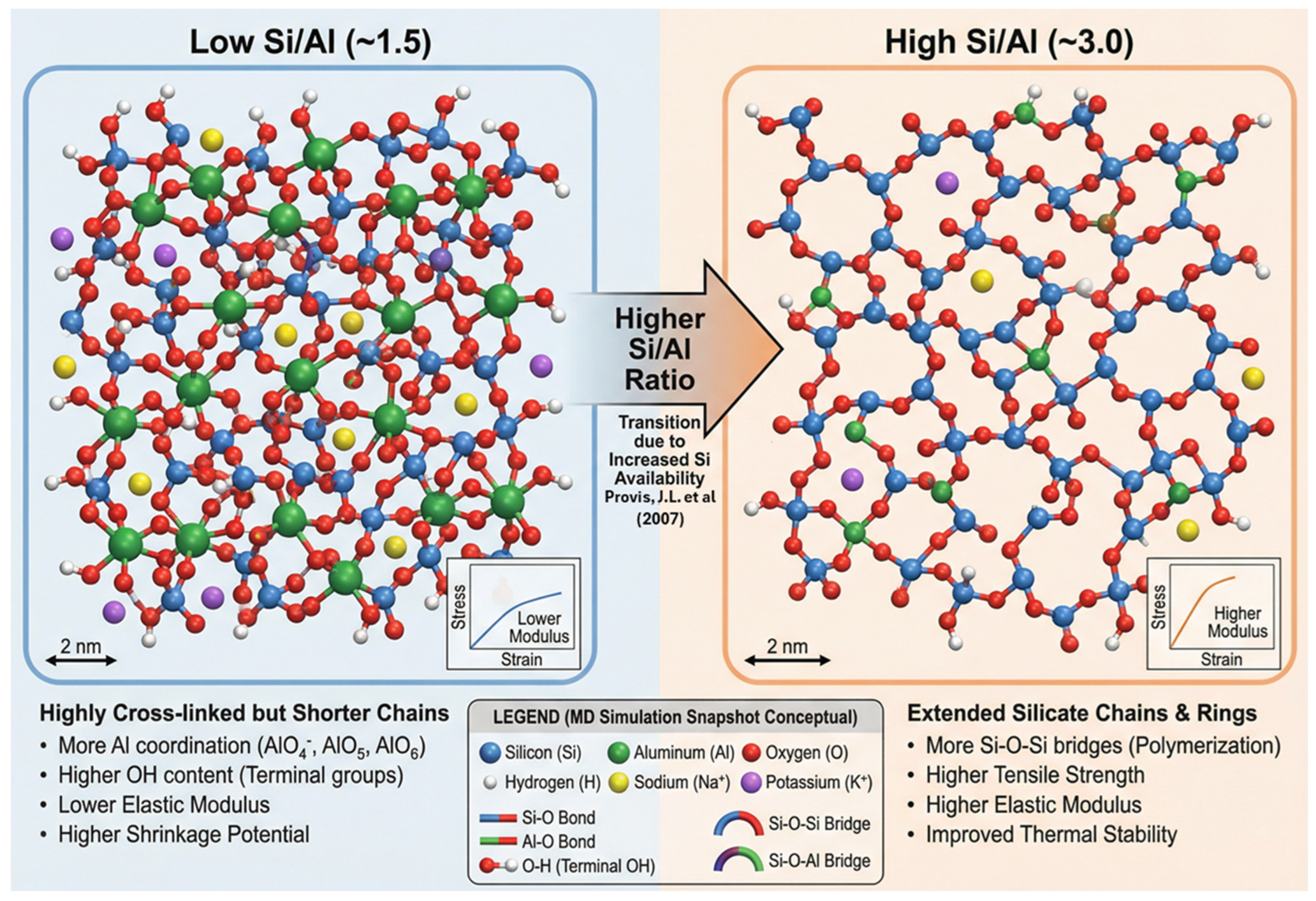
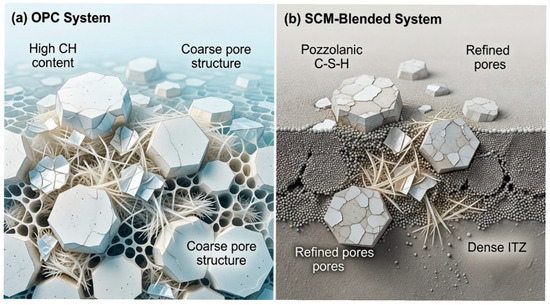
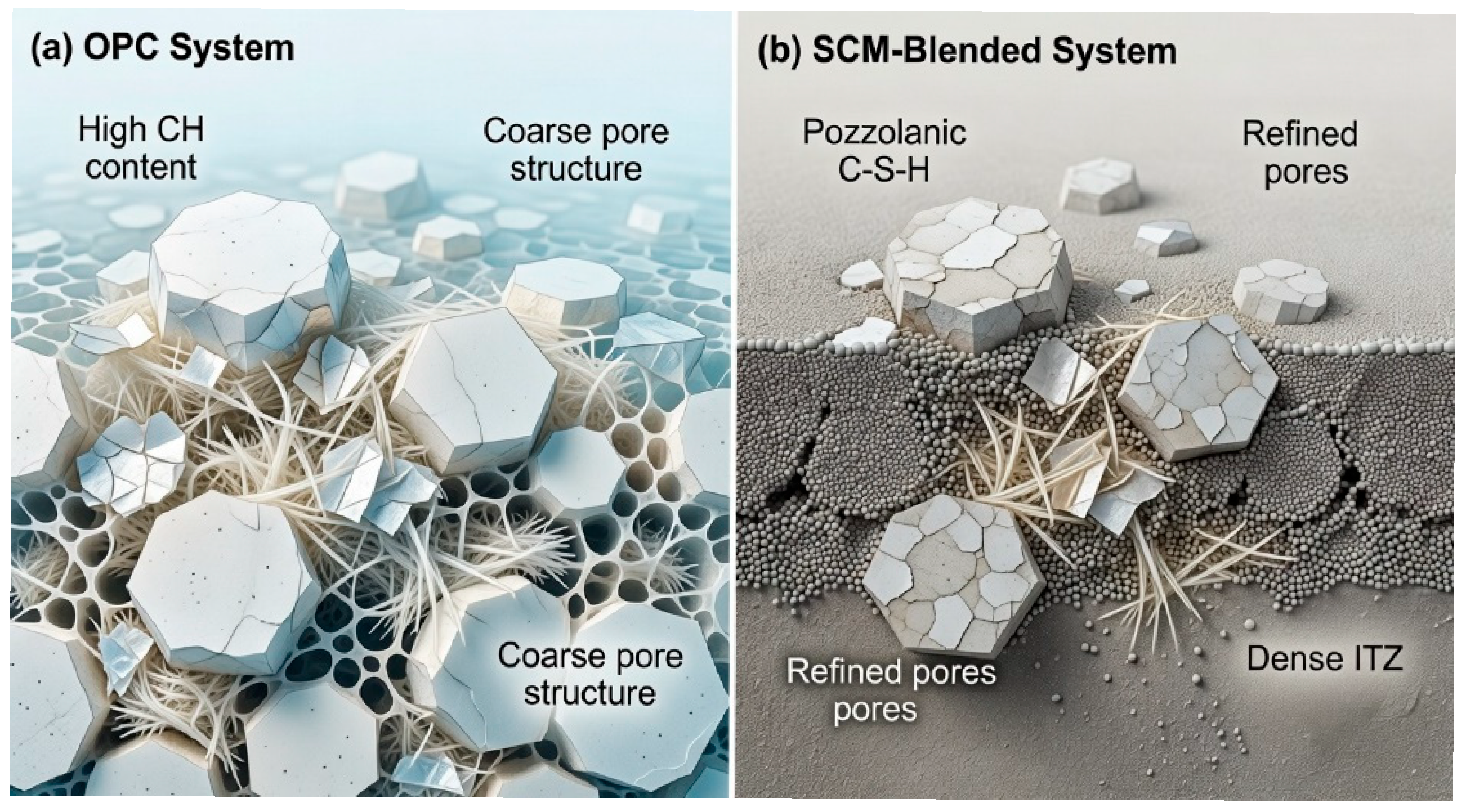
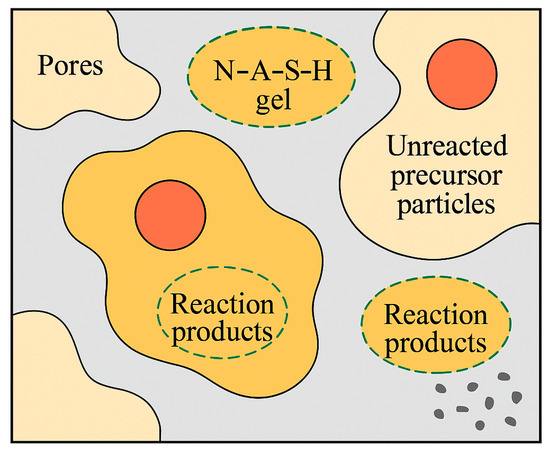
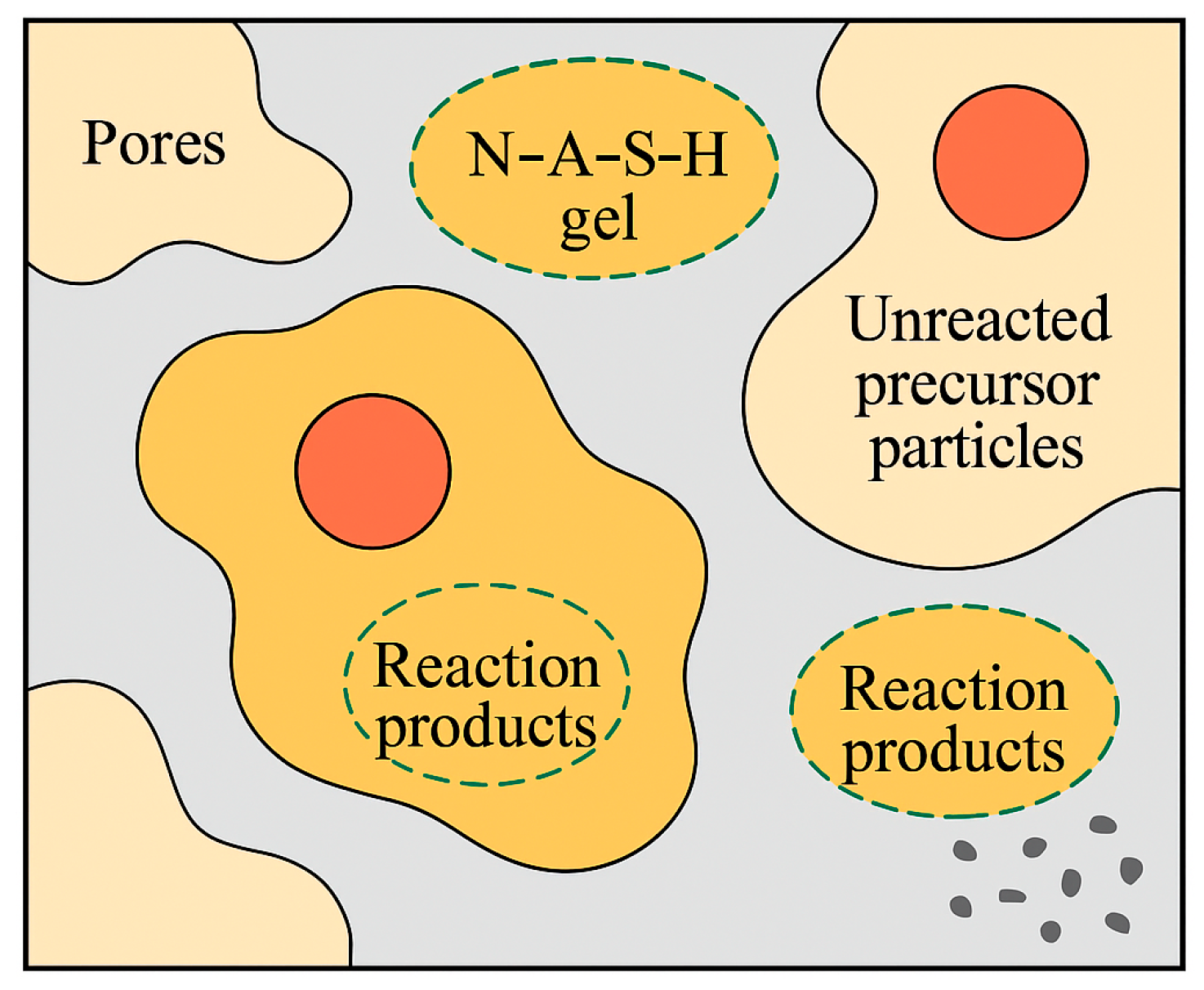
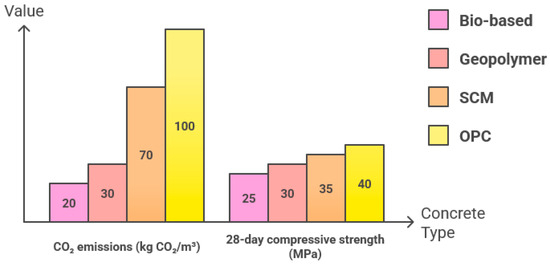
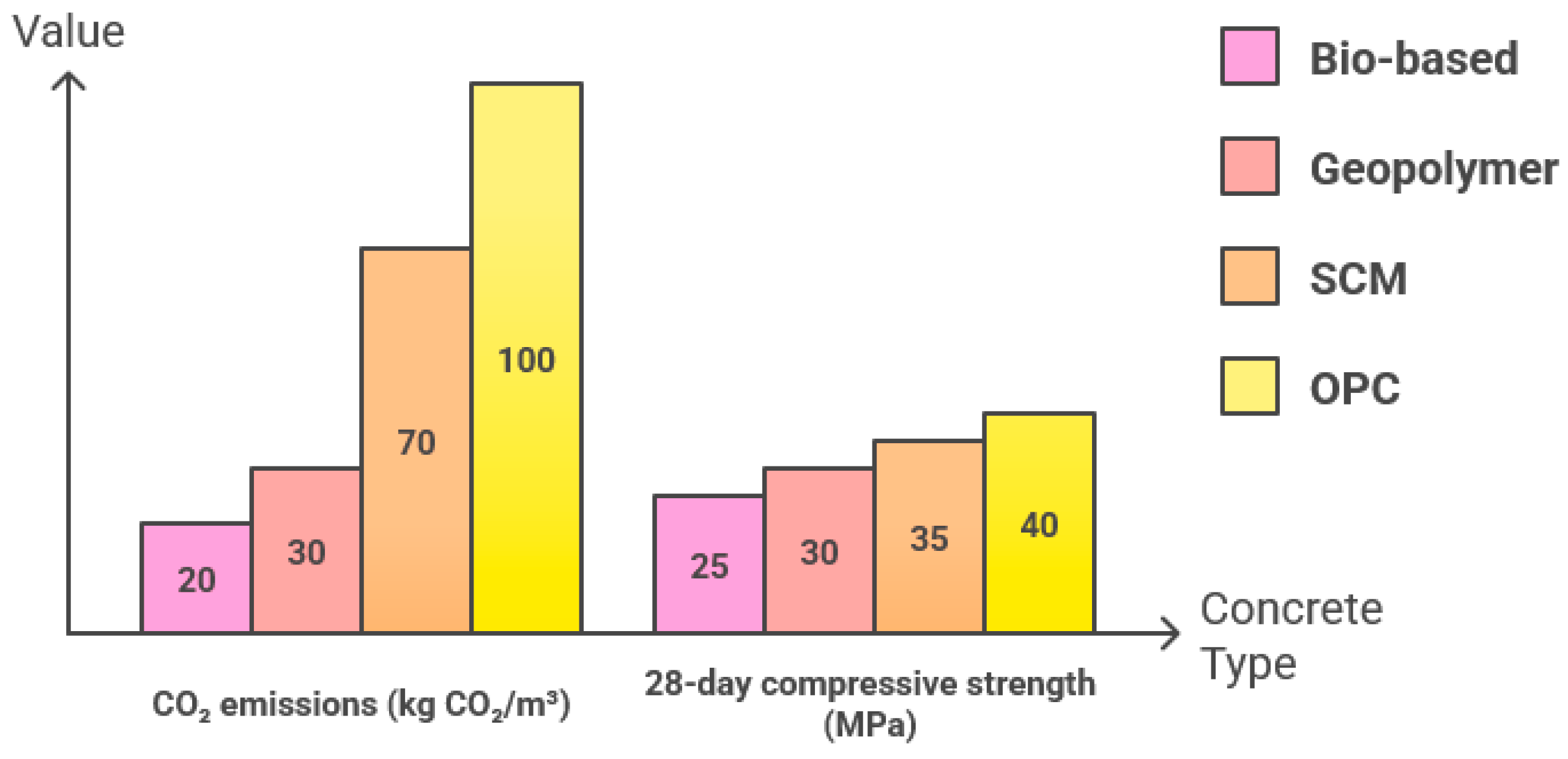
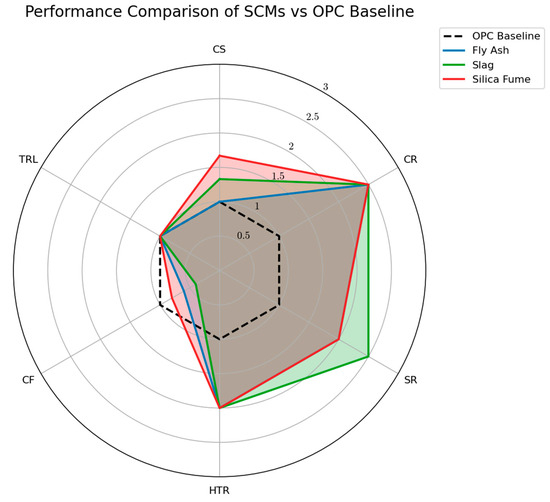
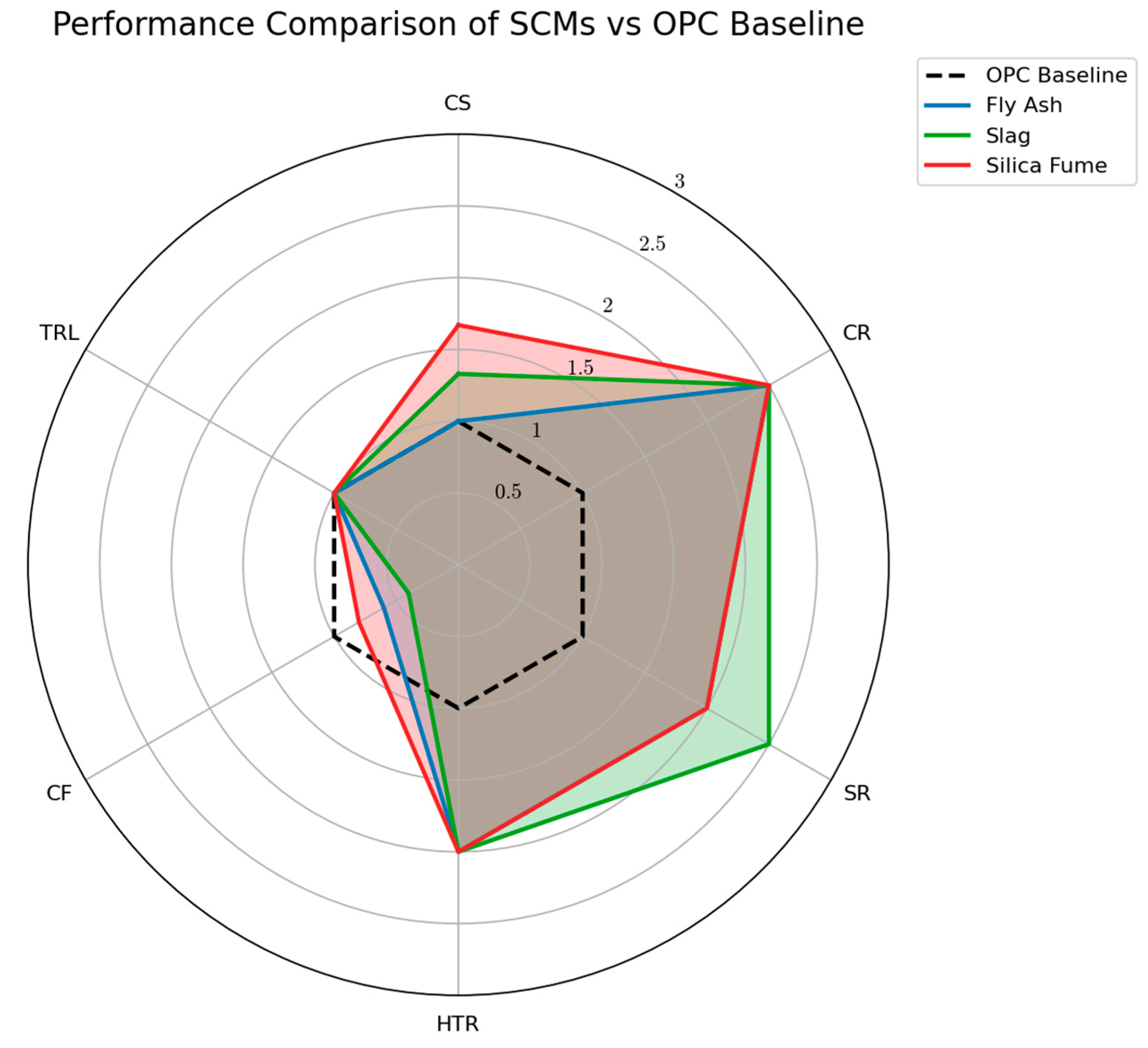
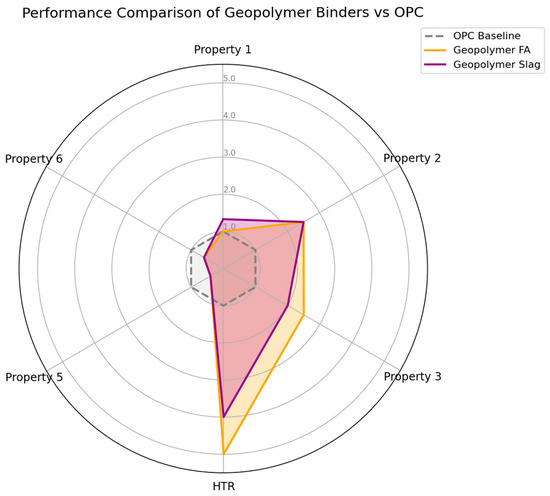
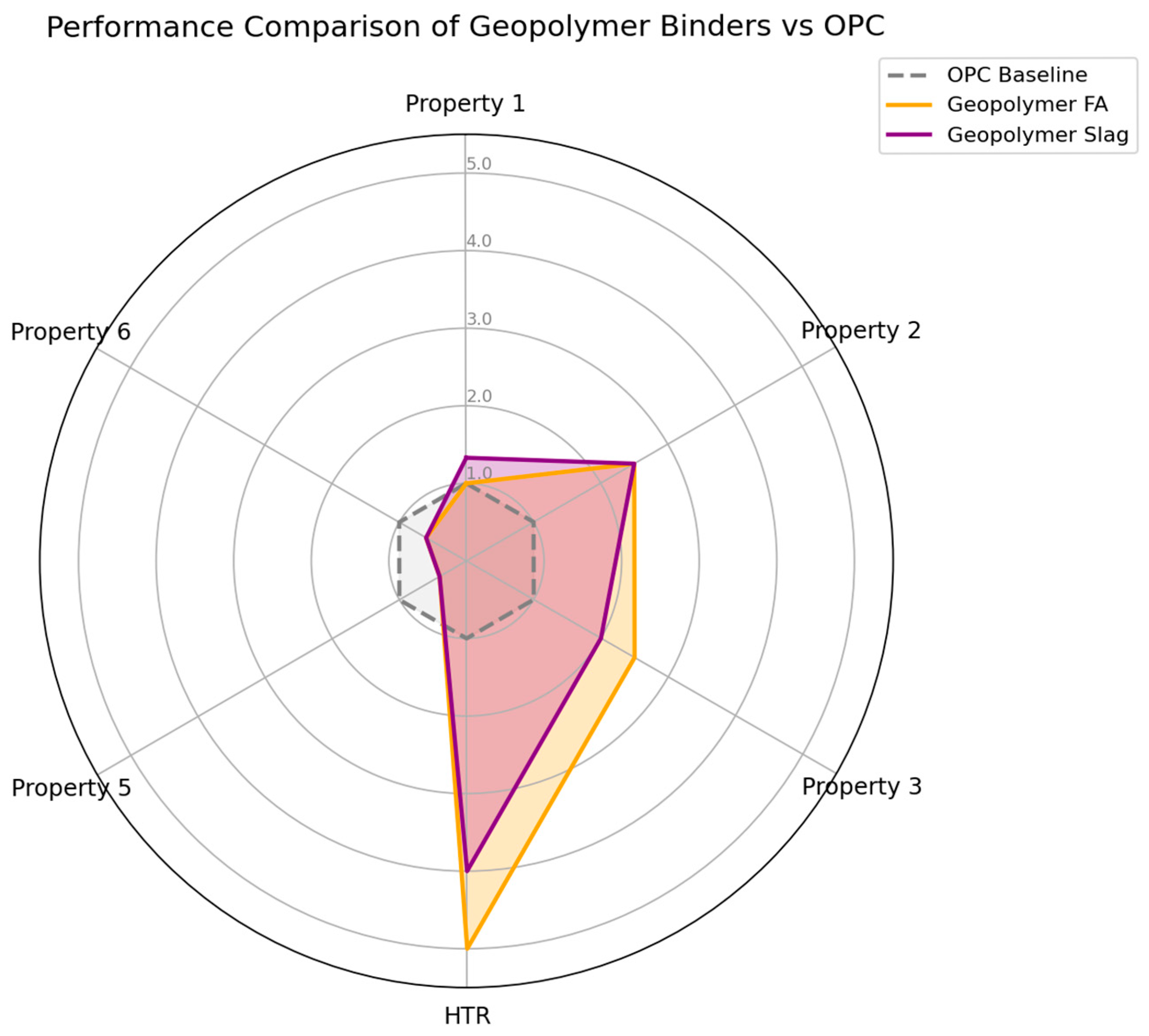
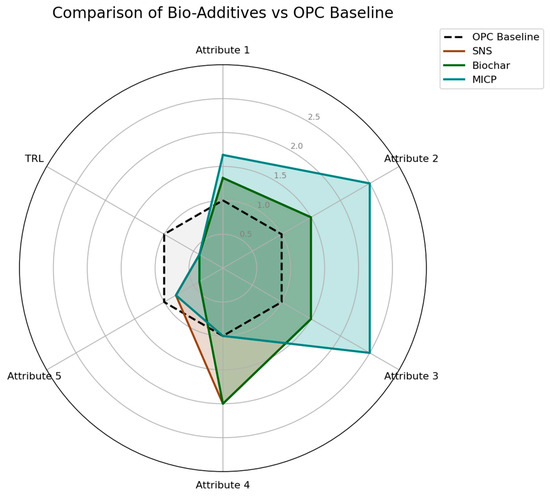
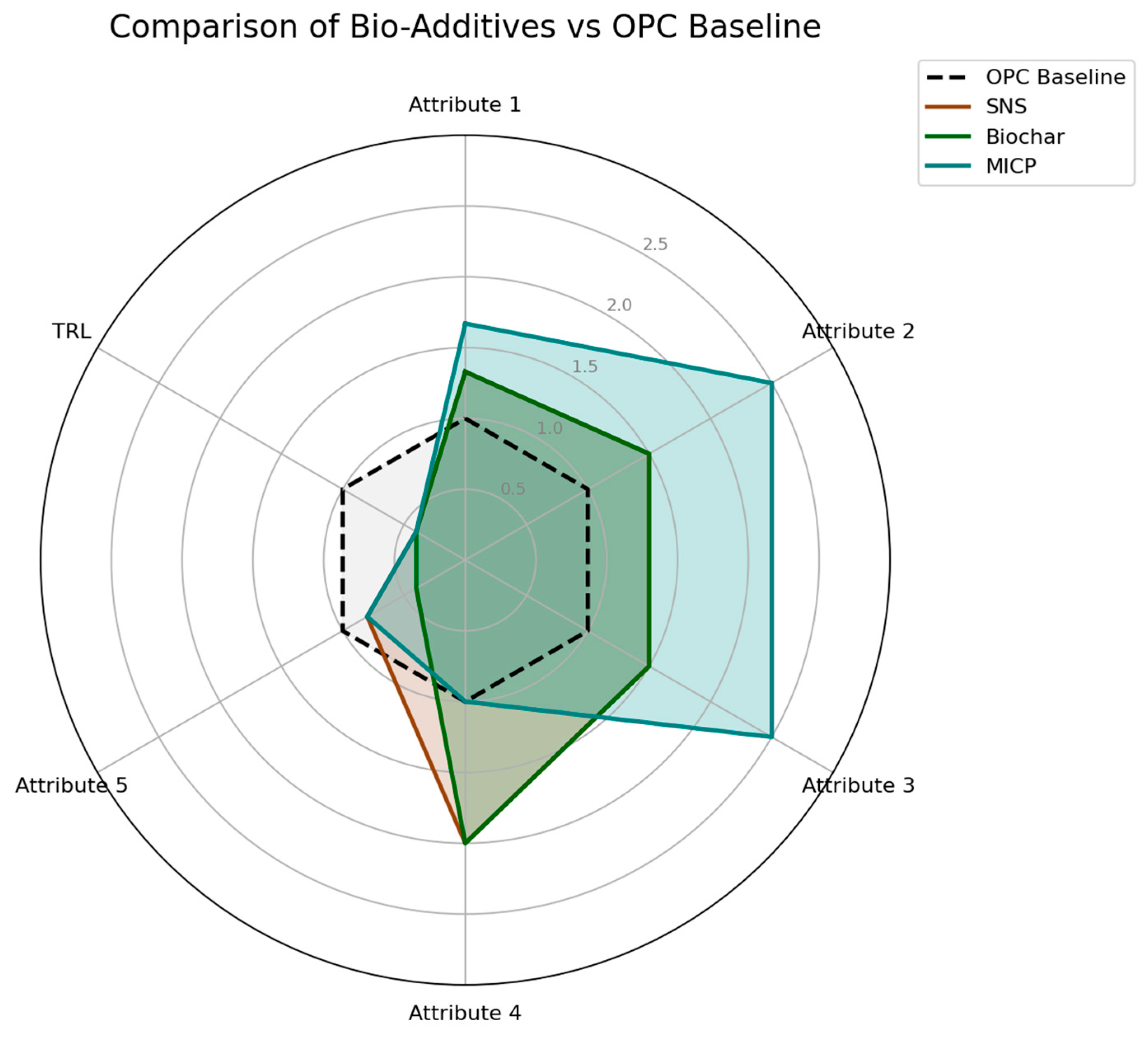

Disclaimer/Publisher’s Note: The statements, opinions and data contained in all publications are solely those of the individual author(s) and contributor(s) and not of MDPI and/or the editor(s). MDPI and/or the editor(s) disclaim responsibility for any injury to people or property resulting from any ideas, methods, instructions or products referred to in the content. |
© 2026 by the authors. Licensee MDPI, Basel, Switzerland. This article is an open access article distributed under the terms and conditions of the Creative Commons Attribution (CC BY) license.