Article

Mechanism of Microwave-Activated Crumb Rubber on the Properties of Crumb Rubber-Modified Emulsified Asphalt Blends

School of Civil Engineering and Transportation, South China University of Technology, Guangzhou 510641, China
*
Authors to whom correspondence should be addressed.
Buildings 2026, 16(9), 1824; https://doi.org/10.3390/buildings16091824

Submission received: 3 April 2026 / Revised: 28 April 2026 / Accepted: 29 April 2026 / Published: 3 May 2026
(This article belongs to the Special Issue Mechanical Properties of Asphalt and Asphalt Mixtures: 2nd Edition)

Abstract

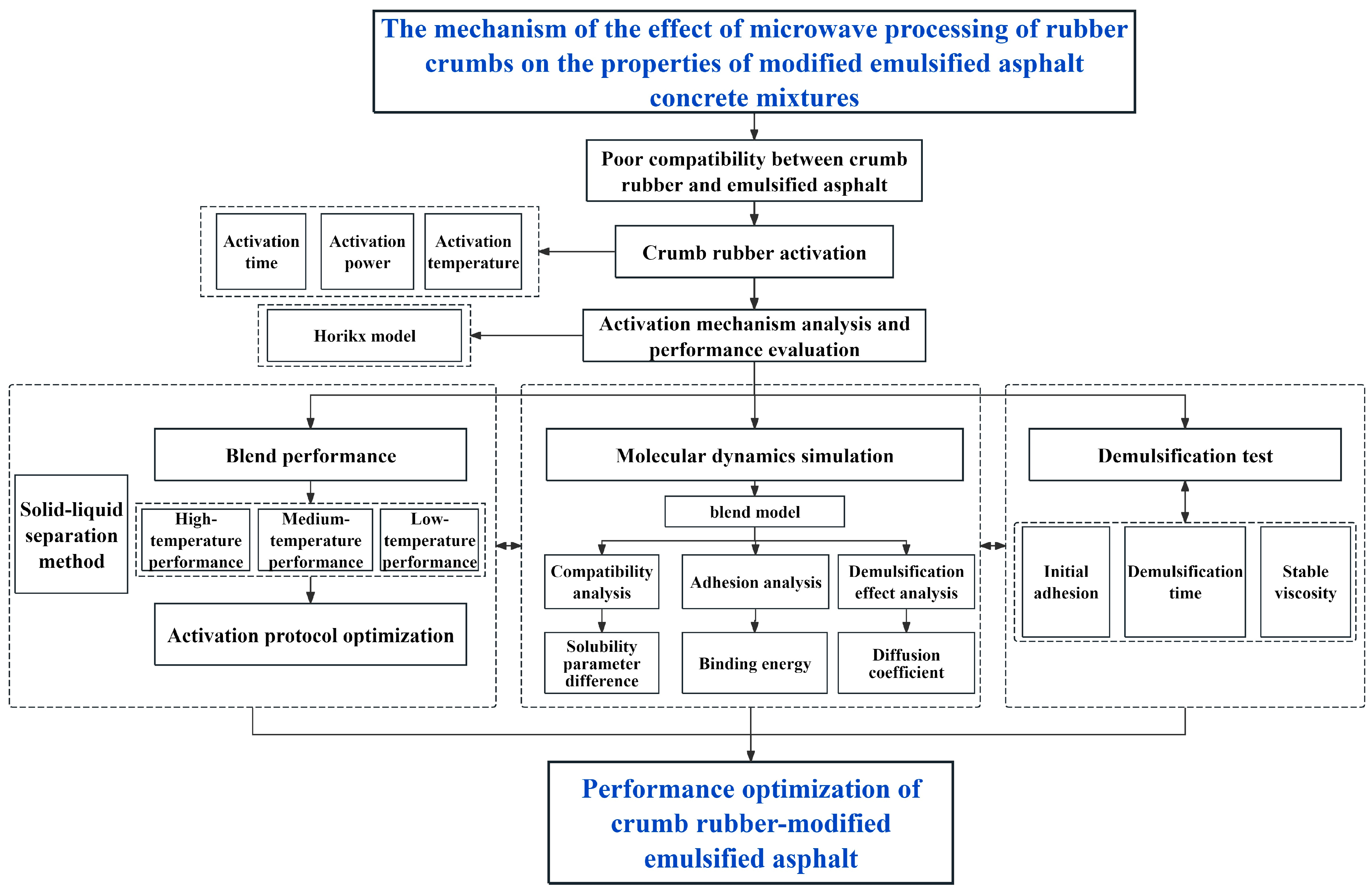
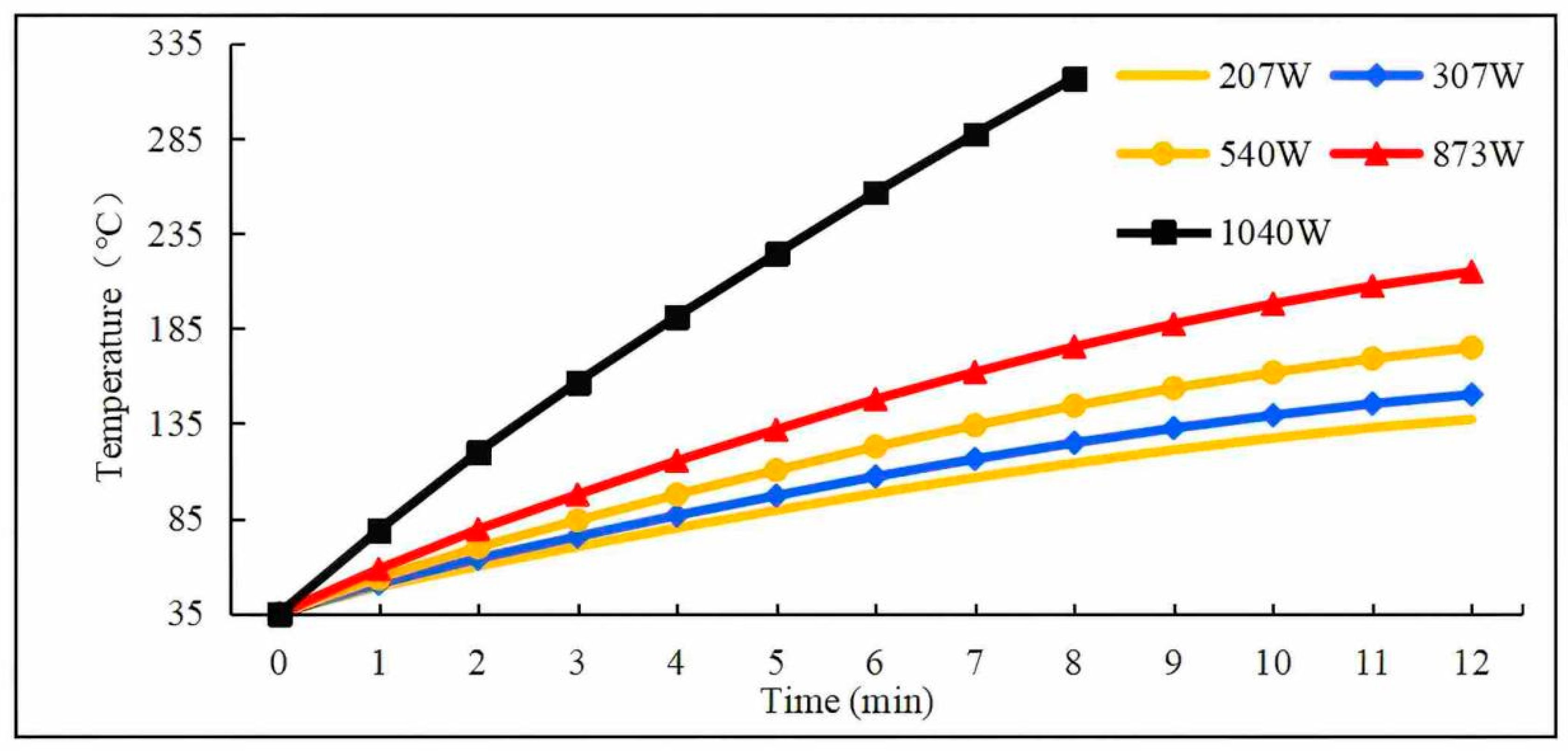
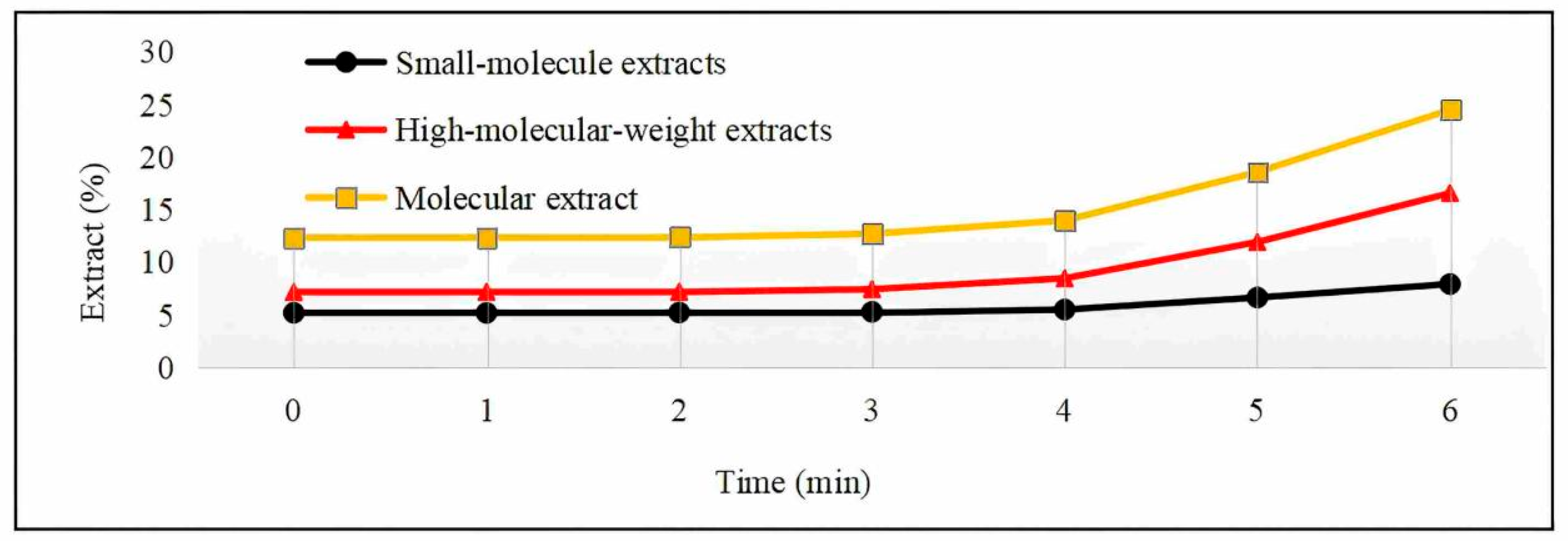
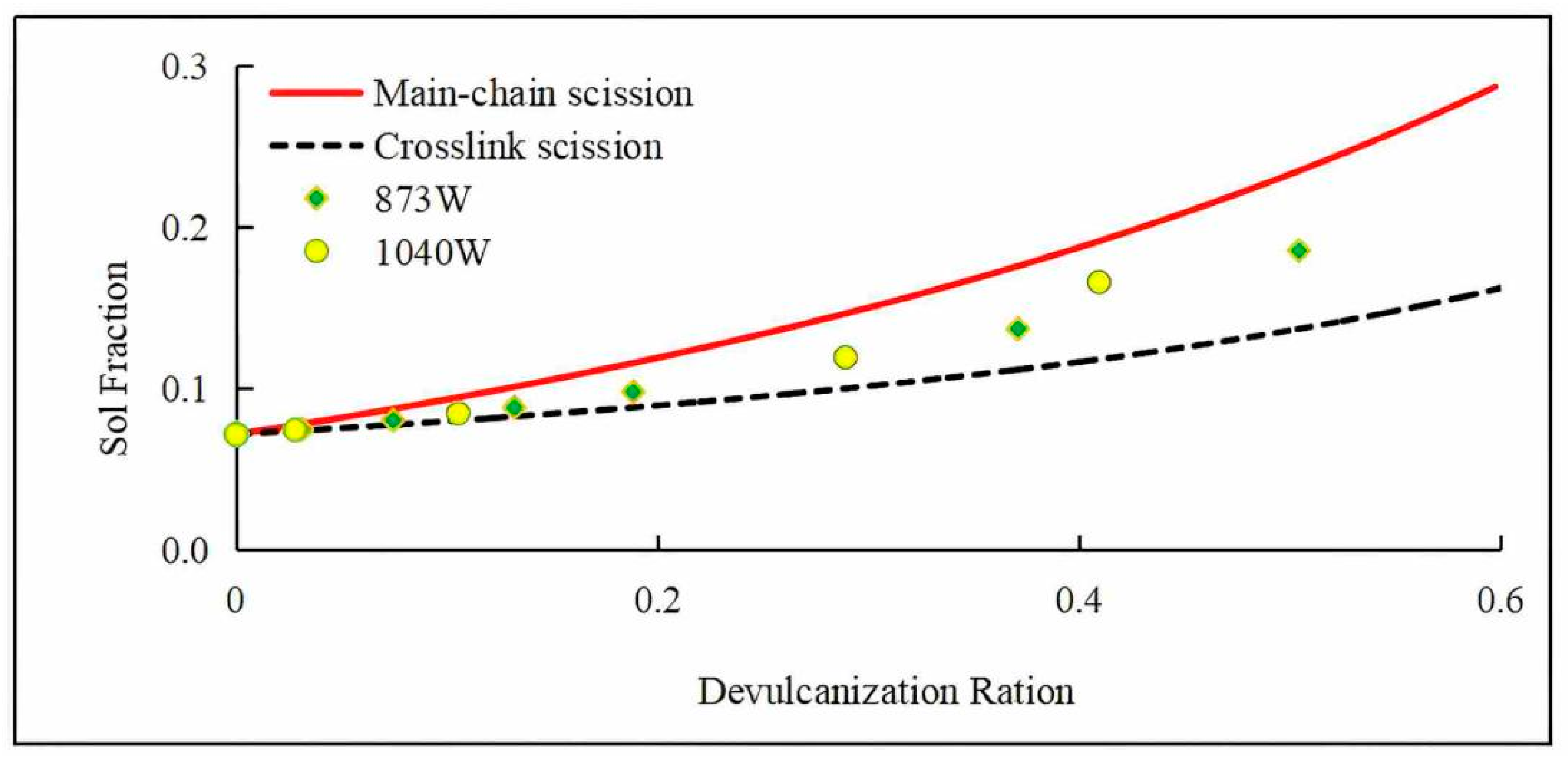
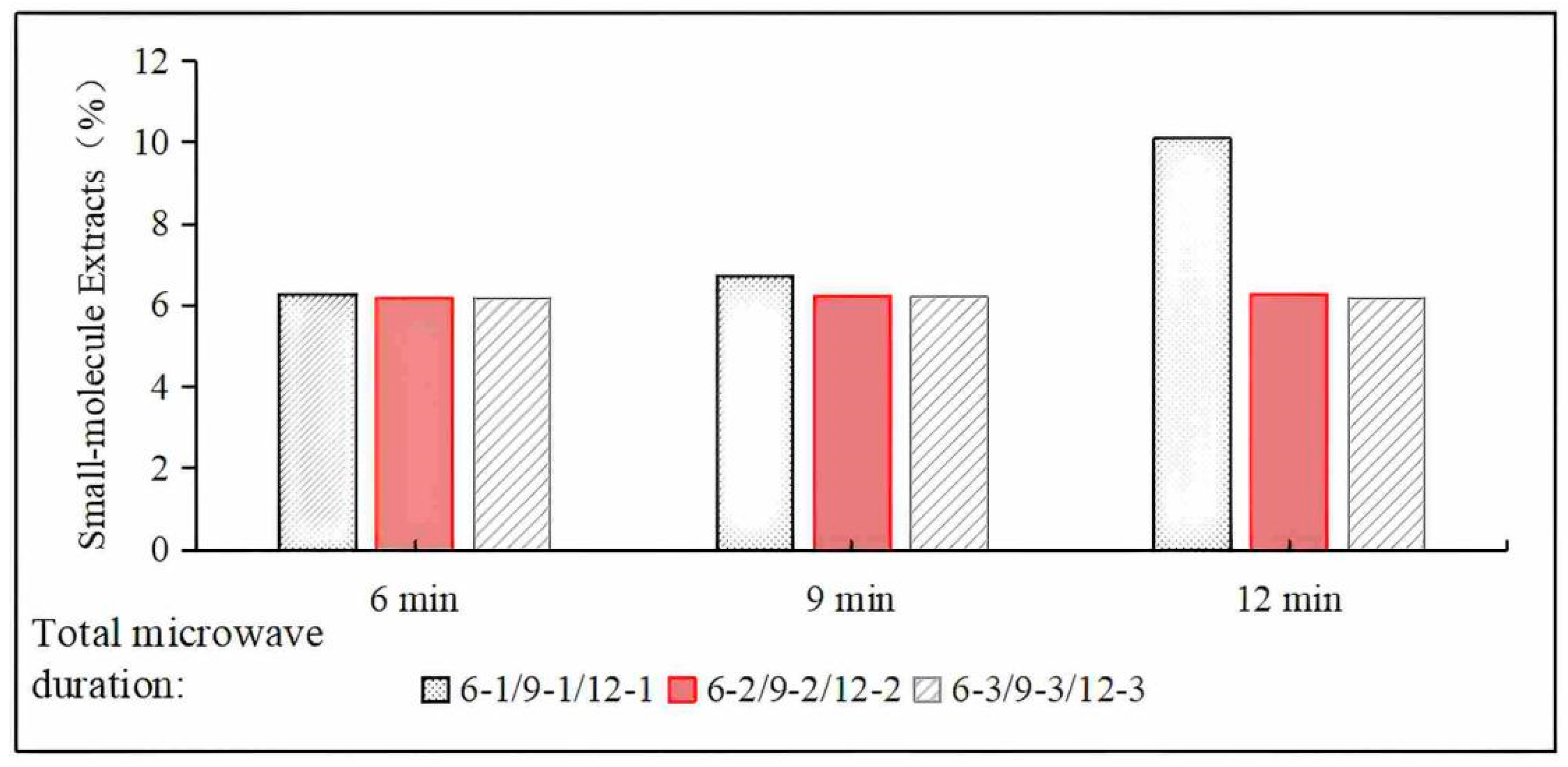
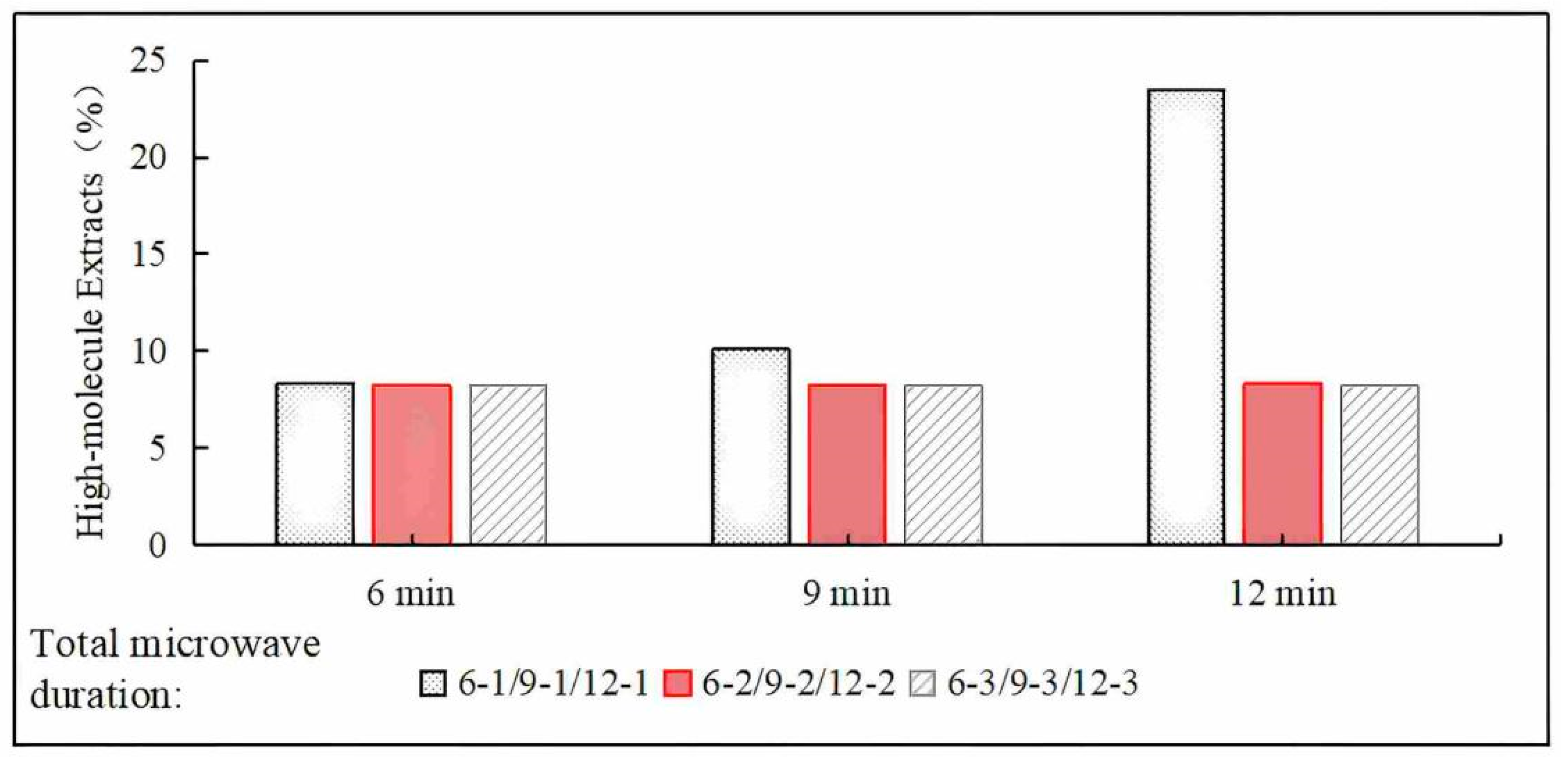
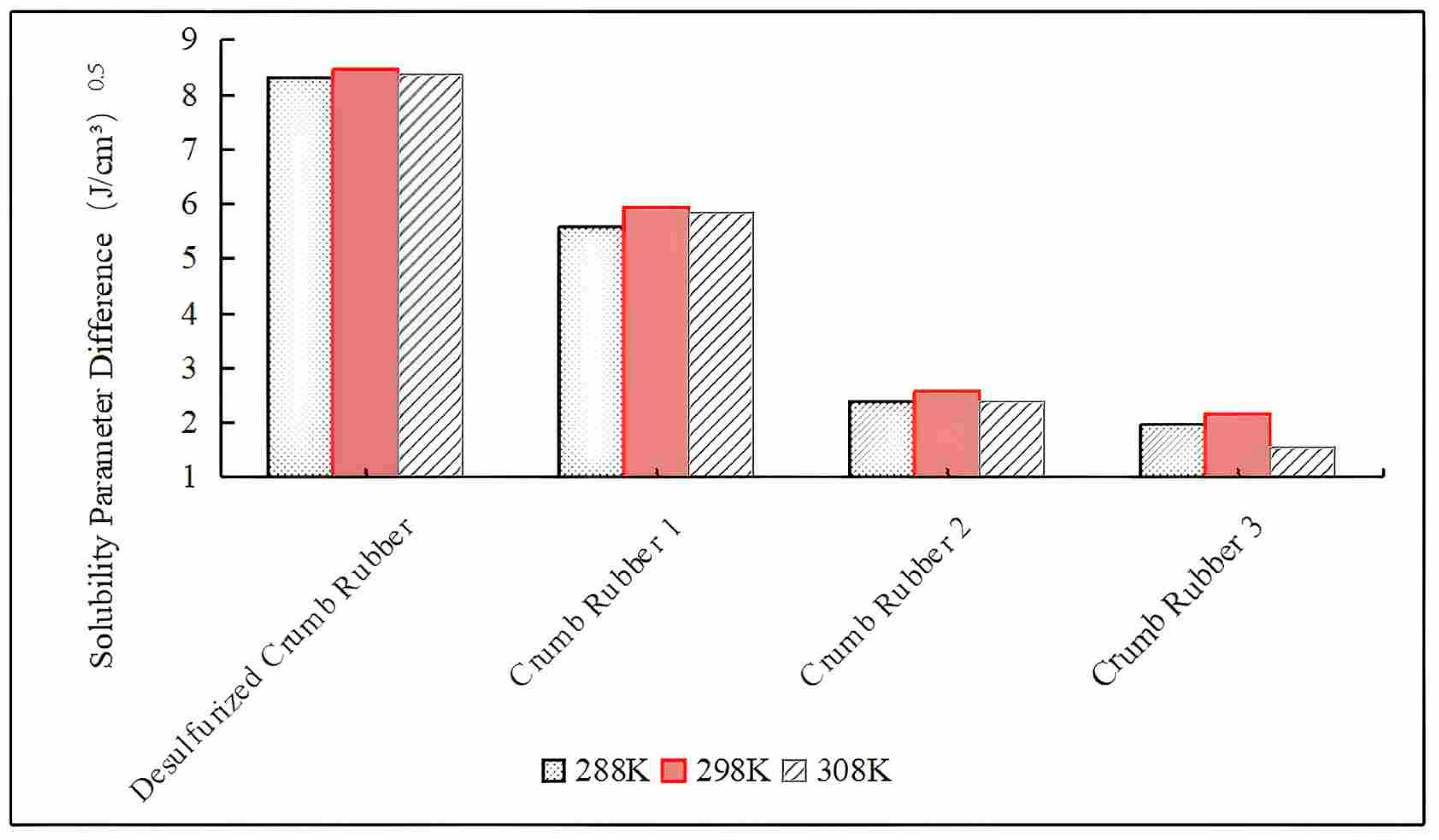
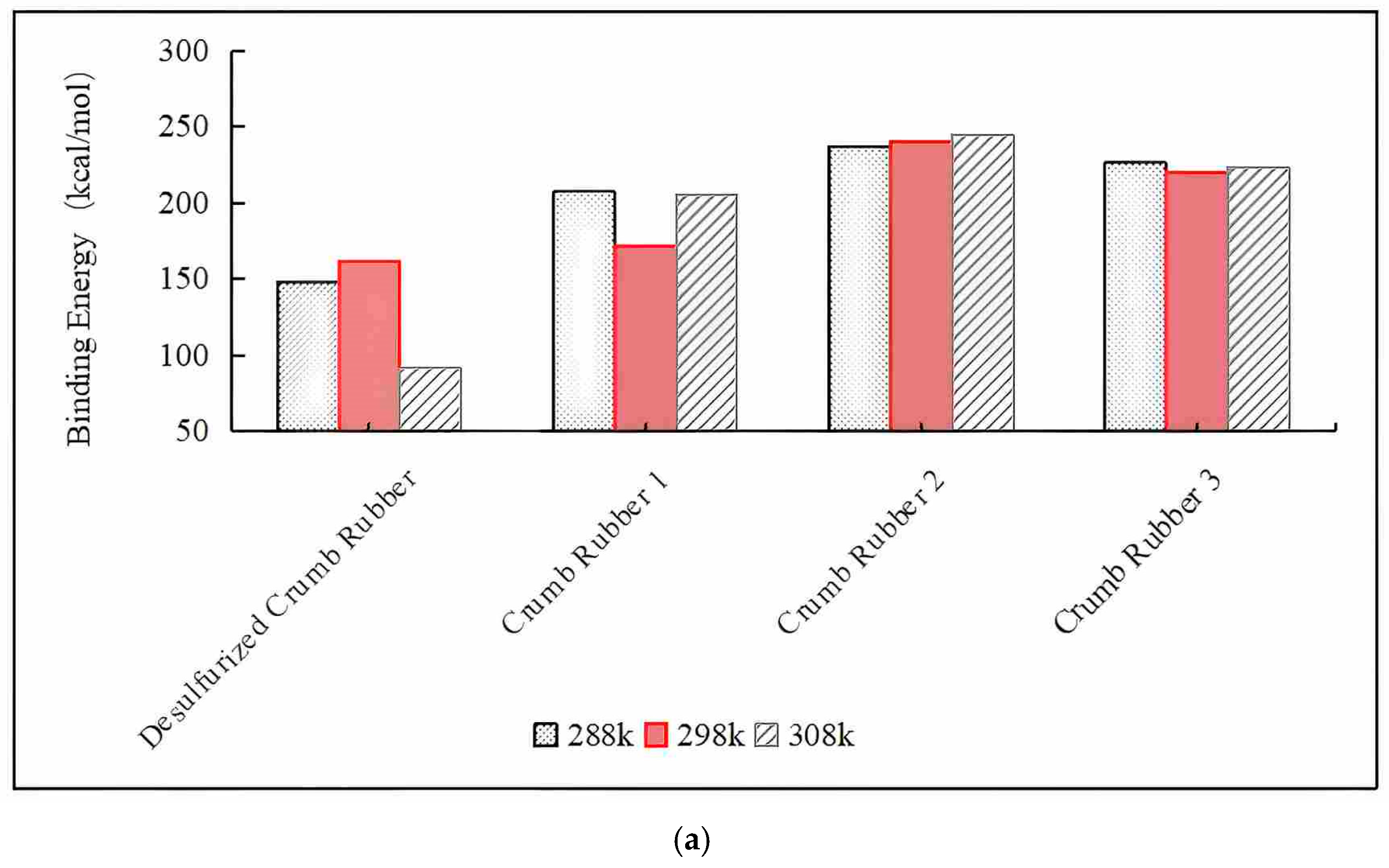
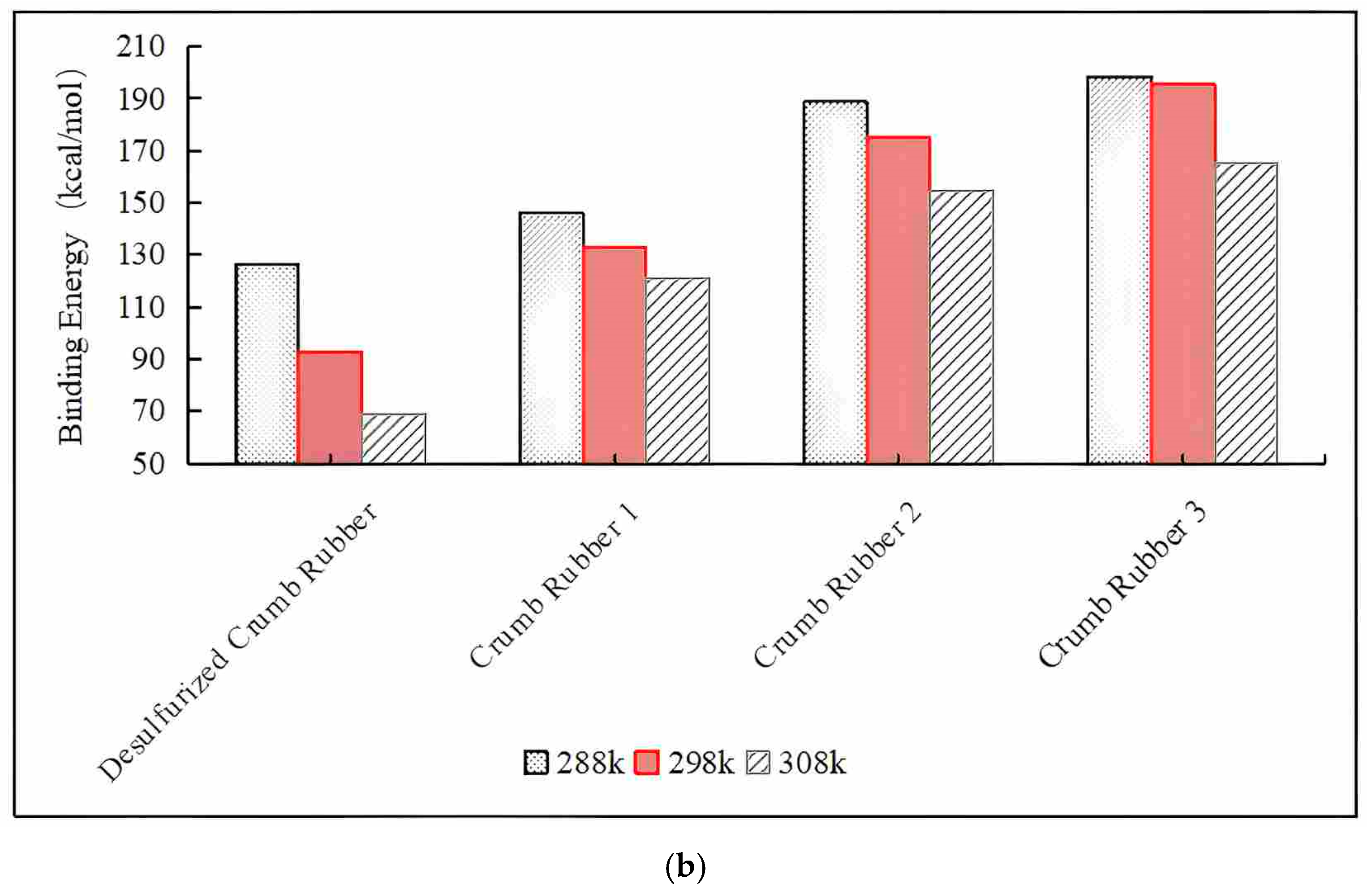
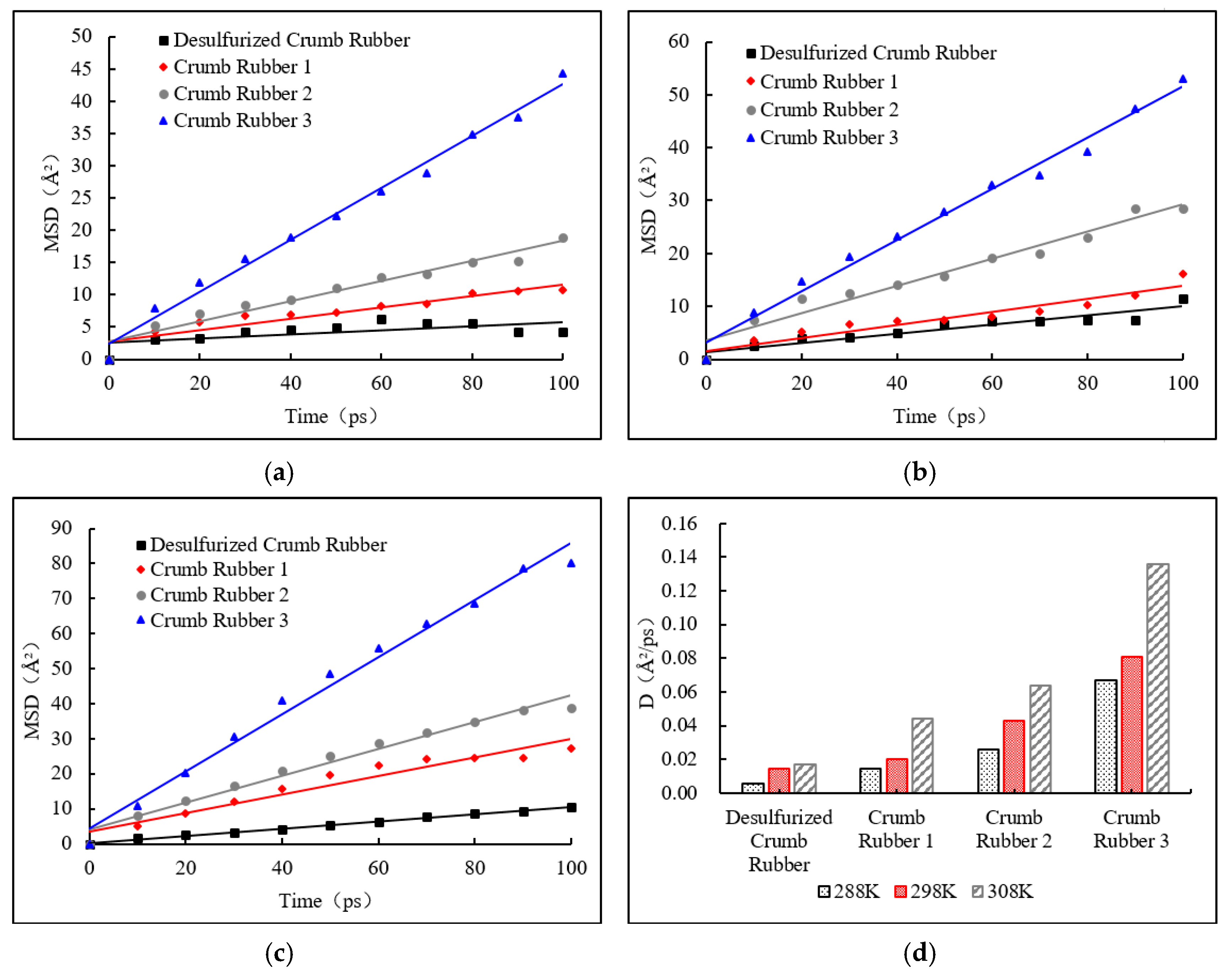
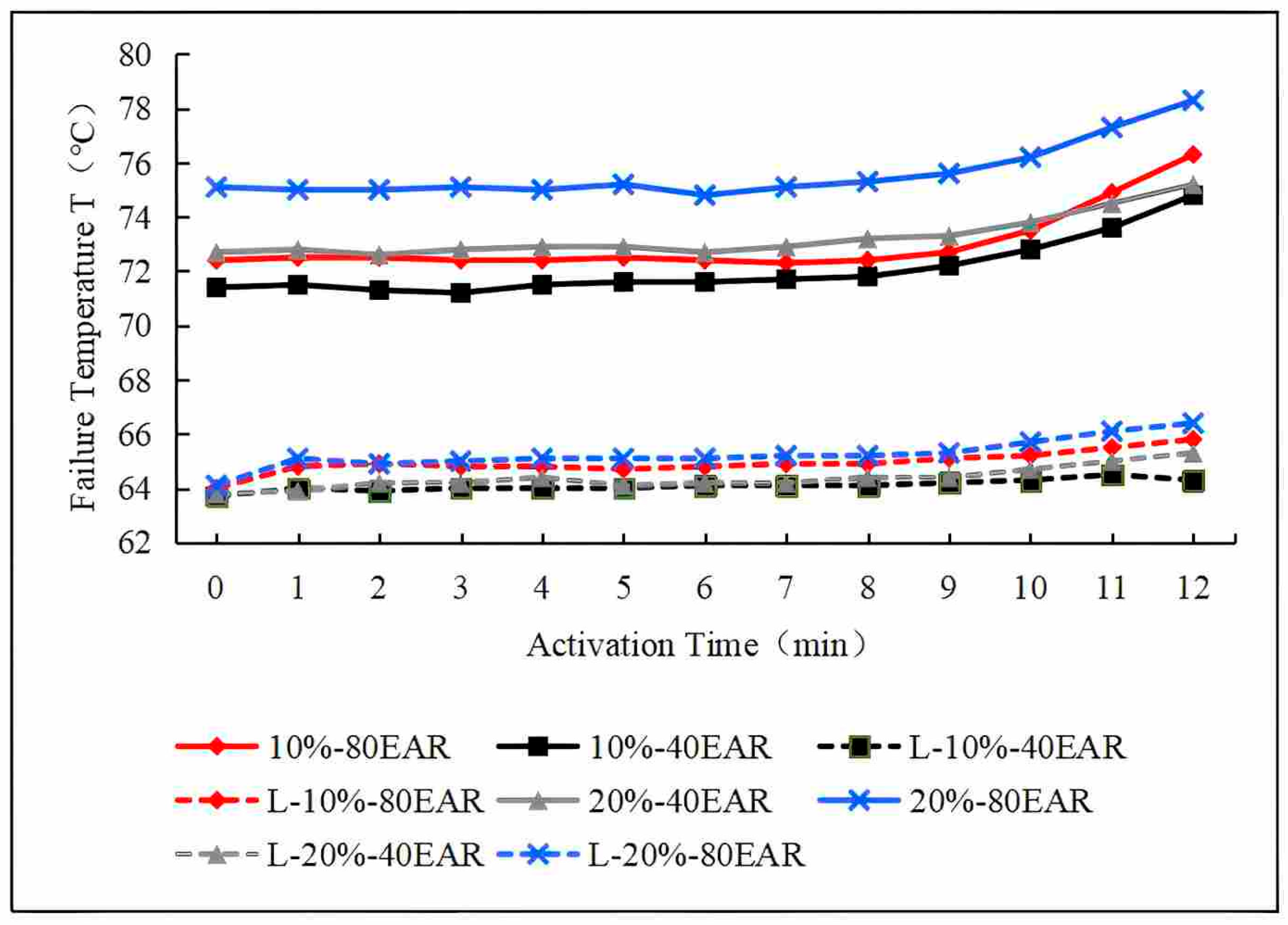
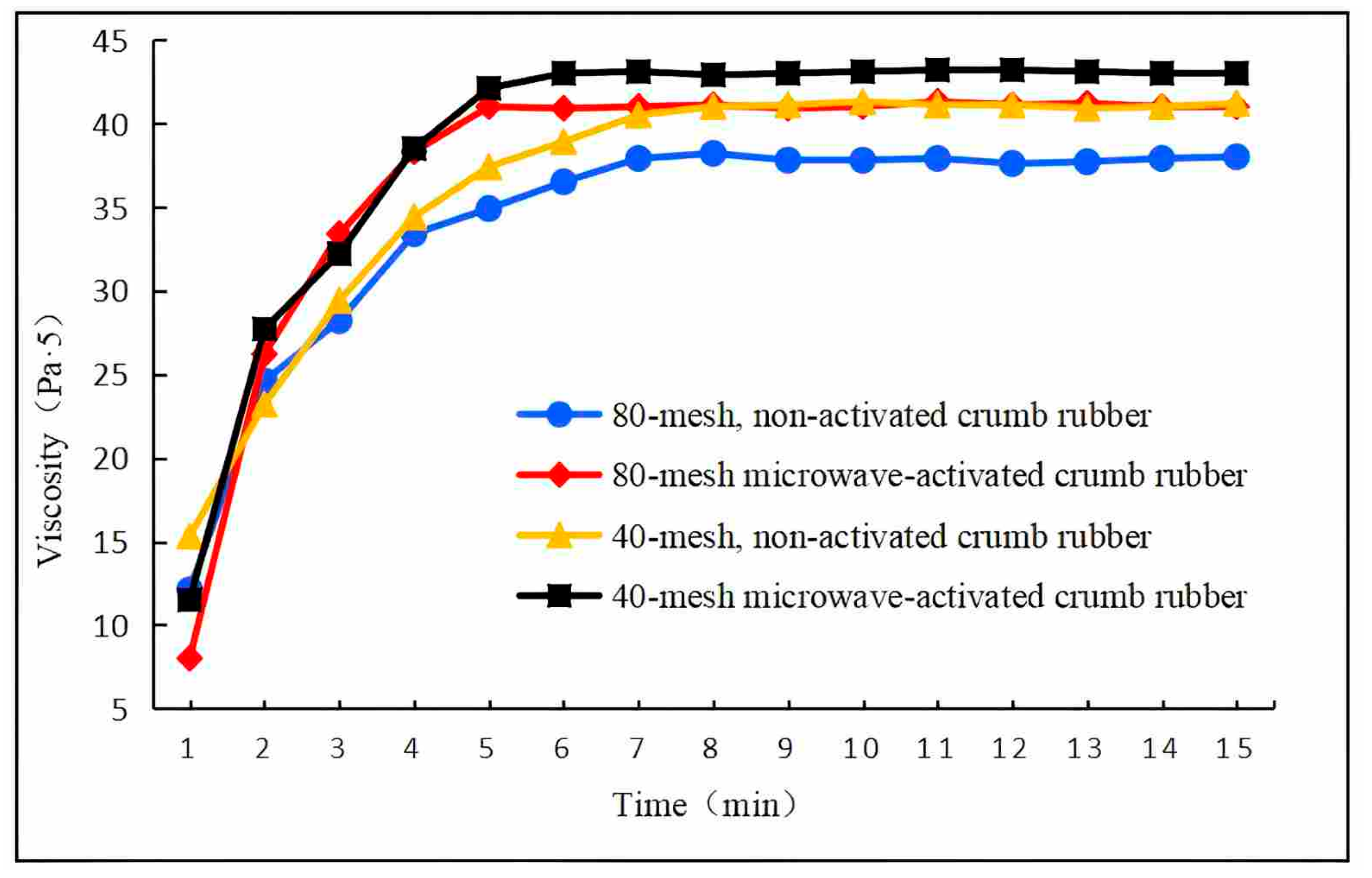
To address poor interfacial compatibility between rubber powder and emulsified asphalt in cold-mixed asphalt mixtures, this study employed microwave activation to desulfurize and activate waste rubber powder. The investigation combined experimental research, molecular dynamics simulations, and solid–liquid separation methods to systematically explore the mechanism by which rubber powder activation influences cold-mixed emulsified asphalt systems. Results revealed an effective activation temperature of approximately 190 °C for rubber powder. The activation process, driven by microwave heating, involves main-chain scission and crosslink bond cleavage. Furthermore, moderate desulfurization reduces the solubility difference between rubber powder and asphalt, increases interfacial binding energy, and enhances the diffusion coefficient. Based on these findings, an optimal microwave activation scheme was proposed (4 min at 1040 W followed by 2 min at 873 W), which offers low energy consumption and excellent modification effects. Activation treatment reduces the initial viscosity by 33.9% and accelerates demulsification. Lastly, the results of molecular dynamics simulations are highly consistent with those of macroscopic experiments, forming a complete research chain of “microscopic mechanism analysis—macroscopic performance verification” and providing a theoretical basis and technical support for high-performance cold-mixed rubber-powder-modified emulsified asphalt mixtures.
Keywords: crumb rubber activation; cold-mix asphalt mixture; microwave desulfurization; molecular dynamics simulation; solid–liquid separation method; demulsification behavior crumb rubber activation; cold-mix asphalt mixture; microwave desulfurization; molecular dynamics simulation; solid–liquid separation method; demulsification behavior