Article

Preparation and Characterization of HIR Multi-Layer Abrasion-Resistant Coating for Hydraulic Concrete


1
State Key Laboratory of Silicate Materials for Architectures, Wuhan University of Technology, Wuhan 430070, China
2
Mid-Route Source of South-to-North Water Transfer Co., Ltd., Danjiangkou 442700, China
3
Material and Engineering Structure Department, Changjiang River Scientific Research Institute, Wuhan 430010, China
*
Authors to whom correspondence should be addressed.
Buildings 2026, 16(9), 1799; https://doi.org/10.3390/buildings16091799

Submission received: 2 April 2026 / Revised: 19 April 2026 / Accepted: 27 April 2026 / Published: 1 May 2026
(This article belongs to the Topic Advanced Composite Materials)

Abstract

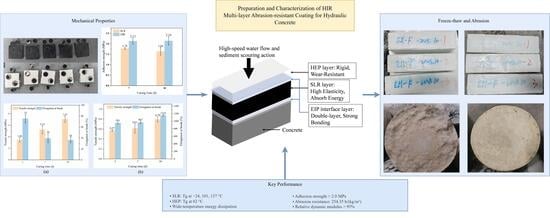
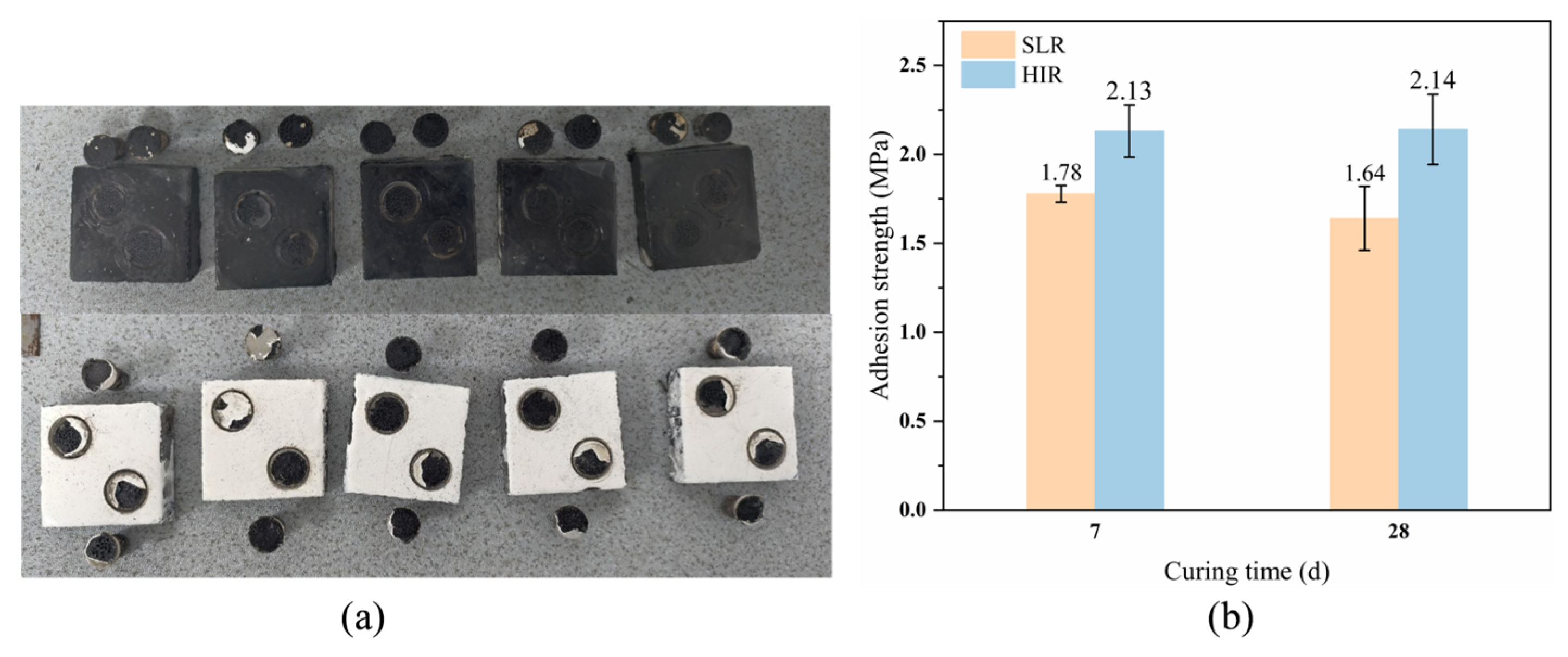
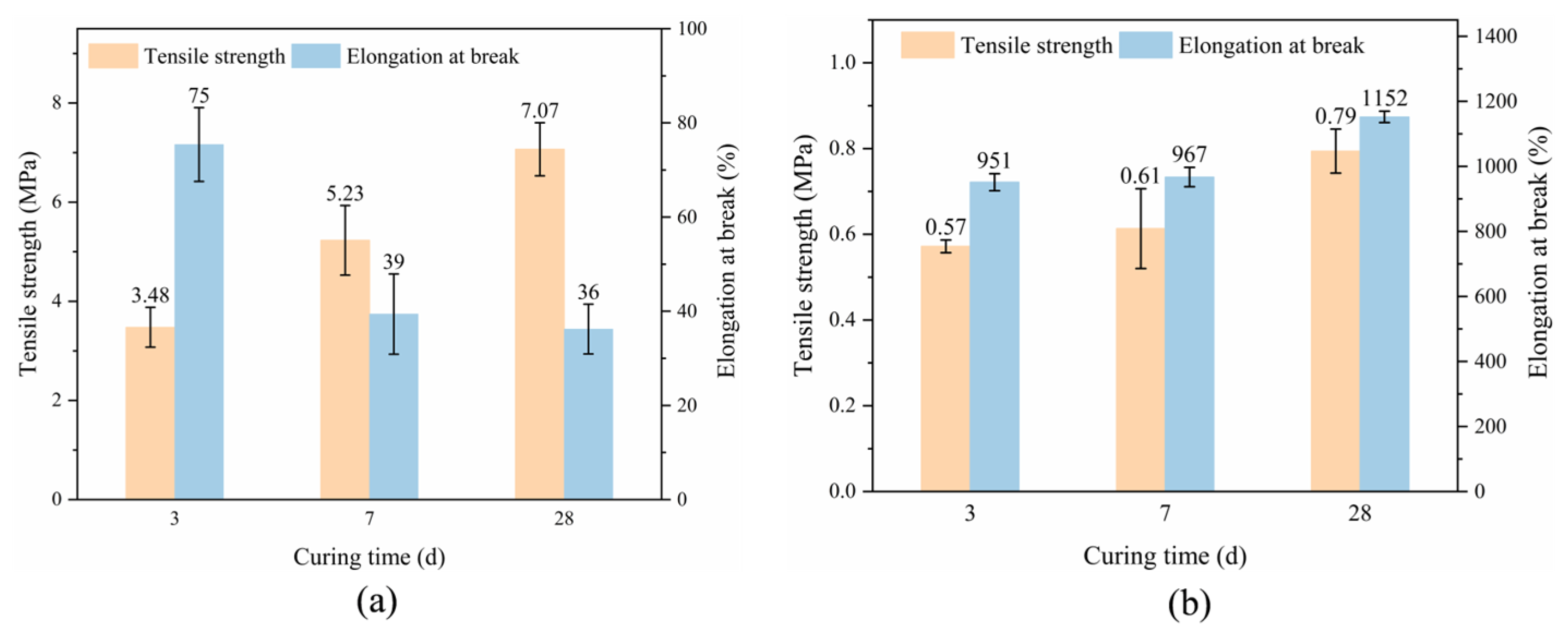
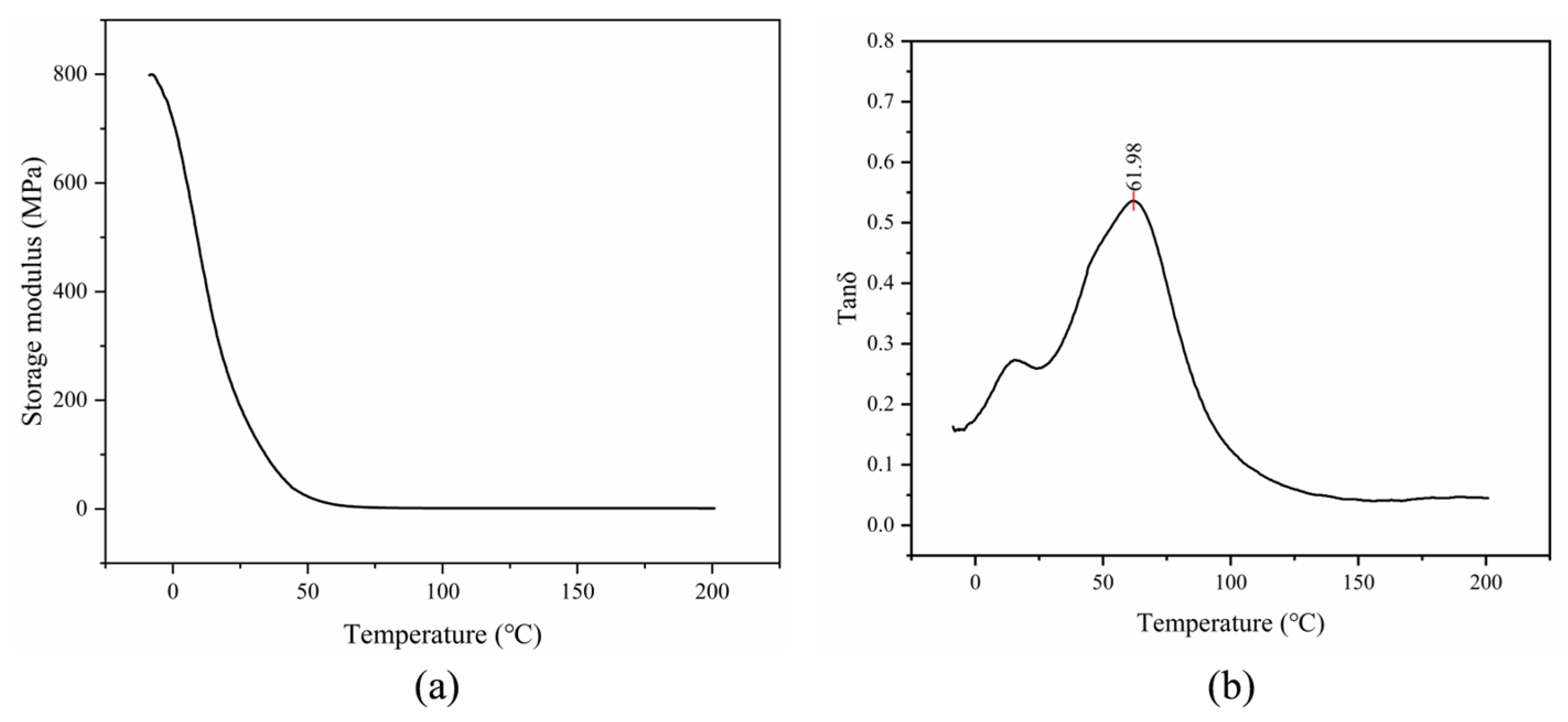
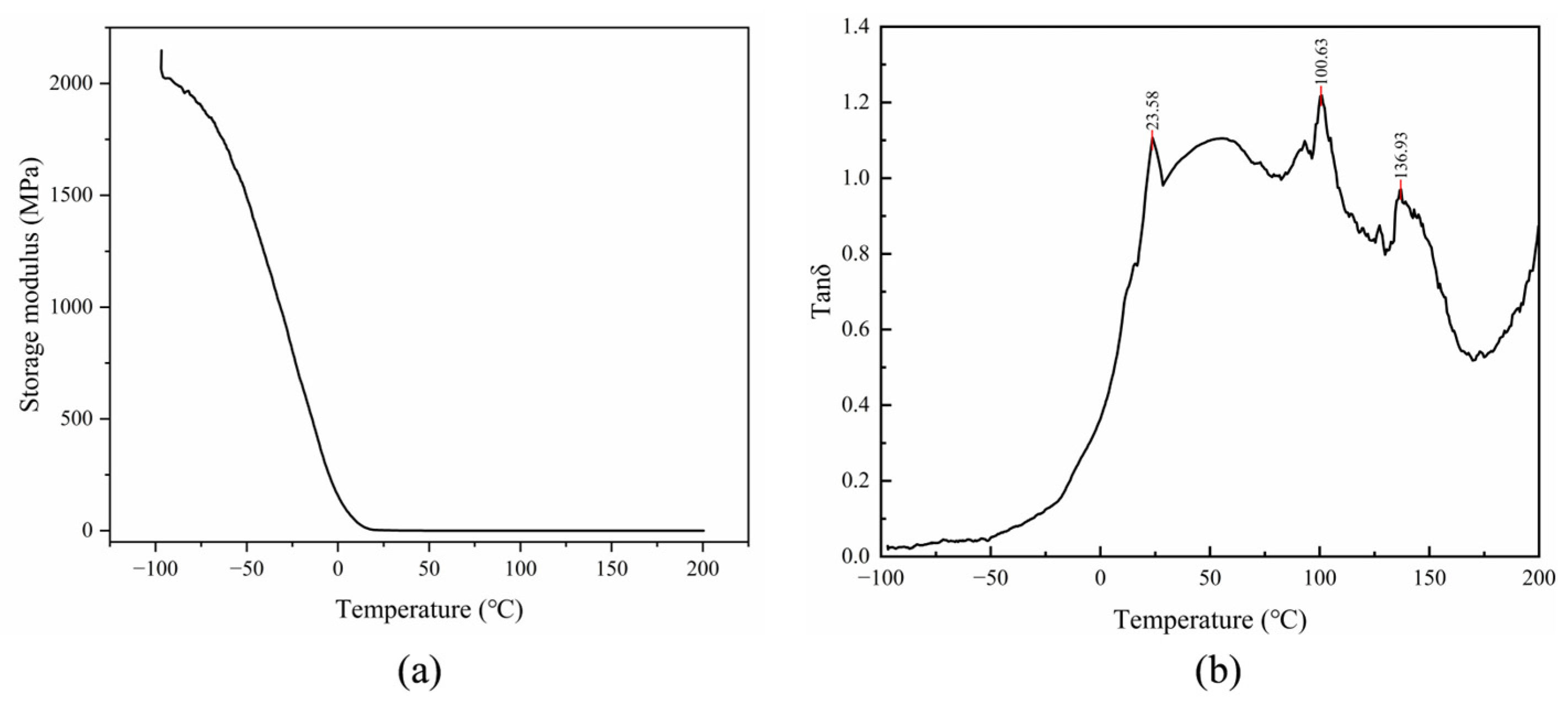
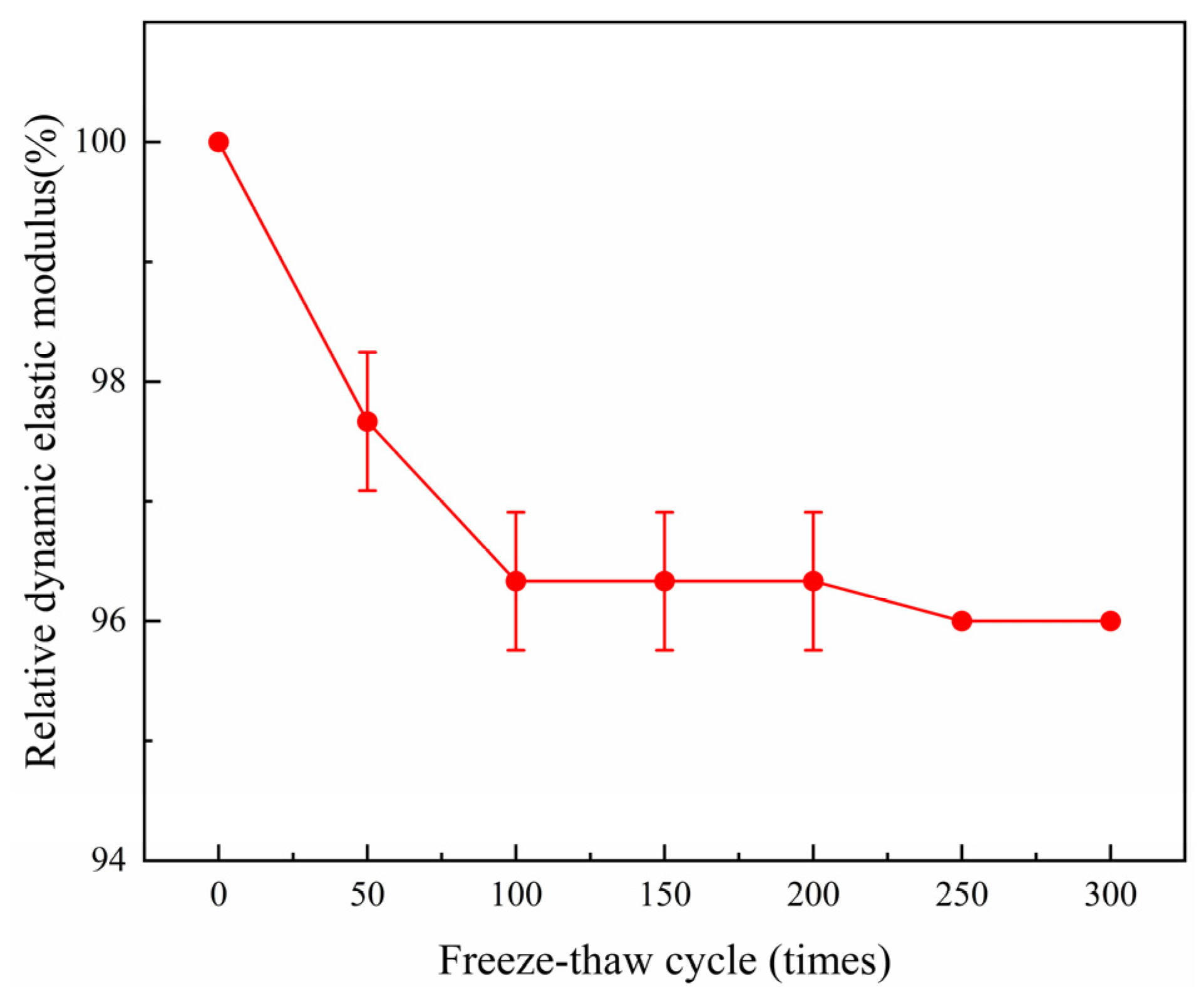
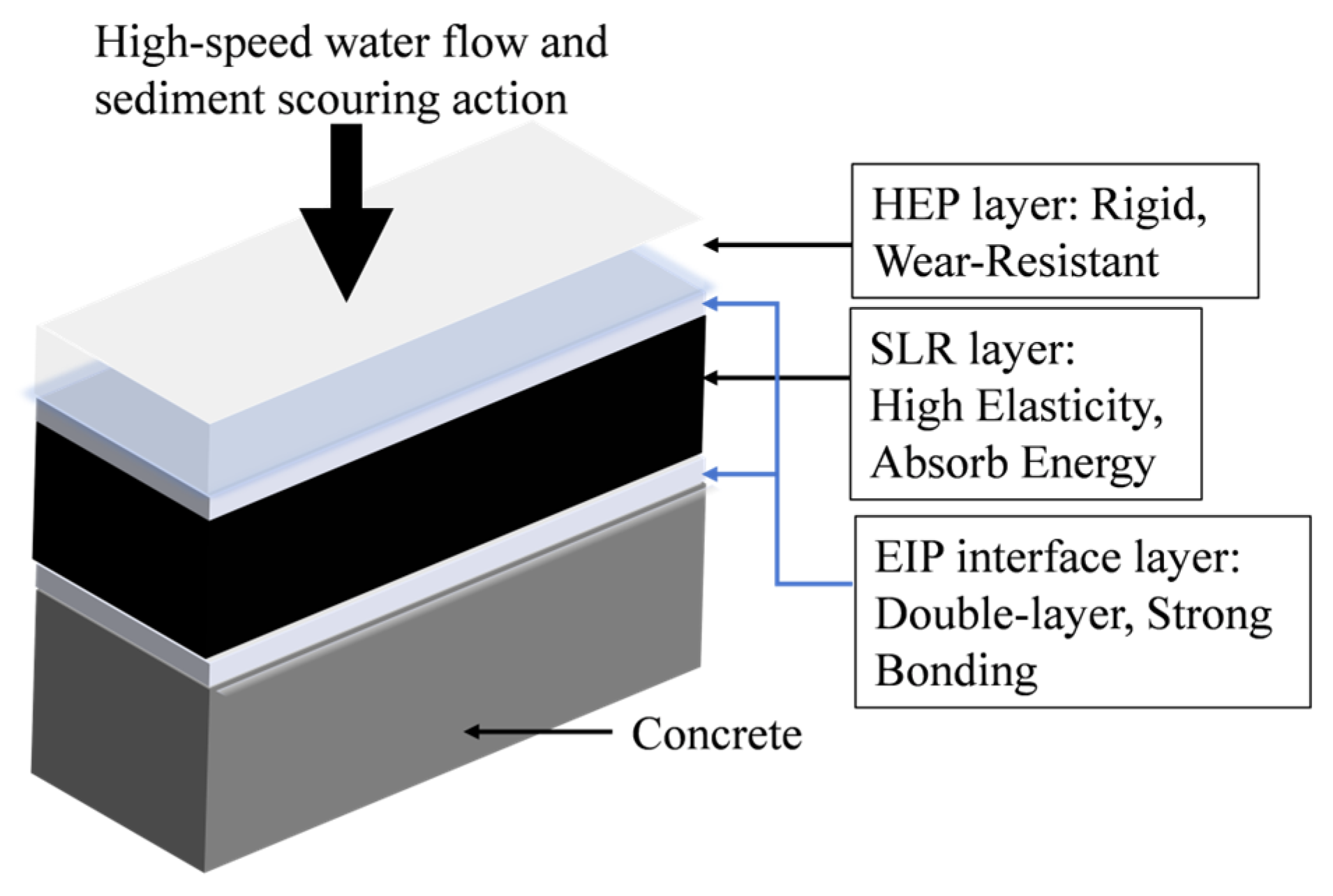
Hydraulic concrete suffers severe damage from high-velocity sand-bearing water flow. Traditional single-layer coating materials struggle to simultaneously satisfy the requirements of strong adhesion, high abrasion resistance, and long-term durability. In this study, a functionally graded multilayer composite coating system, designated HIR (Hybrid Epoxy–Interfacial Primer–Rubber), was developed. The HIR system comprises a hybrid acrylic–epoxy resin (HEP) top layer, a modified epoxy-based interfacial primer (EIP), and a sprayed liquid rubber (SLR) middle layer, realizing synergistic enhancement of interfacial bonding, deformation adaptability, and abrasion resistance. The results showed that the HIR achieved an adhesion strength exceeding 2.0 MPa to concrete. The HEP exhibited an elongation at break exceeding 30%, while the SLR showed an elongation at break higher than 1000%. The anti-abrasion strength of the HIR-coated concrete reached 254.35 h/(kg/m2), which is 15 times that of uncoated concrete. Moreover, the coated concrete maintained a relative dynamic elastic modulus above 95% after 300 freeze–thaw cycles. DMA revealed multiple glass transition temperatures in both SLR (24 °C, 101 °C, 137 °C) and HEP (62 °C), enabling effective energy dissipation over a wide temperature range. Through interlayer property matching and synergistic enhancement, the HIR significantly enhances both abrasion resistance and freeze–thaw durability of hydraulic concrete.
Keywords: hydraulic concrete; abrasion resistance; composite coating; hybrid epoxy; liquid rubber hydraulic concrete; abrasion resistance; composite coating; hybrid epoxy; liquid rubber
Graphical Abstract